
The Criterion Channel Suggestions - Highly-Rated Movies & Shows on The Criterion Channel
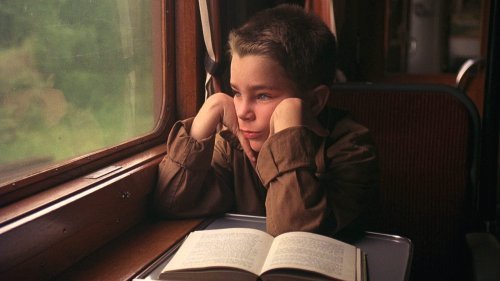
This Swedish surprise hit captivated viewers across the Atlantic because of one thing: the lead’s perspective. Okay, well, the performances are great, the time frame is nostalgic, and it’s grounded by the few incidents that could only happen in a small town. However, at the heart of the story, author and co-screenwriter Reidar Jönsson hones in on Ingemar’s uncertainty and the lack of control over his own fate. Between his mom’s illness, his separation from his older brother, the small space of his uncle’s house, and the fact he can’t even bring his dog, Ingemar is easy to sympathize with, especially as he tries to look towards the brighter side of life. But combined with his future self’s narration, My Life as a Dog cathartically pulls on the painful core memories that could only be made by growing up.
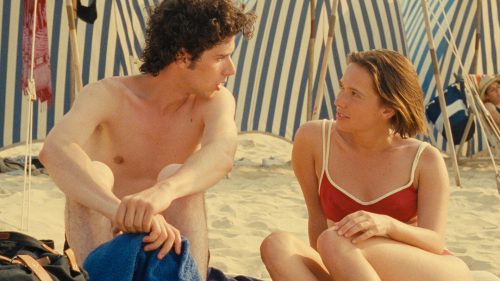
The sunniest installment of Éric Rohmer’s Tales of the Four Seasons series is a sly, slow burn of a character study. Everything looks sensuously beautiful in the honey-toned French sunshine, except for the ugly egotism of Gaspard (Melvil Poupaud), the full extent of which is gradually revealed over the film’s runtime to amusing — if maddening — effect.
A brooding twenty-something, Gaspard has the traumatic task of having to decide between three beautiful and brilliant young women while vacationing alone on the French coast one summer. He dithers and delays his choice, each woman appealing to a different insecurity of his — but, as frustrating and plainly calculating as he is, you can’t help but be charmed by Gaspard. That’s partly because of Poupaud’s natural charisma, but also because Rohmer grants Gaspard as many searingly honest moments as he does deceitful ones. These come through Rohmer’s hallmark naturalistic walking and talking scenes (a big influence on the films of Richard Linklater), coastal rambles that produce conversations of startling, timeless candor. That inimitable blend of breeziness and frankness is never better matched in the director’s films than by the summer setting of this one, the sharp truths going down a lot smoother in the gorgeous sunlight.
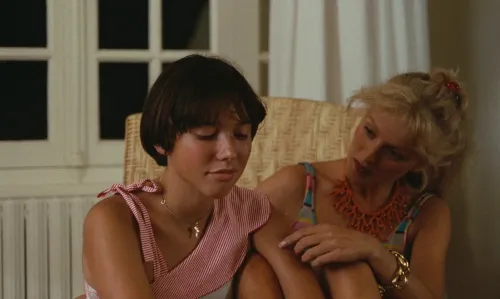
Éric Rohmer movies are what you watch when you want to experience the thrill of someone putting into words something you might never have been able to express yourself. The magic of his characters is that they’re breezily candid, even if that honesty doesn’t protect them from committing the same contradictory foibles we all do. Pauline at the Beach is a dazzling example of that quality; it may even be more honest than usual, because it also tells a truth about its characters that they’re not even aware of themselves.
The most perceptive character is actually the youngest: 15-year-old Pauline (Amanda Langlet), who’s vacationing with her older cousin Marion (Arielle Dombasle). Having never fallen in love herself, Pauline receives a thorough education in the matter by observing the love triangle that Marion becomes entangled in with needy Pierre (Pascal Greggory) and predatory Henri (Féodor Atkine). Though the adults give the film its brilliantly articulate philosophical meditations on love — ranging from the idealistic to the dispassionate — their actions often fall short of their words. Shot through Pauline’s keen eyes, Rohmer’s film wryly reveals the decisive role that delusion and unchecked ego play in so many grown-up lives — ironically making the self-aware and measured teenager the most mature of all.

Without context, Minbo, or the Gentle Art of Japanese Extortion seemed like a goofy satire, especially when the silly trumpet score pops up, and unfortunate hotel employees Suzuki and Wakasugi flounder around trying to solve the hotel’s yakuza problem on their own. And when Nobuko Miyamoto shows up as the brilliant lawyer, it’s so satisfying to see her turn the tables on the yakuza purely through words, strategy, and knowledge of law. It’s hilarious, but Minbo doesn’t just poke fun– it demystifies the gangster as a cool and untouchable figure, portraying them instead as loudmouthed bullies that we can handle. It also shows us how much can be done, only if we, as a group, perhaps as a whole nation, can muster the courage to fight.
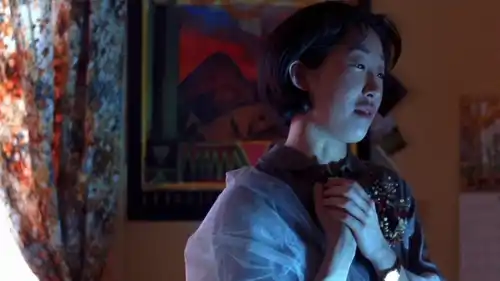
Sandra Oh earned her breakout in this warm, candid Canadian indie, which — not uncoincidentally — shares its name with that of a decorative Chinese symbol associated with marriage. The movie’s title is also a reference to 22-year-old Jade Li’s (Oh) struggle to pursue her own ambitions and meet the clashing romantic and professional expectations her disapproving first-generation immigrant parents have for her. As she puts it, “Double happiness is when you make yourself happy and everyone else happy, too.”
An aspiring actress who dreams of playing Blanche DuBois, Jade is instead asked by unimaginative casting directors to adopt a pronounced Chinese accent for tiny bit parts. In essence, she’s typecast everywhere: on set, and at home, where she struggles to play the good daughter who’ll give up acting for a more conventional job and will only marry a man her parents approve of. It’s a jarring existence, but Double Happiness never feels claustrophobic because it gives Jade the freedom to finally be herself via witty, confessional monologues and fantasy sequences. There’s undoubtedly bittersweetness to this portrait of a young woman fighting to be herself on every front, but that it’s nevertheless such an irresistibly charming, never-flippant watch is a testament to first-time director Mina Shum and Oh’s already mature talents.
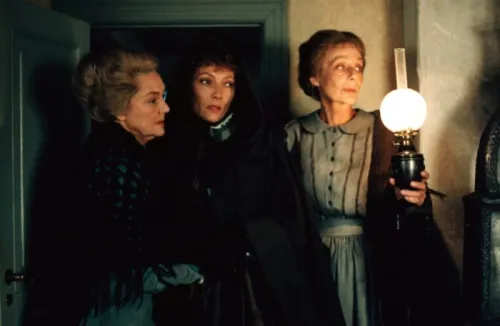
Sisters Martine and Filippa, daughters of a founder of a religious sect, live a simple and quiet life in a remote coastal village in Denmark. Throughout the course of their lives, they reject possible romances and fame as part of their commitment to deny earthly attachments. This is upended by the sudden arrival of a French immigrant named Babette, who served as their house help to escape the civil war raging in her country.
Babette’s Feast is an inquiry into simplicity and kindness, and whether these would be sufficient to achieve a life of contentment. The religious undertones perfectly fit with the film’s parable-like structure, where bodily and spiritual appetites are satisfied through a sumptuous feast of love, forgiveness, and gratitude.
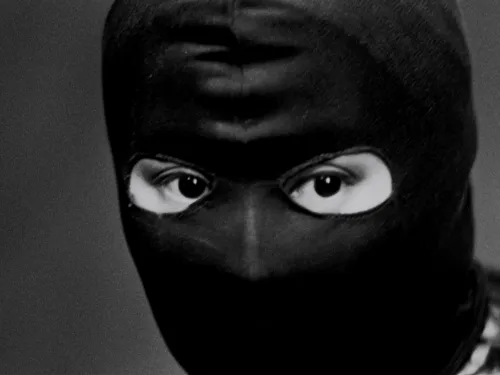
In this film-within-a-film, we and a fictional version of actress Maggie Cheung are brought through the disorienting experience of French filmmaking. The film’s washed-up director wants to remake the classic silent film Les Vampires to revive his career. But as with all plans, everything inevitably goes wrong. On top of depicting the regular chaos of a movie set, this film presents the anxieties of the modern-day French film industry—about how it may be past its prime, and how it can still compete on a global level. And through the steady, inscrutable face of Maggie Cheung, we remember the creative collaborations we’ve had ourselves—the energetic passion, the behind-the-scenes power dynamics, and the pure chaos of the process.
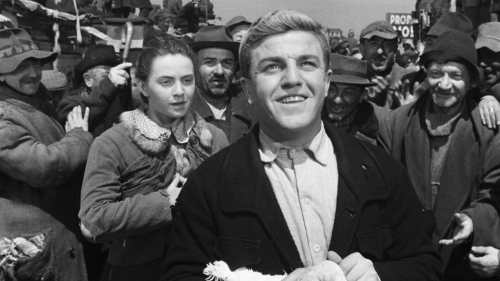
Best known for Italian neorealist classic Bicycle Thieves, Vittorio De Sica followed it up with a surprisingly hopeful fantasy comedy in Miracle in Milan. It’s very charming. It’s much more cheerful than his previous work, with fairytale-like happening and wishes coming true by angels. It’s also pretty funny to see the landlords and police fall flat in the face of magic. But underneath the town’s endearing optimism is a sadness that understands the magic’s improbability, a melancholy that playfully laughs at life’s sorrows with compassion reminiscent of Charlie Chaplin. Miracle in Milan might be happier than Bicycle Thieves, sure, but it’s no less powerful in depicting the common man.
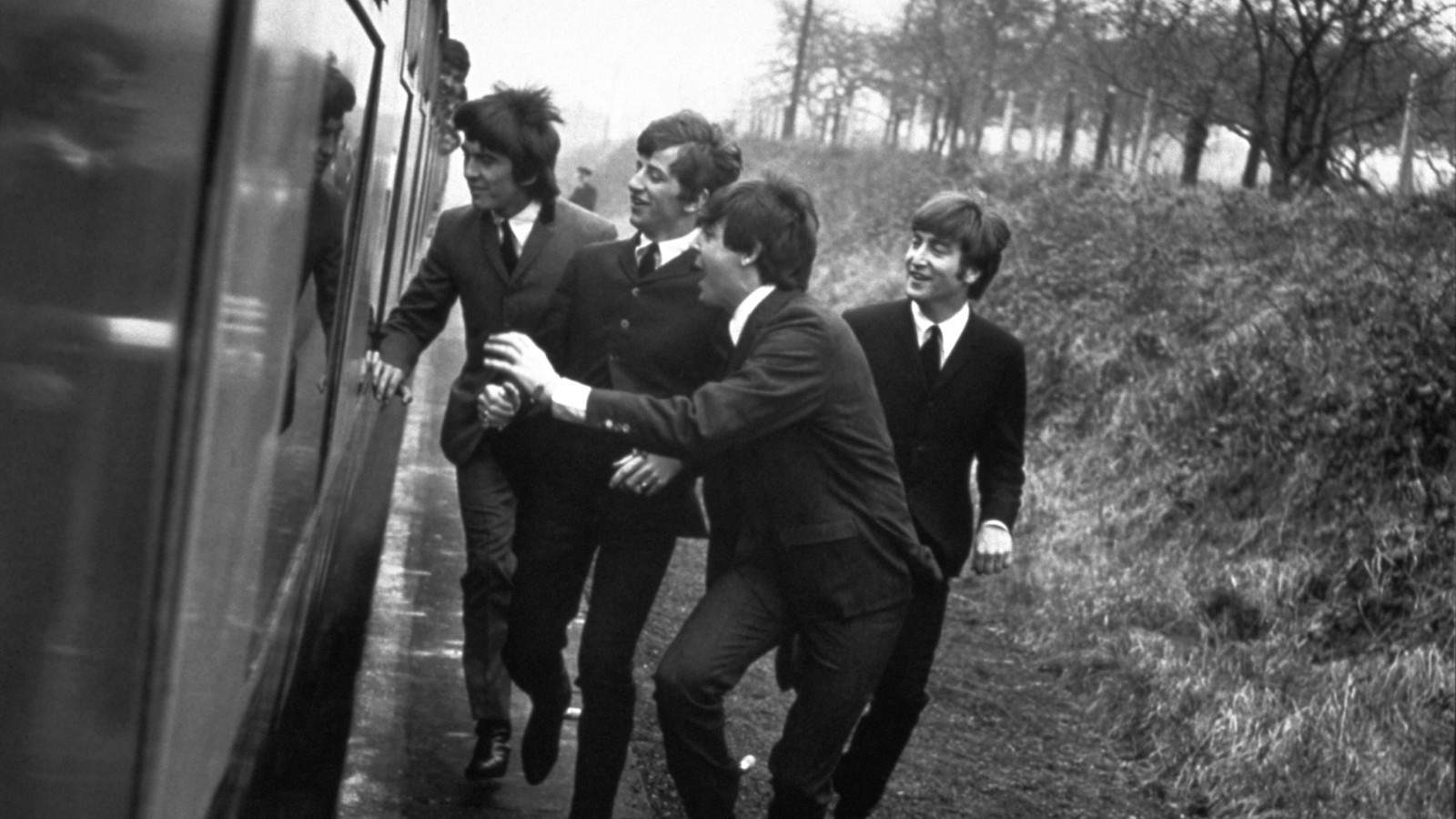
Given the incalculable, foundational impact the Beatles had on music as a whole, A Hard Day’s Night would already be an interesting watch as the group’s first feature film. As such, there’s no need to convince fans of the group, or even general fans of music, to watch this. But far from relying on their star power or even on the music, A Hard Day’s Night actually works as a film on its own merits. It’s an absurd take on a fictional day in the Beatles’ life, immediately throwing the audience in the frenzy of screaming crowds that were fairly unprecedented for its time, but also into other strange people that fame cages them in with, such as the interviewers, the police, and other higher-ups that can’t seem to make sense of the group, their accents, and their youthful lack of concern over societal propriety. When paired with the realist black and white camera work, and the weirdly added tracks from the album of the same name, A Hard Day’s Night portrayed a completely new combination of music and movie, shifting the traditional movie musical as well as the very concept of a music video.
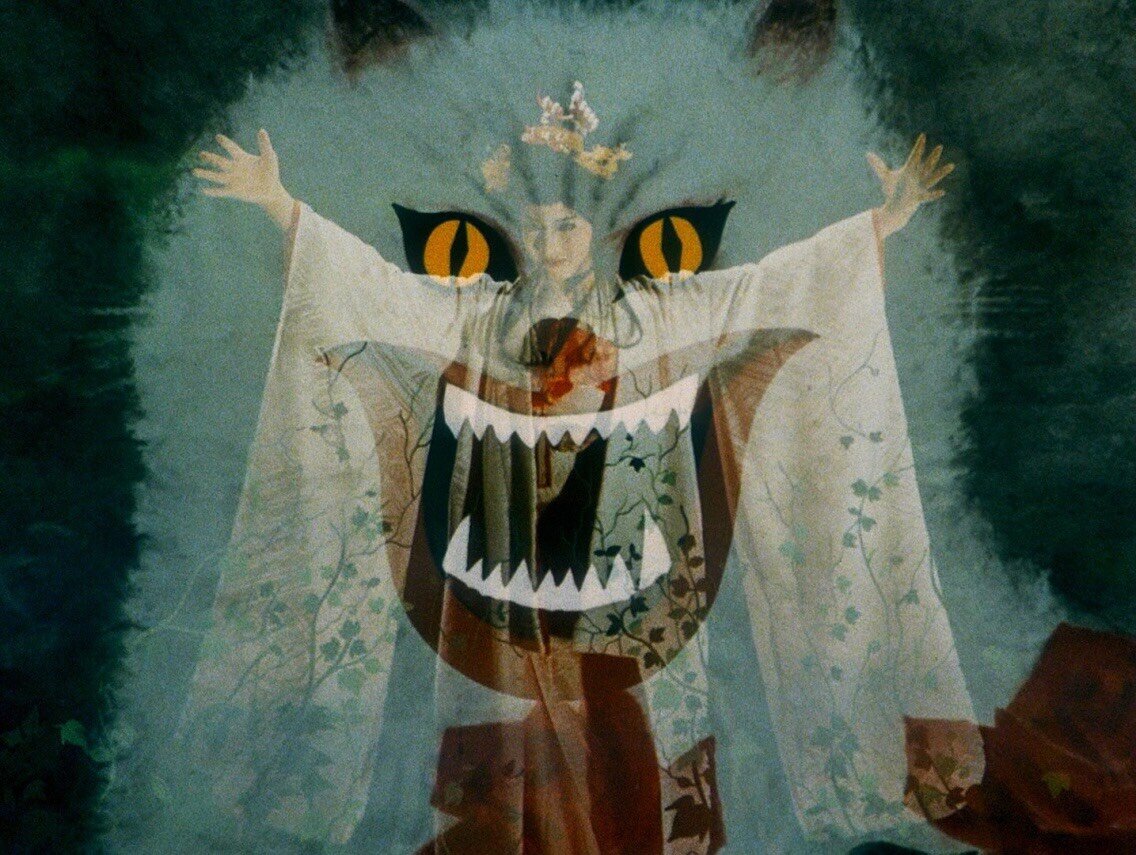
Visiting a relative can feel strange, because especially when the loved one you share is gone, the visit will inevitably bring up feelings of grief, nostalgia, and being stuck because of it. But no visit would be as strange as the 1977 cult horror classic House. It’s a classic not because it’s particularly scary– in fact, most of the time, the film is much more bizarre than terrifying– but because this grief manifests in the eccentric estate through unusually unrealistic, but undeniably stylish psychedelic visions that stem from the kind of nightmares one would get as a kid as well as the real-life devastation Nobuhiko Obayashi faced as a Hiroshima survivor. It’s because of these absurd images that House escapes explanation, yet still became Obayashi’s definitive work. Hausu is simply a film that you have to visit for yourself.

Krzysztof Kieślowski’s trilogy reflects both the colors and the values of the French republic: liberté, égalité, fraternité. In Trois couleurs : Blanc (Three Colors: White), Kieślowski explores not only the theme of equality, but also the ramifications of defining and “achieving” equality as a European ideal.
After failing to consummate their marriage, Dominique (the ever-bewitching Julie Delpy) divorces Karol (Zbigniew Zamachowski), leaving him broke and humiliated. Karol plots to exact revenge on his ex-wife, becoming richer and cruller in the process.
Although this is often regarded as the weakest of the trilogy, White is worth a watch not just for completionists. Kieślowski interrogates what it means to be equal in sex and socioeconomic class—and if when we strive to move upward in society, whether we are really debasing our basic humanity and humility.
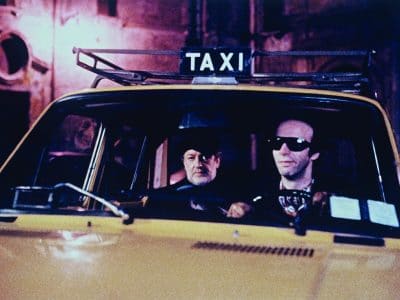
An absolute delight of a gem starring a young Winona Ryder as well as an amazing cast. Arguably Jim Jarmusch’s best film, it tells the story of 5 different places at night from the perspective of cab drivers and their passengers: Los Angeles, New York, Paris, Rome, and Helsinki. It’s really hard to pick a favorite among the stories, from a messy tomboy having to deal with a busy businesswoman, to a blind woman in Paris making a frustrated driver from Ivory Coast go insane. But look out for Helmut and Yo-Yo, from the New York story. I’ve rarely seen anything in film as fun as their story.
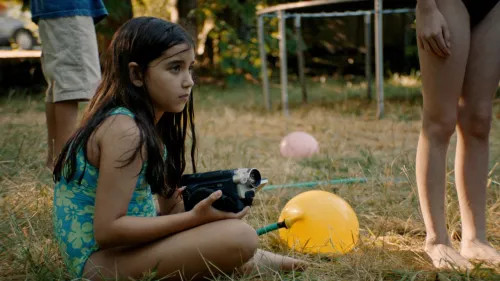
At least a couple of times a year, a filmmaker somewhere in the world will point a child’s camcorder at their own past and dare you not to think of Aftersun. Sophy Romvari’s Blue Heron earns the comparison more than most. It’s the late 1990s, and eight-year-old Sasha is watching her Hungarian family try to put down roots on Vancouver Island, taping the whole uneasy summer on a VHS camcorder that ends up being the film’s real narrator. The nostalgia is the best thing here. The swimsuits, the trampoline, the specific ache of being the immigrant kid who just wants to fit in, all of it lands.
The trouble is intent. Romvari can’t always decide whether she’s making an atmospheric mood piece or a coming-of-age story about a family quietly buckling under the oldest son’s behavior, and she doesn’t fully pull off either. When the film lets the summer breathe, it’s lovely. When it reaches for a plot, it loses the thread. As a debut, though, it announces a filmmaker worth watching.
This Swedish surprise hit captivated viewers across the Atlantic because of one thing: the lead’s perspective. Okay, well, the performances are great, the time frame is nostalgic, and it’s grounded by the few incidents that could only happen in a small town. However, at the heart of the story, author and co-screenwriter Reidar Jönsson hones in on Ingemar’s uncertainty and the lack of control over his own fate. Between his mom’s illness, his separation from his older brother, the small space of his uncle’s house, and the fact he can’t even bring his dog, Ingemar is easy to sympathize with, especially as he tries to look towards the brighter side of life. But combined with his future self’s narration, My Life as a Dog cathartically pulls on the painful core memories that could only be made by growing up.
Without context, Minbo, or the Gentle Art of Japanese Extortion seemed like a goofy satire, especially when the silly trumpet score pops up, and unfortunate hotel employees Suzuki and Wakasugi flounder around trying to solve the hotel’s yakuza problem on their own. And when Nobuko Miyamoto shows up as the brilliant lawyer, it’s so satisfying to see her turn the tables on the yakuza purely through words, strategy, and knowledge of law. It’s hilarious, but Minbo doesn’t just poke fun– it demystifies the gangster as a cool and untouchable figure, portraying them instead as loudmouthed bullies that we can handle. It also shows us how much can be done, only if we, as a group, perhaps as a whole nation, can muster the courage to fight.
Sandra Oh earned her breakout in this warm, candid Canadian indie, which — not uncoincidentally — shares its name with that of a decorative Chinese symbol associated with marriage. The movie’s title is also a reference to 22-year-old Jade Li’s (Oh) struggle to pursue her own ambitions and meet the clashing romantic and professional expectations her disapproving first-generation immigrant parents have for her. As she puts it, “Double happiness is when you make yourself happy and everyone else happy, too.”
An aspiring actress who dreams of playing Blanche DuBois, Jade is instead asked by unimaginative casting directors to adopt a pronounced Chinese accent for tiny bit parts. In essence, she’s typecast everywhere: on set, and at home, where she struggles to play the good daughter who’ll give up acting for a more conventional job and will only marry a man her parents approve of. It’s a jarring existence, but Double Happiness never feels claustrophobic because it gives Jade the freedom to finally be herself via witty, confessional monologues and fantasy sequences. There’s undoubtedly bittersweetness to this portrait of a young woman fighting to be herself on every front, but that it’s nevertheless such an irresistibly charming, never-flippant watch is a testament to first-time director Mina Shum and Oh’s already mature talents.

Remarkably for a movie about women being shunned and exploited by those more powerful than them, I Am Not A Witch is often wryly funny. That’s because this satire about Zambia’s labor camps for “witches” is told with a matter-of-fact-ness that brings out both the heartbreak and absurdity of the film’s events. The bitter gravity of the predicament nine-year-old Shula (Maggie Mulubwa) finds herself in — she’s been accused of witchcraft on the back of some very flimsy evidence — is never glossed over, but neither is its farcicality. Appropriately for its subject, there are also touches of magical realism here, notes that elevate the film into something even more complex than a wry commentary on this morbidly fascinating form of misogyny. This hybrid tonal approach is executed with the kind of fluidity filmmakers might hope to one day master late on in their career — which makes the fact that this is director Rungano Nyoni’s debut all the more extraordinary.
Best known for Italian neorealist classic Bicycle Thieves, Vittorio De Sica followed it up with a surprisingly hopeful fantasy comedy in Miracle in Milan. It’s very charming. It’s much more cheerful than his previous work, with fairytale-like happening and wishes coming true by angels. It’s also pretty funny to see the landlords and police fall flat in the face of magic. But underneath the town’s endearing optimism is a sadness that understands the magic’s improbability, a melancholy that playfully laughs at life’s sorrows with compassion reminiscent of Charlie Chaplin. Miracle in Milan might be happier than Bicycle Thieves, sure, but it’s no less powerful in depicting the common man.
Given the incalculable, foundational impact the Beatles had on music as a whole, A Hard Day’s Night would already be an interesting watch as the group’s first feature film. As such, there’s no need to convince fans of the group, or even general fans of music, to watch this. But far from relying on their star power or even on the music, A Hard Day’s Night actually works as a film on its own merits. It’s an absurd take on a fictional day in the Beatles’ life, immediately throwing the audience in the frenzy of screaming crowds that were fairly unprecedented for its time, but also into other strange people that fame cages them in with, such as the interviewers, the police, and other higher-ups that can’t seem to make sense of the group, their accents, and their youthful lack of concern over societal propriety. When paired with the realist black and white camera work, and the weirdly added tracks from the album of the same name, A Hard Day’s Night portrayed a completely new combination of music and movie, shifting the traditional movie musical as well as the very concept of a music video.
An absolute delight of a gem starring a young Winona Ryder as well as an amazing cast. Arguably Jim Jarmusch’s best film, it tells the story of 5 different places at night from the perspective of cab drivers and their passengers: Los Angeles, New York, Paris, Rome, and Helsinki. It’s really hard to pick a favorite among the stories, from a messy tomboy having to deal with a busy businesswoman, to a blind woman in Paris making a frustrated driver from Ivory Coast go insane. But look out for Helmut and Yo-Yo, from the New York story. I’ve rarely seen anything in film as fun as their story.
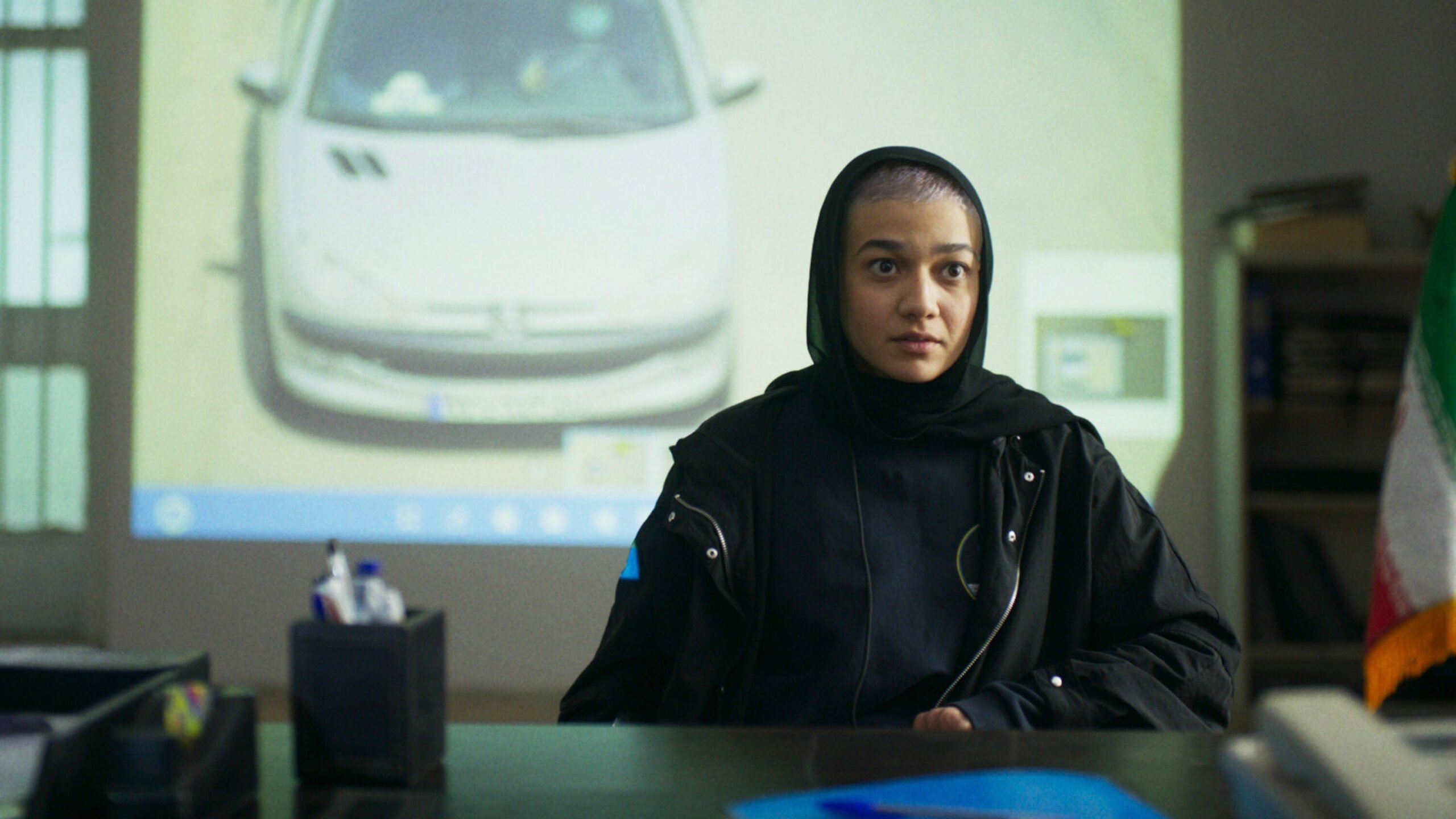
Since we live in a society, interacting with authority is inescapable. Terrestrial Verses depict fairly mundane day-to-day interactions– getting a birth certificate, settling a traffic violation, or attending a job interview– but through nine vignettes framed with a static camera, aimed at a person trying to negotiate with someone more powerful just outside the frame, these mundane interactions become satirically absurd. For those unfamiliar with the ideology behind the regime, these interactions are just so annoying. But for those in the know, the doublespeak in the dialogue reflects how finicky and arbitrary the rules set by the authoritarian regime are, and celebrates the wit and ingenuity of the ordinary people that have to navigate them. Terrestrial Verses seems utterly mundane at first, but it proves to be smart, incisive, and deeply insightful.

After an initially disappointing breakthrough attempt to Hollywood, Jackie Chan pivoted back to Hong Kong, unexpectedly creating an iconic film franchise and maybe perhaps one of the best martial arts movies ever made. Police Story seems to be a simple story at first, but it was through this film that Chan’s spectacular stunts evolved for a more modern setting, incorporating slapstick and action choreography into a definable style, while also questioning the ways Hong Kong police conducted themselves at the time. Police Story is Jackie Chan at his best, pushing an entirely new standard for action films all over the world.
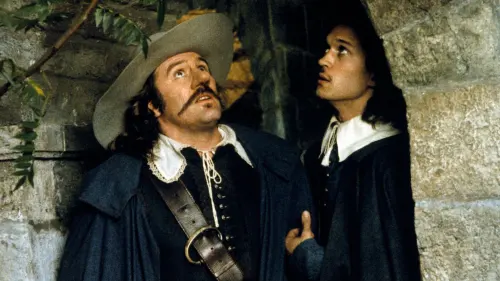
Each time a classic gets adapted, there’s always the question as to why it should be told again. After all, we’ve already heard it before. The huge-nosed Cyrano loves Roxane, but he gets to express his love through the face and signature of the handsome Christian, who’s happy to use Cyrano’s wit in turn. In today’s world, that’s historical catfishing. However, there’s something compelling about the way this 90’s French adaptation embraces its story. Perhaps it’s the lead performance from Gérard Depardieu, or perhaps it’s the expensive production, but much like its protagonist, the film is unapologetic about what it wants but prioritizes what is necessary. Cyrano de Bergerac gets us swept up in the same feeling, just with a different sort of panache.

Sometimes, in life, we’re forced to be with people we don’t immediately get along with, like in the classroom, the workplace, or, if you’re unlucky, in a jail cell. Down by Law is black-and-white drama focused on three men in a jail cell, two of them outright hating each other, but not as much as they hate their third fellow foreign inmate for being so smiley all the time. It’s a funny adventure, made more funny as they snipe at each other, but even if the two Americans supposedly hate each other, it’s still a charming friendship that we can’t help but root for, one made simple and straightforwardly by director Jim Jarmusch.
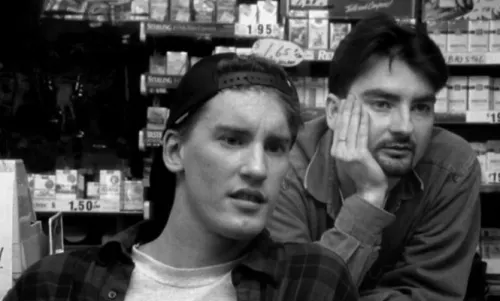
What is a good low-budget film? A film stripped to the intelligence of its makers and the talents of its actors. Clerks is that and more. Filmed in black-and-white and at the convenience store where its director Kevin Smith worked in real life, it’s a hilarious slice-of-life story about two slackers working in minimum wage jobs and their customers added to the news of an ex-girlfriend passing away. It would be a must-watch because of how unique it is, and how it pulls of everything it reaches for, but it’s also hilarious, and a very touching effort.
Remarkably for a movie about women being shunned and exploited by those more powerful than them, I Am Not A Witch is often wryly funny. That’s because this satire about Zambia’s labor camps for “witches” is told with a matter-of-fact-ness that brings out both the heartbreak and absurdity of the film’s events. The bitter gravity of the predicament nine-year-old Shula (Maggie Mulubwa) finds herself in — she’s been accused of witchcraft on the back of some very flimsy evidence — is never glossed over, but neither is its farcicality. Appropriately for its subject, there are also touches of magical realism here, notes that elevate the film into something even more complex than a wry commentary on this morbidly fascinating form of misogyny. This hybrid tonal approach is executed with the kind of fluidity filmmakers might hope to one day master late on in their career — which makes the fact that this is director Rungano Nyoni’s debut all the more extraordinary.
Visiting a relative can feel strange, because especially when the loved one you share is gone, the visit will inevitably bring up feelings of grief, nostalgia, and being stuck because of it. But no visit would be as strange as the 1977 cult horror classic House. It’s a classic not because it’s particularly scary– in fact, most of the time, the film is much more bizarre than terrifying– but because this grief manifests in the eccentric estate through unusually unrealistic, but undeniably stylish psychedelic visions that stem from the kind of nightmares one would get as a kid as well as the real-life devastation Nobuhiko Obayashi faced as a Hiroshima survivor. It’s because of these absurd images that House escapes explanation, yet still became Obayashi’s definitive work. Hausu is simply a film that you have to visit for yourself.
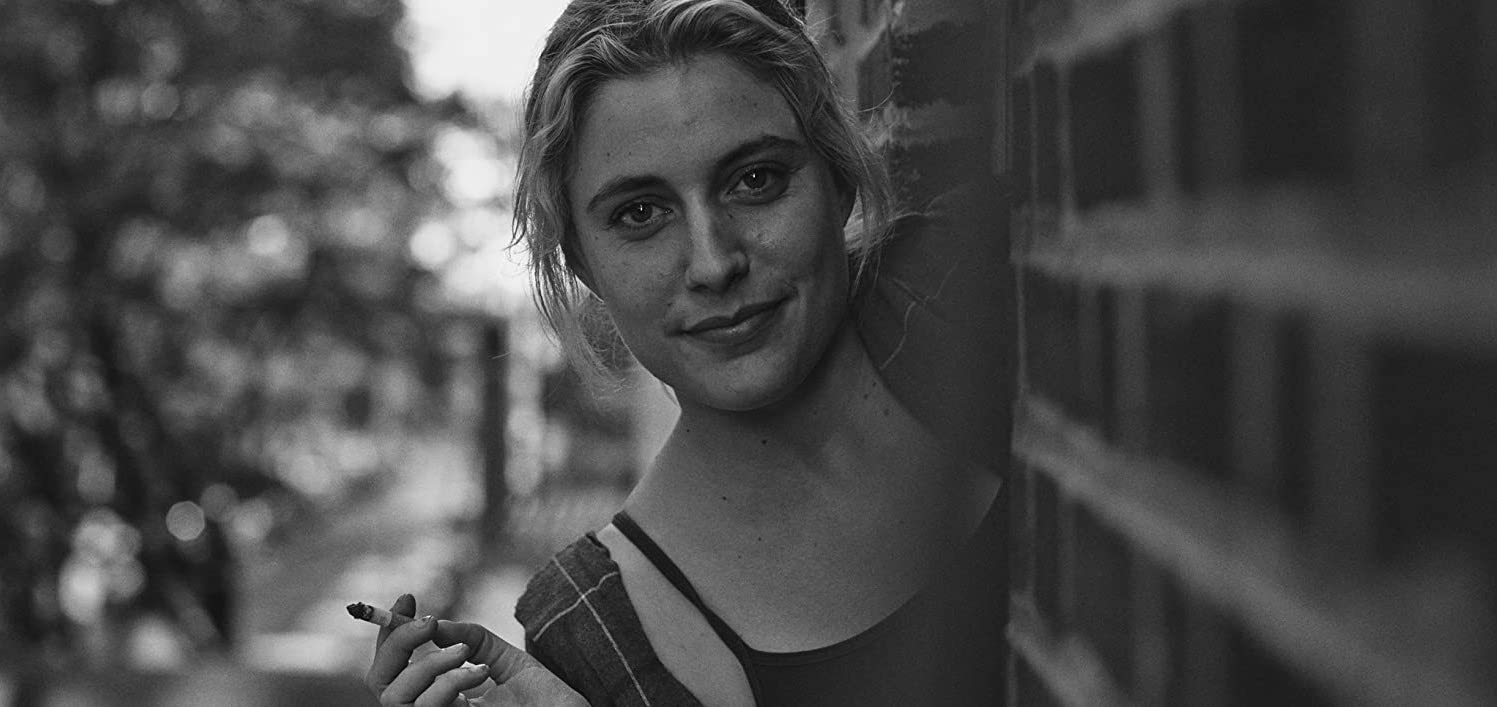
Frances (Greta Gerwig) lives in New York – but not the glamorous NYC of Woody Allen movies. Taking place primarily in the gritty and rapidly gentrifying North Brooklyn, the black and white film paints a picture of an extended adolescence. Focusing on the goofy and carefree Frances, who loses her boyfriend, her best friend and her dream of being a dancer. She moves in with two guys, both of whom are more successful than her, and becomes even more determined to fulfil her goals, impractical as they may be. Fans of HBO’s Girls and other odes to not being a “real person” yet will love this film.
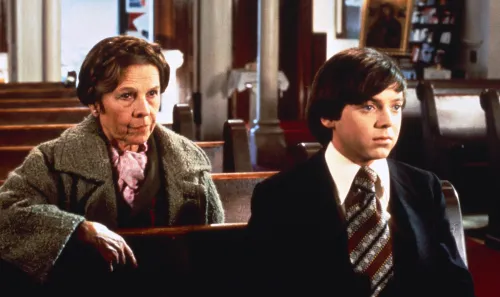
Harold and Maude may ostensibly be about death—so much so, that by Harold’s 10th fake suicide attempt, you’ll be rolling your eyes—but it’s also a sweet tale that celebrates life’s small joys and everyday people. The film’s two sides are personified by the titular characters. Harold seems tired of life, while Maude is all about it. And yet, Harold comes from privilege, while Maude hides a dark past. They learn about and from each other, but ultimately it’s the kindness they show one another, in a society that treats them as outsiders, that gives the film its heart. It sounds simple on paper, but Harold and Maude is packed with the kind of style, sound, and deadpan wit that dominates modern independent cinema (see: The Submarine, or Rushmore). It didn’t make waves back in 1971 when it premiered, but decades later, it remains a cult favorite for these reasons.
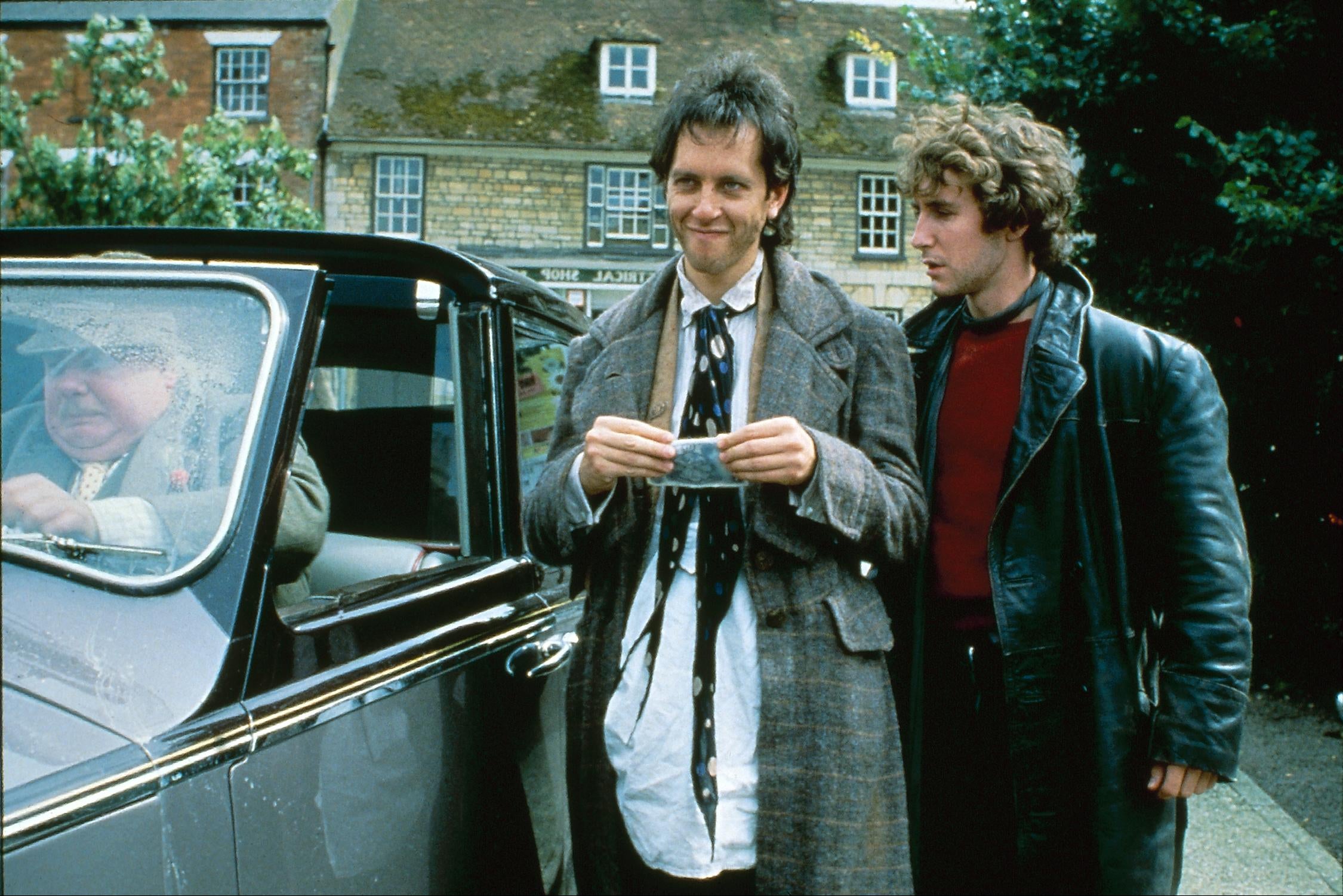
There are a few instances that prove the merit of one’s friendship, and one of those instances is a roadtrip. Withnail and I is considered one of the greatest British comedies of all time, but there’s a certain melancholy to it, as two unemployed actors have gone on holiday due to an offer from one of their uncles, though this offer doesn’t come without strings, which the titular “I”, Marwood, whose name is never mentioned, has only found out on the trip. As the holiday goes wrong, with the two making the worst of every new situation, the two share somewhat of a dysfunctional, slightly homoerotic relationship, as Withnail deals with everything in the most drunken, unserious manner, and Marwood anxiously realizes how much he’s outgrown their friendship. The film’s humor may be a tad too dry for those outside the country, but cult favorite Withnail and I still resonates with its endlessly quotable lines, memorable scenes, and its bitter understanding of how life can diverge.
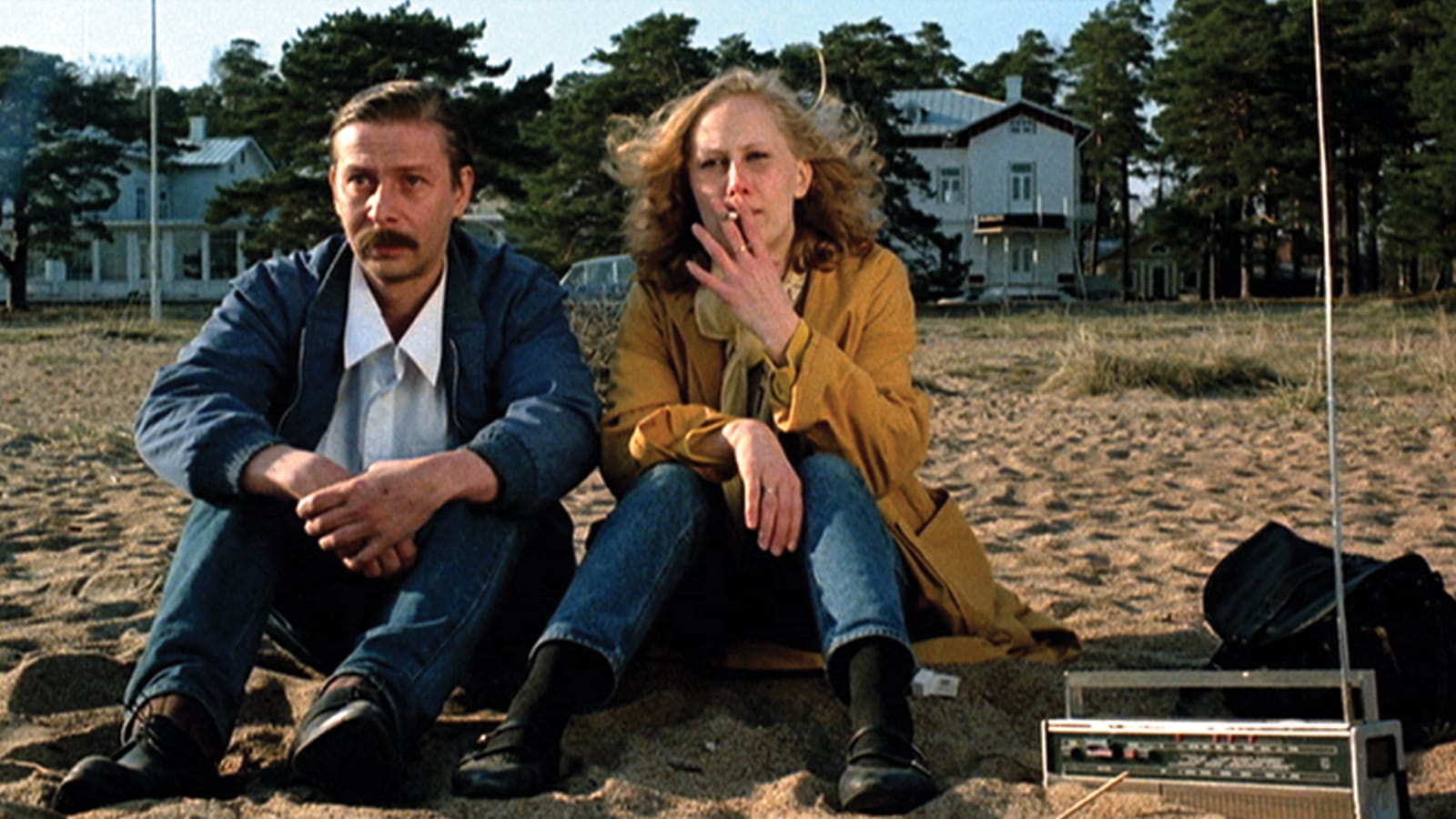
Grand gestures, over-the-top declarations of love, and elaborate gifts… These normal romcom acts can sometimes make it seem that romance can only be done by the wealthy. But, in reality, love can happen anytime, and the first film of Aki Kaurismäki’s Proletariat Trilogy suggests that love is ultimately necessary in a world where two lovers are disenfranchised. As Nikander tries to woo a slightly disinterested Ilona, and as Ilona decides to depend on him for support, Shadows in Paradise might not have the usual frills of a romcom, but Kaurismäki finds the bare essentials in a depressing Finnish town, and captures the small ways it blooms in spite of it, through the lovers’ humorous blunt dialogue and the color their love adds to their world.

While love and longing can transform people into their best selves, it has famously transformed couples into their worst selves too, and this change captivates our imaginations of how the relationship was formed. Deep Crimson revisits the Lonely Hearts Killers, dramatizing their exploits with a darkly comic flair. As Mexican auteur Arturo Ripstein brings their tale to Mexico, he and his screenwriter wife Paz Alicia Garciadiego dive deep into these undeniably evil characters, spotting the ways their jagged edges fit and make them whole, which creates a twisted bond that isn’t easily torn apart. Profundo Carmesí is an unforgettable take on an unforgettable crime duo.
Admittedly, the English dub of Riki-Oh: The Story of Ricky can sound quite goofy. The American-accented voices don’t quite match the Asian characters, and because the characters are easily provoked into violence, they all talk in an exaggerated way. As such, the film is absurdly funny. It’s unclear whether or not that was intended. The action sequences are equally intense, choreographed and staged in order to maximize ridiculous spurts of blood, so it’s possible that the campy approach was on purpose. However, underneath this over-the-top, violent veneer, is a surprising premise that tackles the worries towards a privatized prison system albeit through some of the most wacky stunts ever put on film. Riki-Oh: The Story of Ricky won’t be the prison film for everyone, but there’s no denying its ludicrous appeal.
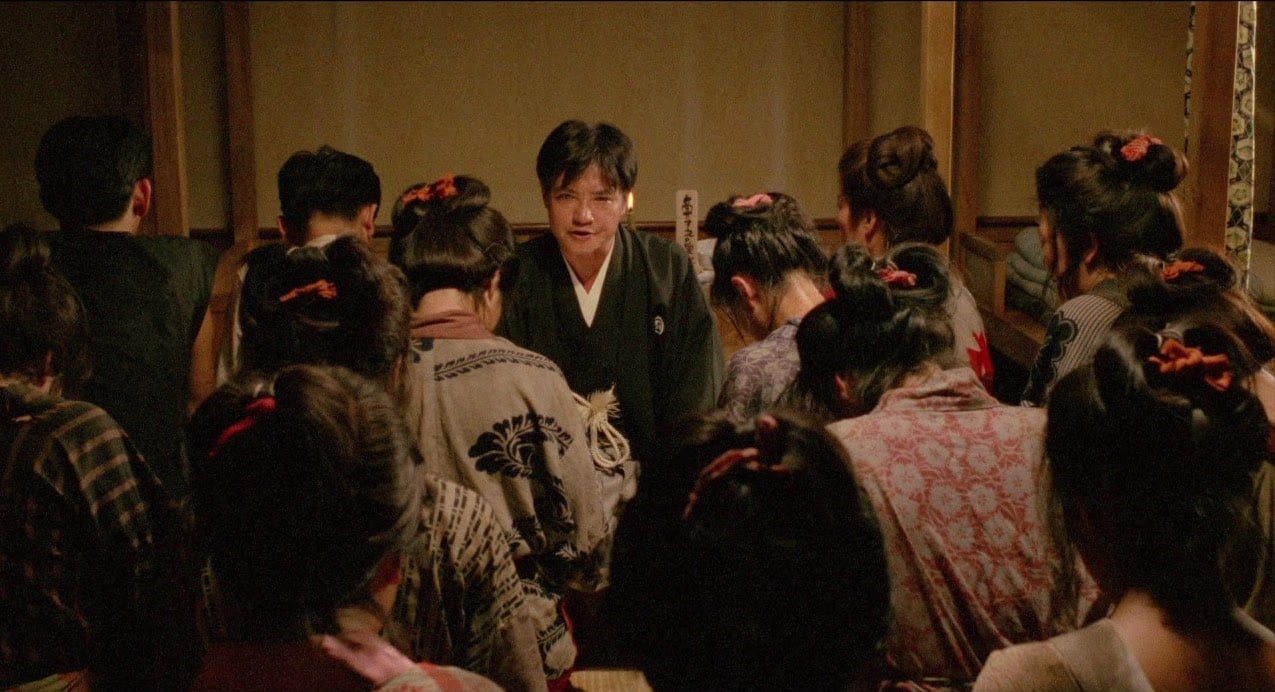
While marked as a comedy, Zegen isn’t the kind of film that would make you laugh freely– it is, after all, a film that mocks the real-life sex trafficking of impoverished Japanese women during both world wars. This makes it a challenging film to watch, especially to viewers outside the country. But to Shohei Imamura’s credit, the butt of the joke isn’t on the women being sold, but rather, on the titular pimp Iheiji Muraoka, the delusions and lies he told himself and others, and the twisted nationalism he uses to exploit his ladies. Zegen is based on Muraoka’s supposedly true autobiography, but Imamura uses the text to mirror the follies (and consequences) of imperialism.

This fun drama is about a 90-year-old who’s still searching for answers to life’s existential questions. Lucky smokes, drinks, and is pretty angry (a not-so-chill atheist); but he’s still around.
Harry Dean Stanton, in what feels like an extension to his character Lucky, passed away a year after the film premiered in 2017. This was the last role of the legendary Alien and The Godfather actor.
The sunniest installment of Éric Rohmer’s Tales of the Four Seasons series is a sly, slow burn of a character study. Everything looks sensuously beautiful in the honey-toned French sunshine, except for the ugly egotism of Gaspard (Melvil Poupaud), the full extent of which is gradually revealed over the film’s runtime to amusing — if maddening — effect.
A brooding twenty-something, Gaspard has the traumatic task of having to decide between three beautiful and brilliant young women while vacationing alone on the French coast one summer. He dithers and delays his choice, each woman appealing to a different insecurity of his — but, as frustrating and plainly calculating as he is, you can’t help but be charmed by Gaspard. That’s partly because of Poupaud’s natural charisma, but also because Rohmer grants Gaspard as many searingly honest moments as he does deceitful ones. These come through Rohmer’s hallmark naturalistic walking and talking scenes (a big influence on the films of Richard Linklater), coastal rambles that produce conversations of startling, timeless candor. That inimitable blend of breeziness and frankness is never better matched in the director’s films than by the summer setting of this one, the sharp truths going down a lot smoother in the gorgeous sunlight.
Éric Rohmer movies are what you watch when you want to experience the thrill of someone putting into words something you might never have been able to express yourself. The magic of his characters is that they’re breezily candid, even if that honesty doesn’t protect them from committing the same contradictory foibles we all do. Pauline at the Beach is a dazzling example of that quality; it may even be more honest than usual, because it also tells a truth about its characters that they’re not even aware of themselves.
The most perceptive character is actually the youngest: 15-year-old Pauline (Amanda Langlet), who’s vacationing with her older cousin Marion (Arielle Dombasle). Having never fallen in love herself, Pauline receives a thorough education in the matter by observing the love triangle that Marion becomes entangled in with needy Pierre (Pascal Greggory) and predatory Henri (Féodor Atkine). Though the adults give the film its brilliantly articulate philosophical meditations on love — ranging from the idealistic to the dispassionate — their actions often fall short of their words. Shot through Pauline’s keen eyes, Rohmer’s film wryly reveals the decisive role that delusion and unchecked ego play in so many grown-up lives — ironically making the self-aware and measured teenager the most mature of all.
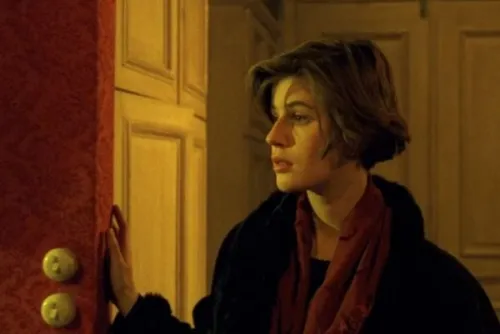
Krzysztof Kieślowski’s drama stars Irène Jacob as two identical women living separate lives, and the intricate and indelible ways in which they are bound together. While Weronika, a Polish singer, balances her familial duties and intimate romantic relationship, a French music teacher named Véronique senses that she is not alone.
The Double Life of Véronique’s hypnotic and entrancing qualities will wash over you like a tide crashing over a bed of sand. It is a tough film to capture in words, when so much of it is just beyond words—Kieślowski’s film is one to be seen, sensed, and experienced.
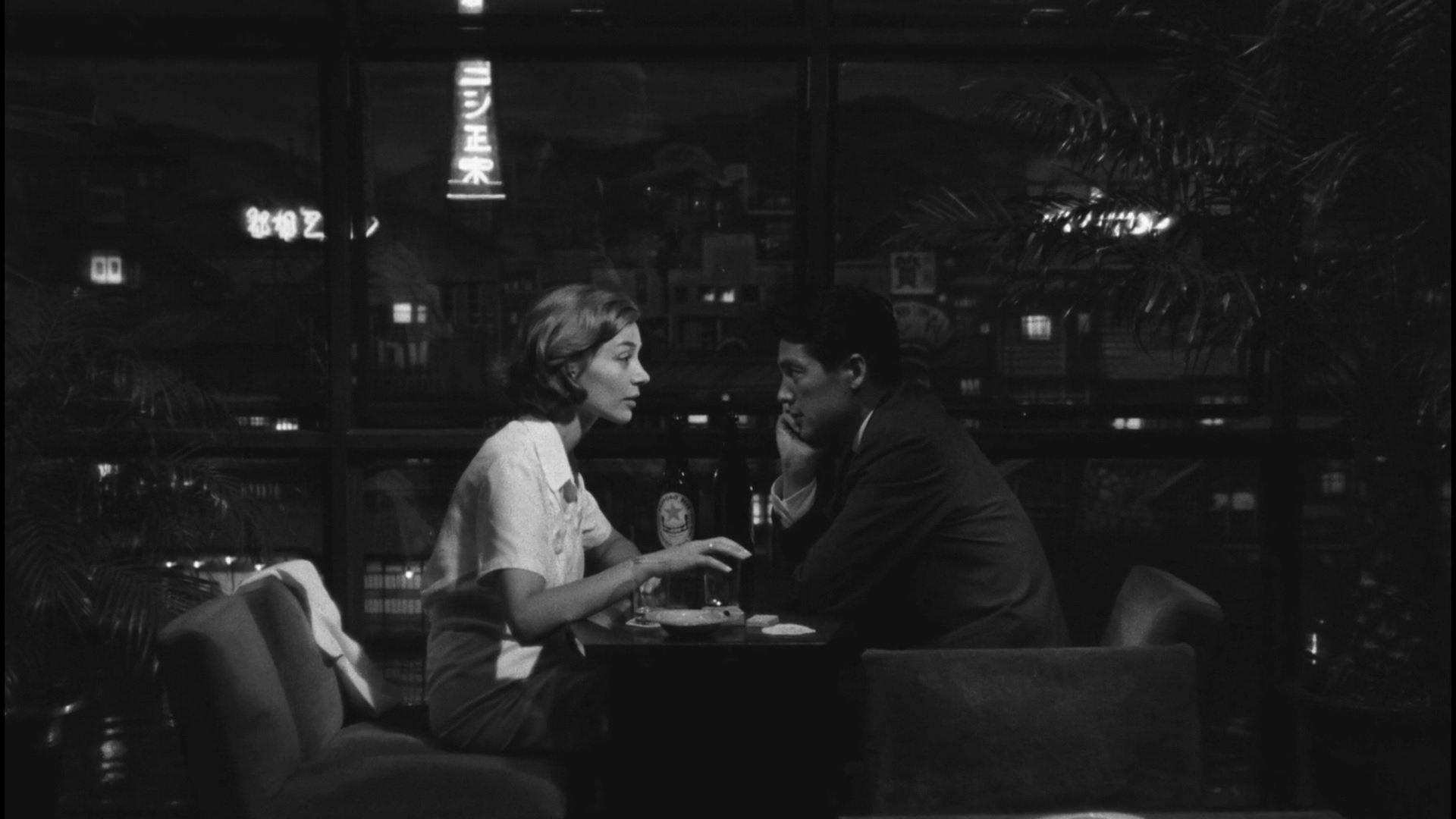
While initially commissioned to be an atomic bomb documentary, Hiroshima Mon Amour became something entirely different. For starters, it’s not a documentary, with director Alain Resnais recruiting author Marguerite Duras to write the screenplay, but it was pretty unusual for a narrative film at the time. It’s a love story, yes, but with such a poetic introduction of the two lovers going back and forth about what they know and don’t know about the bomb, pairing their discussion with archival footage and captivating scoring, Resnais created a new, non-linear cryptic style to capture how memory, grief, and loss irrevocably shaped a generation. Hiroshima Mon Amour was an unexpected shift, eventually becoming one of the most influential films of the French New Wave movement.
Rosetta begins fiercely, with a shaky handheld camera chasing the eponymous teenager (Émilie Dequenne) as she storms across a factory floor and bursts into a room to confront the person she believes has just lost her her job. The film seldom relents from this tone of desperate fury, as we watch Rosetta — whose mother is a barely functioning alcoholic — fight to find the job that she needs to keep the two alive.
As tough as their situation is, though, Rosetta’s fierce sense of dignity refuses to allow her to accept any charity. A stranger to kindness and vulnerability, her abject desperation leads her to mistake these qualities for opportunities to exploit, leading her to make a gutting decision. But for all her apparent unlikeability, the movie (an early film from empathy endurance testers the Dardenne brothers) slots in slivers of startling vulnerability amongst the grimness so that we never lose sight of Rosetta’s ultimate blamelessness. Its profound emotional effect is corroborated by two things: that it won the Palme d’Or at Cannes, and that it helped usher in a law protecting the rights of teenage employees in its setting of Belgium.
Sisters Martine and Filippa, daughters of a founder of a religious sect, live a simple and quiet life in a remote coastal village in Denmark. Throughout the course of their lives, they reject possible romances and fame as part of their commitment to deny earthly attachments. This is upended by the sudden arrival of a French immigrant named Babette, who served as their house help to escape the civil war raging in her country.
Babette’s Feast is an inquiry into simplicity and kindness, and whether these would be sufficient to achieve a life of contentment. The religious undertones perfectly fit with the film’s parable-like structure, where bodily and spiritual appetites are satisfied through a sumptuous feast of love, forgiveness, and gratitude.
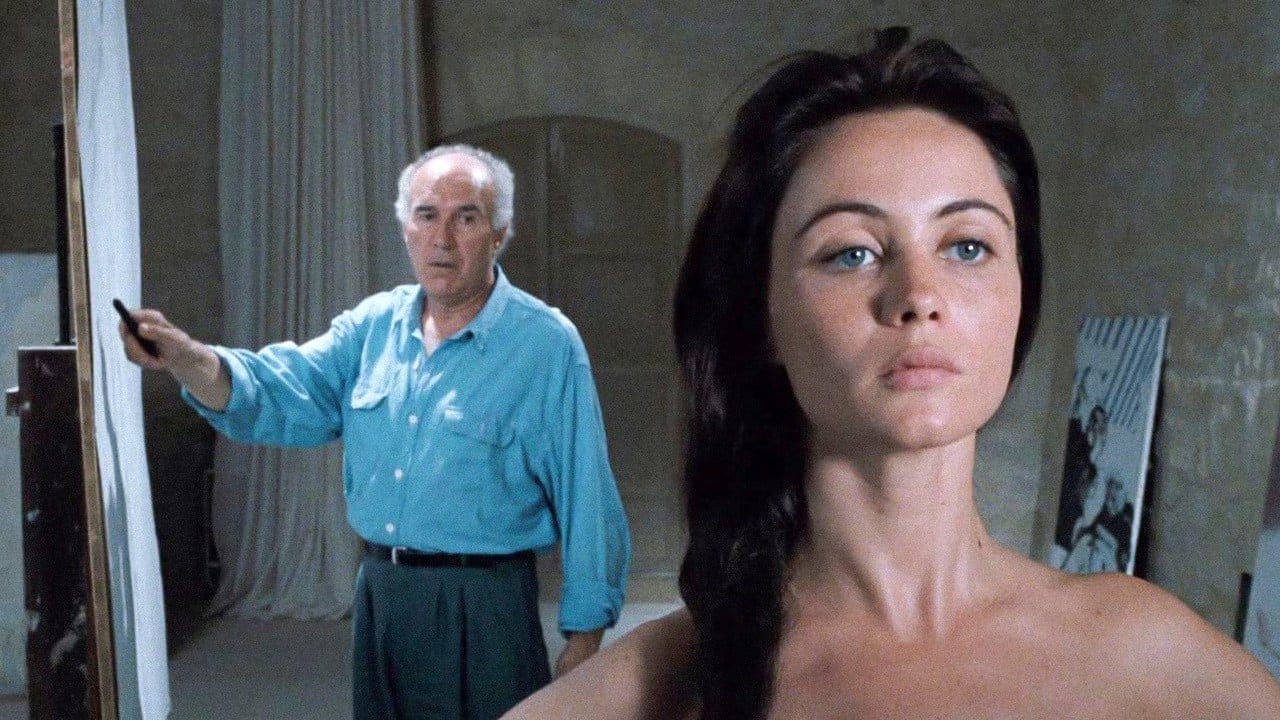
When it comes to work, most apply to a job, take a 9-5 role for some decades, and then retire once enough funds have been acquired, the body gives out, or they reach the statutory age in their respective countries. This path isn’t as straightforward for the artist. La Belle Noiseuse is a portrait of an artist in his later years, only making a return due to an unexpected muse. It is quite lengthy, almost four hours, so it may feel like a daunting task for casual film viewers, as much as it is for the painter, but the way Rivette dedicates the time to the etching, the turn of the page, the brush of the paint upon the paper feels so calming, with the artist and their muse at their most natural. It’s easy to deduce the inevitable connection that forms, but La Belle Noiseuse is much more interested in the creative process, rather than the romantic drama, more interested in exploring the way art endeavors to capture the soul, even when the muse continues to remain elusive.
In this film-within-a-film, we and a fictional version of actress Maggie Cheung are brought through the disorienting experience of French filmmaking. The film’s washed-up director wants to remake the classic silent film Les Vampires to revive his career. But as with all plans, everything inevitably goes wrong. On top of depicting the regular chaos of a movie set, this film presents the anxieties of the modern-day French film industry—about how it may be past its prime, and how it can still compete on a global level. And through the steady, inscrutable face of Maggie Cheung, we remember the creative collaborations we’ve had ourselves—the energetic passion, the behind-the-scenes power dynamics, and the pure chaos of the process.
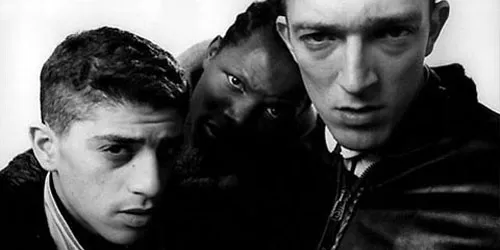
At the risk of being cliché, I’m going to state that only the French could have made a movie about racial issues and the troubles of youngsters in the suburbs and still make it elegant. I’ve tried looking for other adjectives, but I couldn’t find one that better describes those long takes shot in a moody black and white. But despite the elegance of the footage, the power of the narrative and the acting makes the violence and hate realistic as hell, dragging you into the story and empathizing with the characters until you want to raise your arm and fight for your rights. Aside from this unusual combination of fine art and explicit violence, the most shocking thing about La Haine is how much the issues it addresses still make sense right now, even though the movie was released 20 years ago.
Given the incalculable, foundational impact the Beatles had on music as a whole, A Hard Day’s Night would already be an interesting watch as the group’s first feature film. As such, there’s no need to convince fans of the group, or even general fans of music, to watch this. But far from relying on their star power or even on the music, A Hard Day’s Night actually works as a film on its own merits. It’s an absurd take on a fictional day in the Beatles’ life, immediately throwing the audience in the frenzy of screaming crowds that were fairly unprecedented for its time, but also into other strange people that fame cages them in with, such as the interviewers, the police, and other higher-ups that can’t seem to make sense of the group, their accents, and their youthful lack of concern over societal propriety. When paired with the realist black and white camera work, and the weirdly added tracks from the album of the same name, A Hard Day’s Night portrayed a completely new combination of music and movie, shifting the traditional movie musical as well as the very concept of a music video.
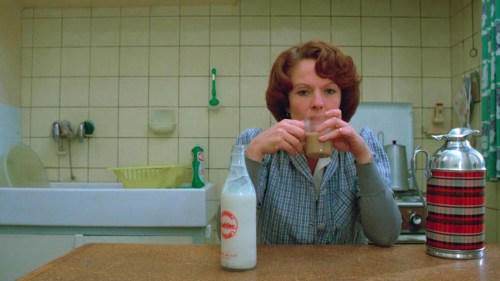
When the film publication Sight and Sound dubbed it “the greatest film of all time,” movie fans were quick to give their opinion. Those opposed complained about its simplicity, while those favoring the film praised the same trait. It’s true the film is simple—the camera is static and far away, and all it does is follow the titular Jeanne as she goes through the strict routines of her life. But nothing about it is plain or easy. You could mine a thousand things from a single scene alone, to say nothing about the woman at the center of it all. As Jeanne juggles her duties as a homekeeper, mother, and breadwinner, she eventually unravels, and the film rewards us with one of the most memorable climaxes of all time. There’s complexity in the ordinary, Akerman reminds us in her mundane epic, and there’s always something political motivating our choices, no matter how normal they seem.
Krzysztof Kieślowski’s trilogy reflects both the colors and the values of the French republic: liberté, égalité, fraternité. In Trois couleurs : Blanc (Three Colors: White), Kieślowski explores not only the theme of equality, but also the ramifications of defining and “achieving” equality as a European ideal.
After failing to consummate their marriage, Dominique (the ever-bewitching Julie Delpy) divorces Karol (Zbigniew Zamachowski), leaving him broke and humiliated. Karol plots to exact revenge on his ex-wife, becoming richer and cruller in the process.
Although this is often regarded as the weakest of the trilogy, White is worth a watch not just for completionists. Kieślowski interrogates what it means to be equal in sex and socioeconomic class—and if when we strive to move upward in society, whether we are really debasing our basic humanity and humility.
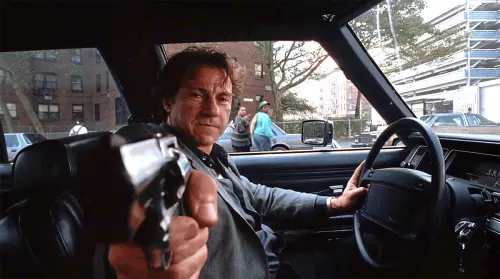
Bad Lieutenant is no misnomer: Harvey Keitel’s policeman really is one of NYPD’s worst. Already corrupt, abrasive, and abusive at the film’s outset, the movie chronicles his coked-out descent into total depravity after he’s called to investigate a heinous crime amid rapidly worsening personal circumstances. The brilliance of Bad Lieutenant is therefore a counterintuitive one: as awful as the Lieutenant is, we can’t help but feel emotionally involved because, in Keitel’s bravura performance, we can see the glint of pain — and thus of a person — within.
Always one for provocation, director Abel Ferrara pushes our empathy to — and maybe even beyond — its natural limits, only to break with the film’s hitherto unrelenting grit and dangle the glinting possibility of transcendent redemption in front of us. Anyone familiar with Catholic guilt cinema (movies like Martin Scorsese’s Who’s That Knocking At My Door and Mean Streets) will instantly recognize the same undercurrent running through Bad Lieutenant — even if Ferrara takes the idea of juxtaposing the profane with the sacred to the extreme here.

Leo Tolstoy’s most famous book, on which this was based, defies summarization but this powerful, sumptuous, and head-spinning BBC production might have done just that.
In 1805 St. Petersburg, the illegitimate son of the richest man in Russia (played by Paul Dano) finds himself at the center of his country’s downfall as it faces another Napoleonic invasion. As it follows several interconnected characters, romance intertwines with war, tragedy, and greed.
Directed by Tom Harper (Peaky Blinders), this series has it all: great acting, beautiful locations, and breath-taking action. It also stays true to the philosophical nature of the written material, capturing the glamour, deceit, and insanity of its time – as well as the sweeping scope of the original Tolstoy tome. This is TV of cinematic proportions!
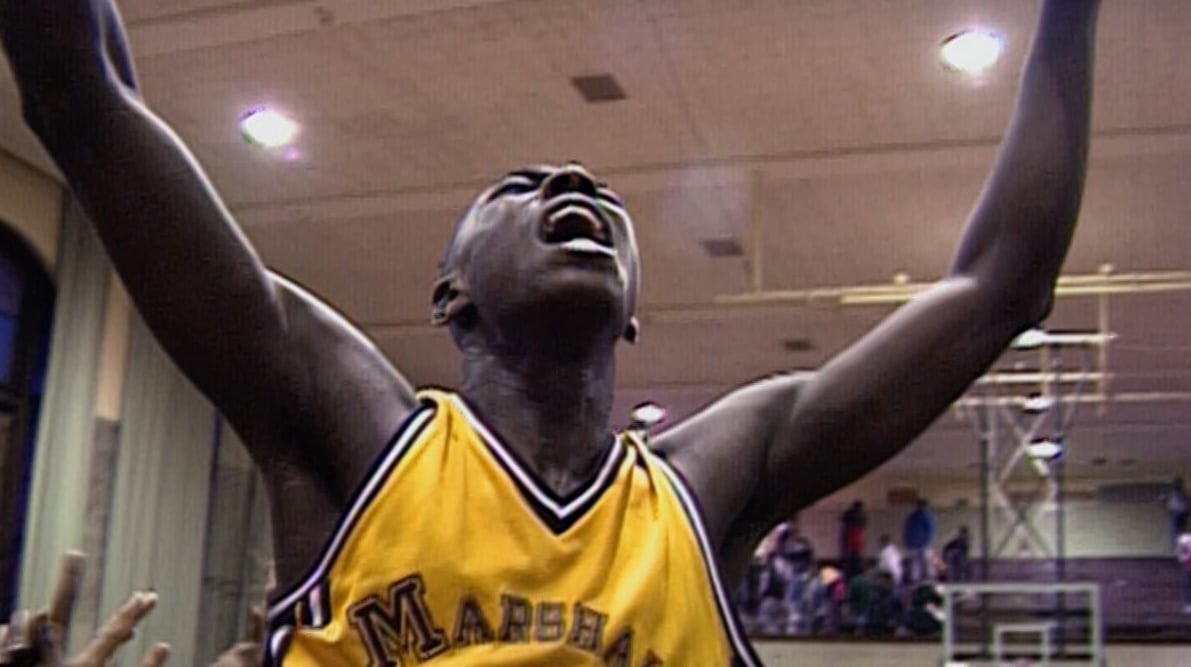
Don’t be fooled—despite being a three-hour documentary, Hoop Dreams is just as thrilling, heartbreaking, and cinematic as any sports film out there. Unlike them, however, Hoop Dreams is less of an uplifting feel-good story than it is an honest and sobering look at how the education system has failed Black communities. It’s not a complete downer, though, since we follow two hardworking and inspiring boys committed to lifting their families from poverty. While more privileged players can afford to treat basketball as a hobby, to Arthur and William, basketball is a lifeline, a rare chance to enjoy better opportunities and give their families a better life. Imagine carrying that on your shoulders while training, studying, looking for colleges, and surviving teenhood. It’s a lot, but director Steve James weaves it all beautifully. James divides the chapter into freshman, sophomore, junior, and senior years, following Arthur and William as they start on the same footing, diverge and live parallel lives (one in private school, the other in public), and eventually meet again during their final years in school. Their journeys are riveting, not least because we also get to know their families, friends, hopes, and dreams. This is riveting cinema, as socially conscious as it is competitively thrilling.

Shattering the rules for how a biographical drama can look and be told, Paul Schrader’s Mishima rejects the usual character study template in favor of a much more abstract attempt to understand a person through their art. Told in fragments that flit between Mishima’s early life, dramatizations of his fiction novels, and the final day of his life, the film pieces together what it believes was the core of this person’s life. Schrader’s script (co-written with his brother Leonard Schrader) traces within Mishima’s history a lifelong struggle with perceptions of his own masculinity and authority—as if he spent his every waking moment trying to compensate for a lack that he could hardly articulate. The character’s eventual turn towards reactionary beliefs makes logical sense in the film, but remains baffling all the same.
With all of its talk about beauty—enhanced by Philip Glass’ opulent musical score, and Eiko Ishioka’s breathtaking production design that transforms Mishima’s novels into tactile stage productions—the film conceals an incredibly dark heart. Mishima doesn’t inspire sympathy so much as he inspires morbid fascination, and it’s both a daring and frustrating choice to focus entirely on the character’s harmful delusions without room for much else. Still, Schrader has constructed an unforgettable audiovisual experience that lingers long after it’s over.

With its detailed portraits of seven of Istanbul’s most adored felines, Kedi affirms what anyone who’s spent some time with a cat will know: they really do all have fully-fledged, complex personalities of their own. More than just a celebration of some supremely cute kitties, though, this documentary about the city’s teeming street cat population also presents a moving example of a way of living that embraces — rather than tramples over — our animal neighbors.
Immersive cinematography from the cats’ eye levels is weaved with interviews with the people who care for them, whether voluntarily or because the cats simply demand it. That independence emerges as a much-admired characteristic in the documentary; as one interviewee puts it, “Dogs think people are God, but cats don’t. They’re not ungrateful, they just know better.” It’s impossible not to read a wistful note in the interviewees’ odes — indeed, for many of the people featured here, cats are a point of spiritual and personal reconnection, a reminder of what life is really about underneath all the mind-numbing dross we’ve made up. The magic of Kedi is that it not only perceptively recognizes the healing effect that cats have on humans, but recreates it so that these 70-something minutes feel like therapy.
An absolute delight of a gem starring a young Winona Ryder as well as an amazing cast. Arguably Jim Jarmusch’s best film, it tells the story of 5 different places at night from the perspective of cab drivers and their passengers: Los Angeles, New York, Paris, Rome, and Helsinki. It’s really hard to pick a favorite among the stories, from a messy tomboy having to deal with a busy businesswoman, to a blind woman in Paris making a frustrated driver from Ivory Coast go insane. But look out for Helmut and Yo-Yo, from the New York story. I’ve rarely seen anything in film as fun as their story.
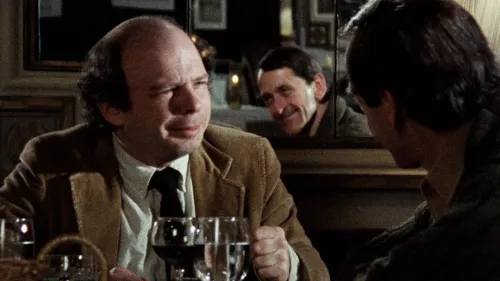
The entire premise of My Dinner with Andre is in the title. Nothing more or less happens physically—it’s literally two hours of pure conversation—and yet the film is more eventful and compelling than a lot of movies out today. That’s because there’s no pretension in the back-and-forth that happens between Wally and his friend Andre. They discuss meaning, spirituality, isolation, and fulfillment (life itself basically) but never in a gratuitous, self-congratulatory way. There’s genuine interest and curiosity between the two; both are artists hailing from the theater, but while Andre is well-traveled and interested in new age ideas that lean on superstition, Wally is a practical man who finds meaning in small details and domestic events. Whether one or the other is correct is not the point. Instead, My Dinner with Andre is a beautiful example of how a conversational film can be a masterclass in form. Their storytelling is so vivid and alive that it’s enough to have us conjure images beyond their sit down. The scenes are so carefully detailed and shot that they inject believable life into the austere setup. It goes without saying that the movie is smart—it has to be to rely on dialogue alone—but it’s also surprisingly poignant. Here are two friends who’ve drifted apart and likely judged each other at one point for being so different than their idea of normal. But they’ve come together for a meal and a cathartic conversation, which is sometimes all you need to get along.
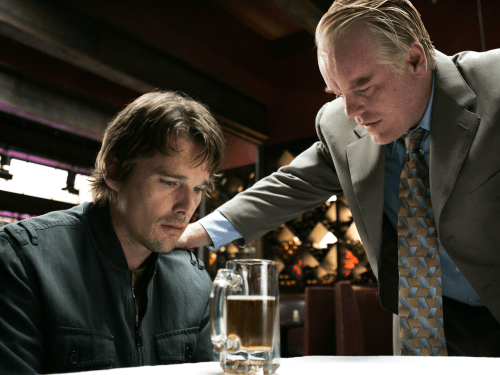
Before the Devil Knows You’re Dead is Sidney Lumet’s last film, and in many ways, it distills what the director explored in his prolific body of work: What is justice? And does everyone deserve it? Shot digitally at a time when the concept was still quite new, Before the Devil moves fast and takes us uncomfortably close to the lives of three desperate men: cash-strapped Hank (Hawke), corrupt Andy (Seymour-Hoffman), and vengeful Charles (Finney). The same tragic events unfold through their perspectives, but in any case, we get to see what drives them to do such horrid things. Are we suppose to sympathize with them? It’s a question that will nag you long after the credits roll.

We take it for granted now, but Michael Mann’s feature debut Thief was one of the first crime thrillers that took style and substance very seriously—so much so that its neon-lit, rain-soaked, slightly tilted shots continue to be markers of the genre. Thief is visually and sonically stunning, but the titular criminal, Frank, is most remarkable. Caan plays him with such heart, you have to wonder if he’s gone through the same things. Here’s a guy who was handed a tough hand. Violence is the only life he’s known, but he aspires for a better one, filled with a nice home, a happy family, and financial security. His means may be illegal, but our ends are the same: we all just want a comfortable life. How Frank pursues it with such ferocity is thrilling and tragic to watch.
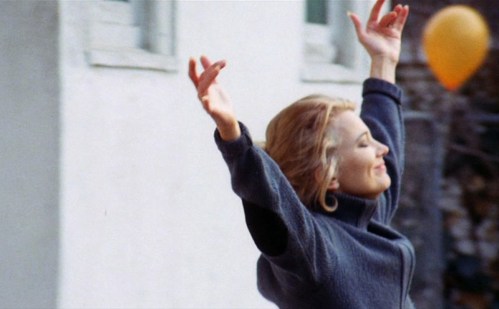
It’s been decades since director John Cassavetes released this film about a dysfunctional marriage and family, yet it still feels fresh and subversive today. It follows a middle-aged woman named Mabel (Rowlands), who is deemed crazy by the people around her—she displays odd quirks and acts more like her kids than her peers—but Rowlands gives her character a lot more nuance than that. She’s also desperate and lonely, as well as full of love and wonder. In contrast, her husband Nick (Falk) seems like your normal patriarch—strict, sociable, and aware of social cues and norms. But is Nick, in all his toxic masculine bravado, just as crazy as his wife? Cassavetes demands us to question our concept of normal here, of gender norms and familial expectations. And his intentions are brought to brilliant life by brilliant performances, notably by Rowlands who was nominated for a Best Actress Oscar for this role.

Despite the title and the premise, The Naked Kiss is actually less raunchy than it sounds. Sure, it does have themes that seem more explicit than what’s expected from older classic films, but writer-director Samuel Fuller considers these themes with the weight it deserves, directly challenging the way the men of the town would scorn Kelly’s wares at the same time they’re taking a taste, and at the same time they’re willing to look away from the unpleasant truths lurking in the suburbs because of money. With memorable shots and a surprising song number halfway, The Naked Kiss plays with expectations for an earnest belief in change.
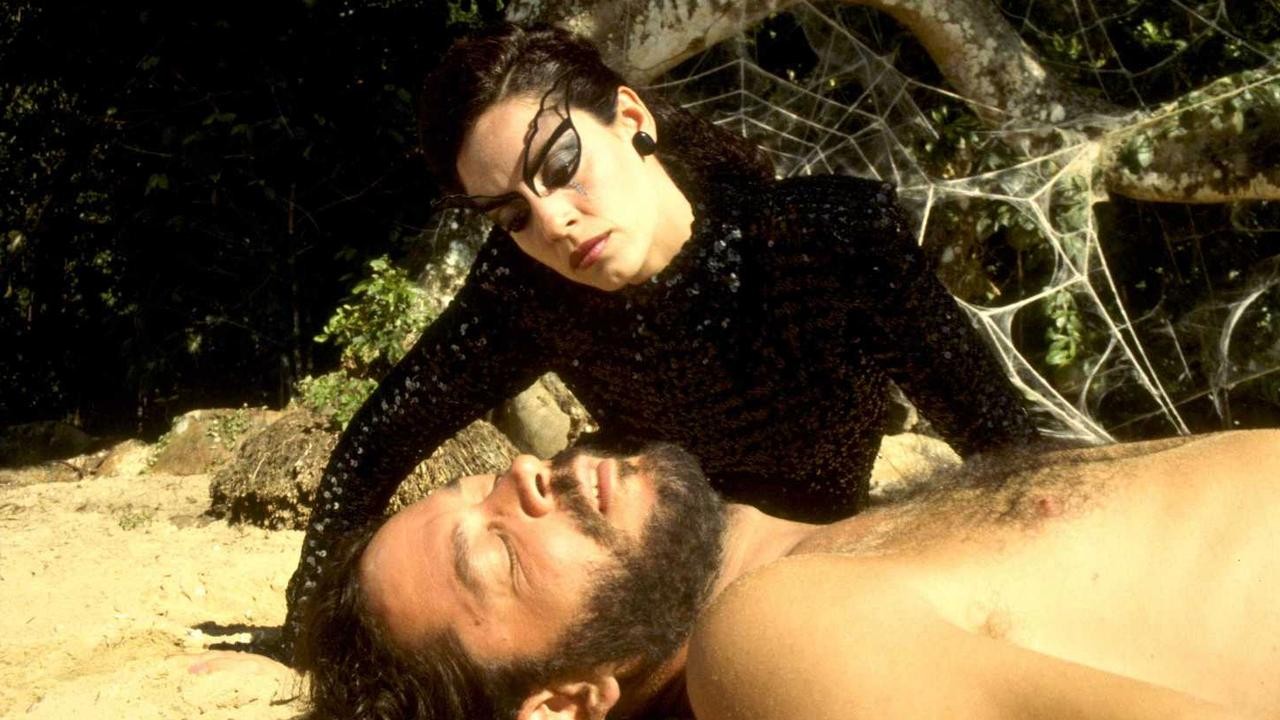
Sometimes, all you need to make a good movie is to get two vastly different characters and force them to stay together. It’s probably why Kiss of the Spider Woman was made in the first place– the novel dumps hardened, self-sacrificial activist Valentin and flamboyant gay man Molina in a jail cell. But rather than depict Molina and Valentin just talking, the film visually recreates the stories they tell to each other as films-within-a-film. Molina’s fictional love stories are given all the glamor and drama of classic 60s romances, and Valentin’s life story depicted with a straightforward, gritty realism that matches the hard experiences he had. So as they tell their stories and challenge each other with their respective approaches to life, director Héctor Babenco ensures that as the two finally feel heard by each other, the audience, too, can easily empathize with the perspectives they take. It also ensures that the plot twist holds a strong punch. Though its escapist approach may suggest otherwise, Kiss of the Spider Woman realistically explores the way storytelling has always meant freedom.
No highly-rated titles found for this combination.

The Sweet Hereafter is the kind of movie that feels very different from the one you might imagine when reading the plot synopsis. The tragic accident at its center doesn’t form a dramatic crescendo as you might be primed to expect — and, despite revolving around a lawsuit, this is no courtroom drama. Instead, the ironically titled The Sweet Hereafter deals with the messy, difficult emotions that come with grief, survival, and blame in the aftermath of a bus crash, with the film largely taking place in a snowy Canadian town rent apart by the loss of nearly all its children in the accident. Ian Holm plays the out-of-town lawyer battling to unite the bereft parents behind a class action lawsuit, all while struggling to deal with the quasi-loss of his own drug-dependent daughter. Non-linear chronology means the before-the-crash and the after intermingle, scene after scene; it’s an unorthodox remix of the way we’re used to seeing this kind of story unfold, but it allows the movie to home in on the complexity of the community’s pain. Unsparing performances, haunting music, and meditative cinematography plunge us into it all, recreating the terrible iciness of grief in a way that is difficult to shake off.
Éric Rohmer movies are what you watch when you want to experience the thrill of someone putting into words something you might never have been able to express yourself. The magic of his characters is that they’re breezily candid, even if that honesty doesn’t protect them from committing the same contradictory foibles we all do. Pauline at the Beach is a dazzling example of that quality; it may even be more honest than usual, because it also tells a truth about its characters that they’re not even aware of themselves.
The most perceptive character is actually the youngest: 15-year-old Pauline (Amanda Langlet), who’s vacationing with her older cousin Marion (Arielle Dombasle). Having never fallen in love herself, Pauline receives a thorough education in the matter by observing the love triangle that Marion becomes entangled in with needy Pierre (Pascal Greggory) and predatory Henri (Féodor Atkine). Though the adults give the film its brilliantly articulate philosophical meditations on love — ranging from the idealistic to the dispassionate — their actions often fall short of their words. Shot through Pauline’s keen eyes, Rohmer’s film wryly reveals the decisive role that delusion and unchecked ego play in so many grown-up lives — ironically making the self-aware and measured teenager the most mature of all.
Krzysztof Kieślowski’s drama stars Irène Jacob as two identical women living separate lives, and the intricate and indelible ways in which they are bound together. While Weronika, a Polish singer, balances her familial duties and intimate romantic relationship, a French music teacher named Véronique senses that she is not alone.
The Double Life of Véronique’s hypnotic and entrancing qualities will wash over you like a tide crashing over a bed of sand. It is a tough film to capture in words, when so much of it is just beyond words—Kieślowski’s film is one to be seen, sensed, and experienced.
Rosetta begins fiercely, with a shaky handheld camera chasing the eponymous teenager (Émilie Dequenne) as she storms across a factory floor and bursts into a room to confront the person she believes has just lost her her job. The film seldom relents from this tone of desperate fury, as we watch Rosetta — whose mother is a barely functioning alcoholic — fight to find the job that she needs to keep the two alive.
As tough as their situation is, though, Rosetta’s fierce sense of dignity refuses to allow her to accept any charity. A stranger to kindness and vulnerability, her abject desperation leads her to mistake these qualities for opportunities to exploit, leading her to make a gutting decision. But for all her apparent unlikeability, the movie (an early film from empathy endurance testers the Dardenne brothers) slots in slivers of startling vulnerability amongst the grimness so that we never lose sight of Rosetta’s ultimate blamelessness. Its profound emotional effect is corroborated by two things: that it won the Palme d’Or at Cannes, and that it helped usher in a law protecting the rights of teenage employees in its setting of Belgium.

While the mixed reception of its near-faithful American remake Vanilla Sky might make some viewers pause, there’s an intuitive brilliance in the Spanish original Open Your Eyes that isn’t easy to translate. Sure, the apparent differences help– it’s shorter and less complicated, and Cesar’s face turns more grotesque than David’s does. But what’s startling about Open Your Eyes is the way writer-director Alejandro Amenábar guides the camera through its various shifts, creating a more subtle and gradual realization that something is wrong, and thus, a more terrifying dream turned nightmare. Amenábar has later deemed the film as his worst, saying it was written when he didn’t know much about life, but, in our opinion, Abre Los Ojos still holds up as a groundbreaking existential sci-fi simulation, one that still puzzles and captivates years after.
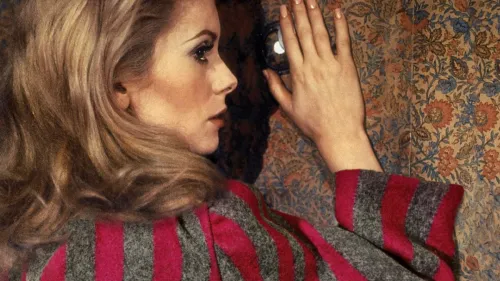
What makes something sexy? Belle de Jour doesn’t have any definite answers, nor does it present a straightforward narrative, especially with the way it slides in and out of the titular beauty’s fantasies and her reality. Still, the way director Luis Buñuel directs this film adaptation clearly holds an understanding of what makes something erotic. The masochism of Catherine Deneuve’s Séverine might be understood by today’s more sexually liberated audiences, but the rest of her desires and the images deliberately left out could easily baffle viewers or maybe even trigger the same feeling a bored, rich housewife would get. Belle de Jour understands something that can’t be easily put to words, and it’s this understanding that made this psychological drama a surrealist classic.
Shattering the rules for how a biographical drama can look and be told, Paul Schrader’s Mishima rejects the usual character study template in favor of a much more abstract attempt to understand a person through their art. Told in fragments that flit between Mishima’s early life, dramatizations of his fiction novels, and the final day of his life, the film pieces together what it believes was the core of this person’s life. Schrader’s script (co-written with his brother Leonard Schrader) traces within Mishima’s history a lifelong struggle with perceptions of his own masculinity and authority—as if he spent his every waking moment trying to compensate for a lack that he could hardly articulate. The character’s eventual turn towards reactionary beliefs makes logical sense in the film, but remains baffling all the same.
With all of its talk about beauty—enhanced by Philip Glass’ opulent musical score, and Eiko Ishioka’s breathtaking production design that transforms Mishima’s novels into tactile stage productions—the film conceals an incredibly dark heart. Mishima doesn’t inspire sympathy so much as he inspires morbid fascination, and it’s both a daring and frustrating choice to focus entirely on the character’s harmful delusions without room for much else. Still, Schrader has constructed an unforgettable audiovisual experience that lingers long after it’s over.
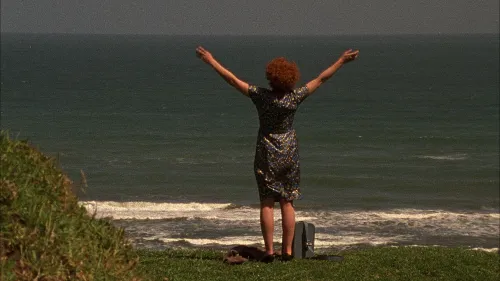
Although it opens on Janet Frame’s first steps as a baby, this Jane Campion-directed biopic of the celebrated New Zealand writer doesn’t take an exhaustive approach to its subject’s life. We frequently only learn of milestones — the many awards she won, the death of her mother — later on and in passing. In a beautiful gesture that feels like a tiny righting of the many wrongs done to Janet, it’s her perspective that guides the film.
That embedded approach also makes the emotions that come with her heartbreaking yet uplifting story more profound. And there is much heartbreak here: alongside the several tragic losses Janet experienced as a child, she was misdiagnosed as schizophrenic as a young woman and spent eight harrowing years in psychiatric hospitals. Throughout all of this, she wrote fiction and poetry, work that saved her life in more ways than one: as well as being a rare constant source of joy, it won her a literary prize just days before she was scheduled for a lobotomy, prompting her doctors to reconsider. Neither Campion nor Janet allowed this experience to define her, however, and the film empathetically grants her real moments of joy and choice throughout — making for a deeply sensitive and uplifting watch.
An absolute delight of a gem starring a young Winona Ryder as well as an amazing cast. Arguably Jim Jarmusch’s best film, it tells the story of 5 different places at night from the perspective of cab drivers and their passengers: Los Angeles, New York, Paris, Rome, and Helsinki. It’s really hard to pick a favorite among the stories, from a messy tomboy having to deal with a busy businesswoman, to a blind woman in Paris making a frustrated driver from Ivory Coast go insane. But look out for Helmut and Yo-Yo, from the New York story. I’ve rarely seen anything in film as fun as their story.
Before the Devil Knows You’re Dead is Sidney Lumet’s last film, and in many ways, it distills what the director explored in his prolific body of work: What is justice? And does everyone deserve it? Shot digitally at a time when the concept was still quite new, Before the Devil moves fast and takes us uncomfortably close to the lives of three desperate men: cash-strapped Hank (Hawke), corrupt Andy (Seymour-Hoffman), and vengeful Charles (Finney). The same tragic events unfold through their perspectives, but in any case, we get to see what drives them to do such horrid things. Are we suppose to sympathize with them? It’s a question that will nag you long after the credits roll.
We take it for granted now, but Michael Mann’s feature debut Thief was one of the first crime thrillers that took style and substance very seriously—so much so that its neon-lit, rain-soaked, slightly tilted shots continue to be markers of the genre. Thief is visually and sonically stunning, but the titular criminal, Frank, is most remarkable. Caan plays him with such heart, you have to wonder if he’s gone through the same things. Here’s a guy who was handed a tough hand. Violence is the only life he’s known, but he aspires for a better one, filled with a nice home, a happy family, and financial security. His means may be illegal, but our ends are the same: we all just want a comfortable life. How Frank pursues it with such ferocity is thrilling and tragic to watch.
It’s been decades since director John Cassavetes released this film about a dysfunctional marriage and family, yet it still feels fresh and subversive today. It follows a middle-aged woman named Mabel (Rowlands), who is deemed crazy by the people around her—she displays odd quirks and acts more like her kids than her peers—but Rowlands gives her character a lot more nuance than that. She’s also desperate and lonely, as well as full of love and wonder. In contrast, her husband Nick (Falk) seems like your normal patriarch—strict, sociable, and aware of social cues and norms. But is Nick, in all his toxic masculine bravado, just as crazy as his wife? Cassavetes demands us to question our concept of normal here, of gender norms and familial expectations. And his intentions are brought to brilliant life by brilliant performances, notably by Rowlands who was nominated for a Best Actress Oscar for this role.