15 Best Movies on Hulu Based on True Stories
When real life creates moments, people, and places that are too impossible to ignore, sometimes, the best thing a filmmaker can do is to commemorate them in film. It’s because of this that biopics and docudramas are beloved genres, so every streaming site is likely to have a fair selection of them in their library, including, of course, Hulu, one of the biggest names in streaming today. But if you happen to have a hard time finding them, or if you’re looking for underviewed, underrated films based on true stories that you haven’t yet watched, here’s our list of these films available on Hulu.
Jump to the top 10:
* 1 recommendations are either hidden or no longer available.
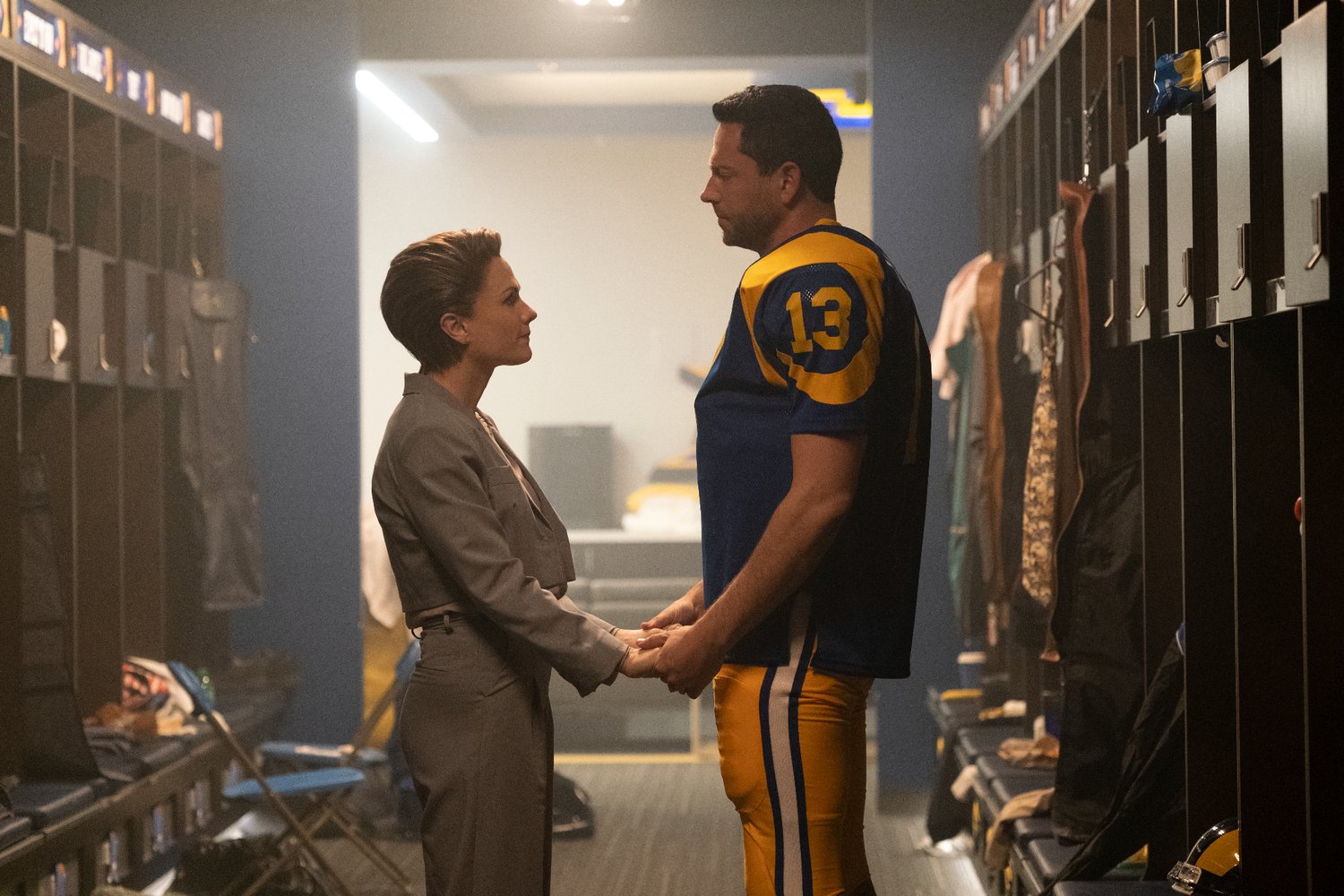
Even if it follows nearly every trick in the playbook, American Underdog positions itself on a big enough scale that makes it work like a charm anyway. Following the story of legendary undrafted NFL quarterback Kurt Warner (Zahcary Levi), the film elevates its familiar beats through stunning, wide-angle football sequences that make the sport feel as thrilling as ever, and a particularly solid performance from Anna Paquin, as Warner’s long-suffering partner. But what ultimately becomes American Underdog’s real secret weapon is the fact that this isn’t a sports movie about skill, strategy, or success; Warner becomes an inspiring figure because of how long he had to persevere with his dream just barely out of reach.
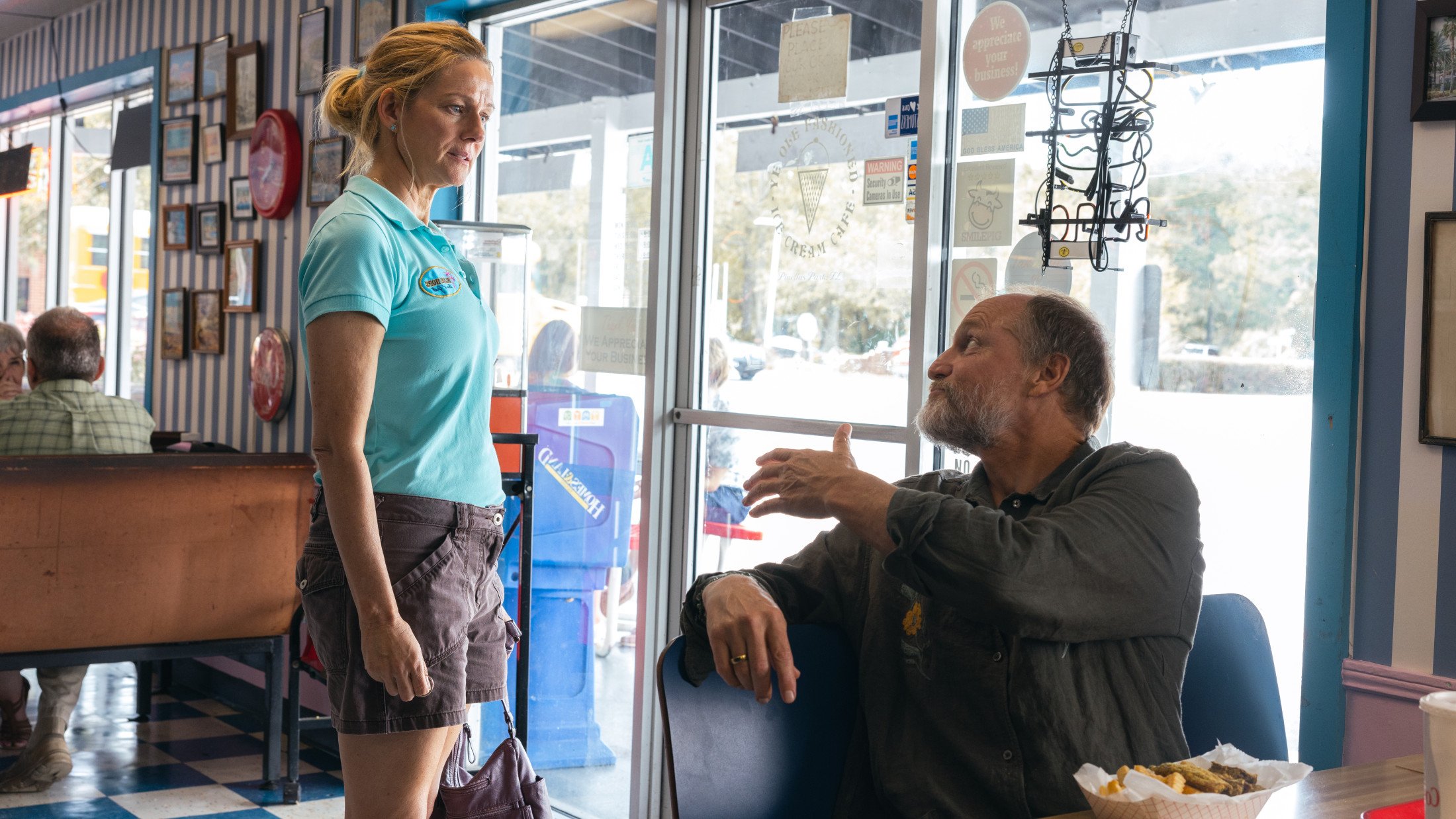
In Suncoast, writer-director Laura Chinn takes the personal tragedy of losing her brother to cancer and weaves it into something meaningful. The film is a sensitive meditation on death and grief, but it isn’t all grim. It’s also a coming-of-age story, one that focuses on Doris (Nico Parker), a version of Chinn’s younger self aching for normal teen experiences. The film is at its best when it zeroes in on Doris’ interiority and examines the duality of having to deal with so much death while still wanting to live a vibrant life. The surprising friendship that blooms between her and the popular kids as she chases after this life is one of the best depictions of authentic teen dynamics in recent memory. But the film is at its weakest when it tries to be something it’s not—that is, your usual tear-jerker indie fare that’s rife with lessons from a magical stranger (in this case played genially, but unnecessarily, by Woody Harrelson) and grievances from a grief-stricken mother (played powerfully by Laura Linney). To be sure, Harrelson and Linney (especially) deliver top-notch performances, but they feel shoehorned in an otherwise pitch-perfect film about a girl finding her place in the real world.
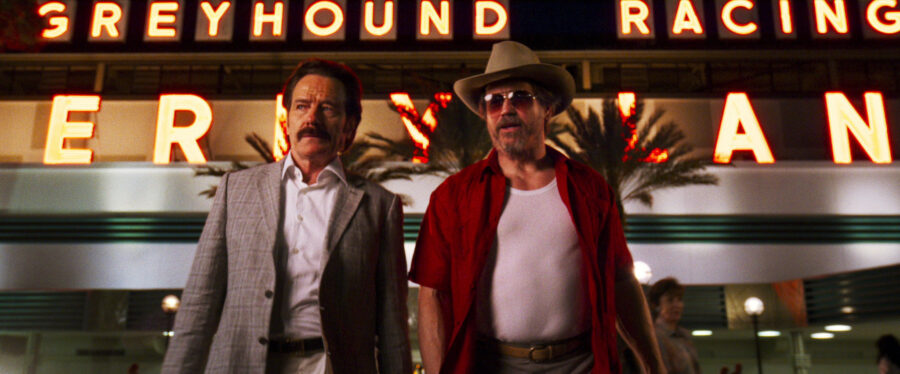
Bryan Cranston, best known for his role as Walter White in the Breaking Bad series, stars as Robert Mazur, a federal agent, who goes undercover to infiltrate the trafficking network of Colombian drug kingpin Pablo Escobar. With the film based on Mazur’s memoir, Bryan Cranston gives an impressive lead performance that captures the intense distress that deep cover can bring. Besides Cranston, co-stars Benjamin Bratt, Diane Kruger, Amy Ryan, and an exceptional John Leguizamo are entirely persuasive and make the film experience enjoyable and intense. The Infiltrator is entertaining and maintains a good pace, with a great cast that makes it a true joy to watch, especially for those who enjoy stories based on real criminals.
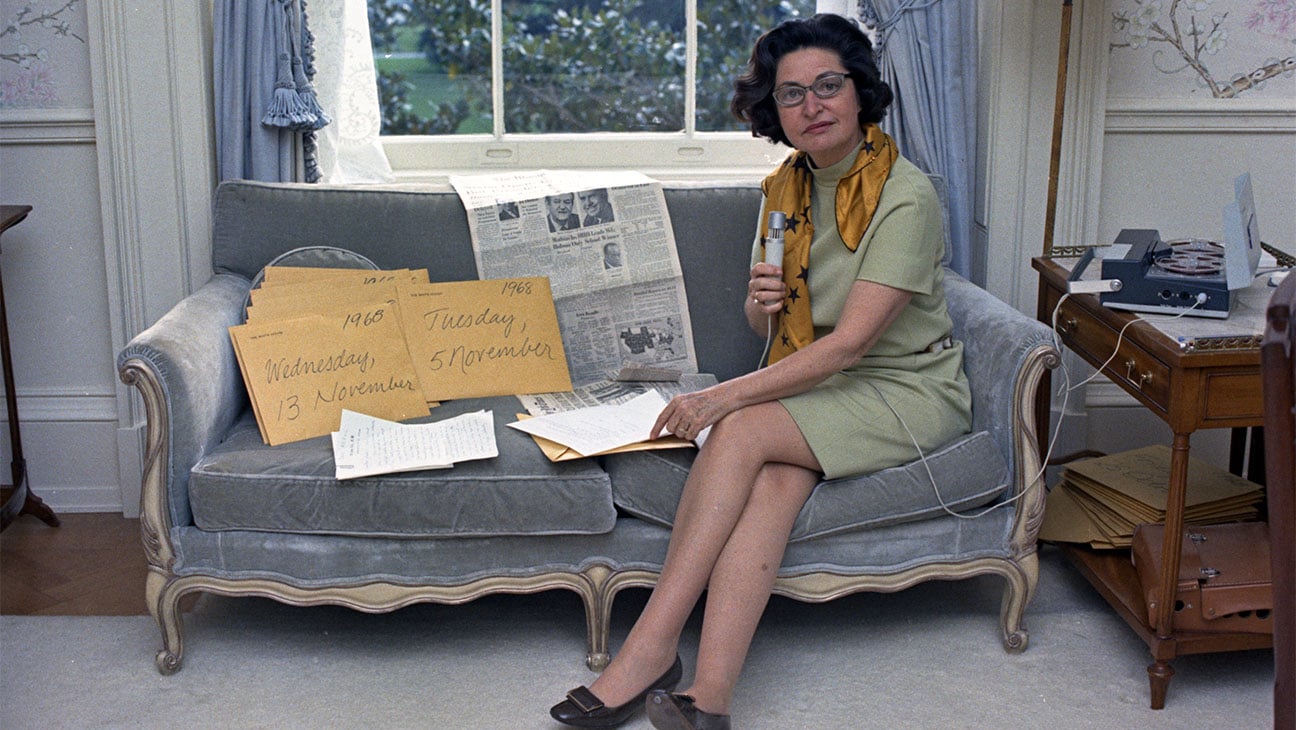
Partially based on the 860-page memoir, “A White House Diary”, and on the actual audio recordings Claudia Alta Taylor Johnson made during her time as first lady, The Lady Bird Diaries is an intimate reworking of a past we still know very little about. Told from the vantage point of First Lady Johnson candidly and in detail, the audio track shapes the whole film. All the archival footage is nicely complemented by hand-drawn animations to fit the missing images, but all the visuals are always in service of the narration. In this way, the documentary becomes a piece of history and an archive in itself, its illustrative functions – a crucial storytelling tool for posteriority.
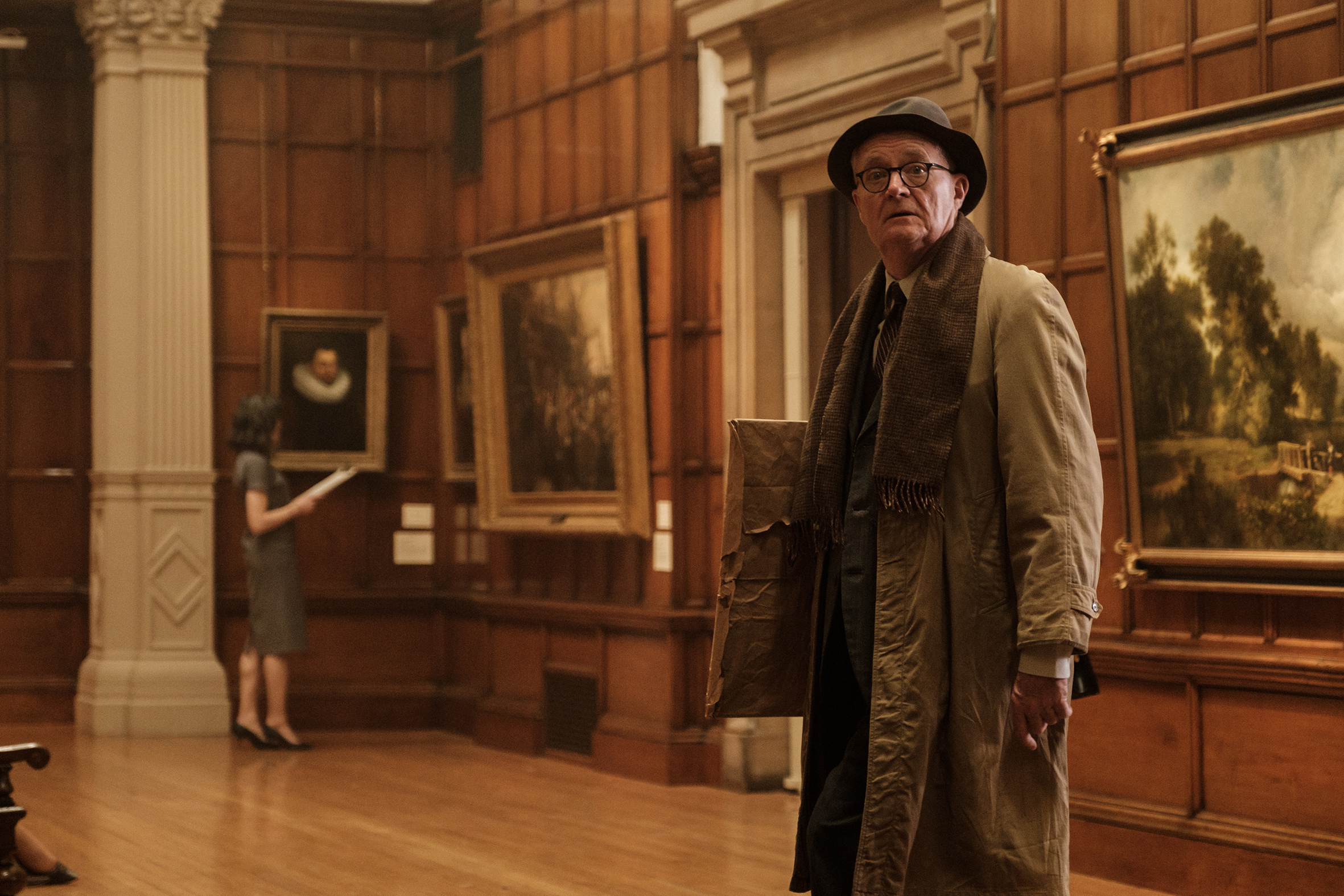
In 1961, Francisco de Goya’s portrait of the Duke of Wellington was stolen from London’s National Gallery, but the theft was no slick heist pulled off by international art thieves. No, the improbable culprit was (the improbably named) Kempton Bunton, a retired bus driver and aspiring playwright who pinched the painting — which the gallery had recently acquired for £140,000 of UK taxpayers’ money — as a Robin Hood-esque “attempt to pick the pockets of those who love art more than charity.” The principled Bunton (played here by Jim Broadbent) was, at the time, waging a one-man campaign to convince the government to grant pensioners and veterans free TV licenses, and the Goya theft was his way of publicizing those efforts. It was an eccentric plan, but Broadbent leans fully into his status as a UK national treasure here, making oddball Bunton a deeply sympathetic and warm figure because of (not despite) those quirks. Thanks to his performance — and the note-perfect direction of the late, great Roger Michell — a quirky footnote of history becomes a sweet, unexpectedly moving story about solidarity and the power of the underdog.
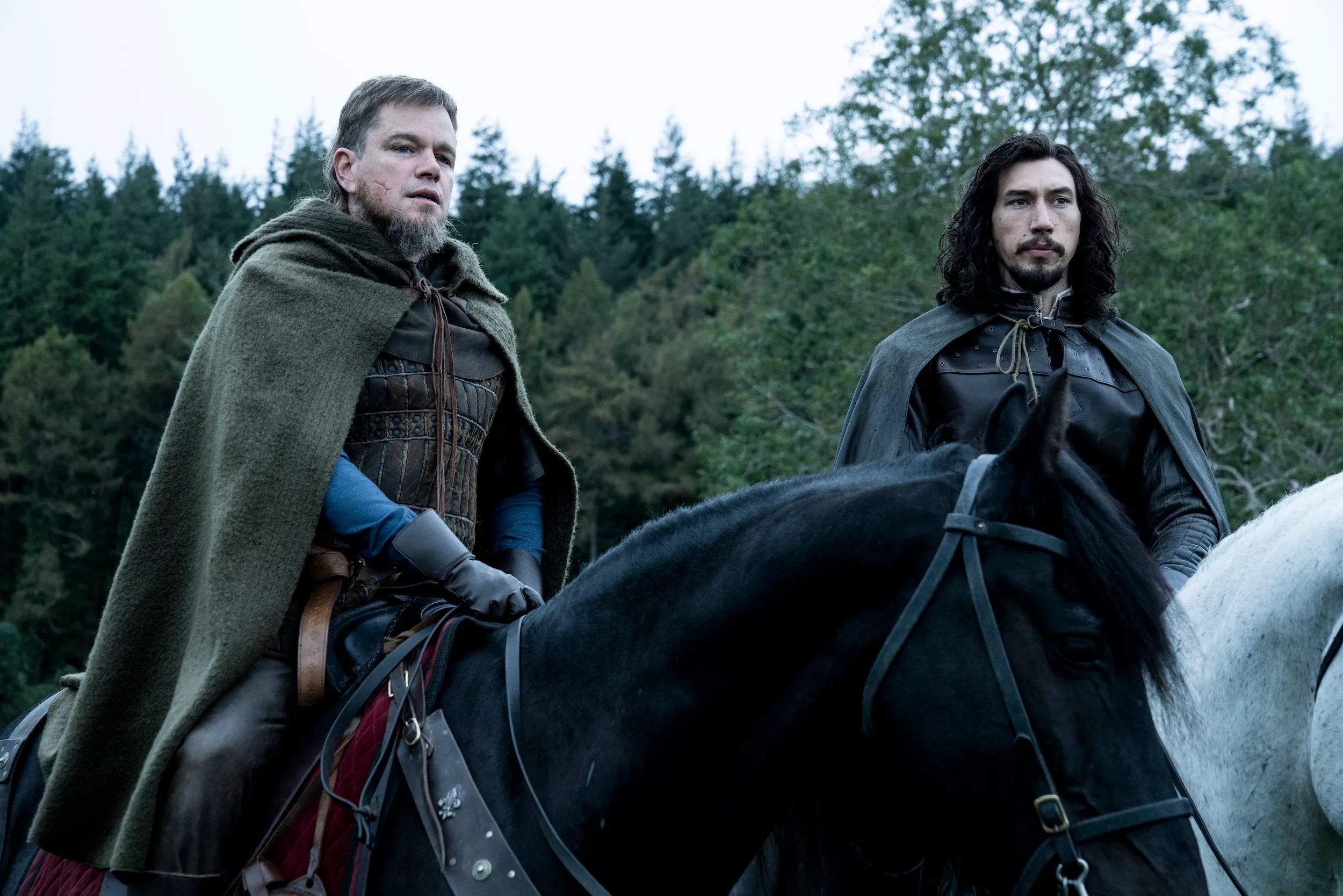
The Last Duel propped high expectations as the Closing Film at the 2021 Venice Film Festival, but its theatrical release later that year proved to be a flop. Ridley Scott blamed it on millennials, but both critics and streaming audiences have been much more favorable than moviegoers. As a film, it’s a rather monumental project: quite a dark period piece set in Medieval France, dealing with harsh and offensive themes. Or better said, it deals with ethics and morality through these harsh and offensive themes. There are many ways where this could have gotten wrong—and it’s evident from the labels that have been circulating from the very beginning, that Scott has made his “MeToo” movie—but the truth is much more nuanced. From Eric Jager’s 2004 book to a script co-written by Ben Affleck, Matt Damon, and (most importantly) the astute Nicole Holofcener, The Last Duel is really the best of both worlds: action-packed and devoted to the right side of history.
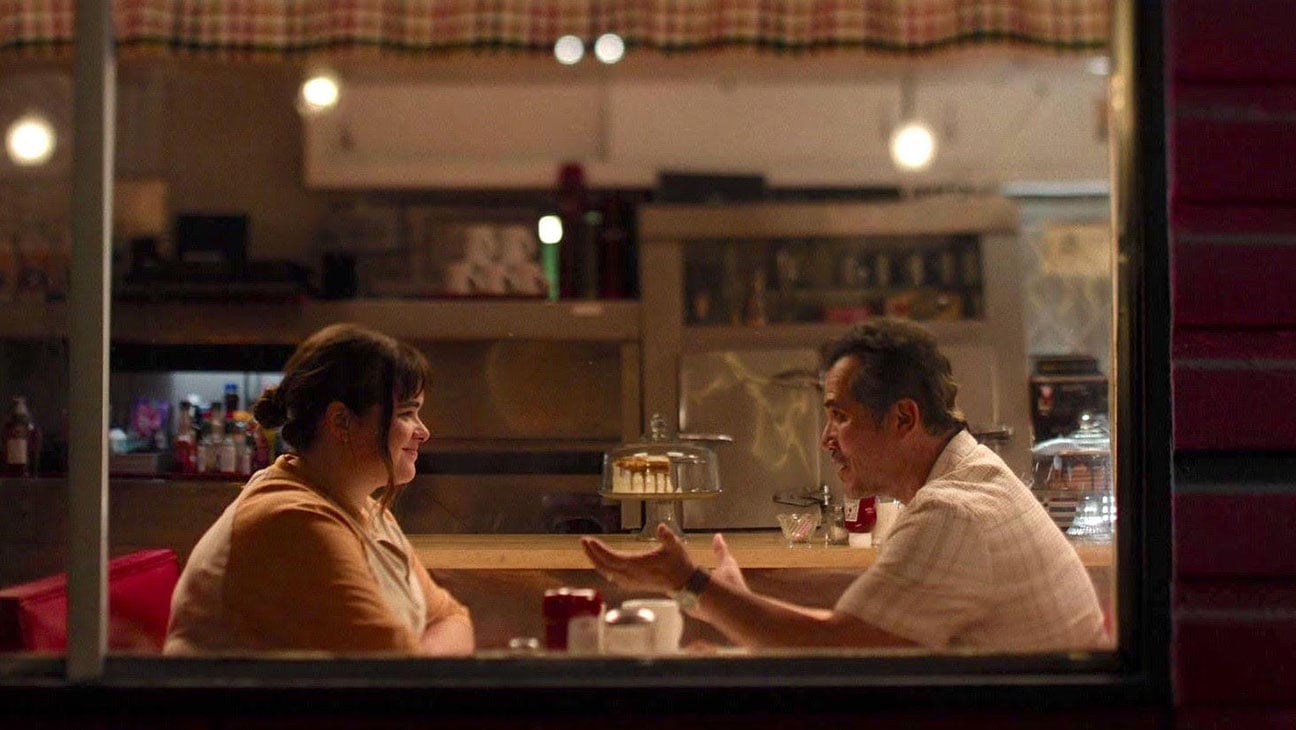
With the anonymity of the internet, it’s hard to trust that the stranger on the other side would be a good person. There’s catfishers and scammers and trolls, oh my! Once in a while, however, you do meet someone cool. Bob Trevino Likes It was inspired by a real life friendship writer-director Tracie Laymon had, and that lends to how personal the entire film feels. Bob and Lily feel real. It’s in part to how Laymon introduces their loneliness in a world that doesn’t treat them right, but the tender, pseudo-parental chemistry formed between Barbie Ferreira and John Leguizamo carries the writing in such a realistic way. The kindness that they share feels transformative, and it’s genuinely moving to see them work towards caring for themselves because of it.
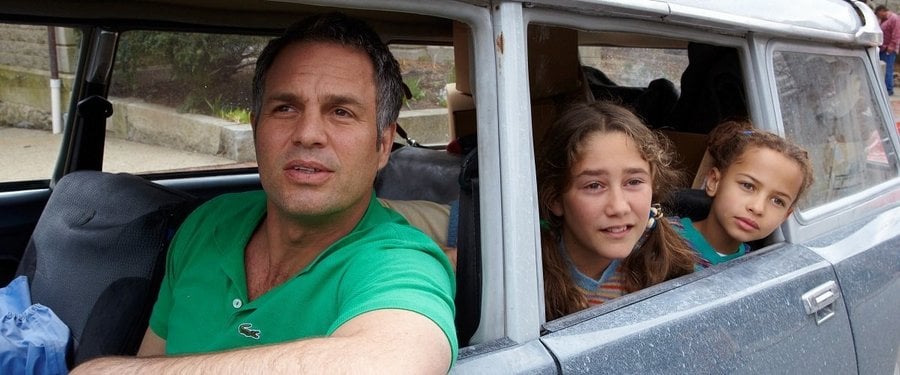
A calm and cute story about a manic-depressive father in late 70’s Boston taking care of his two daughters. Starring familiar-face Mark Ruffalo in the lead. The film is inspired by its director’s own experience as one of the two daughters, which added to the amazing performances, makes for a movie made and filled with love. But as it manages to keep a smile on your face most of the time, it also doesn’t shy away from hard and moving sequences. A Sundance movie filled with heart.
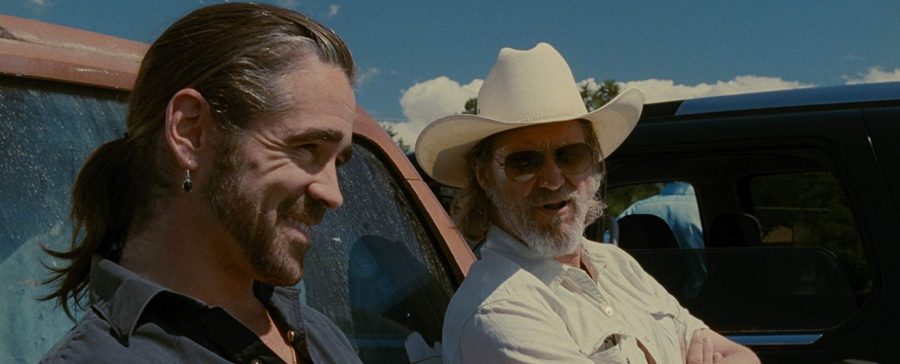
We all love Jeff Bridges. We all agree that we shouldn’t leave a movie he won an Oscar for unwatched. That’s enough reason to watch this movie, but there are so many others. The story is fantastic and based on true events: a country musician living rough and having a shot at happiness after he falls for a journalist who interviews him. The score is composed by T Bone Burnett. The journalist is played by Maggie Gyllenhaal and another musician is played by Colin Farrell.
So many reasons to watch.
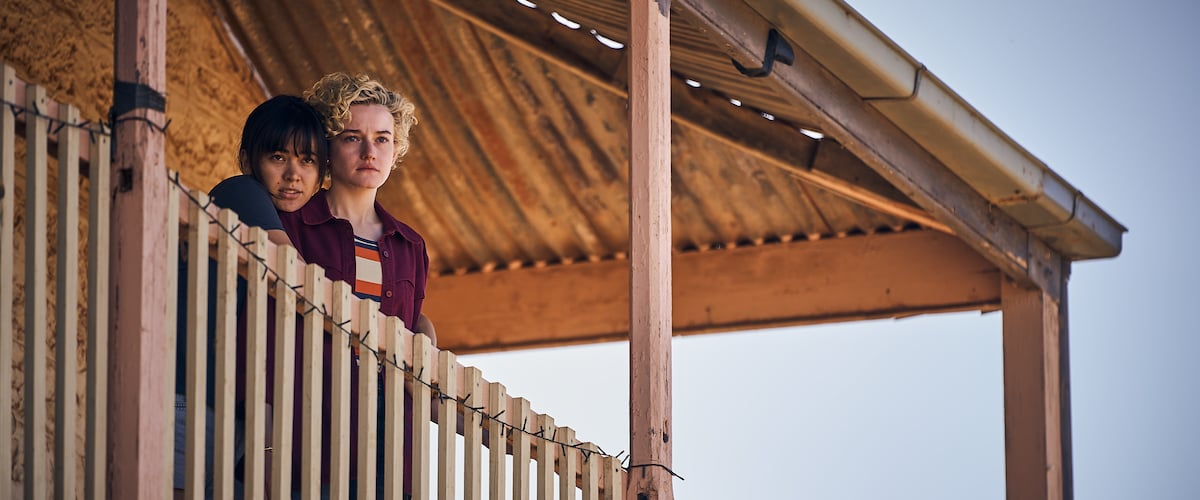
The Royal Hotel sees Hanna (Julia Garner) and Liv (Jessica Henwick) resorting to take up a dire live-in job behind the bar in a remote desert part of Western Australia. Although they’re warned that they’d “have to be okay with a little male attention” in the outcast mining town, their financial precarity overrides the potential fear. Curiously enough, the fiction film is based on a real story, already told in the 2016 documentary Hotel Coolgardie by Pete Gleeson, but The Assistant director Kitty Green pulls no punches when representing how suffocating it must feel to be encircled by such unmediated male aggression. The brawls, the spilled beer, the c-word as a greeting all form the unnerving paraphernalia of life then and there. For Australian independent film devotees, there is actor Toby Wallace, who reprises his bad boy role from Babyteeth, and he’s joined by the ranks of Herbert Nordrum (The Worst Person in the World) and an utterly terrifying Hugo Weaving (The Matrix).
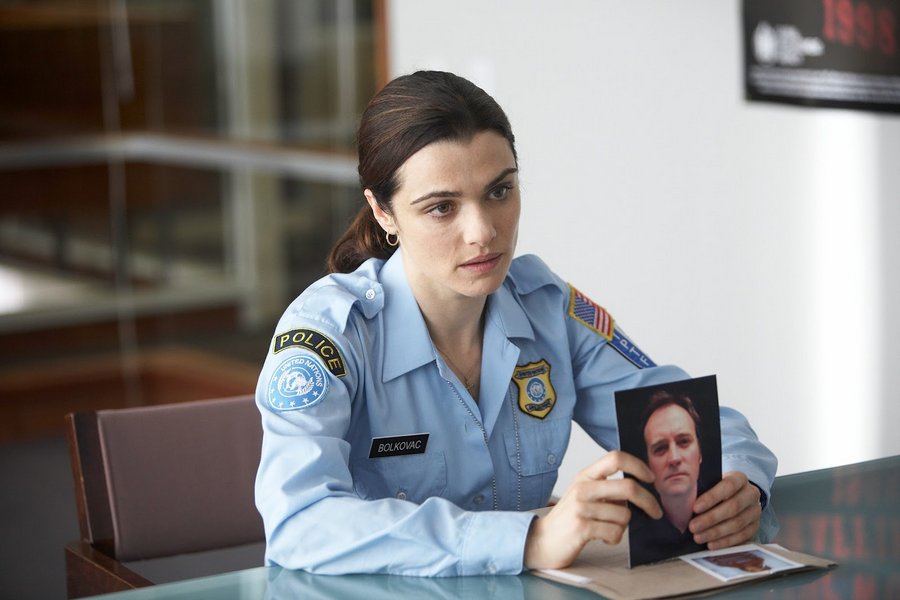
Based on a true story, The Whistleblower is the biography of a once Nebraskan police officer who volunteers for the U.N. peacekeeping mission in post-war Bosnia. Once there, she uncovers a human trafficking scandal involving peacekeeping officials, and finds herself alone against a hostile system in a devastated country. Rachel Weisz plays the whistleblower in a powerful lead role, but the true star of the movie is its director, Larysa Kondracki, who thanks to near documentary-style film-making delivers a perfectly executed political thriller with utmost authenticity.
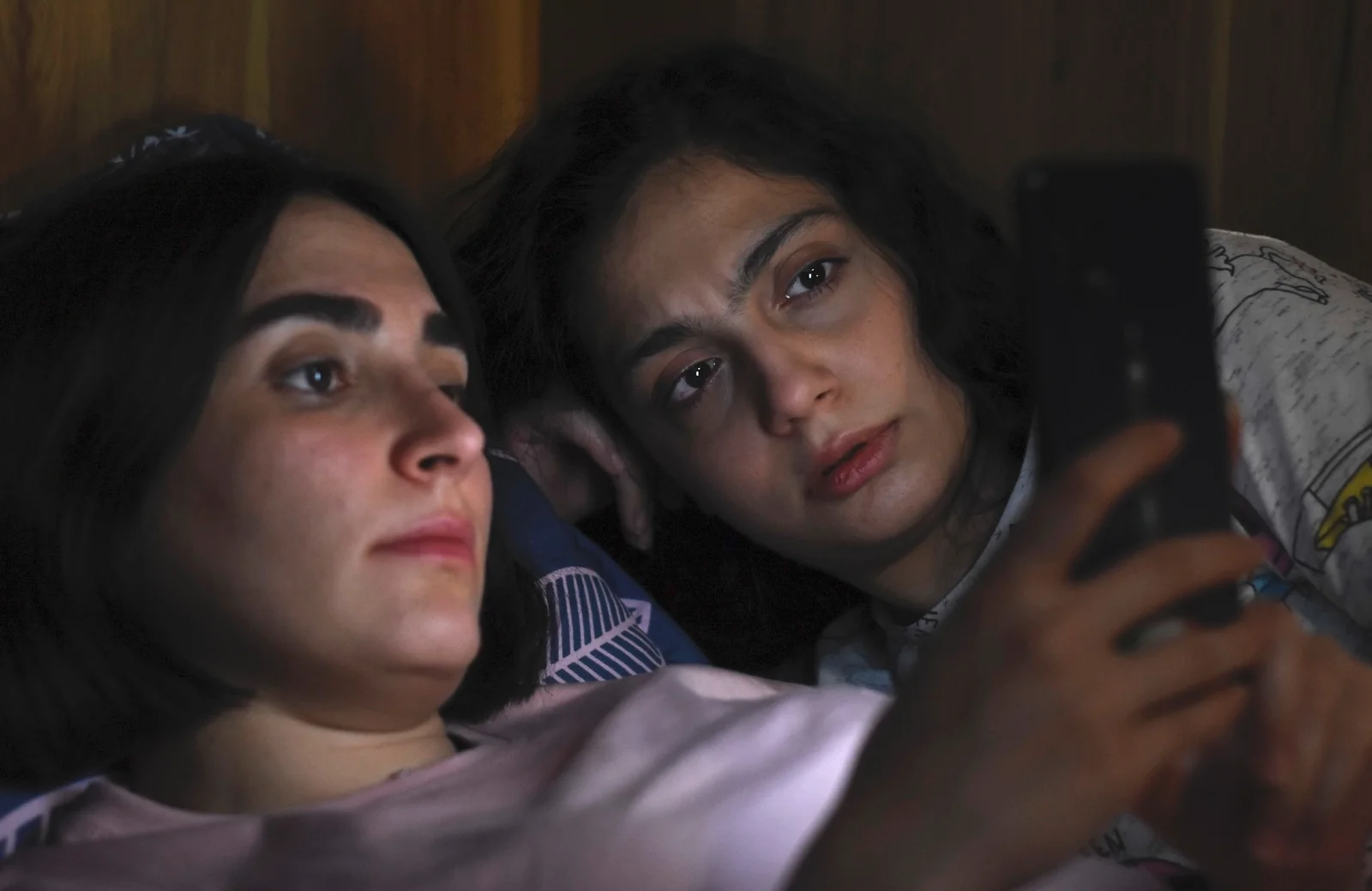
The Seed of the Sacred Fig bravely takes on the increasingly violent patriarchy and theocracy in modern-day Iran. It follows a family of four—Iman, Najmeh (Soheila Golestani), Rezvan (Mahsa Rostami), and Sana (Setareh Maleki)—and reveals how the political can creep into the personal. Iman, the father, has just been promoted at work (he’s one step closer to being a judge), while his two daughters are budding revolutionaries. The educated girls see through the lies of state television and challenge their conservative parents’ ideas on government and religion. It sounds straightforward, but director Mohammad Rasoulof lets everything unfold subtly and sharply. By the second half, the film transforms into a slow-burn thriller as the family home becomes a microcosm of Iran itself. It’s a brave film helmed by even braver people. Rasoulof and his cast, who filmed in secret to avoid the film ban in Iran, had to escape to Europe after they were interrogated and sentenced in their home country. The Seed of the Sacred Fig can’t encapsulate the entirety of Iran’s troubles, nor does it try, but it’s a good place to start.
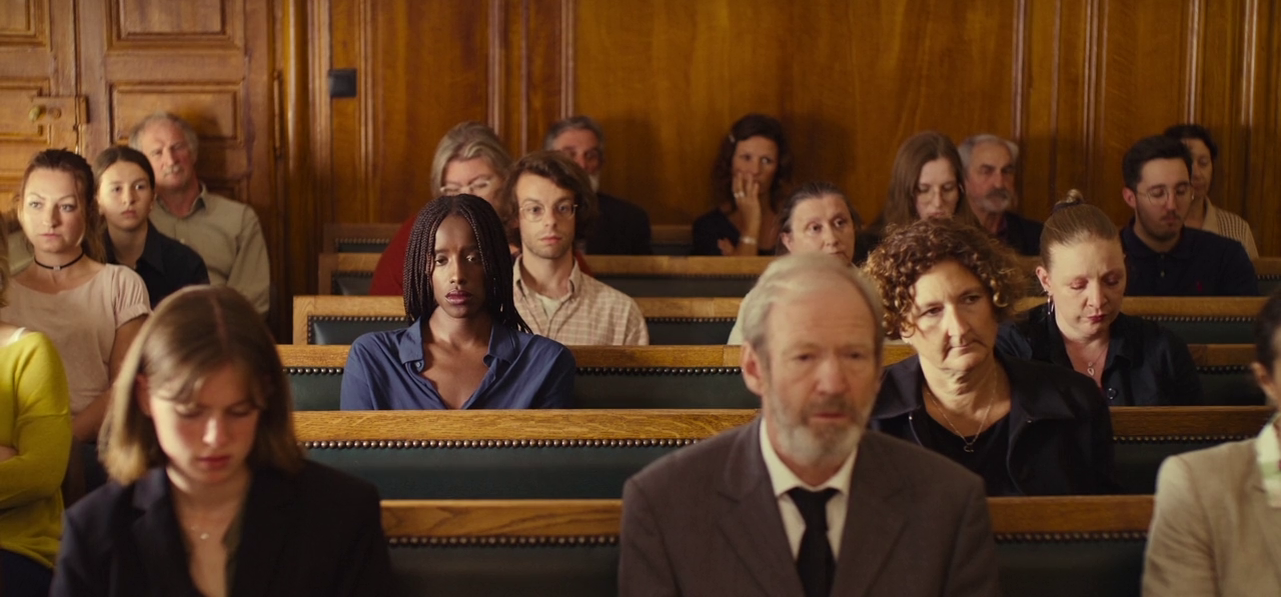
Nothing about Saint Omer is easy. A female Senegalese migrant (Guslagie Malanga) is put to trial for committing infanticide, but throughout the film, it becomes clear how much of a victim she is too, of an uncaring and deeply prejudiced society. “What drove her to madness?” Her attorney asks at one point. We’re not sure. We’re not necessarily asked to side with her, nor answer the many hard-hitting questions brought up in the film, but we sit with the uneasiness of it all and, in that silence, confront our ideas about motherhood, womanhood, personhood.
This confusion is what makes the film so compelling. Despite the court’s best efforts, Laurence isn’t meant to be understood. She’s meant to be an example of the ever-ambiguous, forever-complicated, always-hurt person. It’s human nature after all to be this complex and messed up. The film shows us that the best that we can do in situations like this is to listen, understand, and as our protagonist Rama (Kayije Kagame) does, make peace with the noise.
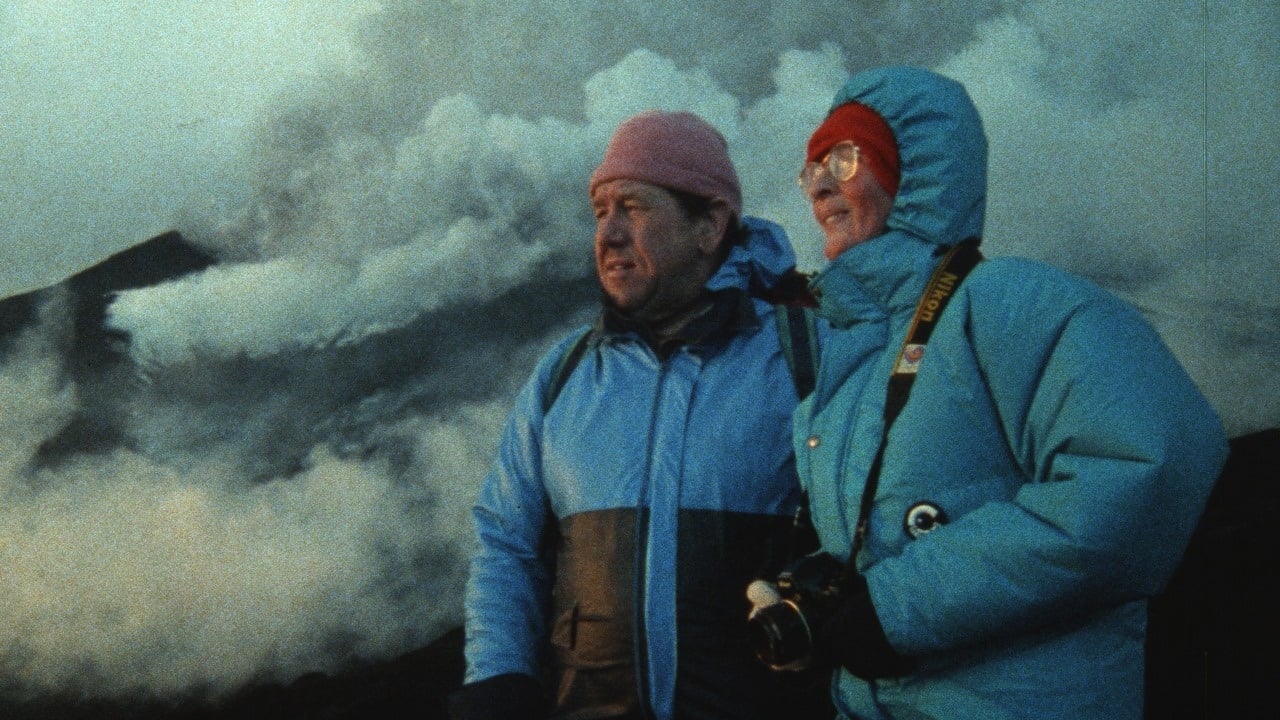
Fire of Love is a documentary that follows Maurice and Katia Krafft, a scientist couple who’ve dedicated their entire professional lives to studying (and marveling at) volcanoes. The two met at university and have been inseparable ever since, chasing explosions around the world until their death at the Mount Unzen eruption in 1991.
The fiery passion the title refers to is as much about Maurice and Katia as it is about their dedication to volcanoes. Like any love story, it tracks how they were first wonderstruck by the formation and how that awe shaped their lives and led them to each other, as well as how they came to discover hard truths about it and dealt with the heartbreak that soon followed.
Combining the breathtaking footage the couple left behind with lovely writing and artful animation, director Sara Dosa creates a moving documentary about passion, adventure, and the world itself.