
100 Best Foreign Movies on Kanopy Right Now
The best thing about a library is access. Like a library, Kanopy provides access to plenty of classic films that you would otherwise not be able to see, but unlike other streaming sites, Kanopy provides that access for free with your library card or university log-in.
But another great thing about Kanopy is that its selection isn’t just limited to Old Hollywood films– Kanopy also includes plenty of foreign films in their library as well. We’ve previously listed the 100 best movies on the platform, but if you’re looking to jump out of your comfort zone, here’s the same list without any film made in the English language.
Jump to the top 10:
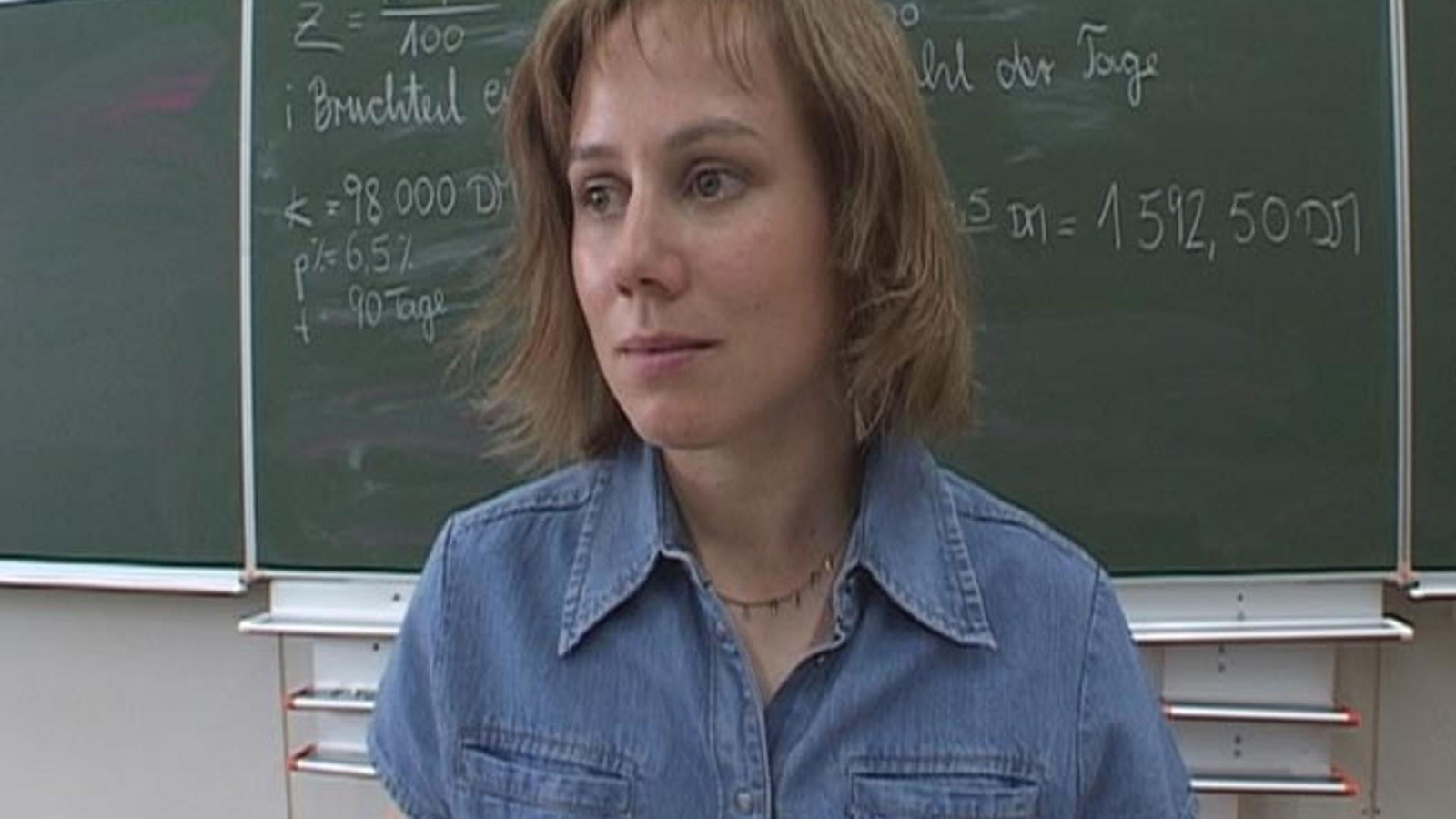
More than a decade before she made Toni Erdmann, German filmmaker Maren Ade turned her eye on a small-town school, a socially awkward teacher, and the inarticulate in between. Even with her debut, Ade showcased a talent for spotting the hidden comic potential of situations that can be wounding, turning vulnerabilities into power through comedy. The Forest For the Trees is a dilemma-film, in the ways in which it both invites and rejects identification with Melanie. A frighteningly optimistic person, she misreads most if not all social cues and finds herself in embarrassing situations. Even more, her devotion to making it all work, after moving away from the big city for said teaching job, is something a lot of viewers can recognize and support, but her borderline unlikeability is sometimes too hard to ignore. However, a majestic finale crowns the film with a scene that is worth rewatching again and again, like a dream you wish to appropriate for yourself.
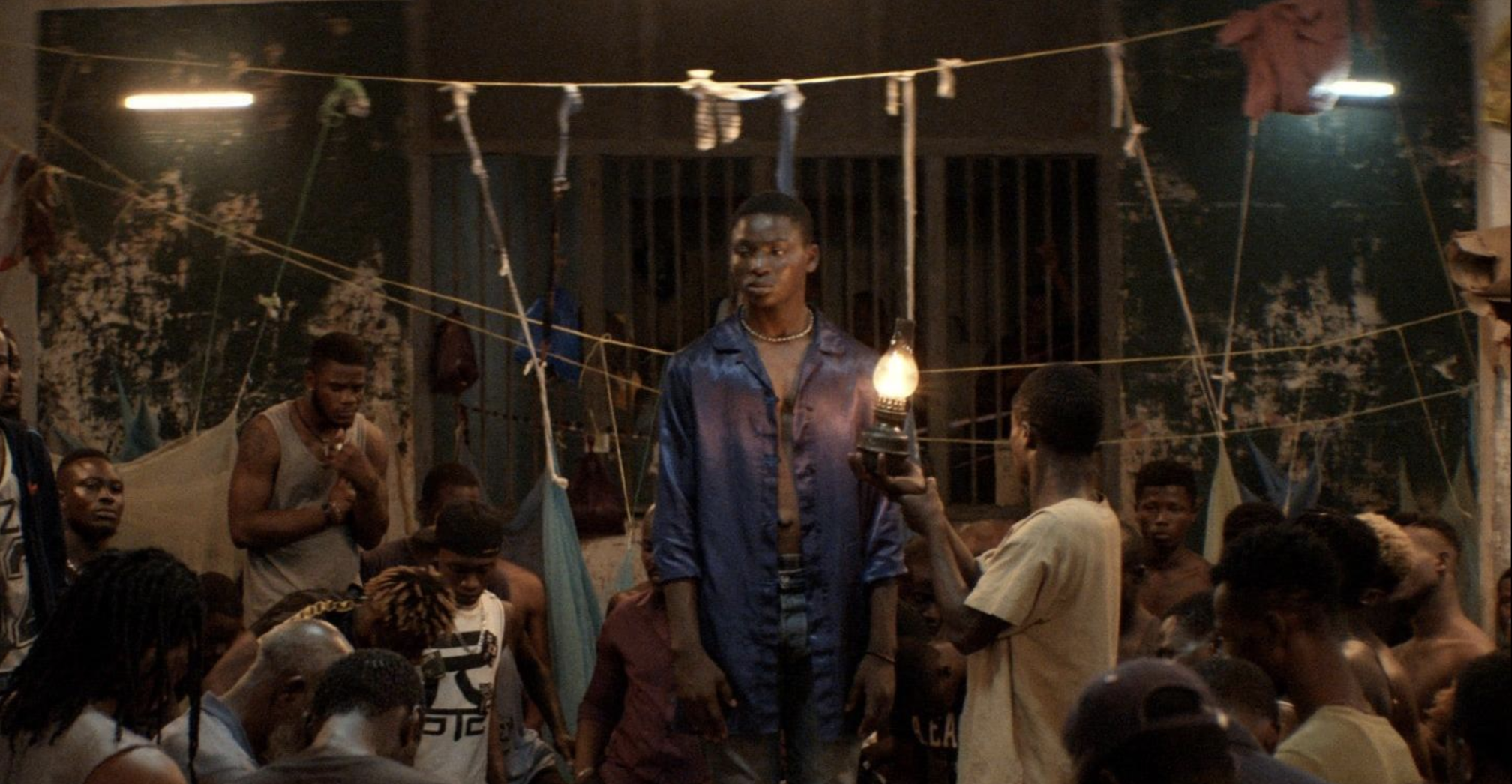
With a script that seems to have been written for a medieval fantasy, but set in a present-day Ivorian jail, Night of the Kings immediately situates itself between the realms of reality and imagination. Whether or not one thinks that certain details about the prison’s strange rituals have been lost in translation, the mysticism surrounding the events of the movie remains impossible to shake. The idea of improvising one’s way out of trouble should make sense in any cultural context after all, and this is what keeps the film on edge—and what helps Night of the Kings work as such a singular vision from an often underrepresented region of world cinema.
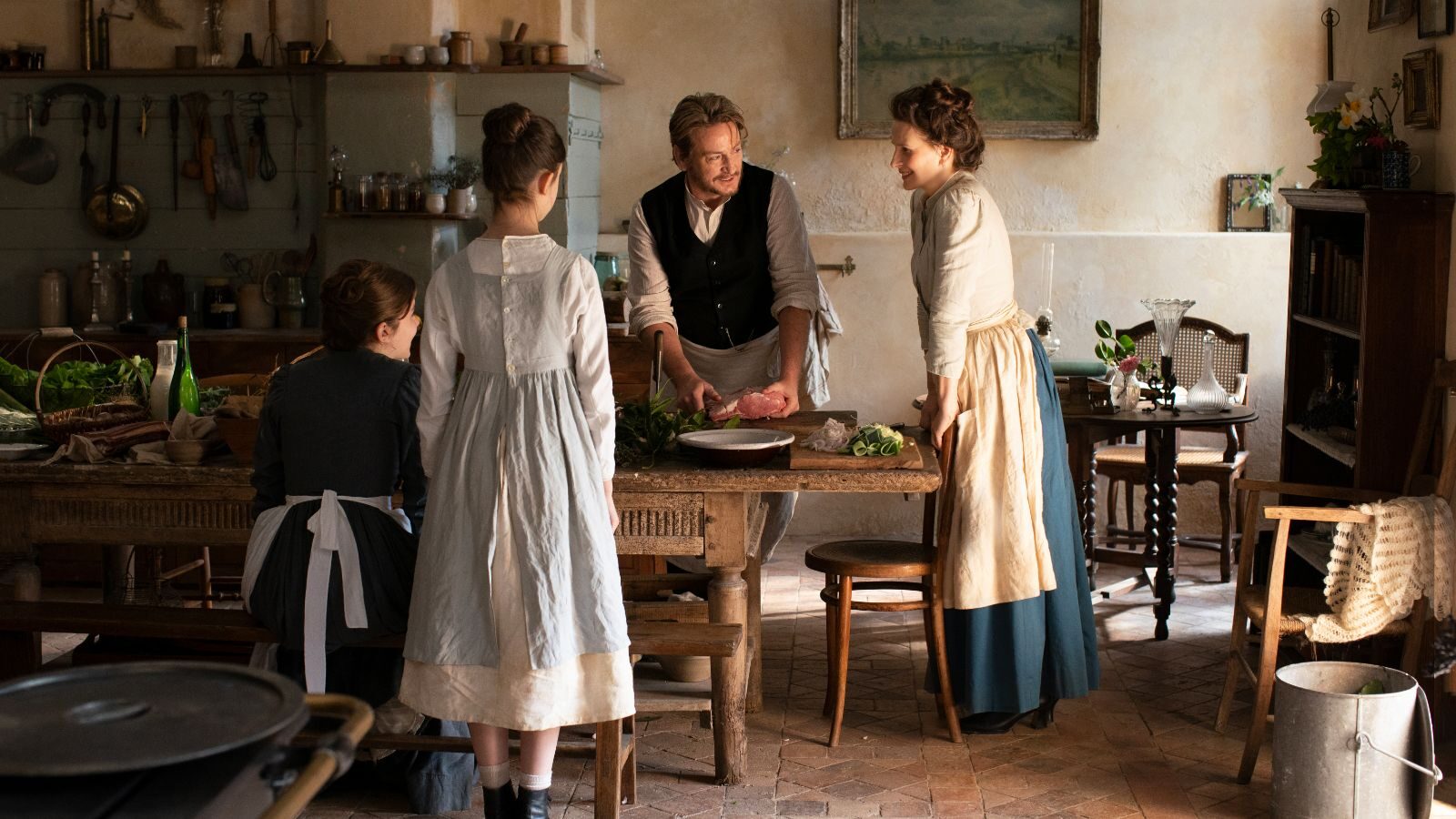
If it’s true that to cook is to love, then Dodin and Eugenie must be enraptured by one another. They use the exquisite language of food to express their feelings for one another, and watching their exchange, you can’t help but feel honored, if not embarrassed, to witness such an intimate and love-filled act. Food is everywhere here, delicately prepared and sumptuously consumed, but the film is more than just a glorified Food Network program. It’s a painting come to life, a love letter to craft, and a beautiful example of a life fully lived.

For better or worse, death strikes us all, fast and unexpectedly. It’s tough enough if the death is caused by ill health or accidents, but when premeditated by another person– it can be easy to lose faith in a higher power. Secret Sunshine depicts a grieving mother trying to start a new life in the countryside, though certain events make it tough to fit in. There’s a well-meaning, long-term bachelor who’s interested in her, though she’s not ready to reciprocate, and there’s townsfolk that would like to invite her to their church, though she’s reluctant to join. There’s curious, gossipy neighbors ready to comment on her every action. Secret Sunshine reveals a darker layer to the countryside towns we retreat to to cope, but it also examines the ways we grieve, cope, and deal with forgiveness, in a community that would prioritize itself at the expense of what’s morally right.
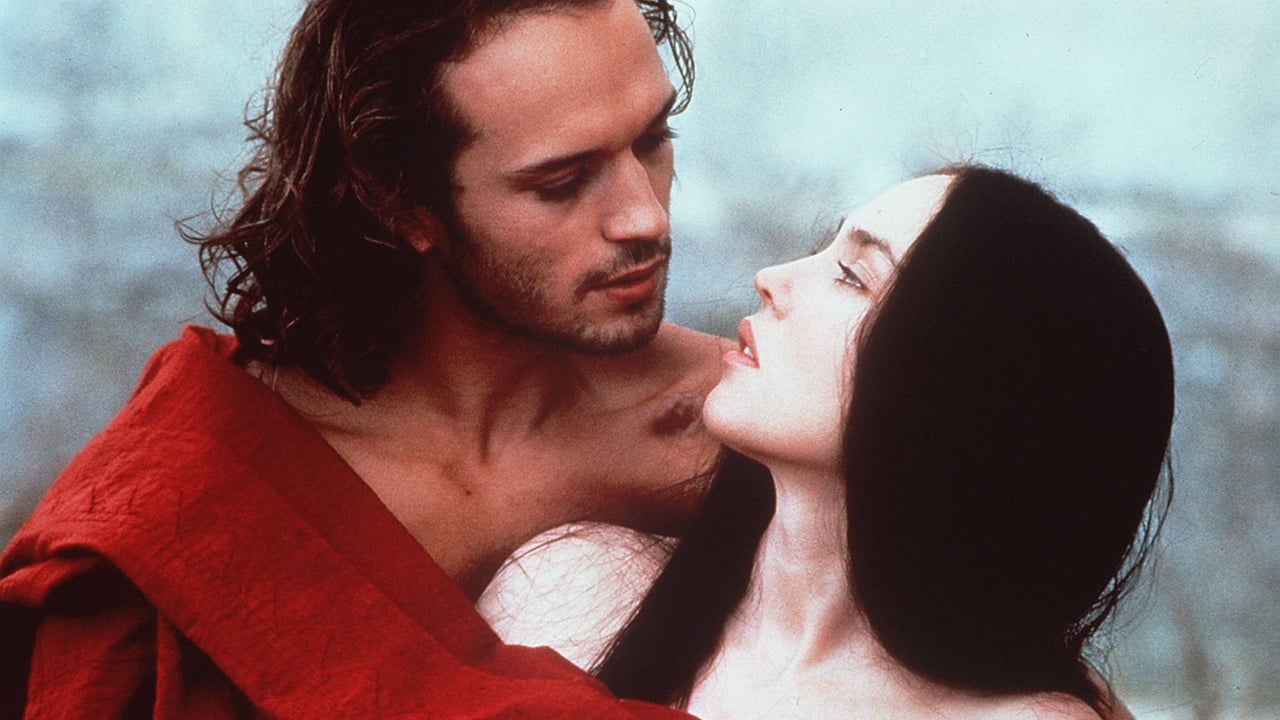
Before Games of Thrones delivered court intrigues, shocking murders, and adulterous affairs, Queen Margot delivered all these nearly two decades earlier, depicting the dramatized, real life events of the French Wars of Religion. While it doesn’t have dragons, it has style, with some of the most stunning scenes intercut with some of the most gruesome, pushing the envelope with a freedom only possible due to none of their descendants still holding the French throne. It’s also one of the most expensive French films ever made, but every franc was put to good use, with luxurious sound, sets, costumes, and camerawork excellently supporting the cast’s performances. Initially released to mixed reception in America with 20 minutes cut from the runtime, La Reine Margot has thankfully been restored and re-released in full for its 20th anniversary in 2014.
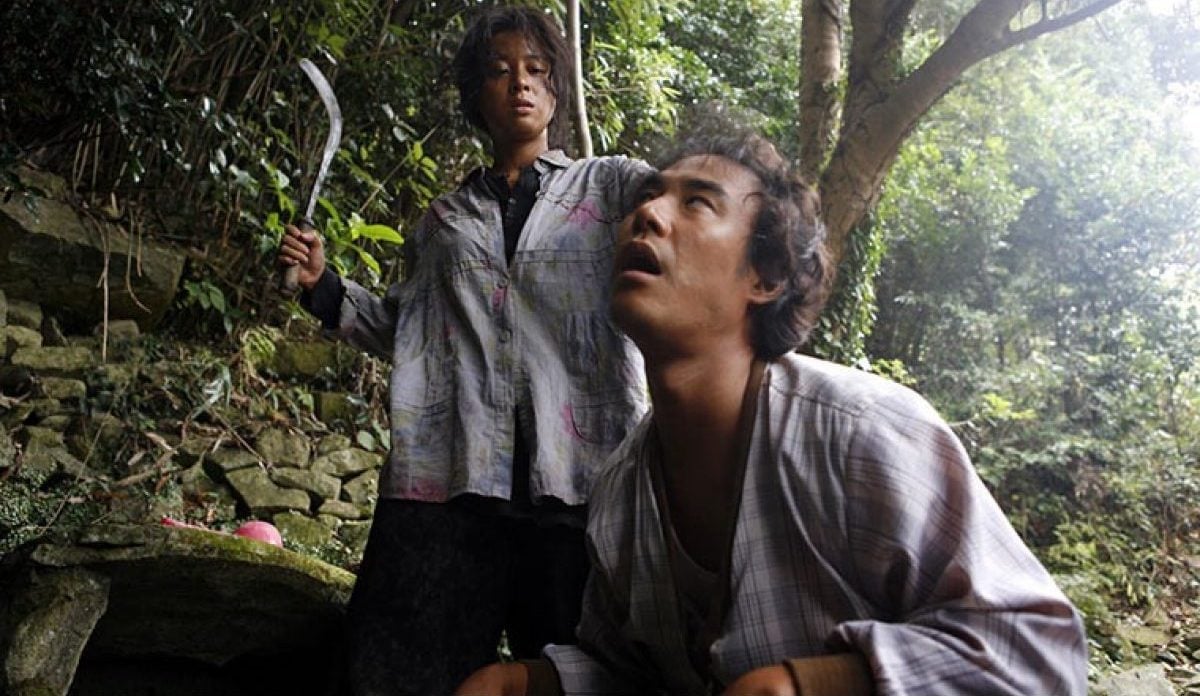
Despite how the title sounds like, the horror of Bedevilled isn’t a devil, a demon, or a spirit. It isn’t even the way childhood friend Bok-nam snaps, taking up a scythe and going on a murderous rampage to kill all the people that wronged her. No, the actual horror of Bedevilled is that everyday people like bank employee Hae-won would hesitate to do what’s right. Reading that sentence can sound cheesy, but writer-director Jang Cheol-soo structures the film, and her visit to Modo, in a gradually escalating manner. When Hae-won first lands, the mean gossip seems ordinary, but the film takes these ordinary, if overcritical, words, and delves into the subtext, especially the darker implications that makes the film difficult to watch. The film does understand Hae-won’s hesitancy– the scenes do acknowledge that reporting could mean retaliation, and the score consistently meets that very fear. But Bedevilled also understands that, if hesitancy allows abuse to be left unchecked, the very same violence that Hae-won was (and many people are) avoiding will inevitably escalate.
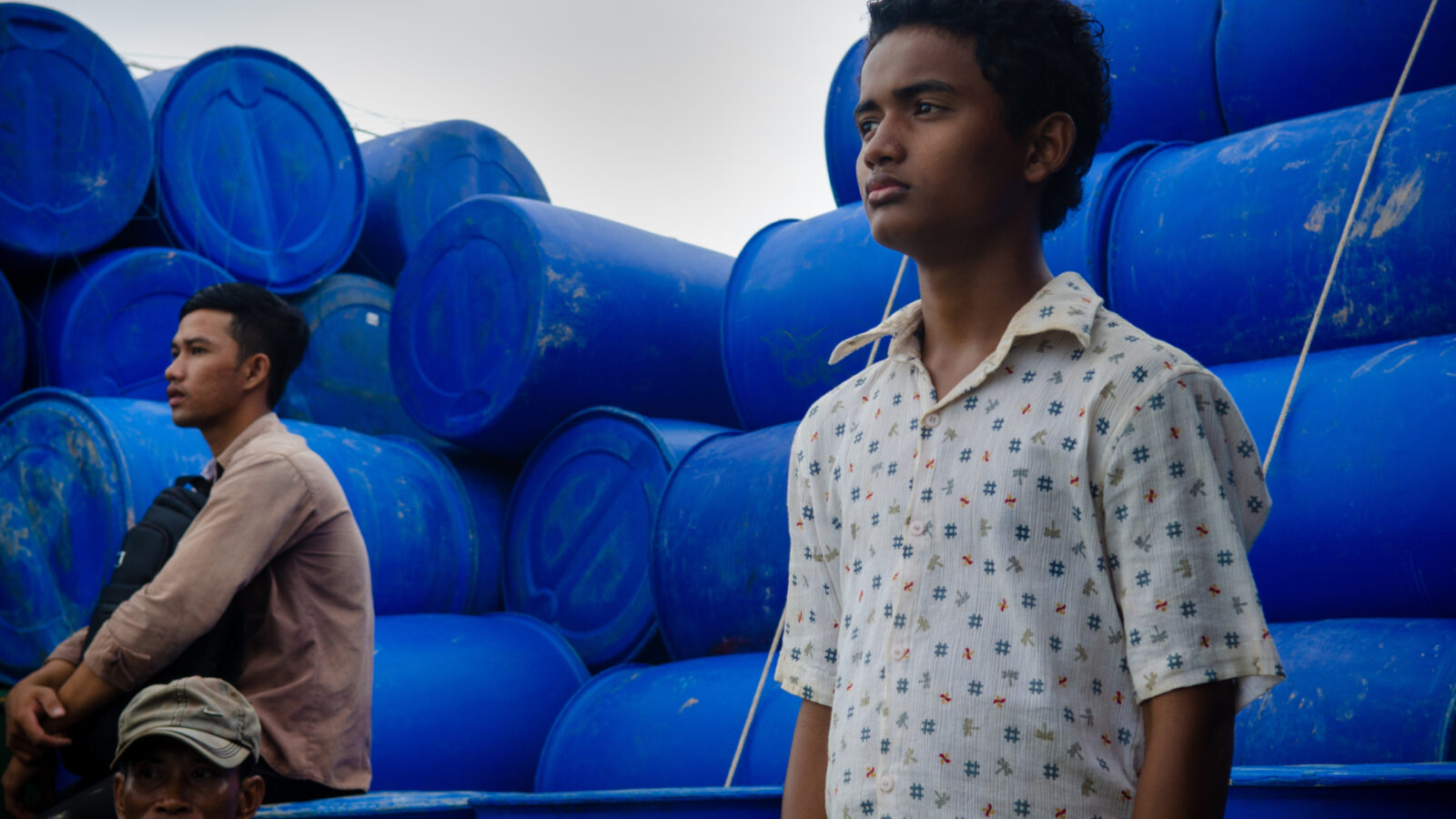
Due to the possibility of death, Buoyancy cannot be made as a documentary. This film, after all, sheds light on today’s real life slavery. But that doesn’t mean it’s no less true. The script was written based on interviews with real life survivors, who, of course, would rather not be filmed due to their safety. The characters were written to closely reflect them, which was why, even though the studio is Australian, they casted Thai and Cambodian actors, and wrote the dialogue in their respective languages. And the story that writer-director Rodd Rathjen created, gradually escalates the terror Chakra faces on the whims of a cruel captain, with each new experience slowly scrapping off the innocence that was supposed to be protected. Buoyancy is not a documentary, but it works as a necessary exposé of slavery in Southeast Asian seas because of Rathjen sticking true to the sadly real life atrocity.
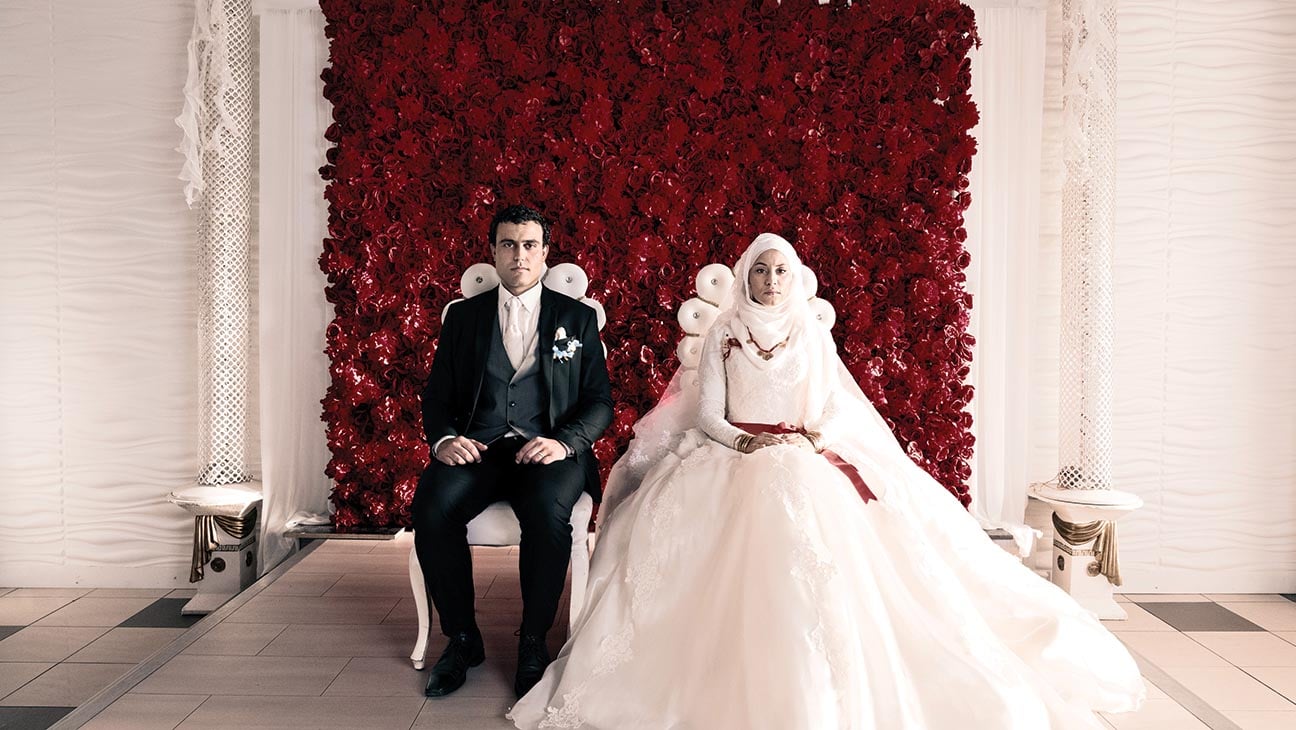
Dramatizing the murder of Hatun “Aynur” Sürücü, A Regular Woman frames her story from her dispassionate narration after she’s passed. This results in a harrowing tale. Knowing her death before she returns home paints every single moment with her family in fury, as they pin every frustration and blame on Aynur for numerous reasons, the biggest is due to not aligning to their ideal of a Muslim wife. It also highlights the failures the German government committed in addressing this issue, the same failures that they could repeat if nothing has changed since her death. A Regular Woman is harrowing, not just because Aynur’s tale is true, but because it acknowledges right on the bat how it can happen again.
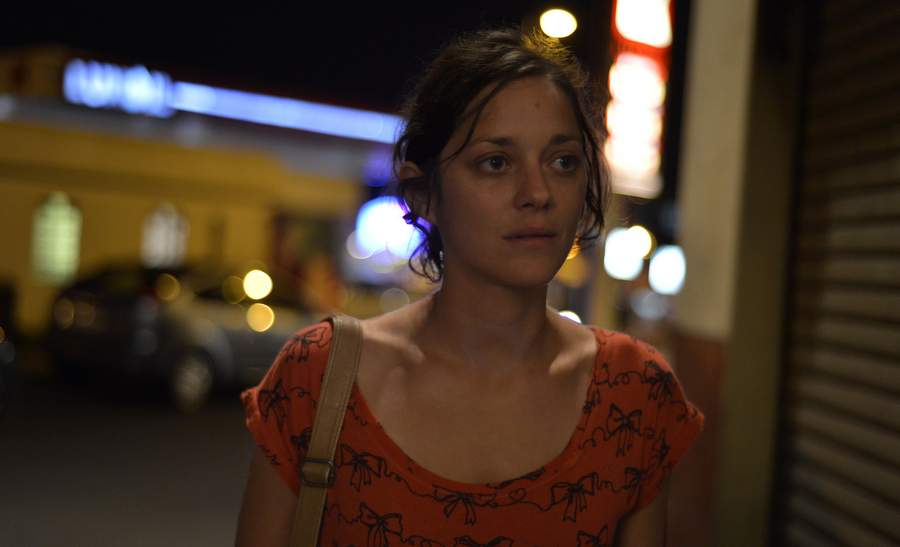
This movie originally caught my eye for all the attention it got at the Cannes festival, but I assure you, all of the hype is more than warranted. Two Days, One Night takes you on an emotional journey with Sandra, recovering from depression and ready to get back to work, when she discovers that her co-workers, having to choose between receiving a bonus and Sandra keeping her job, hold her fate in their hands. And thus, barely convinced herself and with her husband as her only support, she sets out on an unlikely mission to convince the people to vote against the bonus so that she still has a salary.
This movie will strike a chord for anyone who has encountered depression or even simply tried to understand the abstract concept that it is. Marion Cotillard flawlessly portrays through Sandra the desperate struggle of having to put up a fight despite the utter hopelessness that she finds herself drowning in. At strife with herself, watching her try even though every cell in her body has given up, is gut-wrenching and awe-inspiring at the same time. Before long Sandra’s fight on the lay-off and on her own hopelessness seem to blur together. Whether she wins, is what keeps you hooked to the very end.
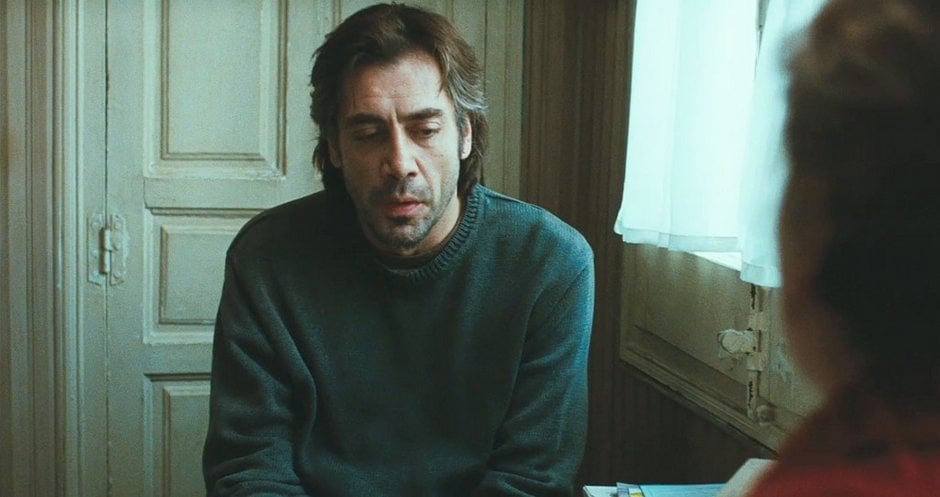
Ever wondered how much your life will change when faced with the reality that death is about to come? That’s normal, and not nearly as life-altering as being told you only have a few more moments to live. Because of a terminal illness, Uxbal (Javier Bardem) is driven to this situation and tries to right his wrongs in the wake of modern Barcelona. This melodrama is supercharged by Bardem’s unearthly performance as the story’s only hero, demonstrating the selfless love of a destroyed and dying father to his children – paired with cinematography unlike any other, this film is exceptionally beautiful. Directed by González Iñárritu’ (Babel, Birdman, The Revenant).
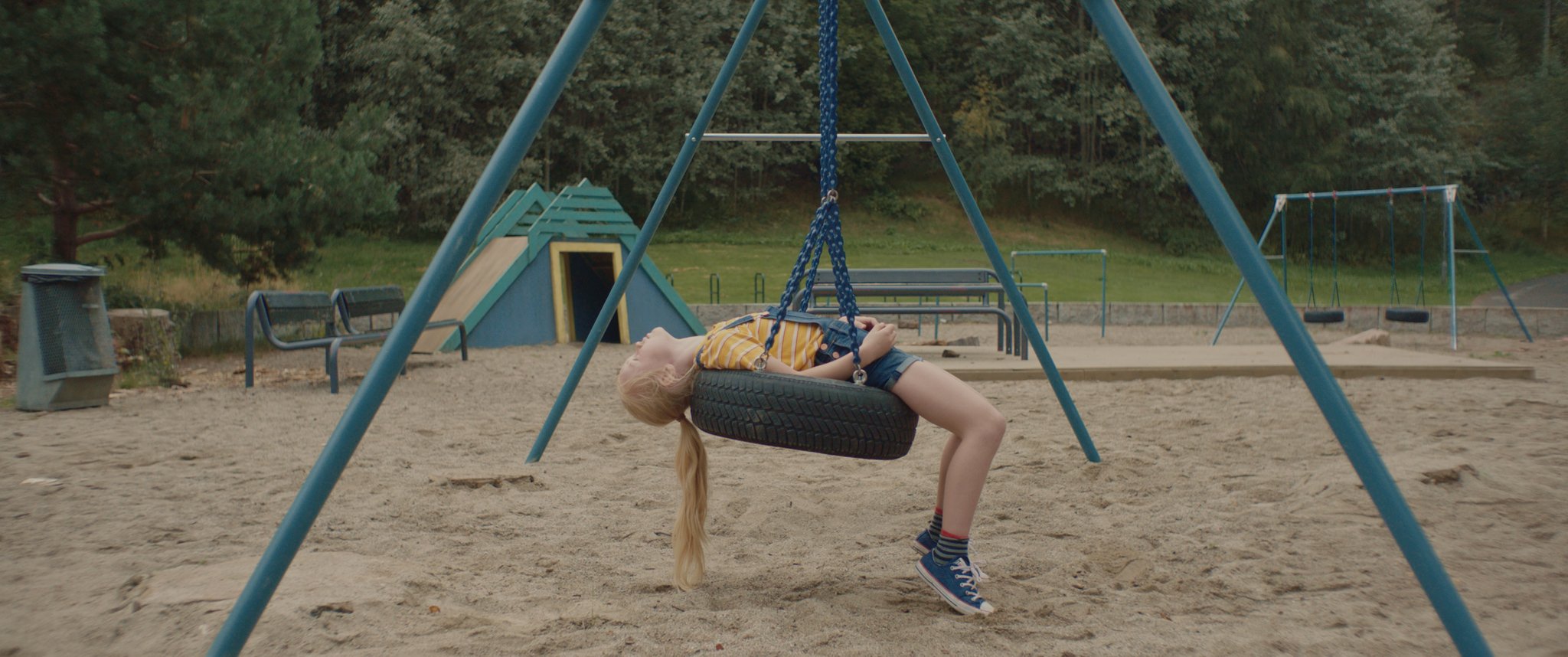
The Innocents is a Norweigan thriller that follows four kids who discover they have supernatural powers over the summer. They play around and experiment in the woods nearby, but what begins as harmless fun quickly develops into something much more disturbing and sinister.
This unnerving film, a blend of fantasy and horror, doesn’t waste time explaining the origins of its mysticism. Instead, it goes straight into action—bending, twisting, and splitting open anything and anyone that gets in its way. This kind of rawness is shocking given the age range of the characters, but it also works to subvert what we’ve come to expect from kids, youth, and goodness. The Innocents isn’t for the faint of heart, but if you can manage some bloody and unhindged scenes, then it’s sure worth checking out. Directed by Eskil Vogt, co-writer of critically-acclaimed films like Thelma and The Worst Person in the World.
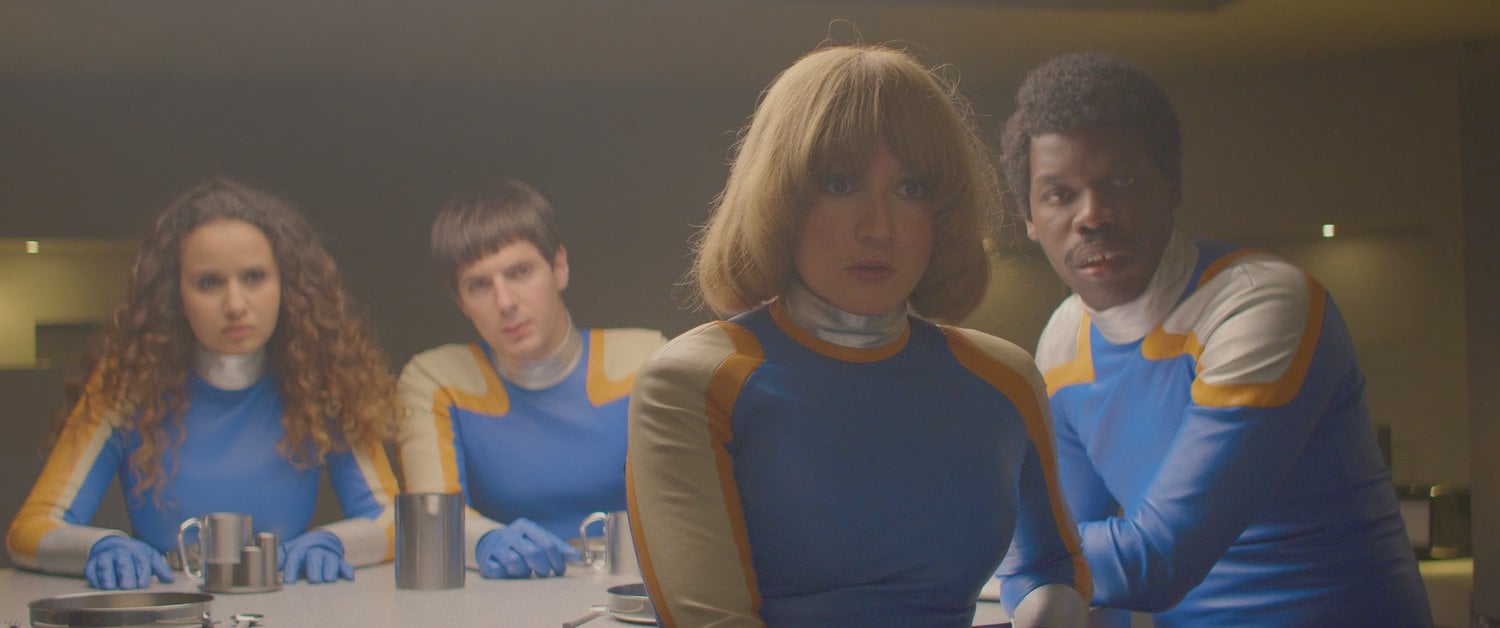
At 80 minutes, Smoking Causes Coughing is another slice of perfectly paced absurdist fun from Quentin Dupieux, the zany mind behind Rubber (in which a car tire turns serial killer) and Deerskin, the tale of a motorcycle jacket that wants to rule the world. This time around, the protagonists aren’t inanimate objects: they’re Tobacco Force, a Power Rangers-style band of lightly idiotic superheroes who harness the toxic power of cigarettes to defeat Earth’s enemies, and are each named after one of their harmful components (Benzene, Nicotine, Mercury, Ammonia, and Methanol). They’re led by Chief Didier, a rat who inexplicably dribbles green goo — and, even more inexplicably, casts an intense erotic spell over Tobacco Force’s female members.
Smoking Causes Coughing leans deliriously, hilariously far into its absurdist premise. Citing a lack of “group cohesion,” Chief Didier sends the Force to the woods on a team-building retreat. While they swap “scary” stories over a campfire, however, a reptilian galactic supervillain plots to put Earth “out of its misery” because it’s a “sick planet” (can’t really argue with that). Full of insane plot twists and without a tired trope in sight, Smoking Causes Coughing never approaches the realm of predictability — no small achievement in this era of superhero fatigue.

In the hands of another director, Sans Soleil would simply be a travelogue. A set of beautiful shots from Japan, Iceland, Guinea-Bissau, and San Francisco, arranged chronologically. Maybe accompanied with some rambling words about how beautiful the place is. However, filmmaker Chris Marker does differently. The way he puts them all together creates such an unusual documentary that experiments with the form, pairing clips with wandering narrations mixing questions, recollections, and loosely connected stories about time, space, and memory. Given that there’s four different versions shaped by the language it’s in, we can’t say that Sans Soleil is sans any intention. But what we can say is that it’s one of its kind.
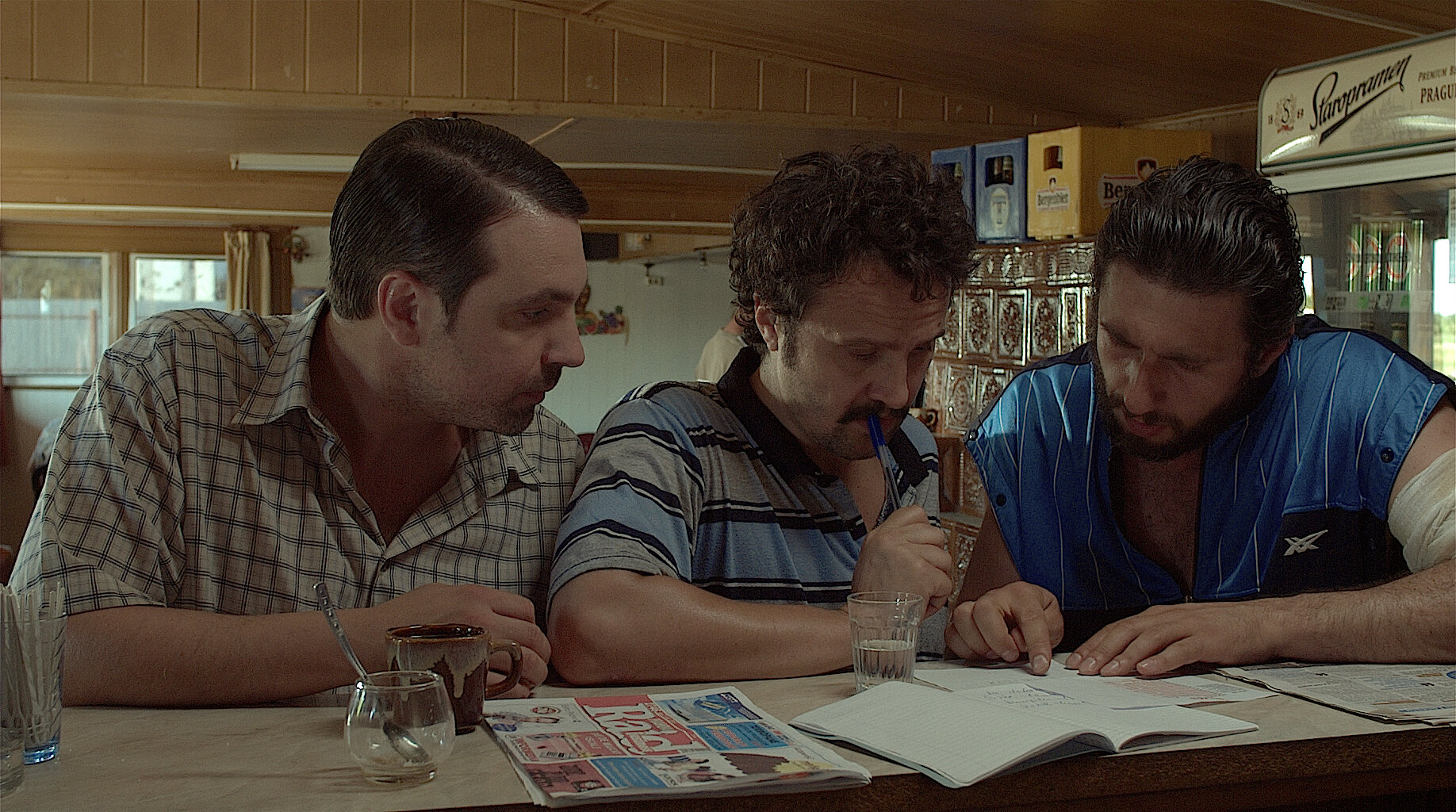
The Romanian New Wave’s predilection for bleakness gets a tongue-in-cheek dig in this buddy comedy from the same country: “Romanians are bad at making movies,” Pompiliu (Alexandru Papadopol) complains. “They only show doom and gloom.” Indeed, the premise here could easily make for a miserable movie: three hapless working-class pals win a multimillion lottery jackpot but lose their ticket — and, with it, the chance for Dinel (Pedro Pascal-lookalike Dorian Boguță) to pay off the mafia don that’s holding his wife hostage in Italy.
But Two Lottery Tickets takes a decidedly droll view of their predicament. Part of that approach is achieved via the trio’s characterizations: they’re all goofy in different ways, from the ridiculous conspiracy theory-spouting Pompiliu and the gullible Dinel to sleazy chancer Sile (Dragoș Bucur). The rest of the film’s breezy comic tone comes thanks to their amusingly convoluted journey to retrieve the ticket, which they believe is in a bag that was stolen when Dinel was mugged by two thugs. These many segues implicate a cross-section of Romanian society into the film, making it a wry social commentary in places. Mostly, though, Two Lottery Tickets has modest ambitions — to be, simply, an enjoyable comedy — a goal it surpasses thanks to its absurdist humor and pitch-perfect performances.
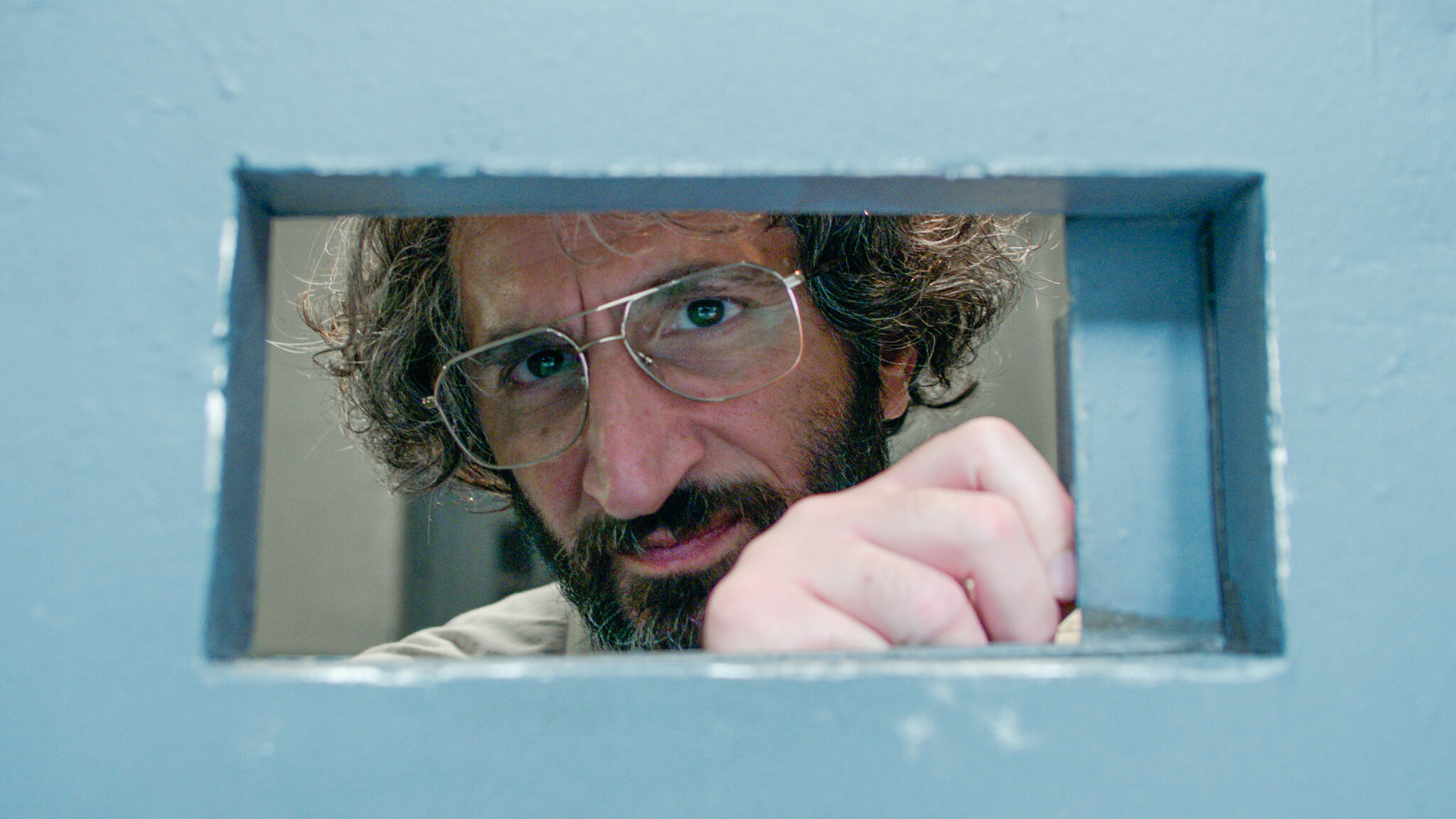
When he’s accepted into the prestigious Islamic university Al-Azhar, fisherman’s son Adam (Tawfeek Barhom) gets an eye-opening education — but not the kind he expected. A place associated with notions of purity is imagined as a hotbed of hypocrisy and corruption here, as naive young Adam finds himself unwittingly embroiled in a state plot to seize control of Al-Azhar (because, as one government official puts it, “We can’t accept having two pharaohs in the land”). Cairo Conspiracy’s intricate plot confronts monsters in government and strips away religious leaders’ veneer of divinity as a reminder that they’re merely fallible men. What’s more, the film grapples with the knotty mess of politics raging inside the institution’s walls in such a way that even its palatial courtyard feels claustrophobic. Rife with paranoia and subterfuge, Cairo Conspiracy feels utterly unique thanks to this skillful transposing of the shadowy machinations of courtly intrigue dramas and ’70s paranoid thrillers into a very contemporary Egyptian setting.
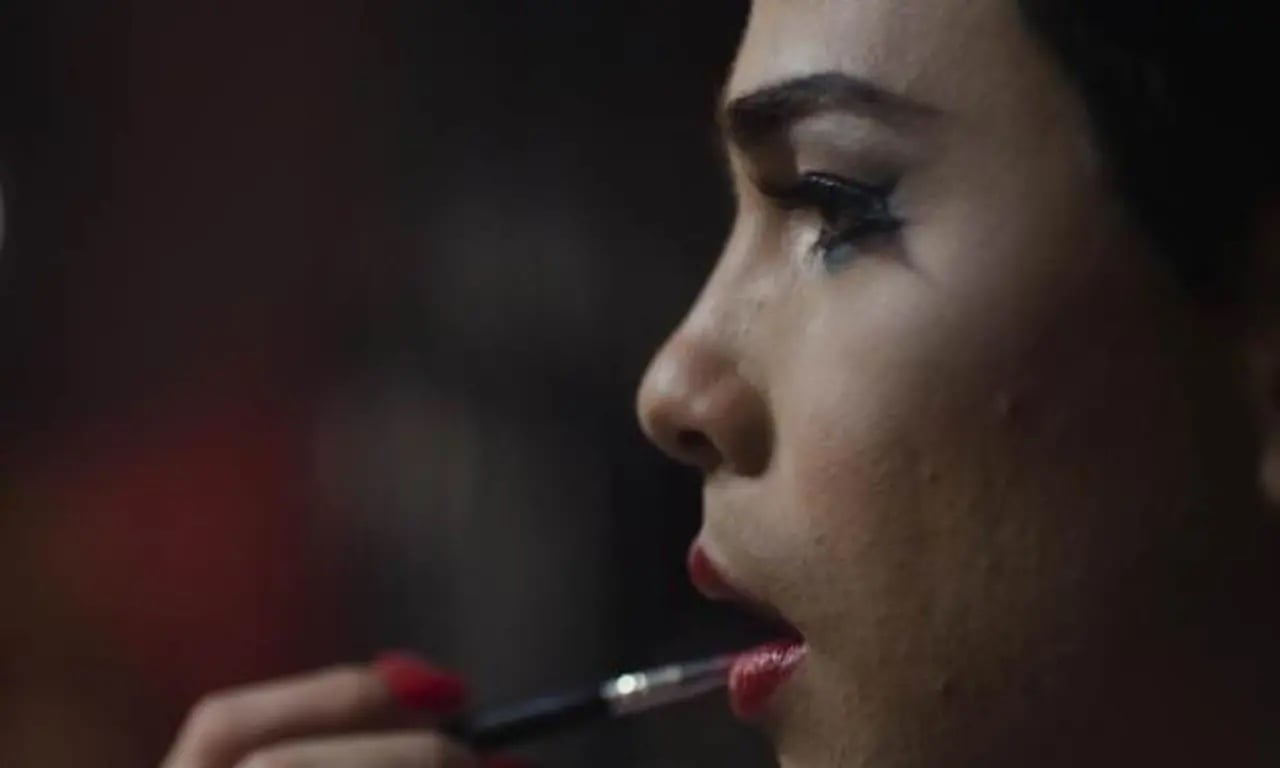
Shrooms director Paddy Breathnach has als dipped his toes in romcoms and thrillers, but this queer Bogota-set drama has a lot of tenderness in its heart. Micro-budget and full of life as the name suggests, Viva is an inspiring story that centers around Jesus (Héctor Medina) and his own individuation. A hairdresser with the talent of a drag performer, he assumes the role of Viva in the weekend cabaret. As warm and open as his father is detached and somber, Jesus is a likeable protagonist with the vulnerability and dedication to follow his dream, that no wonder the film made the Oscar shortlist in 2016.
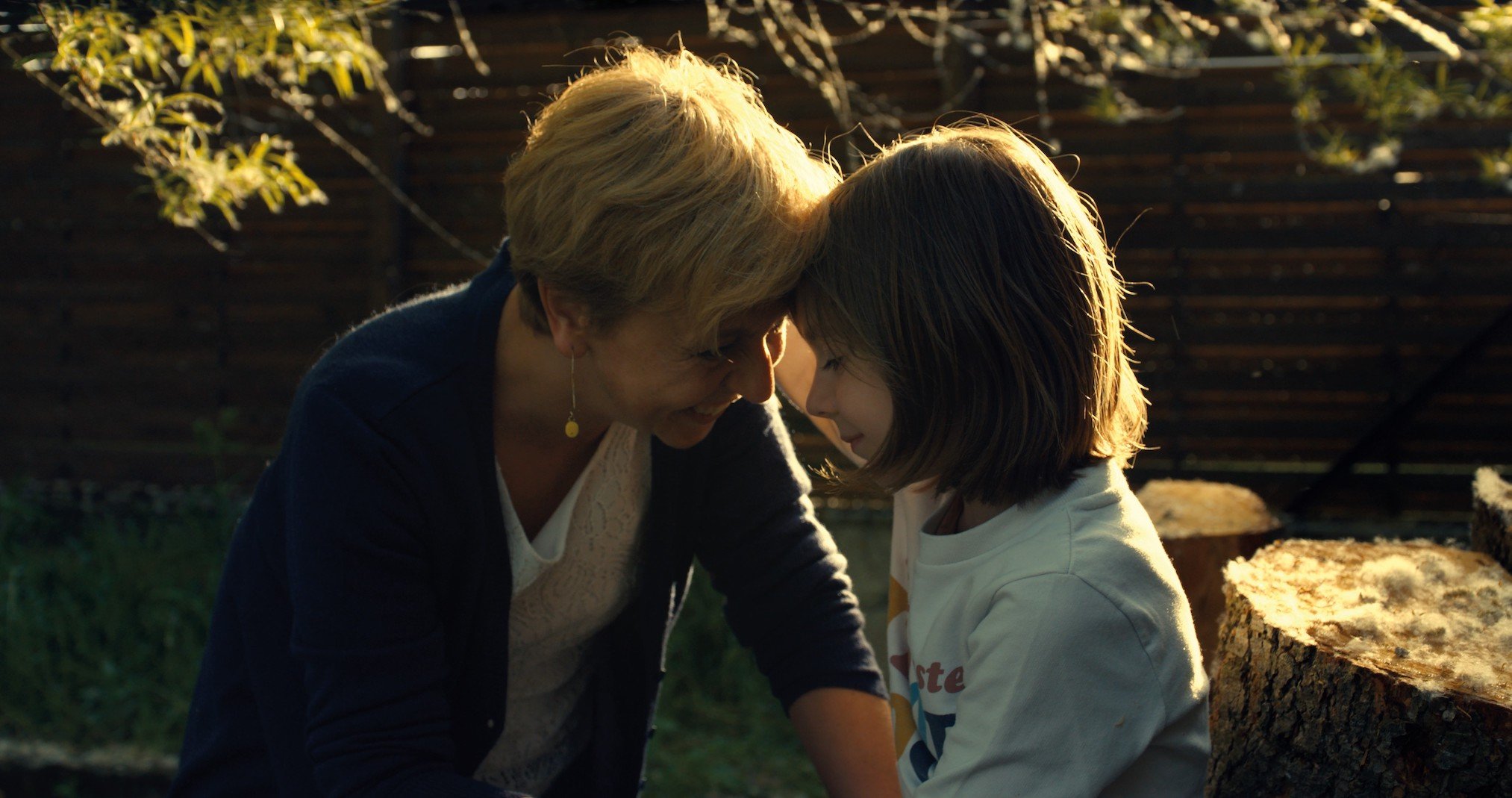
It would be understandable if it only occurs to you midway through that Little Girl isn’t actually a narrative feature but a gorgeously made documentary. Director Sébastien Lifshitz approaches his main character of Sasha not just with respect and empathy for her identity, but with a dedication to bring out the euphoria of feeling comfortable in one’s skin. As a result, Lifshitz seems to intentionally avoid any and all scenes where Sasha may face discrimination (especially at school), but even if this choice occasionally make the material feel thin, getting to see Sasha gradually learning to express herself more—or even just just seeing her enjoy a quiet moment on her own—is more precious than anything.

Evil Does Not Exist begins a simple enough parable about the dangers of disrupting the delicate balance of nature, particularly through capitalistic greed. It’s easy to follow and root for the right characters, while the majestic views of rural Japan and the curious ways the film is edited (all abrupt musical cuts and shaky cameras) add to the movie’s charm. But fans of director Ryusuke Hamaguchi (Drive My Car, Wheel of Fortune and Fantasy) know better than to trust a seemingly straightforward path, which is of course not what you get in Evil Does Not Exist. The film takes a turn for the supernatural, maybe too late in its run, but it’s beguiling and thought-provoking nonetheless. It’s worth watching for many reasons, but the jarring realization that you might not know what this film—and indeed life—is really about is the true highlight.
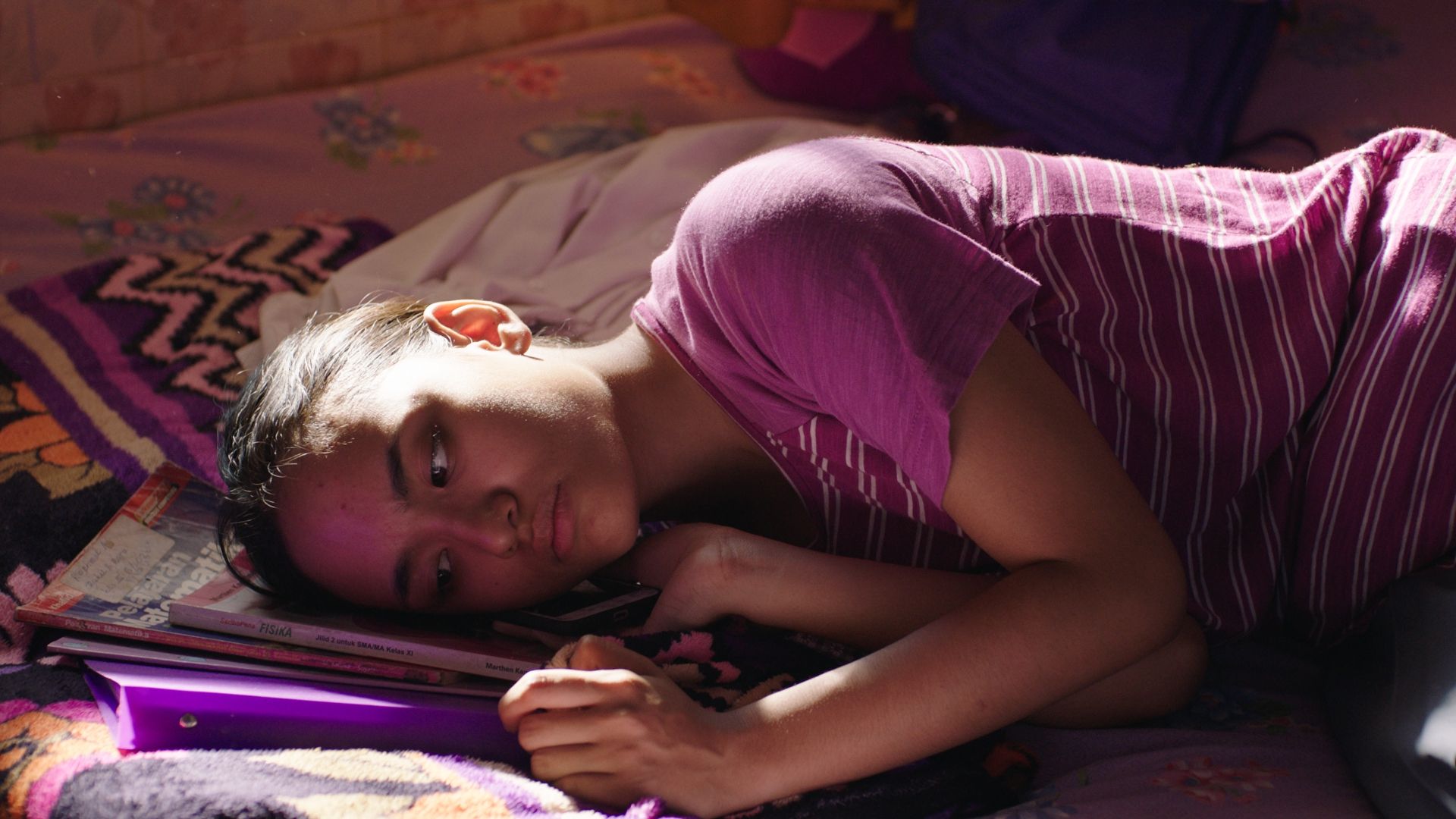
Education is a human right, but for many girls around the world, this isn’t necessarily guaranteed– especially if they want to learn past the required years of basic education. Yuni is a coming-of-age drama that depicts a girl in West Java, Indonesia who wants to go to university, but due to the marriage and virginity culture in the area, her main problem isn’t having to pass the entrance exams, or figuring out how to get financial aid. Instead, it’s having to fend off marriage proposals that clearly don’t come from a place of love. Writer-director Kamila Andini depicts the titular protagonist with the freedoms rarely granted to a girl like her, with the happiness and belonging all girls should be able to find solace in, but she also depicts the casual ways oppression lingers in the background, with society just waiting to kill women’s dreams, hopes, and personal goals. Yuni is an honest and powerful portrait of many women around the globe.

Divorce is hard, even with a fairly civil separation and moving to another place entirely free from the divorced parent. The main emotional stakes are usually carried by the parent, but even then, children have some stake in this relationship, seeing that this permanently affects their relationship with both parents and any siblings they may have. I Wish tackles a separated family through the kids’ eyes– taking a rumored wish-making pair of bullet trains to get their family together, but in the optimistic reality kids tend to have, rather than a fantastical fairytale adventure. Through Hirokazu Kore-eda’s frames, and the precocious real life brothers portraying the main duo, I Wish effectively balances its hopeful tone all throughout, capturing the kids’ hopes and dreams in an endearing, but not overly sentimental, way.
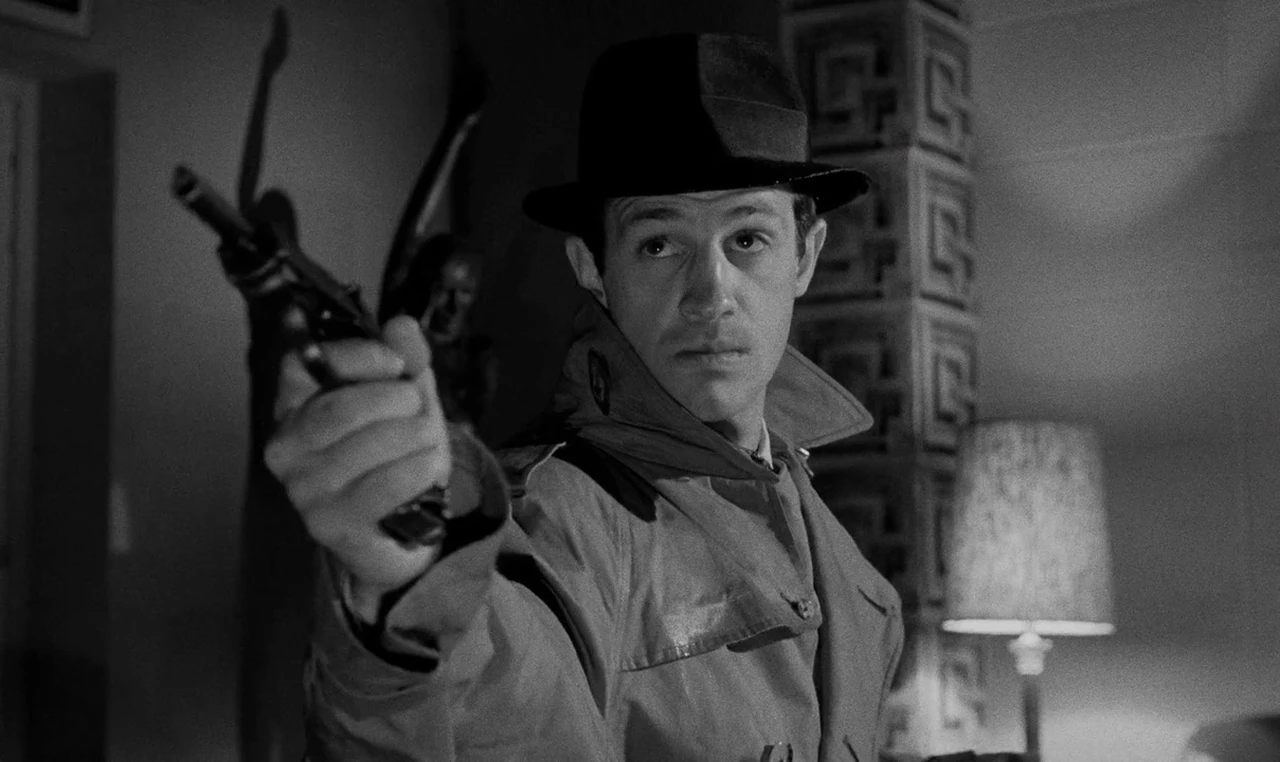
Le Doulos starts with an explanation of the title. While the word refers to the specific type of hat the gentlemen of this film wear, it has become a slang word meaning police informant. As such, an expectation is set– one of the thieves will end up as an informant. Admittedly, the path to get there is a bit convoluted, with every guy wearing the same trench coat and wide-brimmed fedora betraying each other (if they haven’t already), but the journey in finding the crook of crooks is made so intriguing by the strong direction of every scene. Each frame is shot in that signature shadowy light and visual innuendo that made film noir striking. It’s also paired with such a groovy score that sets the suspense of the heist that follows. So, while it may not be the most straightforward caper film, Le Doulos nonetheless is a fun pastiche of the film noir genre.

Also known as Just 6.5 or Six and a Half per Meters, this police procedural follows the hunt for a drug kingpin named Naser Khakzad. Fast-paced action sets up the investigation off to a thrilling start, and it’s exhilarating to see Samad, the lead cop, get closer and closer to this elusive pusher. However, what grounds the action is the way it seamlessly integrates the societal reality of drugs in Iran, a country with capital punishment for dealers that hasn’t been helpful to stem the nation’s addiction. This understanding provides the springboard for Samad and Naser’s dynamic, making these two take a different path from the ever familiar drug narrative that we’ve seen in other crime thrillers.

A very touching film about Japanese children who are abandoned by their mother in their apartment and left on their own. It’s movie that perfectly encapsulates the world of kids and its alignment with this story is both heartbreaking and joyful. Their innocence will make you smile from ear to ear until moments come where you will shed tears. This is a film everyone should have watched, it breaks my heart how little-known it is.
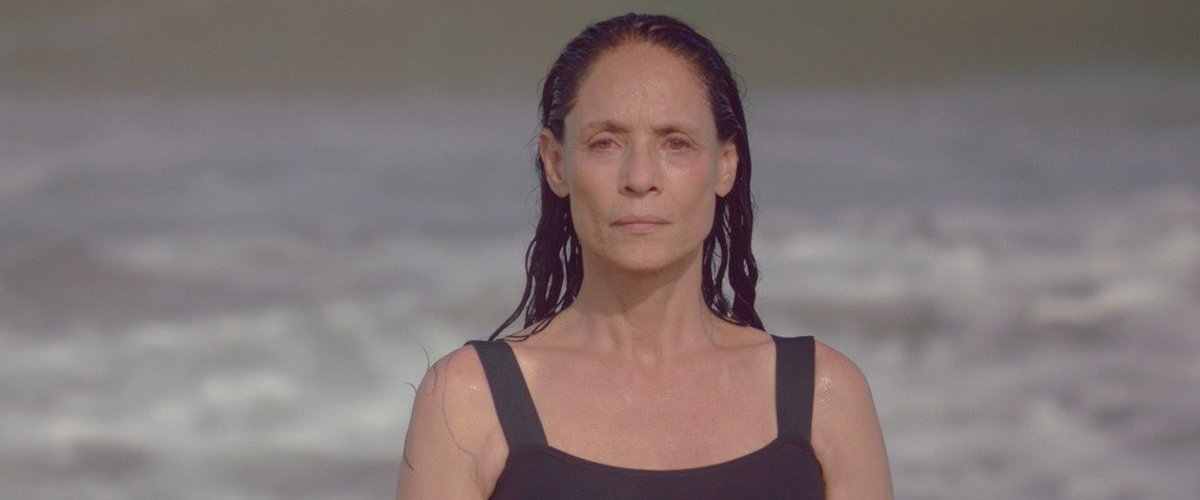
If you’ve never heard of Sonia Braga, you’re in for a ride with this movie. She is, in my opinion, one of the best actresses alive today. In Aquarius, she stars as a 65-year-old trying to keep the home in which she pledged to die. In a quiet, yet stoically powerful performance, she reminds us that identity often intersects with the spaces in which we live.
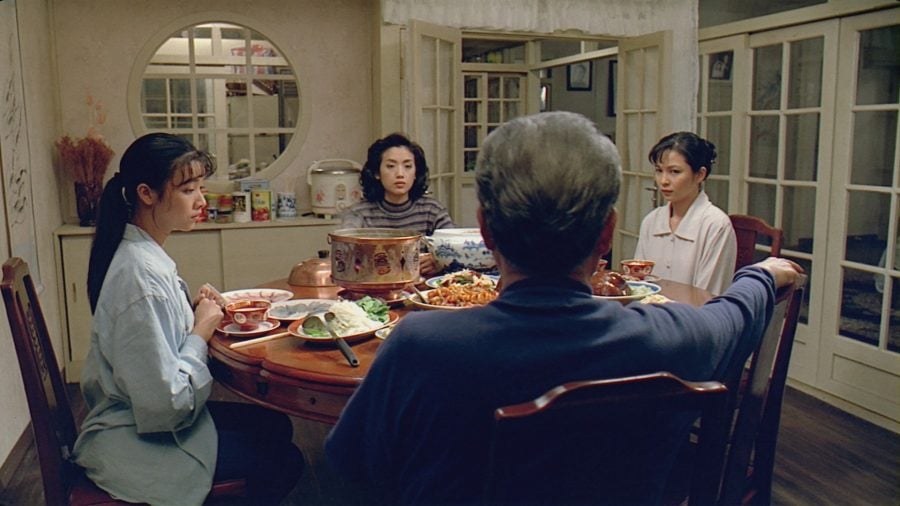
Eat Drink Man Woman takes place in Taipei, Taiwan in the mid-1990s. It tells the story of an aging father and his three daughters, all of whom are navigating different phases of adulthood while embracing new relationships. The family uses cooking and eating together as a way to communicate their love.
Food as a love language wasn’t a new concept in 1994, when the film was released, however it is impeccably explored in Eat Drink Man Woman.
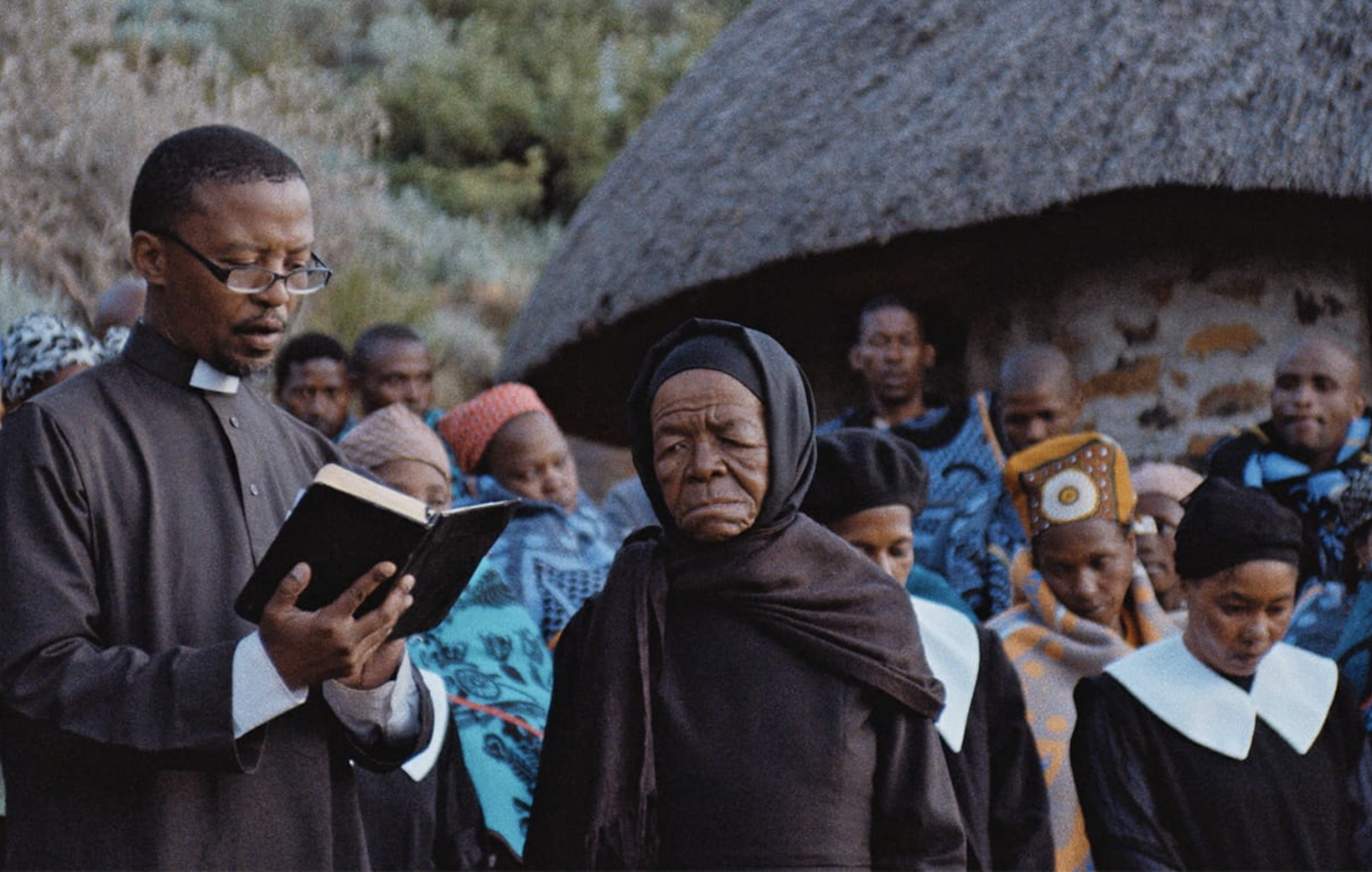
A relatively straightforward story of a village of Sotho people building the courage to resist unwanted development on their land and the erasure of their culture, the rousingly titled This Is Not a Burial, It’s a Resurrection wastes no time on the oppressors’ point of view. For director Lemohang Jeremiah Mosese, there is no debate: these people are more important than any markers of progress hoping to displace them. Their struggle is rendered in some of the most crisp and colorful cinematography you could hope to see, with a powerful performance by the late, great Mary Twala front and center, channeling so much sadness into fury and determination.
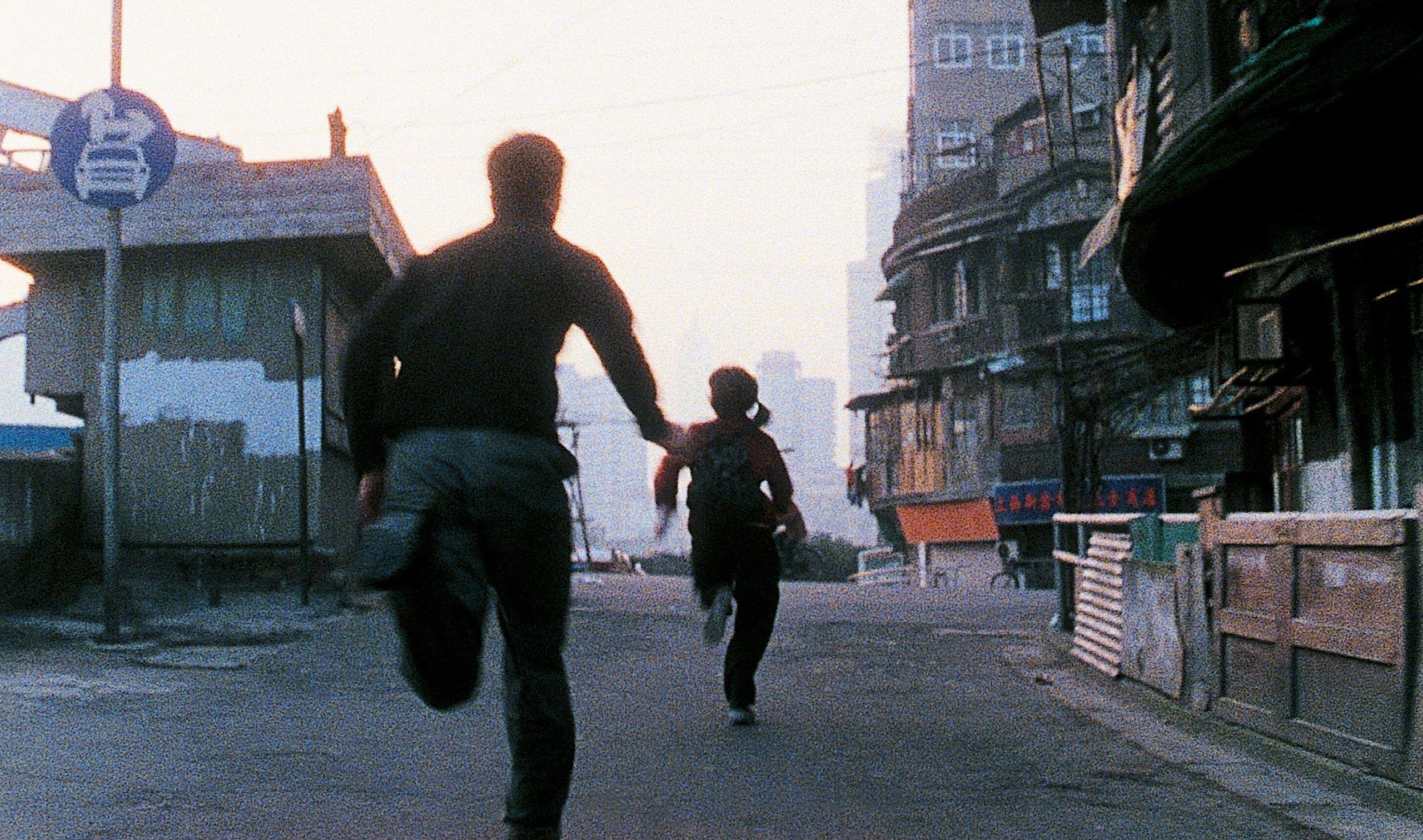
Once banned by Chinese censors, Suzhou River depicts love and obsession amidst the gritty, urban underbelly of Shanghai. As the film is portrayed through an anonymous videographer, seen only by his hands, it’s easy to fall in love as he does, with the mesmerizing Meimei (Zhou Xun), performing as a mermaid in a dive bar. However, he can’t seem to trust her, as she flits in and out of his life, with no clear notice. Likewise, the tragic romance told by motorcycle courier Mardar can’t be trusted, given that the river’s inhabitants warped it into folklore. Faces can’t even be trusted, especially with the double casting of actress Zhou Xun as Meimei and as innocent rich daughter Moudan. Because of these contrasts and its ambiguity, Suzhou River sweeps us into an alluring, mysterious tale, but reminds us not to get caught by the current.
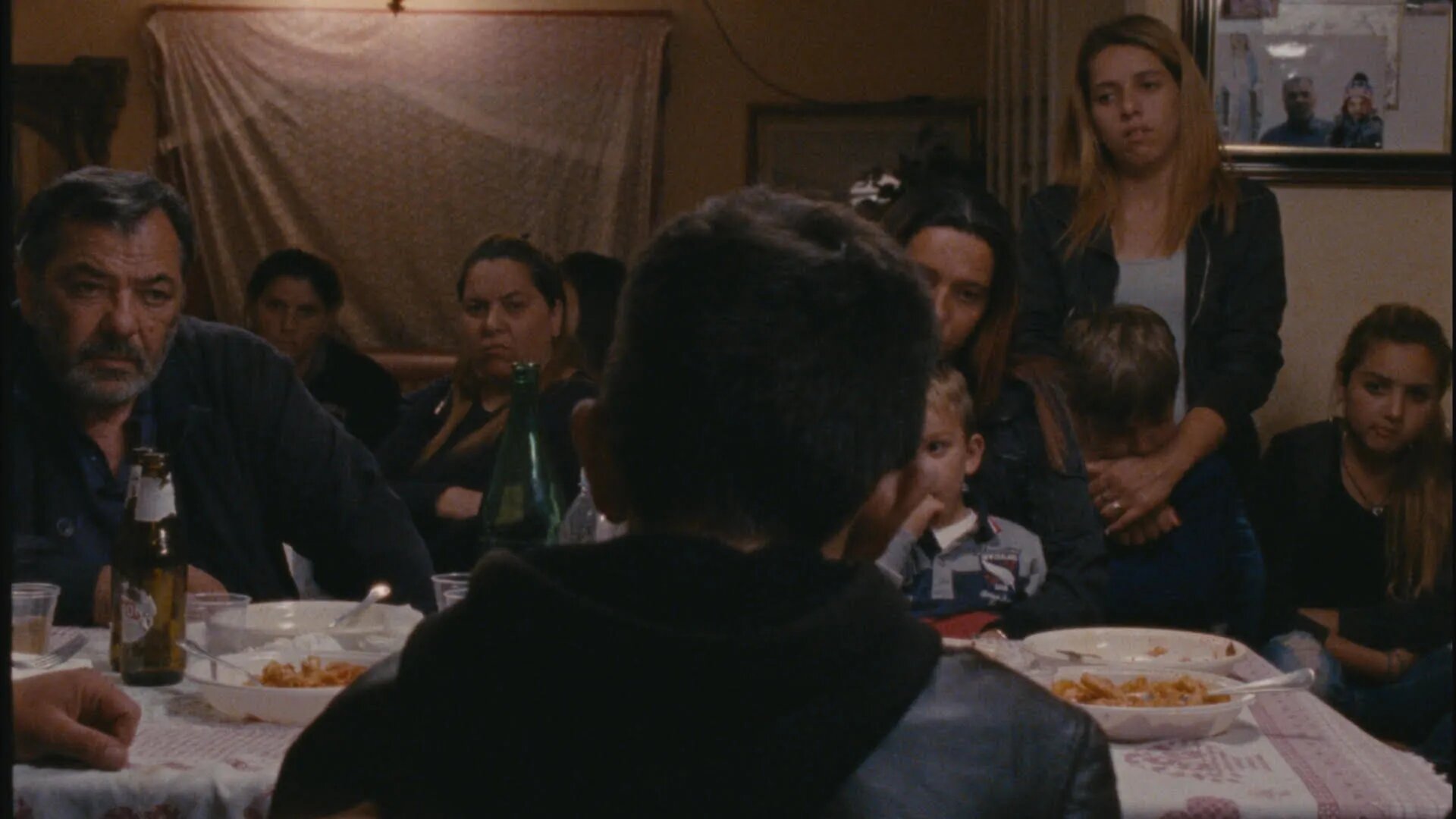
This fiery coming-of-age drama has an unlikely origin story: director Jonas Carpignano was first introduced to the sprawling Roma clan that makes up most of the movie’s cast when one of them stole his car while he shot another film. The charismatic Amato family made such an impression on him that he decided to center a movie around their real lives, naming it for the insular neighborhood they live in on the outskirts of a Southern Italian town.
The Amatos are part of a much-maligned ethnic minority, but not the only one in the film. The Ciambra pokes at the idea of solidarity between the Amatos and local African migrants: while his elders are quick to reject the idea, plucky 14-year-old Pio (Pio Amato) flits across these invisible borders and bonds with Ayiva (Koudous Seihon). But Pio is desperate to win the respect of the men in his family, who might then allow him to take part in their criminal exploits — a crisis point The Ciambra chronicles with raw emotion. This is a movie whose grit and bleakness often recall the uncompromising gaze of neo-realist classics, as a child is heartbreakingly forced to declare his allegiances in the dog-eat-dog world his elders can’t imagine an alternative to.
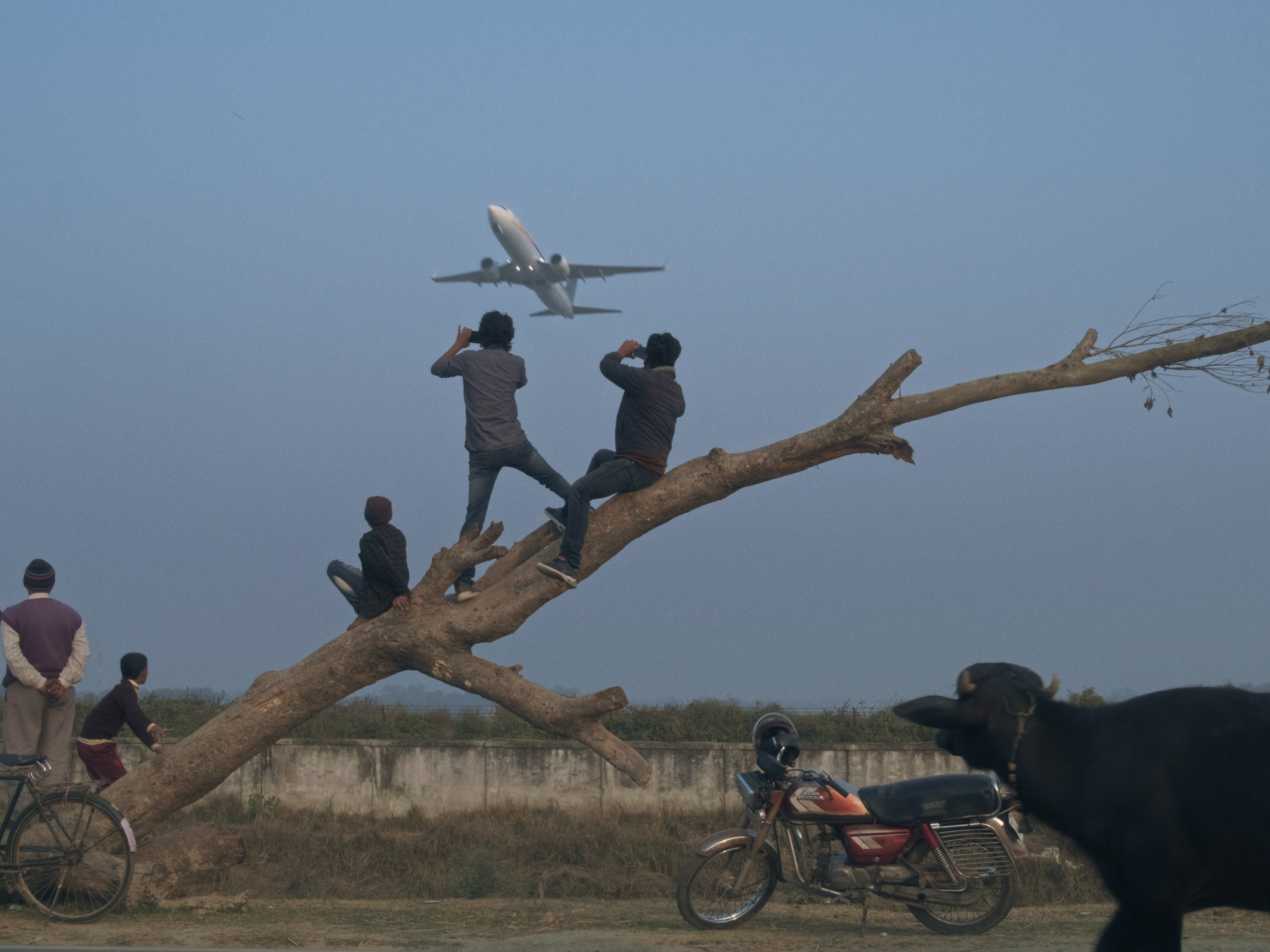
Dhuin is evidently influenced by the Iranian filmmaker whose work its characters discuss: Abbas Kiarostami. Featuring non-professional actors and full of long observational takes that center everyday conversations in the life of an aspiring actor in a small Northern Indian city, it’s guided by the same social realist impulses that shaped Kiarostami’s work. What’s more, it even ends on an explicit reference to Close-Up.
But what elevates Dhuin above homage is the acute internal struggle it depicts. Set during COVID lockdown, the film follows Pankaj (Abhinav Jha) as he works on his acting in a bedroom adorned with images of Hollywood stars, chafing against the much less glamorous reality of the home he shares with his financially struggling parents. He’s on the cusp of having enough money to fulfill his dream and move to Mumbai (where he hopes to advance his career), but several meetings with puffed-up filmmakers who are visiting from Mumbai give Pankaj a new perspective on the world he’s desperate to join. A testament to the torment of difficult choices, Dhuin also gently offers an alternative to the trope of abandoning home for the big city, suggesting that there might be greater beauty in the reality of where you’ve always been than the places you dream of.

Michael Jackson’s death triggers the sudden unraveling of a young imam’s buttoned-up life in this idiosyncratic Egyptian character study. The news of the singer’s passing sets Khaled (Ahmed El-Fishawy) straining against reawakened memories of his youth as a mullet-sporting MJ fanatic, before his joyful creative spark was stamped out by two disparate forces: a mocking, macho dad who punished Khaled for his vulnerability and the conservative uncle who took him under his wing.
Sheikh Jackson mostly takes place across two intertwining timelines: Khaled’s free-spirited adolescence and his adulthood, which has so far been defined by a self-flagellating, fire-and-brimstone brand of Islam. These two strands form a neat illustration of the binary options Khaled was led to believe he had to choose from — but, as the movie’s title hints, he might not have to choose at all, a revelation that doesn’t come easy because it flies in the face of everything he’s been taught. Free from the judgemental impulses of Western cinema when it comes to characters like Khaled, Sheikh Jackson is both an introspective portrait of the universal struggle of defining one’s own identity and a refreshingly nuanced look at how that experience might play out in the modern Arab world.
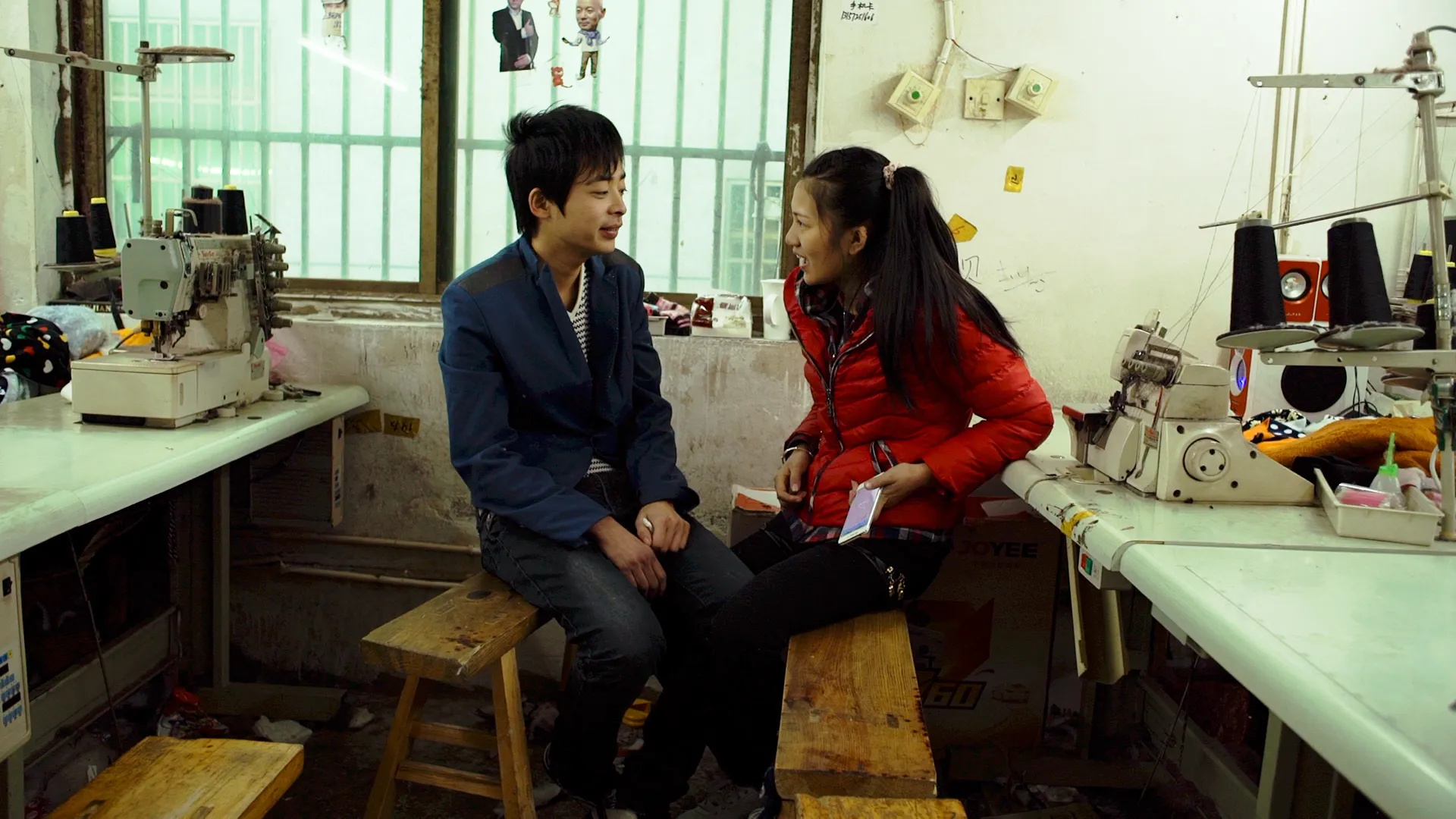
Teenagers forced to grow up quickly and spend their prime years wiling away at garment factories sounds like a grim reality, and it is, but in Youth (Spring), Chinese documentarist Wang Bing captures more than just the inherent tragedy of young labor. Here, they build friendships, find love, discover an affinity for their craft, stand up for themselves against exploitative bosses, and look for ways to have fun. Even if it’s just as simple as eating street food, spending the night at an internet cafe, or finding nice clothes, we’re with them in every way. Though it’s never explicitly political, the documentary makes you think about the conditions that put the kids there in the first place, such as our insatiable need for cheap and trendy clothes, governments turning a blind eye to child labor, and a skewed system that favors these above people’s—especially young people’s—well-being and welfare.
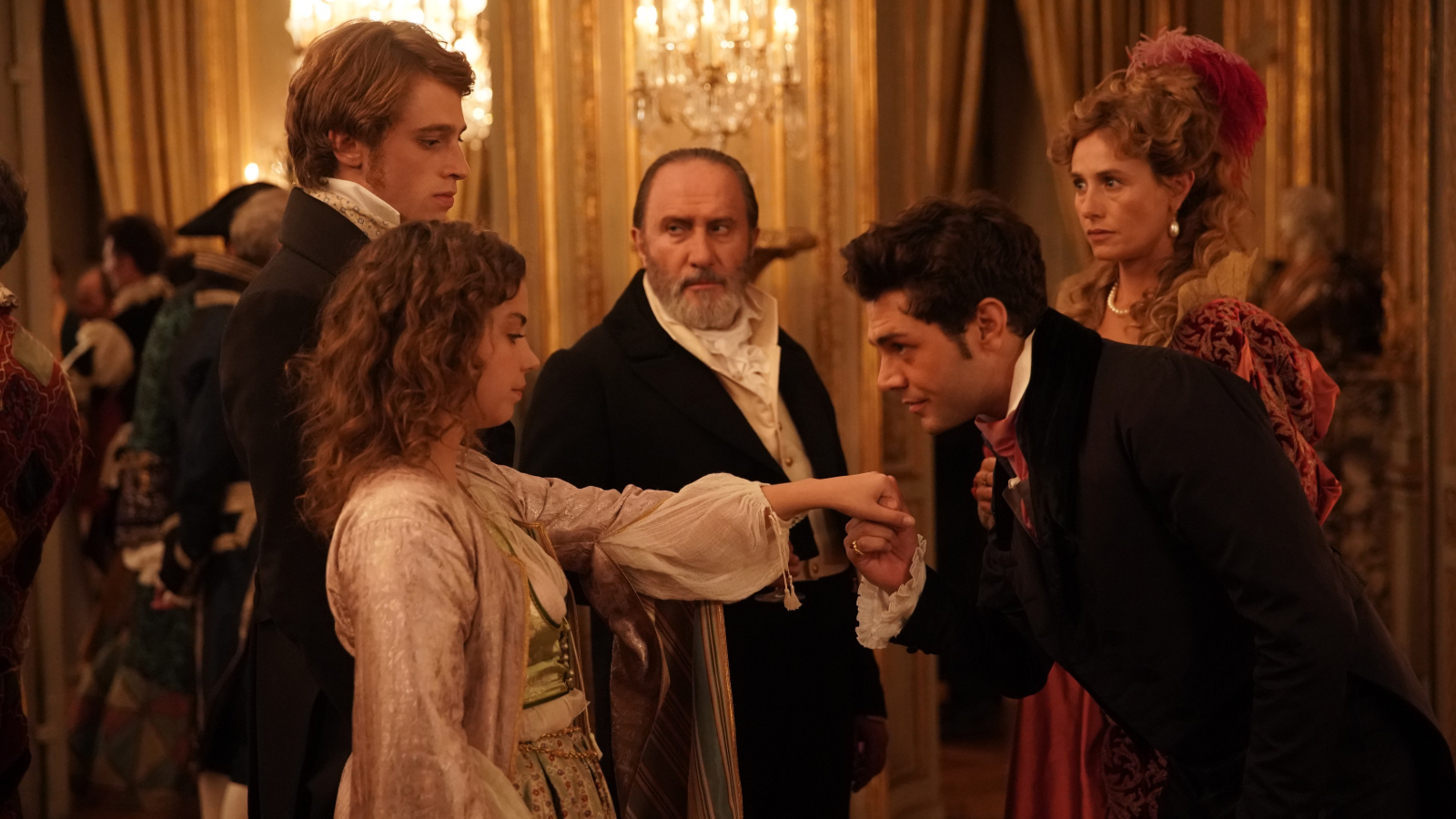
Despite being based on a 19th-century serial novel, Lost Illusions feels remarkably close to contemporary concerns about fake news and the devaluing of art for profit. But as the story is also, obviously, set in the 19th century, all this bribery and these backdoor dealings are done entirely through the written word and by sending runners from one Parisian theater to the next—and the result is uniquely thrilling. Nearly every character is a terrible person (like in an old-timey Goodfellas way) and it can get tiring seeing the film glorify their hustle, but the energy it brings is rare to find in any other period drama.

Like many coming-of-age films about films, it’s easy to assume that Last Film Show would be a derivative of all-time film classic Cinema Paradiso. Both films from opposite corners of the world, separated by more than three decades, do share that awe of cinema from a projection booth. However, unlike Paradiso, the awe of Last Film Show is also tempered by the rural poverty its young protagonist faces. Samay learns projection from a film booth, and learns community is formed through the screen, but he also learns it through snatching the few reels that passes through their village, manually experimenting with scrap material, and recreating the same light and shadows through its fundamentals. These scenes are precocious because of the children, but it makes for a more interesting take, because Samay’s journey proves that cinema truly is worth saving, even without the money. It’s undeniably awe-inducing with Pan Nalin’s stunning shots and semi-autobiographical story.
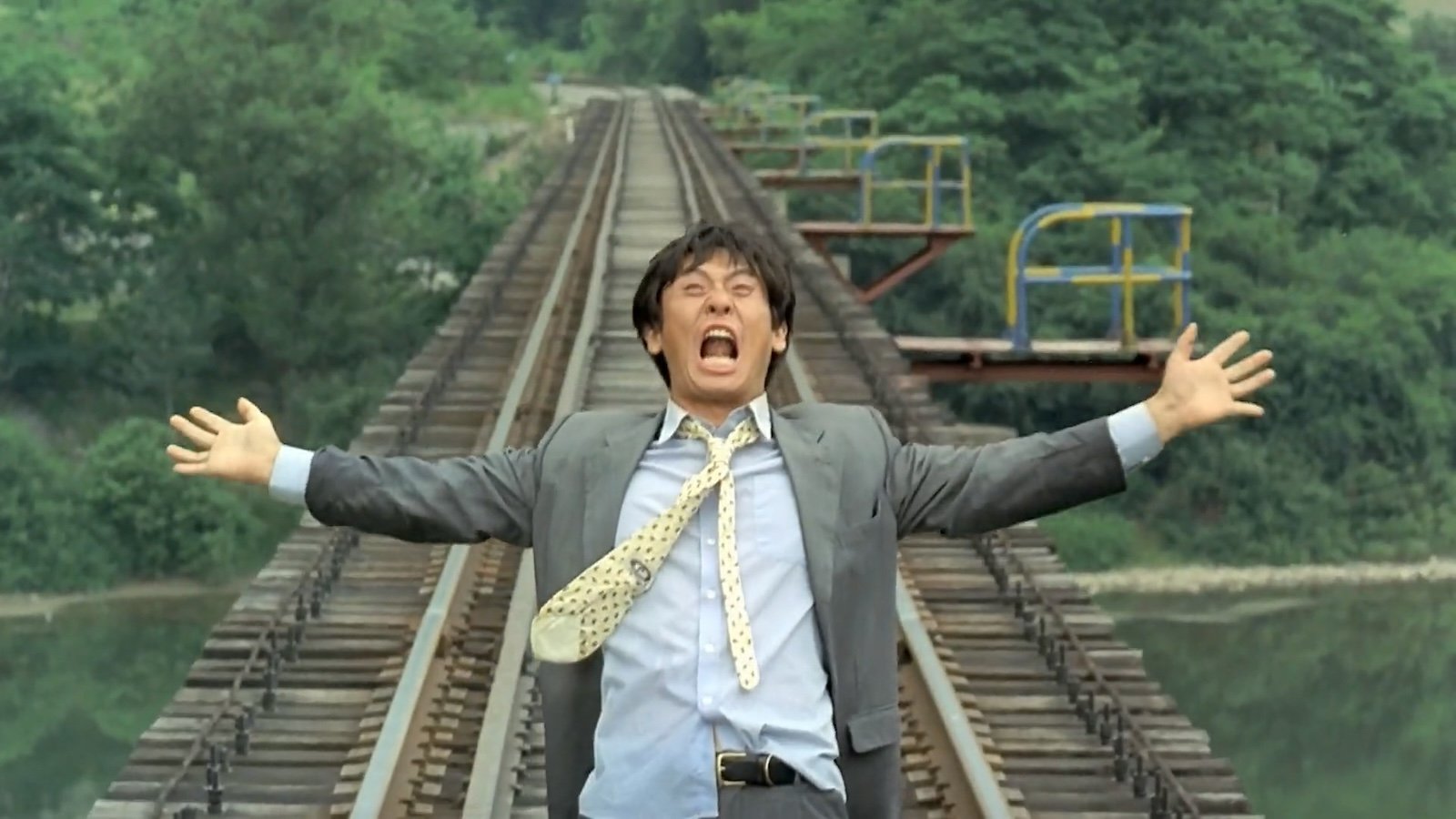
When depicting a person’s life, most films are chronological. They start from beginning to end, from the character’s birth to their death. However, it’s only fitting for Peppermint Candy to depict the opposite because, mild spoilers: the film starts with a suicide. What would push a person to do such a thing? Director Lee Chang-dong unpacks this tragedy through six personal moments vis-a-vis South Korea’s turbulent history, the violence lurking under peaceful times, and the way Kim Young-ho has ignored his better impulses because of it. In reverse, Kim’s life is not an easy one to watch. Each sequence transforms the one before, as each part of Kim’s past reveals a better path he could have taken, if not for the times he’s lived through.

The Chaser is a police procedural, but it’s one of the more brutal ones we’ve seen. It isn’t because the crimes depicted are heinous, though they are, and writer-director Na Hong-jin doesn’t shy away from capturing the terror of the serial killer’s crimes. And it isn’t because the main person on the case isn’t police at all but a disgraced cop turned pimp, pulled into it only to find the girls he’s missing. No, it’s because the actual police mess up their own investigation. As Joong-ho learns more about the man he’s searching for, each scene proves the incompetence, the politicking, and the corruption that keeps his former comrades one step behind, and that kept himself from the profession. The Chaser understands what’s at stake each time a case like this occurs.
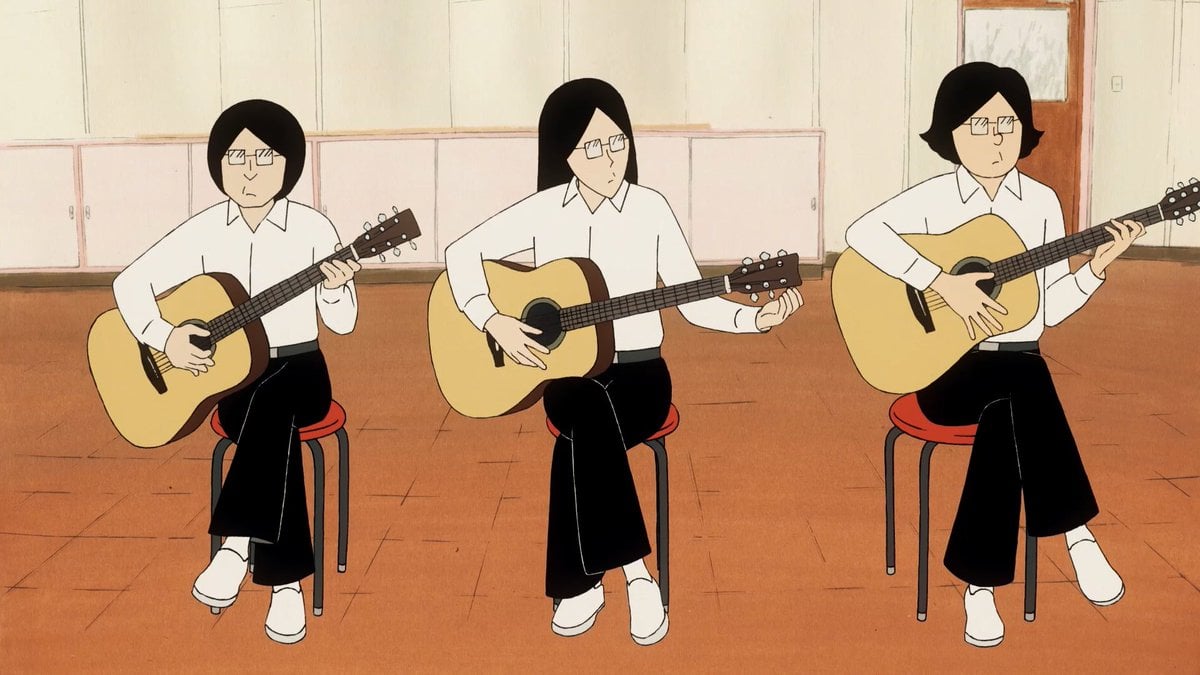
At first, On-gaku: Our Sound seemed to be a classic coming-of-age story centered around a battle of the bands. The delinquent kids find a new outlet through music, and thus, change as a result of the art. But the indie animated drama proves to be different, because the band Kobujutsu don’t transform into rock stars over a quick montage and a dash of inspiration. They don’t even look the part, with the scribbled art design. Instead, these kids make sounds through two bass guitars, a snare drum, and a tom drum, purely using rhythm to make music. And as these kids dabble with their instruments, On-gaku: Our Sound marvelously unfolds to a funny but sincere slice-of-life tale that celebrates their passion.

Many films centered around a mother’s love rarely dares to question it. For most people, the fundamental relationship between mother and child is a given, so viewers might be shocked at the way this murder mystery explores how much this bond can be tested. Centered on a murder case with a mentally disabled suspect, Mother unfolds in ways we rarely expect, with the unnamed protagonist going so far in her devotion that leads to darker and terrible discoveries for this small town, not just about the family in question. It’s not the cathartic pursuit of justice Hollywood is accustomed to, but it’s what makes Mother such an outstanding crime thriller.
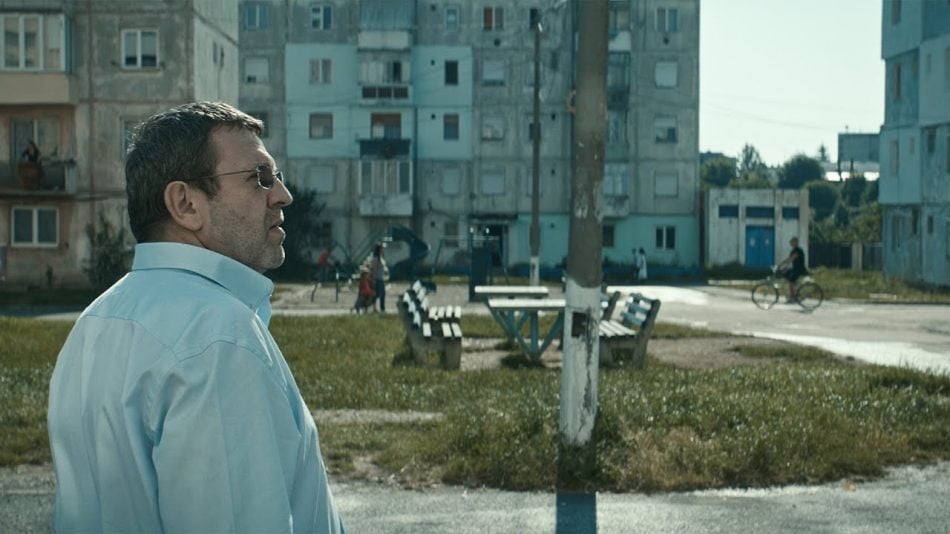
Graduation is a Romanian movie from the director of the Palme d’Or winner 4 Months, 3 Weeks and 2 Days (also number 15 in the BBC’s 100 Greatest Films of the 21st Century.)
Romeo is a 49-year-old doctor in the city of Cluj-Napoca. He is immensely proud and dedicated to his daughter, Eliza, who gets awarded a scholarship to go to Cambridge provided that she does well in her last high-school exam.
The day before this exam, Elisa is sexually assaulted outside her school, and her wrist is broken. The event haunts the family and jeopardizes Elisa’s chances of succeeding in her exam.
Romeo, still determined to ensure his daughter’s success, vows to do anything to not let the assault ruin his daughter’s future. Graduation is about this father and daughter duo as they go against a corrupt but quickly changing Romanian system.
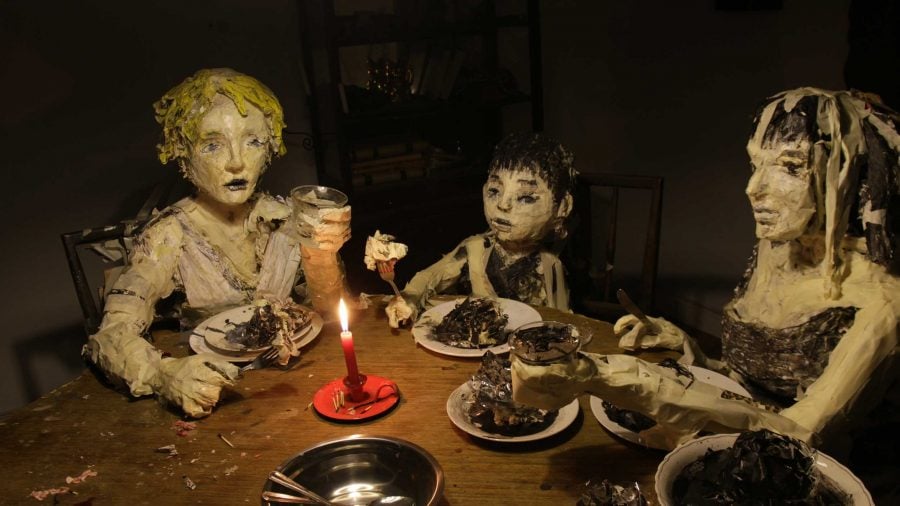
This mortifying stop-motion fairy-tale is inspired by the very real horrors of Chile’s Colonia Dignidad: a cult colony turned torture camp under the Pinochet regime. Presented as colony propaganda, the tale tells the story of Maria, a girl who runs away from the safety of the colony into the forest and takes refuge in a house with two pigs. What transpires is a gut-wrenching allegory for the rise of fascism, colonialism, and white supremacy.
The staggering animation which seamlessly shifts mediums from paper mâché to painted walls is a bewildering sight to witness. But it’s the synthesis of this boundary-pushing art and the underlying horrors it depicts, that make this stand as an unmissable cinematic event.

With its detailed portraits of seven of Istanbul’s most adored felines, Kedi affirms what anyone who’s spent some time with a cat will know: they really do all have fully-fledged, complex personalities of their own. More than just a celebration of some supremely cute kitties, though, this documentary about the city’s teeming street cat population also presents a moving example of a way of living that embraces — rather than tramples over — our animal neighbors.
Immersive cinematography from the cats’ eye levels is weaved with interviews with the people who care for them, whether voluntarily or because the cats simply demand it. That independence emerges as a much-admired characteristic in the documentary; as one interviewee puts it, “Dogs think people are God, but cats don’t. They’re not ungrateful, they just know better.” It’s impossible not to read a wistful note in the interviewees’ odes — indeed, for many of the people featured here, cats are a point of spiritual and personal reconnection, a reminder of what life is really about underneath all the mind-numbing dross we’ve made up. The magic of Kedi is that it not only perceptively recognizes the healing effect that cats have on humans, but recreates it so that these 70-something minutes feel like therapy.
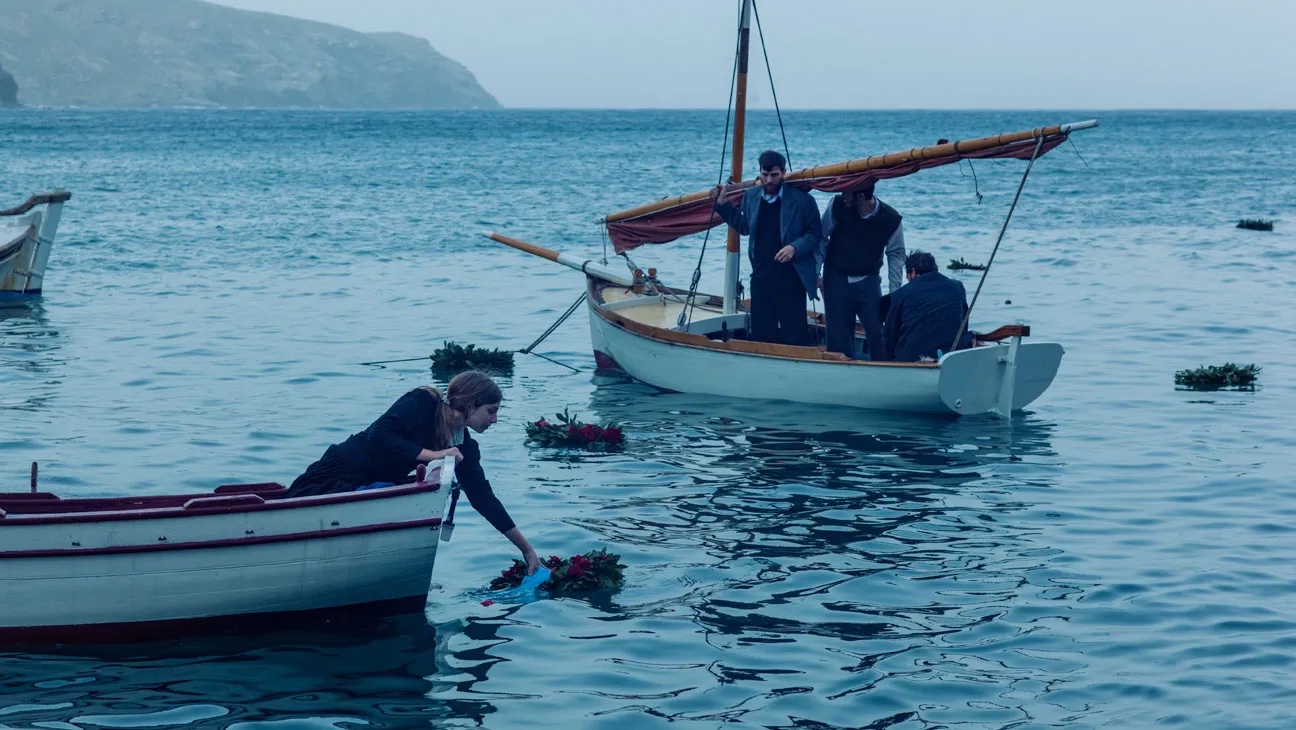
Little England is one of those rare cases in small-nation cinemas, where a film was equally appealing to mainstream and arthouse audiences. Upon its release, it was box office success and 2013’s Oscar submission for Best International Feature. Festival darling Pantelis Voulgaris equipped this interwar romantic drama with the attributes of an epic: it’s two hours and a half long, spans across decades, and is based on a novel of a notable size. Written by renowned author Ioanna Karystiani, who is also Voulgaris’s wife, “Little England” the novel was adapted in a riveting screenplay where love, jealousy, passion, and betrayal sizzle in a dangerous mix. As any good period drama, the emotional range is high, and the beauty in the premise—forbidden love—is a gift that keeps on giving. The film features two stellar lead performances, as Pinelopi Tsilika and Sofia Kokkali make their acting debuts as the two sisters, the latter being the face of a new, even more daring phase of Greek cinema today.

At the first few moments, Song Lang seemed to be something akin to Farewell My Concubine– the film takes a snapshot of a communist Asian country in a different time, through the lens of a regional opera form with painted faces, elaborate costumes, and captivating tunes. But there’s more to Song Lang than this. Tragedy isn’t prophesized through songs of an already existing opera (in fact, the film features all new tunes), but instead, it occurs because Dung, the loan shark, didn’t reflect on the past early enough for him to reclaim the art form his family once loved, a concern shared with cải lương as a declining genre. Song Lang is a moving drama, but it’s also a nostalgic time capsule of 1980s Saigon and cải lương as a whole.

After finishing his contract with Shochiku, Yasujirō Ozu shifted gears with Floating Weeds, an adaptation of one of his previous black-and-white silent films. There are a few differences. It has sound and color, it’s set after World War II, and Ozu works with a new team, including actual kabuki actor Nakamura Ganjirō II. With these changes, Ozu sharpens his parallel romances for a generational conflict split by the war. The classic melodrama had taken on a new meaning. As Komajuro meets his son, and his kabuki theatre fails to sell, Ozu observes a world that has changed for the better, but has left some unable to do the same. Floating Weeds still holds the story’s original themes, but it thoughtfully reimagines the family of its time through Ozu’s appreciation for the everyday.
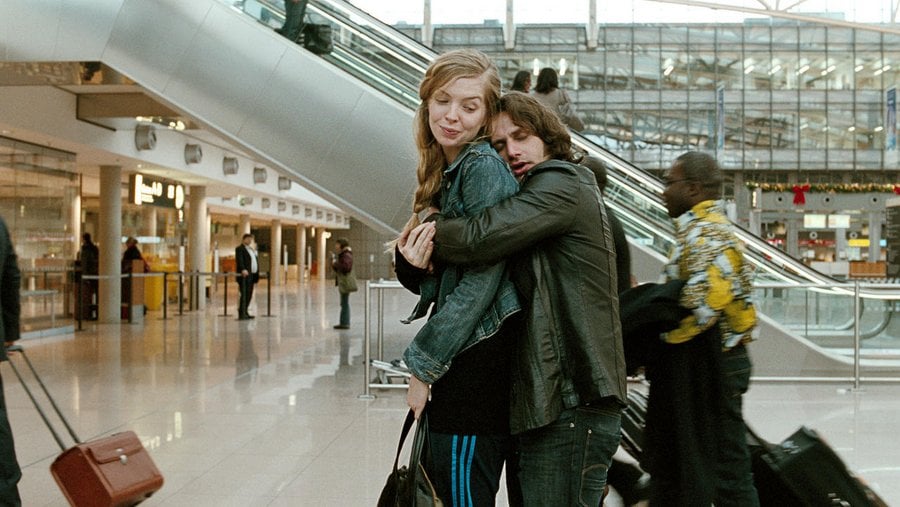
A delightfully screwy comedy about a guy and his struggling bar (of the title). The film is full of food, music, dancing, romance, and crazy coincidences. Our hero, Zinos, has just be abandoned by his girlfriend. On top of that his bar is struggling, he’s recently thrown his back out, he desperately needs to find a new chef, and his shady brother has just come to the Soul Kitchen looking for a job after being let out of on “partial parole.” Will it all work out in the end? Of course it will! This film is a lot lighter than Akin’s previous features, but maybe after all those challenging pictures he just felt the need to have a good time, which this film definitely delivers.
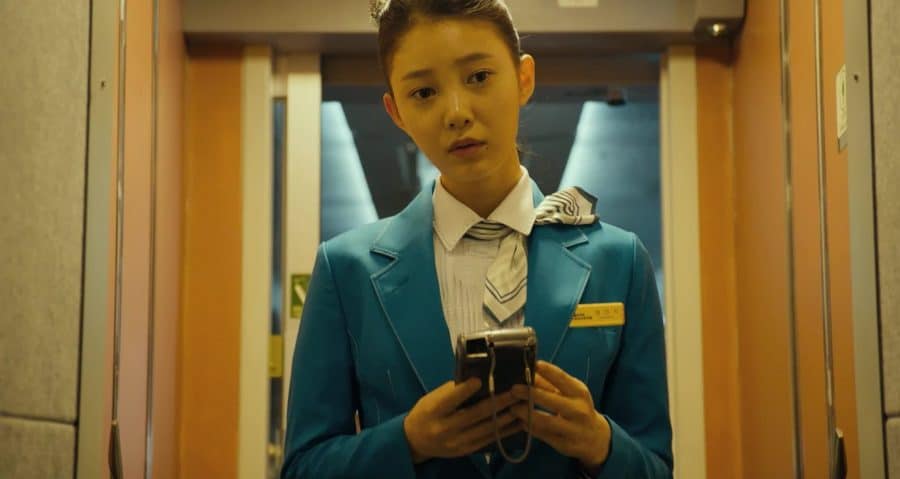
A zombie virus breaks out and catches up with a father as he is taking his daughter from Seoul to Busan, South Korea’s second-largest city. Watch them trying to survive to reach their destination, a purported safe zone.
The acting is spot-on; the set pieces are particularly well choreographed. You’ll care about the characters. You’ll feel for the father as he struggles to keep his humanity in the bleakest of scenarios.
It’s a refreshingly thrilling disaster movie, a perfect specimen of the genre.

The Fabella Hospital in the Philippines is clearly overburdened and understaffed, and though it offers some of the lowest pregnancy delivery rates in the country, it remains unaffordable to most of its patients. It has been dubbed the world’s busiest maternity hospital because of this, and its boundless flurry of activity is what Ramona Diaz tries to capture in her cinéma-vérité film Motherland.
What’s interesting and ultimately heartening about the documentary is that despite the difficulties the subjects face, they are always presented with warmth and humanity. We don’t observe them from a strict or stylized distance, but rather, we move with them when they laugh, befriend each other, worry about their babies, curse their partners, and eventually leave. Indeed, the film is a land of mothers, filled with their authentic stories before anything else.
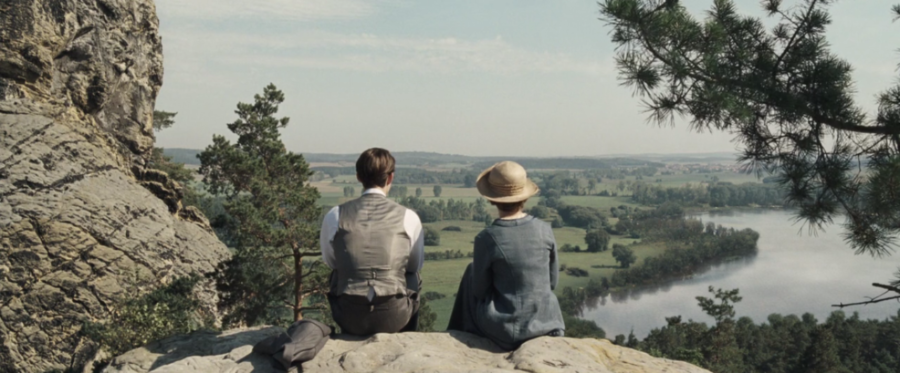
It’s always fun to watch something that makes you second guess each move, that shifts seamlessly from one thing to another. Frantz is that kind of film, and as the deceptively simple premise unfolds—a widow befriends her late husband’s friend—you’re never really sure if what you’re watching is a romance, a mystery, or a sly combination of both.
It helps that Frantz is also more than just a period piece, packed as it is with tiny but thoughtful details. When it is filled with color, for example, it does so in the muted palette of 1900s portraits, making each shot look like a picture come to life. When it talks about love, it goes beyond heterosexual norms and hints at something more potent and, at times, political. And when it takes a swing at melodrama, its actors ground the moment with enough restraint and reserve so that it never teeters on excess. All this results in a well-executed, gripping, and overall lovely film to watch.
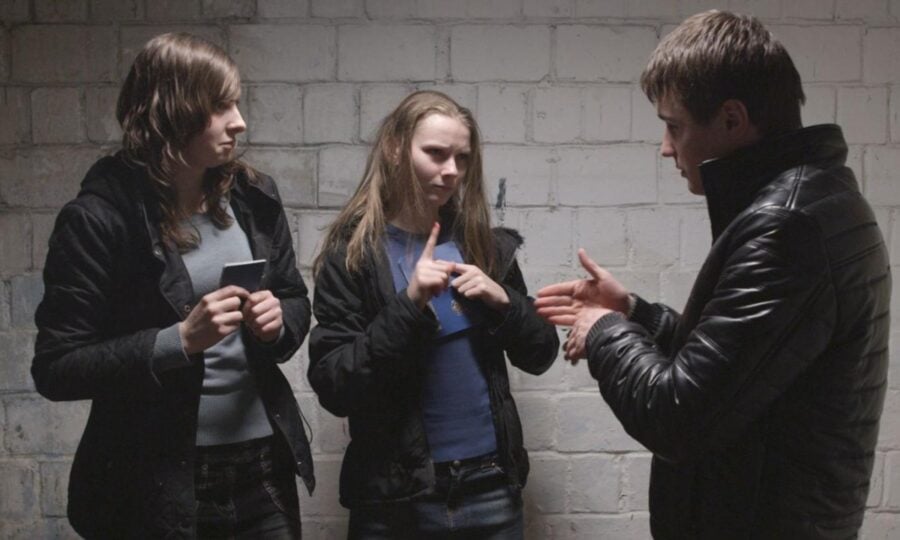
This teenage crime drama contains enough grit to stand on its own, but The Tribe’s real hook is in the way it’s told: entirely in Ukrainian sign language, without subtitles. Set in a boarding school for deaf students, new arrival Sergei must contend with an institution that’s run like a gang. His journey through the ranks is extremely violent and graphic, including unflinching depictions of rape and a back-alley abortion that lingers long in the mind.
Its unpleasantness will be a barrier for some, but for the curious, it’s an oddly balletic film. Among the misery, actors communicate the entire story via body language. Emphatic dialogue delivery conveys the mood of each scene (which often changes for the worse), and the characters’ actions speak loud and clear. Narratively it breaks little ground, and its darkness can’t be overstated, but there’s grace to its reliance on everything but words to tell its story. A film you won’t stop thinking about.

Director Zhang Yimou, who already has remarkable wuxia films like Hero and House of Flying Daggers under his belt, delivers another exceptional epic. Set during China’s Three Kingdoms era (220–280 AD), Shadow revolves around a great king and his people, who are expelled from their homeland but will aspire to reclaim it. The story requires a fair amount of patience at first, as it slowly builds a world consisting of various characters with different motives, before the real action begins. The journey through Shadow is visually pleasing thanks to its stunning cinematography, impressively choreographed combat, and overall brilliant production design. Packed with sequences that will take your breath away, it is an inventive martial arts epic with one amazing scene after another.
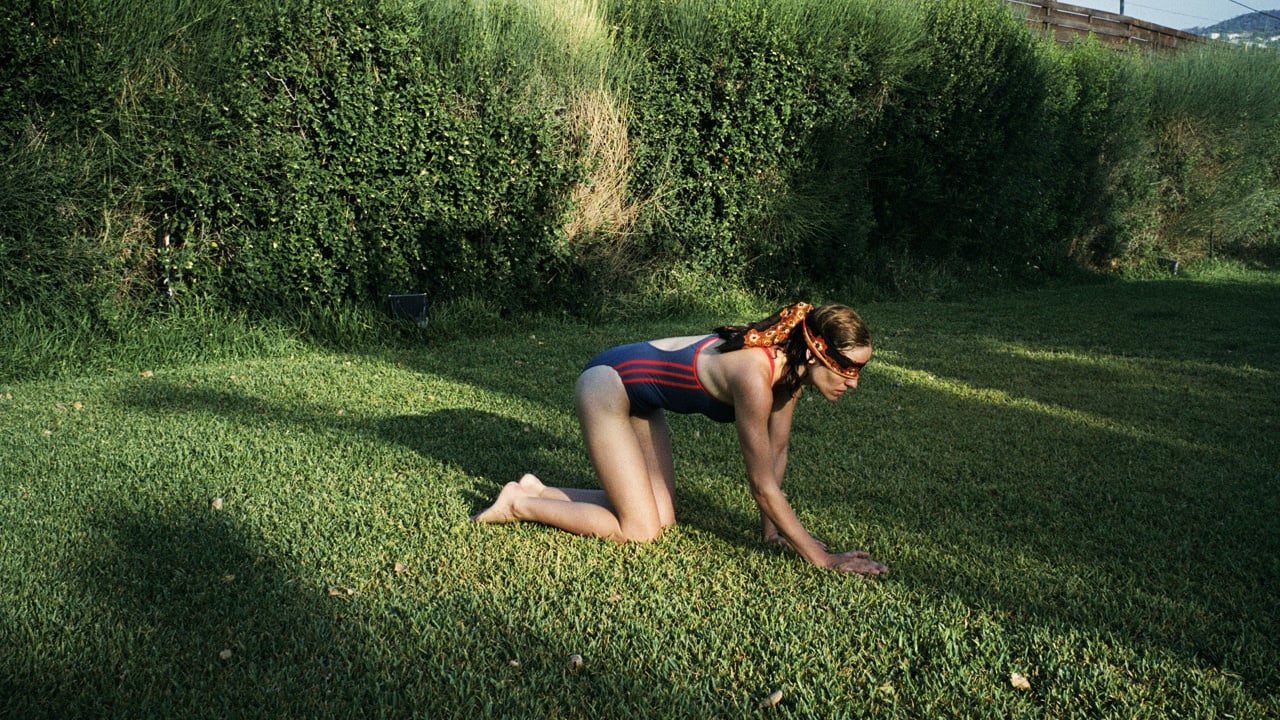
Dogtooth is a bonkers tale about three teenagers who live an isolated life on their family’s estate due to strict rules set by totalitarian parents. Their vocabulary is limited and their perception of the world is strange. They’re taught that cats are bloodthirsty monsters, that disobedience is grounds for horrific punishment, and that the world outside the house will kill them.
Equal parts bizarrely funny and disturbingly terrifying, director Yorgos Lanthimos pulls no punches with this fascinating examination of authoritarianism. As usual with his actors, they are directed to deliver lines in a matter-of-fact, often even deadpan manner, making the escalating lies and deceptions more and more unsettling as the film goes on. Thimios Bakatakis’ cinematography also places the twisted tale in a home that has a somewhat dreamlike beauty.
Those who enjoy dark, comical situations told with dry humor will be amused by Dogtooth. Those who enjoy stories that quietly build up to gruesome conclusions will also be amused by Dogtooth. It takes a unique mind to depict nameless children being subjugated and stripped of the fundamentals of conceptualization in an isolated world, and treat it as an absurdist comedy rather than a flat-out horror film. Lanthimos does it.
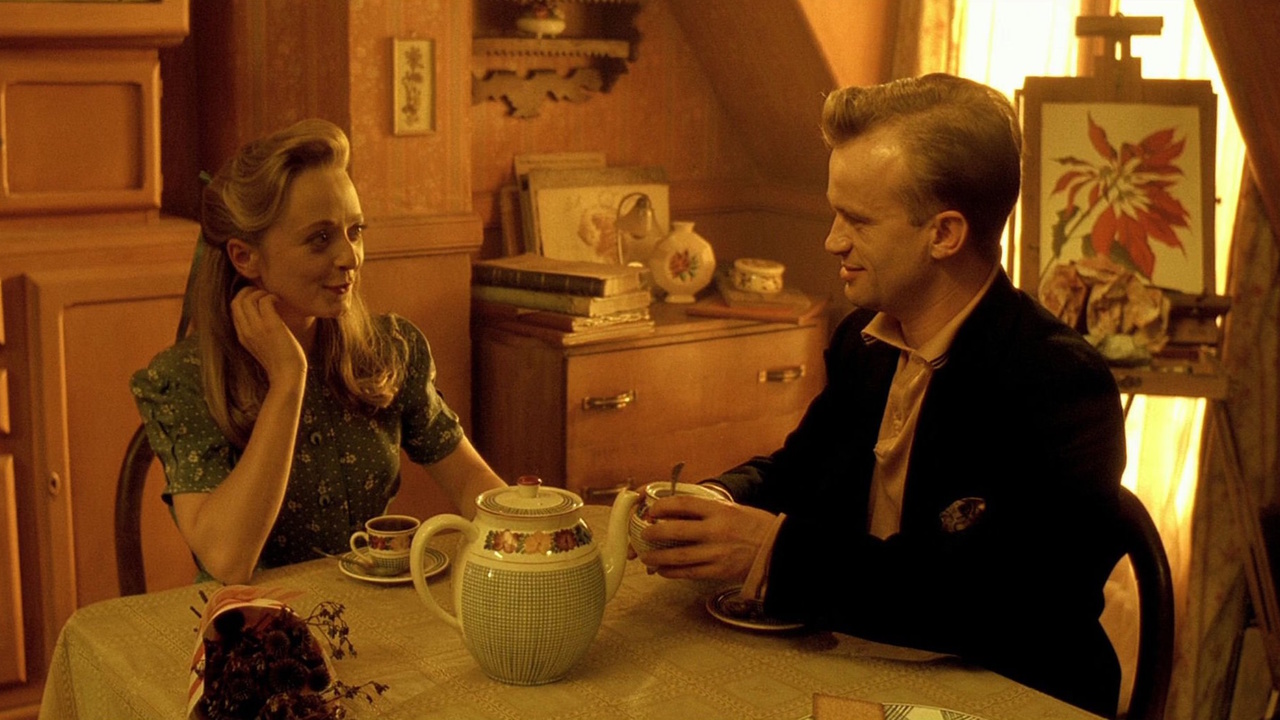
From the brilliant minds of Jean-Pierre Jeunet and Marc Jano comes a utopian vision for the ages. After having worked together before on the short sci-fi film The Bunker of the Last Gunshots, the duo-turned-longtime-collaborators pick it up a notch in one of the best dark comedies to come out in the 90s.
In Delicatessen, Jeunet and Jano disguise the wretchedness of modern society in a post-apocalyptic world where food is the global currency, given how scarce it’s become. We follow Louison (Dominique Pinon), an everyday man who falls in love despite all the hubbub and squalor surrounding him. But nothing comes in the way of love, and instead of discovering a salve, he encounters a snag, one that pulls him deeper into society’s most complex ethical dilemmas.
Many films have already been made about inequality and hierarchies, but none have been quite as darkly funny and unapologetic as Delicatessen.
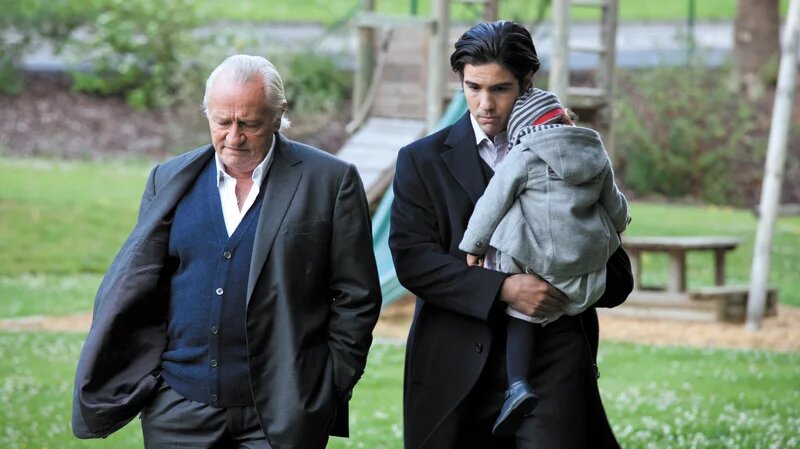
Our Children opens at the harrowing end of the true story it’s based on: with the image of a distraught mother (Émilie Dequenne) in a hospital bed, begging a police officer to ensure that her children — who have just predeceased her — are buried in Morocco. From this ominous beginning, the film rewinds into a jarringly sunny flashback of lovebirds Murielle (Dequenne) and Mounir (Tahar Rahim) to tell this horrifying story from the start.
What follows is much less obviously dramatic: Our Children shifts into slow-burn psychological thriller territory as we watch the gradual breaking down of Murielle at the hands of Mounir’s adoptive father André (Niels Arestrup), a wealthy white doctor who has used his status to insinuate himself into the lives of Mounir and his family back home in Morocco. This is a very subtle study of manipulation, one that hinges entirely on the performances of the trio, who fill with nuance roles that could easily have been tabloid caricatures. Above all, though, this is Dequenne’s film, and it’s the devastating ways she shows the life gradually being sucked out of Murielle that makes Our Children so difficult to shake off.
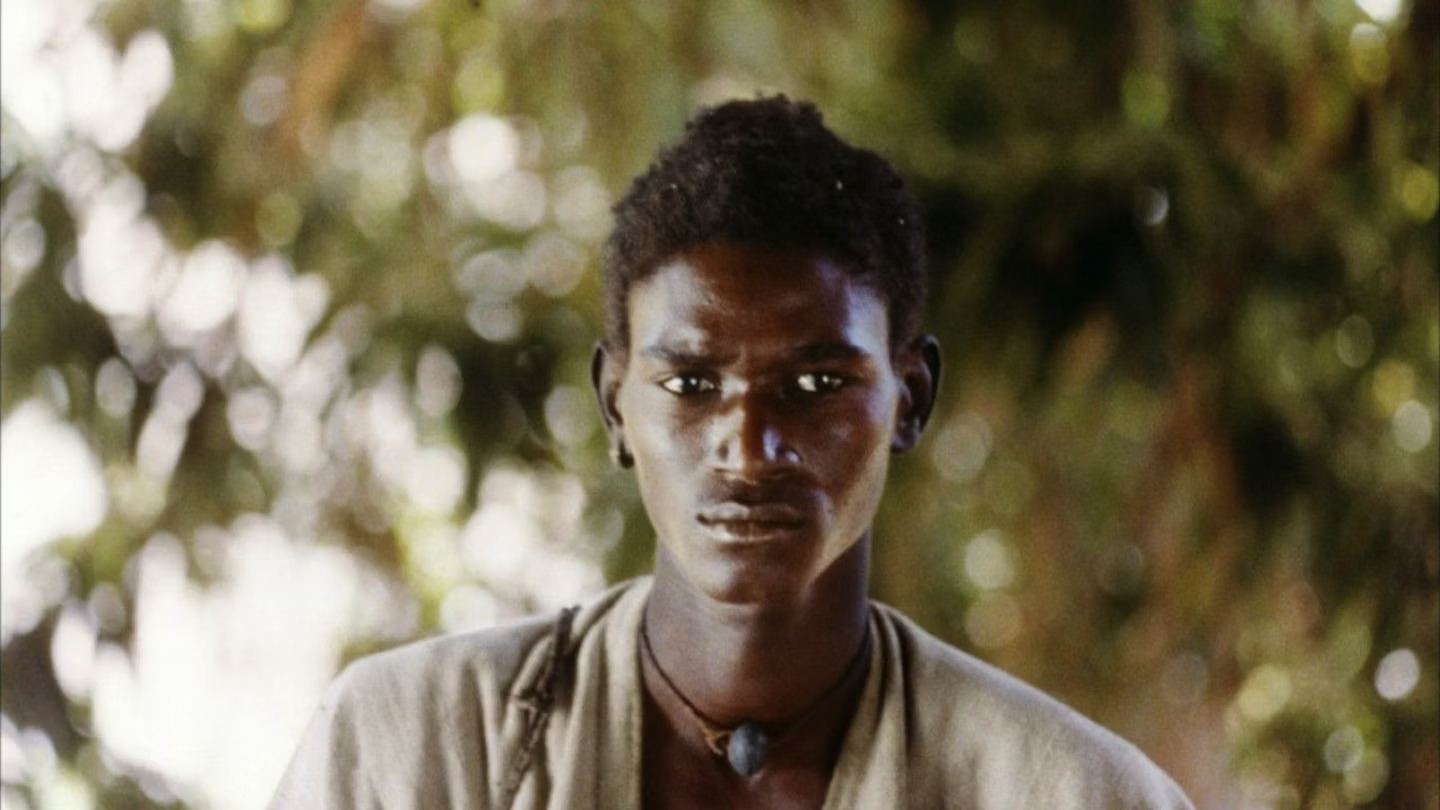
Celebrated Malian filmmaker Souleyman Cissé crafted Yeelen (which means ‘brightness’) as an explicit antidote to the “ethnographic” lens through which Western directors often told Africa-set stories. That intention is certainly felt, because Yeelen doesn’t trouble itself to translate its folklore-drawn premise for audiences unfamiliar with 13th-century Malian myths. Rejecting Western storytelling conventions, it instead uses those of the culture it depicts — a looping approach to time and matter-of-fact magical realism — to present the tale of Nianankoro (Issiaka Kane), a supernaturally gifted young man whose sorcerer father (Niamanto Sanogo) plots to kill him because of the threats he poses to the elder man’s power.
A basic primer to the customs central to Yeelen is provided in the opening titles, but knowledge of the culture it communicates through isn’t a prerequisite to watching and enjoying the film because its epic conflicts — both Oedipal (father versus son) and religious (flesh versus spirit) — and otherworldly sensibilities make it both instinctively familiar and mesmerizing. A deserved winner of the Cannes Jury Prize, though the fact that it was the first African film to win one of the festival’s awards — 40 years into its existence — makes this an unjustly belated milestone.
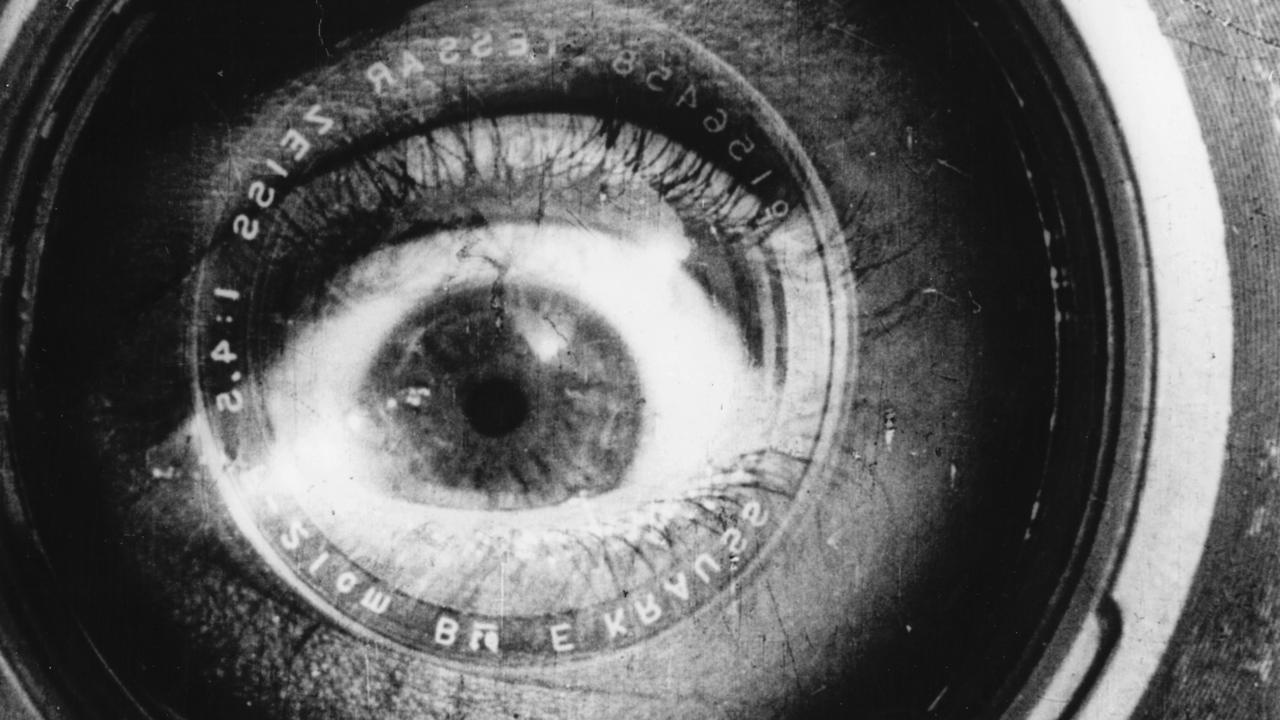
With no dialogue, no intertitles, no hired cast, and barely a semblance of a plot, The Man with a Movie Camera doesn’t seem like the kind of film that today’s viewers would seem to enjoy. The film even warns you beforehand that it doesn’t have these things. But as the theater opens, the seats unfold, and the light bursts through the silver film, filmmaker Dziga Vertov presents a vision of the cinematic landscape that was to come, completely crafting a story of a cameraman’s day purely through the use of cinematography and editing alone. Essentially, it’s crafting these two elements completely from scratch, creating a whole body of signs and symbols (and a whole industry) that eventually formed the language of film as we know it today.
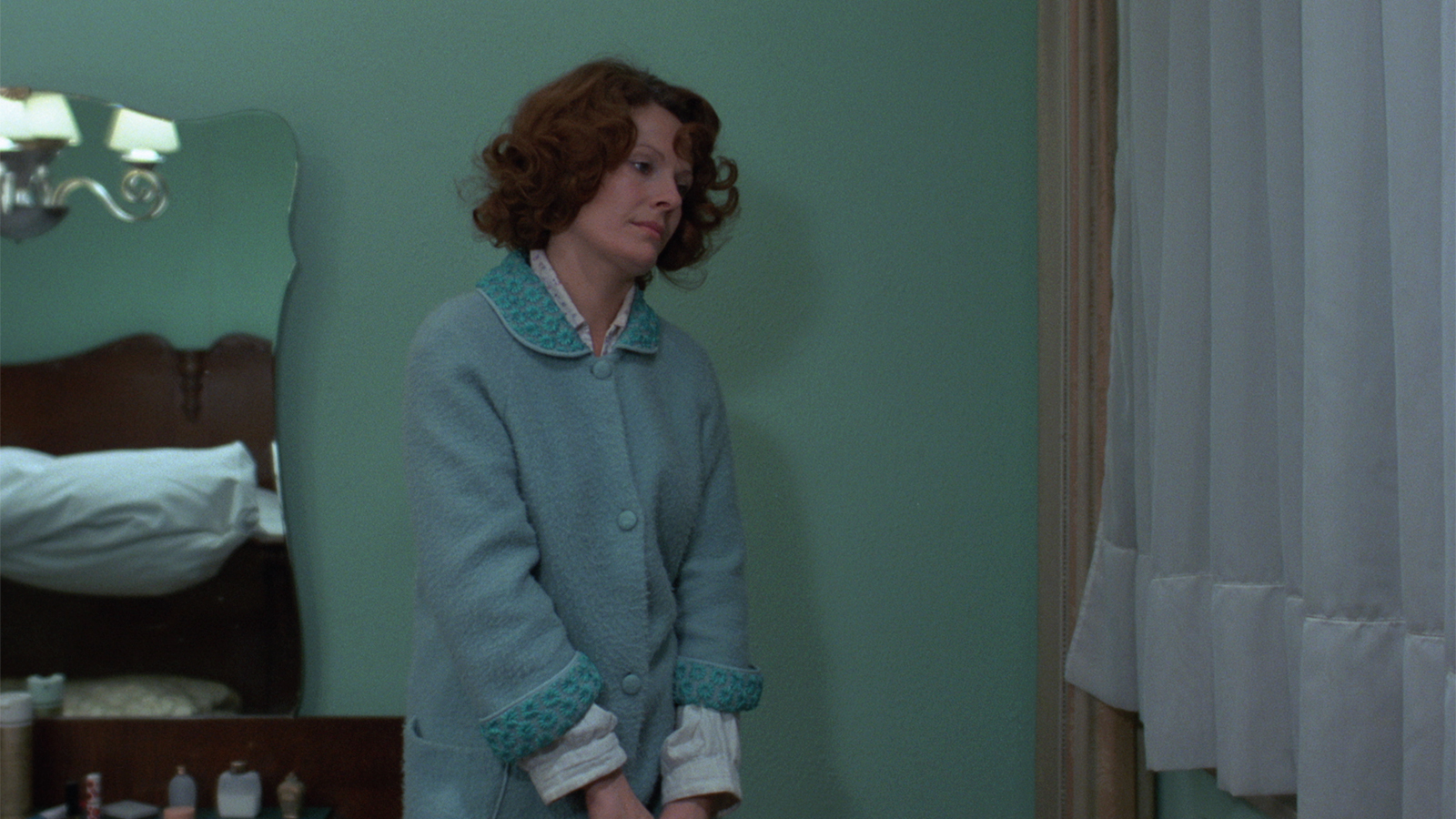
When the film publication Sight and Sound dubbed it “the greatest film of all time,” movie fans were quick to give their opinion. Those opposed complained about its simplicity, while those favoring the film praised the same trait. It’s true the film is simple—the camera is static and far away, and all it does is follow the titular Jeanne as she goes through the strict routines of her life. But nothing about it is plain or easy. You could mine a thousand things from a single scene alone, to say nothing about the woman at the center of it all. As Jeanne juggles her duties as a homekeeper, mother, and breadwinner, she eventually unravels, and the film rewards us with one of the most memorable climaxes of all time. There’s complexity in the ordinary, Akerman reminds us in her mundane epic, and there’s always something political motivating our choices, no matter how normal they seem.
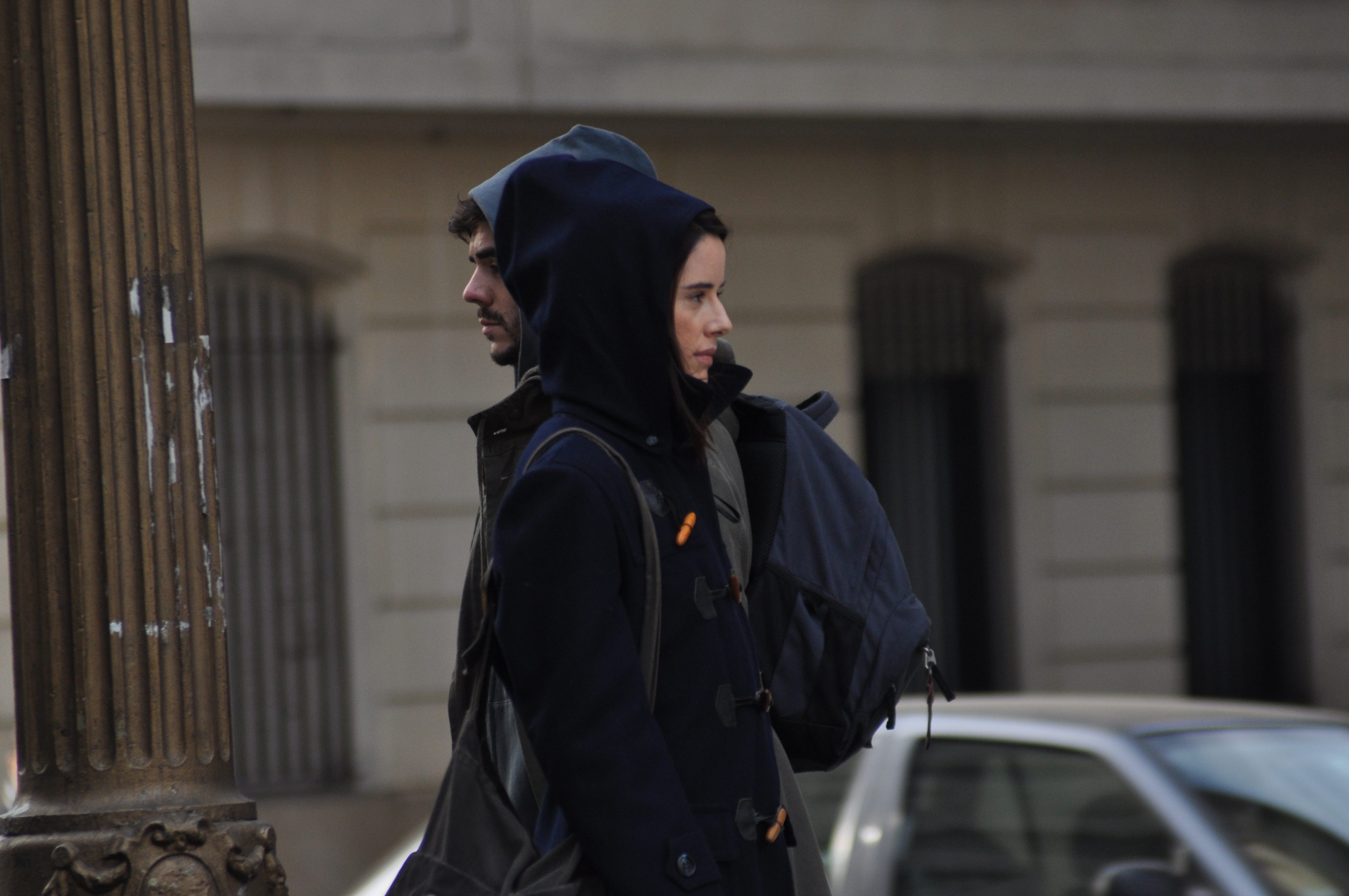
A Spanish 500 Days of Summer mixed with a more urban and up to date You’ve Got Mail. I liked this film a lot. I connected with both the main characters in the film. Their feelings of loneliness on the inside, yet, still going on with their day to day all while being mixed with their phobias, longings, quarks, and vulnerabilities. This movie works, it works on every level. Beautifully shot and beautifully written. Watching this will not be a waste of your time.
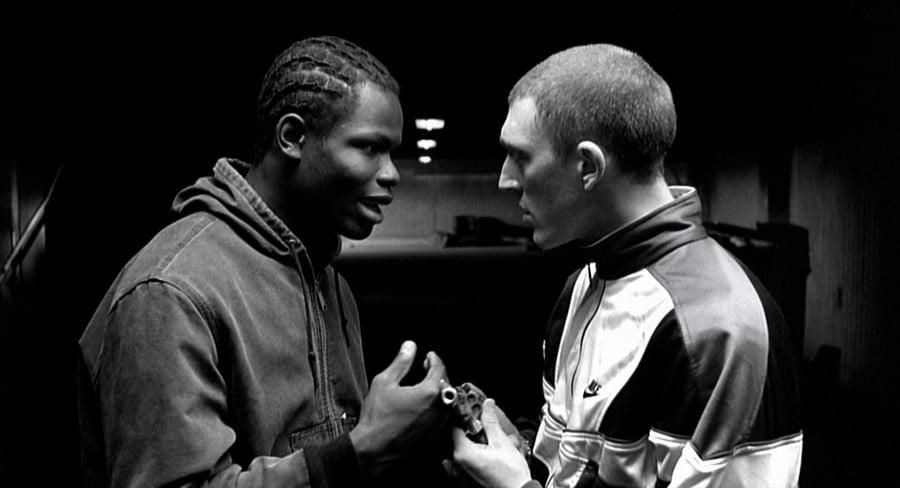
At the risk of being cliché, I’m going to state that only the French could have made a movie about racial issues and the troubles of youngsters in the suburbs and still make it elegant. I’ve tried looking for other adjectives, but I couldn’t find one that better describes those long takes shot in a moody black and white. But despite the elegance of the footage, the power of the narrative and the acting makes the violence and hate realistic as hell, dragging you into the story and empathizing with the characters until you want to raise your arm and fight for your rights. Aside from this unusual combination of fine art and explicit violence, the most shocking thing about La Haine is how much the issues it addresses still make sense right now, even though the movie was released 20 years ago.
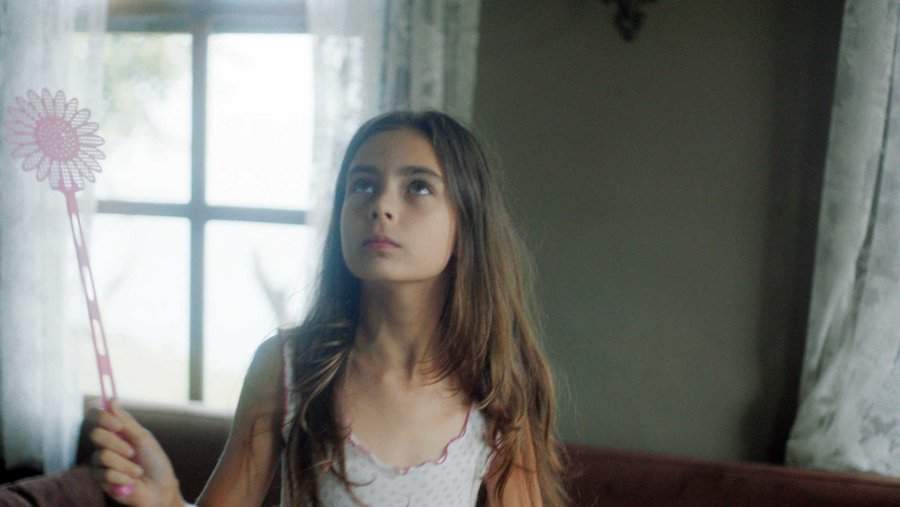
Five orphaned sisters are put under house arrest by their uncle and grandmother after they are seen horsing around with local boys from school. While their actions were purely innocent, their behavior is viewed as scandalous and shameful by the conservative elders in their small Turkish village. After this incident, their grandmother turns her attention towards marrying off her granddaughters. Each of the five sisters rebel in their own way, but it is the youngest and rowdiest sister, Lale, who is the central protagonist of the film. She watches helplessly as each of her older sisters is married off with an increasing sense of dread and desperation. While this may sound hopelessly depressing, the movie is equal parts beautiful and tragic and floats across the screen in a dreamlike manner. Not all of the sisters escape their oppressive surroundings or their assigned fate, but the message is clear: it’s crucial to try.
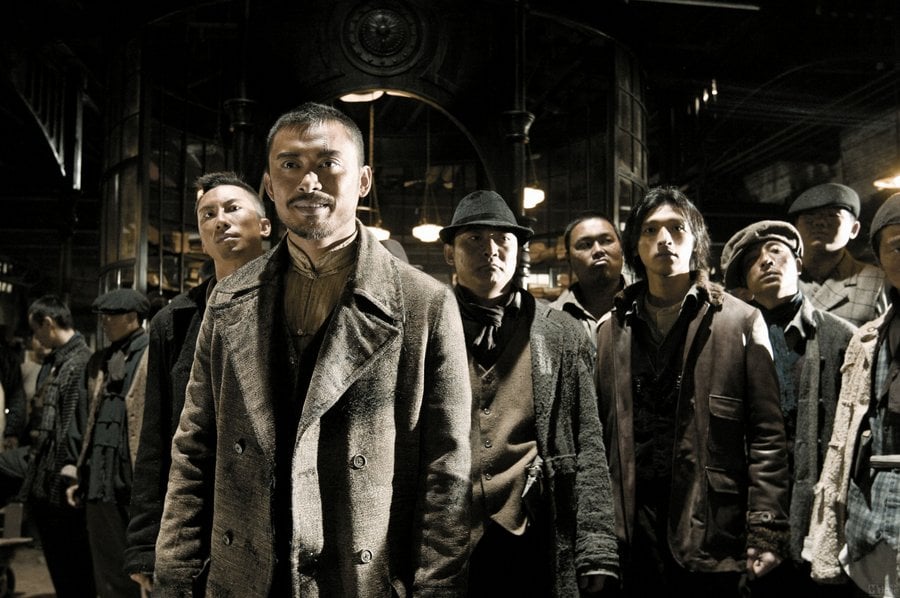
It’s been acclaimed as one the best Kung Fu movies ever made. You are probably wondering why this contemporary movie made that short list when its genre had its peak decades ago: it is visually striking and at the same time surprisingly story-oriented. As you would expect of course, there is quite a fair amount of action scenes, but the characters are also brilliant which is very uncommon in this type of movie. It is an exciting movie, and worthy of any compliment or good rating it may get.
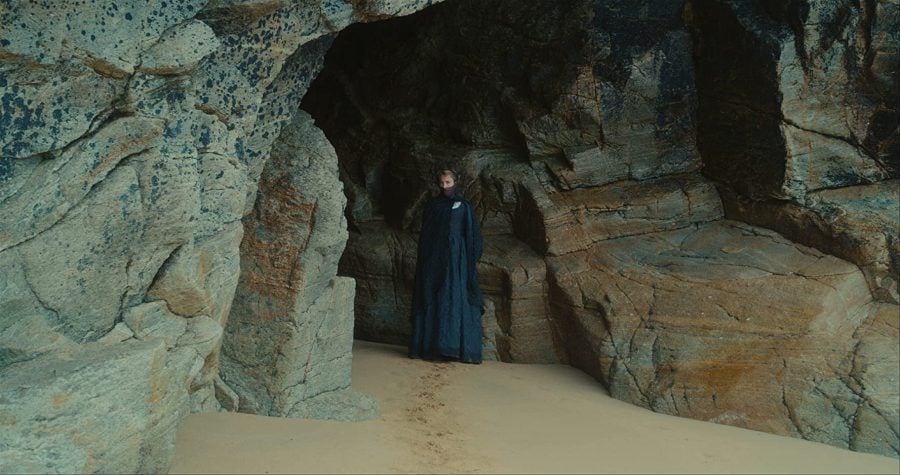
This unique romance is set during a time when a man would be sent the painting of the woman he was to marry before the wedding could take place. Héloïse, secluded with her mother and a maid on a remote island, doesn’t approve of her upcoming wedding and refuses to be painted. Her mother sends for a new painter, Marianne, to try to paint her without her noticing. Marianne has to take on this near-impossible task when she starts having feelings for Héloïse. This makes for a riveting romance where Marianne has to choose between her heart and her art while keeping a huge secret from her love interest.
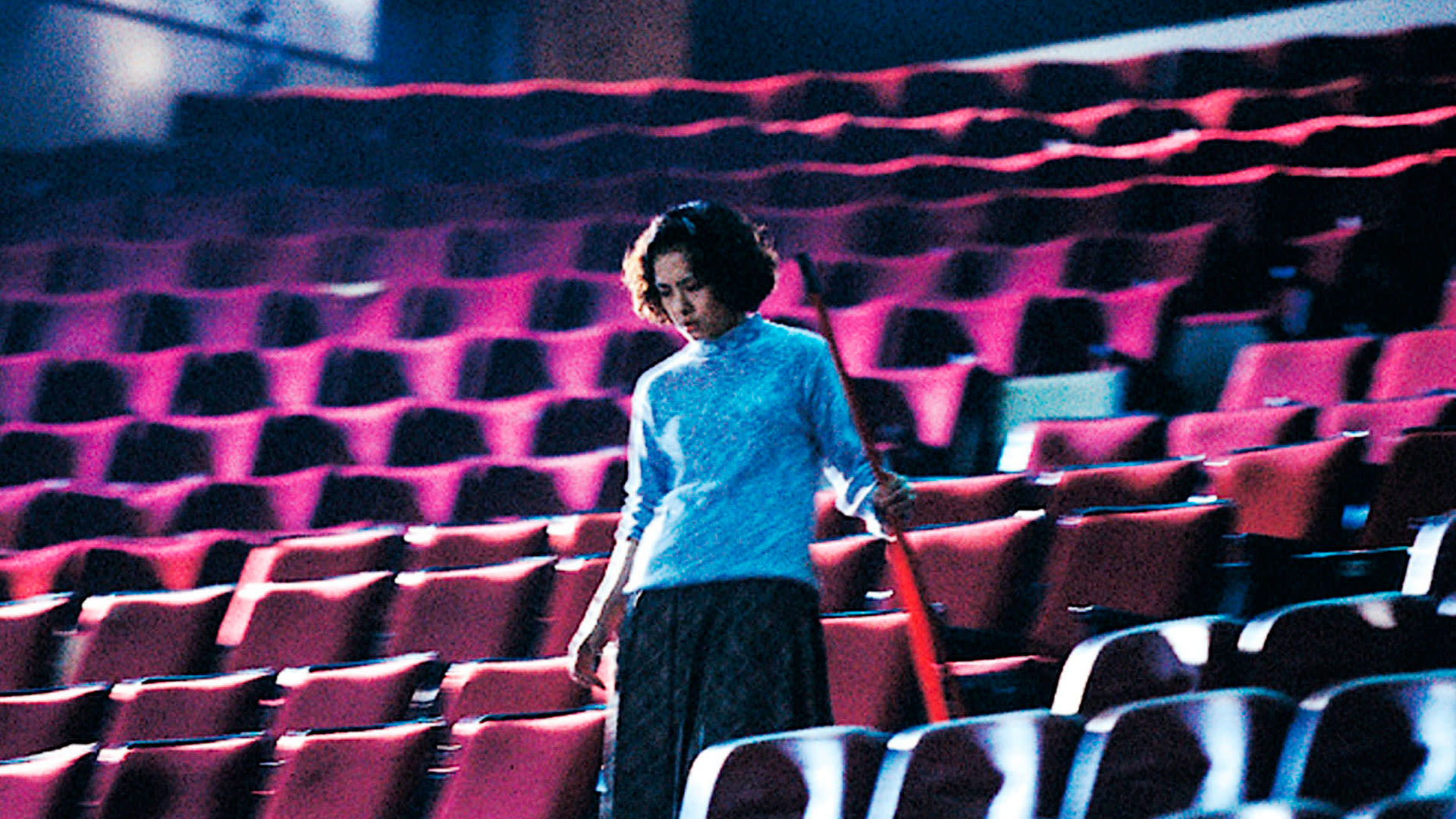
Serene and almost silent, Goodbye, Dragon Inn is a film contemplating an old movie theater in Taipei. In its heyday, this cinema was jam-packed and full of eager eyes watching the 1967 Wuxia classic Dragon Inn, but now it’s nearly empty for its last screening. Despite the lack of attendees, this cinema still has some life. Like the annoying audience members we’re all familiar with, the moviegoers still noisily chew on popcorn, put their feet on the headrest in front of them, and refuse to remain silent when walking. Director Tsai Ming-liang affectionately captures moviegoers in their natural element, recreating an experience so nostalgic it makes me want to go back to the theaters. Watching this, post-pandemic in the age of streaming, reminds us of the ways we still try to connect in the cinema in real life.

The medium of cinema has been used as a tool for revolution, but so too was it complicit in genocide. That was true of the Khmer Rouge regime, as the remaining footage of the time came entirely from the state, to be used in re-education programs and propaganda to hide the difficult realities caused by the administration. In response, three decades later, documentarian Rithy Panh reclaims the medium, juxtaposing archival footage of Pol Pot’s programs and Cambodia before, with clay figurines formed from his memories. It’s a grim recollection, but The Missing Picture takes back cinema to keep a collective memory that must be preserved.
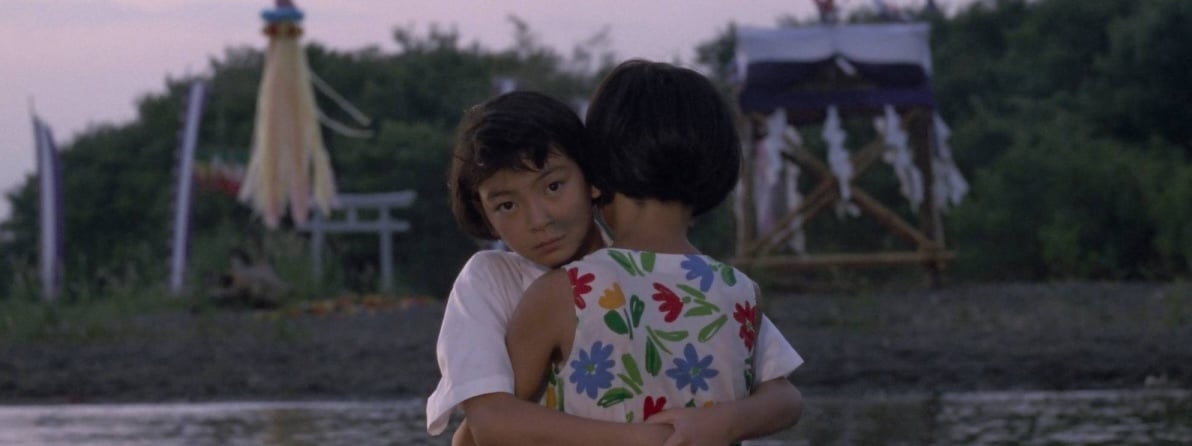
In Moving, we see a married couple’s relationship unravel through the eyes of 12-year-old Ren (Tomoko Tabata, an unbelievable natural). Ren is smart and mature; she performs domestic chores and doesn’t hesitate to tell her parents off. But she’s also just a child, so when she learns about her parents’ plan to divorce, she breaks down, despite herself. She concocts adorable Parent Trap-like plans and gives in to her childish and dangerous urges. She also runs away a lot, hence the title. She’s in the midst of a painful coming-of-age—of realizing for the first time that your parents aren’t heroes, your friends won’t always have your back, and your summer vacations won’t always be pretty. The film captures that anguish, just as much as it revels in the playfulness that seems innate in Ren. The result is a delightful, moving film that serves to remind us just how rich the inner world of a child is, and how she deserves to be treated just the same as any human being, that is, with respect and a whole lot of empathy.
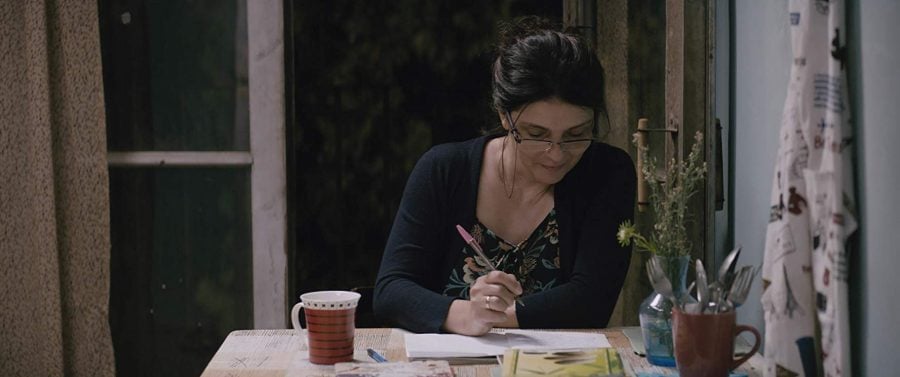
This movie is a dramatic masterpiece and a tribute to loving middle-aged women everywhere. It is unparalleled in the way it portrays its characters and the subtlety with which it tells their stories. The events are centered around a 52-year-old Georgian woman who decides to leave her family home and live alone without much of a notice. She trades chaos and domestic disputes for solitude, and the prospect of sad old age for an opportunity to build a new life for herself. In other words, she trades being the secondary character to her mother, husband, and children, to being the hero of her own story. A genuine and beautiful film. If like me you grew up with a mother who sacrificed everything for you, this will hit very close to home.
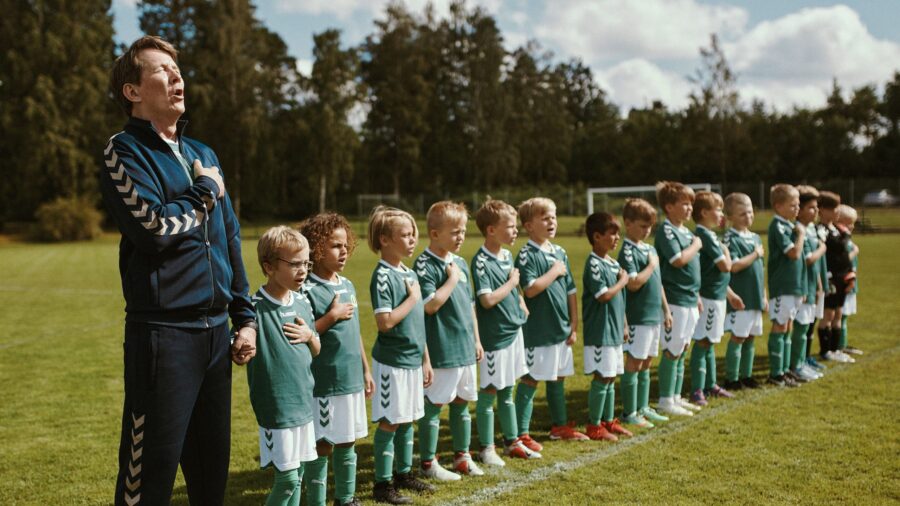
Director Thomas Vinterberg (The Hunt) reunites with Mads Mikkelsen to tell the story of four teachers going through a mid-life crisis. They’re not sad, exactly—they have homes and jobs and are good friends with each other—but they’re not happy either. Unlike the ebullient youth they teach, they seem to have lost their lust for life, and it’s silently eating away at them, rendering them glassy-eyed and mechanic in their everyday lives.
Enter an experiment: what if, as one scholar suggests, humans were meant to fulfill a certain alcohol concentration in order to live as fully and present as possible? The teachers use themselves as the subjects and the tide slowly starts to turn to mixed effects. Are they actually getting better or worse?
With an always-satisfying performance by Mikkelsen and an instant classic of an ender, it’s no surprise Another Round took home the award for Best Foreign Film in the 2020 Academy Awards.
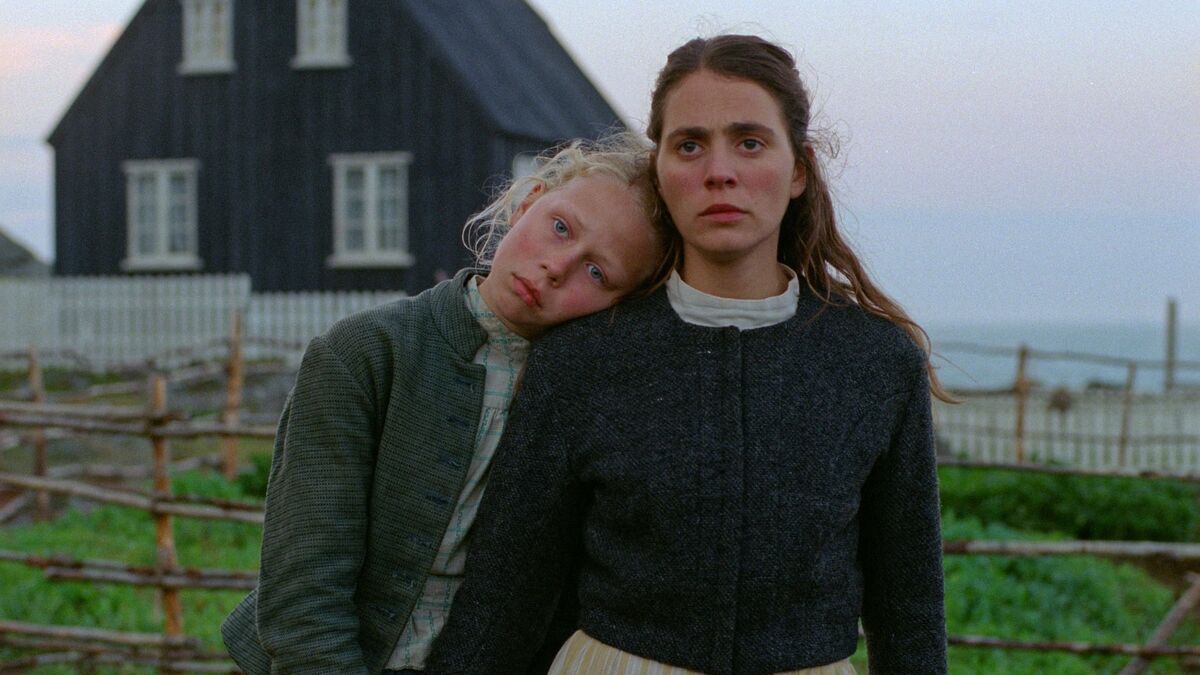
On the one hand, Godland is a film about nature’s unforgiving beauty. Like the photographs the priest Lucas (Elliott Crosset Hove) takes, these quietly superb scenes speak for themselves. The Earth moves in mysterious and harsh ways, and we are but mere specks, organic matter to be folded in and absorbed, in the grand scheme of things. It would’ve worked with just this message alone, but Godland also treads on political ground. Through Lucas, who is Danish, and his travel guide Ragnar (Ingvar Sigurdsson), who is Icelandic, we sense a palpable tension that electrifies the film with a colonial strain. There are layers to their deep aversion (and dependence) on one another, and director Hlynur Pálmason does well to pair this with imagery that is just complex, profound, and packed with meaning.
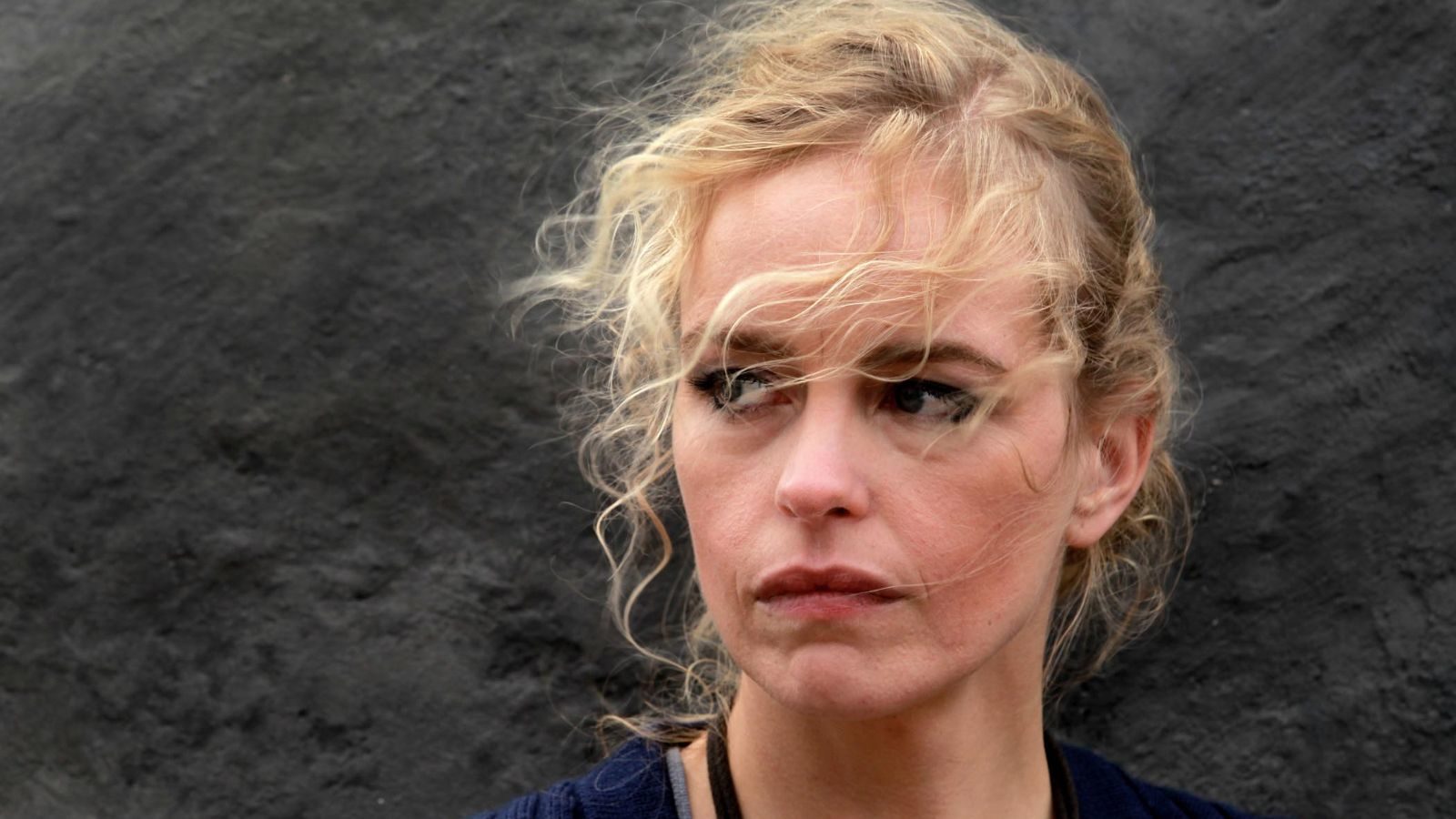
Barbara (Petzold regular Nina Hoss) has fallen from grace, at least by the standards of 1980s Germany. A renowned doctor at a prestigious East Berlin hospital, she has been demoted to a paediatrician at a tiny town on the Baltic coast: a punishment for daring to try and leave the DDR. The Stasi spy on her, threaten her, and on occasion, abuse her. But Barbara does not give up in her attempts to establish a better life for herself, if only she could cross the sea and dock in Denmark. With such a politically-conscious premise, Christian Petzold’s sixth film became a hit on the European scene and transformed his relatively modest career into something more transnational. Even if Barbara feels very local—the way in which Germany’s divide conditions every movement and gesture of its characters—the tropes of a spy thriller come to the fore and make a legible, rewarding viewing out of something one may deem too particular. The film owes a lot to its lead, Hoss, who has become a staple of Petzold’s career, with her stoicism and towering presence as Barbara – a symbol of obstructed mobility.
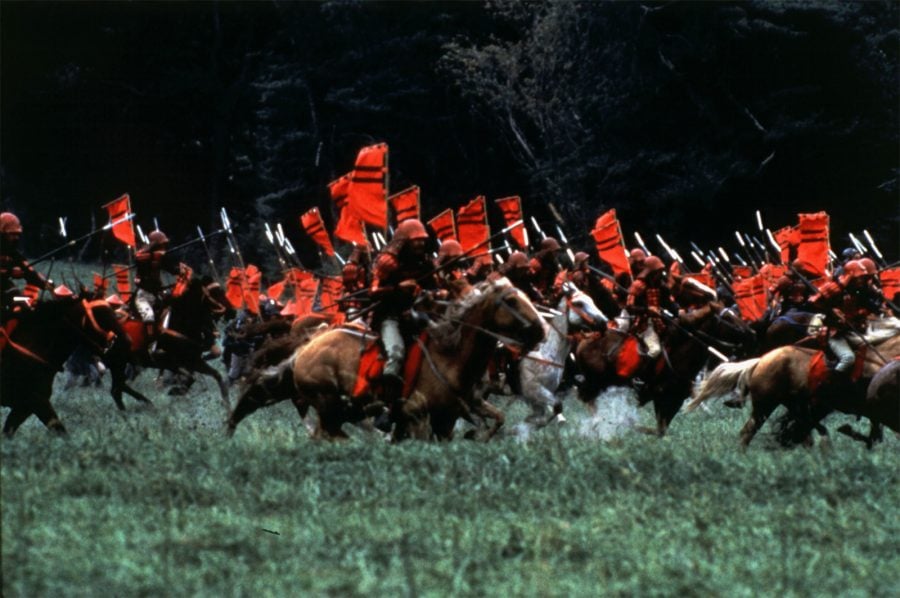
An attempt to articulate just how vast and magnificent the scope of Akira Kurosawa’s 乱 (Ran) is will inevitably fall short. Recognized as a master of epics, including his 七人の侍 (Seven Samurai, 1954), Kurosawa reimagines Shakespeare’s tragic King Lear set in medieval Japan. Each shot is labored and precise, as sublime landscapes overwhelm the screen, dwarfing the armies of men fighting below.
At the center of the ensuing wars is Hidetora Ichimonji, an aging warlord. Ichimonji divides his conquered land between his three sons, Taro, Jiro, Saburo. The Ichimonji clan, however, will not settle for less than everything. Father and sons scheme against one another, leading to violent plots for control over the kingdom. Greed poisons the Ichimonji’s bloodline, pervasive and all-consuming. The tragedy that unfolds is indeed as poignant as any great Shakespeare work.
The road ahead is lined with bodies, blood, jealousy, paranoia—and it’s a long way to the bottom from the throne. Kurosawa, confronting his own mortality and legacy, achieves a titanic masterpiece with Ran. Few films so deeply grasp the tragedy of war at this visceral level. While Ran is not an easy watch, it’s a must-watch for all.
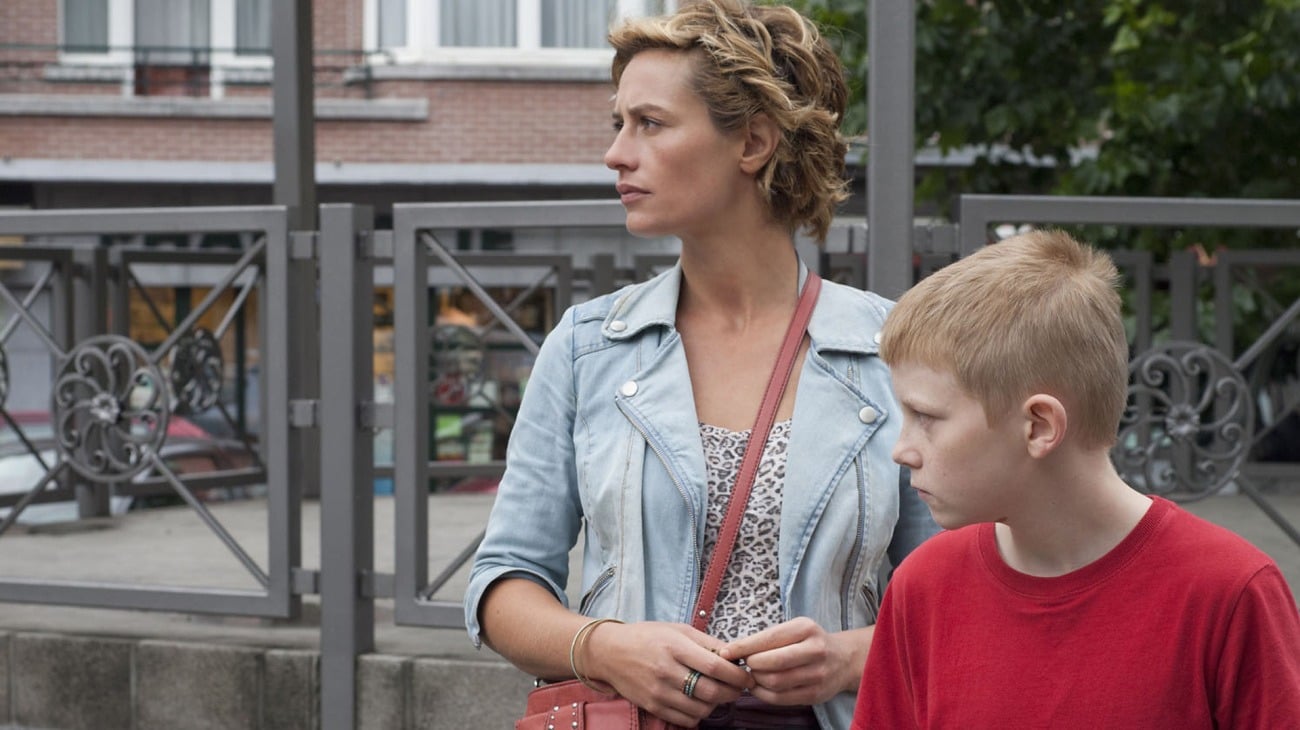
The Kid With A Bike is a deceptively simple title for a film this stirring. At 12 years old, Cyril (Thomas Doret) has been abandoned to social care by his father (Jérémie Renier) — but what’s really heart-wrenching is that he’s in denial about the finality of their separation. Cyril’s muscles are seemingly always coiled, ready to spring him away from his carers and onto the next bus that’ll take him to his disinterested dad, who has secretly moved away to “start anew.” It’s only through the random force of Cyril’s few words — like the moment he asks the first stranger to show him some kindness (Samantha, played by Cécile de France) if she’ll foster him on the weekends — that we get to sense the depth of his desperation, because neither the film nor Doret is showy in that regard.
The film pulls off transcendency because of these restrained performances and its unfussy realism. In the quietness of the storytelling, emotion hits unexpectedly — and deeply. The everyday tragedy and miraculous hope of Cyril’s life are set off by some enormously moving orchestral Beethoven, the very grandeur of which underscores the effect of the humanist filmmaking: affirming the inherent preciousness of his troubled, oft-rejected child.
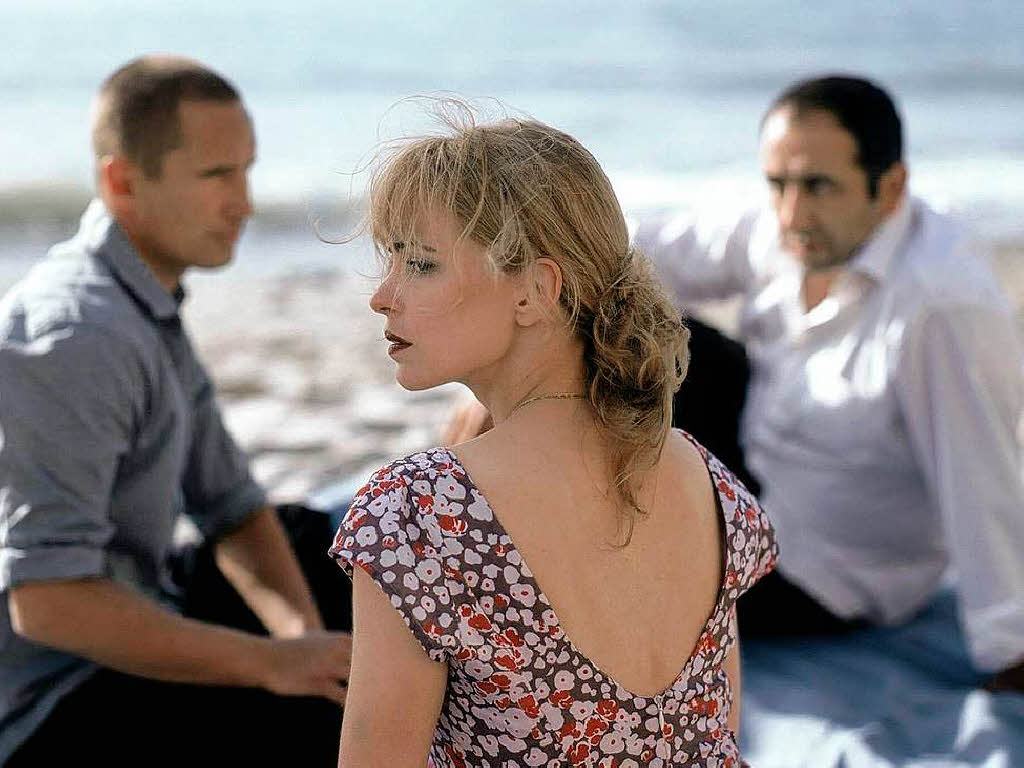
German writer-director Christian Petzold tells a story of a fateful encounter trapped in a love triangle. Thomas, Laura, and her husband Ali quickly become enmeshed in a three-way relationship rich with desire, pressure, and betrayal. Another Hitchcockian tribute by Petzold, Jerichow has all the elements of a neo-noir, but it’s set in broad daylight. The plotting, the secret love affairs, the femme fatale with no back up plan: all the necessary ingredients for a chaotic tale, wrangled by desirous tensions, to say the least. A film whose mystique is rather haunting, but far from spectral, Jerichow doesn’t conceal its clear references to “The Postman Always Rings Twice”.
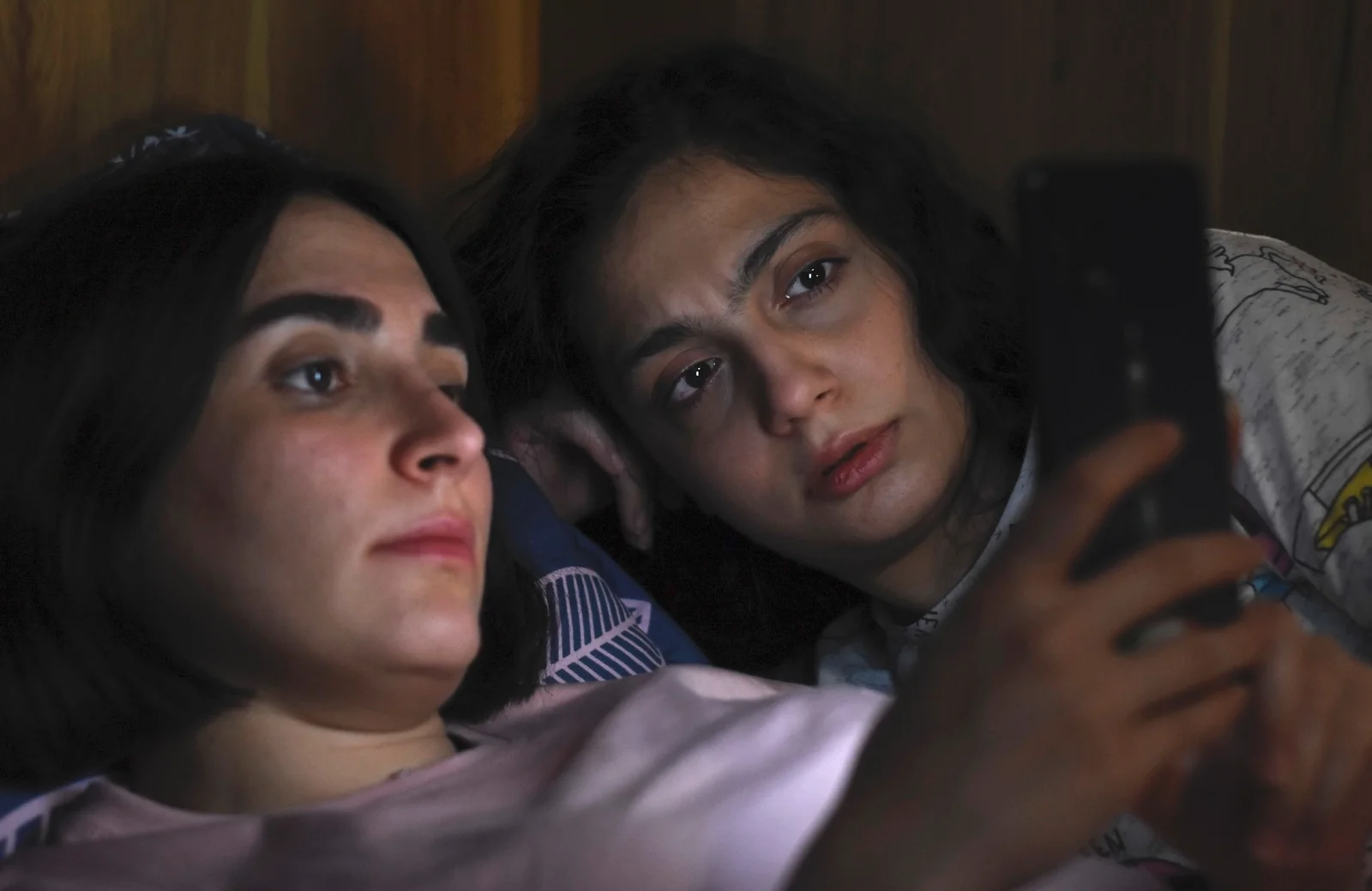
The Seed of the Sacred Fig bravely takes on the increasingly violent patriarchy and theocracy in modern-day Iran. It follows a family of four—Iman, Najmeh (Soheila Golestani), Rezvan (Mahsa Rostami), and Sana (Setareh Maleki)—and reveals how the political can creep into the personal. Iman, the father, has just been promoted at work (he’s one step closer to being a judge), while his two daughters are budding revolutionaries. The educated girls see through the lies of state television and challenge their conservative parents’ ideas on government and religion. It sounds straightforward, but director Mohammad Rasoulof lets everything unfold subtly and sharply. By the second half, the film transforms into a slow-burn thriller as the family home becomes a microcosm of Iran itself. It’s a brave film helmed by even braver people. Rasoulof and his cast, who filmed in secret to avoid the film ban in Iran, had to escape to Europe after they were interrogated and sentenced in their home country. The Seed of the Sacred Fig can’t encapsulate the entirety of Iran’s troubles, nor does it try, but it’s a good place to start.
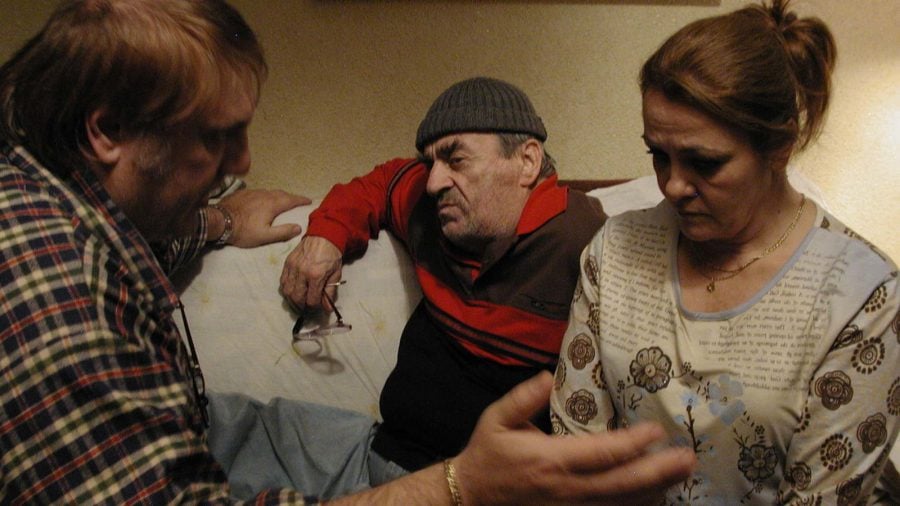
Mr. Lazarescu is a widower living with his cats in a small Bucharest apartment. One night when he begins to feel sick and calls for help, he sets in motion a kafkaesque parade of nurses, doctors, and hospitals as he is ferried through a bureaucratic maze unable to get treatment for his rapidly deteriorating condition. Cristi Puiu’s searing indictment of a failed healthcare system mixes kitchen-sink realism with tinges of gallows humor for a remarkable one-of-a-kind experience.
Beneath its grim demeanor is a clear-eyed portrait of the heart-rending weariness of paramedics and hospital staff that speaks spectacularly to our current mid-pandemic moment of exhausted doctors and overflowing facilities. This focus on the toll of the system on paramedics, in particular, makes this a fantastic pairing with Martin Scorcese’s’ underrated Bringing Out the Dead.
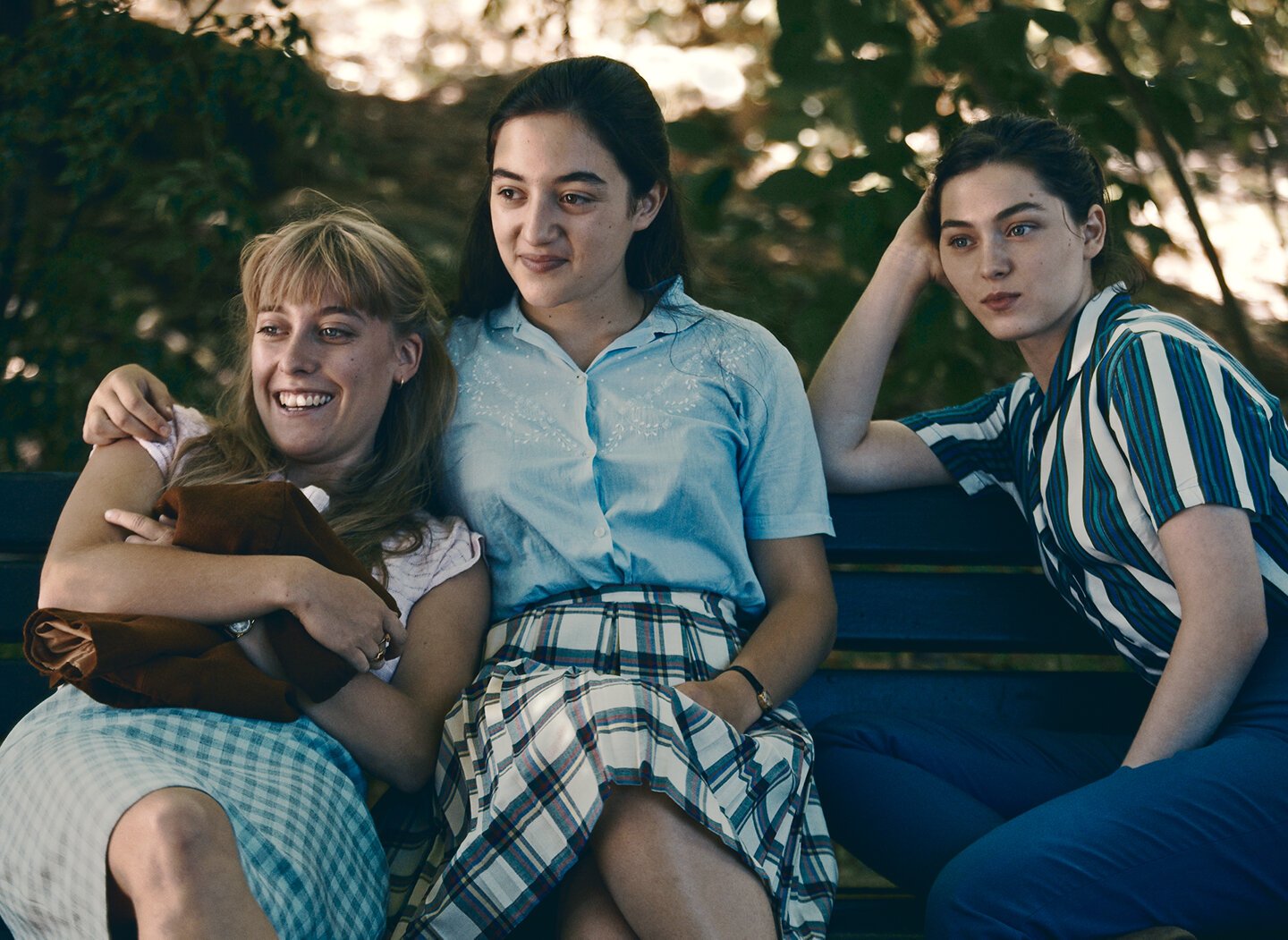
It’s heartbreaking to realize that Happening, a film set in 1960s France tracking a young woman’s journey to dangerously and desperately terminating her pregnancy, is still very much relevant and relatable to this day. Around the world, abortion is still inaccessible, if not completely illegal, and women still struggle to lay full claim to their bodies. A lot of girls grow up with pregnancy statistics meant to instill fear, but Happening brings all that to brilliant life in intimate and unrestrained detail. The fears and wants of our protagonist Anne (played precisely by Anamaria Vartolomei) are palpable throughout. Nothing is held back in this film, and if you find yourself sick in parts, then it has achieved its goal of realistically conveying what it’s like to stay alive in a society that fails to recognize your needs.
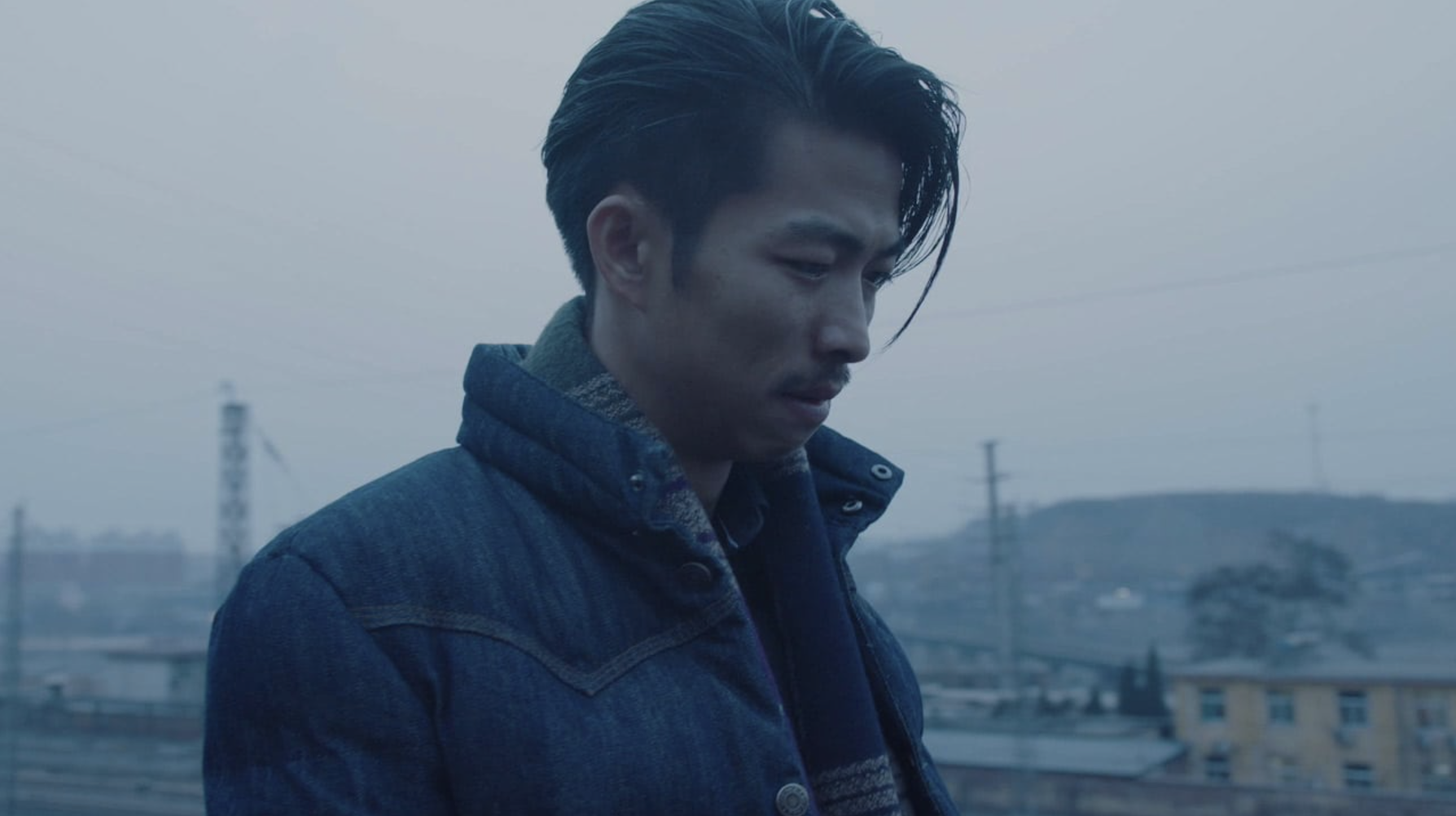
Clocking in at just under four hours, Hu Bo’s first and last feature film—before his tragic death at the age of 29—is a sprawling indictment of a country that the filmmaker must have viewed as positively hostile and suffocating. Following several characters whose paths intersect as they try to escape their current circumstances, An Elephant Sitting Still creates a truly oppressive atmosphere that may not lead you to the answers you expect, but it should leave you feeling haunted for a long, long time. Beautifully scored, shot, and acted, Hu’s film offers practically no hope but it keeps on moving with a sense of freedom and determination all its own. This is as honest a film can get; Hu has left behind a moving legacy.

The prospect of death puts everything into perspective, but Cléo from 5 to 7 crafted a totally new one altogether. As it says in the title, the titular singer wanders the French capital in real time, with an ominous tarot card reading turning Cléo’s world into black and white, shifting the mood even as she tries to ease the worry by going through her regular day-to-day. But as she does so, filmmaker Agnès Varda crafts memorable images that subtly depict Cléo’s inner world. The camera pivots, swaps angles, changes point of view, and only moves into the conventional images and score when Cléo performs, whether that be in literally practice of her craft, or in the presence of other people depending on the role she plays in their life. It’s this thoughtful use of the camera, gaze, and of time itself that makes Cléo from 5 to 7 a standout drama from the French New Wave.
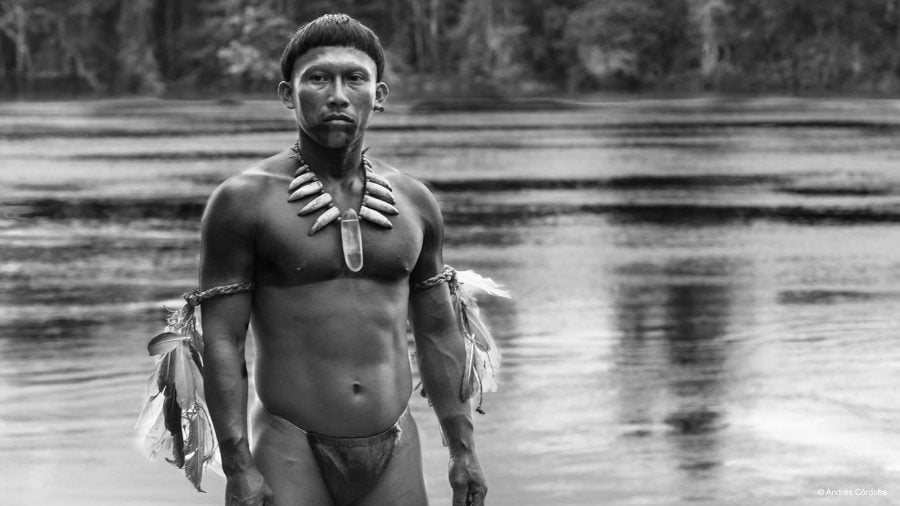
This movie is gentle and utterly chaotic, intimate and massive, beautiful and ugly… it tries to be so many things and somehow pulls it off. It tells two stories parallel in time, based on the real-life diaries of two European scientists who traveled through the Amazon in the early and mid-twentieth century. Their stories are some of the only of accounts of Amazonian tribes in written history. The main character and guide in the movie is a shaman who met them both. At times delicate to the point of almost being able to feel the water, at times utterly apocalyptic and grand… to watch this movie is to take a journey through belief systems, through film… and to be brought along by cinematography that is at times unbelievably and absurdly beautiful. Meditative, violent, jarring, peaceful, luminous, ambitious, artful, heavy handed, graceful… it’s really an incredible film.
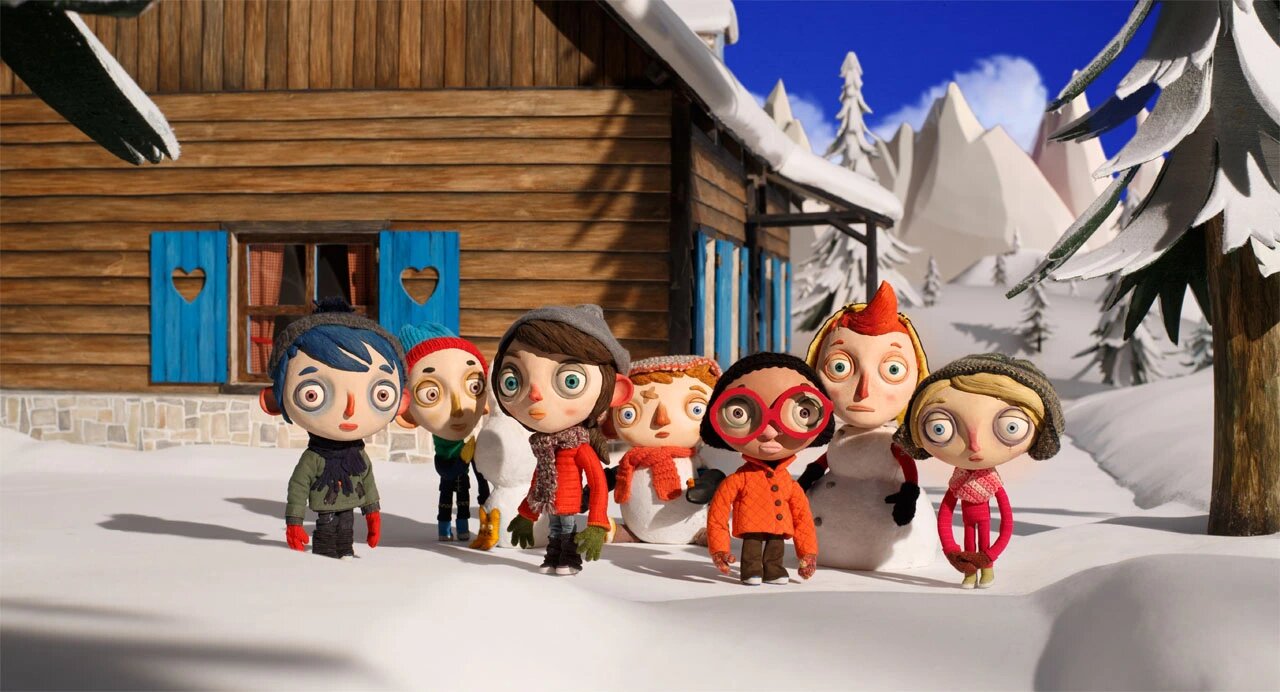
My Life as a Zucchini (or Courgette in Europe) is unlike any kids’ movie you’ll see in America. It isn’t afraid to be honest about children’s feelings, no matter how dark or sad, nor is it afraid to be frank about things like intimacy and abuse. It understands that kids need these kinds of narratives too, and sometimes they need to hear them without being pandered to.
There is an openness to it that makes it comforting to adults as well. Lines like “Sometimes, we cry because we’re happy,” are so deceptively simple and tender that they’ll catch you off guard. Couple this seemingly endless reserve of empathy with adorable, almost melancholic stop-motion animation and you get a film that will have you floored for days, regardless of your age.

This surprising documentary follows Jiro, an 85 year old Japanese chef, his Michelin-starred restaurant in the Tokyo underground, and his eager sons. While ostensibly about sushi – and believe me, you’ll learn about sushi and see absolutely gorgeous images of the raw-fish creations – the film’s dramatic impetus is carried by the weight of tradition, the beauty of a labor of love, obsession, and the relationship between father and son. Truly a must-watch.
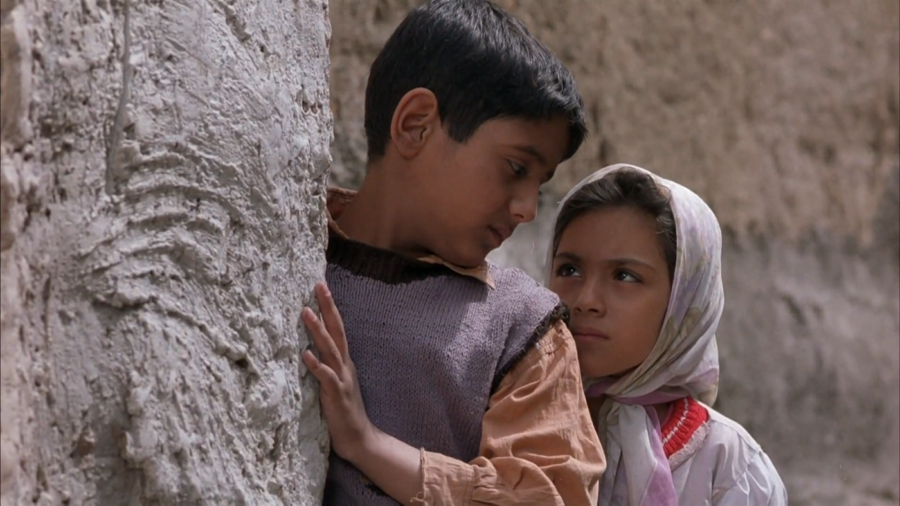
After third-grader Ali loses the only pair of shoes his sister Zahra owns, the siblings agree to share Ali’s sneakers for school. Zahra uses the tattered, ill-fitting footwear in the morning, and in the afternoon, she hands them over to Ali, who then races to get into school in time. The siblings wait for things to get better at home before they mention anything to their already-burdened parents, but in the meantime, they persevere, scooping up every bit of silver lining they find, whether it’s popping soap bubbles or taking in the city’s ultramodern sights.
In this way, Children of Heaven is neither cynical nor cheesy. It presents the harsh reality of Tehran’s poor without robbing them of hope and agency, giving the movie the right amount of self-aware and feel-good that elevates it into a classic. Thanks to this masterful balance, plus many awe-inspiring shots and lines, it should come as no surprise that Children of Heaven is the first Iranian film to be nominated for Best Foreign Language Feature at the Oscars.
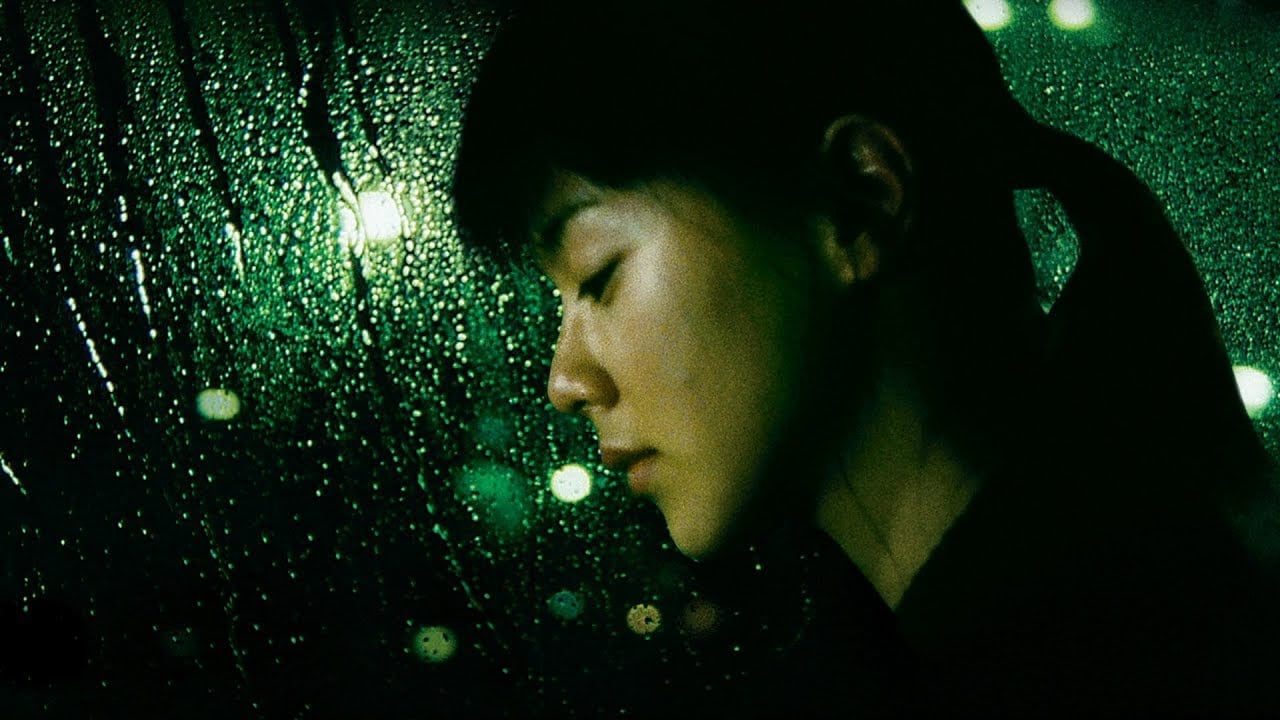
Director Hirokazu Kore-eda’s feature debut is nothing short of a masterpiece, his style of serenity apparent from the get-go. With Kore-eda’s still frames and touching, relatable stories, it’s almost impossible not to find yourself caring for his characters like they are your own family.
In Maborosi, Yumiko (Makiko Esumi) is haunted by one loss after another and struggles to accept these tragedies and move on with her life. Her story is probably the toughest Kore-eda has had to tell, yet there is still a certain beauty to it, especially in its quietness and moody atmosphere. Not forcing any of his characters’ feelings on the audience, Kore-eda manages to tell a harrowing tale in the gentlest of ways.
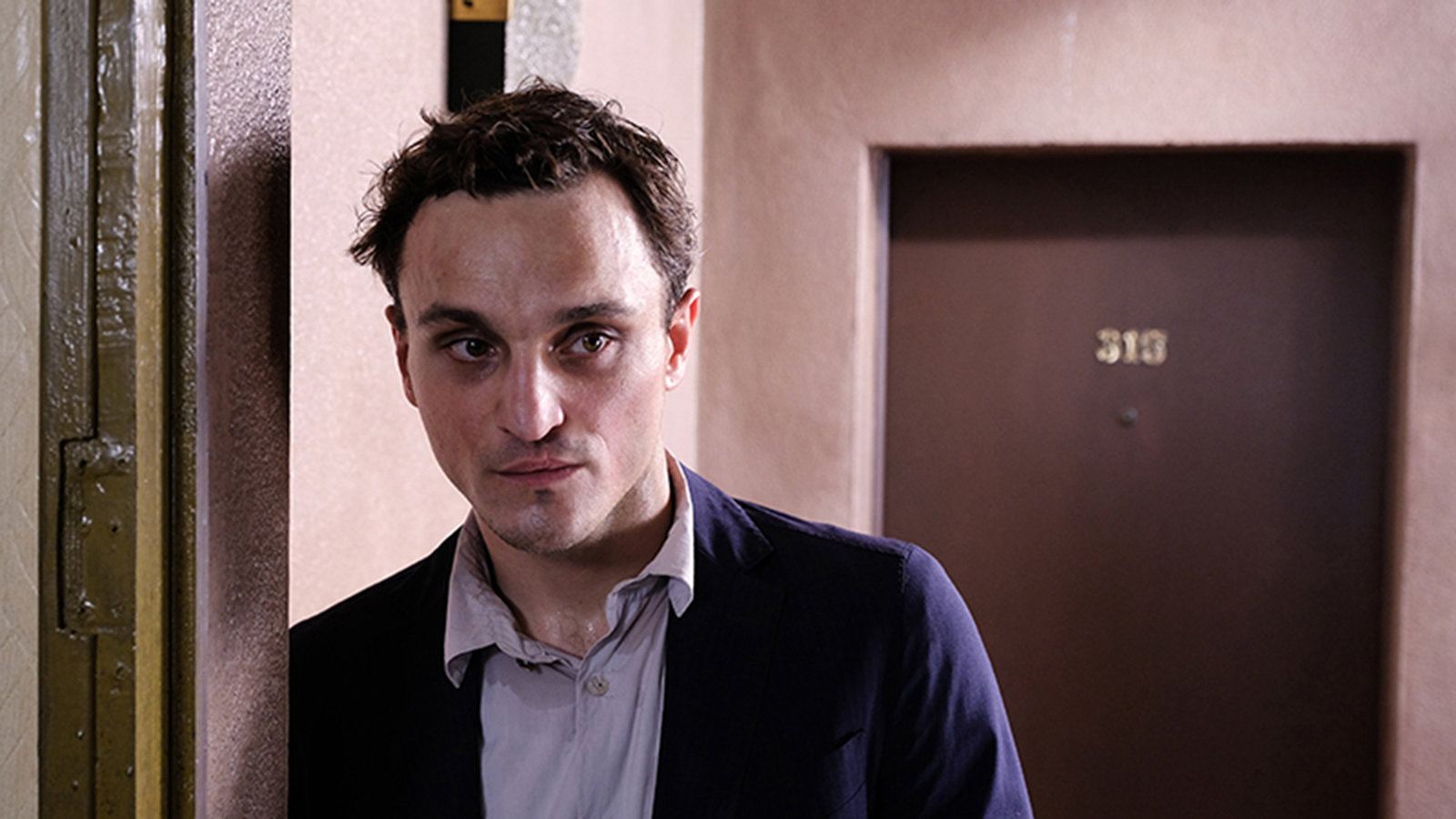
Transit is based on a WWII novel — though you wouldn’t be able to tell from first glance. While the characters talk of German fascists occupying France, anachronistic details (like modern technology and clothing) suggest we haven’t gone back in time at all. Director Christian Petzold isn’t trying to confuse us: by blurring the backdrop, he’s making the terror and the desperation of the story more immediate — removing the distance that might have prevented us from really feeling what happens.
The uncanny historical echo effect works as intended, because the parallels Transit subtly draws between the past and today are horribly clear. What’s more, the movie’s intentionally ambiguous framing suffuses the plot with an otherworldly sense of mystery, a quality that gradually intensifies as Georg (Franz Rogowski) desperately searches for a one-way ticket out of hellish bureaucratic limbo before he finds himself waylaid by that most mysterious emotion of all: love. Unshakably haunting and undeniably poignant, this is a movie that will live under your skin.
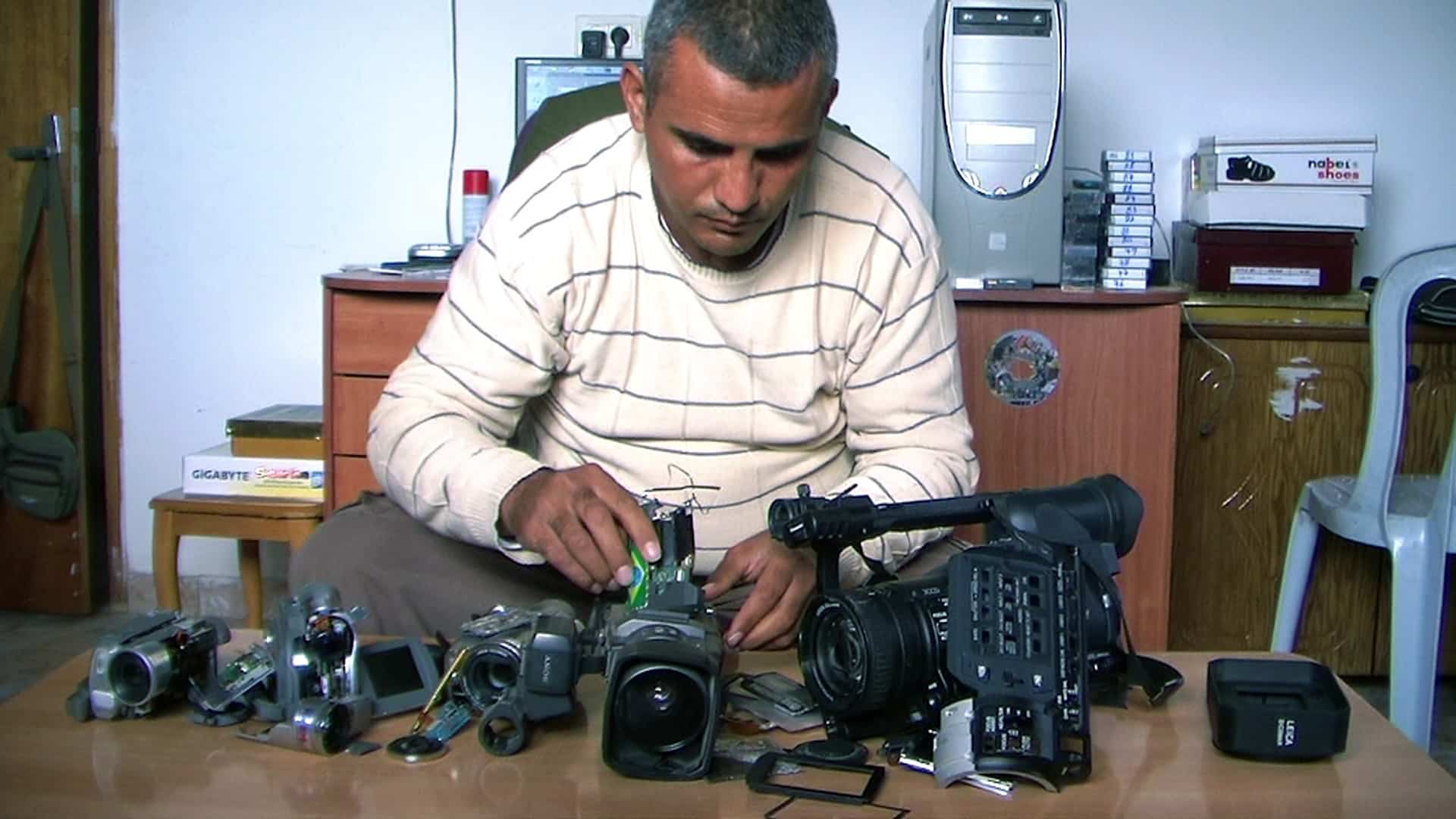
In 2005, Palestinian olive farmer Emad Burnat bought a camera to document the birth of his new son, Jibreel. But what was intended as an act of celebration quickly grew into something else, as Burnat inadvertently became a documentarian of the oppression his West Bank village faced when a wall was erected through it and Palestinian farmland illegally appropriated by Israeli settlers. As we come to witness, this reluctant pivot is just another example of everyday life in Bil’in being forcibly reoriented by the occupation, as Burnat captures the daily struggles of life in the village and charts the innocence-shattering effect the occupation has on young Jibreel’s burgeoning consciousness.
Over his footage of encroaching illegal settlements, the arrests of Palestinian children in the middle of the night, the point-blank shootings of blindfolded and handcuffed peaceful protestors — plus tender snapshots of nature and joyful events in the village — Burnat delivers a poetic, reflective narration that miraculously ties these horrible and hopeful images together. It’s this intimacy of perspective that makes 5 Broken Cameras profoundly harrowing and unexpectedly transcendent — a personal document of oppression that is also a testament to the miraculous persistence of the human spirit, the resilience of life and the urge to seek beauty even under truly awful circumstances.
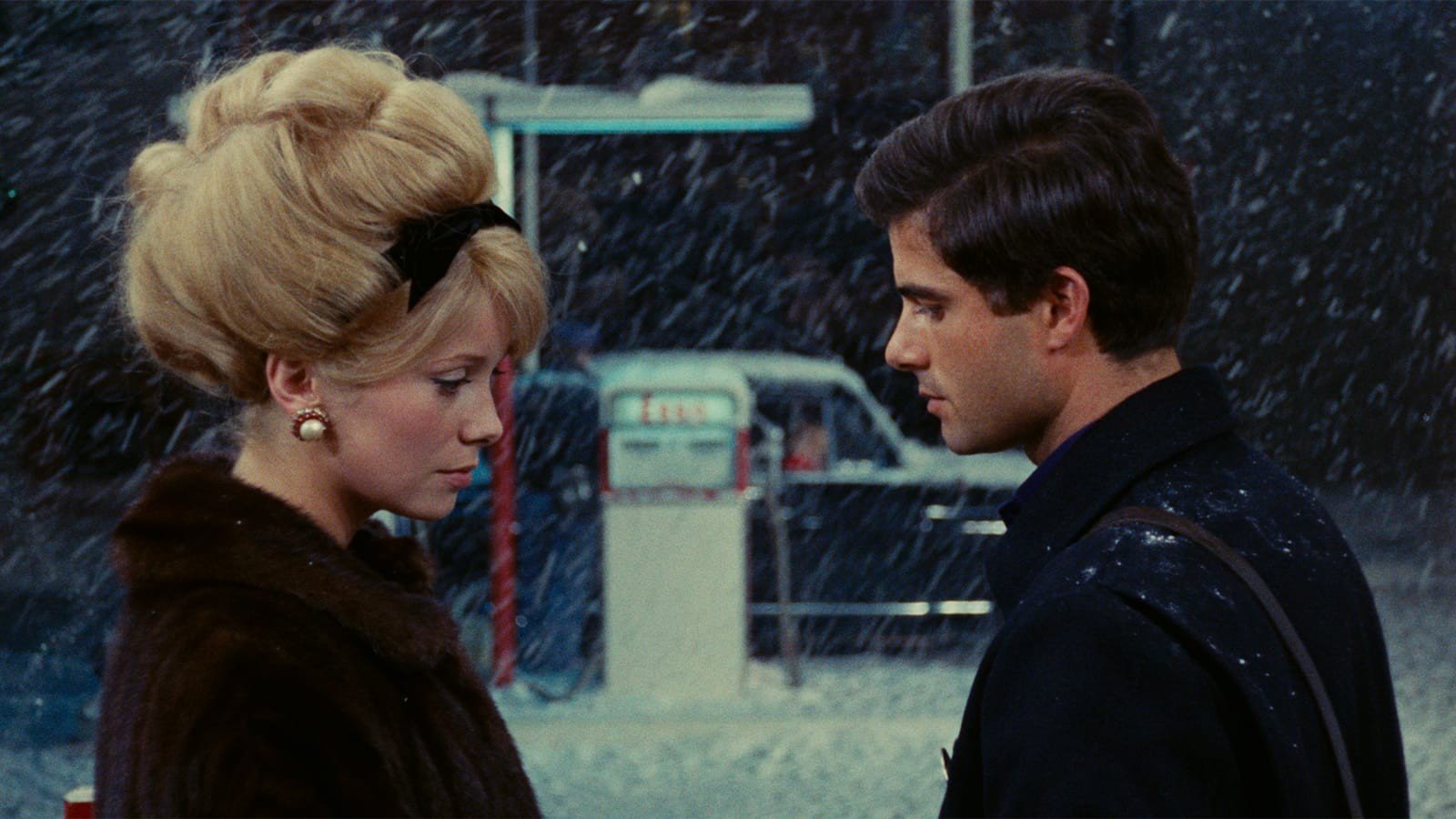
If we were to list down the best of the best movie musicals ever made, most of the titles would probably come from the Golden Age of Hollywood. But we’d be remiss to forget that just a few years later, all the way across the pond, came The Umbrellas of Cherbourg, a French romantic musical from Jacques Demy. It’s certainly in the running for the most gorgeous musical ever made, with the bold, dreamy colors, incredible camera work, stylish costumes, and two beautiful leads front and center, but what makes Cherbourg great is the lush composition made by Michel Legrand. With the sweeping violins and the tragic lyrics of Devant le Garage, to the catchy, jazzy Scène du Garage that starts off the film, Les Parapluies de Cherbourg brings together sublime visuals and sound into one of the greatest musicals ever made.
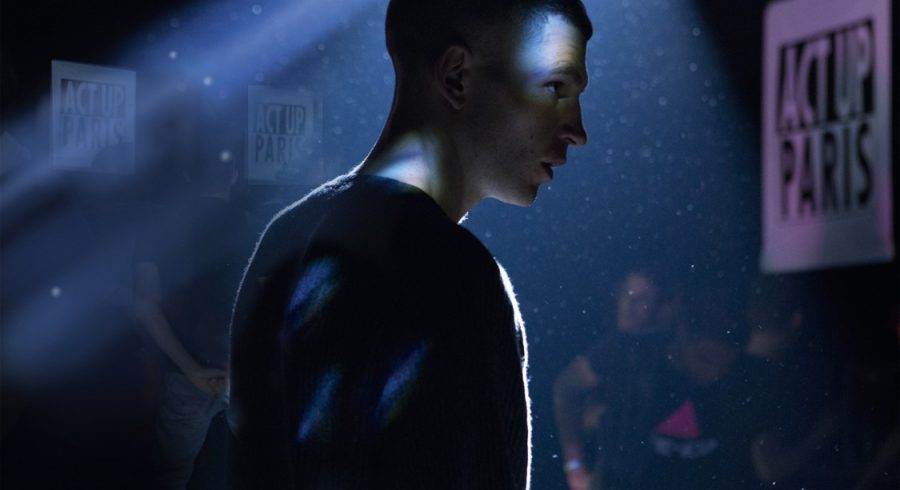
Autobiographical in nature, 120 BPM is French screenwriter Robin Campillo’s first feature film. It revolves around the Parisian chapter of the AIDS advocacy group ACT UP, which Campillo was a member of in the early 1990s, and the love between Nathan, the group’s newest member, who is HIV negative, and Sean, one of its founding and more radical members, who is positive and suffers the consequences of contracting AIDS. Using fake blood and spectacular direct action, ACT UP advocated more and better research of treatment, prevention, and awareness. This was at a time when many, implicitly or explicitly, viewed AIDS as a gay disease, even as a punishment for the gay community’s propensity to pleasure and partying. The latter is reflected by the film’s title, 120 bpm being the average number of beats per minute of a house track. Arnaud Rebotini’s original score echoes the ecstasy-driven house music hedonism of the time with some effective original cuts, albeit with a melancholic streak. Because, for all the love, friendship, and emotion of the ACT UP crew that BPM so passionately portrays, anger and sadness pervade the lives of these young people as the lack of effective treatment threatens to claim the lives of their loved ones.
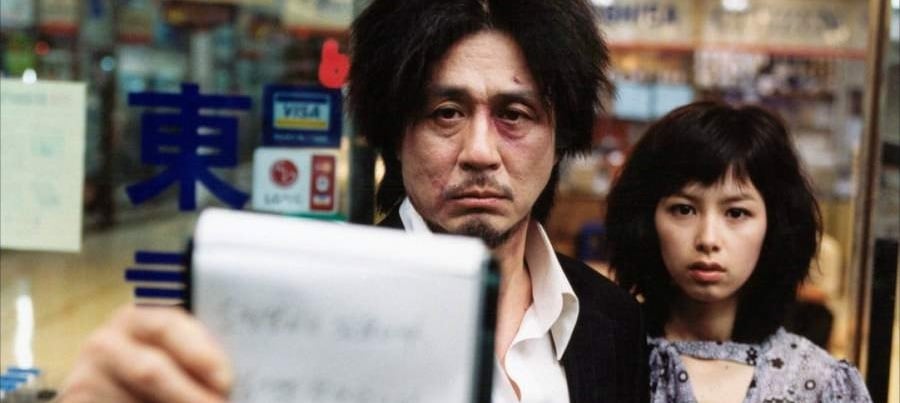
From Korean director Park Chan-wook, who also brought you the far quieter The Handmaiden, comes a movie that is positively terrifying. Its premise alone is enough for any sentient human being to shudder. On his daughter’s birthday, the good-for-nothing Oh Dae-su (played by Choic Min-sik) gets drunk and is arrested by the police. A friend eventually bails him out and, while he is making a phone call, Oh Dae-su disappears. Not knowing why, he is held in the same room for 15 years for no apparent reason. Until, one day, he is released. That’s all that can be revealed about this winner of the Grand Jury Prize at Cannes in 2004 without giving away too much. All we can add here is the way we recommend Oldboy to people admitting to not having seen it yet: “Watch Oldboy. You’re welcome. We’re sorry.” A crazy, twisted film that goes to extremes. A cult classic and a statement.
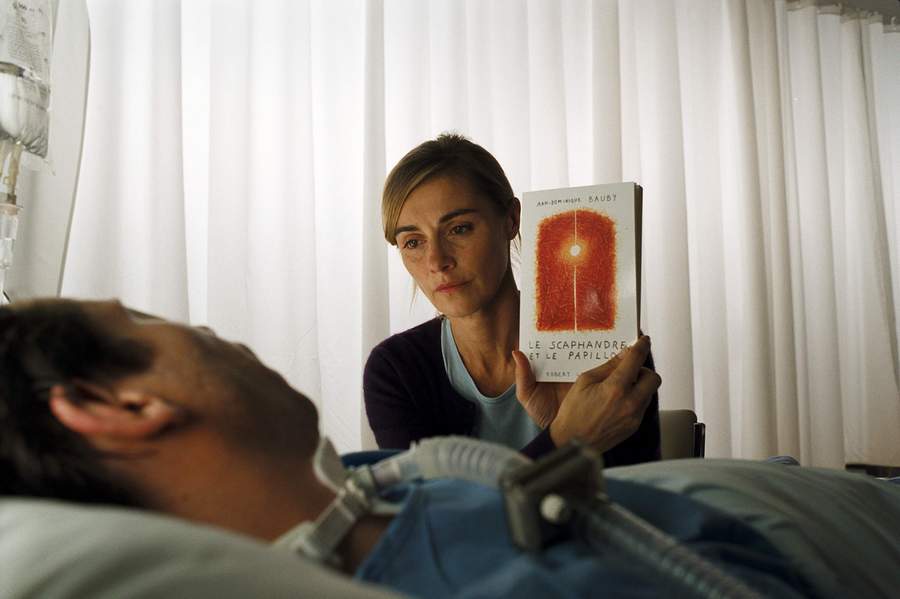
Directed by celebrated artist-turned-filmmaker Julian Schnabel, who won an award in Cannes for it, The Diving Bell and the Butterfly is the true story of the Parisian journalist and fashion editor Jean-Dominique Bauby (Mathieu Amalric), who suffered a devastating stroke at the age of 43. Paralyzed almost completely by what is termed locked-in syndrome, his left eye was the only part of his body that he was still able to move. In a Herculean effort, Bauby learned to blink in an alphabet code that eventually enabled him to communicate. The film alternates between Bauby’s interaction with his visitors and caretakers (including painstakingly dictating his memoir, the titular Le Scaphandre et le Papillon) and dream-like fantasies and memories of his life prior to paralysis. The title alludes to this juxtaposition: the diving bell representing his final state of isolation, akin to a deep-sea diver under a bell, and the butterfly as a symbol for his blinking eye and the freedom he has in his mind, dreams, and imagination. Shot from Bauby’s perspective, we see what he sees. Be it his divorced but loyal wife and his family visiting him, or his old father, played by Max von Sydow, which is probably the scene in this fascinating movie that will make you lose it and weep like the rest of us.
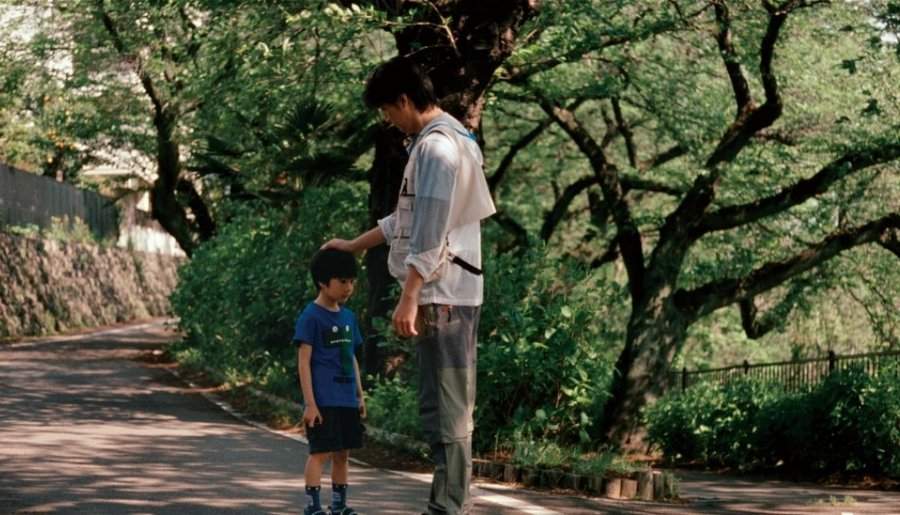
Koreeda’s troubled childhood often serves as the inspiration for his poignant Japanese dramas that deal with loss, the meaning of being a child, and of being parent. In Like Father, Like Son, Ryota Nonomiya (Masaharu Fukuyama), a hard-working architect, who is married to his work, comes home from work. He receives a call from the hospital where his son Keita was born and learns that he was switched at birth with their biological son Ryūsei. His wife and him are not only faced with the prospect of having to switch the two six-year-olds back, but also with the rickety family his ‘real’ son grew up in—and his aversion to what they stand for. But who is real and who isn’t? Must they be switched back? The age-old question of nature vs. nurture and the relationship of love and biology is at the heart of the parent’s struggle. As always with Koreeda’s works, the result is soft-spoken, sensitive, and symphonically directed. Winner of the Jury Prize at Cannes.
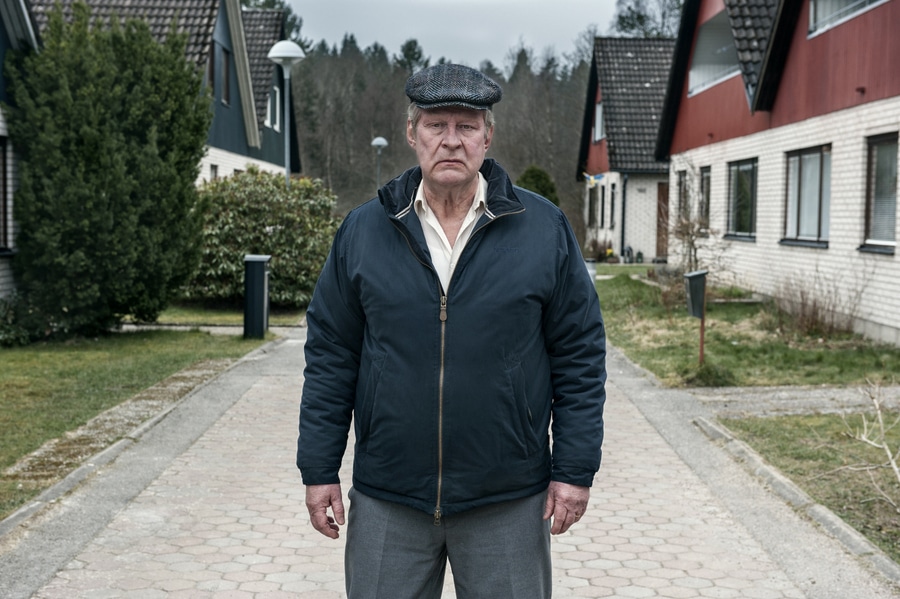
Based on Fredrick Backman’s 2012 best-selling book of the same name, this Swedish hit comedy-drama introduces us to Ove, an elderly man who feels like his life is over. After losing his wife, the short-fused retiree spends his days grumpily enforcing block association rules in his neighborhood. He is your typical unhappy, old neighbor, somebody you would try to avoid. One new family does not give up and befriends Ove, played by an impeccable Rolf Lassgård, despite his best intentions to put them off. As the plot unfolds, however, you learn more about the story behind the man, and, in classic walk-a-mile-in-his-shoes fashion, start to find him rather loveable. After all, nobody is born grumpy and cynical. Naturally, this is a sweet and sentimental film. But an amazing lead performance and a charming, darkly funny script rescue it from drifting too far off the shore. The result is a wholesome, fun, and thoughtful dramedy with a beautiful message.
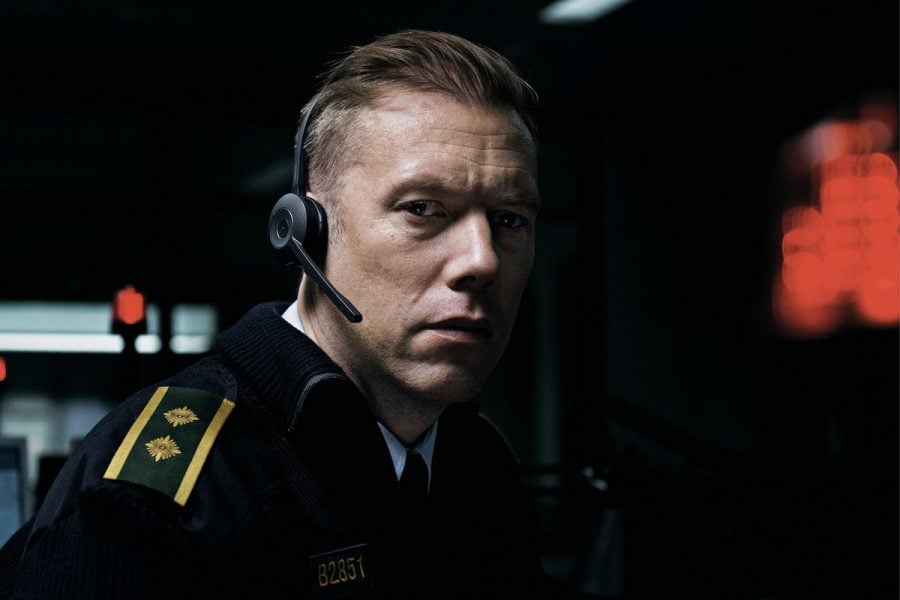
Before you press play on this movie, we highly recommend you take a few very deep breaths. This 2018 thriller is wound so tight, you will need the extra oxygen to get through it without fainting. In his directorial debut, Swedish-danish filmmaker Gustav Möller uses very little in terms of resources to create this breath-taking atmosphere. While The Guilty feels like it was made on a $100 million budget, all it physically brings to the table is one man in a dark room. It plays with our imagination instead of blinding it with special effects. Similarly, the plot is also short and sweet: a police officer is temporarily sent to do emergency dispatch, when he receives a call that turns an ordinary shift into a hell ride. This is all we are going to give away before you’ve completed your breathing exercises. The movie’s minimalist approach is held together by great acting from Jakob Cedergre, a screenplay to match, and incredible sound design. A real white-knuckle ride.
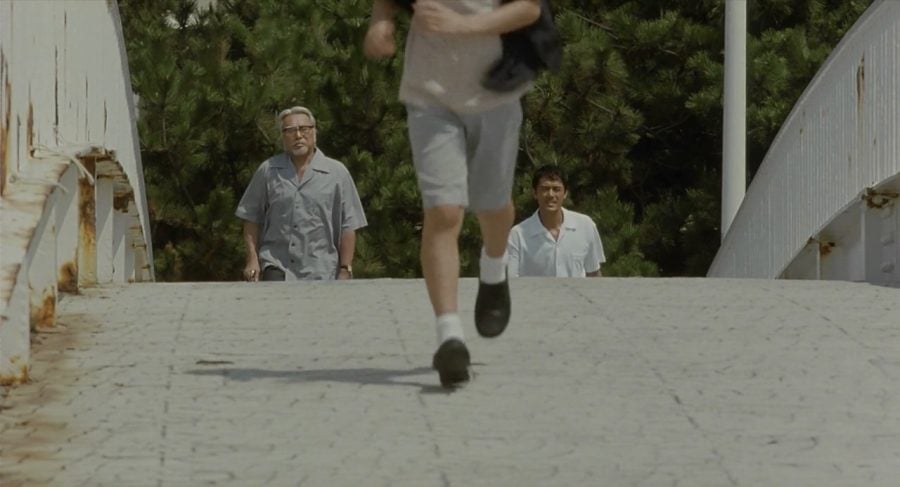
Koreeda is a master of the tender gaze. He deals so softly, elegantly, and emphatically with the characters in his films, it will make you feel like you’re watching life itself in all its complex, emotional splendor. Maybe this is particularly true for this movie because it has been inspired by Koreeda’s memories of his own childhood and the passing of his mother. Still Walking is a quietly toned movie spanning a period of 24 hours in the life of the Yokoyama family, as they gather to commemorate the passing of their eldest son. At the center of the story is the father, an emotionally distant man who commands respect both from his family and community. Opposite from him sits the other son, the black sheep, who seeks his father’s validation. Directed, written, and edited by Koreeda, this dynamic is one of many in this slice-of-life movie about how families deal with loss. And, however distant the culture or setting in Japan may seem to the outsider, you’re bound to recognize either yourself or your family among the tender scenes of this masterful drama.
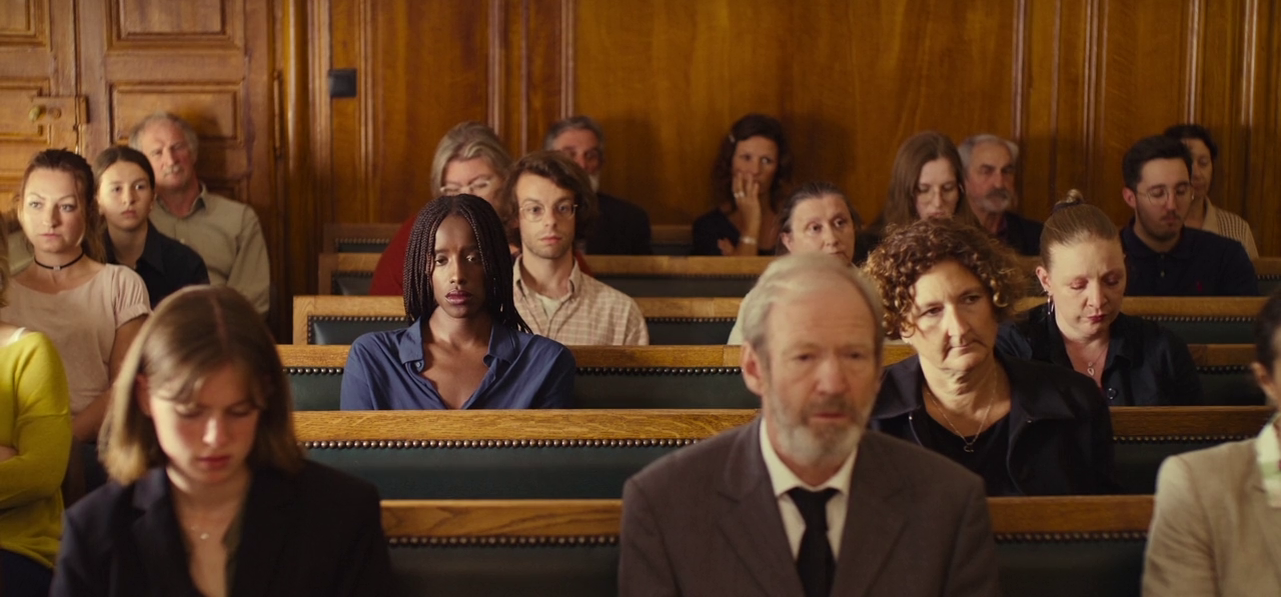
Nothing about Saint Omer is easy. A female Senegalese migrant (Guslagie Malanga) is put to trial for committing infanticide, but throughout the film, it becomes clear how much of a victim she is too, of an uncaring and deeply prejudiced society. “What drove her to madness?” Her attorney asks at one point. We’re not sure. We’re not necessarily asked to side with her, nor answer the many hard-hitting questions brought up in the film, but we sit with the uneasiness of it all and, in that silence, confront our ideas about motherhood, womanhood, personhood.
This confusion is what makes the film so compelling. Despite the court’s best efforts, Laurence isn’t meant to be understood. She’s meant to be an example of the ever-ambiguous, forever-complicated, always-hurt person. It’s human nature after all to be this complex and messed up. The film shows us that the best that we can do in situations like this is to listen, understand, and as our protagonist Rama (Kayije Kagame) does, make peace with the noise.

The Iranian director Jafar Panahi has faced constant persecution from his country’s government for over a decade, for his career of sharply political films speaking truth to power. In fact, No Bears—which was shot in secret, in defiance of the government banning him from filmmaking for 20 years—had its initial festival run in 2022 while Panahi was in prison. Evidence of Panahi’s drive to keep making his movies, no matter what, are clear in this film’s limited resources and occasionally inconsistent video quality. But even those obstacles can’t get in the way of his vaulting ambition.
No Bears operates on several different layers that all express Panahi’s growing frustration with—but also his commitment to—making art that only ever seems to put himself and other people in harm’s way. At its base level, this is a suspenseful small-town thriller, as an exiled Jafar Panahi (playing himself) tries to evade suspicion from the villagers around him. At the same time, Jafar is struggling to direct a film remotely, which creates a strain on his production crew. On top of that, the characters in his film undergo their own drama, seeking asylum out of Turkey. All of this is edited together under a stirring screenplay written with heart, humor, and the hope that the institutions that try to scare us will never keep us in the dark forever.
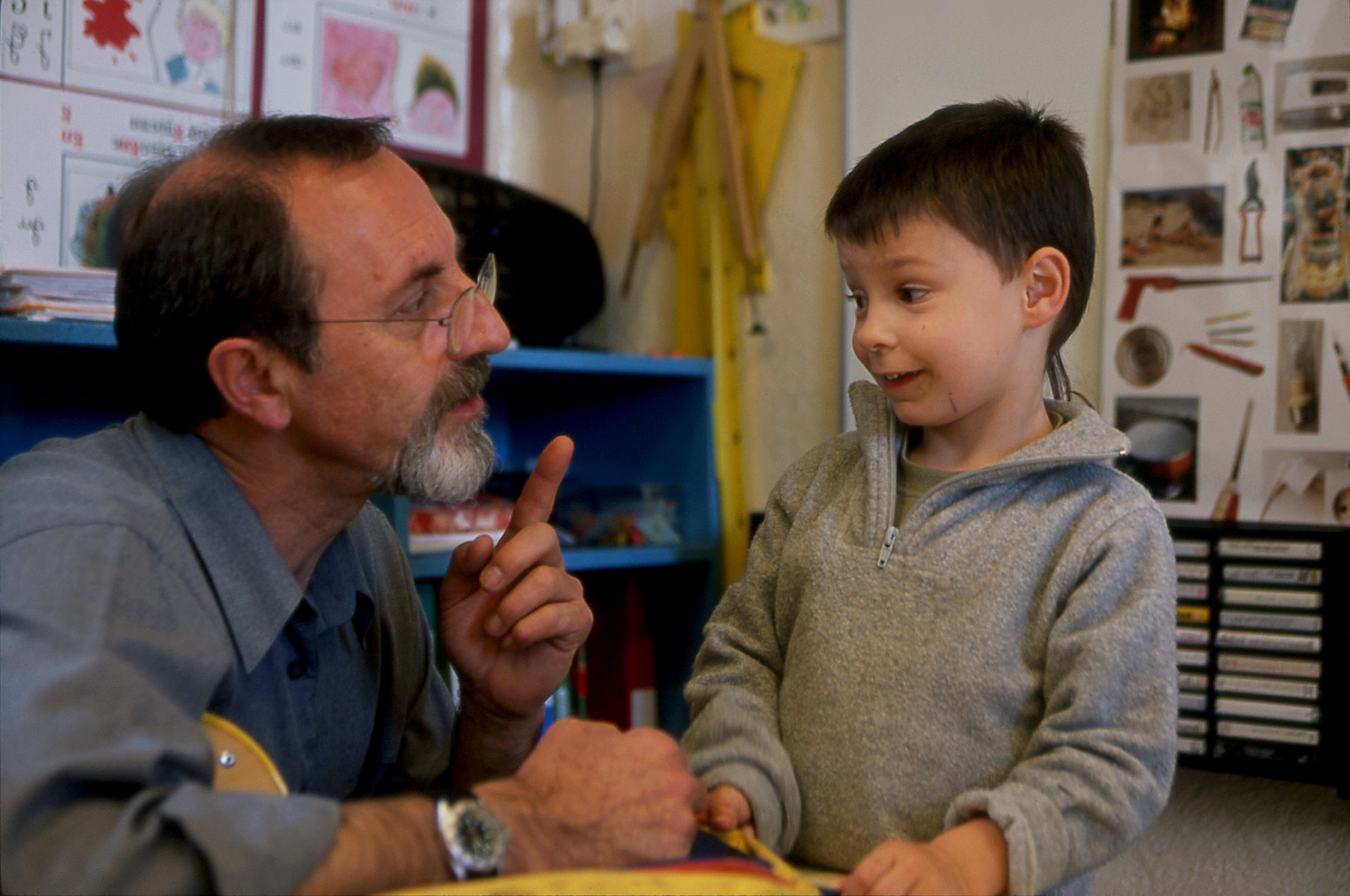
This gorgeous documentary opens on the snowy fields of its rural French setting, but the single classroom it spends much of its time in couldn’t be warmer or more inviting. That comforting atmosphere — which the film imbibes, too — is all thanks to the kindness and patience of Monsieur Lopez, the man responsible for the education of all of the village’s kids (up to age 11). Chronicling the final year of his career before retirement, this doc shares the instinctive empathy its chief subject has for his pupils and, accordingly, shoots them quite simply, trusting that the high drama of their little lives is enough to sustain the film.
And it is: from the cheeky antics of happy-go-lucky four-year-old Jojo to the crippling anxiety of older kids grappling with parental illness and the terrifying move to middle school, we’re plunged deep into a full spectrum of raw emotion. Inspiringly, Monsieur Lopez doesn’t just teach the kids maths and spelling — he also gently coaches them in off-syllabus skills, like talking about feelings and reconciling differences (even turning a fraught relationship between two boys into loyal friendship by the end of the year). There’s so much to learn from him and his perpetually wonderstruck kids here.
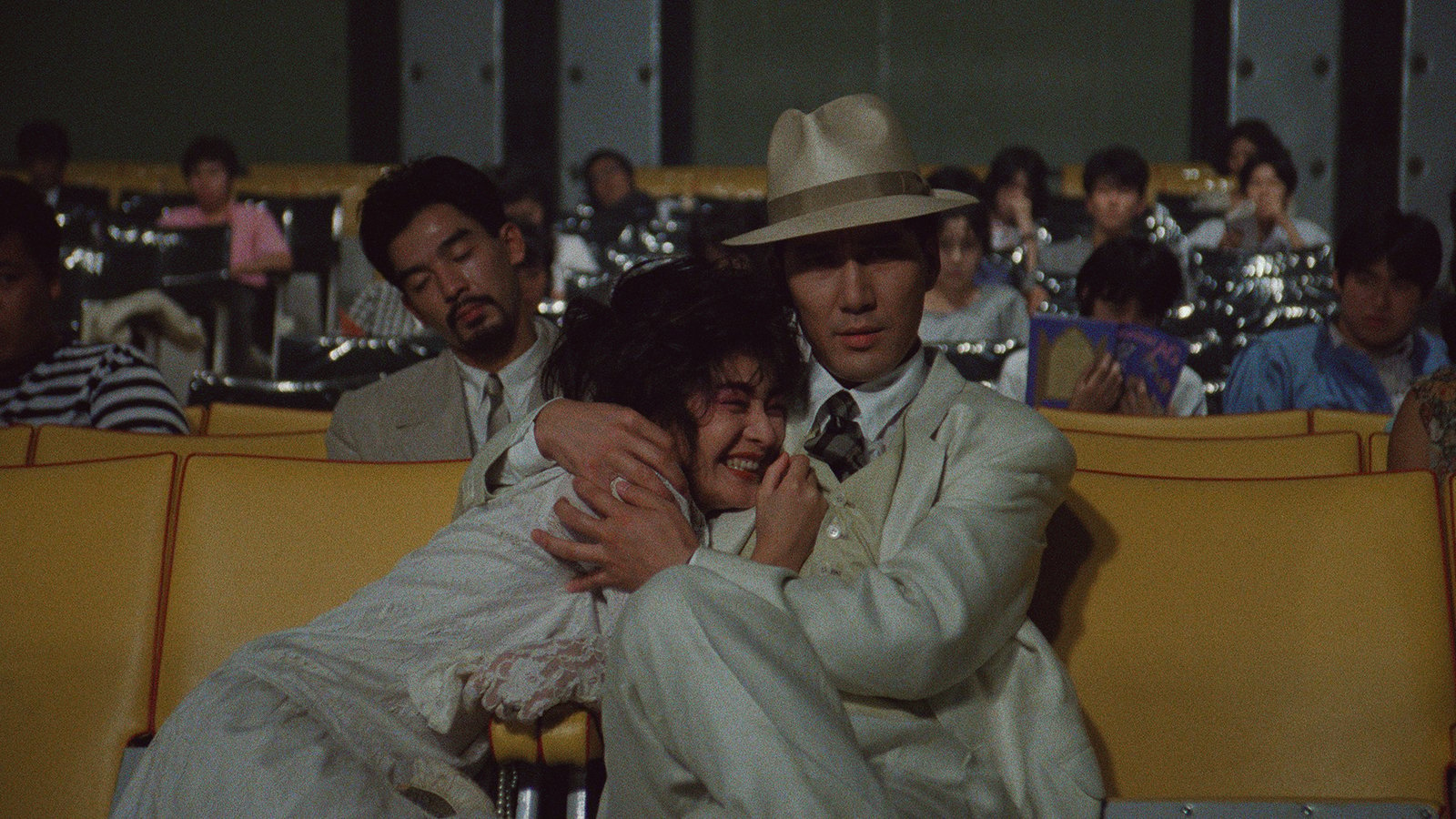
While billed as a “ramen western”, Tampopo satirizes plenty of other American genres, including, but not limited to: 1) the inspirational sports film, with Tampopo’s diligent training, 2) the erotic, arthouse drama through its egg yolk kiss, 3) the witty, social comedy pointing out the absurd in dinnertime tables, and 4) the melodramatic mafia romance with its room-serviced hotel getaway. But the film doesn’t buckle under the weight of carrying all these genres– instead, the customer vignettes are all delicately plated to balance out the hearty journey of a store owner learning about ramen and the bemused, yet cohesive contemplation about food. Tampopo is one of a kind.
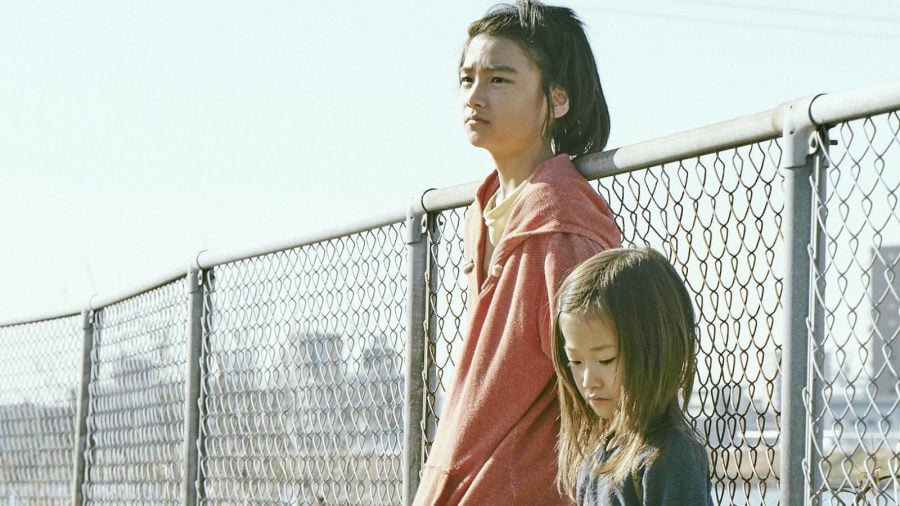
The title of this 2018 Palme D’or winner is not to be taken metaphorically: Shoplifters is about a marginalized family of day workers, crooks, and small-time outlaws, who live on the fringes of Japanese society. Osamu (Lily Franky) and Nobuyo (Sakura Andô) both have jobs but spruce up their low-wage income by committing petty crimes. One day in winter, Osamu takes in a bruised girl he finds outside in the cold and introduces her to the family in his ramshackle house. But when the second-youngest member of the family, Shota (Kairi Jyo), finds himself teaching her how to shoplift, he faces a moral dilemma that threatens to unravel the family’s fabric. If you were hitherto unfamiliar with the unique storytelling and social realism of Hirokazu Koreeda, we really recommend checking it out—as well as his other movies, namely, Still Walking, Like Father, Like Son, I Wish, and After the Storm. His 2018 outing features the last ever performance of Kirin Kiki, who plays the elderly matriarch and passed away that same year. Like many of Koreeda’s works, Shoplifters is an understated, beautiful, and mysterious study of the effects of poverty and trauma and a delicate portrait of a family in Japan’s urban underbelly.
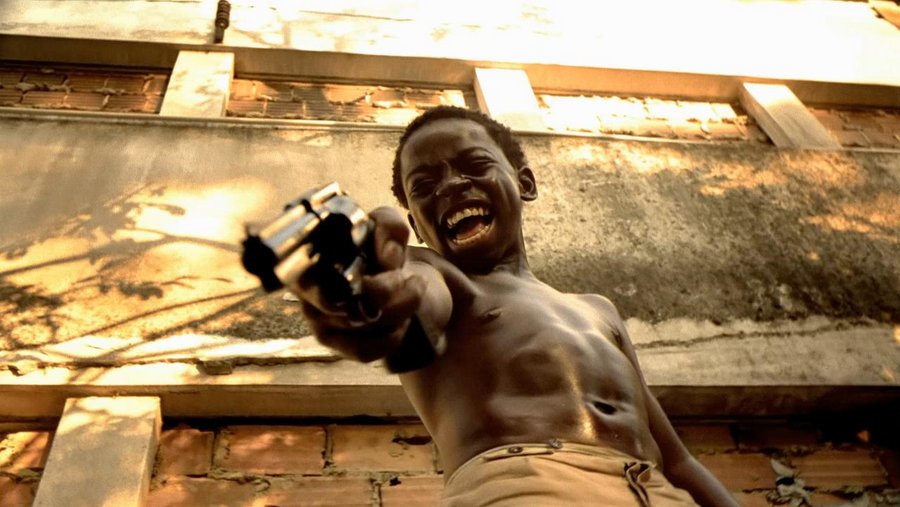
This movie will punch, kick and slap the crap out of you. Something that will be hard to believe after you watch it – it is based on a true story. Filmed and set in the poverty-stricken favelas of Rio de Janeiro, it follows two young men who choose two opposite paths; one an aspiring drug leader and the other an aspiring photographer. City of God is their story; a movie filled with great performances (from mostly non-professionals), and an experience that is as compelling as it is adrenaline-inducing.

Thirty years after its release, the first ever Chinese language Palme d’Or winner has finally been made more accessible through Criterion Channel through its uncut 4K restoration. Farewell My Concubine is one of those classical epics that is considered essential viewing, but even with its near 3 hour runtime, the film still holds up all these decades later with its startlingly heartrending love story and depiction of the tumultuous shifts of 20th century China. Director Chen Kaige masterfully balances both sides, tapping into the pain Dieyi (Leslie Chung) chooses as he clings to the classical opera, the very art form that allows him a sliver of his unrequited love to be realized, but that is also limited depending on whichever government is in charge at the moment. It’s possibly one of the most beautiful and most miserable films ever made.
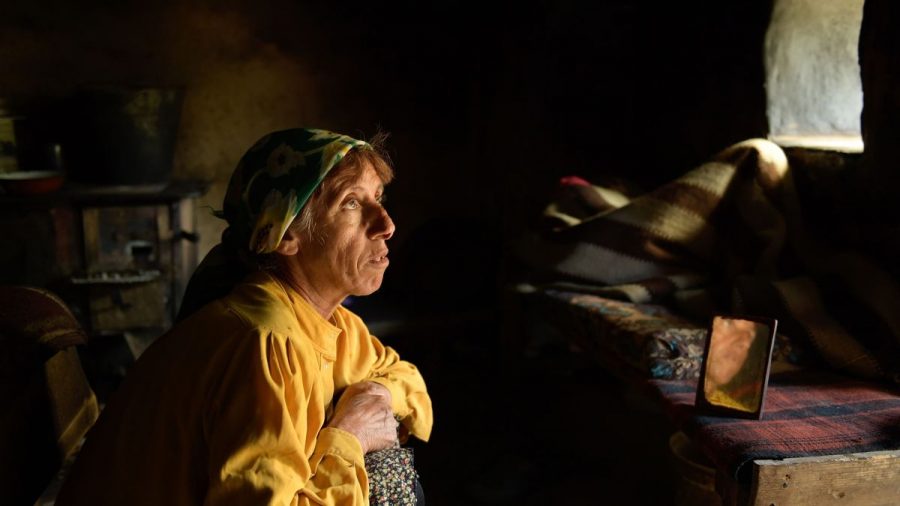
The first movie to be nominated for both the Documentary and Foreign-Language Oscar categories and the most awarded film of the 2019 Sundance Festival, Honeyland quietly accompanies the last wild beekeepers in Europe over three years. It portrays the lonely and primordial life of Muratova, which is centered around harvesting honey according to the rules of her ancient ancestors and caring for her ailing mother.
Originally planned as an environmental documentary, this film evolved into something completely different, as it often goes with immersive documentaries, when the Macedonian directors Tamara Kotevska and Ljubomir Stefanov met beekeeper Hatidže. The film takes another sudden turn when Muratova’s life is upended by a nomadic family settling next door, threatening her tradition, her way of life, and her natural environment.
This unbelievable cinematic journey is a feast for the eyes thanks to the amazing work done by cinematographer Samir Ljuma. However, despite the awe-inspiring imagery, Honeyland never imposes on its subject, creating an incredible intimacy with Hatidže’s life and her natural environment. Breathtaking!
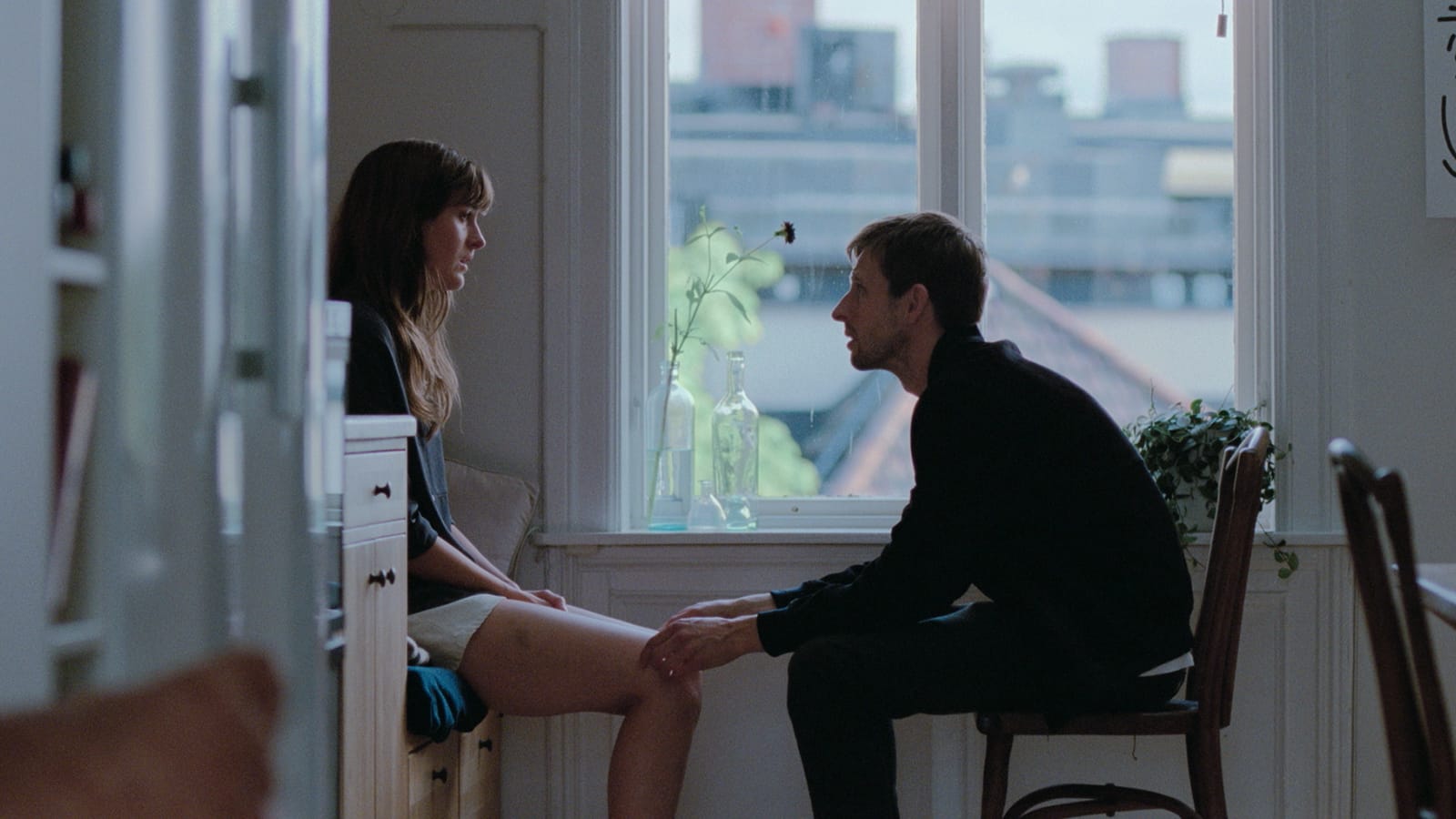
The film opens with Julie in her early twenties, longing to pursue a career in medical school. But after briefly testing the waters, she switches over to psychology, only to drop completely out of school and transform her hobby of photography into a professional career. This indecisiveness carries over in most aspects of her life, including and especially in romance, where impulse and desire drive her to run after what she believes to be love. The movie follows Julie as she navigates adulthood in modern Oslo—at once a specific yet universally relatable story about the growing pains of growing up.
With The Worst Person in the World, Joachim Trier scores again with another life-changing Norwegian drama about longing, love, grief, and finding your place in the world. His films can be quite sad but amidst all the drama, moments of happiness and hope are scattered throughout, as it is in real life.

It’s a testament to Agnès Varda’s remarkable ability to glean so much raw beauty and truth from the world that this autobiographical documentary is such a rewarding watch, even for people unfamiliar with her. The Beaches finds the pioneering director in reflective mode as she looks back at her work and life, but her artistic impulses are by no means stagnant: she approaches the past with the same — if not more of the — generous candor and youthful spirit that colored her career.
It’s also a testament to Varda’s inimitable artistic touch that she turns a usually-bleak subject — mortality — into something this life-affirming. The Beaches was made when she was 81, aware of her own ticking clock and still nursing the decades-long loss of so many loved ones (chiefly, husband Jacques Demy). Just as her grief-stricken reflections don’t overwhelm the film with sadness, the whimsical impulses she indulges here — like constructing a beach on the street in front of her office — don’t blunt the sharpness of her candor. The overall effect is bittersweet and profoundly inspiring: as with the mirrors she places in front of the tide in the film’s first scene, she’s showing us it’s possible to face the inescapable with a twinkle in your eye.