Our take
Remarkably, Steven Soderbergh was only 26 years old when he directed this coolly assured debut, the searingly candid script of which he also wrote in just eight days. Despite the pornographic implications of its title, this is more concerned with exploring whether honesty — not sex — is the means to real intimacy. In fact, the only nakedness glimpsed here is of the emotional kind, as twenty-something drifter Graham’s (James Spader) total aversion to lying has an infectious influence on everyone around him.
The primary recipient of that disarming effect is Ann (Andie MacDowell), the wife of Graham’s old college buddy who is blasé about sex and neurotic about everything else. Talking to Graham has a therapeutic effect on her, but he takes something else away from conversation: chronically impotent, he simulates the sexual experience by conducting erotically themed interviews with women on videotape. Preferring to sublimate his desires through his camcorder, Spader’s physically aloof character is a disturbingly prescient one for what it suggested then about technology’s future impact on human relationships. That Soderbergh managed to conduct such a complex psychosexual drama all through dialogue — on his first feature, no less — makes him exceedingly worthy of the record this earned him of the youngest solo Palme d’Or-winning director ever.
What it won

Oscars
1 nom

Cannes
3 wins

Golden Globes
3 noms

BAFTA
2 noms

Spirit Awards
4 wins · 1 nom

Sundance
1 win

WGA
1 nom

Nat. Board of Review
1 win · 1 nom

NYFCC
3 noms

LAFCA
2 wins

César Awards
1 nom
The story
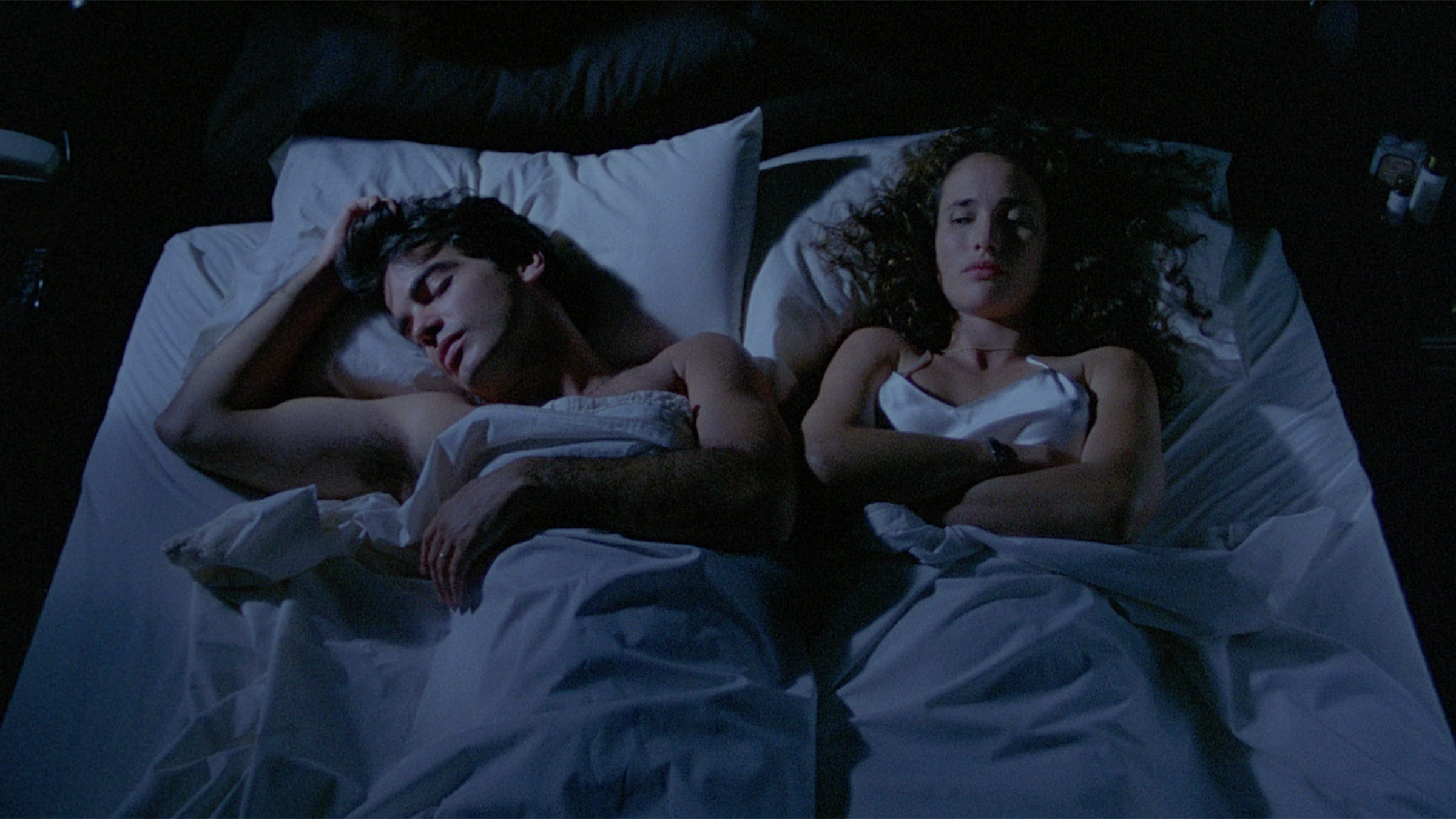
Ann, a frustrated wife, enters into counseling due to a troubled marriage. Unbeknownst to her, her husband John has begun an affair with her sister. When John’s best friend Graham arrives, his penchant for interviewing women about their sex lives forever changes John and Ann’s rocky marriage.
Elsewhere

"This is a sexy, nuanced, beautifully controlled examination of how a quartet of people are defined by their erotic impulses and inhibitions."
— Variety Staff
A bored housewife finds catharsis — and maybe something else — in a drifter friend of her husband’s.
Sex, lies, and videotape boasts an impressive ensemble: alongside Spader and MacDowell, it also features Peter Gallagher as Ann’s husband John and Laura San Giacomo as Ann’s sister, with whom John is cheating with. Of the quartet, though, it’s Spader who runs away with the film. The jury of that year’s Cannes Film Festival agreed: they named him Best Actor for his deftly modulated performance here, which tips the scales from weird to sensitive and back again (even in the same scene) and is key to the film’s overall intelligent, ambiguous effect.
He has a lot of competition, but Graham might just be James Spader’s ultimate weirdo character.
The details



Who picked it

Farah Cheded is a UK-based curator at A Good Movie to Watch and a Rotten Tomatoes-approved freelance critic whose work has been published at outlets including The Playlist, Paste Magazine, and Film School Rejects. She lives in fear of the day she runs out of 'Columbo' episodes to watch.