European Stories to Watch
In Europe, Brexit and similar nationalistic movements increase the need for finding what’s common in European storytelling. And abroad, European movies are often acclaimed but under-watched. This section’s goal is to guide you through the vast array of high-quality European films available on streaming services.
To access filters, visit our homepage.
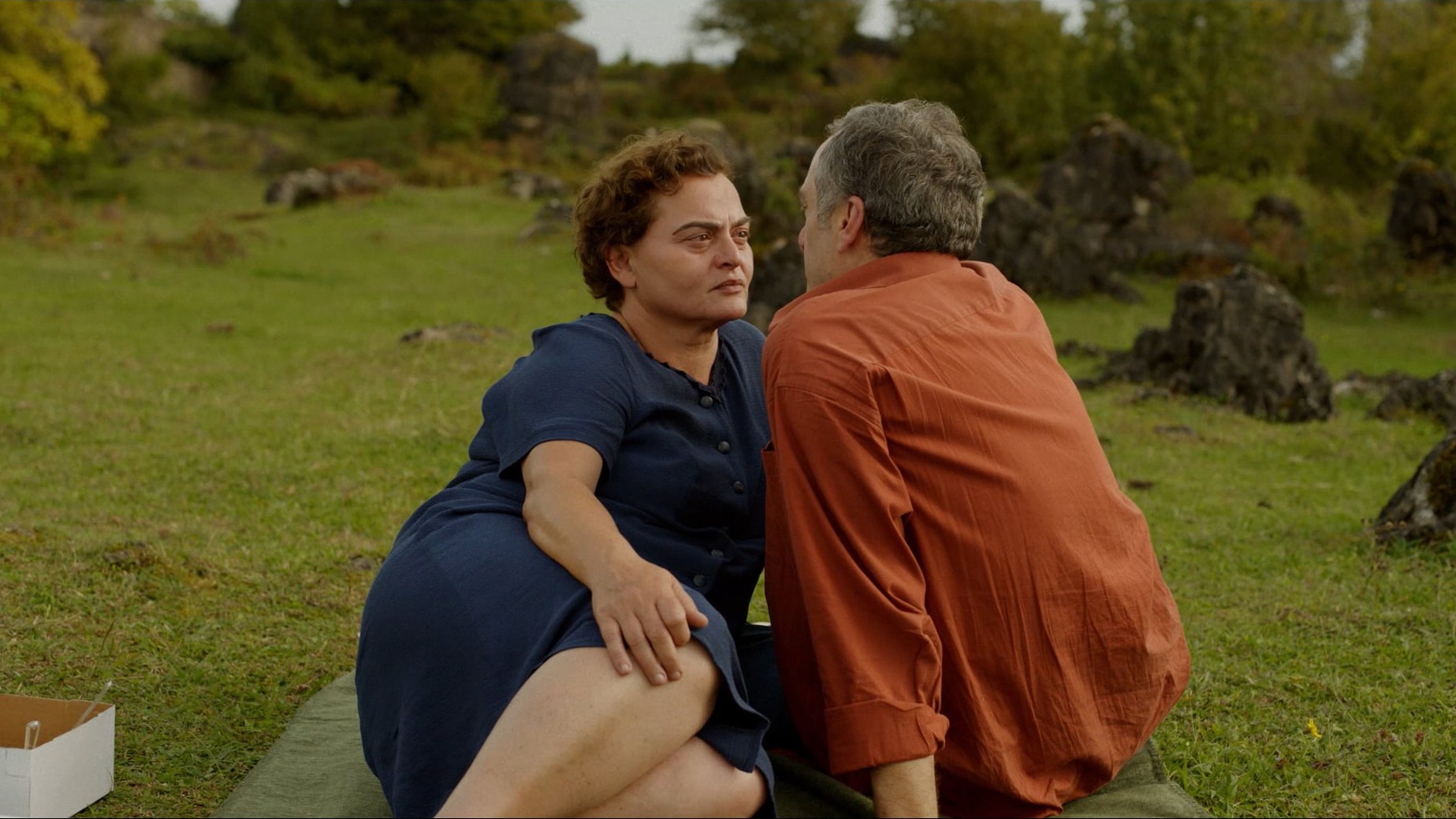
Previous depictions of provincial living tend to paint the pastoral experience as idyllic, simple, and much more innocent compared to their city counterparts. Sound of Falling does the opposite. While it still beautifully captures the German countryside, this drama also acknowledges its terrible secrets– the ways the family maintains itself, and sidebrushes death, at the expense of the women in the family. Cutting across time and circumstance, the haunting narrative sees the rhyme in each story. Unbeknownst to each four women, their pain echoes in similar ways, even if their particular histories differentiate their extent. Sound of Falling captures how the past never fully fades, only passing down like a curse recalled in folklore.
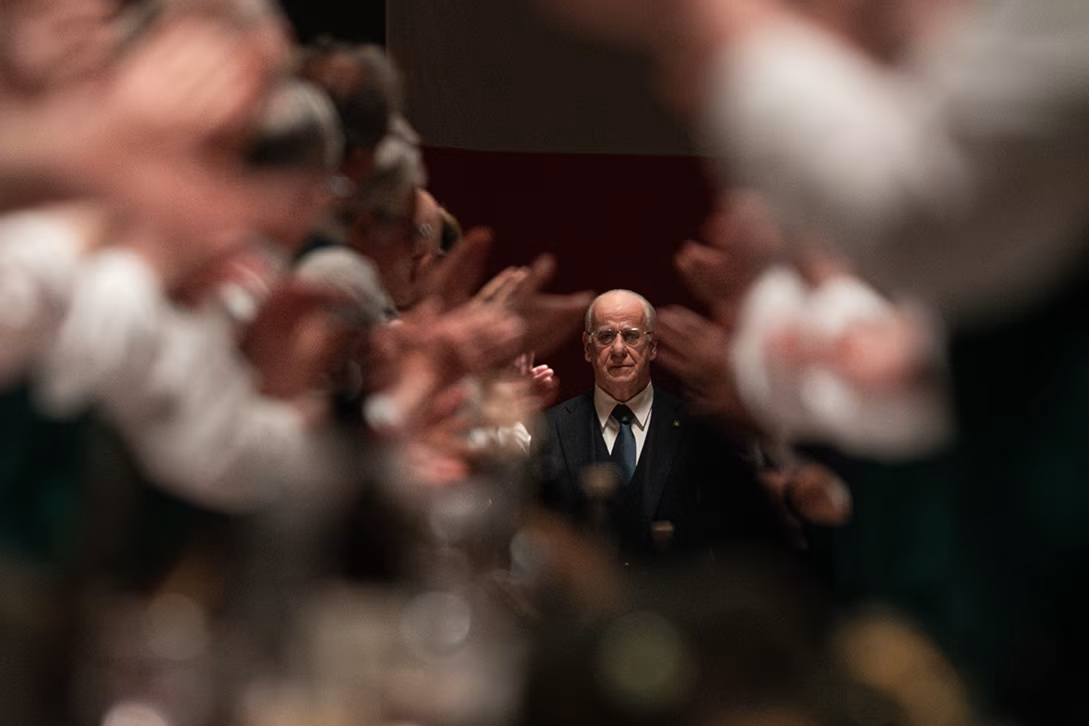
In his last few months as president, Mariano de Santis has a few loose ends to tie up. This includes the pardon of two murderers and the signing of a euthanasia bill into law. Both are important topics, yes, but La Grazia is more interested in how reluctant this fictional president is in finishing up his term. In lingering shots and moments of silent contemplation, director Paolo Sorrentino studies this man in his despair, honing into Toni Servillo’s every expression in the wider spaces we find him in. It’s clear that part of his hesitancy stems from his personal despair. De Santis is painted as a dutiful jurist, who has diligently pursued the spirit of the law, but his unresolved agony– the infidelity of his late wife– confounds him, pushes him to cling onto that injustice while blinding him to his children, his best friend, and other personal relationships. Where other films separate the personal and political, La Grazia understands how both bleed into each other, through crafting a unique existential crisis from the most important man in the country.
Admittedly, half the fun of Nouvelle Vague would only be understood by cinephiles, film history students, or anyone with a passion for the titular film movement. The naturalistic, black-and-white style mirrors the very style Jean-Luc Godard employs in Breathless, which is fitting for a film about the making of said movie, and considering his own oeuvre, it’s clearly a style director Richard Linklater is at home in. Still, even without the full context, there’s undeniably funny about the way Linklater depicts Godard behind the scenes. He’s presented as this baffling figure that does things simply because it’s different, which ironically echoes many artists’ biopics, but Nouvelle Vague pulls everything all together with a charm only Linklater could bring.
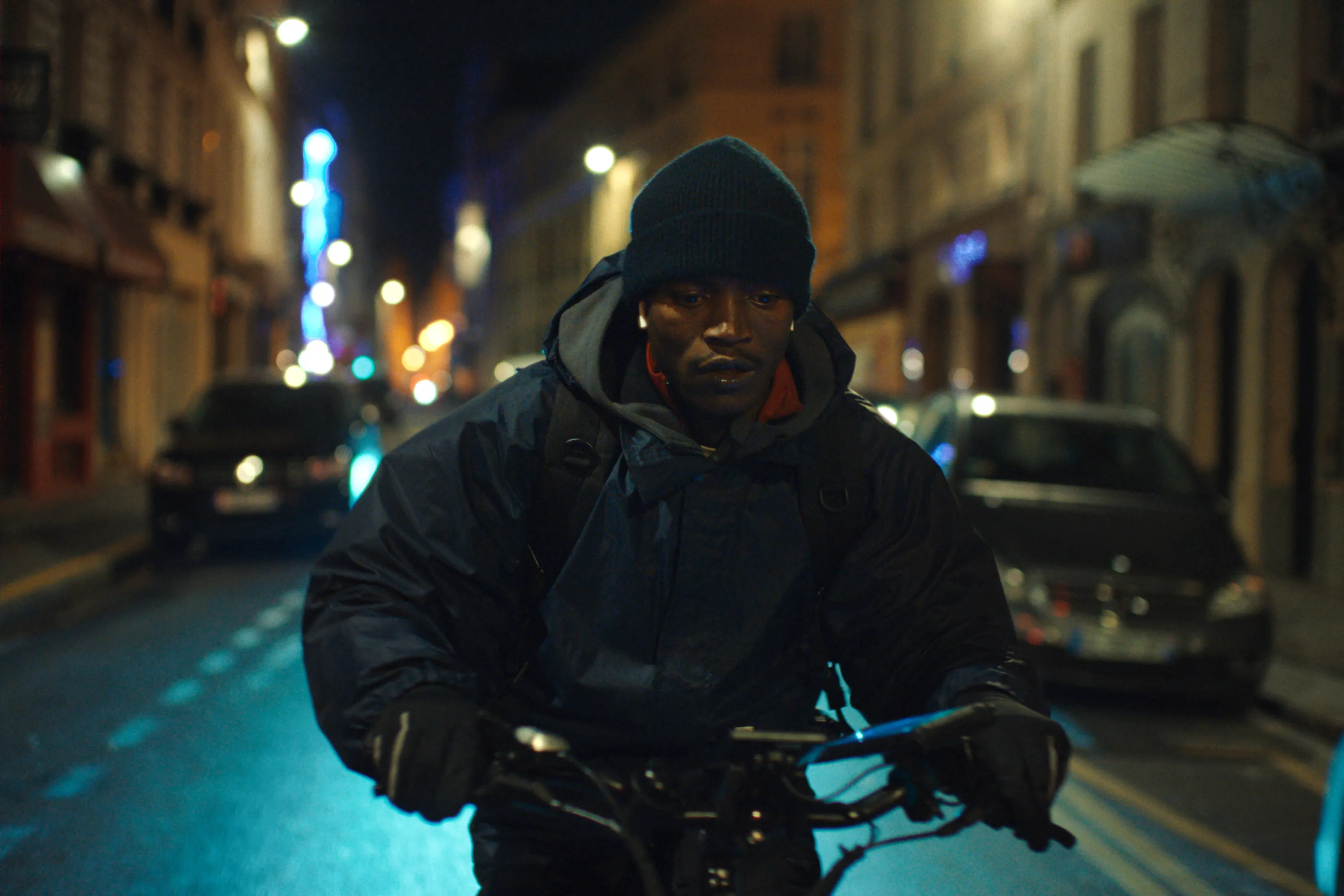
What is Souleymane’s Story? Right off the bat, that’s what everyone asks from Souleymane. It’s what his fellow immigrant asks, while he’s being coached to recite a completely different tale. It’s what his food delivery customers ask, when the app profile doesn’t match his details. And, in an outstanding sequence between newcomer Abou Sangaré and an inscrutably efficient Nina Meurisse, it’s what the OFPRA officer asks, in order for him to secure asylum. The motions of his struggles are familiar. Souleymane rushing all over the city is somewhat reminiscent of Take Out and Man Push Cart. However, the structure and framing highlights exactly why he needs control over that narrative. The story he tells– true or untrue, delivered with a practiced air or stuttering out his mouth– is the only thread he could hang onto for a better life.
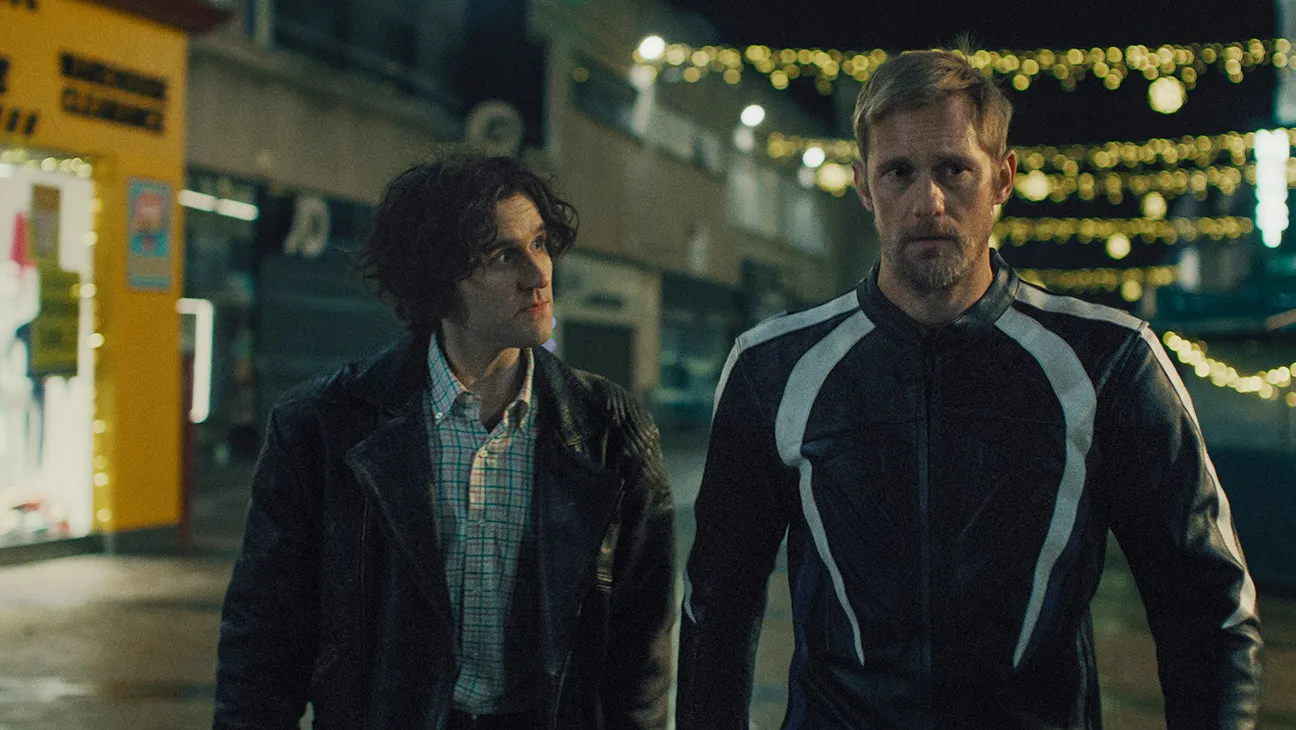
Given the other depictions of BDSM on film, we weren’t sure how Pillion would turn out. Much more so with a first-time feature director and two actors taking on their first leading gay roles. Thankfully, the way they portray this unconventional relationship is undeniably stellar. It’s non-judgemental, yes, but it’s not cloying; Sweet, while still fully recognizant of their incompatible desires; Humorous, though not at the community’s expense. Like Colin, Pillion takes on a wide-eyed curiosity towards a world whose few portrayals only focus on the salacious, and brings us to feel his yearning for more than what Ray is willing to give. Ray shouldn’t be your personal example of what a good dom should be and Colin was definitely unprepared for their dynamic, but Pillion ultimately works because of how freely it lets them explore their wants and change as a result.
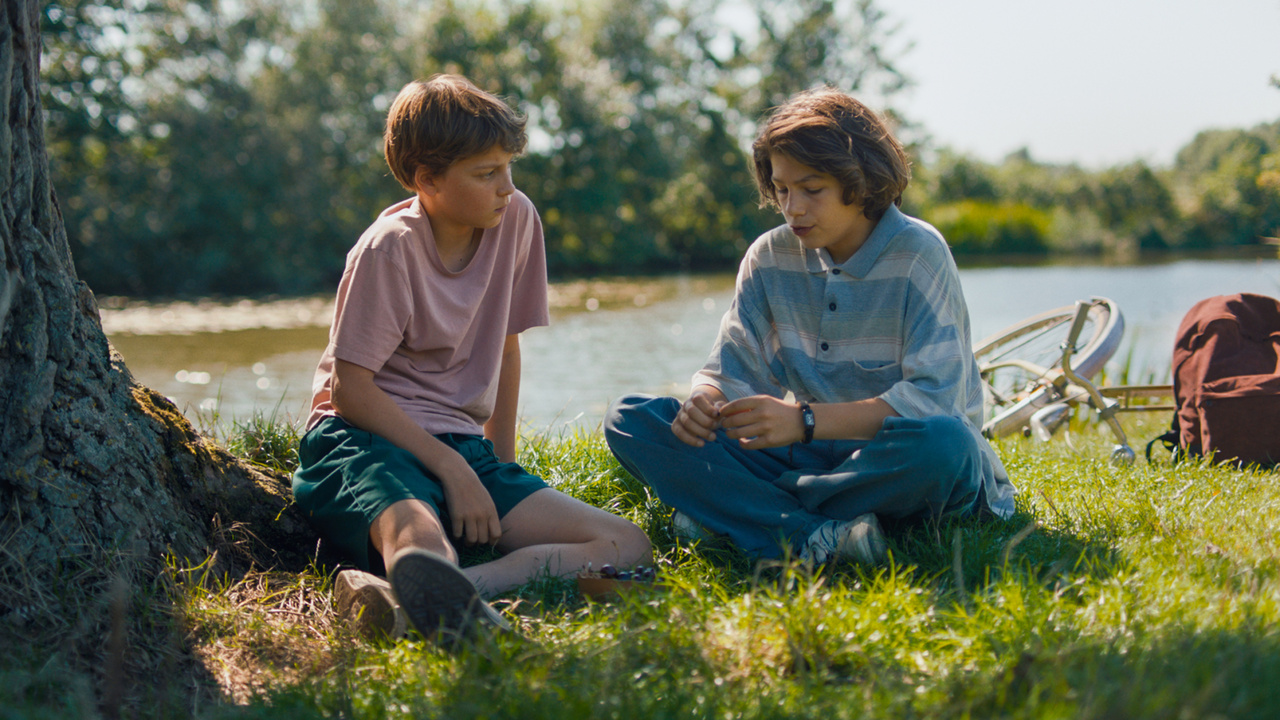
Because of the progress society has made, modern day gay romances don’t need to rely on tragedy for conflict. That’s because many of the societal barriers gay people used to face are now broken. But that doesn’t mean it’s now easy to come out and call it a day. In this Belgian-Dutch drama, Elias still has to figure out his own feelings, a struggle that any kid goes through when they have their first crush, same sex or otherwise. Young Hearts simply acknowledges that it’s normal, and shows to those still figuring it out that it’s all part of the process.
In the first twenty minutes, The Remarkable Life of Ibelin seemed to be quite unremarkable, with the usual way a biographical documentary would go, that is, loved ones waxing poetic about how great the dead person was in life. But the documentary takes this to introduce Ibelin the same way his parents discovered the online life Mats Steen lived. It’s a unique documentary, mixing in the usual home videos with the animated gameplay of the archived life Steen lived in Ibelin, but it’s grounded by, and somewhat co-created through the words Steen himself typed about his life as a disabled man, and the game history he shared with the community he formed online. The Remarkable Life of Ibelin ends up being quite a remarkable depiction of living online, that feels much more honest, human, and creative than the condescending or cautious narratives we’ve previously heard about the online world.
Is there anything more lovely than hearing Martin Scorsese talk about cinema? Maybe it’s just the film nerds in us– we are, after all, always on the hunt for A Good Movie to Watch– but it’s just wonderful to hear Scorsese talk about movies, especially from directors he loves and are inspired by. Made in England: The Films of Powell and Pressburger is about the influence of The Archers, and while it’s mostly a straightforward documentary, director David Hinton makes it something like a cohesive film course on the directors, with Scorsese as lecturer. Oftentimes letting the directors’ shots and music speak for themselves, with Scorsese adding needed context, it won’t be a surprise that Made In England would be a treat for film nerds, but it also would be a great introduction for casual viewers, or viewers that want to start watching classic films, like those of The Archers.
Only a few people in Dita’s house are related by blood, but you wouldn’t know that by how they move. They’re tight-knit but argumentative, loving at times but spiteful in other instances. In other words, they’re complicated just like any other family. Housekeeping for Beginners makes a compelling case for the validity—and at times necessity—of found families like Dita’s, who all found each other after being shunned by their race and sexuality. As in his previous works, Director Goran Stolevski paints a realistic and relevant portrait here, one tinted with striking pain and poignancy, bound to leave your heart aching long after the credits roll.
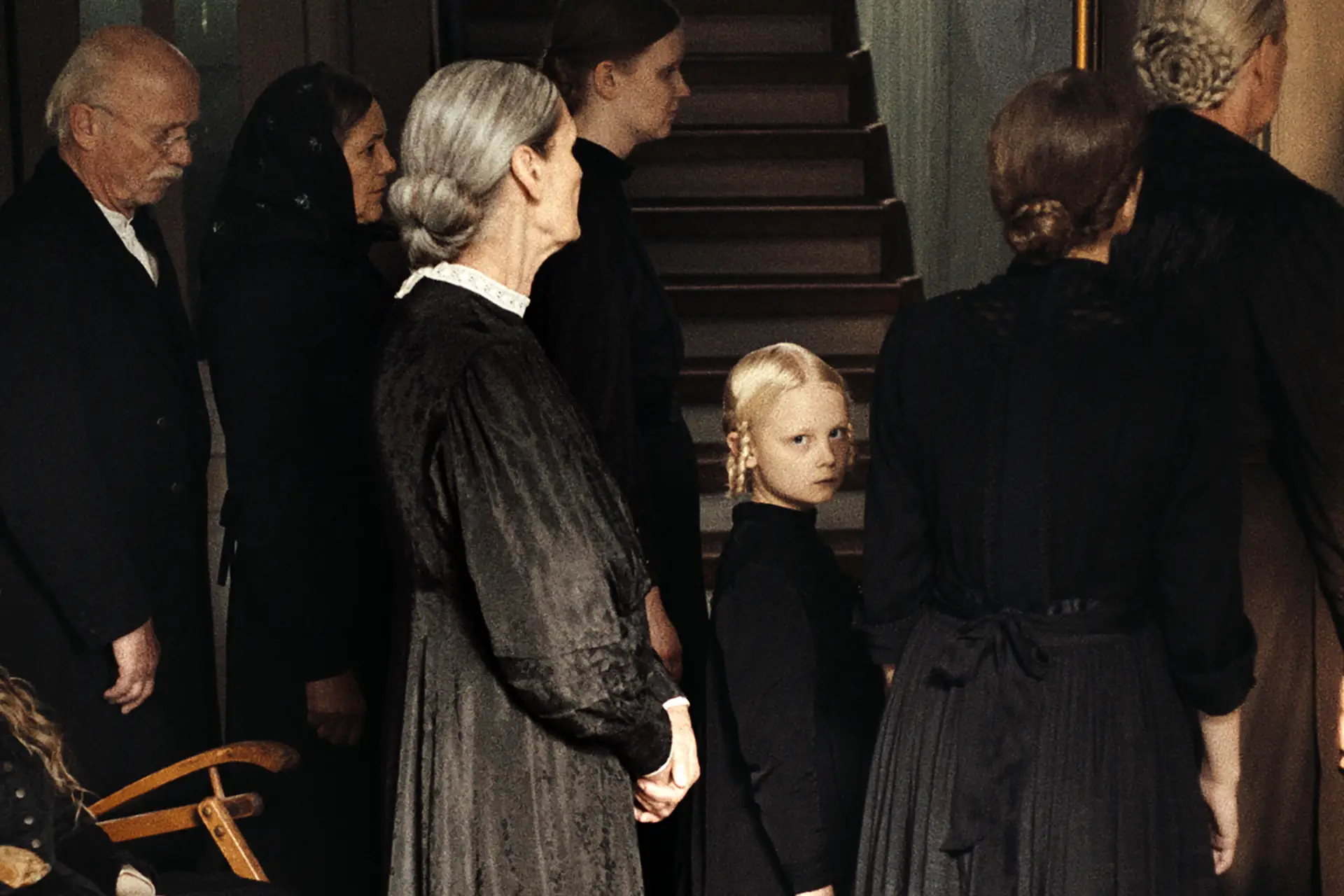
Given the original real-life story behind it, perhaps it shouldn’t be surprising that The Girl with the Needle was so bleak. Serial killing, after all, is bad. But rather than focus on the historical killer, writer-director Magnus von Horn hones the camera to focus on one such mother that would have sought for help from Dagmar Overbye, on the circumstances that would have pushed them there, and the terror that they felt once they realized the truth. With gothic black-and-white shots, impeccable framing, and an excellent performance from Vic Carmen Sonne, The Girl with the Needle is harrowing and heartbreaking, especially with how it still remains relevant to our time.
With the internet able to connect people from miles away, the concept of the one that got away has become unromantic– after all, with instant messaging, their distance just means that you’ve been ghosted. But for the longest time, romance stemmed from the fated circumstances that kept or lost love, and this is excellently portrayed in Touch, a surprising romantic drama from writer-director Baltasar Kormákur best known for his action thrillers. Kormákur infuses the drama with a delicate touch, much more focused on the moments of connection between immigrants from different cultures, with the freedom of the late 60s that marks Kristófer’s youth versus the urgency of the world’s restrictions and Kristófer’s memory. Touch remembers the real romance of the one that got away.
If you’re expecting a documentary about the particular U2 concert in Sarajevo, to focus exclusively on U2, you’re not really going to get it in Kiss the Future. But that’s not necessarily a bad thing. In fact, it’s probably the best approach for this particular documentary, as it focuses more on the way Sarajevans found solidarity with each other through the music U2 made in response to the Northern Ireland troubles, and thus, of course, the film needed to focus as well on the Sarajevans’ conflict. Director Nenad Cicin-Sain got key viewpoints on the Bosnian War in Sarajevo, such as Christiane Amanpour, who covered the war, and former President Bill Clinton, but Kiss the Future shines when we hear from the people on the ground, from the Sarajevans that gone through this harrowing time.
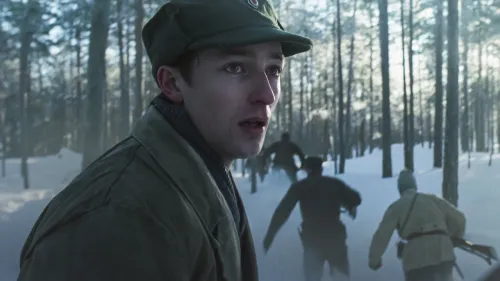
A good biography remains fully faithful to the actual history, but a great one understands what their life story means as a whole, on a larger scale. Number 24 could have been one of many World War II biopics. It could have just celebrated Norwegian resistance fighter Gunnar Sønsteby and his numerous deeds. By simply being a biopic, it does so. However, by alternating between Sønsteby in a talk during his last years and him during his saboteur career, Number 24 also recontextualizes their more dubious tactics for a generation that holds violence as unthinkable. Number 24 is a well-paced, engaging biopic that not only commemorates the hero, but also explores his lasting legacy.
With a title like this, it was expected that Do Not Expect Too Much from the End of the World would be critical of today’s current circumstances, but the film takes a more startling approach. Radu Jude’s longest narrative feature is a day in the life of a disgruntled, underpaid production assistant, and as she drives between interviewees injured from work accidents, the film alternates between the black-and-white, terribly mundane reality, her Tiktok-filtered satirical rants as Bobiță, and an old colored film of a Romania decades past. It’s a cynical depiction of how vulgar it is to be alive today, but it’s also more honest as Jude refuses to cling to the past.
Given the genre being centered on a child protagonist, many coming-of-age stories sideline parents in the narrative, sometimes to the point they’re not mentioned at all. So when Andrea Arnold returned to fiction filmmaking with coming-of-age story Bird, it was surprising to see how true it delves into parenthood, albeit from the eyes of the teenager being parented. Maybe it shouldn’t have been a surprise, considering Barry Keoghan, fresh off of Saltburn, was casted as the protagonist’s single dad, but Arnold structures the entire story to fit in different stages of parenthood in a rundown town, through the strong way she characterizes the people Bailey gets to know in her journey and through the brilliant incorporation of magic in a not-so-magical place. The parents here may not be perfect, but Bird takes flight precisely because of the film’s empathy and understanding.
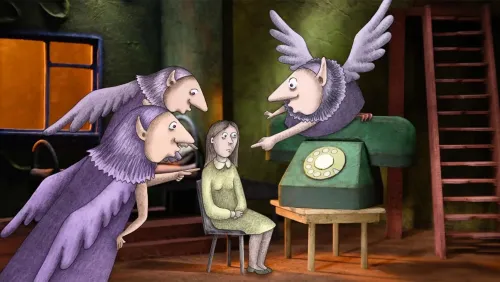
It’s not often you get a female perspective on the USSR, much less a female artist with little means. Signe Baumane’s autobiographical My Love Affair With Marriage is one of the few ones, and not only is her story raw and refreshing, it’s also told through lovely animation and musical numbers. The result is something truly novel. Baumane analyzes ideas like love, marriage, gender, and society through an unapologetically feminist lens. But she’s careful not to be patronizing too. Instead of condemning her circumstances, she gives it context and shows empathy. Some parts are delightful, others distressing, but Baumane’s character (voiced by Succession’s Dagmara Dominczyk) is compelling throughout.
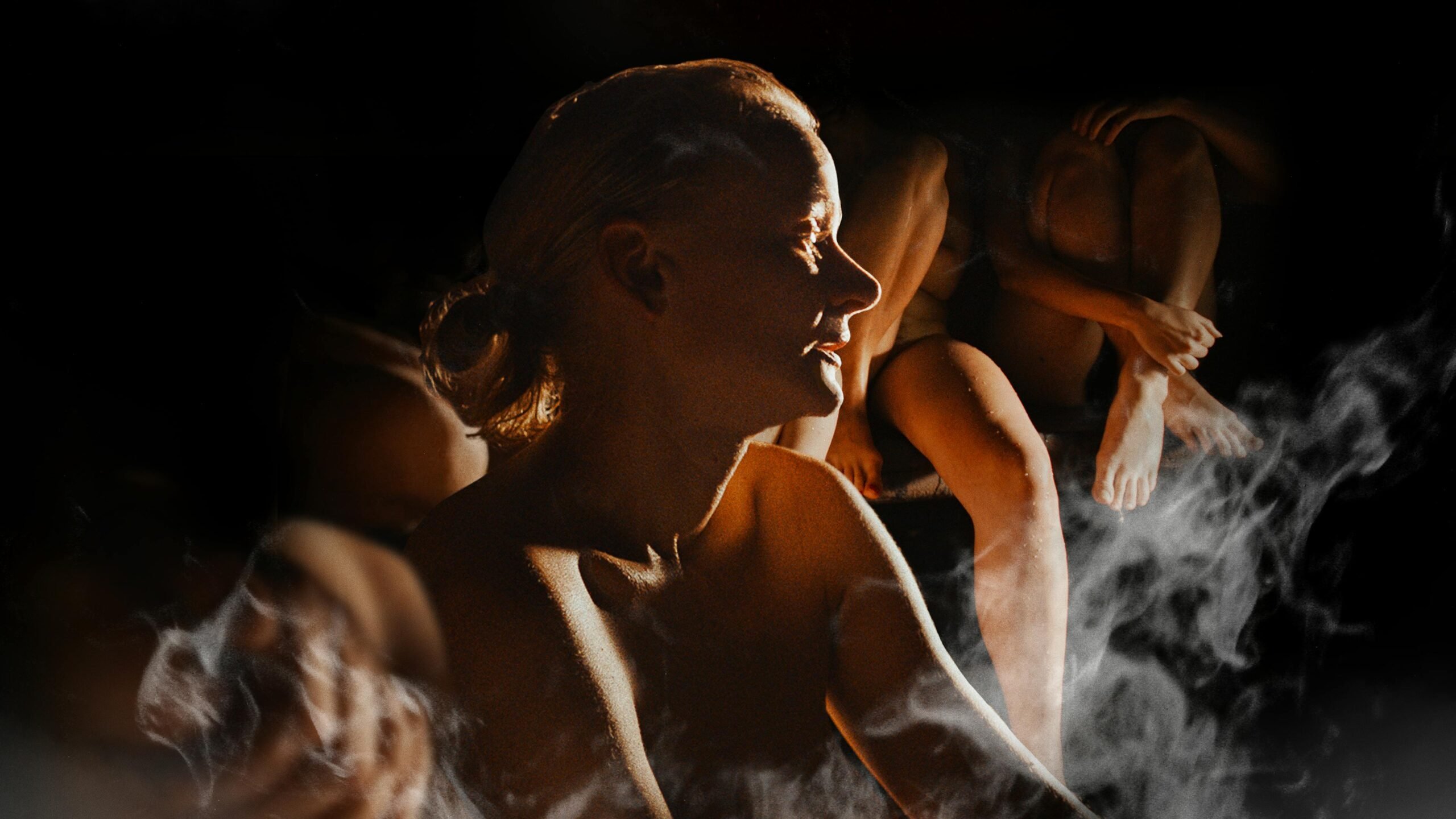
Nakedness has been demonized or at least, has been considered inappropriate outside of certain situations. One such situation is the sauna, as the steam and high heat is considered therapeutic, especially in colder regions. In her directorial debut, Anna Hints documents the Estonian smoke sauna, not just as a cultural tradition, but as a sanctuary for women to bare their bodies and their troubles. The women are, of course, naked, but the sauna’s smoke and darkness obscures and keeps identities hidden, focusing on their stories and allowing a glimpse of women’s bodies at their most natural, without the sexualization often placed with the male gaze. Smoke Sauna Sisterhood is a refreshing take, one where plenty of women can finally see themselves in.
When modern systems like law enforcement and forensics fail to come up with definite answers to a murder, loved ones of the victim usually have no recourse, which is the fear at the heart of Irish horror film Oddity. To lose someone you care about, forever, hurts. So when Darcy takes more strange and esoteric means of investigation, and when writer-director Damian Mc Carthy slowly reveals through personal effects, psychic images, and an excellent pace, the hurt and the pain intensifies the murder mystery and the hope that she would receive justice for her loss. Oddity feels genuinely unsettling, because Mc Carthy understands what’s truly scary about losing a loved one.
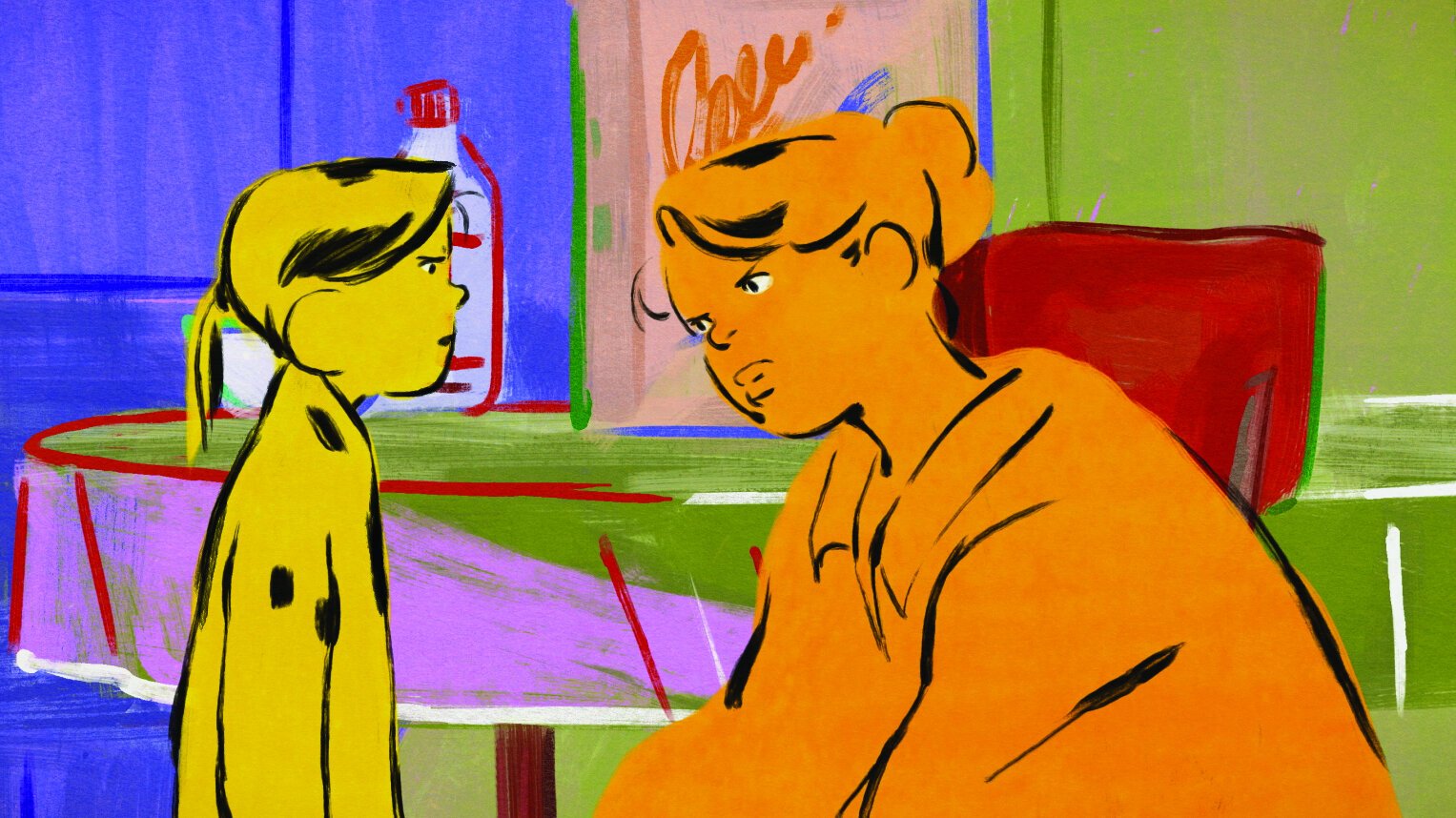
While the market for animation is mostly dominated by American 3D and Japanese anime, once in a while, a film outside the two industries comes up with an entirely new style of its own, with the design inspired by their respective countries. European animation has garnered some interest with Loving Vincent, but Chicken with Linda! takes it further, taking a more vibrant than impressionistic approach to its art. Somewhat like a neon-colored Fauvist Madeline, the film proceeds with a series of hijinks that wouldn’t be out of place in a children’s storybook, but it charmingly captures the mother-daughter relationship healed through the power of homemade food. It’s sweet and chaotic, much like childhood and the art movement that inspired the film, and it’s undeniably human. Chicken with Linda! is an unexpected delight for both kids and adults.
After two adaptations, with the 1982 version considered a Christmastime classic for Polish families, Forgotten Love can seem like a redundant take on the iconic Polish novel. With twenty more minutes, it seems like the new Netflix adaptation could only improve its take through better production design, and sure, it certainly delivers that pre-war aesthetic through period-accurate costumes, props, and sets. However, Forgotten Love takes a more streamlined approach to the novel’s plot, through changing certain character choices. Without spoiling too much, some choices paint certain characters in a better light, while other changes prove to add an entertaining twist, such as the humorous way the villagers defend Kosiba. Znachor takes the 1937 story into the present, bringing a new generation through the emotional journey of the cherished Polish tale.
You would think that a movie about making soup for your friends and studying moss would be a strange mix, but there’s just something so beautifully delicate about the way writer-director Bas Devos links the lives of two immigrants in Brussels, with the contrast between the length of their stay, the things they make, and how long their work would last. It’s a slow burn connection, and with the pending move, it’s a fleeting one, but the runtime is just right to capture the quiet grace of their connection, the one they share as strangers in a stopping point from different places. Here is subtle and transcendent.
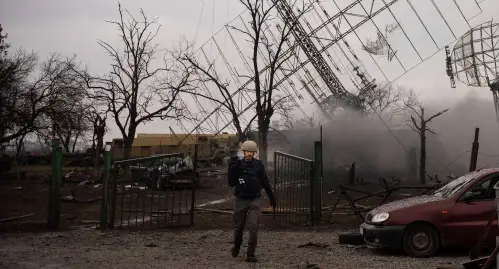
Formally speaking, 20 Days in Mariupol is little more than a compilation of footage bravely collected by Mstyslav Chernov in Ukraine, excerpts of which may seem familiar from when they were broadcast by major news stations. Unsure of whether or not Chernov would survive long enough to pass on his footage, he shot as much as he could day-in and day-out, resulting in this numbing, relentless compilation of anguish and death. As a documentary, there isn’t exactly a unifying idea to 20 Days in Mariupol, with Chernov’s narration only meant to provide necessary context and a foreboding score that probably didn’t have to impose itself as much as it does.
And yet it’s hard to deny the importance of the very existence of this footage, especially in a time when genocide is occurring elsewhere in the world with far fewer cameras on the ground to counter the denialist propaganda of those in power. Chernov’s decision to let the images speak for themselves, without feeling the need to dissect every major moment for political analysis, isn’t reductive; it’s a statement that nothing can rationalize the indiscriminate killing of civilians and children. That the footage becomes overwhelming and hard to watch isn’t a reason for us to look away.
Set in a small town in Romania, R.M.N. is a challenging slow-burn that explores what happens to an insular community upon the arrival of immigrants from South Asia. Initially, the discrimination thrown at them seems tame; at the very least, it’s how you’d expect a homogenous and tight-knit group to react to outsiders. But more and more, the prejudice takes on cruel forms. Stakes are raised until it becomes life or death for the people involved.
It’s a chilling examination of society, of the lengths people are willing to go to to avoid change and prolong their ignorance. But while there are few things scarier than the violence brought on by racism, the phantom elements in this film come close. Director Cristian Mungiu does an impressive job of painting his picture with a haunting tone; there are streaks of the supernatural in this film, making it a biting horror in more ways than one.
As is often the case in great filmmaking, it’s hard to pin R.M.N. down to one genre, but thanks to its eerie perceptiveness, it goes down in history as one of the best films about xenophobia made.
Visual artist Ann Oren’s first foray into feature-length filmmaking is a sensual delight and a gift that keeps on giving. Oren approaches her film with sincere dedication to every single building block: Piaffe looks, sounds, and feels sensational while being a fairly modest production. A true indie film, Piaffe verges on experimentation as a young woman named Eva (Simone Bucio) takes over the job of a foley artist from her sister. Even though she’s under-qualified, she tries her best t0 come up with the sounds for a horse-themed commercial to no avail. However, in the process, she notices a bump on her lower back that grows into a horse’s tail. Piaffe is a tale of metamorphosis, not only of the flesh, but also of the heart, as the themes it explores are also directly related to sexuality, submission, and, of course, love as a manifestation of all those things.
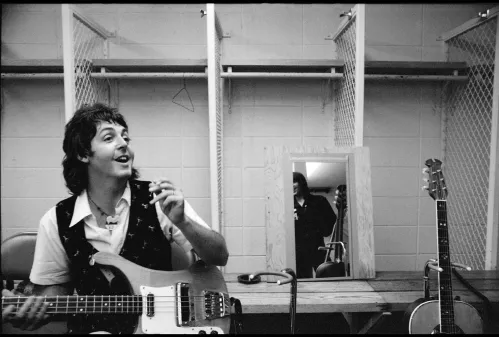
The Beatles is the greatest musical band ever created, or at least the one with the most success, most influence, and most impact in the industry. So, what do they do when that same band breaks up? Fans that have followed their careers since are likely to know what has happened, but the perspective Man on the Run presents is fascinating. Focusing entirely on Paul McCartney, this documentary clears up some of the mystery and confusion that surrounded him, the weight of the expectations and the disappointment of the fans over the break-up. Of course, the archive alone would already please fans. Filmmaker Morgan Neville simply takes that footage to celebrate McCartney’s reinvention.
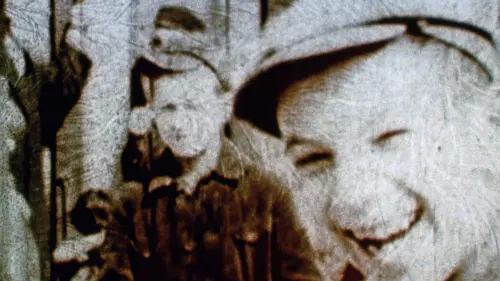
In this documentary by Bianca Stigter, a three-minute home video of a nondescript Jewish town in Poland is examined in great detail to reveal the history and humanity behind it. Taken just before the Holocaust, it’s one of the few remaining proofs of life the town has before its population was decimated in the war. And so the footage is repeated and stretched in this documentary, because as the narrator puts it, “as long as we are watching, history is not over yet,” and the people have yet to be gone.
Glenn Kurtz, the grandson of the person who shot the home video, takes it upon himself to investigate the history of the town and its citizens: what they were and what became of them. The results are often grim and unsettling, and the eerie editing matches them with great effect. But when it’s not haunting, the film is oddly hopeful—for a future that remembers its past and preserves it in meaningful ways. Couple this sentiment with the narrator’s own poetic observations, and you get a powerfully moving elegy about loss and memory.
It’s slower and talkier than you’d expect from a semi-erotic film, but Ehnegard lives up to its title well enough to satisfy. It’s titillating, but in a cheeky rather than provocative way. The dialogues are lengthy, but they’re alternately witty and poetic, so despite the pace they never actually bore. Ehnegard’s real delight, however, is its beauty. Set in the old kingdom of Babenhausen, Ehnegard looks like a fairy tale come to life. The towering castles, the sprawling meadows, the twinkling forest lakes, and of course, the smartly costumed people who populate the scenery—all these and more ensure that each frame has a picturesque glow to it. And with Sidse Babett Knudsen (Borgen, Westworld) taking charge of an appealing cast, Ehnegard proves to be a charming watch.
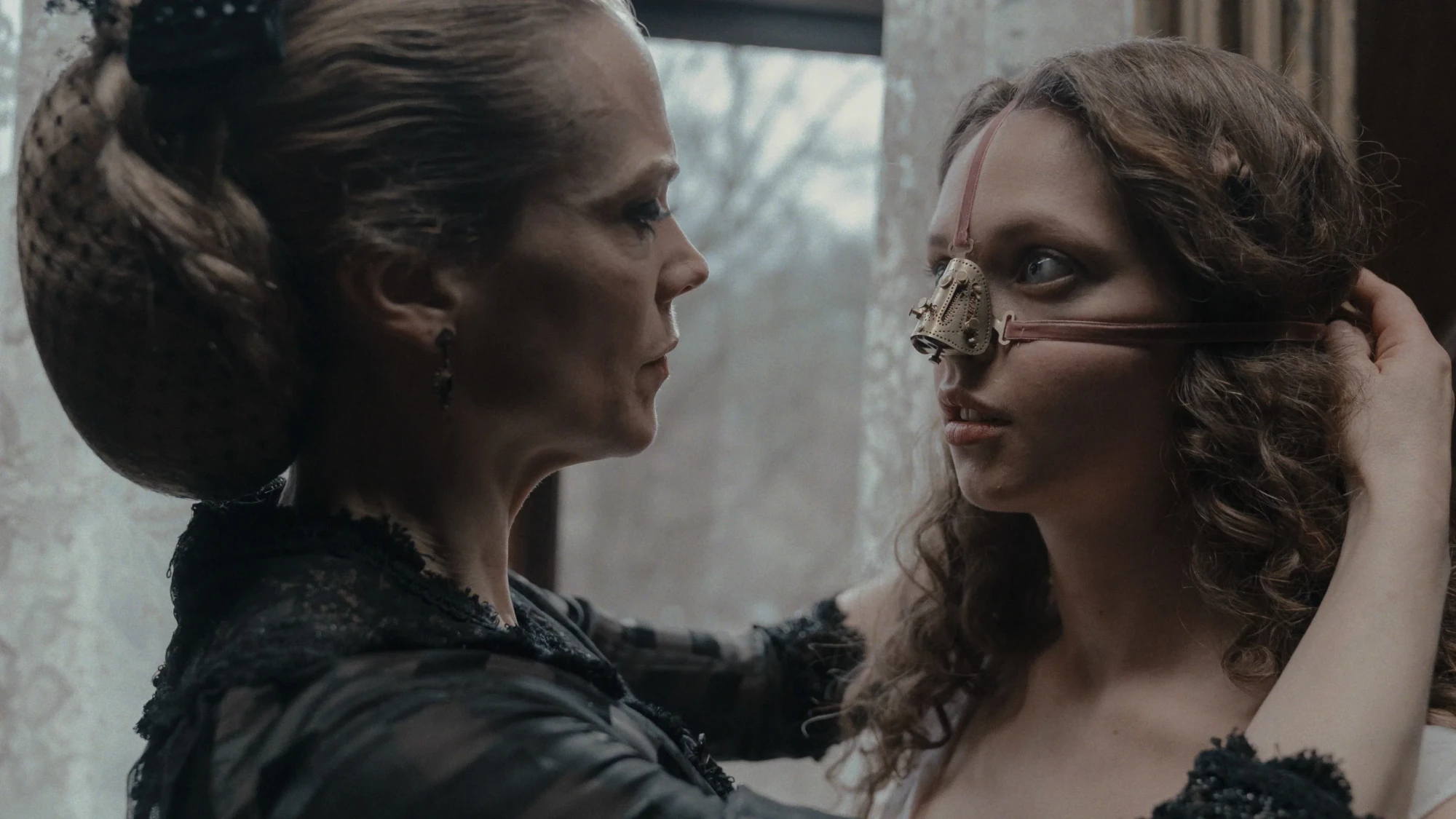
There are plenty of versions of the Cinderella story, but none as brutal and nauseating as The Ugly Stepsister. For one, it’s not a lovely fairytale that rewards the perseverance of good people through a royal romance. Instead, this European folklore inspired body horror takes the perspective of its titular character, a stepsister who is forced to undergo invasive procedures for the sake of her family. It’s absolutely gruesome. Every single terrible thing Elvira goes through eerily recalls today’s plastic surgery and diet culture except without modern-day tools and anaesthesia. Those new to horror, or those who would be triggered by these topics, would find the film hard to watch. Still, The Ugly Stepsister deeply understands the dark side of this oft-told fairytale, especially at how marriage used to be the only means to upward mobility for women.
While not having world-ending stakes or large-scale operations, Sixty Minutes just works as an action movie. Sure, the plot is familiar and a little far fetched, but the film maximizes the potential of its premise, with excellently choreographed fight sequences working in tandem with the cinematography to reflect the MMA fighter leading the movie. Each moment isn’t wasted, with the action escalating each time Octa finds out about the hidden information kept from him about the match he’s planned to skip, and the film easily keeps track of his journey through neon-lit stopwatch faces and maps. And when we (and Octa) feel tired from all the fighting, the film ends right on time after sixty (and twenty nine) minutes.
We all know that remaining unmarried when middle-aged doesn’t mean one is lacking, but even when we can acknowledge how dated this idea is, for women, there’s still the societal pressure, the loneliness, and the feeling of having missed an opportunity to have children. Blackbird Blackbird Blackberry is centered on one such middle-aged woman living in a small town in Georgia, and she has a fairly peaceful life… until she nearly dies and shortly forms an attraction to another man. Director and co-writer Elene Naveriani takes her time to delve deep into Etero’s story, the complicated grief she has towards the men that have raised her, as well as the spite towards the arbitrary goals other women have reached and made fun of her for. The journey does take a rather slow burn, but it’s wonderful to see a film so empathetic and nuanced about this dilemma, and free from the judgment many women have encountered on this topic.
You’ll probably never find a film like The Blind Man Who Did Not Want to See Titanic. The camera is blurry, with lead Petri Poikolainen’s face the only image we see clearly. The audio sometimes goes in and out. There’s even a section that turns completely dark. While this would usually mean that something is wrong with the tech screening the film, it’s actually a brilliant way to immerse the viewers in Jaako’s experience, heightening the stakes of what should be a simple commute into a unique thriller comedy-drama. The Blind Man Who Did Not Want to See Titanic is truly an original film.
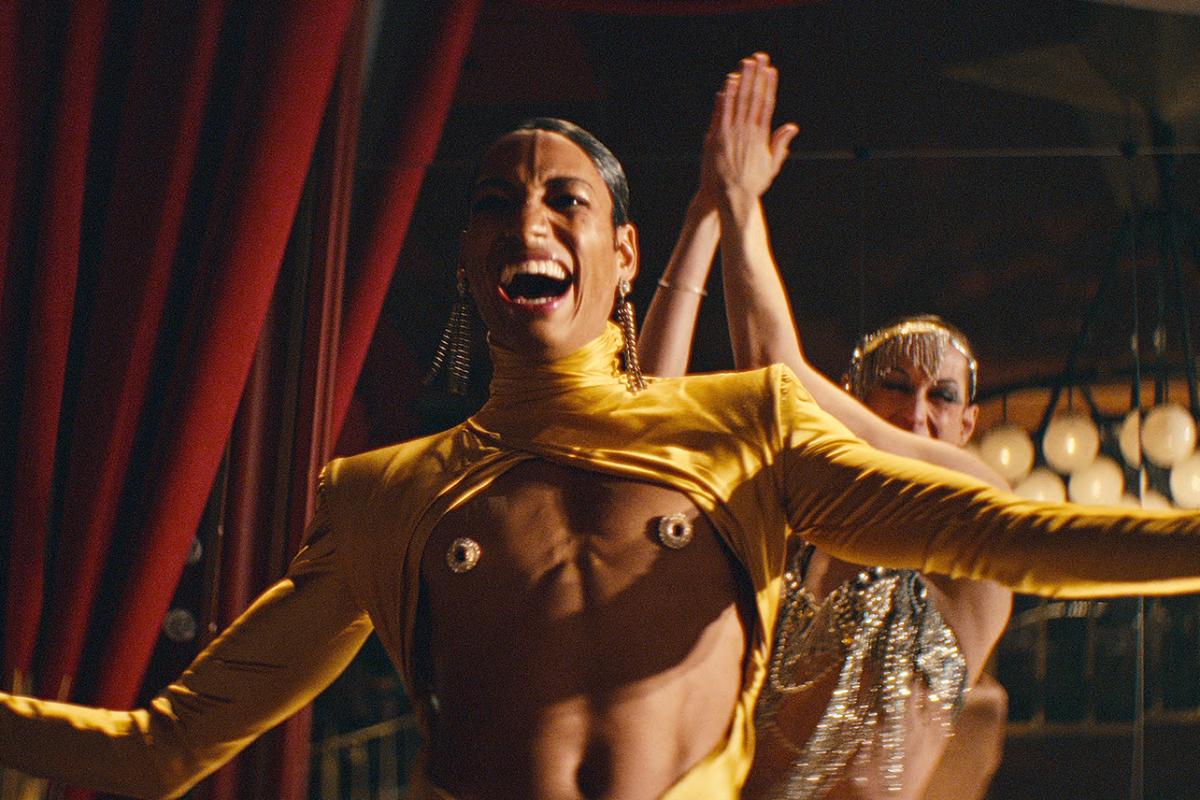
Factually accurate yet still earnest in its mission, Eldorado: Everything the Nazis Hate delivers what it promises. While the title comes from the club’s name, the film is less about the club and more about the LGBTQ+ experience in Nazi Germany. To do this, the documentary focuses on Eldorado’s individual patrons. Directors Benjamin Cantu and Matt Lambert interweave their stories with historical context. For example, patrons like trans pioneers Charlotte Charlaque and Toni Ebel shed light on historical advancements for the LGBTQ+ community. While it can be overwhelming when Eldorado introduces its patrons and their lovers and their political rivals, the film stays focused on what it sets out to do. Eldorado remains an important reminder of the LGBTQ lives lost and the love that still remains.
Small Things Like These is the kind of film that doesn’t have a grand resolution, a dramatic climax, or a widespread shift that would change the world forever. What happens might not even change the country, or the town Bill Furlong lives in. But that doesn’t mean the film is unimportant. While Cillian Murphy masterfully reckons with Furlong’s conscience, the community is silent… So too is the score, but it challenges the automatic flinch when we hear the background– the screams, the wailing, and the pain. It challenges the way we, and the town of New Ross, try to make sense of the sounds, explaining it away with more plausible, more palatable reasons, or justifying them with excuses. Small Things Like These can be a tad understated in its approach, but it’s a smart comparison to the way community can silence the conscience, and how abuse can lay rampant in secret.
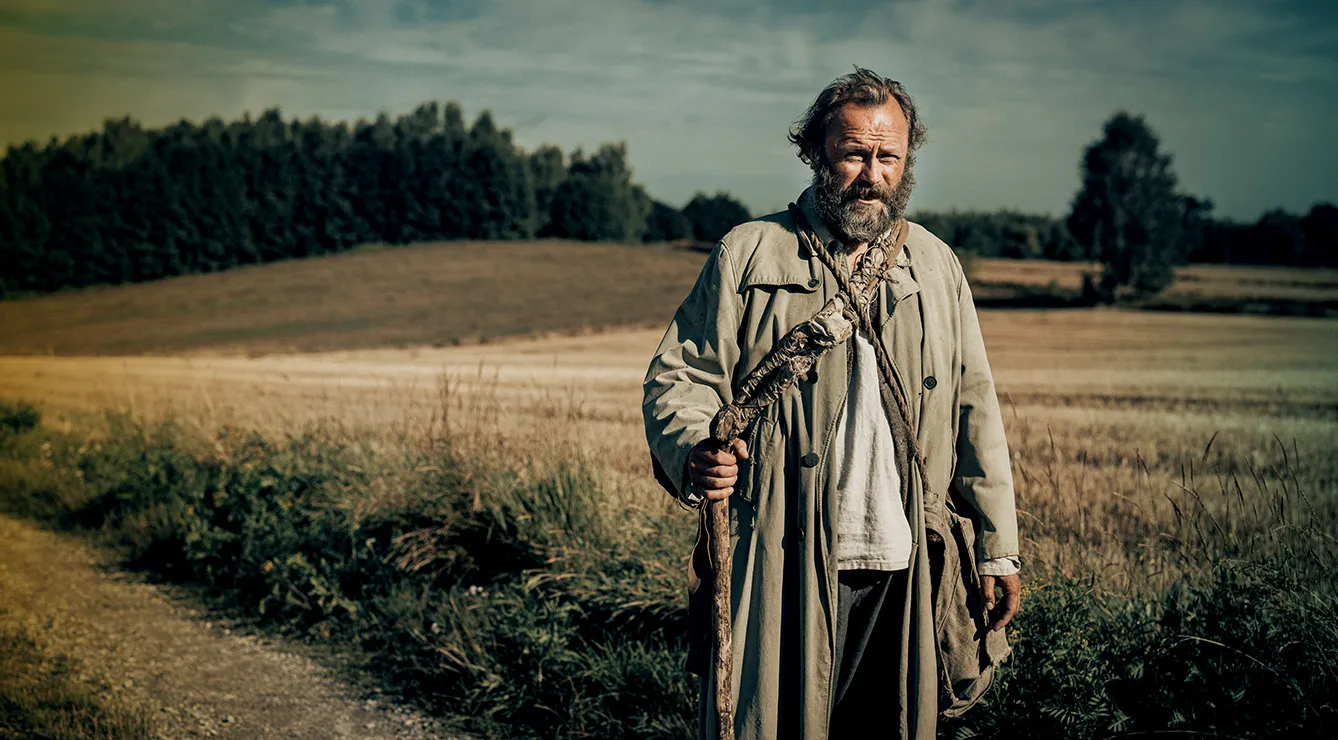
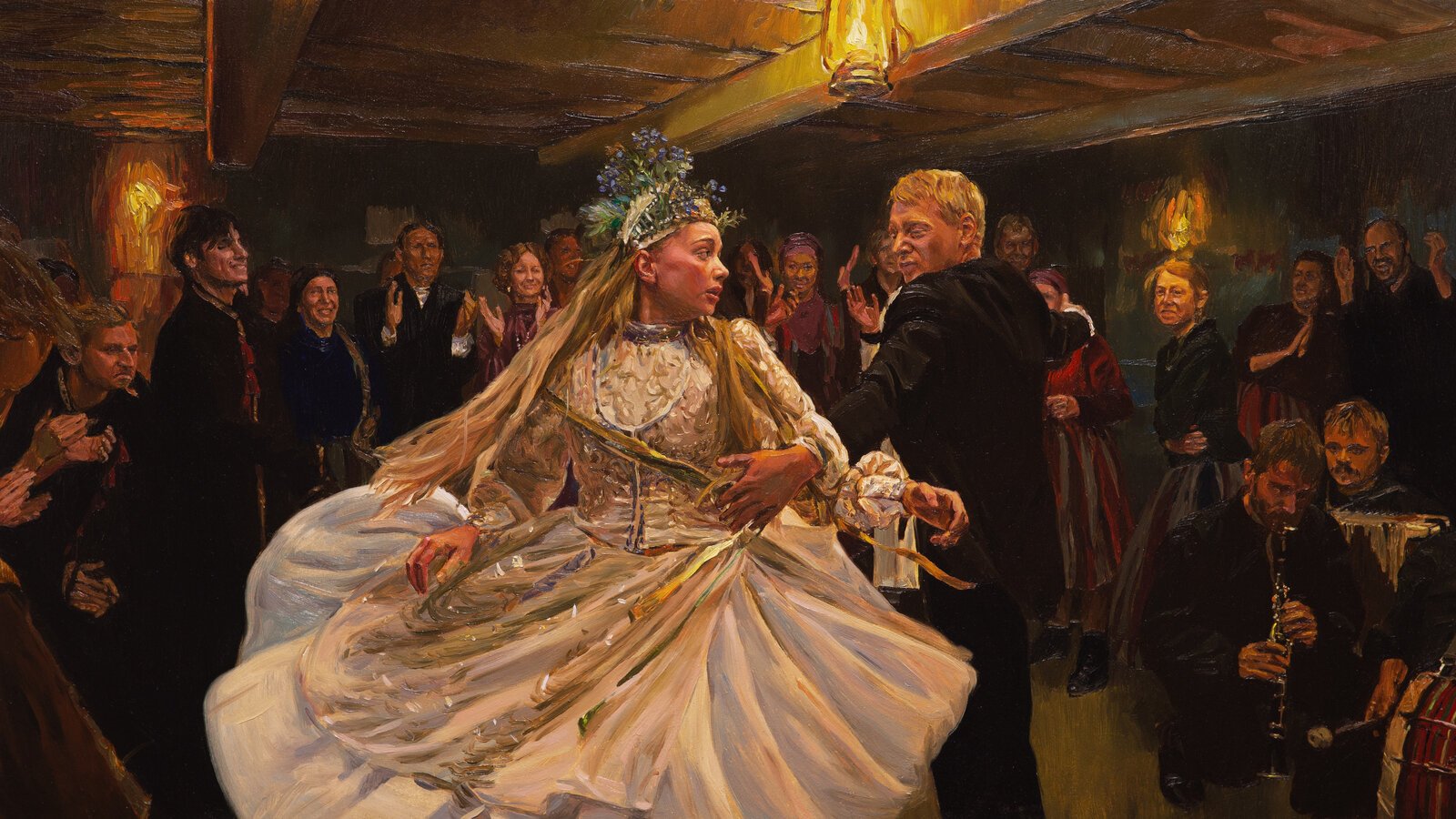
After Loving Vincent, DK and Hugh Welchman’s iconic oil paint animation initially seems like old hat, but this time the style is actually more fitting for their second feature. As an adaptation of the iconic Polish novel, The Peasants had to live up to the book’s reputation as the Nobel-winning depiction of the Polish countryside, one of the first to take an intimate look into the lives of the commonfolk, their customs, beliefs, and traditions. The Welchmans’ naturalist, impressionist art style lines up with the way the original Chłopi was inspired by these movements, as does L.U.C’s selection of mesmerizing, haunting Polish folk songs. While the plot is a tad cliché, it only does so in the way folklore tends to weave the same threads. It just so happens that the threads in The Peasants lead to violent ends.
With a former smuggler struggling to break away from crime, Pamfir has a familiar crime thriller premise that you’ve probably watched before. To be fair, on its own, it works. The titular protagonist tries to live a better life for his family, though circumstances lead him to just one last gig in the underworld. However, Pamfir proves that there’s still more to explore with this premise. As the thriller proceeds in western Ukraine, Pamfir’s personal conflict eerily mirrors that of his country, and it’s reiterated by the folklorish imagery, stunning long takes, and the unsettling tension that simmers all throughout.
There are many ways through which a friendship can form, but sometimes, it’s due to compassion for someone who needs help. Despite the somewhat fantastical clairvoyant premise, Beautiful Beings is mostly about this simple friendship formed with a bullied kid, which turns out not to be so simple at all. From a bummed cigarette, the friendship grows into a protective support system, filling up parental neglect with teaching each other how to live, but while some of these moments are totally wholesome, other moments lean into mischief, and sometimes violent danger. It may be a fairly familiar coming-of-age premise about male friendship, but Berdreymi executes it well, has a compelling cast, and isn’t afraid to go dark when necessary.
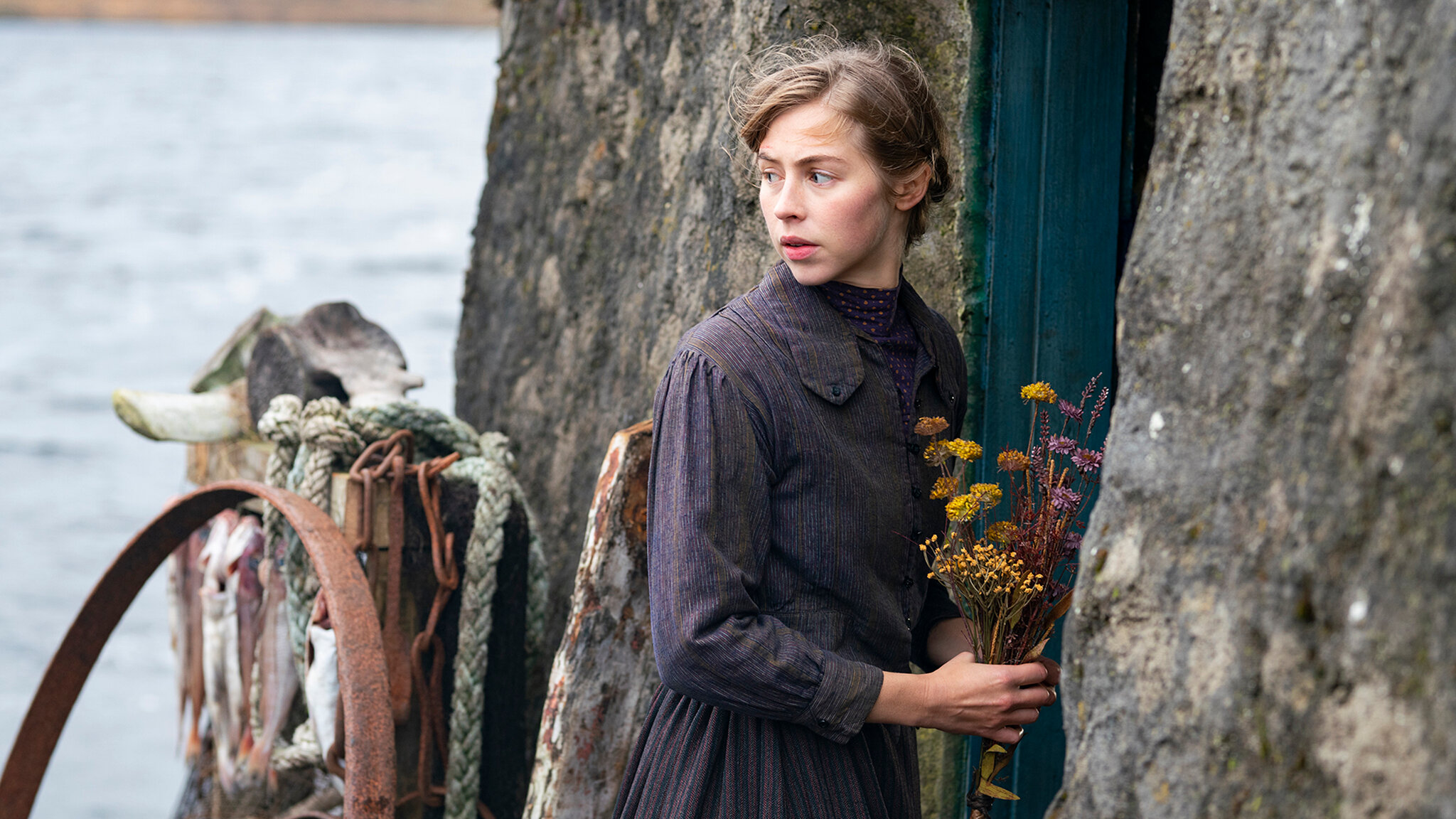
One of the worst aspects of war in general is that it always interferes with the hopes and dreams of the people that are living through it. The Road Dance depicts a small Scottish village in World War I, and a woman whose plan had been interfered with. It’s a bleak story, one that’s been inspired from an anecdote passed down through generations, but while the film doesn’t claim to be accurate, it does depict a tragedy that is difficult to talk about with sensitivity and the rare compassion that was granted sporadically to real life survivors. Writer-director Richie Adams softens some of the dark parts from John MacKay’s original novel, and while some of the plot veers a tad too much to melodrama, the three leading women– Hermione Corfield, Morven Christie, and Ali Fumiko Whitney– depict the central family with grace amidst the stunning landscape of the Outer Hebrides. The Road Dance can be triggering, but it’s worth watching for people that love period dramas.
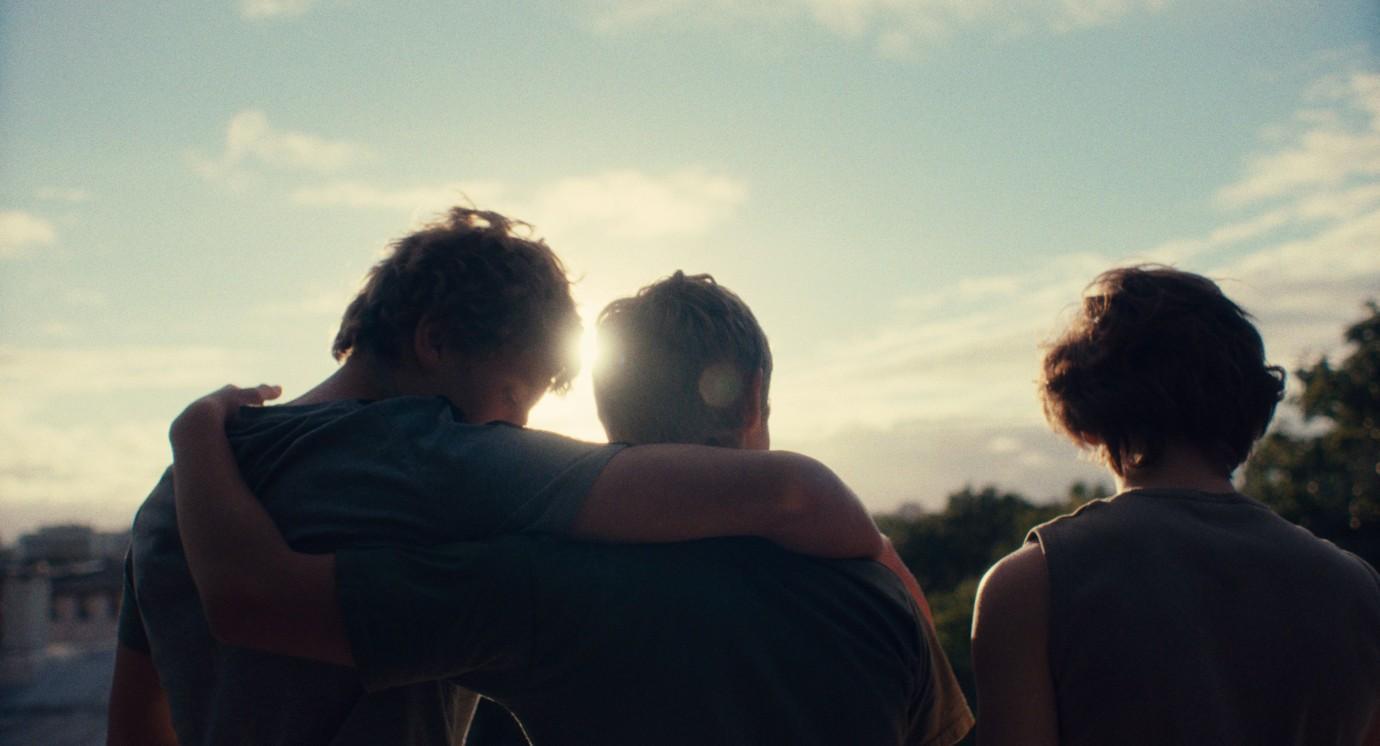
Leo and Remi are close. They play, eat, and sleep together, and in between those moments, they share every thought they have with each other, no matter how big or small. Theirs is a precious friendship, as pure and as intimate as can be, but all that changes when they begin middle school. Subject to heteronormative norms and preteen mockery, their friendship starts to crack as Leo and Remi’s different definitions of manhood emerge.
Subtle but evocative, quiet but deeply powerful, Close takes a closer look at boyhood and male friendships—how they’re lived, defined, and seen. Plenty of questions go unanswered in this film, but if you’re comfortable with simply empathizing with the characters rather than knowing every answer, then Close comes highly recommended.
With truffle being so expensive, you would think that the world would eventually figure out how to get this tasty fungi in a more efficient way. Yet, the finicky nature of truffle eludes scientific research, improved cultivation, and strategic supply logistics, only allowing access to a select group of senior men and their very good dogs. The Truffle Hunters depicts the precariousness of this industry, how the entire endeavor can be easily lost to time, climate, and secrecy, but through delving into their lives, through unobstrusively capturing their day-to-day lives in gorgeous, meticulously framed shots that quietly celebrates their charming personalities, The Truffle Hunters becomes a small glimpse into a life that’s lost to urban living, a life that, perhaps, might be worth returning to.
In Compartment Number 6, two different people strike an unlikely friendship during a train ride from Moscow to Murmansk. One is Laura, a Finnish student looking to observe ancient rock carvings at their destination, and the other is Ljoha, a gruff miner who hopes to secure a job once there. While the pair are initially unable to get on the same page, their friction eventually lends way to curiosity and empathy, especially as they learn more about each other and life itself.
It’s a great film to put on if you’re a fan of smart but subdued movies like the Before trilogy and Lost in Translation, and there is a lot to mine beyond their already-rich conversations, especially in terms of class and romance. It’s little wonder then that this delightful two-hander shares the 2021 Grand Prix award with another brilliant piece of art, Asghar Farhadi’s A Hero.
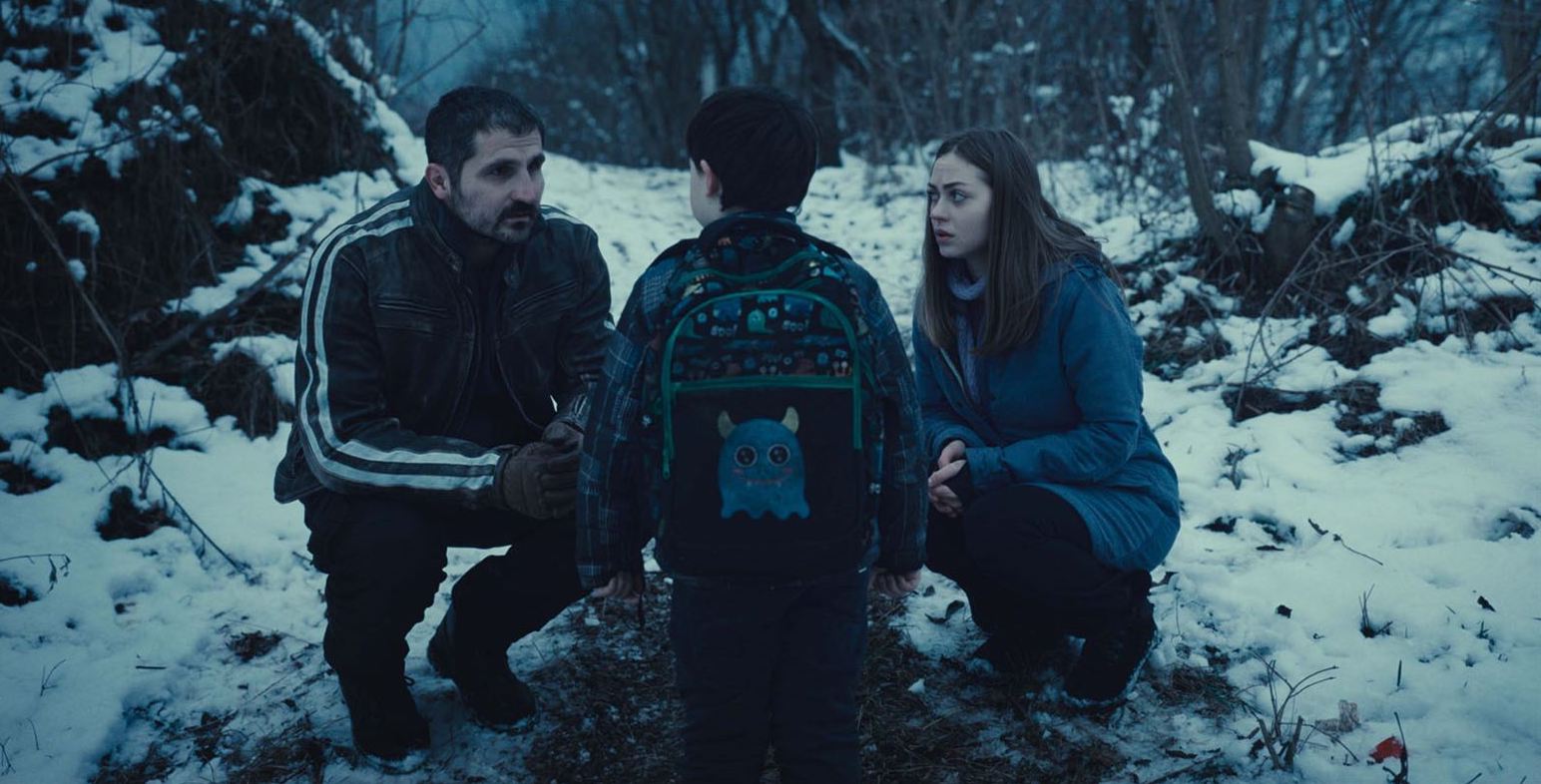
The Innocents is a Norweigan thriller that follows four kids who discover they have supernatural powers over the summer. They play around and experiment in the woods nearby, but what begins as harmless fun quickly develops into something much more disturbing and sinister.
This unnerving film, a blend of fantasy and horror, doesn’t waste time explaining the origins of its mysticism. Instead, it goes straight into action—bending, twisting, and splitting open anything and anyone that gets in its way. This kind of rawness is shocking given the age range of the characters, but it also works to subvert what we’ve come to expect from kids, youth, and goodness. The Innocents isn’t for the faint of heart, but if you can manage some bloody and unhindged scenes, then it’s sure worth checking out. Directed by Eskil Vogt, co-writer of critically-acclaimed films like Thelma and The Worst Person in the World.
Psychological thriller fans might find God’s Crooked Lines to be a tad derivative. Fans of the novel might find its film adaptation slightly more convoluted than the original text. But for viewers entirely new to both, the undercover psych ward investigation proves to be an intriguing mystery, twisting the plot by playing with alternating timelines and unreliable narration. This new approach makes sense. It does modify the ending, but the new approach eases the novel into visual form, giving a nice rhythm to each reveal. The psychological thriller may not be a perfect adaptation, but Los Renglones Torcidos de Dios maintains the suspense that made the original novel work.
Featuring real, in-the-moment footage of operations to rescue young queer individuals from the continuing anti-gay purges in the Chechen Republic, Welcome to Chechnya makes for a demanding but essential call to action. There’s a genuine sense of fear that pervades the documentary, not just for those being rescued after being forcibly outed, beaten, and trapped by the people around them, but for the filmmakers themselves, whose operations are built on meager resources and desperate, spur-of-the-moment decisions. It’s a remarkably courageous film—one that also presents new ways of keeping sensitive subjects safe through the thoughtful use of deepfake technology, keeping their identities hidden while allowing them to freely express themselves.
The real life situation behind this harrowing drama is quite extraordinary, so adapting Daniel Rye’s captivity straightforwardly would already intrigue viewers into watching it. However, Held for Ransom does more than depict his torture. Alternating between his captivity and the fundraising efforts back home, the film examines the way they have all responded to the unimaginable, the horrible experience that they have gone through because of extremism. The imprisonment sets the stakes, but the humanity held onto by the hostages, the fierce love of Daniel’s family that would bring him home, and the human cost of non-negotiation pushes this story into somewhere new.
Irish period drama Monster is downright depressing. Of course, for some viewers, that’s just part and parcel of any period drama– without the scientific advancement, the philosophical debates, and the sheer convenience of the modern world, it can be easy to imagine a bleak past. But, like some of the best depressing period dramas, Monster makes clear just how bad things were and what we should never do again. Through depicting An Gorta Mór, or the Great Famine of Ireland, in the eyes of a small village, through visualizing the story so many people from Ireland have heard from previous generations, and through its strong performances, Arracht is a striking reminder of the trauma deliberately struck upon Ireland, the memory that is still strongly felt today.
Dramatizing the murder of Hatun “Aynur” Sürücü, A Regular Woman frames her story from her dispassionate narration after she’s passed. This results in a harrowing tale. Knowing her death before she returns home paints every single moment with her family in fury, as they pin every frustration and blame on Aynur for numerous reasons, the biggest is due to not aligning to their ideal of a Muslim wife. It also highlights the failures the German government committed in addressing this issue, the same failures that they could repeat if nothing has changed since her death. A Regular Woman is harrowing, not just because Aynur’s tale is true, but because it acknowledges right on the bat how it can happen again.
Spanning over decades and continents, The Eight Mountains depicts the kind of childhood friendship that remains central to one’s whole world. While city boy Pietro (Luca Marinelli) treks from the Alps to the Himalayas, the mountain pasture of Grana remains special as his father’s old refuge and as the hometown of childhood best friend Bruno (Alessandro Borghi). When they were younger, the two struck a summer friendship as the only two boys in the small town. However, their friendship isn’t the kind formed through day-to-day, routine interactions. Instead, each moment they share is fleeting, cut short by circumstances, but therefore, all the more precious. Co-directors Felix van Groeningen and Charlotte Vandermeersch slowly and patiently craft intermittent moments that form a lifelong friendship. And at the end, when they last bring us back to Grana, these moments are all we have left of this profound, meaningful connection.
What do you do when you fall in love with your teacher? It’s not unheard of that a student gets a crush, but given the age gap, the power dynamic, and the obvious ethical ramifications, normally, nothing should come of it. But in Dreams, this crush becomes the muse for Johanne to create an unexpected literary masterpiece. For those squeamish about the possibilities, there’s no need to worry, everything’s all above board. Even so, director Dag Johan Haugerud manages to capture that intensity a crush does spur on, especially in that age. This coming-of-age drama dances around some of the dilemmas, but it does honor Johanne’s interiority in a clear-headed, nuanced way.
The Hand of God is the autobiographical movie from Paolo Sarrantino, the director of the 2013 masterpiece The Great Beauty. He recently also directed The Young Pope with Jude Law and Youth Paul Dano, both in English. He is back to his home Italy with this one.
More precisely, he’s in his hometown Naples, in the 1980s, where awkward teenager Fabietto Schisa’s life is about to change: his city’s soccer team Napoli is buying the biggest footballer at the time, Diego Maradona.
Sarrantino, who is also from Naples, made this movie that is half a tribute to the city and half to what it meant growing up around the legend of Maradona.
The Hand of God is to Sarrantino what Roma was to Alfonso Cuarón, except it’s more vulgar, fun, and excessive. It is equally as personal though, and it goes from comedy to tragedy and back with unmatched ease.
Two storylines take place in this Parisian animation: one of a Moroccan immigrant who works as a pizza delivery guy, and the other of his hand, somehow no longer part of his body, but also going on a trip around Paris.
The hand storyline is not gory by the way, except for one or two very quick scenes. Mostly, this is a film about loneliness and not being able to find your way back, both as an immigrant who misses how they were raised and as a hand who misses its body.
Sporting some of the most beautiful animation work this year, this movie premiered at Cannes where it became the first-ever animated film (and Netflix film) to win the Nespresso Grand Prize.
The four chapters of Only the Animals could make separate films on their own, but the combination that forms this non-linear crime thriller creates a uniquely layered murder mystery. Based on the novel of the same name, the film is centered on the disappearance of the wealthy Evelyne Ducat. Her disappearance affects the characters named in each chapter title, though the alternate timelines tease the means, method, and motivation. Starting from the one living closest to the snowy mountains she was last seen in, all the way to the sunny Côte d’Ivoire, all their lives interlock in unexpected ways, chief of which is the same loneliness that moves them to the foolish actions they take. Only the Animals balance all their stories with tight-rope suspense.
A sweet and romantic German movie about two Berliners who meet randomly and go on a road trip to the south of Europe. It might seem like a silly premise but it’s actually a philosophical movie, one that feels very realistic. The two characters debate human nature, politics, relationships, etc; almost throughout their trip. And they’re played by excellent newcomers who ooze charisma and make the question of what will happen between them incredibly thrilling.
A young lawyer has to defend a murderer after passing the bar only three months prior in this satisfying German drama. To make matters worse, the victim happens to be his mentor, a wealthy and seemingly kind-hearted business man. As for the perpetrator, he refuses to say a single word. Caspar, the lawyer, is from a German-Turkish background, which is a hint to where the complexity of this legal drama lies: in Germany’s history and racial legacy. The Collini Case is satisfying to a fault, but if you’re looking for substance-filled entertainment, this is some of the best you’ll get.
Heavy Trip is a comedy about a heavy metal band, but unlike many mainstream portrayals, it doesn’t dismiss the genre and its fans as overly aggressive, overly serious, or satanic. Instead, these misfits are endearingly goofy. While they growl over their frustrations, they’re totally sincere about their passion, willing to headbang even in the places they earn their living. So when they finally get a chance of a lifetime, it’s so easy to root for their success in spite of all the things that go wrong (maybe even because of all the ridiculous incidents that happen). While it won’t be the smoothest watch for non-metal fans, Hevi Reissu is a crowdpleaser. Just make sure to prepare your ears.


x8
x2