Our take
Don’t be fooled by its obvious parallels to Ghost (not a bad film, but a very different one): Truly, Madly, Deeply isn’t much concerned with the supernatural logistics of its back-from-the-dead-boyfriend premise, and it doesn’t feature any psychics or murders, either. In fact, there’s an argument to be made that everything that takes place here happens in its protagonist’s imagination — that’s how much it ignores the ‘how’ of it all.
Instead, this deeply warm rom-com from the great Anthony Minghella grapples head-on with the emotional challenges of grief and moving on. Juliet Stevenson’s performance as the bereft Nina is up there as one of the most moving portrayals of loss the screen has seen, and not just because of how believable her intense cry-acting is. When she realizes her deceased boyfriend Jamie (Alan Rickman, as seductive and sardonic as always) has returned to the land of the living, her euphoria brings to aching life the dream that everyone who’s ever lost a loved one must surely have dreamt: how joyous it would be to see them again. Blending such raw observations with wry humor — and anchored by two leads with genuine chemistry — this is a profoundly moving and rewarding movie.
What it won

BAFTA
1 win · 2 noms

NYFCC
2 noms
The story
Nina is totally heartbroken at the death of her boyfriend Jamie, but is even more unprepared for his return as a ghost. At first it's almost as good as it used to be – hey, even the rats that infested her house have disappeared. But Jamie starts bringing ghostly friends home and behaving more and more oddly.
Elsewhere

"This sharply scripted study of a bereaved woman who literally wishes her partner back from the grave is an impressive directorial bow by British playwright Anthony Minghella."
— Variety Staff
Distressed by how deeply his girlfriend is grieving him, a dead man returns to the land of the living to help her move on.
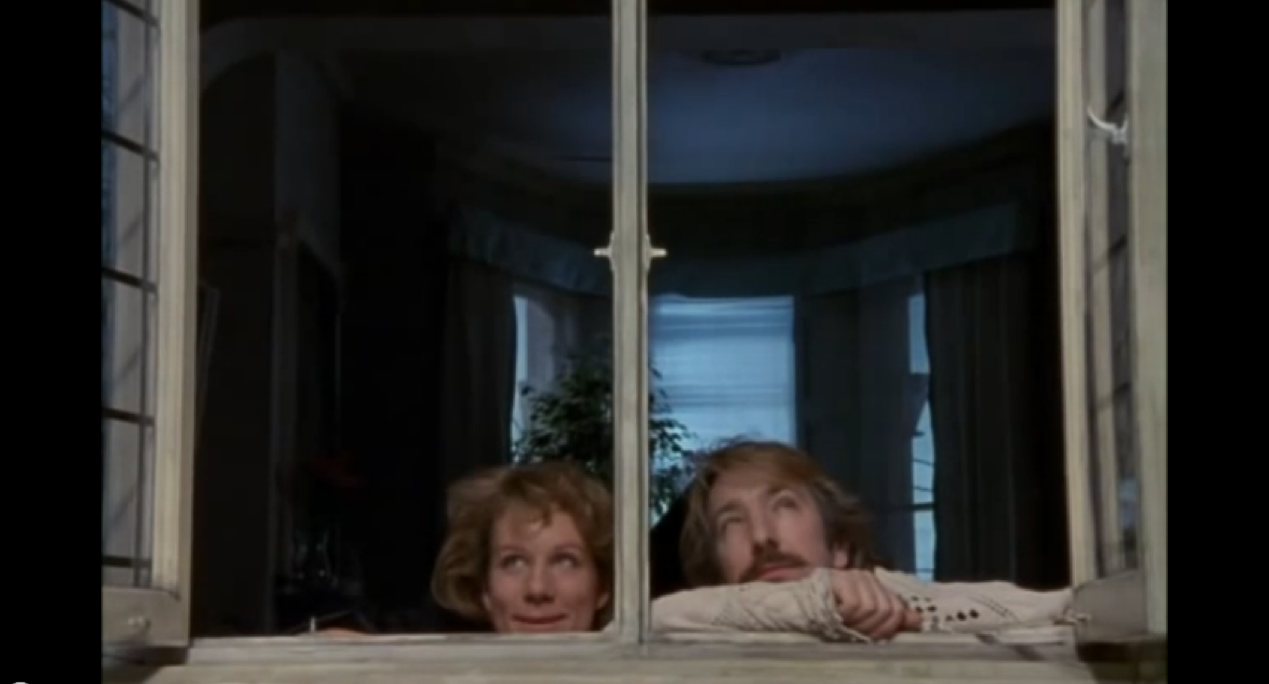
The scene you’re most likely to have already seen here is the duet between Rickman and Stevenson, which routinely goes viral every few months — and with good reason. The two start out jokingly exchanging sickly sweet nothings (see: the film’s title) before launching into a paradoxically radiant rendition of “The Sun Ain’t Gonna Shine (Anymore).” The moment comes soon after the two are reconciled, and it’s so full of the ecstasy that such a miraculous reunion would surely provoke that it’s chills-inducing.
As any Alan Rickman scholar will know, this is one of the very few movies that recognized his inherent romantic appeal — and for that, we’re truly thankful.
The details



Who picked it

Farah Cheded is a UK-based curator at A Good Movie to Watch and a Rotten Tomatoes-approved freelance critic whose work has been published at outlets including The Playlist, Paste Magazine, and Film School Rejects. She lives in fear of the day she runs out of 'Columbo' episodes to watch.