10 Best 2024 Thriller Movies to Watch
Updated
Adrenaline rushes, unpredictable mysteries, and dark and intense themes… Sometimes, instead of wanting comfort from a family drama, or the heartwarming love of a rom-com, we want our media to challenge us, keep us on our toes, and make us sweat. We want to know the terrifying possibilities of what could happen with new technology, or the scary side of what humanity already has to offer. We want to watch a thriller.
If you want to be held in suspense, but you’re looking for something new, here’s our list of this year’s best thrillers.
How we make these lists
No AI. No algorithms.
We are 100% human-curated. Everything you see here has been handpicked by a team of experts.
At least 7/10 on IMDb
So you know they are appreciated by viewers, not just high-brow critics.
At least 70% on Rotten Tomatoes
We combine this with the IMDb bar to keep only the best of the best.
Find more to watch
10 Best 2024 Thriller Movies to Watch
The Seed of the Sacred Fig (2024)
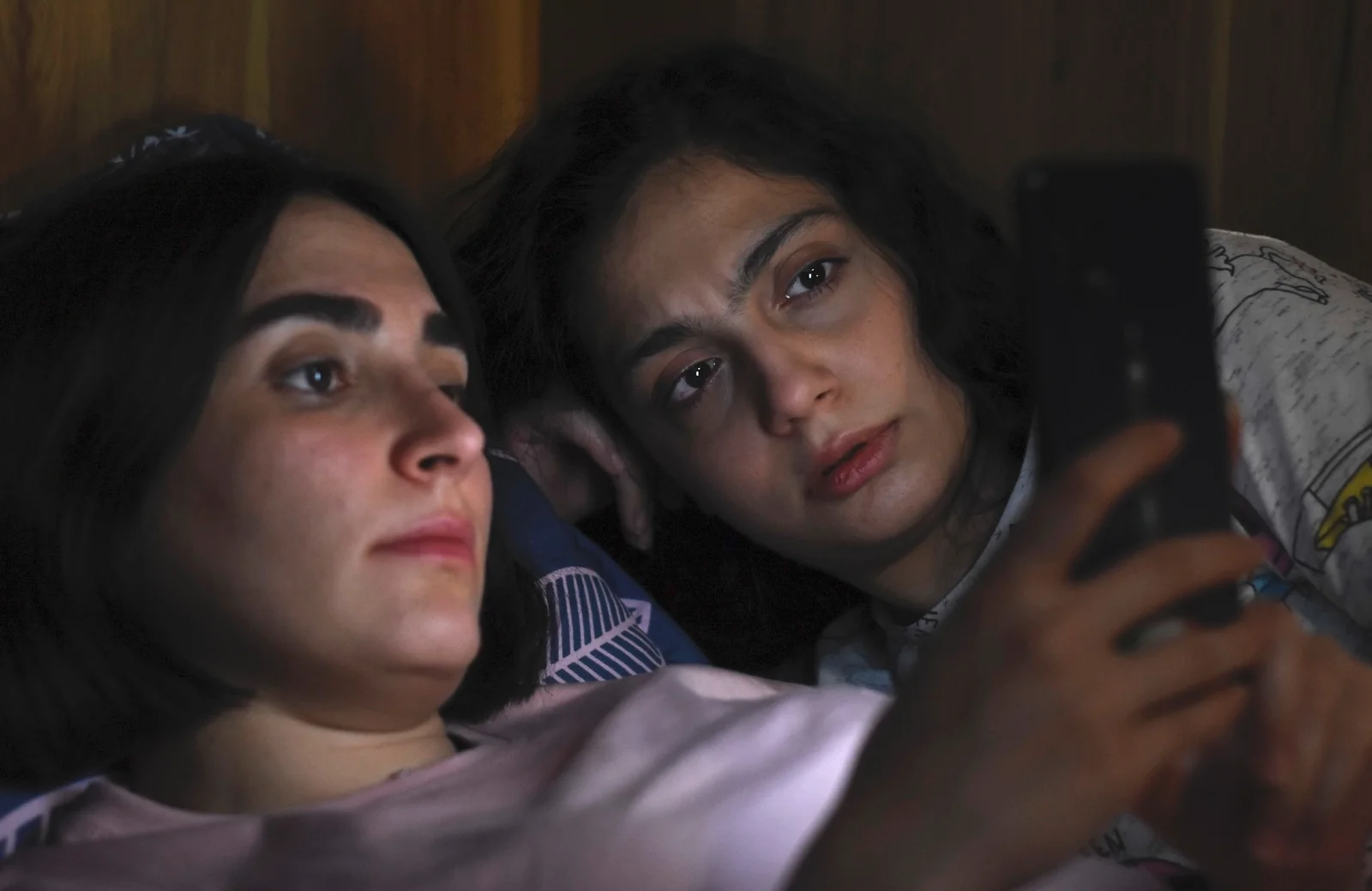
The Seed of the Sacred Fig bravely takes on the increasingly violent patriarchy and theocracy in modern-day Iran. It follows a family of four—Iman, Najmeh (Soheila Golestani), Rezvan (Mahsa Rostami), and Sana (Setareh Maleki)—and reveals how the political can creep into the personal. Iman, the father, has just been promoted at work (he’s one step closer to being a judge), while his two daughters are budding revolutionaries. The educated girls see through the lies of state television and challenge their conservative parents’ ideas on government and religion. It sounds straightforward, but director Mohammad Rasoulof lets everything unfold subtly and sharply. By the second half, the film transforms into a slow-burn thriller as the family home becomes a microcosm of Iran itself. It’s a brave film helmed by even braver people. Rasoulof and his cast, who filmed in secret to avoid the film ban in Iran, had to escape to Europe after they were interrogated and sentenced in their home country. The Seed of the Sacred Fig can’t encapsulate the entirety of Iran’s troubles, nor does it try, but it’s a good place to start.
The Substance (2024)
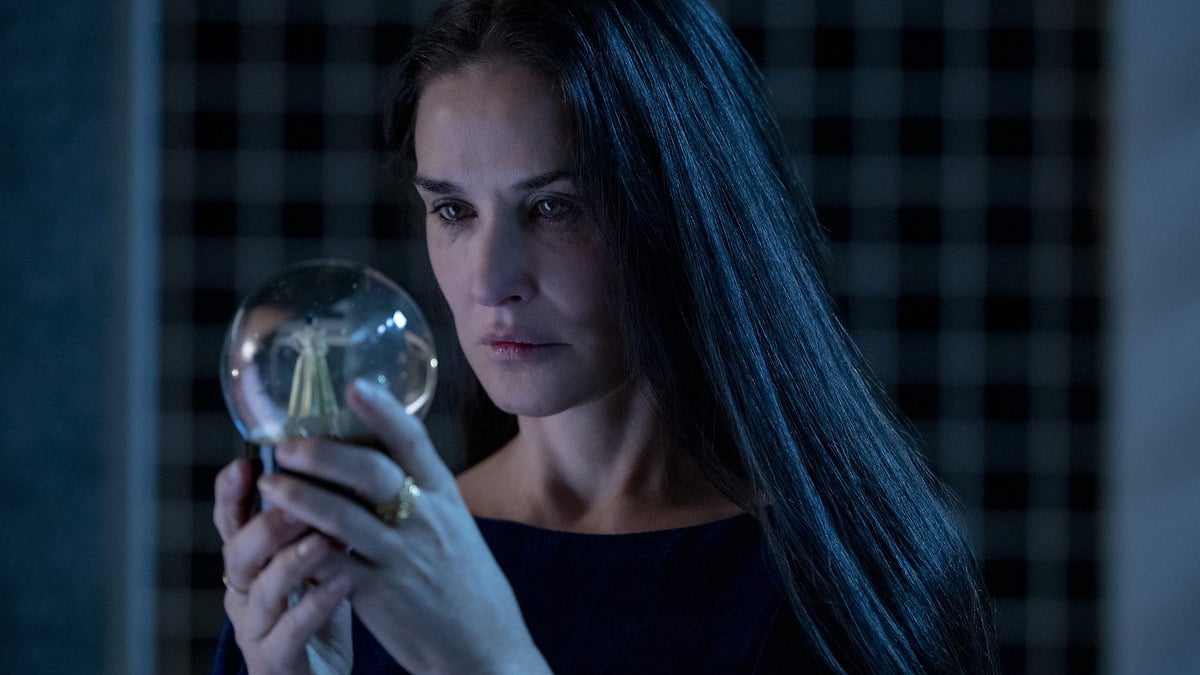
There is nothing quite like The Substance right now. It’s unsubtle, it’s provocative, and its satirical humor can be a hit or miss for some viewers, but it strikes at the one thing that’s fundamental to everyone, that can make or break their lives, yet that is rarely given grace and consideration– that is the body. Legions of people have yearned for youth and beauty, but The Substance systematically outlines how much these have been intertwined with our livelihoods, opportunities, and identities, and how other entities would capitalize on this yearning and push many of us to take that out, suck that out, literally, from ourselves. The Substance does this all with insane, frenetic energy.
The Girl with the Needle (2024)
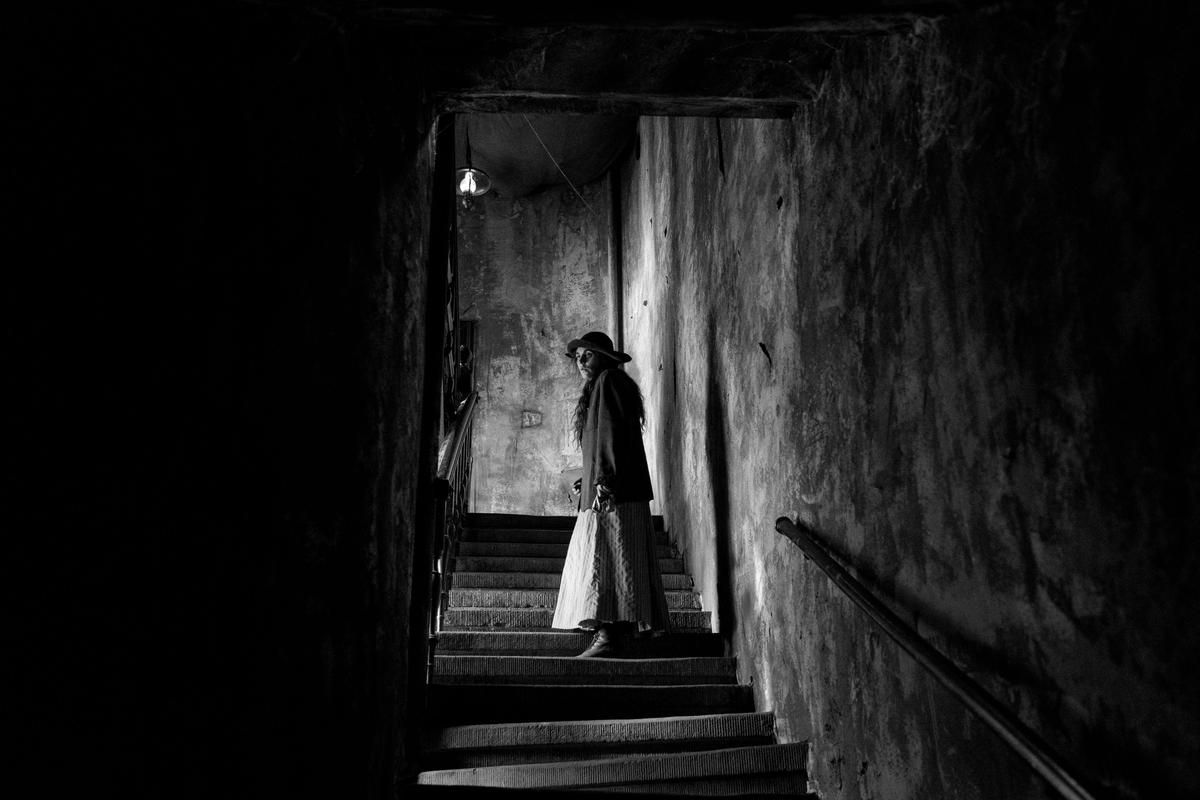
Given the original real-life story behind it, perhaps it shouldn’t be surprising that The Girl with the Needle was so bleak. Serial killing, after all, is bad. But rather than focus on the historical killer, writer-director Magnus von Horn hones the camera to focus on one such mother that would have sought for help from Dagmar Overbye, on the circumstances that would have pushed them there, and the terror that they felt once they realized the truth. With gothic black-and-white shots, impeccable framing, and an excellent performance from Vic Carmen Sonne, The Girl with the Needle is harrowing and heartbreaking, especially with how it still remains relevant to our time.
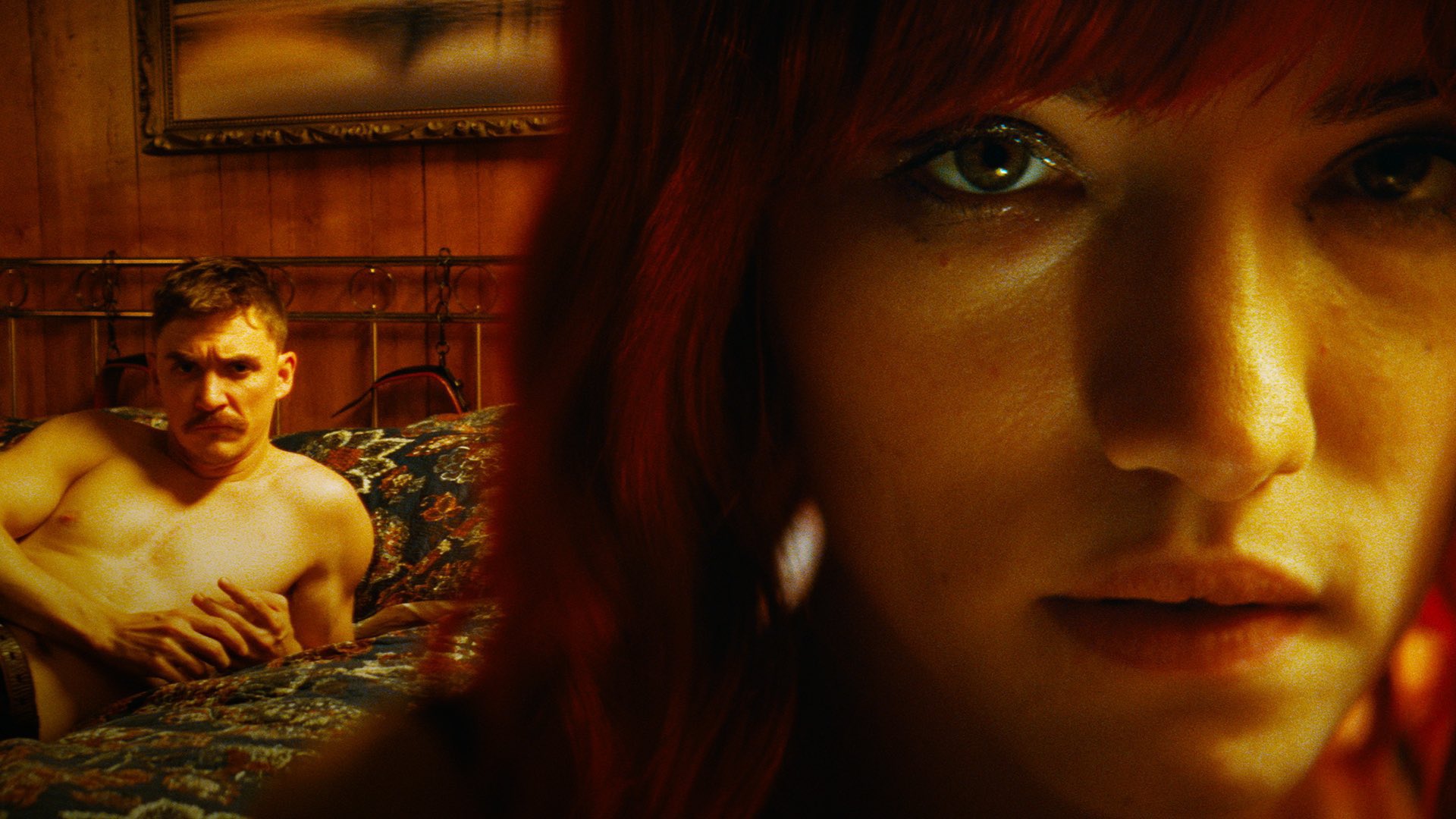
Strange Darling (2024)
A big part of Strange Darling’s charm is its ability to surprise you with one twist after another, so it’s best not to get into too many details here. What we will say is that director J.T. Mollner and his cast execute those twists with great finesse, making sure not to waste even a second of your time. The non-linear approach might seem gimmicky at first, but once Mollner presents all the pieces of the puzzle, it ends up feeling like a satisfying payoff. Even if you manage to guess where the film is headed, it still makes for an entertaining watch. Willa Fitzgerald is especially captivating.
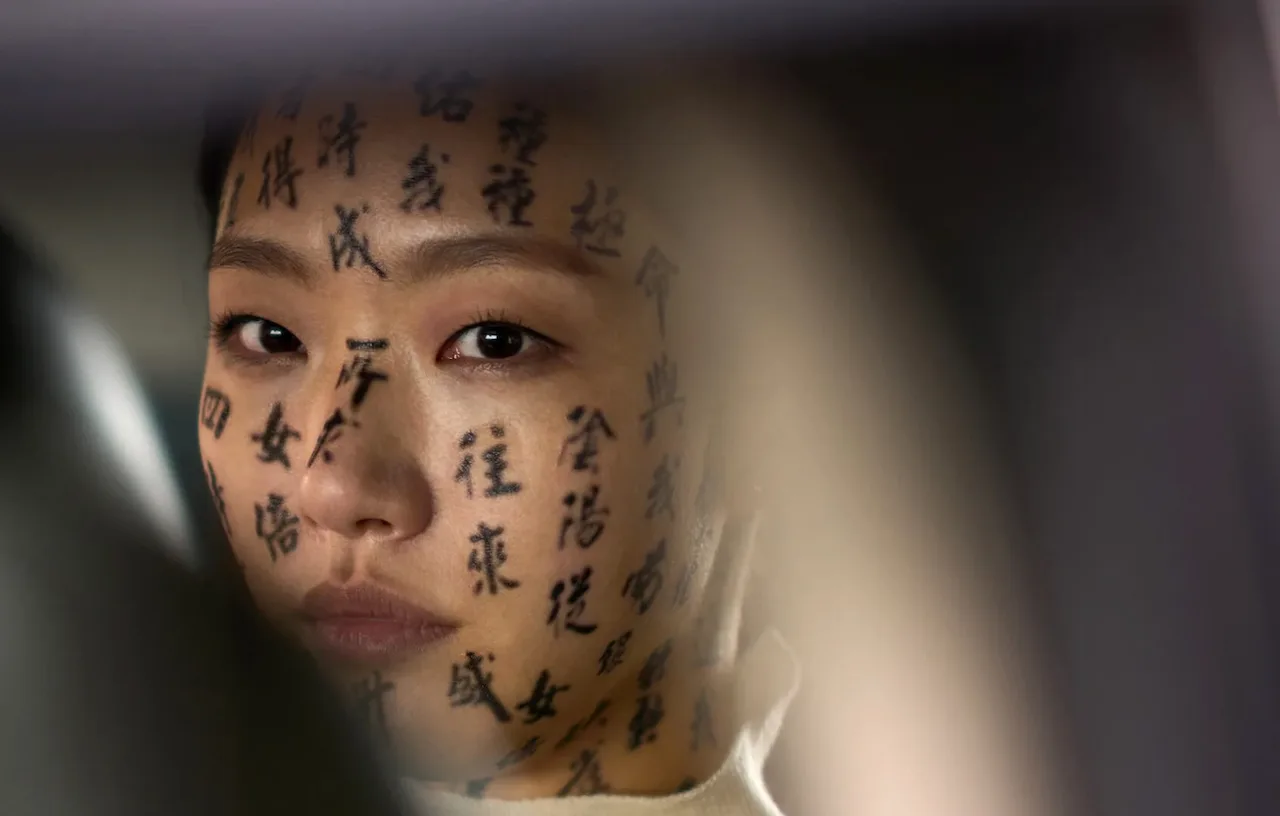
Exhuma (2024)
For the longest time, land was where people formed strength in community, where people were born, lived, died, and was buried in, but it was also how empires grew in power, often at the expense of the people that came before. Exhuma is centered in a haunted burial site of a Korean family that migrated due to the war, but as the shamans try to unearth the casket, they also uncover the psychospiritual ways in which Japan colonized Korea– haunting the land with their own ghosts, dividing its people through belief, and leaving deep scars that hasn’t yet been fully recovered from. While the double exorcism situation can be a tad confusing, Exhuma nonetheless elevates this folk horror drama with their respect and attention to detail for Korean shamanism.
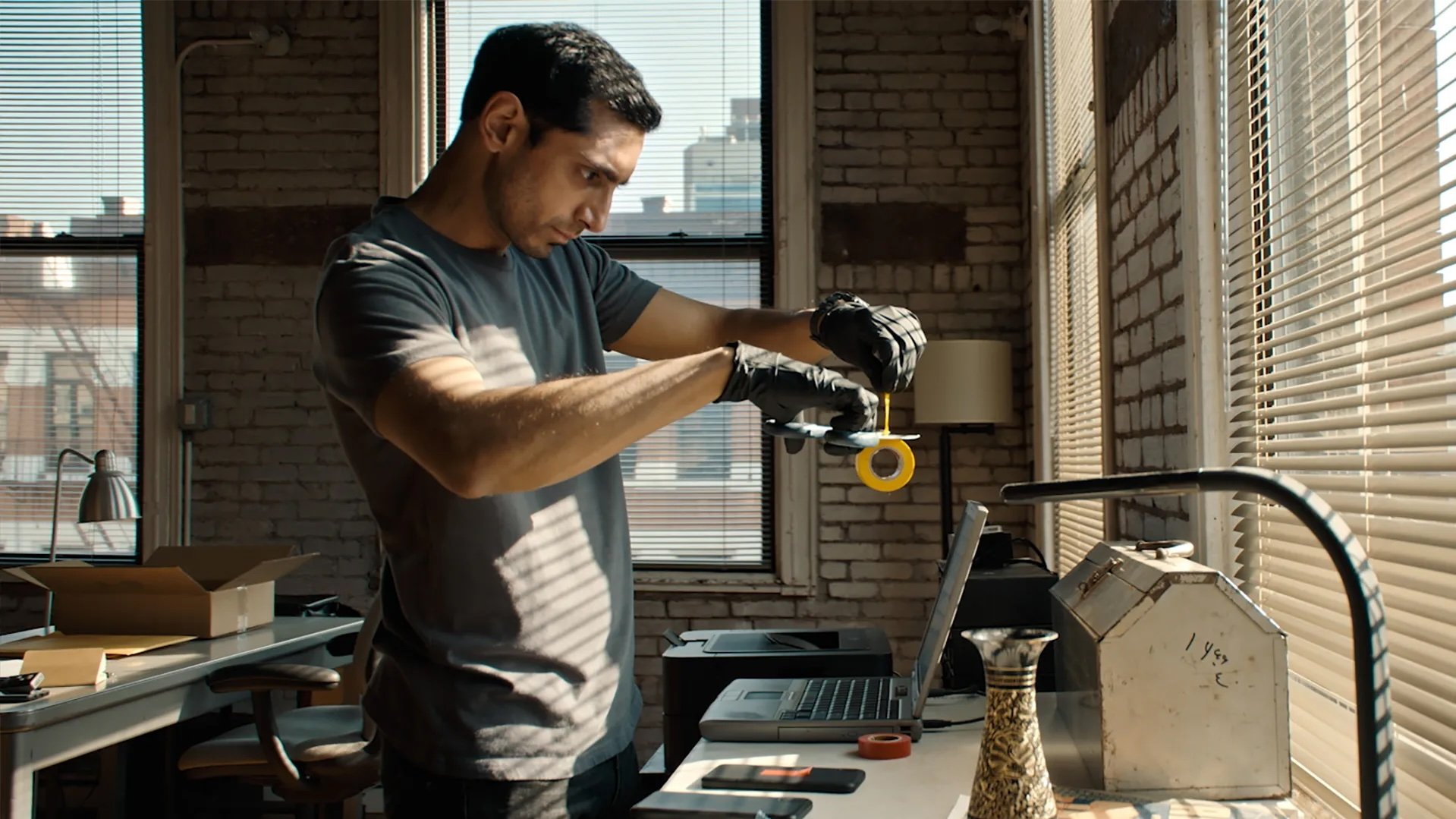
Relay (2024)
Set in New York, Relay follows Ash (Riz Ahmed), a fixer who intermediates between big companies with dangerous secrets and the whistleblowers threatening to bring them down—all for a hefty sum, of course. Sarah (Lily James), a scientist in possession of incriminating evidence, employs his help, but things get complicated when Ash invests more attention than usual in his latest client. Directed by David Mackenzie (Hell or High Water), Relay is a gripping paranoid thriller reminiscent of classic films like The Conversation and critically acclaimed shows like The Robot. In both scenarios, we follow hackers with a heart of gold, sort of, through the beautifully constructed and impeccably detailed lens of the camera. Compared to bigger-budgeted thrillers, Relay may seem more understated and lowkey, but it features great performances, shocking thrillers, and even surprises up its sleeves. It’s one of the better films of its kind to come out this year.
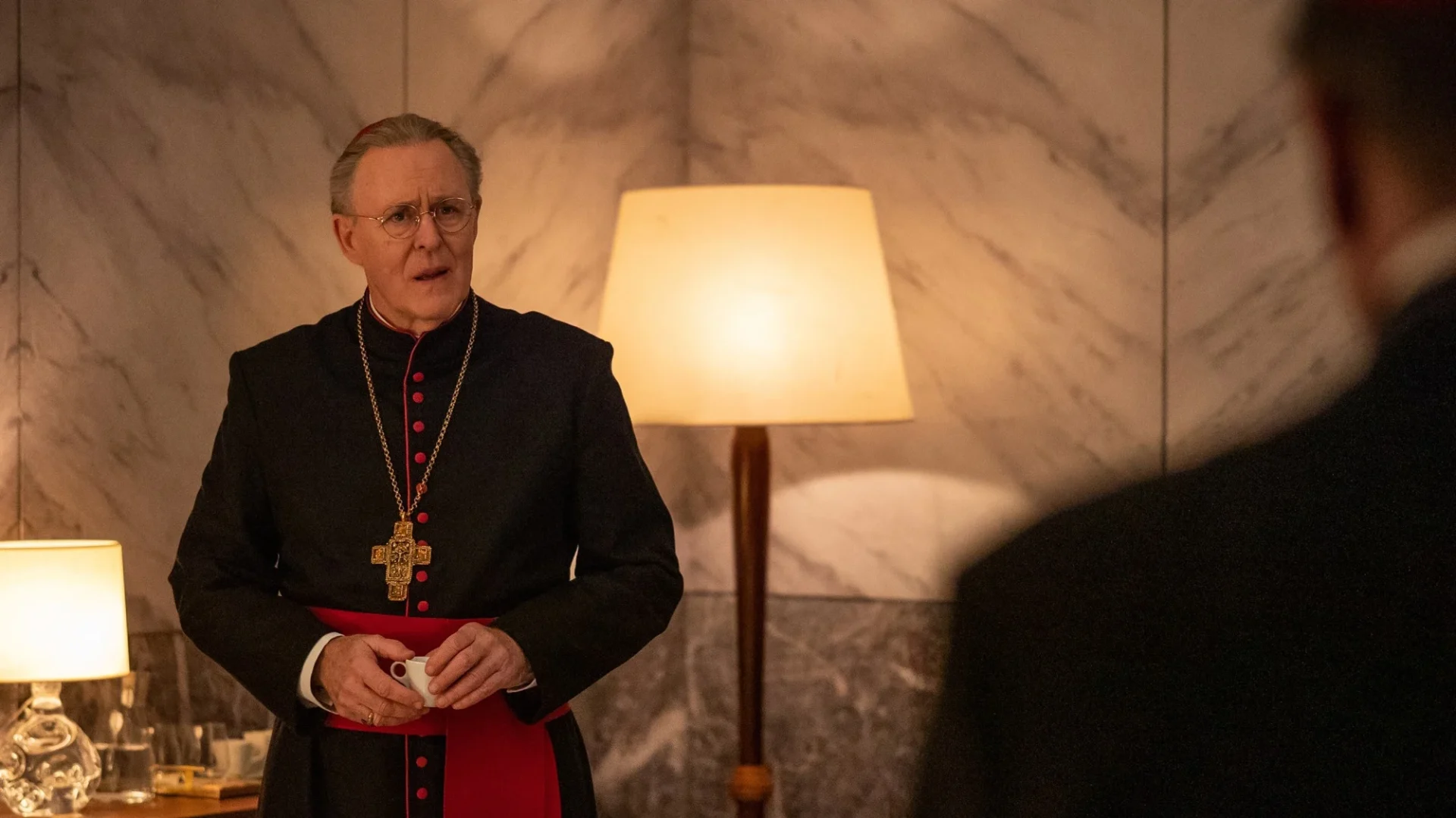
Conclave (2024)
It’s always refreshing to see people in esteemed positions let their guard down, not to mention smoke a vape or gossip feverishly, as we mere mortals do. But Conclave is more than just a candid look at what goes down in a process as elaborate as a papal election. It’s a portrait of man’s innate thirst for power. And since it has more to do with humanity than divinity, it’s also rightfully silly. Cardinals are scrambling for votes and fighting over politics. They can be peaceful and reasonable, but they can also be petty and spiteful, just like any person pressured to vote for their future (or just like any person, period). Conclave is far from perfect—its intentions are murky at times and the visuals, though beautiful, are oddly sparse—but it works because no one in the film, not even the protagonist, is infallible. It’s a welcome reminder of our limitations, regardless of faith.
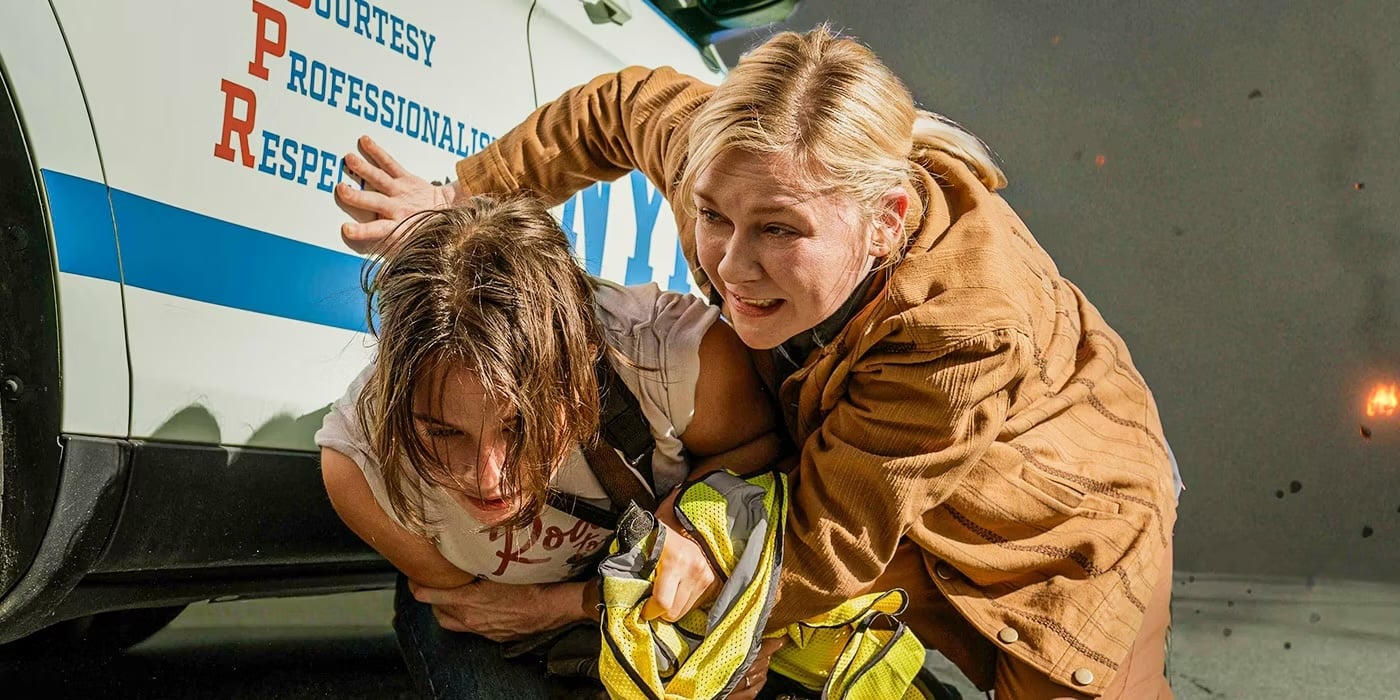
Civil War (2024)
Given the country’s divisive politics, a second civil war seems plausible, inevitable even. But even though Civil War, the film, takes place in this kind of world, its main focus is on the four journalists who race through the country to get the scoop on a fascist president who’s bound to be ousted anytime soon. We only get hints at the specific causes and developments of the war, but what we do get is an unsettlingly close look at the human toll of it, as well as the realities of reportage—crushing PTSD, ethical responsibilities, and all. It’s a brilliant movie if you set your expectations right.
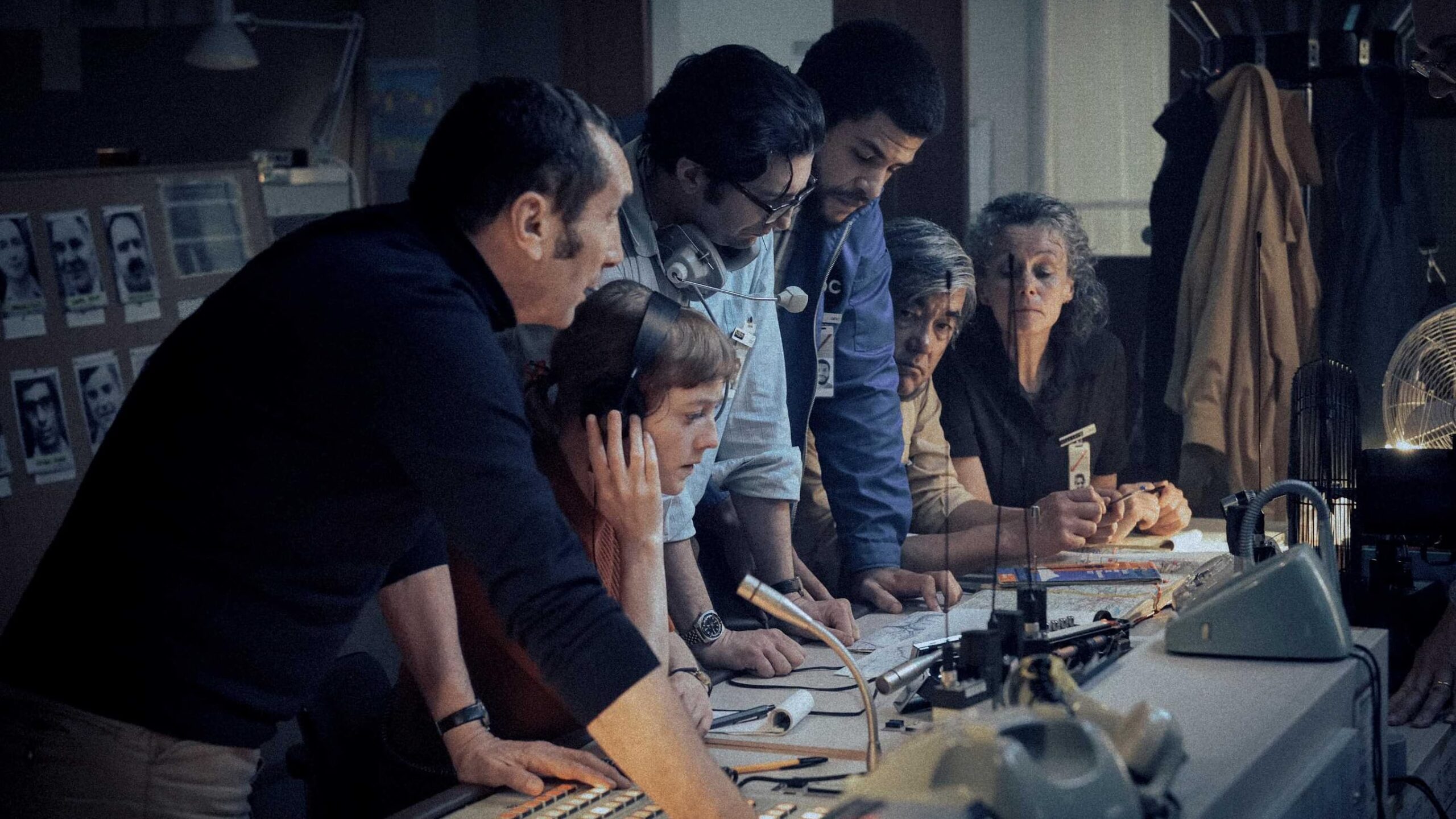
September 5 (2024)
On September 5, 1972, at the Summer Olympics in Munich, Germany, Palestinian terrorists held members of the Israeli Olympic team hostage in exchange for imprisoned countrymen. The ABC Sports team, led by Roone Arledge (Peter Sarsgaard) and Geoffrey Mason (John Magaro), despite their lack of preparation, decided to fully pivot from covering sports to news. The coverage itself was historic—it was the first time a terrorist attack had been broadcast live—and so the film follows the producers, crewmen, and journalists’ efforts in relaying the news. It’s taut, thrilling, and impressively technical. We get to see the ingenuity of the team, the ethical dilemma behind their journalistic choices, and the real consequences of those choices. Like last year’s Civil War, September 5 highlights that uneasy feeling that arises from chasing the story no matter what which, like it or not, effectively dehumanizes conflict and people into mere ratings and numbers. The mistake September 5 makes, however, is that insists on being apolitical even though that avoidance is itself a statement. There are points in the film where, despite loudly declaring they’re only here to cover the news, the characters contradict themselves by favoring one side over the other (this being a big studio film, I suppose you can already tell which side that is). It could use a bit more courage and nuance, but as it stands, September 5, along with films like Civil War, She Said, and Spotlight, is a worthy journalism procedural.
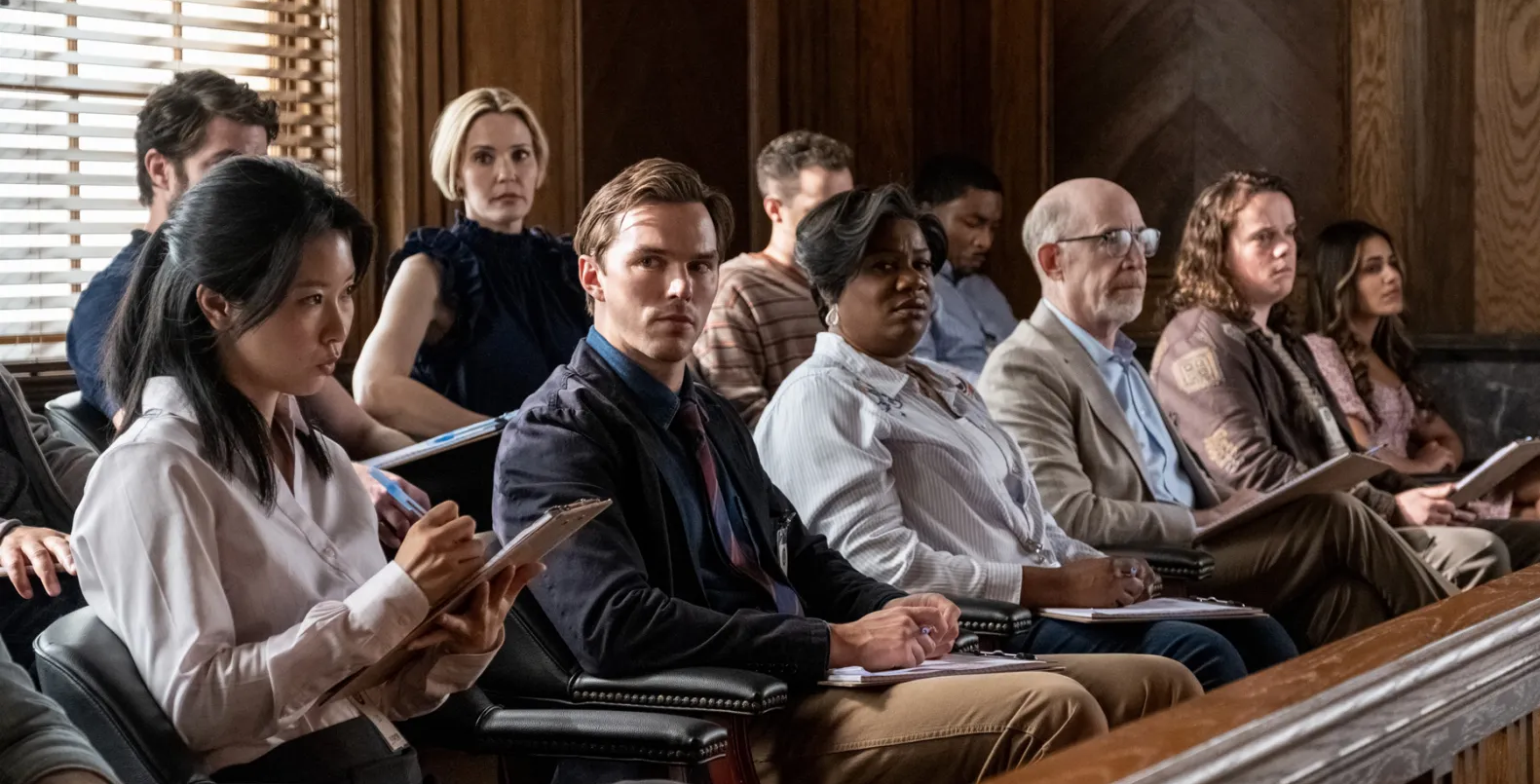
Juror #2 (2024)
Juror #2 is the kind of film that doesn’t waste time: it’s immediately compelling as it throws questions about morality, guilt, and conscience straight to your face. There are familiar people in this stacked cast, including Chris Messina and J.K. Simmons, but it’s Nicholas Hoult as the titular second juror and Toni Collete as the ambitious prosecutor who stand out. The weight of the film’s heavy questions lies on their shoulders, and they convey every feeling—from doubt and remorse to exaltation and hope—with painful clarity. I only the film hadn’t taken the easy way out, and that the debate among the jury could have been thornier and trickier, but as it is, Juror #2 is a compelling addition to our book of excellent courtroom dramas.
No titles match these filters.