20 Best Miniseries on Amazon Prime
From docuseries to historical dramas and investigative shows, miniseries are a wonderful, diverse format. In this list, we count down the best miniseries on Amazon Prime.
* 4 recommendations are either hidden or no longer available.
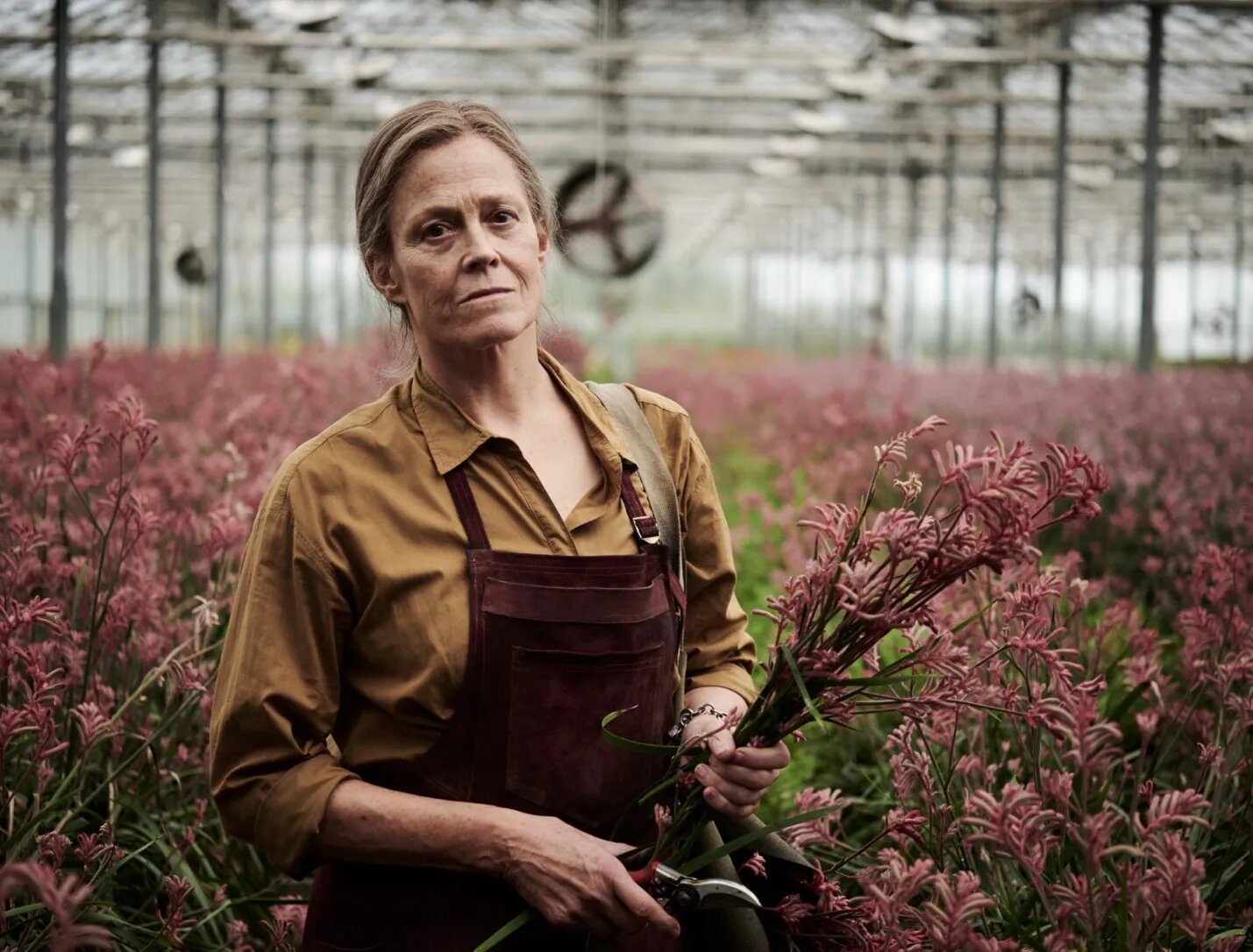


Domestic abuse is a delicate matter, and onscreen depictions always run the risk of being either too sensational or mopey. The Lost Flowers of Alice Hart, thankfully, is neither. It sensitively and creatively tells the story of Alice and all the other survivors who June shelters on her flower farm. More than just decor, these flowers serve as a lifeline to the girls: not only do they grow and sell them to earn a living, but they’ve also made a special secret language out of them. Different blooms mean different things, and when you live in a world where your pain is systematically ignored, it makes sense to communicate in hiding. Granted, the Lost Flowers of Alice Hart can get overly dramatic at times. Some plotlines include hiding who the child’s real father is and fighting to get custody of said child. But it’s unfair to dismiss the series as mere melodrama. It’s doing important work by shedding light on the manifold ways women are mistreated, and it does so in a commendably original and artful way.
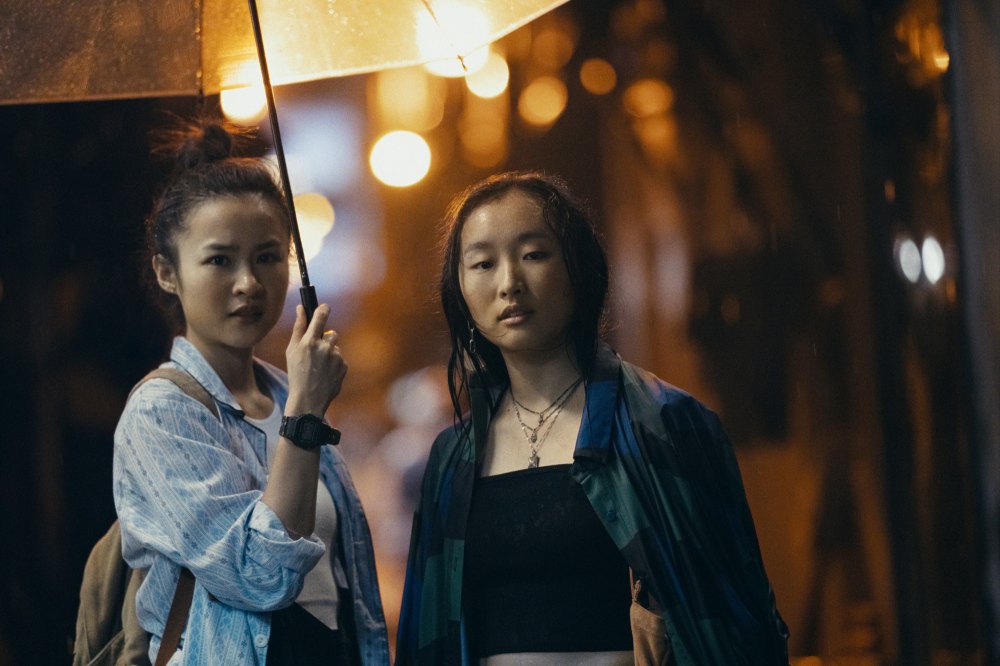

With immigration being a vastly different experience across race, gender, and origin country, it can be easy to dismiss Amazon Prime’s Expats as just another melodrama about the rich, especially with the controversies surrounding its production. There’s some truth to this– two of the three leads live in glamorous, high-rise apartments bigger and more expensive than the standard Hong Kong shoe-box– but the show is much more than that. It grapples with the identity that must be remade for the move. It empathizes with the unresolved loss that haunts the day-to-day life of both mother and caretaker. And on top of that, Lulu Wang portrays how this grief-stained lens can still be short-sighted, when directed to those in the margins. Expats is a revelation with its slow and steady multi-sided portraiture.
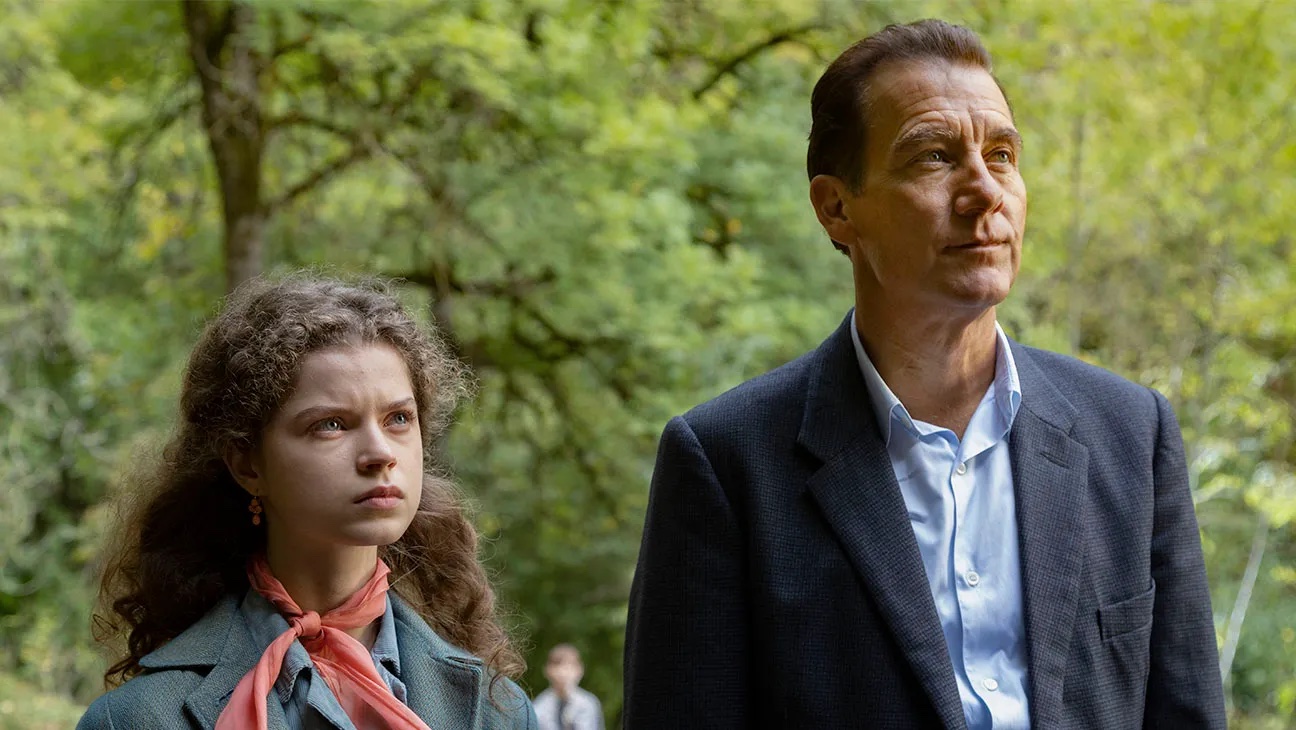
It takes Monsieur Spade some time to settle into its skin. The first few hours are dedicated to introducing as many side characters and backstories as possible, and though this could have been more elegantly executed, it eventually pays off. The main mystery, once you get to it, is layered and complex, and watching Spade physically and verbally spar with Philippe is its own kind of reward. Their curt but cutting dialogue harkens back to past noirs, and it’s a delight to see that tradition live on in the genre.
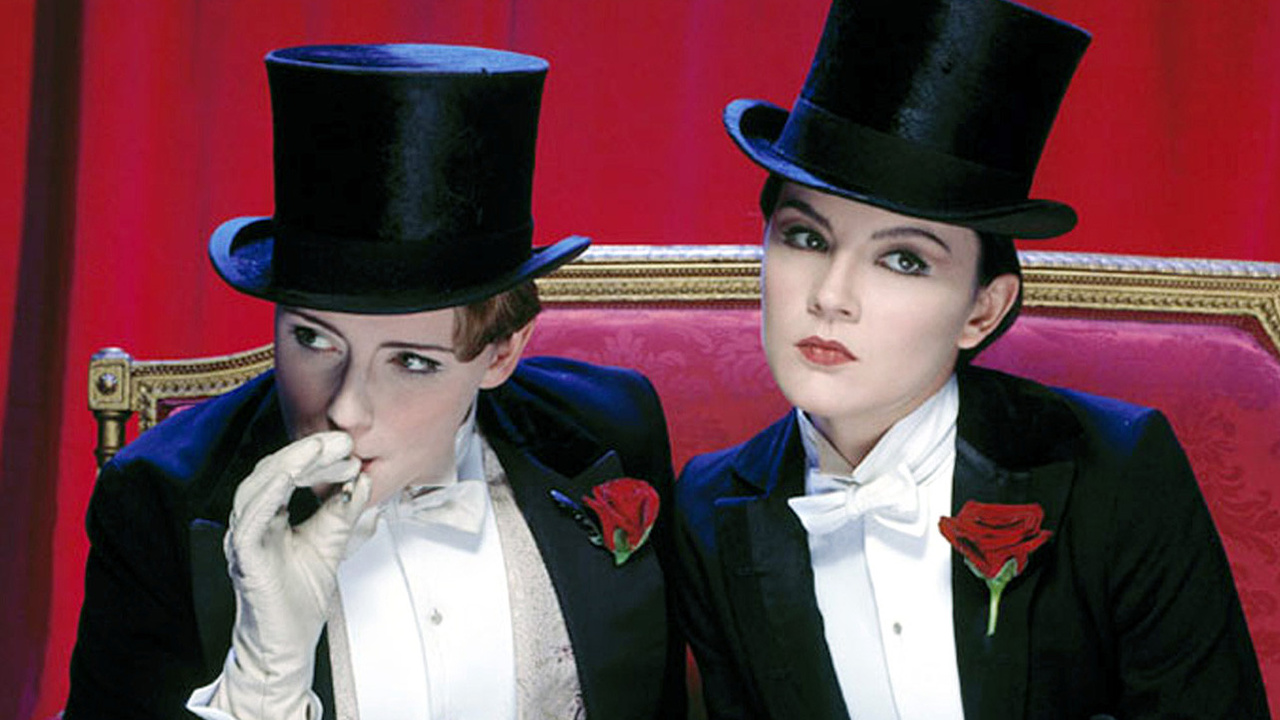
Before Park Chan-wook adapted her novel Fingersmith in The Handmaiden, author Sarah Waters wrote Tipping the Velvet, her debut novel that painted the life of lesbian women in Victorian London. Surprisingly, this controversial novel was produced and broadcast by the BBC in 2002, sticking faithfully to the plot, with all the racy sex scenes and relaxed depiction of lesbian life that shocked the public at the time, but over the years, the miniseries has become known as the refreshing classic that shifted the way lesbians were depicted on screen. While primarily centered on white women, Tipping the Velvet changed the way Victorian sexuality was depicted, with the joy, sensuality, and happiness in Waters’ passionate narrative.
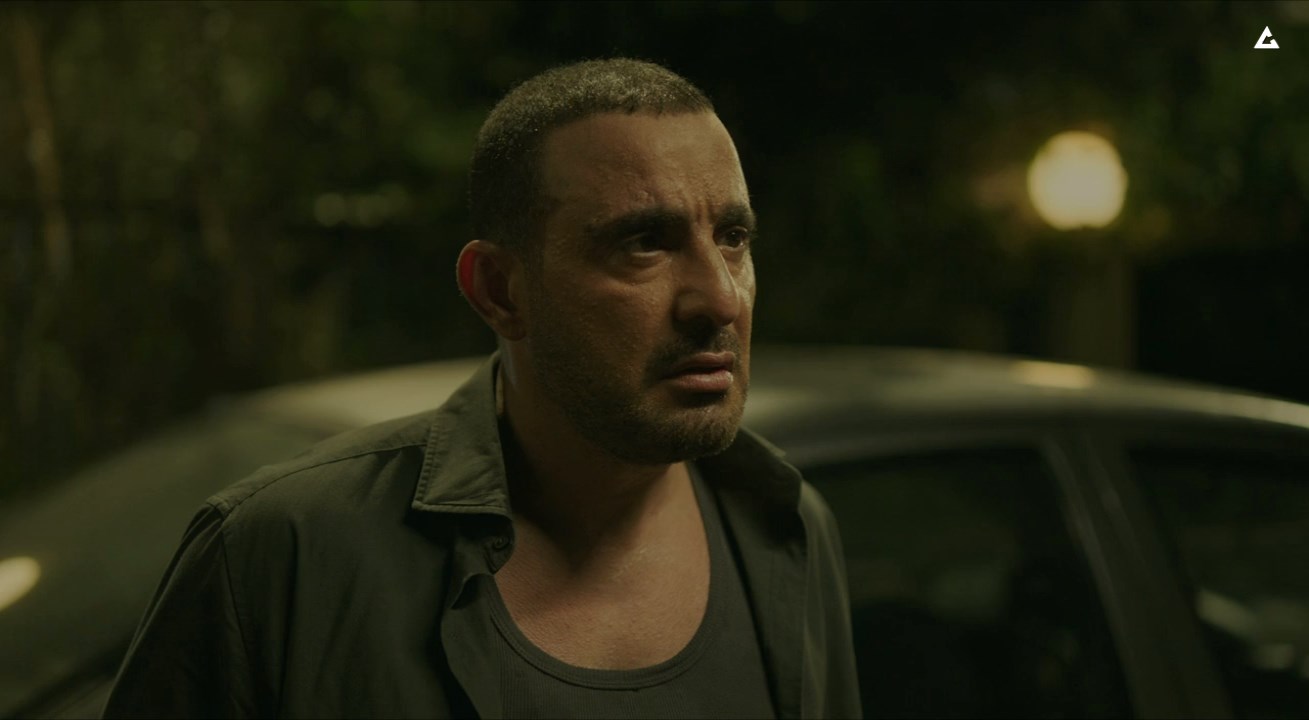
At a certain age, it can feel like starting over again isn’t possible, especially when all signs discourage you from ever trying again. Dr. Yehya of The Last Round knows this better than most– quitting kickboxing wasn’t an option, but a requirement, with his age and near misses and personal issues taking him out of the arena and into a low point in his life. But despite this, and despite day-to-day difficulties, The Last Round also portrays him getting back up, pursuing his dream one more time. It’s a familiar story, one we’ve seen in many sports shows, but with Ahmed Al-Sakka in the ring, and the careful characterization of the whole team that gets him there, The Last Round knocks our socks out.
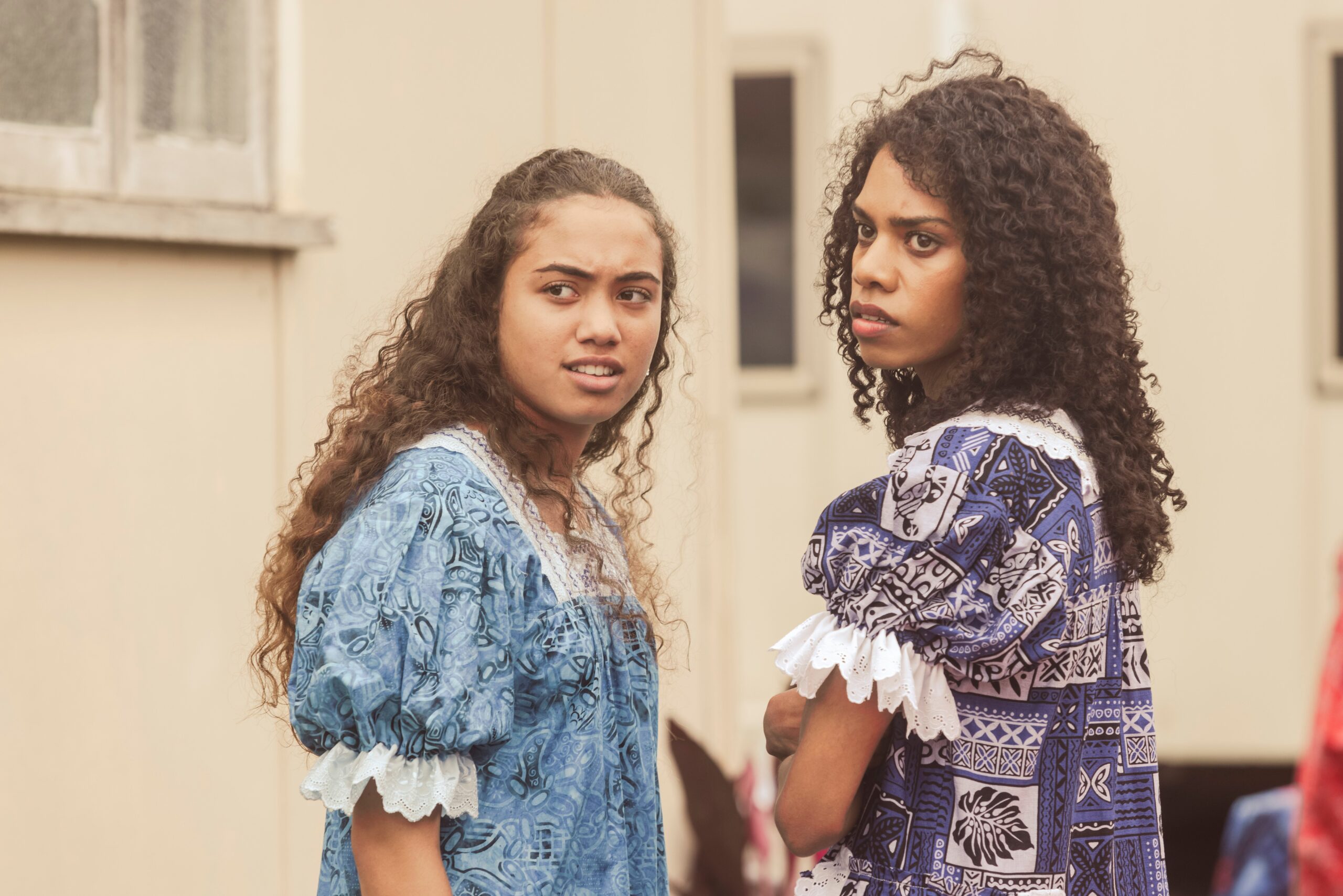
Black Snow has the sleek style of a modern murder mystery, but its concern with Australia’s colonial past that sets this show apart. As a neo-noir series centered on a murder, the show has all the classic elements: the hardboiled detective, the suspicious townsfolk, and the murder. As the murder is set in 1994, nostalgic summer-tinged high school scenes make it easy to root for justice for the show’s young victim.
But the series stands out as it’s always mindful of Isabel Baker, always concerned with her and her dynamics with her friends, family, and her South Sea Islander (ASSI) community. Supported by the strong performance of newcomer Talijah Blackman-Corowa, and even consulting the ASSI community personally in the show’s development and production, Black Snow is excellent not just as a murder mystery but also as a depiction of a community that’s rarely portrayed on screen.
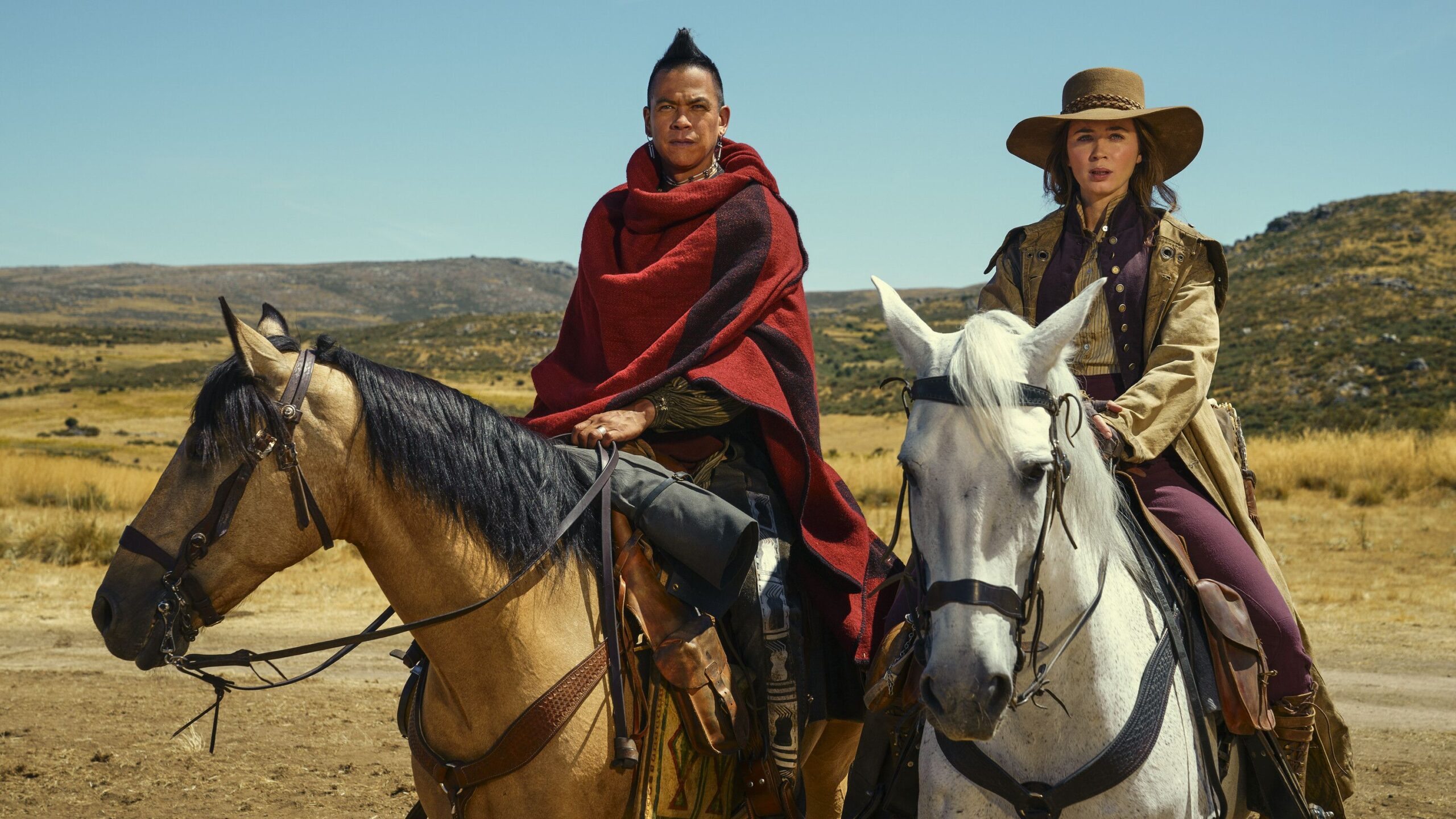
There is no shortage of craft and ambition in The English, a miniseries that employs tropes of classic Westerns, like the soulful anti-hero and the loyal sidekick, but also twists them enough to make them feel fresh. For instance, instead of typical cowboys, we have as our leads Cornelia Locke (Emily Blunt), an aristocratic Englishwoman, and Eli Whipp (Chaske Spencer), a native who also served in the US army. Both of them are terribly out of place in the Wild West, but they’re fueled with the kind of vengeful drive that leads to bloody outcomes, which are themselves staples of the genre.
The English is sweeping, both in scope and scenery, and solemn. Fans will appreciate how seriously the show treats the genre, and they’ll take pleasure in its familiarity, from the twisty mysteries and brutal disputes to the gritty backdrops and arid vistas. In this instance, the show’s ambition perfectly fits the genre.
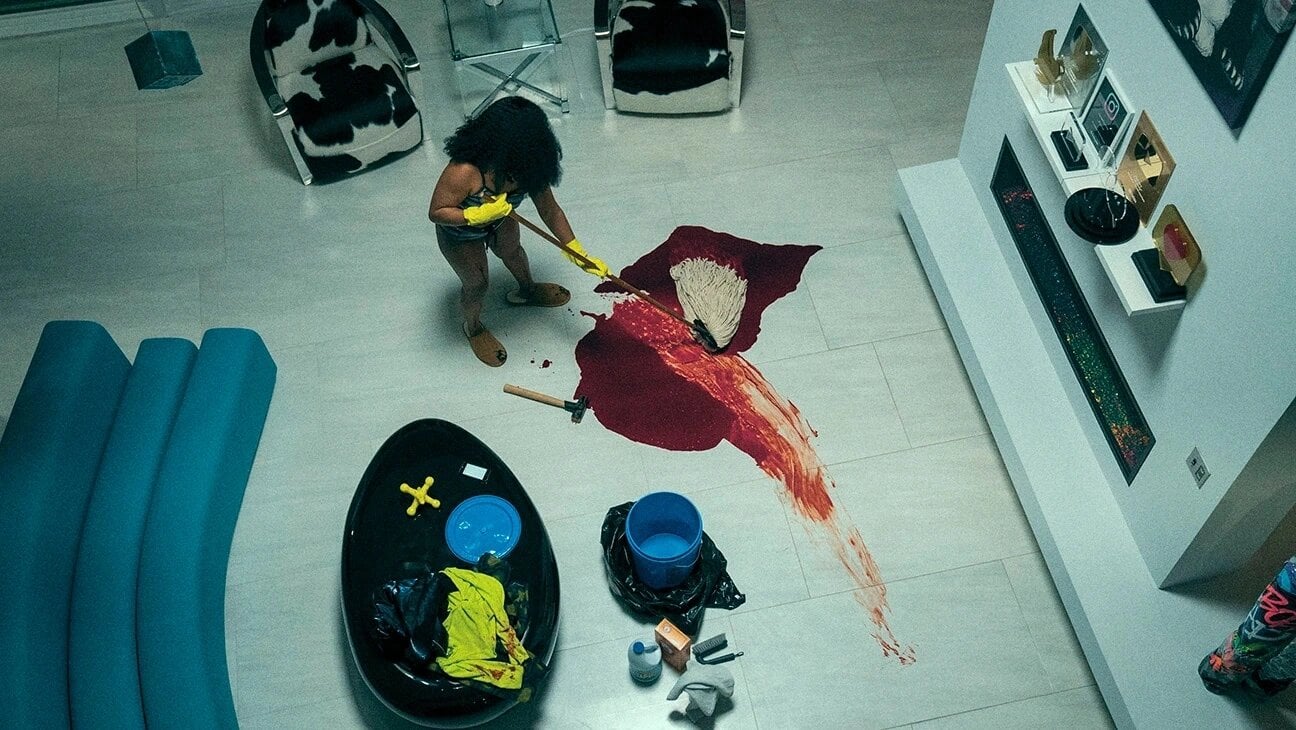
Created by Janine Nabers and Donald Glover (Atlanta), Swarm is a dark and bloody deep dive into fan culture. It follows Dre (Dominique Fishback), a young woman whose obsession with a Beyoncé stand-in takes a dark turn after the unexpected death of a loved one.
Artful, daring, and legitimately scary, Swarm is one of the bolder shows to come to streaming in a while. It doesn’t hold back, not with the commentary nor with the blood, which can be too much for some viewers, but if you were thrilled by films like Misery and The King of Comedy, then this mind-blowing take on celebrity mania will certainly have you hooked.
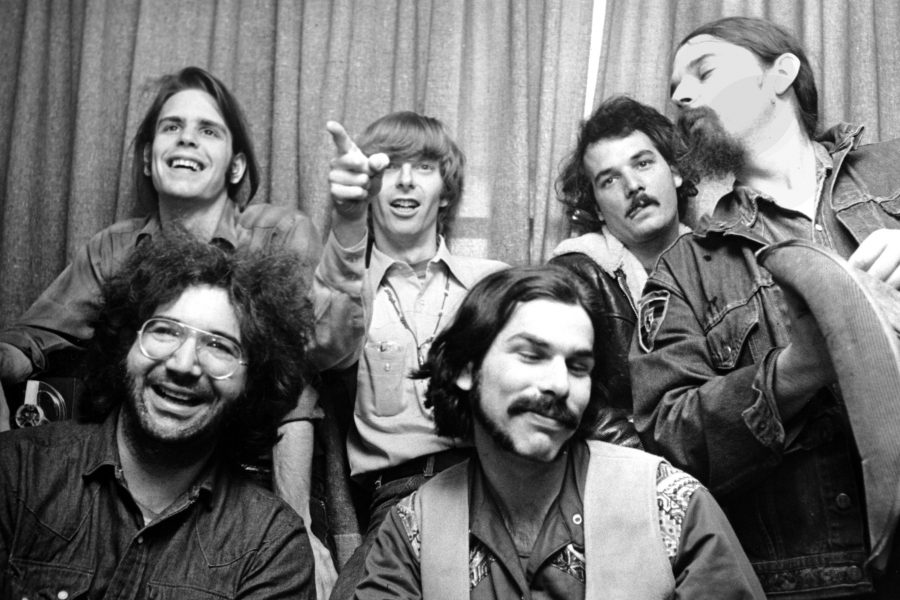
Long Strange Trip was originally a four-hour movie before Amazon cut it to a six-part TV show. Produced by Martin Scorcese, it tells the full story of the band The Grateful Dead. It’s an account so detailed that it will satisfy the biggest Deadheads, but it also can be appreciated by anyone. The focus is the band, but it’s also the band’s significant impact on Rock history, and by extension, on American culture. I didn’t know much about the band and I couldn’t stop watching.
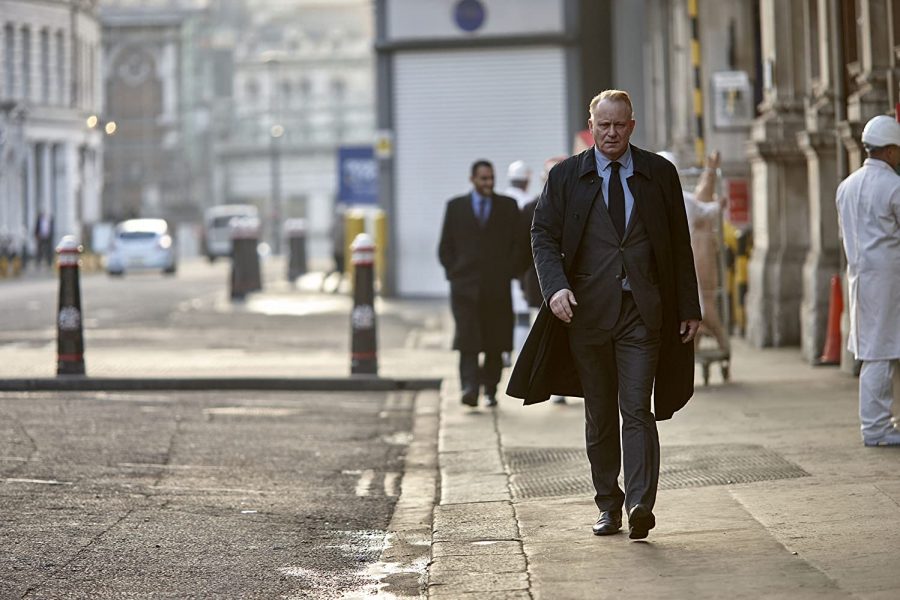
This six-chapter British miniseries stars the ever-reliable Stellan Skarsgård as an erratic London police detective. He starts seeing visions or “manifests” of his recently murdered colleague and tries to solve her case even though he was excluded from it. River blends reality and illusion in a thoughtful and original police thriller.
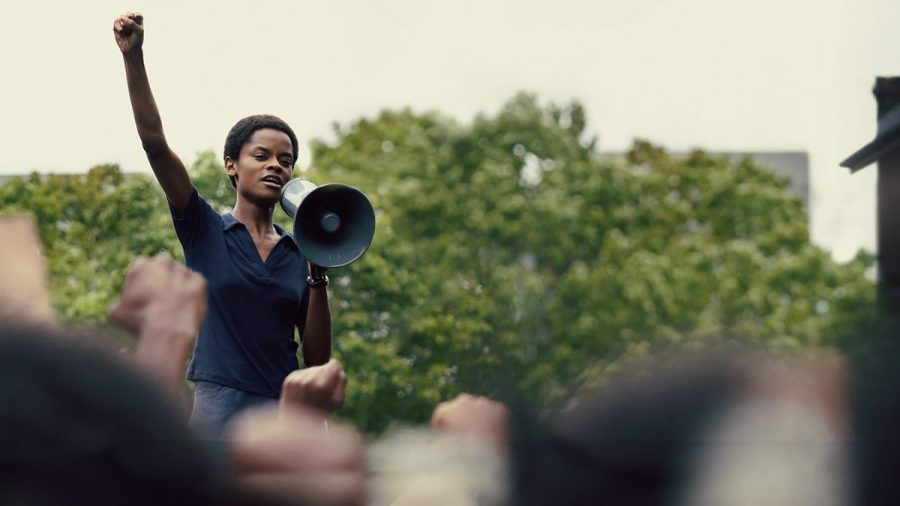
This impressive body of work defies any classification: it’s a collection of five films that have been put together into a miniseries. Director Steve McQueen (12 Years a Slave) collected a timeless set of stories set from the ‘60s to ‘80s about London’s West Indian community and their struggle with rampant racism.
The first film, Mangrove, bears the name of the restaurant at the center of the story. As a sanctuary for the community, the restaurant quickly becomes the target of a racist police division that employs various tactics to disrupt its popularity. The local chapter of the Black Panthers and its charismatic leader (played by Letitia Wright) get involved.
Mangrove and Lovers Rock, the next episode, were in the selection of the Cannes Film Festival that got canceled because of the pandemic.
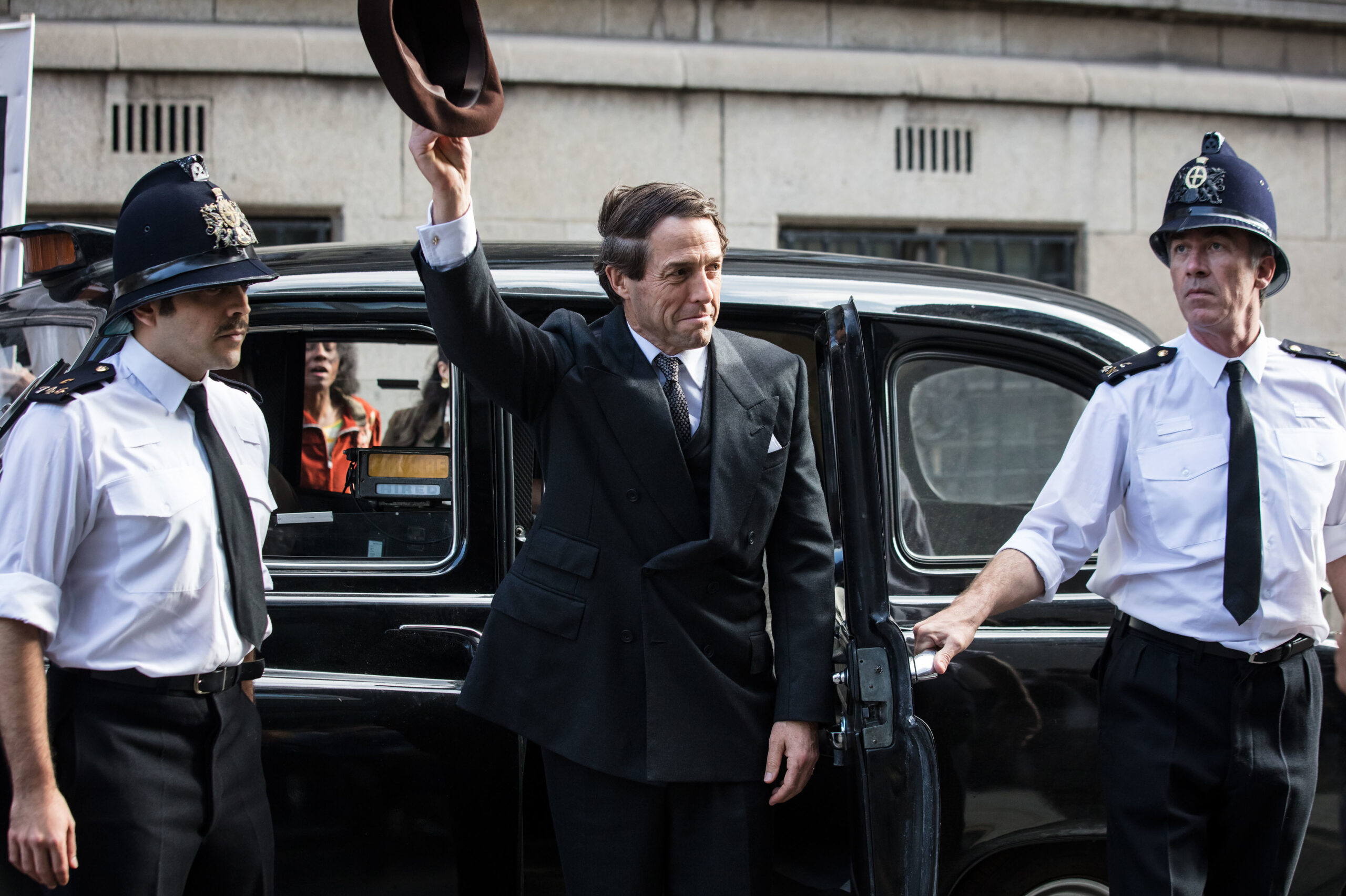
Led by fine-tuned performances from Ben Whishaw and Hugh Grant at the top of their game, this three-episode series dives headfirst into the sex scandal between Norman Scott and former Liberal Party leader Jeremy Thorpe with devastating wit. Neither character is treated as morally superior over the other, as both become consumed by the media frenzy surrounding the English justice system’s thirst for controversy. And Russell T Davies’ writing and Stephen Frears’ direction allow the show’s tone to pivot from brilliantly timed notes of humor to profoundly sad stretches of tragedy and drama. Given its short length, A Very English Scandal seems to be designed for binge-watching, but it should still reward patient and attentive viewing.
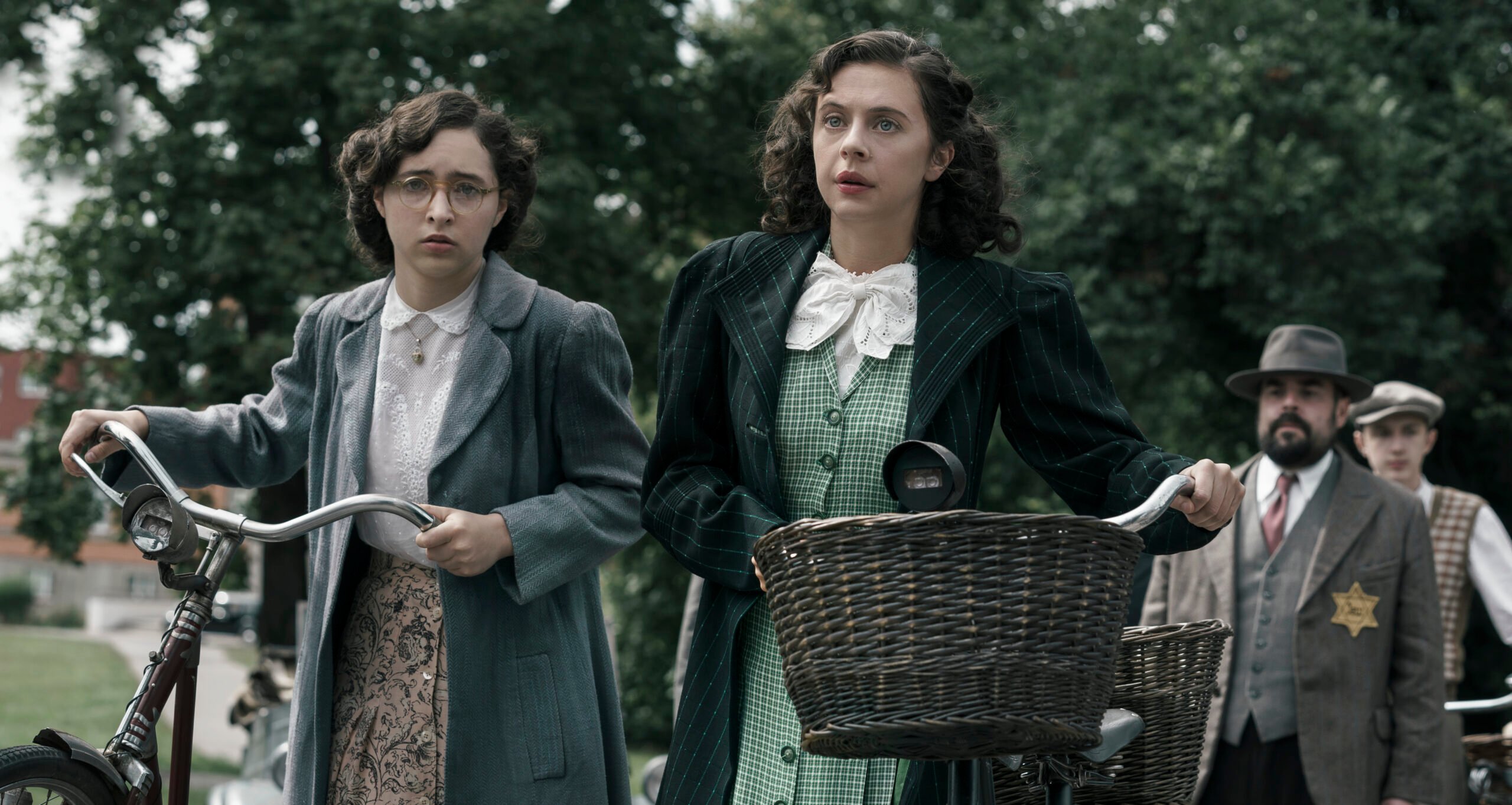
Produced by National Geographic, A Small Light is a ten-part miniseries that tells the incredible true story of Miep Gies (Bel Powley), the Dutch woman who bravely hid her Jewish friends from the Nazis during World War II. Among these friends is her kindly mentor Otto Frank (Liev Schreiber) and his daughter Anne (Billie Boullet), both of whom form a tight bond with Miep.
More than just re-adapting Anne Frank’s story to the screen, A Small Light further fleshes it out by introducing other characters in depth and giving surrounding heroes their due. In fact, it’s as much about courage as it is about survival as it highlights what it takes to lend a hand (and possibly lose it) when you don’t need to. It also helps that this noble message comes with a massive budget and excellent performers, elements that tie everything together in this high-quality series.
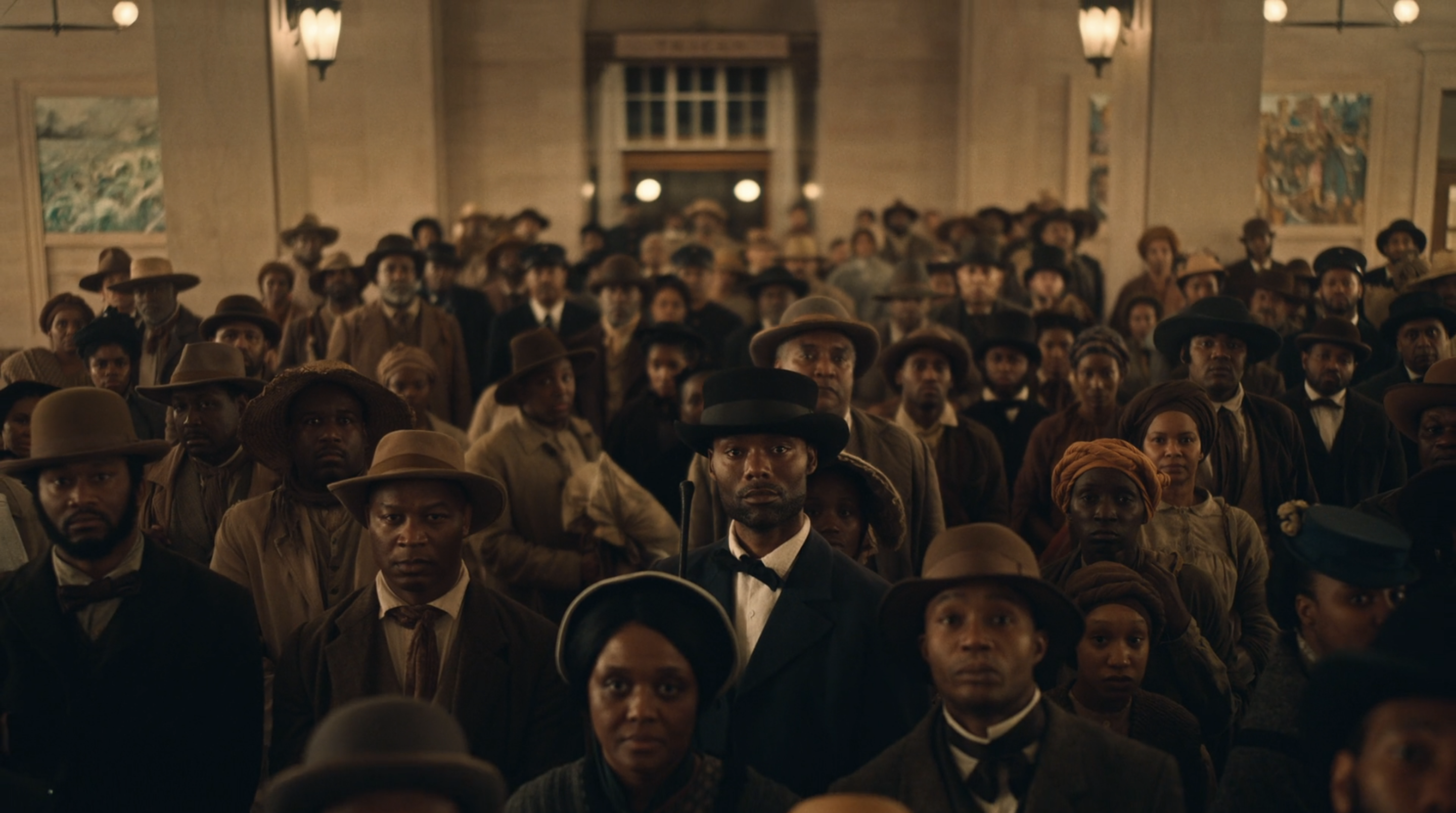
As is only appropriate for a limited series about such a horrific period in human history, The Underground Railroad isn’t meant to be easy viewing. Thanks to uncompromising direction from Barry Jenkins (the director of the Best Picture Oscar winner Moonlight) and unforgettable images from cinematographer James Laxton, this approaches a level of confrontational storytelling that almost seems inappropriate for the comforts of television. But it’s essential viewing nonetheless, and Jenkins makes sure to transform this into a much stranger, more thought-provoking tale beyond the brutality of its first episode.
The Underground Railroad is speculative fiction: instead of being a historical account of the real-life network of routes to help free African-American slaves, it imagines a literal train that swiftly transports Cora (a powerful Thuso Mbedu) from one dystopian vision of white America to another. With every new setting, Jenkins doesn’t just talk about slavery; he talks about how America talks about slavery, and how the stories of these Black slaves are constantly reappropriated by white supremacists.
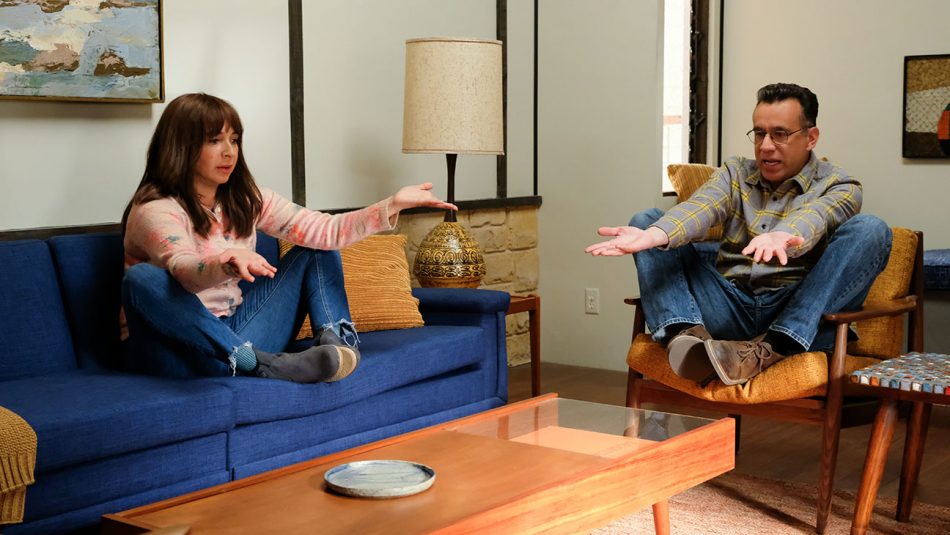
Something happens in Forever episode three that I can’t tell you about. If I did it, I would spoil the show up for you. I don’t want to do this. So I will try very hard to sell you on the first two episodes, just remember, the show gets very different afterward. Both in premise, general vibe, and humor.
Here’s my best pitch: Fred Armisen. That face, that tone, that voice. How can you resist a TV show that doesn’t have many characters and yet he’s the main one.
Pitch No. 2: Maya Rudolph. She is funny, expressive, and whenever she looks at something, that thing instantly gains a lot of interest. This is the best performance of her career so far, I would wager.
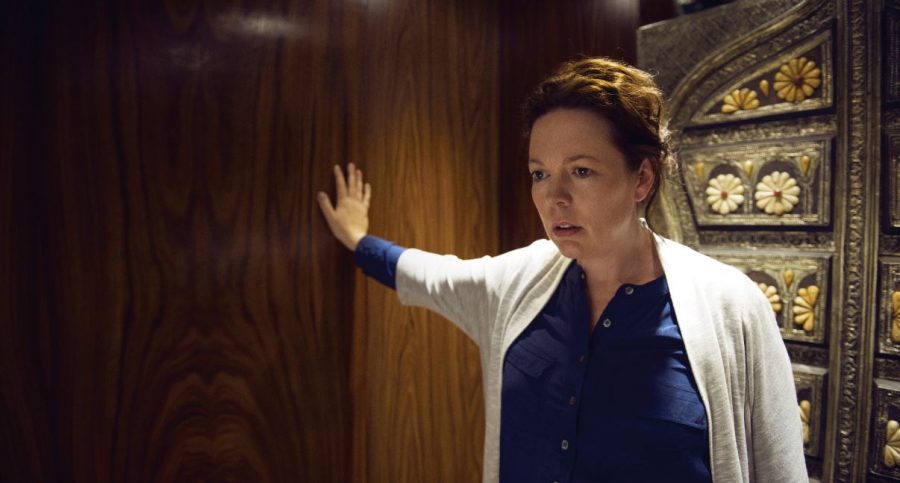
Olivia Colman and Hugh Laurie (House) star in this espionage mini-series based on a John le Carré novel.
A quick mini-series that spans six episodes, it’s about a former soldier (Tom Hiddleston) who, while working as a night manager for a hotel in Cairo, Egypt, ends up getting hold of very sensitive information. He is then recruited by an intelligence officer (Olivia Colman) to bring down a corrupt businessman (Hugh Laurie.)
A highly-acclaimed TV show not to be missed by lovers of spy stories, John Le Carré films (A Most Wanted Man, Tinker Tailor Soldier Spy), or just anyone who appreciates excellent acting.