15 Best Movies on Hoopla Right Now
Updated
Hoopla may be more known for audiobooks, but the 100%-free platform also has hundreds of top-notch movie titles on offer. Whether you’re looking to get lost a sci-fi blockbluster, psychological thriller, or just a bit of light fun, you’ve come to the right streaming platform. Here’s our round-up of the best movies now streaming on Hoopla.
How we make these lists
No AI. No algorithms.
We are 100% human-curated. Everything you see here has been handpicked by a team of experts.
At least 7/10 on IMDb
So you know they are appreciated by viewers, not just high-brow critics.
At least 70% on Rotten Tomatoes
We combine this with the IMDb bar to keep only the best of the best.
Find more to watch
15 Best Movies on Hoopla Right Now
Short Term 12 (2013)
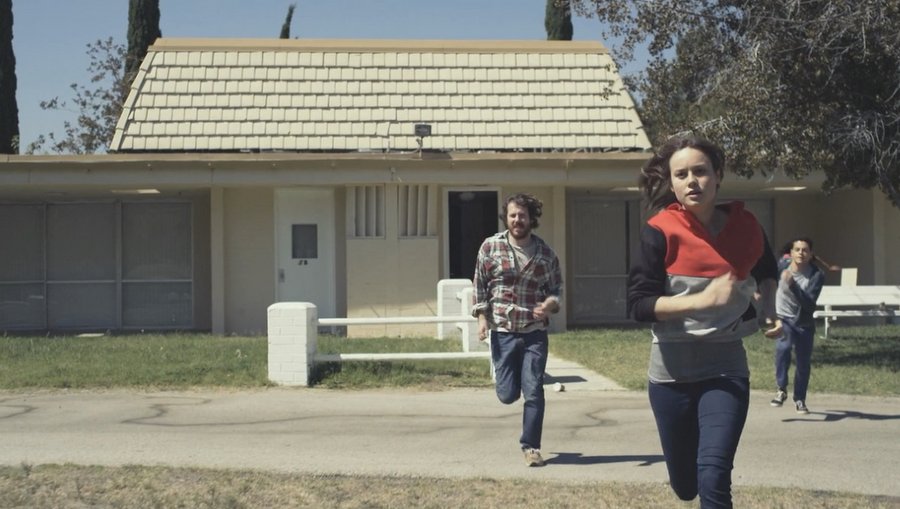
Understated in budget but lavished with praise, this semi-autobiographical drama by Daniel Destin Cretton flings its audience into the chaotic lives and personal crises of at-risk youths and the passionate social workers that aid them. In his first feature film, the young director draws the viewers into the storm of events and the emotional ups-and-downs of social work in America, going from uplifting to depressing and back – and every emotion in-between.
Set in the real-life and eponymous group home Short Term 12, devoted but troubled foster-care worker Grace is played by Brie Larson, whose shining performance in her first leading role was lauded by critics. Fans will also recognize the supporting actors Lakeith Stanfield and Rami Malek, who broke out in this movie. Short Term 12 is now considered one of the most important movies of 2013 – some say of the decade – owing to its immaculate writing, intimate camerawork, and gripping performances.
Victoria (2015)
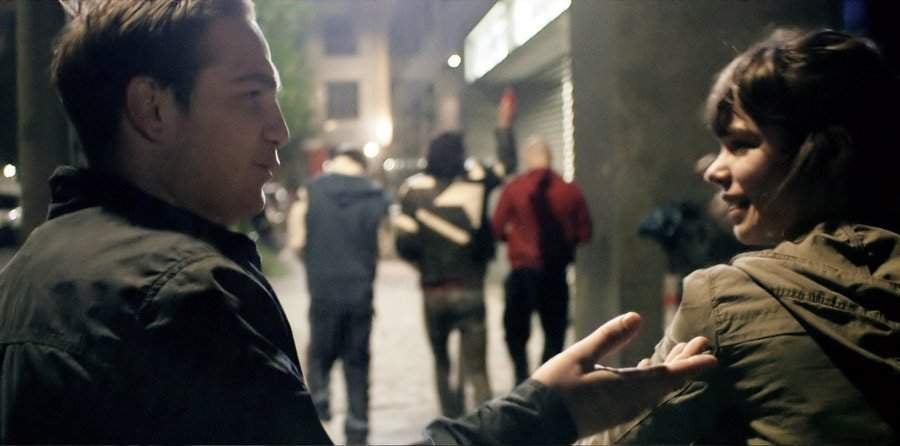
Much like Berlin’s infamous nightlife, which serves as the backdrop to the plot, this daring German real-time drama will eat you up and spit you out. After leaving a nightclub at 4am, Victoria, a runaway Spanish girl, befriends a gang of four raucous young men, climbing rooftops and drinking beers among the city’s moon-lit streets. The gang’s light-hearted banter is impressively improvised from a skeleton script, offset by Niels Frahm’s ominous original score.
But what starts out as late-night high jinks swerves into darker territory. Driven by her infatuation with the pack leader Sonne, played by Frederick Lau, Victoria ends up being recruited as a get-away driver for an ill-prepared bank robbery and loses herself in a sinister spiral of events. What sounds like a standard-issue crime drama is, in fact, a staggering cinematic experiment.
Filmed in one take, on location, and in real time, the movie’s production is indeed a gamble, but director Sebastian Schipper more than pulls it off. The claustrophobic camerawork of cinematographer Sturla Brandth Grøvlen leaves the viewer feeling like a hapless accomplice to Victoria’s plight. With Laia Costa giving an awe-striking lead performance, the high wire acting of the entire main cast only adds to this effect. Victoria is a stellar directorial debut, heart-stopping drama, and a truly immersive experience.
Dear Zachary: A Letter to a Son About His Father (2008)
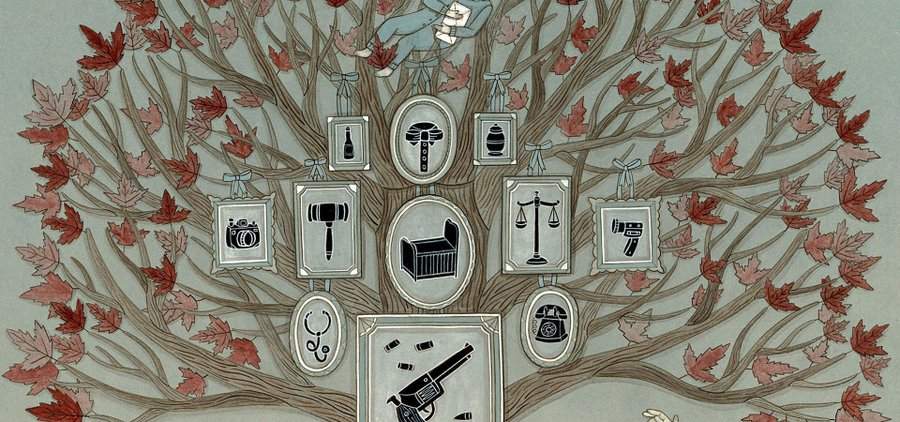
Get ready to cry your eyes out, scream in anger, but also rejoice at the powerful love that exists in our world. We will not spoiler the premise of this documentary and urge you not to do so yourself. Instead, we recommend watching it and prepare to be changed forever. Call it true crime if you will, but this documentary is much more. Hailed as one of the most important documentaries of the 2000s, it is a testament to friendship and love, a real-life thriller, and a political denouncement all in one.
Playground (2021)
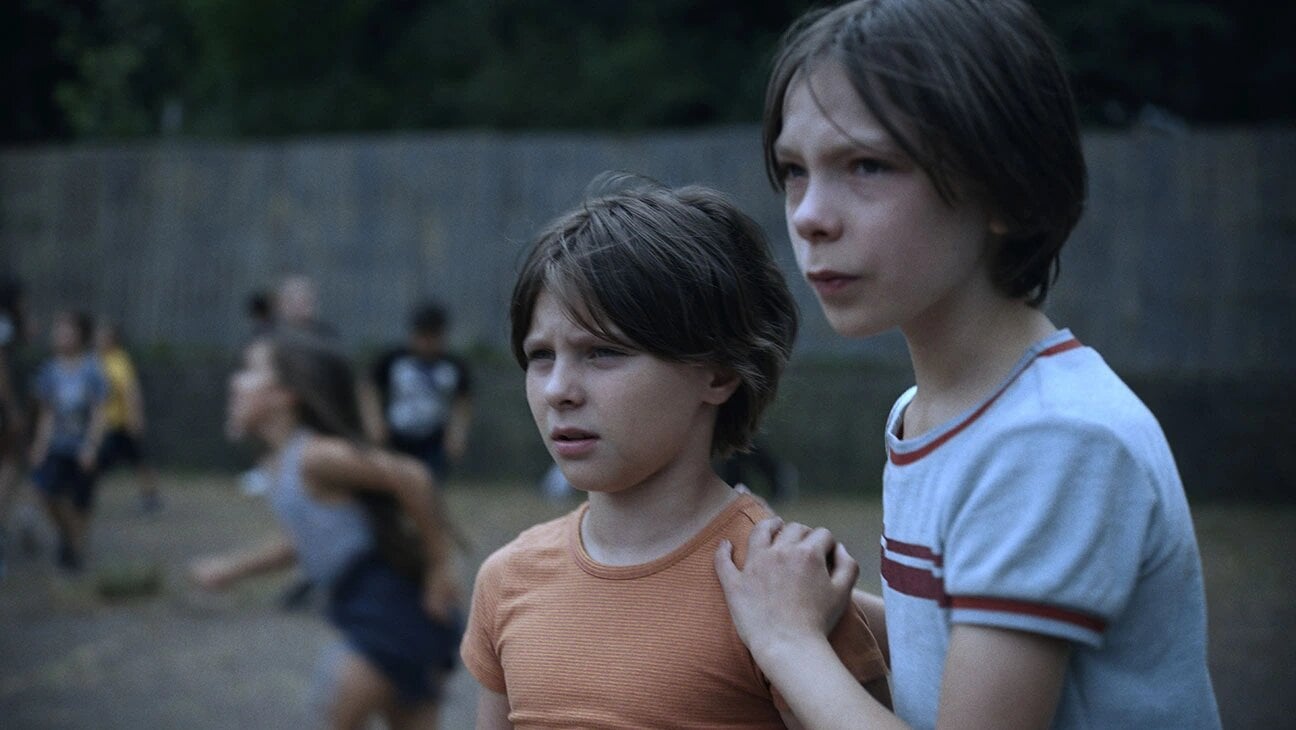
In Playground, we follow seven-year-old Nora as she navigates friends and school. Through her eyes (and often on her eye level), we witness her and her brother trying and often failing to fit in.
The film is an unfiltered account of their formative years, and possibly a reflection of our own. Commercials and kid-friendly media would have us believe that childhood is simple and pure, but the truth is it isn’t exempt from the major pitfalls of humanity. Children will mimic whatever they see, reasonable or otherwise, and the resulting order won’t always be ideal. Case in point: in the schoolyard, free of adult supervision, Nora and her peers push and tease and harass one another.
It’s painful but relatable, a microcosm of our own complicated world, and though the film doesn’t shy away from the cruelties of bullying, it’s also filled with moments of empathy and warmth.
The Boy in the Striped Pajamas (2008)
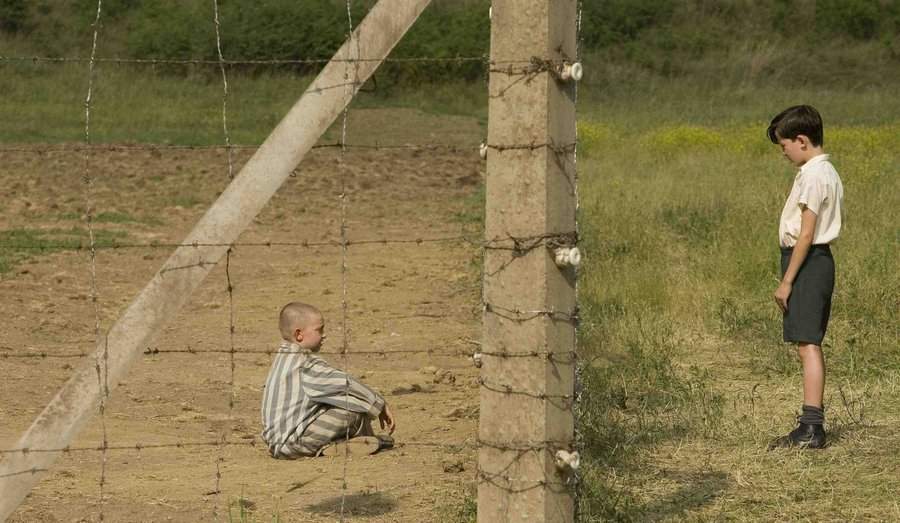
You’ve probably watched and heard about enough Holocaust films to expect a formula, but you might want to put all that aside going into The Boy in Striped Pajamas. Bruno, the son of a WWII Nazi commandant forms an unlikely friendship with a Jewish kid his age in his father’s concentration camp. The film is World War II told through Bruno’s eyes, and while you might not get why this movie is so highly praised in its first scenes, the twisting and profound second half will have you recommending it to everyone in need of a moving story well executed, or quite simply a good cry.
The Crying Game (1992)
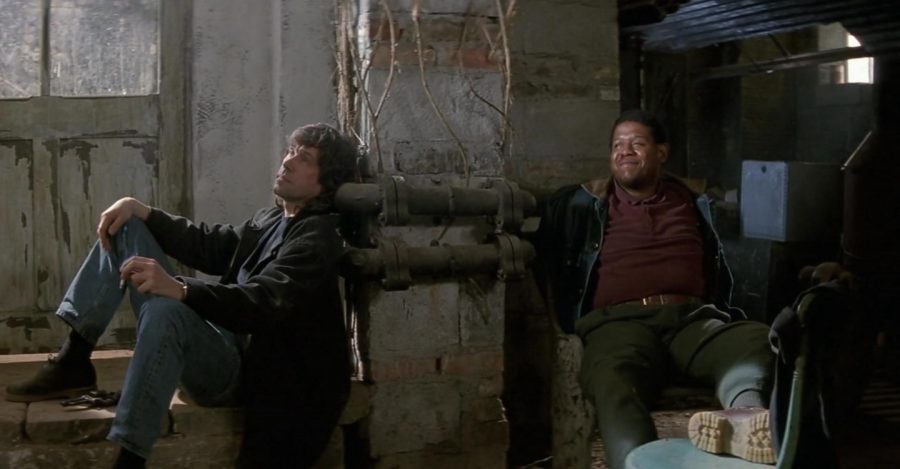
IRA terrorists kidnap a British soldier to negotiate an exchange for one of their own imprisoned members. Among them is Fergus (Stephen Rea), whose ambivalence is amplified by his interactions with the hostage soldier Jody (Forest Whitaker) while guarding him. After the terrorists’ plan goes awry, Fergus tracks down a woman Jody spoke of during his captivity, only to become confronted with even more complications.
The film, its cast and crew won a slew of awards and nominations in 1993, including the Academy award for Best Original Screenplay. It’s a knockout. Each act presents an increasingly challenging psychological and emotional conflict for Fergus: conflicts that require him to question the choices he makes and his beliefs, even about himself. It’s a dark but deeply touching thriller that is ultimately unforgettable.
Little Shop of Horrors (1986)
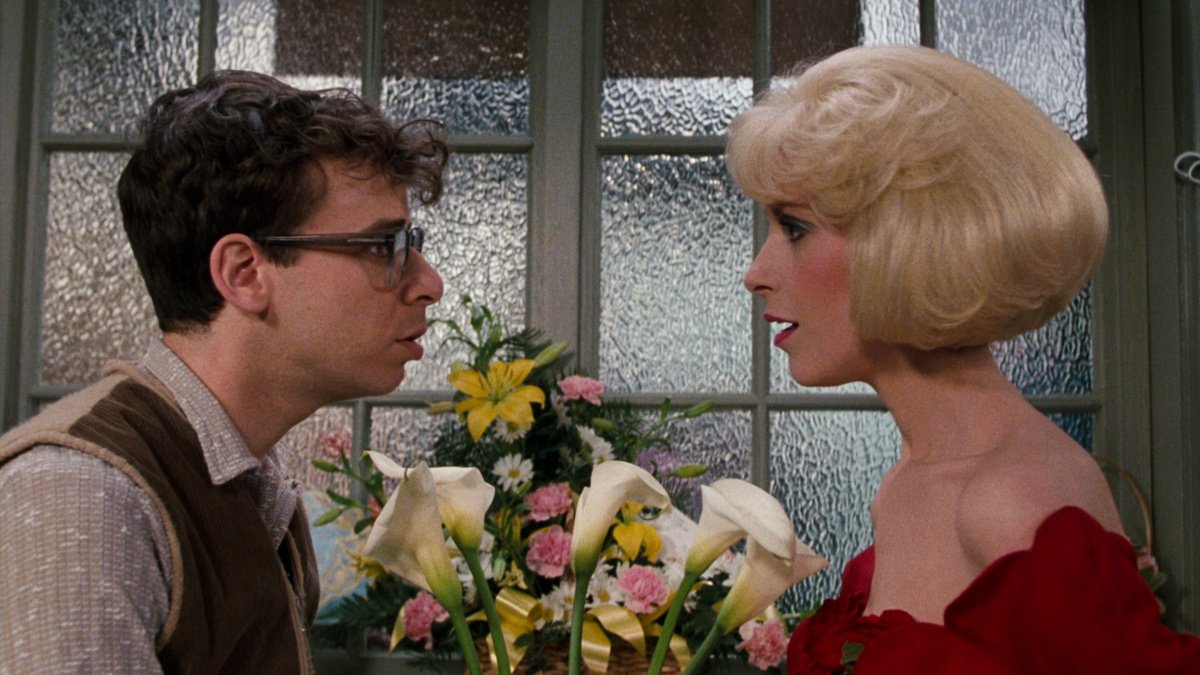
With a premise straight out of a cheesy sci-fi B-movie, you wouldn’t expect Little Shop of Horrors to be a bona fide spectacle, and yet its tale of a wish-fulfilling yet bloodthirsty plant remains as thrilling and intense as ever. More importantly, Alan Menken and Howard Ashman’s rock-musical songs remain boisterous and theatrical, gleefully performed by Rick Moranis, Ellen Greene, Steve Martin, and Levi Stubbs. And buried underneath all this is a comedy with a heart of darkness and a legitimately disturbing morality tale.
Musicals and horror movies are genres that typically cater to a more niche audience, but Little Shop of Horrors should be fun enough to draw anybody in, thanks to the film’s impressively tactile sets, director Frank Oz’s knack for physical comedy, and animatronic special effects that look better than most CGI creations today. As both a horror movie monster and a massive puppet, the vicious plant named Audrey II is entirely worth the price of admission, no matter which version of the film you seek out.
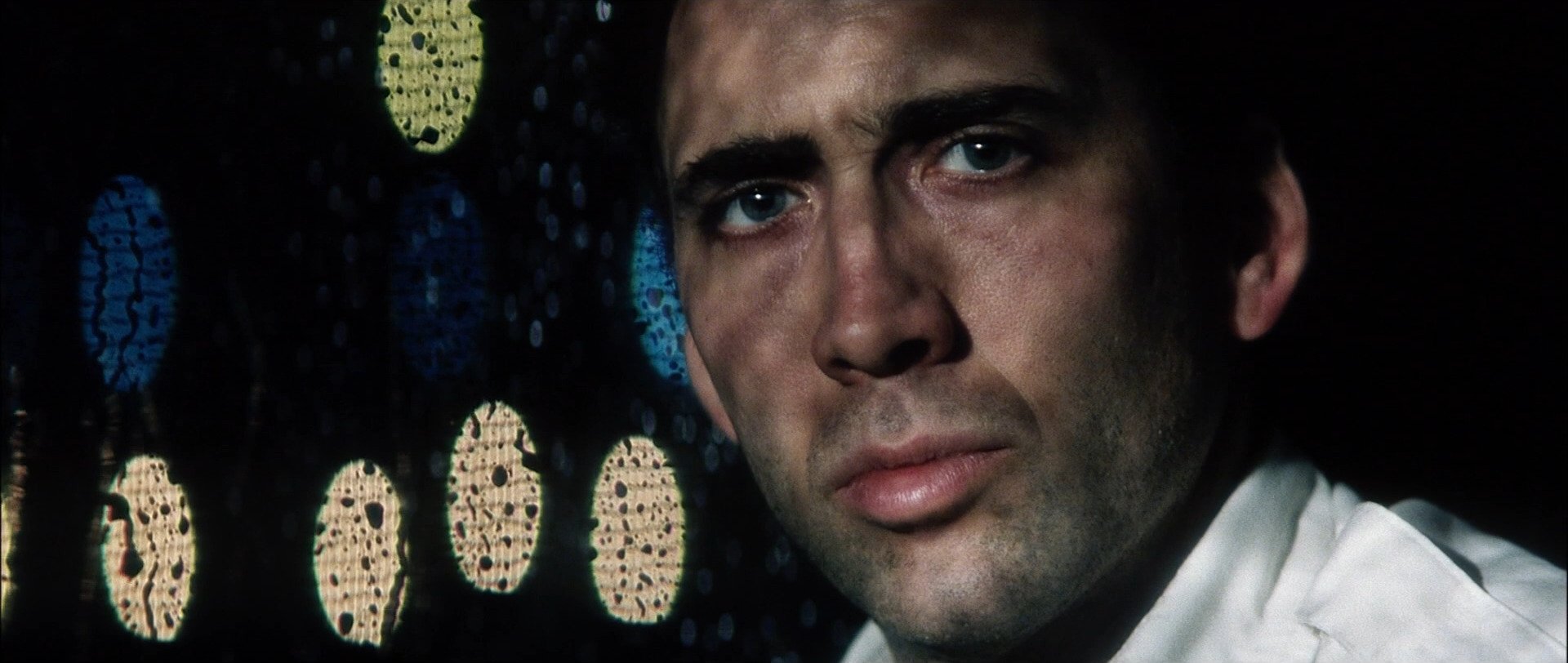
Bringing Out the Dead (1999)
Martin Scorsese — plus screenwriter Paul Schrader, editor Thelma Schoonmaker, and cinematographer Robert Richardson — reimagine nocturnal New York City as an eternally flaming circle of hell in this darkly funny fever dream. Frank Pierce (Nicolas Cage) is an insomniac paramedic who’s haunted by the ghosts of all the lives he couldn’t save and is on a nightmarish run of losing every patient he tries to help. There’s no respite for him anywhere; he’s so burnt out he begs to be fired, but the city is so desperate they won’t let him leave their tired ranks of medics, who are mostly jaded, sometimes sadistic, and yet still addicted to the euphoric high of saving a life.
As Frank is pushed ever closer to breaking point, the film takes on the hallucinatory qualities of his perspective, the cinematography growing feverish and the editing powered by a wild, manic energy. What stops the movie from feeling like a spiral into actual hell is the strange light that keeps Frank returning to work — the perpetual need for redemption and grace that prevents him from becoming cold to his job but makes his sanity fragile. In typical Scorsese-Schrader style, this is a raw, visceral, and very human search for grace in an unsparing urban hellscape.
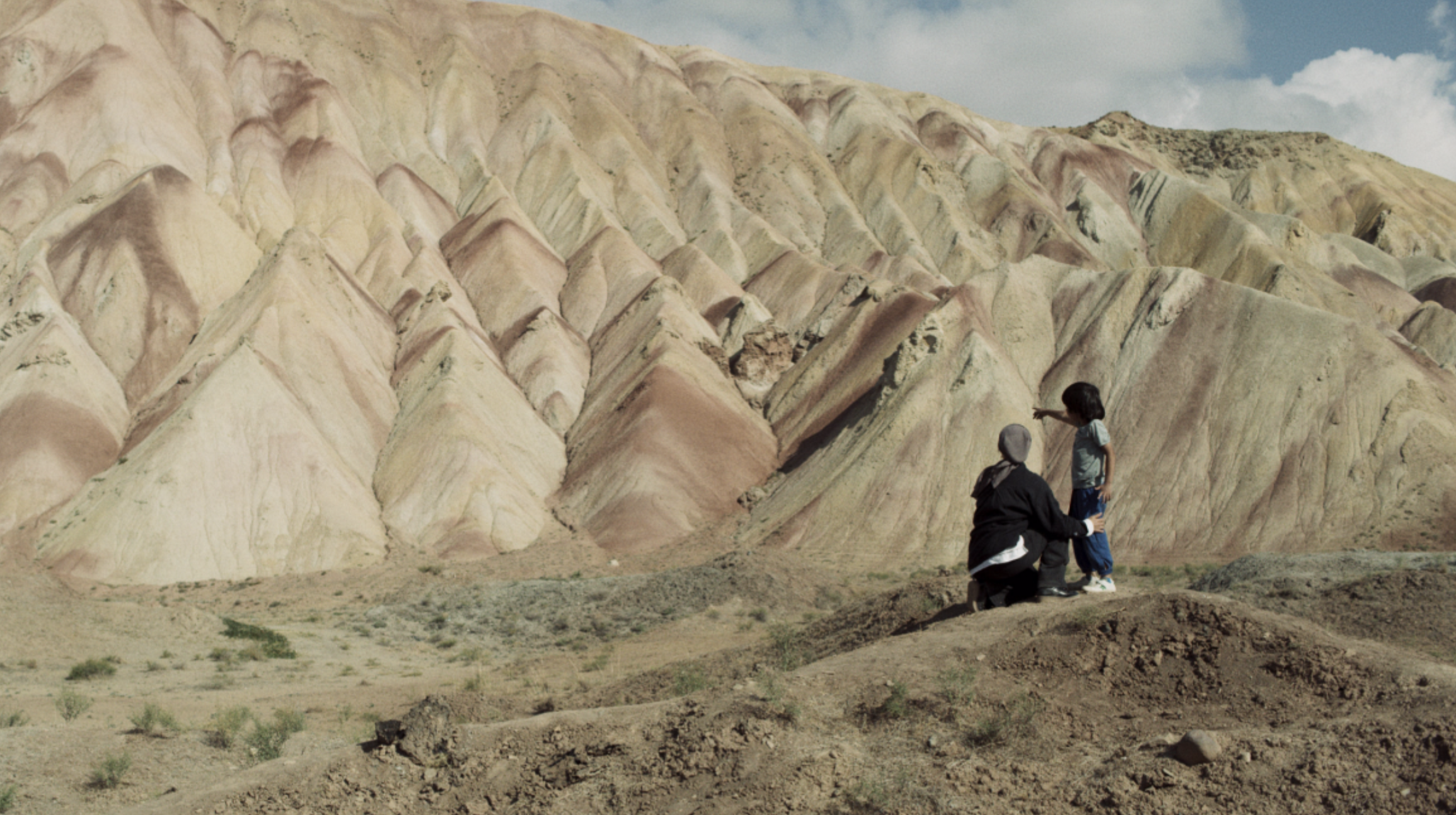
Hit the Road (2021)
A road trip movie with an unknown destination, Hit the Road plays with our expectations by avoiding any obvious questions we might have, and making us focus on the real important things. Informed by the censorship and persecution faced by critics of Iran’s government—including director Panah Panahi’s own filmmaker father, Jafar—the film places more focus on the very act of escape and what that can take from a family. And most importantly, through Panahi’s skillful direction of rural Iran’s varied, beautiful landscapes, he creates a conflicted relationship between character and setting, with entire emotional crescendos playing out just through a single shot of the environment. It’s one of the most underappreciated movies of the year.
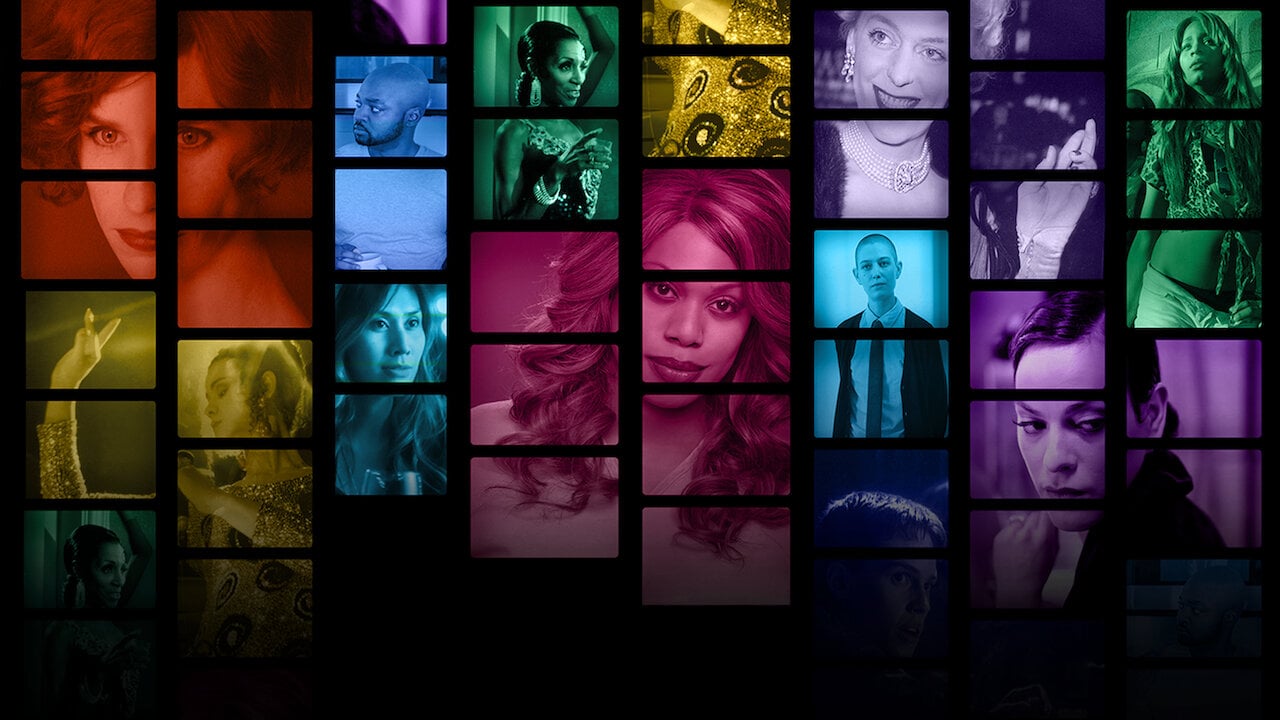
Disclosure (2020)
Disclosure is a patient and articulate study of the ways movies have physically conditioned us to respond to certain expressions of queerness with fear, disgust, or laughter. But it also serves as a reminder that trans bodies have been represented on screen for as long as movies have existed—making it all the more unacceptable that we still often only see reductive and harmful stereotypes of trans people over 100 years since the birth of cinema. However, Disclosure is far from a “takedown” designed to make viewers feel bad. At the end of it all this remains a celebration film’s power to dignify perspectives we rarely get to see through, and it’s one of the nerdiest and most passionate trips through film history you could hope to have.
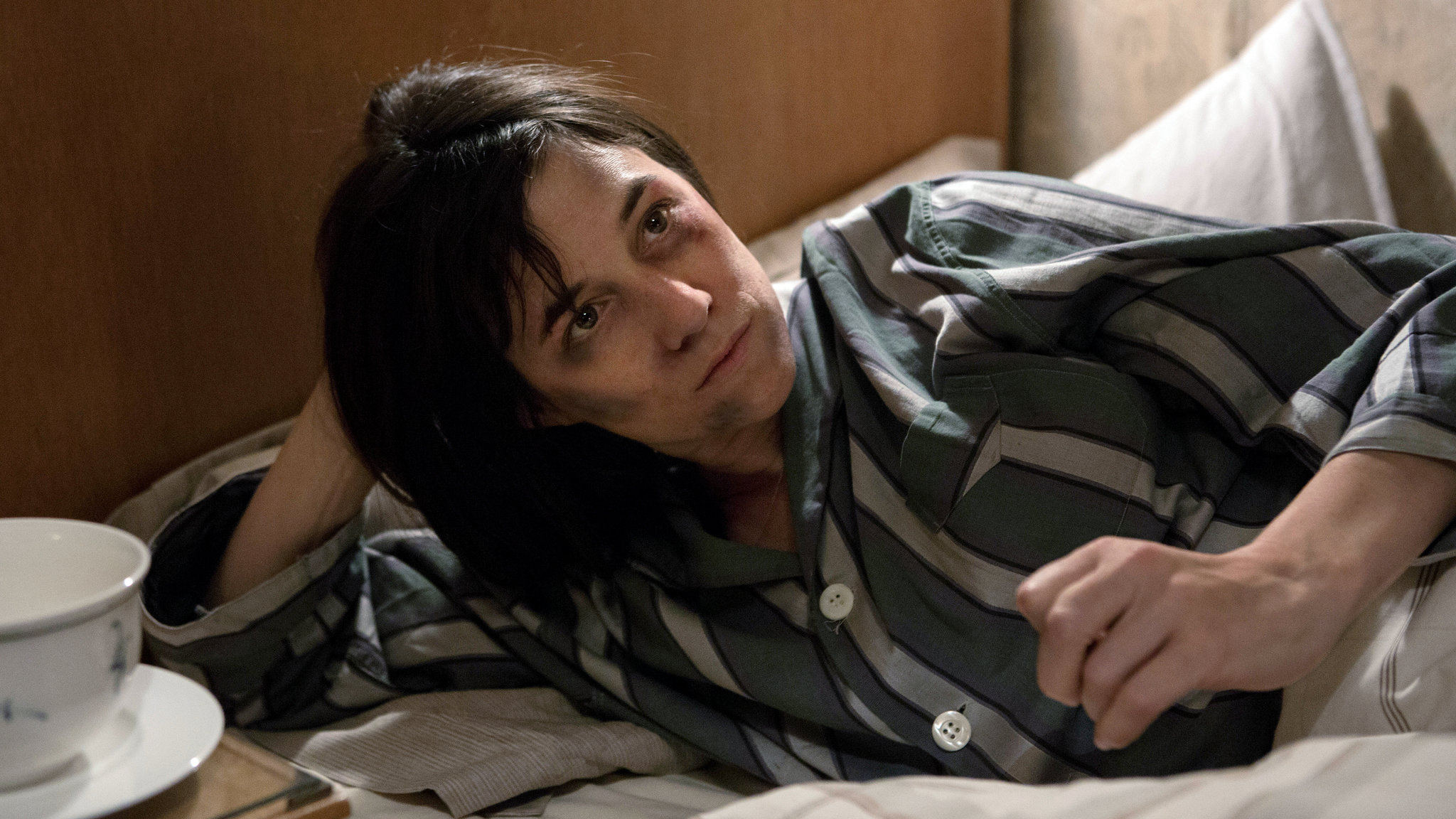
Nymphomaniac: Vol. I (2013)
Danish writer-director Lars von Trier concludes his so-called Depression trilogy with the two parts of Nymphomaniac, an elaborate retelling of the life of a young woman (played by Stacy Martin and then, by Charlotte Gainsbourg) lived from one libidinous pleasure to another. The film’s elaborate subplots have a life of their own and flashbacks often take center stage in Joe’s auto-narration. Nymphomaniac I introduces the audience to adolescence and early adulthood, through disappointments, adultery, death drive, and extreme ambivalence. Joe’s process of self-actualization seems contested and inspiring at the same time, and Gainsbourg is really given the screen time to shine; even more so than in Trier’s previous psycho-social drama, Antichrist. Typically for the rich treasury of cultural references, Bach, Edgar Allan Poe, and Fibonacci play crucial parts in reconstructing the symbolic planes in Joe’s story. Oh, and Part One opens with Rammstein’s “Führe mich”, which in itself is an perfectly valid reason to give it a go.

Black Rain (1989)
Not to be confused with the American cop thriller with the same name, Shōhei Imamura’s Black Rain is about the atomic bomb, but it’s not really concerned about nuclear warfare. Sure, the film opens with gruesome shots of the day the bomb dropped, not sparing the viewers from the gore and the titular nuclear fallout, that in black and white looks the same. And yes, much of the conflict occurs because of the lingering effects of the radiation. However, Imamura is much more concerned with the way Japanese society had tried to deal with it through going back to tradition– through going through the motions of matchmaking and propriety and social status and through excluding those who suffered directly from the bomb. Black Rain has a singular perspective, one that stands out due to the country’s denial of war crimes.
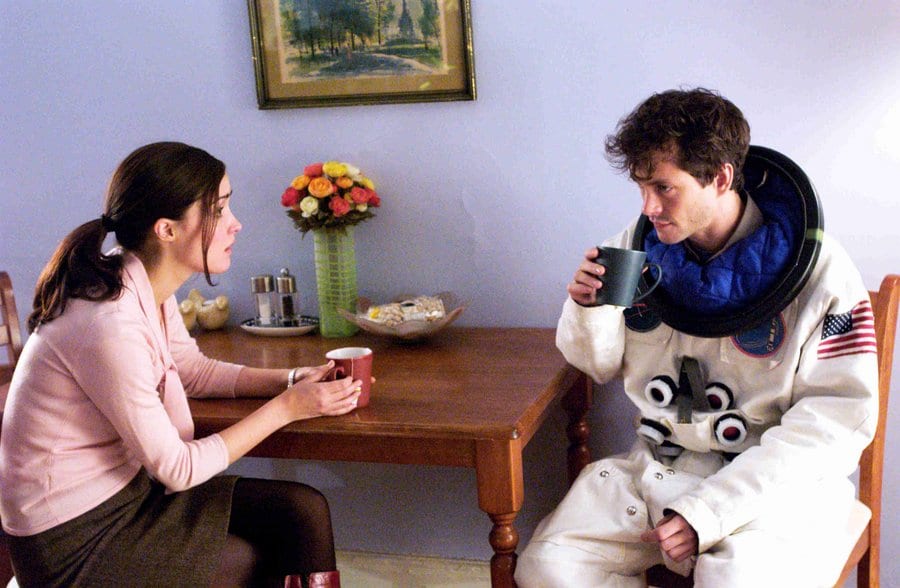
Adam (2009)
A simple and sweet movie about love, trust, and space. Adam is a 30-something year old with Aspergers syndrome, this film is about how he navigates his way through loneliness and love and all things in between. It is both humorous and slightly heart-breaking, and will leave you feeling that way as well. Maybe the reason we all belong together is that we don’t, and this movie is a beautiful examination of that.
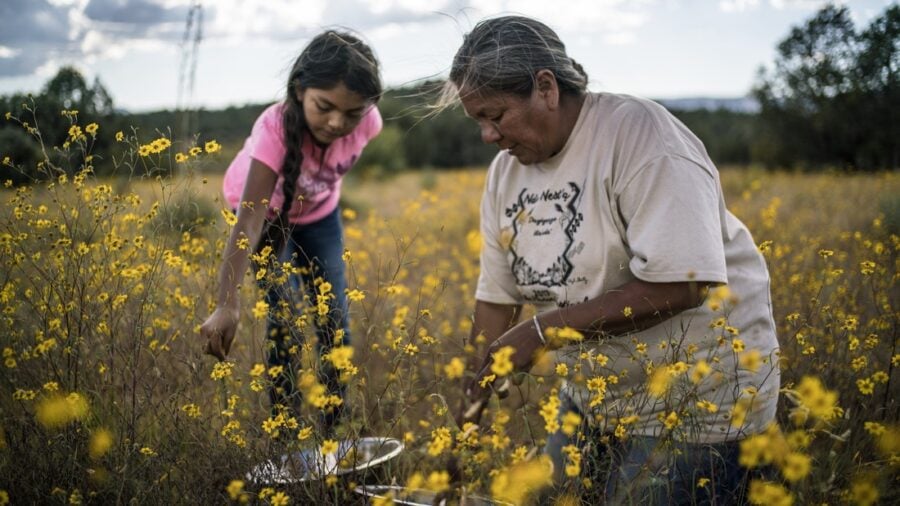
Gather (2020)
This insightful and uplifting documentary is about a growing movement within indigenous communities: obtaining food sovereignty by going back to pre-genocide ways of cultivating food.
The violent changes that have affected indigenous communities don’t impact just the people, but also the animals, the fish, and the land. All of these are now bearing the brunt of climate change.
Historically, North American governments forbid Native people from fishing and cultivating their foods as a way to repress them and create dependency. Gather is as much a recognition of the damage that was done as it is a forward-looking vision about how these communities are taking control of their faiths.
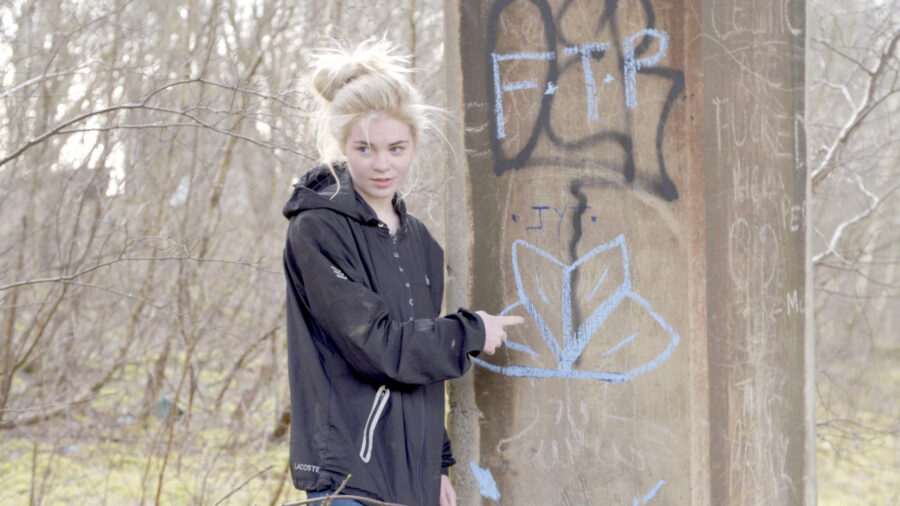
Scheme Birds (2019)
In Motherwell, you either “get locked up or knocked up,” or so says Gemma, a teenager on the cusp of adulthood growing up in an old Scottish steel town. Gemma runs among a tight-knit group of friends, at the center of which is ordinary mischief, routine, and roughhousing. And beneath that lies a certain kind of everyday violence.
As Gemma enters young motherhood, she reckons with how to reconcile her own aggressions with the protective tenderness she feels toward her newborn. Beautifully and thoughtfully directed by Ellen Fiske and Ellinor Hallin, Scheme Birds never feels invasive. Rather, their documentary lets Gemma speak for herself—and in doing so, illuminates not just her life, but the complicated lives that intersect hers, too.
No titles match these filters.