
10 Best Movies on Paramount Plus
Drawing from a vast array of titles from its Viacom and CBS properties, Paramount Plus has a lot of good movies to offer. You might have to dig your way through the kid shows and live channels to find them, but they are there, and they carry with them considerable range. From hidden gems and documentaries to box-office hits and dramedies, Paramount Plus has something for everyone and for every mood. To save you some time, we’ve listed the very best films you can watch right now on the platform.
Jump to the top 10:
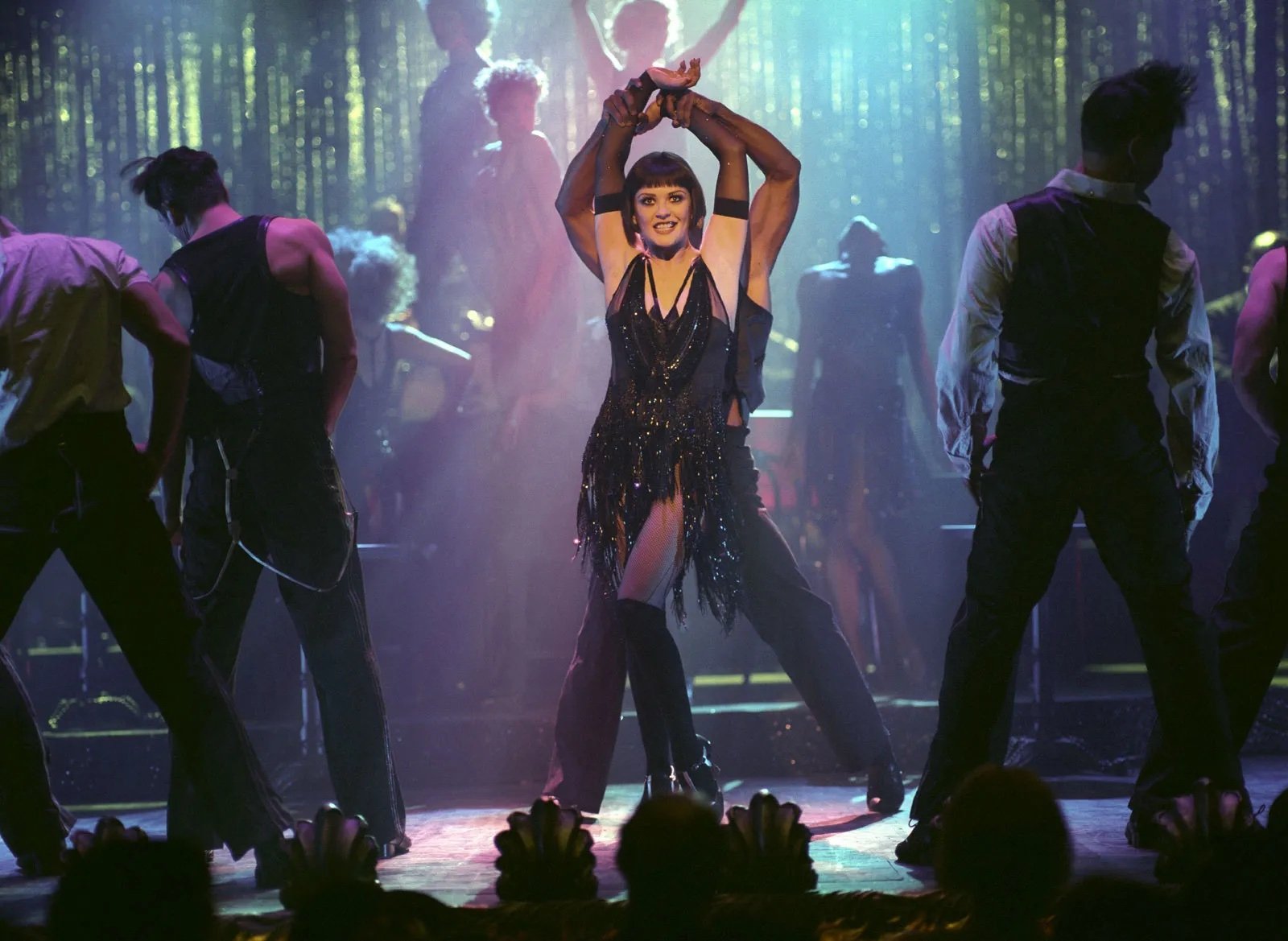
From a 1926 play to the iconic 1975 stage musical to Rob Marshall’s 2002 extravaganza, Chicag0 has had a strong hold on popular culture. In a way, it’s existed almost as long as cinema itself and its transformation across mediums and modes of expression has been well documented. The film carries all the marks of its theatrical predecessors, the expansive sets, the luscious costumes, the sleek characters whose banter and songs alike testify to their great chemistry — there’s a lot to admire in such a self-referential spectacle. A black-comedy-fuelled musical about corruption and deceit set during the Jazz Age, Chicago fulfils all its promises. With a stellar ensemble cast featuring Renée Zellweger, Catherine Zeta-Jones, Richard Gere, and John C. Reily, in tandem with dazzling camerawork and most exquisite chiaroscuro lighting, this one brings the stage to the movies. I mean it in the best possible way!
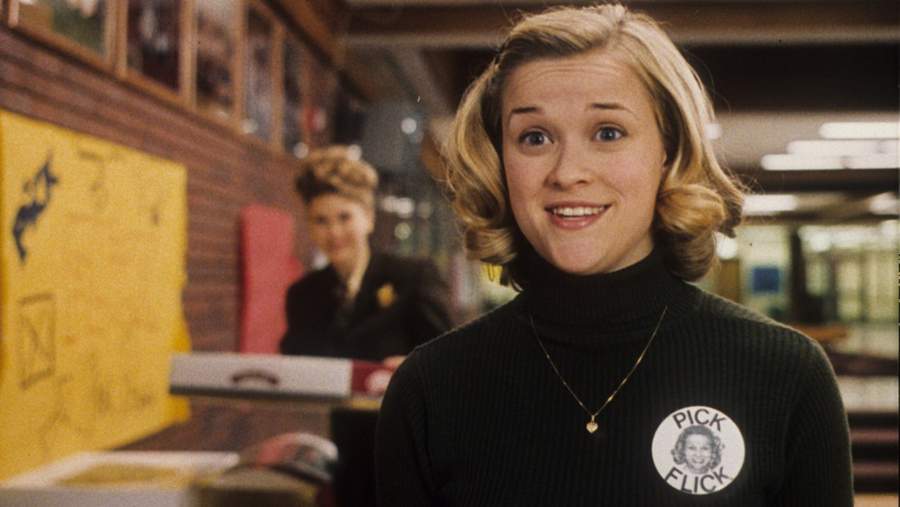
Starring Matthew Broderick and a young Reese Witherspoon as, respectively, Jim McAllister, a high school teacher and Tracy Flick, a notorious ‘that girl’ in his class. When Tracy decides to run for class president, we see the floodgates open as all sorts of bizarre and insane behavior pours out of the two. Quickly, it becomes clear that Tracy will do nearly anything to win, and as circumstances spiral out of control, madness descends – along with hilarity!

Not to be confused with the American cop thriller with the same name, Shōhei Imamura’s Black Rain is about the atomic bomb, but it’s not really concerned about nuclear warfare. Sure, the film opens with gruesome shots of the day the bomb dropped, not sparing the viewers from the gore and the titular nuclear fallout, that in black and white looks the same. And yes, much of the conflict occurs because of the lingering effects of the radiation. However, Imamura is much more concerned with the way Japanese society had tried to deal with it through going back to tradition– through going through the motions of matchmaking and propriety and social status and through excluding those who suffered directly from the bomb. Black Rain has a singular perspective, one that stands out due to the country’s denial of war crimes.
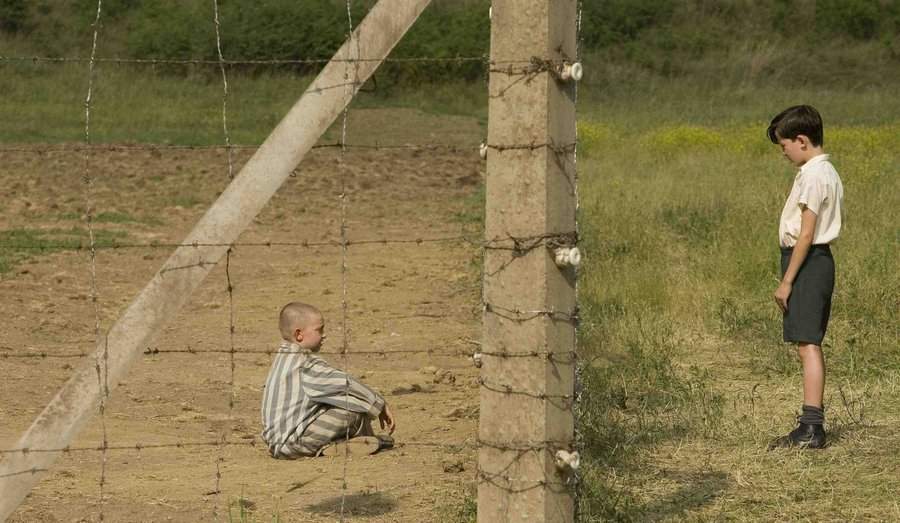
You’ve probably watched and heard about enough Holocaust films to expect a formula, but you might want to put all that aside going into The Boy in Striped Pajamas. Bruno, the son of a WWII Nazi commandant forms an unlikely friendship with a Jewish kid his age in his father’s concentration camp. The film is World War II told through Bruno’s eyes, and while you might not get why this movie is so highly praised in its first scenes, the twisting and profound second half will have you recommending it to everyone in need of a moving story well executed, or quite simply a good cry.
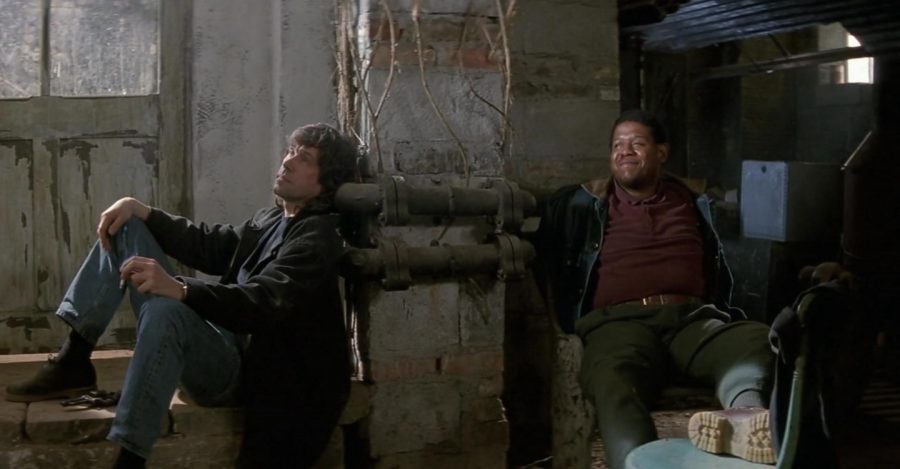
IRA terrorists kidnap a British soldier to negotiate an exchange for one of their own imprisoned members. Among them is Fergus (Stephen Rea), whose ambivalence is amplified by his interactions with the hostage soldier Jody (Forest Whitaker) while guarding him. After the terrorists’ plan goes awry, Fergus tracks down a woman Jody spoke of during his captivity, only to become confronted with even more complications.
The film, its cast and crew won a slew of awards and nominations in 1993, including the Academy award for Best Original Screenplay. It’s a knockout. Each act presents an increasingly challenging psychological and emotional conflict for Fergus: conflicts that require him to question the choices he makes and his beliefs, even about himself. It’s a dark but deeply touching thriller that is ultimately unforgettable.
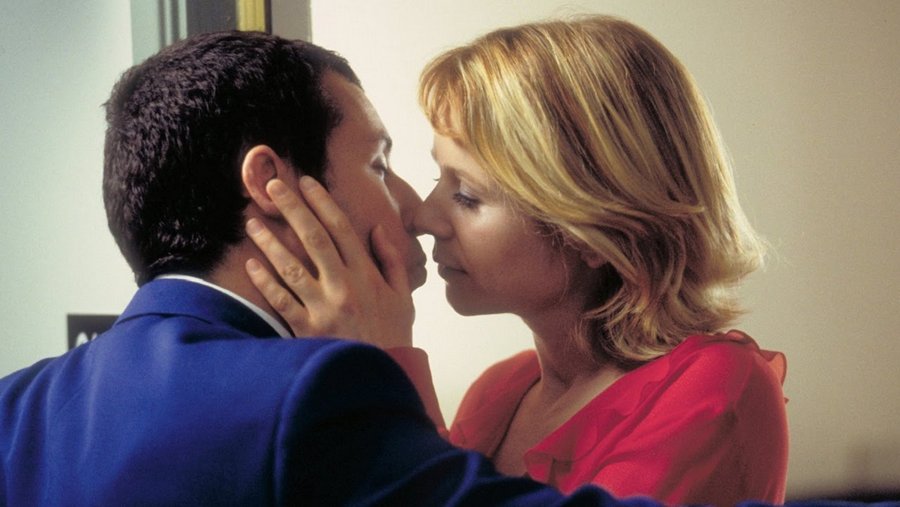
Adam Sandler, though currently imminently marketable, incredibly played out and boring, used to be a real actor. This is the film by which his legacy will be judged, where we see the funnyman drop the mask and actually show real feelings besides bumbling rage. Sandler’s hurt and confused performance is beautifully vulnerable and true and is complimented by P.T. Anderson’s incomparable direction (the man behind Boogie Nights and There Will Be Blood), creating a true masterpiece of American cinema. This beauty also stars Philip Seymour Hoffman and Emily Watson.
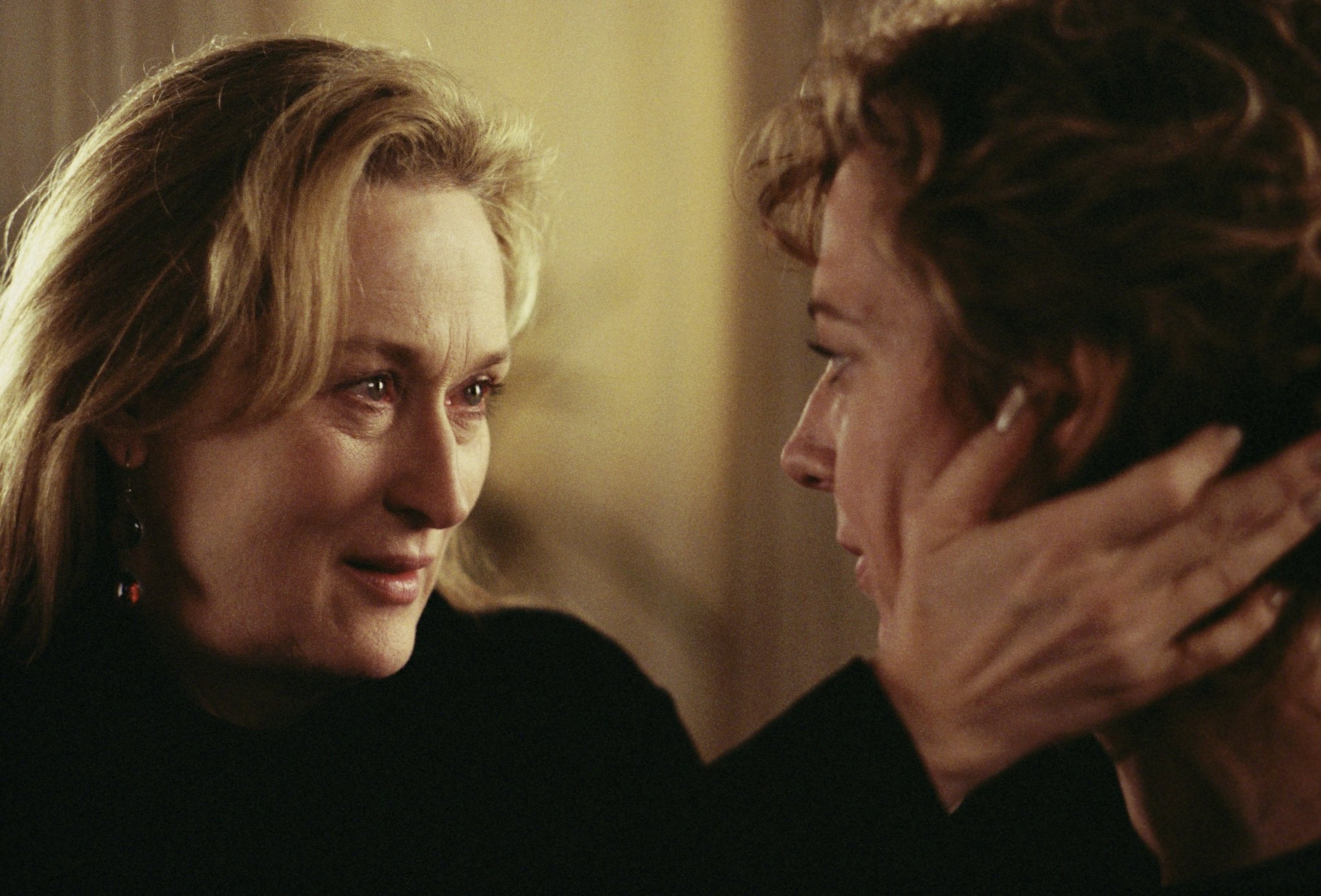
Why do we stay alive? Do we owe it to people to stay alive? Not everyone thinks about these existential questions, and even less are obsessed with them. But the characters in The Hours, who span centuries, do. It’s one of the few things that tie them together, along with female malaise and a love for literature. The film is so seamlessly stitched together, you barely notice when it slips into another era, or speaks to us through another character. It feels natural to jump into different timelines and collect all these different memories and observations, in the same way it feels natural for everything to happen all at once in life. Some reviews claim that, because of the dark themes the film covers, it can be hard to watch, but I don’t think I’ve had an easier time watching anything. The script is poetic, the performances heart-wrenchingly good (what a trio!), and the editing so smooth. This is a thoughtful film through and through, not just in content but in delivery too.

Based in the 1970s, William Miller is a young high school student who hasn’t experienced much in life partially due to his over-protective mother and also due to his awkwardness. His only escape is through the music he listens to religiously. Senior year he stumbles upon the opportunity of a lifetime to write a story for Rolling Stone Magazine by going on tour with an up-and-coming band. Through his journey he meets new people, friends, and experiences life in a way that could not have been provided for him back at home. Starring Billy Crudup, Kate Hudson, Jason Lee, and Patrick Fugit.
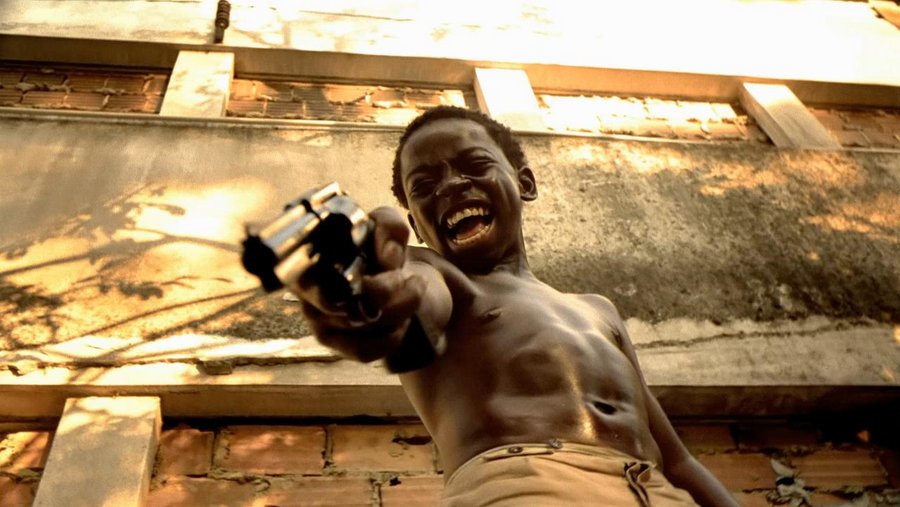
This movie will punch, kick and slap the crap out of you. Something that will be hard to believe after you watch it – it is based on a true story. Filmed and set in the poverty-stricken favelas of Rio de Janeiro, it follows two young men who choose two opposite paths; one an aspiring drug leader and the other an aspiring photographer. City of God is their story; a movie filled with great performances (from mostly non-professionals), and an experience that is as compelling as it is adrenaline-inducing.

Daniel Day Lewis absolutely dominates the screen as Daniel Plainview, an oil man whose voice and means of business evokes a sense of calmness and confidence mixed with a terrifying presence. He goes through life by adopting a son, building oil fields near churches and religious people, and getting his way by any means necessary. However, over time, his true feelings, attitude, and his greed come to surface through the slick, mucky, and thick oil of his shell. Featuring an equally impressive performance from Paul Dano, the assured and expert direction and tremendous screenplay of Paul Thomas Anderson, Robert Elswit’s gritty award-winning cinematography; and the score from Radiohead’s Jonny Greenwood, There Will Be Blood is considered by many to be the best film of 2007, and the 2000’s, in general.