
30 Best Shows of 2025 So Far
We’re halfway through the 2020s, and the streaming world shows no sign of stopping. There are more series than ever before, their budgets and call sheets ever-expanding. As early as now, there are already a couple of noteworthy shows that may have flown under the radar, like Max’s excellent The Pitt, Netflix’s Kore-eda-directed Asura, and Hulu’s Peaky Blinders-esque A Thousand Blows.
So in this list, we’re gathering the best shows of 2025 so far. We’ll be updating it as we go through the year, so make sure you check back to see which titles you should be adding to your to-watch list.
Jump to the top 10:
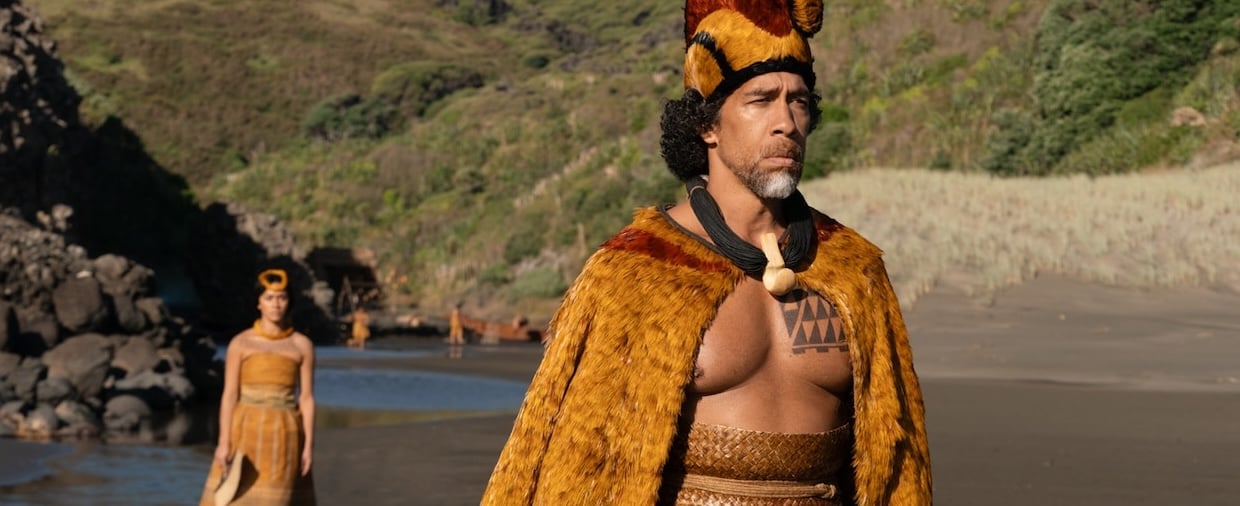
Co-created and starring Jason Momoa, Chief of War is a historical drama depicting the events that led to the unification of Hawaii. The series is rooted in the perspective of the indigenous people, not the eventual colonizers, which is rare in shows like this. Even FX’s Shogun, which tells a similar story set in 17th-century Japan, has a foreigner as the audience’s avatar. Chief of War, on the other hand, is committed to introducing the islanders in the context of their lived experience, which is why the first few episodes are spoken in pure Hawaiian.
The series is loaded with enlightening historical details, yet it never gets bogged down by them. Instead, it strikes a fine balance between intense action, meaningful characterization, and the island’s deep lore. It helps, too, that the series looks glorious—all lush and sunlit. Controversially, much of Chief of War was shot in New Zealand, not Hawaii, but the show still looks better than 90% of the grayish sludge on TV right now.

From the creators of HBO’s Mare of Easttown comes Task, a gritty crime drama that follows two men —one cop and one criminal —who, despite their differences, are on a similarly rocky journey towards healing. The series is slow to start, and it doesn’t help that the premise is something you’ve seen many times. But the details of Task, from the compelling performances to the excellently choreographed action sequences, make it a thrilling watch. What it lacks in novelty it more than makes up for in the intricacy of its details.
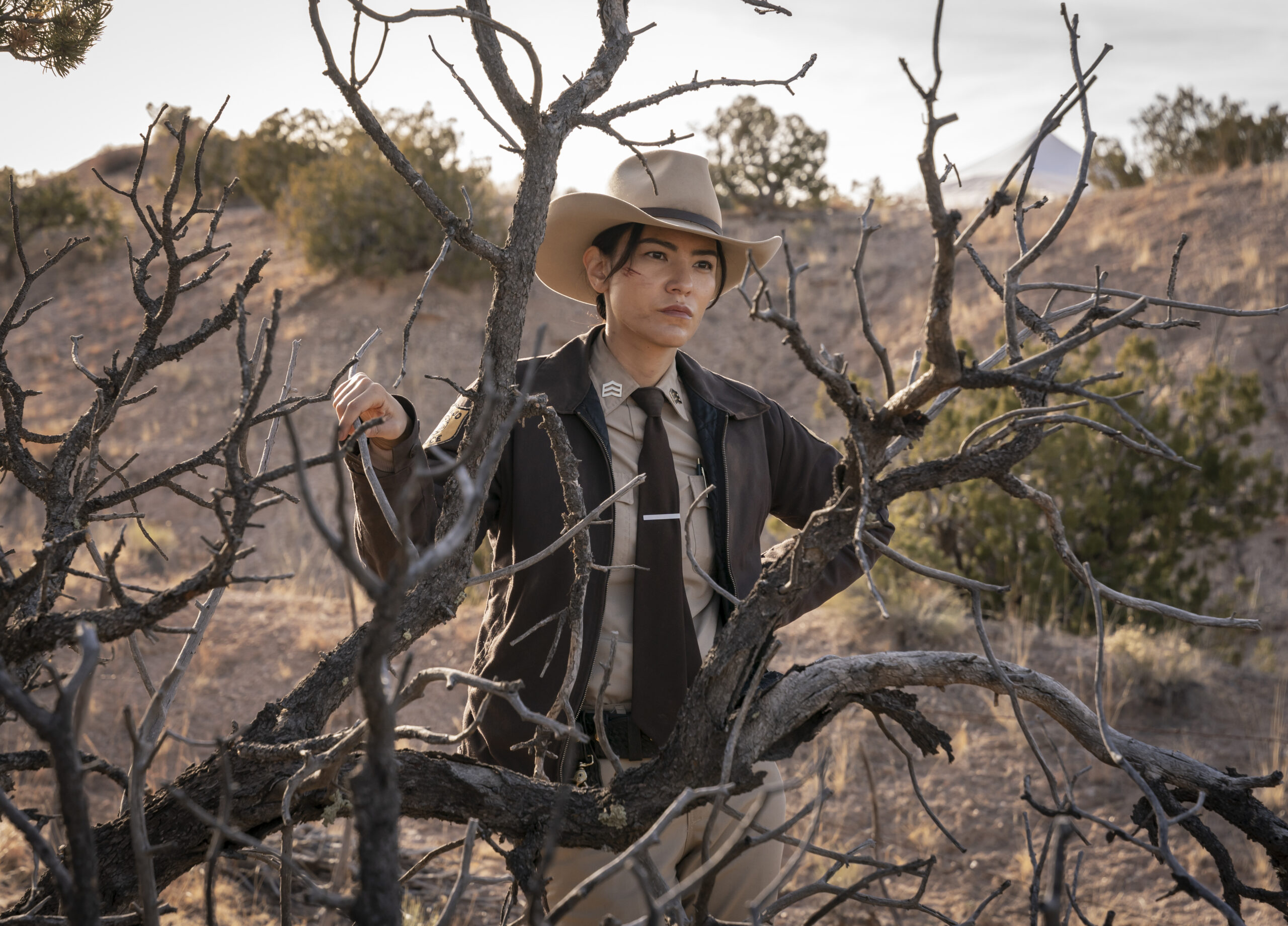
Even without doing the important and long overdue work of uplifting Native American voices, Dark Winds manages to be an intriguing mystery, layered with complex performances and bolstered by the majestic expanse of the American Southwest (in the ‘70s no less!). Finally released from the shackles of supporting roles, Zahn McClarnon shines here; he’s in top form as the gritty but softhearted police officer who protects his tribe from encroaching federal forces. The mysteries that propel the show are compelling too; they have the same beats as any you’d expect from a crime thriller, but they’re seeped deep into Native American mysticism, making them intriguing and wholly unique.
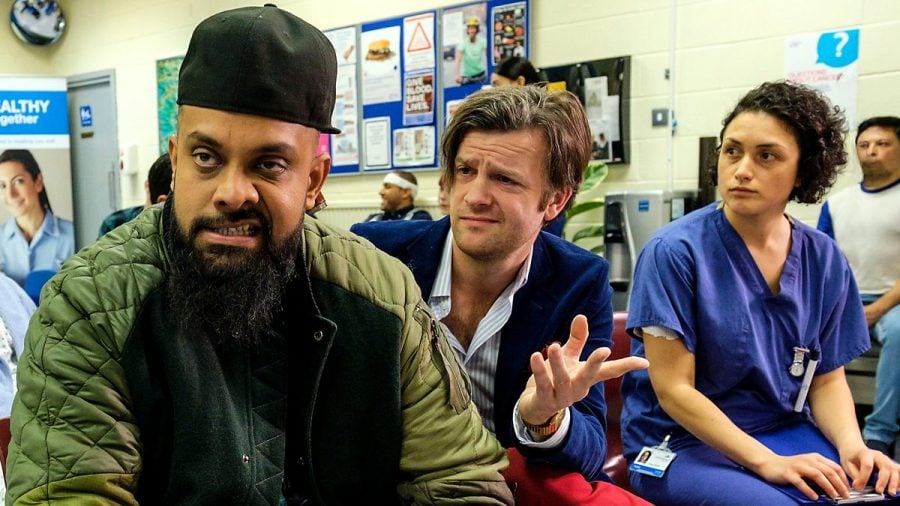
At first glance, those who enjoyed Hulu’s Ramy might be tempted to view this as the UK version of it. However, Man like Mobeen is a bit more street than Ramy and a lot more British. It’s also not so much about being a good Muslim. Mobeen (Guz Khan), Eight (Tez Ilyas), and Nate (Tolu Ogunmefun) are three mates from Birmingham. Two of them happen to be Muslim but it’s not a big deal. Except it is because of the way Western society sees them. Mobeen, the head of the group, takes care of his sister, Aks (Dúaa Karim), in the absence of his parents, trying to be a good guy, while also trying to escape his past as a drug dealer. In the first episode, a transaction to buy a laptop results in three SWAT teams closing in on them for no reason. (When Nate runs off, the police officer asks the others why he ran, and Mobeen says: “If I had to guess, I’d say it’s because he’s black.”) Much of Man like Mobeen is laugh-out-loud comedy, but there’s a healthy dose of wokeness to be found here, too. Teenage knife crime (in the second season), the rise of right-wing sentiment, and the police’s history of violence towards immigrants are effortlessly woven into gags. Very funny!
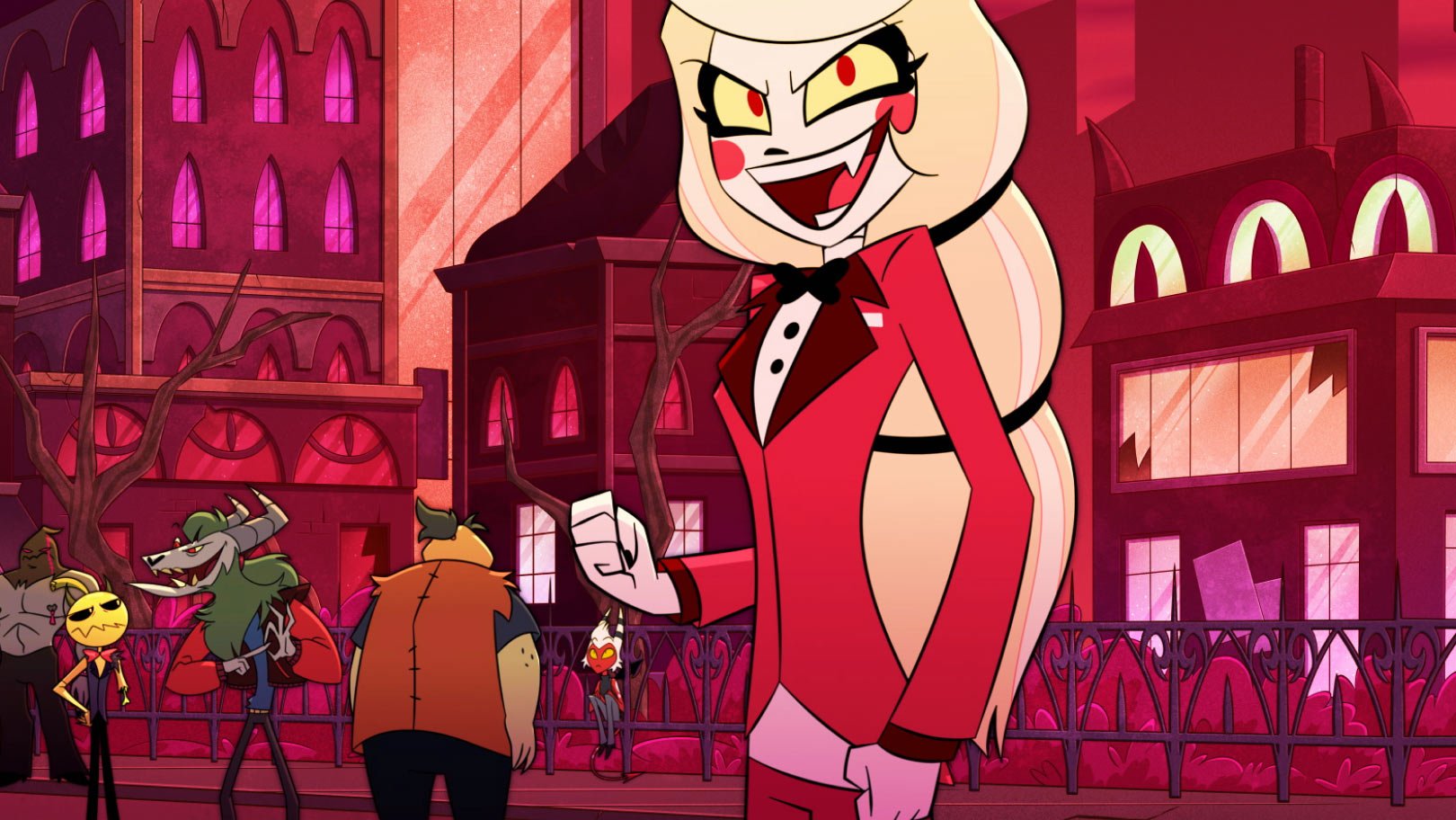
From a short pilot episode in October 2019, Hazbin Hotel has finally opened its doors for the small screen four years later. With the hellish premise and raunchy humor, it was surprising that A24 would choose this weird show from indie animator VivziePop as its first dip into animation, but with its release on Prime Video, it was totally the right choice. Reimagining the underworld as a red, white, and black urban, well, hellscape, Hazbin Hotel has such a bizarre mix of excellently handled mature themes, musical earnestness, and raunchy humor that just hasn’t been seen before.
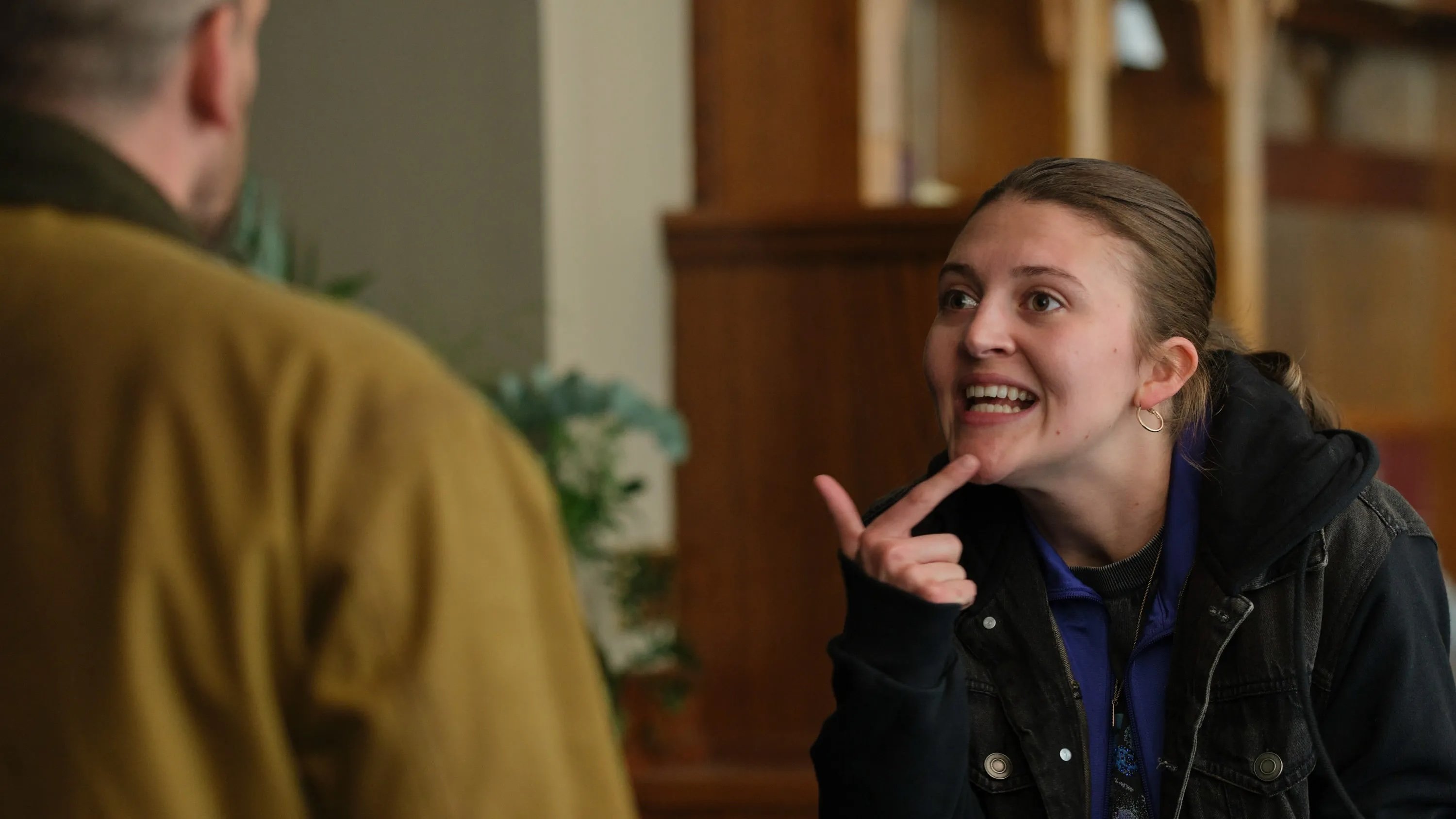
Reunion plays out like a typical thriller—it follows a recently released ex-con on the hunt for revenge. In most episodes, his reasons for killing remain a mystery, while his moral compass swings from hero to anti-hero. The beats and storylines are familiar, except for the fact that everything takes place in the realm of the deaf. The leading man, David Brennan (Matthew Gurney), is a deaf man who only uses sign language and the occasional angry gestures to communicate with those around him. The victim of his crime, Ray (Ace Mahbaz), was a stalwart in the deaf community, and so his widowed wife chases David in search of answers, answers David has promised Ray he’ll keep until his death. Reunion is an excellent show, if not in terms of narrative, then in terms of technical feats. Everything from the editing, cinematography, and especially the performances, which feature plenty from the deaf actors, point to how creatively and dedicately rooted the series is in the deaf community.
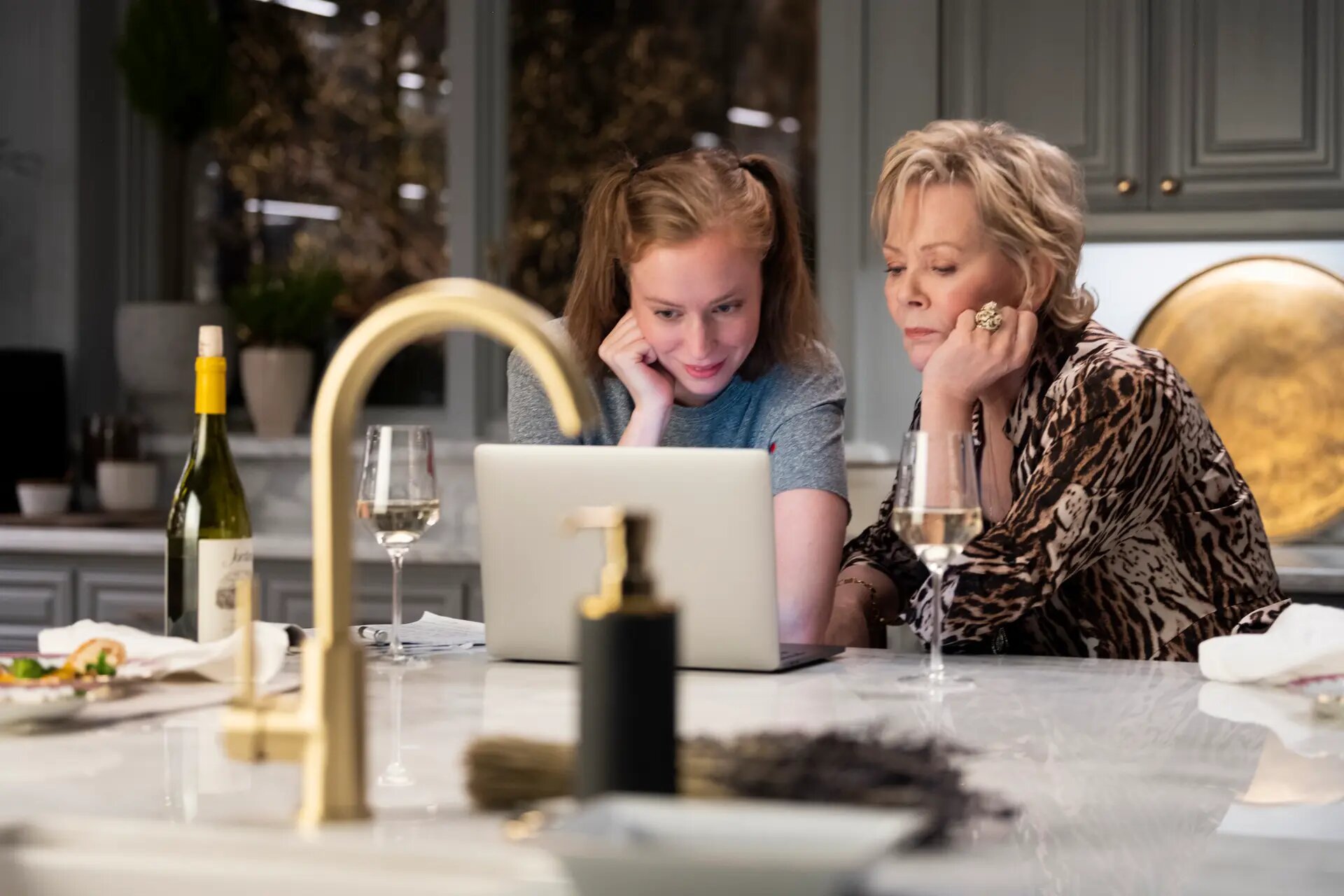
The initial charm of Hacks is in watching sparks fly between its sharp-tongued leads. Neither the elderly Deborah nor the young Ava holds back the digs, both of them cutting to the core of their insecurities. Part of what makes their tension so watchable is that they’re stand-ins for different generations. Deborah represents the all-hustle culture of the boomers, while Ava represents burned-out millennials. Lock them in a scene together and you get endless (and endlessly funny) observations about the modern world.
Eventually, however, their relationship deepens into something more meaningful than that. As Deb and Ava bond over their shared hopes and flaws, the show transforms into a clever and tender two-hander about their prickly but profound relationship. They’re two sides of the same coin, and even though no one can bring them down like the other can, the opposite is also true: no one else can lift them and push them to new heights like the other can.
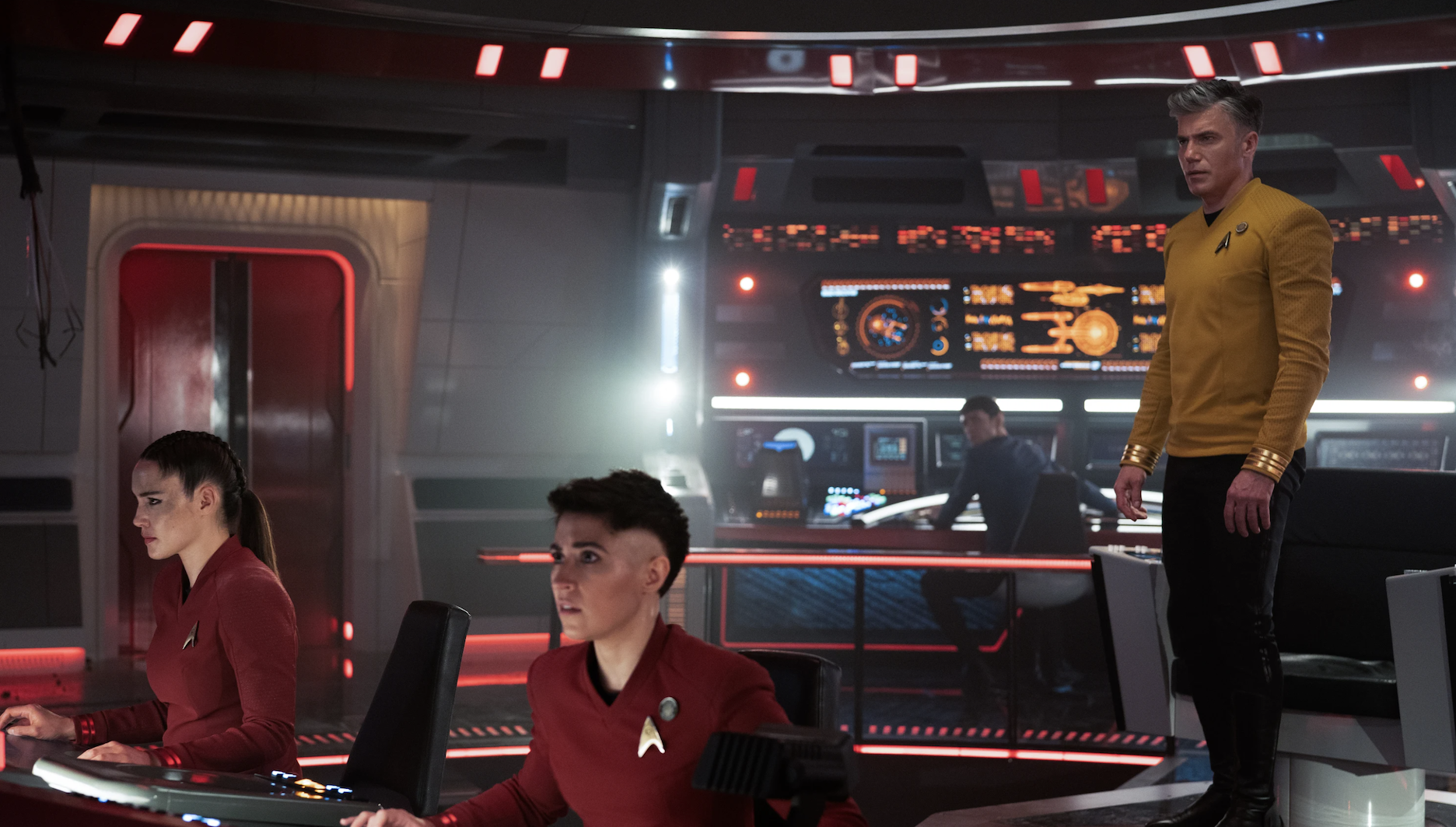
After struggling to recapture the magic of the first few Star Trek series for the better part of two decades, the franchise has finally returned to its original formula of self-contained space adventures, progressive politics, and an unabashedly hopeful tone—all to magnificent results. Strange New Worlds is classic Trek in every sense: from its truly out-there, ’60s-style sci-fi stories; to its warm sense of humor; to its welcome focus on sentiment and emotion even amid large battles and dangerous situations. The series accomplishes all of this while keeping every member of its crew unique and charismatic, crafting powerful character moments for them even in the thick of things—elevated by uniformly brilliant performances from its cast, led by a commanding Anson Mount. It’s Star Trek for old and new fans alike, and a great reminder of the distinct strengths of episodic TV.
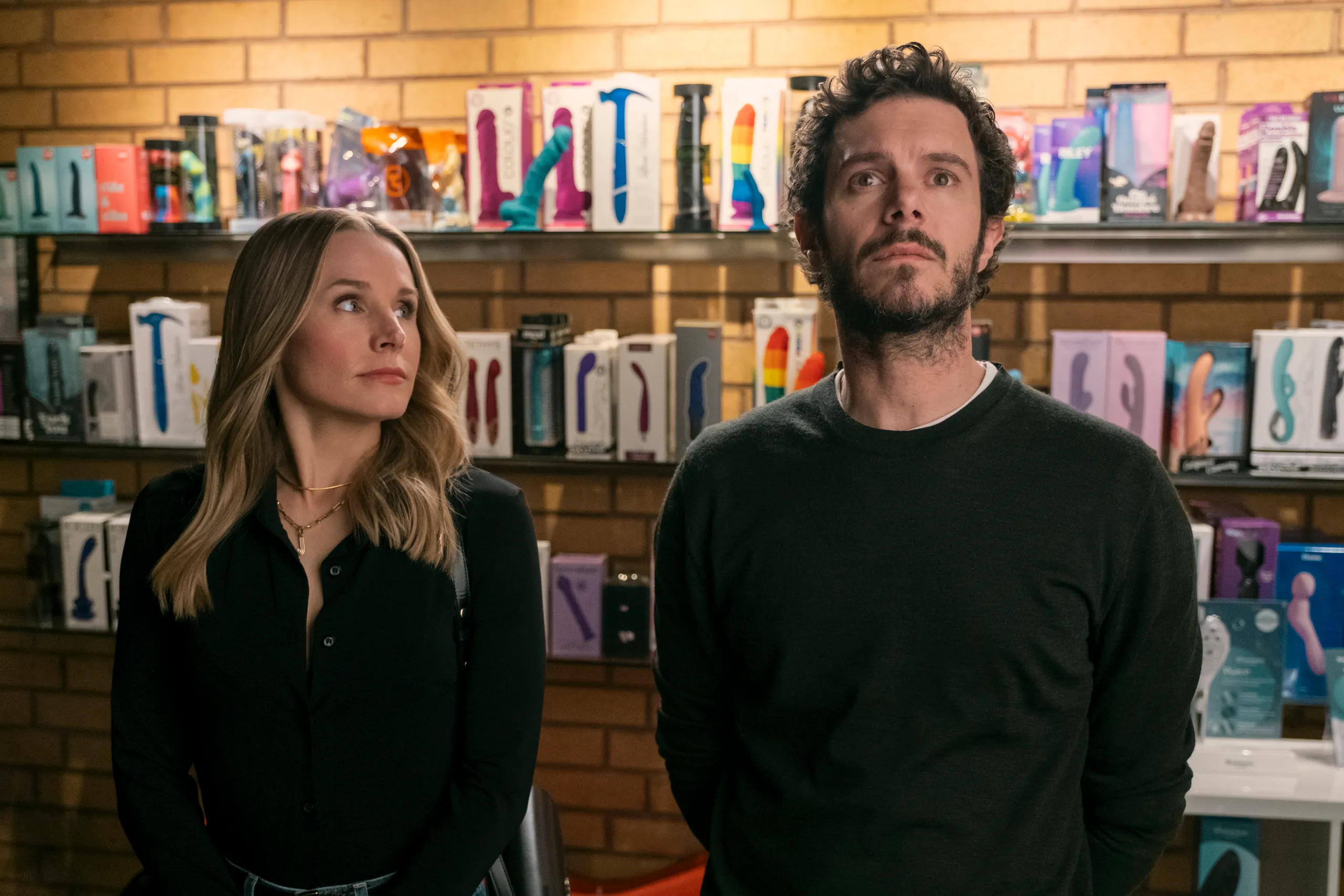
Romantic comedies used to be a dime a dozen in the 2000s, but now it seems like a dying genre, filled with mere shadows of what once was. That’s why when a good one comes along, you recognize it immediately: a good romcom revitalizes our ideas of love and life. It’s injected with a freshness that makes old feelings seem brand new. You get that in the British film Rye Lane, the Apple TV+ series Platonic series, and the Aussie gem Colin from Accounts, to name some recent examples. You can also find that same spark in Nobody Wants This, a breezy and effortlessly funny romantic comedy about two star-crossed adults trying to make their relationship work despite family disapproval, work demands, and that nagging fear of being hurt once more. The series is helmed by an impressive roster of writers and directors including Greg Mottola (Adventureland, Superbad), Karen Maine (Obvious Child), and Oz Rodriguez (The Last Man on Earth). It’s reminiscent of the indie romcoms of the last decade while shedding some much-needed spotlight on middle-aged dating. My only gripe is that this would’ve worked so much better as a punchy feature film. Instead, it’s dragged to the typical Netflix length of 10 episodes, but at least each runs only for a breezy 30 minutes.
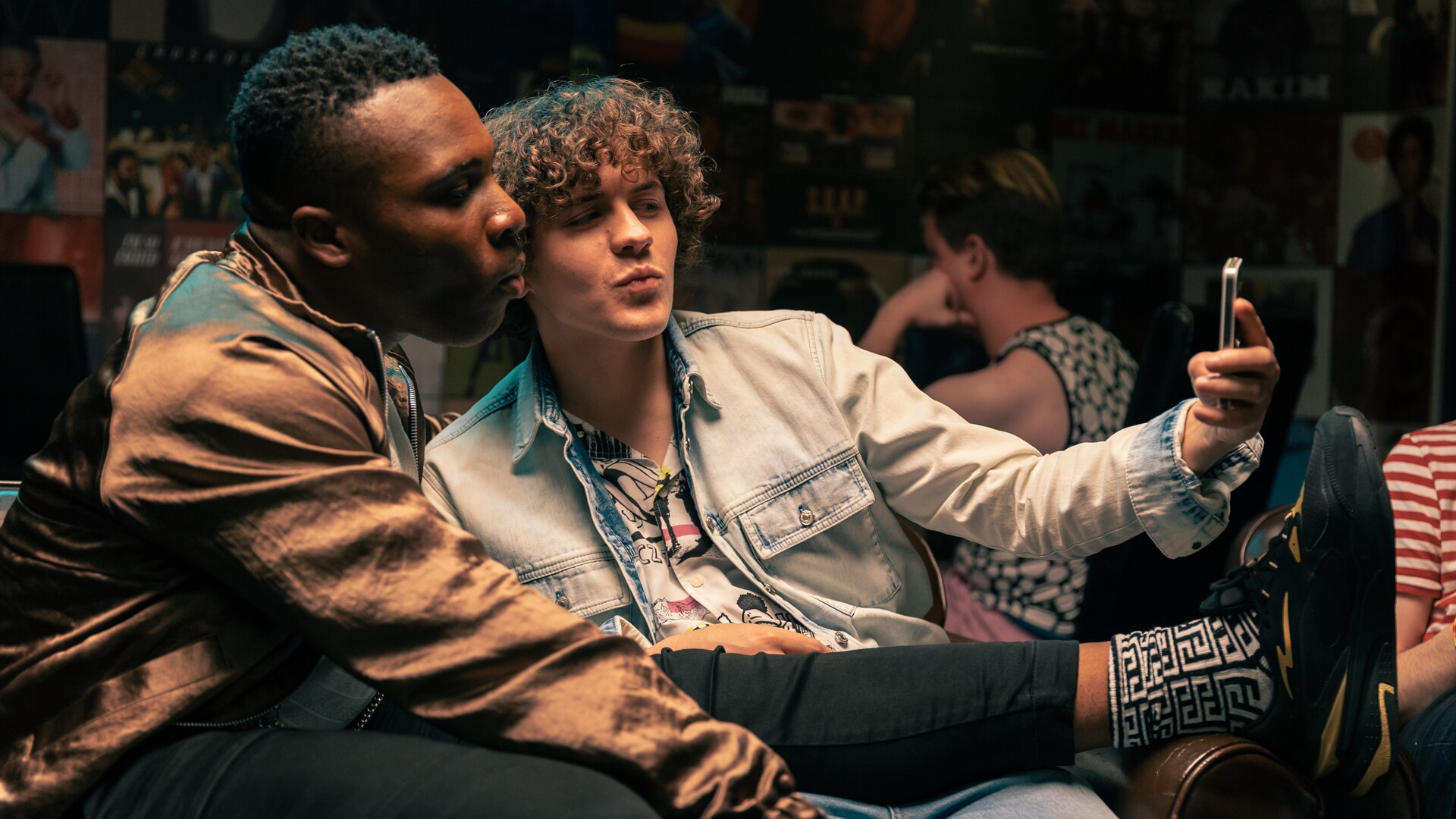
Masculinity can look like different things, and Big Boys reminds us of that in hilarious and poignant ways. The British series follows best friends Jack and Danny, university students who seem happy enough on the outside but who are dealing with their own issues. Jack still mourns the sudden loss of his dad while struggling to start his journey as a freshly-out gay man. Danny, an expert in social situations, happily helps him even though he’s secretly depressed himself. They’re joined by Corrine and Yemi, characters who blossom slowly but surely in the next seasons. Their friends and family give them a boost, but it’s Jack and Danny’s rare friendship that holds the show down and gives it a solid emotional core. In an era when “No Homo” jokes are still rampant, Jack and Danny are proof that men can explore their emotions and forge deep friendships without breaking under the pressure of gender norms. And men being in touch with their feelings doesn’t always have to be a joke. It can be funny, sure, but also real and true, like this show.
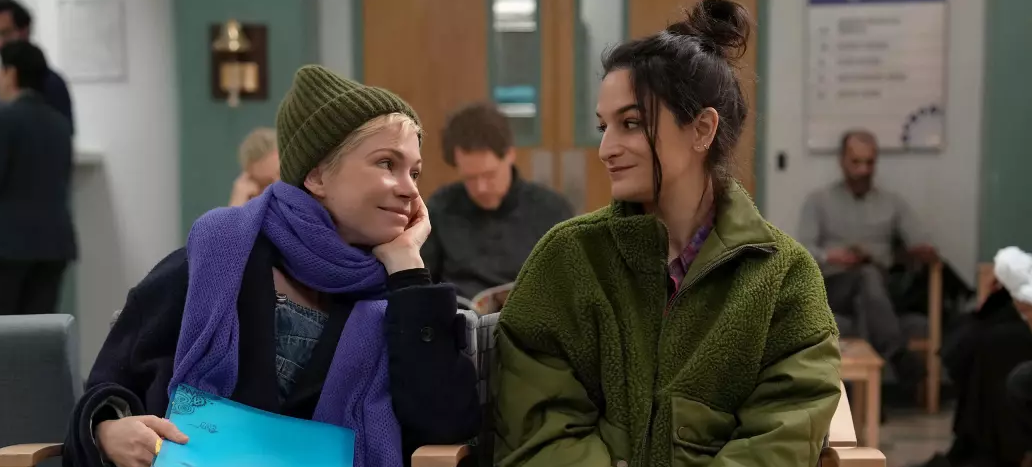
Dying for Sex feels like two shows in one. Mainly, it follows Molly (Williams), a 40-something diagnosed with Stage 4 breast cancer, and Nikki (Jenny Slate), her messy but fun-loving best friend who is trying to keep up with Molly’s increasing needs. It gets into the gritty reality of Molly’s emotional and physical pain and explores how her relationship with Nikki both fractures and solidifies as her cancer advances. But the show is also largely about sex. It sheds light on the unique struggle people like Molly have to go through to satisfy sexual needs, which, if anything, only intensifies when one is ill. Instead of being desired, Molly is pitied by her husband, who is too afraid to be intimate with her. So Molly, with nothing to lose, explores sex and sexuality. She touches herself, watches videos, goes on dating apps, and starts a BDSM-esque relationship with her neighbor. The series is raunchy and mines a lot of humor from Molly’s journey, but it’s equally sobering and enlightening. It expertly blends these seemingly opposing scenarios and still comes out feeling solidly made. It will make you go through a roller coaster of emotions, which feels apt for a show about life and death.
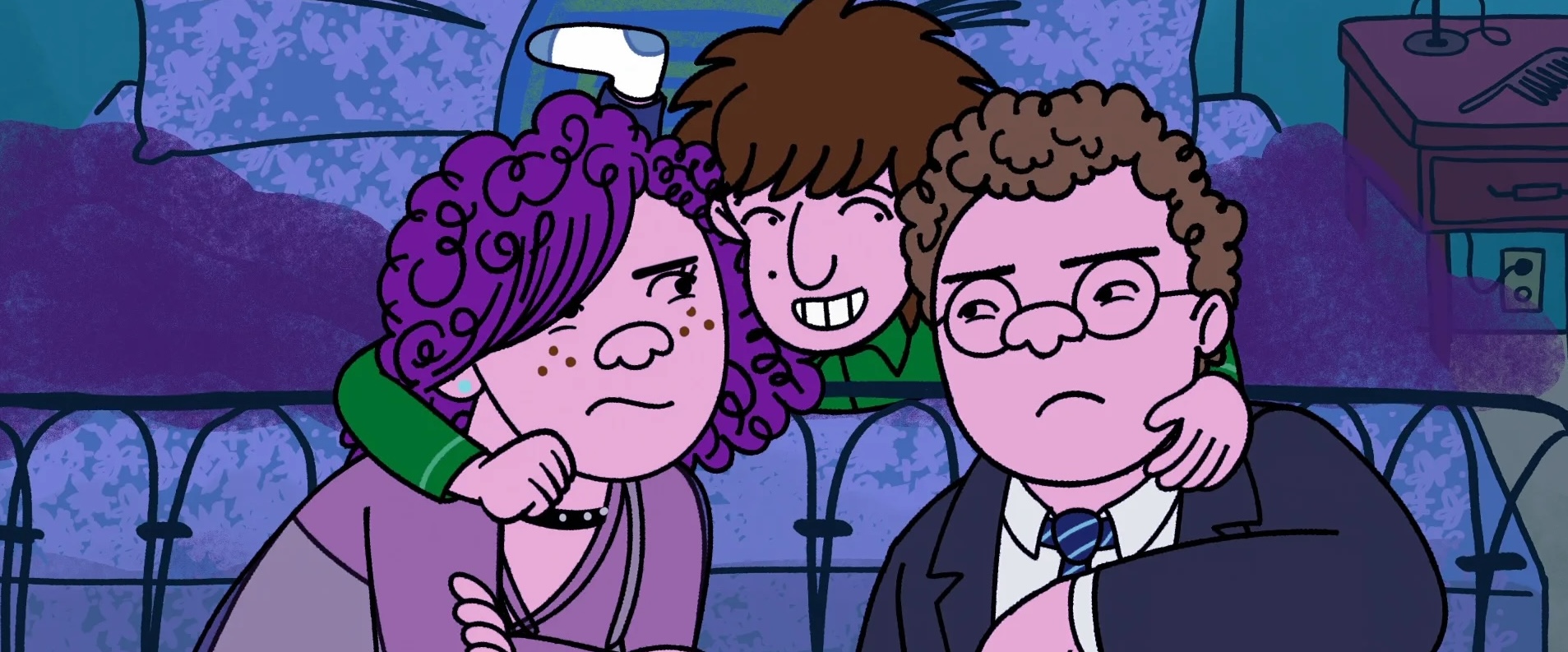
Long Story Short follows three siblings throughout their youth and adulthood. It sounds basic enough, except the ten-episode series time-hops every now and then, so we get to drop in on them during certain periods, like the drive back home from a loved one’s funeral, a catastrophic prom night, and even just a good night where everyone gets along. We get glimpses and snippets of their life in non-chronological order, but it all builds up to a resonant and deeply moving whole. Created by Raphael Bob-Waksberg of BoJack Horseman and Tuca & Bertie fame, it’s not surprising how heart-wrenching Long Story Short can get. But as Waksberg leaves behind his animal avatars in this series and focuses instead on human characters, he also crafts something a little less devastating and a little more delightful and closer to home.

Alien has done it again. Another prequel installment, Alien: Earth gives another glimpse into the sci-fi vision that fans of the franchise would likely enjoy. This time around, it’s in show form. The extra runtime gives showrunner Noah Hawley more space to build the Alien universe, and he takes that time to flesh out fundamental story lore, like the human push to create cyborgs, synthetics (AI), and hybrids of the two. It’s an interesting decision that mirrors today’s concerns with AI, and there are moments that the show gets a bit uneven because of it. Ultimately, however, Hawley’s vision honors the original story in both style and themes.
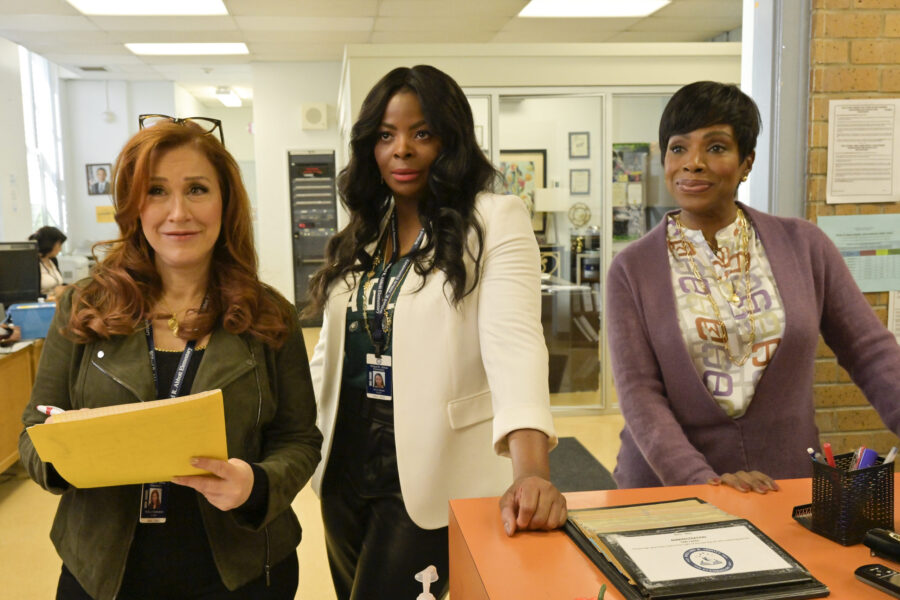
Abbot Elementary is a mockumentary that follows a group of well-meaning but cash-strapped teachers trying to make their school a better place. The premise sounds simple enough, but the show’s big heart and sharp observations about the rotting U.S. education system make it a breath of fresh air in the sitcom world. Abbot Elementary’s characters are funny and likable, while also being fearless, defined, and nuanced.
The show manages to do the seemingly impossible: genuinely and lightheartedly uplift the people it represents. It shines some much-needed light on the public service these undervalued teachers provide, without ever sounding too preachy or patronizing: an impressive feat for such a progressive show.
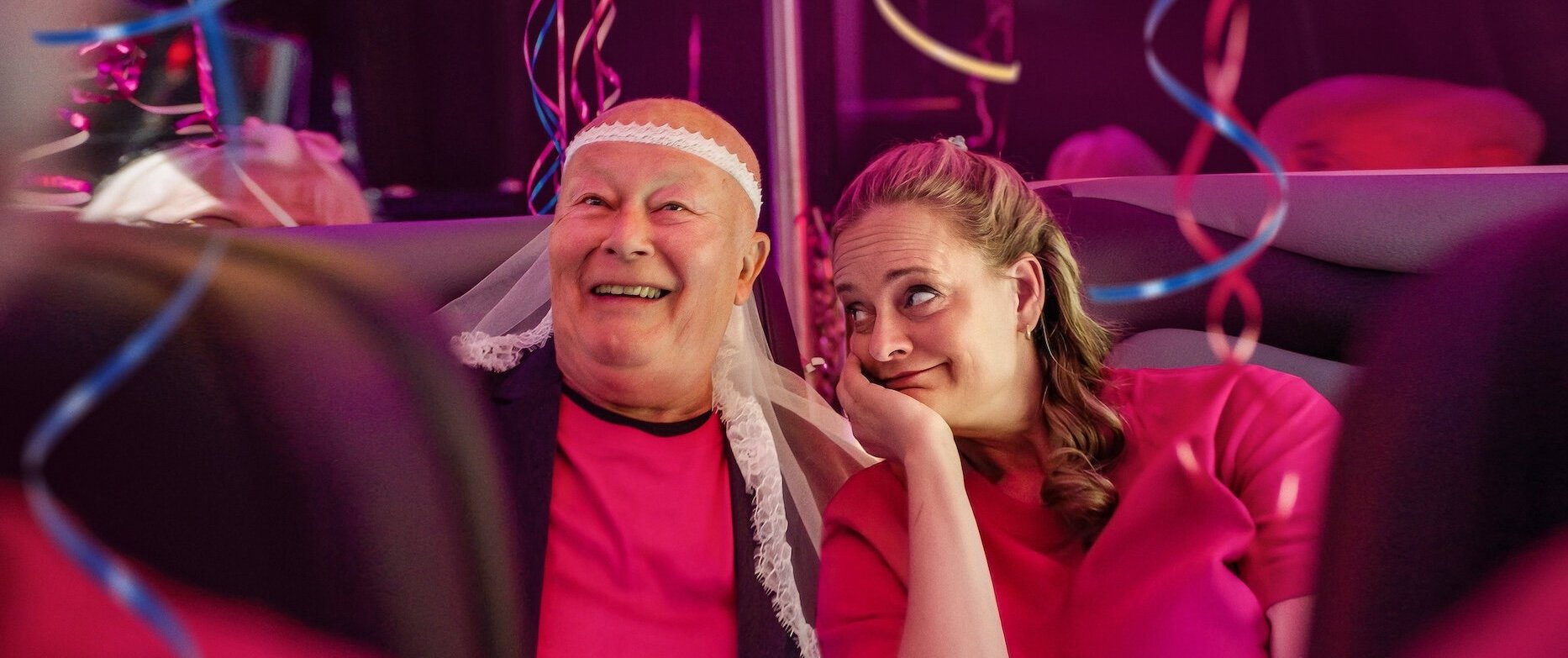
Pernille is the kind of show that makes you feel simultaneously giddy and sad, and the kind that makes you skip the credits as soon as you can to play the next episode. Like a Norwegian Better Things, it follows the titular Pernille (Steenstrup) as she raises two difficult but loving daughters, an emotionally distant nephew, and a father who’s found a new lease in life after finally coming out of the closet. To top it all off, Pernille works in child welfare, earning the ire of many unfit parents as she thanklessly saves children from abuse. Pernille is sometimes fun to watch—the heroine is prickly and plucky as she navigates her duties while carving out time for herself (often sexually). But sometimes it’s also difficult to watch. Between being a social services agent and a mom, Pernille comes to learn she’s not always right. But she is relatable and real, and therefore ultra comforting to watch.
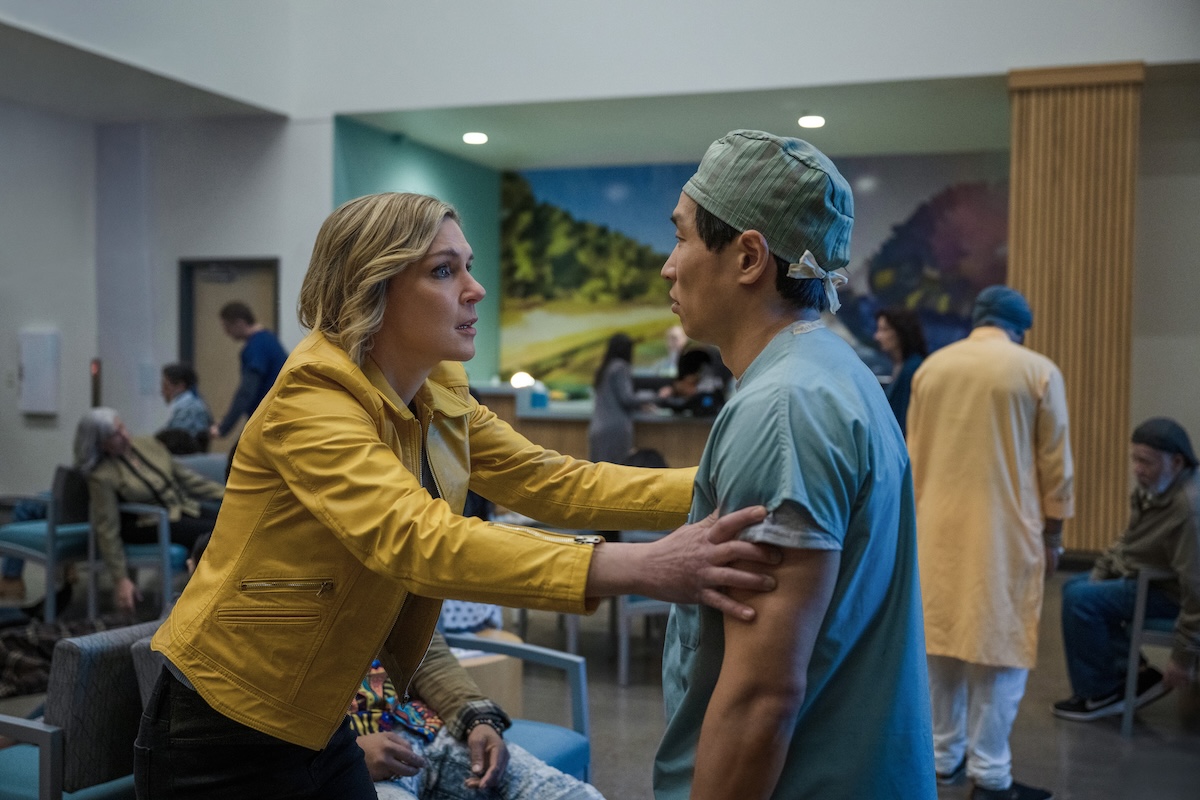
After Breaking Bad and Better Call Saul, showrunner Vince Gilligan surprised us with this alien sci-fi series. It isn’t just because of the genre. Rather than the usual alien invasion, or even the post-apocalyptic dystopia we’ve previously seen, Pluribus instead has an alien-sent virus transforming the rest of the world into a pacifist hivemind, with immune protagonist Carol Sturka the only one left to object to it. Some aspects directly mirror today’s hot button issues such as COVID, AI, and the internet’s echo chambers, but the premise strips down these issues to the essence, creating a playground where Carol reckons with the fate of the world in her hands. Pluribus builds upon sci-fi fundamentals to capture the conflict between individual freedom and the common good.
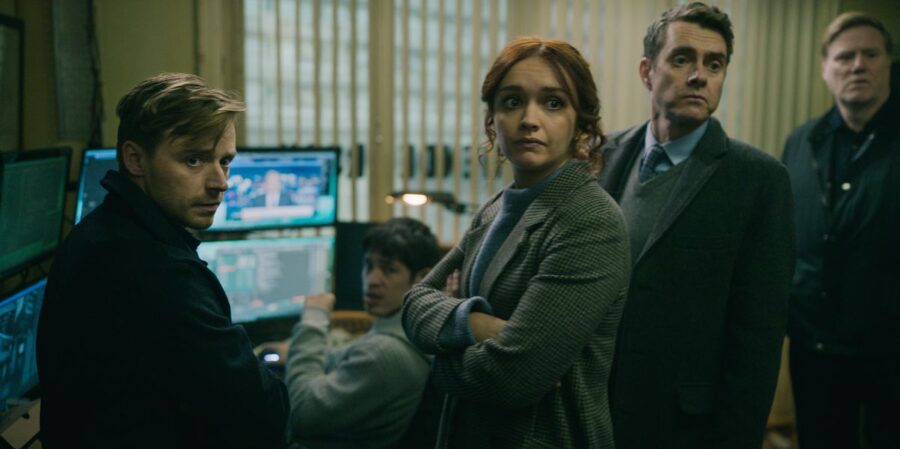
What if the UK’s MI5 was run not by sleek secret agents, but rather, a bunch of second-rate, hand-me-down spies? Slow Horses gives us a taste of that as it centers on Slough House, a division of MI5 that serves as a detention center for their smart but hopelessly damaged goods.
In this six-part miniseries, the Slough House agents reluctantly exchange their humdrum duties for a big and unexpected case. Led by the eccentric Jackson Lamb (a very funny and effective Gary Oldman), they track a group of Right-wing terrorists and their hostage before it’s too late. With its brisk pace, endearingly bumbling characters, and deft balance of suspense and humor, Slow Horses might just be one of the finest thrillers out there.
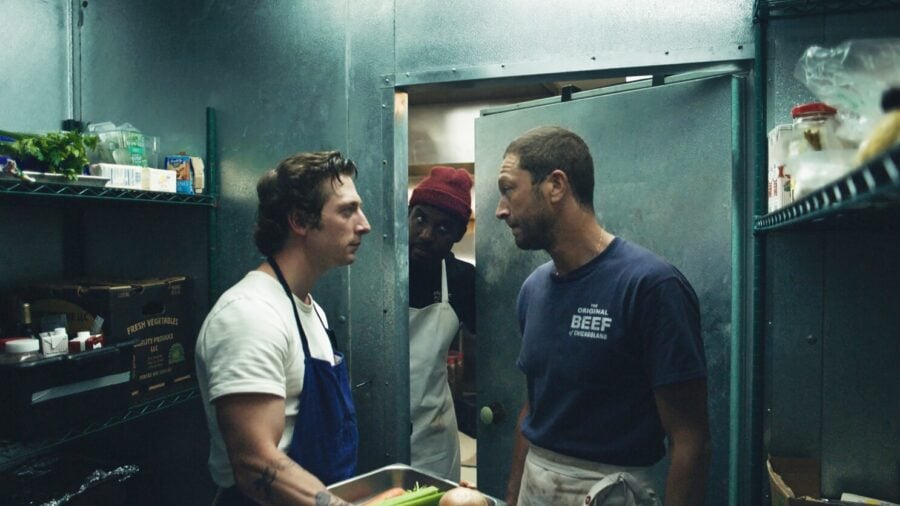
The Bear is a frantically paced miniseries that follows Carmy, a young and over-accomplished chef who moves back to Chicago to take over his family’s small restaurant. As his first order of business, Carmy tries to rework the restaurant’s so-called system, but he is continually rebuffed by the kitchen crew, who insist on maintaining their scruffy setup.
While Carmy and crew initially refuse to meet each other halfway, their tension soon gives way to an electric, workable chemistry, which then lays the foundation for a lot of surprisingly tender moments. Funny, gripping, and absolutely mouthwatering, The Bear is, as many critics have pointed out, an absolute chef’s kiss of a show.
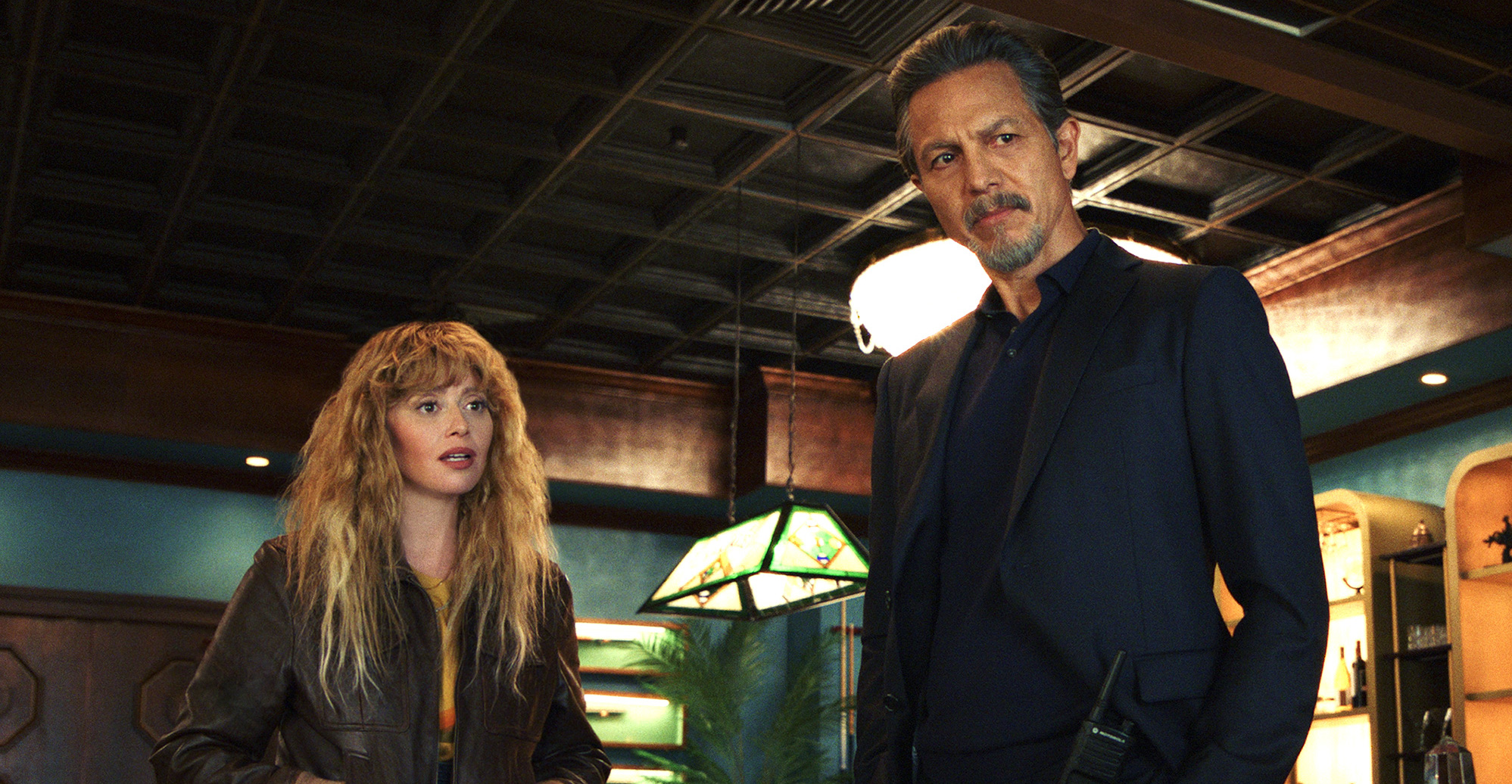
From the very start, Poker Face lays out all its cards—it shows us who dies and in the hands of whom. That is how an episode always opens, but in each case, we’re in a different corner of rural America, bumping elbows with different folks. That’s because our unwitting detective, the human lie detector Charlie (Natasha Lyonne) is on the run from a crime syndicate. So with nothing but her trusty car and the clothes on her back, she races through the US while making friends and enemies along the way.
There is a pattern to the story, but the thrill lies not in seeing when Charlie inevitably solves the case but in how she does it, which is full of heart and wry humor. Lyonne is absolutely magnetic, and her performance is only one of the show’s many hit-making elements. With a star-studded cast, beautiful Americana backdrop, and masterful editing (whose camerawork and coloring recall the show it references, Columbo), Poker Face sure is a trip to watch.

Asura is a very particular period piece about the typical, rule-following Japanese family in the 1970s, and yet it feels universal too in its tales of family, marriage, and above all else sisterhood. Based on a novel by Mukoda Kuniko, Asura captures the frustrating, odd, exhilarating, and reassuring specificity of having a sister. You could be in a severe argument one second but laugh about an accident in the next. You could get mad at your sister for staying in a toxic relationship while offering her a place to stay and promising not to judge her in the same breath. And as we witness the dynamics of these four sisters, we also get to see the relationships they pursue (or run away from) all while trying to stay afloat amid Japan’s rigid societal rules. “Is it happiness for women to not make waves?” their mother asks. The entire series sees the women try and fail and try again to answer that all-important and ever-relevant question.
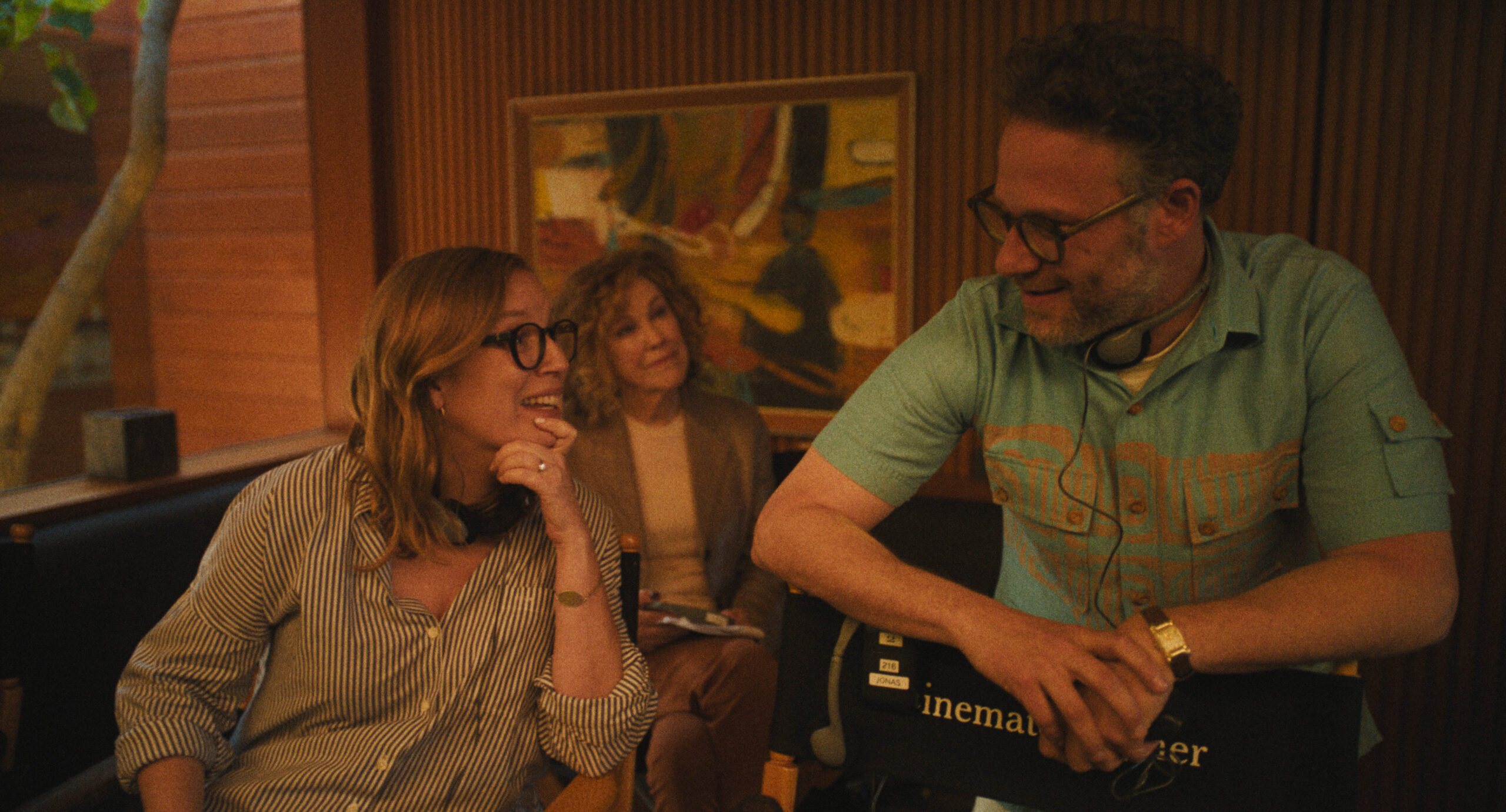
Fictionalizing their famous friends to satirize Hollywood isn’t new for Rogen and Goldberg (see: the stupidly brilliant This is the End), but in The Studio, the writing pair trade manchild and weed jokes for something more adult and high stakes. Rogen is still playing a version of himself—an anxious goofball eager to please—but he just so happens to be a bigshot producer now, and so a bigshot producer he plays. The pair take it a step further by making Rogen’s Matt Remick the head of a billion-dollar studio, Continental Pictures. And so it’s the usual hijinks, but this time with deeper (and depressing) insight into the industry’s inner workings. Rogen employs a circus car’s worth of renowned actors and directors to play themselves, all delivering hilarious performances. Martin Scorsese and Sarah Polley are early standouts.
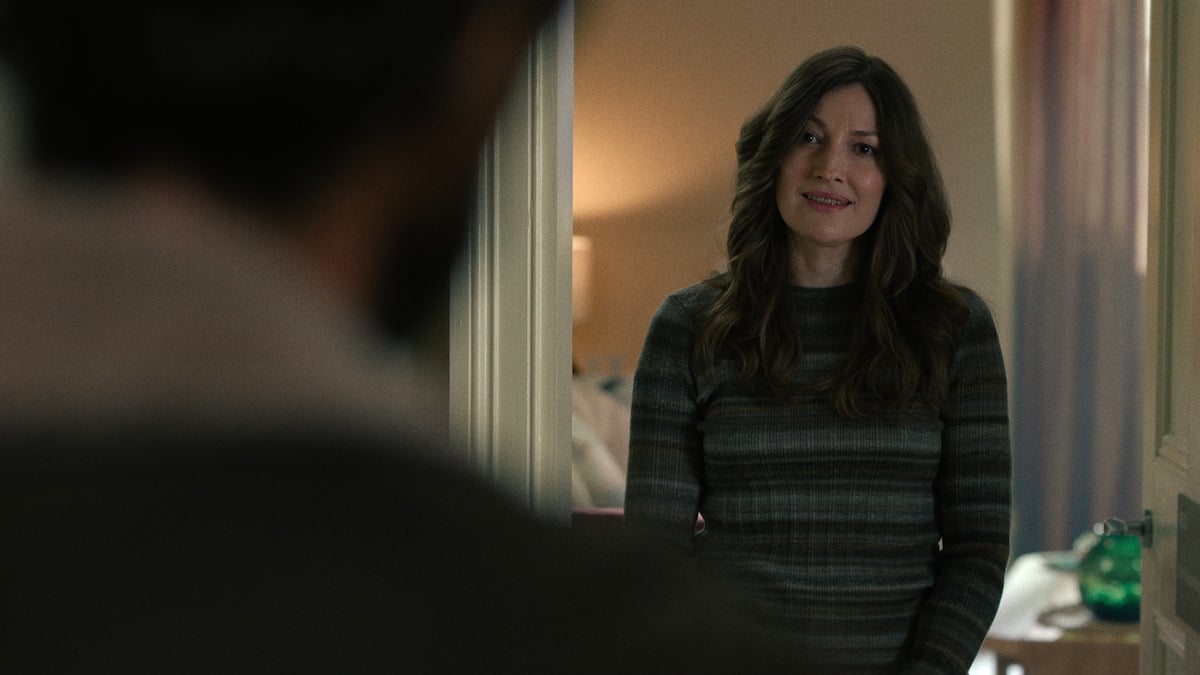
It can be slow, intense, and a tad too sardonic for some people, but Department Q is a well-crafted detective series that keeps you on the edge of your seat till the end. Like Slow Horses before it, it follows a group of misfit cops eager to prove their skills to eagle-eyed management, here in the form of TV veteran Kate Dickie.
The outcasts are tasked to solve cold cases, reluctantly led by DCI Carl Morck (Matthew Goode), an antisocial and (likely) genius with a heart of gold. His side-kick, a Syrian detective with a dark yet unexplained past, is who truly steals the show. It’s almost tough to watch the show while eagerly waiting for every line and every scene he is involved in. He is brilliantly portrayed by Russian-Swedish actor Alexej Manvelov.
Department Q is as much about the difficult cases as it is about Morck and the characters’ battling their personal demons.
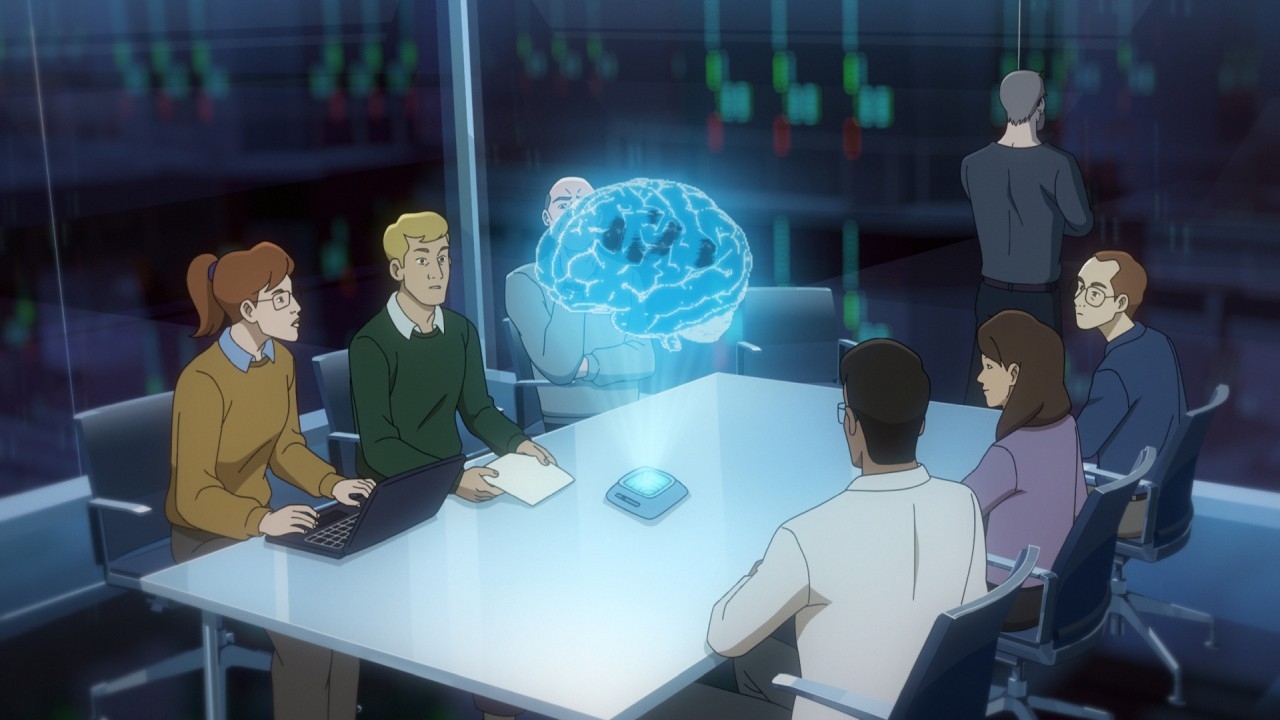
Sci-fi is already a pretty wild genre. Anything can happen in this fantasy world, so it takes a special kind of skill to make a new entry seem original once more. But Pantheon throughout its eight-episode run manages to be just that thanks to its resonant storytelling, inventive editing, and brilliant, heartfelt premise.
The scope of the story is as wide as it is wild: it’s about the unregulated rise of “uploaded intelligence,” after all, where human minds are fully uploaded and digitized for corporate use. Global tech companies are in an arms race to transform this discovery into weaponry, as they are wont to do, without giving mind to the human and environmental costs. Challenging them is the unlikely duo of Maddy and Caspian (Katie Chang and Paul Dano, respectively) who, as direct victims of this greed, have more than a few grievances to express.
It’s exciting to see how far the dystopia of Pantheon goes, but anytime it flies too high, it’s always grounded by the fleshed-out humanity of Maddy and Caspian. The series runs on their self-discovery and existential crises as much as it does on extraordinary circumstances. Expect to shed a tear or two while watching this series.
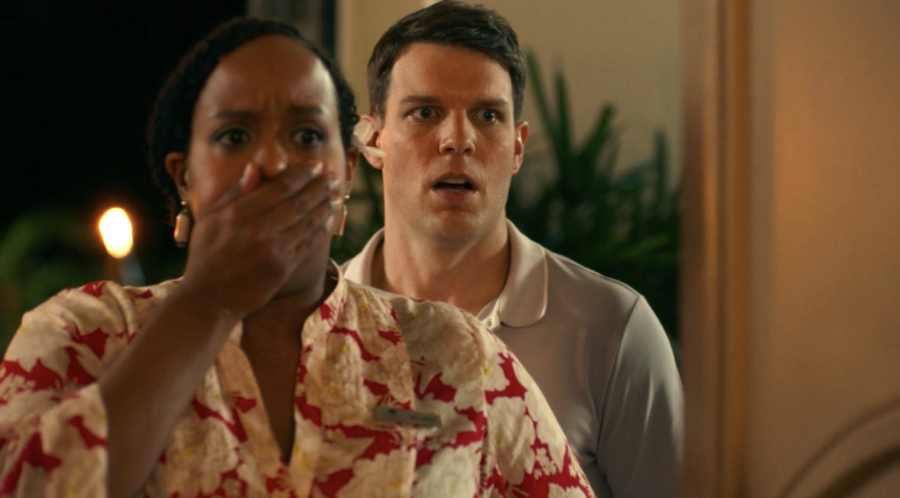
The White Lotus follows a group of vacationing tourists in Hawaii who, in their wealth and entitlement, get into some pretty horrific (but largely entertaining) mishaps. It’s always fun to satirize the rich, but what really gives The White Lotus its edge is a brilliant understanding of the trickle-down dangers of privilege. We’re made to witness the uncomfortable ways in which the service industry twists itself to accommodate the guests, and how time and again these efforts are lost to the upper class. Biting, witty, and relevant, The White Lotus effortlessly stands out in the recent slew of class consciousness content.
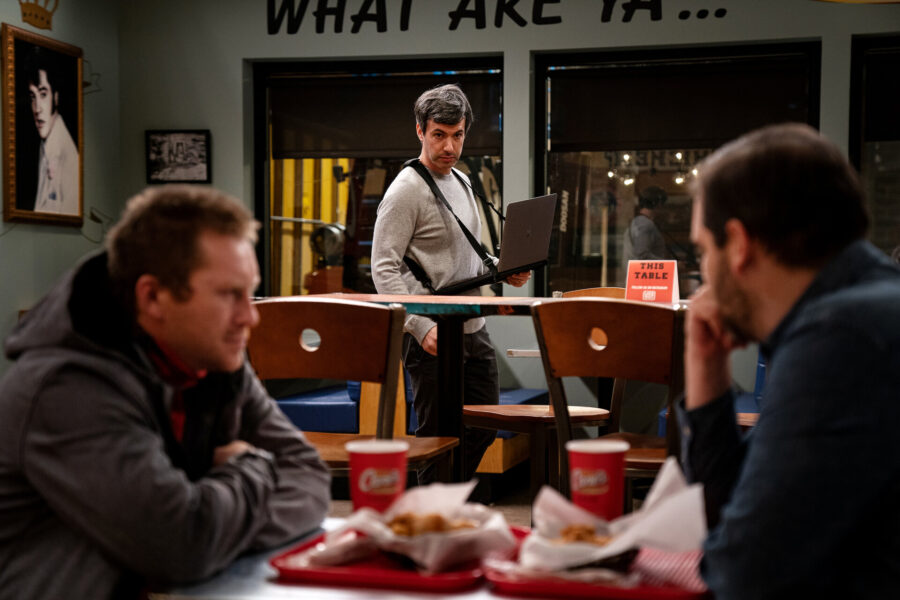
The best thing about The Rehearsal—Nathan Fielder’s elaborate Russian doll of social experiments and self-examination—is how seamlessly it goes from prank comedy to surrealist horror. The show’s concept of staging situations where real people can practice making an important decision (complete with actors playing all the background characters) pays off in spades. Fielder’s insistence on over-preparation collides beautifully with the unpredictability of human behavior, leading to some of the funniest and weirdest interactions to grace TV.
But the greatest trick that The Rehearsal has up its sleeve is Fielder, playing a version of himself using this show to understand how to live a meaningful life. As he stretches these rehearsals beyond their limit (at certain points, recreating his own rehearsals with someone playing himself), his character’s persona also begins to crack. Suddenly the series isn’t just a comedy, but a poignant reflection on empathy and forgiveness, and a psychological mind-bender about an egomaniac who refuses to give up control of reality itself. There’s nothing else like it on television.
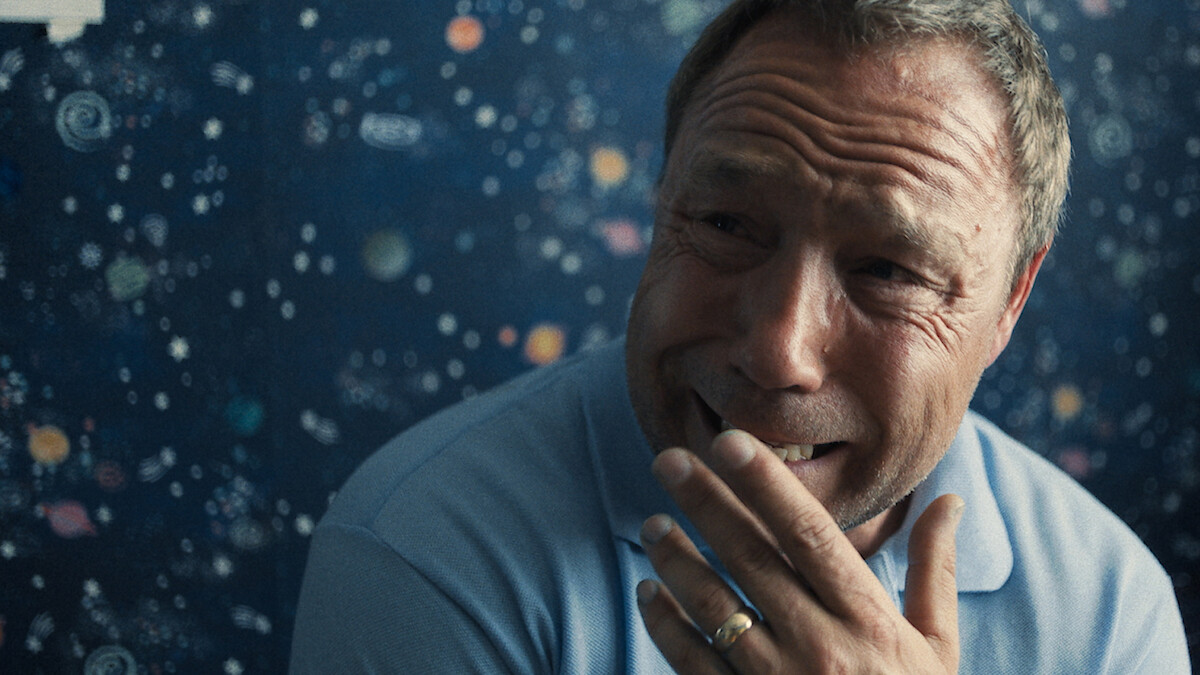
All four episodes of Adolescence are shot in a singular, shocking take. The camera takes us along as Jamie Miller (an outstanding Owen Cooper) is arrested for suspected murder. In one episode we follow Jamie and his confused father (co-creator and writer Stephen Graham), in another we follow DI Luke Bascombe (Ashley Walters). And in one particularly head-spinning episode, we follow Jamie and his psychiatrist Briony (Erin Doherty) as they both try to get in each other’s heads. The series may seem like a straightforward murder mystery at first. Like Apple TV+’s Defending Jacob, it asks, did young Jamie do it? Will his parents believe him? Will we? But those questions are almost secondary to what the show really gets at. It takes on violent misogyny, a growing trend among the Andrew Tate-influenced youth. It takes on parental guilt, grief, and moral responsibility. It’s a hefty piece of work, but the naturalism of the script and the intimacy of the single-takes makes it feel terrifyingly close to home.
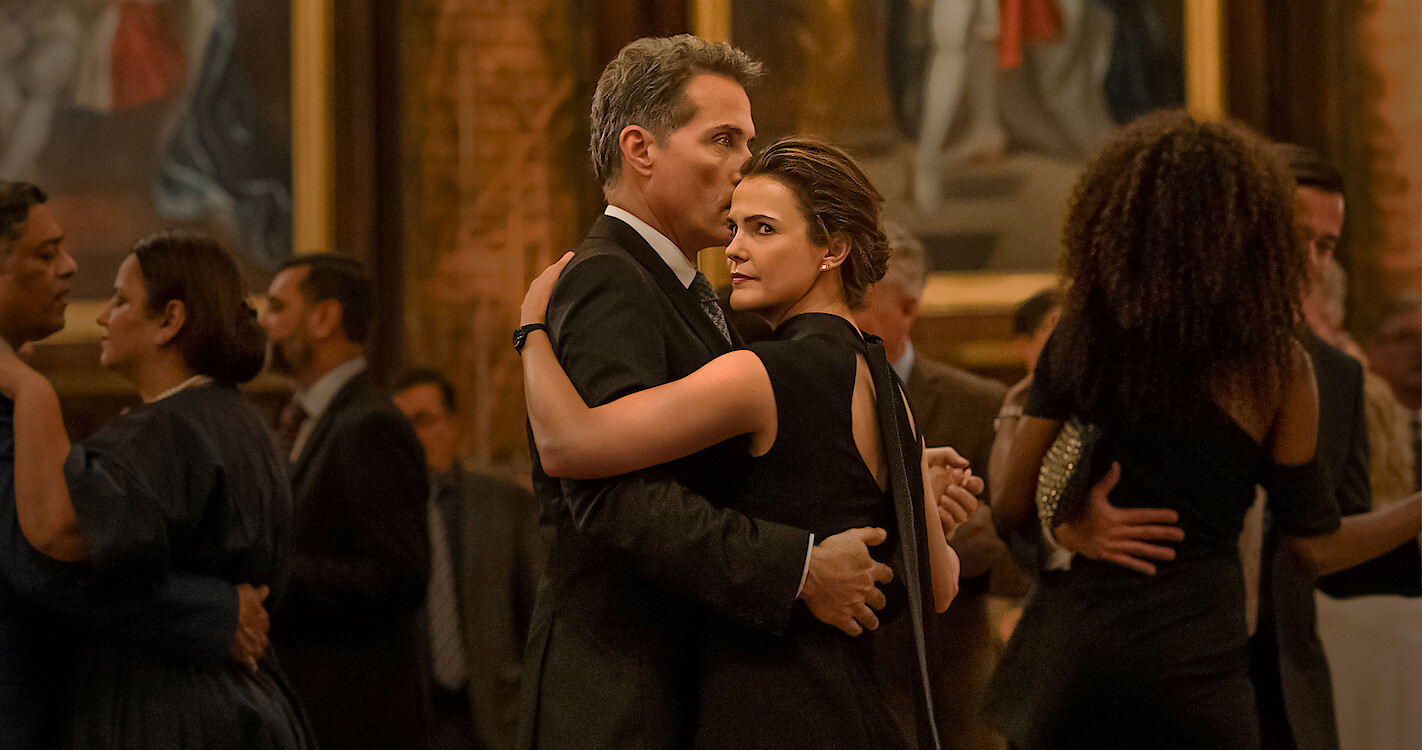
It’s amazing how shows fueled only by fast talk can feel as gripping as any thriller out there. The Diplomat is cerebral and heavy on geopolitical jargon, but somehow, it manages to feel genuinely exciting, each new episode impossible to not play next. Thanks is due in large part to Keri Russell who, fresh out of her incredible stint in The Americans, returns here as messy and intense and endearing as ever. On the one hand, The Diplomat is about the delicacy of diplomacy, about how every decision made at this level has ripples of consequences throughout the globe. But it’s also, amusingly, a marriage story. Russell plays a woman who has long been defined by her more renowned if egotistical husband, played perfectly by Rufus Sewell. They have a complex relationship that is as much a career partnership as it is a romantic one, and part of the show’s charm is blending all these story arcs seamlessly. Fans of West Wing, Veep, and Homeland will find much to like in this series, especially because of its informative takes and engaging performances.
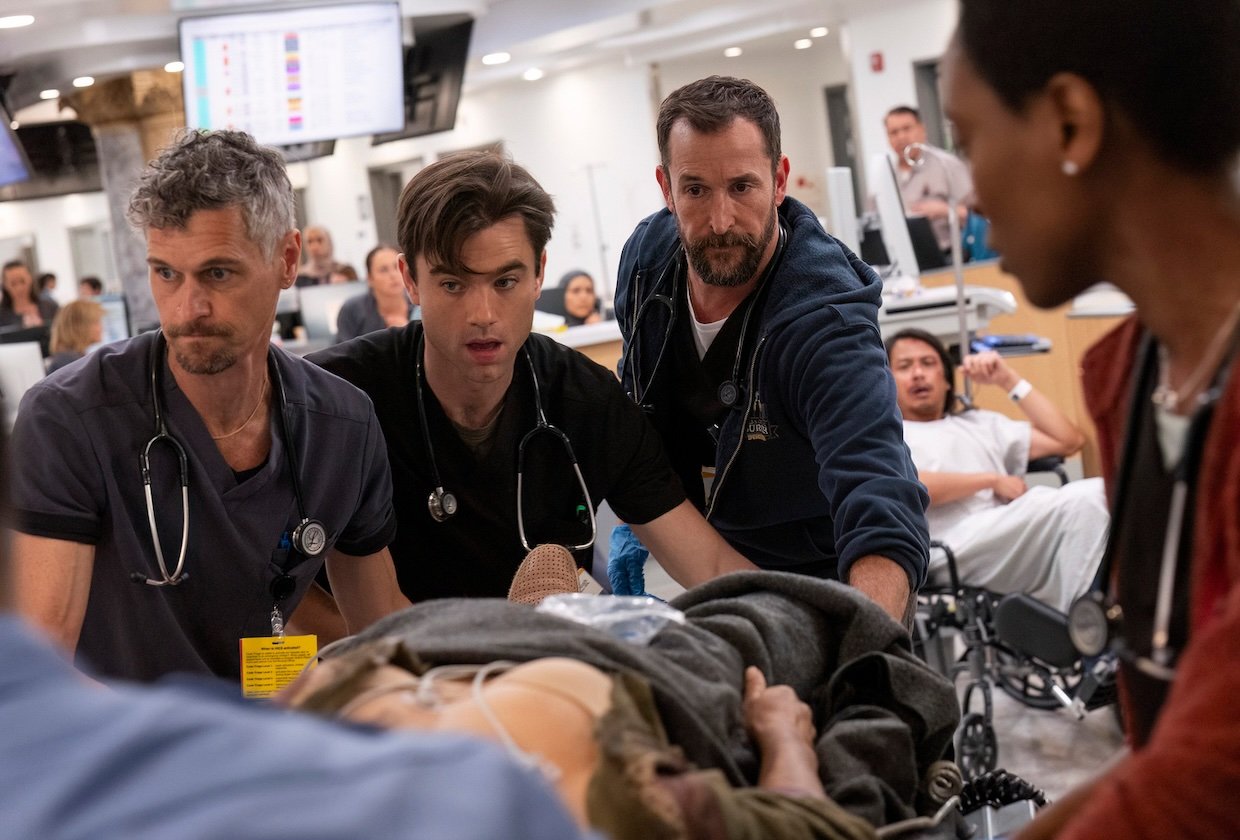
Each episode of the medical show The Pitt follows an ER team over the course of an hour. There are no time jumps or montages, this is real-time for them. Countless patients come and go, their injuries ranging from terrifying to deadly, and whether they live or die depends on how fast the team responds. Leading everyone is Dr. Robby Rabinavitch (Noah Wyle), who is himself recovering from the trauma of losing a colleague during the COVID pandemic. However, unlike Grey’s Anatomy, the drama of the characters in The Pitt takes a backseat to the patients’ issues. That’s not to say we don’t get to know the characters well, just that the writers have very smartly and subtly found a way to integrate who they are into what they do. Much like the medical staff who front it, The Pitt is a highly efficient show. We experience a roller coaster of emotions and get what feels like a lifetime’s worth of medical exposure in a span of an hour. It’s intense, chaotic, disturbing, and at times even triggering. But it also feels essential to watch. It’s a welcome reminder of our mortality and the humanity needed to keep it at bay.
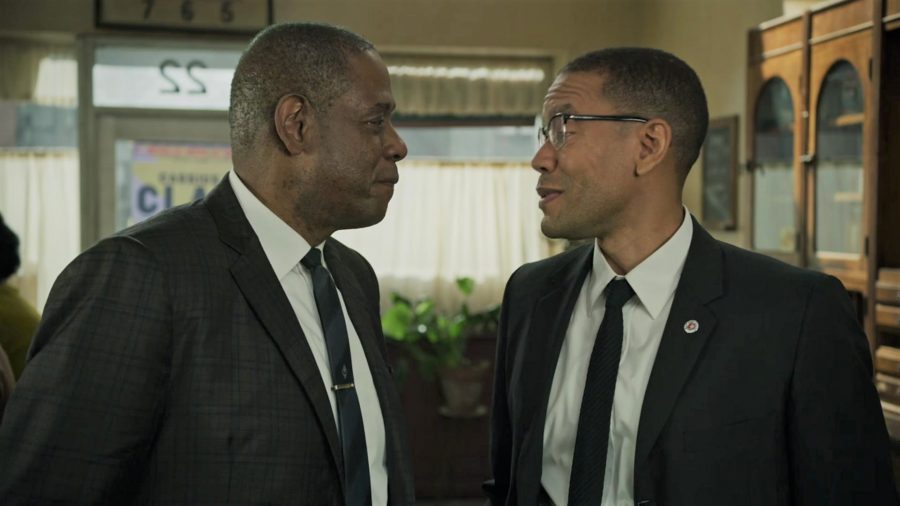
Viewers of American Gangster might have wondered about the fate of heroine kingpin Ellsworth “Bumpy” Johnson, who dies in the movie’s opening scene (of natural causes, mind you). On par with Al Capone or Billy the Kid, Bumpy Johnson was, in fact, a cult criminal and an underworld legend, but known almost exclusively to the people of Harlem, where he ran the drug trade for thirty odd years until the 1960s.
After receiving many nods in films like Hoodlum, Escape from Alcatraz, and Shaft, the story of Bumpy Johnson (played by Forest Whitaker, who also acts as producer) takes center stage in Godfather of Harlem. Co-created by the people behind Narcos, the series opens when Johnson is released from Alcatraz after a long sentence in 1963, when he returns to Harlem to find that much has changed. With the aid of civil-rights activist Malcom X (played, of course, by Nigél Thatch), an out-of-touch Johnson strives to reclaim his old neighborhood from the Italians in an all-out war.
Part deep-diving gangster epic, part 60s period piece with a modern sensibility, Godfather of Harlem has it all: gritty drama, great writing, swanky 60s style, and an awesome soundtrack.
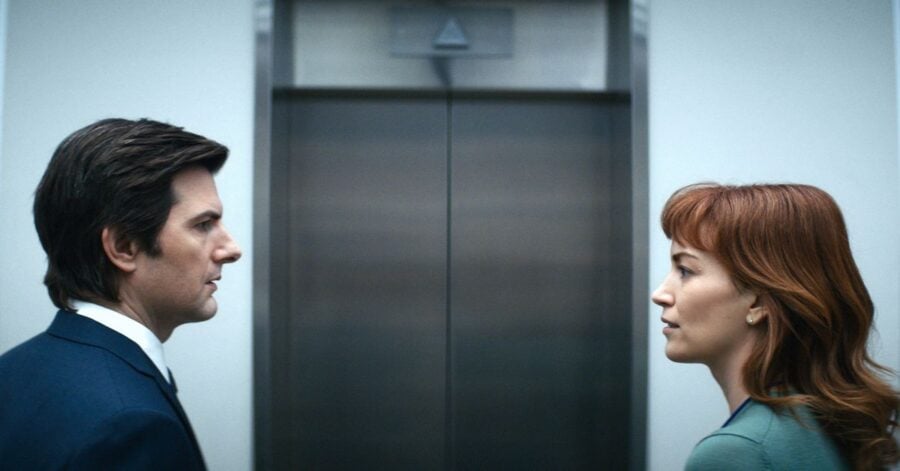
In Lumon, a company that resembles the increasingly intrusive oligarchs of Big Tech, Mark (Adam Scott) and his colleagues undergo a procedure that allows them to separate their work memories from their non-work memories. It sounds like a dream: the perfect work-life balance. But things get complicated when one colleague mysteriously leaves and is replaced by confused new hire, Helly (Britt Lower). Mark and Helly dig into shocking truths about what they really do, and for whom.
Just like the endless halls of Lumon, Severance is filled with twists and turns, many of which are impossible to see coming. Slow, smart, and sneaked with a dystopian eerieness that doesn’t feel all that far off, Severance is sure to leave you wary of corporate slavishness, if you aren’t already.