100 Top TV-MA TV Shows on Netflix Right Now
Updated · By Bilal Zouheir
Are the kids gone? If you’re looking to watch R-rated shows on Netflix, we got you. In this list, we’ve gathered the best shows on the platform that are rated TV-MA, which are strictly for mature adults only. No censors or kid-friendly swearing here, which means the sky’s the limit for story, dialogue, themes, and more. We’ll be updating this list constantly, so make sure you check it out regularly.
How we make these lists
No AI. No algorithms.
We are 100% human-curated. Everything you see here has been handpicked by a team of experts.
At least 7/10 on IMDb
So you know they are appreciated by viewers, not just high-brow critics.
At least 70% on Rotten Tomatoes
We combine this with the IMDb bar to keep only the best of the best.
Find more to watch
100 Top TV-MA TV Shows on Netflix Right Now
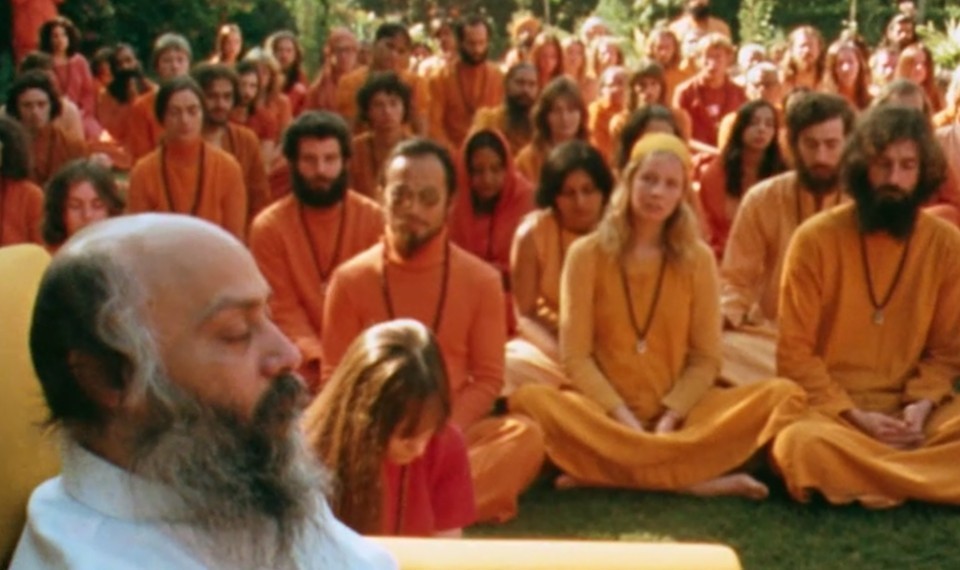
Wild Wild Country
Wild Wild Country follows the relocation of a hippie cult from India to Oregon in 1981. You haven’t heard of Wasco Country? Nor had anybody else back then. This ghost town with a handful of god-fearing inhabitants, soon became Rajneeshpuram, the cult’s new homestead, home to a thousand disciples, and the subject of nationwide media attention. Spoiler: the town’s old residents did not think much of it.
Will there be debaucherous orgies, long-haired drop-outs, preaching and chanting? Yes. But, through historical footage and interviews with contemporaries, including Ma Anand Sheela, the power-hungry secretary of the orange-clad guru, you will also be absorbed by chemical weapons and attempted murder, one of the biggest immigration fraud case in US history, and, of course, the mysterious and not-so-mysterious ways that a charismatic cult attracts and manipulates its followers. Across six one-hour episodes, this Netflix miniseries by brothers Maclain and Chapman Way gives a captivating, exhaustive, and powerful account of one of the stranger moments in American media history.
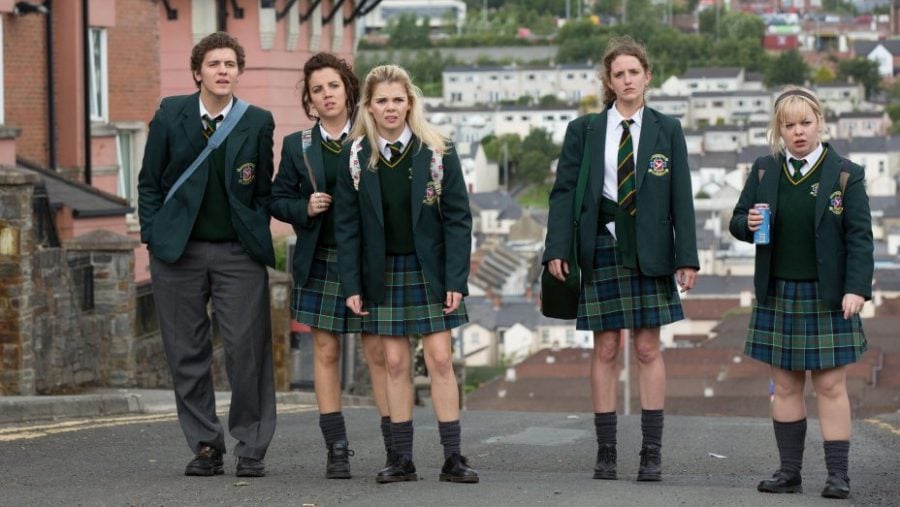
Derry Girls
If you’re looking for a funny yet original sitcom, look no further than Derry Girls.
It takes place in 1990s Northern Ireland where civil unrest reigns. News of bombings is regular. This is a cause for concern for a lot of people, but for one group of teenage girls life continues as usual. Making fun of the first boy at their all girls school and being embarrassed by crushes are unshakable priorities.
Derry Girls might have been a good show with just the 90s nostalgia and the political undertone, but the sharp and hilarious writing elevate it to greatness. It is truly one of the best sitcoms ever made. If you liked The End of the F***ing World, you will enjoy Derry Girls. They differ in plot but they both carry similar elements of dark and dry humour.
Watch out for Sister Michael, she is hilarious.
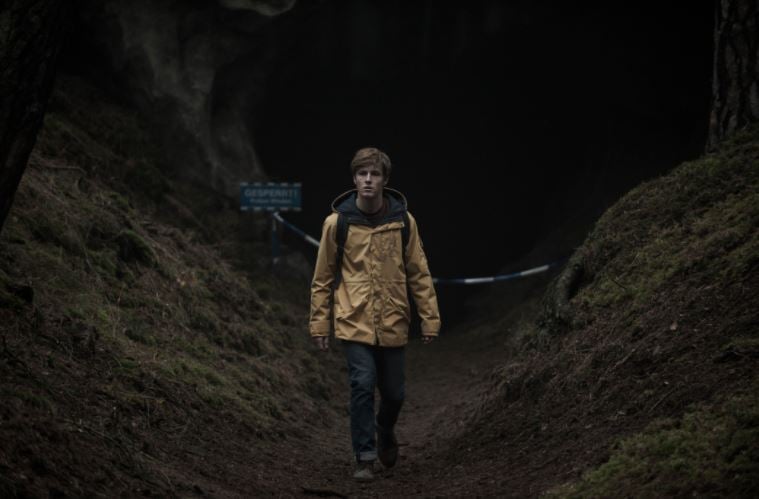
Dark
If you liked Netflix’ Stranger Things gloomy suspense, sit tight because there is a lot more of where that came from in Dark. Here is what they have in common: the aesthetic, great music, and they’re both about the disappearance of a child. Other than that, it is very difficult to compare Dark to anything else I’ve seen before.
This German show is about a town with a long and dark history, which is brought to the forefront of the collective conscious when a child goes missing. The plot twists and turns through decades of history – and that’s as much as I will share without ruining the show for you.
Dark uses beautiful aesthetic, both visually and musically, to be compelling and painfully tension-ridden.
Season two has more bouncing between timelines and more dark and inexplicable events, as now six people are missing.
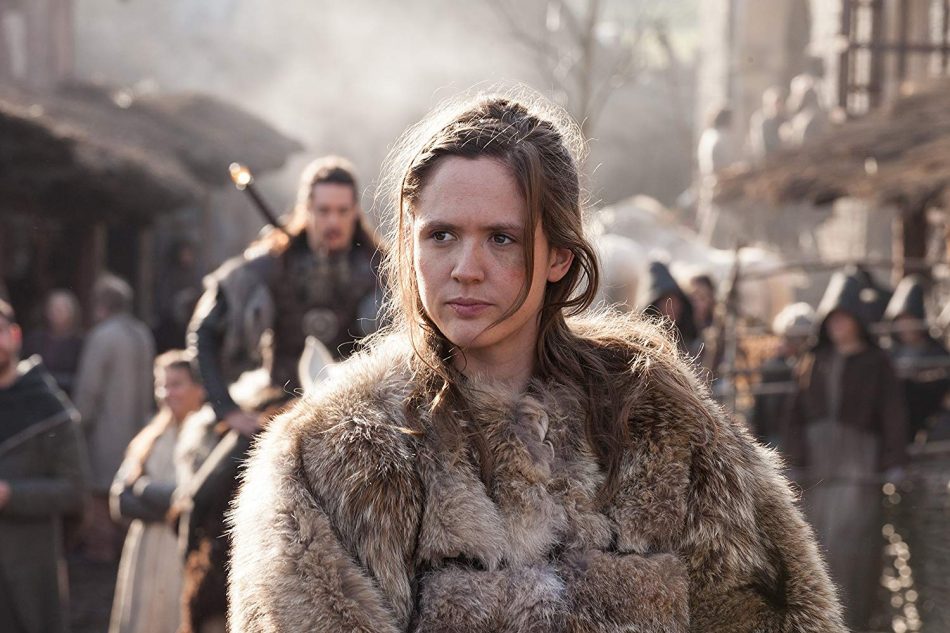
The Last Kingdom
This historical fantasy show is based on the best-selling novel The Saxon Stories, a story set during the Viking / Dane invasion of Britain.
Uhtred was a small boy when he was kidnapped and then raised by the Danes. When he unexpectedly gets caught up in the conflict, his half-Saxon half-Dane mix makes at the same time valuable and untrustworthy for both sides.
There has never been a better alternative to Game of Thrones. The great writing and great performances from a cast of newcomers inevitably induce the same sense of addiction.
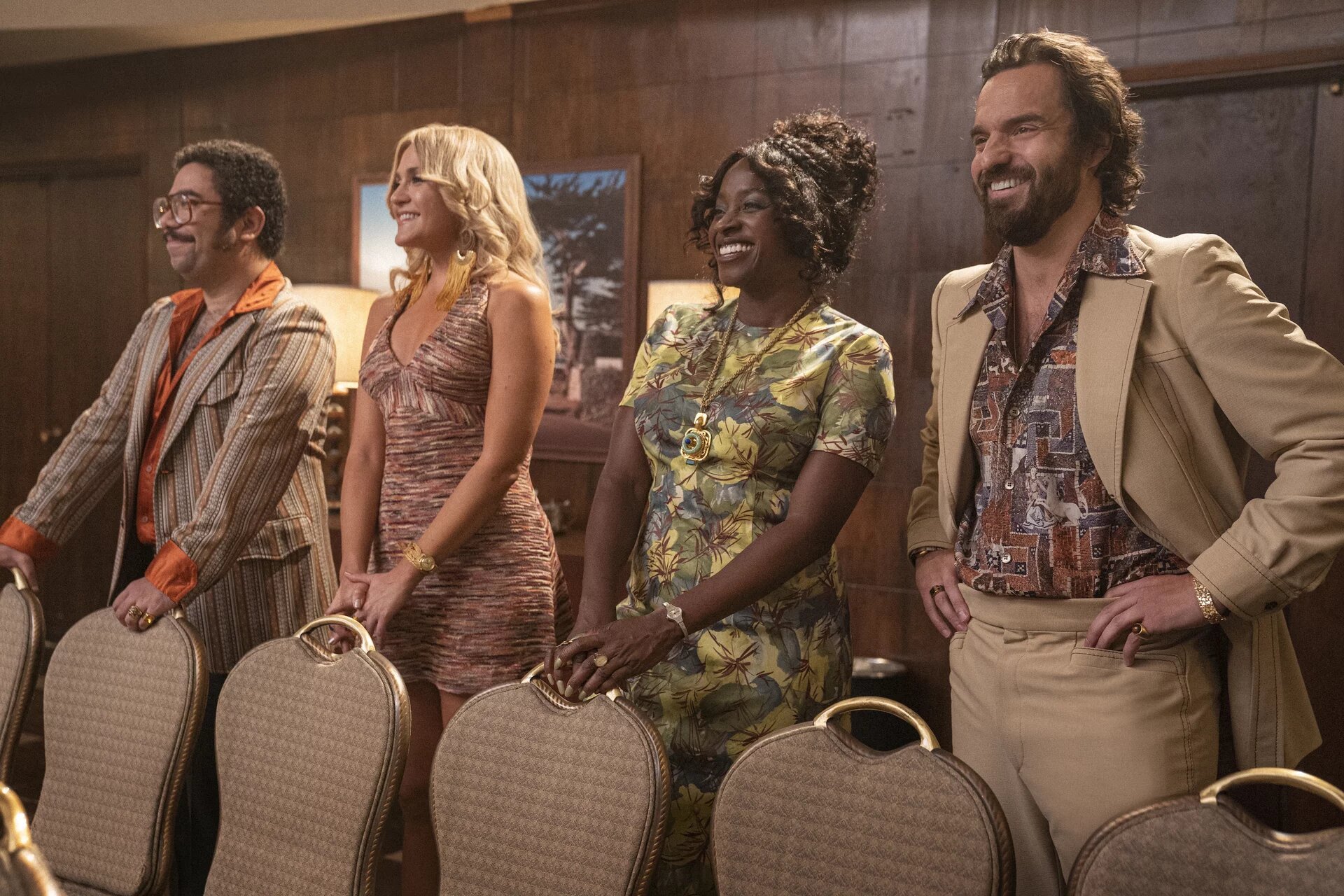
Minx
It’s the 1970s and women’s liberation is at its peak. Feminist writer Joyce (Ophelia Lovibond) wants nothing more than to start a magazine called “The Matriarchy Awakens,” but publishers aren’t biting. Enter Doug (Jake Johnson), a seemingly sleazy magazine mogul who wants to turn Joyce’s idea into something more sellable—namely, an erotic magazine aimed at women. Against her better judgment, Joyce agrees, and along with a crew of unlikely creatives, they work to set up Minx, a sexy female-first magazine that is the first of its kind.
Minx, the series, engages both characters and viewers in important conversations about feminism and eroticism, but more than just a piece of infotainment, it’s actually a genuinely funny and charming show. The spars between Joyce and Doug propel the series forward, and the bonds that form between their co-workers are just as heartfelt and compelling. Given Minx’s explicit premise, you might come in expecting a raunchy and sharp-edged show, but it’s actually tamer than it seems. As it is, Minx is lighthearted and pleasing, as enjoyable as any half-hour comedy out there.
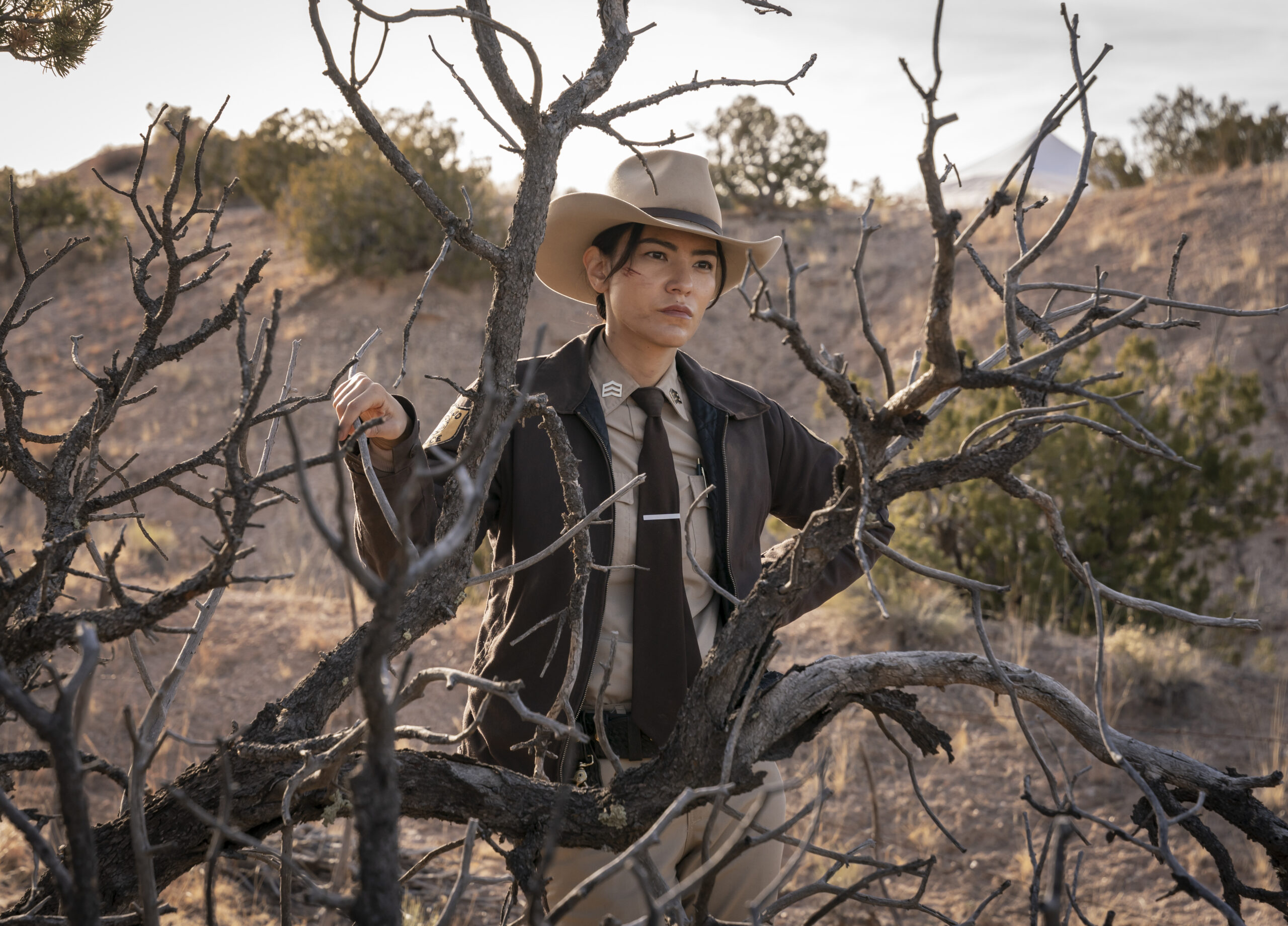
Dark Winds
Even without doing the important and long overdue work of uplifting Native American voices, Dark Winds manages to be an intriguing mystery, layered with complex performances and bolstered by the majestic expanse of the American Southwest (in the ‘70s no less!). Finally released from the shackles of supporting roles, Zahn McClarnon shines here; he’s in top form as the gritty but softhearted police officer who protects his tribe from encroaching federal forces. The mysteries that propel the show are compelling too; they have the same beats as any you’d expect from a crime thriller, but they’re seeped deep into Native American mysticism, making them intriguing and wholly unique.
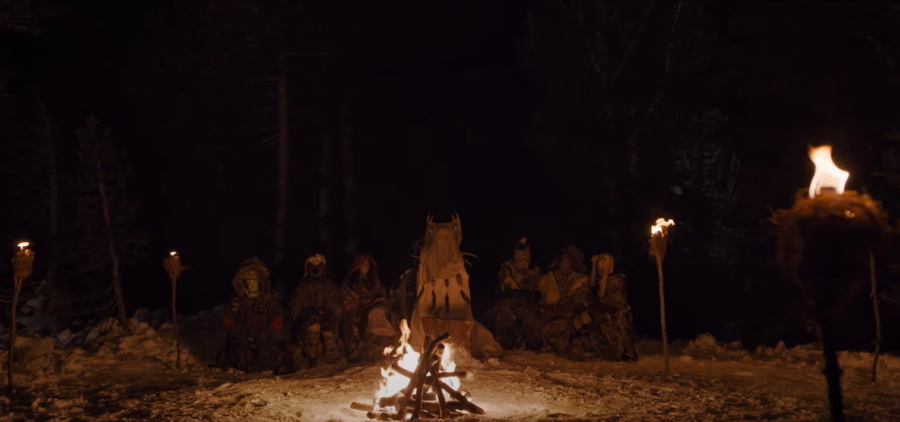
Yellowjackets
When a girls soccer team is left stranded in the wilderness, things quickly descend from worrisome to outright, delightful, and sometimes unbearably weird. It’s a classic tale of survival injected with fresh mystery and drama, and as you watch these girls navigate humanity in all its extremes—from the primal urge to live to the existential need to bond—you’re left feeling both wildly entertained and deeply disturbed all at once.
Though Yellowjackets has drawn comparisons to beloved stories like Lost and Lord of the Flies, its unique pulse on the female experience is arguably its own thing: a sure and instant classic in the making.
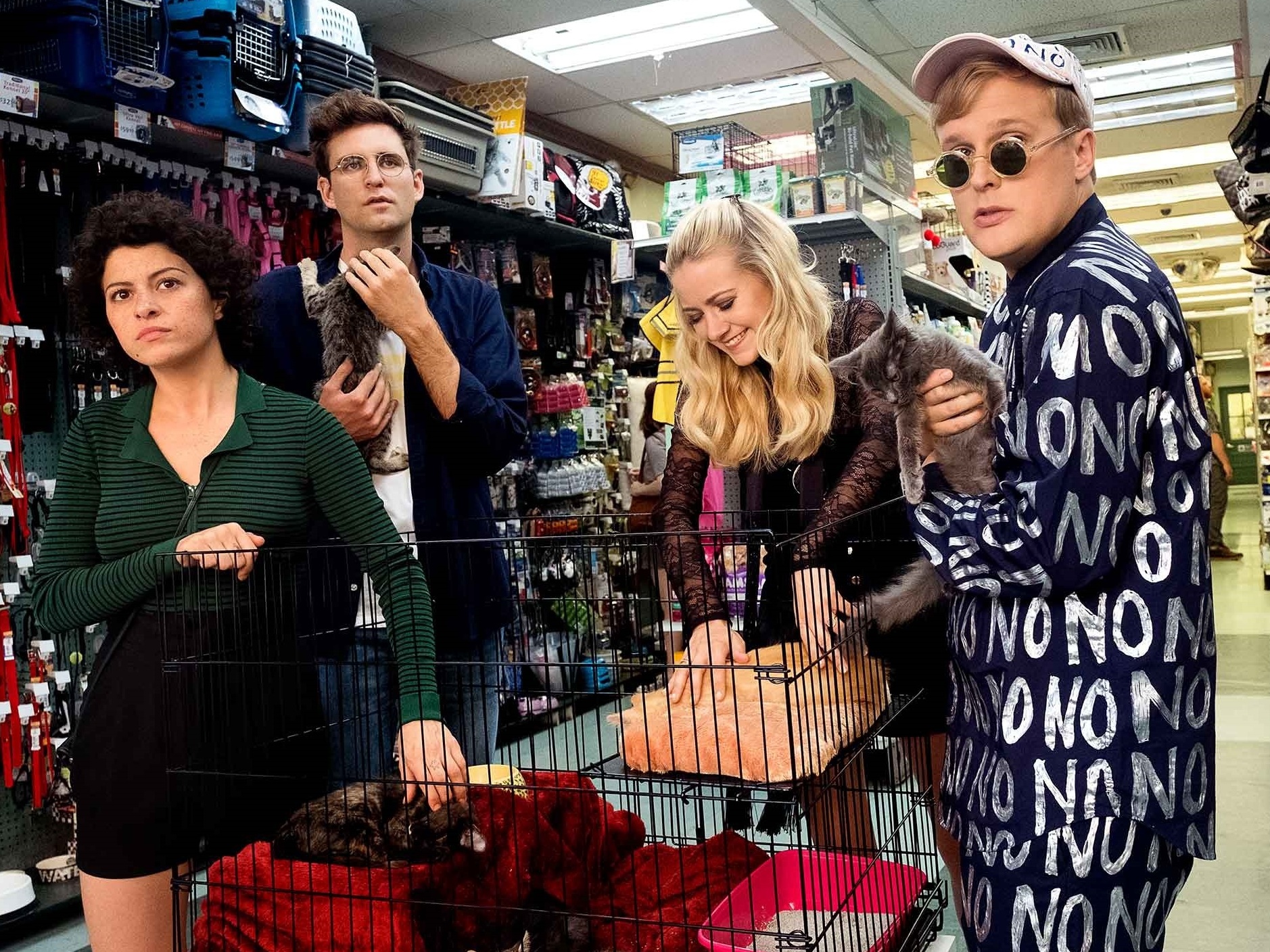
Search Party
Search Party starts off with a simple mystery: whatever happened to Chantal, that girl Dory (Alia Shawkat) barely knew in college? She’s been pronounced dead by authorities but Dory is sure she’s seen her alive just recently. With nothing else going on in her life, a life she imagined would be filled with big feats and adventures by now, Dory enlists the help of her fellow 20-something friends and decides to get to the bottom of the case.
What ensues is a terrific mystery—perfectly paced and twisted—elevated by Dory and company’s comic self-absorption, which buoys the story with great wit and humor. It’s both a self-contained mystery and a satire, and none overwhelms the other.
As the series progresses, Search Party gets even deeper down the loony hole. The crimes get darker, the stakes get higher, and their sanities barely withstand the new cracks they get. But it also gets even more complex and interesting, with many things to say about our so-called lost generation, the millennial generation, who would rather solve mysteries and find simple cure-alls than look at ourselves in plain light.
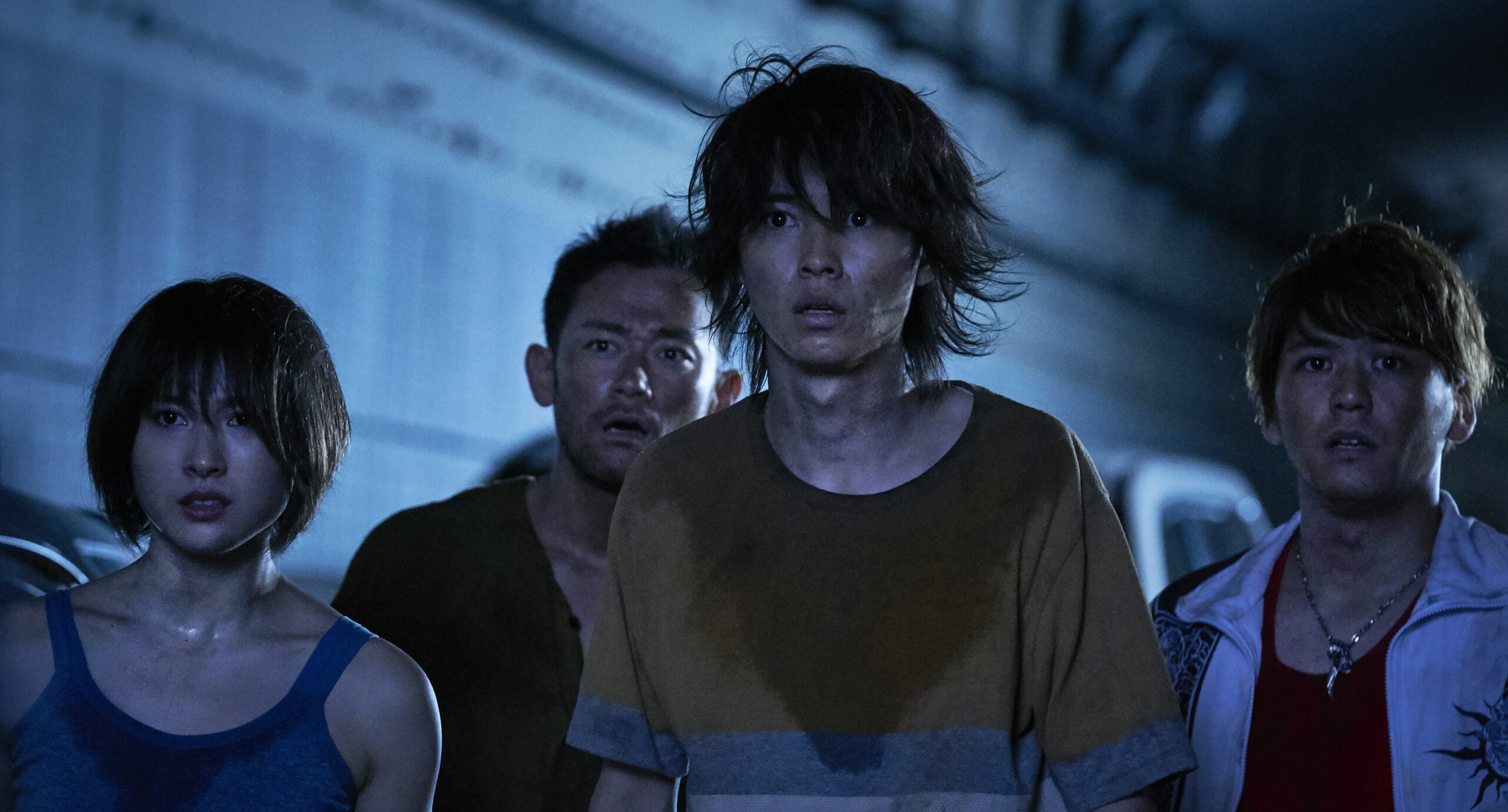
Alice in Borderland
Alice in Borderland is a fast-paced heart-wrenching puzzle of a show that will have you wracking your brain and wiping your tears, often at the same time. It combines the wit of Hunger Games, the ruthlessness of Battle Royal, the goriness of Saw, and the social commentary of Squid Game, though sadly it has yet to receive the same renown as these titles.
With each game, the characters must solve a given problem before the timer runs out—when it does, they die, often violently and for others to witness. While playing the games, leads Arisu (Kento Yamazaki) and Usagi (Tao Tsuchiya) also try to solve the bigger picture by figuring out once and for all who the gamemaster is. Like the story it names, Alice in Borderland drives its characters into increasingly dark and mad situations the deeper it gets. It’s also built to last like the novel, a classic in the making bound to be rediscovered and re-enjoyed in the years to come.
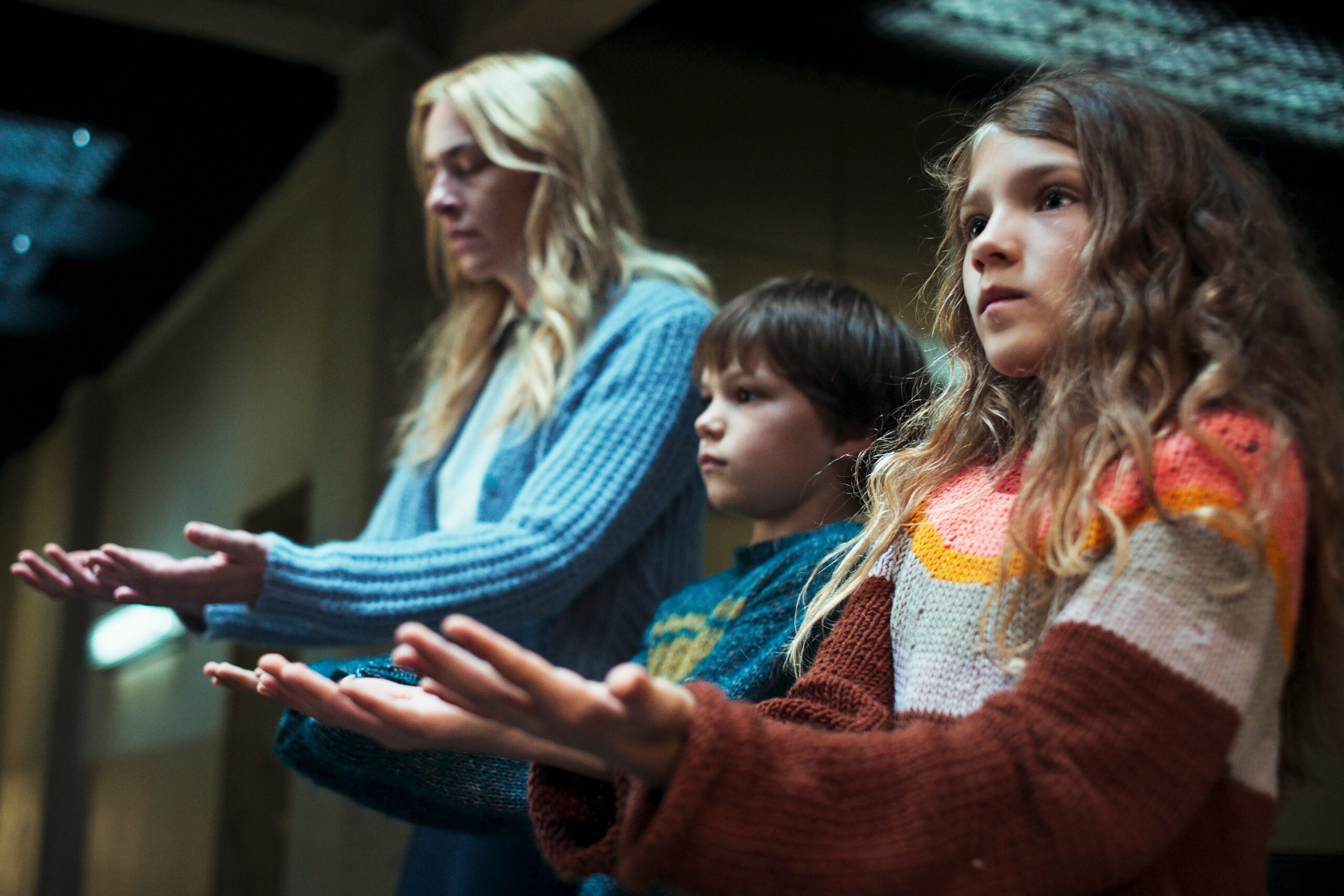
Dear Child
Dear Child may be tackling difficult themes, including sexual violence and domestic abuse, but it’s not hard to watch at all. As a mystery, it’s well-told and gripping, with clues and cliffhangers appearing at just the right moment, and as a drama it’s expertly paced and brilliantly acted, with child actress Naila Schuberth, who plays Hannah, and Kim Riedle, who plays Jasmin, easily owning their scenes. Unlike other stories that decide to take on these delicate themes, it’s not gratuitous or exploitative either. Instead, it knows when to hold back and when to unleash the horrific details of its crimes. The sympathy it shows the victims is present but restrained, at least until the last few moments of the series. By then, the series, with full force, takes the victim narrative and excellently turns it against its head.
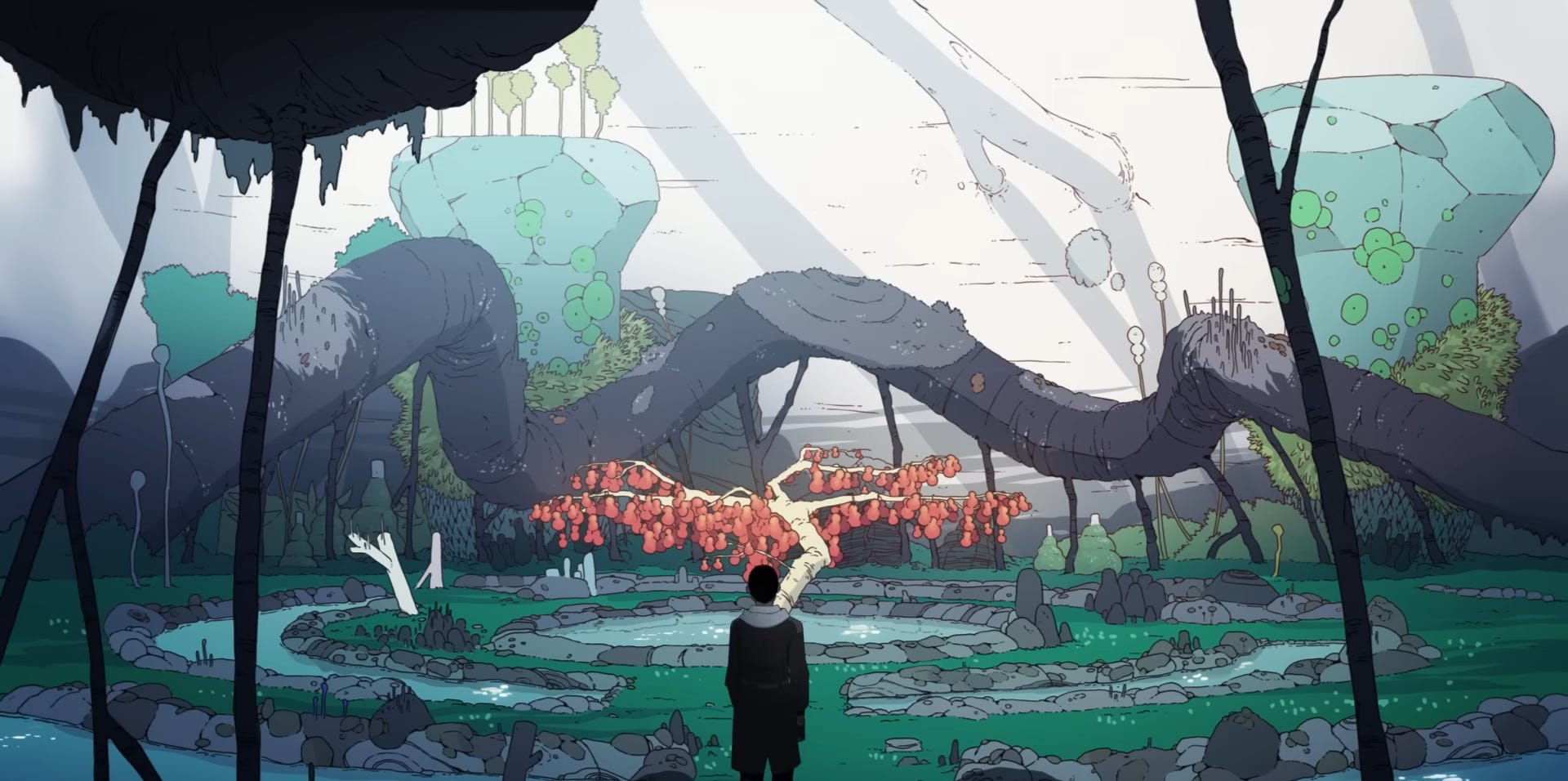
Scavengers Reign
“World-building” doesn’t quite capture what Scavengers Reign does — the sheer imagination on display in just the first three episodes of this 12-part adult animation sci-fi could fill multiple universes. From the get-go, we’re immersed in a truly strange new world, one in which panda-like creatures with telepathic abilities control humans, fungi merge with motherboards, and plant-animal hybrids crackle with electricity. All this trippiness is rendered in a 2D animation style that appropriately draws on the fantastical art of Moebius (who in turn influenced Studio Ghibli).
Flashbacks and hallucinations gradually unravel the mystery of just how the crew of the Demeter and their robot assistant Levi (Alia Shawkat) ended up here — a grounding plot thread that keeps things from totally spinning out into mind-bendingly surreal territory. Not just an exercise in stretching creativity in bold new directions, then, but a gripping mystery laying bare the terrifying limitlessness of the cosmos.
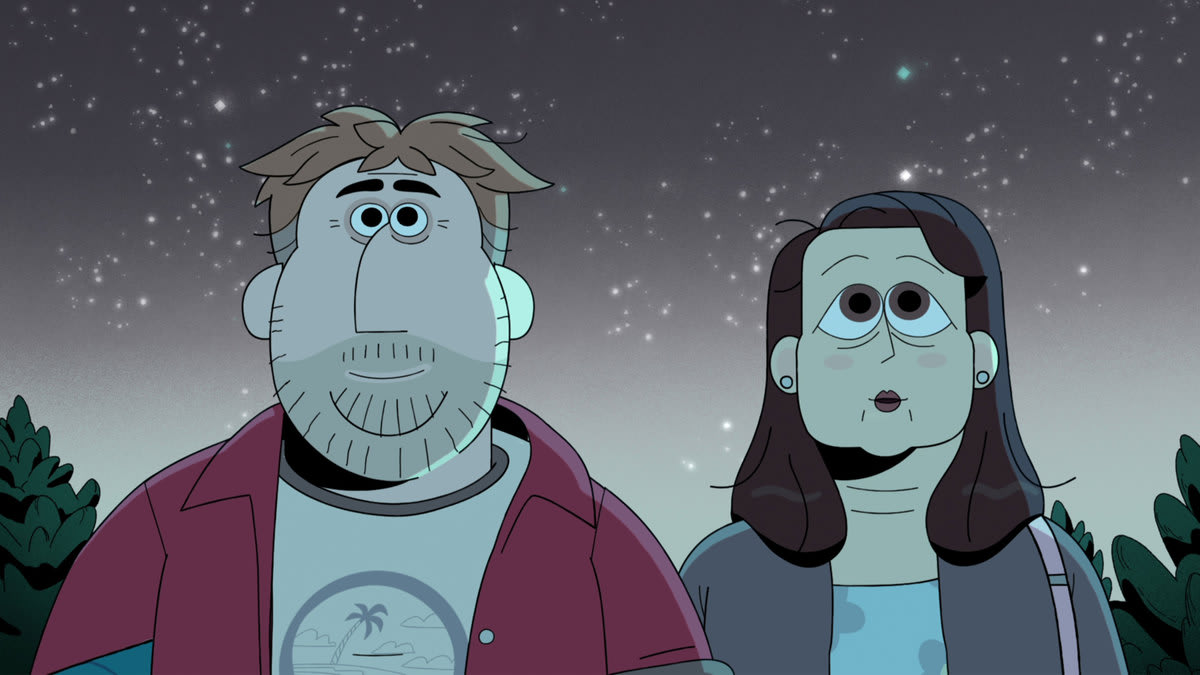
Carol & the End of the World
The end of the world isn’t the most optimistic thing to think about, but the scenario leads you to thinking about unrealized dreams, pleasures, and aspirations: the way you want your life to be, if things have gone the way they planned. Dan Guterman, from Community and Rick and Morty, reimagines this idea in Carol and the End of the World. Carol is that mundane, downright boring character that we wouldn’t take notice of in real life, only because she actively chooses the ordinary life, but this show is extraordinary, shifting perspectives and even genres between episodes, taking unexpected turns, and celebrating the day-to-day monotony of life.
DAN DA DAN
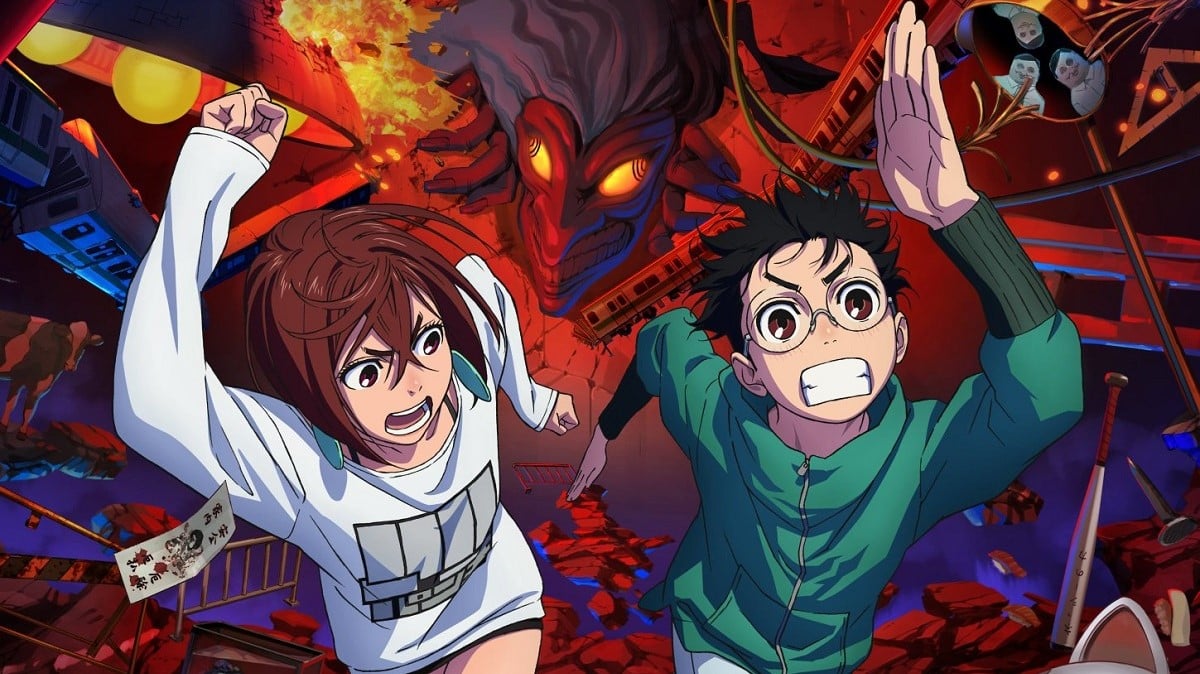
During adolescence, teenagers get to learn and discover themselves and the world, but for most people, this means going through puberty, maybe taking up a sport or hobby, and not the occult vs alien shenanigans of DAN DA DAN. The science fiction-fantasy mix is unhinged and chaotic, throwing Momo and Ken directly into the worlds they didn’t believe in, and with each crazy encounter, they gain insane powers that are rendered into (literally) out-of-this-world, kaleidoscopic animation. But it’s their comedic dynamic that makes the show work, as each absurd situation pushes them to share what makes them vulnerable and challenge each other on their beliefs. DAN DA DAN is spectacularly unpredictable, and is a standout from 2024’s anime fall lineup.
One Hundred Years of Solitude
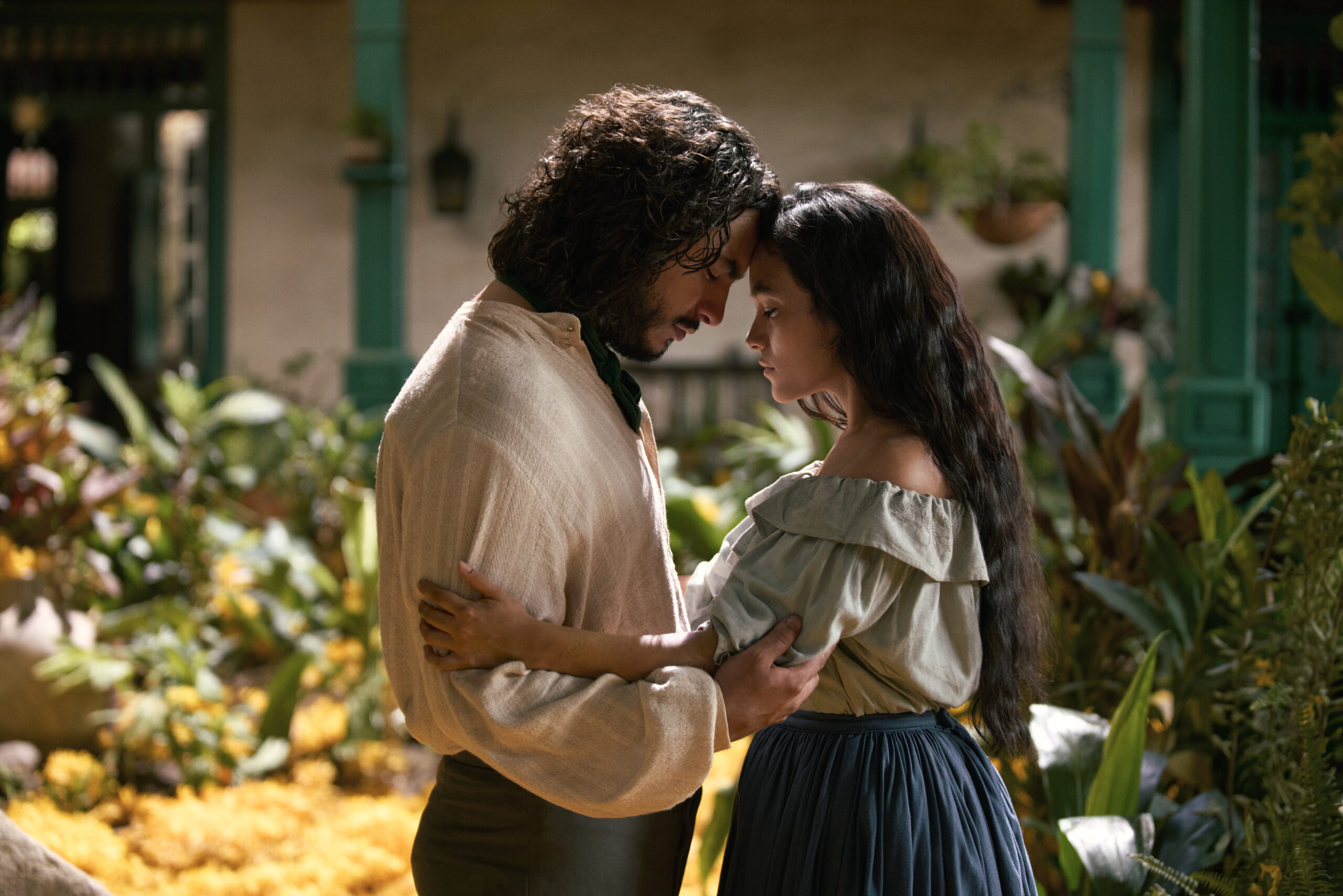
It’s a tall order to depict One Hundred Years of Solitude. Considered to be one of the world’s most important novels to read, expectations were high, the magic realism required a hefty budget, and the sprawling seven-generation plotline felt like it couldn’t fit within a feature film, or around 90-120 minutes. It’s because of this that author Gabriel García Márquez held out on selling the rights, and the family followed suit after his death. Luckily, more than half a century later, streaming television garnered enough prestige and profit to finally adapt the classic. Netflix thankfully stuck to the family’s wishes of having it filmed in Spanish, in Colombia, with Colombian actors, but it also expanded on the layered text in ways video can only do so– like fleshing out the story visually and aurally, having an omniscient narrator, and taking advantage of the medium through editing, direction, and excellent performances from the cast. Cien años de soledad doesn’t just work– it makes it so much easier to understand hype and the themes for people completely new to the text.
Atypical
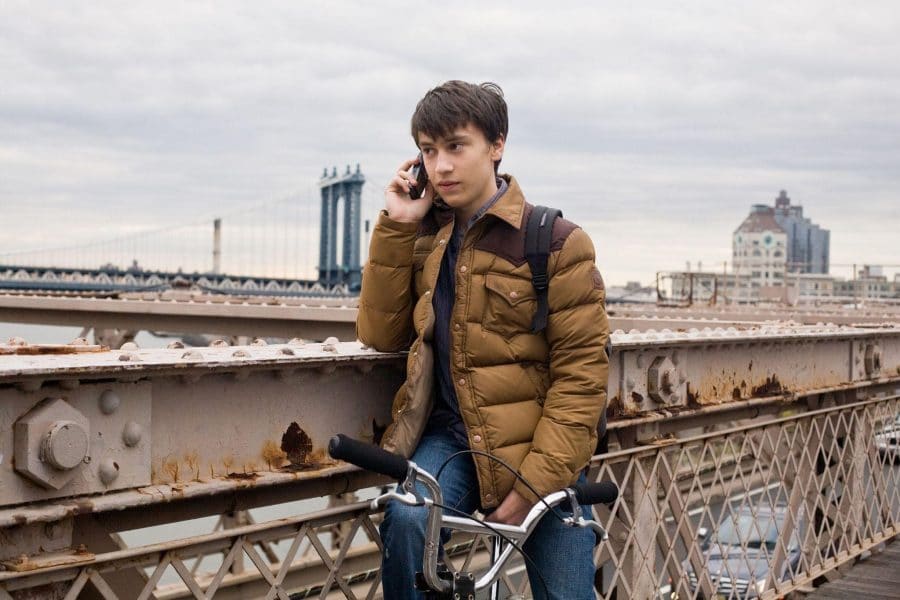
Keir Gilchrist who you may know from the movie It’s Kind of a Funny Story plays Sam, an 18-year-old on the autistic spectrum trying to navigate the “typical” aspects of a teenager’s life: dating, independence, friendships, etc. Perhaps people dealing with autism can better attest to this, but the show feels genuine and realistic. Don’t get me wrong, it’s a comedy, but it’s a really heartfelt approach to the funny sitcom format. In a lot of ways, Atypical is the perfect 2017 Netflix-age coming-of-age sitcom: it’s funny and smart, but also keen to be realistic. And Atypical is about Sam’s family almost as much as it is about him, and how they adjust to his new quest for self-discovery. Look out for newcomer Brigette Lundy-Paine, who does an amazing job playing Sam’s siter Casey!
Teenage Bounty Hunters
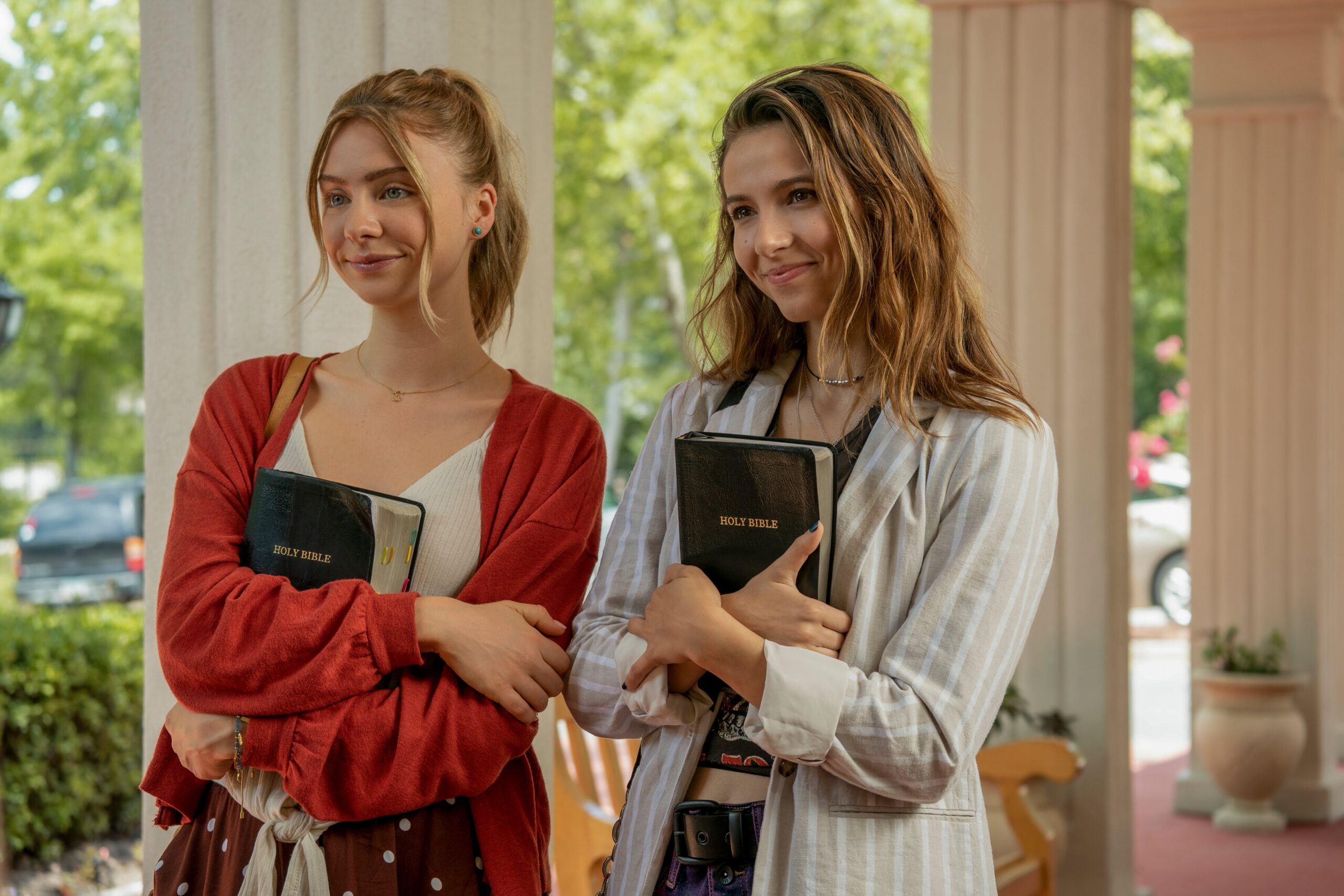
With the deluge of hyper-stylized teen shows everywhere (but especially on Netflix), Teenage Bounty Hunters comes as a refreshing and welcome surprise. Sisters Blair and Sterling, played by Anjelica Bette Fellini and Maddie Phillips respectively, strike the perfect balance between spiky and endearing, creating a chemistry that’s rare to see among TV siblings. There’s friction but also love all around.
Their interactions alone make the series thoroughly enjoyable, but their coming-of-age hijinks and comedic timing, especially around their reluctant mentor Bowser (Kadeem Hardison), make it an absolute must-watch. If you enjoyed Booksmart but wished it was more action-packed, you’ll surely love this show.
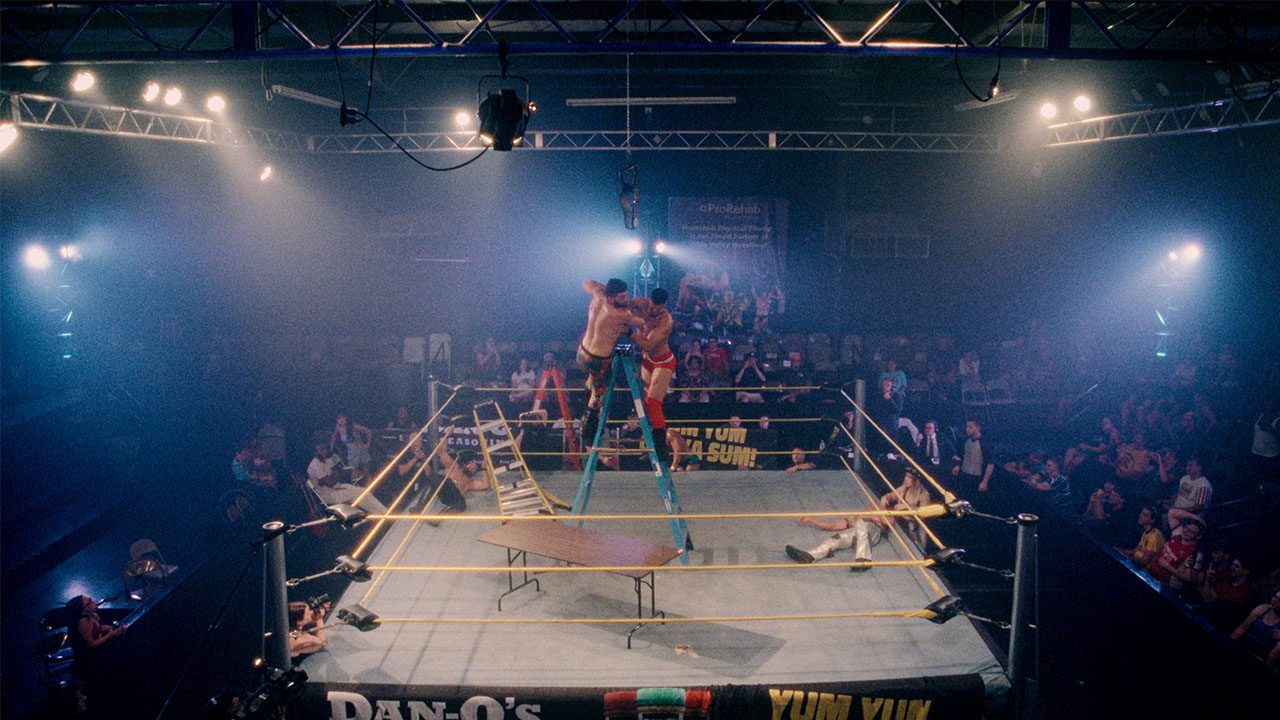
Wrestlers
The OVW are practically nobodies outside the pro-wrestling scene, and they know it. They describe themselves as a “third tier” that trails behind more well-known companies like WWE and AEW, with one manager even likening their team to an indie film. If the WWE and AEW are Michael Bay movies, he says, then the OVW is like the highly-rated but little-seen movie The Squid and the Whale. But though their underdog status is bad news for their dipping financials and fanbase, it makes for a compelling story in Wrestlers. The docuseries pulls the curtains on the OVW and acquaints us with the owners, managers, accountants, and of course, the wrestlers, who are all struggling to keep afloat this act they love so much. “Wrestling is the art of physical storytelling,” CEO Al Snow says, and it’s clear that director Greg Whiteley believes him. He captures the OVW lovingly, intimately, making us privy to their highs and lows, celebrations and disagreements, and everything in between. He never forces us, either, but rather invites us to this world as naturally as possible. You may start watching this knowing very little about the OVW, but you’ll leave knowing and caring about them a little more.
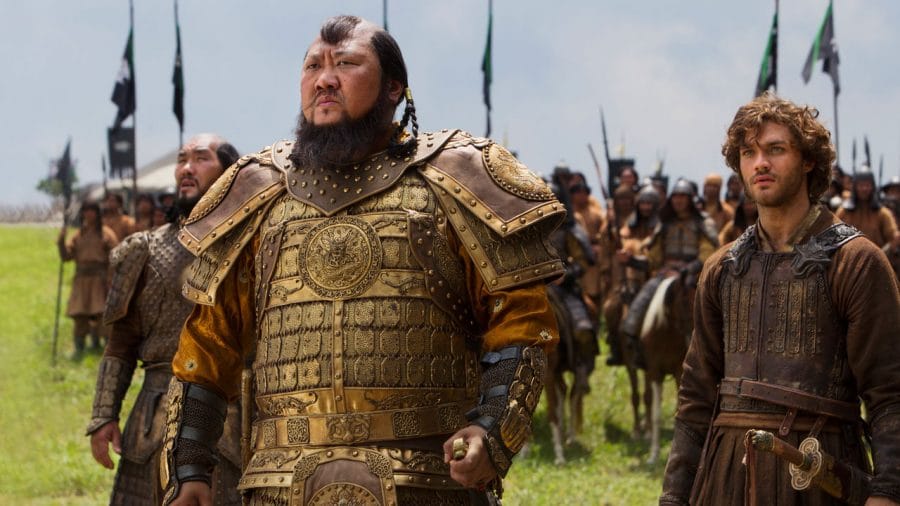
Marco Polo
This colossal-budget show ($90 million for the first season alone) never caught a break. Somehow it didn’t make it to the big audience it deserved. It tells the grand story of Marco Polo the explorer, and the years he spent with the Mongols, going back forth in their ranks between prisoner and leader. It was during this crucial time for the empire that Kublai Khan had extended the reach of his empire even further than his more famous grandfather Genghis Khan. As you’d expect with a show featuring this many characters and such a new world, the first season is not as entertaining as could be, but the show becomes its full-self as a true epic in season 2.
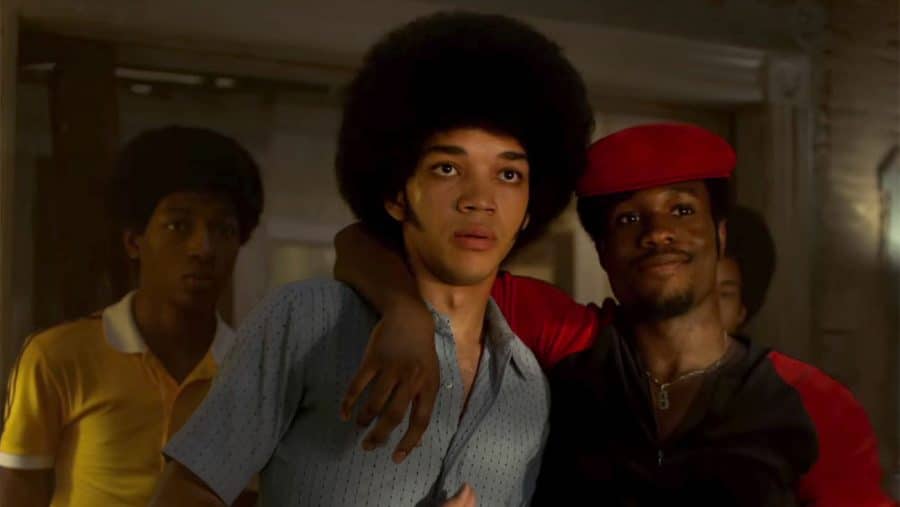
The Get Down
Watch out for Ezekiel in this show, he will steal your heart. And also please sit through the first episode. Yes, it’s long, but if you get The Get Down, it is one of the best shows on Netflix. Created by Baz Luhrmann and Pulitzer Prize winning playwright Stephen Adly Guirgis, it narrates the rise of hip-hop in a broken 1970’s New York. The impressive credentials don’t stop there, as the series is narrated by Nas, features work by four-time Academy Award winner Catherine Martin as well as hip-hop historian Nelson George. It is perhaps for this reason that the word “narration” takes its full meaning here. Every episode, every scene, every character are made with extreme care, resulting in sometimes longer than necessary sequences. A sacrifice that will make some viewers very happy, but which many might have a hard time adjusting to.
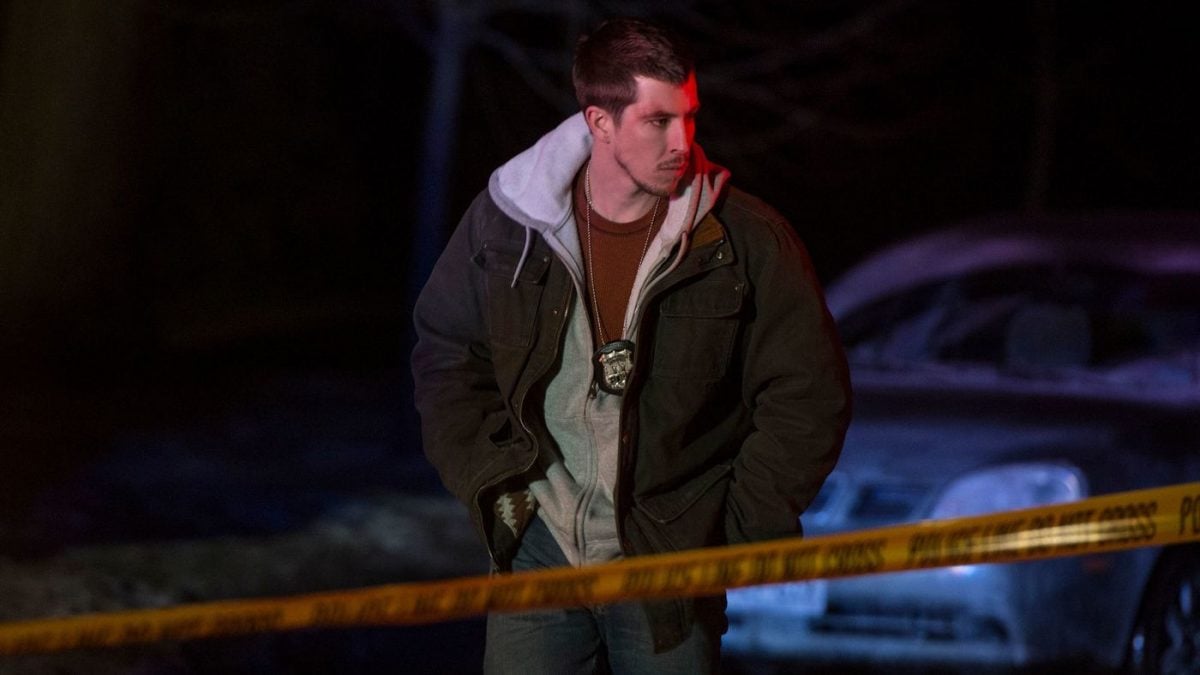
Seven Seconds
The first episode is directed by the maker of Warrior, Gavin O’Connor, and shares its emotional, yet suspenseful and action-packed flow.
A white police officer and his squad are involved in an attempt to cover up the hit-and-run murder of a black teenager. You’ll see the officers weigh guilt and remorse against their fears of exposure and a backlash. You’ll also meet the teenager’s heartbroken family and a disorganized prosecutor.
Its tales of race and institutional bias are compelling, but its greatest strength is the script. Add strong acting, especially by Regina King and Russell Hornsby, and you get one of the best police dramas Netflix has ever had.
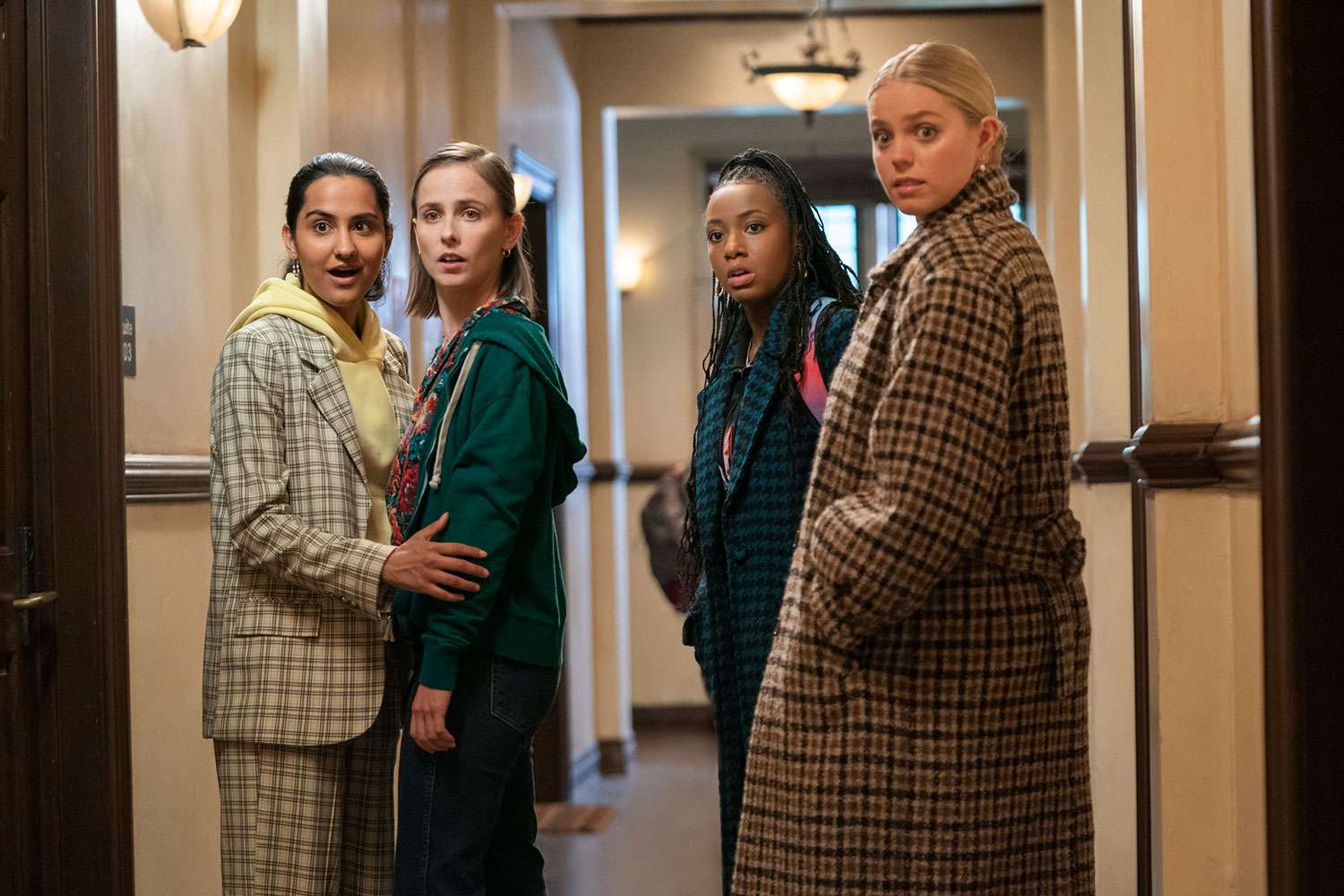
The Sex Lives of College Girls
Four college freshmen from different parts of the country come together as roommates to earn their bachelor’s degree, sure, but more than that, to explore their newfound independence, experiment with each other, and establish a sense of self that they can truly be proud of. In other words, they’re out to get an education, in every sense of the word. This is The Sex Lives of College Girls, a ten-episode series that delivers everything the title promises and more.
More than just a raunchy show (although it’s exciting in that regard too), The Sex Lives of College Girls is an earnest and charming account of what it’s like to navigate that murky, undefined space between youth and adulthood. This gives way to honest and sometimes brutal experiences, but they’re always balanced with the kind of fun, flirtatious hilarity that has long defined showrunner Mindy Kaling’s work (Never Have I Ever, The Mindy Project). Hilarious, relatable, and incredibly breezy, The Sex Lives of College Girls is one perfect binge.
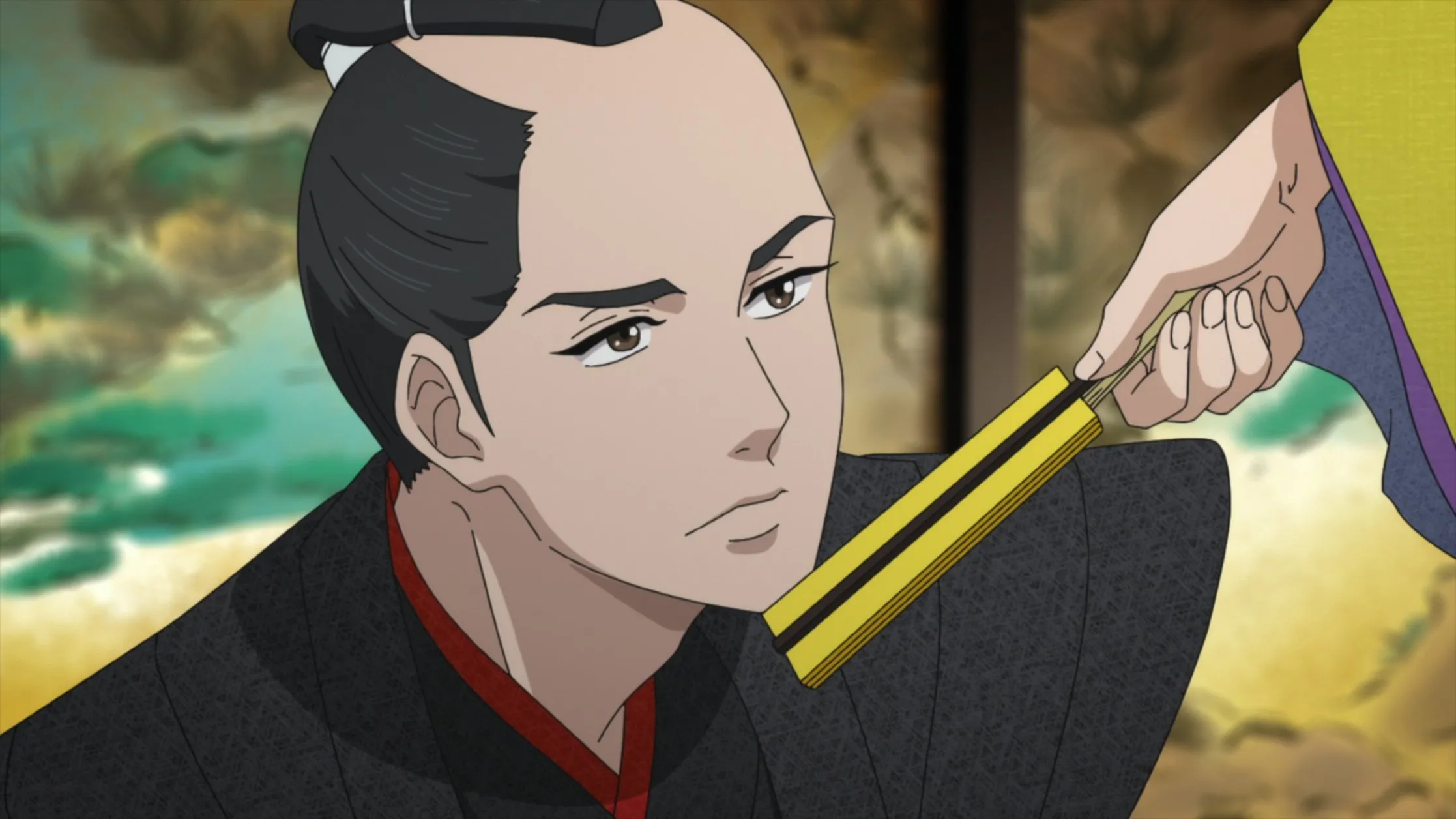
Ōoku: The Inner Chambers
Set in a fictionalized version of Japan’s Edo period, where a deadly disease affecting only men has led to women taking traditionally-male roles, Ōoku is steeped in social commentary on gender and sexuality. The concept is well-established in its 70+ minute first episode, allowing the story to set a foundation for a fascinating progression in this world. By centering the powerful warlord figure, the Shogun, it illuminates the shadows women occupy to support a country with little to no recognition. With a political throughline and an inherently feminist lens, Ooku: The Inner Chambers offers a beautifully-animated series with few gimmicks and lots of depth.
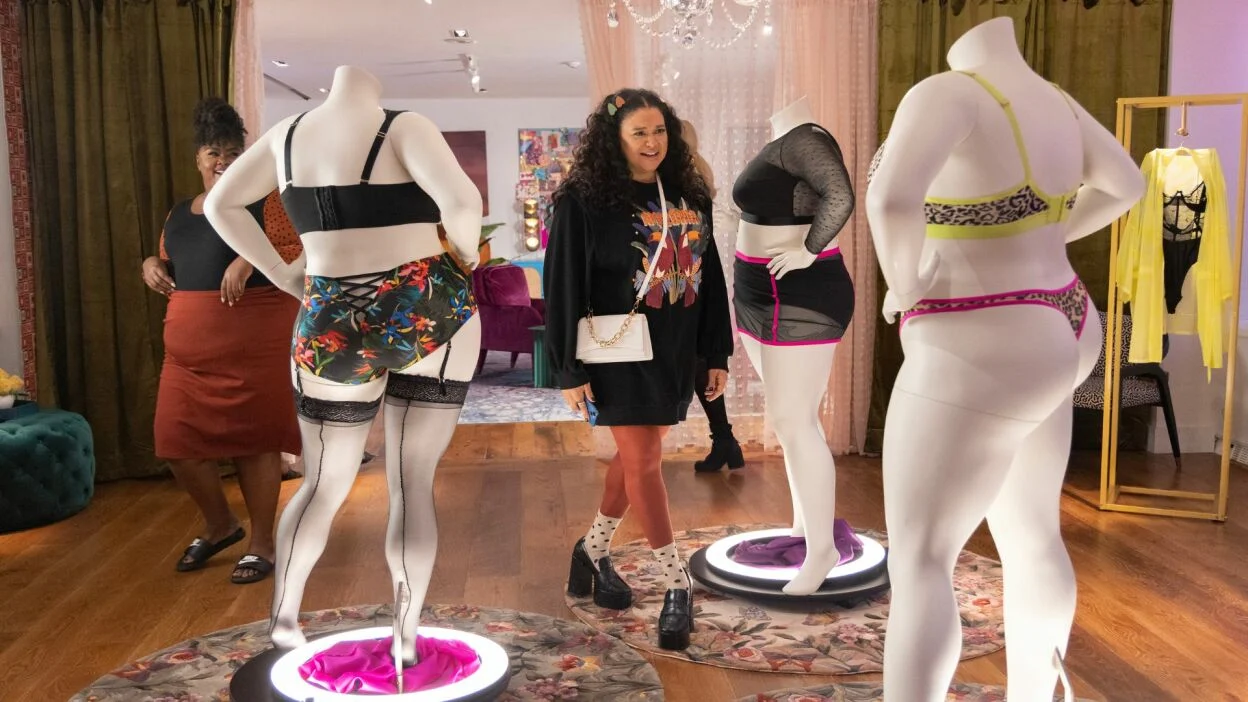
Survival of the Thickest
Michelle Buteau is the hilarious and charismatic lead of this amazingly diverse and body-positive comedy. In her post-breakup glow-up, Buteau’s character Mavis takes no prisoners as she prioritizes herself and her career with the help of her equally funny and wholesomely supportive friends. As with any comedy, there are some cheesy punchlines, but the humor and story still feel authentic (a given since the show is based on Buteau’s collection of essays). Without resorting to self-deprecation or below-the-belt jokes, Survival of the Thickest boasts a refreshingly inclusive, queer, diverse cast that isn’t afraid to take up space. This series is a great comfort watch with fun and laughs guaranteed.
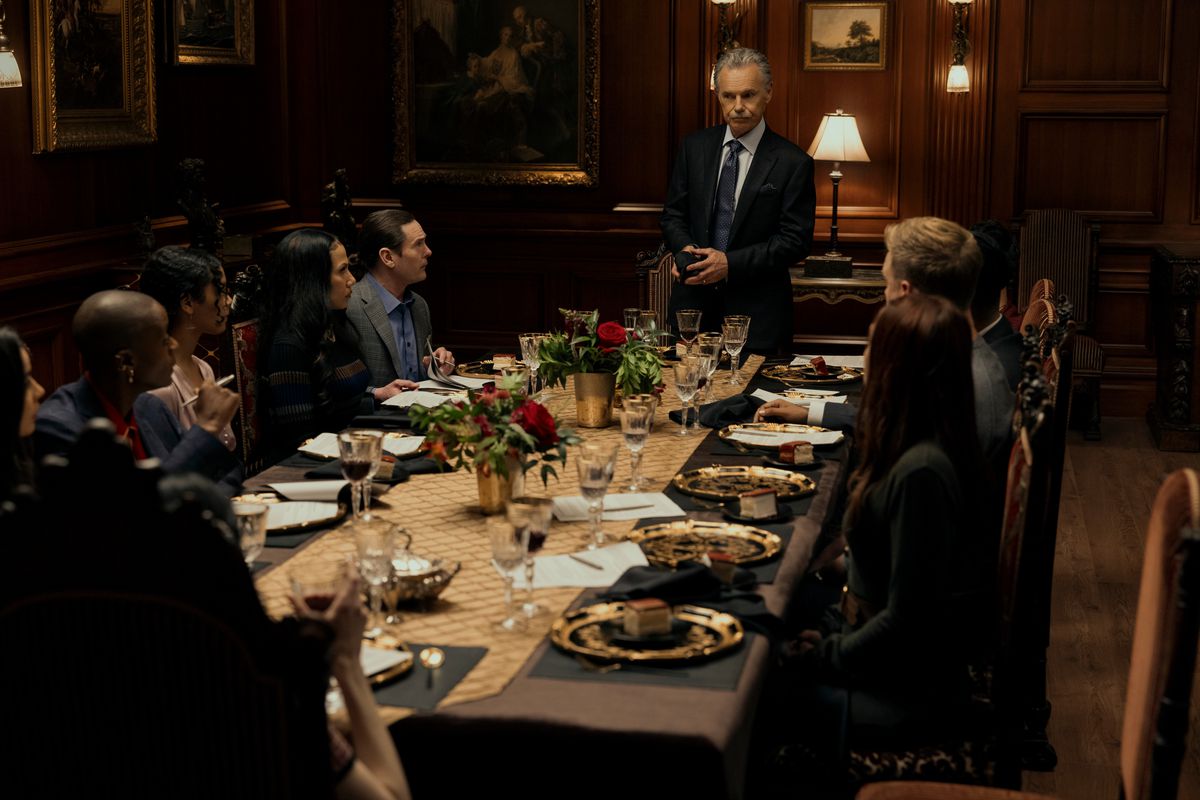
The Fall of the House of Usher
The Fall of the House of Usher isn’t an exact one-to-one television adaptation of the titular short story. Instead, the original story from Edgar Allan Poe is used as a frame to introduce a whole Succession-like miniseries, with names and subplots coming from other stories from Poe. Because of this, fans of the author might feel disappointed at the lack of old gothic flair, as the story is set a whole century and a half after, and the tone shifts as the show shifts from character to character. However, Mike Flanagan’s whole ensemble still proves to be entertaining as the Usher family deals with sci-fi mishaps, internal sabotage, and a possible supernatural element haunting the whole brood.
Feedback
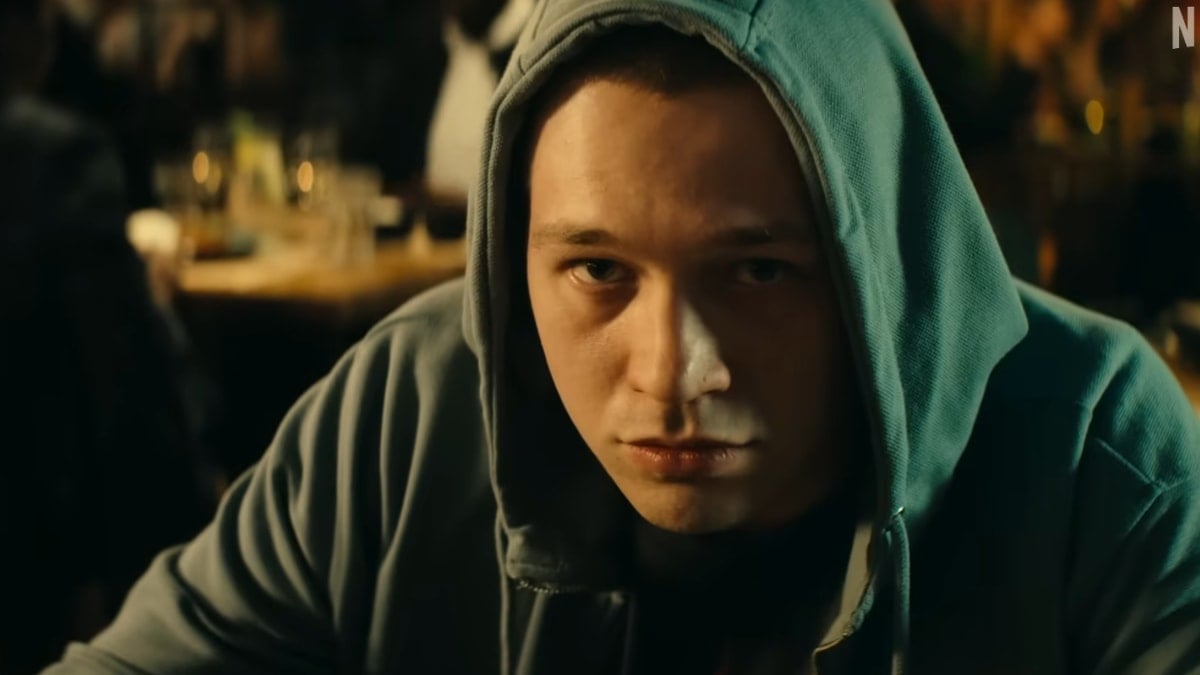
After years of trying to regain sobriety, it’s totally chilling to wake up the next day, with no memory of last night, only aware that you failed to stay in control, again. Feedback follows a washed-up rock star trying hard to figure out what happened last night, but not just because it was an oopsie. Instead, for Marcin Kania, it’s the night his son went missing. With angry spiraling scored by electric guitar, temptations to drink abound, and the demeaning judgment of everyone around him, it’s hard for him to convince the cops to take this case seriously, especially when he only has blurry recollections of last night. But it’s easy to root for this unreliable narrator, who’s trying hard to be his best. He just might find him, but he might also find out what happened to the son he failed to guide properly, and hopefully redemption for how much he’s failed his family.
Nothing to See Here
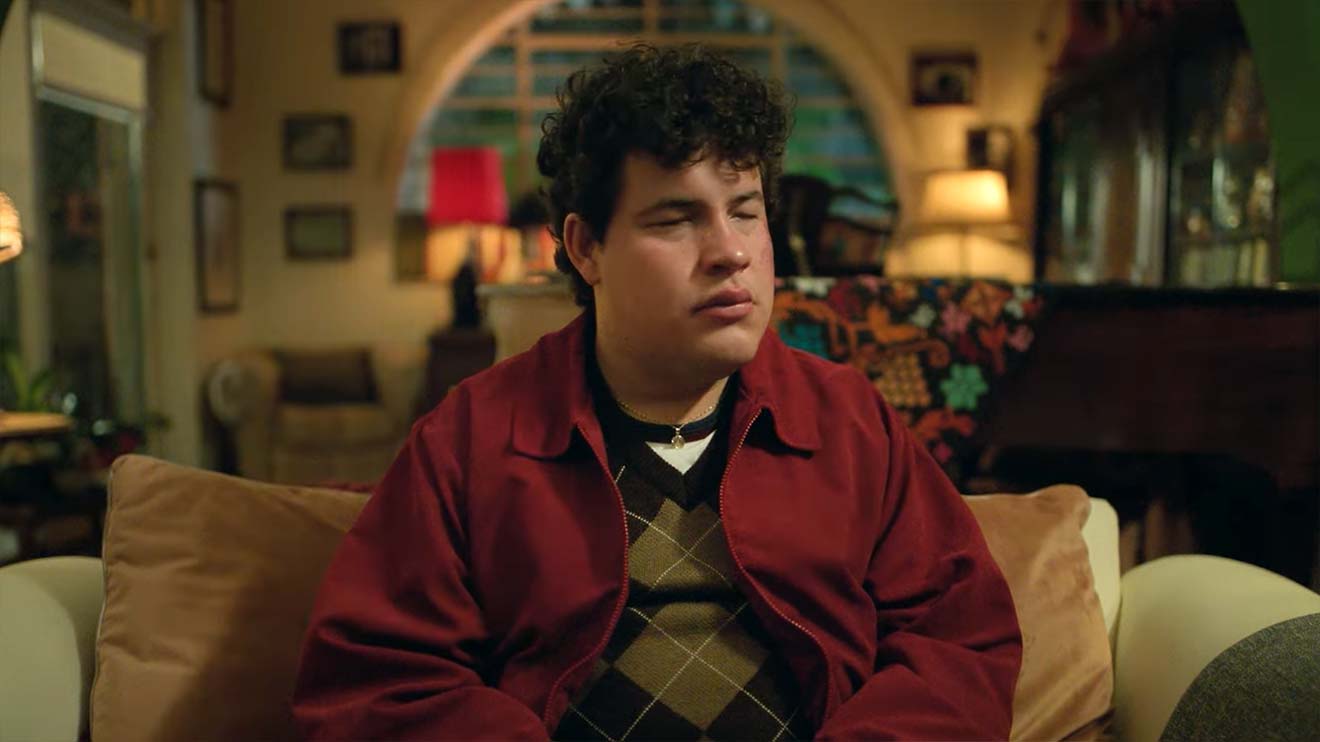
When a comedy is centered around people with disabilities, there’s a worry that the humor would be unfunny or demeaning – there’s a misconception that disabled jokes would surely have to be one or the other. But Nothing to See Here is funny without relying on stereotypes. The humor isn’t based on forced quips or halfhearted improvisations. It’s just part and parcel of a story about chasing dreams, seeking independence, and keeping faith in one’s self despite the limitations imposed by others. And through showrunners Big Drama and Santiago Limon, as well as the well-selected cast, it’s hilarious and heartfelt enough to follow.
Boy Swallows Universe
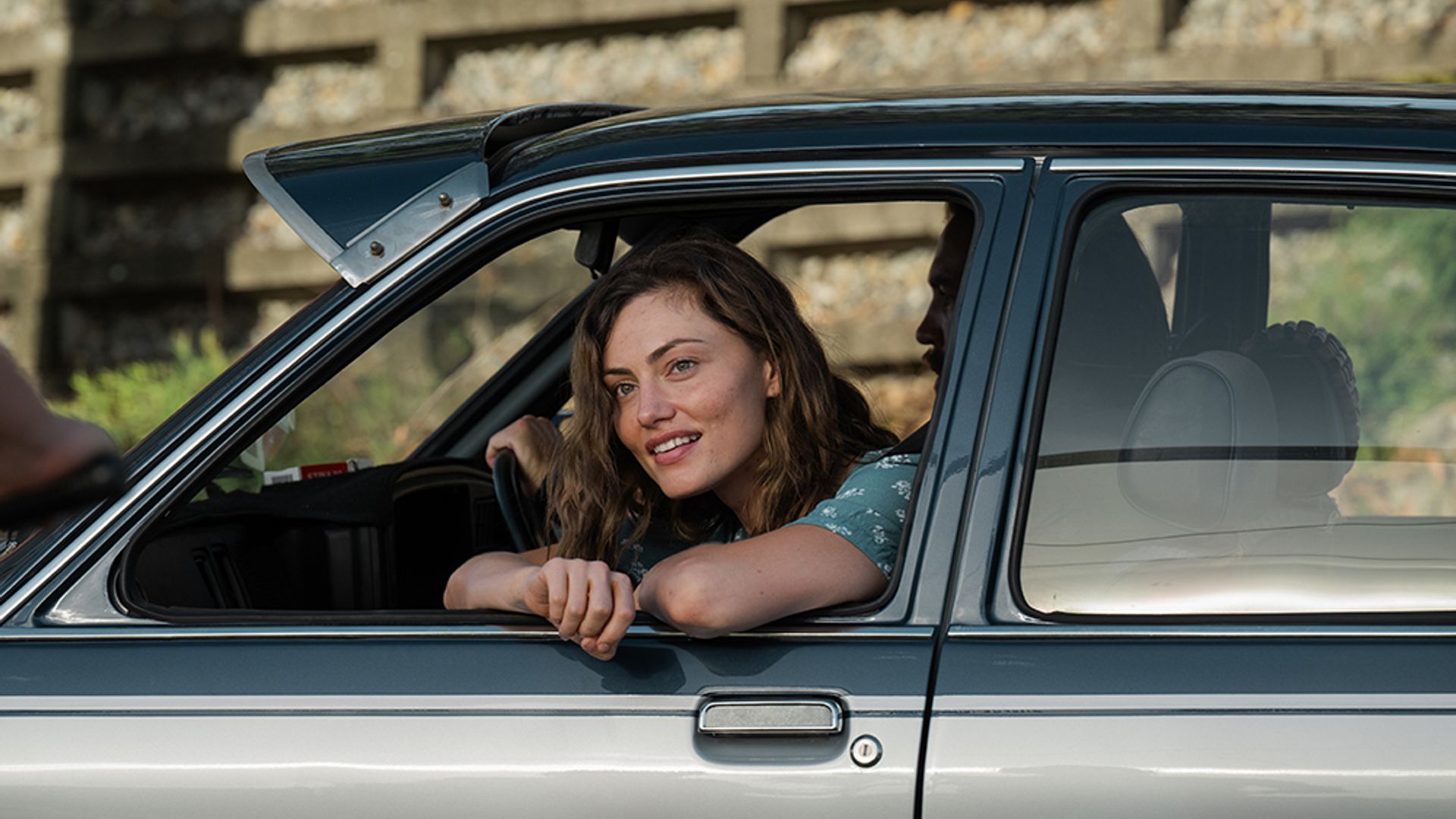
Coming-of-age shows are practically Netflix’s bread-and-butter, but the working class side of Brisbane in the 80’s is a suburb we didn’t expect the international streamer to visit. Based on the semi-autobiographical novel with the same name, Boy Swallows Universe is centered on the precocious Eli Bell, whose age and curiosity naturally pushes him to try and figure out how he fits in the world. There are some magic realist elements, and the crimes escalate as we go further and further into the miniseries, but the show shines best when depicting the slow, day-to-day moments in Bell’s family. The show never judges them, nor does it totally excuse their actions. Instead, Boy Swallows Universe depicts a certain nostalgic compassion one could only have for their hometown, regardless of how downtrodden it is.
One Day
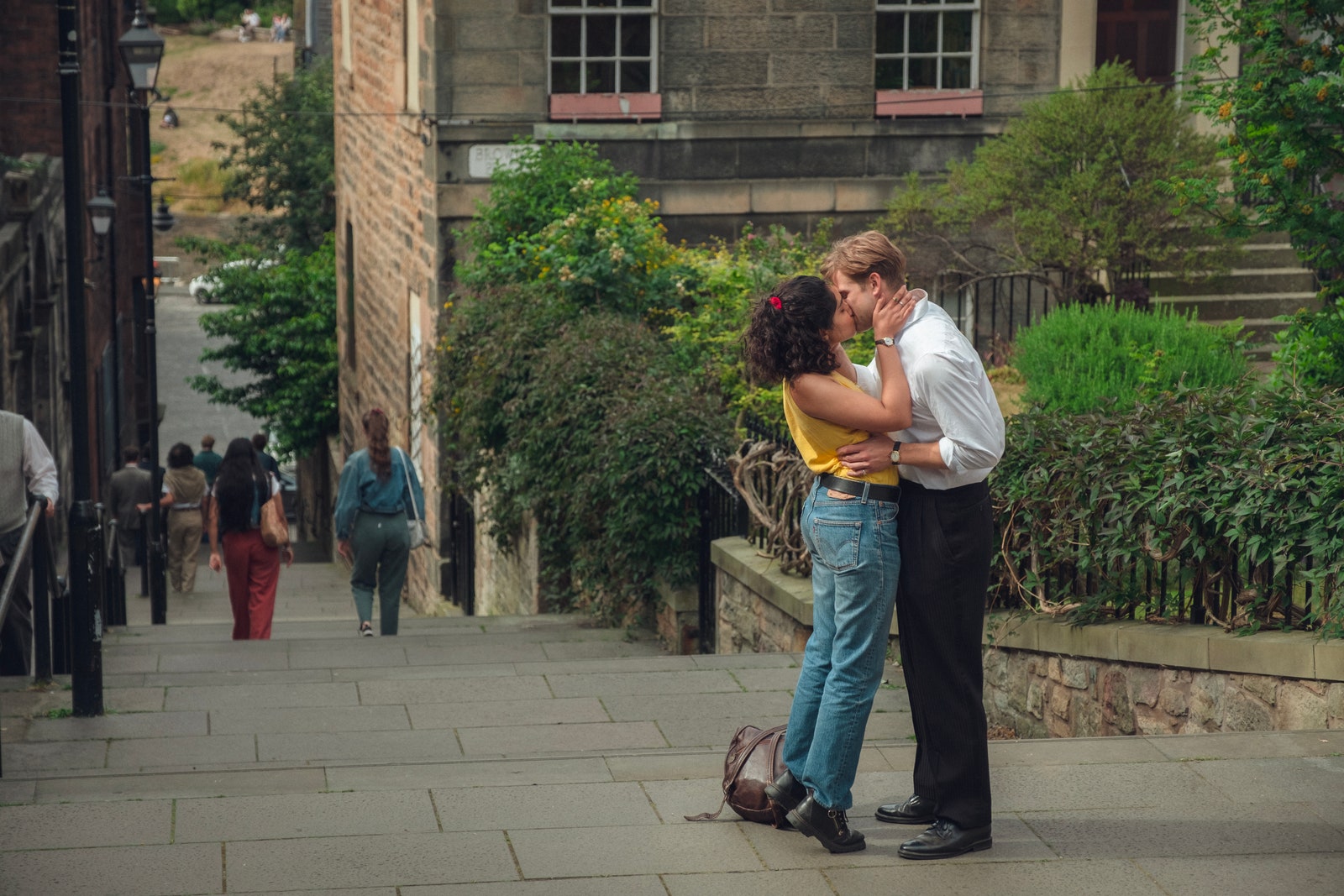
With a film version that didn’t live up to the hype of the original novel, Netflix’s adaptation of One Day released just in time to wreck the fans’ hearts all over again, but this time, it’s a good thing. The expanded runtime allowed Netflix to delve more into the moments in the novel, with each episode dedicated to a day in the year in Emma’s and Dexter’s lives, contrasting their respective worlds and opportunities available to them as different members of London society. And the couple is played beautifully by Leo Woodall and Ambika Mod, with a believable chemistry that isn’t formed in a single spark, but made in multiple moments. If you’re needing a good cry just right before Valentine’s Day, One Day is a superb slow burn romance to let those tears out.
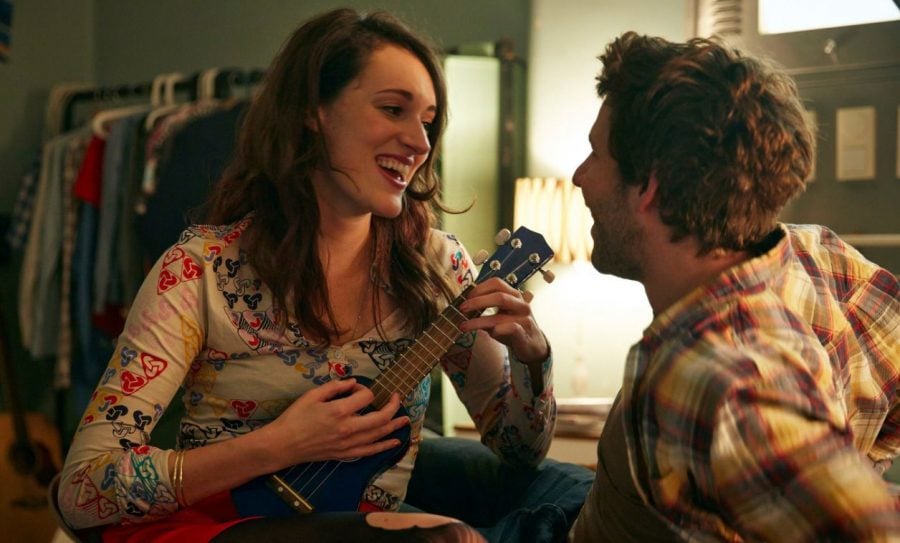
Crashing
Phoebe Waller-Bridge became famous for her hit show Fleabag, but few people know about Crashing which she has also created and stars in, and which deserves just as much attention. She plays a girl who moves to London to be with her childhood friend, who’s already in a relationship and living with his partner and four others in an abandoned hospital. Waller-Bridge settles into the hospital as well, and the six twenty-somethings become property guardians of the hospital building.
Funny characters and excellent performances make this show dangerously bingeable.

Tour de France: Unchained
Tour de France: Unchained is an intense sports docuseries depicting the ins and outs of the prominent cycling race. While cycling is an individual activity, Tour de France is structured to be a team sport — usually comprising around 20 teams with eight riders each. The first season depicts the 2022 run from Copenhagen to Champs-Élysées, the comeback after the pandemic, with players looking to defeat two-time defending champion Tadej Pogačar (UAE Team Emirates). If you’re up to date with cycling news, you’ll know how this one ends. However, it’s still a worthwhile watch, as the show goes behind the scenes to witness the team dynamics, the severe falls, and the steep challenges. With this in mind, Tour de France is very watchable, especially for fans of the sport.
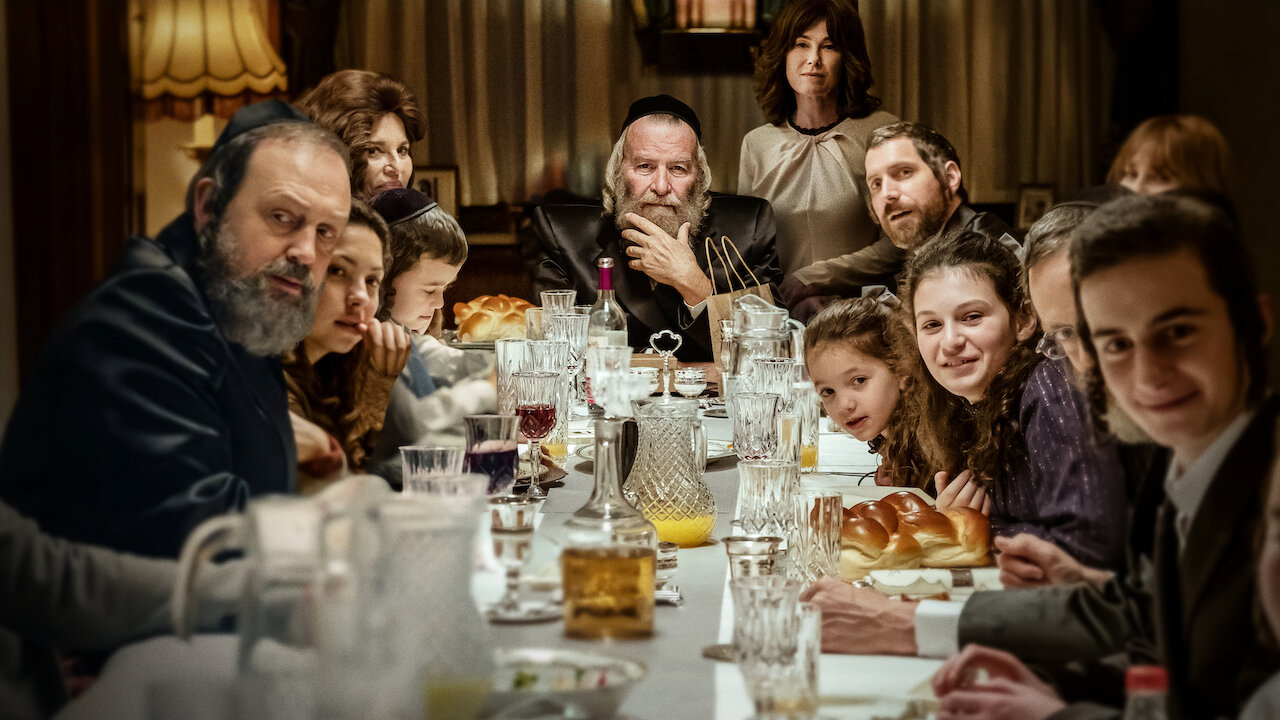
Rough Diamonds
At first glance, Rough Diamonds seems to be a standard Netflix thriller with debts, deaths, and dirty deals. However, this Flemish-Yiddish series happens to also be a compelling family drama, centered around Antwerp’s Haredi Jewish diamond community. The series starts the season strong with the death that puts the family into chaos. It continues the series’ suspense with the return of prodigal son Noah, who, like Godfather’s Michael Corleone, initially disagrees with the family’s orthodox lifestyle, but can’t help but be drawn back to the family business. As the family scrambles to figure out their dead brother’s debt, they squabble with each other in a dynamic reminiscent of Succession, with an added organized crime twist. The resulting mix creates an intriguing thriller series that also happens to be a nuanced portrayal of a rarely portrayed community.
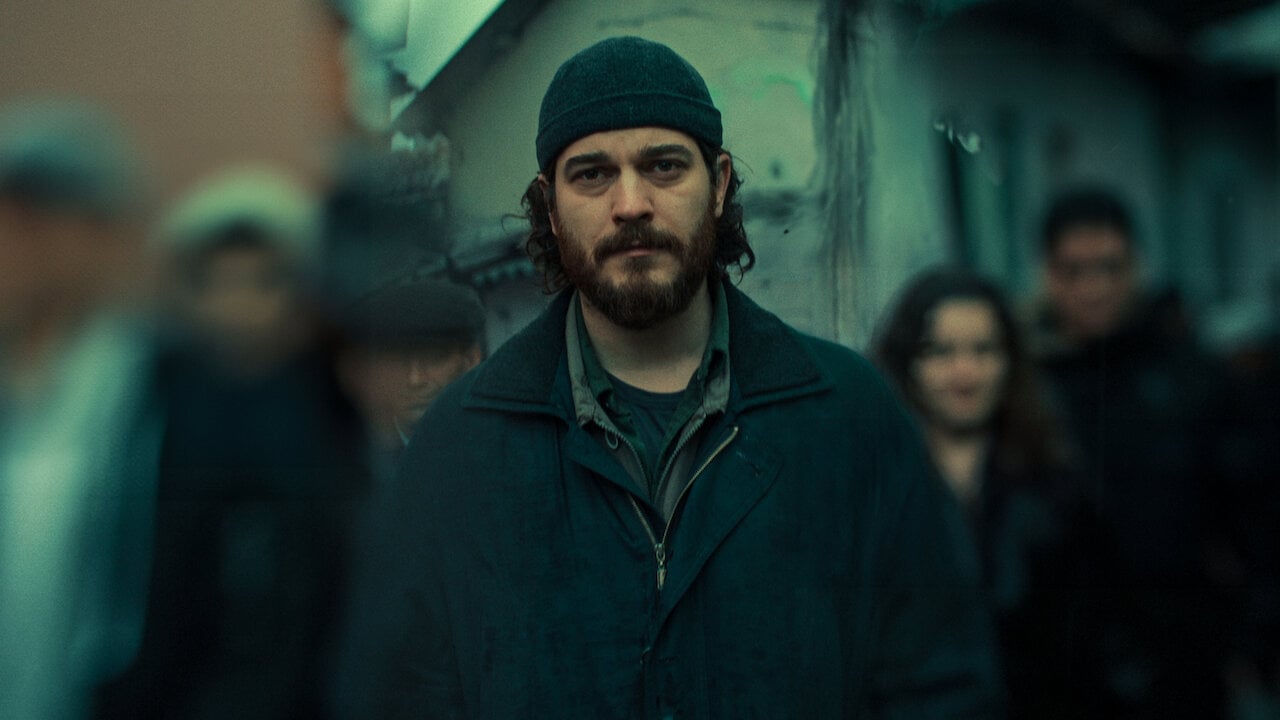
Kübra
Saints used to be given divine messages, but in the modern age, what if God, or any higher power, communicated to us through social media? Kübra explores this idea in serious contemplation, with fewer intelligence agencies than Netflix’s 2020 Messiah, and more interest in the chosen messenger himself. The show is surprisingly more meditative than thrilling, as the lost ex-militaryman Gokhan and his loved ones quibble over the messages possibly from Allah, through the titular screen name. Of course, they point out that the very idea is ludicrous. At worst, it could be a delusion influenced by a stranger that wants to manipulate a war veteran for nefarious purposes. But the journey and the excellent performances allow us to ponder how prophets came to be– how faith and purpose are intertwined, and how much life’s difficulties can push us to hope for a miracle.

Dear White People
Far more self-aware than one might think, Dear White People isn’t just a progressive comedy that puts its politics front and center—it’s also heavily critical of its own so-called “woke” characters and their hypocrisy, but never in a cruel way that betrays its own beliefs. It’s a show all about the contradictions of existing as Black in America, especially within a prestigious institution that claims to take pride in its diversity while asking its students to compromise on parts of their identity. And all of this is done with impeccable style, a rapid pace that actually enhances the comedy, and a large cast of well-written characters who intersect in fascinating ways.
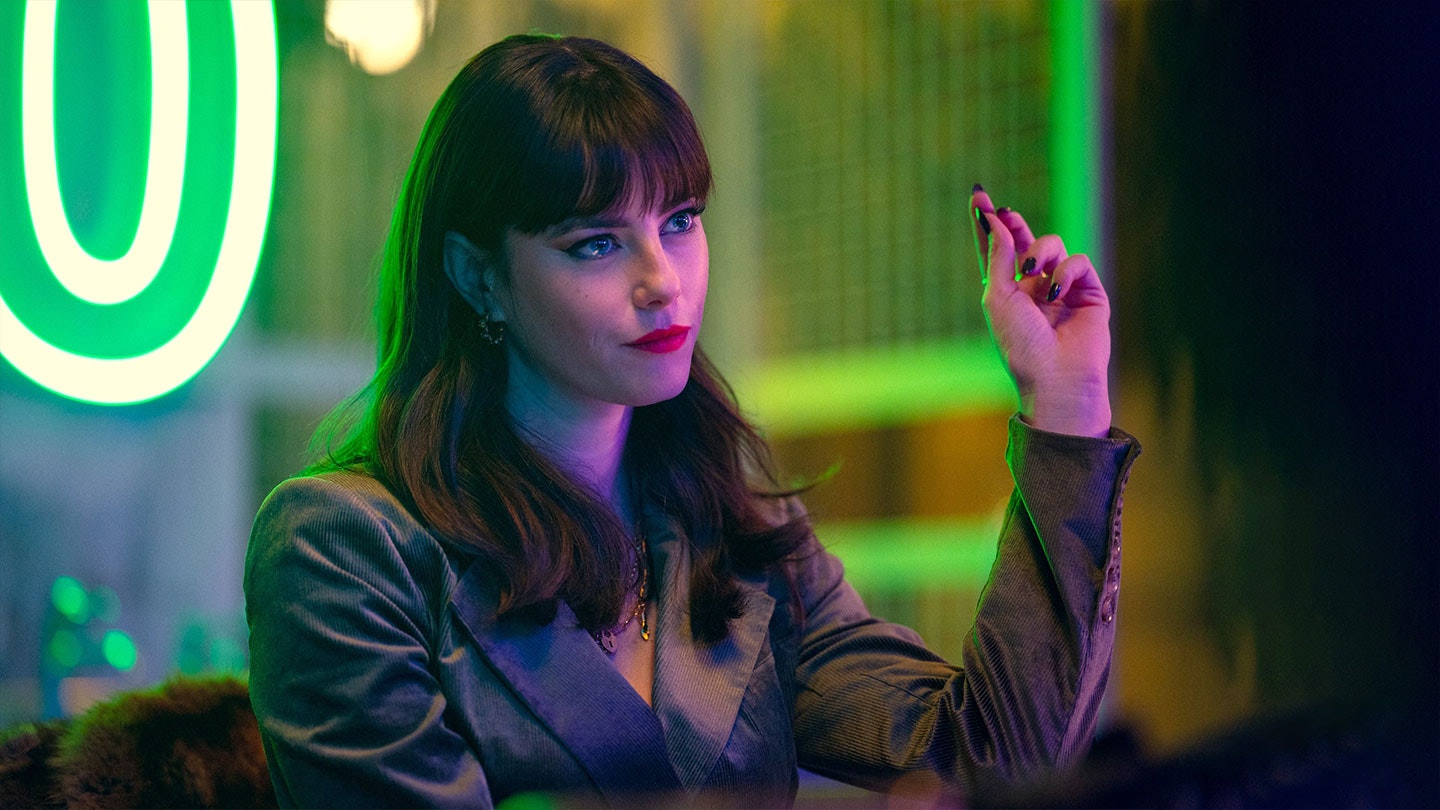
The Gentlemen
After the successful release of The Gentlemen (2019), it would have been easy to just continue the story with the same cast of characters, but instead Guy Ritchie makes a spinoff with the same cannibis chaos, but instead expands it to a startlingly funny depiction of the British aristocracy and the criminal underworld. It has all the action-packed styling Ritchie is known for, with each episode bringing up a new inheritance issue Theo James as Eddie Halstead has to solve, with the help of a cool and cunning Kara Scodelario. While the episodic troubles do feel a bit tired after eight long episodes, The Gentlemen keeps the intrigue through never losing sight of the tension occurring between the main duo.

Toxic Town
Toxic Town tells the true story of how toxic waste in the steel-making town of Corby, England led a group of affected mothers to pursue justice. Helping them out is pro-bono lawyer Des Collins (Rory Kinnear), while on the other end of the case is Corby’s local government, who (unsurprisingly) are in cahoots with the steel mill responsible for the poisoning. The show’s beats are familiar; it’s a classic legal drama with streaks of political corruption and conspiracy, while also being an underdog story about victims rising to the powers that be. But its familiarity is easily forgiven thanks to the heartwarming performances of Jodie Whittaker and Aimee Lou Wood, who play two of the mothers with disabled children. The show, though short at just four episodes, gives them ample space to grieve, celebrate, and essentially be human–as opposed to just angry women serving as plot points to a drama. Their humanization and compassion for one another, as well as the thrilling pace and intelligent back-and-forths, are what make the show worth watching.

Sirens
Sirens is a psychological drama that follows Devon (Fahy) as she retrieves her sister from the grasp of her cultish, billionaire boss, Michaela (Moore). The five-part series is addictive, not just because of the juicy drama and the dagger-sharp, class-conscious dialogue, but also because of its deep understanding of the contradictions of womanhood. The women are alternately jealous and empathetic, pained and ambitious. And they’re led by a trifecta of compelling performances: it’s a thrill to watch Fahy, Moore, and Alcock go at each other’s throats.
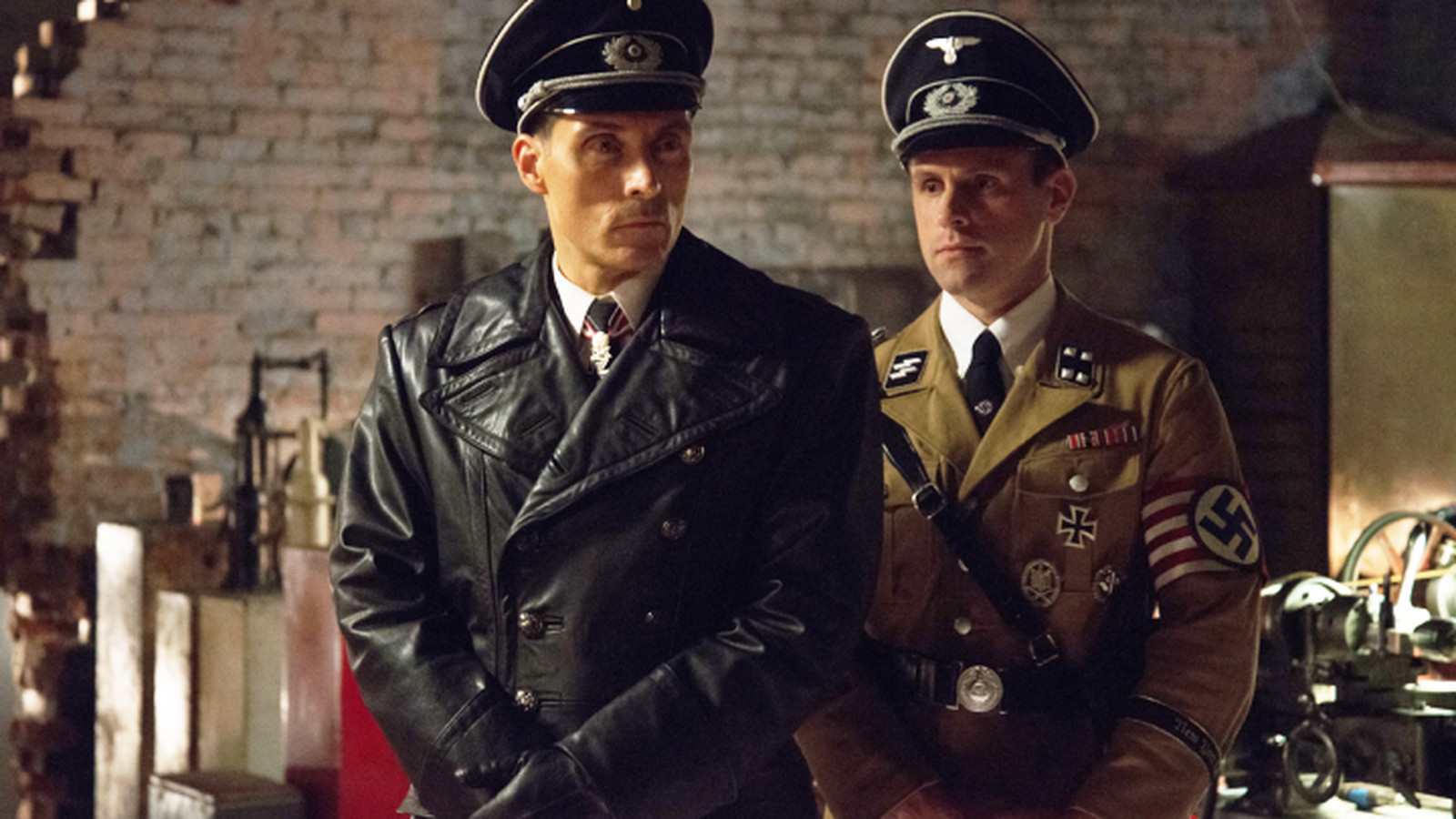
The Man in the High Castle
Based on the 1962 award winning novel of the same name by Philip K. Dick, The Man in the High castle presents a world in which World War II concluded with the victory of the Axis powers, dividing the United States of America into two powers on the verge of conflict, the Greater German Reich and the Japanese Pacific States. The show follows Juliana Crain (Alexa Davalos) and her boyfriend Frank Frink (Rupert Evans) as their lives quickly turn into chaos when they come across a film reel that shows a glimpse into the world that could have been, ours, bringing the couple to the restless attention of both governments and of the resistance. The Man in the High Castle will captivate you with excellent writing, a superb cast, and a carefully crafted world that is as believable as it is terrifying.
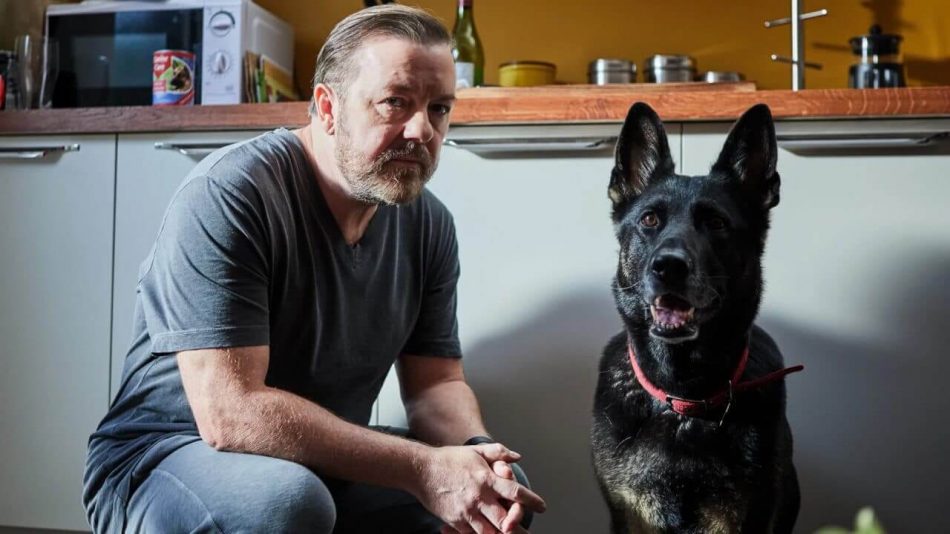
After Life
In After Life, Ricky Gervais plays a kind-hearted journalist who turns dark after his wife passes away. Her parting gift to him is a video manual on how to deal with life. But his pessimism and annoyance with people keep delaying him from watching it. Worst of all, a new recruit at the newspaper is assigned to work with him. Her determined personality not only further delays him from dealing with his sadness, but gives him the platform to be even darker and more pessimistic. After Life is a mix of dark humor, straightforward drama, and tragedy. It’s a difficult story packaged in the easiest and most digestible TV form. The episodes are quick, have clear arcs and plot; and yet, you won’t be able to shake the feeling that you’re watching something much deeper than a Ricky Gervais comedy.
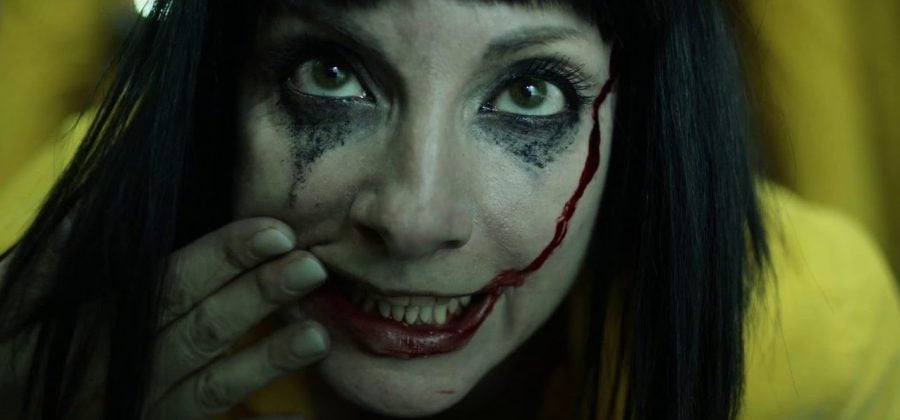
Vis a Vis
TV nerds know that Orange is the New Black, as much as it’s hailed in the U.S. for being ‘crazy’, doesn’t deserve that title. It’s only a mellow take on the women prison genre that was perfected outside the States. The Australian show Wentworth is one example and Vis a Vis (or Locked Up) is another. The show starts with an inmate being boiled alive.
Macarena Ferreiro is set up by her boss/lover and ends up in prison for tax crimes. First naive and used to luxury, she has to adapt to harsh prison conditions, and harsher inmates. On the outside, her parents try to secure a large sum to pay her bail.
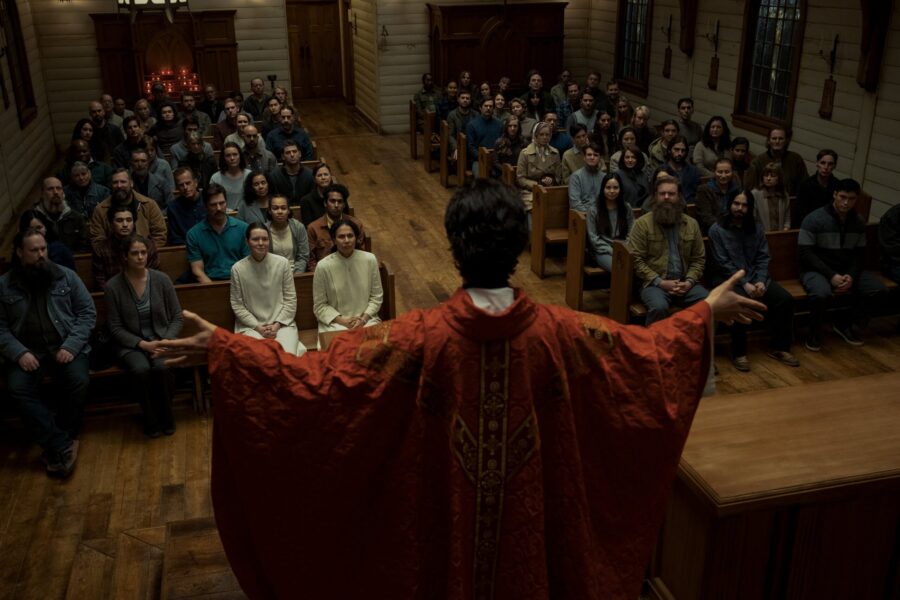
Midnight Mass
From Mike Flanagan, creator of The Haunting anthology, comes Midnight Mass, a miniseries that is just as gory, unsettling, and supernaturally twisted as any Flanagan horror flick. The series follows an ex-convict who returns to his small town just upon the arrival of a mysterious but alluring priest. As inexplicable events start to happen, the townsfolk hang onto the churchman’s words, seeking reassurance where they can.
With lots to say about religious fanaticism and perpetual grief, Midnight Mass is part of a new wave of layered and thoughtful scary stories currently dominating the genre. While its stately and meditative pace can be overbearing sometimes, it never runs out of things to shock and unnerve the soul.
Dead to Me
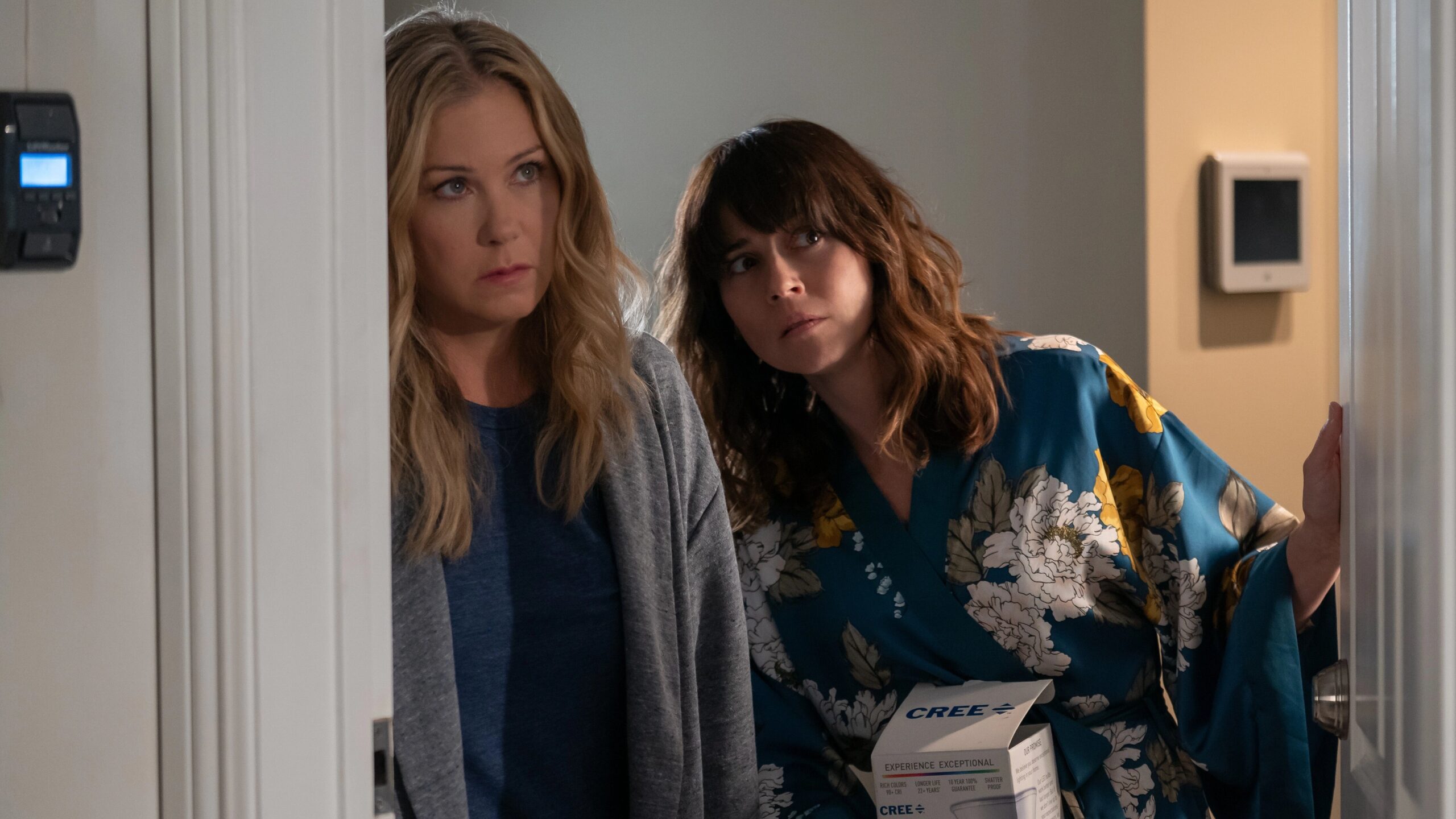
Whoever paired Christina Applegate with Linda Cardellini should be given a raise. As the inadvertent crime duo Jen and Judy, the actresses are magnetic—their chemistry simply radiates through the screen. Whether they’re solving a crime or attempting to incite one, you can’t help but root for them. As long as they’re on screen interacting, everything else—the basic mystery, the predictable twists—is forgivable.
Aside from the irresistible pairing, Dead to Me is also very watchable for its precise and sympathetic take on grief and womanhood. Both Jen and Judy have had to suffer through immense loss, and the series reminds us through their different reactions that there is no one way to grieve. They’re also middle-aged women, a fact that the series handles in a refreshingly deft manner. In lesser hands, this could have been trivialized or sensationalized, but under the helm of showrunner Liz Feldman, it’s a simple matter of fact that ingrains itself in every moment.
Dead to Me is both heartwarming and gut-busting, a darkly comic series buoyed by strong performances and principles.
Turn of the Tide
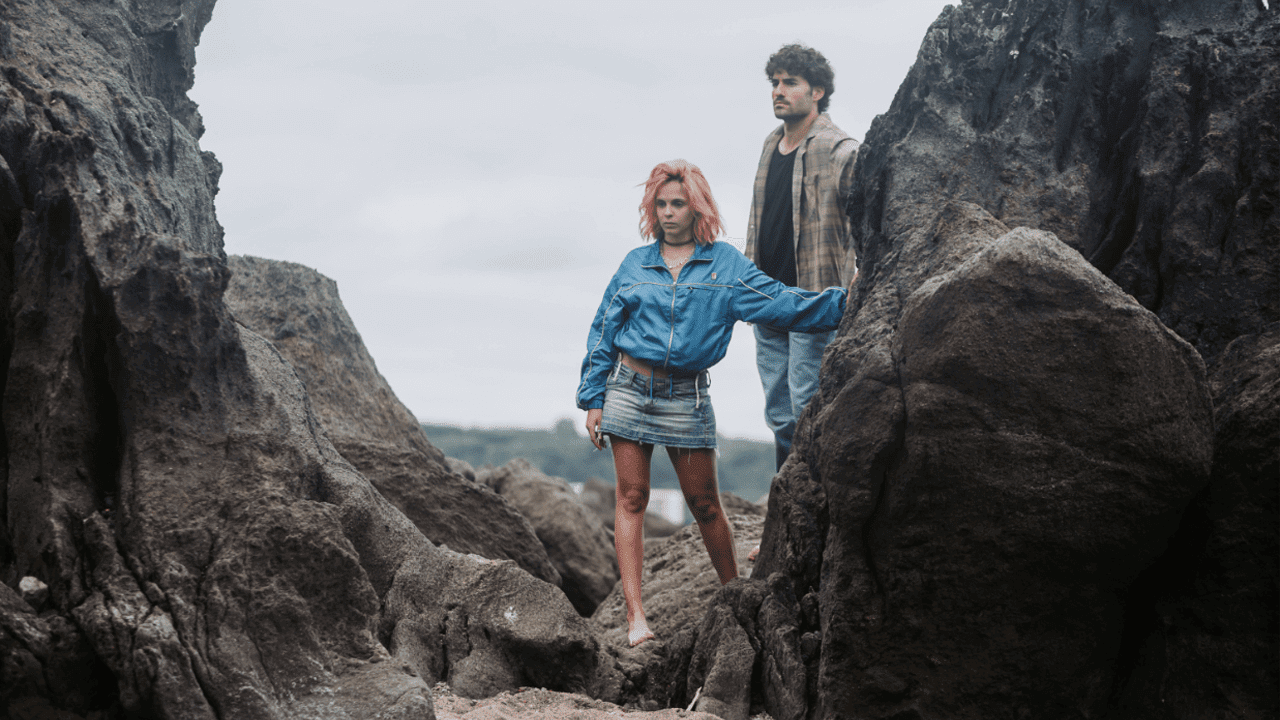
Also known as Rabo de Peixe, after the real town where the series is based, Turn of the Tide follows a group of four friends, who dream of a life outside their hometown, where nothing ever happens. Except, something does finally happen, and it’s whole packs of cocaine washing up on the island’s shores. It’s a wild series, one where the show’s teen underdogs take advantage of sailing expertise and knowledge of the town in order to sell out one third of the stash from the mainland Italian mafia. And it’s one that is endlessly entertaining, as we hope for the four teenagers to succeed in their plan, and to escape for another life.
Kaala Paani
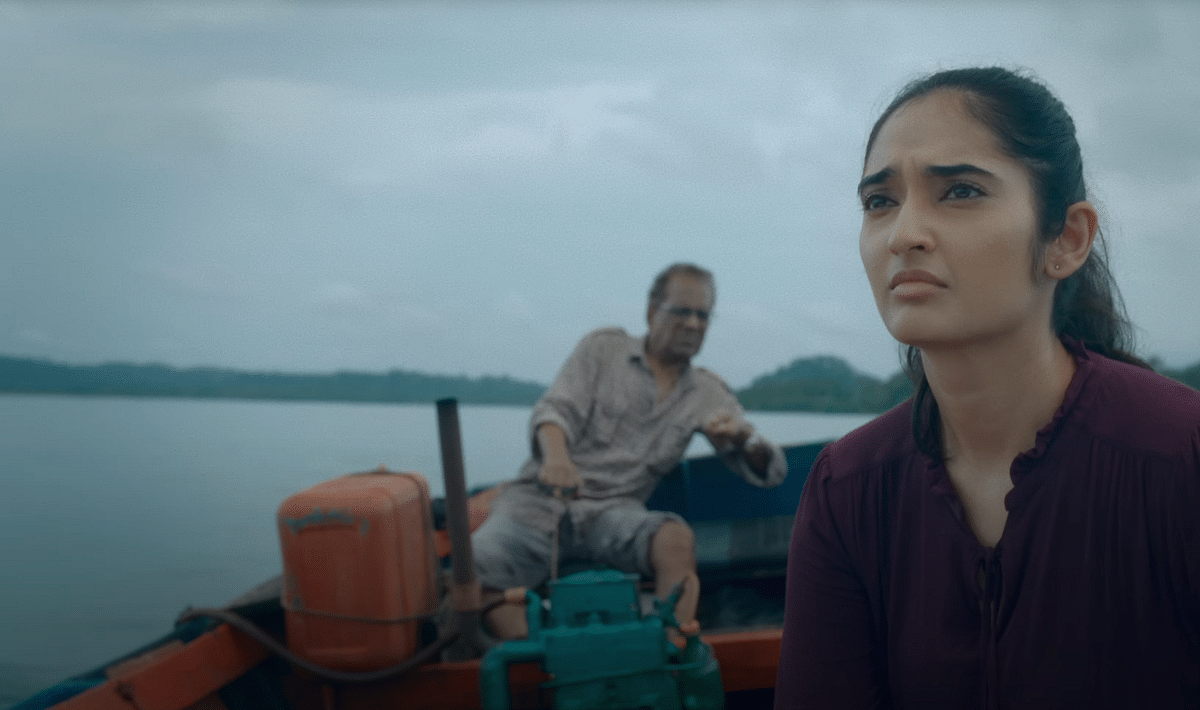
There’s a lot happening in Netflix’s first Hindi survival thriller series Kaala Paani. The main plot follows the discovery of a new disease with inky rashes that confounds scientists and policymakers, which would remind viewers of the botched response towards COVID-19, but there are multiple subplots including a love story with a traumatized former nurse, a family drama between separated parents and children, and the ecological commentary on the indigenous population that survived the disease once before. But Kaala Paani is able to balance these plots, tweaking the series’ disease to visually carry the show’s science in order to dedicate more weight to each subplot. It allows showrunner Sameer Saxena to play with more philosophical themes, and allows his compelling cast to play with more complex and dynamic roles.
Daily Dose of Sunshine
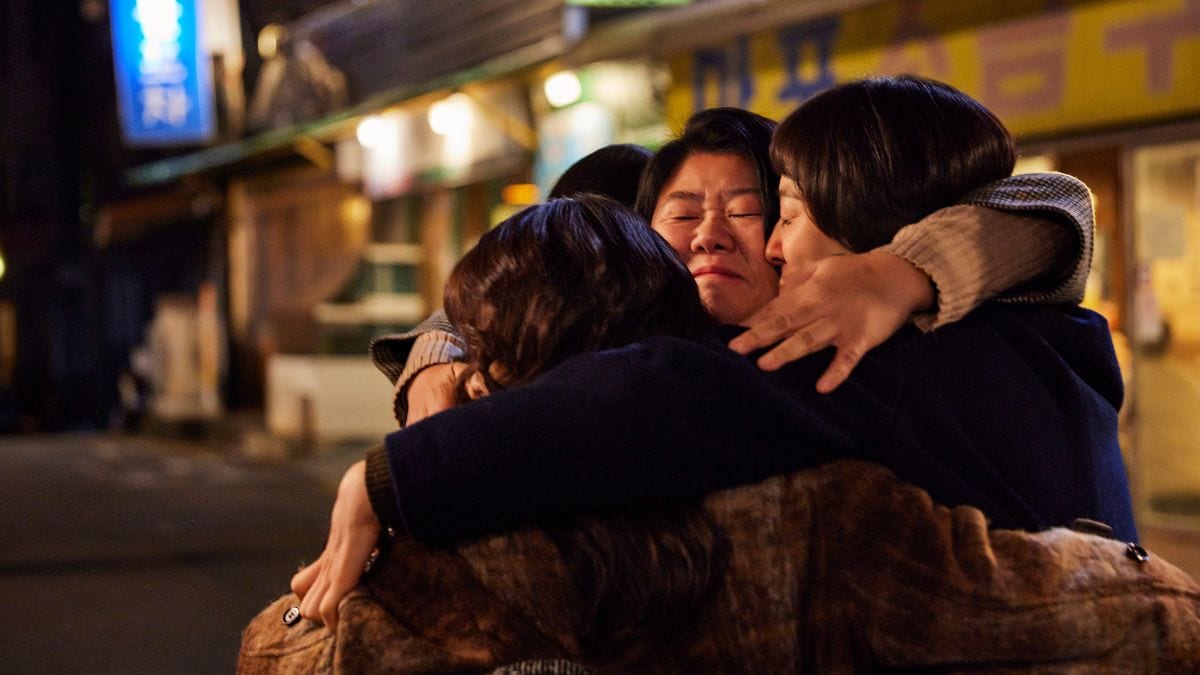
Like plenty of medical dramas, Daily Dose of Sunshine portrays the day-to-day dynamics of a hospital department, this time in the department of mental health in a country that has one of the highest suicide rates in the world. Based on the webtoon from a former nurse, the series might have some laughs from the department’s dynamics, but never at the expense of their patients. In fact, the show takes great care in depicting mental illness, taking care to visualize the patient’s episodes, as well as the way Da-eun tries to fit into her new department. It’s sweet and earnest, but not too cloying, and as substantial as the mugwort rice cakes Da-eun brings for her co-workers.

My Demon
Demons don’t seem to have the same scariness that terrified previous generations. That’s because there are more immediate, realistic horrors that can possibly happen, like other people. My Demon takes a humorous approach to this diminished reputation, as the titular demon has his powers transferred to a modern day capitalist. Without these mystical powers, Jung Gu-won falters hilariously while collecting the souls he needs to obtain, while Do Do-hee remains confused as she’s dragged along to his shenanigans. All the while, they have to deal with corporate sabotage, the risk of spontaneous combustion, murder plots, and of course, the connection Jung and Do need. After all, who’s a better match for a demon than a capitalist?
The Bequeathed
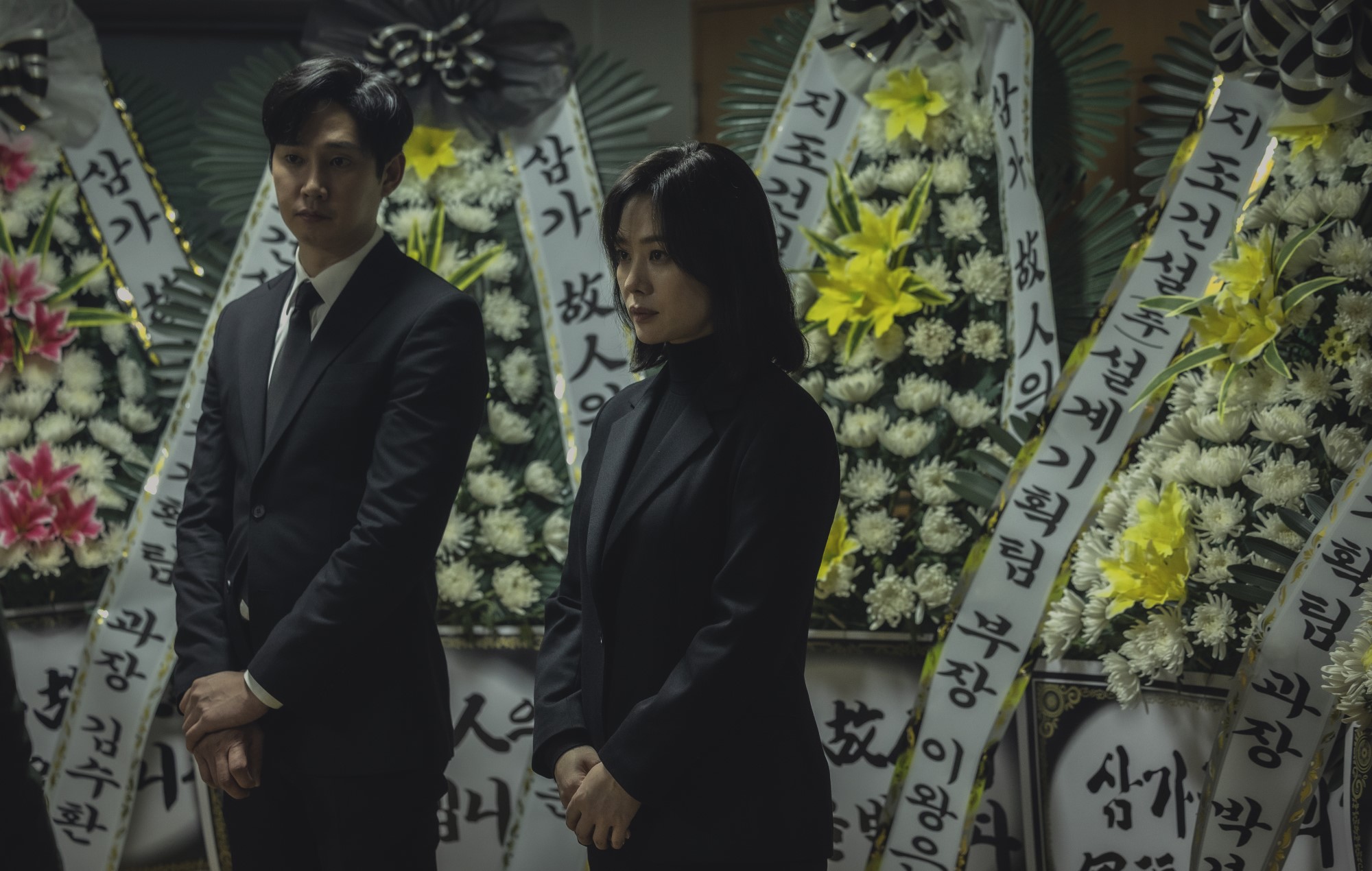
Succession, whether that be of family assets or of job titles, is always a tricky situation to navigate– often, those choosing a successor would have to check in with the possible choices next in line in order to make sure there are no resentment, otherwise, it could drive the hillside horror present in The Bequeathed. From passive-aggressive co-workers to mourning relatives, Yoon Seo-ha is having a terrible time dealing with the succession situation, both being resented by a superstitious half-brother for the land and resentful of a co-worker who got promoted before her. It’s so easy to suspect potential rivals, especially when murder strikes those around you, but The Bequeathed also recognizes something scarier– the fear of what you could do with that resentment.
Griselda
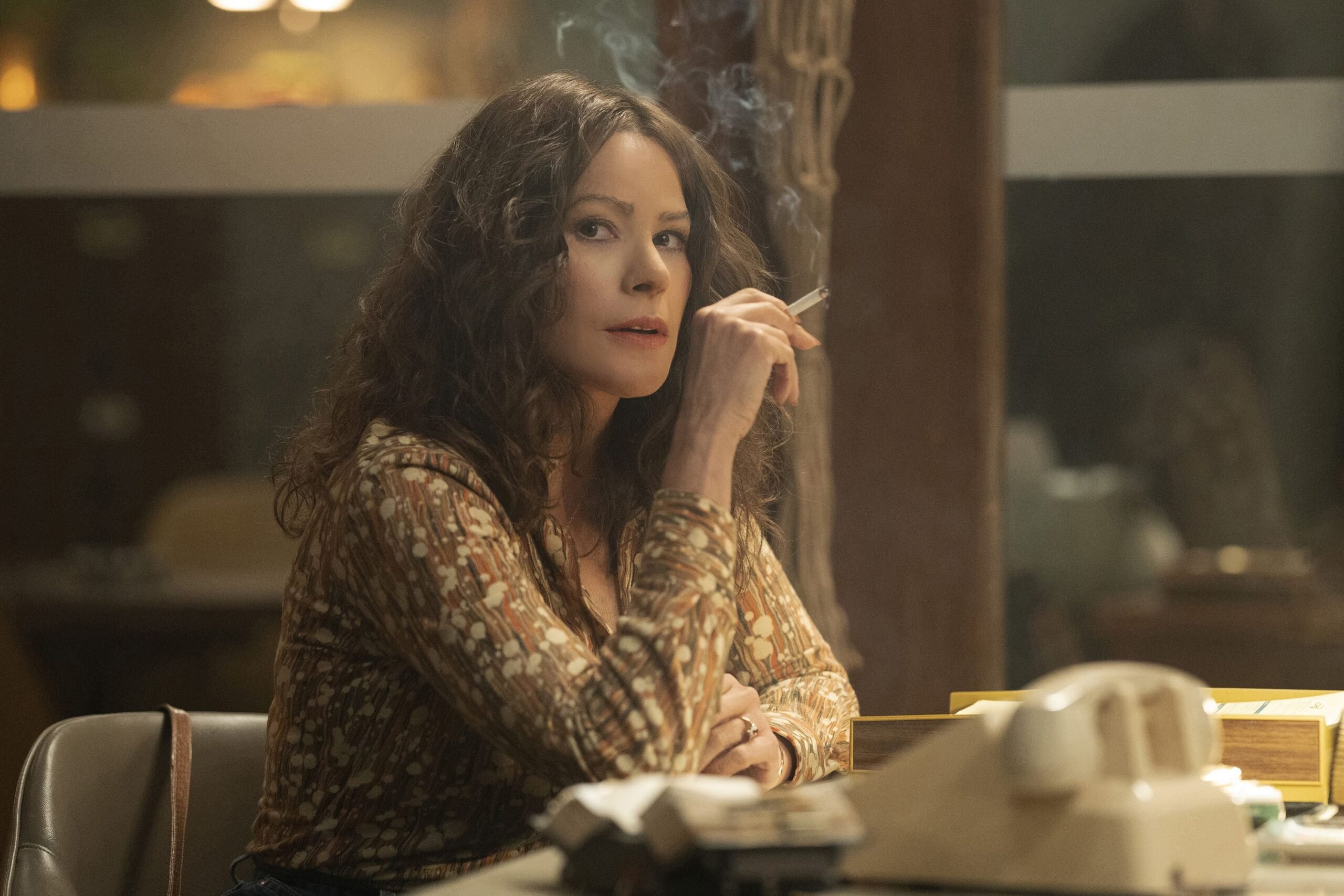
With the success of Narcos, Netflix has created multiple shows about drugs in Latin America to the point that the genre is a tad oversaturated, but with Sofia Vergara heading the miniseries on the real-life cocaine queenpin, Griselda is one that you have to watch. Unlike other depictions of Blanco, Vergara’s series puts her front and center, focusing on the initial struggles it took for her to be taken seriously and the darkness that emerged once she got her way. And of course, Vergara is fantastic, sliding into the drama with an ease that makes us want to see more. While the show isn’t fully accurate, and six episodes are too short to tackle her decades-long rule, Griselda nonetheless is compelling television.
Into the Fire: The Lost Daughter
It’s easy to forget that Netflix helped boost the popularity of the true crime genre, especially since it’s pumping out a new series almost daily. A lot of them are rushed and sensationalized, but there are a few that are worthwhile. Into the Fire is thankfully the latter. Showrunner Jenna Lamia and Director Susanne Bier tell Terkanian and her daughter’s story in a refreshingly measured way, making sure to hone in on Terkanian’s restless energy. It’s that energy that rallies the community behind her in breaking open the case and uncovering many more missing persons besides her daughter. The same energy makes the show feel more dynamic and alive than other true crime documentaries. It’s also more restrained and respectful. No overdramatized suspense or sensationalized twists here, just an incredibly true story, cleverly and humanely told.
Castle Rock
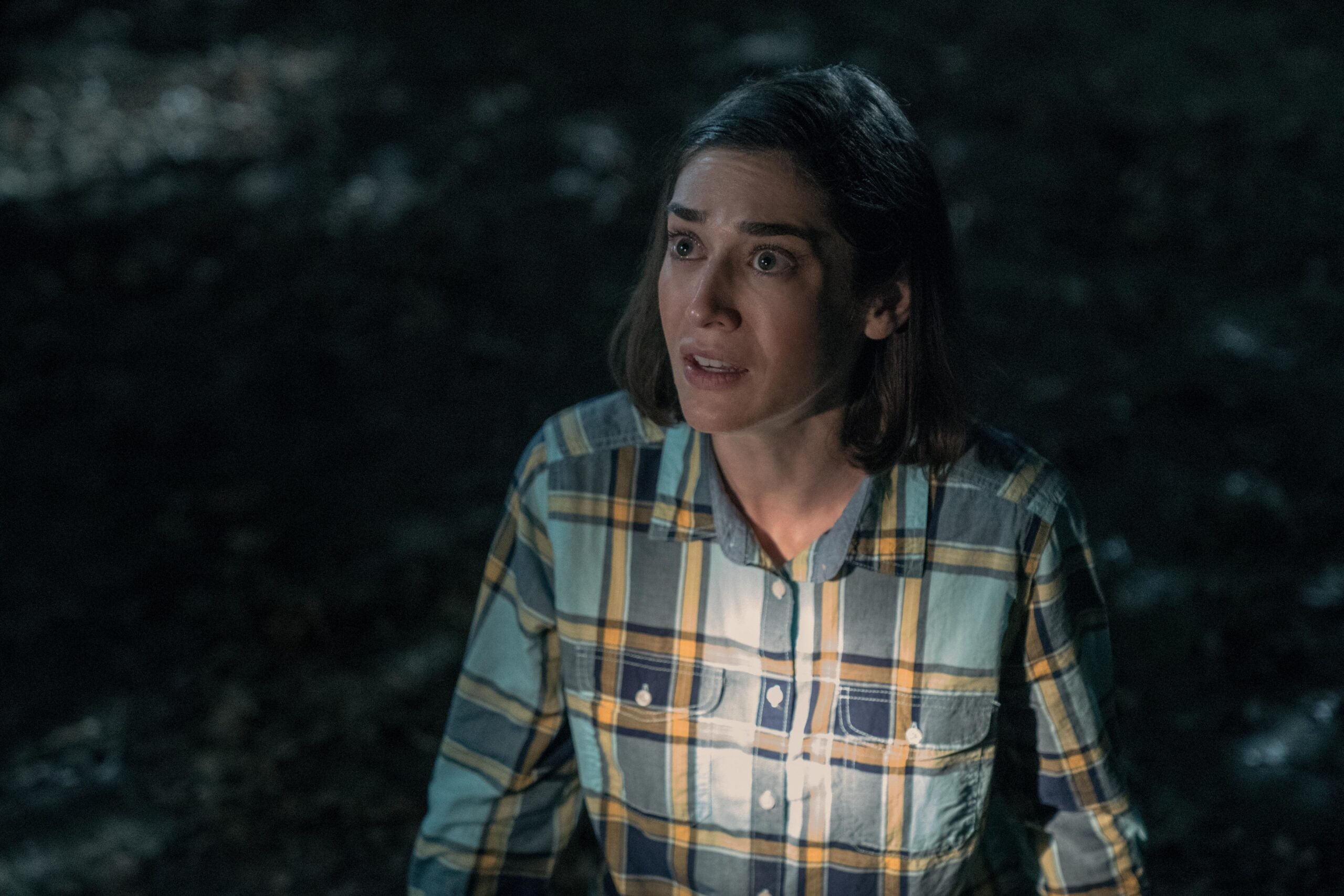
Fans of Stephen King would likely know how long the fictional town of Castle Rock stood in his novels. Hulu’s Castle Rock weaves two original tales based on what is known about this strange, strange town, with the first season centered on a mysterious inmate and the second centered on a mentally ill nurse. While it does get confusing at times, the series is able to weave in a taste of King’s mystery horror elements, with the terrifying abuses of America’s modern day institutions. While Hulu’s attempt at a multiverse can occasionally get a bit shaky, Castle Rock nonetheless creates an interesting reinterpretation of the King of Horror’s Maine town.
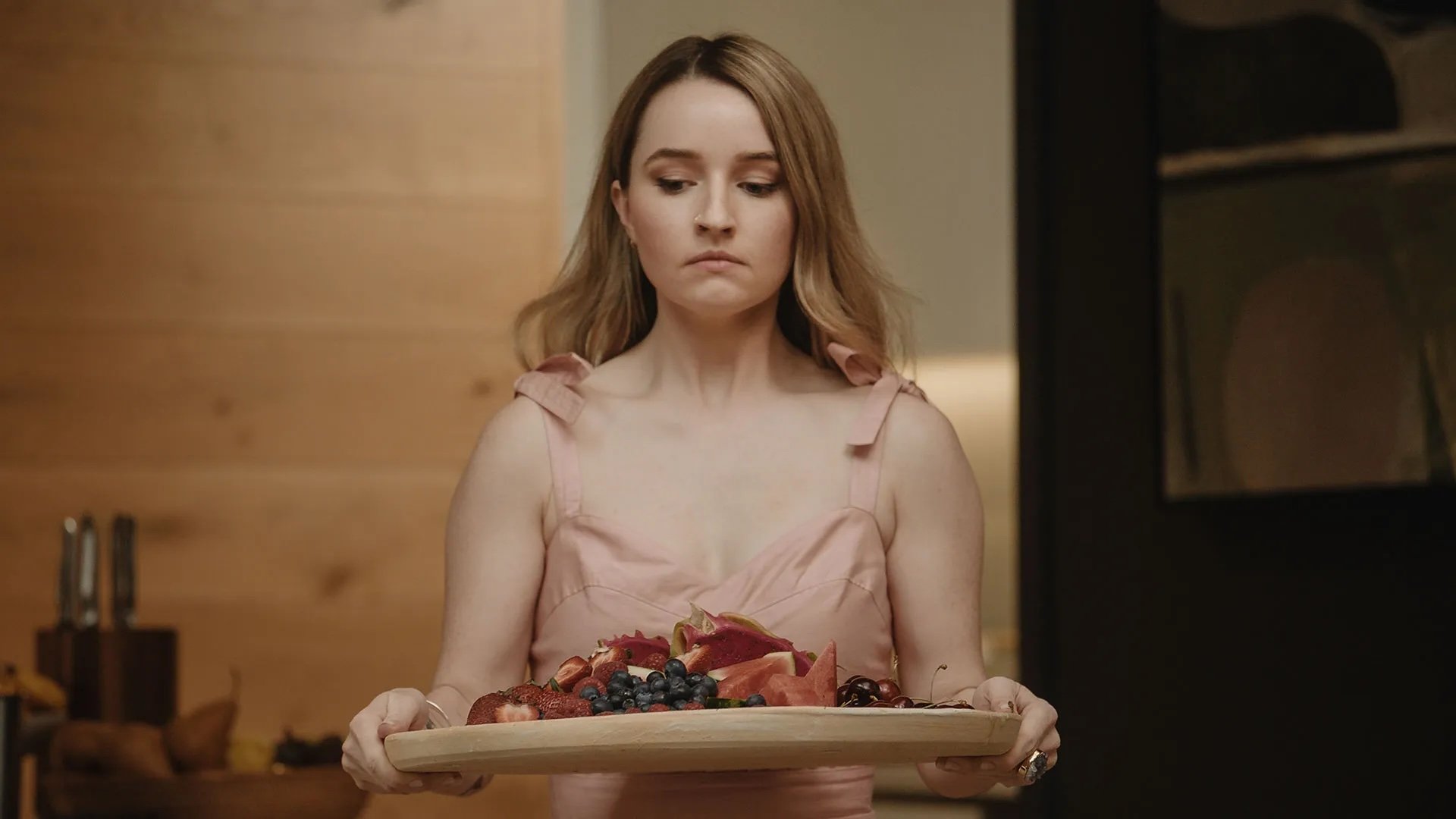
Apple Cider Vinegar
Apple Cider Vinegar follows Belle Gibson, the real-life convicted scammer who founded a wellness empire based on alternative medicine. The series is an interesting character study as it paints Gibson in different shades, which Dever brings so much life into. Here she’s an exploitative scammer, tech visionary, psychopathic liar, hustler, and mother all rolled into one, so it’s not as easy as hating or feeling sorry for her character. Along with Gibson, we also follow Milli (Alycia Debnam-Carey) and Lucy (Tilda Cobham-Hervey), actual cancer patients battling the sickness in their own ways. At times, the show takes on a Mean Girls tone as Milli and Belle go head to girlboss head, but the show is at its strongest when it softens up and gives the women space to feel their specific pains. The show is sharp, entertaining, and moving enough, but I do wish it didn’t have to bury its message in layers of satire. It revels too much in that gray area between alternative living and pseudoscience when it should’ve made the dangers of the latter explicit.
No titles match these filters.