
Rated 7+ IMDb · 70%+ RT Little-known finds Curated by humans
Rated 7+ IMDb · 70%+ RT Little-known finds Curated by humans
 1999 Movie
Dir. Martin Scorsese · United States of America · English
Scorsese’s raw, hellish descent into modern purgatory nevertheless gleams with the possibility of salvation
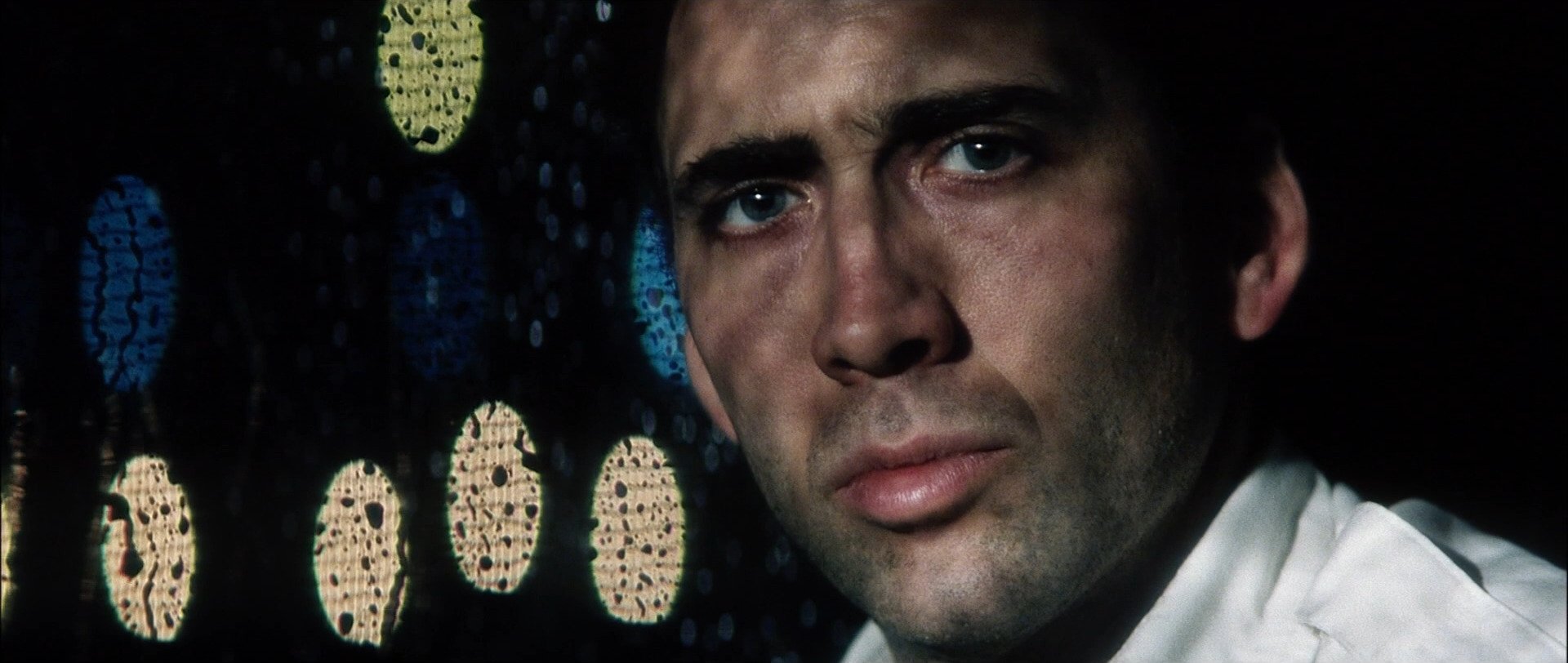
Martin Scorsese — plus screenwriter Paul Schrader, editor Thelma Schoonmaker, and cinematographer Robert Richardson — reimagine nocturnal New York City as an eternally flaming circle of hell in this darkly funny fever dream. Frank Pierce (Nicolas Cage) is an insomniac paramedic who’s haunted by the ghosts of all the lives he couldn’t save and is on a nightmarish run of losing every patient he tries to help. There’s no respite for him anywhere; he’s so burnt out he begs to be fired, but the city is so desperate they won’t let him leave their tired ranks of medics, who are mostly jaded, sometimes sadistic, and yet still addicted to the euphoric high of saving a life.
As Frank is pushed ever closer to breaking point, the film takes on the hallucinatory qualities of his perspective, the cinematography growing feverish and the editing powered by a wild, manic energy. What stops the movie from feeling like a spiral into actual hell is the strange light that keeps Frank returning to work — the perpetual need for redemption and grace that prevents him from becoming cold to his job but makes his sanity fragile. In typical Scorsese-Schrader style, this is a raw, visceral, and very human search for grace in an unsparing urban hellscape.
Once called "Father Frank" for his efforts to rescue lives, Frank Pierce sees the ghosts of those he failed to save around every turn. He has tried everything he can to get fired, calling in sick, delaying taking calls where he might have to face one more victim he couldn't help, yet cannot quit the job on his own.

"A very different and, in many respects, very impressive film."
— Kevin Jackson

"Although Scorsese and Schrader may not have pulled off alchemy by transforming an undistinguished piece of literature into a great film, Bringing Out the Dead is still the best adaptation imaginable of its source material."
— Emanuel Levy
A New York City paramedic clings onto the remnants of his sanity — and the hope for something transcendent — during a harrowing week working the night shift.
Bringing Out the Dead makes the perfect double bill with Taxi Driver. There are instantly recognizable parallels with Scorsese and Schrader’s earlier collaboration here: for one, like Taxi Driver, the film takes place almost entirely at night, following Frank into the seedy edges of the neon-lit city. But Frank is the inverse of Robert De Niro’s Travis Bickle: he’s a fundamentally angelic figure being driven mad by his undying empathy, not darker forces of sociopathy. Anyone who’s seen Scorsese’s certified masterpiece will find the evolution from bitter cynicism to persisting hope here illuminating, both for what it says about Scorsese’s growth as an artist and as a human.
In many ways, the angelic Frank Pierce is essentially Mario to Travis Bickle’s Wario.

Farah Cheded is a UK-based curator at A Good Movie to Watch and a Rotten Tomatoes-approved freelance critic whose work has been published at outlets including The Playlist, Paste Magazine, and Film School Rejects. She lives in fear of the day she runs out of 'Columbo' episodes to watch.
Comments