50 Best Movies On Netflix You Haven’t Yet Seen
It is very easy to become lost in Netflix land and believe you’ve already seen everything worth watching. Rest assured, there is very little chance you have. For the second time we have curated a list of the best movie suggestions on Netflix: the best highly-rated, little-known titles available to stream. This is a list we update almost every week to adjust for new arrivals and expired titles.
agoodmovietowatch is your gateway to on-demand streaming services, but instead of recommending the same movies to you you’ve been hearing about for the past 20 years, we focus on the good ones that were overlooked. This way we introduce you to movies you haven’t yet seen, that you can watch immediately and love. To do this, we only recommend movies that have received a high rating from viewers combined with a high score from critics. This means that these movies have been appreciated by both, so you can trust that they’re awesome. We also only suggest movies that didn’t make a huge splash at the box office or which didn’t get the attention they deserved, so there is little chance you have already seen them. Below we count down again our best movie suggestions available to stream on Netflix Instant America. For other countries, visit agoodmovietowatch.com/netflix and use the region selector in the top bar to switch to your geography.


Don’t worry.
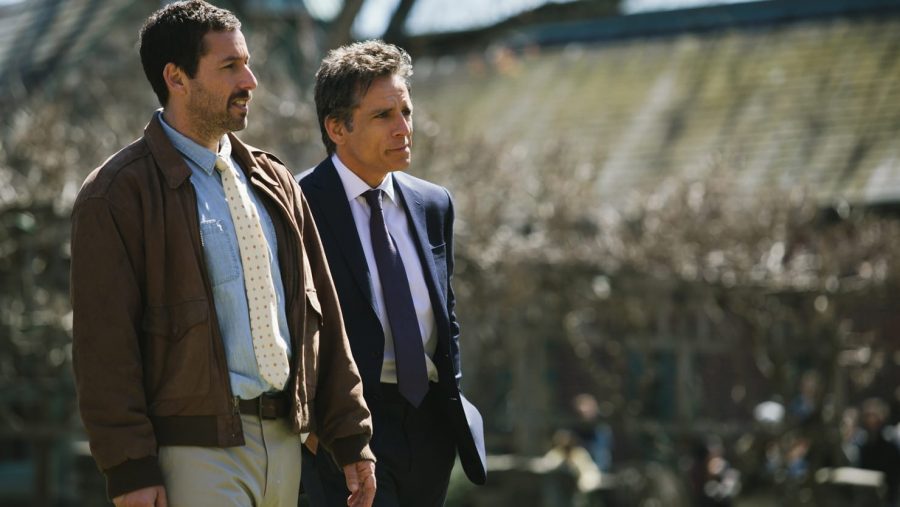
Adam Sandler doesn’t suck here.
This is a beautiful family comedy directed by Noah Baumbach (Frances Ha, The Squid and the Whale).
Sandler plays a recently divorced man (as he tends to do) called Danny (as he’s usually called). Danny moves in with his father, played by Dustin Hoffman, who himself is dealing with feelings of failure.
Both of them are joined by other members of the family, including Danny’s half-brother, played by Ben Stiller. Their family dynamics are portrayed in a beautiful and sometimes moving way. Director Baumbach proves he’s so good, he can make even Adam Sandler sound and look genuine.
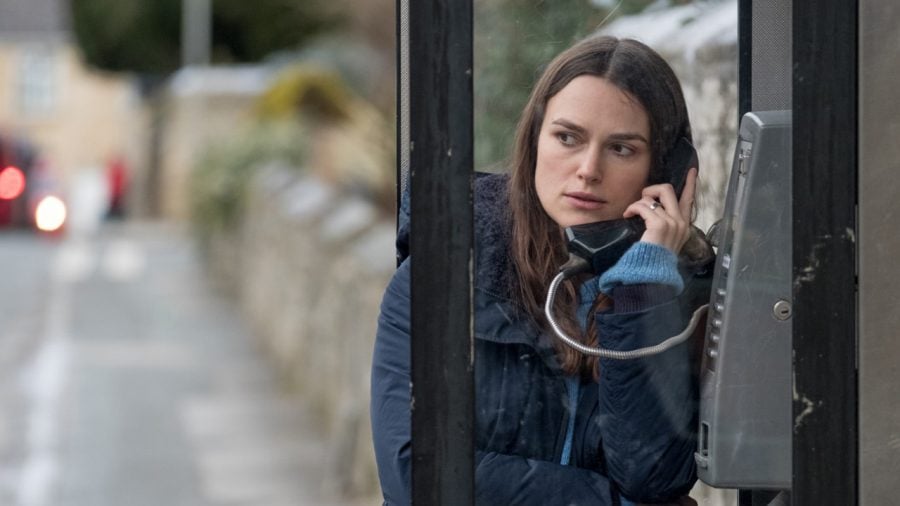
Keira Knightley stars in this incredible true story of an Iraq War whistleblower who remains relatively little-known in the U.S. Katharine Gun was working for the communications office for the British government when she received a memo in the months leading to the war that showed that the U.S. requested illegal wiretapping assistance from the U.K. on U.N. diplomats. In a heroic act, she chooses to share this memo, hoping that it would stop her government (then led by Tony Blair) from going to war. Spoiler alert: didn’t happen, but this decision, which first seemed like a personal sacrifice, has severe implications on her family as the government finds out that she was behind the leak. A compelling political mystery of a case that deserves much more attention than it once got.

This new documentary is about the exact scale to which social media is harming us, as testified to by people from the industry: ex-executives at Google, Instagram, Facebook, and even the ex-President of Pinterest. All have left their companies for (incredibly valid) ethical concerns that they share here.
It’s a blend of interview footage and a fiction film that follows a family who feels more distant because of social media. This allows to see the implications of what the interviewees are saying in real life but quite frankly it also serves as a welcome break from the intensity of their words. How intense? One of them predicts civil war within 20 years.
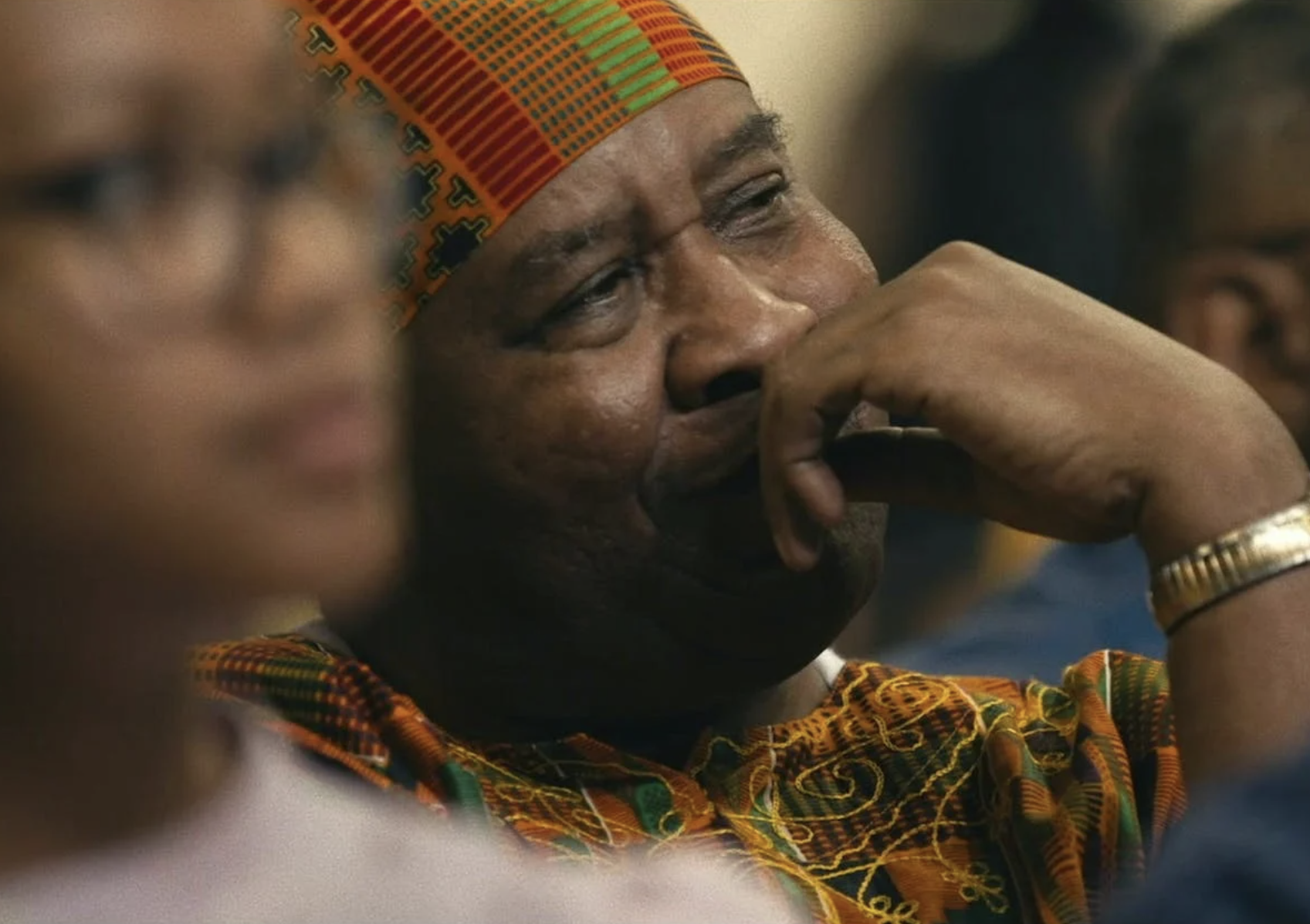
Although Descendant is built around the finding of the Clotilda—the last ship to bring African slaves to the United States—this documentary knows that there’s so much more potent drama in the stories of the ordinary people of Africatown, Alabama. As this painful reminder of the roots of their community is salvaged from the water, their view of history itself begins to change. Now they face the responsibility of making sure that the Clotilda doesn’t just become a tourist attraction, and that their call for reparations unites the Mobile region of Alabama more than anything else. Its a gripping, complex documentary that feels like reading a great novel.

The Swimmers tells the true story of sisters Yusra and Sara Mardini (played by fellow sisters Nathalie and Manal Issa), Syrian swimmers trained to compete at the Olympics. When their athletic goals and overall safety are threatened by the increasing presence of war, the girls decide to take a chance and migrate to Europe, where they hope to live out their dreams and reunite with their family someday.
The Swimmers is a touching family drama that does right to center on the love and tension between the siblings. Yusra and Sara’s relationship perfectly encapsulates the envy and resentment but also the deep love and loyalty that are present in every sister bond. It’s tender in these moments, but it can also be equally searing—as a refugee drama, it chillingly tracks the complicated and inhumane processes of fleeing one’s country for a safer future.
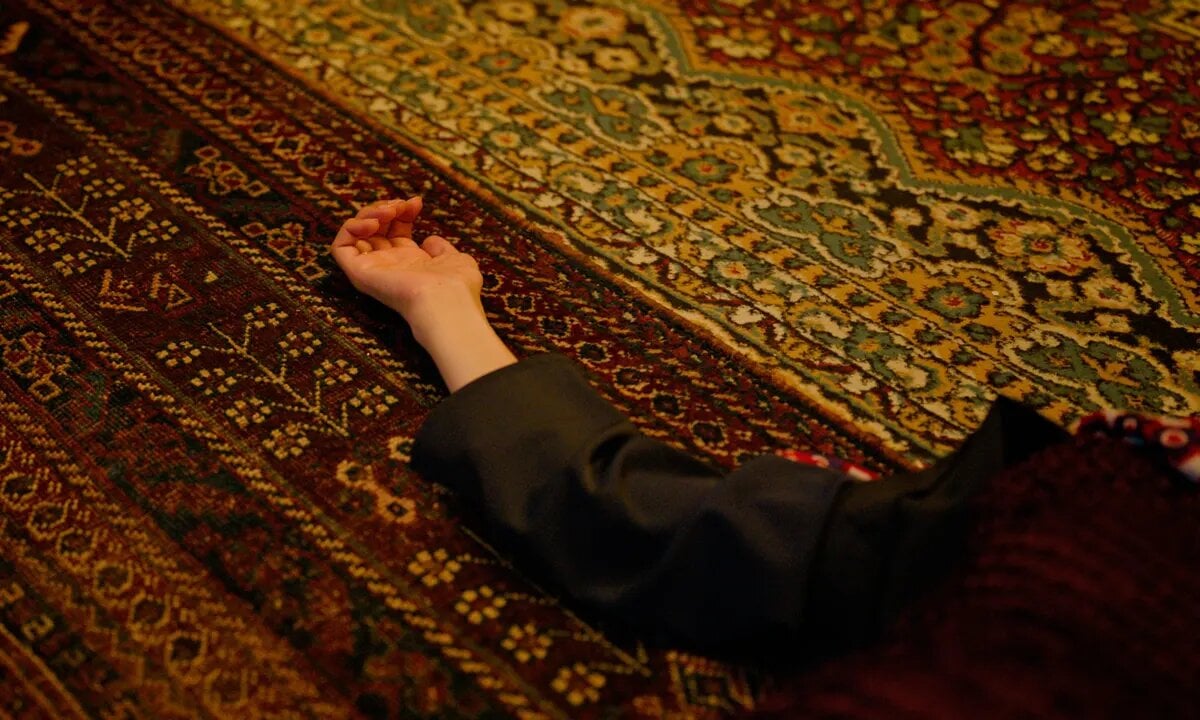
As a crime thriller, Holy Spider is taut and terrifying, a modern noir that manages to unnerve despite the familiar moves it employs. The cat and mouse chase between serial killer and investigative reporter, for instance, is a classic tale, but that doesn’t make Holy Spider any less gripping. The film benefits from artful camerawork, considered acting (as the daring journalist Rahimi, Zar Amir Ebrahimi nabbed the Best Actress award at Cannes), and most of all a nuanced take on the situation in Iran.
Despite having a clear stance against violence and corruption, nothing in Holy Spider is black and white. Contradictions abound, and even when presented with brief moments of justice, we’re left scratching our heads looking for more. Such is the case when the system, and not just an individual, is the true pest.
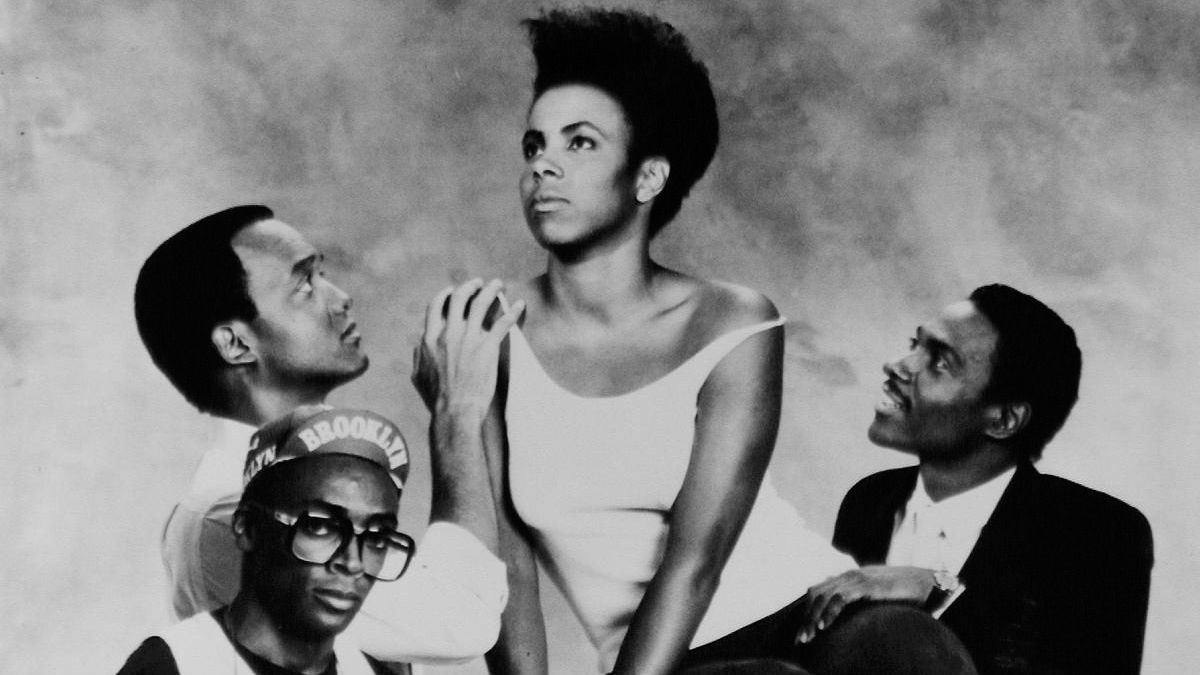
Spike Lee burst onto the filmmaking scene with this, his groundbreaking debut feature. Low in budget but high in confidence, She’s Gotta Have It fizzes with unadulterated energy and style, from its kaleidoscopic opening montage of stills depicting life in Brooklyn (where the film is set) to the joyous direct addresses of its credits sequence.
The film helped to kick off the independent movie movement in the US, and it’s not hard to see why: Lee and his collaborators (including members of his own family) do so much with so little here. Along with its visual and formal inventiveness — including ample fourth wall breaks and cinematographer Ernest Dickerson’s momentary, audacious switch from black-and-white to vibrant color — She’s Gotta Have It also broke new ground with Nola (Tracy Camilla Johns), the young, Black, unapologetically polyamorous artist whom the film’s forthright exploration of sexuality and feminism is centered on. Lee has since expressed regret about one scene in the film — an ill-judged moment that unavoidably dilutes some of its brilliance — but this aside, She’s Gotta Have It stands overall as a radical, exuberant, and impressively assertive lightning bolt of an entry into the medium that Lee changed forever.
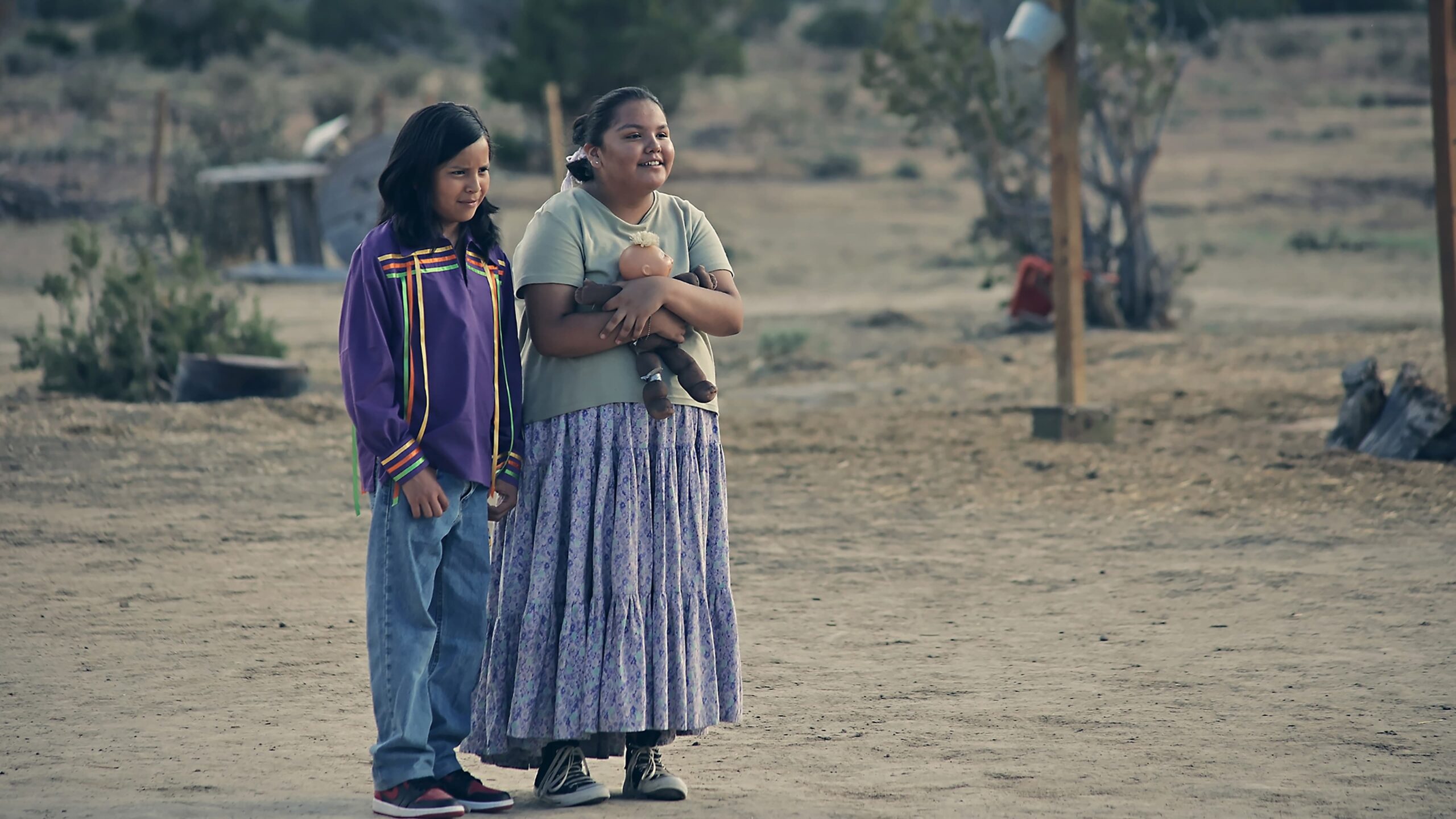
Frybread Face and Me is a little indie gem: though rough around the edges, it’s full of charm and heart. Drawn from its director’s own childhood experiences, the movie charts a formative moment in the life of Benny, a city boy of Navajo, Hopi, and Laguna Pueblo heritage who’s carted off to his grandmother’s ranch on a Navajo reservation for a summer. It’s suffused with all the specificity of real memories in a way that never distances us from it, only enfolding us closer into its nostalgic embrace. That effect largely comes from the tender bonds between Benny and his cousin Dawn (unsympathetically nicknamed Frybread Face and played by newcomer Charley Hogan), who acts as translator between him and their non-English-speaking grandmother (Sarah H. Natani, also a non-professional actor). Though he’s constantly berated by male family members for not being “masculine” enough, Benny finds unconditional acceptance from his grandmother and misfit camaraderie with Frybread, who also gives the film a dry comedic edge — a welcome touch in a usually saccharine genre. Ultimately, though, it’s the movie’s soft sweetness and intimate depths that are most distinctive: it’s so gently told, and with such genuine feeling behind it, that it’s impossible not to be swept away by its charms.
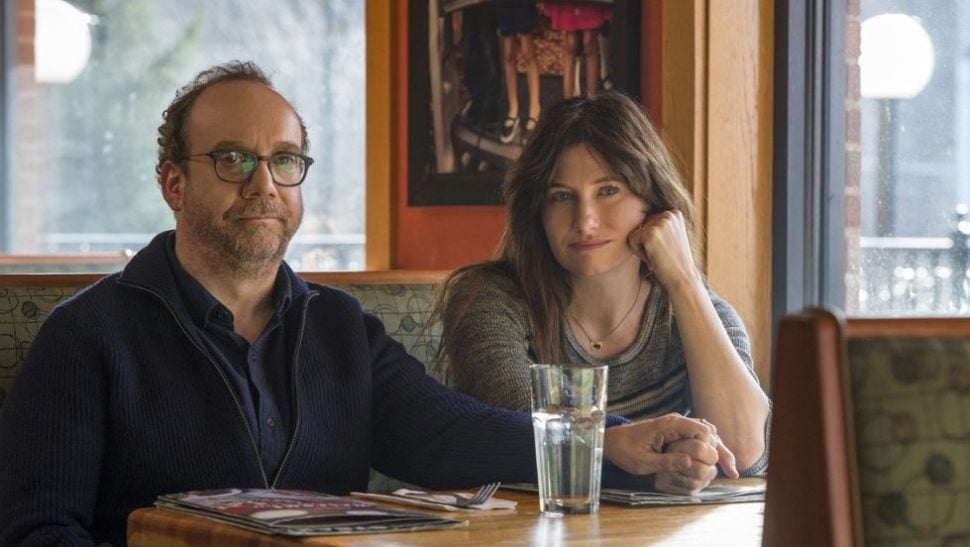
Paul Giamatti, man. Ever watched Win/Win? What a performance. I didn’t think he could do any better than that. But here he did.
This movie is now on Netflix. It’s about a couple that is trying to have a kid but can’t. Their frustration grows, but so does their willingness to do whatever it takes to become parents. They try to adopt, go to fertility clinics and ultimately ask their niece to donate her eggs. To really work, such a plot requires well-written, multifaceted characters one can relate to. I did, and it really worked.
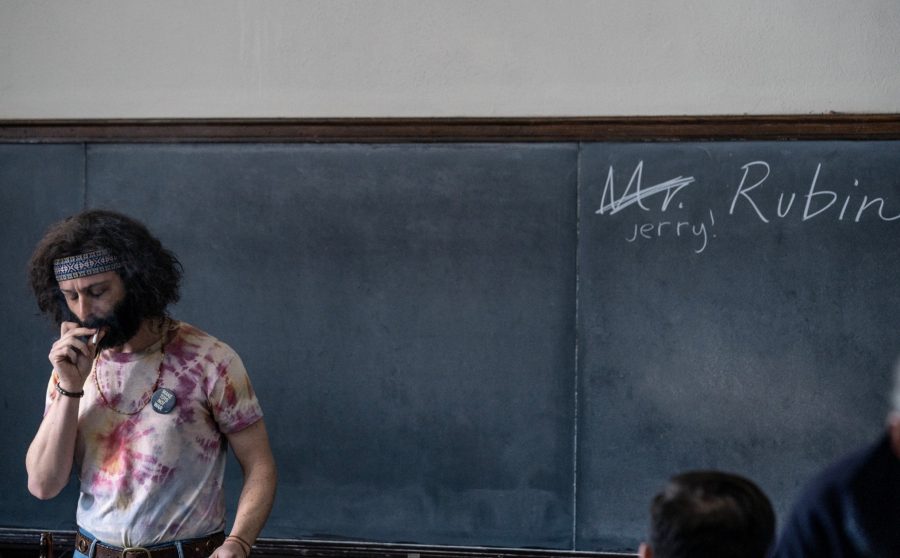
From Aaron Sorkin, the creator of every liberal’s favorite 2000s political drama, The West Wing, The Social Network, and the master of the “walk and talk”, comes the dramatization of a sadly true American story from the mid-last century. In 1968, different groups from all over the country travelled to Chicago to protest the Vietnam War at the Democratic National Convention. The Chicago police greeted them in full riot gear, purposely attacking the peaceful protesters. Five months later, eight of them (charges against Black Panther leader Bobby Seale were dismissed) were arrested for inciting riot. As the title suggests, the film details the trials that followed, which highlight the still ongoing battles within American society and politics: racism, ineptness, corruption, complacency, you name it. On a lighter note, while you wouldn’t necessarily call this an ensemble cast, the number of unlikely familiar faces in this film is off the charts: Yahya Abdul-Mateen II, Sascha Baron Cohen, Joseph Gordon-Levitt, Eddie Redmayne. It also features some of the greatest supporting actors in American TV history like John Carrol Lynch, Frank Langella, and the amazing John Doman aka Bill Rawls from The Wire.
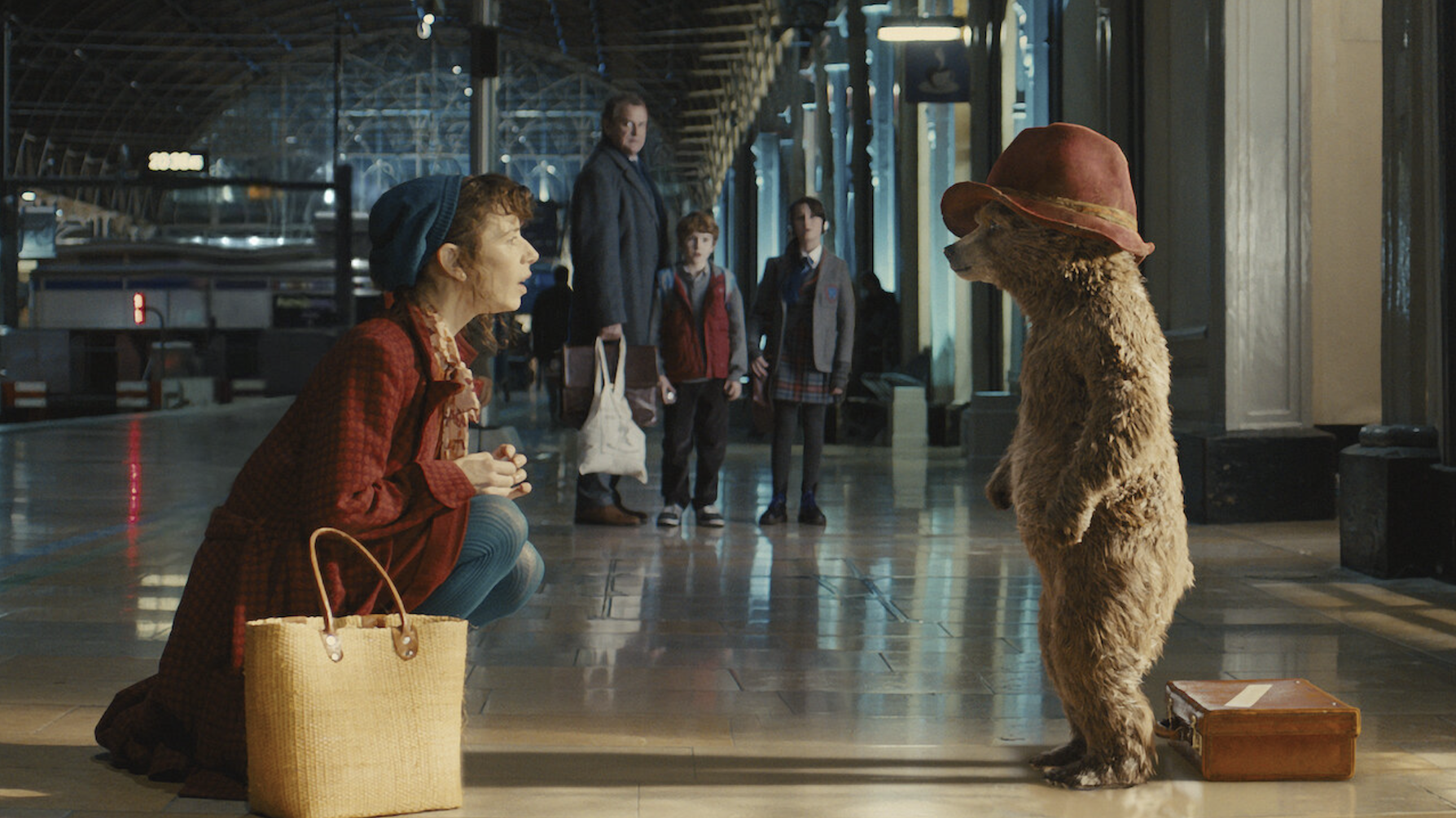
In a global movie industry of children’s entertainment that often feels like it isn’t even trying, this little Peruvian bear coming to England is a wonderful reminder that films aimed at younger audiences aren’t inherently limited. If anything, Paddington challenges itself to come up with a far more creative (and effective) way to talk about the lingering scars of colonialism manifesting as discrimination in everyday “civil” society. It sounds like heavy stuff, but Paddington approaches its fish-out-of-water story with the exact counterbalance of silliness, and a riotous cast that’s far funnier than anyone would have expected them to be.
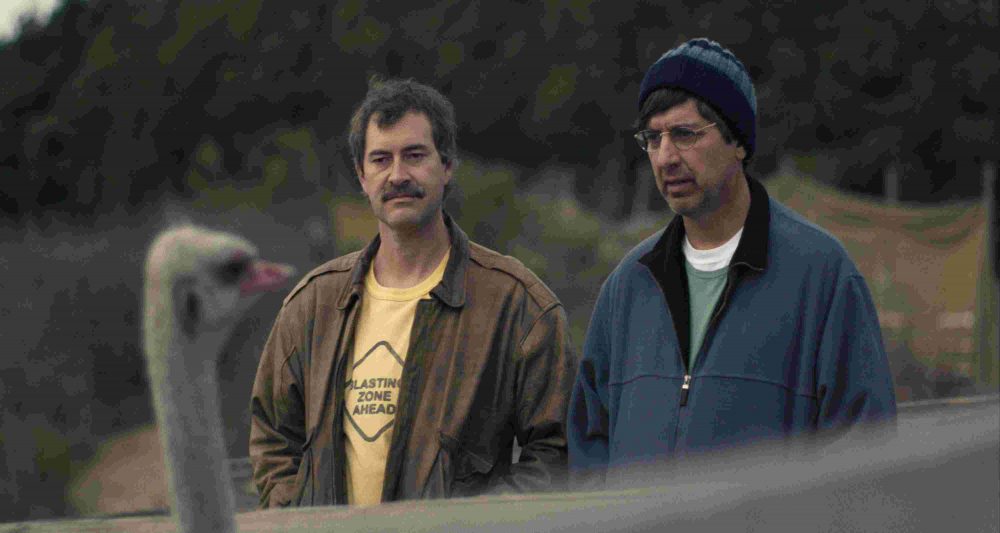
There are three big reasons to watch Paddleton. The first two are Ray Romano and Mark Duplass, who play the two neighbors at the center of the story. And the third is Alexandre Lehmann, the director, who also is responsible for Blue Jay (on Netflix as well).
These two misfit neighbors find themselves together when one of them is diagnosed with cancer. They embark on a trip to the nearest pharmacy (a six-hour drive) which turns into an adventure.
This premise gives Paddleton a lot to play on: it’s a comedy, but it’s also a drama about a fatal disease. It’s a bromance, but it’s about a fragile friendship. All these contradictions make Paddleton a great slice-of-life movie. And again, both actors are amazing. Watching it just for them is worth it.
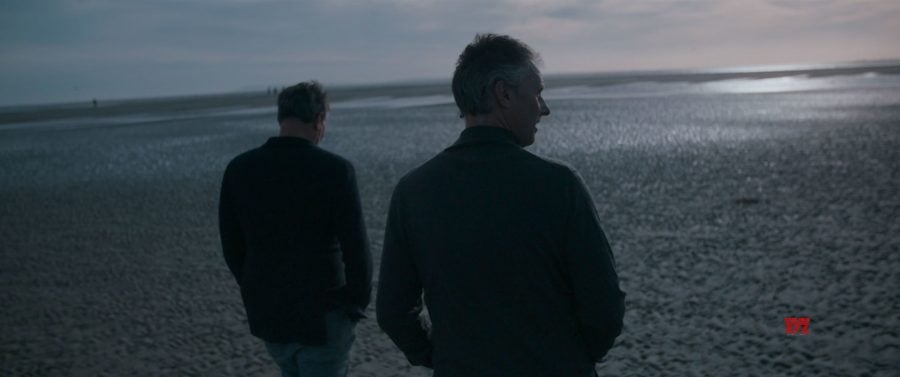
This documentary starts with Alex Lewis, who gets into a motorcycle accident and wakes up in the hospital not knowing who he is. He doesn’t remember anything (not even what a bicycle or a TV is, or who his mother or father are), but he remembers his twin brother, Marcus. When Alex gets back into his childhood home, he’s full of questions, and Marcus is full of answers. However, slowly, Marcus realizes his power to reshape Alex’s version of their past. Marcus leaves one important detail from Alex’s life that makes this documentary (as if it wasn’t already) such an insane story. I know I said it’s a sad movie, but it’s also fascinating and, ultimately, humanizing of the brothers’ experience.
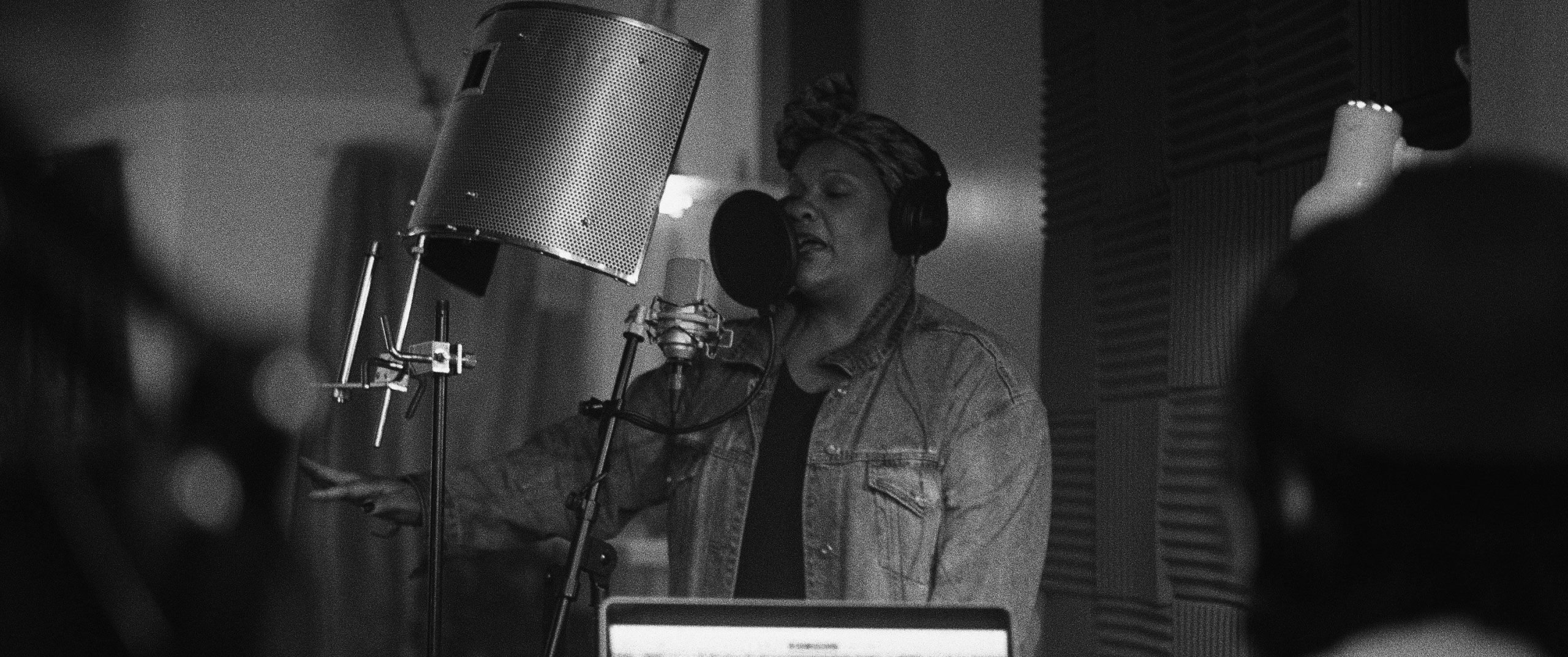
This fun comedy-drama is about a New York playwright called Radha who never hit big. When she turns 40, she decides to reinvent herself as RadhaMUSPrime, a rapper.
And it’s all a personal affair: Radha Blank plays the main character (named after herself) and is also the writer, director, and producer.
The story is about rap and theater, but being so connected to reality, it feels like it’s about Blank making the movie itself. Its very existence feels like a triumph against the pressure of age, the misunderstanding of others, and the weight of unreached goals.

Not everybody holds a good relationship with their sisters, but ideally, we get to reunite and repair things in a good time. Unfortunately, for some families, the only time they reunite is due to a parent nearly dying. This is the case in His Three Daughters, where the three sisters meet after years living apart. It’s a common plotline, mostly depicted in the feel-good, family friendly variation, but writer-director Azazel Jacobs makes the three sisters distinct by taking the easy assumptions many people would make about them, and naturally push them to reveal the opposite. Carrie Coon, Natasha Lyonne, and Elizabeth Olsen form a great trio, delivering equally excellent performances under the same roof.
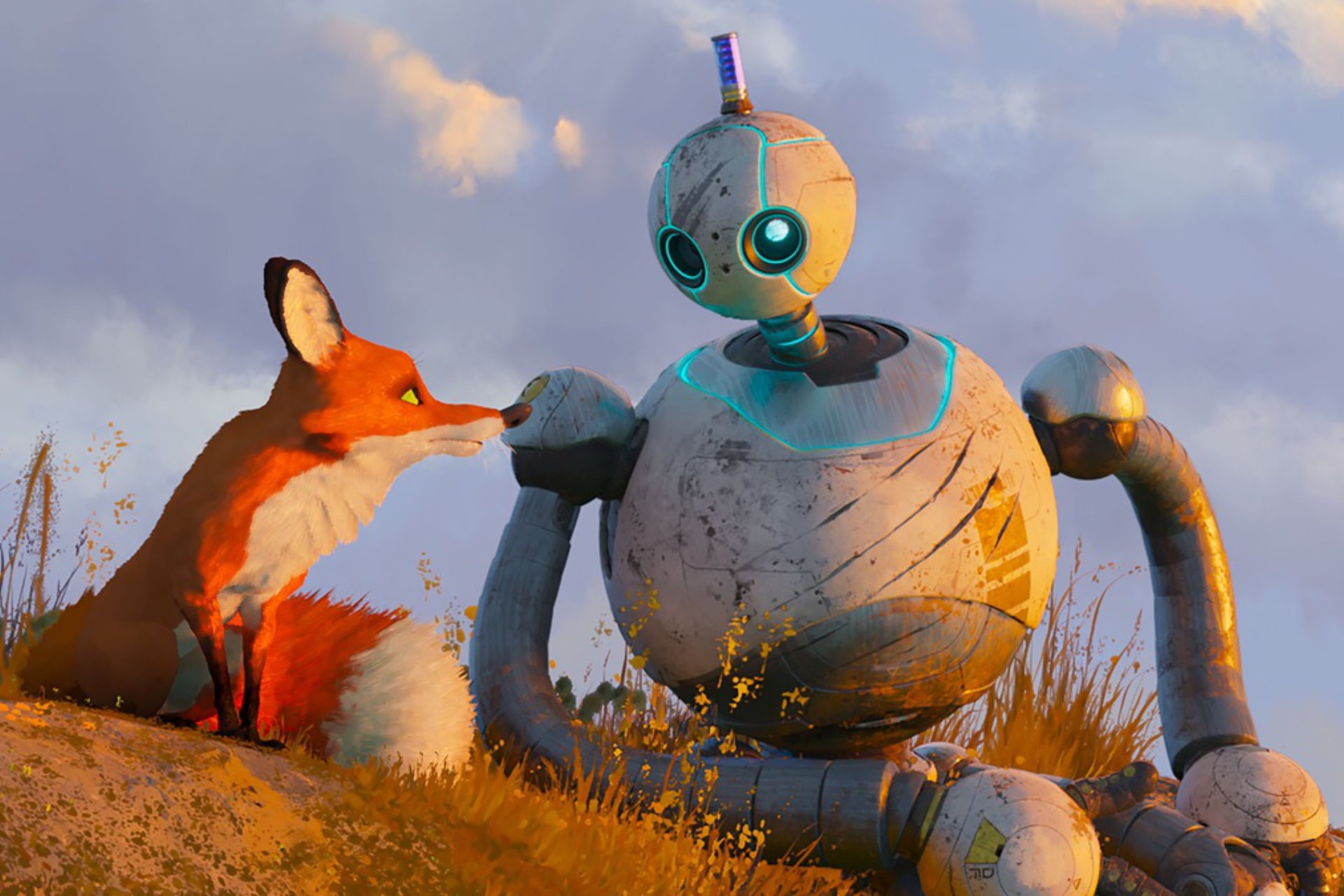
Beautiful in its painterly compositions and gut-wrenching in its storytelling, The Wild Robot has been dubbed one of the best animated features in a while, and rightly so. The film, which is a bit like if Tarzan were a robot, or if Stitch had to assimilate in the wild instead of the city, is a classic tale of an outsider learning to love and be accepted by her community. It’s about many other things, too, like the violence of nature, the supreme power of kindness, and the complexities of parenthood (it’s deeply humanistic for a film that features almost no humans at all). But for all the themes it tackles and the colorful multitude of characters it covers, it feels incredibly light and easy to watch. Perhaps that’s due to its hand-drawn aesthetics, which recall Studio Ghibli films more than anything, and to the voices who bring the characters to life, most notably that of Lupita Nyong’o, who gives the robot Roz so much warmth and depth despite her electronic limitations. All these and more make Wild Robot a must-watch, if not an instant classic.
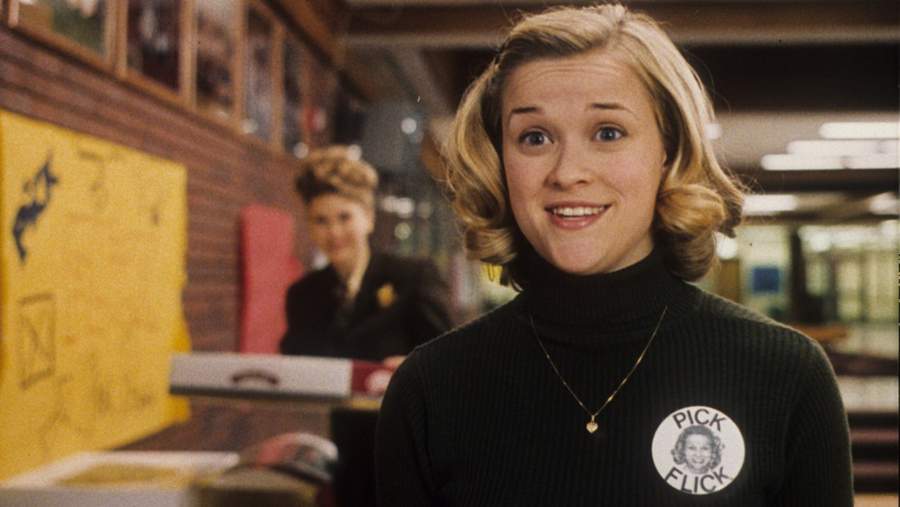
Starring Matthew Broderick and a young Reese Witherspoon as, respectively, Jim McAllister, a high school teacher and Tracy Flick, a notorious ‘that girl’ in his class. When Tracy decides to run for class president, we see the floodgates open as all sorts of bizarre and insane behavior pours out of the two. Quickly, it becomes clear that Tracy will do nearly anything to win, and as circumstances spiral out of control, madness descends – along with hilarity!
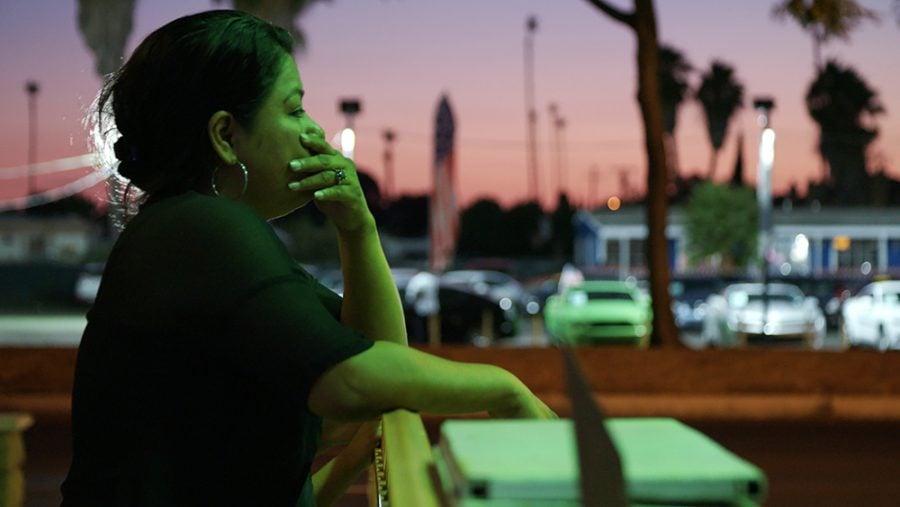
The 400 billion (!) dollar industry of medical devices is director Kirby Dick’s latest fascination (Oscar winner Twist of Faith, Oscar nominated The Invisible War). This is one of those documentaries that will raise your awareness about a topic from 0 to I-should-do-something, as the number of victims and the negative impacts these devices are having are astounding. Of course, just like with any other careless American industries, greed, money, and lobbying are the culprits. This is an important watch that will probably come in very handy when you or a close one needs a medical device.
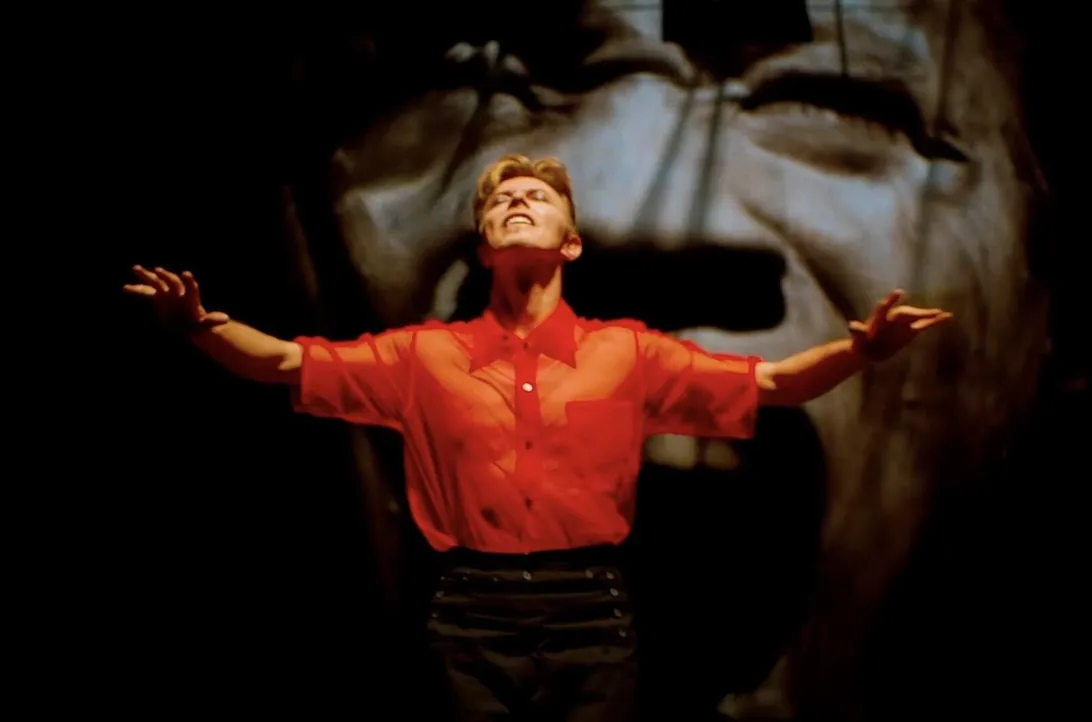
Forget everything you know about the music biopic. One-on-one interviews, chronological storytelling, silent moments with the subjects—Moonage Daydream isn’t that kind of movie. Just as David Bowie isn’t your typical pop star, this documentary about him, directed by Brett Morgen, forgoes the usual beats for something extraordinary and fun.
Moonage Daydream is a concert, a light show, and a masterclass in collage editing. It’s a feast for the senses, a fantastic neon fever dream that paints a picture of Bowie in his own words, drawn from archival footage, interviews, and concerts past.
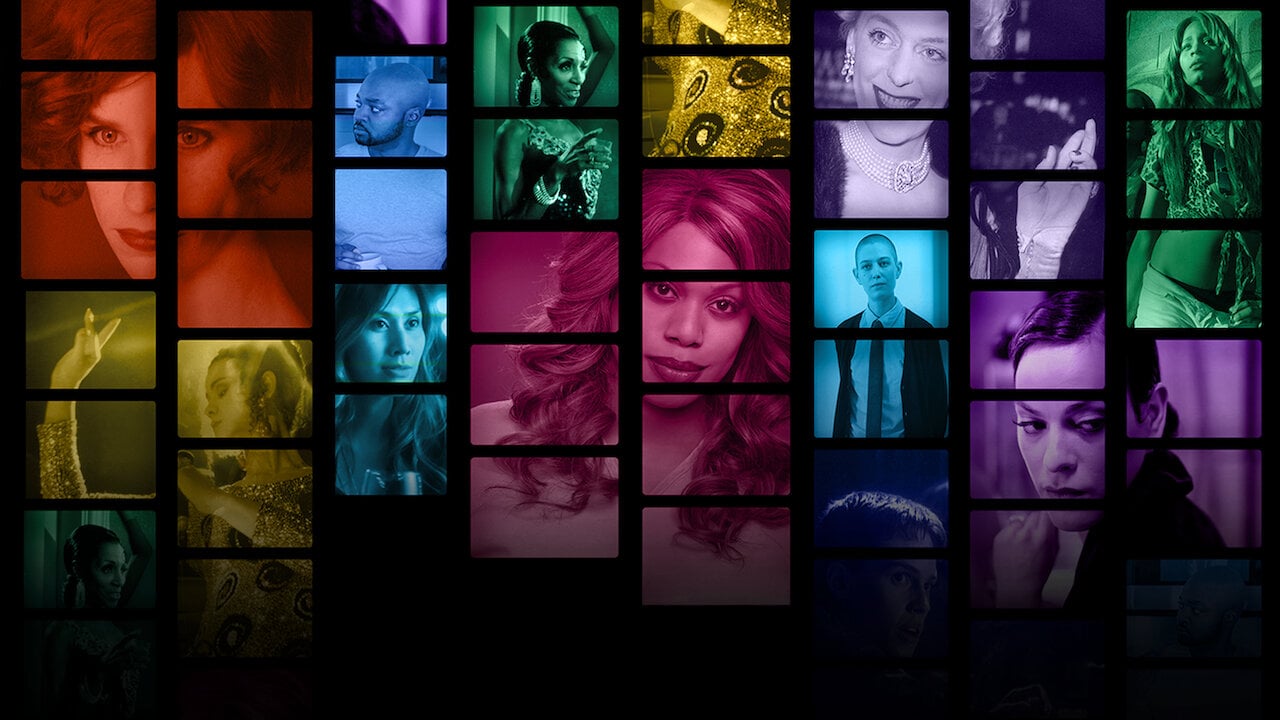
Disclosure is a patient and articulate study of the ways movies have physically conditioned us to respond to certain expressions of queerness with fear, disgust, or laughter. But it also serves as a reminder that trans bodies have been represented on screen for as long as movies have existed—making it all the more unacceptable that we still often only see reductive and harmful stereotypes of trans people over 100 years since the birth of cinema. However, Disclosure is far from a “takedown” designed to make viewers feel bad. At the end of it all this remains a celebration film’s power to dignify perspectives we rarely get to see through, and it’s one of the nerdiest and most passionate trips through film history you could hope to have.
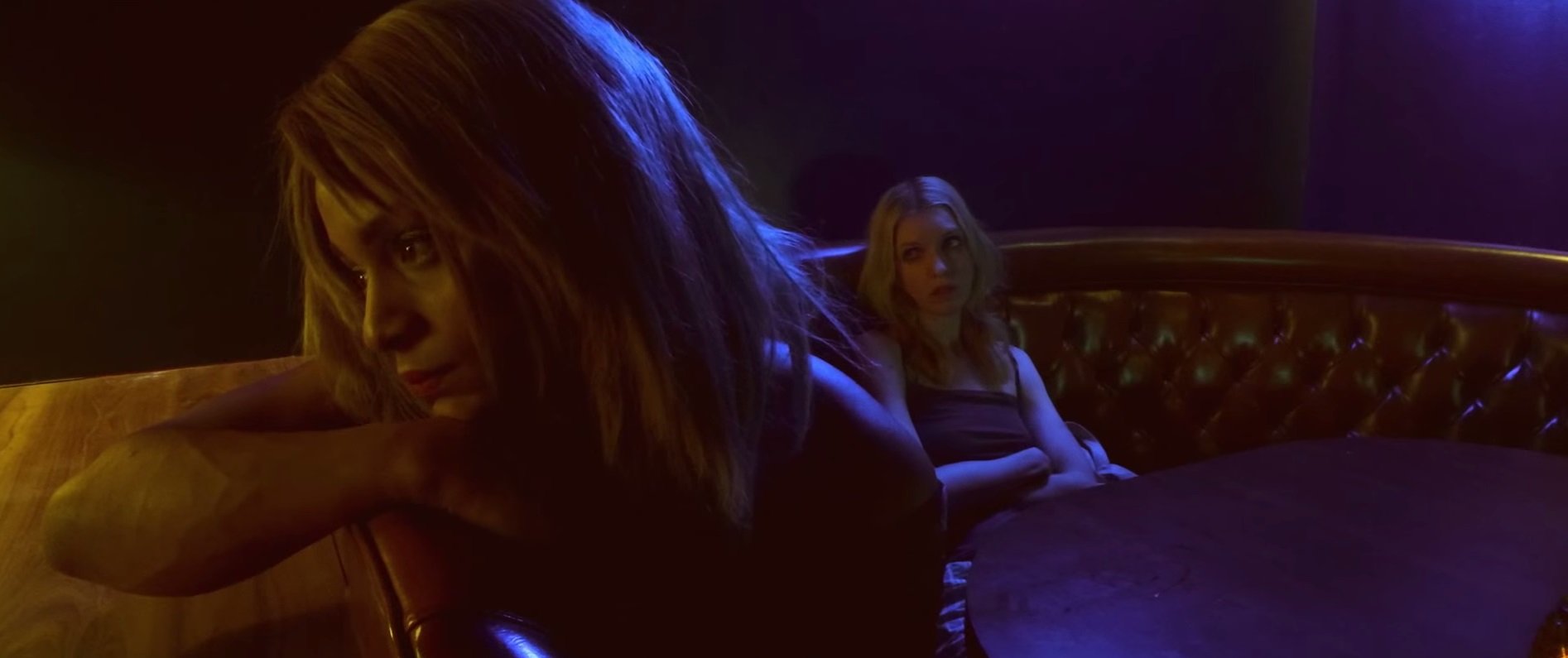
What’s great about this highly inventive film is that it doesn’t look like it was shot through three iPhone 5s. Instead of using shaky cameras and static shots, Tangerine glides us through saturated, orange-toned scenes that evoke the Los Angeles sunset. Launching director Sean Baker into prominence, Tangerine is an innovative film that, at heart, is a nuanced comedy about the trans sex worker community. Newcomers Kitana Kiki Rodriguez and Mya Taylor run the show, and their performances create a vivid, electric drive that powers the whole movie. But it’s the quieter moments, the moments after betrayal, the moments of recovery, that make this movie truly special.
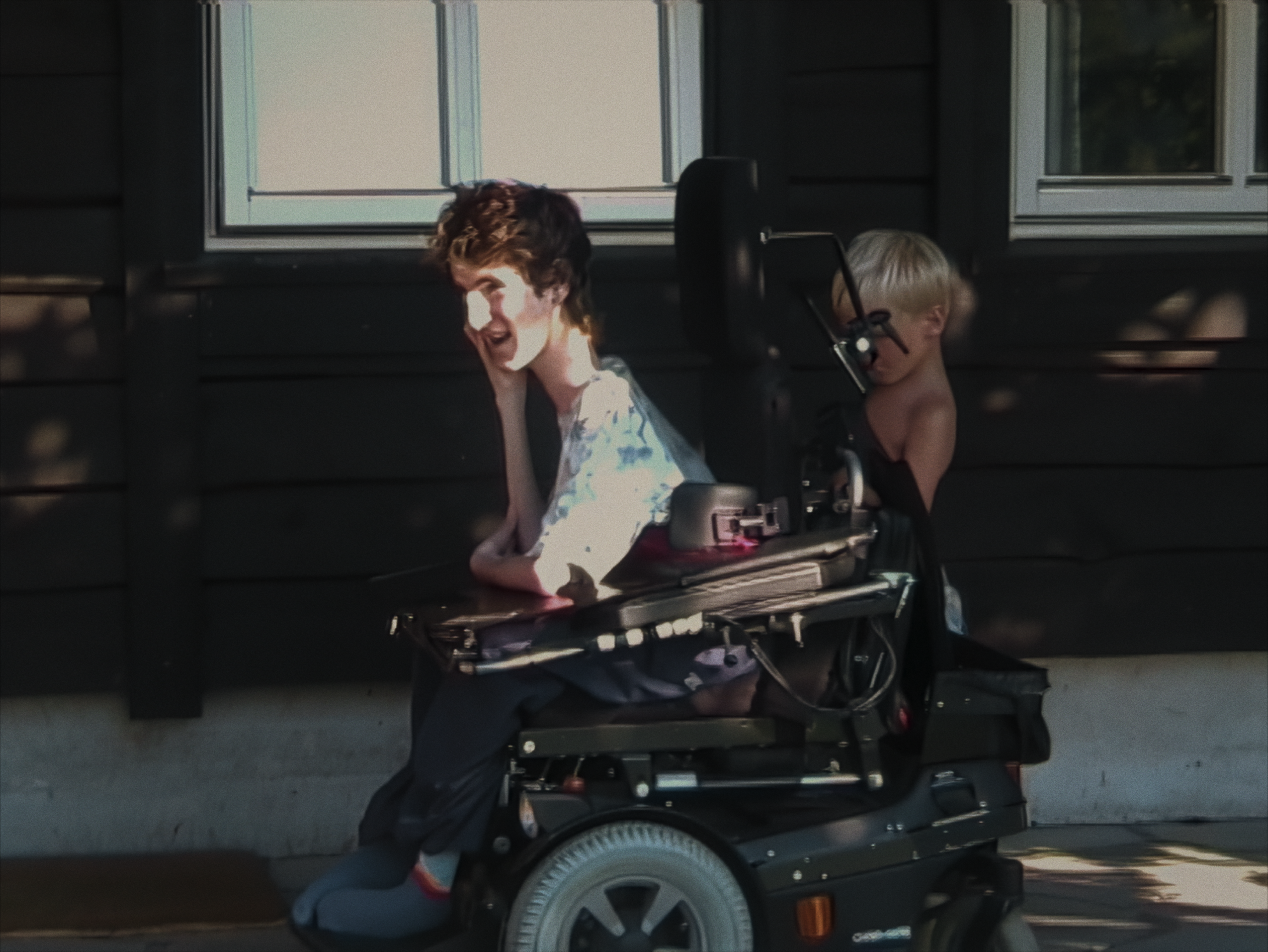
In the first twenty minutes, The Remarkable Life of Ibelin seemed to be quite unremarkable, with the usual way a biographical documentary would go, that is, loved ones waxing poetic about how great the dead person was in life. But the documentary takes this to introduce Ibelin the same way his parents discovered the online life Mats Steen lived. It’s a unique documentary, mixing in the usual home videos with the animated gameplay of the archived life Steen lived in Ibelin, but it’s grounded by, and somewhat co-created through the words Steen himself typed about his life as a disabled man, and the game history he shared with the community he formed online. The Remarkable Life of Ibelin ends up being quite a remarkable depiction of living online, that feels much more honest, human, and creative than the condescending or cautious narratives we’ve previously heard about the online world.
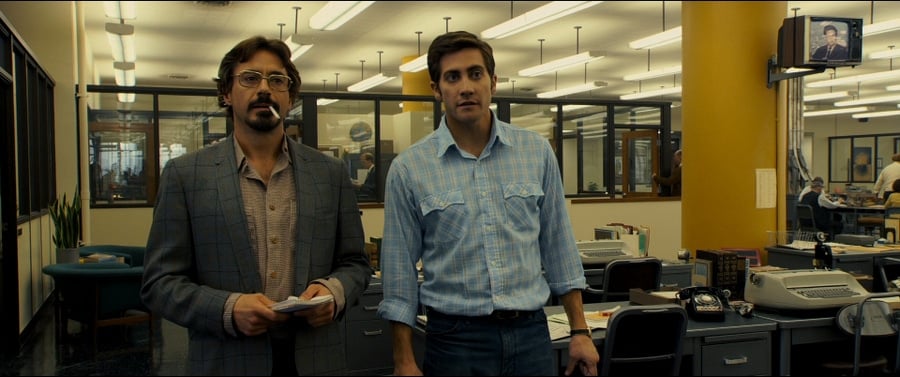
Zodiac is an edge-of-your-seat thriller that knows exactly when to be slow and when to pick up the pace. Director David Fincher delivers what he was admired for in movies like Se7en and Fight Club (and more recently Gone Girl), and that is an intelligent, not necessarily satisfactory, gripping film. The ensemble cast including a surprisingly fitting Jake Gyllenhaal and Robert Downey Jr. gives a great performance that helps embody the true-life mystery around San Francisco’s Zodiac killer. Fans of the series True Detective will love this film.
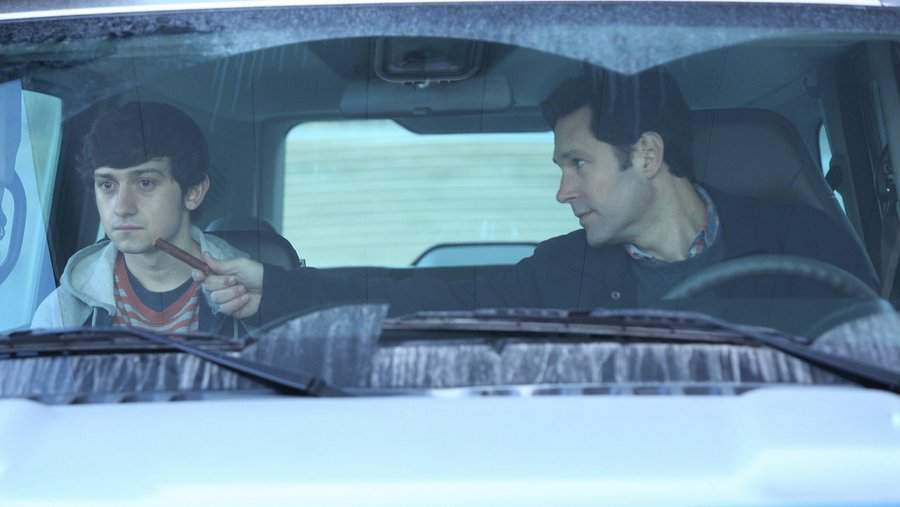
The Fundamentals of Caring is an offbeat comedy/drama starring Paul Rudd as a man attempting to overcome his looming divorce by becoming the caretaker for a teenager with muscular dystrophy (Craig Roberts, Submarine). The two develop an unconventional relationship based largely on sarcasm and profanity, delivering many laugh-out-loud moments, while also slowly exposing the pain each is carrying inside.
Together, at Ben’s urging, they embark on a road trip across the western United States for Craig to see the world. It’s somewhat formulaic but fun and touching road movie that covers much familiar ground, but also offers a fine illustration of caregiving, personal growth, and emotional healing. Paul Rudd is as good ever, and Roberts is utterly superb. One of the best movies on the Netflix Originals catalog, and an undeniable winner, all-in-all.
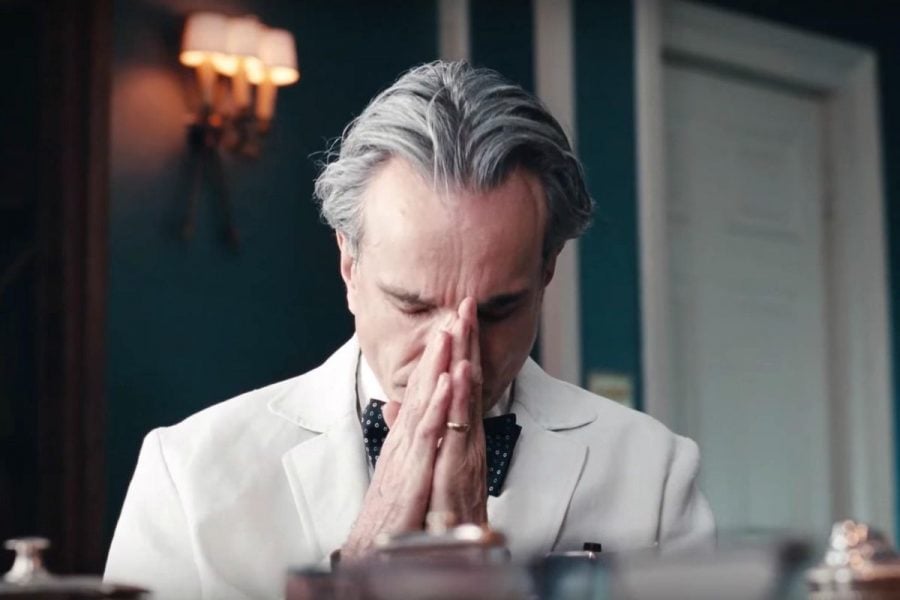
A flawless Daniel Day‑Lewis stars in this thought-provoking romance. He plays a successful dressmaker in post-second-World-War London who falls for a waitress while on an excursion to the countryside. It’s hard to tell you what this movie is about without ruining the story for you but I can tell you how it made me feel: it kept me guessing the whole time. Day-Lewis’ character is so masterfully played that I felt that every move he made was calculated and that every line meant something. Plus, expect stunning dresses, beautiful country-side sequences, and an all-around gorgeous aesthetic experience.
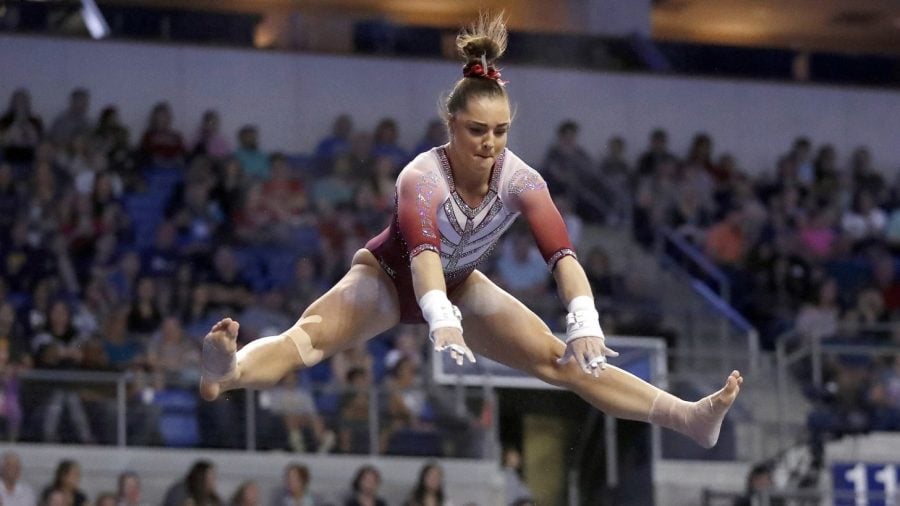
This groundbreaking documentary follows the USA Olympics sexual abuse case that made headlines in 2015. Through interviews with Olympians, their families, and investigative reporters, it’s also a documentary on the overall culture of abuse in gymnastics: sexual, physical, and emotional.
In one scene from the 1996 Olympics, gold medalist Kerri Strug has to run, vault, and land – all with a severe foot injury that was covered up by her coaches. She does this twice, limping between attempts and crawling off the mat on the second, crying. Meanwhile, her family, her coaches, the spectators – the World – is celebrating.
When she’s carried off, it’s Larry Nassar, the pedophile at the center of the documentary, who carries her.
Athlete A is groundbreaking exactly because it illustrates that the problem is not only with one doctor, or the 54 coaches who were also found guilty of sexual abuse, or the morally bankrupt leadership of USA Gymastics; it’s also about what went so wrong with society to see the abuse of young girls as cause for celebration.
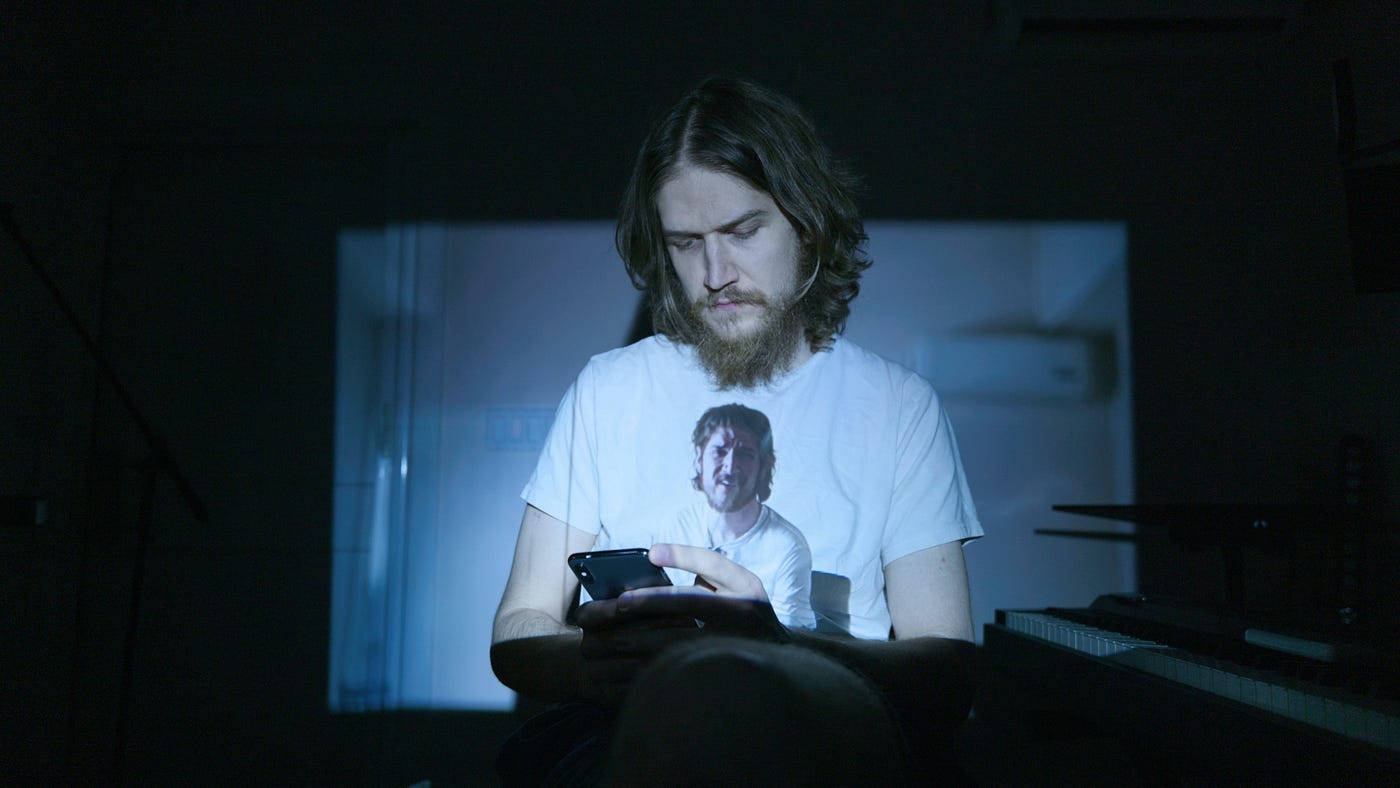
A healthy mix of despair and self-deprecation has always been Bo Burnham’s signature, but Inside takes it to the next level. It’s a deconstructed film, rather than a simple one-night special; a one-man-show that constantly undercuts itself. Even more so, it sabotages its own immersive qualities and explores the depths of self-loathing by turning oneself into comedy material. Some may say, it’s a classic move, but the pandemic reality and Burnham’s unkempt look predispose us to embrace all the cringe (YouTube reactions), quirkiness, (the sock puppet), and frightening angst (suicide jokes) he puts forward. Emotional rawness and a polished DIY look fits the Netflix bill, but as far as the content goes, this one goes straight to the world heritage lockdown archives.
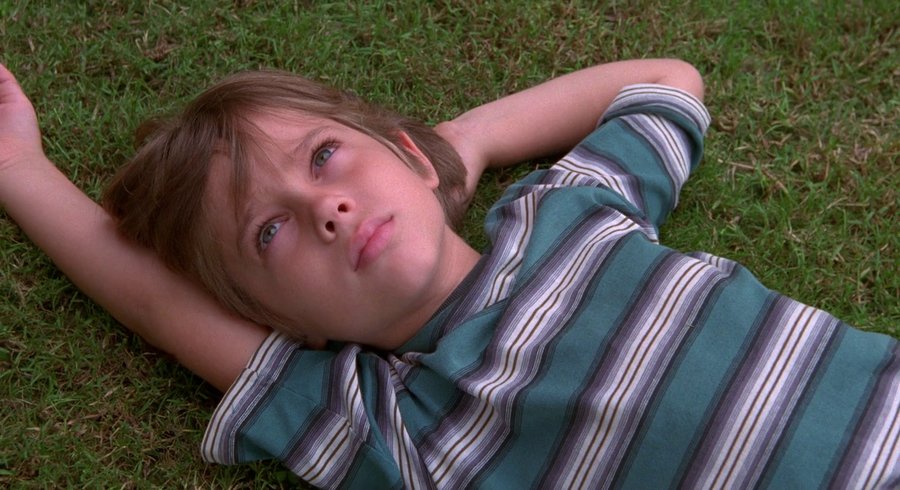
A masterpiece in every possible way: its striking balance between simplicity and effectiveness, its innovative value, the commitment of its maker, and just overall beauty. Boyhood was filmed over a span of 12 years, something never attempted before in film. The result is a captivating, breathtaking tale with almost unparalleled plausibility. The emotions it incites as well as the natural flow it has will feel a lot like life itself, and will leave you with ideas you can dwell on for long after the credits roll. Directed by Richard Linklater, and nominated for 6 different Oscars.
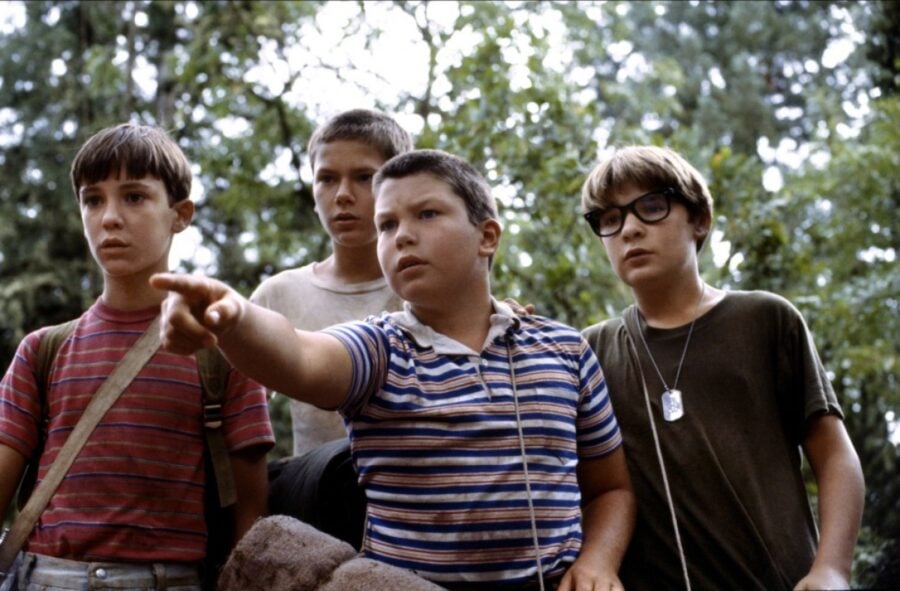
Stand By Me follows four young friends as they journey around their small town searching for a rumored dead body. On the surface, it moves like an adventure story. The boys narrowly avoid guard dogs and leeches, speeding trains and tough teen gangs. But along the way, they also learn much about each other, in particular about the stark reality of their home lives and the growing depths of their inner struggles, so that beneath all the small-time thrill is a beating coming-of-age story.
Based on a novella by horror master Stephen King, Stand By Me is terrifying in its ability to evoke the unique thorniness of passing through the gates of adulthood, but also warm and comforting in its reminder of the universality of this feeling.

Art is a hobby for most people, but for musician Jon Batiste and writer Suleika Jaouad, art is part and parcel of this thing called life. Of course, it’s part of their work, and it’s how they make a livelihood, but it’s more than that– it’s almost a spiritual ritual they cling to, especially when Jaouad finds out that her leukemia has returned. American Symphony mainly depicts the creation of said orchestral work, but director Matthew Heineman translates the symphony into cinematic form, culminating in a performance played over the intimate moments between Batiste and Jaouad. It’s not just a documentary of a performance, but a documentary about art, about creation despite life’s pains, perhaps to survive life’s pains. It’s a powerful work that makes it easy to believe in art as imperative for life, and vice versa.
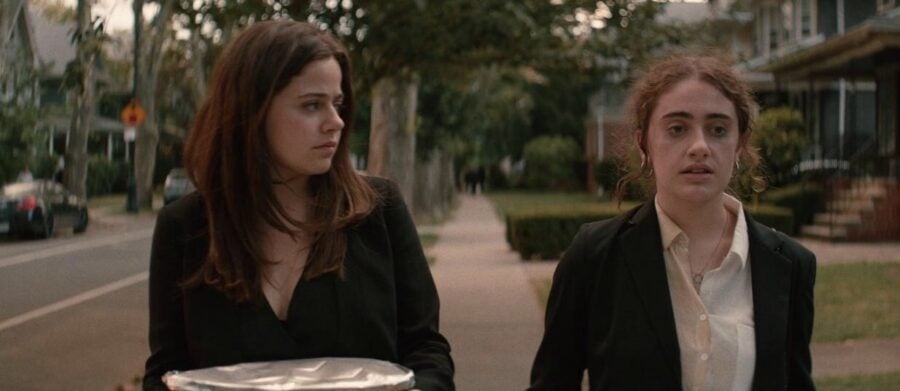
A young bisexual woman attends a shiva, caught between her parents and their expectations, her ex, and her sugar daddy. Rachel Sennott’s Danielle is yet to find her path in life and everyone is determined to remind her of that. Taking place almost entirely in real-time, the film’s sharp wit is contrasted with constant anxiety, complemented by Ariel Marx’s horror-like score, full of discordant pizzicato that sounds like every last bit of sanity snapping.
It’s a sex-positive take on 20-something life, treating bisexuality as wholly unremarkable and passing no judgment on Danielle’s sugar daddy income. Its specificities about Jewish customs and traditions are non-exclusionary, while its social claustrophobia is achingly universal. It’s comforting in the way it portrays the social horrors we all face, the feeling that everyone but you has life figured out, and that – ultimately – those who matter will pull through, eventually. One of 2021’s best.

Donnie Darko is a cult film by director Richard Kelly, starring Jake Gyllenhaal. It’s about the troubled teenager Donnie who lives in a suburb and suddenly faces a person in a giant rabbit costume who tells him that the world is going to end in 28 days. If that didn’t make sense to you, don’t worry – it’s not about making sense. The film is a gorgeous exploration of a bizarre chain of events, a deep rabbit-hole of meaning and expression, fate and acceptance that practically begs for a second, third, or fourth watching.
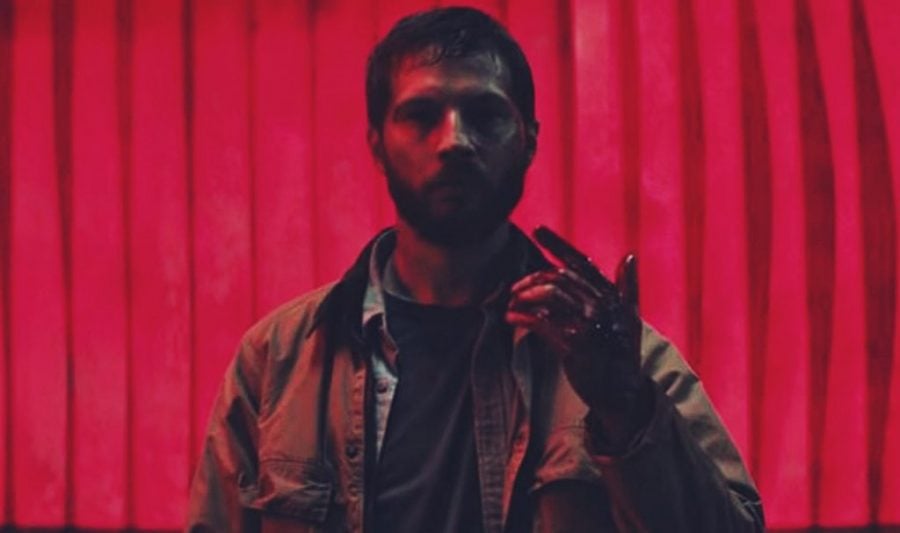
This film really satisfied my craving for an original thriller, despite the fact that I spent most of it thinking about how Logan Marshall-Green looks like a budget Tom Hardy.
He plays a guy whose wife is killed during a violent mugging that also leaves him paralyzed in the aftermath. When a billionaire approaches him with an Artificial Intelligence solution that would “upgrade” his body, he has a chance to take vengeance.
This is Robocop meets Ex Machina meets Blade Runner. It’s original, low-budget without feeling low-budget, and honestly just so thrilling. It gives the genre of sci-fi a much needed upgrade.
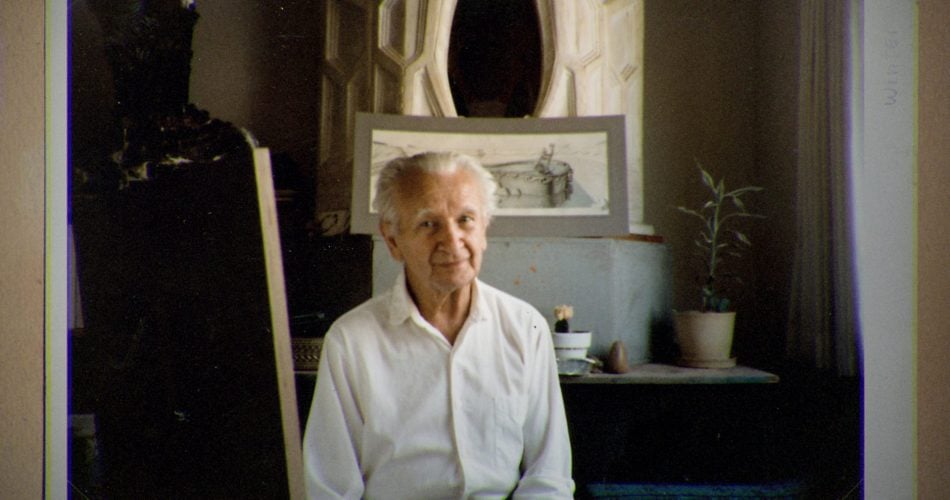
This is an amazing documentary but be warned, the main character has some weird characteristics.
By coincidence, an art collector stumbles upon an undiscovered collection of sculptures and paintings that can only be described as the work of a genius. There was almost no reference to the artist, but upon research the collector finds that they are by a man called Stanislav Szukalski. He traces him down and finally locates him living anonymously in a California suburb.
The documentary, Struggle: The Life And Lost Art Of Szukalski, is a collection of tapes from numerous interviews in the 1980s between the collector and Szukalski. He was helped by George DiCaprio, who would later produce this movie with his son Leonardo (!).
In these interviews it becomes clear that Szukalski is pure genius. The funny thing is that he seemed to be well aware of this fact himself.
Remember the weird characteristics I mentioned in that first sentence? Here we go. Szukalski’s past is full of a lot of antisemitism, sexism and bigotry.
The question that lingers is how exactly can this forgotten-genius story be reshaped by the discovery of his twisted opinions. Can the artist be separated from the art? It’s a personal matter for the people who found Szukalski and later made this movie. It might never get as personal for you, but this movie will sure try to provoke an answer.
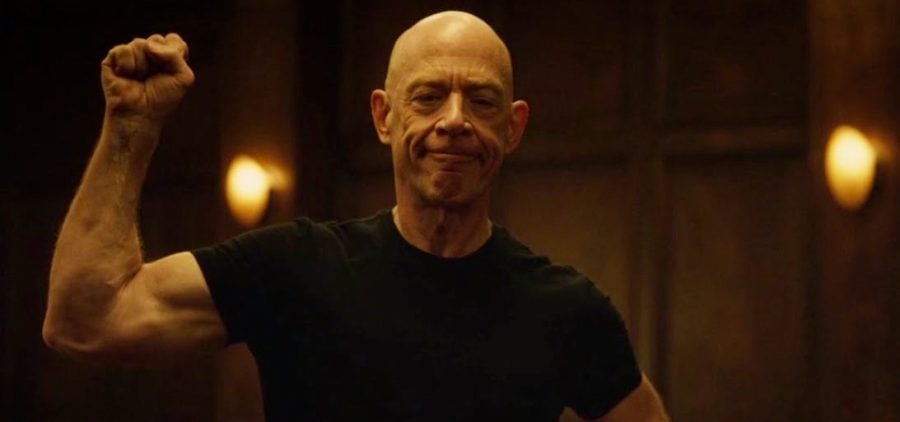
Miles Teller plays Andrew Nieman, an ambitious young jazz drummer striving for greatness, who is edged towards breaking point by the sadism of his teacher and conductor, Terence Fletcher, played expertly by J.K. Simmons. Fletcher insults him, pressures him, and makes him cry in front of all his peers. Directed by Damien Chazelle, who was one of the youngest people to receive a Golden Globe and an Academy Award for the powerful La La Land, the aptly titled Whiplash poses some intense questions about artistry and ambition. Will Andrew survive? Will it lift him to a higher artistic level? Can his tormentor be appeased through accomplishment? It’s almost impossible to single out the best part of this film, considering the flawless performances, masterful script, and meticulously crafted soundtrack. Cherishing the existential artist without giving easy answers, Whiplash is an inspiring watch.
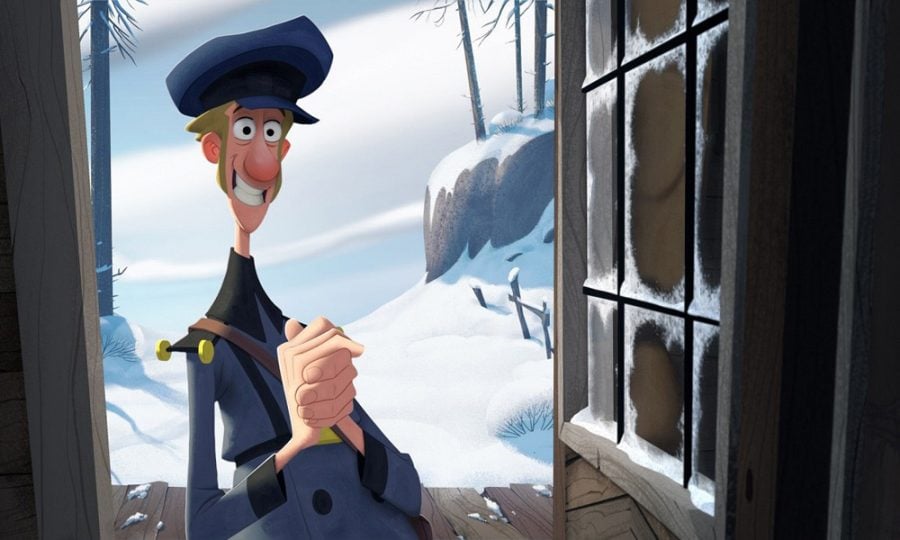
Shot by Sergio Pablos, a weathered animation film creator, here’s a future holiday classic to be reckoned with. Klaus is a beautifully old-school-looking, 90s Disney-style animation movie about the origin story of the world’s most beloved toymaker, Santa Klaus. Dispatched to a bleak arctic town, because he really wasn’t very good at his job at all, mailman Jesper stumbles upon the now-famous Klaus, making an acquaintance that will change the town forever, and, with it, the way Christmas is celebrated around the world. In addition to its homely warmth, funny moments, and nostalgic hand-drawn animation style, you will recognize many famous voice-overs in this festive family film, including the always amazing J.K. Simmons, Rashida Jones, and Jason Schwartzman, to name a few.
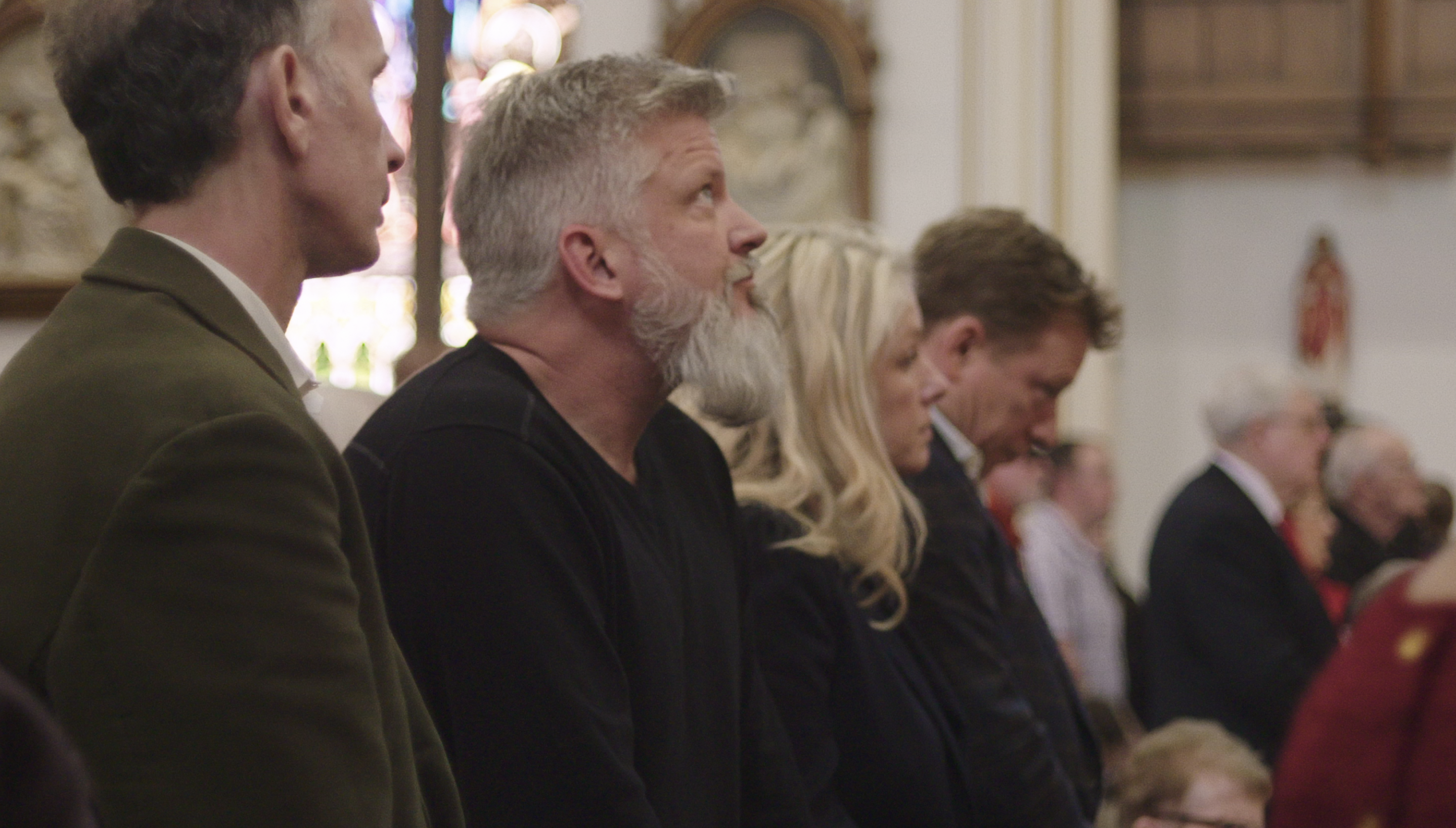
Difficult but essential viewing, Procession tracks the progress of six men undergoing art therapy—specifically, by creating short filmed scenes to process their trauma from being sexually abused by Catholic priests. The resulting films we get to see are wildly varied in the emotions they express, forming a rich and powerful tapestry of the effects abuse can leave on individuals. And to see these men confront the worst events of their lives through filmmaking begins to feel like validation for filmmaking itself, that it can truly be an art form that changes and saves lives. But even more striking, somehow, is the unbreakable bond that forms among these survivors throughout this entire process, captured with reverence and overflowing compassion by director Robert Greene.
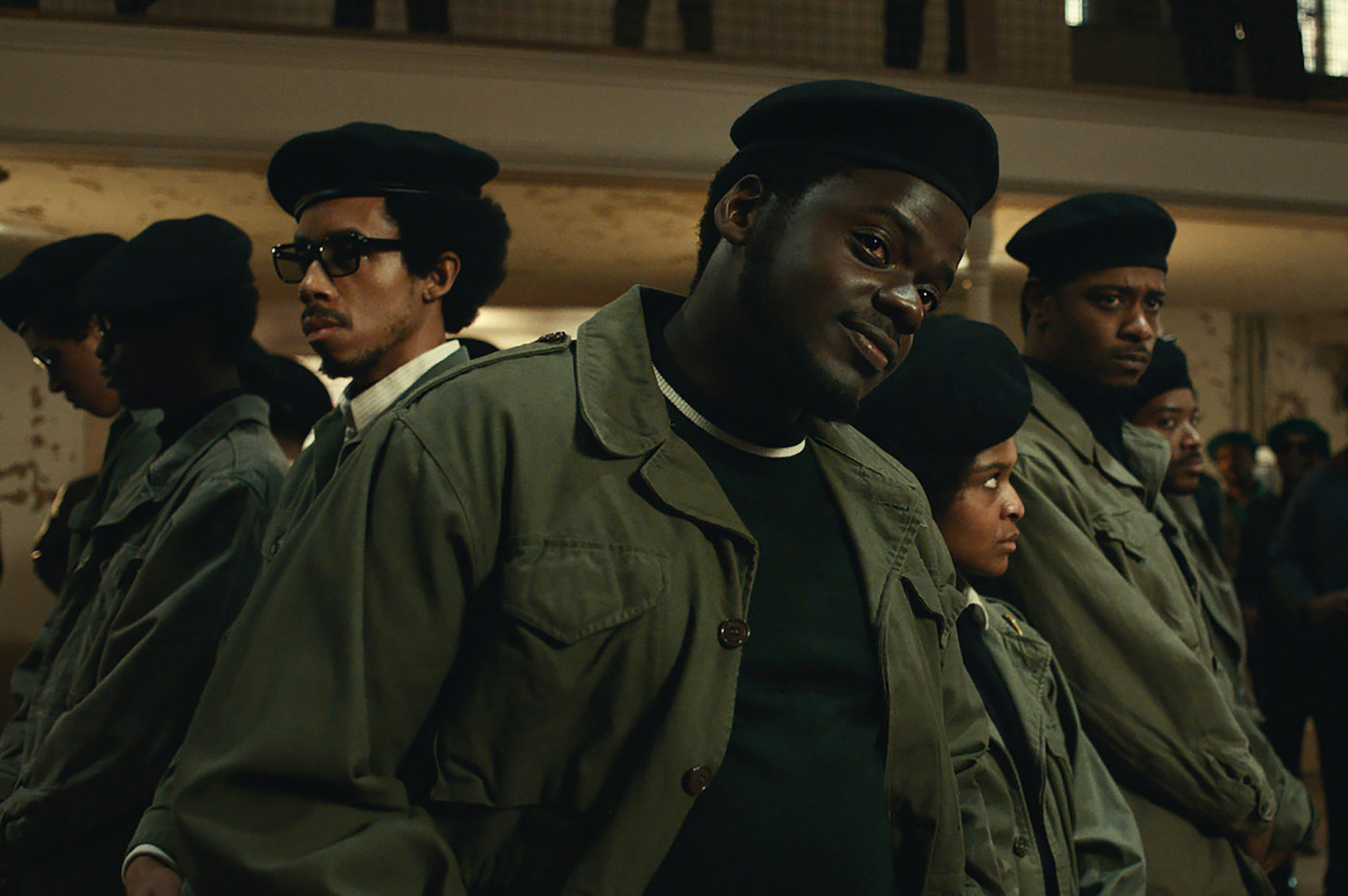
One of the most thrilling biographical films to come out of Hollywood in the 2020s, Shaka King’s exhilarating take on a truly remarkable leader within the Black Panther Party—and the young man who would eventually be twisted into betraying him—also provides a respectful, honest space to voice out progressive views that still aren’t fully embraced in the United States. Much of the film is made up of beautiful, powerful rhetoric, contrasting in fascinating ways with scenes of violence or deception that only remind us how ahead-of-his-time chairman Fred Hampton was and still is. And in a thunderous, Oscar-winning performance, Daniel Kaluuya brings all of Hampton’s words roaring to life while still reminding us of how tragically young this inspirational figure was at the time of his death.
But Judas and the Black Messiah tells an equally powerful second story over this one: that of FBI informant William O’Neal who reluctantly agrees to sell Hampton to the feds, and quickly realizes that he’s been scammed too. Rivaling—and, arguably, besting—Kaluuya’s performance is LaKeith Stanfield, whose tortured and increasingly despairing performance as O’Neal is the stuff of pure Shakespearean drama. Together, both stories ask us what real freedom looks like, and that we believe we can still fight for it.
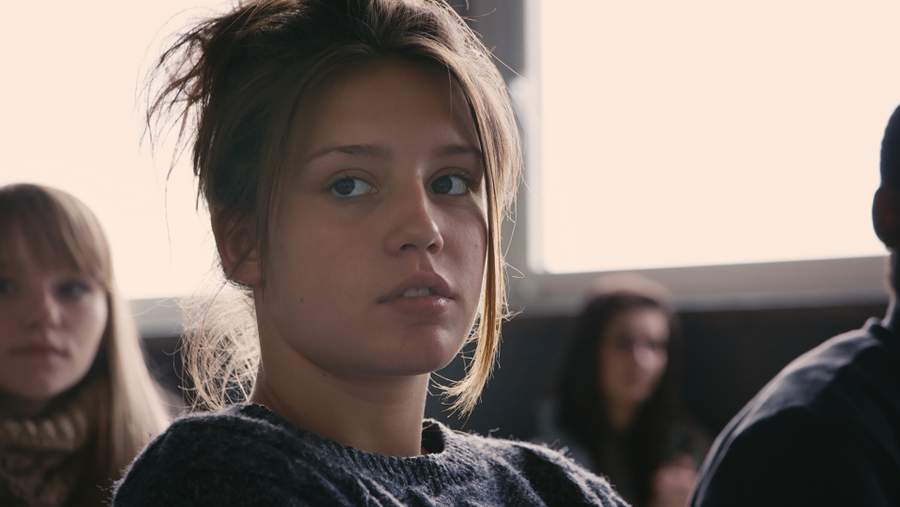
More simply called La Vie d’Adèle in its native language, this French coming-of-age movie was hugely successful when it came out and was probably one of the most talked-about films of the time. On the one hand, the usual puritans came to the fore, criticizing the lengthy and graphic sex scenes. On the other hand, Julie Maroh, who wrote the source material that inspired the script, denounced Franco-Tunisian filmmaker Abdellatif Kechiche for directing with his d*ck, if you don’t mind me saying so, while also being an on-set tyrant. Whatever you make of this in hindsight, the only way to know is to watch this powerfully acted drama about the titular Adèle (Adèle Exarchopoulos), and her infatuation with Emma, a free-spirited girl with blue hair, played by Léa Seydoux. The film beautifully and realistically portrays Adele’s evolution from a teenage high-school girl to a grown, confident woman. As their relationship matures, so does Adèle, and she slowly begins to outgrow her sexual and philosophical mentor. Whatever your final verdict on the controversial sex scene, Blue Is the Warmest Color is without doubt an outstanding film as are the performances from Exarchopoulos and Séydoux.
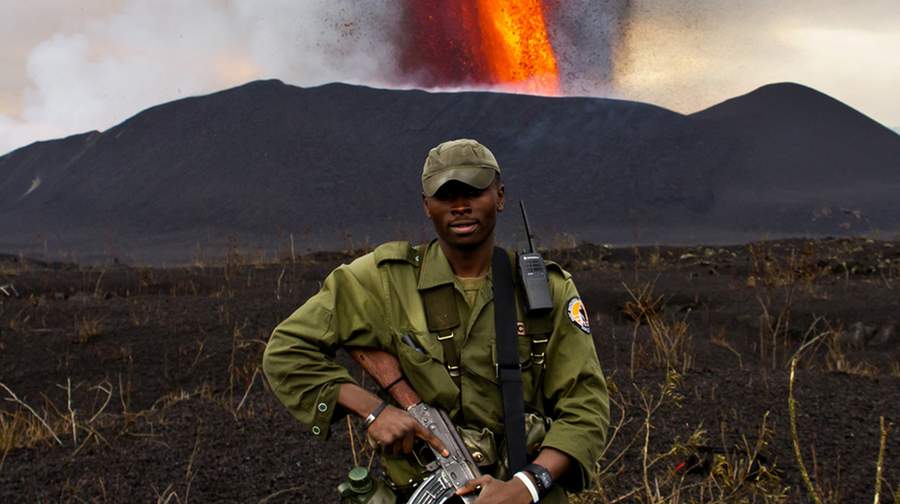
Orlando von Einsiedel’s epic documentary is at once a stunning natural film, an intimate human drama, and an intense political thriller slash investigative report. The titular Virunga National Park, a UNESCO world heritage site in Eastern Congo, serves as the magnifying glass through which we witness the natural, human, and political crisis of this embattled and volatile region. There are poachers killing endangered gorillas, the bloody business of Big Oil companies, government forces fighting a myriad of militias, and, lastly, the three individuals struggling to protect Virunga and its mountain gorillas from death and destruction. The result is a snap-crackle-pop-type situation, like sitting on a powder keg. The film captures all this superbly with great editing, compelling real-life material, and gripping action. Virunga’s intensity can rival a well-made fictional thriller any day of the week.
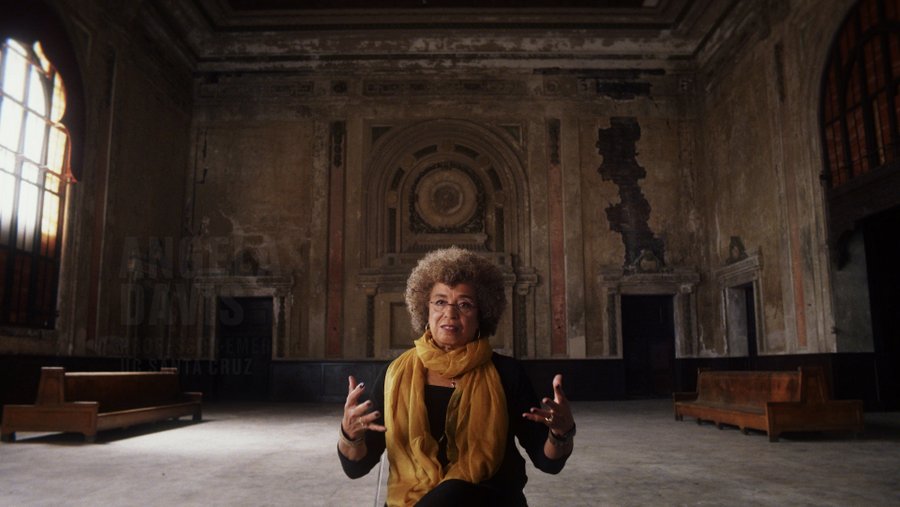
From Selma director Ava DuVernay, 13th addresses the second clause of the 13th amendment: “Neither slavery nor involuntary servitude, except as a punishment for crime whereof the party shall have been duly convicted, shall exist within the United States.” A clause that was immediately exploited and for which the consequences and interpretations explain a significant part of the current American societal landscape. What also unfolds is a highly instructive and thought-provoking film that deals with the idea of progress, and justly pays tribute to the horrifying number of lives mass criminalization ruined.
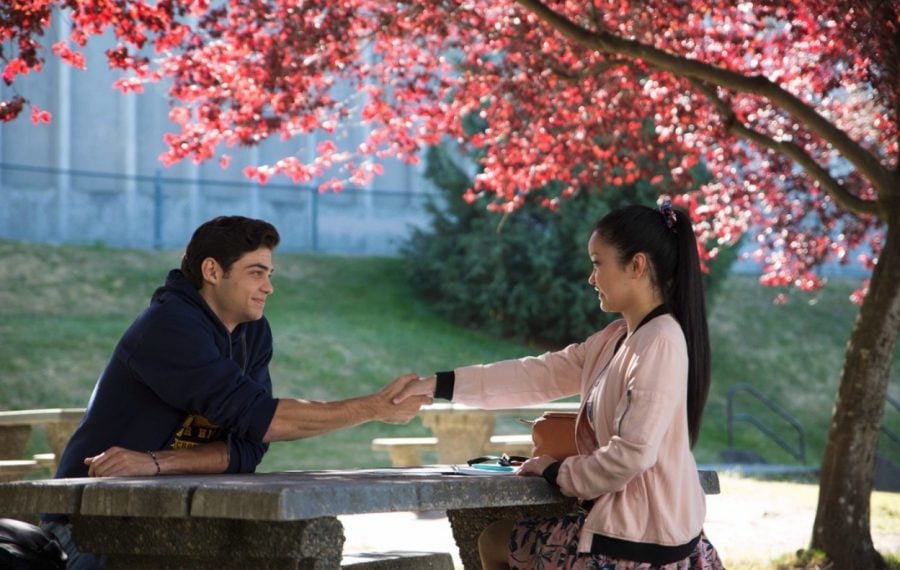
To All the Boys I’ve Loved Before is not only the best rom-com on Netflix, it’s one of the best rom-coms in recent memory, period. It has all the originality and freshness of Juno, the inclusiveness and relevancy of The Big Sick, and the sweetness of all your favourite 2000s romantic comedies. Lara Jean is a high-schooler who’s never been in a relationship and who, instead of communicating her feelings to her crushes, writes them letters that never get sent. Her world is turned upside down when those letters do end up in the hands of their recipients. Her first relationship, however peculiar, comes out of the incident. The acting is top notch, the characters are lovable and well-written. Just go watch it, OK? It’s a true triumph and an innocent-fun movie, there is no scenario in which you will be disappointed.
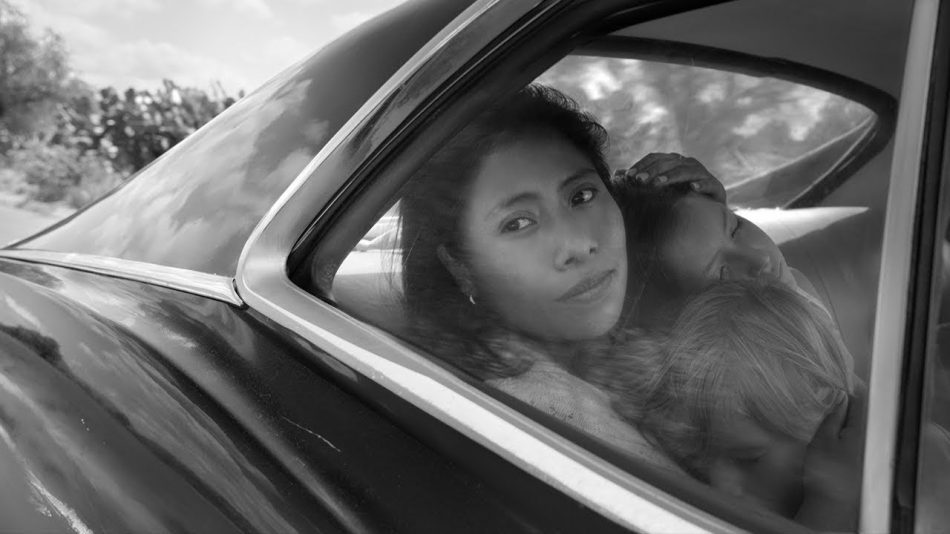
Alfonso Cuaron is a master storyteller, Academy Award-winning director, and the man behind masterpieces such as Y Tu Mamá También, Gravity, Children of Men, and perhaps more importantly, the (uncontested) best Harry Potter movie (Prisoner of Azkaban, of course). In Roma, he tells a different story. His own.
Building on events from his childhood, he tells the story of a young domestic worker in Mexico City’s Roma neighborhood. You get tales of class struggle, family dynamics, and sexism in 1970s Mexico City.
The first hour is slow but so beautiful. All it does is prepare you for the events to come, and those who stick it out will be handsomely awarded.
This is a stunning, wise and deeply personal movie. It’s everything we should ever ask from filmmakers at their prime.

In this powerful documentary, Brazilian filmmaker Petra Costa intertwines her own family history with the democratic journey of her home country. As she says herself, Costa and her country’s democracy are of the same age. This is not the only reason why she was uniquely positioned to make a film like this: her parents were left-wing activists in the 1970s, who went to jail for their beliefs, while her grandparents were part of the ruling class have made Brazil’s strong-man politics and right-wing backlash possible. Her mother was held at the same prison that ex-president Dilma Rousseff (2011-2016) was sent to. Costa tells the story of Rousseff’s demise as well as that of Luiz Inácio da Silva (2003-2011) aka Lula, whose future remains up in the air. The Edge of Democracy is thus a gripping and urgent warning that democracy in the world’s sixth most populous country is under attack. In content and form, Costa is obviously opinionated, but she makes a strong point.
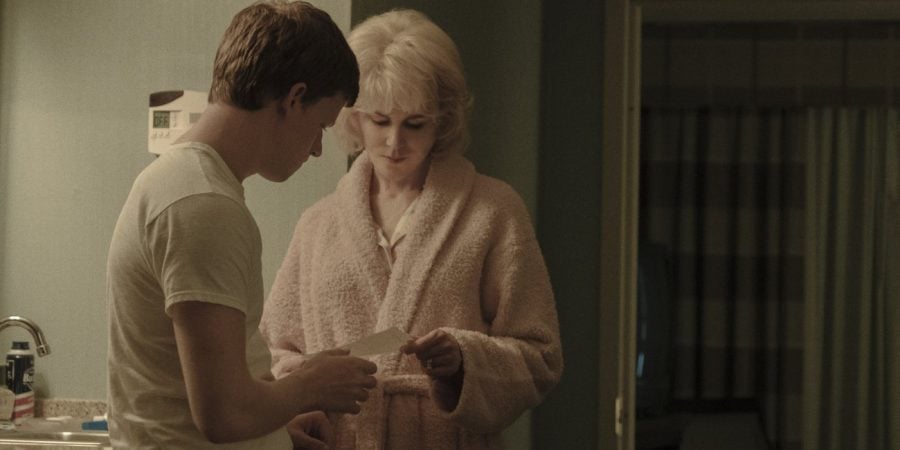
Russel Crowe, Nicole Kidman, and the immensely talented young actor Lucas Hedges (Manchester By the Sea) form an amazing pack of talent in this excellent drama. The story is based on the memoir by Garrard Conley, a true story. Set among deeply pious Christians in Arkansas, Hedges plays 18-year-old Jared Eamons, who discovers that he is gay. Crowe plays the father, a car dealer and a preacher, and Kidman the mom, who is a sweet-natured hairdresser with traditional values. When their son comes out to them after concealing his sexuality for some time, they pressure Jared into going to a Christian conversion camp, where his “lifestyle choice” is to be “prayed away”. The unspeakable camp is led by the Victor Sykes, who is as sinister as he is stupid, played with aplomb by Joel Edgerton, the writer and director. It’s a funny sidenote to a serious movie that many actors in this Southern drama are from Australia, including Edgerton, Crowe, and Kidman as well as Red Hot Chili Peppers bass player extraordinaire, Flea, who plays a drill-instructor-type PE teacher at the camp. The powerful performances are indeed what drive this drama and they contribute significantly to telling a story that needed to be told.
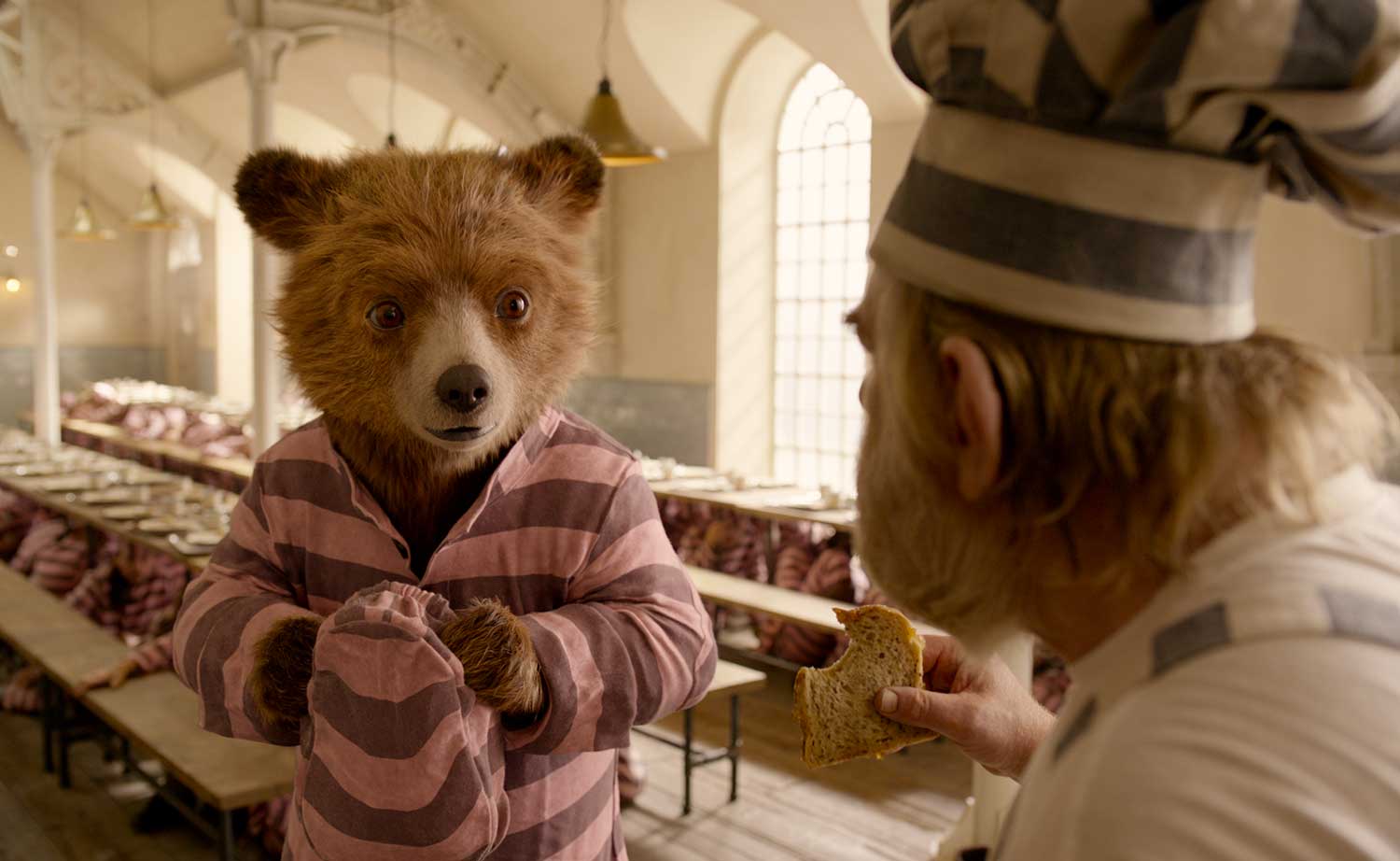
Proving that children’s entertainment can be legitimate art like any other kind of cinema, the sequel to 2014’s Paddington displays a stronger love for community and storytelling than many other adult-oriented productions. It may be cutesy and innocent, but Paddington 2 also uses its stunning visual effects and intricate production design to prop up a sophisticated story about discrimination, staying true to one’s self, and (most surprisingly) the prison-industrial complex. It’s a proper throwback to another era of family movies that offers something far more substantial to young children and genuinely moving moments for the parents and children at heart.
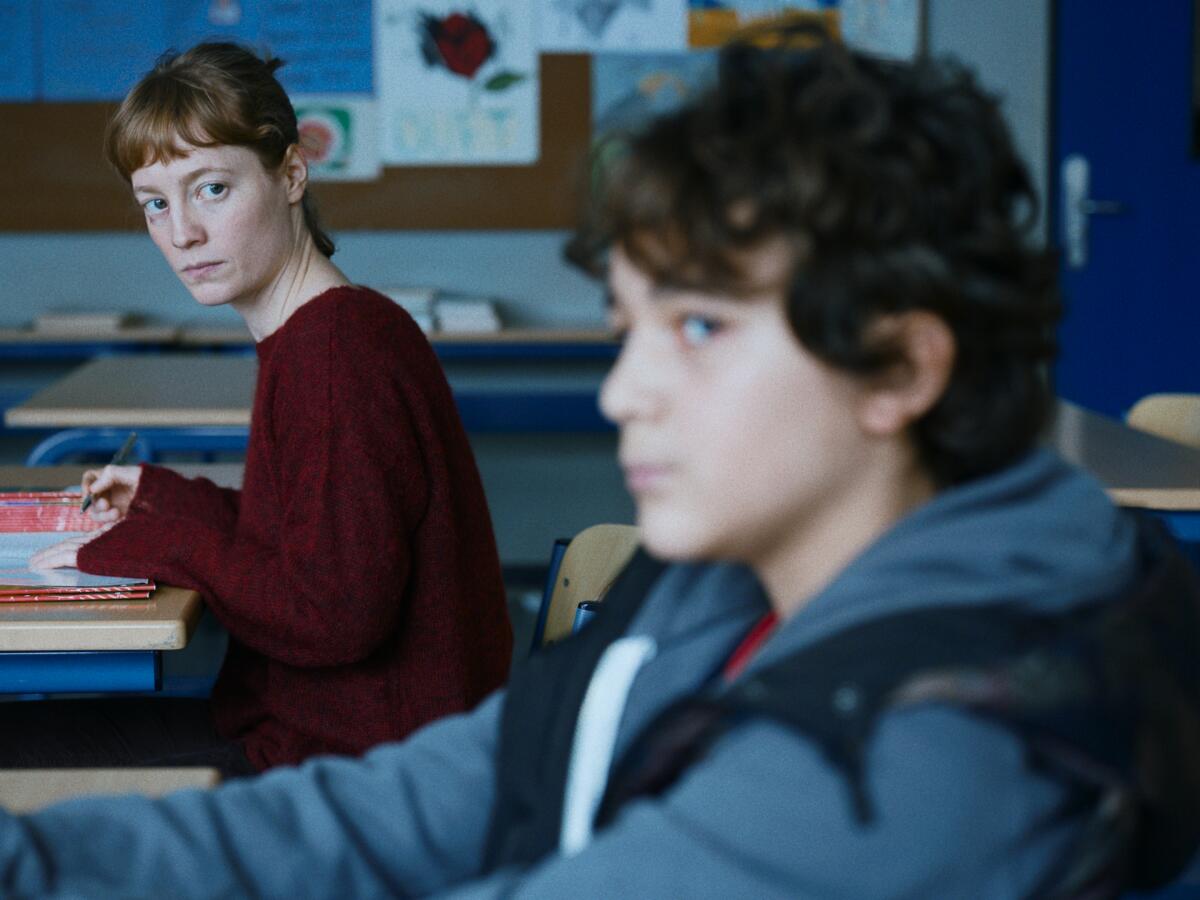
The Teacher’s Lounge is one of those movies where a simple misunderstanding is blown out of proportion, so much so that it causes the fabric of a community to unravel into chaos. Aided by a precise score, it ticks like a timebomb, with every second filled with so much dread and anxiety you have to remind yourself to breathe. It’s an impeccable and taut thriller, but it also works as an allegory about modern-day surveillance and authority. Director İlker Çatak gives the Gen-Z students and their much older teachers a level field where they struggle for control, and the result is both bleak and funny. It’s often said that schools are a microcosm of the real world, but nowhere is that more apparent than here.
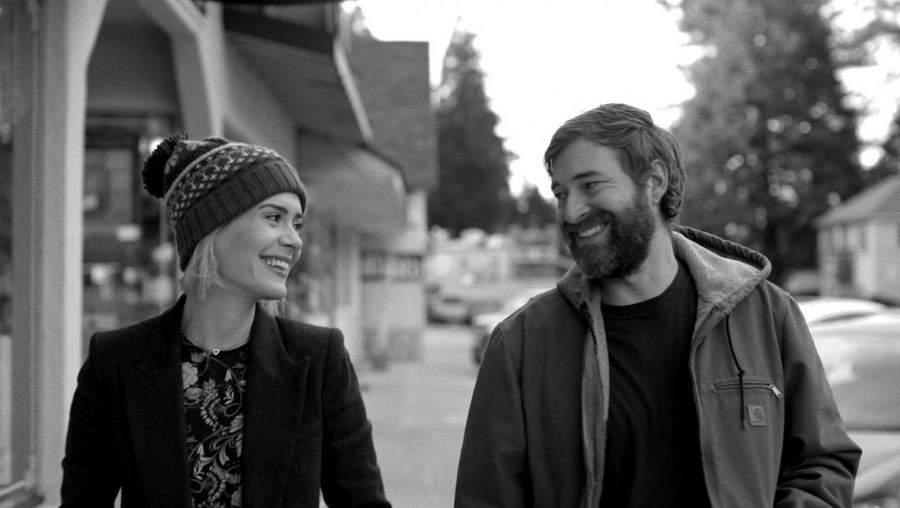
Being an intimate, black-and-white portrayal of just two people, it is worth mentioning the two leads in the very first sentence: Blue Jay stars the incredibly versatile Sarah Paulson, who most of you will know from her depiction of Marcia Clark in The People vs. O.J., and Mark Duplass from Creep. In this incredibly intricate dialogue-driven drama, he is of course named Jim, a regular guy with some issues, who runs into his high-school sweetheart Amanda at the grocery store. She is only in town briefly because her sister is having a baby. Amanda agrees to have coffee with him, later they get beer and jellybeans, and find themselves recreating silly tapes at his late mother’s house that they use to make when they were still at school. This could quickly become a soppy affair if it wasn’t for the heart-felt realness of the acting, for lack of a better term, and all the fine details that the two leads bring to the screen. The chemistry between them is something to behold!
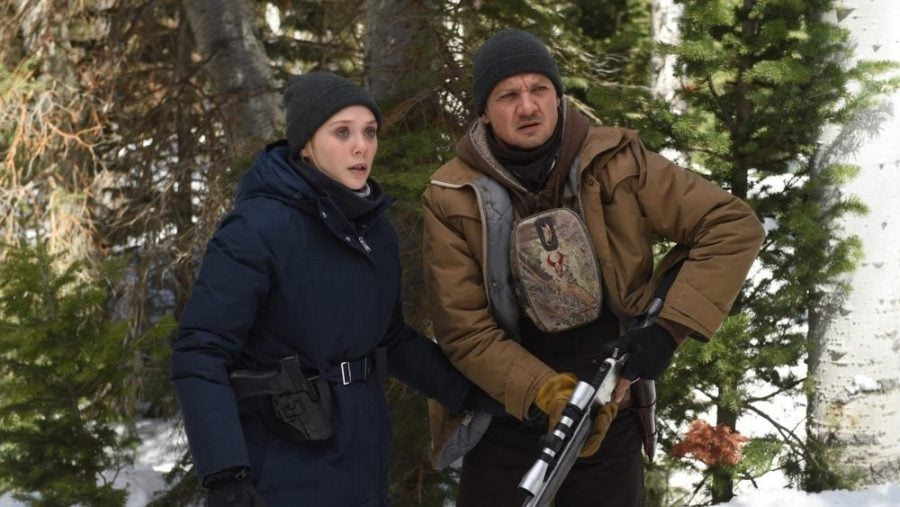
Phenomenal and heartbreaking, Wind River is a true masterpiece by Taylor Sheridan, the man behind Sicario and Hell or High Water. In a Native American Reservation, a local girl is found dead and a young detective (Elizabeth Olsen) tries to uncover the mystery. She is accompanied by a tracker (Jeremy Renner) with his own dark history in the community. It’s not a very rewarding movie at first, so don’t expect an incredibly fast-paced story from the get-go. However, when everything unfolds, it’s not only action-packed, its reflections on indigenous communities are deep and poignant. How this remains a relatively known movie is shocking, it has to be one of the best mysteries of the past 20 years.
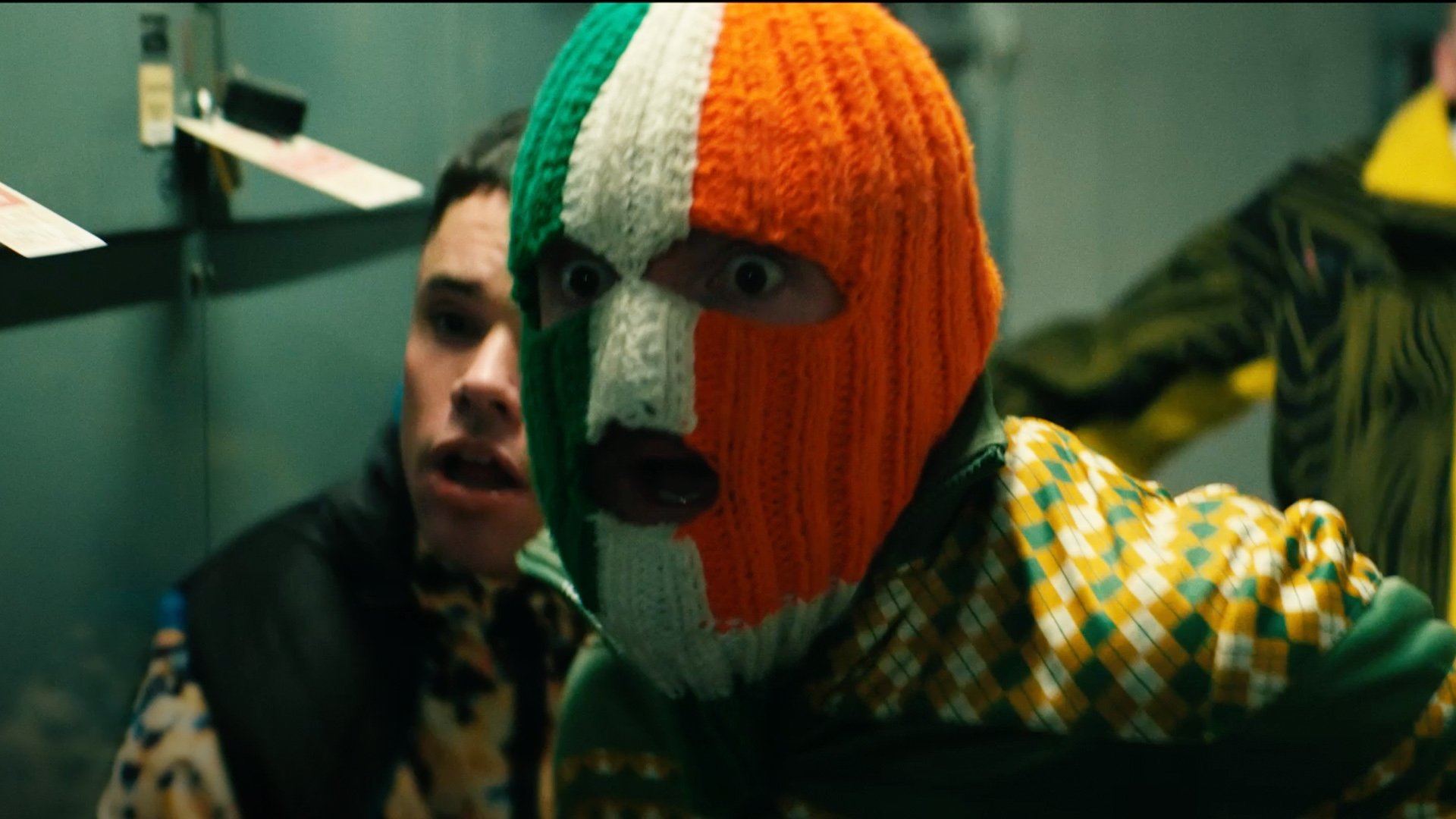
This untamed, high-octane portrait of the Belfast hip-hop trio Kneecap follows real-life members —aliases Móglaí Bap, Mo Chara, and DJ Próvaí, all playing themselves—as they forge a path from lost teens to unlikely cultural icons. Being the first hip-hop act is their native Irish, they’re met with disdain both from their community who think they are misrepresenting the Irish cause (DJ Próvaí translates to DJ Drug Dealer), and from the British for things like playing the same venue where King Charles spoke the night before and one of them exposing their butt with the words “BRITS” and “OUT” written on either cheek.
The story ends up being as much as about the group as it is about identity, artistic freedom, even the Ireland of today – and yet the core of Kneecap, perhaps not just the movie but the group itself, seems focused solely on the importance of having fun while dealing with all of it. The ride is exhilarating, often very funny, and even in tough moments, upbeat. Hang tight.