
15 Inspirational Movies to Watch on Netflix
We all fall into the habit of going on Netflix binges that leave us unproductive; in a way, that’s what the algorithm is designed for—to keep us clicking and scrolling. But here we’ve assembled a list of little-known but high-quality films that should hopefully get you off the streaming service (even just for a while) and back to your day with renewed energy. These inspiring films aren’t just simple crowd-pleasers meant to make you feel good. These stories and documentaries instead present us with seemingly insurmountable odds and remind us that others before us have made it through.
Jump to the top 10:
- Butterfly in the Sky (2024)
- The Boy Who Harnessed the Wind (2019)
- Pamela: A Love Story (2023)
- A Secret Love (2020)
- The Siege of Jadotville (2016)
- Chak De! India (2007)
- American Symphony (2023)
- Shiva Baby (2021)
- Procession (2021)
- Jim & Andy: The Great Beyond - Featuring a Very Special, Contractually Obligated Mention of Tony Clifton (2017)

2023 was a great year for animation with films like Spider-Man: Across the Spider-Verse, Nimona, and The Boy and the Heron, but there was another animated gem that flew under the radar and that’s jazz drama Blue Giant. It’s a pleasure to both the eyes and the ears as Dai Miyamoto blows on his saxophone, adding Hiromi Uehara’s incredible soundtrack and Yūichi Takahashi’s dynamic animation to the high contrast manga visuals, and the way the story unfolds the different avenues of pure passion these three have for jazz is absolutely captivating. Blue Giant is just so well-done that it’s no surprise it garnered a bigger-budgeted encore eight months after its premiere.
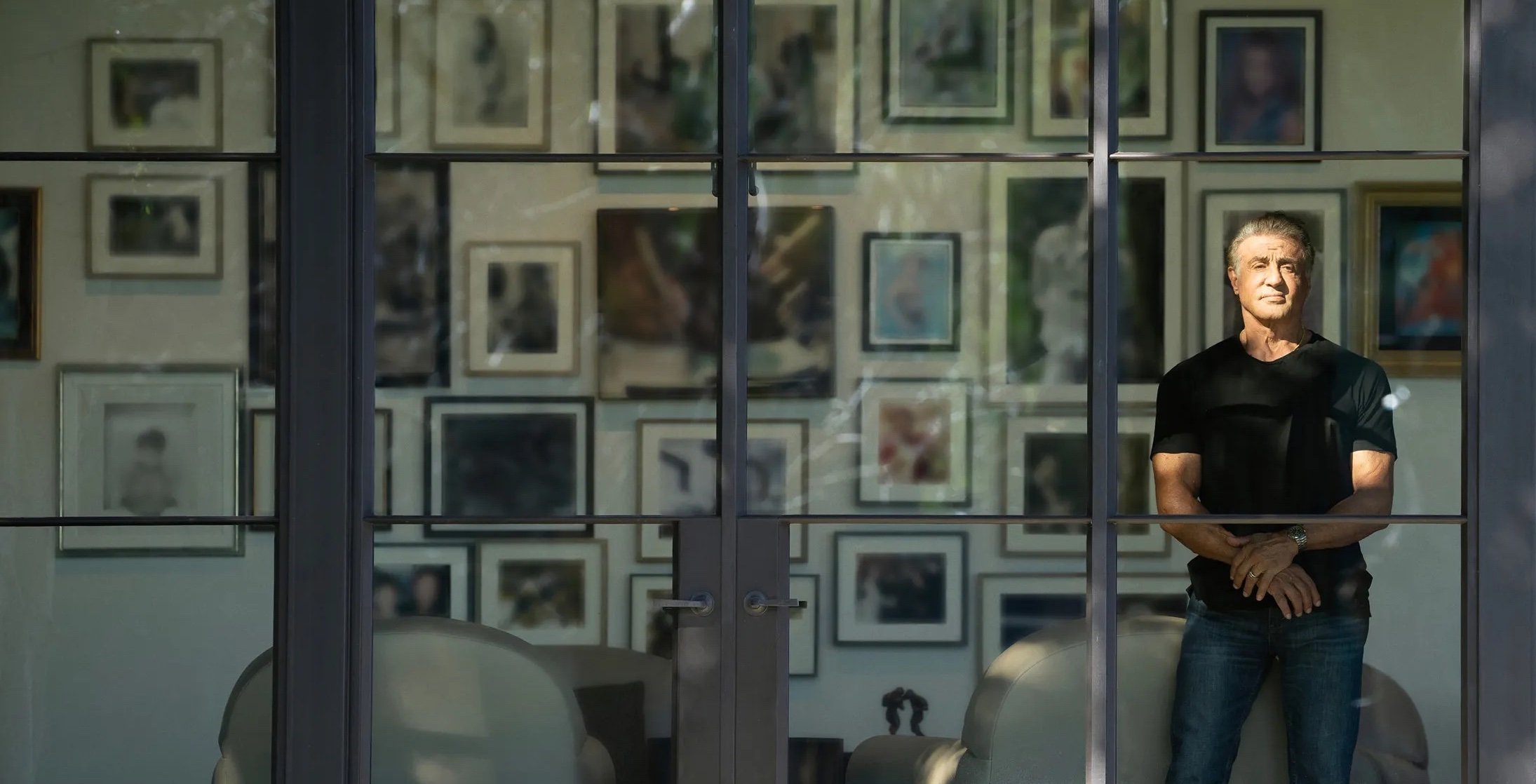
The mythology surrounding Sylvester Stallone: the action hero is so big and successful that many people, including myself, often forget about Sylvester Stallone: the prolific writer. He failed to bag roles as a young actor in the 1970s, so he whipped out a script (in a span of three days!) that became the iconic film Rocky. Later on, after witnessing the power of elderly entertainers, Stallone rewrote a screenplay that would become the ongoing franchise The Expendables. He’s a hunk in many people’s eyes, nothing more and nothing less, but Sly successfully steers you away from that one-dimensional reputation and reintroduces you to the dramatist and artist Stallone has been all along. The film begins as an immigrant story (Stallone hails from Italy), then turns into a rags-to-riches story (he grew up in a tough New York neighborhood without formal education) before finally transforming into an honest and earnest meditation on superstardom and artistry. Going in, I was wary that this would be just another puff piece on a Hollywood has-been. And while it does have its fair share of schmaltz, I now believe it’s a well-deserved and long overdue ode to Stallone’s unwavering commitment to the power of movies.
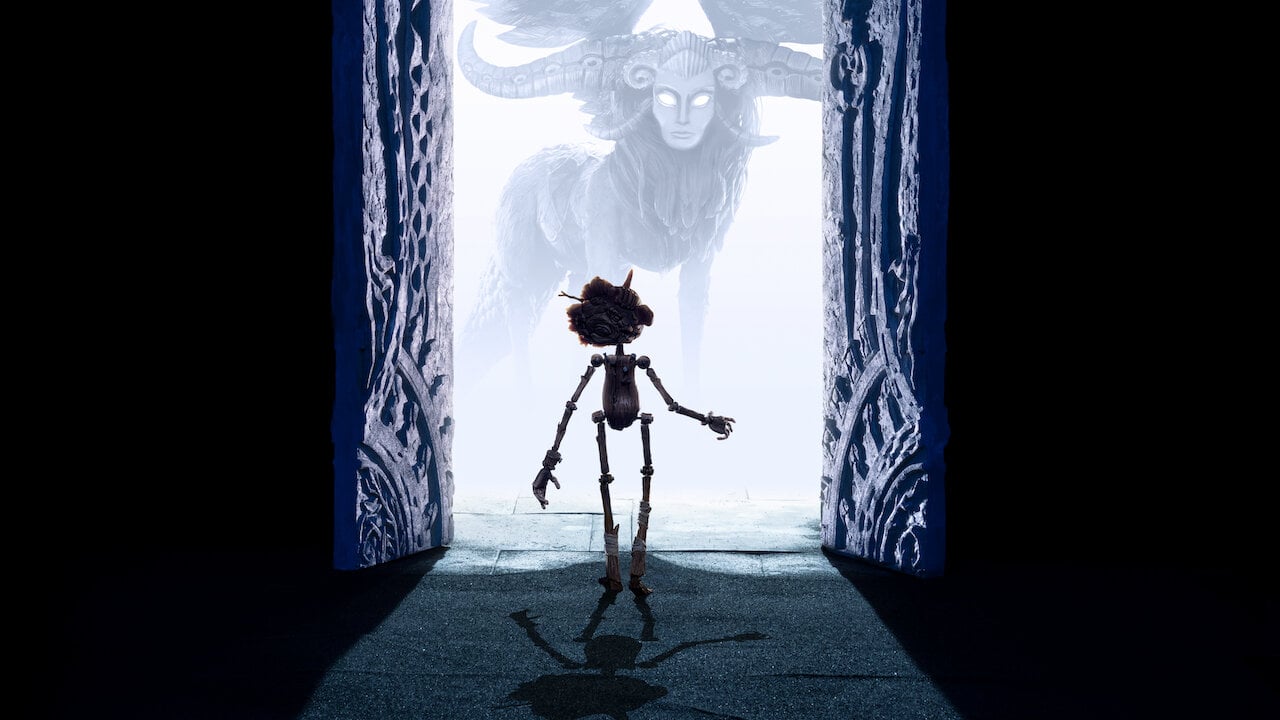
I think it’s safe to say you’ve never seen a Pinocchio adaptation quite like Guillermo del Toro’s Pinocchio. It still largely stays true to the source material, which is to stay it’s still about a father grappling with the loss of his son and a boy figuring out where he figures in the world. But the movie departs from it in significant ways too. Instead of a fairy tale setting, for instance, this Pinocchio has 1930s fascist Italy as its background, lending the film a realism and historicism that weren’t there before.
Stars Ewan McGregor, Christoph Waltz, Tilda Swinton, and newcomer Gregory Mann lend their voice in this tender and stellar stop-motion animated movie.
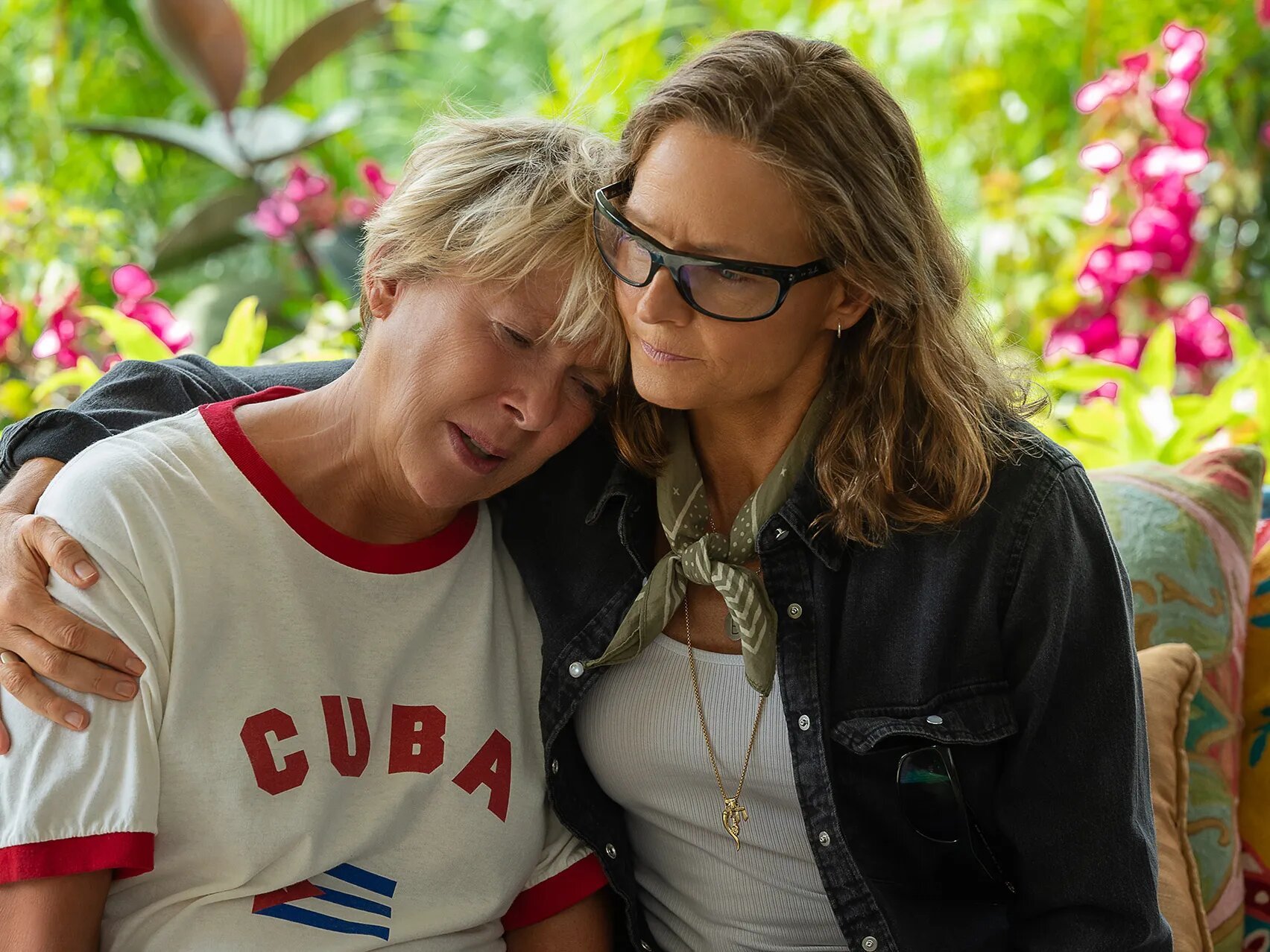
After winning Oscars for their documentary work, filmmakers Elizabeth Chai Vasarhelyi and Jimmy Chin make their narrative feature debut with Nyad. The move to narrative fiction isn’t a monumental jump for the director duo, whose cinematic documentaries (among them Free Solo and The Rescue) play like nerve-shredding action thrillers and intense human dramas. Nor does Nyad’s subject — another extreme feat of human daring and endurance — make this feel a million miles away from their most famous works.
The most obvious departures from the directors’ documentary strengths — Nyad’s flashbacks and hallucination scenes, for example — do sometimes highlight their newness to narrative filmmaking, however. These scenes feel shallow and therefore disconnected from the movie’s otherwise deeper treatment of its subject, just as the performances dip into outsized cliches at times. Mostly, though, Nyad manages to float above the trap of trying too hard to be an inspirational sports drama thanks to its confrontation of Diana’s prickly personality. This flips the film’s perspective onto that of Diana’s team (including her coach and former girlfriend, played by Jodie Foster), who ultimately suffer the consequences of her stubbornness. That refusal to submit to hagiographic impulses gives the film a documentary-like edge of truth, making the rousing moments here feel genuinely earned.

Mountain Queen isn’t just a movie about a professional mountain climber, although Lhakpa Sherpa is certainly impressive as she trudges through the deathly terrain of Everest (and at 50 years old at that!). It’s also the heartbreaking story of a broken family in repair. Sherpa reveals shocking details about her abusive husband, fellow climber Gheorghe Dijmărescu, and we see how it’s affected her two daughters, one of which is so hurt, she can’t bring herself to speak to her mother. The main thread of the movie is her 10th attempt to scale the tallest peak in the world, but Director Lucy Walker smartly intercuts this with tales of Sherpa’s own life—a laborious obstacle on its own—rightfully framing Sherpa as the strong woman that she is.
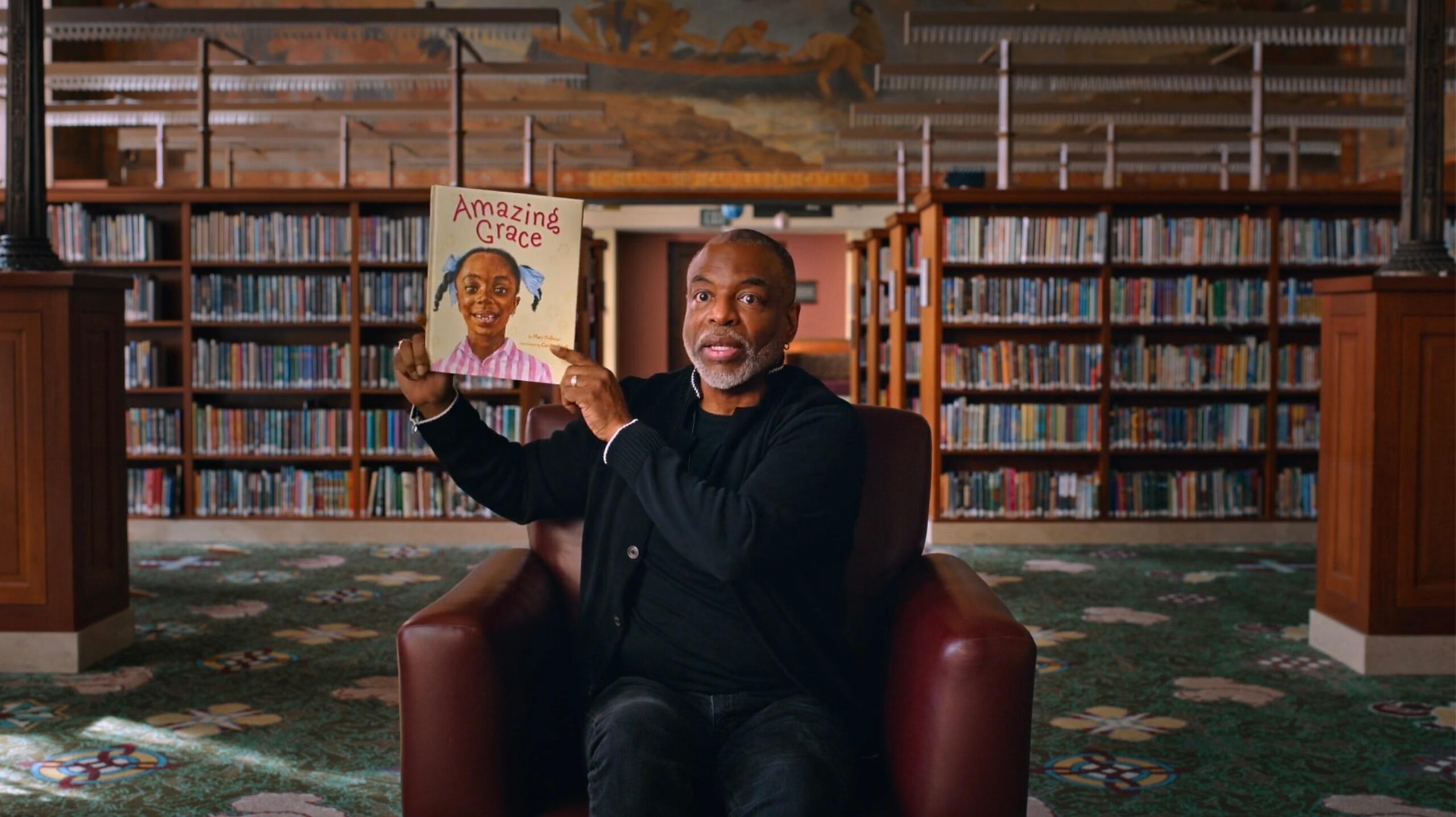
For the longest time, television seemed to be the antithesis to reading– part of that belief still lingers to this day. However, just before the turn of the millennium, there was a show that didn’t find itself opposite to it, instead, it wanted to be its ally. That show was Reading Rainbow. Butterfly in the Sky tells its story. It’s quite nostalgic, as the show’s former cast and crew recall what it was like, and the way the film structured its sequences captures not just the show itself, but the cultural weight it represented, as it encouraged reading not just as a skill you need to learn, but as a way to interact with the wider world around us, which is worth protecting. Butterfly in the Sky believes in stories, and believes in the story that it wants to tell about Reading Rainbow.
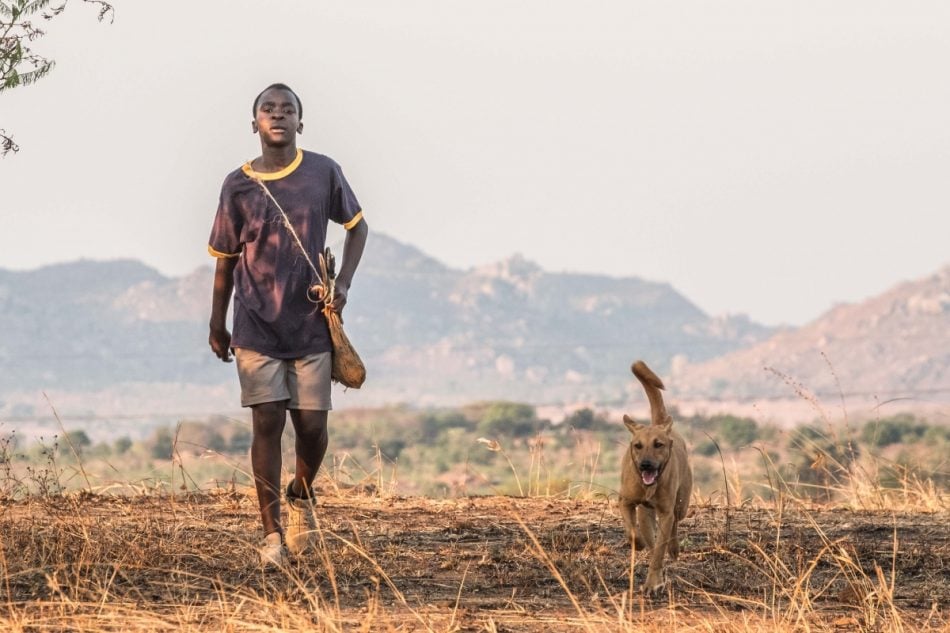
This movie’s energy is completely intoxicating.
It’s the directorial debut of renown British/Nigerian actor Chiwetel Ejiofor, but it feels like the work of a veteran.
In a true story told in English and Chichewa (a language from Malawi), a young boy is expelled from school because his parents couldn’t afford tuition. At the same time, his village is struck by a variety of natural circumstances that bring them the threat of drought and famine.
The young boy sneaks into the library in the hopes of making a windmill and saving his village, and you can guess what follows from the title.
The triumph of engineering and a boy with a dream; mix in an incredibly interesting culture, full of unique family dynamics and a thought-provoking intersection between religion, tradition, and technology. The result is a delicate but uplifting movie, not to be missed.

I love when a misunderstood woman reclaims her narrative with her own words, and that’s exactly what Pamela: A Love Story is too, a tell-all documentary told by Pamela Anderson herself.
The documentary bares it all—the scandalous sex tape, Anderson’s troubled past, the disgusting misogyny that continues to tarnish her career. She even touches on the Hulu miniseries made about her demise (which Netflix must feel so smug about). But this isn’t a pity party. Just the opposite, the documentary is a testament to resilience. “My life is not a woe-is-me story,” Anderson says at one point, and truly, this is an inspiring and humanizing story about a woman taking charge of her own life. An absolute must-see.
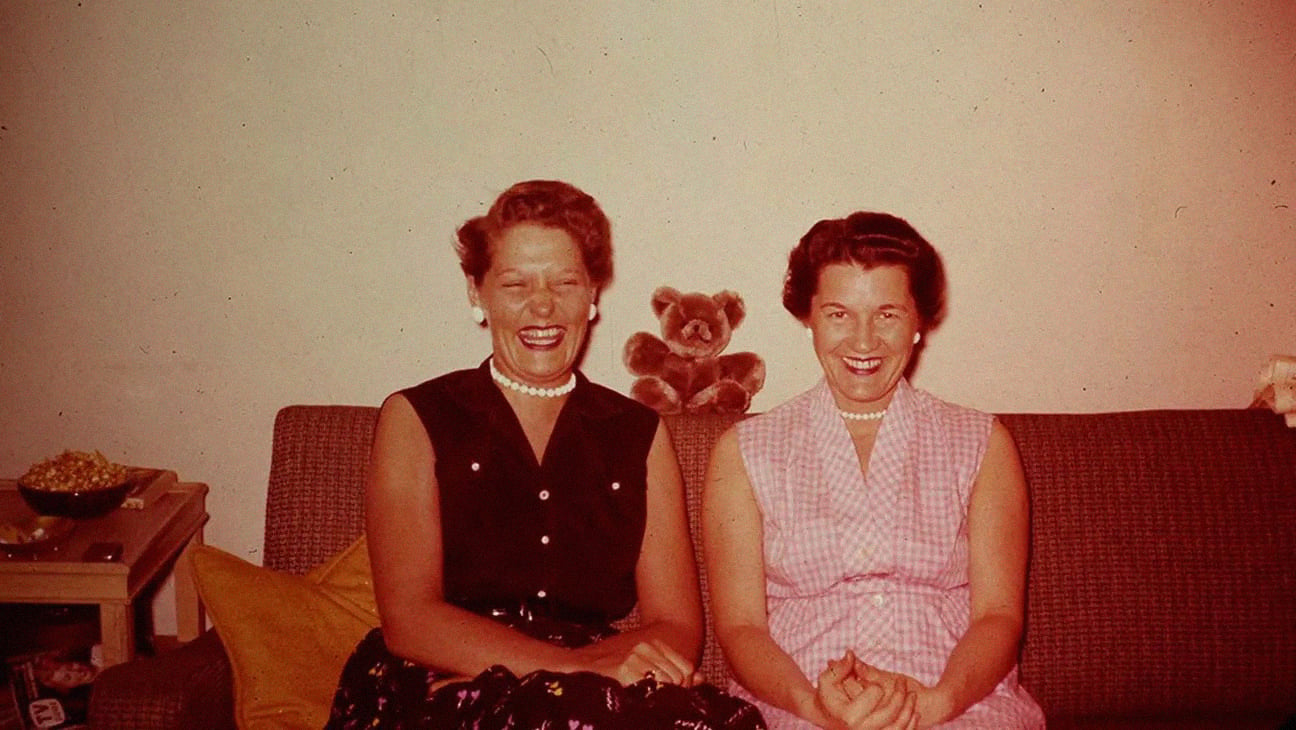
Even when it necessarily tackles the difficulties that are part and parcel of same-sex love in the 20th century, there’s something pleasant about the way A Secret Love is told. The documentary puts Terry and Pat’s love above all else, so even though we hear about how they had to tear the bottom pages of their letters to avoid getting caught, or how they had to split from close family members after coming out, things never feel too heavy or dire because at the end of the day, they’re still together, their decades-old companionship a beautiful example of how love wins. And aside from giving us an intimate look at this rare win for elderly closeted couples, A Secret Love serves as an insightful portrait of elderly life. Terry and Pat, with their perseverance and unyielding support, make aging look beautiful rather than scary.
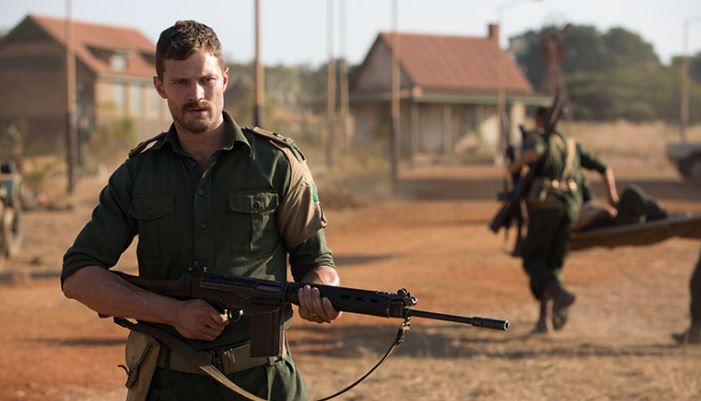
The Siege of Jadotville is a different kind of war movie. It doesn’t recount famous battles or portray renowned heroes – instead, it’s about heroes and events that went completely unnoticed. Namely, the Irish 35 Battalion ‘A’ Company – a group of youngsters who are sent out on a U.N mission to the Congo. What was supposed to be a simple positioning quickly becomes one of the most sought-after locations and the battalion of 150 ‘war-virgins” find themselves up against 3000 mercenaries led by experienced French commandants. And what a tribute this film is: it’s well-paced, powerfully shot, and the acting, led by Jamie Dornan on one side and Guillaume Canet on the other, is absolutely perfect.
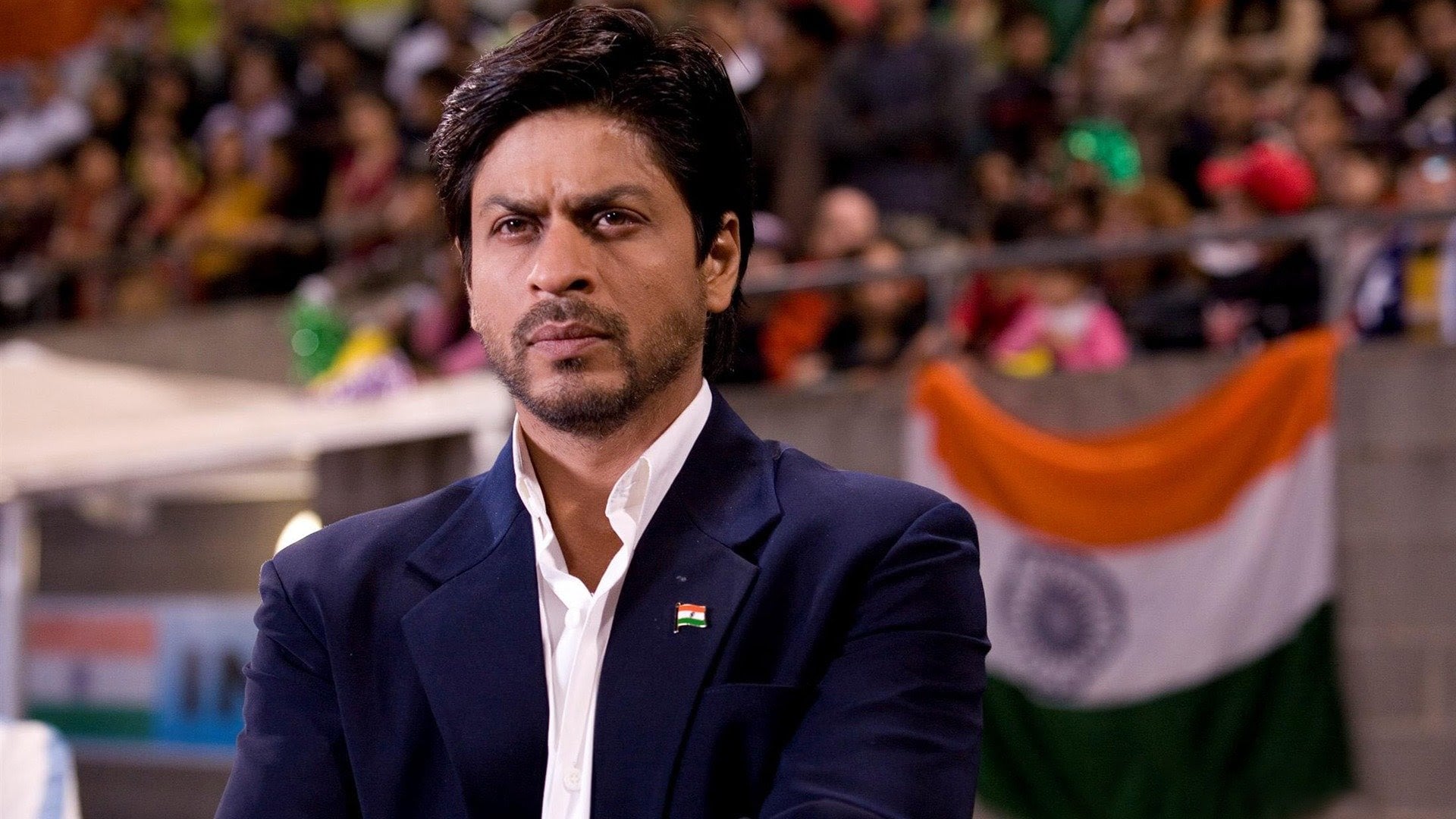
What does it take to make a great hockey team? Of course, one must select the most skilled players. But for a team representing a nation, there are more aspects that play into it. That’s what Indian national men’s team captain Kabir Khan discovers in this sports drama. After losing to Pakistan and shaking hands with them at the end of the game, Khan’s sportsmanship is interpreted as foul play, in part due to his Muslim background. He does not fit into what India believes to be Indian. So when he stages a comeback as the coach for the women’s team, he has much to prove. Through the ensemble cast from various Indian states, Chak De! India mirrors the struggles of Indian multiculturalism, with the personal conflict echoing the real-life difficulties that hinder peace within the whole country. It’s not entirely perfect, but Chak De! India makes clear how much the nation can accomplish if only they were given a real chance to work together.

Art is a hobby for most people, but for musician Jon Batiste and writer Suleika Jaouad, art is part and parcel of this thing called life. Of course, it’s part of their work, and it’s how they make a livelihood, but it’s more than that– it’s almost a spiritual ritual they cling to, especially when Jaouad finds out that her leukemia has returned. American Symphony mainly depicts the creation of said orchestral work, but director Matthew Heineman translates the symphony into cinematic form, culminating in a performance played over the intimate moments between Batiste and Jaouad. It’s not just a documentary of a performance, but a documentary about art, about creation despite life’s pains, perhaps to survive life’s pains. It’s a powerful work that makes it easy to believe in art as imperative for life, and vice versa.
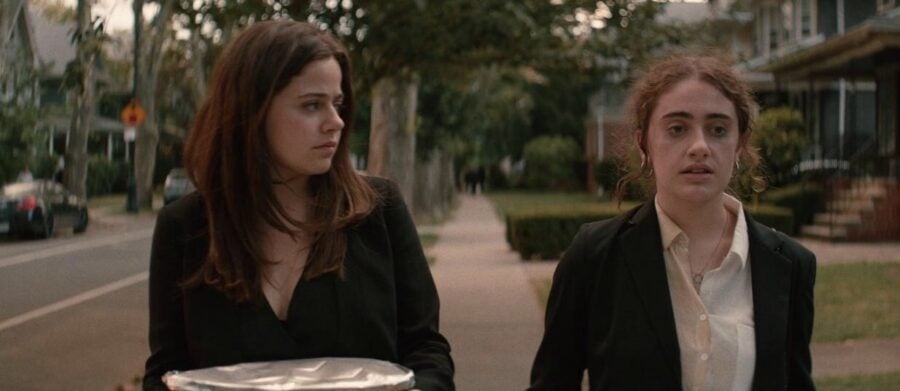
A young bisexual woman attends a shiva, caught between her parents and their expectations, her ex, and her sugar daddy. Rachel Sennott’s Danielle is yet to find her path in life and everyone is determined to remind her of that. Taking place almost entirely in real-time, the film’s sharp wit is contrasted with constant anxiety, complemented by Ariel Marx’s horror-like score, full of discordant pizzicato that sounds like every last bit of sanity snapping.
It’s a sex-positive take on 20-something life, treating bisexuality as wholly unremarkable and passing no judgment on Danielle’s sugar daddy income. Its specificities about Jewish customs and traditions are non-exclusionary, while its social claustrophobia is achingly universal. It’s comforting in the way it portrays the social horrors we all face, the feeling that everyone but you has life figured out, and that – ultimately – those who matter will pull through, eventually. One of 2021’s best.
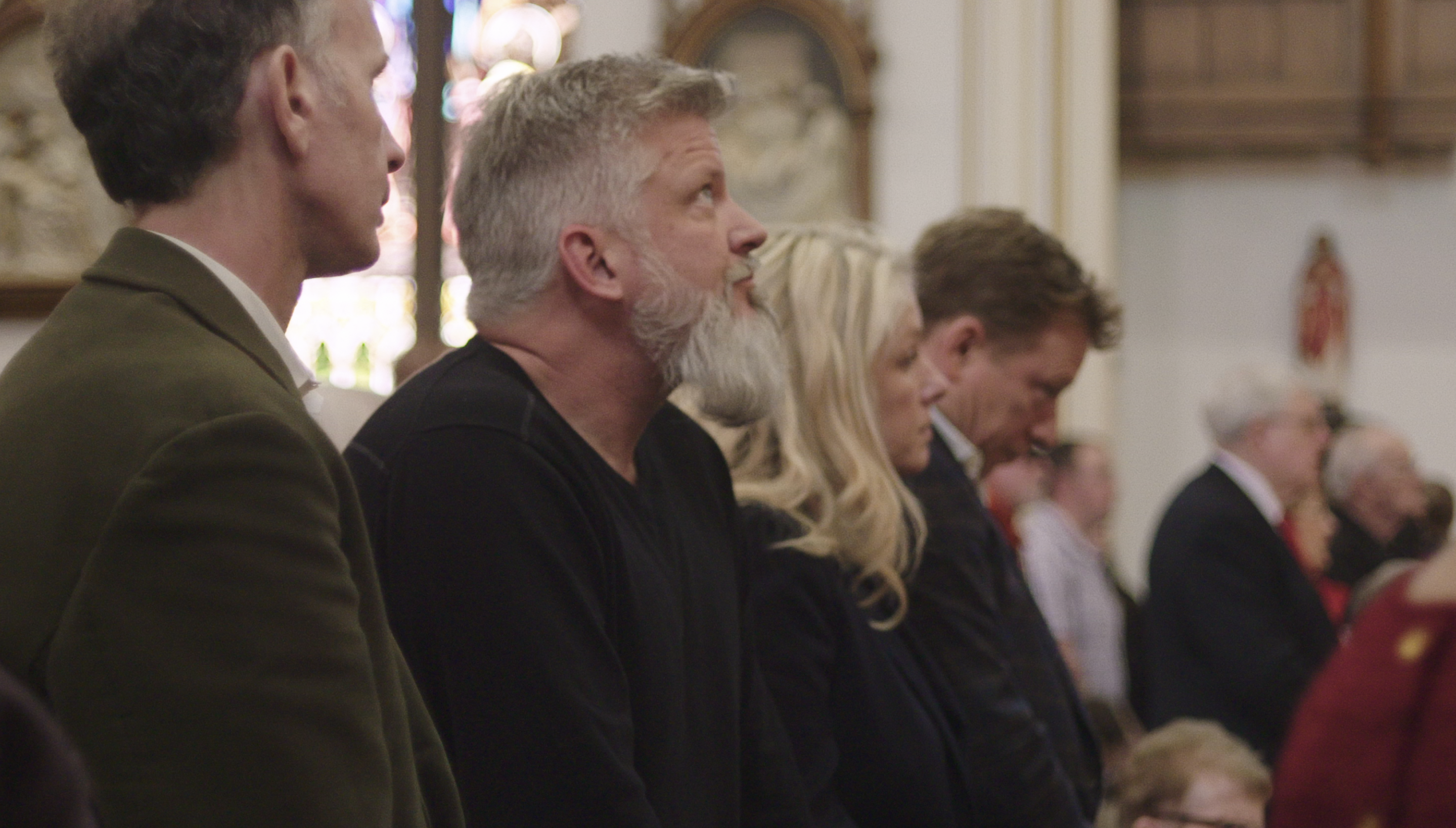
Difficult but essential viewing, Procession tracks the progress of six men undergoing art therapy—specifically, by creating short filmed scenes to process their trauma from being sexually abused by Catholic priests. The resulting films we get to see are wildly varied in the emotions they express, forming a rich and powerful tapestry of the effects abuse can leave on individuals. And to see these men confront the worst events of their lives through filmmaking begins to feel like validation for filmmaking itself, that it can truly be an art form that changes and saves lives. But even more striking, somehow, is the unbreakable bond that forms among these survivors throughout this entire process, captured with reverence and overflowing compassion by director Robert Greene.
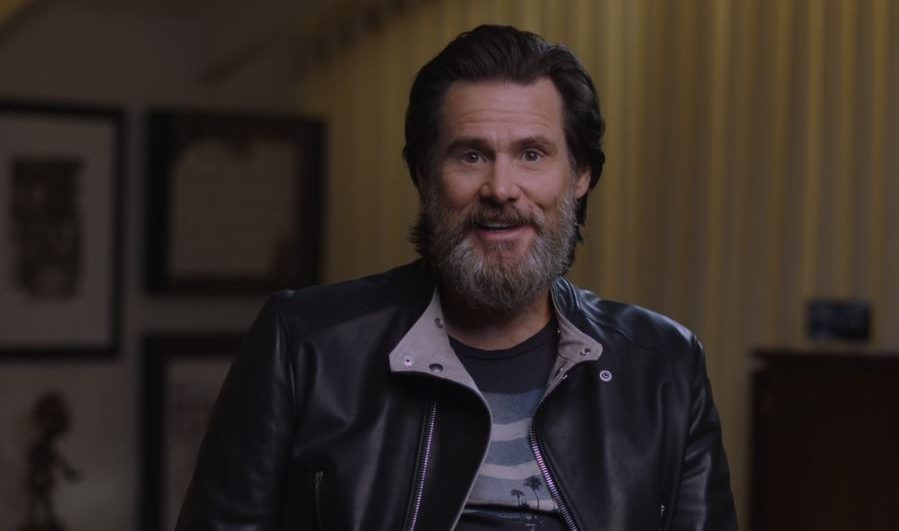
After his first serious role in The Truman Show in 1998, Jim Carrey got a shot at playing his idol, the late comedian and performance artist Andy Kaufmann, in Man on the Moon in 1999. When he got the role, a role of a lifetime, Carrey decided to honor Kaufmann’s legacy by transforming into him (and his alter ego Tony Clifton) and, in true method-acting fashion, never to leave character. Jim & Andy is the result of 100 hours of behind-the-scenes footage shot at the Man on the Moon set, which was withheld for 20 years over fears of Universal Studios that people would think Carrey was an a**hole. While Carrey was a complete and utter imposition to the film’s director, Miloš Forman, and everybody else on set, including Danny DeVito, his transformation (or obsession) was a unique, transformative experience for Carrey, who had been sick of fame and acting before he took on this gig. Whether you buy into this view or see it as a vanity piece of a complete maniac, this is one of the most unique and insane documentaries on Netflix. A mind-blowing portrayal of a complex mind.