
Our take
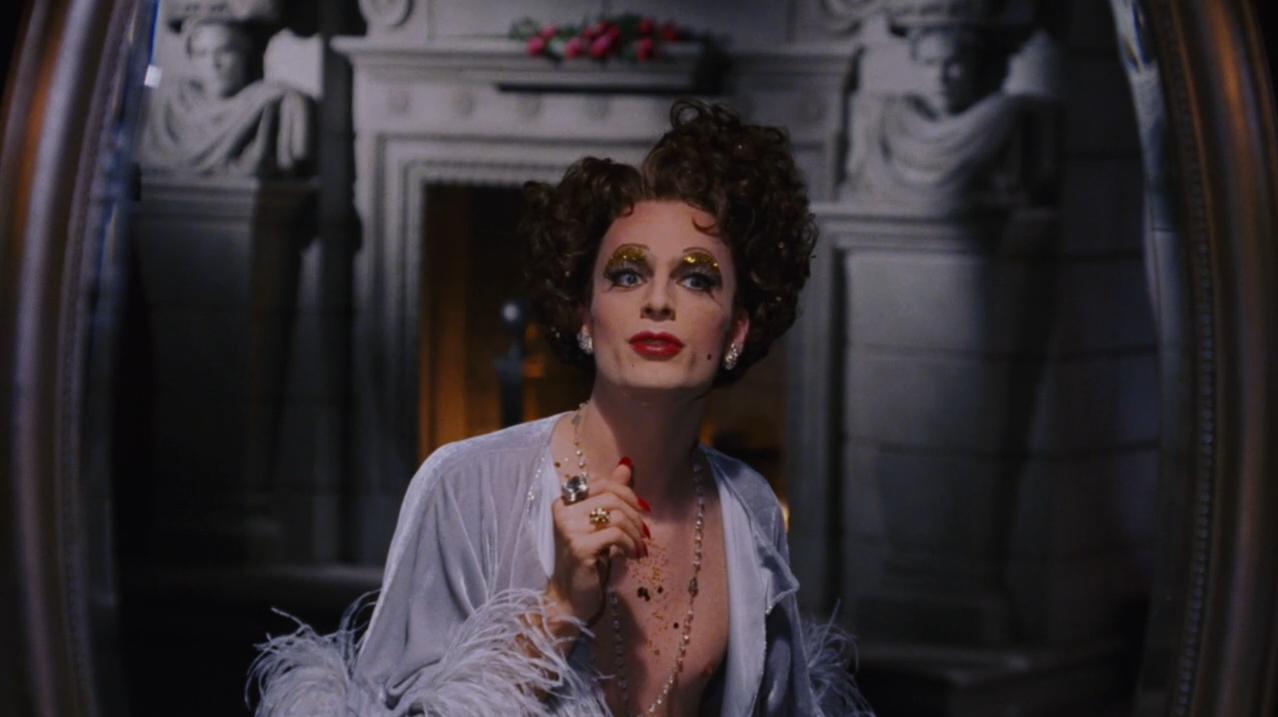
Regardless of being gay or straight in the 80s, AIDS has irrevocably shifted America in ways it long refused to acknowledge. The six New Yorkers at the center of Angels in America have their lives completely shifted due to the disease, but the way Tony Kushner weaves the disease into various social and religious concerns of the end of the 21st century, and the way director Mike Nichols translates Kushner’s brilliant play into a moving, yet comedic near six-hour miniseries proves how intrinsically linked these irrevocable shifts– the grief, the pain, and the need for hope– has been to the bittersweet progress America has made and has yet to make.
What it won

Golden Globes
5 wins · 1 nom

SAG Awards
2 wins · 2 noms
DGA
1 win

WGA
1 nom

Nat. Board of Review
1 win
The story
God has abandoned Heaven. It's 1985: the Reagans are in the White House and Death swings the scythe of AIDS. In Manhattan, Prior Walter tells Louis, his lover of four years, he's ill; Louis leaves but as disease and loneliness ravage Prior, guilt invades Louis. Joe Pitt, a Mormon Republican attorney, is pushed by right-wing fixer Roy Cohn toward a job at the Justice Department. Pitt and Cohn are closeted: Pitt, out of shame and religious turmoil; Cohn, to preserve his power and access. Pitt's wife Harper is strung out on Valium, aching to escape a sexless marriage. An angel invites Prior to be a prophet in death.
Elsewhere

"This version of Angels doesn't fly as high as the opening credits promise (and there are some laughable special effects that help keep it from doing so), but Kushner's brilliance isn't easily denied."
— Nancy Franklin

"Kushner may make poetry and he may make jokes, but he is also making points: There's no stopping the fast-forward of modernity, no turning back, and no one to wait for."
— John Leonard
New York, 1985. After his lover’s grandma’s funeral, Prior Walter, a gay man living with AIDS, starts to receive seemingly divine visions from a visiting angel.
The fact that this was cut up into a mini-series. A six hour runtime might be quite difficult to schedule had Angels in America been made into a film, but the strength of the material, the star-studded cast, and excellent execution might have worked for a theatrical release, and maybe might have established itself more firmly into public imagination.
Life changing.
The details



Streaming arrival
Who picked it

Isabella Endrinal is a curator at A Good Movie to Watch. She's now free from the corporate night shift. Previous articles have been published in outlets such as NANG Magazine. She's currently catching up on some classic films… if she isn't coping with the fact that the Haikyu anime will end soon.