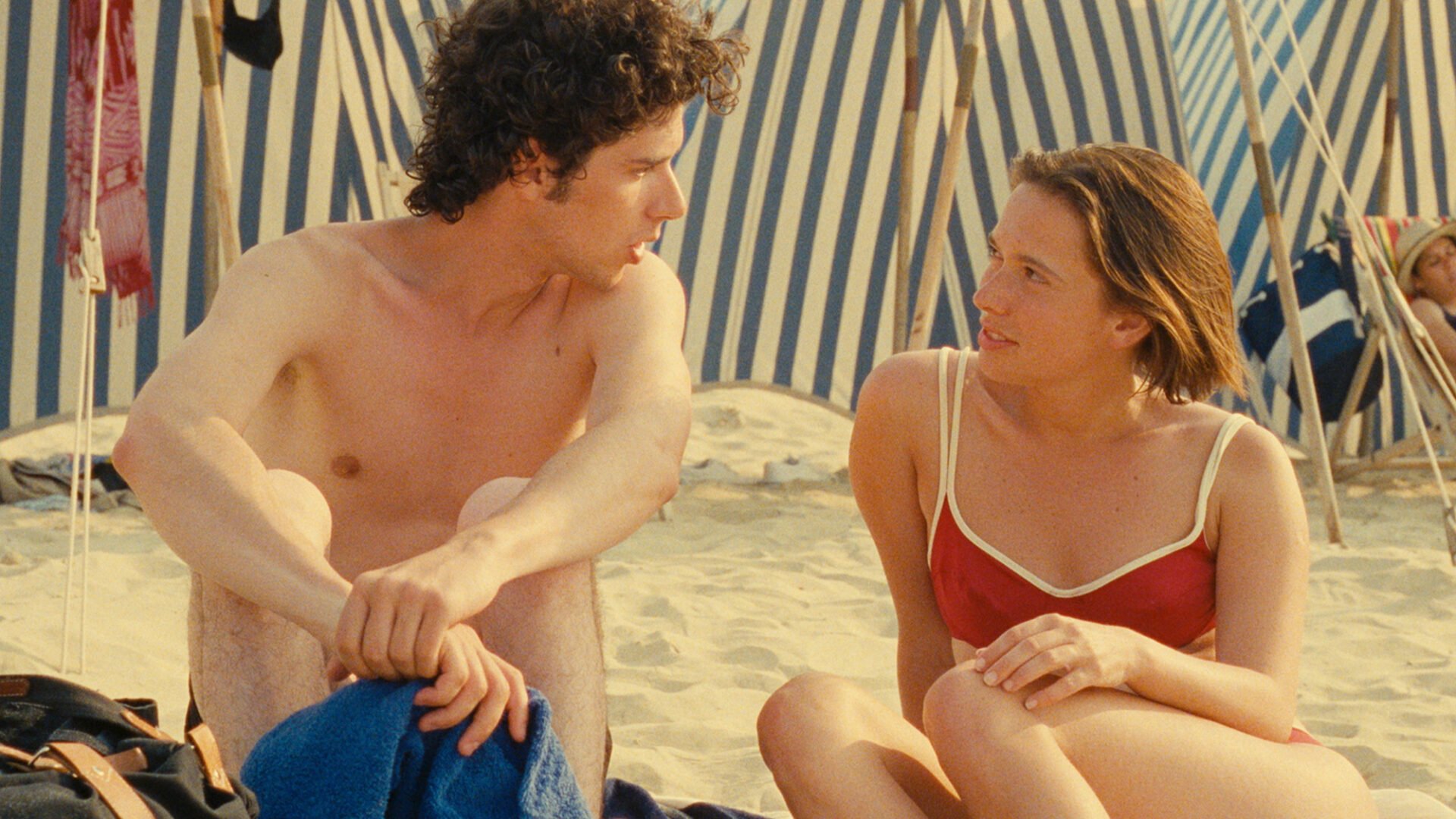

The sunniest installment of Éric Rohmer’s Tales of the Four Seasons series is a sly, slow burn of a character study. Everything looks sensuously beautiful in the honey-toned French sunshine, except for the ugly egotism of Gaspard (Melvil Poupaud), the full extent of which is gradually revealed over the film’s runtime to amusing — if maddening — effect.
A brooding twenty-something, Gaspard has the traumatic task of having to decide between three beautiful and brilliant young women while vacationing alone on the French coast one summer. He dithers and delays his choice, each woman appealing to a different insecurity of his — but, as frustrating and plainly calculating as he is, you can’t help but be charmed by Gaspard. That’s partly because of Poupaud’s natural charisma, but also because Rohmer grants Gaspard as many searingly honest moments as he does deceitful ones. These come through Rohmer’s hallmark naturalistic walking and talking scenes (a big influence on the films of Richard Linklater), coastal rambles that produce conversations of startling, timeless candor. That inimitable blend of breeziness and frankness is never better matched in the director’s films than by the summer setting of this one, the sharp truths going down a lot smoother in the gorgeous sunlight.

"[It's] as if the director had been awaiting for half a century the artistry with which to exorcise his memories of embarrassment, pain, and sexual frustration."
— Richard Brody
Awaiting his girlfriend Léna’s arrival at the Breton seaside resort of Dinard, Gaspard befriends — and flirts heavily with — two other women, the companionable ethnology student Margot and the sensual townie Solène, making for a rather complicated situation when Léna finally arrives.
While waiting for his kind-of girlfriend Lena (Aurélia Nolin) to arrive, a young musician gets himself caught up with two other women during an eventful summer vacation on the Brittany coast.
The conversations in Rohmer’s films typically revolve around romantic love, a topic that, for all its centrality in cinema, isn’t often put under the X-ray like it is in his movies. Here, the most razor-sharp reflections on the topic come by way of Margot (Amanda Langlet), a young woman whom Gaspard can’t decide whether he wants as a friend or a lover. Still, the platonic foundation of their relationship means he’s the most honest with her, as explained by her bullseye observation that “being yourself is easier with a friend than a lover” because “you don’t have to pretend” — a line that quite possibly trumps all the other zingers in this movie for its incisive brilliance.
Playing the world’s tiniest violin for Gaspard.

Cannes
1 nomination
"If it lacks its predecessor's subtlety and depth, it compensates with its own abundance of more immediate pleasures."
— Max Nelson