50 Best Foreign Comedies of All Time
Updated · By Kerine Wint
Don’t you just love a good comedy? In this list, we scoured our favorites to find the most side-splitting movies from around the globe. Some are bleakly funny while some are slapstick hilarious. The great thing about them is that they transcend language barriers and resonate on every continent; truly, these films are a testament to the universality of laughs. So join us as we explore the best foreign comedies of all time that will prove, without a doubt, that laughter truly knows no bounds.
How we make these lists
No AI. No algorithms.
We are 100% human-curated. Everything you see here has been handpicked by a team of experts.
At least 7/10 on IMDb
So you know they are appreciated by viewers, not just high-brow critics.
At least 70% on Rotten Tomatoes
We combine this with the IMDb bar to keep only the best of the best.
Find more to watch
50 Best Foreign Comedies of All Time
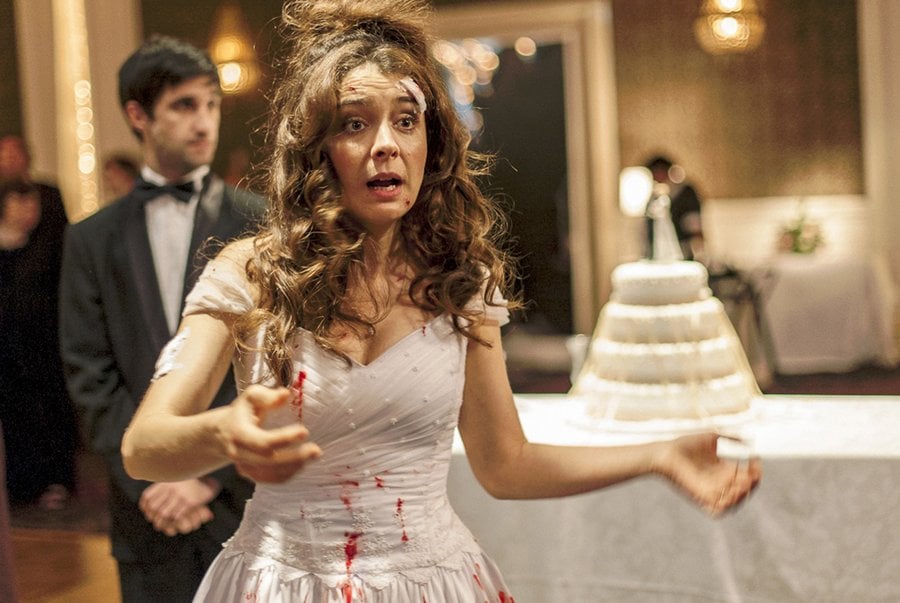
Wild Tales (2014)
With ‘Wild tales’, writer-director Damían Szifrón explores exactly how thin the proverbial veneer is on the passions of the human heart. Or rather he gleefully rips it off. Visually dazzling and laced with social critique, violent revenge is the theme joining the six vignettes together. Each one starts off in a relatable everyday situation, including an airplane, a wedding, and a coffee shop, which quickly propels into complete savagery of Roald Dahlian proportions.
Like the famous author of Charlie and the Chocolate Factory, Szifrón writes great satirical characters, which he relishes in hurting and throwing in the ditch. And much like the rage of its protagonists, featuring Ricardo Darín as a family man articulating his by way of explosives, this movie does not know peaks and valleys. It’s a dark comedy thrill ride that will have you gasping for air!
The Worst Person in the World (2021)
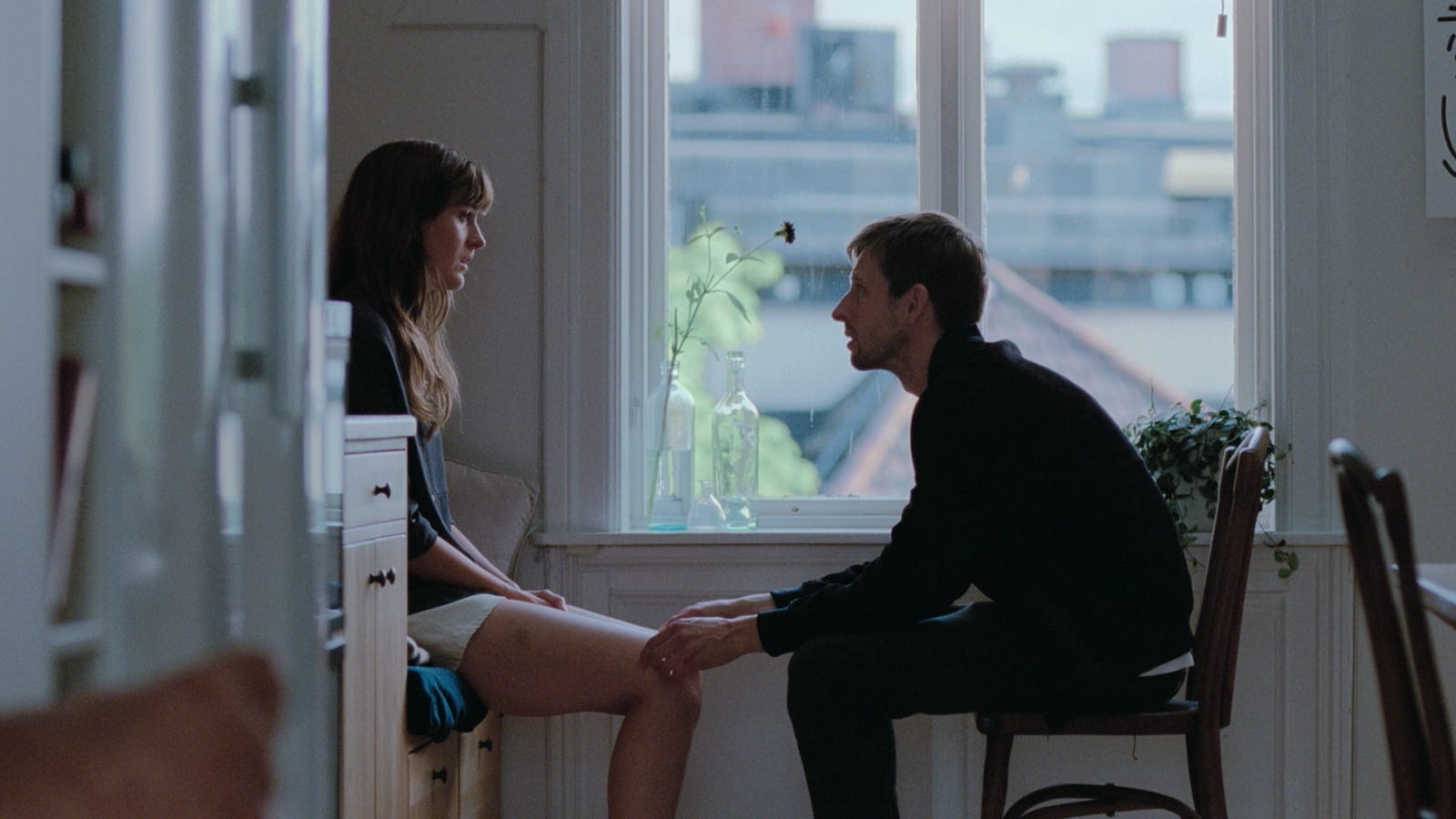
The film opens with Julie in her early twenties, longing to pursue a career in medical school. But after briefly testing the waters, she switches over to psychology, only to drop completely out of school and transform her hobby of photography into a professional career. This indecisiveness carries over in most aspects of her life, including and especially in romance, where impulse and desire drive her to run after what she believes to be love. The movie follows Julie as she navigates adulthood in modern Oslo—at once a specific yet universally relatable story about the growing pains of growing up.
With The Worst Person in the World, Joachim Trier scores again with another life-changing Norwegian drama about longing, love, grief, and finding your place in the world. His films can be quite sad but amidst all the drama, moments of happiness and hope are scattered throughout, as it is in real life.
A Man Called Ove (2015)
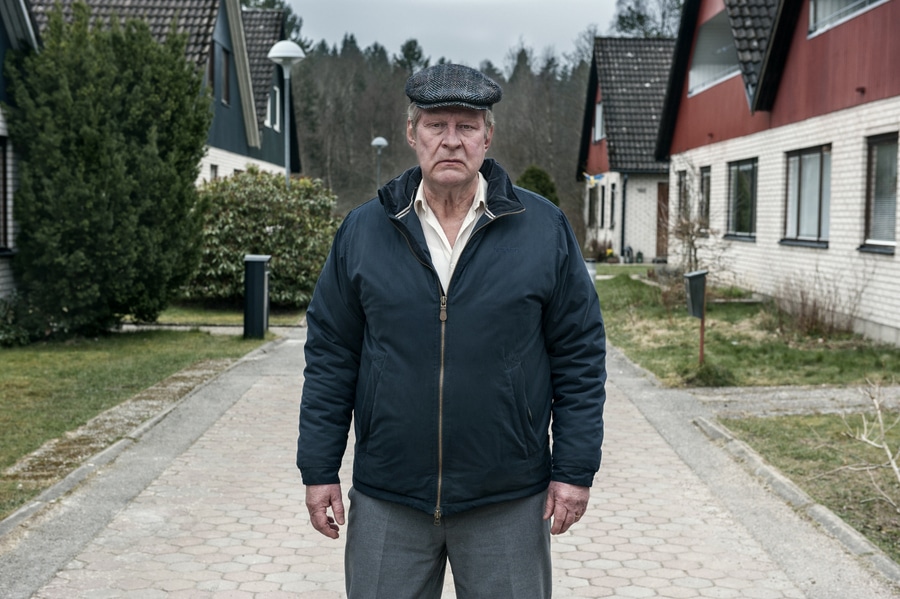
Based on Fredrick Backman’s 2012 best-selling book of the same name, this Swedish hit comedy-drama introduces us to Ove, an elderly man who feels like his life is over. After losing his wife, the short-fused retiree spends his days grumpily enforcing block association rules in his neighborhood. He is your typical unhappy, old neighbor, somebody you would try to avoid. One new family does not give up and befriends Ove, played by an impeccable Rolf Lassgård, despite his best intentions to put them off. As the plot unfolds, however, you learn more about the story behind the man, and, in classic walk-a-mile-in-his-shoes fashion, start to find him rather loveable. After all, nobody is born grumpy and cynical. Naturally, this is a sweet and sentimental film. But an amazing lead performance and a charming, darkly funny script rescue it from drifting too far off the shore. The result is a wholesome, fun, and thoughtful dramedy with a beautiful message.
Warehoused (2015)
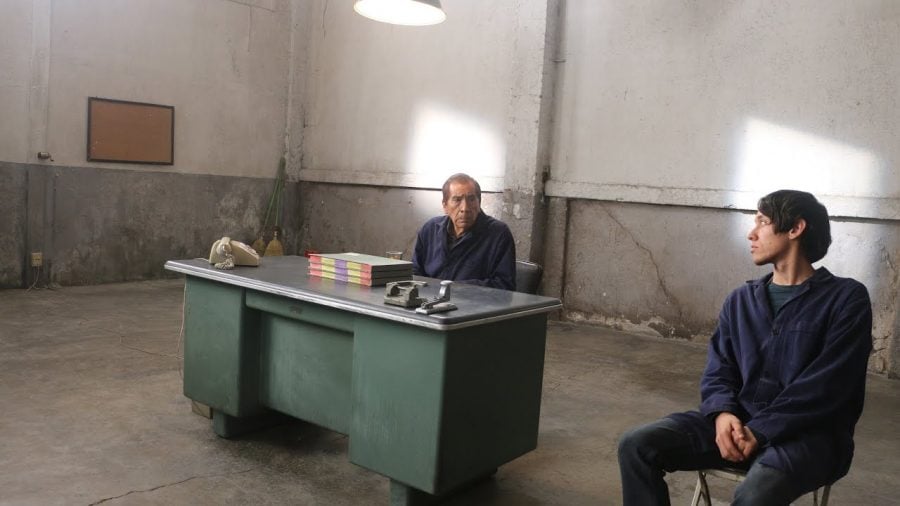
When Sr. Lino started his warehouse job, he had to work for 11 years before being able to sit down during work hours. This is because there was one chair, and he had to wait for his more senior colleague to retire before he could have his turn.
Now, many years later, he’s about to retire. A new recruit is sent to replace him just five days before he leaves. Sr. Lino is disgruntled that the new kid will only have to stand for five days, but on the second day, the kid brings a chair from home and sits.
Warehoused is a comedy about these two characters with completely different personalities as they interact during the few days left in Sr. Lino’s career. The most interesting thing is perhaps how little seems to happen: the warehouse is empty, unvisited, and yet religiously maintained by Sr. Lino.
It’s such a joy to watch the two actors carry this movie. And behind the funny and simple premise, there is a lot that this movie tries to deal with: deceit and lies, the weight of modern working life, and more.

Goodbye, Dragon Inn (2003)
Serene and almost silent, Goodbye, Dragon Inn is a film contemplating an old movie theater in Taipei. In its heyday, this cinema was jam-packed and full of eager eyes watching the 1967 Wuxia classic Dragon Inn, but now it’s nearly empty for its last screening. Despite the lack of attendees, this cinema still has some life. Like the annoying audience members we’re all familiar with, the moviegoers still noisily chew on popcorn, put their feet on the headrest in front of them, and refuse to remain silent when walking. Director Tsai Ming-liang affectionately captures moviegoers in their natural element, recreating an experience so nostalgic it makes me want to go back to the theaters. Watching this, post-pandemic in the age of streaming, reminds us of the ways we still try to connect in the cinema in real life.

Show Me Love (1998)
Set in the small town of Åmål, western Sweden, the debut feature by Lukas Moodysson (We Are the Best), is itself a metonymy for the bigger questions of life. It’s playful and dead serious at the same time, in the way it portrays teenager Agnes, who, after two years of living in Åmål, still hasn’t made any friends that would attend her birthday party. Instead, she spends her time typing away on her computer, poetic diaries and love confessions to a girl from school named Elin. She’s the popular one and therefore, out of reach. The amount of tension and escalating ambivalence the film conjures with just a simple narrative decision—a bet, a kiss, an apology—is palpable throughout the 86 minutes of its runtime. A perfect capsule of lesbian desire and first love, Show Me Love is a gem of a movie; one that would make you think Close was a tad overrated. Oh, and don’t forget to add the titular song by Swedish pop star Robyn to your Spotify favorites.

Mid-August Lunch (2009)
Director Gianni Di Gregorio’s gorgeous debut is an understated masterpiece about a bachelor who is his mother’s caregiver. The movie takes place almost entirely in Di Gregorio’s family home in central Rome, a beautiful, big, and well-furnished apartment that his character can’t afford any longer.
To catch a break from rent, he agrees to host the landlord’s mother while the landlord goes on holiday. The same for his and his mother’s medical bills, and the doctor shows up with yet another elderly woman.
Di Gregorio finds himself running an impromptu elderly home, with conflicts rising about who gets to watch TV and whose dietary restrictions should be respected. But his calm demeanor, love for cooking, and a lot of white wine make him the perfect man for the job.
Summer Hours (2008)
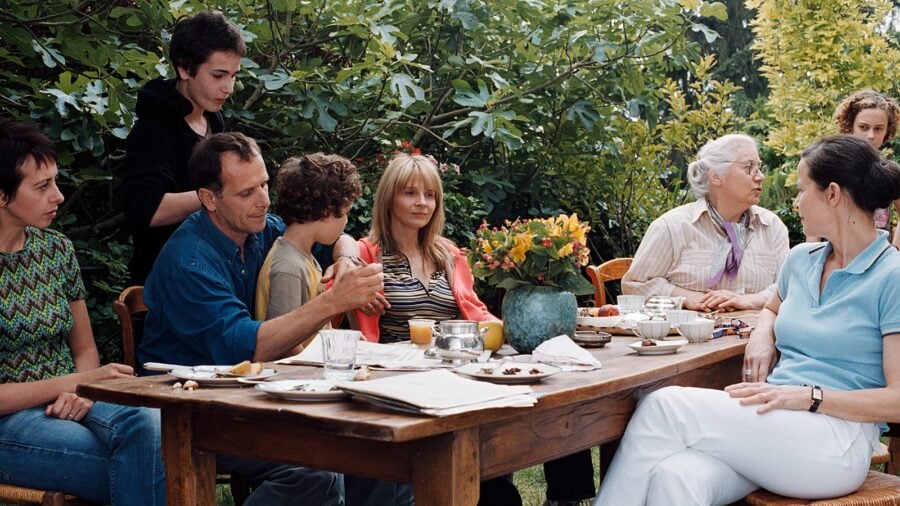
Summer Hours centers on three siblings tasked with sorting the valuable pieces their mother left behind. Frédéric (Charles Berling), the eldest, has different ideas about inheritance than his overseas siblings. Will their beloved house stay or go? Will the art? The furniture? Can they afford to keep all these for sentimental reasons or would it be wiser to sell them? They go back and forth on these questions, rarely agreeing but always keeping in mind the life these seemingly inanimate objects occupy, as well as the memories they evoke, which are beyond priceless.
Summer Hours resists melodrama, opting instead for the simple power of restraint—of unspoken words and charged glances. And the result is a quietly affecting movie that basks in the details to paint a wonderful, overall picture of home and family.
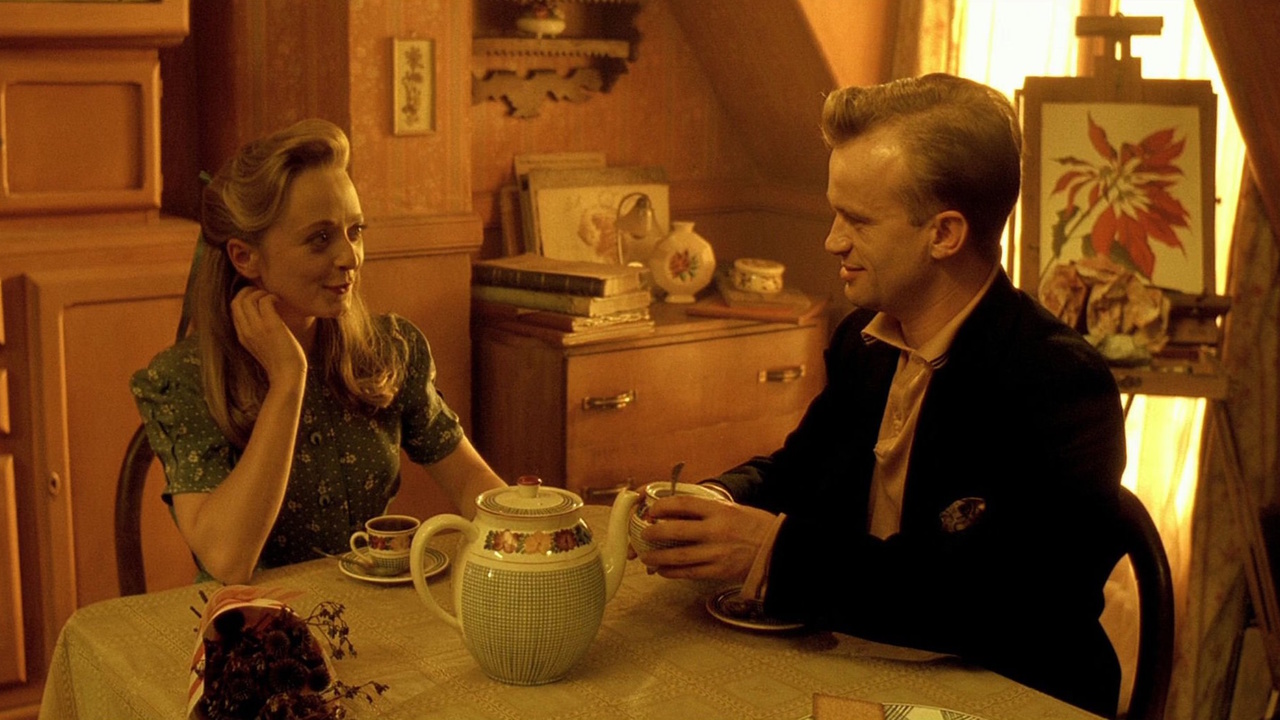
Delicatessen (1991)
From the brilliant minds of Jean-Pierre Jeunet and Marc Jano comes a utopian vision for the ages. After having worked together before on the short sci-fi film The Bunker of the Last Gunshots, the duo-turned-longtime-collaborators pick it up a notch in one of the best dark comedies to come out in the 90s.
In Delicatessen, Jeunet and Jano disguise the wretchedness of modern society in a post-apocalyptic world where food is the global currency, given how scarce it’s become. We follow Louison (Dominique Pinon), an everyday man who falls in love despite all the hubbub and squalor surrounding him. But nothing comes in the way of love, and instead of discovering a salve, he encounters a snag, one that pulls him deeper into society’s most complex ethical dilemmas.
Many films have already been made about inequality and hierarchies, but none have been quite as darkly funny and unapologetic as Delicatessen.
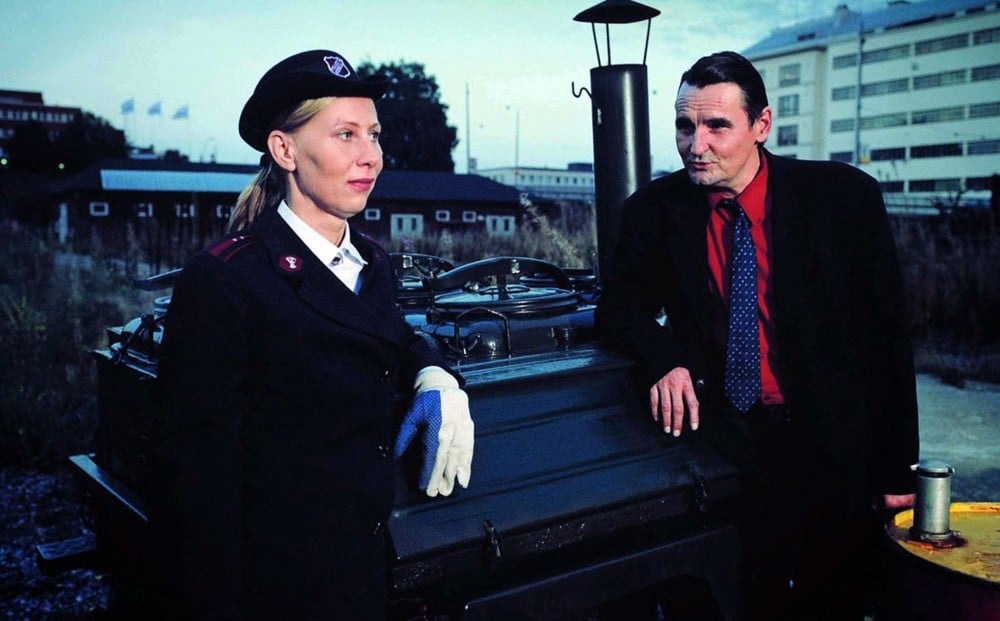
The Man Without a Past (2002)
The magic of this movie — and every other one directed by Aki Kaurismäki — is in the way it inspires so much hope despite the darkness of its subject. When a man (Markku Peltola) is beaten and robbed one night, he wakes up without any memory of who he is. Forced to start life all over again, he’s subjected to yet more cruelty at the hands of a greedy slum landlord and callous authorities, but finds sympathy and support from his equally downtrodden neighbors. Though the street thugs have emptied his wallet, the unquestioning generosity of the people around him suggests he’s now richer than he was at the film’s outset — as does the sweetly simple romance he strikes up with a lonely Salvation Army worker (Kati Outinen).
Kaurismäki doesn’t just make films about the disenfranchised for the sake of it: he shows us how easy — and yet momentous — acts of human kindness and solidarity can be, how radical they are in a bleak world. It’s not often a movie can so persuasively reassure us of people’s inherent goodness, but it’s even rarer still for it to be done with as much deceptive, charming simplicity as here.
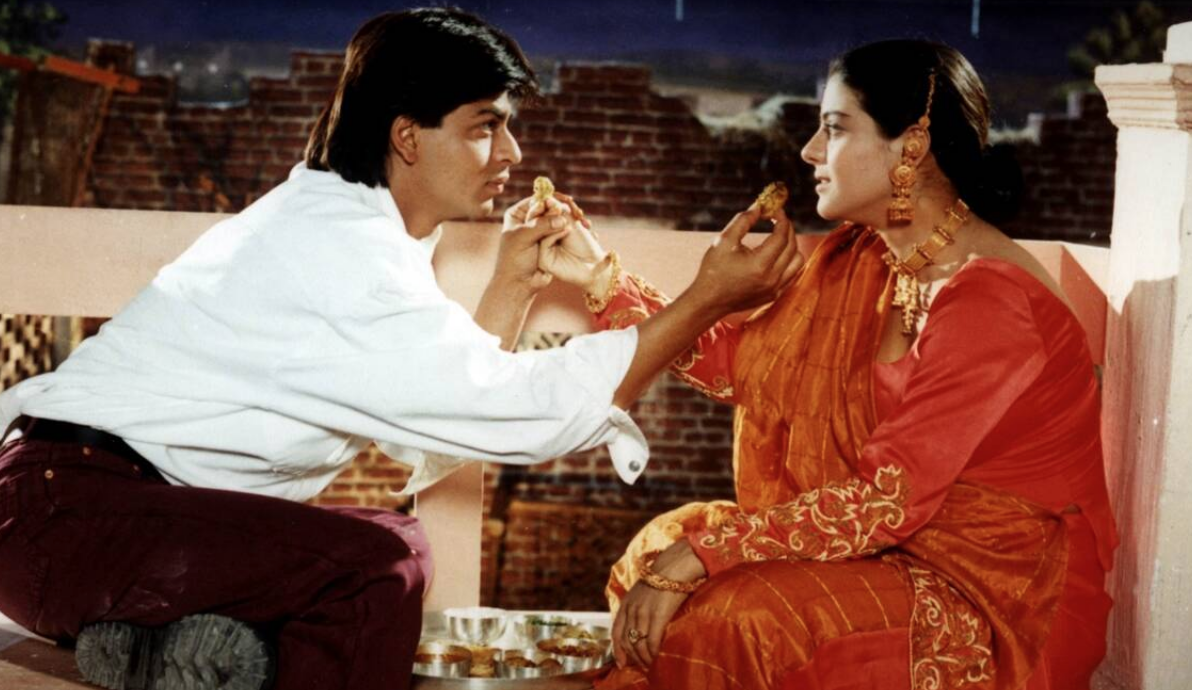
Dilwale Dulhania Le Jayenge (1995)
Love can happen anytime and anywhere, but some of the best love stories are about the kind of love that fundamentally challenges the lovers in question, as well as the kind of people these lovers are. One such film that does that is Dilwale Dulhania Le Jayenge. It’s a simple holiday romance, but the straightforward plot works because of the leads’ playful chemistry and because of the way writer-director Aditya Chopra understands the characters of his directorial debut. While abroad, the two young adults are pushed to think about each other as they navigate an unfamiliar continent, but as they return to their regular lives– with Raj still remaining in Europe and Simran moving back to India– they’re challenged like many second-generation kids, to either return to the culture they grew up in, or adapt to the culture of where they’re going. Dilwale Dulhania Le Jayenge suggests that being Indian and living abroad, as well as personal happiness and respecting one’s family, doesn’t have to contradict, and it’s these ideas that makes it a classic.
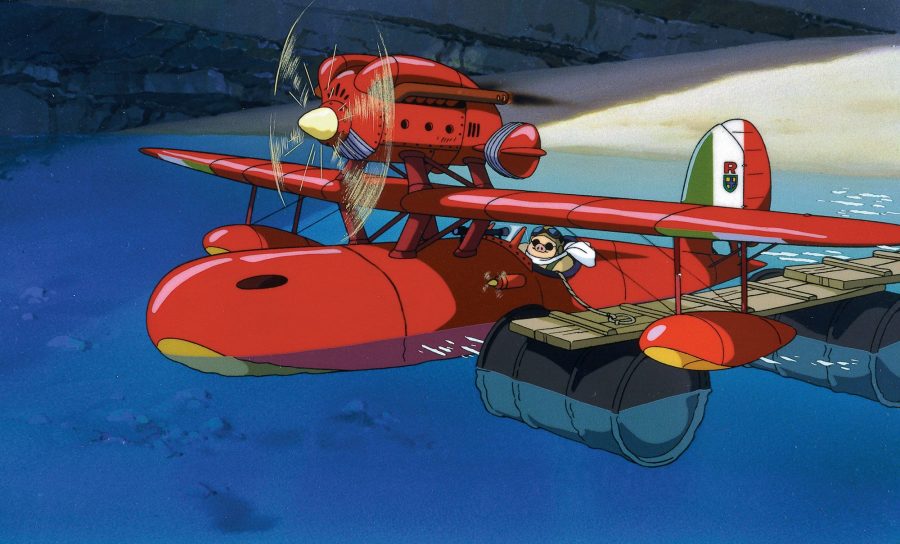
Porco Rosso (1992)
As impressive as Studio Ghibli’s collection of films are, I am still stubborn to believe that Porco Rosso is its most underrated film. Porco Rosso, directed by Hayao Miyazaki, is the story of a World War military aviator-turned-bounty hunter who has mysteriously been transformed into a pig.
Bright with humor, heart, and flight (Miyazaki is largely influenced and inspired by the art of aviation), Porco Rosso manages to also acknowledge and reckon with the horrors of war. It also boasts one of, if not the greatest, line in any Ghibli film: I’d rather be a pig than a fascist.
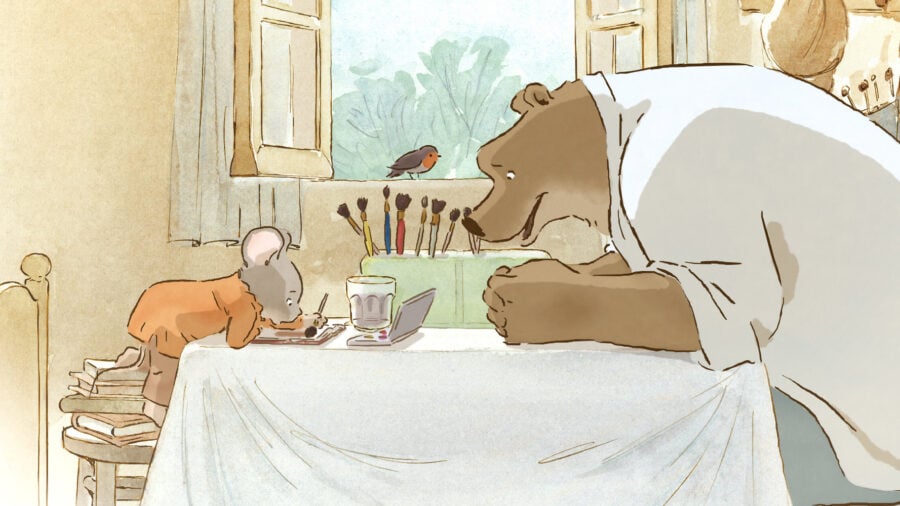
Ernest and Celestine (2012)
Ernest is an old bear and Celestine a young mouse; he lives above ground, while she lives underground. Their kinds fear one another, and borders are set in place so that they never intermingle, but despite all the odds, Ernest and Celestine form a bond—they share one similarity, after all, which is that they’re both outcasts.
Ernest & Celestine is a classic buddy tale of outsiders finding their place in the world. The story and its messages of acceptance and equality are already charming and weighty on their own, but the hand-drawn and watercolored animation gives the film an extra rush of nostalgia and delight. Beautifully made and surprisingly relevant, it’s a children’s film for all ages. It makes sense that it was nominated for Best Animation in the 86th Academy Awards (what doesn’t is it losing to Frozen).
An English dub is available on most streaming platforms, but we highly recommend watching it in French, how it’s originally meant to be heard.

Good Bye, Lenin (2003)
An intriguing, funny and rather bizarre movie which serves as a fantastic introduction to ‘new-wave’ German cinema. Featuring a cast of young talented actors and excellent direction, this movie takes place around the time the Berlin wall fell and East and West Berlin were still united. Christiane, a devout socialist activist in East Berlin suffers an accident which leaves her in a coma, during which time the Berlin wall comes down and Western capitalism encroaches on her beloved East Berlin. Fearing that she may relapse into a coma after waking up, her doctors warn that she must remain calm and not endure any shocks. Despite the somewhat contrived premise, the film really takes off from this point as her son Alex and his friend aim to hide this fact from her, by faking news reports on the television, coming up with excuses for a giant Coca Cola banner and a whole host of other amusing exploits to prevent her from knowing. While categorised as a comedy, it is also a moving portrayal of a loving family enduring great, historic change.
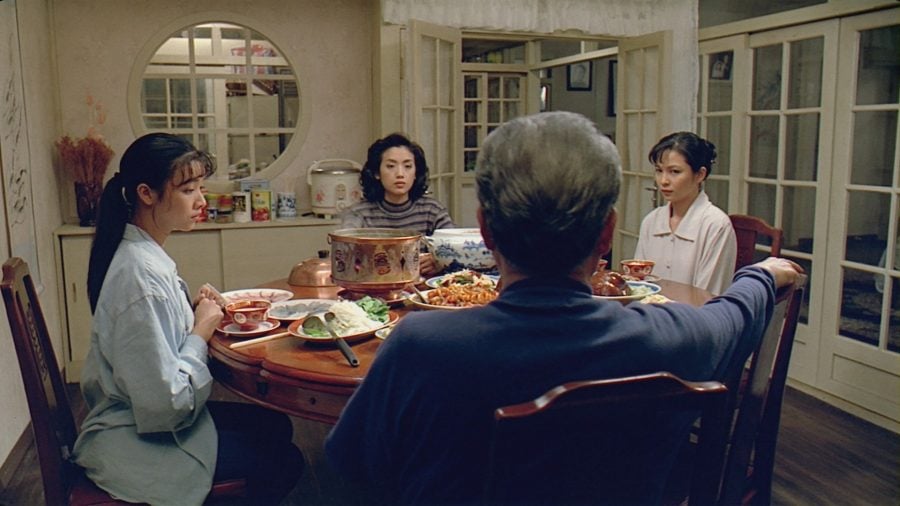
Eat Drink Man Woman (1994)
Eat Drink Man Woman takes place in Taipei, Taiwan in the mid-1990s. It tells the story of an aging father and his three daughters, all of whom are navigating different phases of adulthood while embracing new relationships. The family uses cooking and eating together as a way to communicate their love.
Food as a love language wasn’t a new concept in 1994, when the film was released, however it is impeccably explored in Eat Drink Man Woman.

One Cut of the Dead (2017)
Another indie zombie movie? Far from it. One Cut of the Dead, written and directed by Shin’ichirô Ueda, became a global sensation following its small theatrical run in Japan for its creative and original screenplay. A hack director and film crew are shooting a low-budget zombie movie in an abandoned WWII Japanese facility when they are attacked by real zombies. That’s all you need to know about the plot, as the film is full of surprises that will catch you off guard. Wondering how an independent film with a budget of just $25,000 was able to gross over $30 million worldwide? The answer lies in the film itself.
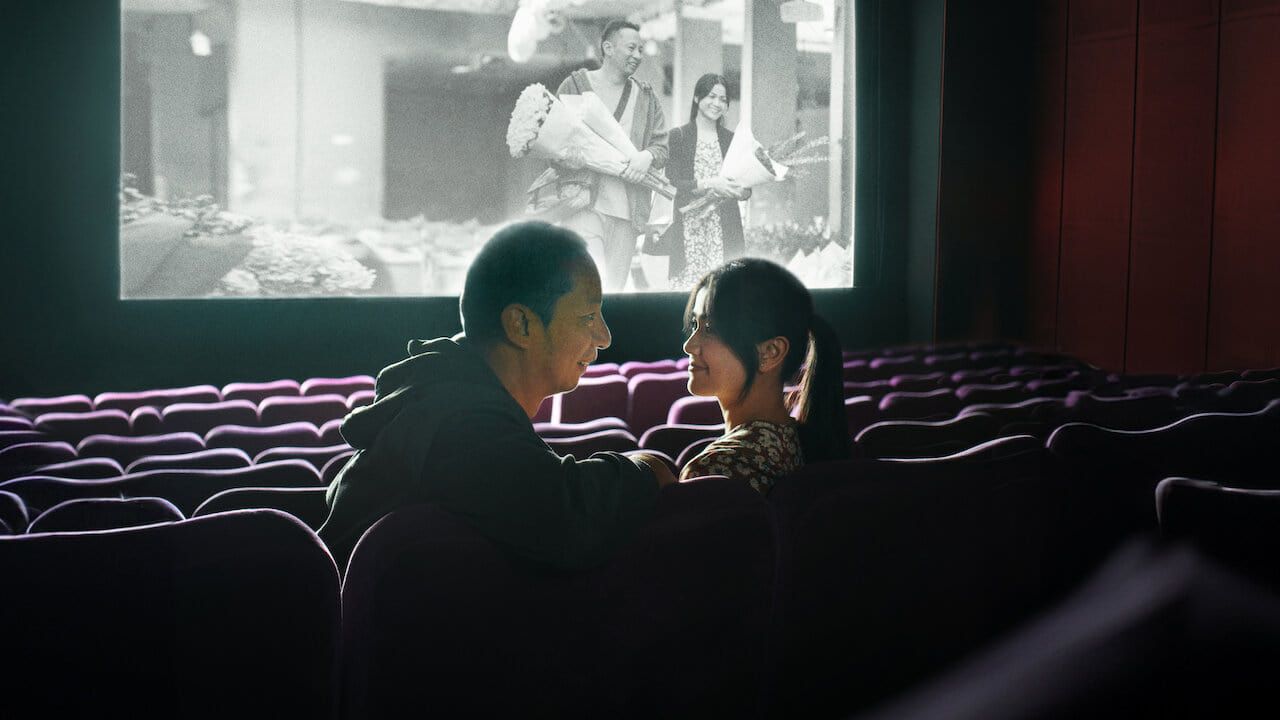
Falling in Love Like in Movies (2023)
Given the title, it isn’t surprising that Falling in Love Like in Movies would be a metanarrative with the main romance mirroring the filmmaking and the filmmaking reflecting the main romance. It’s a familiar approach, and at first, Falling seems to follow the inevitable ending where the couple falls in love, but right on time, in around Sequence Four, writer-director Yandy Laurens chooses a more honest, less chosen path– a path that plenty of previous romance films hasn’t examined– that still falls within the eight sequence screenplay structure Bagus talks about. While Bagus is pitching his film to Hana, and to his producer, Jatuh Cinta Seperti di Film-Film pitches a new way of thinking about love, grief, and of course, filmmaking.

Heart Attack (2015)
Heart Attack is a romantic comedy, but instead of the hijinks being caused by the usual dating, miscommunication, and wooing, Yoon’s struggle here is to finally get a hold of his overbearing schedule and figure out how to relax and recover from burnout, and it’s all inspired by wanting to impress his doctor Imm. It’s funny, but it’s also all too real. Writer-director Nawapol Thamrongrattanarit recreates the overwhelming frenzy to complete a job through a magnificent jazz soundscape and Sunny Suwanmethanon’s internalized monologue, and it’s such an effective cinematic translation that the moments of rest, the moments where Yoon and Imm finally take a break feels like a relief. Heart Attack works precisely because it empathizes and understands the experience of workers in today’s gig economy.
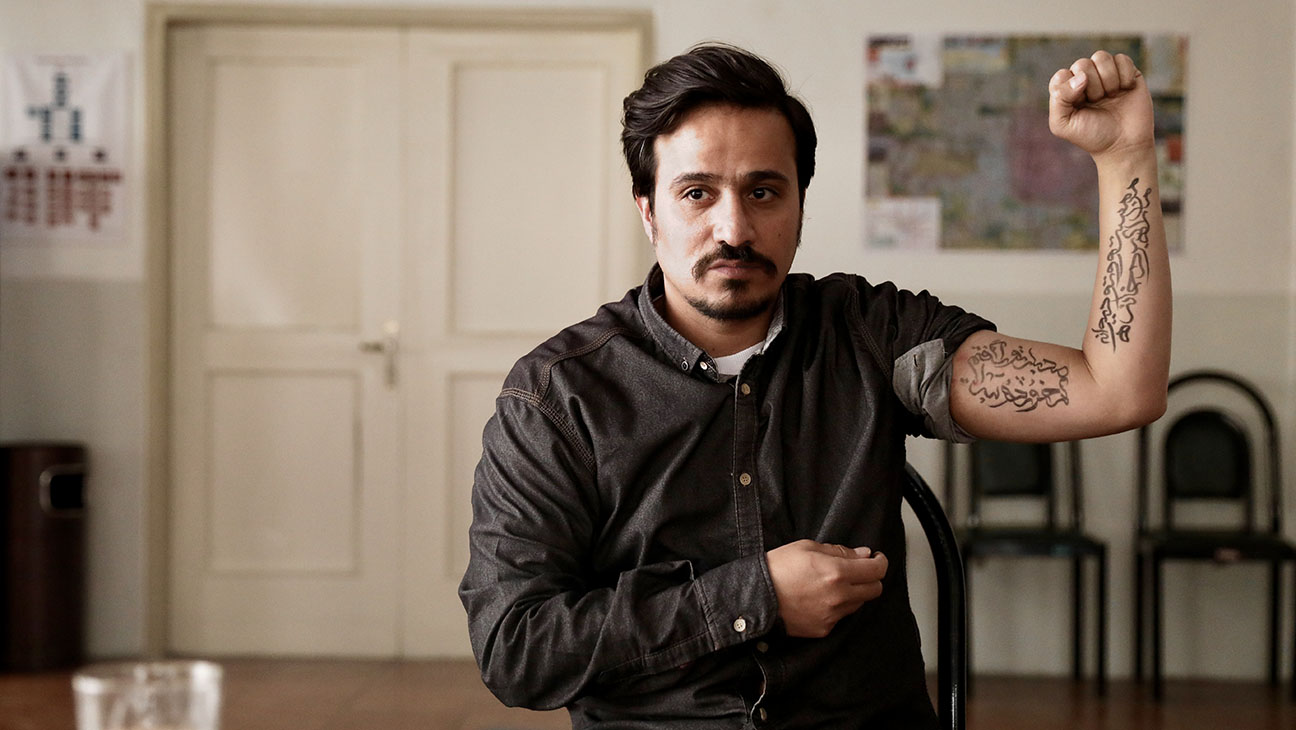
Terrestrial Verses (2023)
Since we live in a society, interacting with authority is inescapable. Terrestrial Verses depict fairly mundane day-to-day interactions– getting a birth certificate, settling a traffic violation, or attending a job interview– but through nine vignettes framed with a static camera, aimed at a person trying to negotiate with someone more powerful just outside the frame, these mundane interactions become satirically absurd. For those unfamiliar with the ideology behind the regime, these interactions are just so annoying. But for those in the know, the doublespeak in the dialogue reflects how finicky and arbitrary the rules set by the authoritarian regime are, and celebrates the wit and ingenuity of the ordinary people that have to navigate them. Terrestrial Verses seems utterly mundane at first, but it proves to be smart, incisive, and deeply insightful.
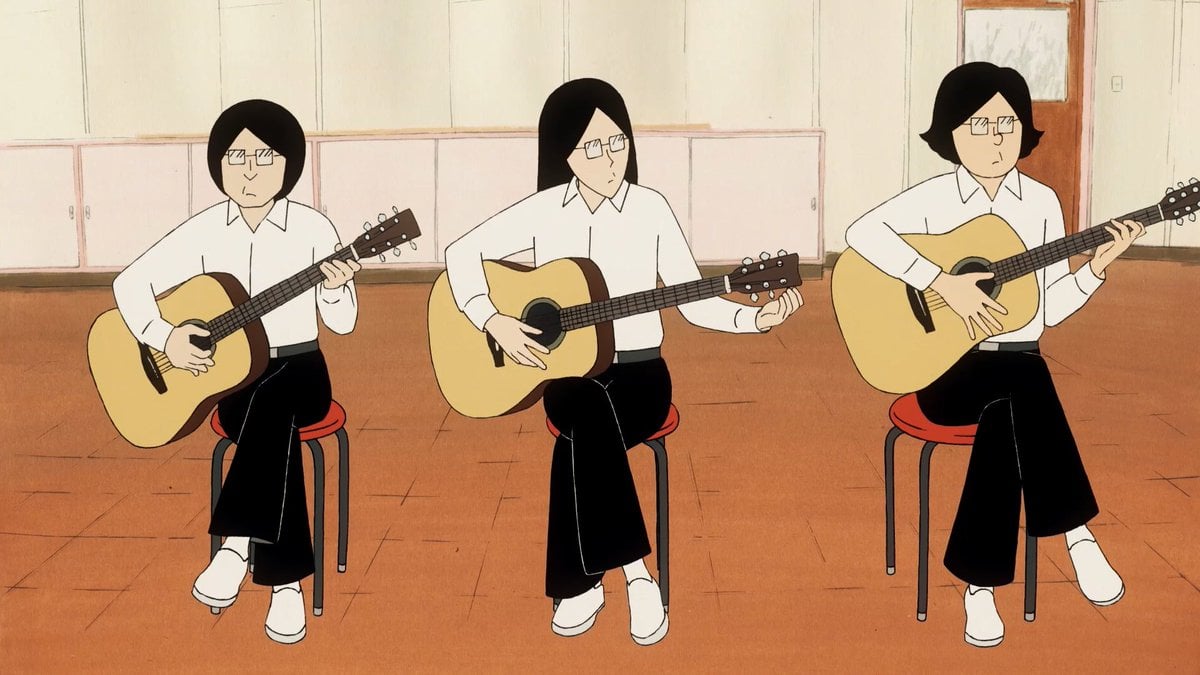
On-Gaku: Our Sound (2020)
At first, On-gaku: Our Sound seemed to be a classic coming-of-age story centered around a battle of the bands. The delinquent kids find a new outlet through music, and thus, change as a result of the art. But the indie animated drama proves to be different, because the band Kobujutsu don’t transform into rock stars over a quick montage and a dash of inspiration. They don’t even look the part, with the scribbled art design. Instead, these kids make sounds through two bass guitars, a snare drum, and a tom drum, purely using rhythm to make music. And as these kids dabble with their instruments, On-gaku: Our Sound marvelously unfolds to a funny but sincere slice-of-life tale that celebrates their passion.

The Great Buddha+ (2017)
Given today’s access to cameras, it’s so easy to peek into the lives of other people. Sometimes those peeks seem much more exciting than our entire lives, but as most people know by now, what we see on screen can be so different to what’s really happening. Rather than social media, however, the two broke nobodies in The Great Buddha+ get their entertainment from the dashboard camera of their rich and famous boss, Kevin, though the recordings eventually reveal a darker side to the artist-philanthropist business owner. Alternating from their black-and-white lives to their boss’ colorful one, this dark comedy satirizes that gap between classes, the ones being watched and the ones who could only watch, with the narrator, and sometimes the characters, helpfully explaining on occasion what you’re seeing on screen. The Great Buddha+ gleefully mocks its ensemble, while still being cognizant of the real injustices they face.
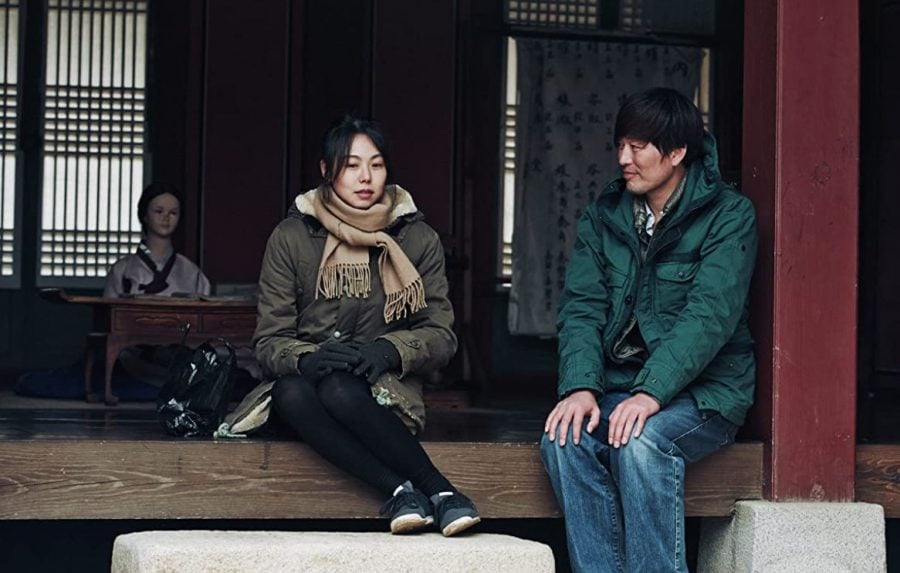
Right Now, Wrong Then (2016)
In the West, South Korean film is largely defined by the ingenious (oft violent) bombast of directors like Park Chan-wook (Oldboy) and Bong Joon-ho (Parasite), but there is a quieter tradition championed by director Hong Sang-soo that is just as imaginative and worthy of your time. This fascinating film serves as a perfect entry point to a director whose filmography is full of similar riches.
A film director arrives in town to deliver a lecture, and having some time to kill, ends up sharing a day with a stranger. This simple set-up recalling Before Sunrise leads down a charming and quietly romantic route that would be delightful on its own, but Right Now, Wrong Then is about much more than just a chance encounter. It’s a film more concerned with how little moments here and there can change everything, and how much our lives are governed as much by chance and timing as the choices we make.
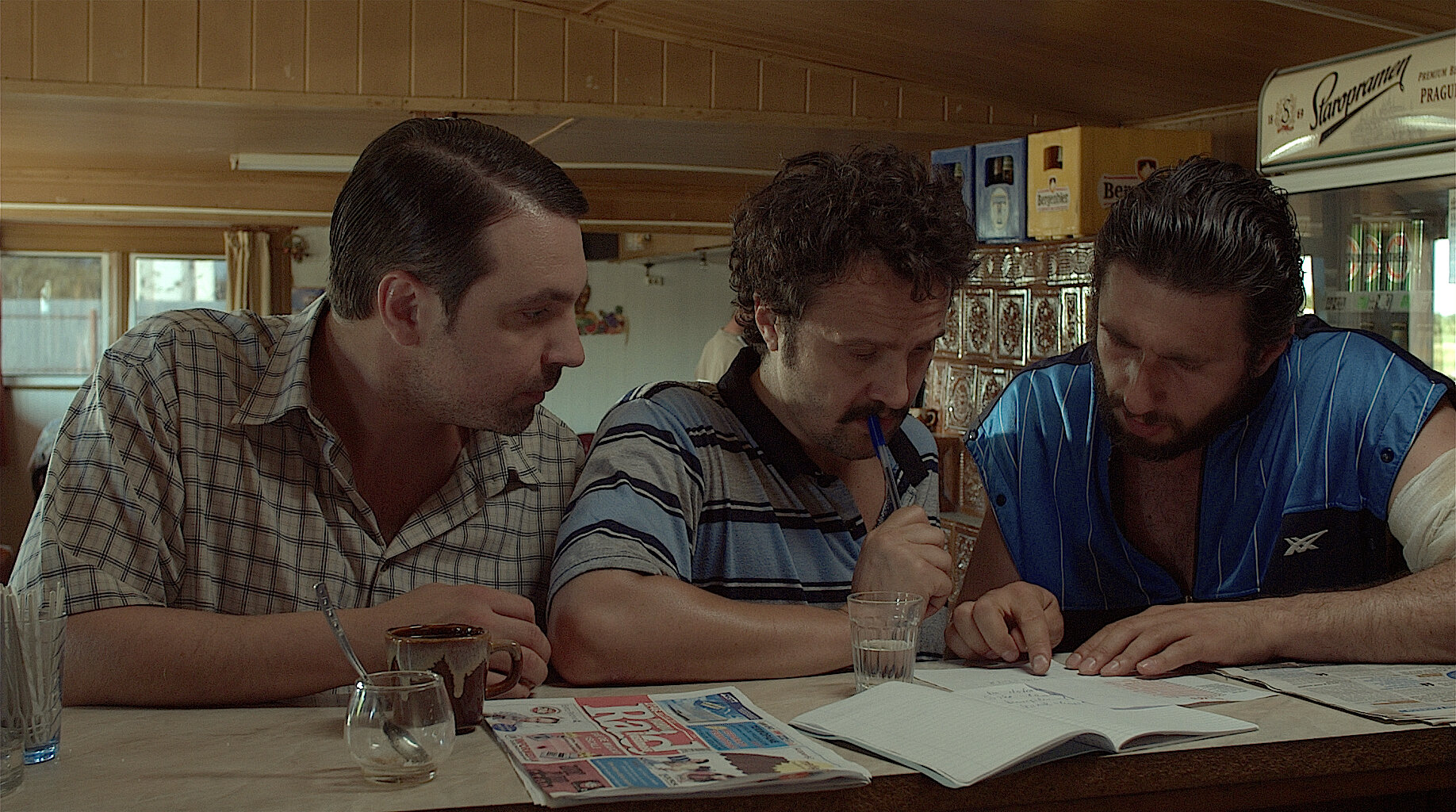
Two Lottery Tickets (2016)
The Romanian New Wave’s predilection for bleakness gets a tongue-in-cheek dig in this buddy comedy from the same country: “Romanians are bad at making movies,” Pompiliu (Alexandru Papadopol) complains. “They only show doom and gloom.” Indeed, the premise here could easily make for a miserable movie: three hapless working-class pals win a multimillion lottery jackpot but lose their ticket — and, with it, the chance for Dinel (Pedro Pascal-lookalike Dorian Boguță) to pay off the mafia don that’s holding his wife hostage in Italy.
But Two Lottery Tickets takes a decidedly droll view of their predicament. Part of that approach is achieved via the trio’s characterizations: they’re all goofy in different ways, from the ridiculous conspiracy theory-spouting Pompiliu and the gullible Dinel to sleazy chancer Sile (Dragoș Bucur). The rest of the film’s breezy comic tone comes thanks to their amusingly convoluted journey to retrieve the ticket, which they believe is in a bag that was stolen when Dinel was mugged by two thugs. These many segues implicate a cross-section of Romanian society into the film, making it a wry social commentary in places. Mostly, though, Two Lottery Tickets has modest ambitions — to be, simply, an enjoyable comedy — a goal it surpasses thanks to its absurdist humor and pitch-perfect performances.

The White Sheik (1952)
What do you do when you meet the man of your dreams right after your wedding? Depending on where they came from, or how famous they are, it’s a scenario that’s not likely to happen, but the chance is never zero. It’s this chance encounter that drives the events of The White Sheik. Alternating between Wanda’s spontaneous on-set encounter, and Ivan’s scrambling search and excuses to appease the family, the film hilariously piles on every mishap, keeping the two separated and stuck in the situations they stumble into, but writer-director Federico Fellini doesn’t poke fun at the country folk’s expense, instead, empathizing with Ivan’s worry and Wanda’s disappointment in the trip they took on. The titular star may have proven that you should never meet your heroes, but The White Sheik nonetheless hinted at the cinema that was to come, as Fellini’s first solo directing stint, as well as introducing Fellini’s wife Giuletta Masini as Cabiria.

The Young Girls of Rochefort (1967)
Where The Umbrellas of Cherbourg lamented the tragedy of one missed connection, Jacques Demy follows it up with a much more upbeat love story in The Young Girls of Rochefort. It’s more hopeful. Even before you watch the end, it’s clear that there’s not one, but two chances at a happy ending, since there are two couples. But on top of that, it’s the girls’ conviction in love that makes everything brighter. Despite the logistics of their act, or the coincidences that had to align, or even the serial killer mentioned, The Young Girls of Rochefort remains bright-eyed and bushy-tailed, celebrating the bubbly optimism that musicals would have us believe in.
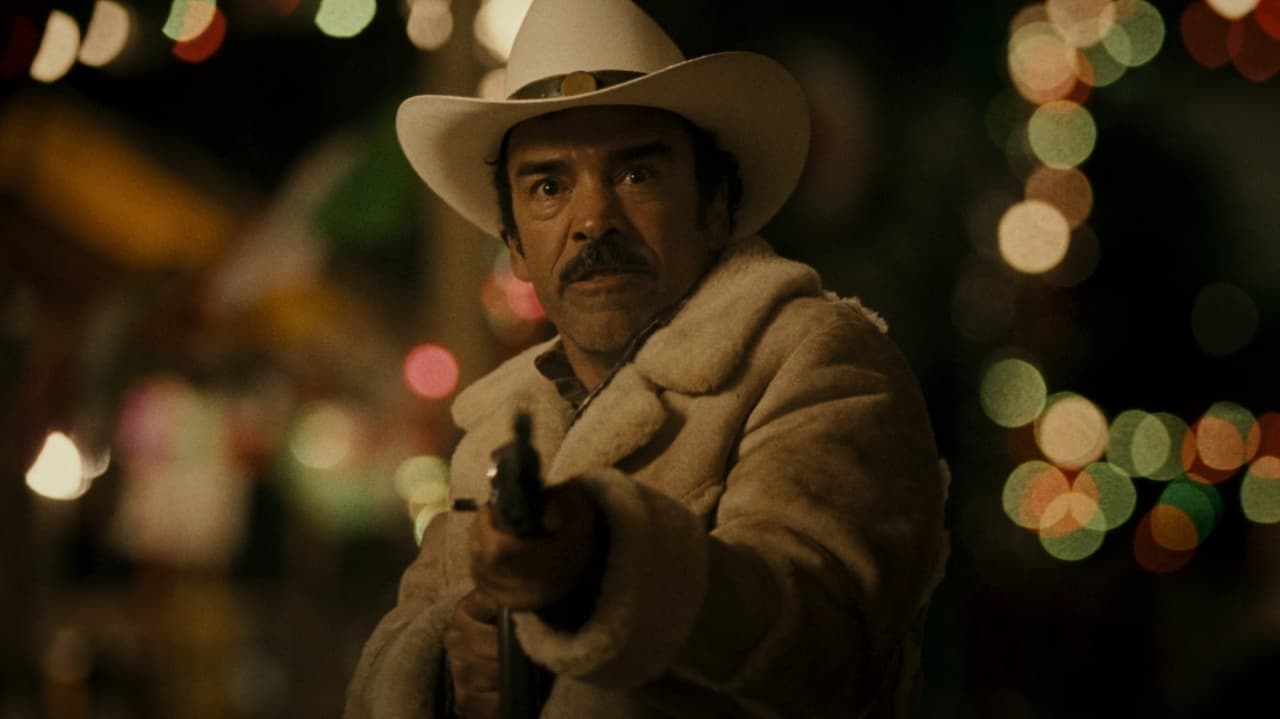
Hell (2010)
Better known through its original Spanish name El Infierno, Hell is an underrated crime thriller that satirizes Mexico at the time of the Drug War. It follows an immigrant, Benjamin Garcia, who subsequently dives into a life of crime, though it’s not as lucrative as he expects. What ensues ends up becoming a darkly humorous, Western-inspired take on the issue, flipping from funny to dramatic at a turn of a hat, and smartly pointing out the absurd in the violence that still grips the country today. While underseen abroad due to its NC-17 rating, it’s a fitting installment for director Luis Estrada’s penchant for bold political satires, garnering a cult following in the country itself.
Dying to Survive (2018)
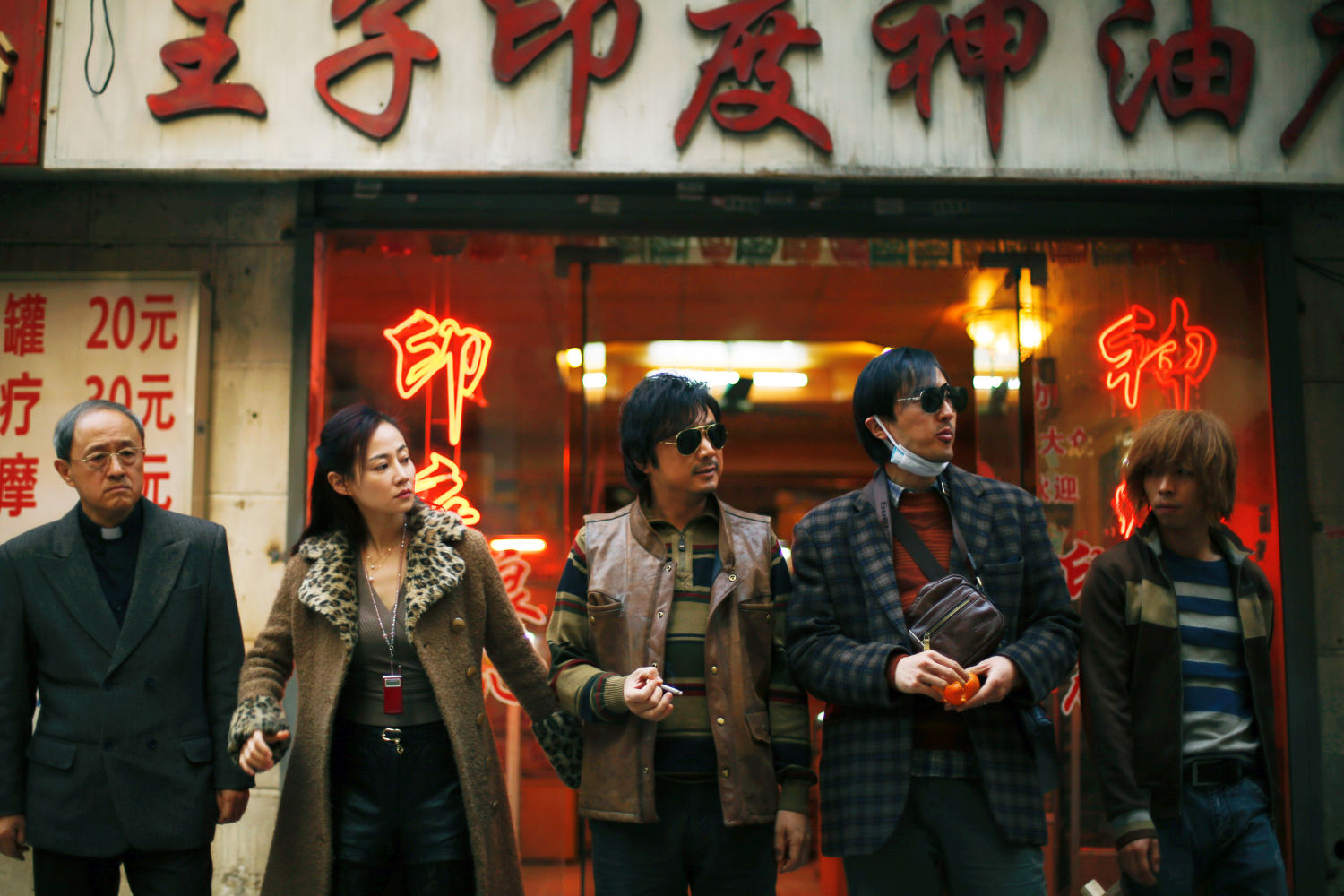
Robin Hood might be a centuries old folk hero, but his reincarnations seem to pop up in real life, including the true story behind Dying to Survive. Alternatively translated as I’m Not A Medicine God, the modern day Chinese iteration is initially less concerned over the common good and more concerned with money. It makes for a much more humorous take, as the ordinary peddler bribes, smuggles, and asserts his desire for profit, but it also sets up the real desperation created by a medical drug industry that hopes to incentivize research and protect consumers, but inadvertently blocks the very people that needs said drugs. Dying to Survive might focus more on the smuggler than critiquing this conundrum, but nonetheless it understands the real recurring tragedy that modern life can’t seem to completely solve.

Cyrano de Bergerac (1990)
Each time a classic gets adapted, there’s always the question as to why it should be told again. After all, we’ve already heard it before. The huge-nosed Cyrano loves Roxane, but he gets to express his love through the face and signature of the handsome Christian, who’s happy to use Cyrano’s wit in turn. In today’s world, that’s historical catfishing. However, there’s something compelling about the way this 90’s French adaptation embraces its story. Perhaps it’s the lead performance from Gérard Depardieu, or perhaps it’s the expensive production, but much like its protagonist, the film is unapologetic about what it wants but prioritizes what is necessary. Cyrano de Bergerac gets us swept up in the same feeling, just with a different sort of panache.

A Town Called Panic (2009)
If you’re looking for a straightforward, reasonable plot for children, you’re not going to find it in this eccentric stop-motion animated comedy. That’s because from the reasonable panic over forgetting a friend’s birthday, A Town Called Panic spirals into a series of fantastical consequences, including an order of 50 million bricks, a journey to the center of the earth, and their unexpected detour to the northern tundra. But to be fair, logic is not really what children look for. If anything, the weirdness of Cowboy, Indian, and Horse’s adventures feels reminiscent of a child playing with mishmashed toy sets. Like the stop-motion medium, anything can happen, with enough imagination, and A Town Called Panic has quite the amount of frenzy to spare.

Klown (2011)
There is no shortage of offensive jokes in this comedy about a man who tries to prove to his girlfriend that he is dad-material. Think Borat, but Danish, and with brothels.
The man in question tries to change his lifestyle after his girlfriend, not thinking he is responsible enough, hides the fact that she is pregnant. To prove her wrong, he takes his nephew on a canoeing trip with his equally as disastrous friend.
Broker (2022)
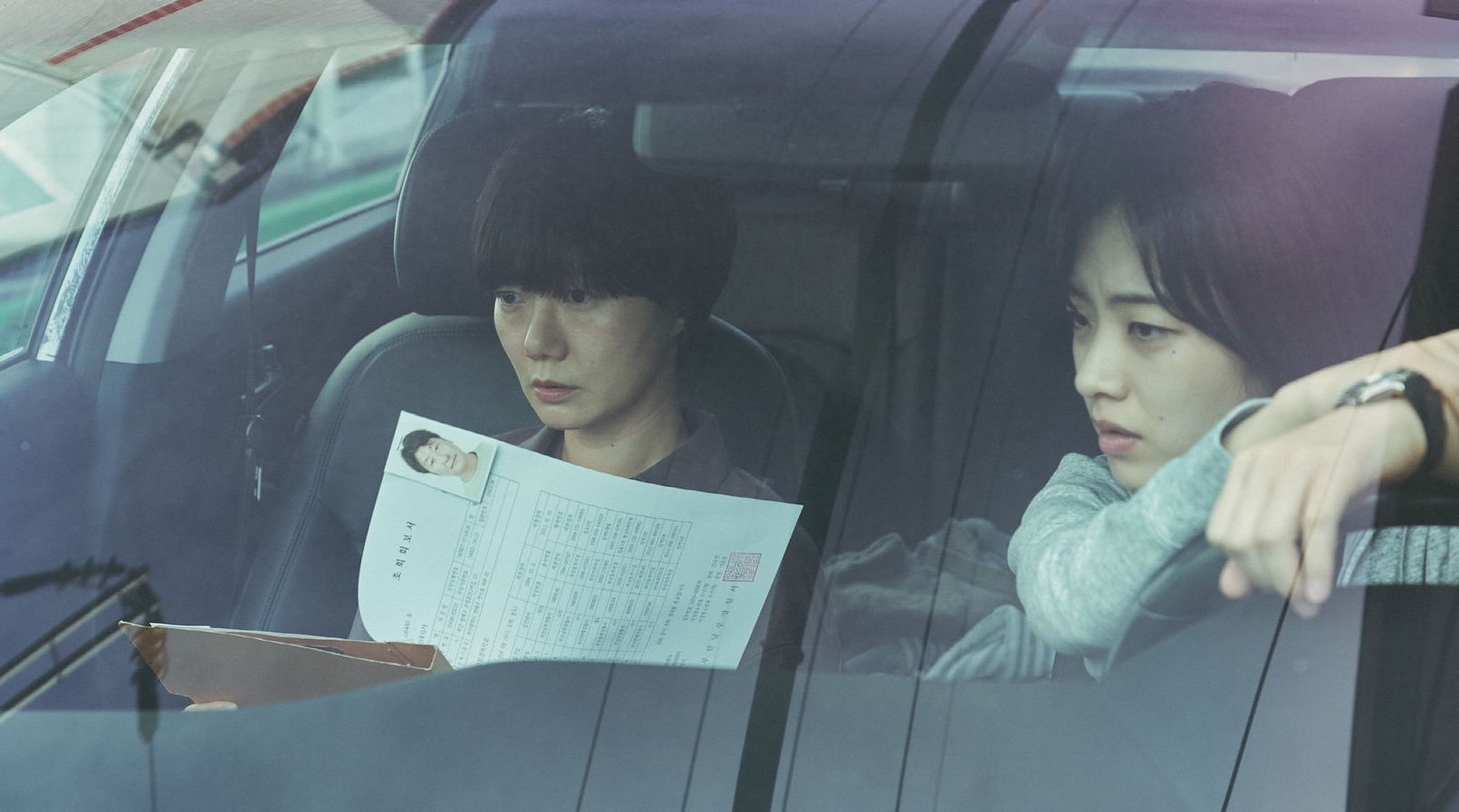
Directed by Japanese filmmaker Hirokazu Koreeda, the Korean film Broker is a simple but tender story about chosen family. It follows Moon So-young (IU), a young mother who decides to drop her baby off at a church, seemingly for good. But when So-young decides to return for the child, she discovers that he’s been stolen by two brokers who’ve put the baby up for adoption on the black market. She joins them in the hopes of meeting her child’s prospective new parents (and staking a claim at the payment) but the more they spend time with each other, acting like a real family on the road as they do, the more it becomes real for her, and the more she feels conflicted about the decision she’s about to make.
As with any Hirokazu Koreeda film, Broker is an affecting, empathetic story that succeeds at humanizing its misunderstood cast of characters. Admittedly, it’s not the best Koreeda movie out there, even when the category is narrowed down to stories about found families (the best in that regard would be his 2018 film Shoplifters). And Koreeda fans will find Broker somewhat scrubbed and Disney-fied for a larger crowd, lacking the edge that his previous Japanese films had. But it is undeniably heartwarming and beautiful. The road trip setup allows the characters to build their rapport naturally, and the warm crisp tones capture the seabreeze ease of the film. Regardless of your view on Koreeda, Broker is well worth a watch.

Belle Époque (1992)
When a man ends up in a house full of girls, the question in many stories is: who will that man fall for? Where Little Women provides everyone with a suitor and The Beguiled does the opposite, Belle Époque takes a much more comedic route for Fernando to pick his wife. Far from being a Casanova, Fernando is much more naive. He stumbles from girl to girl in a series of hilarious sequences, never truly understanding what each of them wants. It’s pretty silly stuff. But it’s also the kind of lighthearted romp that remembers the joys and pleasures available to Spain before the fascist Franco regime took over.

Tu Dors Nicole (2014)
Nicole is 22, just out of college, and adrift during her first summer as an “adult.” Tu Dors Nicole (“You’re Sleeping Nicole”) is a French-Canadian take on the late coming-of-age story. Nicole spends most of the summer is her small, sleepy Quebec town lounging around her parents house (they are gone for the summer), occasionally working at the local thrift store, trying to sleep (she’s developed insomnia), and wandering aimlessly around town and the Quebec countryside with her best friend Veronique. The two are joined at the hip (as evidenced by how their bikes are always locked-up together) but the arrival of Nicole’s brother and his bandmates threatens to upend the lifelong relationship between the two; because of this waning friendship Tu Dors has earned comparisons to films like Ghost World and Frances Ha which examine the complexities of young female friendships, particularly when one’s identity is in flux. The film was shot on gorgeous Black & White 35mm film , adding to it’s floating dream-like quality, and boasts a sweet and droll sense of humor. There are occasional touches of the surreal as well — my favorite running gag being the presence of the pre-pubescent Martin, a small boy whose voice has prematurely developed (the voice that comes out of his mouth sounds like that of a world weary 45-year-old) who attempts to woo Nicole with poetic insights such as, “the heart has no age.” This film is a true hidden gem.

Macadam Stories (2015)
This dark French comedy is set in a neglected building in a working-class neighborhood. The elevator breaks and every tenant agrees to pay to fix it, except for the person who lives on the first floor. The neighbors go through with the reparations without the first-floor tenant, on the condition he never uses the elevator. Everything is fine until an incident puts him in a wheelchair.

The Good Boss (2022)
In this office comedy of errors, Javier Bardem plays Blanco, the titular boss, but whether he is actually good is what the movie wryly examines.
As head of a small manufacturing company, Blanco treats his employees intimately, going so far as make their problems his own. He believes this is why his company is nominated for an excellence certification, but as he waits for the possible award, cracks start to appear in his “work is family” facade as everything that could go wrong, starts going wrong. The Good Boss is an anxiety fest for Blanco to be sure, but a winning tragicomedy for us all.
Extreme Job (2019)
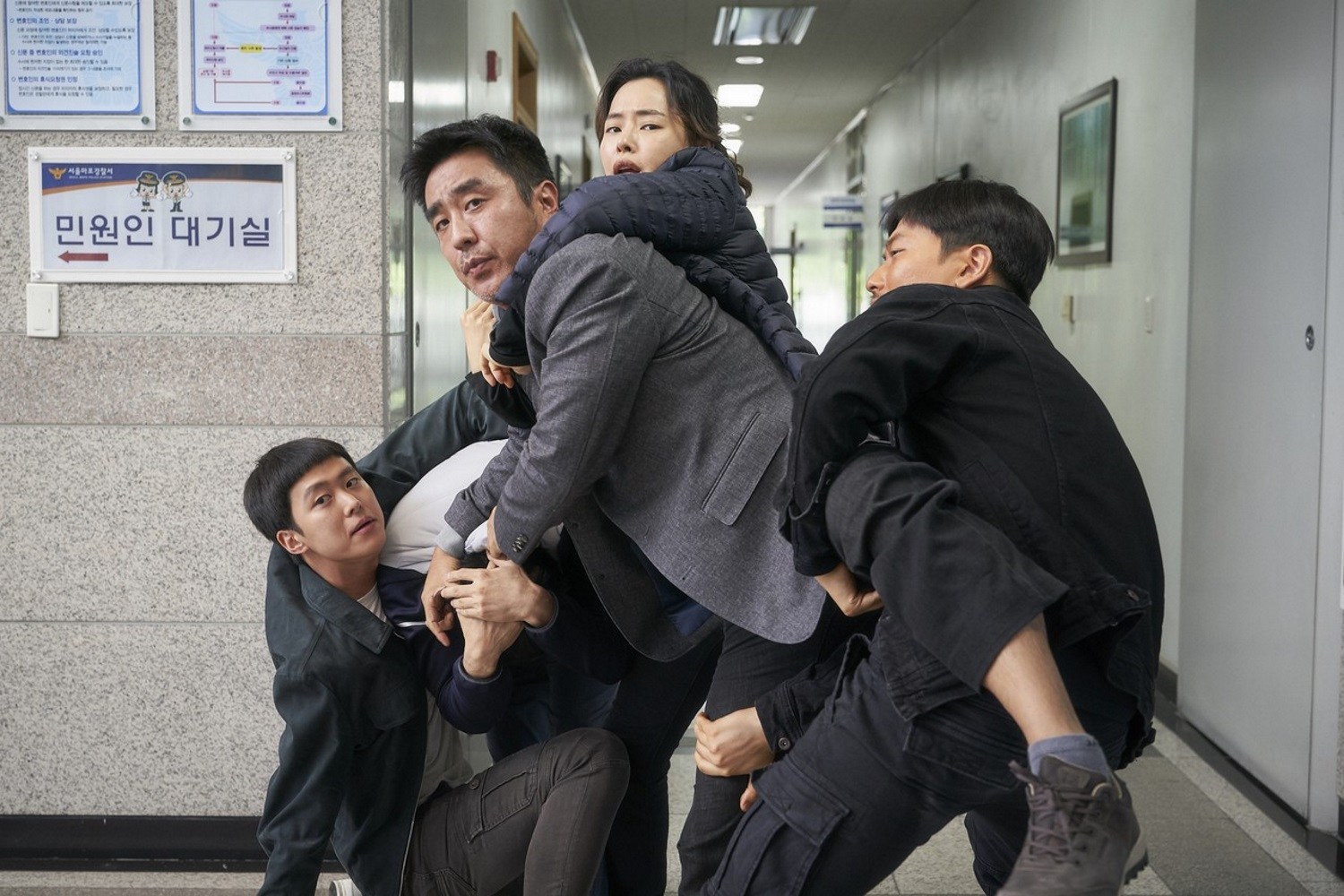
A Korean police comedy built on a premise so dumb it’s brilliant: a group of bumbling cops who are so bad at their job that they accidentally start an amazing fried chicken restaurant while undercover. All of the suspense and excitement that should be going into their actual mission is spent on this new job that actually begins to give them coordination and a greater sense of purpose. There may not be much of a deeper meaning to be found here, but the characters are lovable enough—and the filmmaking sharp enough—to get you invested in their personal happiness, and to get you to appreciate how strong editing and performances can make even the smallest throwaway line spit-take hilarious.
My Neighbors the Yamadas (1999)
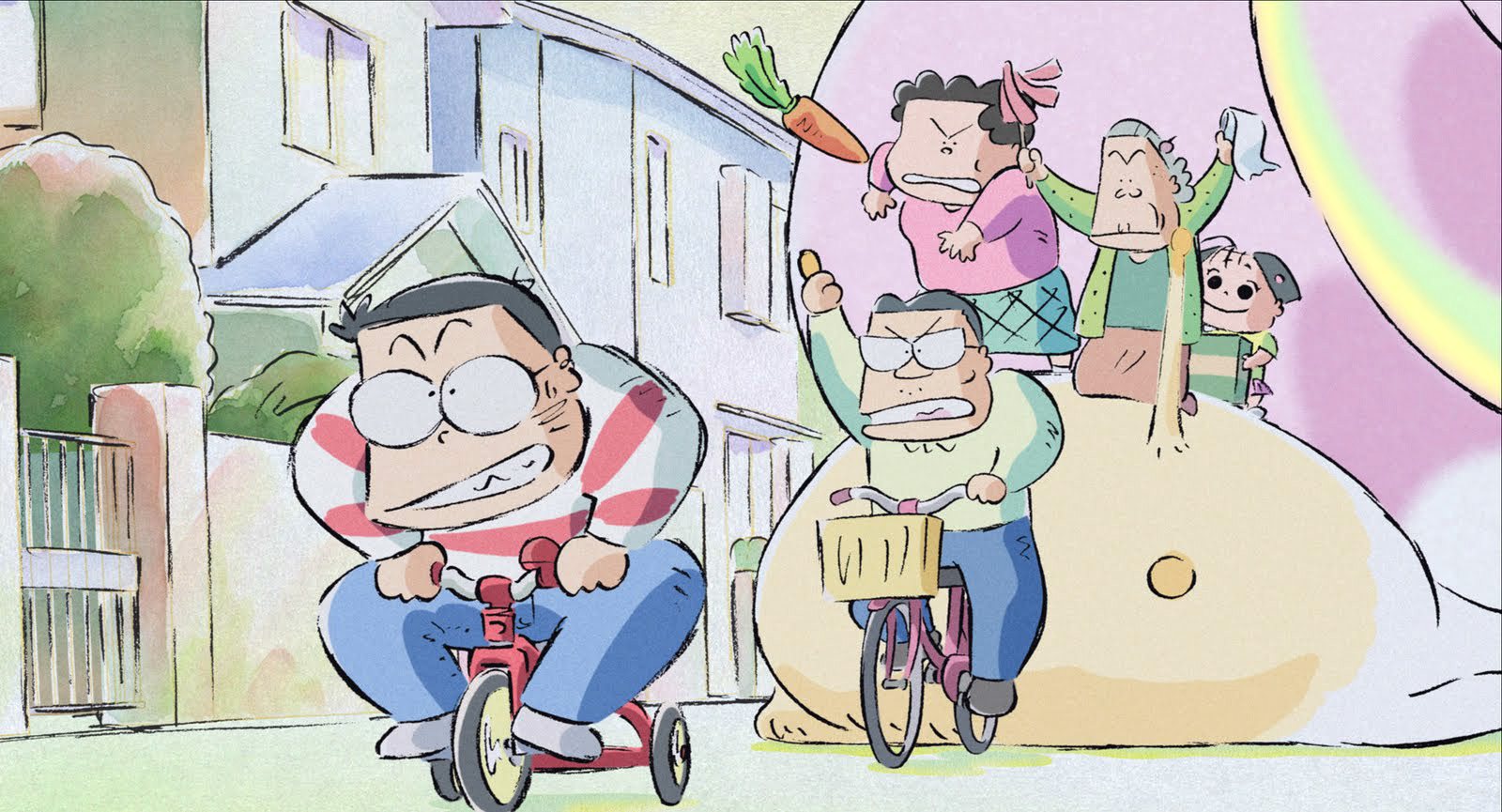
One of Studio Ghibli’s overlooked gems, My Neighbors the Yamadas is a charming anthology film about a modern-day Japanese family. The film sets itself apart from other Ghibli films through its unique doodle-like watercolor animation and its short piano themes. While the vignettes may just depict regular family conflicts, the scenes still feel compelling due to the Yamadas’ imagination of the metaphors that they use. Exaggerating the metaphors keeps the audience breathless in certain strategic moments – most notably in the wedding day speech of the mother of the bride. While not as fantastical as Ghibli’s other offerings, the completely digital My Neighbors the Yamadas finds humor in and celebrates the mundane.

Made in Hong Kong (1997)
Aggressive, grungy, and rebellious, writer-director Fruit Chan’s debut film captures teen nihilism amidst abandonment in uncertain times. Immediately, the first look of this film is reminiscent of Wong Kar Wai with its use of character narration, hazy green scenes, and over-exposed film. However, Chan pairs these aesthetic techniques with the storyline of a revenge film mixed with an us-against-the-world mentality. While the protagonists Autumn Moon (Sam Lee), Ping (Neiky Yim Hui-Chi), and Sylvester (Wenders Li) start the film with teenage concerns like dealing with wet dreams, dating, and bullying, it’s clear that they go through them aimlessly, without the guidance of their fathers, almost as if with no hope at all due to their specific circumstances. In Chan’s hands, how every kid reacts to each change feels like an outburst against the adults in their life, and of the life outside of the film. It’s as if the words “fuck you” were made into a movie.
Chinese Odyssey 2002 (2002)
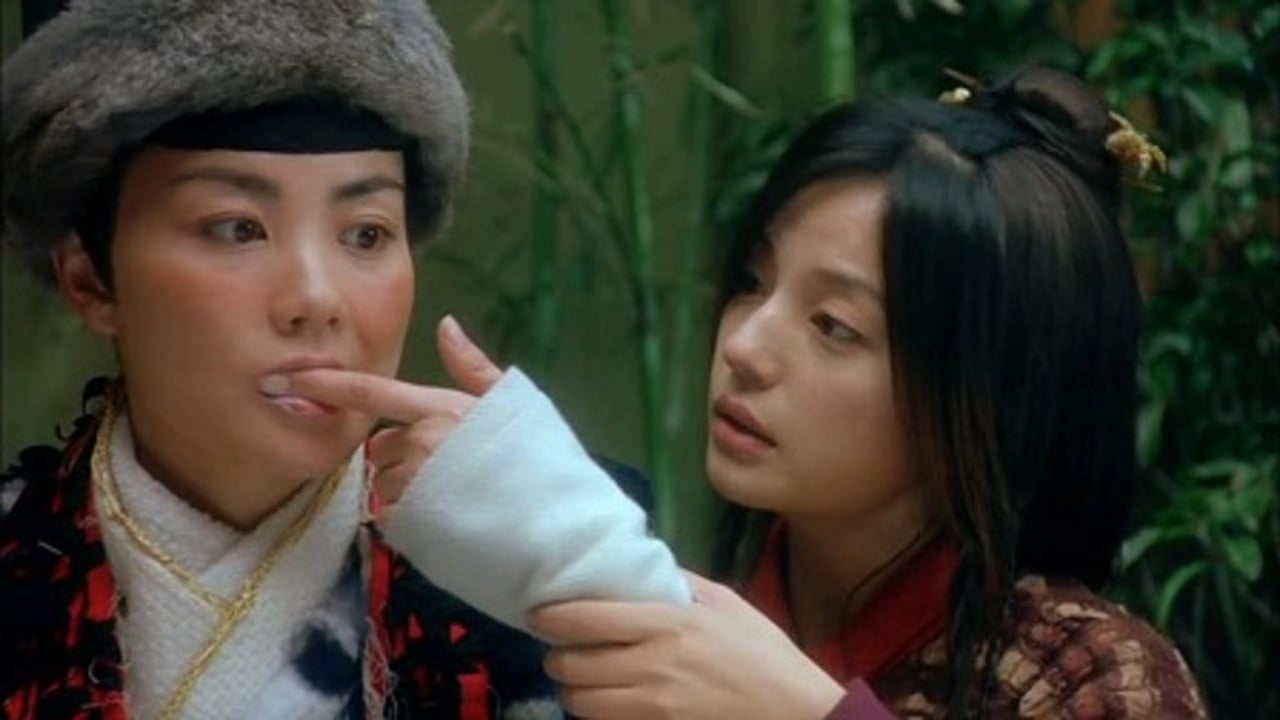
While produced by Wong Kar Wai, Chinese Odyssey 2002 isn’t a moody, melancholy drama that we’re used to. Instead, the Ming Dynasty-set adventure directed by Jeffrey Lau comically spoofs plenty of the beloved genres that captivated Chinese audiences– wuxia epics, musical dramas, and historical romances. The ludicrous crossdressing plot is played in such an over-the-top way, with Lau visually delivering his jabs, with a narrator providing droll commentary on the events, and with intercuts of faux interviews and excerpts from everyone, even including the disgruntled innkeeper spying on the crossdressing princess and the confused restaurant owner. It’s actually quite impressive how the ridiculous plot leads to such a wholesome, moving conclusion.
Songs from the Second Floor (2000)
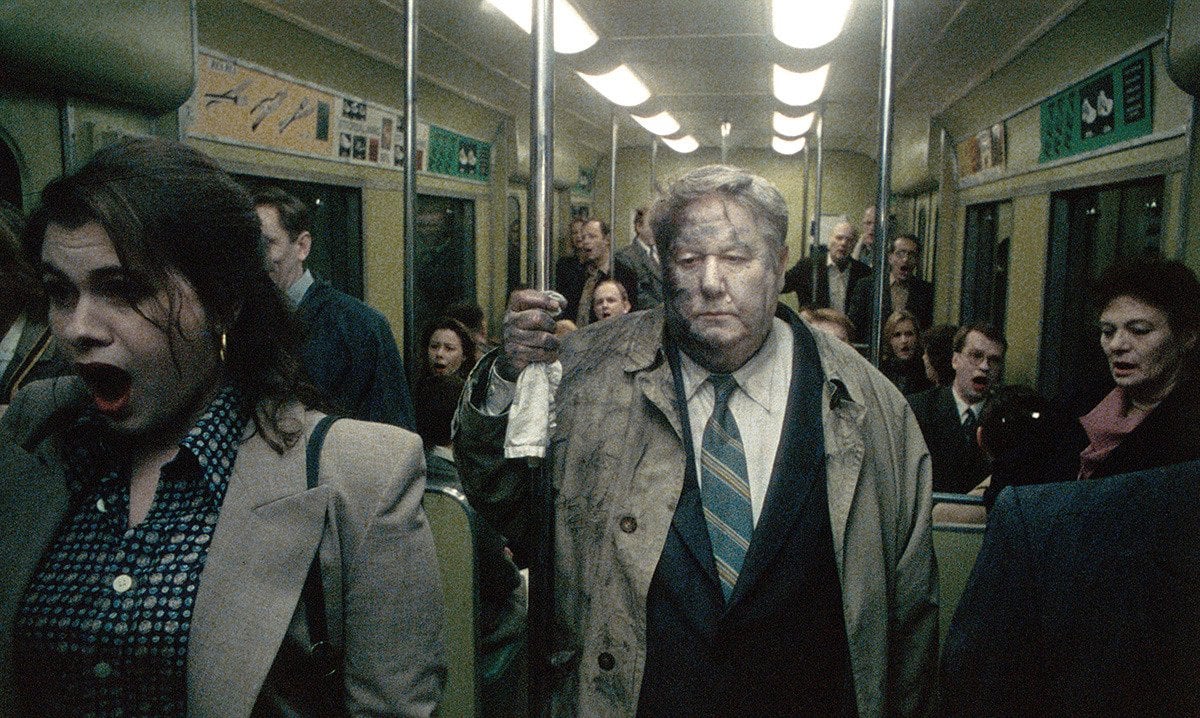
We’ve seen anthology films with three, four, sometimes even five parts, but Songs from the Second Floor comprises forty six separate vignettes, quickly shifting in and out without any connecting thread inbetween, except for the dull gray color palette. Yet, even as the film abruptly transitions between vignettes, from tanning beds, construction sites, cars, trains, or buildings, writer-director Roy Andersson crafts meticulously framed breakdowns of modern day living, some of which works based on individual experiences, but all coming together as several miniature portraits of how absurd and depressing our lives have become. Songs from the Second Floor is a bold way to return after a twenty five year hiatus.
Donkey Skin (1970)
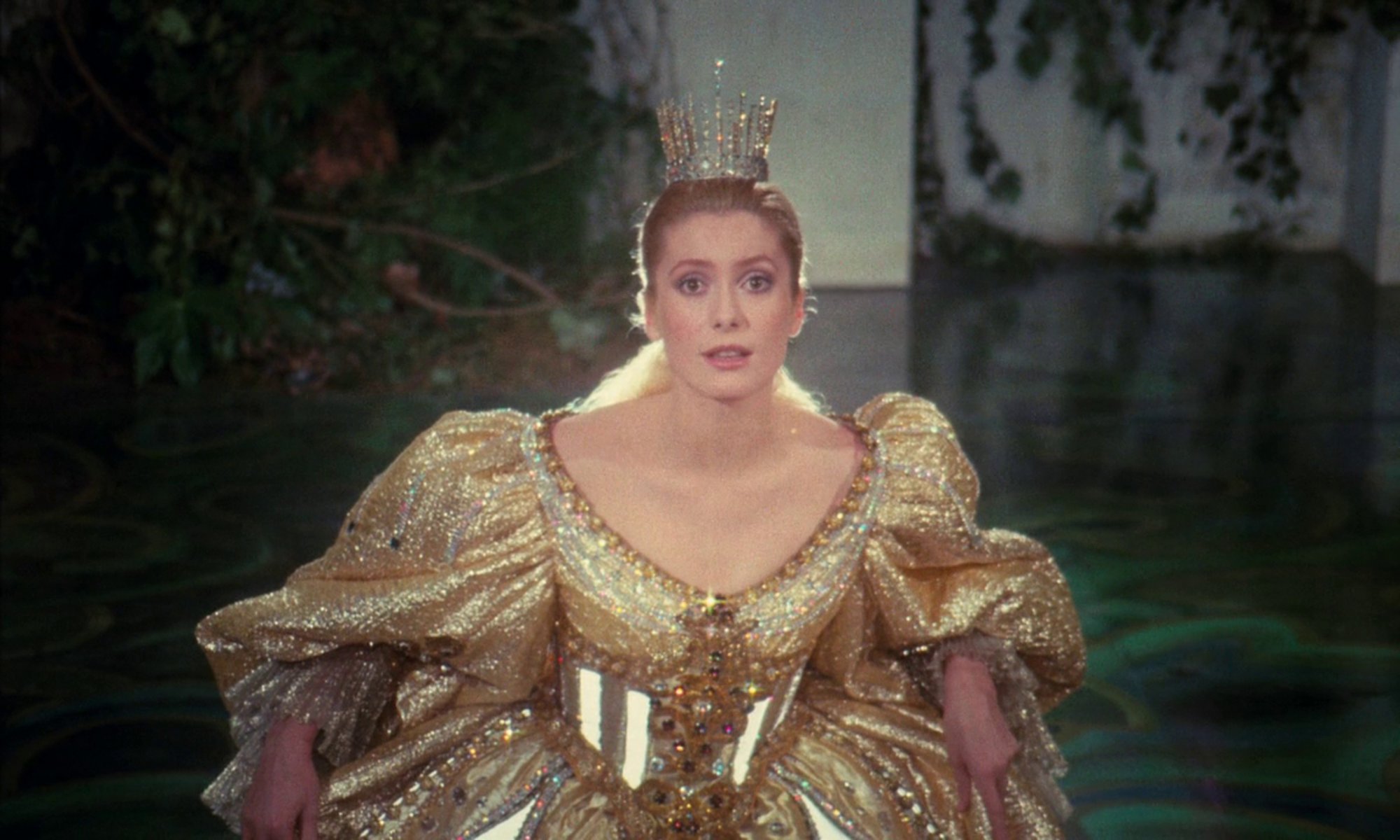
Given the subject matter of Charles Perrault’s Donkeyskin, it’s not surprising that Disney didn’t adapt this one. It’s not just that it’s too similar to Cinderella, with a donkey instead of a goose that lays gold, it’s also most probably because of the strange incestuous wedding proposal presented at the start. Yikes. But filmmaker Jacques Demy proves that no tale can be truly unadaptable, and the best way to adapt such a weird fairytale is by going even weirder, albeit in the most grandiose and colorful way possible. So yes, this means helicopters, plastic, and unusual sets and costumes that could only exist in the modern era, but with Demy’s colorful style, his muse in musicals Catherine Deneuve, Michel Legrand’s fantastic music, and the surreal understanding how beauty has been the true cash cow (or rather cash donkey) of both the monarchy and film, Donkey Skin is a fanciful, fantastic fairytale film for the adults to enjoy.

Peking Opera Blues (1986)
How do we explain Peking Opera Blues? It’s a film set earlier in history, but it’s not as sepia-toned, slow, and depressing as other historical dramas. In fact, it’s the exact opposite. It’s colorful, with all the bright reds and blues on all sets and costumes. It’s comedic, as the three leads– Brigitte Lin, Cherie Chung, and Sally Yeh– get roped into each other’s affairs through unfortunate coincidence. And because of Tsao Wan’s mission, it’s quite fast-paced, driving the action towards a stellar operatic climax. While juggling the frenzy of this thrilling tale, Peking Opera Blues looks to the past to contemplate Hong Kong’s future.
Kuch Kuch Hota Hai (1998)
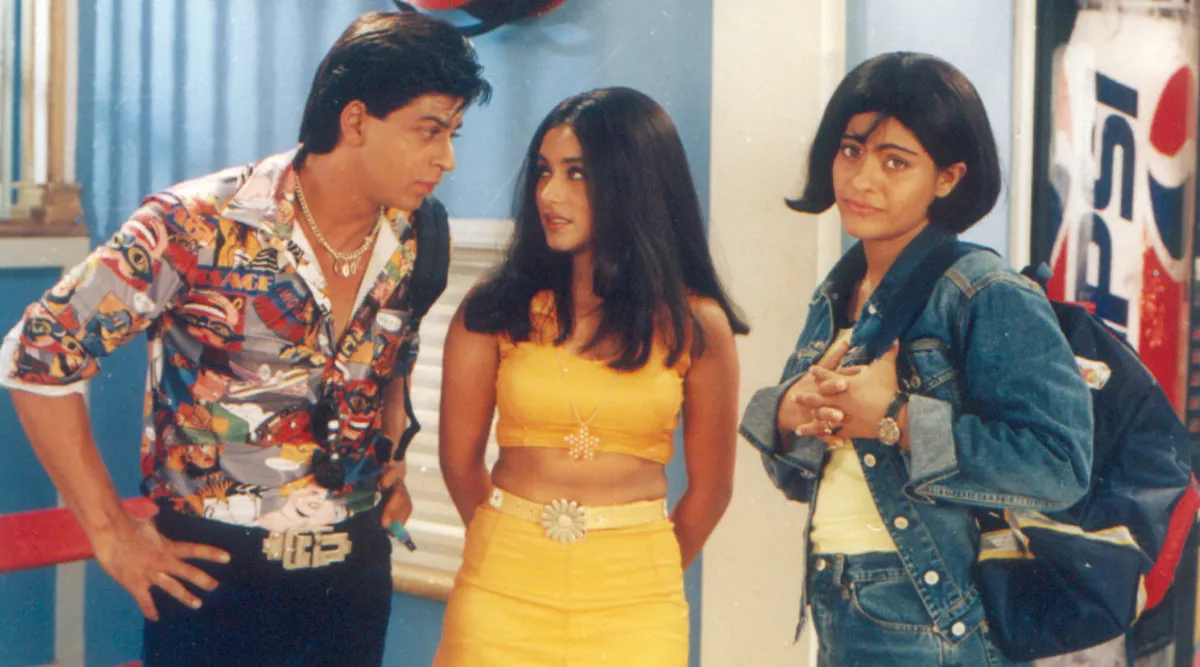
When the love triangle is set between the most popular guy in school, his tomboyish best friend, and the beautiful principal’s daughter, Kuch Kuch Hota Hai unsurprisingly goes through the inevitable who-would-he-choose romantic storyline. We’ll say it outright: It should be cliché. And yet, we’re surprised to tell you that it works. Part of it is because of how it’s framed– before we get into the youthful shenanigans that plague schools all over the globe, we learn about them from the future outcome, namely from Rahul’s child, reading a letter from the mother that passed away. But even when we get into the overly glowy memories of the time, Kuch Kuch Hota Hai still feels different because of the way it cares about its characters. Neither Anjali or Tina are made into villains for no reason– they’re all friends that have fun together, have incredible chemistry, and care about each other. Maybe in another universe, they would have been polyamorous. Kuch Kuch Hota Hai somehow does the impossible in such a refreshing way.

Monsieur Lazhar (2012)
After the sudden death of a teacher, 55-year-old Algerian immigrant Bachir Lazhar is hired at an elementary school in Montreal. Struggling with a cultural gap between himself and his students at first, he helps them to deal with the situation, revealing his own tragic past. A strong portrait without any weird sentimentality. 11-year-old actress Sophie Nélisse makes her brilliant debut.
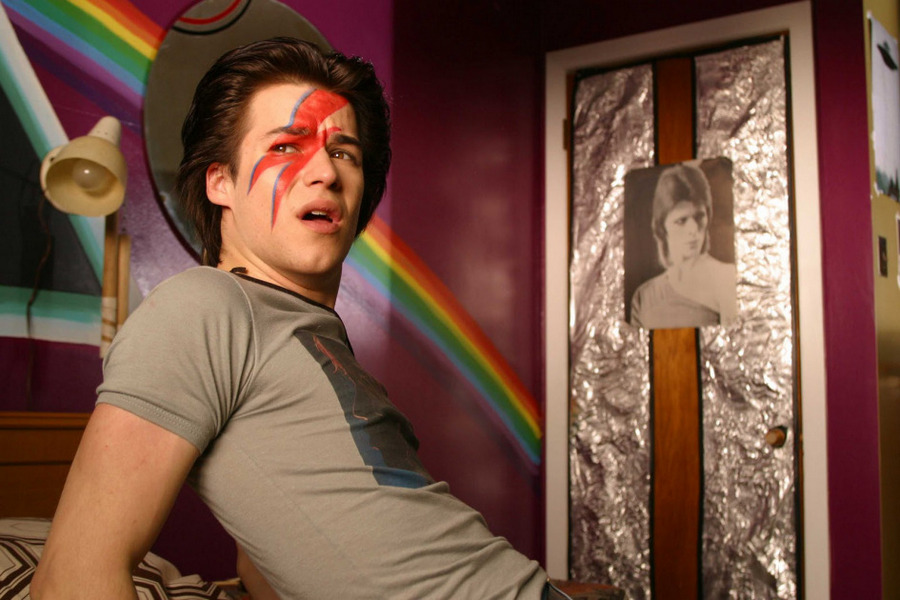
C.R.A.Z.Y. (2005)
C.R.A.Z.Y. is crazy good, so to speak. A portrait of a French-Canadian family in 70’s Quebec that will knock your socks right off, it’s the story of a boy struggling with his identity and his relationship with his father. Featuring a killer soundtrack (including but not limited to Bowie, Pink Floyd, Rolling Stones), it received Best Canadian Film in 2005 at Toronto International Film Festival. There are many things I would like to say about C.R.A.Z.Y. but I fear it’s one of those films you enjoy best when you go into them not knowing much.
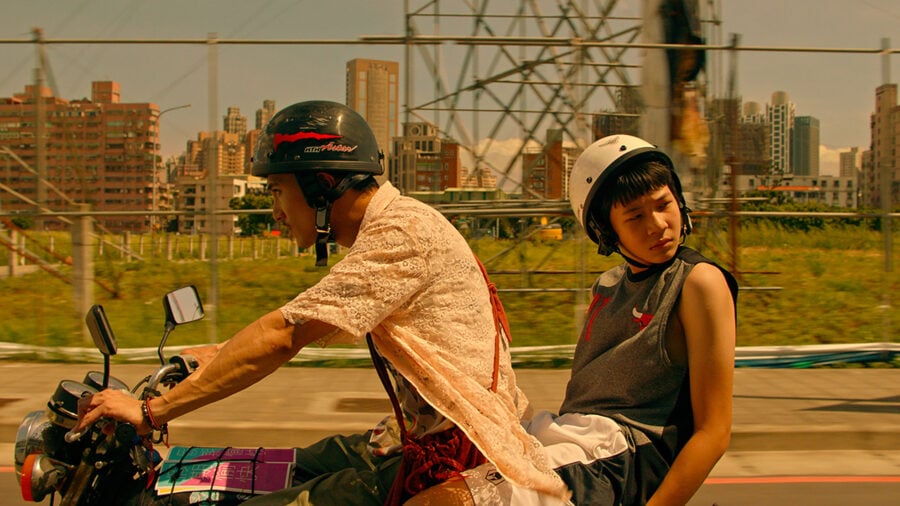
Dear Ex (2018)
Dear Ex is a family drama that explores LGBT+ issues in contemporary Taiwan. As much as it is a movie about how people cope with loss, it’s a powerful, heartwarming, and intimate portrait of the relationship between Jay and Song Zhengyuan and all the obstacles they face.
While the themes of Dear Ex are heavy, the director makes the viewing experience easier for the audience thanks to humorous and witty dialogue. Meanwhile, the history between Jay and Song Zhengyuan’s relationship unfolds in a very beautiful, almost poetic way, and by the end of the movie, we understand that everyone gets their own kind of forgiveness. The way the characters effortlessly show that love is something beyond genders is admirable, and it is great to see how everyone gets their own kind of forgiveness whether it’s from themselves or from others by the end of the movie.
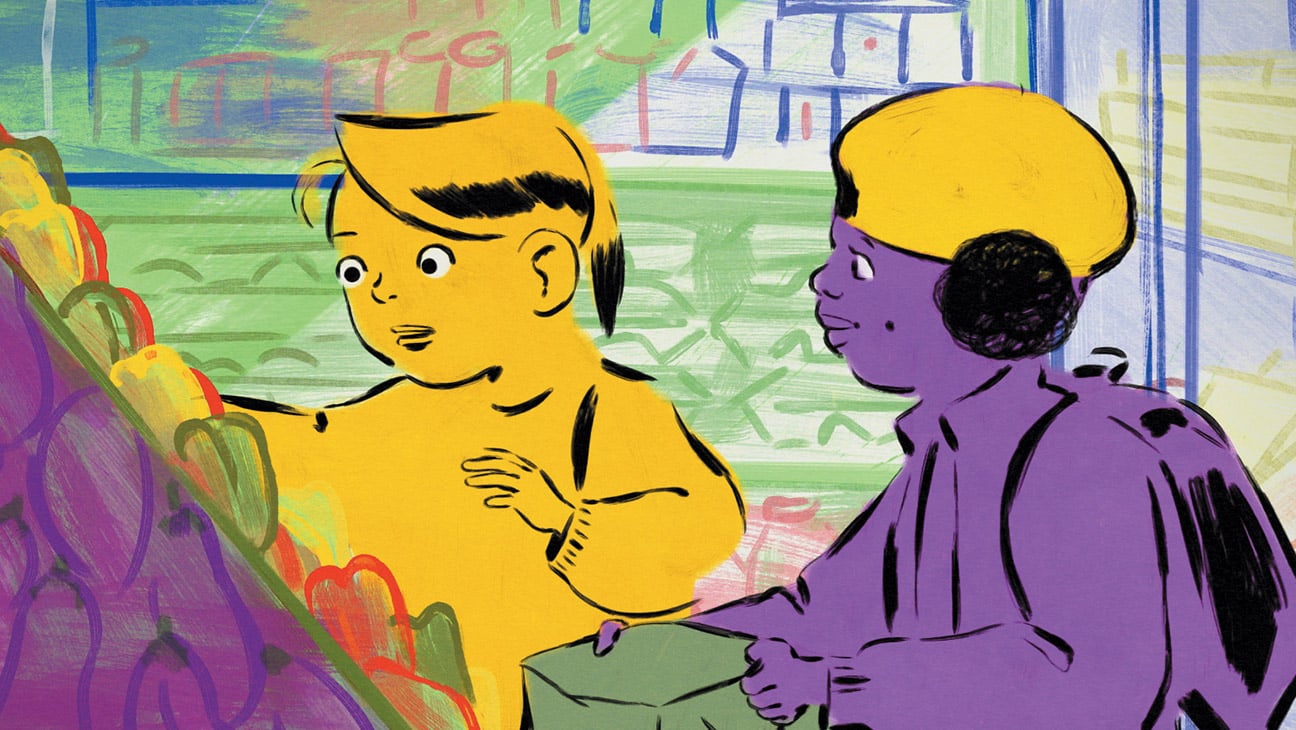
Chicken for Linda! (2023)
While the market for animation is mostly dominated by American 3D and Japanese anime, once in a while, a film outside the two industries comes up with an entirely new style of its own, with the design inspired by their respective countries. European animation has garnered some interest with Loving Vincent, but Chicken with Linda! takes it further, taking a more vibrant than impressionistic approach to its art. Somewhat like a neon-colored Fauvist Madeline, the film proceeds with a series of hijinks that wouldn’t be out of place in a children’s storybook, but it charmingly captures the mother-daughter relationship healed through the power of homemade food. It’s sweet and chaotic, much like childhood and the art movement that inspired the film, and it’s undeniably human. Chicken with Linda! is an unexpected delight for both kids and adults.
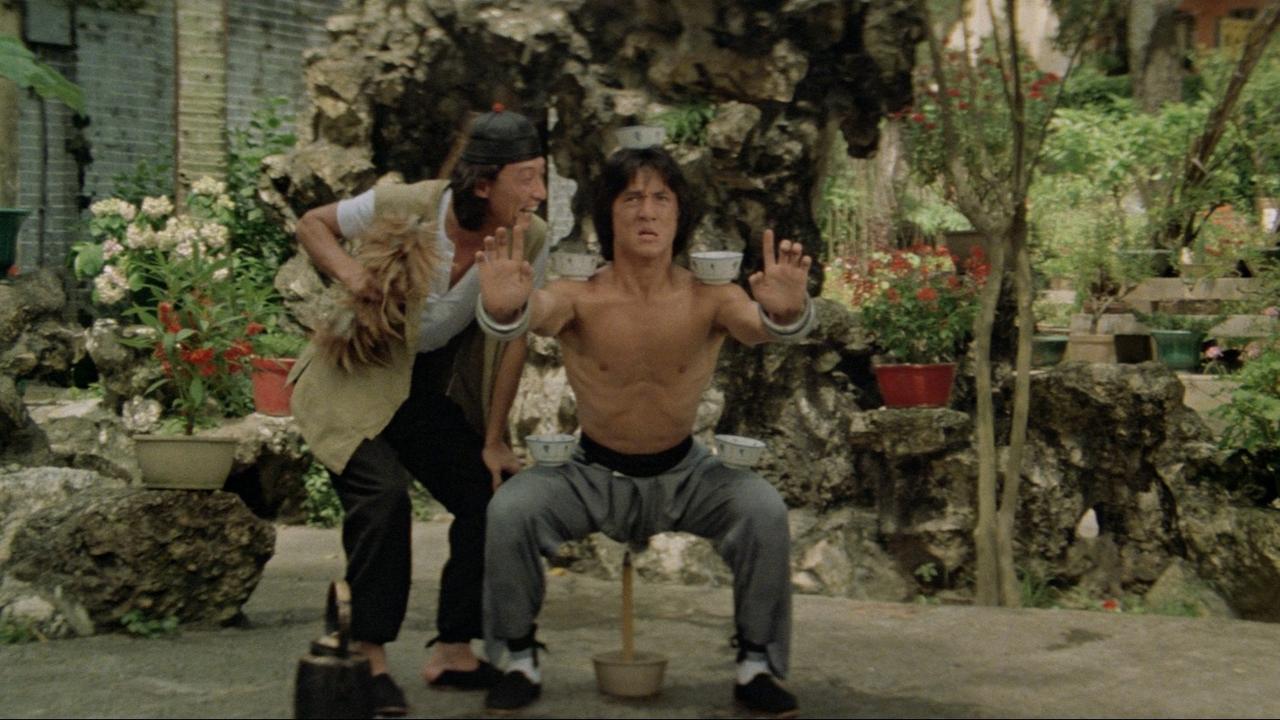
Drunken Master (1978)
Martial arts is awesome, comedy is awesome, but the idea of putting them together wasn’t really explored until the late 1970s, when a young Jackie Chan made his breakthrough. One of the films he starred in was The Drunken Master, where Chan’s mischievous character goes under the tutelege of the titular teacher to fight against his father’s assassin. It’s a funny film, one that presents a different, more playful side to a real-life master, but the hilarious, perfectly choreographed fights eventually formed the foundation for Chan’s action-packed slapstick style, and even moved the entire martial arts genre into a new direction. The Drunken Master hinted at the cinema that was to come.
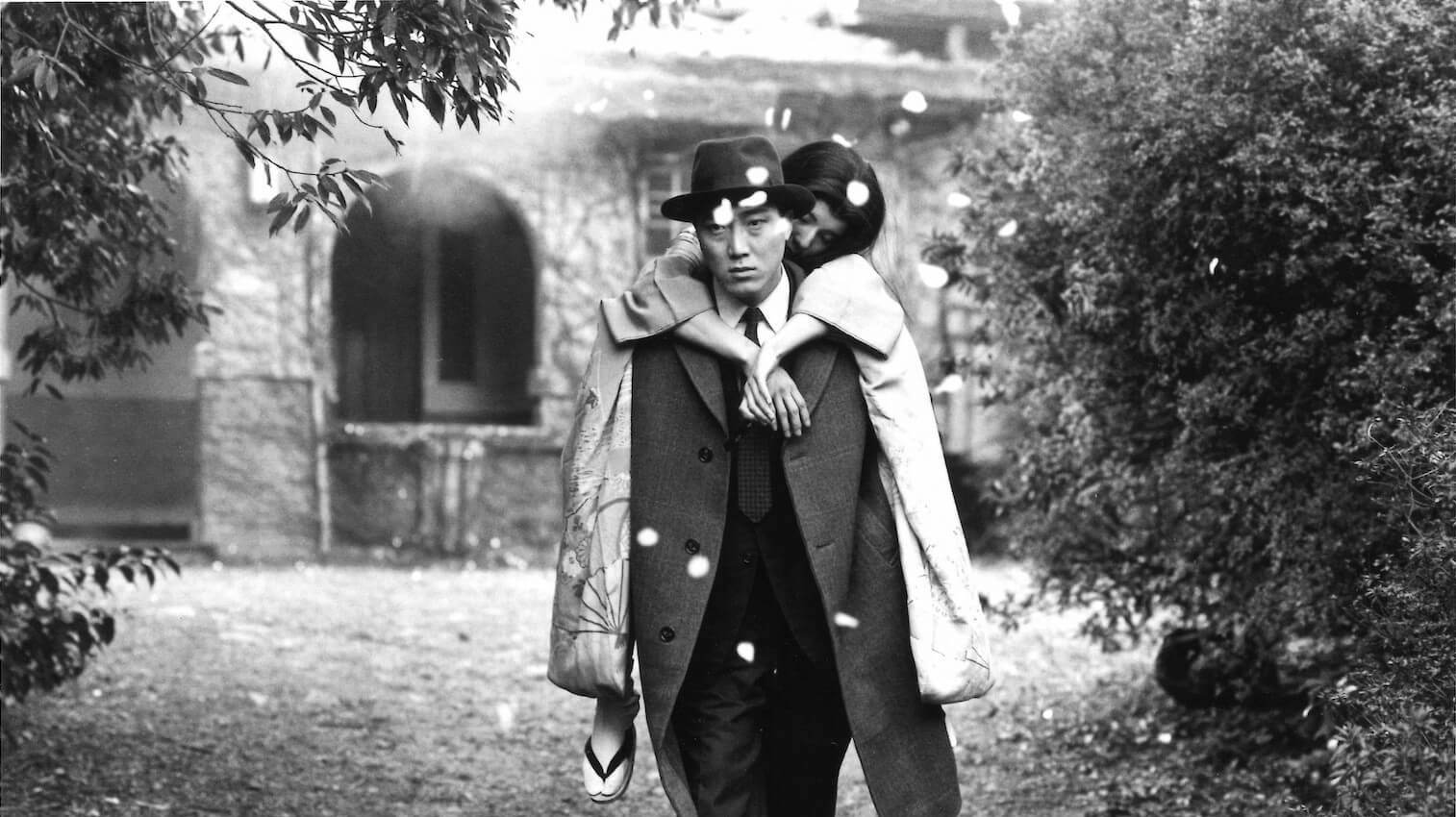
To Sleep So as to Dream (1986)
There’s an experimental bent to To Sleep So As To Dream that might puzzle viewers, especially for a film made in the 1980s. Not only is the film made in black and white, but the protagonist detectives speak through 1920s silent film intertitles, while they solve a series of puzzles from a Riddler-like kidnapper, diving deep into a case that wouldn’t be out of place in 1950s noir. It’s a strange direction, but as the investigation progresses, and the detectives experience eerily similar encounters, the novel approach unfolds into a touching, spellbinding meditation of art, grief, and reality. It’s what makes this film a stunning vision to behold.
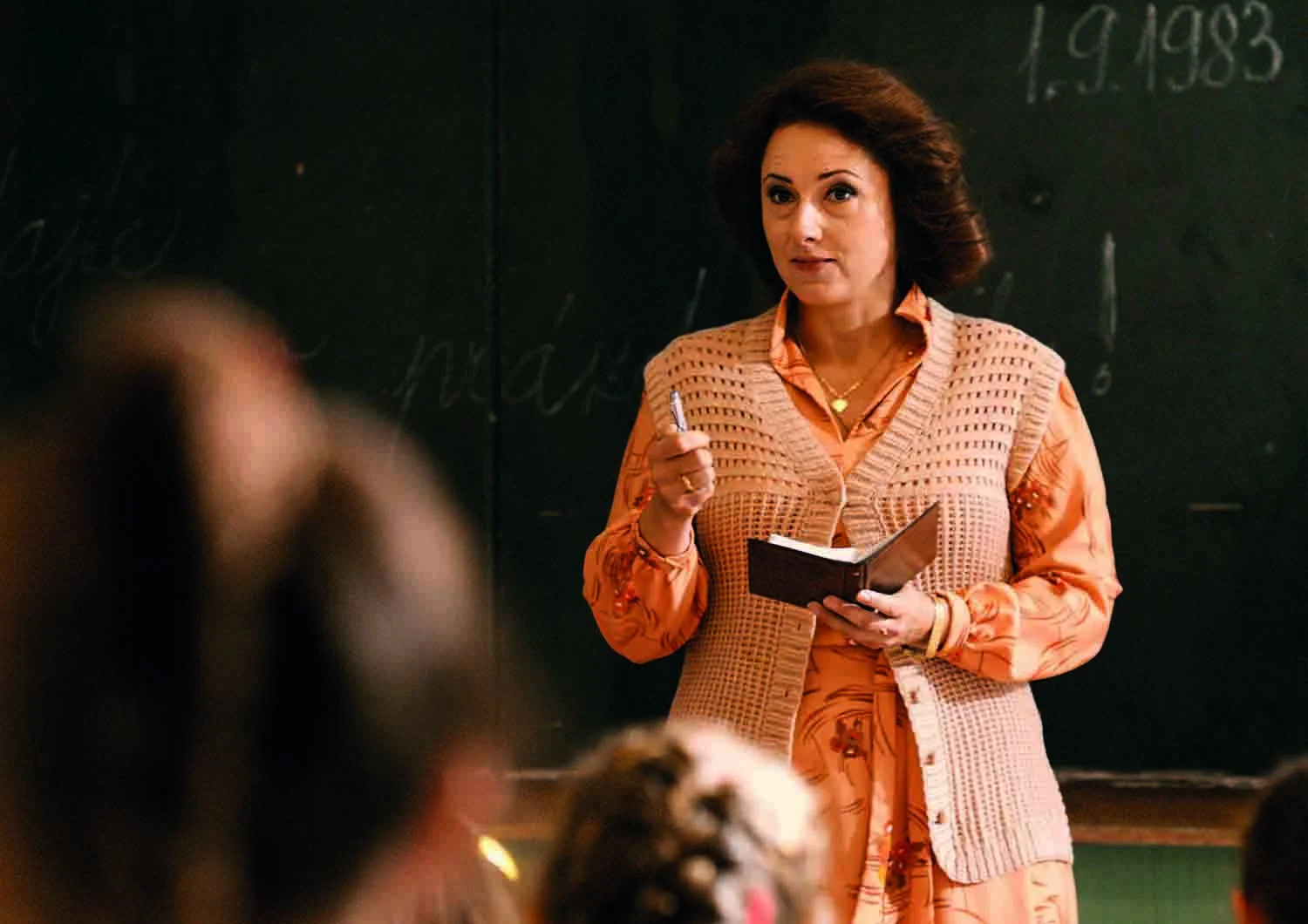
The Teacher (2016)
Given the time period, it’s easy to see The Teacher as a satirical critique of the communist regime. Through the parent-teacher conference in a small high school, director Jan Hřebejk depicts a community shaken by the placement of a new teacher aligned with the Party. The new hire in question is nasty. While outwardly amiable, the subtle way she tries to extract favors, from simple repairs to hard-to-get medicine, feels terribly slimy as the kid’s grades are held in the balance. Zuzana Mauréry balances that two-faced dynamic with excellent skill, making her character someone we’d love to hate. And it all culminates into an intriguing ending that proves that while corruption has flourished under the regime, the following administration hasn’t done much to address it. The Teacher is a hilarious black comedy that isn’t afraid to bite.
No titles match these filters.