
30 Best Shows Of 2023 On Amazon Prime
As Netflix’s biggest competitor, Amazon Prime has been steadily ramping up its productions. The streaming service has new TV shows released almost every week not just in the States but all around the world as well. There are different languages, genres, and formats, some as big-budgeted as Daisy Jones and the Six and Dead Ringers, others serving as hidden gems in the platform, like Class of ’07 and Deadloch.
Below you will find our recommendations for the best shows of 2023 on Amazon Prime. These recommendations are all highly rated by viewers and acclaimed by critics. They were also watched and vouched for by one of our writers.
Jump to the top 10:
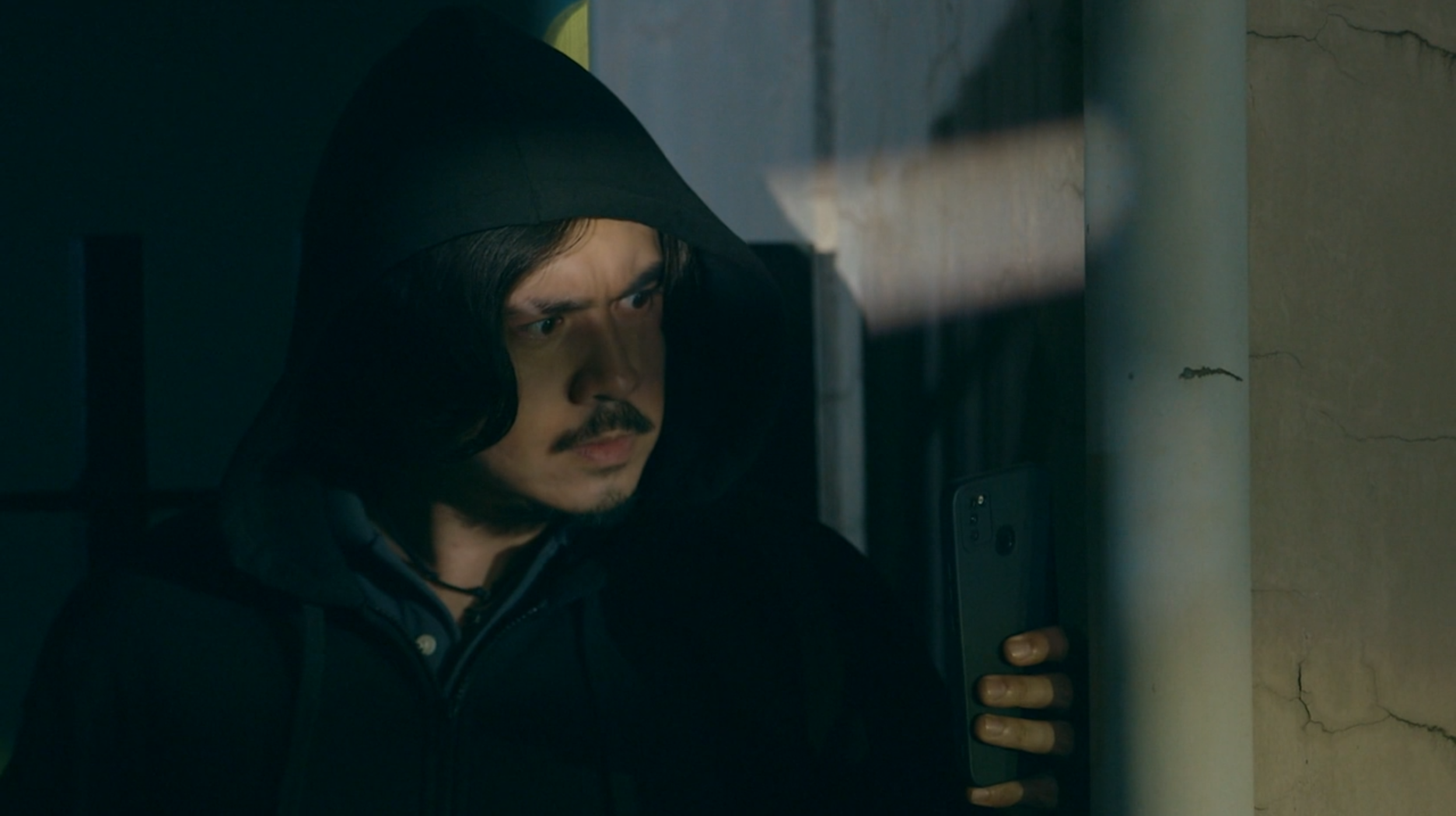
Many telenovelas and soap operas make a bid for the ridiculous, and in general the world is better off for it. But if a soap can’t stick the landing when it tries to manufacture conflict, it just ends up becoming infuriating to watch. Such is the case with Linlang, a Filipino drama that already sets itself up weakly from the outset through the idea of cheating as a plot device, and fails to give us anything crazy enough to earn its sudden bursts of action and perpetually intrusive score. It’s almost impressive how none of these characters seem to be capable of communicating with each other like adults—which can be fun in small doses, as these people leap to conclusions with full aggression at the drop of a hat. But these misunderstandings also just stretch out plot points unnecessarily, ultimately reinforcing very tired, very traditional family values.
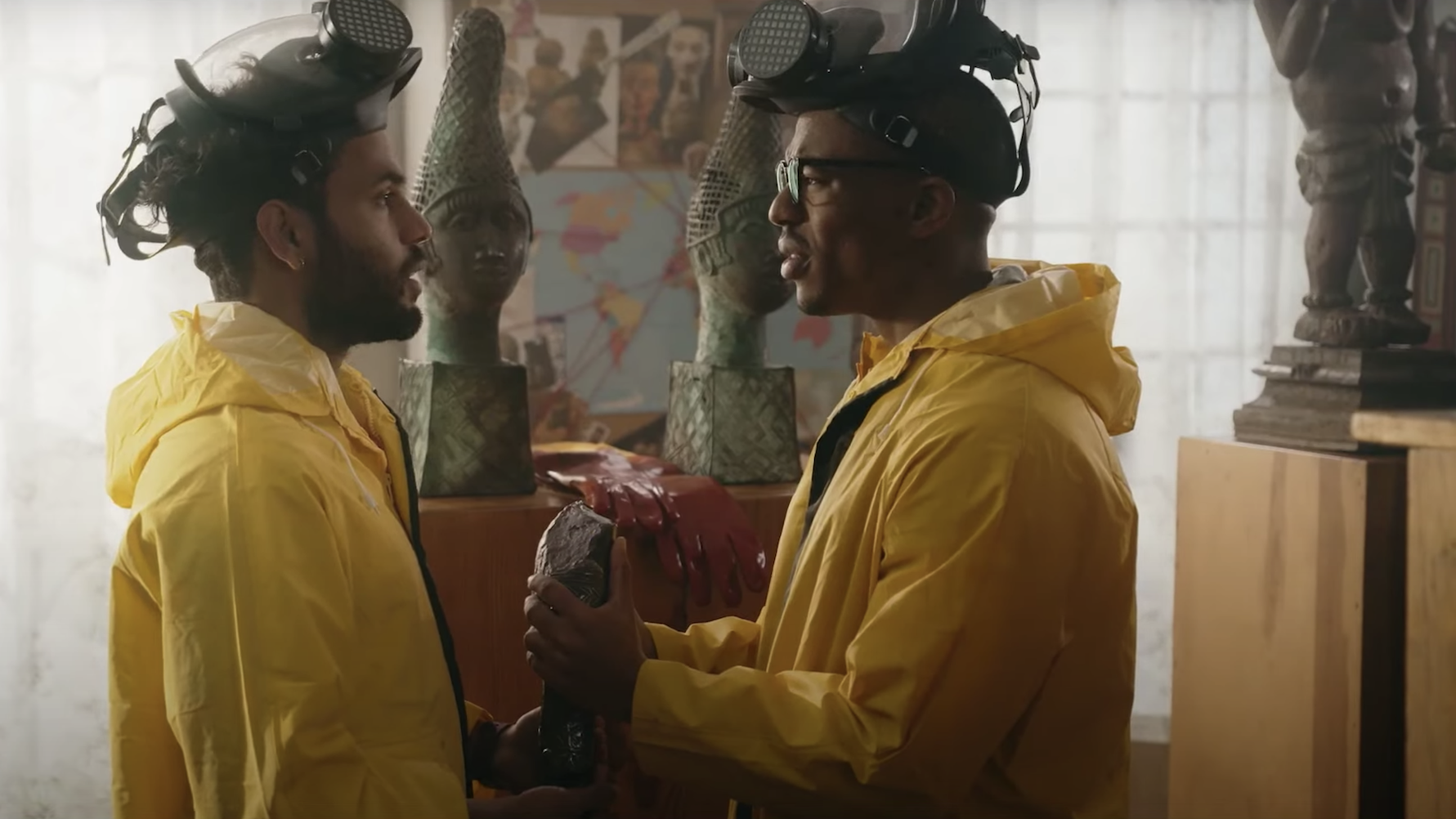
There are some very interesting, culturally specific touches to In Your Dreams that tease a much more interesting adventure beyond the first two episodes watched for this review. Unfortunately, these first two installments can be a real test of patience—not necessarily because of a slower pace than expected, but because of how little the main plot moves forward. The series seems to want to establish its characters before anything else, which makes it even stranger that their development is made up primarily of cheesy comedy and confusing decisions made for the sake of kickstarting the plot. And when danger finally rolls around (in disappointingly short bursts), these characters just don’t have the depth to inspire any concern over their well-being.
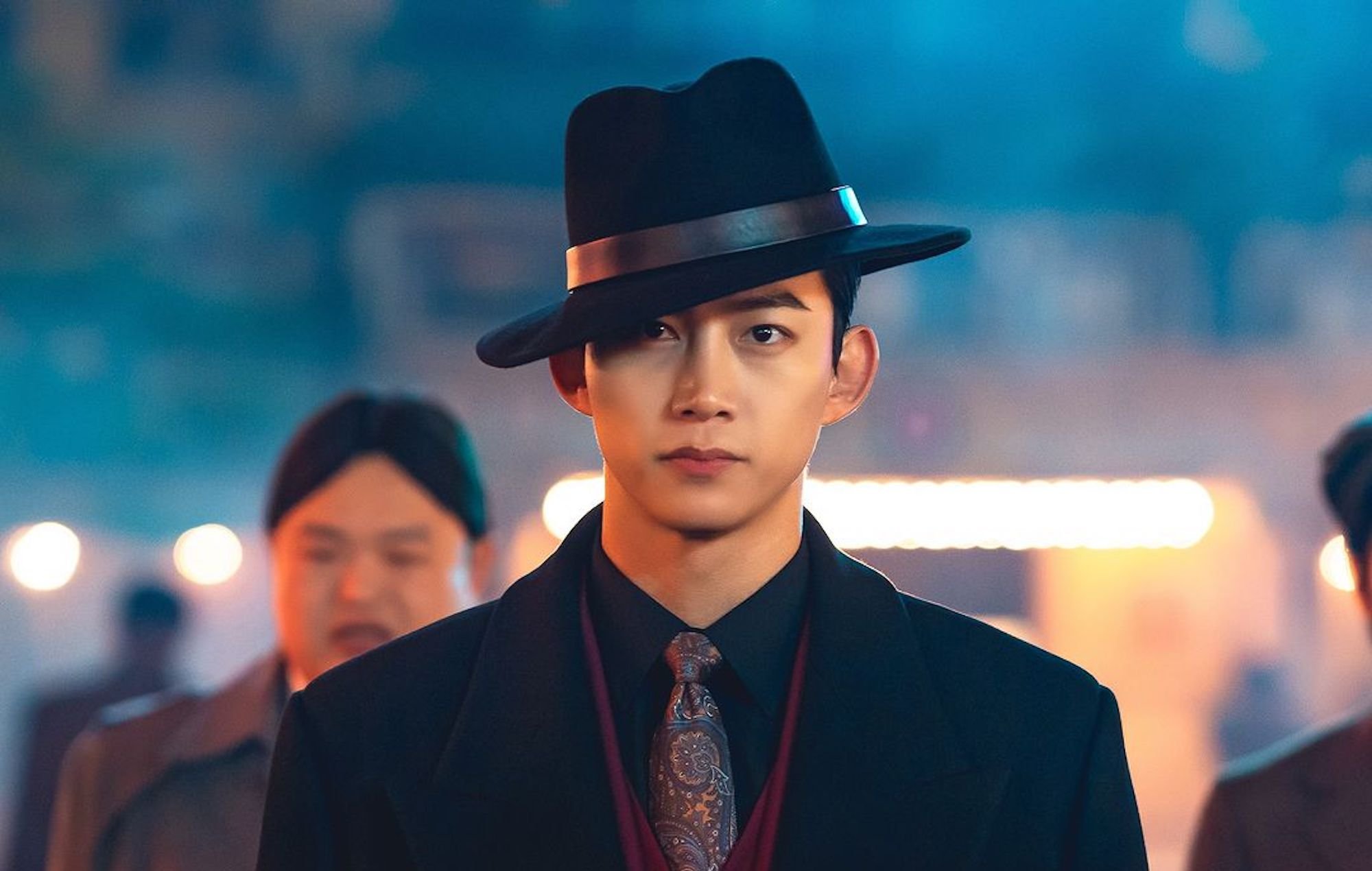
A vampire story is a tale as old as time (I couldn’t resist), and adding a long-lost love to the narrative is the cherry on top of a potentially swoon-worthy supernatural romance. But despite the addition of elements like centuries-long sleep, talking cats, and a school nurse whose bad luck welcomes shenanigans every other second, there is only so much to expect with this basic premise, and the quest to become human is not a solid anchor to keep watching. Although if you’re after an effortless watch, then HeartBeat’s handsome lead, quirky sidekicks, and headstrong leading lady check all the boxes for an easy watch to fall into.

Alongside its Thai counterpart, Comedy Island Thailand, this blend of game show, reality program, and fantasy series remains thoroughly unpredictable in terms of which parts of itself are partially scripted or not at all. It’s fun to watch these actors try to keep a straight face precisely because the show doesn’t take itself seriously at all. Unfortunately despite its originality, the actors who’ve been assembled for Comedy Island Philippines still seem restricted by how basic the challenges are that they have to accomplish (at least in the first two episodes watched for this review). It becomes clear in the segments between the actual challenges that this cast is at their best when they’re riffing to each other or as a group—something that the series doesn’t take full advantage of. There’s a rigidity to the show’s idea of improv; ironically, as enthusiastic as these actors are, the show itself doesn’t say “yes, and.”
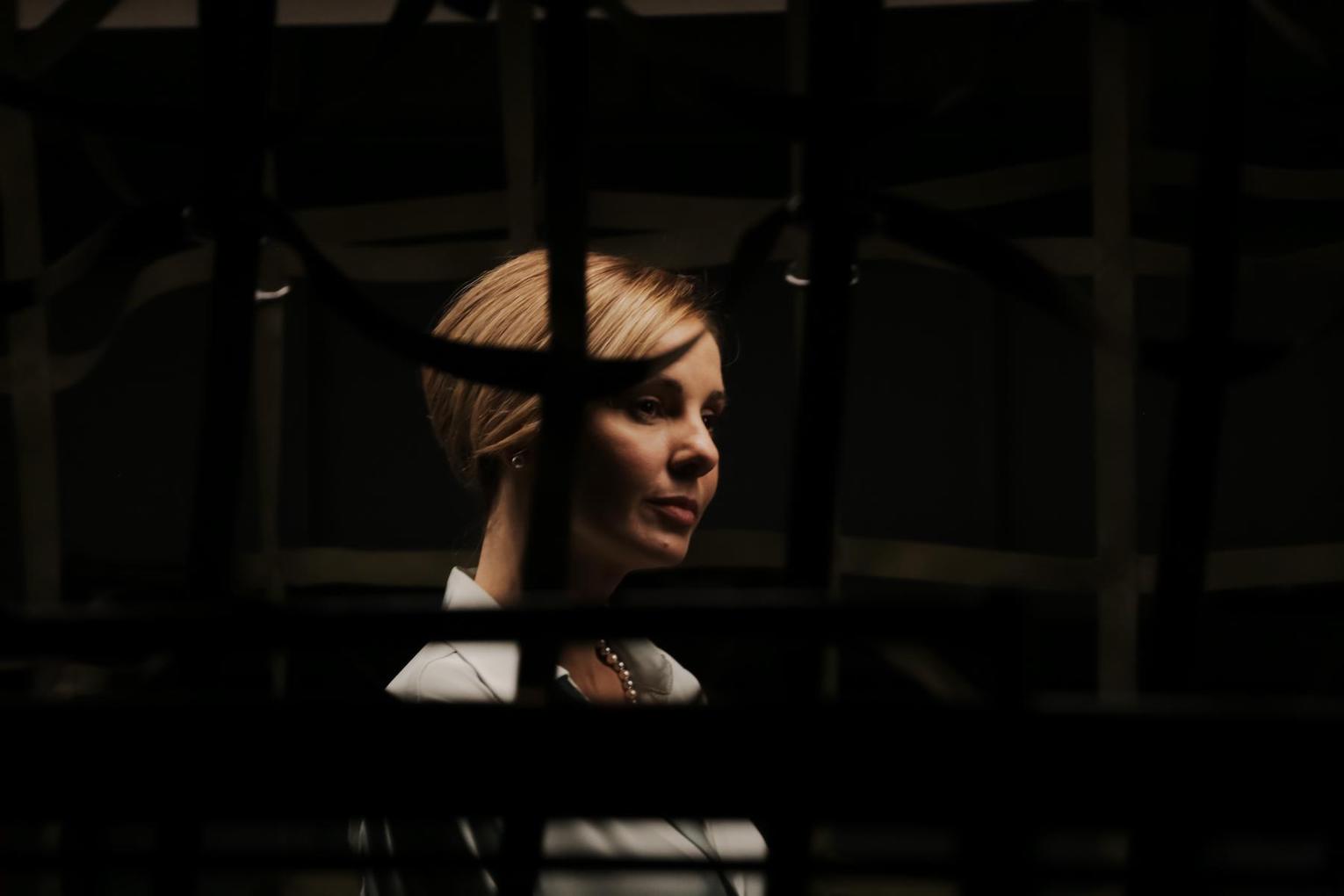
While Romancero’s story certainly promises to grow deeper over the course of its six-episode run, the first two episodes that were watched for this review don’t provide much reason to get invested. The series clings to the original appeal of binge-able streaming—it practically demands we watch it all in one sitting—but it also forgets to fulfill the episodic demands of television: that every installment communicate something coherent or at least add something to the whole. And while Romancero does have a persistent eeriness about it, even its horror elements don’t create enough intrigue or a sense of danger (at least in these first episodes).
The show’s decision to throw viewers directly into the action in medias res—no explanations, no initial character establishment—is exciting at first, but quickly saps the narrative of suspense. Similar to the two kids who are shown running from a horde of people in the night in the first episode, Romancero at first doesn’t seem like it’s heading towards anything in particular. It’s a real case of either you’re in or you’re out, and for this writer, the show’s opening moves aren’t enough.
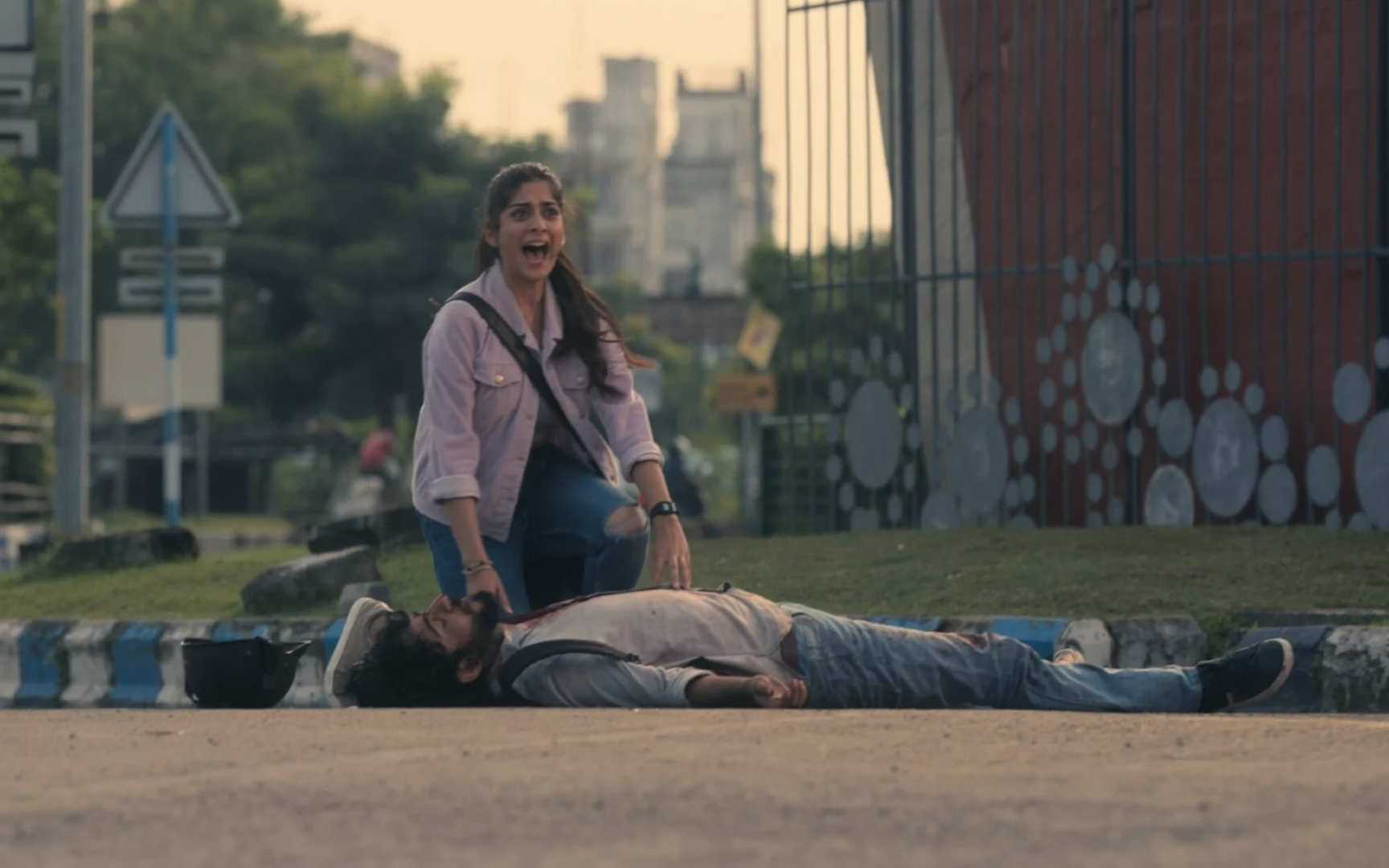
It definitely has all the hallmarks of a mystery series—intertwining investigations, corruption at the police level and higher, a dark past that vaguely reflects the central cast—but there’s something about P.I. Meena that keeps it from being more than just a collection of genre markers. It neither feels urgent nor specific enough to separate itself from so many similar shows, and it often jumbles up the stories it tries to tell, leading to a fluctuating tone and hurried pacing. Tanya Maniktala makes for a charming lead, but she can’t help but be overwhelmed by the show’s attempts to hit the familiar beats we expect to see.
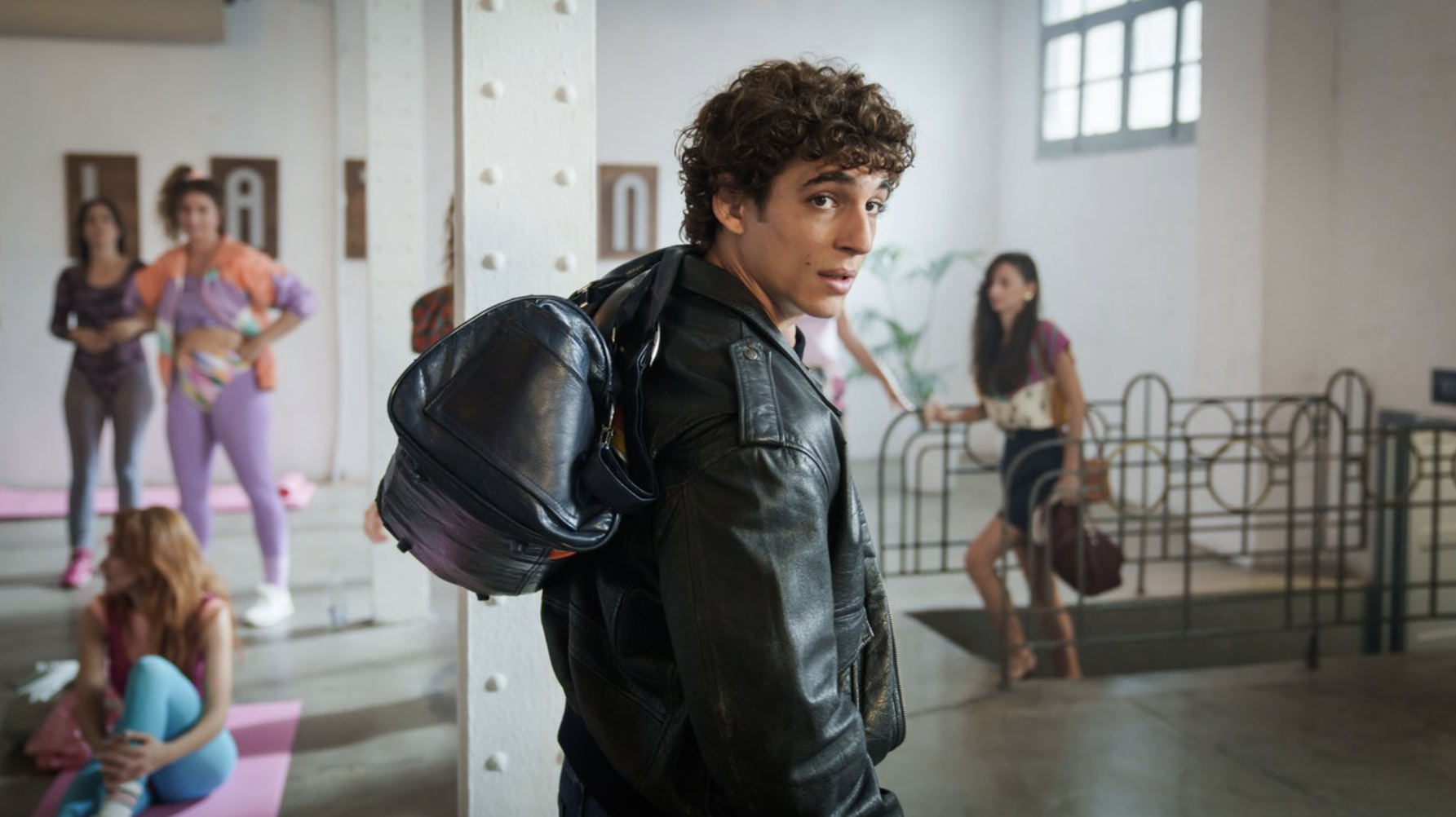
The idea of a fitness instructor suddenly discovering the thrill of selling military armaments is promising in its absurdity, so it’s unfortunate that Los Farad doesn’t maintain this offbeat sense of humor for too long. It moves relatively quickly into tense criminal activity, but the series isn’t able to really capture the magnetic pull that this world of luxury has on protagonist Oskar. Without enough table-setting, the crime family he finds himself becoming a part of can’t help but seem ordinary, and the last-minute solutions he finds weaken the urgency of the situations he’s in, as cinematic as they appear on screen.

If you’re expecting a story about sportsmanship, athleticism, camaraderie, and community, you won’t get a lot of that in We Are Newcastle United, a docuseries that is more interested in business than in football. It begins with the Saudi Public Investment Fund’s takeover of the club, reportedly the most expensive purchase in the football world, and firmly stays in that angle throughout the series. Never mind that Newcastle United has a formidable set of players, a loyal community of fans, and one of the most inspiring underdog journeys in football history—the documentary only touches on those rich topics. Instead, its main focus is the PIF and the technical details of their ownership. How much did they spend to secure the top players? What does the Saudi state hope to gain out of this acquisition? Is Newcastle United complicit in Saudi Arabia’s alleged breach of human rights? We Are Newcastle United has some insightful takes, but for the filmmakers to bill it as a sports feature feels like false advertising. Like the club’s owners, they put financials first before football, not the other way around.
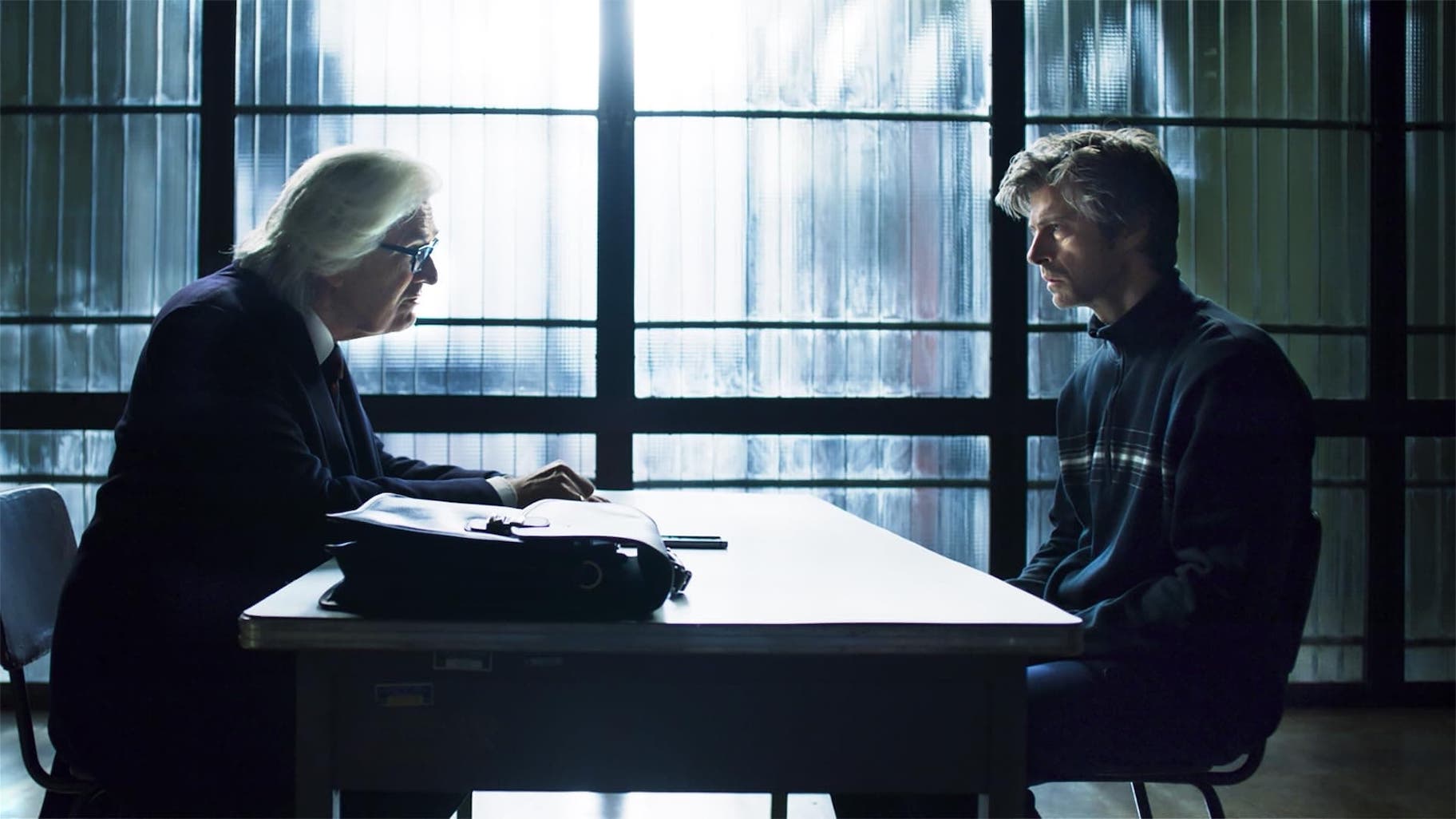
Heist movies and TV shows as of late have been trying to experiment with form more than substance. In the case of the Italian series Everybody Loves Diamonds, we’re shown the actual heist right from the beginning, as the show then moves back and forth through time to track the investigators right on the thieves’ tails, as well as the delicate alliances that hang in the balance if the protagonists don’t get away scot-free. There’s a lightheartedness in the storytelling (complete with direct-to-camera address) that allows some of the more familiar elements to go down easily, and the more convoluted plot details to feel more like they’re just part of the messiness of real life.
Unfortunately, the fact that the series doesn’t innovate nearly as much with its actual story eventually catches up with it. At the end of the day, it still feels as if Everybody Loves Diamonds is counting on our being familiar with the heist formula to become invested, rather than giving us more substantial characters with motive. It doesn’t help that the performances can’t always get on the show’s wavelength; many of the actors have trouble locating themselves between the serious and the comedic, which may be just as much a problem with the scripts, too.
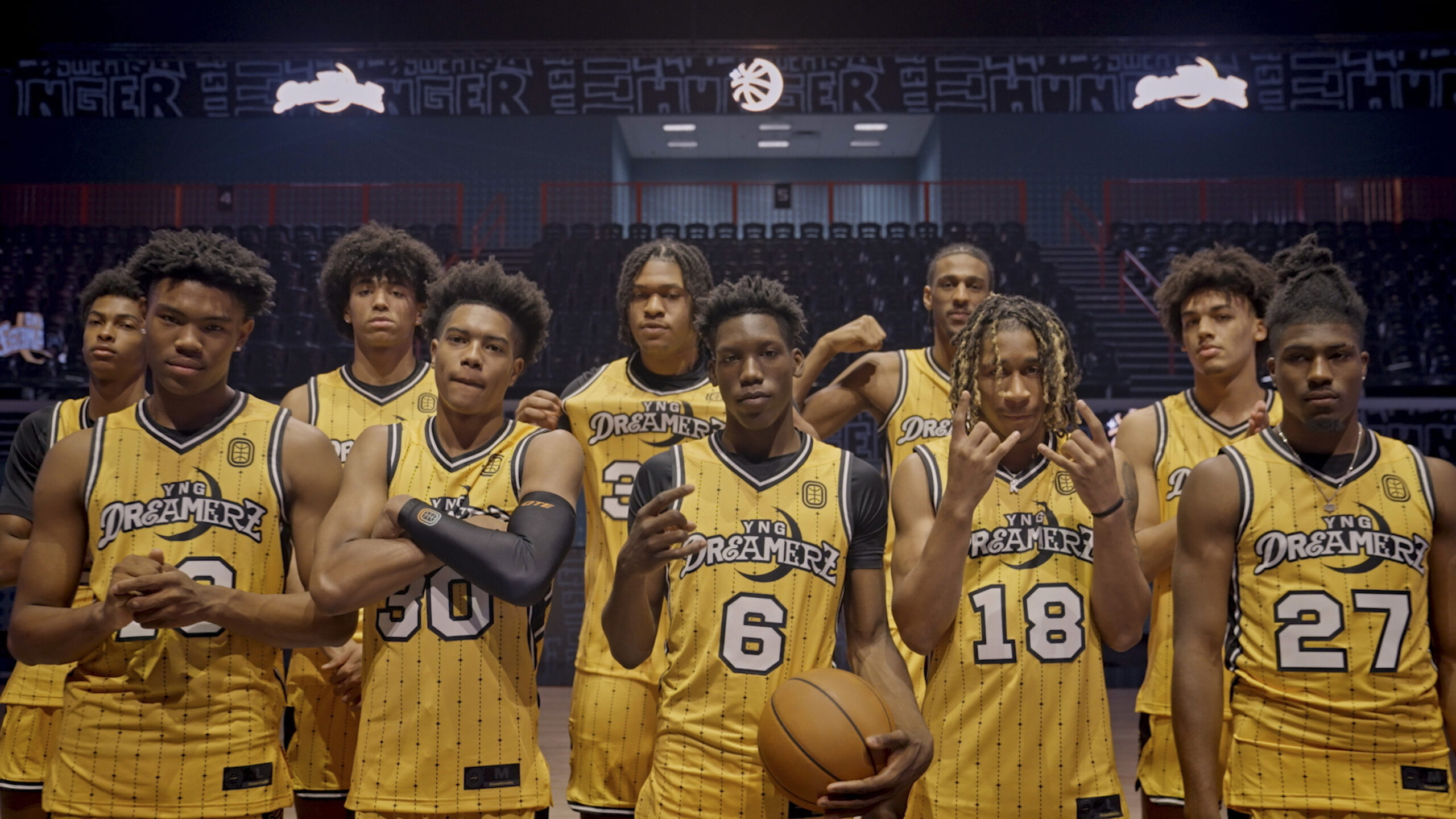
Created in 2021, Overtime Elite (OTE) is a basketball league that offers players aged 16 to 20 a new way to play pro ball. Instead of waiting four years after graduating from high school, or entering college as most hopefuls do, young athletes can choose to play immediately with OTE and earn their keep. All the while, they’re housed, educated, fed, salaried, and given a chance to play for NBA scouts. If this is starting to sound like an ad for OTE, that’s because that’s how this six-part miniseries from Amazon Prime mostly plays out. It’s an impressive facility and training ground to be sure, filled with budding basketball stars and watchable reality-show-like drama, but it often feels like an infomercial instead of a truly gripping docuseries. I wish it explained the need to create OTE, what role it plays in the current landscape, and how it can possibly change the rules of playing ball in the US. I also found myself wanting to know more about the backers of the league—who funded it, why, and what future they see with it. Adding more historical context and speculation could’ve deepened the impact of this series. But as it stands, it’s an okay feature for the young athletes. It gives them their 15 minutes of fame and boasts their impressive physicality, even though it intercuts them with commercials.
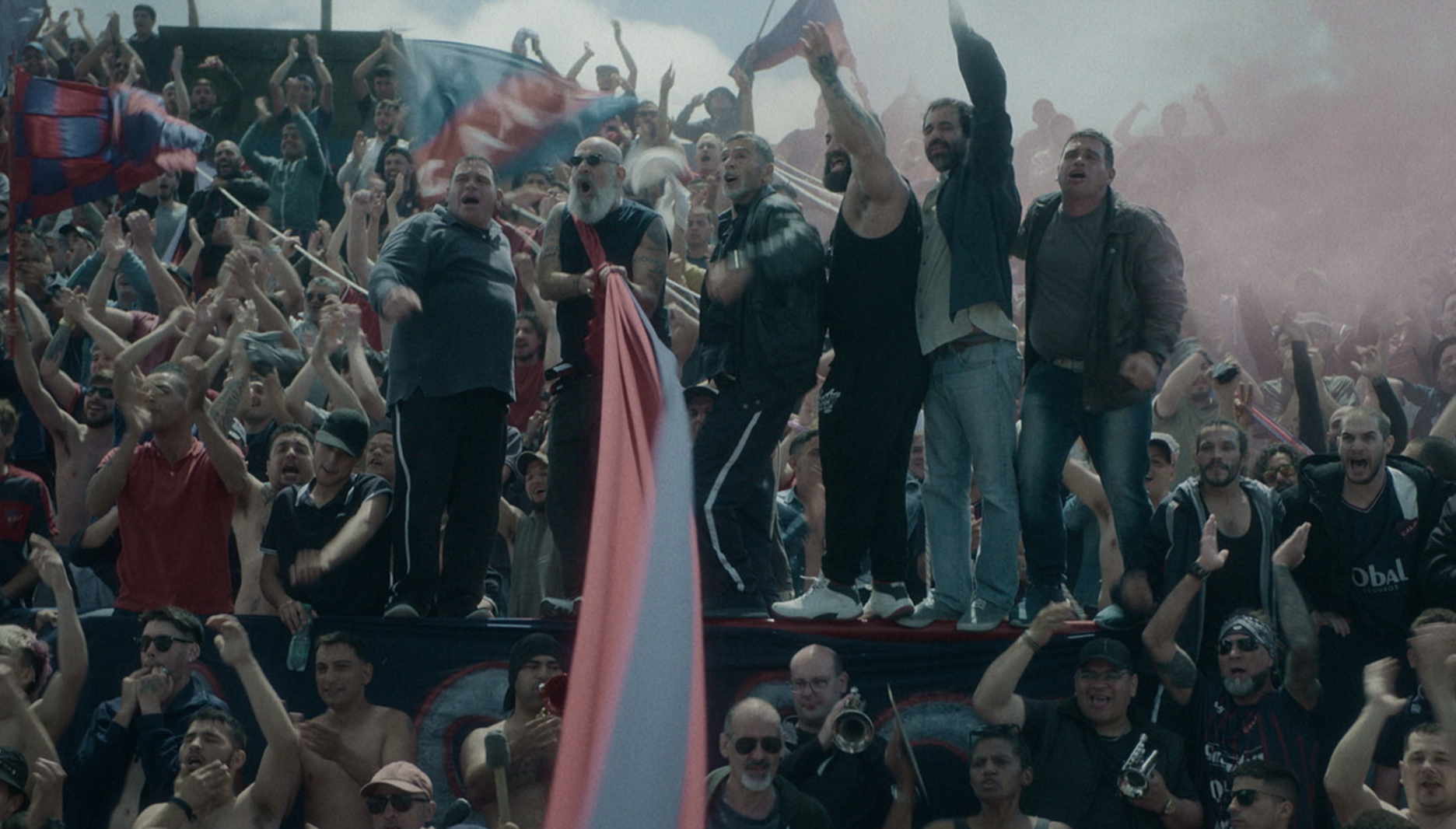
Based on the first three episodes watched for this review, Club Hooligans (titled onscreen as Barrabrava) is at its best when it illustrates how disorganized the gang at the center of the narrative really is, especially when their leader’s position is threatened. This inherent lack of loyalty and structure contrasts nicely with the stricter culture of family obligation for its lead characters—even though the gang is still where these men find greater meaning. Unfortunately, the show can’t quite build as strong a sense of urgency as it thinks, with far too little development happening for both plot and character in the first three episodes. And while the series clearly has production value to spare, its overly familiar gritty style ultimately does Club Hooligans no favors, as it struggles to come up with its own voice and identity.
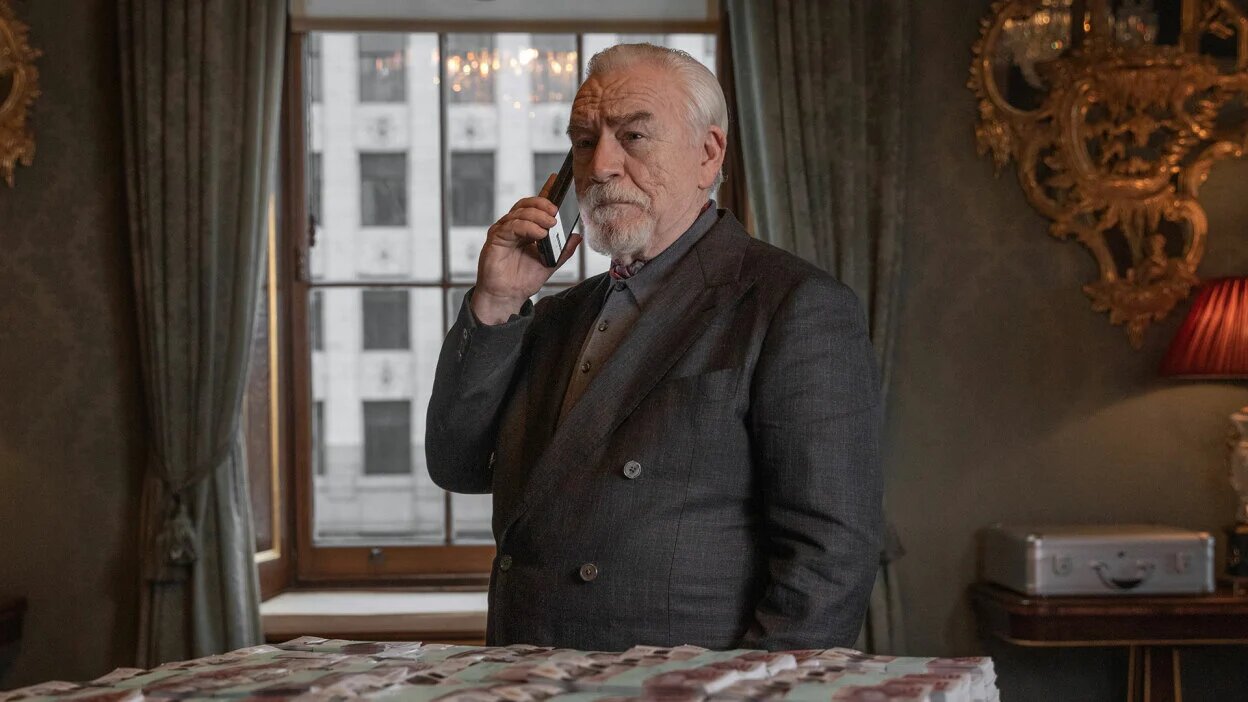
While the identity of the post-Daniel Craig James Bond hangs in limbo, the franchise is branching out into TV with this mid-octane game show, which riffs on tried-and-tested reality TV competitions: its multiple choice questions and climb-the-ladder approach to prize money are evidently borrowed from Who Wants to be a Millionaire?, while its globetrotting recalls The Amazing Race.
For all its snazzy backdrops, though, this still feels like a half-hearted effort. The editing is partly to blame: in the first two episodes, for example, we only meet four of the nine pairs, and we’re constantly jumping back to the opening challenge in the Scottish Highlands for their introductions. There’s also zero interaction between any of the duos: they never meet or even acknowledge each other’s existence, which dulls the drama and leaves you to suspect their scenes were all shot entirely in isolation. (You get the same impression from Brian Cox, who plays the mysterious mastermind behind the challenges and whose vague commentary is clearly designed so editors can slot it in wherever.) While there are plenty of Easter eggs for eagle-eyed Bond fans to spot, the show is definitively of the background-watch kind of TV: moderately interesting, but never as gripping as the movies whose coattails it’s plainly riding.
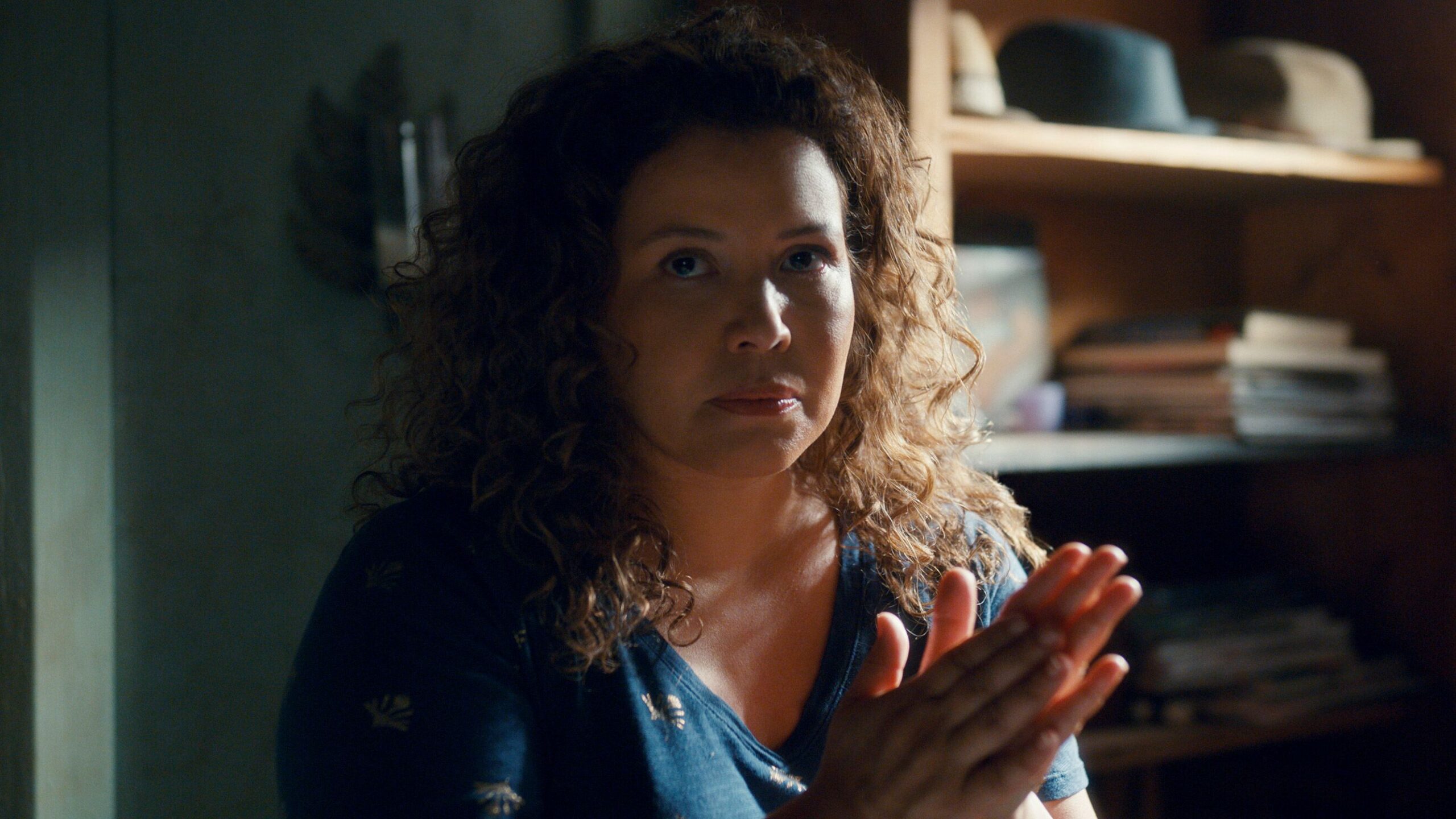
The first thing we learn about Dolores Roach is that she is a person of sensation and scandal, a masseuse who, as the newspaper clippings reveal, turned out to be a murderous cannibal serving human flesh to unwitting customers at a local eatery, a la Sweeney Todd. But the series is less about the horrors of the act and more about the woman behind the front. “I was never the blood-hungry sociopath people say I am,” Dolores claims early in the first episode. “I was just some chick in Washington Heights.” In an attempt to humanize Dolores, we’re made privy to the unforgiving circumstances surrounding her case, namely: the desperation of poverty, the relentlessness of discrimination, the brokenness of the criminal justice system, and the inevitability of gentrification, all of which play a crucial role in Dolores’ eventual descent into misdeed and madness. It’s an interesting idea, fleshing out her darkness in a comic tone and pitting it against systemic social problems, but sadly the show never pulls off the balance it needs to become an effective dark comedy. Maybe something was lost when it was adapted from a one-woman play to TV series, but it never really shakes off that amateur approach to telling its delicate story. The heavy-handed narration and the occasional gimmicks overshadow the horrific deaths that occur, and they don’t leave enough space for the story’s relevant themes to aerate and make a significant impact. It’s also not nearly as scandalous nor as sexy as it thinks it is, lacking passion both in its love and murder scenes. They come off scrubbed and squeaky, blunting what could have been, at the very least, a sharp murder thriller.
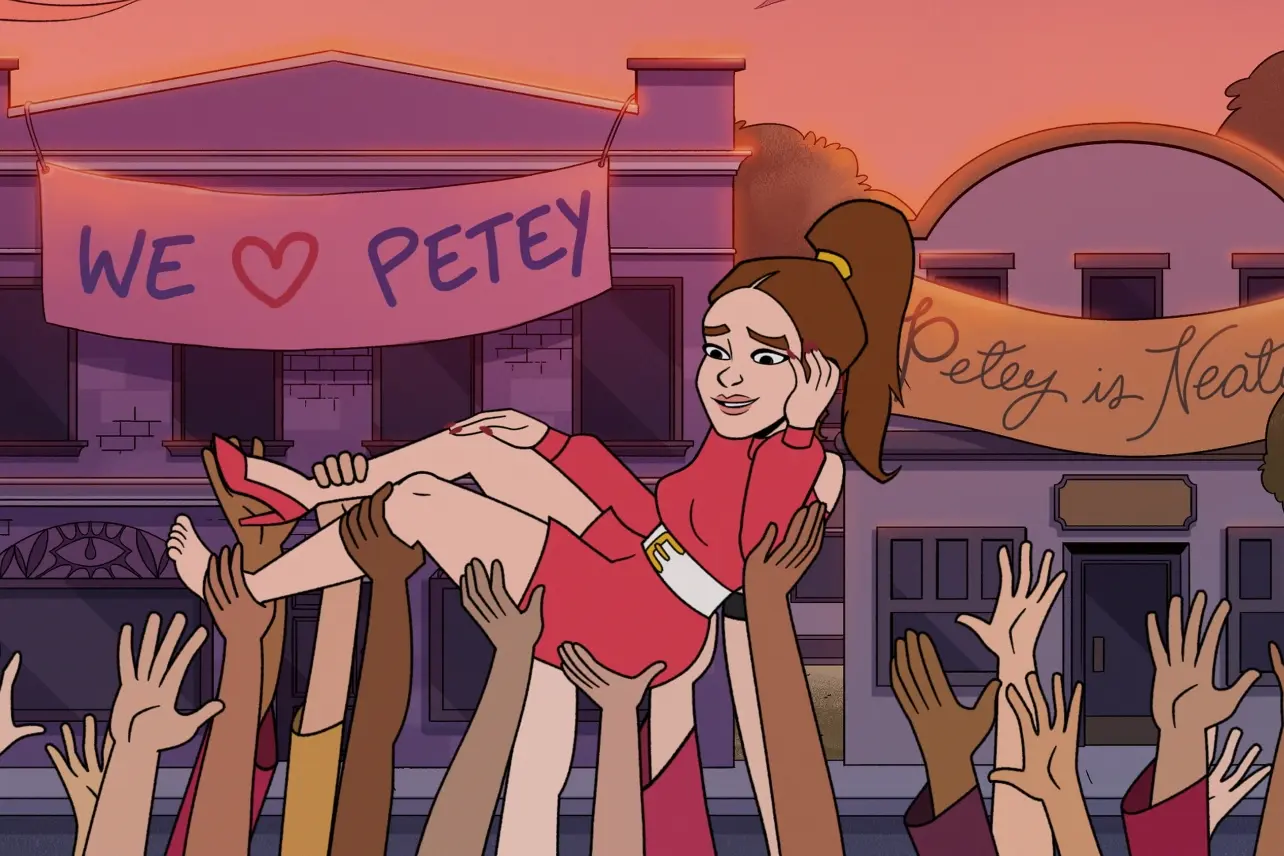
In its two-episode premiere, Praise Petey uses a lot of straightforward dialogue, on-the-nose jokes, and visual gags that work in its favor as “it girl” Petey becomes more acquainted with her inherited cult. Everything still feels at arm’s length for Petey even though we, the audience, are aware of the nefarious activities behind the scenes. Although it’s slated as a comedy, Praise Petey doesn’t land any real LOL moments and would benefit from leaning into its mystery elements more, given that a “city girl” spontaneously running a cult is funny on its own. Visually, it is as simple as adult animation can get, and one can only hope that the substance (with a tonal shift) can last the entire first season.
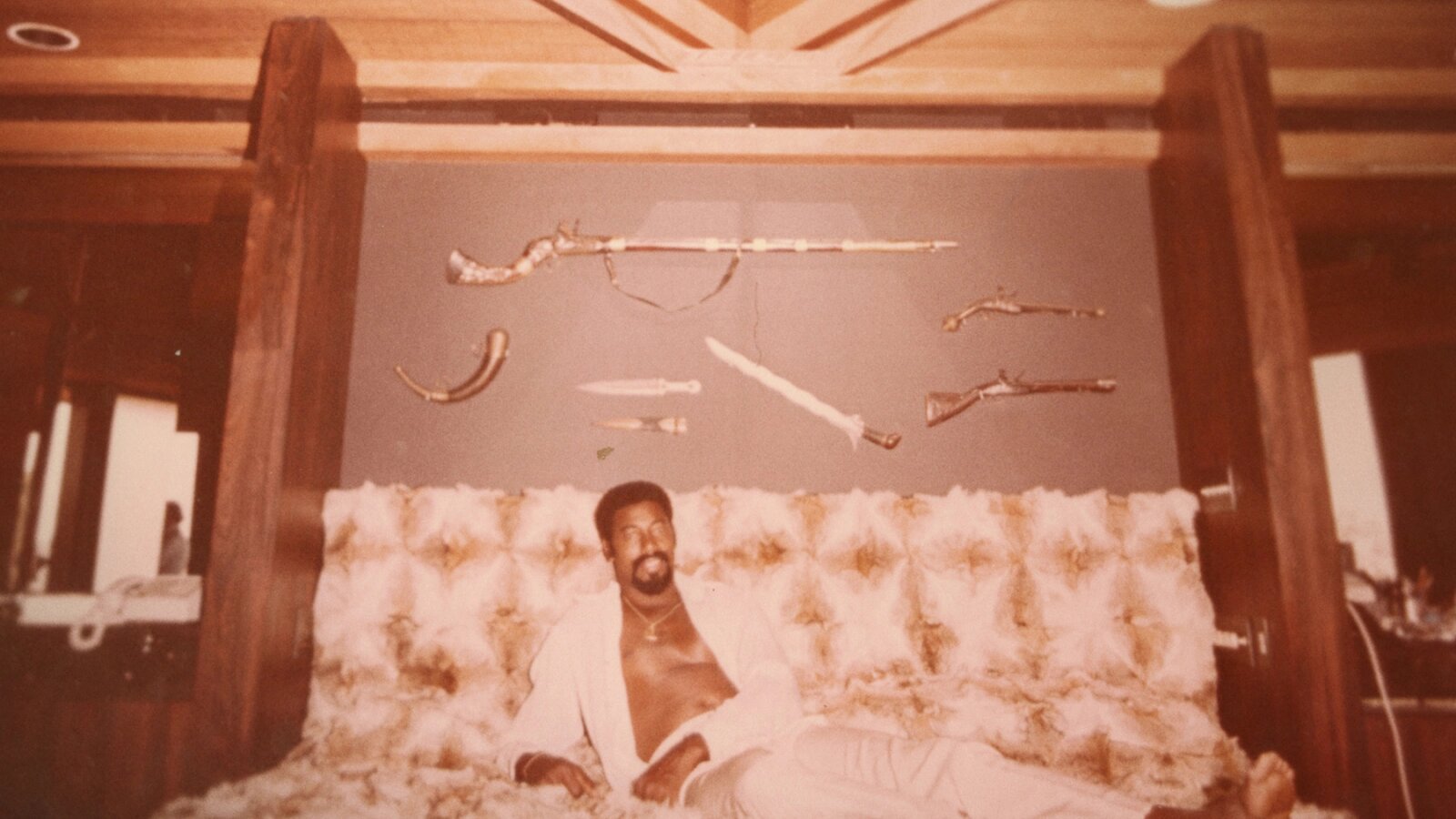
Wilt Chamberlain’s story is inherently fascinating. An athletic wonder who rose to fame in the South during the Jim Crow era, Chamberlain had to pave the way for other Black athletes who followed in his footsteps. It wasn’t enough that he was good, or that he had the height to end all heights; Chamberlain had to be remarkable to be recognized by his white peers and the national association. And that’s exactly what he became, “an exceptional athlete who happened to be seven feet tall” as one expert puts it. So it’s rather disappointing that the definitive documentary about him doesn’t match his greatness. It gathers family members, sports experts, and fellow basketball players to share their thoughts on Chamberlain and accompanies their anecdotes with archival footage and photos to make a decently engaging but ultimately formulaic documentary. This will be fun and moving for NBA and basketball fans, but it lacks the magnitude to go beyond its expected audience.

As a spin-off of The Boys, Gen V returns to the same well of explicit, hyperviolent satire about seemingly benevolent superheroes—touching on many ideas that the franchise has already explored more strikingly before. This series’ first three episodes are at their least effective when they get hung up on the shock factor of it all, with its satire often appearing as “cool” as the thing that it aims to satirize. But when the show quiets down and finally focuses up on its handful of main characters, it finds fresh ground for commentary.
At its heart this is a story about how the education system can be so easily bought by wealthy stakeholders who care more about producing star graduates than actually helping young people excel and find a place in the world. These kids are also immediately much easier to root for than Billy Butcher and his antihero crew, as each of them gradually reveals the trauma they’re recovering from as a result of being experimented on and exploited. Gen V’s central mysteries are slow to develop so far, but just seeing how this school-slash-factory is run helps make up for the slower pace.
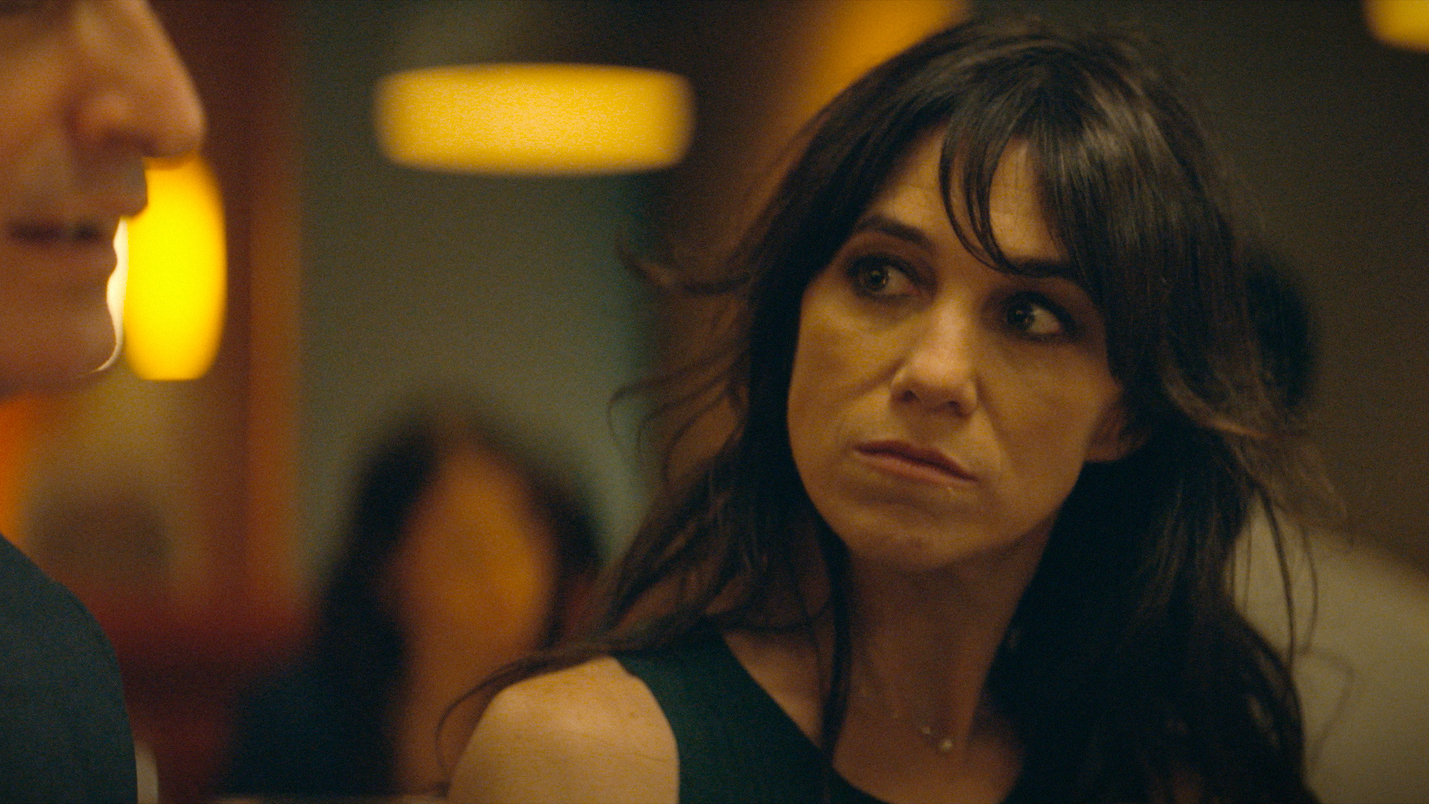
The selling point of the series Alphonse, apart from raunch and romance, is that it gets its talented lead Jean Dujardin to transform into a different character each time he meets with a different client. Sometimes, he’s a World War II soldier, other times, he’s part of the academic elite. Always, he’s the object of fantasy of Parisian women. His real self, however, the titular Alphonse, is a sad sack going through a midlife crisis. On paper, this sounds like a recipe for pure fun: a lost guy tries out different masks and costumes until he discovers his true self in the process. The execution, however, feels wonky and uneven, as if the series is unable to balance all the things it tries to be. To be clear, Dujardin is excellent as the chameleonic Alphonse and Charlotte Gainsbourg is arresting as his mercurial wife Margot. But there’s a murkiness and vagueness to the overall style, tone, and direction of the series that leaves you wanting more. It’s okay, but there’s a sense that it could’ve been great if it tighten its screws a bit more.

As the drama’s dysfunctionally in-love leads, Coleman and Jackson-Cohen are compelling. Whether the scene demands rage or romance, they’re able to effectively dial it from a subtle one to an all-out ten. Sadly, the material they’re working with fails to match their energy. Lackluster direction makes their arguments more of a weak tug than an intense push and pull, while scant introspection and backstory fail to justify the murderous urges that Liv all of a sudden has. In fact, it’s this aspect of Wilderness that remains the weakest. It’s watchable as an infidelity drama, but not nearly as believable as a crime thriller. The violent scenes come out corny, if not unintentionally funny. There is a version of Wilderness that could’ve made it a spiritual successor to the much wilder and brasher Doctor Foster, but this, unfortunately, isn’t it.
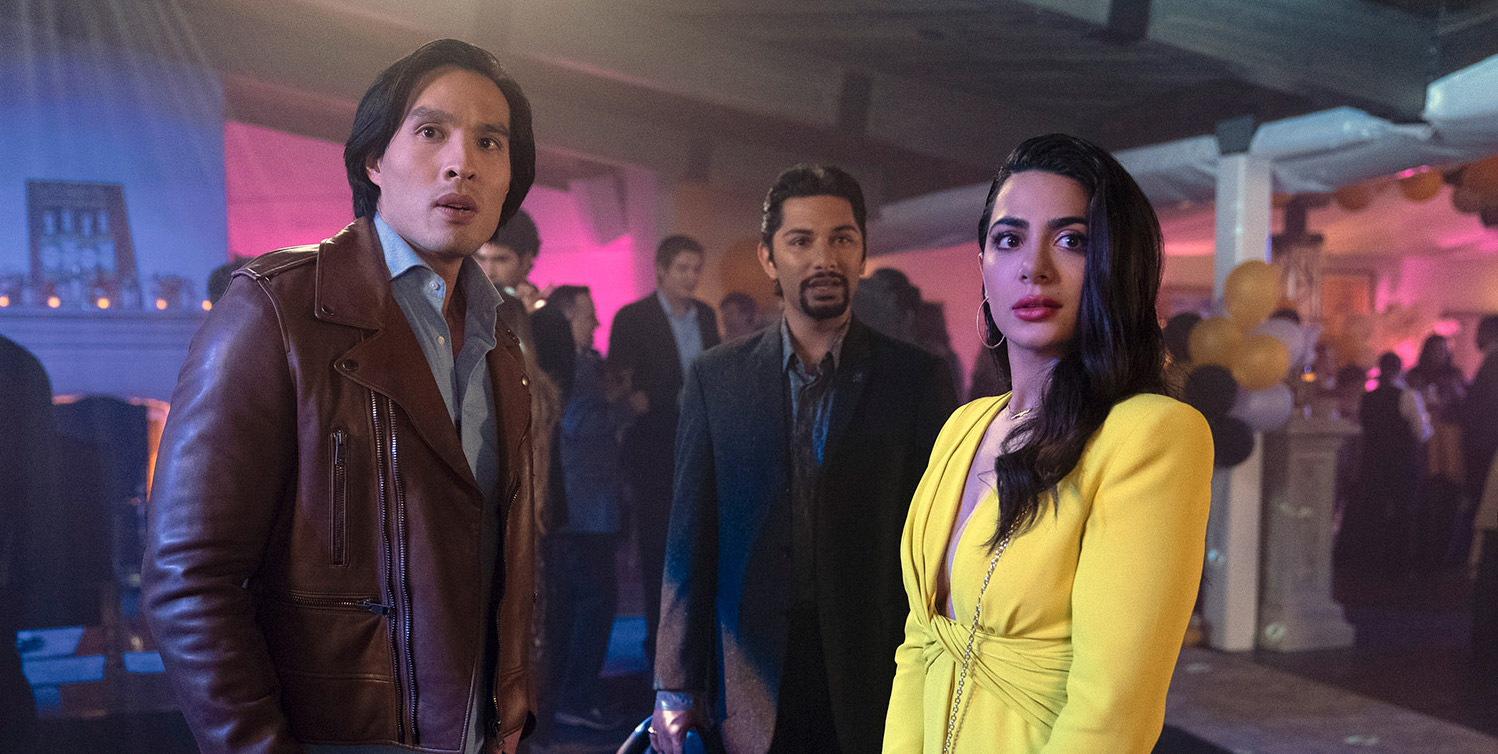
It’s easy to see With Love and mistake it for a Hallmark special; both are filled with pretty people who spend the holidays looking for love. But where Hallmark tends to be simple and sappy, With Love is refreshingly complex and earnest. The characters, mostly Latino and queer, rarely sugarcoat their problems and desires, even though each episode ends on a relatively sweet note.
In a joyous move, every one of them takes place during a different holiday too—Christmas, New Year, Valentine’s, Día de los Muertos. And every time, we delve deeper into the lives of our leads and witness the ways they take on universal problems with modern and diverse approaches. It’s breezy and at times raunchy, making it a fun companion for any holiday.
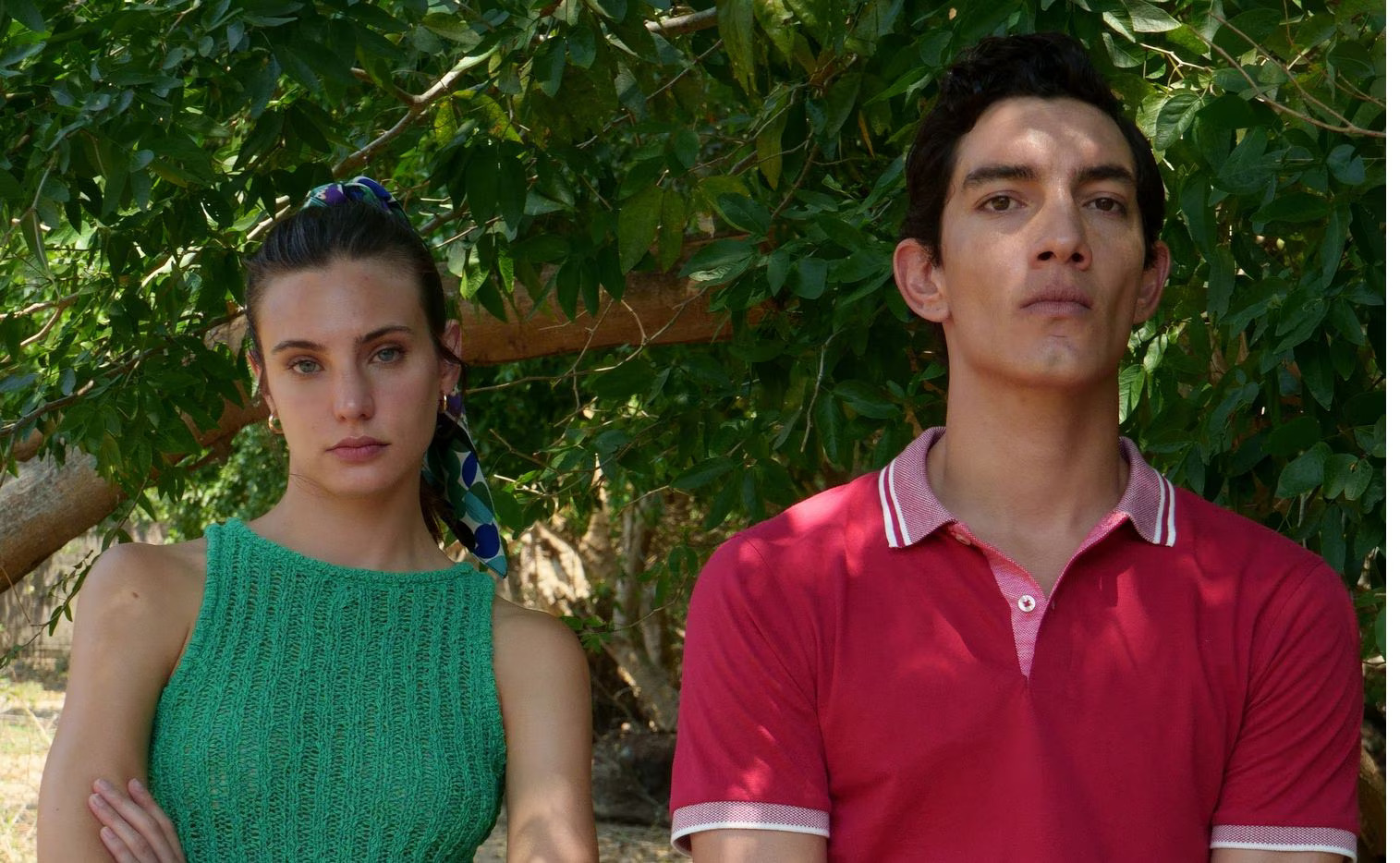
Misfortune (Mala fortuna) is a telenovela that doesn’t shy away from the genre’s goofy qualities. It’s predictable and a little bit ridiculous, but like most enjoyable soap operas, it knows how to draw you in and keep you invested in all the drama. Our protagonists are two peas in a pod: Julio and Victoria, ordinary people who seduce their way into scamming the ultra-rich family known as the Urquizas. Of course, their feelings (both for the family and for each other) get in the way of their schemes, but the resulting entanglement makes for a sexy and hilarious watch.

A murder mystery with an absurdist comedic bent, Killer Coaster initially comes off as too much. It struggles to juggle different genres and poses many questions it doesn’t immediately answer. There are also too many elements—including warring families, star-crossed lovers, secret identities, and complicated pasts—that make the mystery of the Ghost Train Killer seem incidental, even though it is the show’s throughline, the main event that kickstarts the entire thing. But it’s easy to forgive all this whenever Alexandra Lamy does her magic onscreen. As the well-meaning but clumsy police officer Sandrine, Lamy is likable and hilarious, a clown with just enough heart to pull you into her antics. She soars even more when paired with real-life sister Audrey Lamy, who plays the carnival owner Yvanne—also good-hearted but even slower (and at times funnier) than Sandrine. Together, their amusing weirdness saves the show from loose ends and uneven tones.
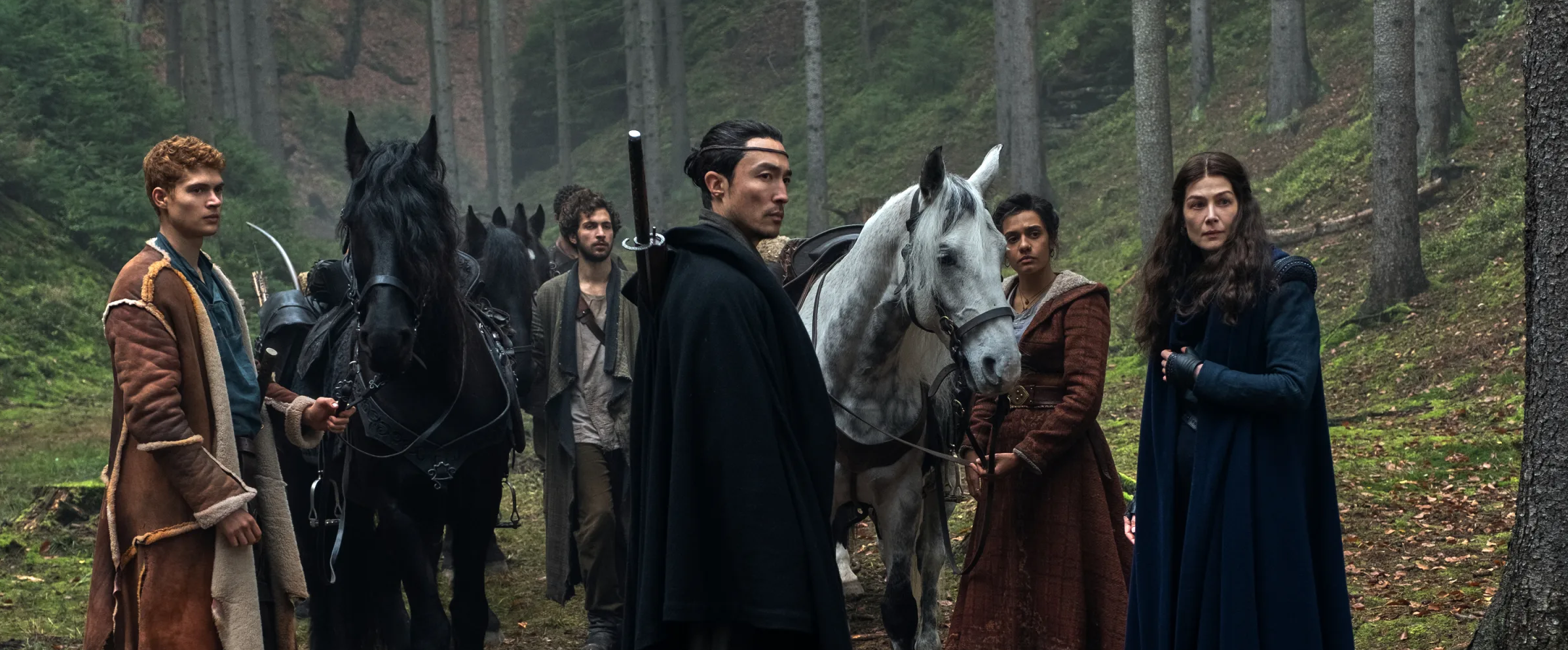
You don’t have to be familiar with the book series to appreciate this adaptation of The Wheel of Time, but you might need to be a fantasy fan to understand that sometimes it takes a while (like a season long) to build a world as detailed and expansive as this one. Once you give it that grace, The Wheel of Time becomes a satisfying watch. It’s utterly fascinating in its rules, lore, mystery, and language. It relies on that all-too-common Chosen One trope, sure, but it subverts it too and surprises by the time it reveals who among Moiraine’s team that person is. Though it never reaches GOT levels of grandeur (the CGI could be better), its ever-expanding world of characters and magic delight and enthrall.
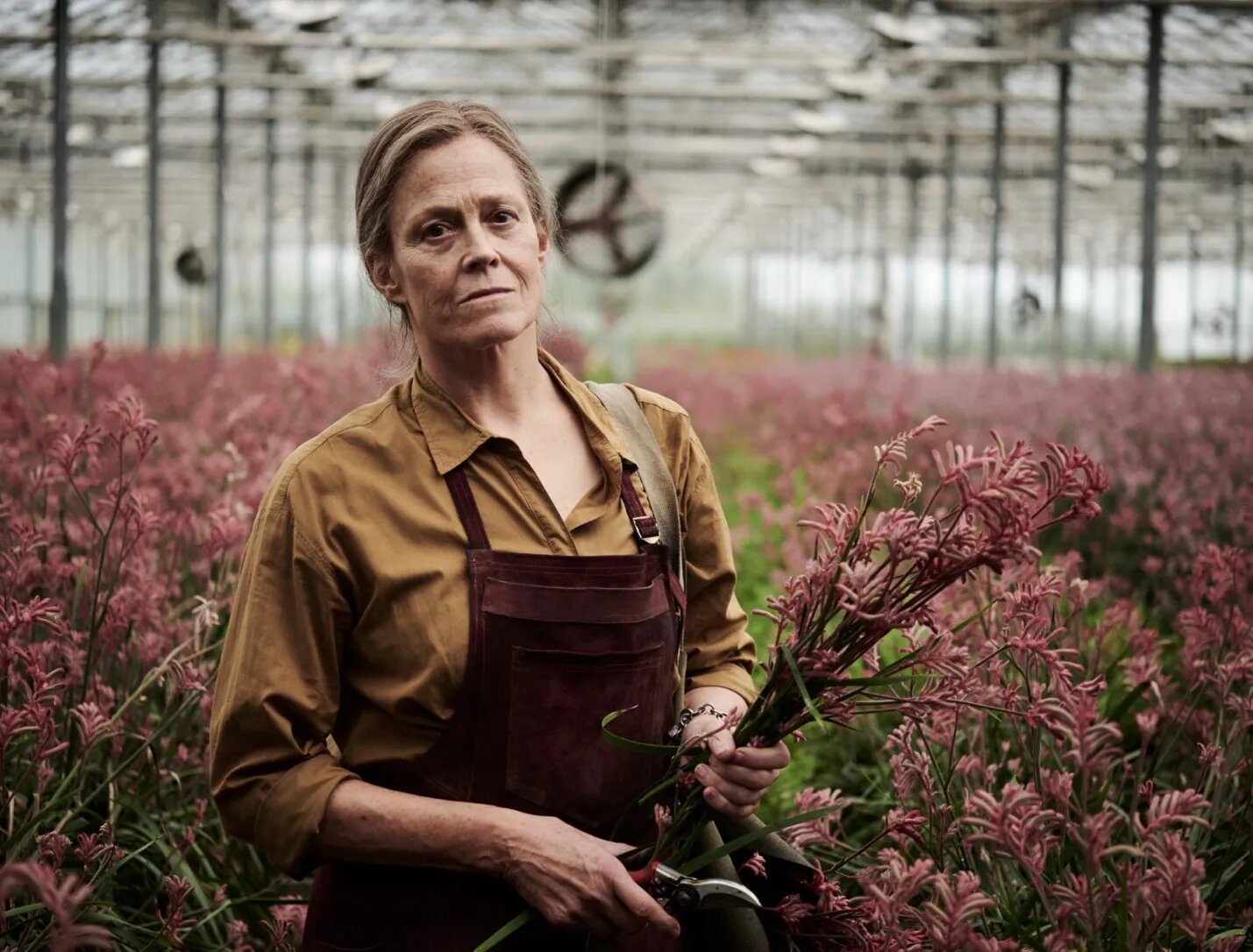
Domestic abuse is a delicate matter, and onscreen depictions always run the risk of being either too sensational or mopey. The Lost Flowers of Alice Hart, thankfully, is neither. It sensitively and creatively tells the story of Alice and all the other survivors who June shelters on her flower farm. More than just decor, these flowers serve as a lifeline to the girls: not only do they grow and sell them to earn a living, but they’ve also made a special secret language out of them. Different blooms mean different things, and when you live in a world where your pain is systematically ignored, it makes sense to communicate in hiding. Granted, the Lost Flowers of Alice Hart can get overly dramatic at times. Some plotlines include hiding who the child’s real father is and fighting to get custody of said child. But it’s unfair to dismiss the series as mere melodrama. It’s doing important work by shedding light on the manifold ways women are mistreated, and it does so in a commendably original and artful way.
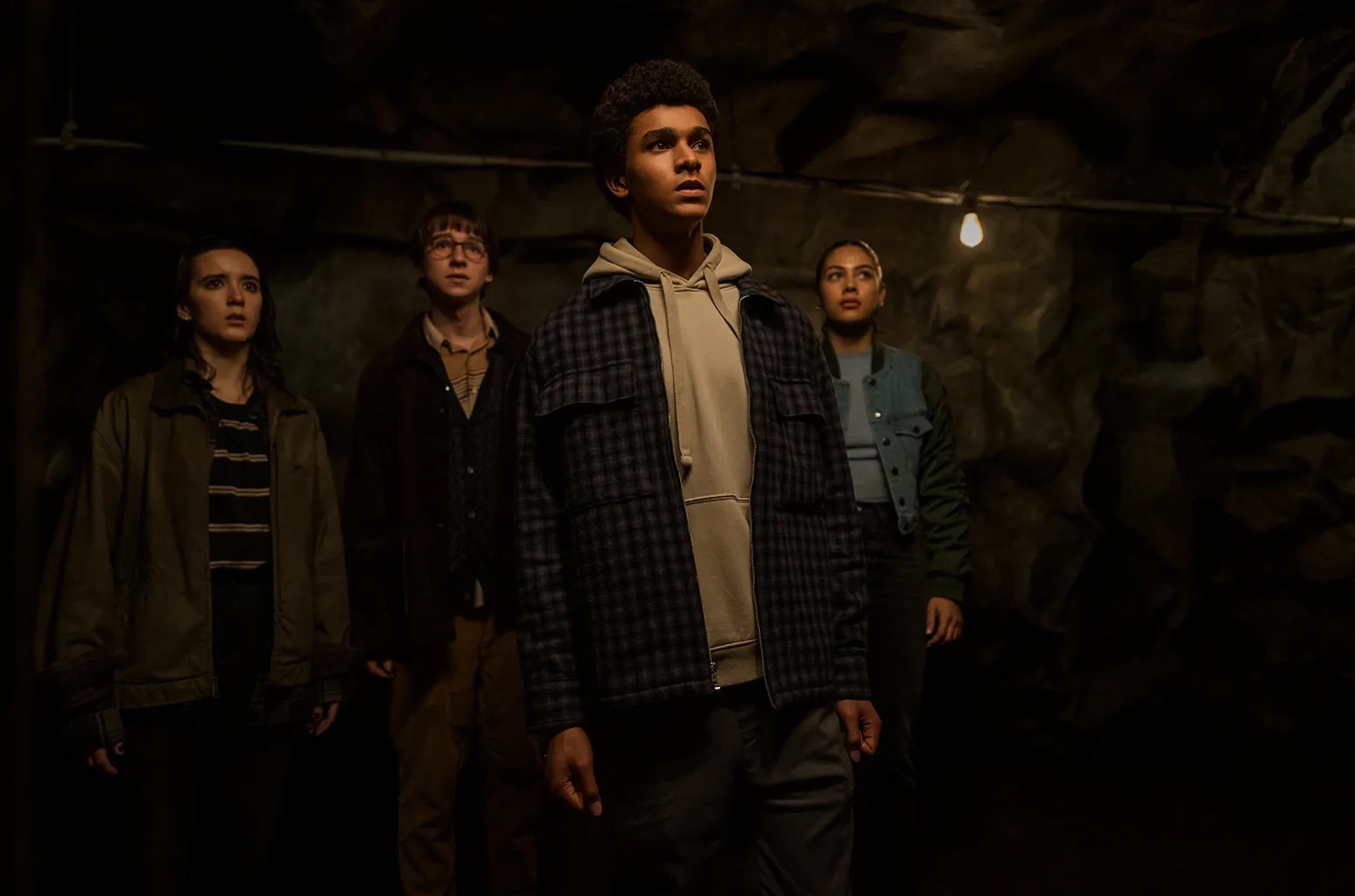
Amazon Prime’s Harlan Coben’s Shelter is the latest addition to the slew of supernatural teen-led mysteries that have come out in recent years. Like Netflix’s Lockwood & Co., Paramount’s School Spirits, and even Showtime’s Yellowjackets, Shelter is genuinely intriguing and surprisingly mature, making it watchable regardless of how old you are. The show’s TV-14 rating lets the teens in the series act their age (that is, both crude and childlike), which adds to the show’s authentic feel. It verges on being self-serious at times, which is funny when you hear them say things like “Octo Face got her” with a straight face, but those slips are forgivable. It doesn’t detract from the show’s compelling mystery and enjoyable performances.
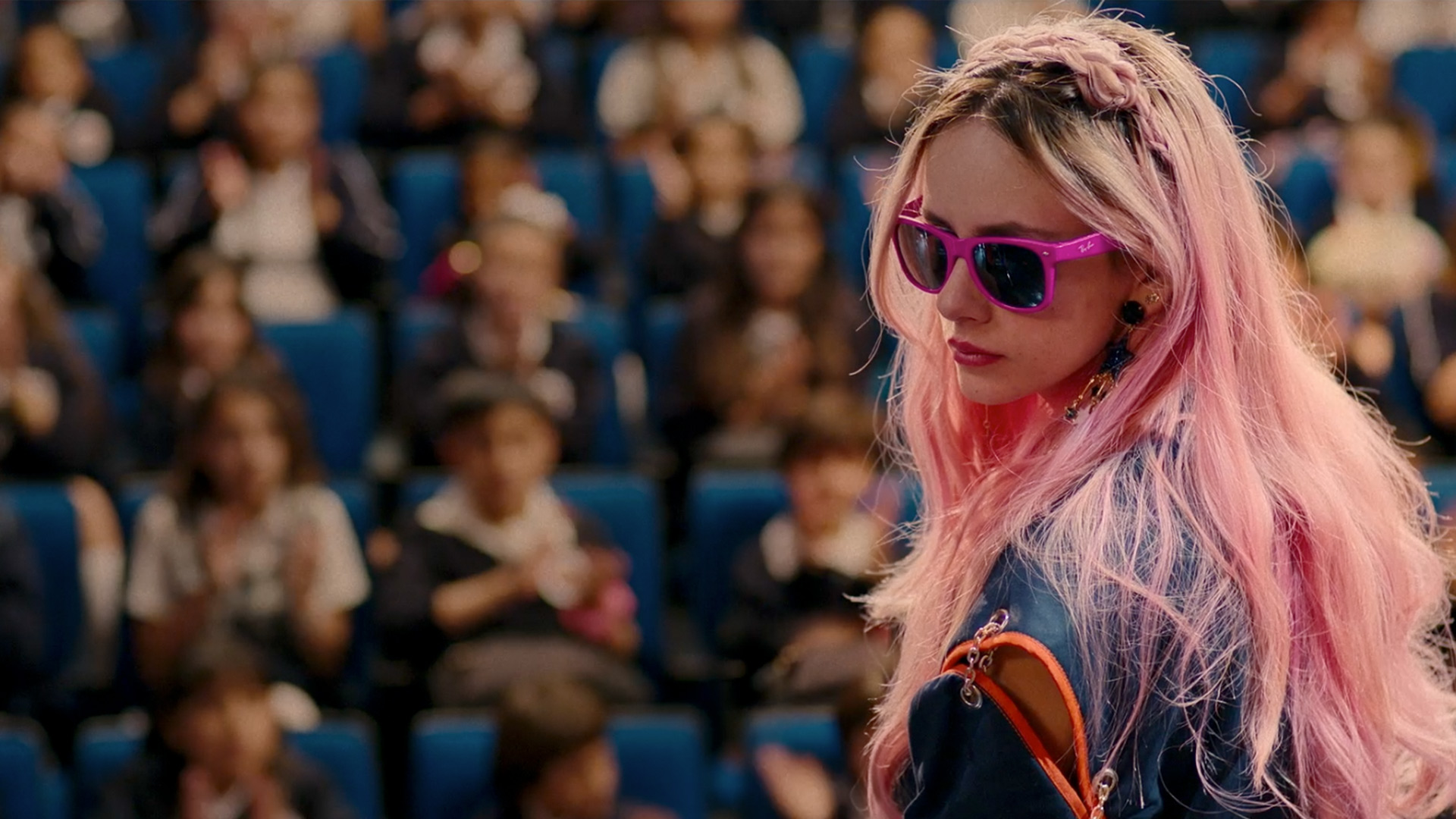
There is no shortage of TV shows that dive deep into the weird wired world of social media, but F#Ck1Ng Social Media deserves credit for doing it effortlessly. You can tell the writers have an intimate knowledge of internet fame by how it contrasts has-been influencer Amanda with rising content star Vicky (Azul Guaita). Amanda’s realm is YouTube (a millennial staple) while Vicky’s is TikTok (a Gen Z haven). Amanda rose to fame because of her sincerity, while it was Vicky’s sleekness that first caught people’s eyes. Through their rivalry, the series shows us how swiftly social media evolves and how contradictory it can be—online, we’re both vulnerable and artificial, progressive and regressive. It’s a hefty message, but the show delivers it with an impressively light touch. Intense rivalry and fame commentary aside, F#Ck1Ng Social Media is also a quirky comedy and a touching family drama. There’s just as much to like here as there is to learn.
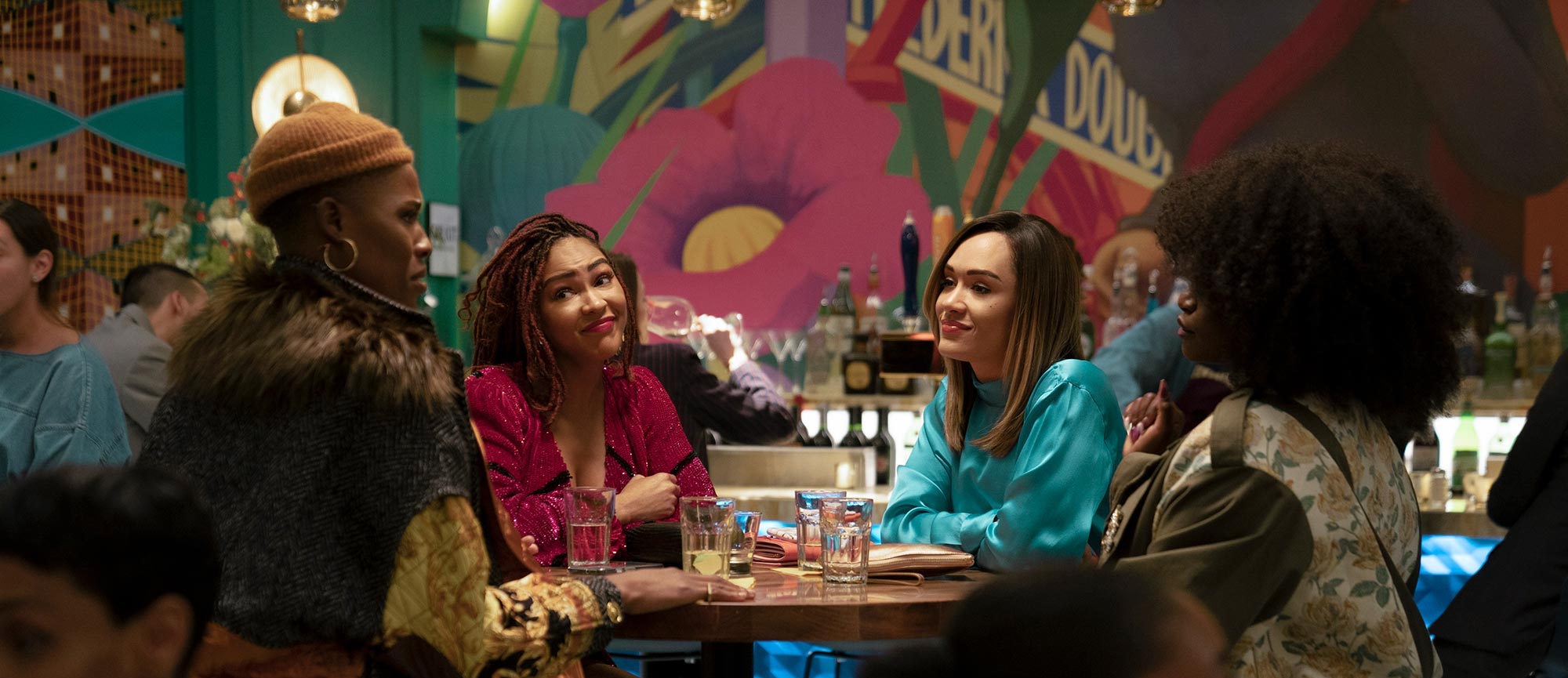
Harlem follows four 30-something friends trying to live their best lives in their New York neighborhood. It sounds cliché—another group of women navigating work, love, and personal growth in NYC?—but thanks to the deft direction of Tracy Oliver (Girls Trip) and the dynamic performances of the show’s leads, Harlem is a blast to watch. The women are at once prickly and sparkly as they dive headfirst into romantic escapades, sexual explorations, and career ambitions. Their chemistry with each other is a scene-stealer, and you almost wish you can just sit with them all episode as they spill the beans over cocktails and brunch. Raunchy, ridiculous, and relatable, Harlem is delightful through and through.
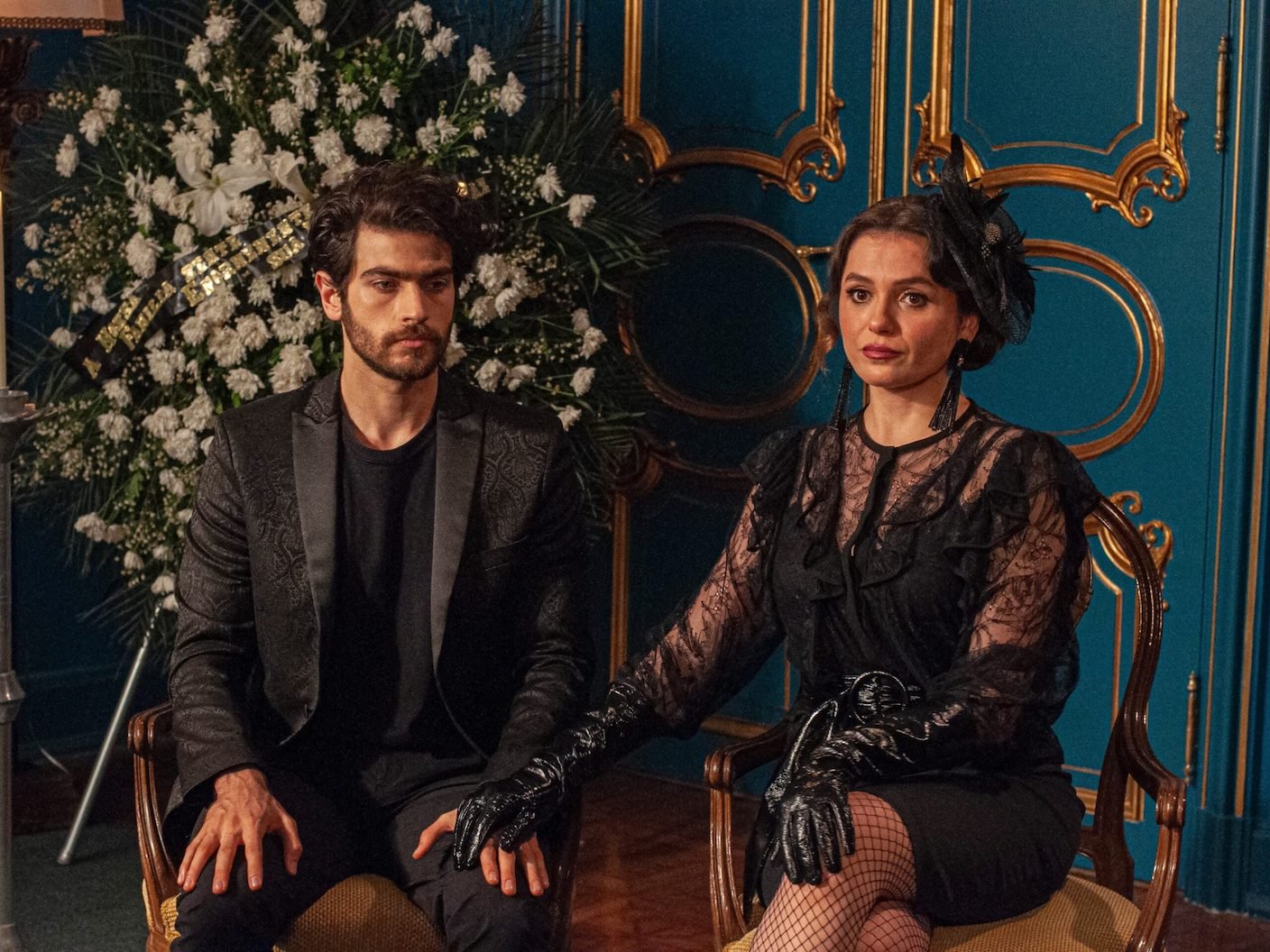
The less you try to think about the absurd fantasy premise of this satire on Brazilian telenovelas, the better. Based on the first three episodes watched for this review, Soap Opera (or Novela in Portuguese) doesn’t provide an airtight idea of how things work when screenwriter Isabel is sucked into a TV—meaning any sense of urgency or narrative stakes don’t feel terribly high. But still, countless possibilities open up the longer that Isabel remains in her own creation. Here she can take full creative control (literally) of how she wants herself and others to be perceived, but Lauro, the producer who’s placed his own name on the marquee, also gets to scheme on how best to continue exploiting the success Isabel is inadvertently bringing him. The result is something uniquely funny, creatively designed, and compulsively watchable.
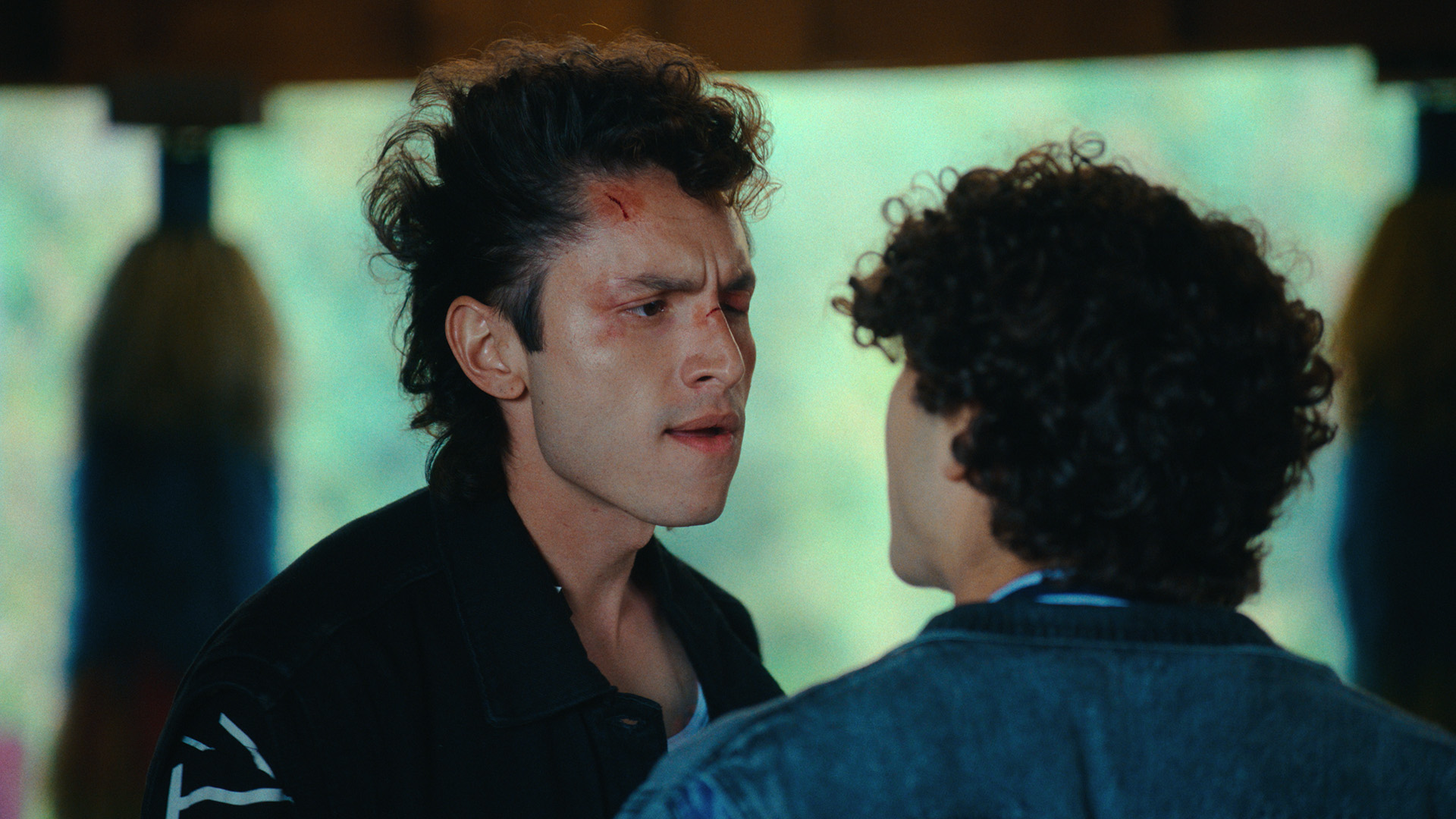
As a teen series, Los Billis follows a familiar structure. David, like most teen heroes, is shy, awkward, and hopelessly in love with the most popular girl in his high school. With the help of his friends, however, he learns to stand up not just against bullies but the harsh looming reality of adulthood. It sounds typical on paper, but Los Billis benefits from a rich production value and a clear theme, that of social class. There’s not a gelled hair out of place here, but more than nailing the ‘80s look, Los Billis masterfully (and never forcefully) connects nearly every problem the kids face to money. They’re constantly yearning for, losing, and fighting over it, which is the reality many teens outside the US face. Often, Los Billis will also touch on colonialism, like when David admits they all judge each other based on how closely their outfits resemble American teens. For the most part, Los Billis is textbook coming-of-age, but it’s enriched by the unique Colombian teen experience.
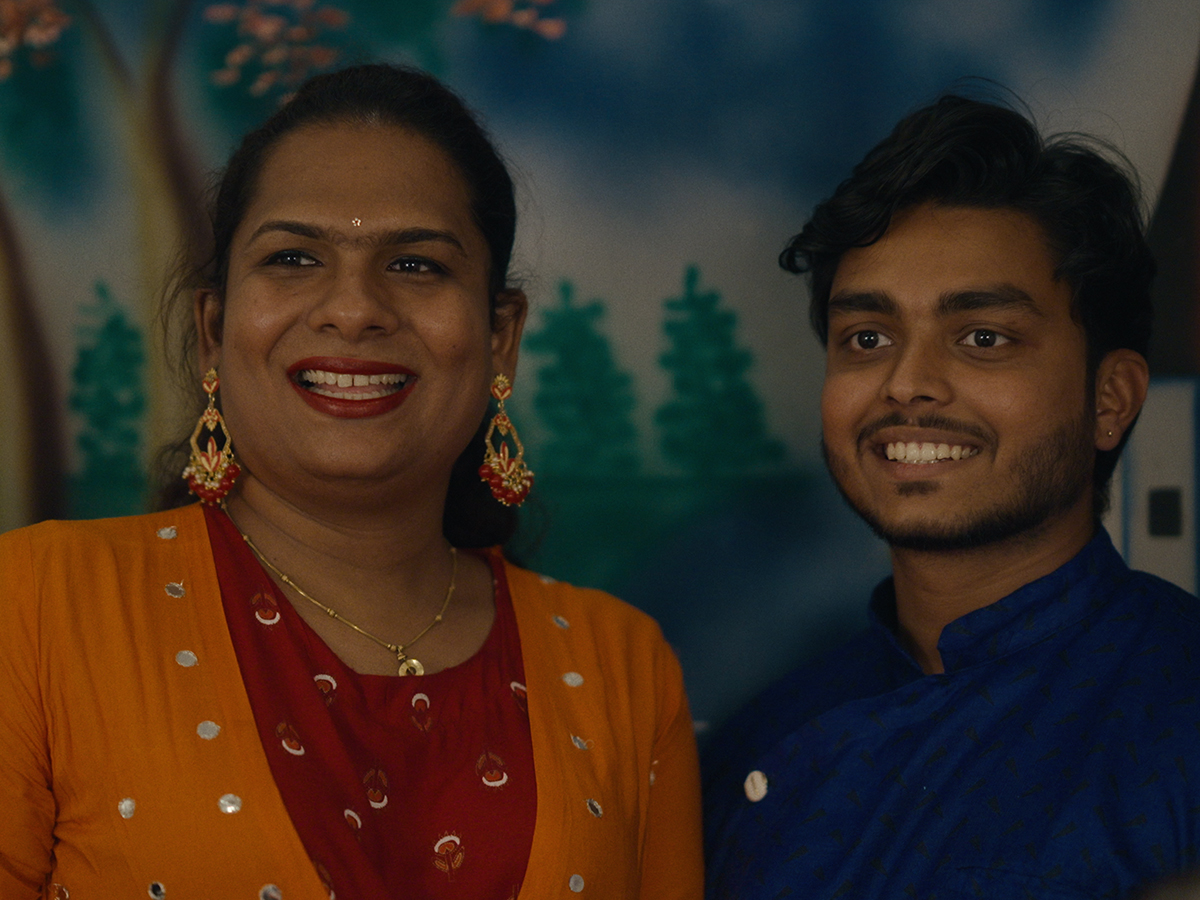
It’s refreshing to watch stories about queer people in the Global South unfold with this much joy and love and excitement. Many films and TV shows will have you believe that it’s all tragedy, and while the queer experience is certainly without its struggles, it seems unfair to hyperfocus on that aspect alone when there’s a lot of tenderness to go around. Rainbow Rishta finds the perfect balance between realism and romance, between strife and pride, in delivering the stories of its subjects. In doing so, it deepens our understanding of the global LGBTQ community.
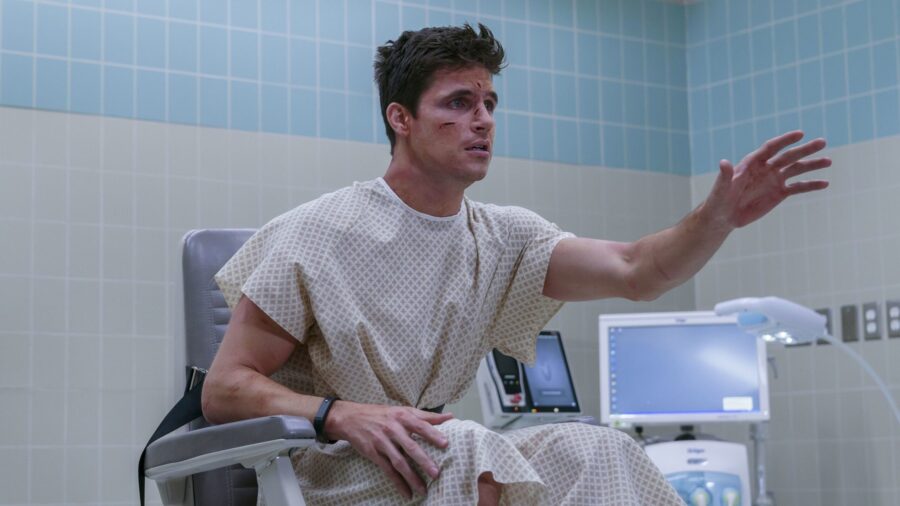
This satire takes place in the year 2033 when it’s possible to “upload” oneself to a specific software-powered afterlife. In the variety of afterlives possible, there is no heaven or hell. Instead, class struggles persist: ads are everywhere, you have to pay for data, and there are many levels of luxury available.
Created by Greg Daniels (The Office, Parks and Recreation), Upload is an easy and funny show with an interesting and relevant premise. If you liked The Good Place, Silicon Valley, or Black Mirror, you will surely love this.
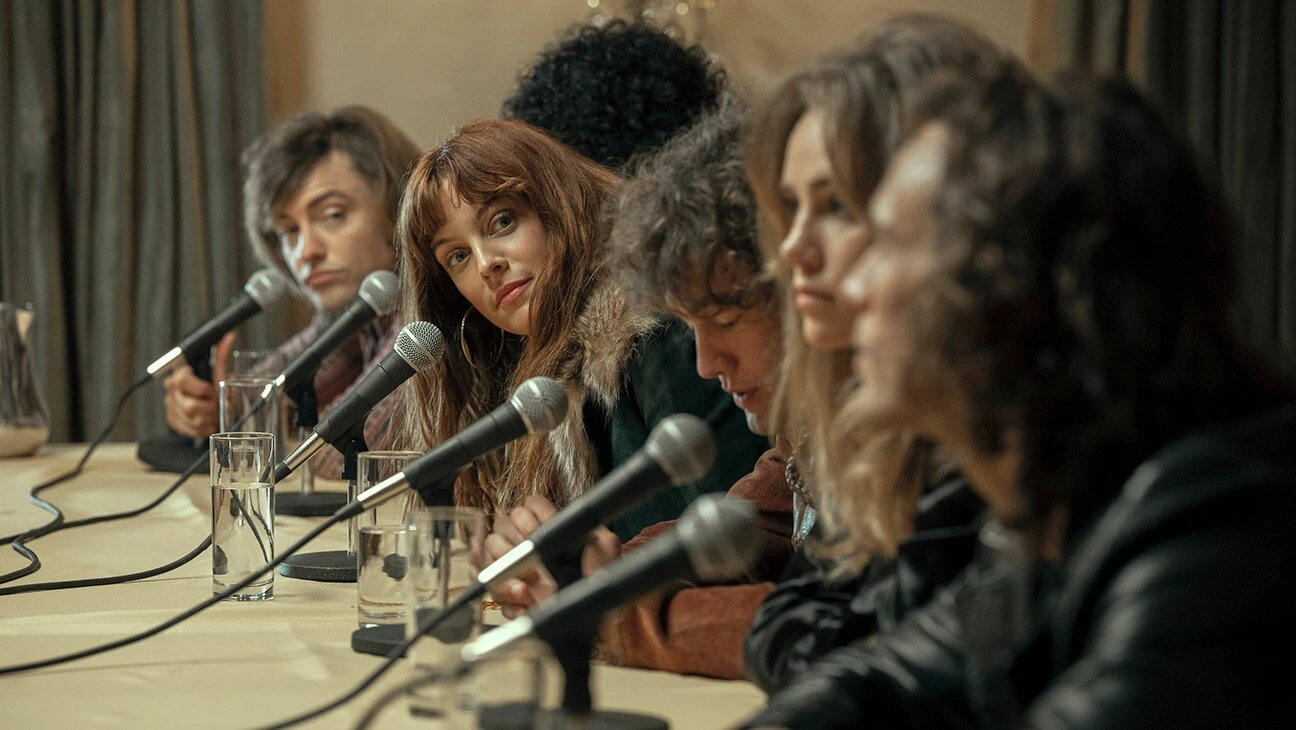
Daisy Jones & The Six is riddled with rock and roll clichés—sex, drugs, and alcohol abound—but the series has enough strengths to save it from sheer banality, the most prominent of which is the music. The original songs, performed by the actors themselves, are genuinely good. They’re true to the times and recall the likes of Fleetwood Mac and Buffalo Springfield, but they also sound fresh, modern, and invigorating. The showrunners seem to know this since each performance, whether onstage or in-studio, is given ample focus in each episode, and the show is all the better for it.
Aside from the stellar music, the show also has chemistry and production quality going for it. Riley Keough and Sam Claflin as the Stevie Nicks and Lindsey Buckingham of the fictional band are fiery and magnetic, while the authentic setting feels like an old polaroid come to life.
Daisy Jones & The Six might not be for everyone, but if you enjoy musical dramas and nostalgia trips, then the show is a sure banger.
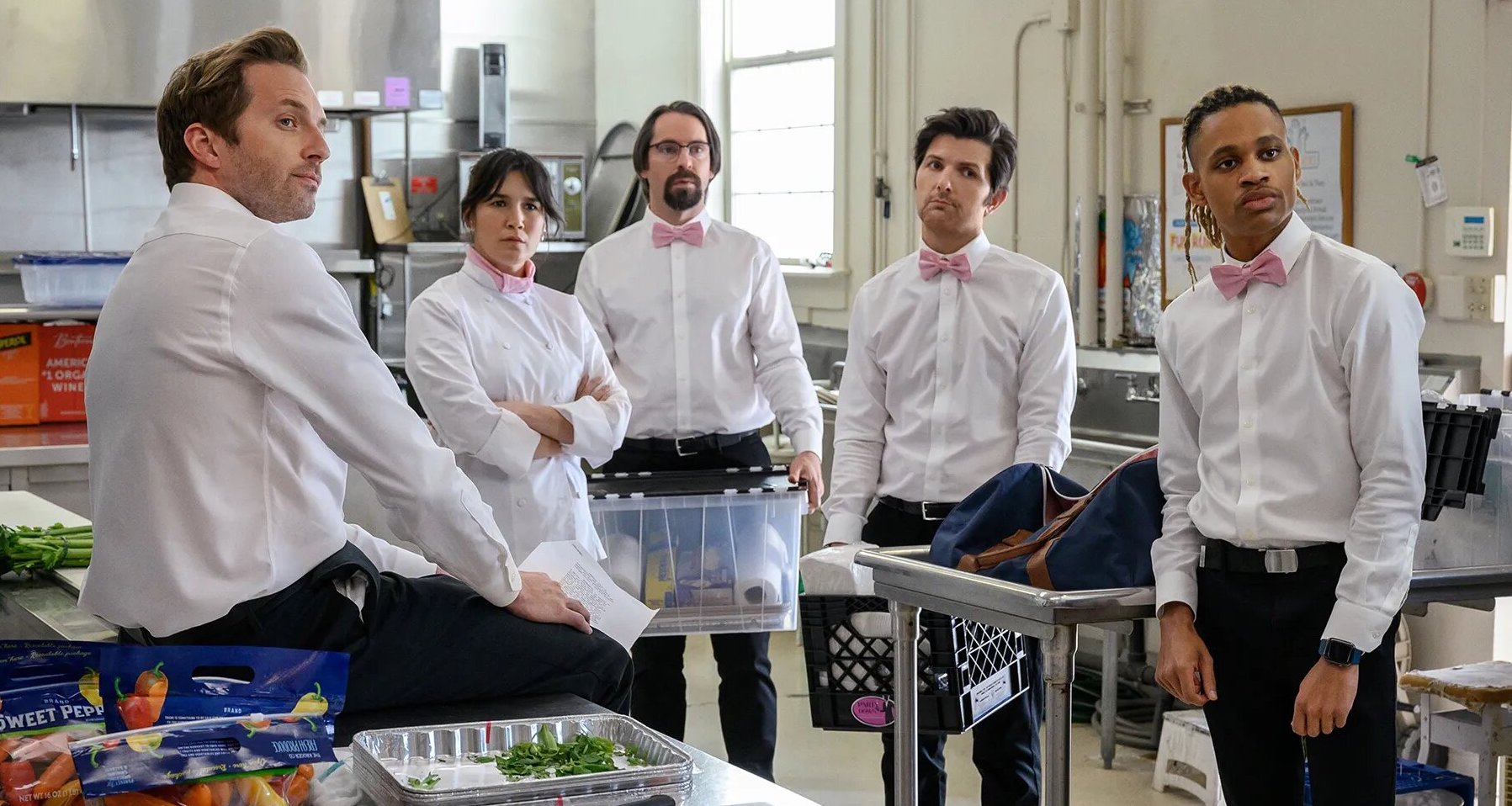
Despite featuring a sharp script and solid performances, Party Down struggled to rake in views when it premiered in 2009, and sadly had to quit after just two seasons in. But since then, its small cast had gone on to become TV luminaries and its sardonic humor garnered newfound appreciation among the younger crowd. Even the show’s hustle culture premise, which was quite novel then, can be found in almost every show now.
So it’s not a stretch to call Party Down a pioneering comedy. It’s simple and efficient, with each episode taking place at a different event, but it’s also deeply funny and keenly aware of the ironies and hypocrisies of the industry it’s a part of. People, myself included, were afraid that it might lose some of its underdog edge when it was rebooted in 2023, but rest assured, it remains as knife-sharp and hilarious as ever.
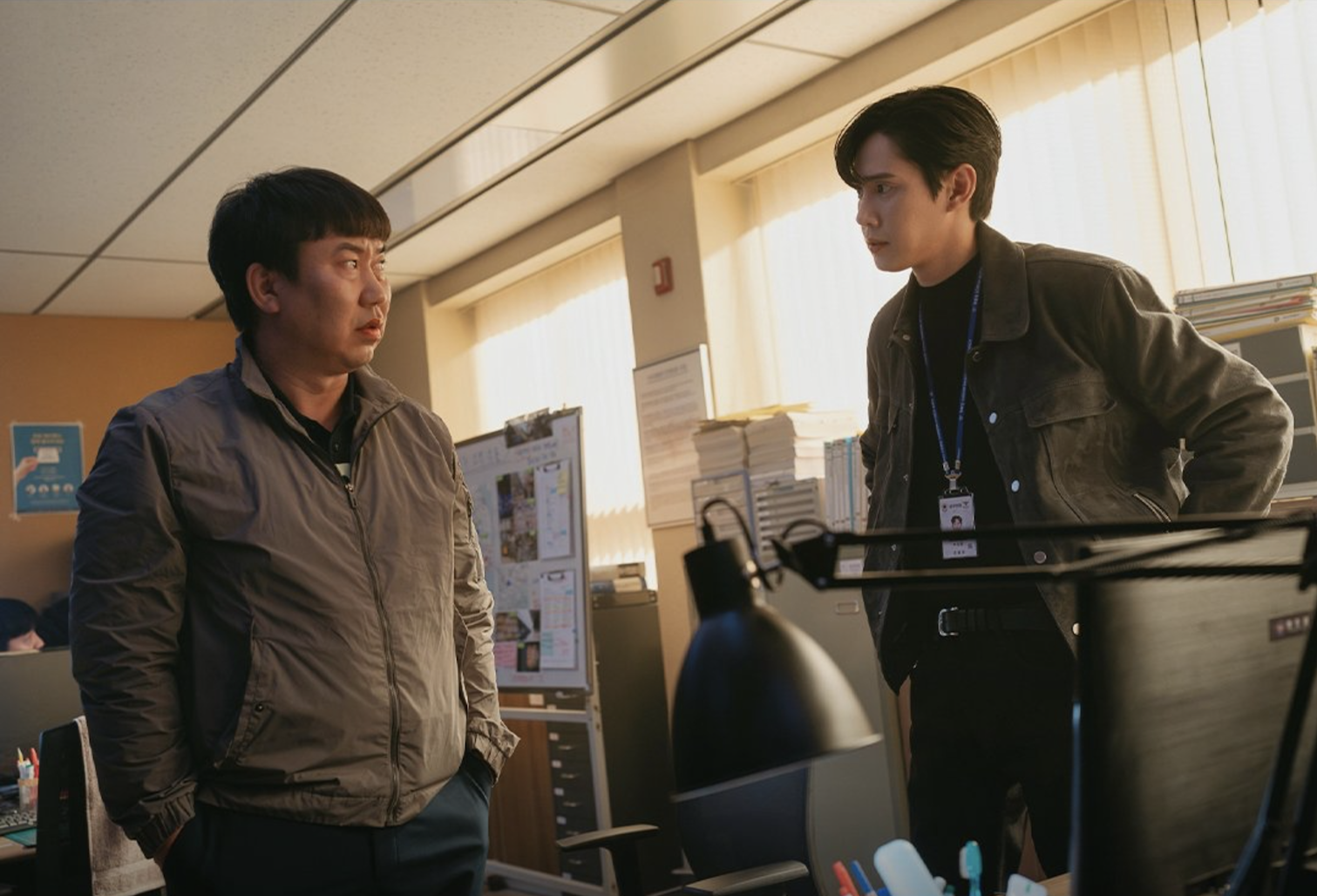
Genuinely exciting but with more than enough heart to keep its genre trappings from overwhelming the story, The Kidnapping Day wastes no time setting the stakes and its plot into motion. Several crimes occur seemingly at the same time, which not only keeps the show’s various mysteries equally interesting, but emphasizes how our protagonist (the kidnapper Myeong-joon) is ultimately just a naive person caught in the crosshairs of something larger. But because of his poverty and desperation, he becomes a natural target of suspicion by the people who don’t know his full story.
And accompanying Myeong-joon from the beginning of the series is 11-year-old Ro-hee, who wakes from a dazed state with no recollection of who she is, but with knowledge beyond her years. The somewhat antagonistic but tender bond she gradually forms with her reluctant kidnapper is the furthest thing from Stockholm syndrome. Instead, their relationship becomes a window into a particular class dynamic that runs throughout The Kidnapping Day (as well as a host of other South Korean films and shows). In these first two episodes watched for this review, the series already presents a world characterized by a deep yet normalized divide between the rich and the poor.

Sometimes the ability to create good drama (and comedy!) just depends on one’s attentiveness to how the world works and how people would reasonably react to it. And this new Telugu-language series illustrates this perceptiveness and empathy to great effect. Kumari Srimathi tells a story free of unnecessary gimmicks and stylization, but still manages to make clashing cultural values and the struggle to make money compelling just through an attention to detail.
Right off the bat, there’s so much that drives Siri, our title character: her love for her late grandfather, her frustration with her conservative but well-meaning family, and her outrage at all the assumptions people make about her as a single woman. All of this is channeled into her impulsive gamble to save their old ancestral home. But Siri, played by a tough and incredibly sympathetic Nithya Menen, isn’t the only star of the show. Many times these family dramas are content with assigning stereotypes to secondary characters. And this show also admittedly does this, but there are significantly more of them who feel just as real as the protagonist—all attempting to negotiate for the things that matter most to them, all coming from an earnest place.
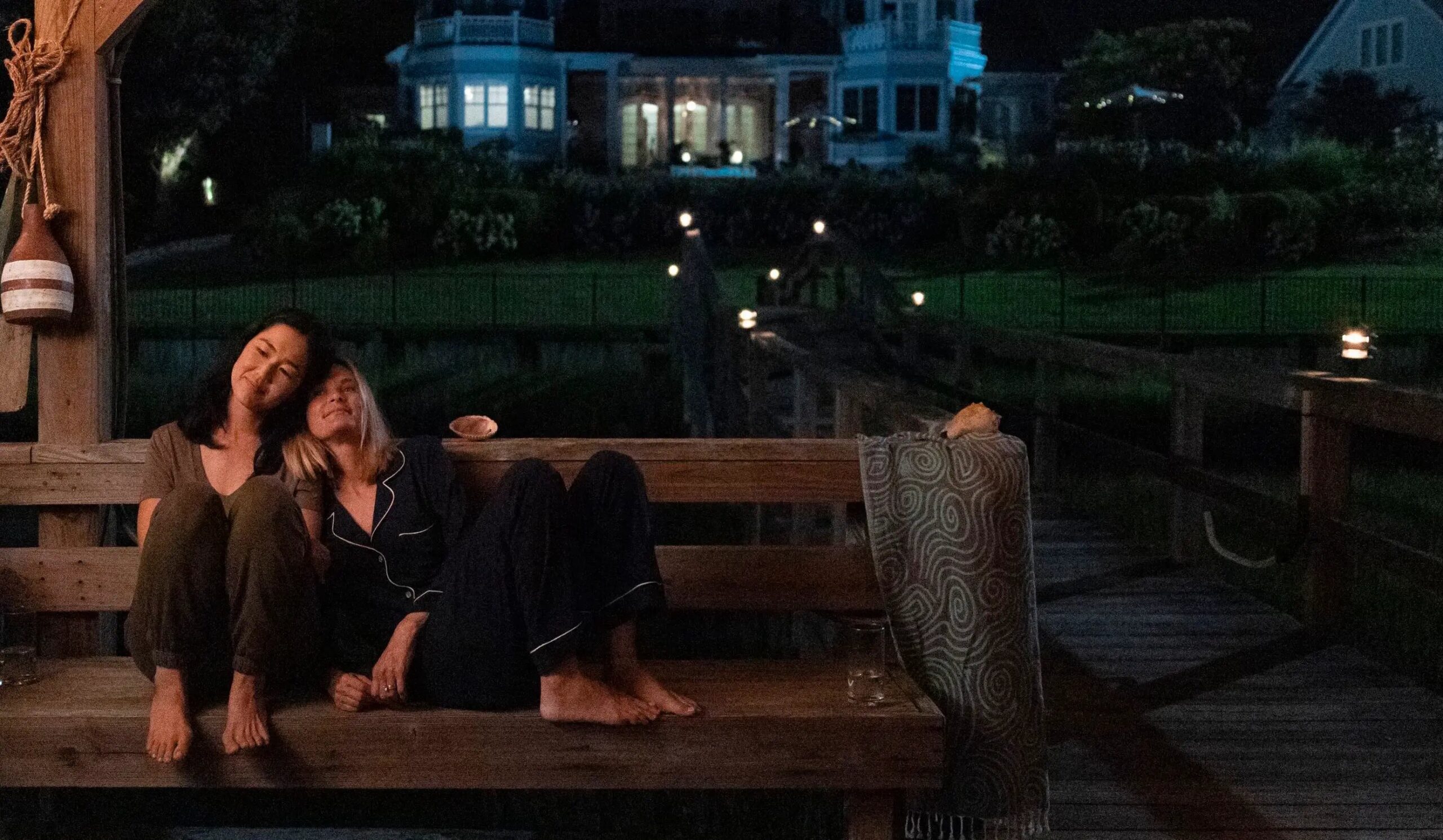
Stills and synopses of The Summer I Turned Pretty make it seem like typical teenage fluff. It isn’t. Sure, it starts off cheesy and predictable, but it quickly blossoms into something rich and earnest and far more significant than the sum of its parts. The love triangle is merely a jumping-off point to better understand these flawed characters and the people around them. Outside of Belly’s coming-of-age journey, there is her brother who encounters a rude awakening on race and class, and their mother who, fresh from a divorce, attempts to establish an identity of her own. Everyone has their own thing going on in this series, so it’s easy to feel invested in their fleshed-out failures and triumphs.
It also feels authentically young; the music sounds like it was curated by an actual teenager, while the performances are raw and believable, not stilted and forced as it often is with teen series. The Summer I Turned Pretty is familiar, but comfortingly so. Watch this if you’re yearning to re-live the magical, heartbreaking feeling of being young and in love for the first time.
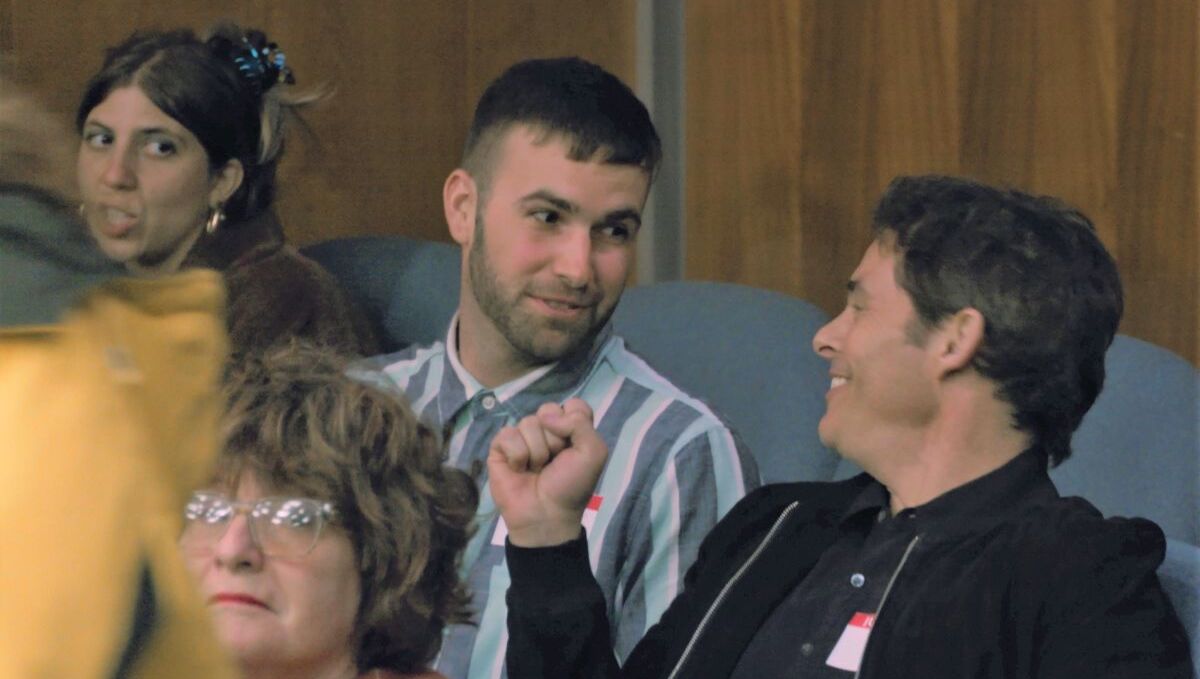
Between HBO’s The Rehearsal and Peacock’s Paul T. Goldman, it would seem that genre-bending reality-based shows are having a moment. Among the more lighthearted and enjoyable ones out there is Jury Duty, which follows a trial involving improvisational actors, save for one: Ronald Gladden, a friendly everyman who has yet to realize that everything around him, from the inane case to his oddball co-jurors, is fake. Every now and then though, thanks to the sheer ridiculousness of it all, Ronald looks like he’s at the cusp of figuring it out, but the guy (bless his soul) is just too damn nice to get there.
And that’s what makes Jury Duty so watchable. It finds a heart in the ever-hopeful Ronald who, as the appointed foreman, goes out of his way to help his fellow jurors. Whether that means reading a script with James Marsden (who plays a hilariously narcissistic version of himself here), building up nerdy genius Todd’s confidence, or even just encouraging ol’ Barbara to stay awake, he’s there every step of the way. More than just laugh at Ronald’s ignorance, we’re also asked to look at his capacity for caring for people, which makes Jury Duty not just funny and experimental, but unexpectedly endearing as well. If you’re looking for a show that’s both easy and eccentric, familiar and new, then you should put this on.
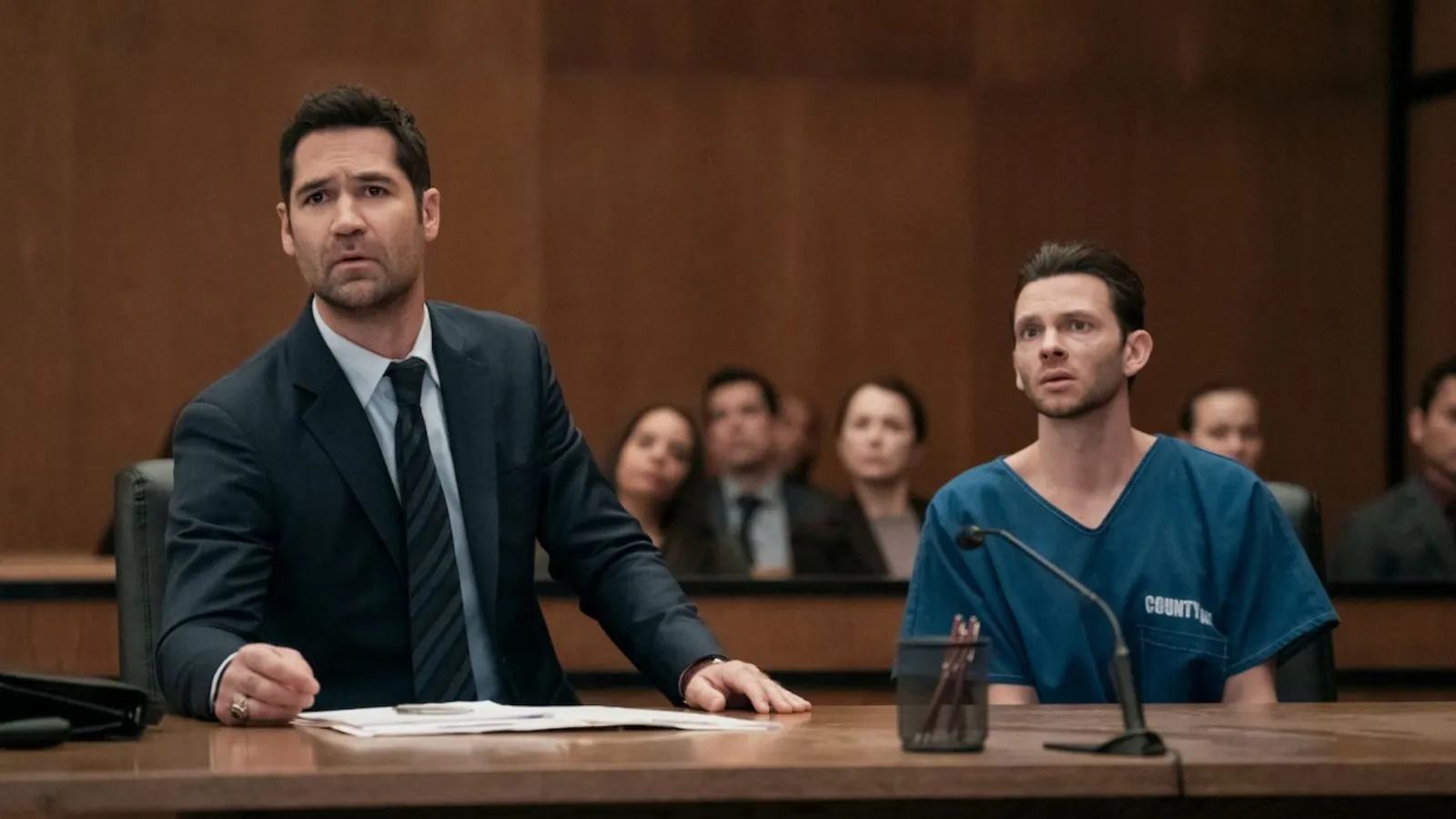
Structured more like a network procedural than a gritty streaming miniseries, the TV adaptation of The Lincoln Lawyer feels easy, even nostalgic, to watch. The formula is simple: in every episode, Mickey handles a new case (most of them wrongful convictions against people on the fringe), all while dealing with a larger, more complicated case and his inner demons. There to help is his trusty driver Izzy (Jazz Raycole), who gets him everywhere in his Lincoln Town Car, and his two ex-wives, with whom he shares a surprisingly healthy relationship. All these elements come together to make an entertaining legal drama. It’s not the most compelling thing out there, but it’s consistently enjoyable and endlessly likable.
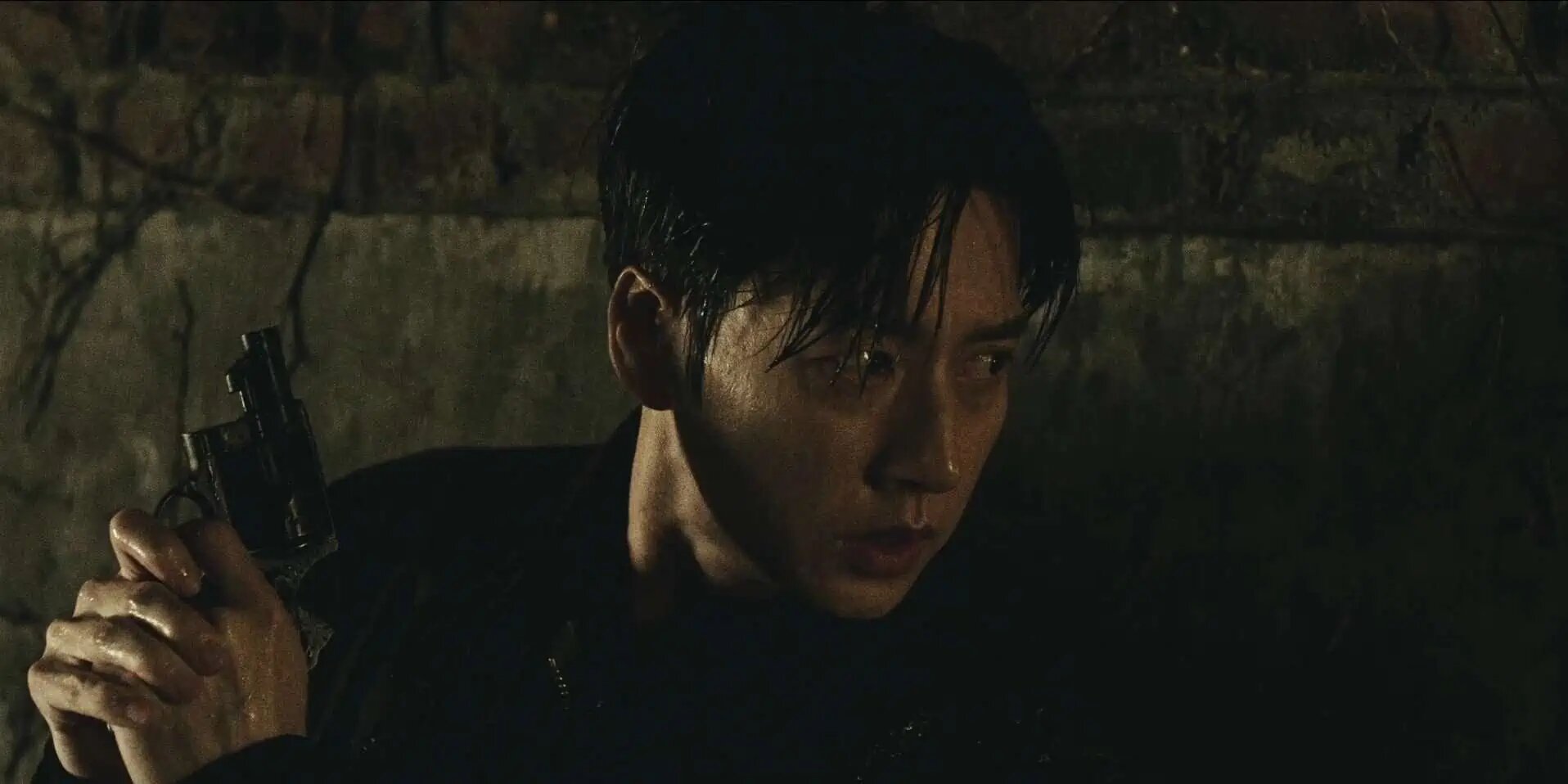
The Killing Vote takes the “vote to kill” storyline and pairs an anonymous vigilante with an ambitious yet apathetic officer, creating an intriguing setup that questions how everyday inequalities extend to the justice system. The first episode is quite disturbing as it tackles child pornography, but with this pilot, the series is able to cement an expectation it fulfills in succeeding episodes: this is a severe show that tackles severe cases and severe criminals. Coupled with immersive performances across the board (the star-studded cast includes K-drama staples Park Hae-jin, Park Sung-woong, and Lim Ji-yeon), The Killing Vote is already off to a high-intensity start. If it keeps this up, it very well could be one of 2023’s best.
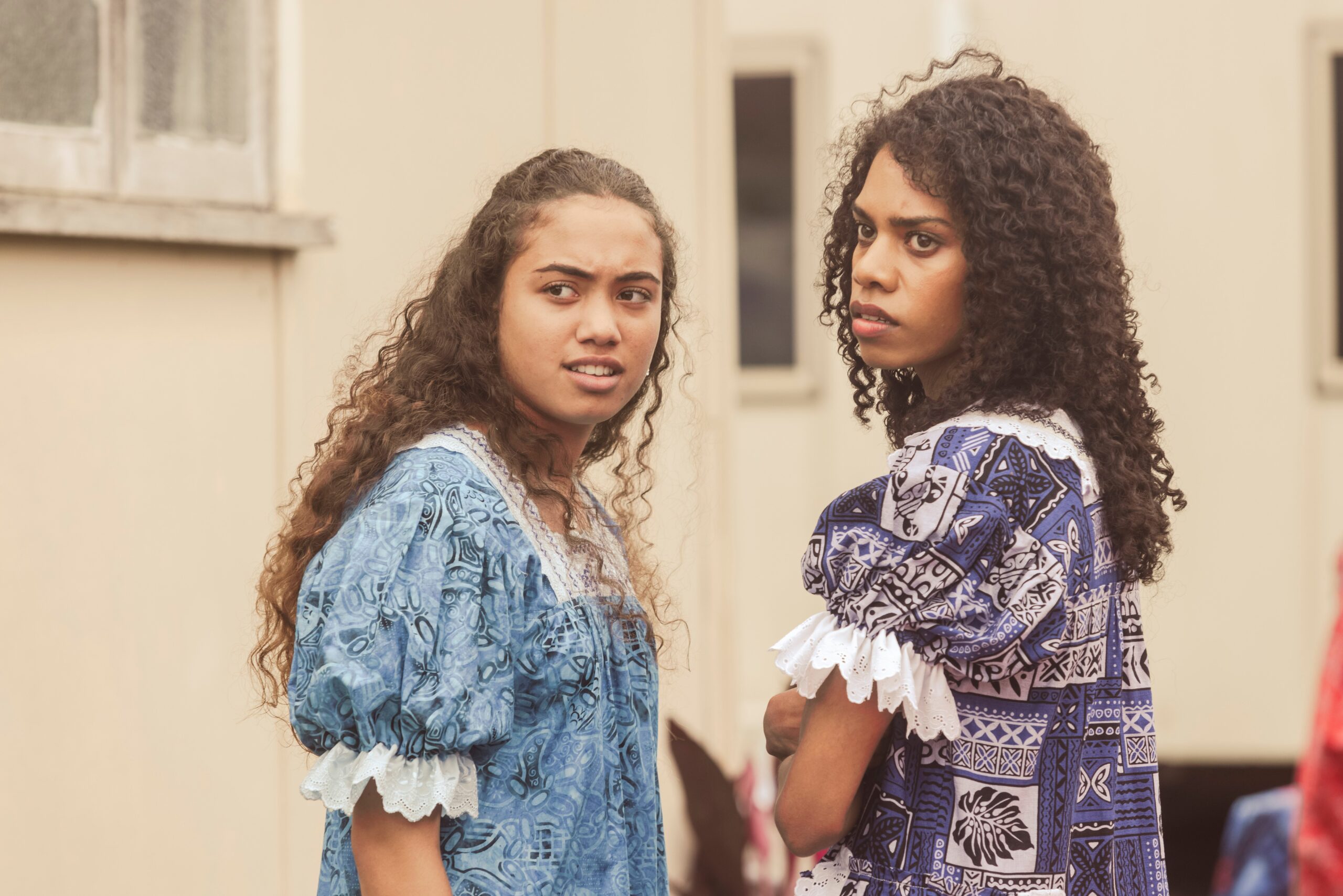
Black Snow has the sleek style of a modern murder mystery, but its concern with Australia’s colonial past that sets this show apart. As a neo-noir series centered on a murder, the show has all the classic elements: the hardboiled detective, the suspicious townsfolk, and the murder. As the murder is set in 1994, nostalgic summer-tinged high school scenes make it easy to root for justice for the show’s young victim.
But the series stands out as it’s always mindful of Isabel Baker, always concerned with her and her dynamics with her friends, family, and her South Sea Islander (ASSI) community. Supported by the strong performance of newcomer Talijah Blackman-Corowa, and even consulting the ASSI community personally in the show’s development and production, Black Snow is excellent not just as a murder mystery but also as a depiction of a community that’s rarely portrayed on screen.
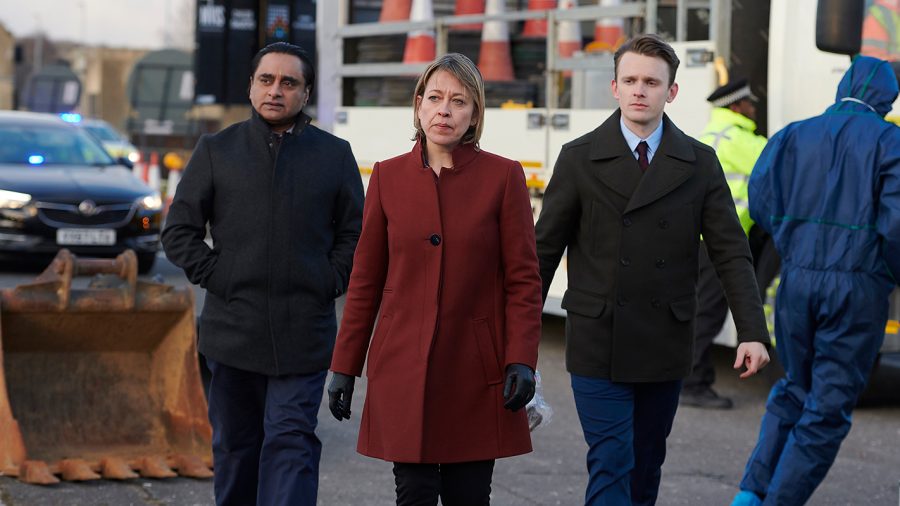
This six-part BBC crime drama is about two detectives who try to solve cold murder cases. In the first season, they try to solve the murder of a young man from the 70s who left a diary full of seemingly unconnected names.
Like most BBC mysteries, it’s grounded, believable, and consistent. Still, the second and third seasons of Unforgotten are better than the first, offering a reward for sticking with the show.
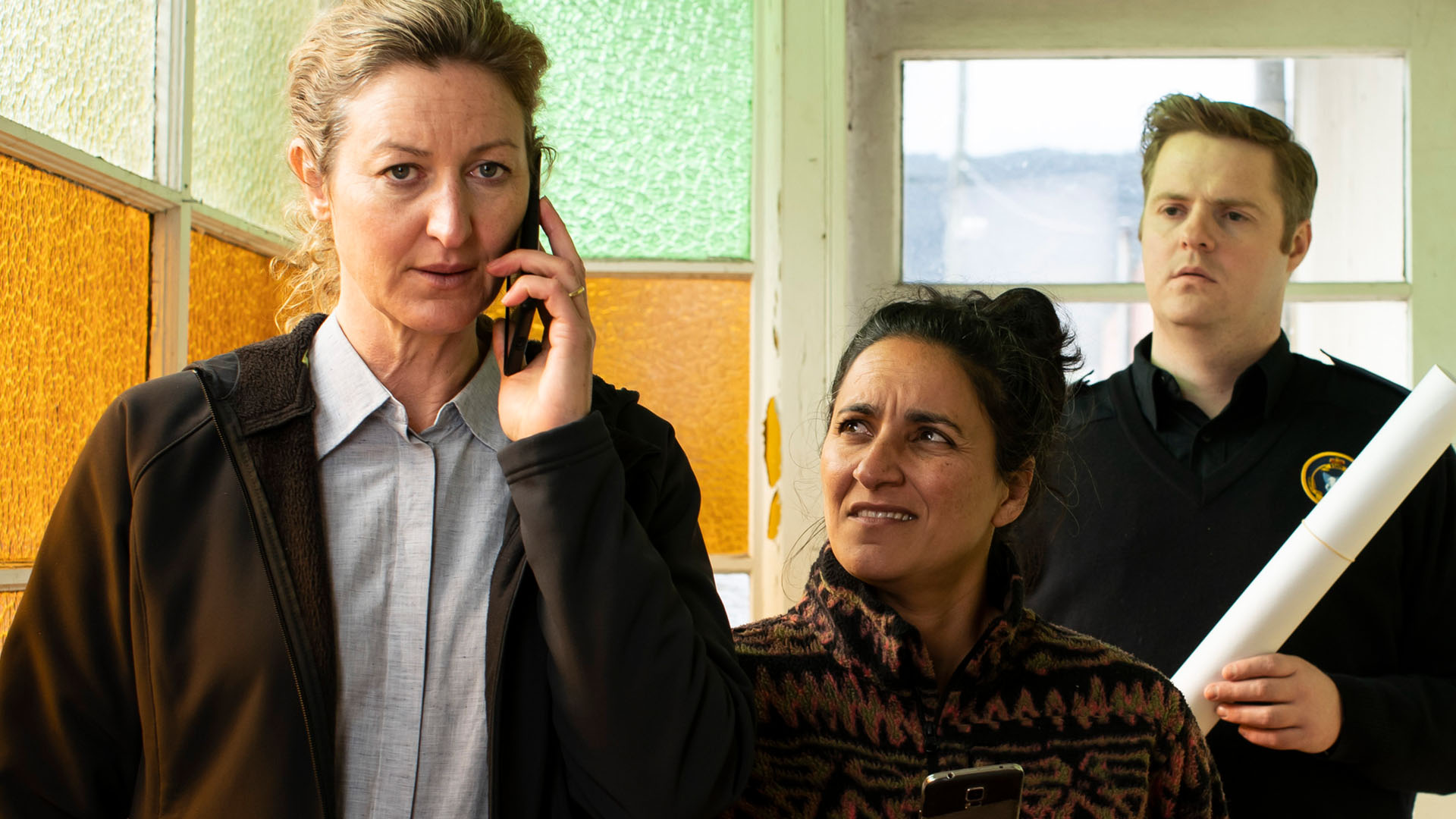
Deadloch begins like any other self-serious police procedural. A body washes up on shore, sparking widespread fear and a twisty mystery that eventually and intriguingly reveals layers of itself. Local officer Dulcie Collins (Kate Box) takes to it like it’s the most important case in the world, and for some reason, everything we see onscreen is tinged in gray, as if the town is set under a perpetual stormcloud.
Then a joke finds its way into the dialogue, followed by another, and another. The show, it turns out, is as much of a sitcom as it is a mystery, with Dulcie acting as the straight man grounding us through the kookiness of it all. The rest of the characters are actual characters, wonderfully zany and larger-than-life as they bumble around and commit small-town gaffes. A hearse screeches to a halt when a random passerby yells, “You’re going the wrong way!”, and a millennial policewoman exclaims, “I can’t believe I’m on a stakeout! It’s so aggressively police-y.”
It’s quite the risk to be both funny and serious, to dole out this many jokes while solving multiple murders, but Deadloch pulls it off with so much charm to spare. It’s a refreshing take on the buddy-cop series, ambitious and modern and unafraid to laugh at itself every once in a while.
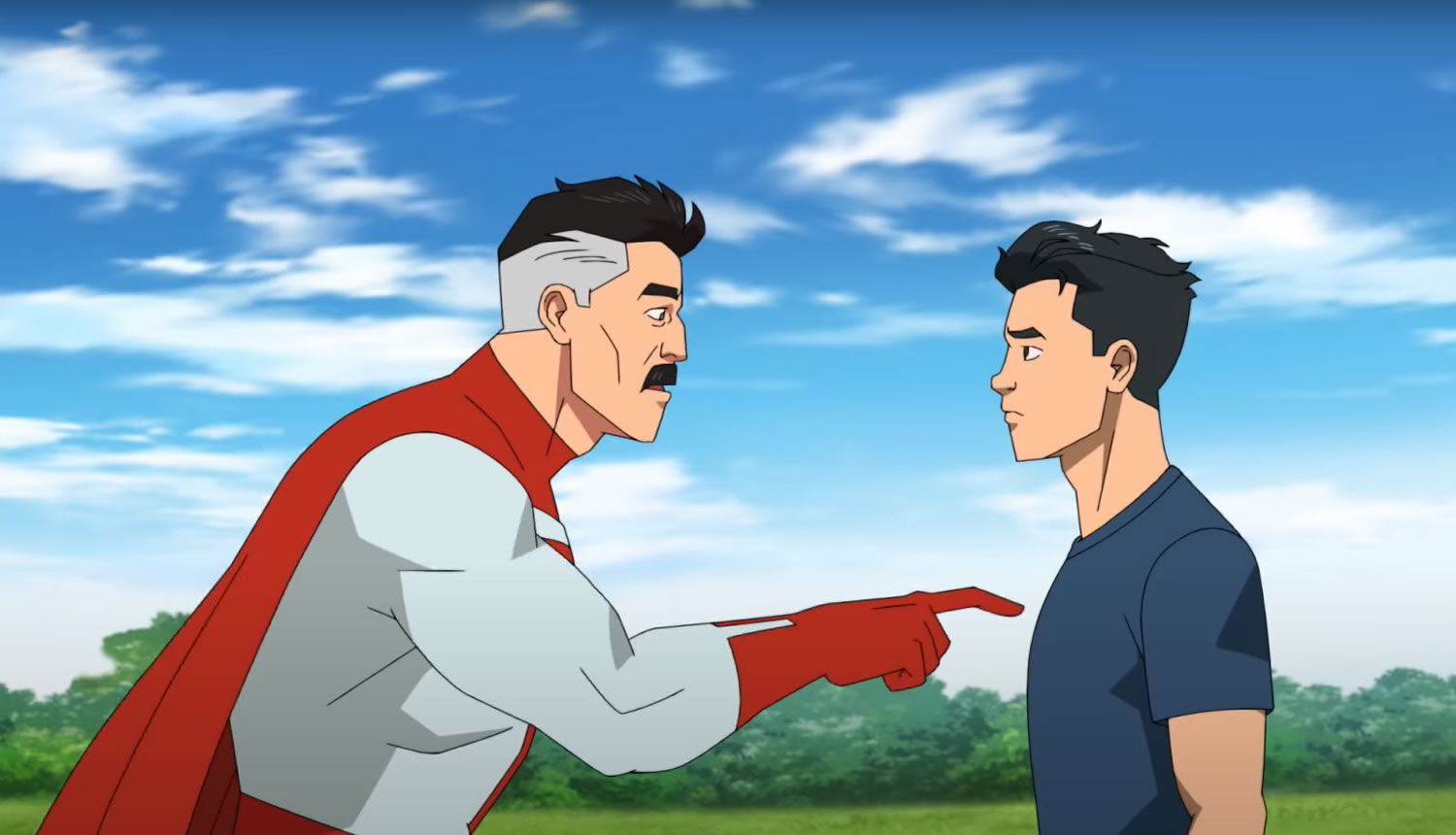
It sounds bizarre to say that out of all the superhero media out there, it’s a cartoon that seems to have the most realistic storylines. But it’s also true. Thanks to its serial format and animation style, Invincible has more freedom to explore universal feelings like guilt and pressure, but also problems that are specific to this world, such as the moral ramifications of killing for good, for instance, or whether there is such a thing at all. Superheroes also question how human they are and what they deserve. It goes in deep, a bit like The Boys but with less irony and more humanity. Also, it’s just a very refreshing world to enter, watch, and explore. There are overlaps in heroes to be sure, but Invincible gives them their own spin, plus the 2D animation gives it a nostalgic charm.
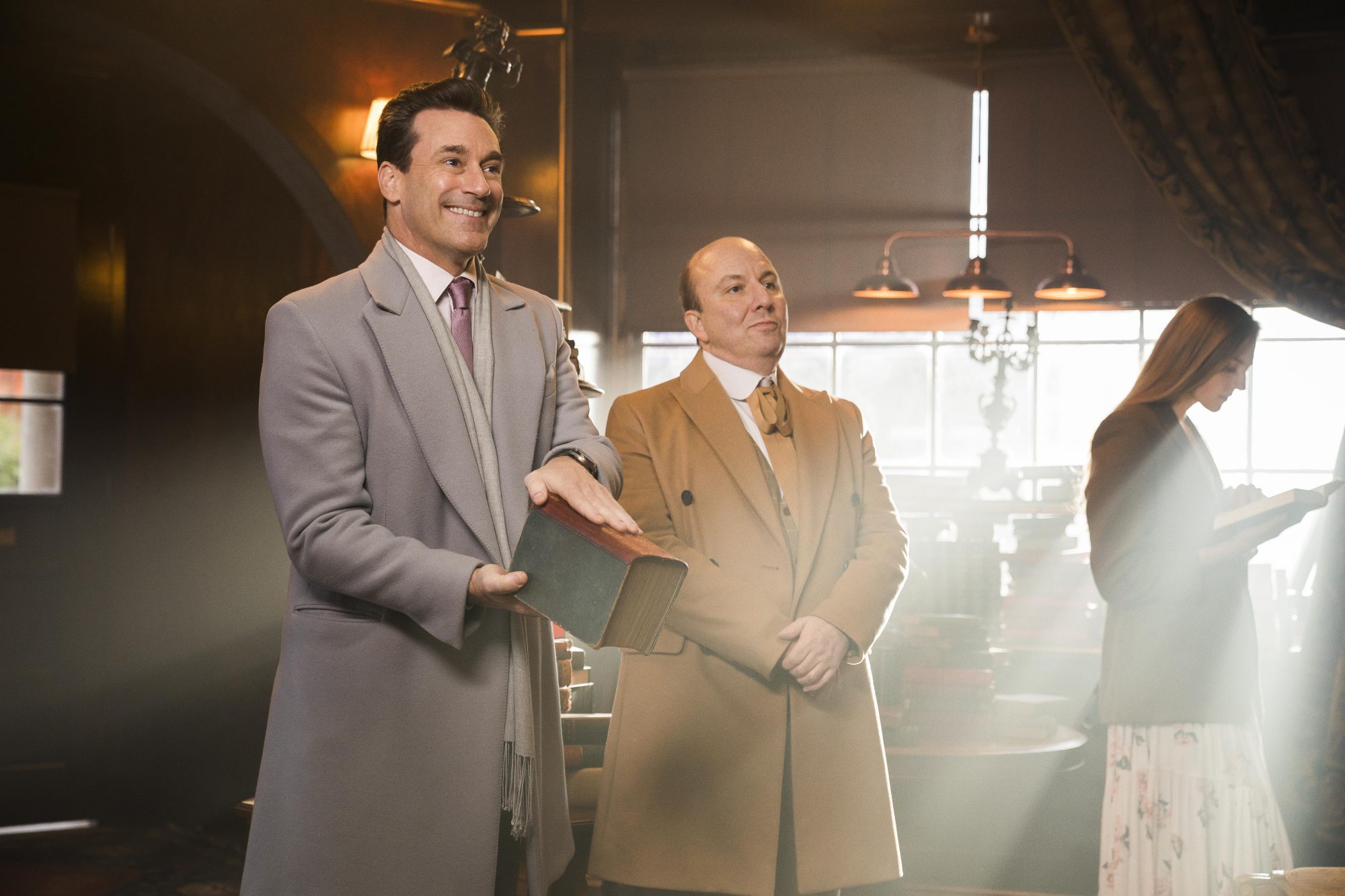
Based on the book of the same name by celebrated author Neil Gaiman, Good Omens is a fantastic story about an angel and a demon teaming up to save the world. Michael Sheen and David Tennant play the deities who go against their superiors’ apocalyptic orders after having grown too fond of both the fun and follies brought about by the human race. This unexpected team-up, along with the creative use of Christian concepts and the comedic chops of all the actors onboard, are what make Good Omens a subversive, inventive, and thoroughly entertaining series.
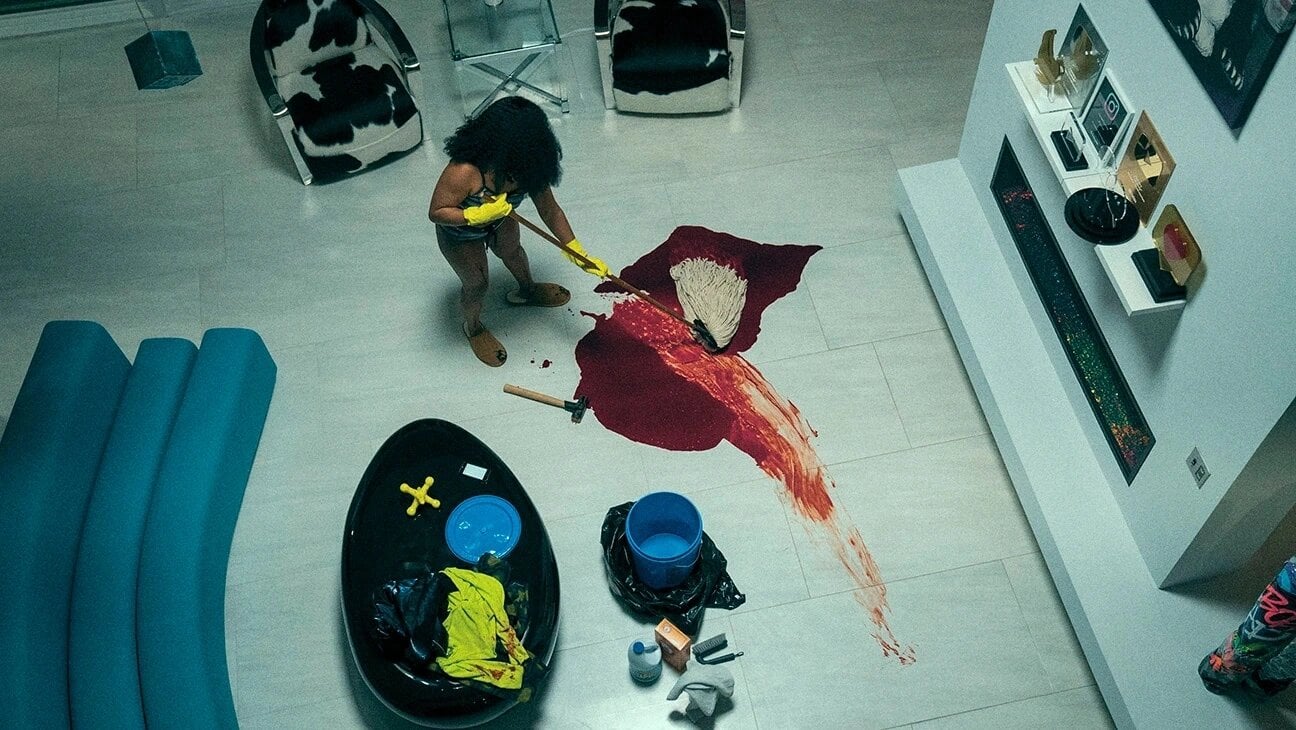
Created by Janine Nabers and Donald Glover (Atlanta), Swarm is a dark and bloody deep dive into fan culture. It follows Dre (Dominique Fishback), a young woman whose obsession with a Beyoncé stand-in takes a dark turn after the unexpected death of a loved one.
Artful, daring, and legitimately scary, Swarm is one of the bolder shows to come to streaming in a while. It doesn’t hold back, not with the commentary nor with the blood, which can be too much for some viewers, but if you were thrilled by films like Misery and The King of Comedy, then this mind-blowing take on celebrity mania will certainly have you hooked.
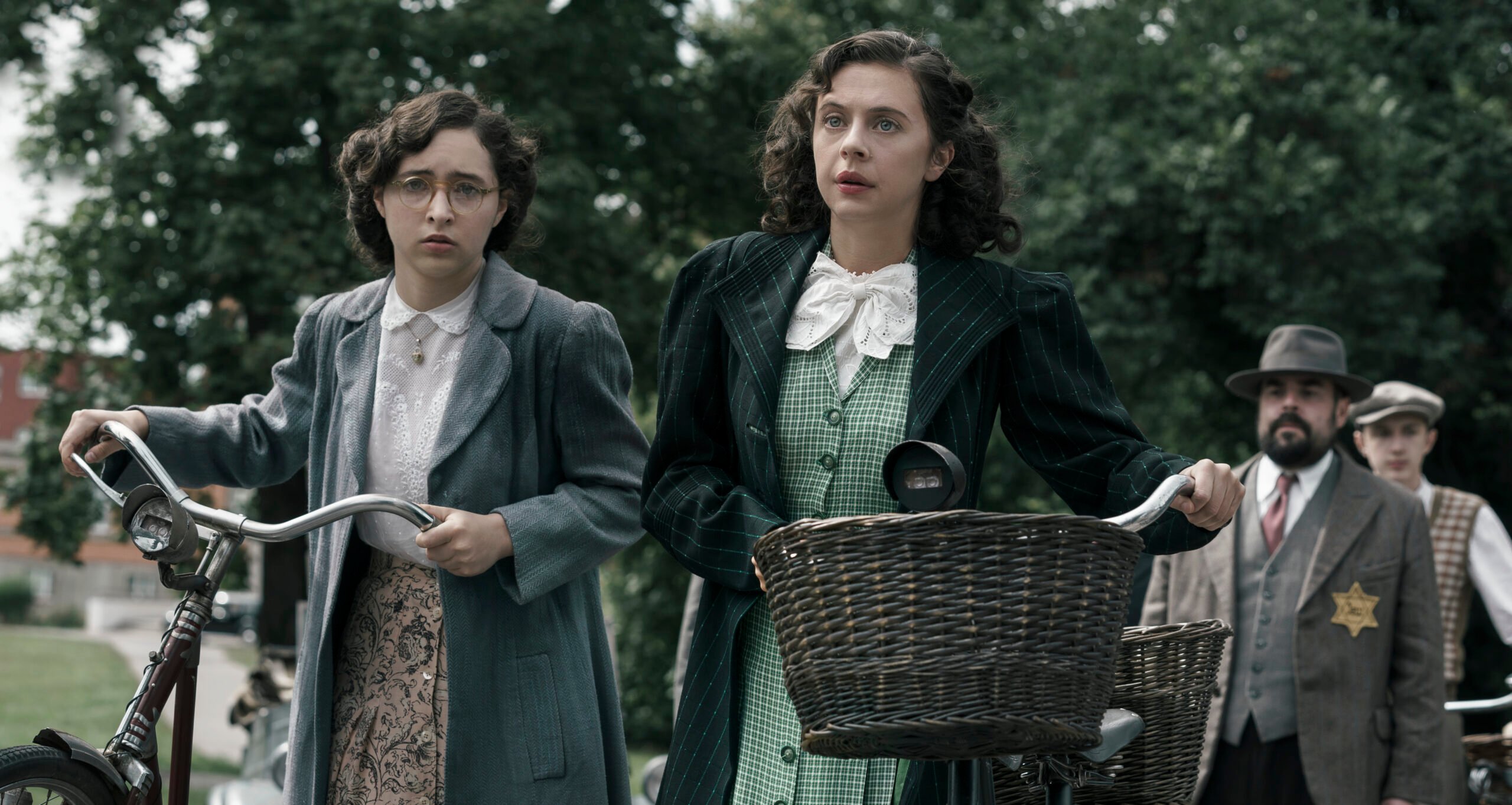
Produced by National Geographic, A Small Light is a ten-part miniseries that tells the incredible true story of Miep Gies (Bel Powley), the Dutch woman who bravely hid her Jewish friends from the Nazis during World War II. Among these friends is her kindly mentor Otto Frank (Liev Schreiber) and his daughter Anne (Billie Boullet), both of whom form a tight bond with Miep.
More than just re-adapting Anne Frank’s story to the screen, A Small Light further fleshes it out by introducing other characters in depth and giving surrounding heroes their due. In fact, it’s as much about courage as it is about survival as it highlights what it takes to lend a hand (and possibly lose it) when you don’t need to. It also helps that this noble message comes with a massive budget and excellent performers, elements that tie everything together in this high-quality series.
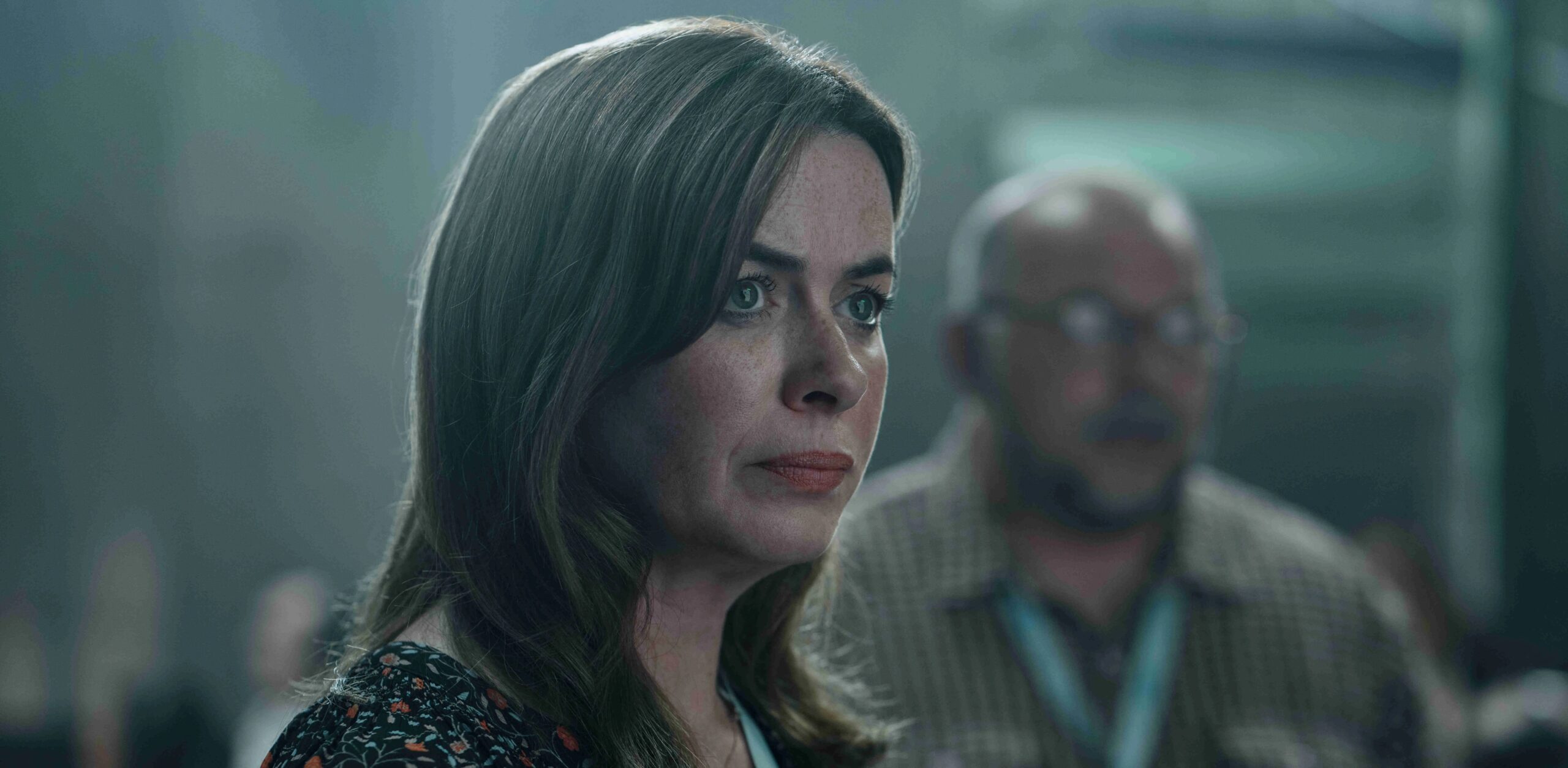
The show’s premise is plain, but it’s also endlessly, edge-of-your-seat gripping. It’s steady and unhurried but never boring, and each episode, which represents an hour on the seven-hour flight, gives you a sliver of hope for the passengers, especially since they have pro-negotiator Sam Nelson (Idris Elba) on their side. Or do they? The show has fun playing with Sam as the anti-hero, but his heart is too big and golden to achieve that complexity. It also doesn’t bother to paint the hijackers as anything other than terrorists (at least not in the first few episodes screened for review). Instead, the show narrowly chases that mid-flight suspense, and it works. It successfully builds up to it with small but revealing moments.
At the back of all the hubbub, there is also a running joke about what happens when you get stuck with the worst people you know. The passengers are characters you may be familiar with—the family with loud babies, the nosy seatmate forcing a chat, the lowkey racist eyeing everyone who doesn’t look like him—and it gets doubly entertaining to see them collaborate when they otherwise won’t.
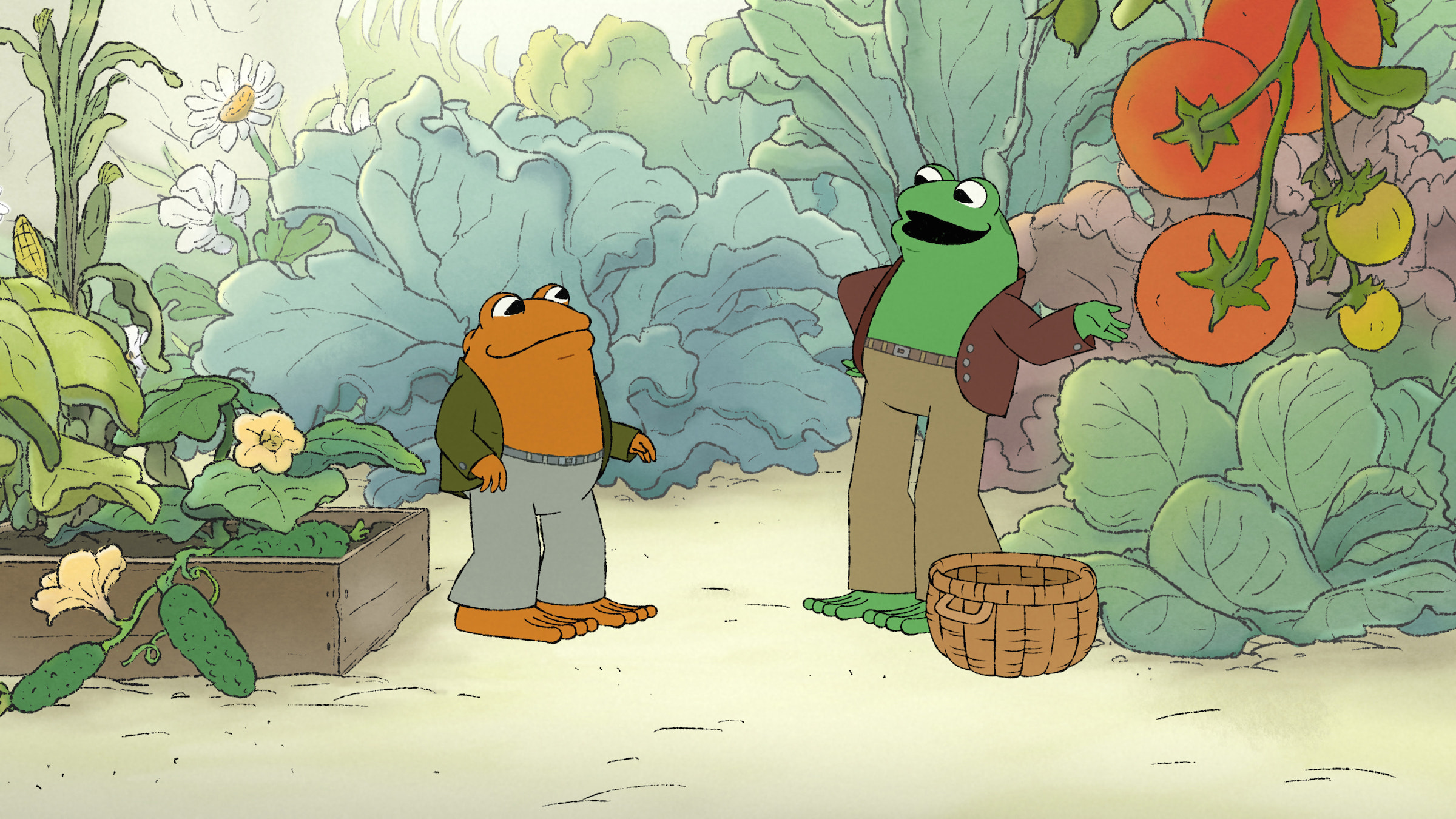
For those familiar with the original book series, you’ll already know what kind of show to expect. The Apple+ cartoon is centered on the two titular amphibians going through universal adventures that makes or breaks your day. From finding the willpower to resist eating delicious cookies, to hoping a friend would contact you when you’re lonely, each episode keeps a gentle sort of humor, poking lighthearted fun at the differences between the emotional Toad and more sensible Frog. With each episode’s twenty minute runtime, and two adventures per episode, Frog and Toad is a sweet, nostalgic series that’s easy to breeze through for millennial parents and their kids.
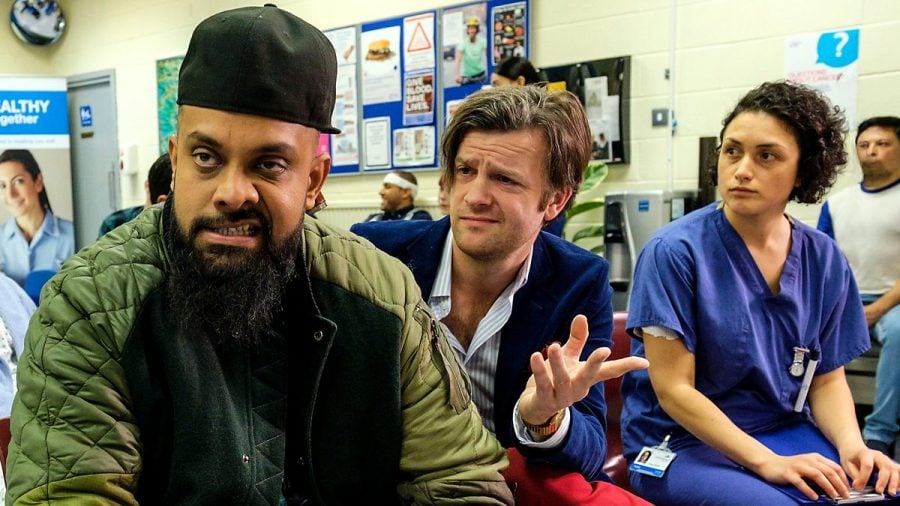
At first glance, those who enjoyed Hulu’s Ramy might be tempted to view this as the UK version of it. However, Man like Mobeen is a bit more street than Ramy and a lot more British. It’s also not so much about being a good Muslim. Mobeen (Guz Khan), Eight (Tez Ilyas), and Nate (Tolu Ogunmefun) are three mates from Birmingham. Two of them happen to be Muslim but it’s not a big deal. Except it is because of the way Western society sees them. Mobeen, the head of the group, takes care of his sister, Aks (Dúaa Karim), in the absence of his parents, trying to be a good guy, while also trying to escape his past as a drug dealer. In the first episode, a transaction to buy a laptop results in three SWAT teams closing in on them for no reason. (When Nate runs off, the police officer asks the others why he ran, and Mobeen says: “If I had to guess, I’d say it’s because he’s black.”) Much of Man like Mobeen is laugh-out-loud comedy, but there’s a healthy dose of wokeness to be found here, too. Teenage knife crime (in the second season), the rise of right-wing sentiment, and the police’s history of violence towards immigrants are effortlessly woven into gags. Very funny!
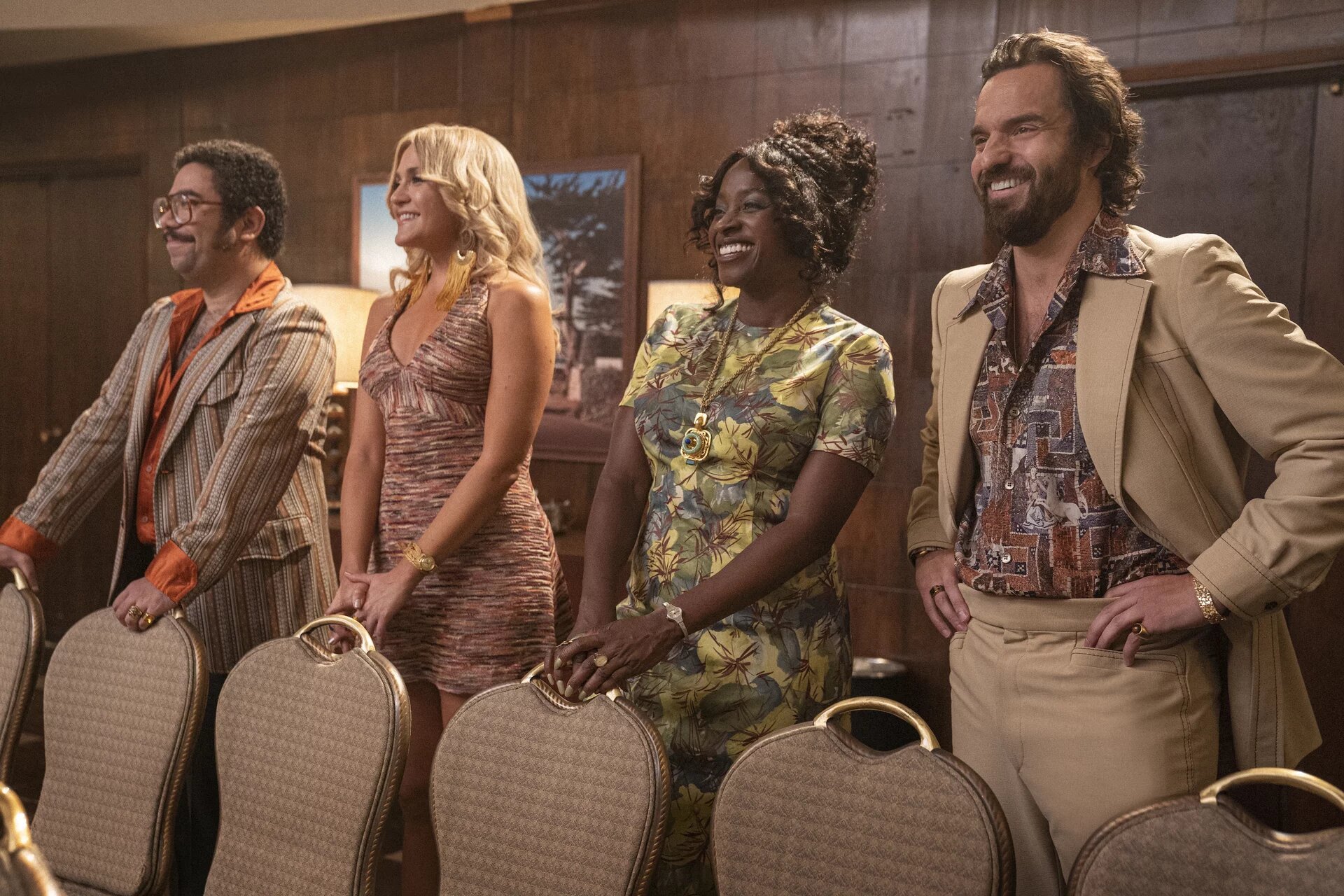
It’s the 1970s and women’s liberation is at its peak. Feminist writer Joyce (Ophelia Lovibond) wants nothing more than to start a magazine called “The Matriarchy Awakens,” but publishers aren’t biting. Enter Doug (Jake Johnson), a seemingly sleazy magazine mogul who wants to turn Joyce’s idea into something more sellable—namely, an erotic magazine aimed at women. Against her better judgment, Joyce agrees, and along with a crew of unlikely creatives, they work to set up Minx, a sexy female-first magazine that is the first of its kind.
Minx, the series, engages both characters and viewers in important conversations about feminism and eroticism, but more than just a piece of infotainment, it’s actually a genuinely funny and charming show. The spars between Joyce and Doug propel the series forward, and the bonds that form between their co-workers are just as heartfelt and compelling. Given Minx’s explicit premise, you might come in expecting a raunchy and sharp-edged show, but it’s actually tamer than it seems. As it is, Minx is lighthearted and pleasing, as enjoyable as any half-hour comedy out there.