Jasmine Renaé: My Curated Picks on Streaming Services
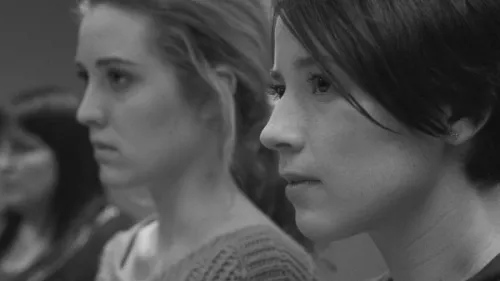
Polytechnique directed by Denis Villeneuve, is a dramatization of the 1989 Montreal massacre of multiple female engineering students. This film focuses on a male student navigating the massacre for the majority of the film’s run time. The performances and minimal dialogue in this film certainly make this an unnerving film to watch. Littered with the screams of the actors portraying the engineering students, this could be mistaken as a gaudy horror film. However, this is far from a fictionalized horror.
This Villeneuve classic is undoubtedly one of the most emotionally brutal films of the 2000s, yet I appreciate the honesty of the storytelling. Polytechnique encourages its audience to ask itself if it truly understands the truth of misogyny.
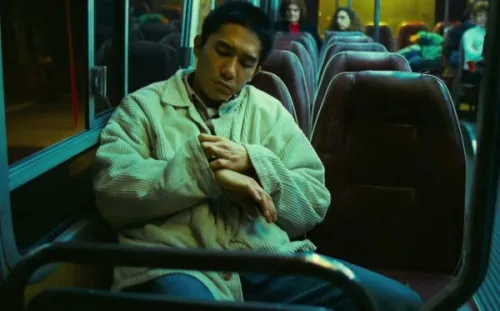
Happy Together is a beautifully devastating tale about a gay couple, portrayed by Tony Leung Chiu-Wai and Leslie Cheun, who struggle with maintaining romance and fidelity in their relationship. Despite their efforts, they find the emotional distance growing between them, especially as they leave their home of Hong Kong for Buenos Aires.
Filmed and set in the late 1990s, Happy Together explored the depths of queer love in a way most films hadn’t.
Since its release, it has touched the souls of many and caused tears to be shed. It serves as a reminder that love isn’t perfect, but it’s always worth the effort.
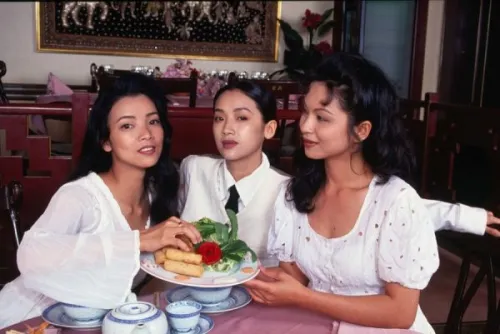
Eat Drink Man Woman takes place in Taipei, Taiwan in the mid-1990s. It tells the story of an aging father and his three daughters, all of whom are navigating different phases of adulthood while embracing new relationships. The family uses cooking and eating together as a way to communicate their love.
Food as a love language wasn’t a new concept in 1994, when the film was released, however it is impeccably explored in Eat Drink Man Woman.
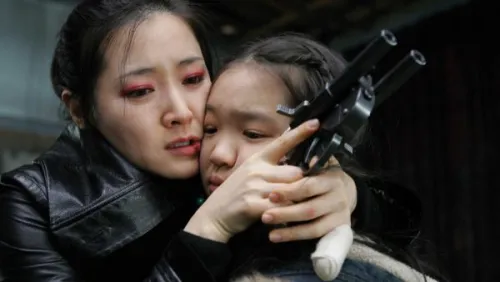
This Park Chan-Wook classic is the third part of a trilogy of films around the theme of revenge, following Sympathy for Mr. Vengeance and Oldboy. While ultimately unique, Lady Vengeance is a thriller set in a prison, in the vein of films such as the Japanese action drama Female Prisoner #701: Scorpion. After being framed and wrongly convicted for murder, our protagonist seeks out the true perpetrator of the crime –– but more than anything else, she seeks vengeance.
This film’s run time is 115 minutes and every second is essential. There is often gratuitous violence perpetrated by men against women in film, however Lady Vengeance takes back control and for that reason it remains one of my favorite revenge films.
In Tina Mabry’s first full length feature film Mississippi Damned she tells the story of three poor, Black adolescents as they advance into adulthood. The story is mostly centered on Kari Peterson, portrayed by Tessa Thompson, who has fallen witness and victim to violence/abuse since her childhood. As she navigates her trauma while facing poverty and familial issues, we begin to understand the inner machinations of Kari and those who have harmed her.
While Mississippi Damned isn’t particularly easy to digest, I consider it essential. As unflinchingly brutal as this film is, it taught me a lot about trauma and how to navigate my own. With performances as powerful as these, it’s impossible to forget this film.
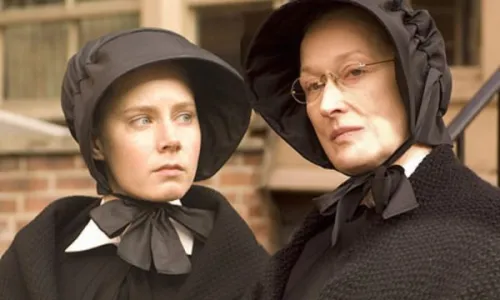
The 2008 film Doubt offers a haunting peek into the crisis of pedophilia within the Catholic church. Featuring an all-star cast of Amy Adams, Philip Seymour Hoffman, Meryl Streep and Viola Davis, it is more than just a fictional tale. With performances that will make you question your intuition and cast a shadow of doubt on your own instincts, Doubt is a difficult film to grapple with.
I fell in love with this film very early on into the duration of it because it was so honest and it allowed the characters to navigate the nature of their suspicions. With Doubt, however, comes denial, and Viola Davis’s eight-minute monologue is simply smeared with it. Doubt is a fantastic story that has left me stunned for over a decade.

x2