40 Best 2024 Documentaries to Watch
Updated
Nothing gets at the heart of humanity quite like a documentary. Narrative films are wonderful and artistic to be sure, but if you’re after something real, then you tune in to real life. So whether that means putting on a solid true crime story, a profile of a fascinating artist, an educational tour of a momentous event, or a behind-the-scenes look at an incredible feat, we’re here to let you know your best options this year. Below are the best 2024 documentaries so far. We’ll have our eyes peeled for new entries as we go through the year, so make sure you keep tabs on this page.
How we make these lists
No AI. No algorithms.
We are 100% human-curated. Everything you see here has been handpicked by a team of experts.
At least 7/10 on IMDb
So you know they are appreciated by viewers, not just high-brow critics.
At least 70% on Rotten Tomatoes
We combine this with the IMDb bar to keep only the best of the best.
Find more to watch
We have grouped the list by where you can stream each title right now, most popular service first. Titles on more than one service appear under the biggest one. Use the menu to jump around.
Netflix 9 titles
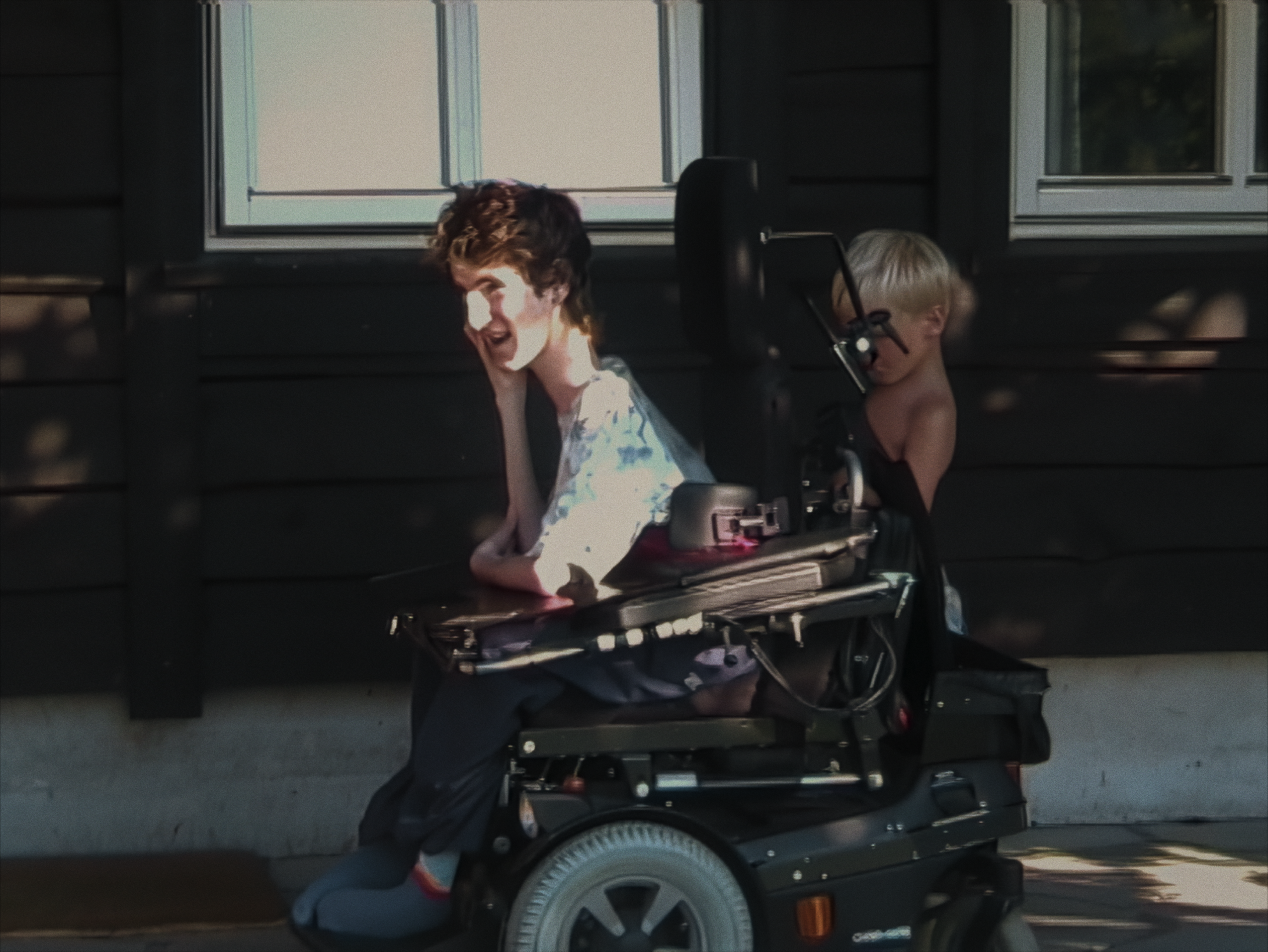
The Remarkable Life of Ibelin (2024)
In the first twenty minutes, The Remarkable Life of Ibelin seemed to be quite unremarkable, with the usual way a biographical documentary would go, that is, loved ones waxing poetic about how great the dead person was in life. But the documentary takes this to introduce Ibelin the same way his parents discovered the online life Mats Steen lived. It’s a unique documentary, mixing in the usual home videos with the animated gameplay of the archived life Steen lived in Ibelin, but it’s grounded by, and somewhat co-created through the words Steen himself typed about his life as a disabled man, and the game history he shared with the community he formed online. The Remarkable Life of Ibelin ends up being quite a remarkable depiction of living online, that feels much more honest, human, and creative than the condescending or cautious narratives we’ve previously heard about the online world.
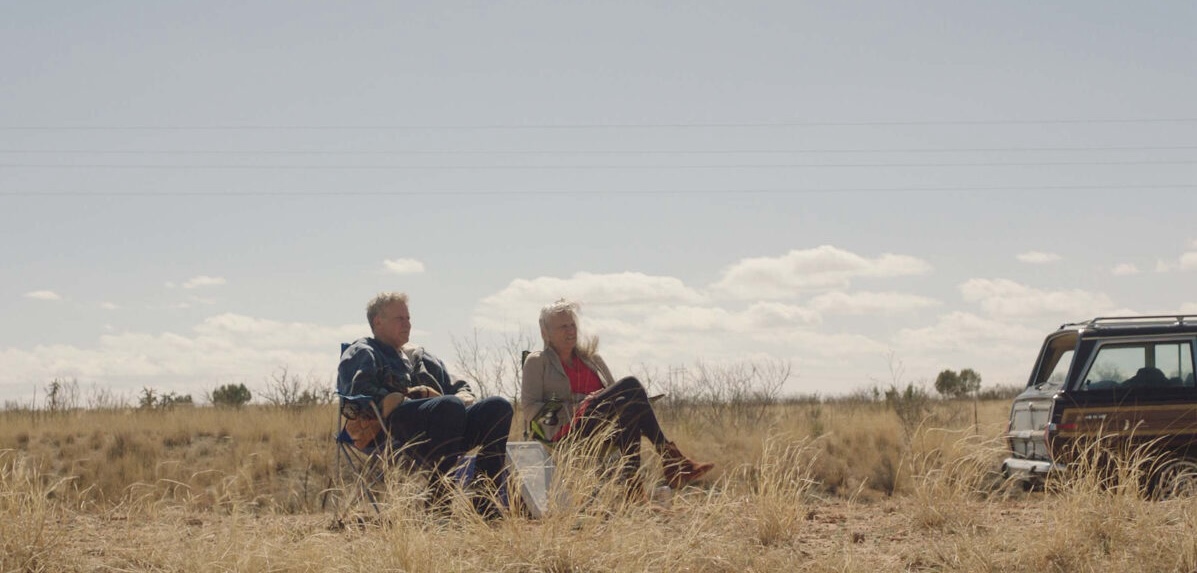
Will & Harper (2024)
Will and Harper’s premise is simple: two friends journey from one end of the States to another and, amid pit stops and bar hops, sunsets and beers, they talk about life, from its biggest concepts down to its tiniest details. The only difference in this case is that Will and Harper are navigating their friendship as well as the roads; since Harper has only recently transitioned (formerly, she was the comedy screenwriter Andrew Steele), she and Will feel the need to settle more than a few questions. When did this all start? What kept Harper from coming out? Will the friendship still be the same? Does Harper still like bad beer? Will, for his part, is earnest and curious, and though he fumbles along the way—at one point, he inadvertently exposes Harper to a transphobic crowd—he’s quick to recognize his mistakes, learn from them, and recenter our attention to Harper, who is the real star of this film. We learn about her childhood and how she grappled with identity throughout her life. We even visit her home in Iowa and get to know her family. The film keeps it light by smartly relying on their naturally funny tandem and the beautiful American country backdrop. It’s been said that to know the real American pulse, you’d have to go to the Midwest, and that’s exactly what they do. It’s not always pretty, but there are bubbles of joy there that present hope not just to Harper but to the many transpeople out there waiting to know if it’s finally time to head out (it is).
Mountain Queen: The Summits of Lhakpa Sherpa (2024)
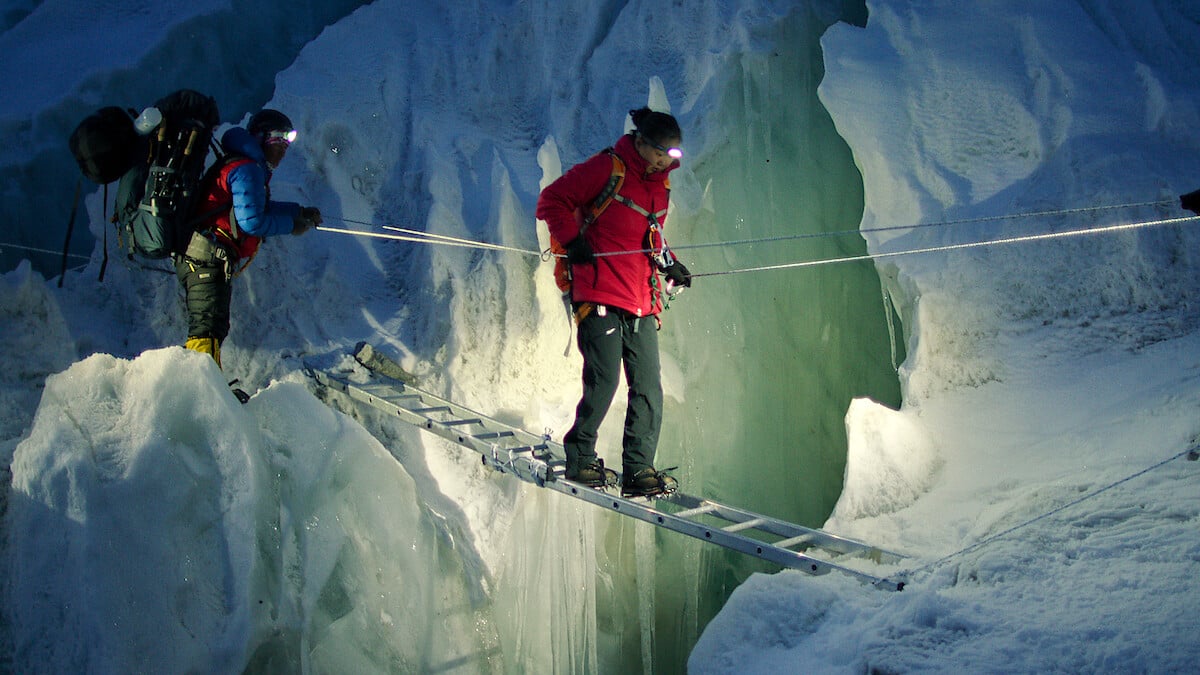
Mountain Queen isn’t just a movie about a professional mountain climber, although Lhakpa Sherpa is certainly impressive as she trudges through the deathly terrain of Everest (and at 50 years old at that!). It’s also the heartbreaking story of a broken family in repair. Sherpa reveals shocking details about her abusive husband, fellow climber Gheorghe Dijmărescu, and we see how it’s affected her two daughters, one of which is so hurt, she can’t bring herself to speak to her mother. The main thread of the movie is her 10th attempt to scale the tallest peak in the world, but Director Lucy Walker smartly intercuts this with tales of Sherpa’s own life—a laborious obstacle on its own—rightfully framing Sherpa as the strong woman that she is.
Butterfly in the Sky (2024)
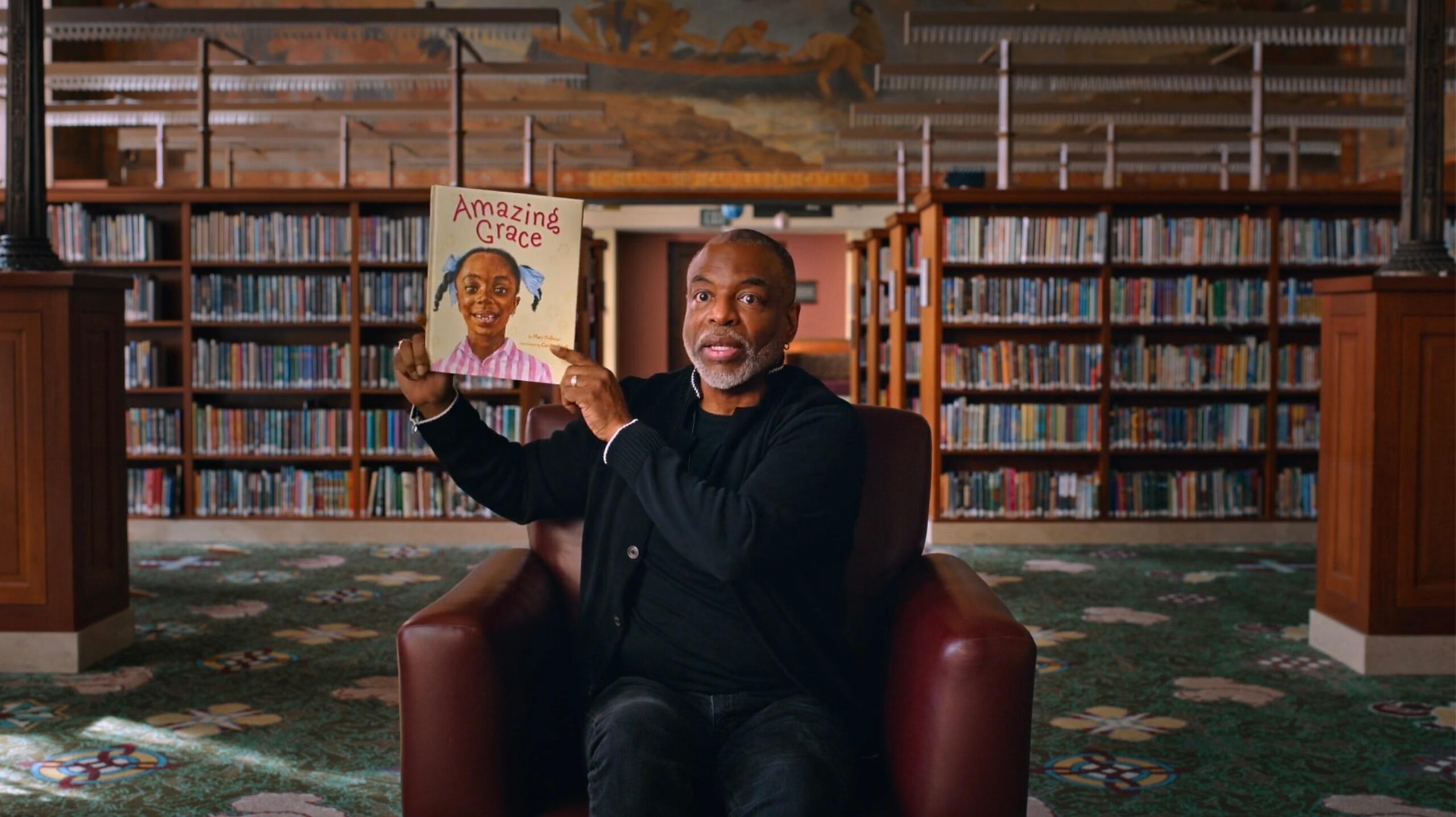
For the longest time, television seemed to be the antithesis to reading– part of that belief still lingers to this day. However, just before the turn of the millennium, there was a show that didn’t find itself opposite to it, instead, it wanted to be its ally. That show was Reading Rainbow. Butterfly in the Sky tells its story. It’s quite nostalgic, as the show’s former cast and crew recall what it was like, and the way the film structured its sequences captures not just the show itself, but the cultural weight it represented, as it encouraged reading not just as a skill you need to learn, but as a way to interact with the wider world around us, which is worth protecting. Butterfly in the Sky believes in stories, and believes in the story that it wants to tell about Reading Rainbow.
The Greatest Night in Pop (2024)
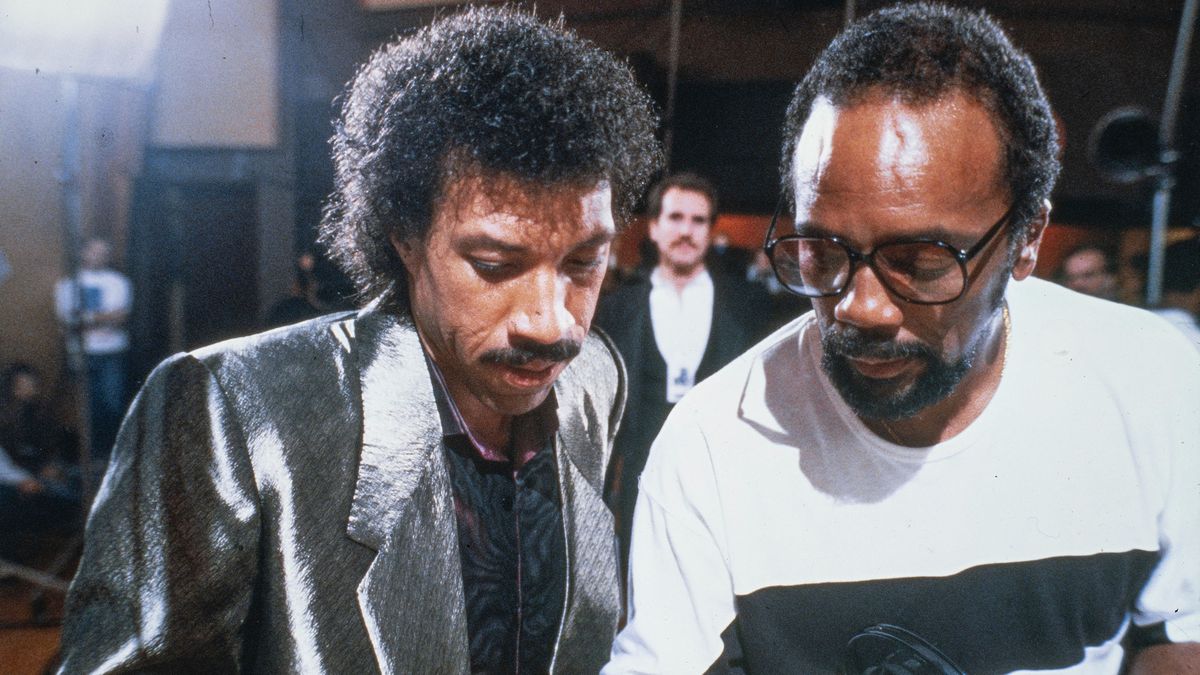
We Are the World is a charity single created for African famine relief. It was a smash success– it inspired plenty of other charity singles and already has a TV documentary about it. But The Greatest Night in Pop reveals new behind-the-scenes footage with a home video flair, intercut with interviews from those who were in the booth on that fateful day. The anecdotes about that night might have already been said elsewhere, but director Bao Nguyen manages to capture the energy in the room, peeking into the emotions of the various personalities that helped shape the song. It’s an intriguing, if straightforward documentary, and it’s certainly a treat watching the decade’s best voices collaborate to make this one track.
The Menendez Brothers (2024)
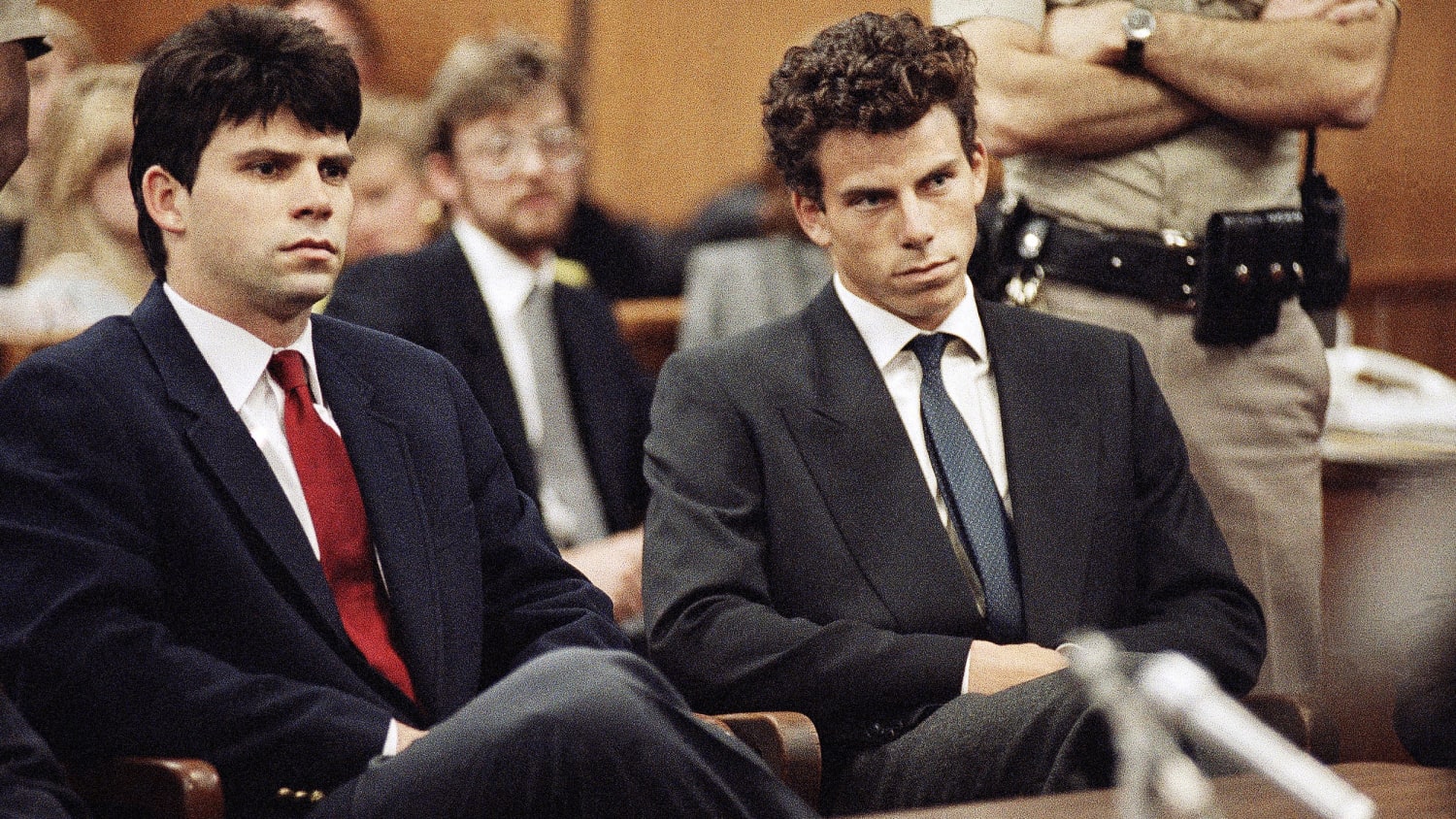
More than anything, Netflix’s 116-minute Menendez Brothers documentary feels like a PR shield to protect the streamer against the onslaught of criticism its dramatized series (Ryan Murhphy’s Monsters) received. Netflix wants to have its cake and eat it too. If Monsters painted the brothers as evil and spoiled, The Menendez Brothers takes a more humane approach by shedding much-needed light on male sexual abuse. It also literally gives the brothers a voice by having their present-day selves, through exclusive phone calls, weigh in on the events that led to that fateful day they killed their parents, as well as on the heated legal proceedings themselves. The series is at its best when it focuses on the present (How are the brothers faring in prison? Why is this generation so passionate about protecting them?) and when it gives us a legal breakdown of the complicated case. Since many other documentaries about the brothers tend to focus on the scandal and psychology of such a case, it helps to see what went down in this new light, with input from the brothers no less.

Remembering Gene Wilder (2024)
It’s immediately apparent that there are more carefully made documentaries out there than Remembering Gene Wilder. The film is riddled with pixelated photos for one, and the overall tone is fawning for another. But Wilder is too great of a man to be affected by mediocre filmmaking, and so Remembering Gene Wilder still makes for an entertaining and insightful watch despite its small faults. The film is less about his life and more about his work—a chronological account of his career with nuggets of wisdom for performers, comedians, and writers tucked neatly in between. It still dives into his personal life, to be sure, but as Wilder will readily admit, his creative decisions spell out all you need to know about him.
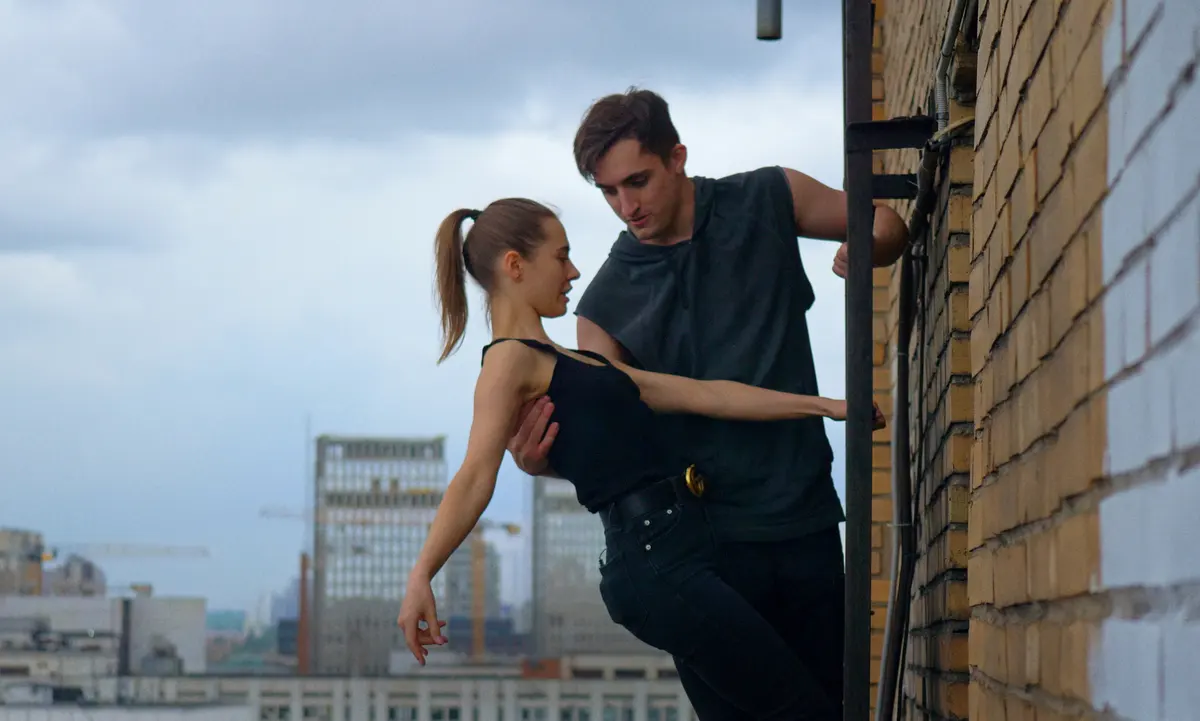
Skywalkers: A Love Story (2024)
Far from a typical documentary, Skywalkers is as relentless and fast-paced as the climbers it follows. As Angela Nikolau and Ivan Beerkus illegally scale towers and skyscrapers with little more than the clothes on their back, Director Jeff Zimbalist throws viewers into the next thrilling scenario whether they’re ready to or not. It’s amazing how much of the breathless editing replicates the energy between Nikolau and Beerkus, regardless of whether they’re in action rooftopping or deep in an argument about trust and relationships. The film has a deep emotional core that makes it resonate more than it should; people might come in for the extremity of their sport, but they’ll leave learning something worthwhile about love.

Inside the Mind of a Dog (2024)
Dog lovers will think they already know everything there is to know about their favorite furry companions, while those indifferent to the animal might think a film will do little to sway their opinion. But Netflix’s Inside the Mind of a Dog makes a surprisingly compelling case for diving deeper into canine psychology. Experts weigh in on their intelligence, which many believe surpasses that of apes, our closest mammal relative, as well as their loyalty and charm. People take the latter two for granted, but they’re actually part of a successful evolution strategy experts have dubbed “survival of the friendliest.” The documentary is full of interesting takes like these, but what really tugs at the heartstrings are the stories of the service dogs we follow. It helps, too, that the movie is narrated by an enthusiastic-sounding Rob Lowe, himself an eager dog owner, and peppered with engaging animations and adorable pup clips.
Prime Video 3 titles
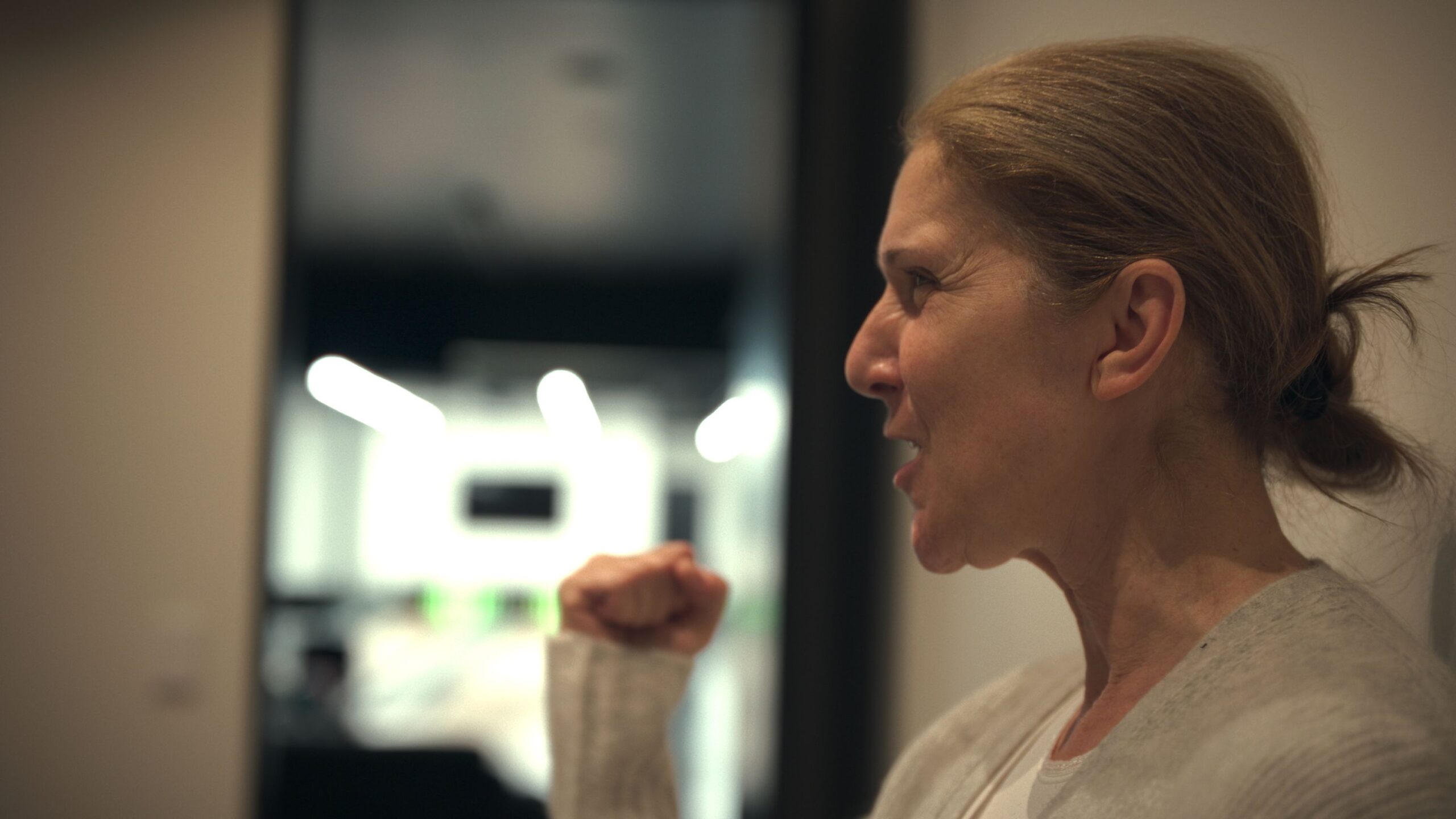
I Am: Celine Dion (2024)
Celebrities are often described as being “vulnerable” in documentaries, but it’s never been more fitting in this case. Here, Celine Dion opens up about her near-paralyzing illness, which affects her vocal cords and muscles and consequently prohibits her from performing on stage. We see clips of the star having spasms and breakdowns as she tries and fails and tries again to get her voice back. More than just a simple biography of what Dion has achieved, which we already know is massive, the film is largely about the doubt that creeps in and threatens to rock your sense of self, and the strength of the human spirit to persevere despite all that. The film is bracingly, unflinchingly raw, but it’s never exploitative, thanks partly to director Irene Taylor’s gentle direction and to Dion’s unwavering resilience.

Frida (2024)
Frida Kahlo is an iconic Mexican painter, not just because of her outstanding art, but also because of her outlook in life, despite her ill health and tragic accident. Because of this, she has been talked about in multiple books, movies, and exhibitions, but a new documentary has popped up, this time from her own words. Carla Gutierrez’s directorial debut is a revelation, voiced primarily in Frida’s native Spanish and paired with key archival footage, vivid animations of her paintings, and an excellent acoustic score plucked from classical guitar. Being a biographical documentary, fans of the artist would, of course, be familiar with her life events, but Gutierrez’s approach is still worth watching, mostly because it’s Frida’s own words driving the film.
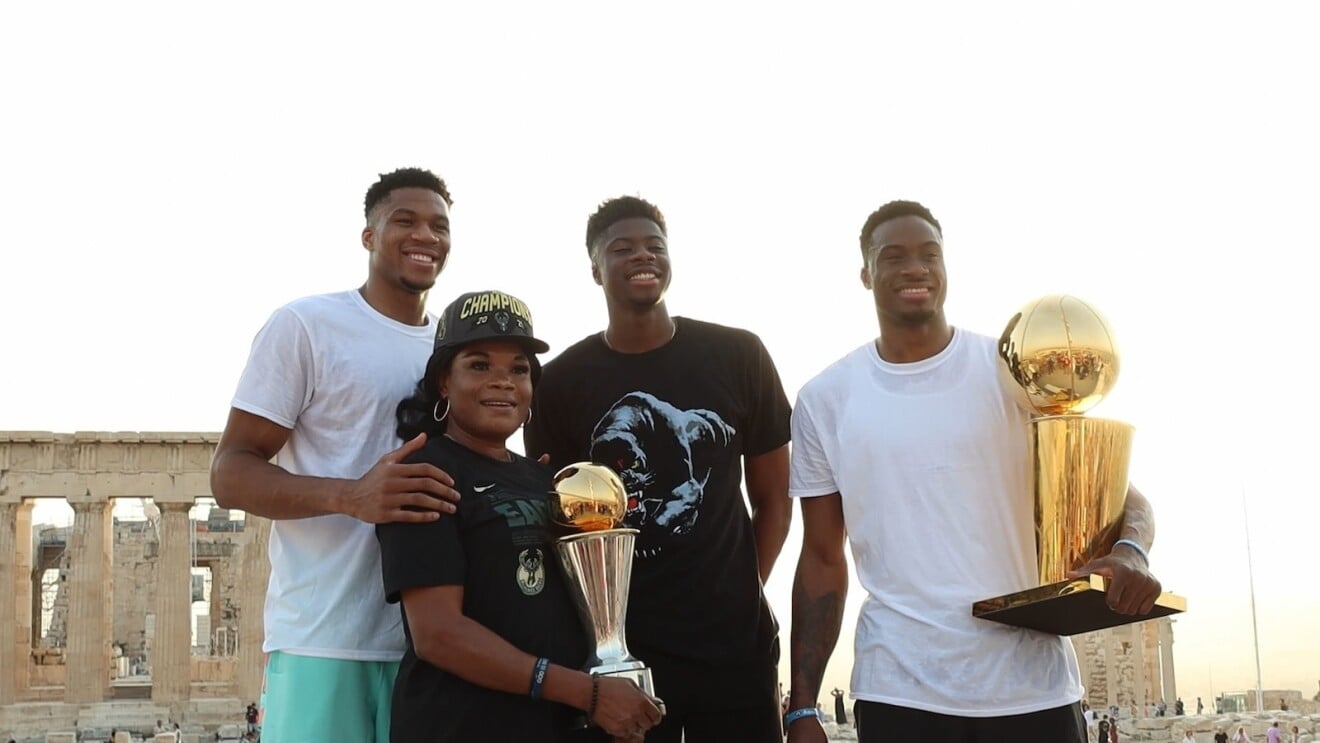
Giannis: The Marvelous Journey (2024)
Giannis Antetokounmpo’s rags-to-riches life story is the stuff of movies, and indeed it’s been told many times on print and screen. But this is the first time he and his family are telling it themselves, which is a big deal since Antetokounmpo, as it turns out, is inseparable from his family. Their revealing interviews about how they struggled as undocumented immigrants from Nigeria in Greece add a new, moving depth to a well-known journey, which Director Kristen Lappas wisely divides into chapters named after Greek ideals Antetokounmpo represents. Despite Lappas’ background (she is Greek-American), she makes sure to balance Antetokounmpo’s heroic moments with the Greek government’s at-times unfair treatment of the athlete and other immigrants in the country. She also puts a spotlight on the pressures Antetokounmpo is going through as one of the youngest champs in NBA history. After all, at just 29 years old, he’s already a two-time MVP and playoff winner. This doc proves that the story of how he got there is no less remarkable.
Max 4 titles
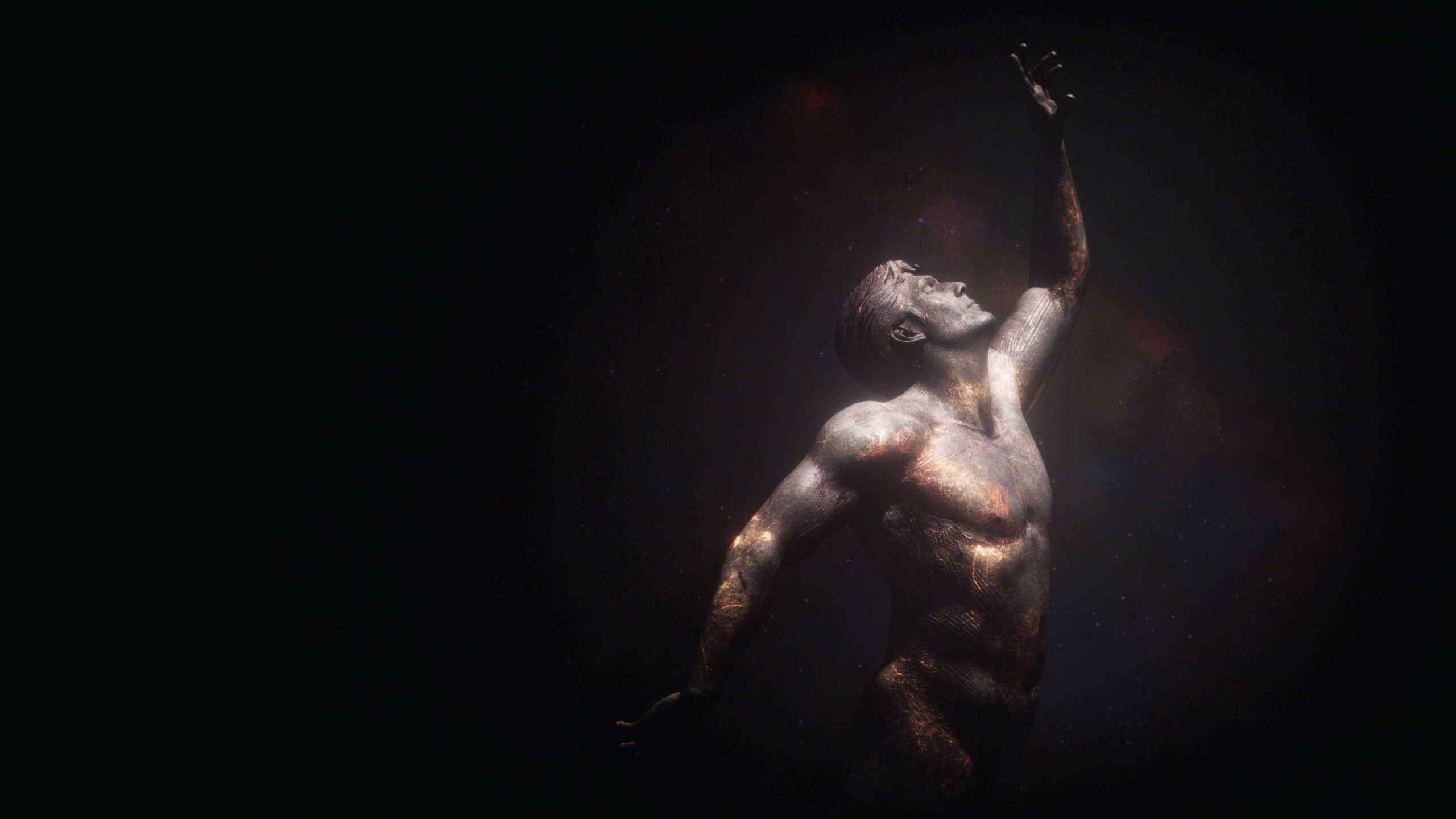
Super/Man: The Christopher Reeve Story (2024)
At the peak of his fame in the 80s, Christopher Reeve was constantly seen as his onscreen character, Superman. Like him, Reeve could fly (planes). He was full of charm and stood for what was right. But in this revealing documentary, we learn the whole truth about Reeve; his troubled childhood, his initial struggles with commitment, his physical talents, his love for family, and—as many a superhero star will sympathize with—his deep yearning for a creative career outside of the comic book character who made him famous. Of course, a significant chunk of the documentary also deals with Reeve’s unfortunate paralysis. We witness, through home movies and narrated biographies, how he coped with the tragedy. Making the film even more special is the input of his three children, who look back at the time with generous honesty and vulnerability. This film is made for fans of the actor, but it’s also a great example of the power of advocacy (Reeve became a disability rights activist after the accident), love (his wife Dana is a superhero on her own), and legacy (his children run his foundation to this day).
Elizabeth Taylor: The Lost Tapes (2024)
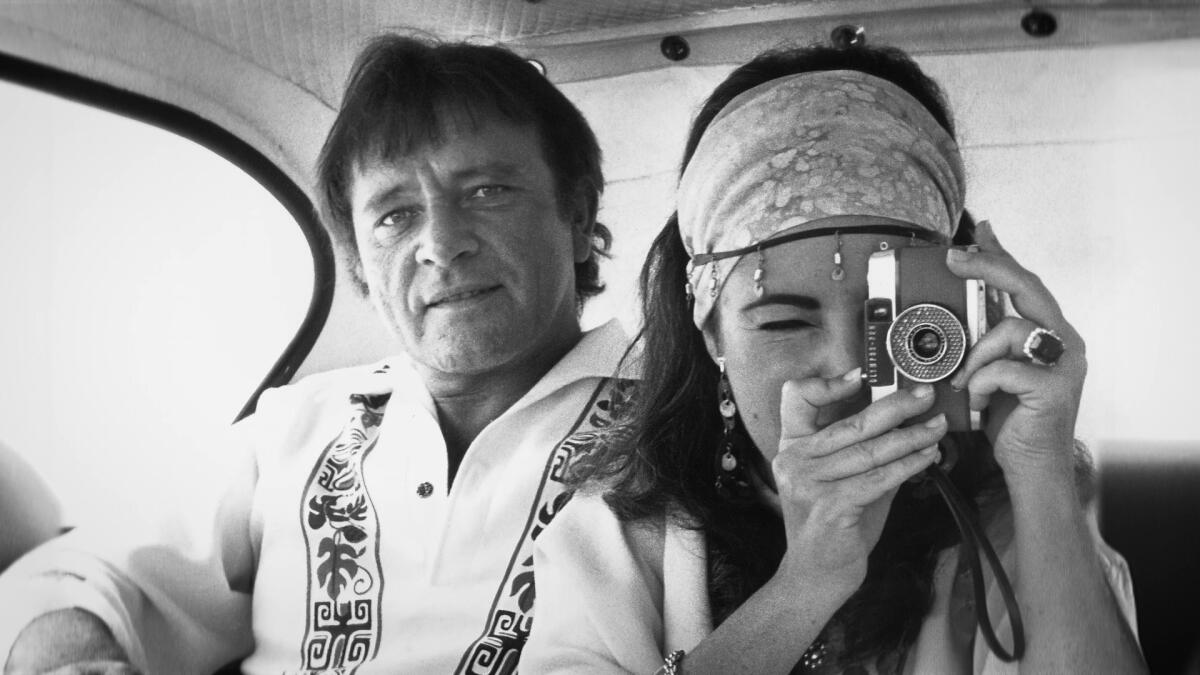
In 1966, Elizabeth Taylor and her friends recorded themselves talking about the ups and downs of her life. These candid conversations are the basis of The Lost Tapes, a revealing tell-all that allows Taylor to set the record straight in her own words. Here, you get to see and hear the many parts of Taylor–her romanticism, activism, and passion, as well as her fun banter with the journalists, friends, and lovers who alternately interview her. Of course, the downside to having Taylor and her loved ones narrate a biography is you only get one side of the story, while the thornier parts of her life are skated over. Things like child labor and having to play a married-24-year-old at 16 years old, or being physically abused and suffering a miscarriage, these are things Taylor, and therefore the documentary, shy away from expounding. But while it may not be the definitive documentary on Taylor, it certainly is the most personal and intimate. It also serves as a reminder of how we’d all like to be remembered—in our own and our cherished friends’ words.

Faye (2024)
It makes sense that a documentary about Faye Dunaway doubles as a documentary about the best of late 20th-century cinema. Dunaway, after all, has starred in many defining films, including Bonnie & Clyde, Chinatown, and Network, the latter of which won her an Oscar. But there are times when it feels like the documentary equates Dunaway to her career, and we get way too many clips of these admittedly great films, as opposed to more intimate slices of Dunaway’s life. Still, it’s heartwarming to see Dunaway take control of her narrative after falling victim to the press’ relentless defamation of the star. Yes, she’s difficult and a diva, she admits that many times in the documentary. But she’s also a fastidious hard worker—someone’s gotta be, or else they wouldn’t come up with the classics that we have now.
The Commandant’s Shadow (2024)
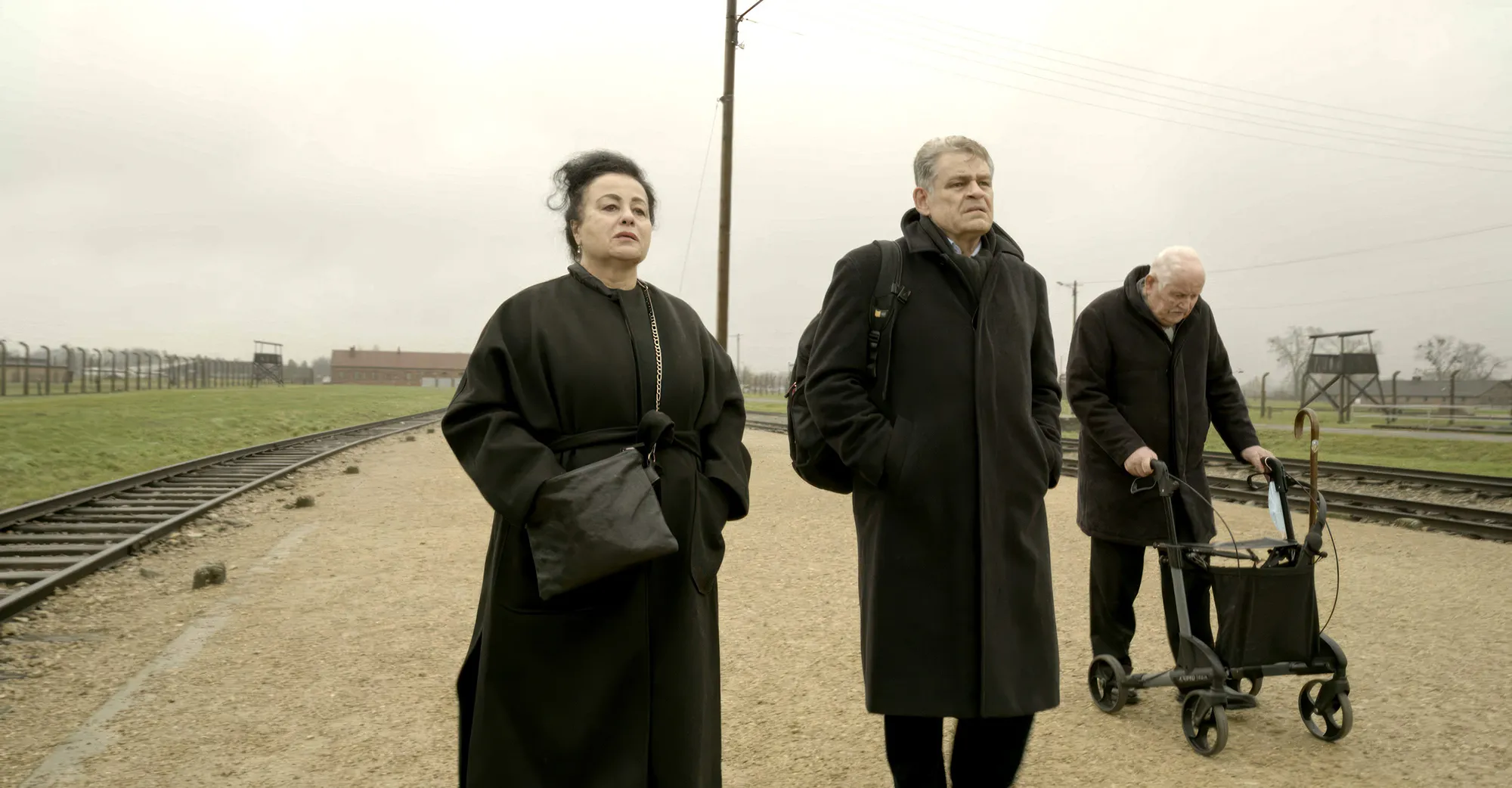
If you’ve seen the bone-chilling Oscar-winning film The Zone of Interest, then The Commandant’s Shadow isn’t just supplementary but necessary viewing. It interviews and interrogates the son of SS officer Rudolf Höss, who describes his childhood in Auschwitz as “idyllic,” and parallels his life with that of an Auschwitz survivor and her family. They’re not asked “gotcha” questions, though there are some moments where Höss’s family members’ insularity shocks you. Instead, everyone is given the time and space to reflect honestly about the pain and trauma that continues to live on in their families. It’s a difficult film to sit through, but insightful and ever-so-resonant in an age where mass torture and genocide continue in many parts of the world.
Hulu 2 titles
Spermworld (2024)
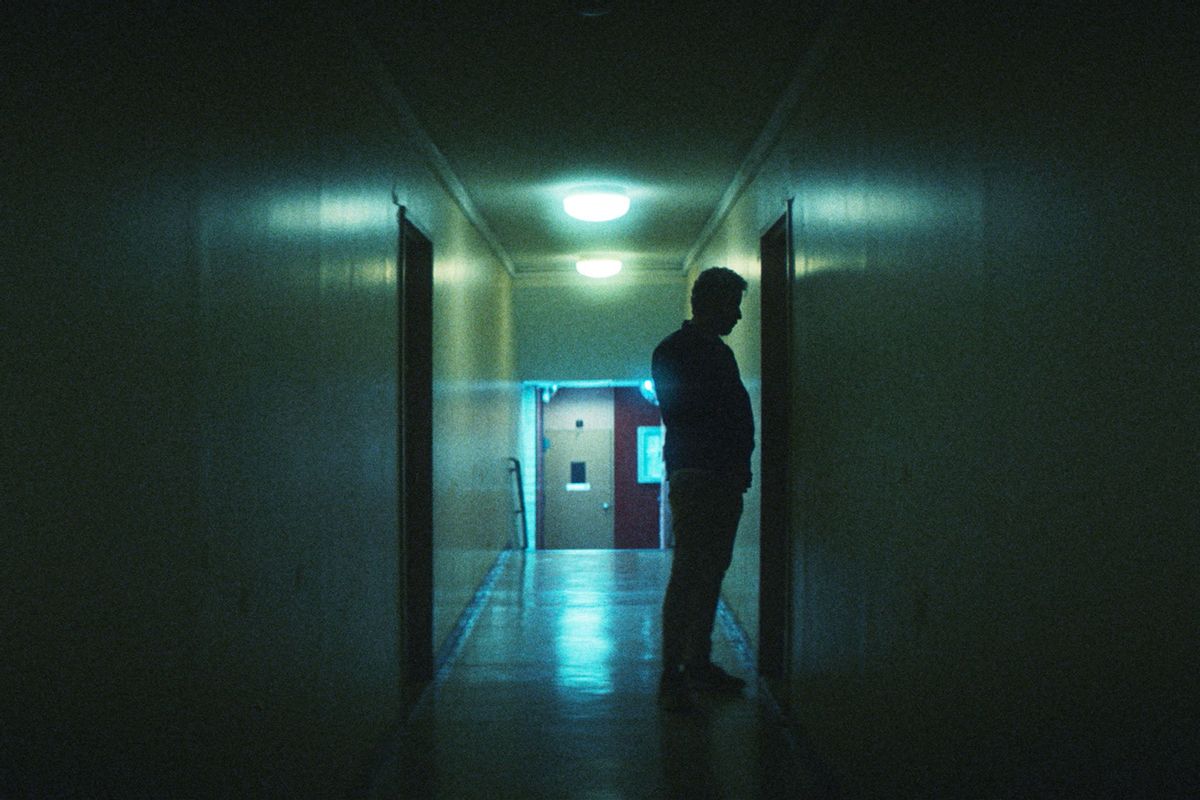
For people having difficulty bearing a child, artificial insemination is one way to go for parenthood, but going to sperm banks can be expensive, shrouded with too much anonymity, and have had many incidents of malpractice. Some people would rather take things into their own hands. Spermworld explores the journeys of three different internet sperm donors, who meet with hopeful parents. It can be awkward, even when the donors are fairly ordinary guys with fairly decent motives, but the way director Lance Oppenheim approaches the community is disarmingly human, acknowledging the strange quirks that come with the donation, but also the interesting parental desires human beings do have.

Breakin’ on the One (2024)
When people talk about hip-hop’s origins, they tend to forget an important element: dance. Along with DJs and rappers, it’s the breakdancers who helped popularize the culture and pushed hip-hop into the movement that it is today. Breakin’ On the One gives the dancers their due and shines a light on their overlooked history. We see how it served as a buoy that saved kids from potential crime on the streets, how inextricable it is to New York history, and how it even has roots in traditional African culture. The music and editing work hand in hand to match the dynamic boom-boom-boom energy of hop-hop and breakdance, making it exhilarating to watch.
Disney+ 5 titles
Music by John Williams (2024)
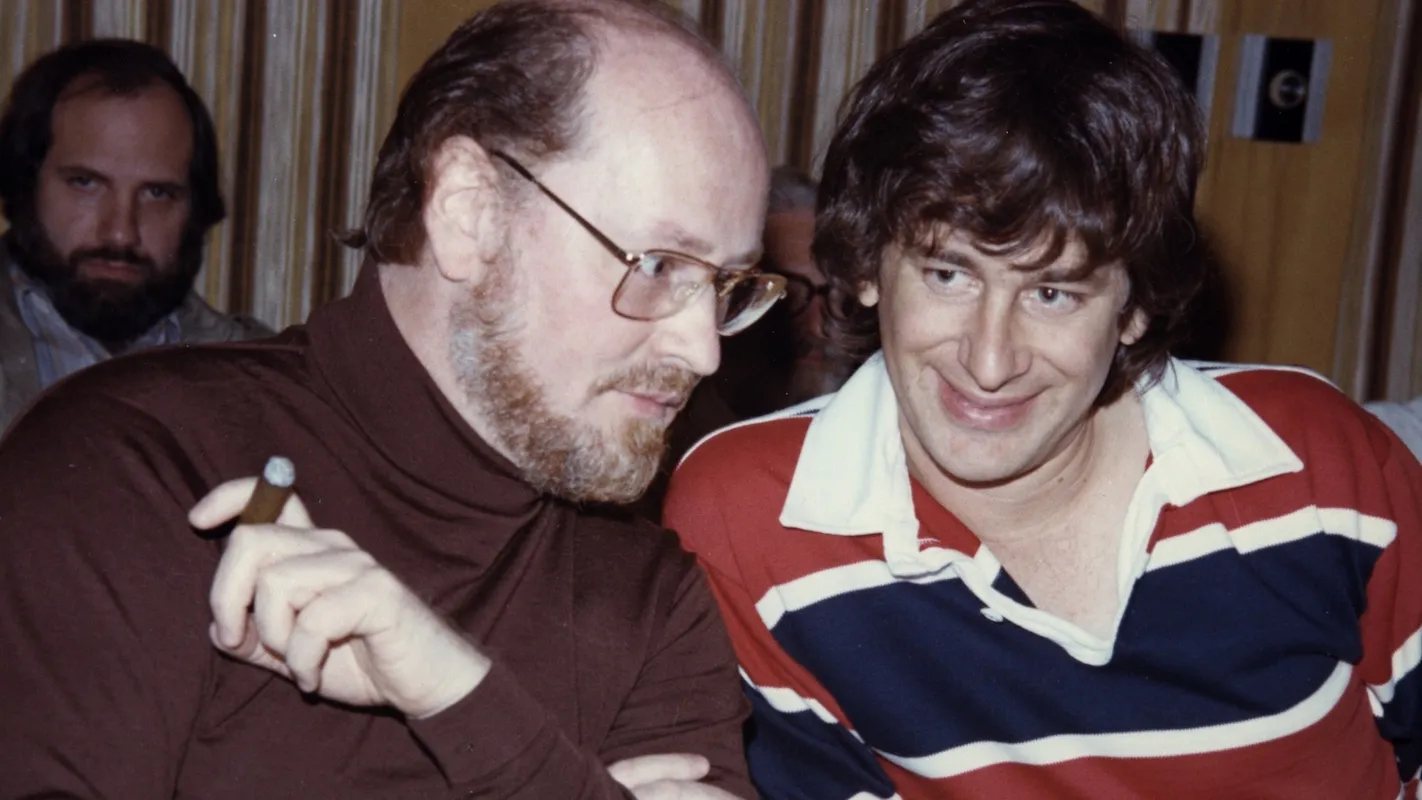
Before this documentary, I didn’t have the faintest clue that the formative films of my childhood—Star Wars, Superman, Indiana Jones, ET, and Harry Potter, to name a few—were scored by one man: John Williams. This film is a loving tribute to Williams, who at 92, is still as lively as ever as he shares how he stumbled into Hollywood and found his calling as the definitive movie composer. It features interviews with frequent collaborators like Steven Spielberg and Yoyo Ma and fans like Chris Martin and Seth MacFarlane, but it’s truly Williams’ music that makes watching this a special experience. As soon as you hear the chilling first notes of Jaws, the brash opening of Star Wars, and the melodic strings of Jurassic Park, you’re hooked. Then Williams, often along with the directors, go on and recount how those came to be, and you find yourself seated, eyes wide with wonder.
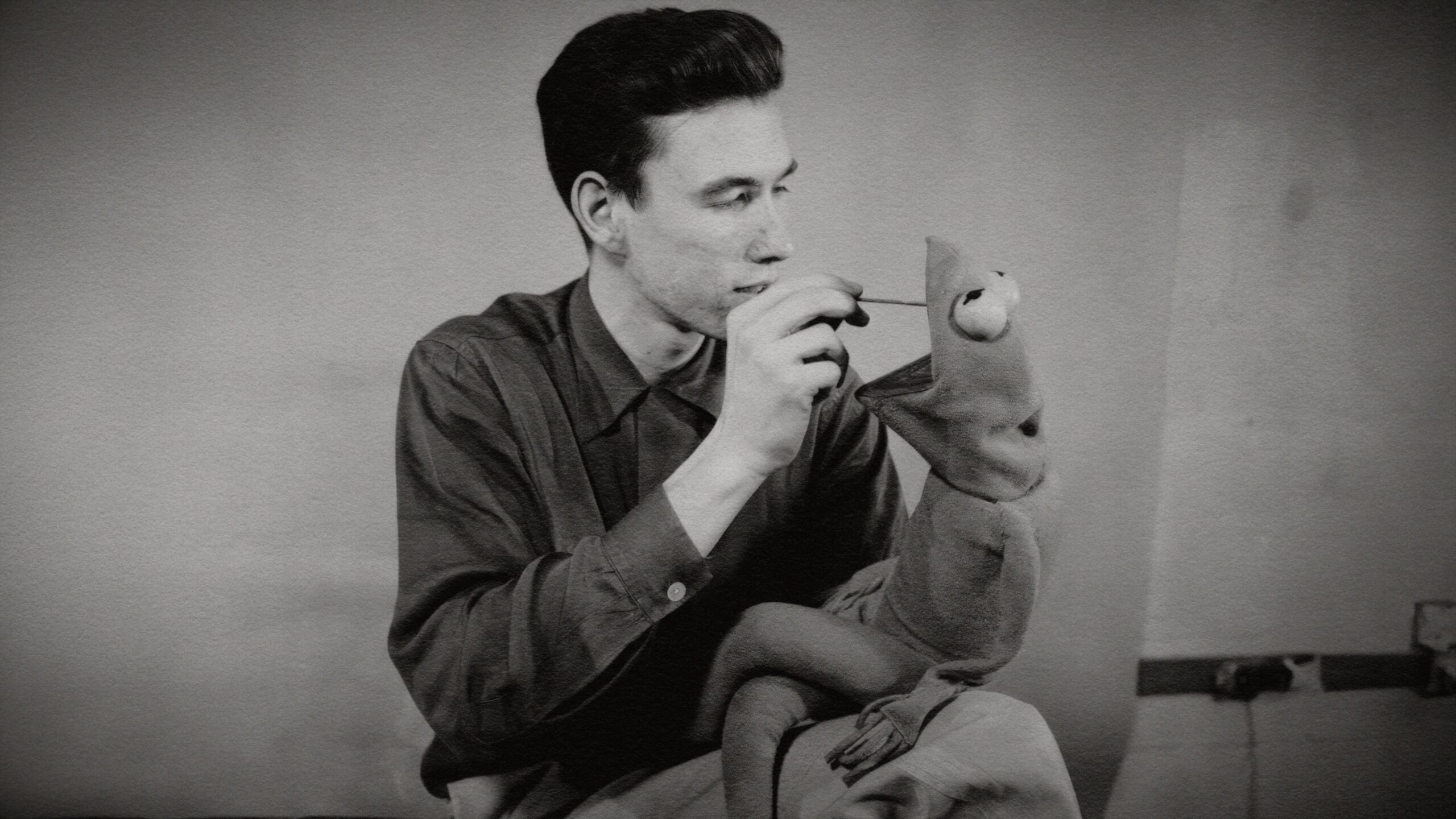
Jim Henson Idea Man (2024)
It’s hard not to be enchanted by Henson’s furtively creative world, which here is charmingly sectioned into nostalgic archival footage, stop motion art, and clips of Henson’s own experimental films early in his career. Those unfamiliar with Henson might think his story is simply the history of the Muppets and Sesame Street (though even then it would be a full one), but Henson has plenty of other creations too. He’s part of a line of chronically dissatisfied artists who are constantly reinventing and restlessly one-upping themselves, which is why his work evolved into early CGI, as well as The Dark Crystal franchise and films like Labyrinth. This lovingly told documentary tries to match Henson’s heart and creativity, while also showing the darker aspects of his life, such as the effect his nonstop artistry had on his family and health.

Sugarcane (2024)
Everything about Sugarcane is arresting, whether it’s the epic shots of the sweeping reservation (“Canada is our land,” one native announces), the emotional moments shared by survivors of the abusive residential schools, or the damning discoveries they find in an investigation into the Catholic priests. Every second of it is sure to shock and infuriate. Not everything is tragic though. There are slivers of hope, especially from the independently assembled team leading the investigation. The police are apathetic and the suspects are evasive, but despite the deep trauma, pain, and violence the community of Sugarcane has gone through, they persist.
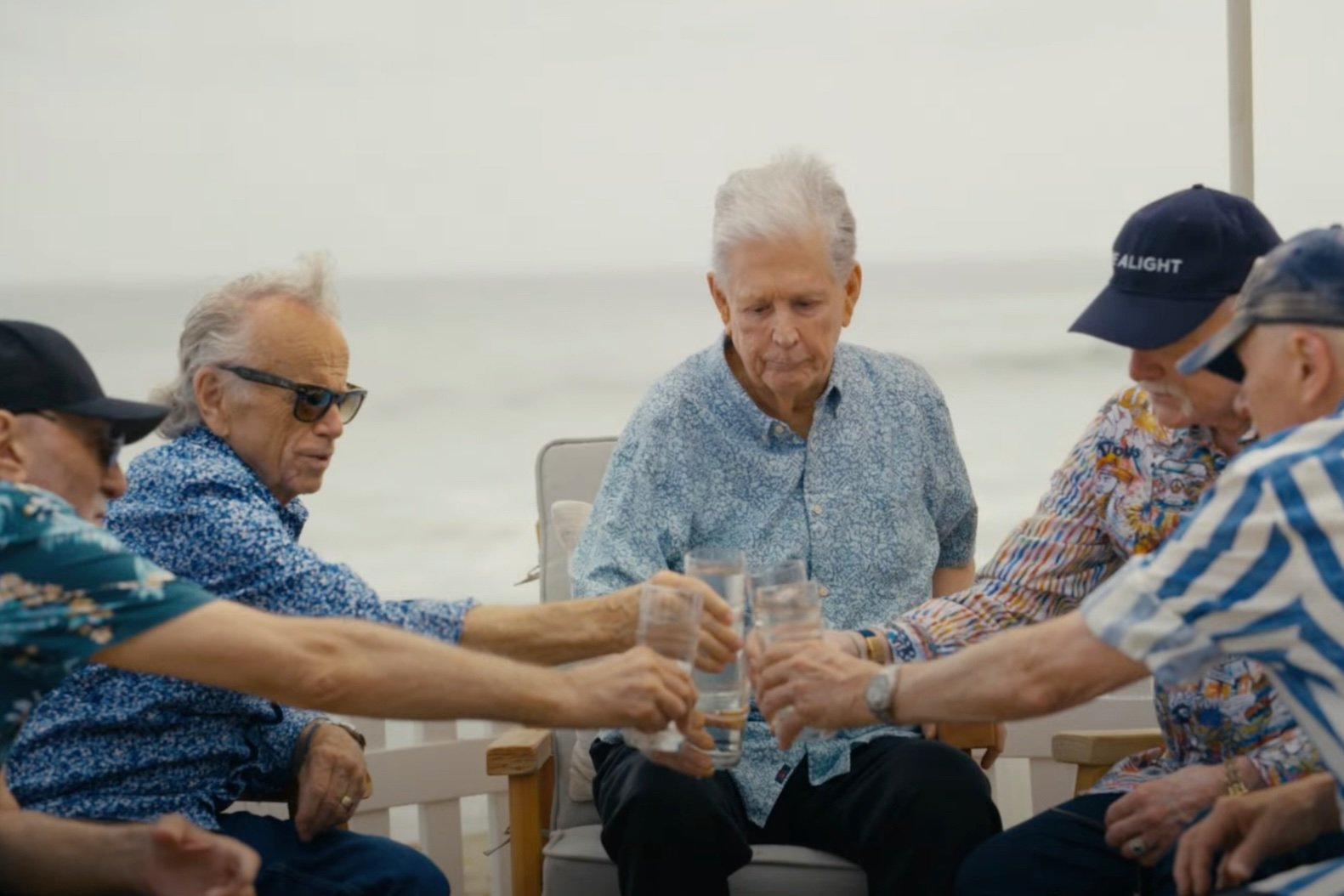
The Beach Boys (2024)
Contrary to the headline displayed on this film’s poster, Disney’s The Beach Boys isn’t a definitive guide to the band. Instead, it plays like a “greatest hits” album that goes through their famous ups and downs. Their steady rise among American teens and leader Brian Wilson’s pop music innovations are covered, as are the more dour moments of their career, like the relentless abuse they got from their manager (the Wilsons’ father Murry) and the disagreements between Brian and his cousin and co-writer Mike Love. But for better or worse, the documentary doesn’t go into too much detail about these high-profile feuds, focusing instead on the joy and brilliance of their era-defining music, which tends to get buried beneath all the drama anyway. Because of this sunny approach, the film sometimes fails to match the band’s complexity. But there’s no denying that it’s just as enjoyable to watch as it is to listen to The Beach Boys’ music.
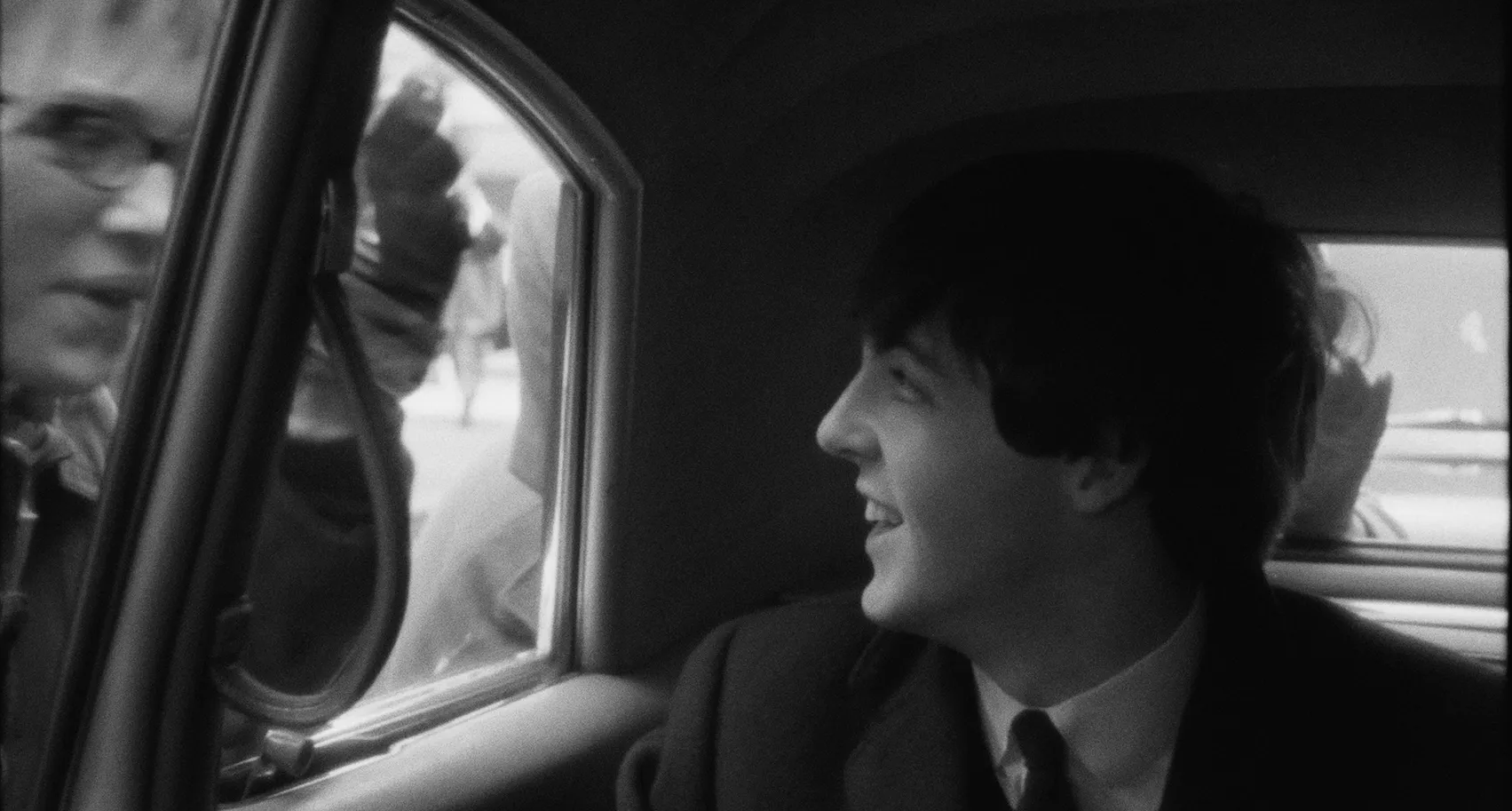
Beatles ’64 (2024)
The Beatles ‘64 zeroes in on a precise moment in The Beatles timeline: their American debut, which propelled them from English boyband to Global sensation. Since their appearance in The Ed Sullivan Show in 1964, they’ve been on a nonstop upward trajectory to success. The documentary, co-produced by Martin Scorsese, explores why that is by expanding their two-week trip in the US into food for thought: why did they blow up the way they did? Was it because the country was in shambles and needed an escape? Was it because developments in tech and media unwittingly jumpstarted the fandom/parasocial craze? The documentary considers all this by having historians, experts, music icons, and even fans weigh in. In that sense, it can be all over the place, but the music and the pristine, restored clips of interviews with the Beatles and their performances onstage make it a worthwhile watch.
Apple TV+ 2 titles
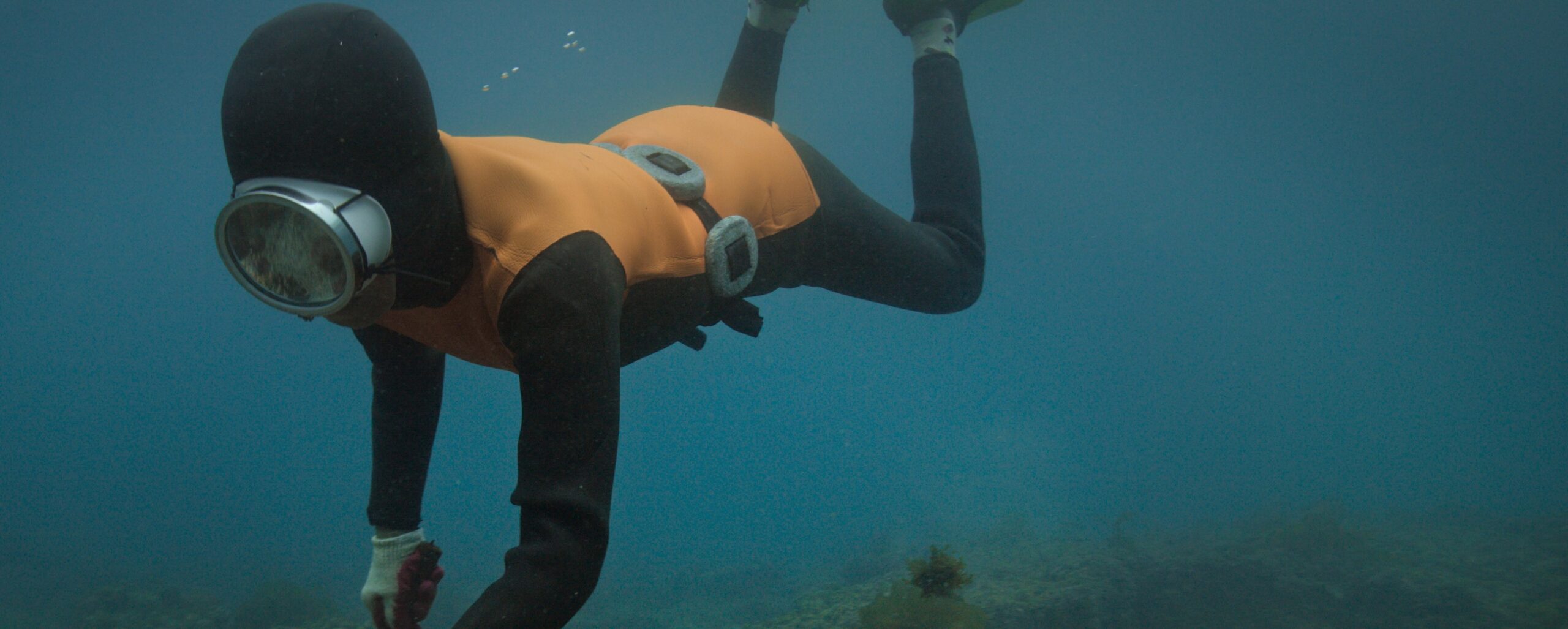
The Last of the Sea Women (2024)
On Jeju Island, there lives a fierce group of elderly women who free-dive and catch sea creatures for a living. They’re called Haenyo, considered indigenous because of the ingenious ways they’ve kept the South Korean tradition alive for decades. In this beautiful documentary, Director Sue Kim follows them under the sea and beyond as they fight to preserve their way of life, which is threatened by global warming (the creatures have gone deeper to avoid warm waters), corporate interests (Fukushima’s radioactive waste, if dumped in the ocean, would affect the community), and waning public interest (only a handful of the Haenyo are under 70 years old). There’s also the issue of payment and protection, because as one freediver puts it, “What’s the use of being recognized by UNESCO if we can’t earn enough to sustain ourselves?” The Last of the Sea Women tackles all this and more using the most gorgeous shots I’ve seen in a while.
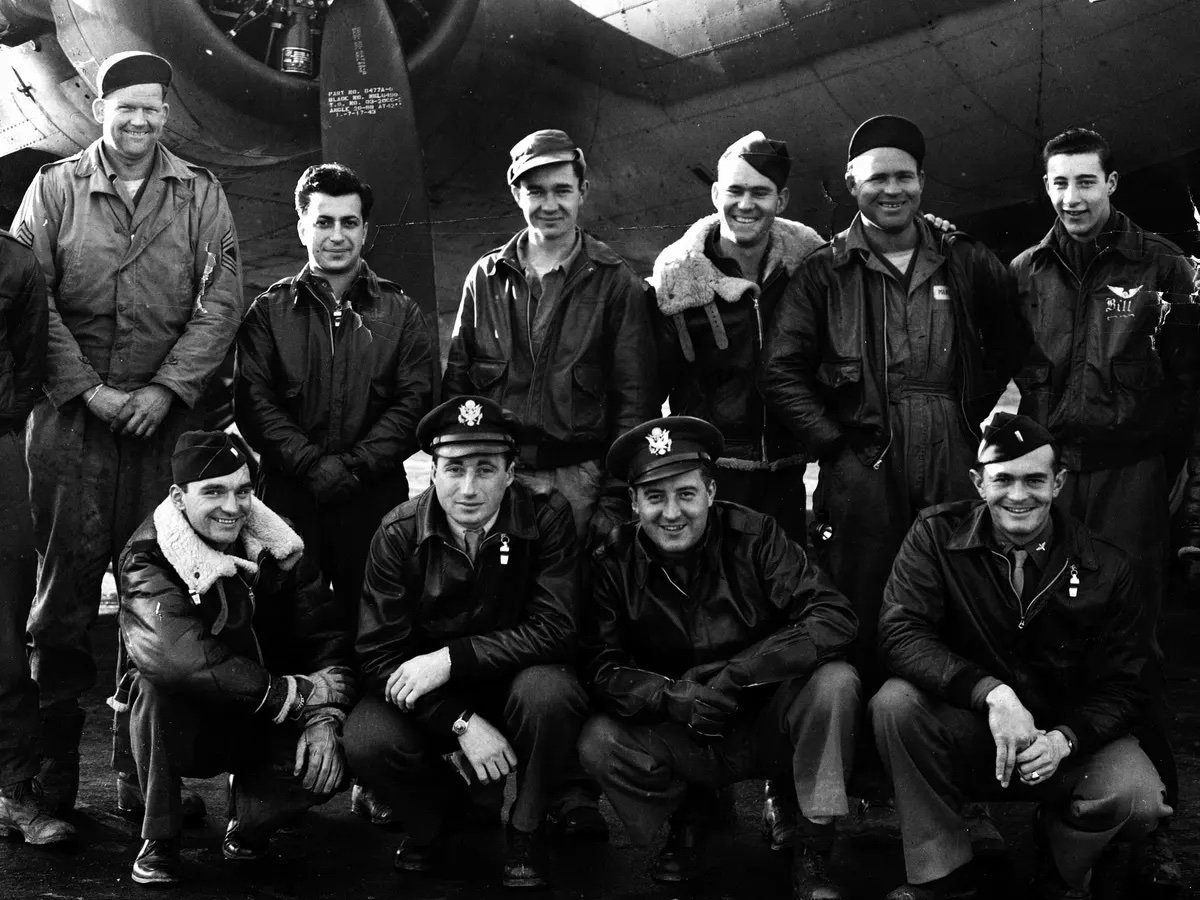
The Bloody Hundredth (2024)
The Bloody Hundredth was produced as an accompaniment to fellow Apple TV+ production Masters of the Air, and it shows. In writing and editing, it doesn’t feel grand enough to stand on its own despite having big stars like Tom Hanks and Steven Spielberg come in and lend their presence. That said, it’s still a compelling story, made even more valuable by the real-life heroes who recall their experiences onscreen. This, plus the rich archival footage that accompanies them, is what makes an otherwise straightforward documentary well worth watching.
Paramount+ 1 title

Kiss the Future (2024)
If you’re expecting a documentary about the particular U2 concert in Sarajevo, to focus exclusively on U2, you’re not really going to get it in Kiss the Future. But that’s not necessarily a bad thing. In fact, it’s probably the best approach for this particular documentary, as it focuses more on the way Sarajevans found solidarity with each other through the music U2 made in response to the Northern Ireland troubles, and thus, of course, the film needed to focus as well on the Sarajevans’ conflict. Director Nenad Cicin-Sain got key viewpoints on the Bosnian War in Sarajevo, such as Christiane Amanpour, who covered the war, and former President Bill Clinton, but Kiss the Future shines when we hear from the people on the ground, from the Sarajevans that gone through this harrowing time.
MUBI 1 title
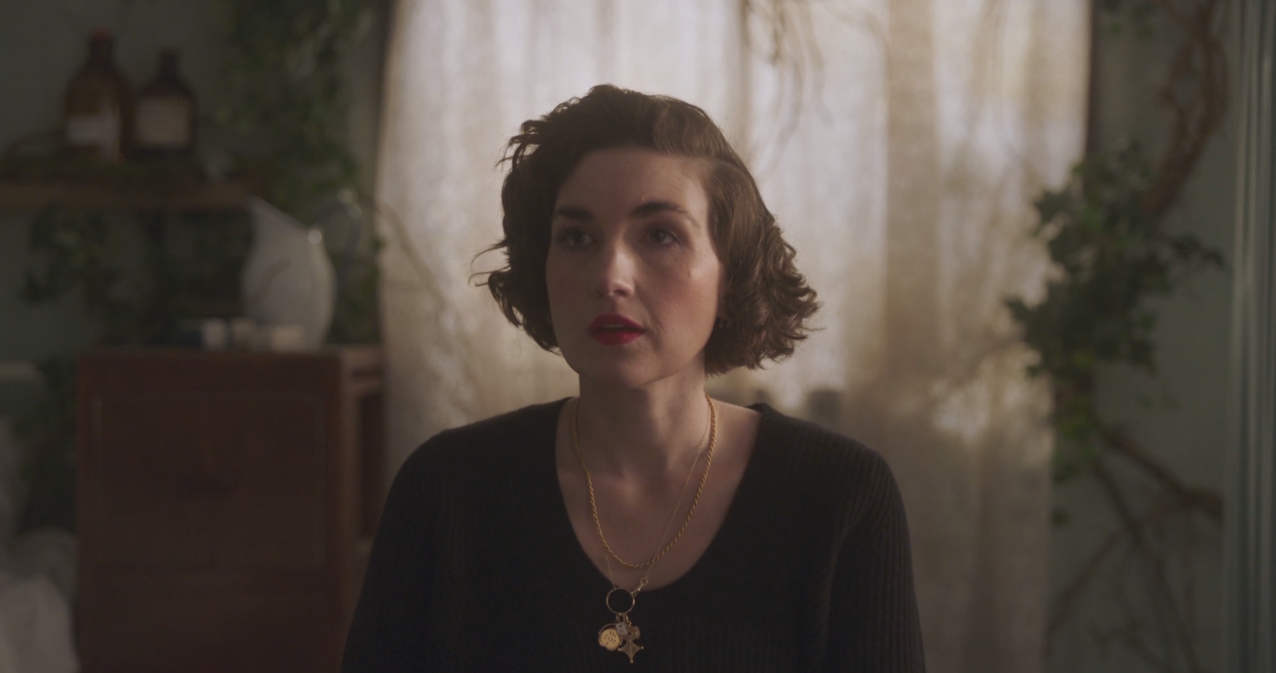
Witches (2024)
Witches begins as an innocuous exploration into witchery: how they’re depicted and why they’re alluring. Director Elizabeth Sankey builds an amusing collage of witches from films like The Craft and shows like Bewitched. At this point, you expect it to go a certain way–it resembles the many documentaries that are delightful yet detached, educational yet nowhere near novel. But then it makes a fearless and interesting turn. Sankey tells a deeply personal story about her struggles with childbirth and motherhood, connects it to how past societies crucified witches (many of whom were misunderstood and misdiagnosed mothers), and invites friends, experts, doctors, and historians in on the conversation to create something more holistic, historical, and honest than your typical documentary. It’s equal parts moving and enlightening, but most importantly it rouses you into empathy and action. Hopefully, the belittling of the child-bearing and child-rearing experience ends now.
Fubo 1 title
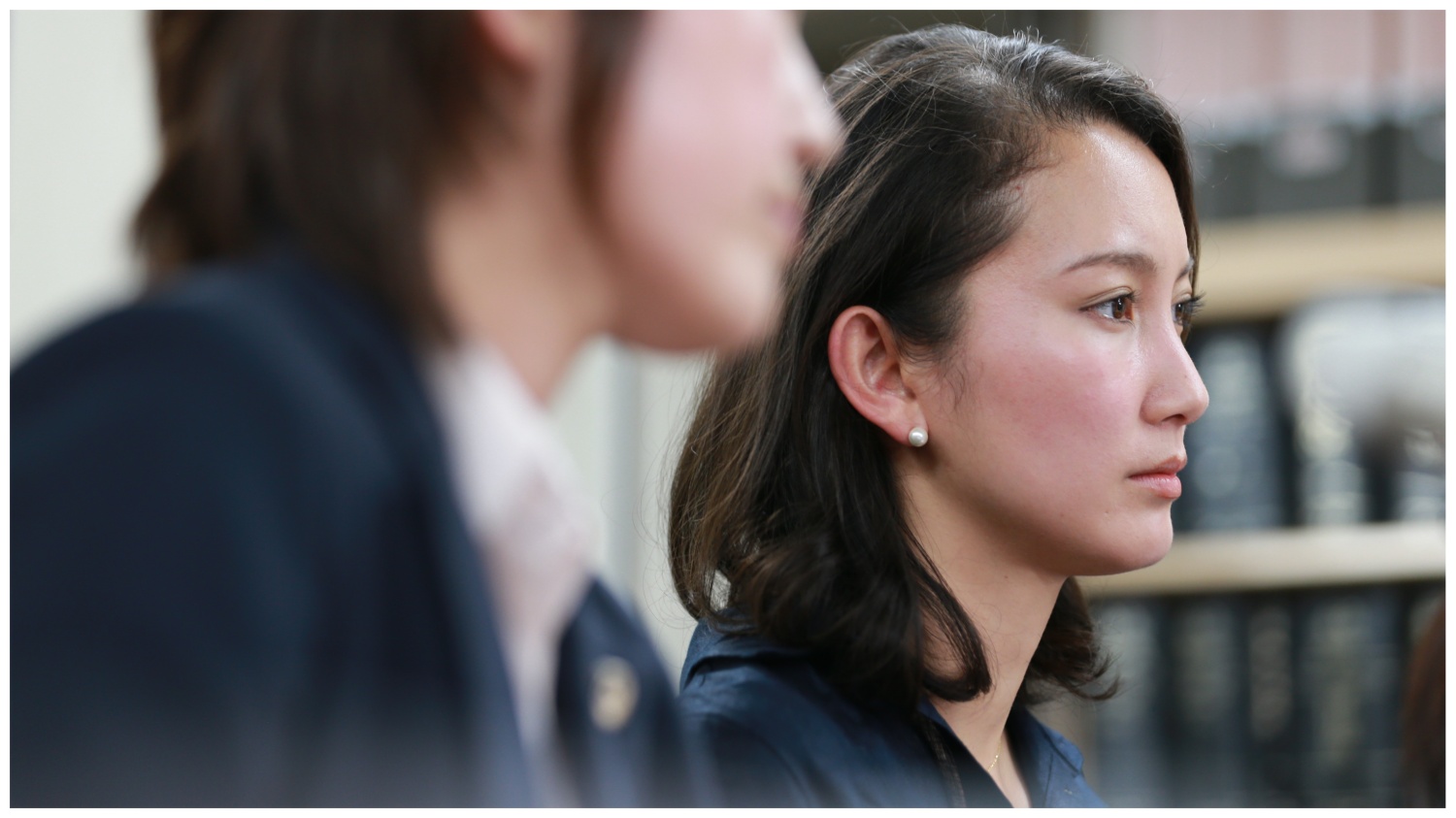
Black Box Diaries (2024)
Continuing her fight to tell the world the truth about her sexual assault case, journalist Shiori Ito released Black Box Diaries. Like her book, it’s a powerful documentary. Filmed with actual CCTV evidence, with some witness accounts, and with recordings she made while investigating her case, Ito’s first foray into film is personal, vulnerable, and intimate, going through the events as it naturally unfolds. While it is depressing to witness the ways investigators, lawyers, politicians and other people have failed her, Black Box Diaries immediately reveals Ito’s resolve for the truth, and how taxing the toll was for survivors that chose to take the same path.
Kanopy 3 titles
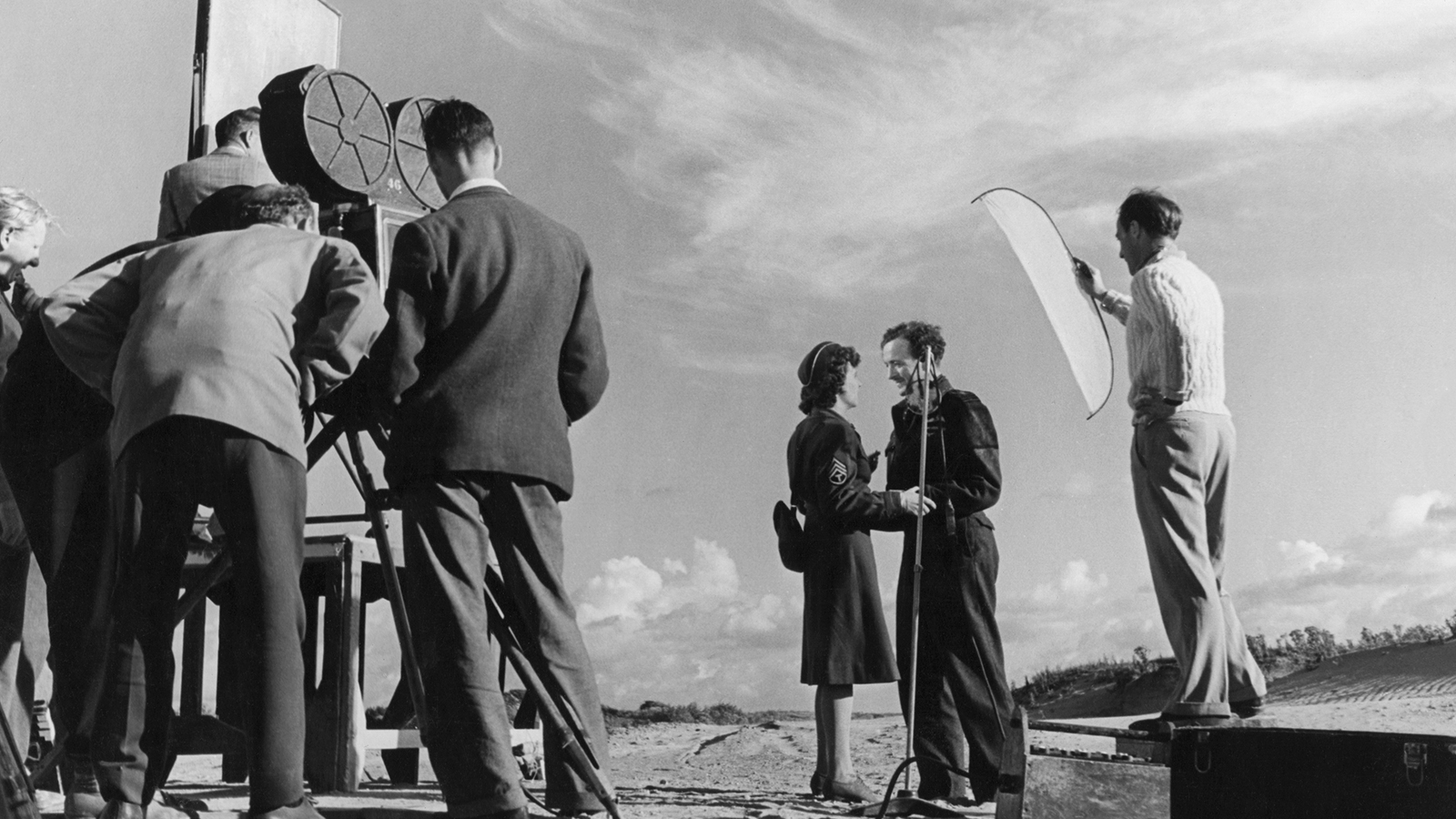
Made in England: The Films of Powell and Pressburger (2024)
Is there anything more lovely than hearing Martin Scorsese talk about cinema? Maybe it’s just the film nerds in us– we are, after all, always on the hunt for A Good Movie to Watch– but it’s just wonderful to hear Scorsese talk about movies, especially from directors he loves and are inspired by. Made in England: The Films of Powell and Pressburger is about the influence of The Archers, and while it’s mostly a straightforward documentary, director David Hinton makes it something like a cohesive film course on the directors, with Scorsese as lecturer. Oftentimes letting the directors’ shots and music speak for themselves, with Scorsese adding needed context, it won’t be a surprise that Made In England would be a treat for film nerds, but it also would be a great introduction for casual viewers, or viewers that want to start watching classic films, like those of The Archers.
Uncropped (2024)
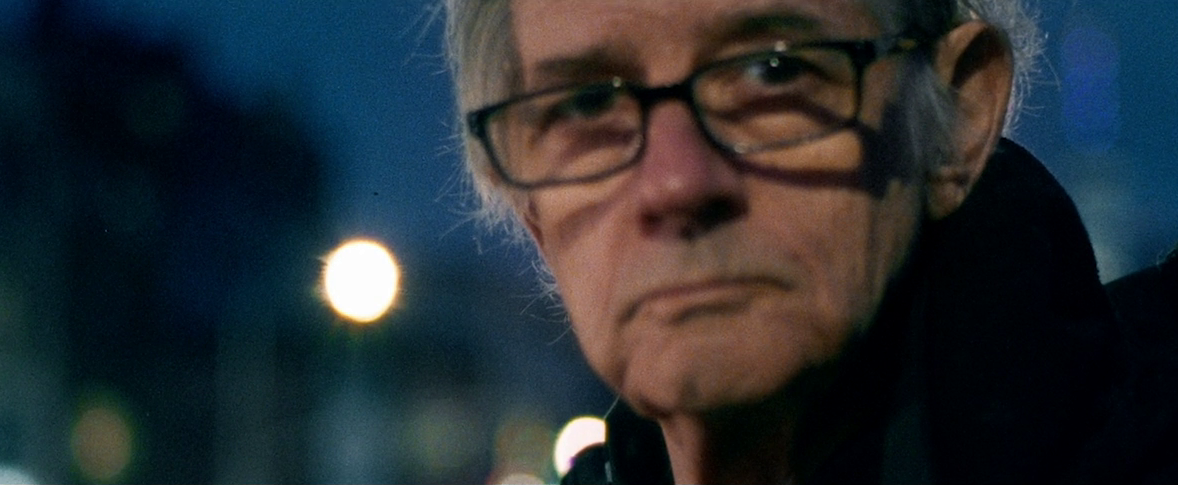
Those unfamiliar with James Hamilton would be forgiven for asking “Why him?” Why does he get a documentary? What makes this photographer so special? But a few minutes in, those questions are immediately replaced with the more appropriate, “Well, why not him?” Hamilton’s work spans decades, and they capture in rich detail a New York that’s long gone, as well as an alternative form of journalism that used to thrive back then (in print no less!), but can now only be found few and far between. It’s enough to see his work, sectioned here in order of their appearance in iconic publications like Harper’s Bazaar, The Village Voice, and New York Observer. Still, they’re complemented by moving images and illuminating interviews beautifully shot in 35mm. Uncropped is reminiscent of other documentaries that also capture New York in its heyday, a distinguished roster that includes films like All The Beauty and the Bloodshed, Paris is Burning, and The Automat. But Uncropped, like Hamilton, has a distinctive edge that marks it as an instant classic. By the end, you can’t help but think, what a rich life Hamilton’s lived, and how lucky we are to see through his vivid, imaginative lens.

Soundtrack to a Coup d’État (2024)
In the 1950s and 60s, as Congo freed itself from Western rule, it also played a vital role in the Cold War and worldwide emancipation of colonized countries. The documentary unearths this often-forgotten part of history in an unconventional manner. Instead of using talking heads and chronologically going through past events, it uses activist musicians Abbey Lincoln and Max Roach as a starting point. It borrows their language—jazz—to tell their story. The result is mesmerizing. Many things are happening all at once; there’s the quick flash of images, the jarring cut from archival footage to live performances; and the bold text on screen, which serves as our narrator in a way. There are excerpts from newspapers as well as poets, diplomats as well as musicians. Then there’s the music, of course, whose fast-paced and unpredictable beats match the anger mounting in the film. Soundtrack to a Coup is strong, inventive, and further proof that there are more ways than one to teach history.
Not currently streaming 9 titles
Still worth watching, but not on a subscription service right now. Check for a digital rental or buy.
Daughters (2024)
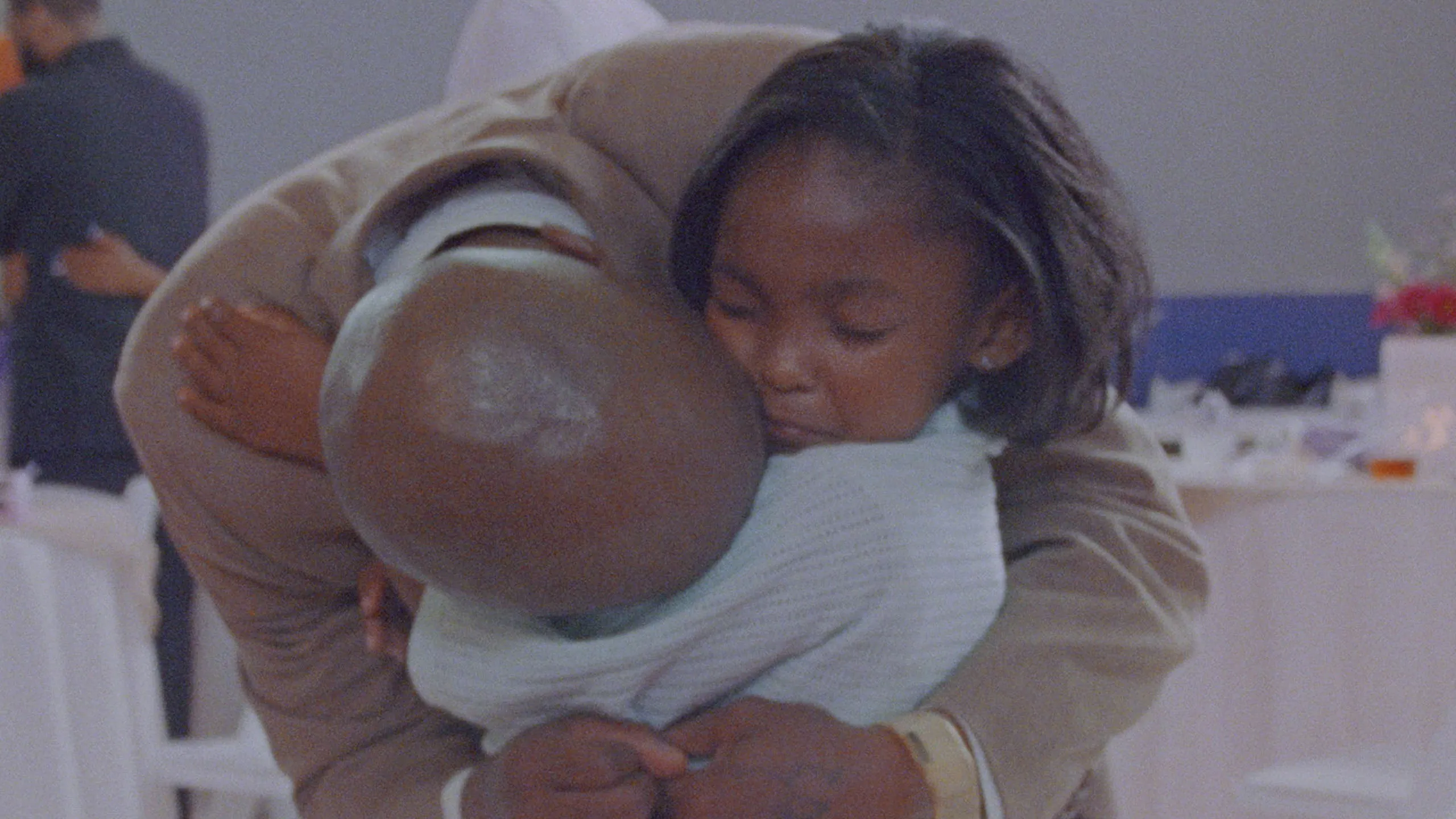
There are three threads in Daughters that directors Natalie Rae and Angela Patton weave beautifully together. The first thread follows the incarcerated men who gather every week to talk about fatherhood, mostly, because of the program that they’re in, but also: masculinity, race, systemic poverty, social mobility, and the skewed prison system in America. The discussions are raw and enlightening. “This isn’t normal, that we’re all in here,” one of the men wisely says, and it feels special to witness that moment of shared empowerment. The second thread follows the daughters, whose ages range from 5 to 15. In line with the film’s honesty, it shows us girls who miss their fathers and girls who don’t; girls who know everything about them and those who can’t even remember their faces. One is oblivious, the other suicidal. This part is enlightening in a different way: you hope the kids are too young to realize what’s going on, but that’s almost never the case. The final thread is where the two others meet: it offers the most heartbreaking parts of the film, but also the most beautiful. Both parties dress up, take pictures, move on the dancefloor, and say their inevitable goodbyes, and all this is captured in the same darklit, grainy color as the film cameras the fathers and daughters are given to document the dance. The direction and editing is artistic, but never in a gratuitious way. Instead, like other parts of the film, it’s filled with gentleness and empathy.

You Are Not Alone: Fighting the Wolf Pack (2024)
After the La Manada rape case in 2016, it was necessary to document this event, especially since the widespread national outrage and demonstrations managed to move the country to change the way Spain defines consent. You Are Not Alone: Fighting the Wolf Pack documents this arduous journey. While it’s done through the familiar Netflix true crime approach, there’s some respect given to the victim that hasn’t been given previously by the media. The film sticks to the actual verbatim words used by the victim, albeit edited for clarity, but they ensured that their words were not accompanied with photos or similar looking actors, keeping the truth of their words without risking their safety. While the documentary’s direction isn’t new, the outrage is still felt, as well as the genuine hope of a country that came together to ensure justice.
Hayao Miyazaki and the Heron (2024)
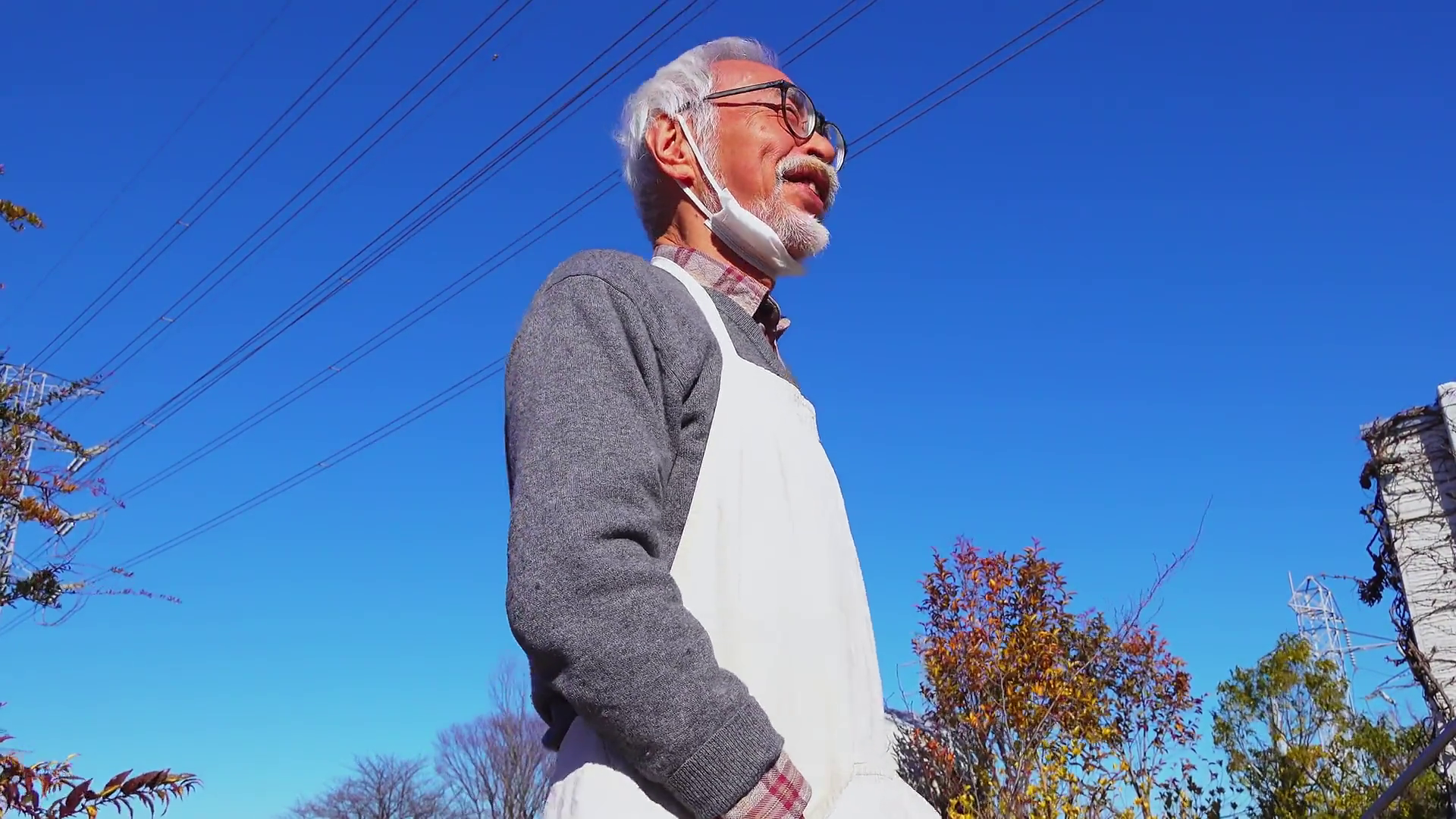
At first, you wonder, couldn’t this behind-the-scenes look at the making of The Boy and The Heron just be a DVD special? But a few minutes in, it becomes clear how rich the material is. It’s not just about Miyazaki and the making of a movie, it’s about him grappling with grief and transforming it into art. A surprising chunk of this documentary is about death. Miyazaki’s friends and colleagues are passing away, it seems, every month, and the only way Miyazaki can mourn and honor them is through his (their) art. The Boy and The Heron itself is a fulfillment of a promise Miyazaki made to his closest friend, Isao Takahata, or Pak-san, as Miyazaki lovingly calls him. It’s Pak-san whom he mourns the most in the movie, but almost everyone who’s passed makes an appearance both in the documentary and the film. The lines between the two are often blurred by Miyazaki, in his failing memory, and by documentary director Kaku Arakawa. Arakawa’s editing is chaotic, if not experimental. He cuts between reality and fiction—documentary footage and Ghibli clips—faster than you can make sense of it all. “I opened my brain way too far for this project,” Miyazaki claims, and you can feel the exhilaration and fear in every second of this brilliant film.
Endurance (2024)
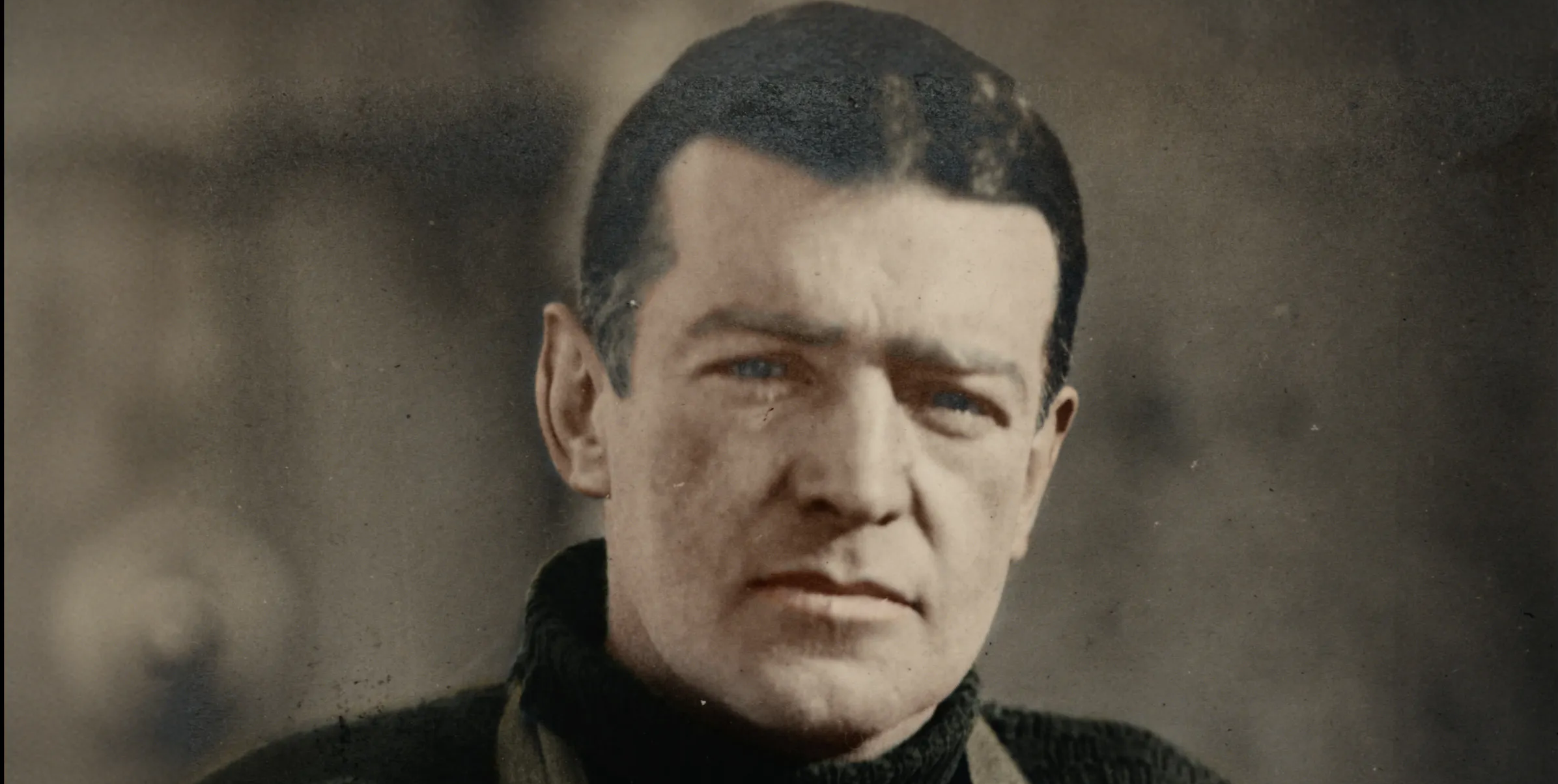
In 1914, Sir Ernest Shackleton set out to the Antarctic in the hopes of making the first land crossing on the continent. His ship, the Endurance, couldn’t complete the journey, and so Shackleton and his crew had to pivot from setting a record to simply surviving. Almost a century later, a group of scientists are determined to find Shackleton’s abandoned ship. This documentary, directed by the award-winning duo behind Free Solo, The Rescue, and Nyad, alternates between The Endurance’s magnificent past and tragic present and mostly succeeds in telling a balanced story. The past, unsurprisingly, is more intriguing. It’s a nail-biting tale of survival, amplified by the use of colorized footage shot by one of the crewmen. The present is informational, but it struggles to match the scope of Shackleton’s journey. Both tales are inspiring nonetheless, and woven together as expertly here, prove to be an educating and entertaining watch.
Pavements (2024)
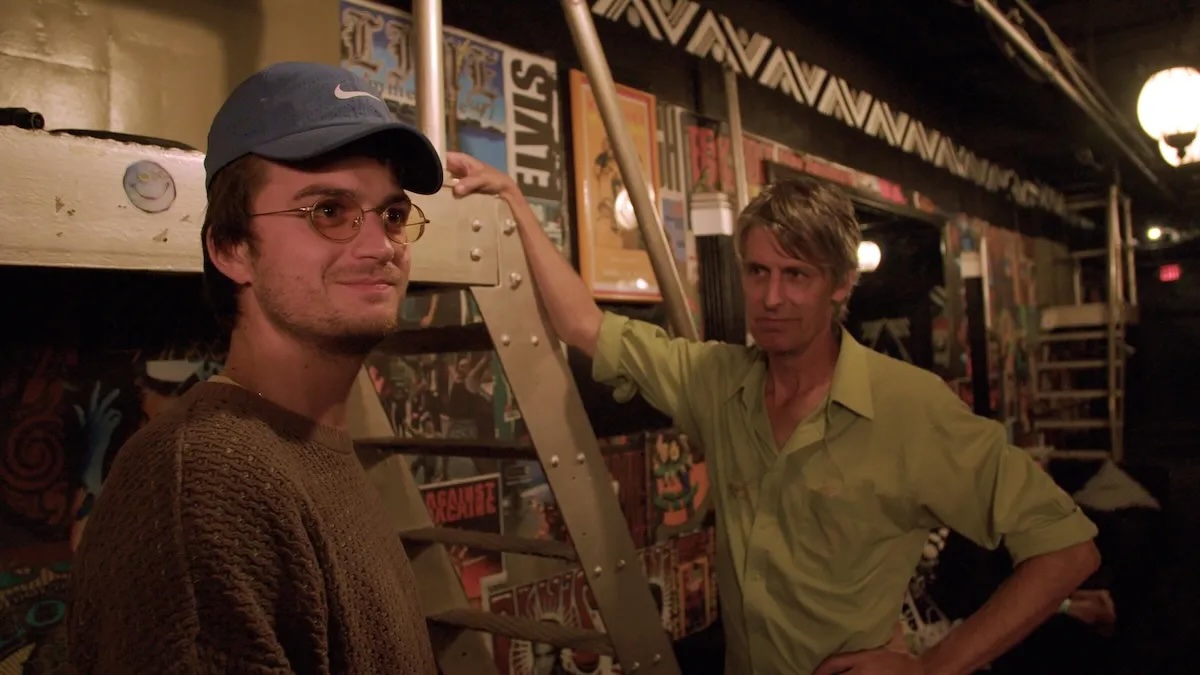
It’s hard to tell what’s real and what’s not in the film Pavements, which is a mockumentary (or is it a documentary?) about the ‘90s slacker band of the same name. But that blurriness is the point. Director Alex Ross Perry blends past and present, fact and fiction, to deliver a mesmerizing genre-bending composition. Perry follows frontman Stephen Malkmus and his bandmates as they mount a reunion concert and participate in a musical and biopic about their lives. Interviews with the real members and their actor stand-ins are mixed without warning, as are the actual and staged reactions to their music. But like a well-made collage, the messiness makes sense. Some of the most entertaining parts emerge from actors Joe Keery, Nat Wolff, and Fred Hechinger, who deliver their best impression of a Rock Star without being predictable or too much. Plenty of things are happening at once here, but they make up a whole that feels intentional, comical, and even inspirational.

Blink (2024)
Upon learning that three young members of their family will soon lose their ability to see, parents Sébastien and Edith Pelletier decide to travel around the world to tick off things from their children’s bucket list. That list alone, which includes drinking juice atop a camel and seeing Mount Everest, makes for an adorable watch (it’s always nice to see deeply active and curious children in an increasingly digital world), but it’s the dedication their parents, Sébastien and Edith, pour into them that gives the film its heart. They prepare their children as much as they can by allowing them to see and sense everything, so that they have touchstones and references when their sight begins to fade. While watching the sunset in a dreamy Egypt desert, Edith asks 11-year-old Mia, “Without your eyes, can you feel the immensity of this place?” Mia says “Oui,” as she runs sand through her hands.
The Stones and Brian Jones (2023)
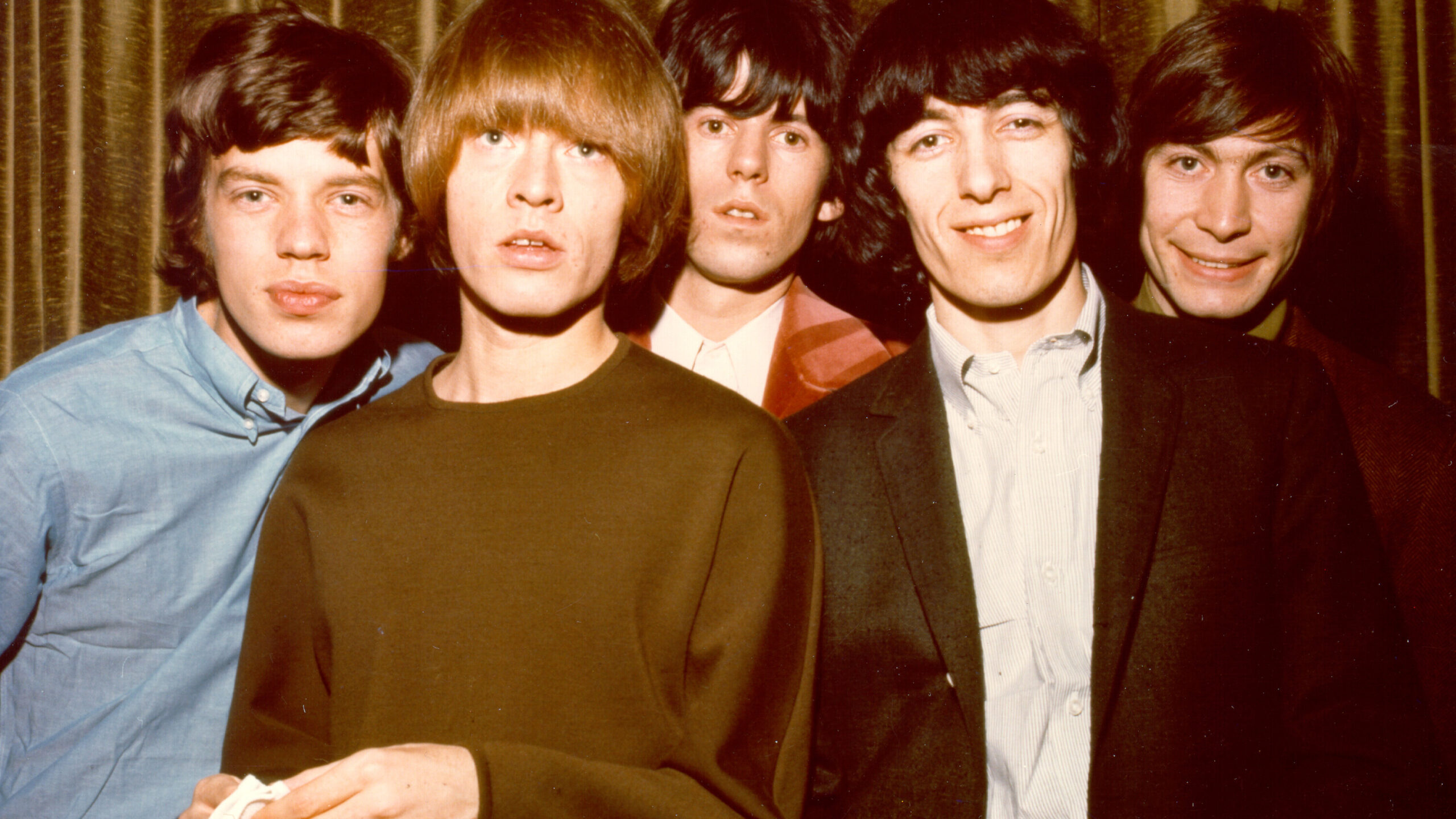
Though it’s a bit chaotic in structure—it’s chronological but all over the place—The Stones and Brian Jones is a compelling and crucial portrait of The Rolling Stones’ co-founding member and original leader. Jones’ life is typical of rock stars, from the misunderstood childhood and philandering habits to drug dependence and luxurious lifestyle, but director Nick Broomfield tries to paint more nuance into his character. We’re reminded, through interviews with past lovers and even letters from a family that disowned him, that he was also ambitious, insecure, sensitive, affectionate, gentle, and moody. Too often, Broomfield will relish in Jones’ tragedy, when he could’ve focused more on his musical prowess and technical knowledge, but it is overall a fair picture. It’s sympathetic to Jones of course, but Broomfield doesn’t forget to include excerpts from Mick Jagger and Keith Richards, who ‘till now seem to harbor mixed feelings over Jones (he did have Jagger arrested after all). There’s drama and tension and a good deal of great music, which are always fun to watch.

The Contestant (2023)
In many ways, the 1998 film The Truman Show forecasted how we’d interact with media today. Parasocial relationships are a thing, as is the feeling of entitlement we get when prying into other people’s lives. But before all that, Japanese TV producers were already testing the ethical limits of voyeurism through the reality show Denpa Shōnen, a social experiment of sorts that broadcasted how people would react in extreme situations. It was one of the first of its kind, and so The Contestant takes us through its novelty; smartly, it explains how and why a show so brutal was a massive hit. It tries to understand Japanese media and humor, not other it, while also sympathizing with Nasubi, who sits down for an enlightening interview. The documentary itself is revealing and disturbing—except for a confusing third act, in which it completely loses its critical air and tells a story of heroism that, while inspiring, feels detached from the rest of the film. What was the aftermath of all that cruelty? Did no one file a retroactive complaint? Is Japanese media still this intense and unwittingly cruel? These are things you’d expect the documentary would tackle by the end, but it confusingly doesn’t. Still, it’s an important and educational watch, one that hopefully serves as a cautionary tale against the ever-manipulative media and always-hungry viewer.

Martha (2024)
It’s hard to botch a documentary about Martha Stewart, she who lived so many lives (she was a model, a stockbroker, a convict, a homemaker, and now a TikTok darling) and she who came back from one of the hardest celebrity downfalls stronger than ever. Her life is a roller coaster ride and watching the documentary certainly feels like being in one too. Whenever Stuart dodged a question, director R.J. Cutler did well to zoom in on a twinge on her face or show a previous photo or clip that may reveal the answer. It’s well made that way. Only the prison scenes left a bitter taste in the mouth—why should I feel sorry for her hundred-day stint when so many other wrongly imprisoned women with less privilege are still stuck there?—but everything else about this dense portrait is very filling and entertaining.