
The 40 Best European Movies on Amazon Prime
Updated · By Bilal Zouheir
This list is agoodmovietowatch’s selection of the best European movies streaming on Amazon Prime right now.
agoodmovietowatch is a streaming recommendation platform focused on quality titles. Unlike the corporate algorithms of Amazon Prime (and Netflix) that suggest movies based on their corporate agendas or your past viewing, we only recommend movies that were highly-rated by viewers, praised by critics and handpicked by agoodmovietowatch staff.
Within this criteria, we have categorized our movies by genre and mood. We also have a section titled “Spotlight”, which is dedicated to bringing attention to excellence in under-represented film. This list was born out of Spotlight: European Film.
How we make these lists
No AI. No algorithms.
We are 100% human-curated. Everything you see here has been handpicked by a team of experts.
At least 7/10 on IMDb
So you know they are appreciated by viewers, not just high-brow critics.
At least 70% on Rotten Tomatoes
We combine this with the IMDb bar to keep only the best of the best.
Find more to watch
The 40 Best European Movies on Amazon Prime

Cold War (2018)
While barely 90 minutes long, Cold War is epic in scope and a modern testament to what cinema can be. Whether we are feasting our eyes on the decaying post-war landscape of Poland, the patinated streets of East Berlin, or the delicate magic of a historic Paris, Cold War offers its viewers meticulously staged black-and-white beauty, conceived by Polish wunderkind director Paweł Pawlikowski and his trusted cinematographer Łukasz Ża. Winner of a slew of prestigious awards, this is a film made for the silver screen, so we recommend leaving your iPhone on the table and getting your hands on the biggest screen you can muster for watching this. The plot is essentially about the obsessive attraction between musician Wiktor (Tomasz Kot) and the young singer Zula (Joanna Kulig), who is recruited as the newest member of the former’s state-sponsored folk music band. Cold War follows their impossible love for fourteen years and across many European countries on each side of the Iron Curtain. It is a statement on how far artists go for their art, especially when they become constrained not only by dictatorship but also love. A poetic, sexy, and gorgeous movie without a wasted moment. A work of art.

God’s Own Country (2017)
You might call Francis Lee’s spellbinding debut a Call me By Your Name without the privilege and pretentiousness, and we think it’s a better movie because of it. God’s Own Country tells the story of Johnny Saxby (Josh O’Connor), a farmer’s son who is trapped working on the family farm, who dulls his frustration and misery with binging at the pub and aggressive sex with strange men—his true desire is not so much repressed by society’s rampant homophobia here, but by his family’s emotional callousness. When his strict and icy father suffers a stroke, things get worse for him still. Then, during lambing season, help arrives in the shape of watchful, radiant, and strikingly handsome Romanian seasonal worker, Gheorghe (Alec Secareanu), whose warmth of character and professional competence feels threatening to Johnny at first. But when they withdraw to the hills to repair a stone wall, Johnny’s aggression gives way to passion as Gheorghe helps him to feel, to love, and to see beauty in the country around him. God’s own country. A beautiful, stirring, and passionate debut!
A Man Called Ove (2015)
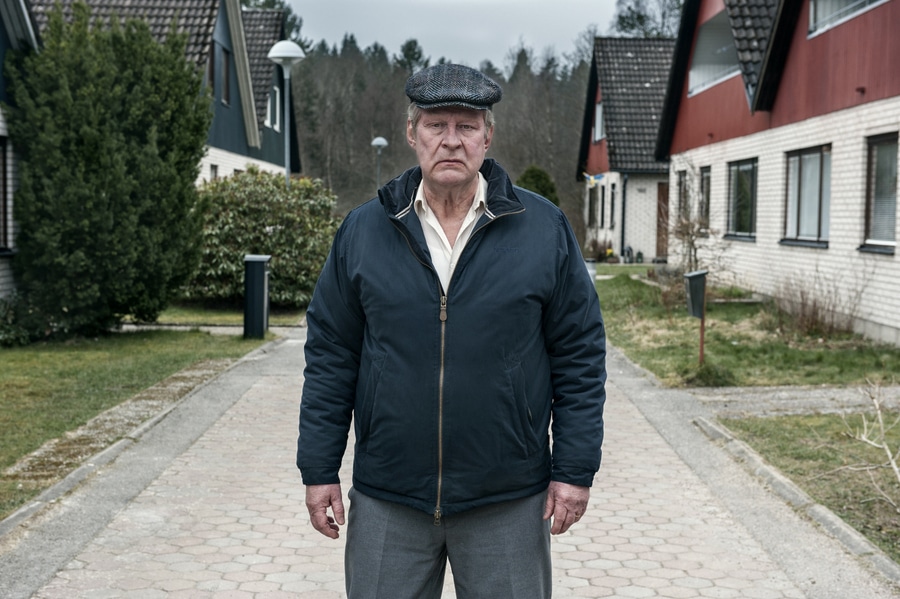
Based on Fredrick Backman’s 2012 best-selling book of the same name, this Swedish hit comedy-drama introduces us to Ove, an elderly man who feels like his life is over. After losing his wife, the short-fused retiree spends his days grumpily enforcing block association rules in his neighborhood. He is your typical unhappy, old neighbor, somebody you would try to avoid. One new family does not give up and befriends Ove, played by an impeccable Rolf Lassgård, despite his best intentions to put them off. As the plot unfolds, however, you learn more about the story behind the man, and, in classic walk-a-mile-in-his-shoes fashion, start to find him rather loveable. After all, nobody is born grumpy and cynical. Naturally, this is a sweet and sentimental film. But an amazing lead performance and a charming, darkly funny script rescue it from drifting too far off the shore. The result is a wholesome, fun, and thoughtful dramedy with a beautiful message.

Institute Benjamenta, or This Dream People Call Human Life (1995)
Upon the first few minutes of Institute Benjamenta, or This Dream People Call Human Life, it’s obvious that the Brothers Quay’s first live-action film is highly unusual. First, it’s entirely black and white, with embellished, serif subtitles translating the initial German. Second, many of the film’s shots take the form of moody, gothic close-ups, reminiscent of 1920s silent films, like when Johannes examines his new pupil’s health, or when Lisa directs Jakob with an animal’s hoof next to his cheek. And third, the plot itself is strange, as the students are taught not to think anything of themselves, with only Jakob questioning their instruction. But there’s a certain beauty in the surreal approach the Brothers Quay takes in adapting the Swiss-German novel, a certain intuitive feel that allows the story to expand past its stilted movement, restrained frames, and the school’s oppressive tutelage. Institute Benjamenta is bizarre, but it’s undeniably a fascinating film, even at its most disturbing.
My Love Affair with Marriage (2023)
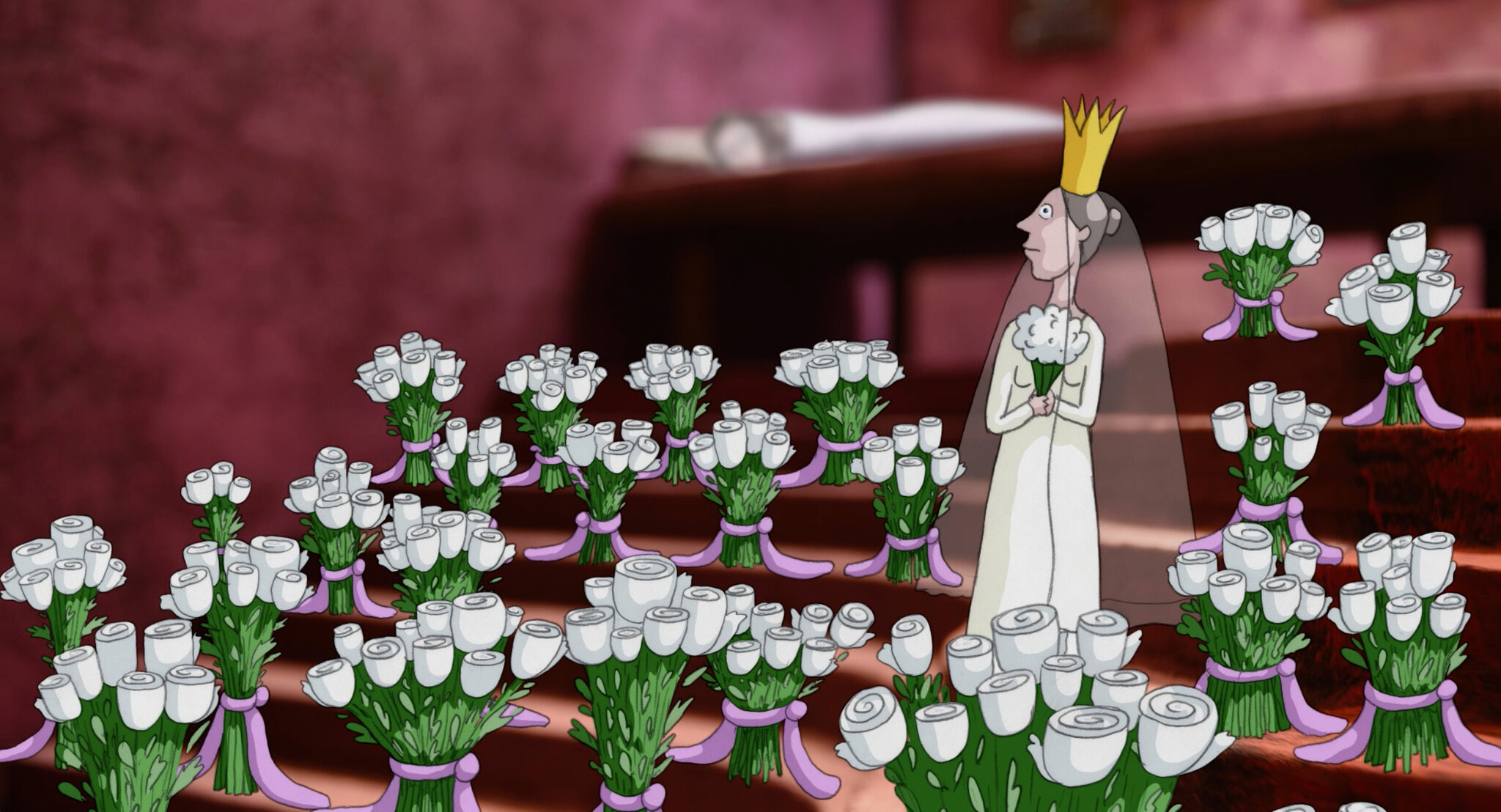
It’s not often you get a female perspective on the USSR, much less a female artist with little means. Signe Baumane’s autobiographical My Love Affair With Marriage is one of the few ones, and not only is her story raw and refreshing, it’s also told through lovely animation and musical numbers. The result is something truly novel. Baumane analyzes ideas like love, marriage, gender, and society through an unapologetically feminist lens. But she’s careful not to be patronizing too. Instead of condemning her circumstances, she gives it context and shows empathy. Some parts are delightful, others distressing, but Baumane’s character (voiced by Succession’s Dagmara Dominczyk) is compelling throughout.
My Best Fiend (1999)
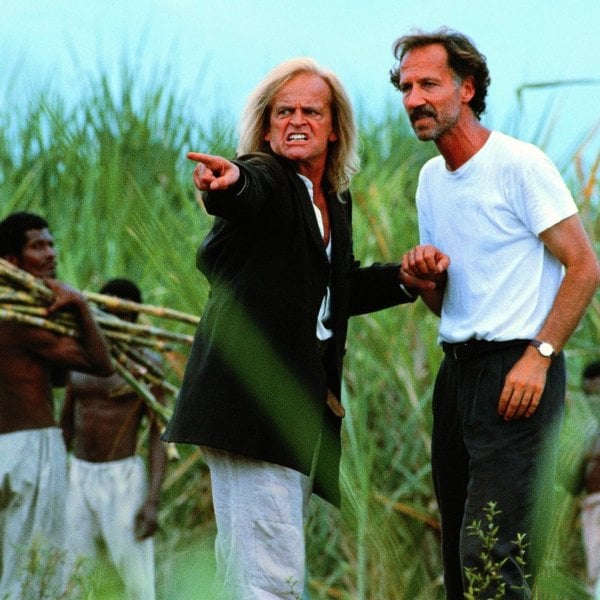
Sometimes, we meet people we don’t like, but in some way or another, we’re forced to keep dealing with them. Most of us would just try to avoid them. But not Werner Herzog, no. Instead, in memory of actor Klaus Kinski, he created a funny documentary about their rather difficult bond, a bond that has stuck through multiple films. It’s not the most flattering portrait of the actor. Oftentimes, Kinski was referred to as a problem in the films’ production, with Herzog recollecting why in the places they shot in. Despite this, however, Herzog chose still to work with him, and the respect he holds for Kinski’s craft adds a fascinating fondness that a standard documentary could never capture.
Lore (2012)
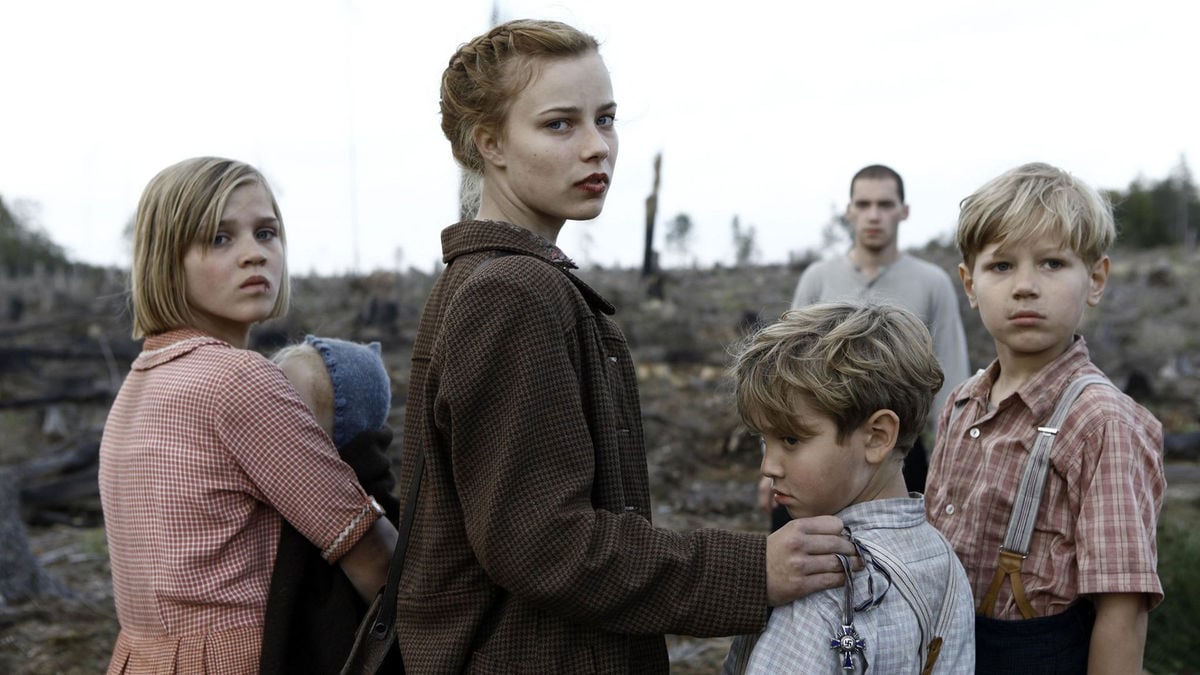
What would you do if your parents were Nazis? Based on the second novella of Rachel Seiffert’s The Dark Room, Lore tells the story of a Nazi officer’s children travelling together after the Allied victory. It’s a harrowing journey, of course, given the end of the war. But writer-director Cate Shortland takes that journey even further, as she pushes the children through terrible situations in such stunning naturalistic shots. The contrast makes it seem that while everything has gone right for the world, it’s only inevitable to dish out societal shunning towards them, but Shortland still manages a tightrope balance between empathizing with the kids, while still acknowledging the natural weight of the guilt, the shame of having benefitted, even if not complicit, in one of the world’s worst atrocities ever committed. It’s because of this that Lore is such an intriguing, complex, but necessary movie to watch.
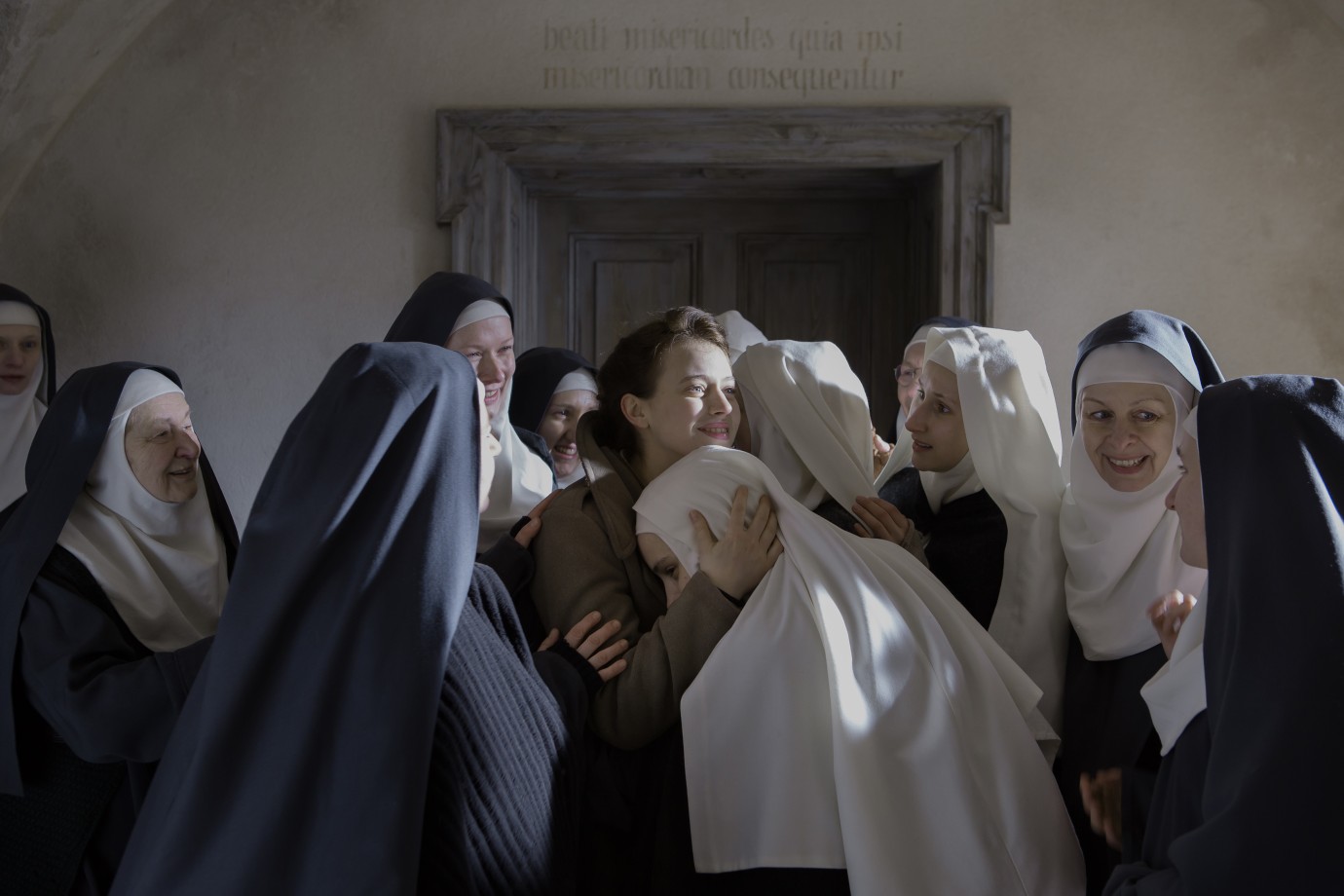
The Innocents (2016)
When depicting war and faith, it seems like men are the only ones that have to undertake these challenges, at least it seems, in the stories made available about these topics. But that simply isn’t true. The Innocents is one of the few reminders that, while women might have been kept from the front lines, war has spared no one. Through stark and wintry shots, and a solemn direction, writer-director Anne Fontaine crafts tense conversations between an atheist doctor and her nun patients, making all of them reckon with the ways trauma has shifted their present principles and future actions, in a sensitive way that has rarely been seen before. While the resolution can come across as a bit too sudden, The Innocents nonetheless is a compelling study of faith.

Stations of the Cross (2014)
For viewers who aren’t familiar, the Stations of the Cross is a series of prayers that contemplates Jesus’ crucifixion. It’s also the title and the basis of this German coming-of-age drama. It can seem controversial to create such a work, given how extreme Maria gets in proving her devotion. But given the raw, naturalistic approach of its fourteen static long shots, Stations of the Cross observes something quite unsettling. While the movie does poke fun at Christian fundamentalism, the film seriously contemplates the way this extreme religious devotion feels out of place in today’s society, as modern day beliefs and conveniences have eased suffering and lessened the need for martyrdom. Stations of the Cross is a daring, thought-provoking work feature that cleverly points out the growing pains of religion today.
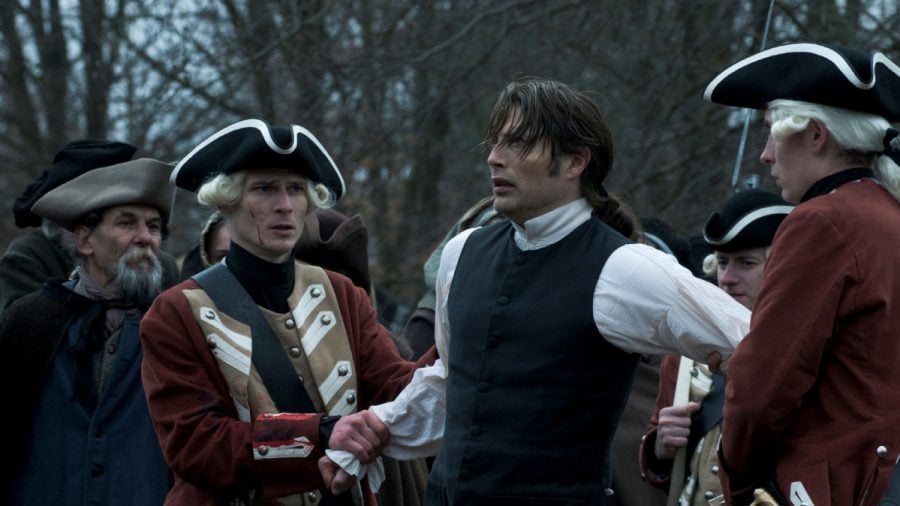
A Royal Affair (2012)
If you’ve been paying close attention to Royal Families in general, then get a snack and settle in, because A Royal Affair’s got it all for you: the steamy scenes, dirty, affair-laden hands, the corsets, and a stunning backdrop of 18th Century Europe. Quite literally deranged and mentally incapable King Christian of Denmark (Mikkel Boe Folsgaard) marries the brave Princess Caroline of Great Britain (Alicia Vikander), only to find out that he isn’t cut out for the wedded life. Enlightenment comes in the form of Dr. Johann Struensee (Mads Mikkelsen), a German physician to the infantile King and true-born reformer. Mostly saddened by her unfortunate fate, the now-Queen Caroline finds herself falling in love with the intellectual; thus, beginning a whirlwind of events that shakes up the entire Kingdom.
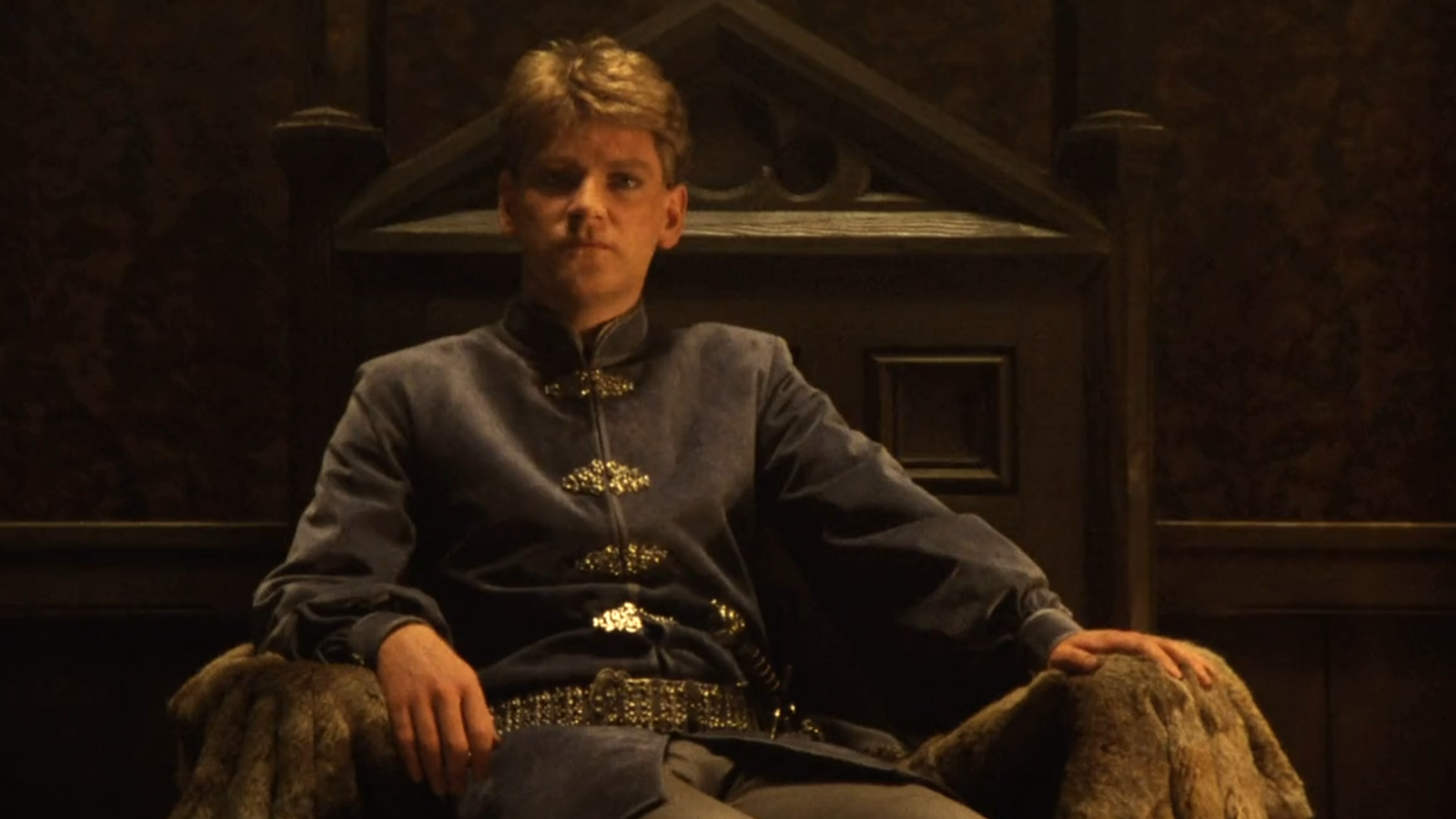
Henry V (1989)
Shakespeare is a classic, not just because of the tales it adapts, but because of the innovation he made in the English language. Because of this, not every film adaptation gets this aspect right, but the one that gets the closest was Kenneth Branaugh’s Henry V in 1989. With his beginnings in theater, Branaugh steadies his directorial debut with the strength of the performances, including his own in the title role, which incorporates the language in a more accessible way. Younger viewers might prefer the straightforward prose of the latest iteration of Henry V, but Shakespeare purists would surely prefer this classic adaptation, the very debut that led Kenneth Branagh to be best known for Shakespeare adaptations.
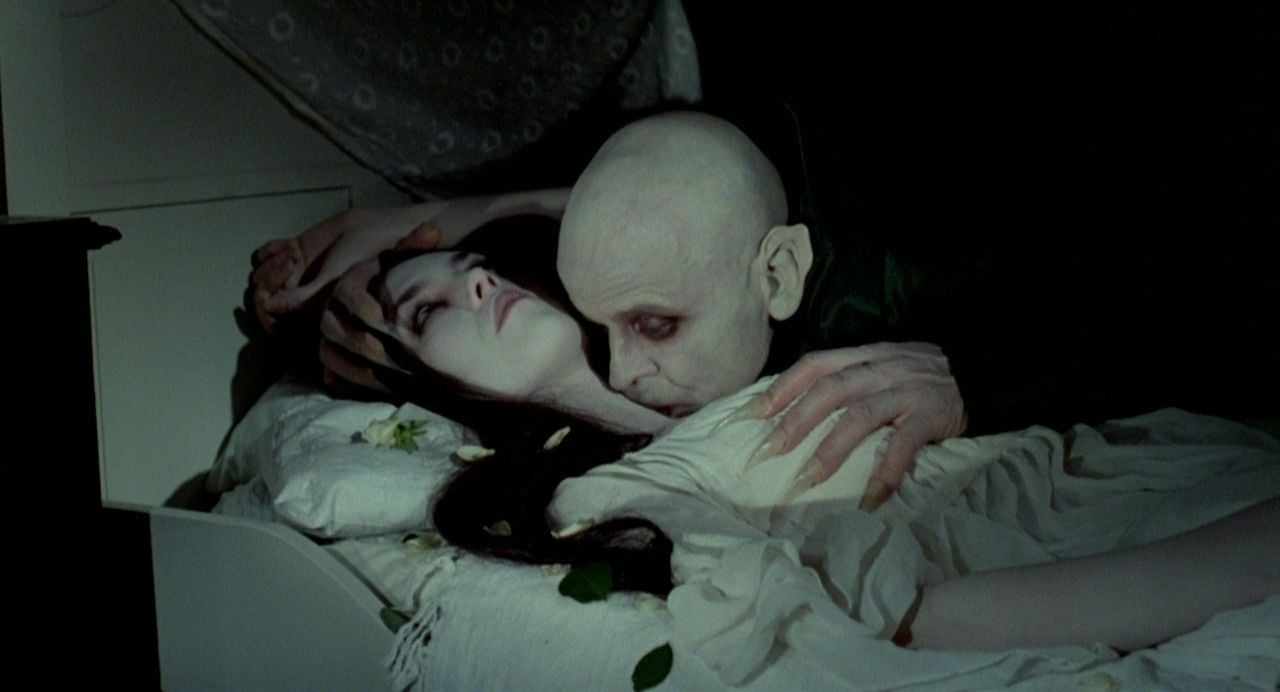
Nosferatu the Vampyre (1979)
With numerous adaptations of the titular creature of the night, it’s inevitable that Nosferatu the Vampyre would be compared to its other versions. Nevertheless, Werner Herzog’s colored talkie version sticks close to the classic Expressionist film down to having many of the same scenes recreated beat for beat, but there’s a clear reverence to the source material here, with Herzog’s fascination towards madness easily translating the images made half a century ago into visual, hypnotic spectacles that somehow surpass the groundbreaking scenes before. Nosferatu the Vampyre will always be compared to the 1922 original, and of course, the following 2024 American remake, but Herzog makes this version his own through his signature style.
No Man’s Land (2001)
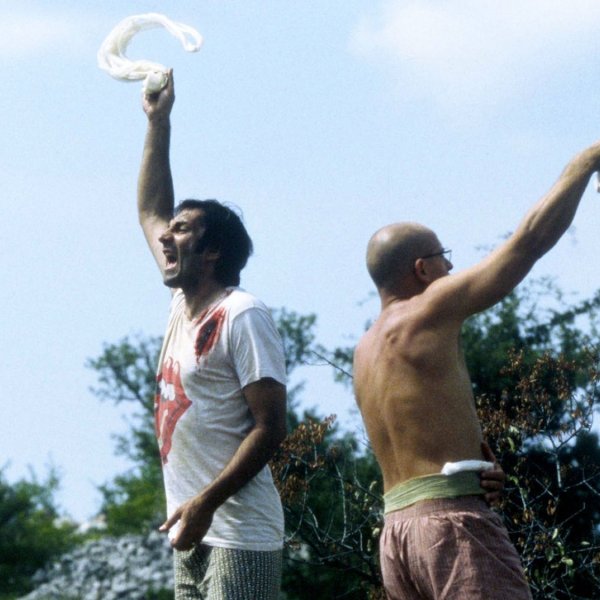
The situation in No Man’s Land isn’t something we usually see in war movies, considering how often the genre has been used to criticize war, to examine people’s true nature, and to affirm a deeper love for humanity. There’s no time to have fun when these ideas are at stake. Yet, the awkward situation of being stuck where you shouldn’t have is likely to be true in reality. Wars like the Bosnian War did use landmines, causing situations for soldiers on both sides to unexpectedly end up stuck with each other. But if anything, the humor highlights the very same war film themes, albeit in a fresh way. Mirroring the historical indecision of the world leaders outside the trench, No Man’s Land takes this possible scenario to contemplate war’s absurdities.
The Bank Job (2008)
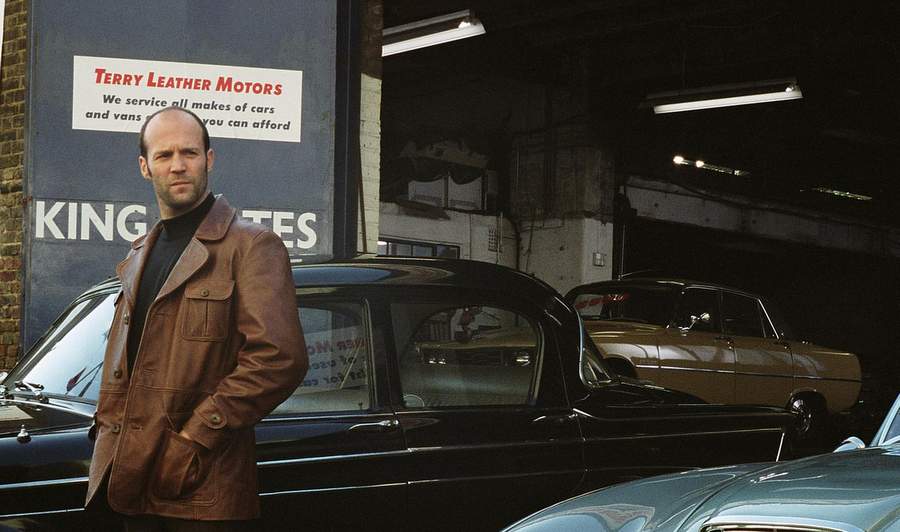
A thrilling and fun film about a British working class bunch who find themselves in confrontation with the rich and powerful. This happens when their once-in -a-lifetime job lands them not on ly the expected money and jewelry, but documents with big secrets. The phrase “the good version of Jason Statham” applies not only to the actor but to the whole film – as it is enjoyable like all similar heist movies but adds that sadly forgotten thing called character. If you liked The Italian Job, The Town, or even films like Argo; you will love The Bank Job.
We Are the Best! (2013)
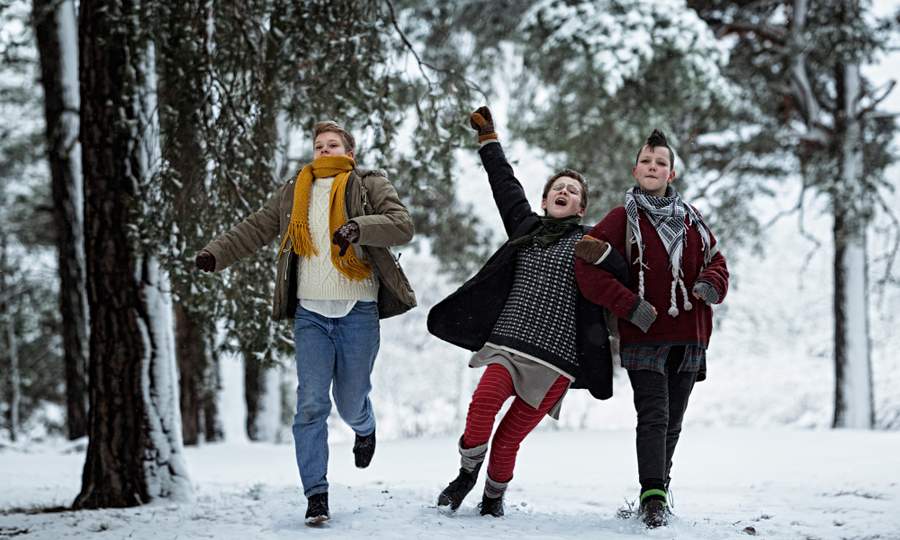
We Are the Best! is one movie that may be overlooked largely by viewers, though it perfectly captures counterculture, and relates to the misfit young and old. The movie is an adaptation of Moodysson’s wife Coco’s graphic novel “Never Goodnight”. Set in Stockholm, Sweden in 1982, Klara (Mira Grosin) and her best friend Bobo (Mira Barkhammar) are junior high teenage girls who believe in their heart that punk rock is alive and well. With both of their home lives not so pleasant, the girls spend their time at the local youth center while taking up the time slot in the band room to get revenge on the local metal band. That’s when they find themselves starting a punk band without even knowing how to play an instrument. We Are the Best! is a fun and deeply sincere exploration of adventure, friendship, love, and betrayal in adolescence.
Force Majeure (2014)
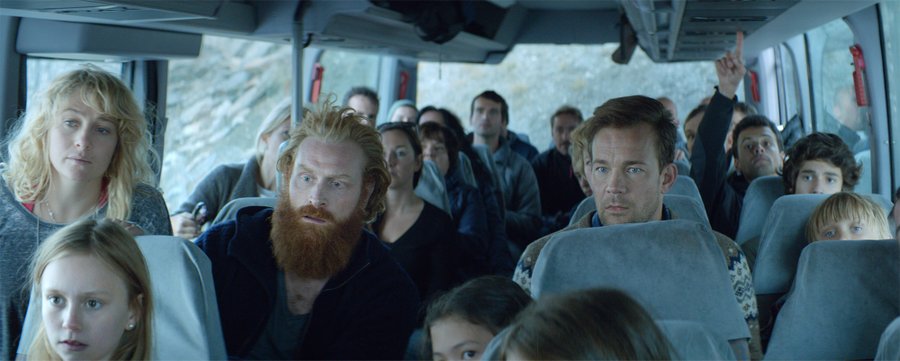
A seemingly well-adjusted Scandinavian Family vacationing in the French Alps experiences a frightening avalanche scare near the beginning of Force Majeure, thereby unleashing a cacophony of mistrust and anxiety as their dynamic is shaken to the core. This pitch black comedy from Sweden charts the steady disintegration of the family unit and the father’s psyche in particular, as his reaction to impending death leaves his family deeply questioning his masculinity and prioritization of their well-being. The stages of blame and negotiation play out with painful honesty, holding back very little in a manner that leaves the viewer supremely uncomfortable, as if eavesdropping on a neighbor’s personal affairs. The effect is unsettling yet stunningly honest and often laugh-quietly-on-the-inside worthy in its depiction of human vulnerability. Unlike many narrative films, the “climax” comes at the beginning of Force Majeure, with the remainder of the film acting as an extended denouement in the form of a measured, Kubrickian character study.
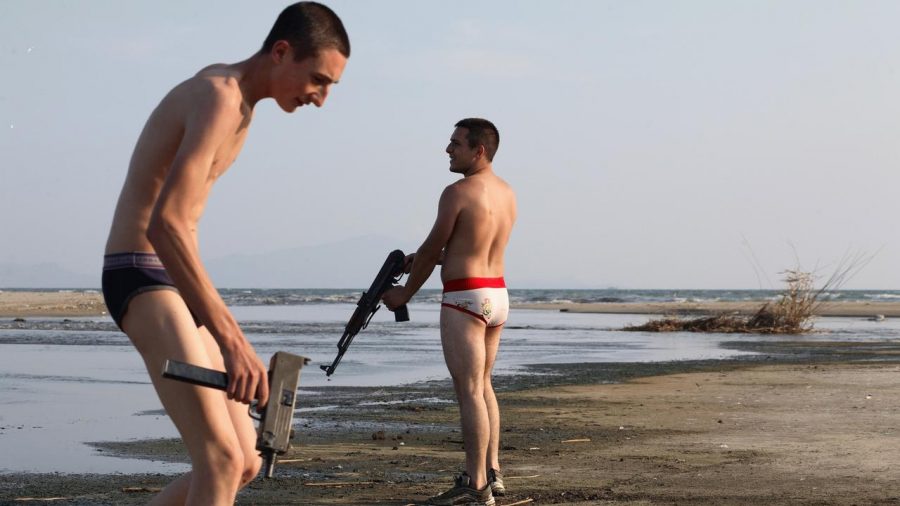
Gomorra (2008)
In the crowded genre of Mafia movies, Gomorrah finds its originality in not romanticizing anything. It’s authentically gripping, violent without being excessively violent, and something that can only be described as a masterpiece of Italian cinema. It follows different protagonists’ entry into organised crime in Naples, with the two main ones taking their inspiration from American gangster characters. Just to give you a sense of how well-rooted this movie is, after it was done shooting, many of the characters (including the guy who plays the clan boss in the movie), were arrested. In his case, he was caught trying to collect “pizzo”, otherwise known as mafia tax.
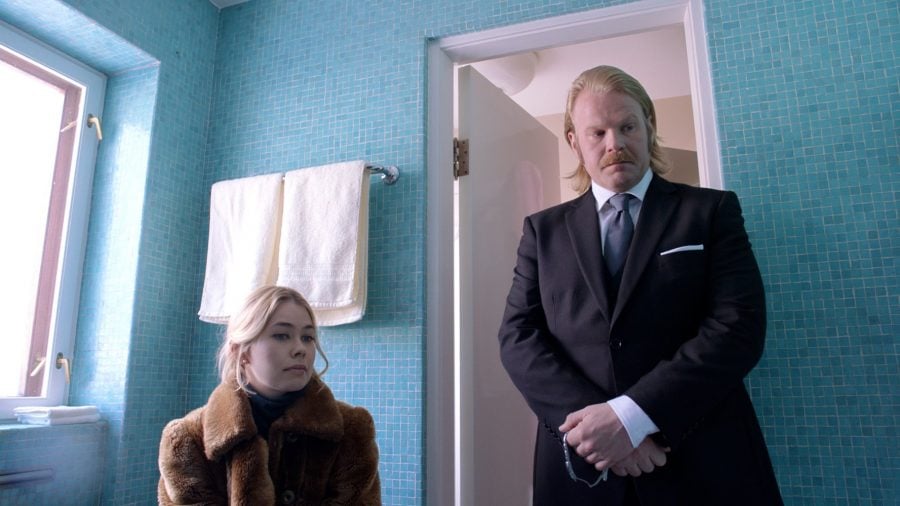
In Order of Disappearance (2014)
This movie is pretty much in every regard a Norwegian Kill Bill. It’s a dark gory comedy where, naturally, the substitute for Uma Thurman doing damage is an emotionless Stellan Skarsgård.
After his son is killed by a drug gang, Skarsgård’s character, fresh off a win of a “citizen of the year” award, embarks on a ruthless journey to track and kill the murderers. This takes place in one of the most remote areas in Norway, where the main character works as a snowplow driver. You guessed it, some people will get snowplowed.
Seems familiar? That’s because this year it was turned into a horribly sub-par American movie called Cold Pursuit, with, ugh, Liam Neeson.
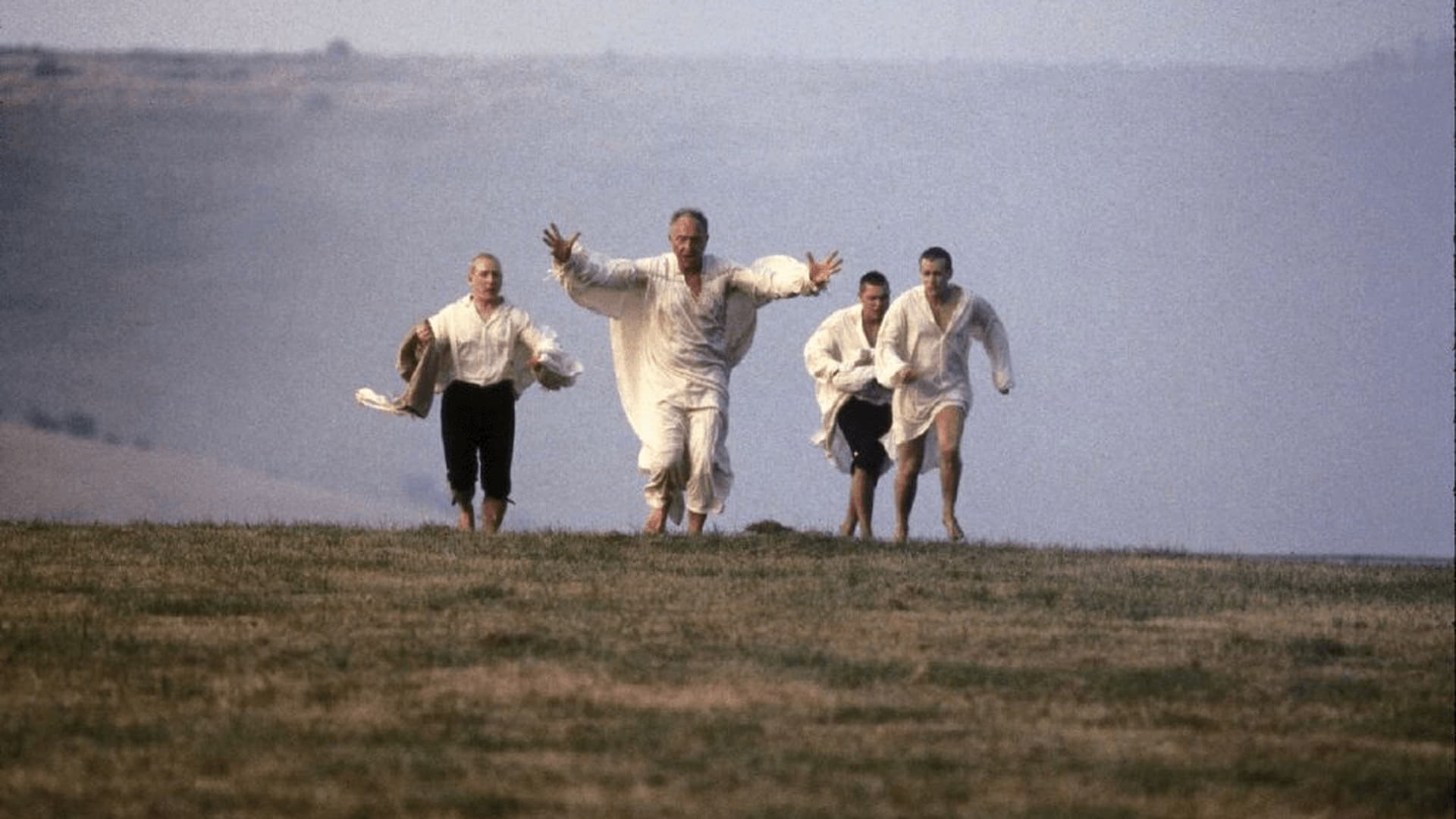
The Madness of King George (1994)
At first glance, The Madness of King George seemed like a history lesson about King George III. Like plenty of British royalty dramas, the film has all the opulent trappings in its sets and costumes, as well as some of the best actors from the British isles. However, unlike other depictions of the monarchy, the film depicts the king not as a benevolent ruler or oppressive tyrant– instead, King George III is terribly human, with his memory failing, being unsettled by loss, and concern over his health, which involves having to look at his urine. But the historical satire, based on the 1991 stage play, still manages to have the same mockery towards the opportunistic court, while still retaining sympathy for the very nobility it mocks, through original playwright Alan Bennett’s adept writing, as well as the excellent performance of the stacked ensemble cast.
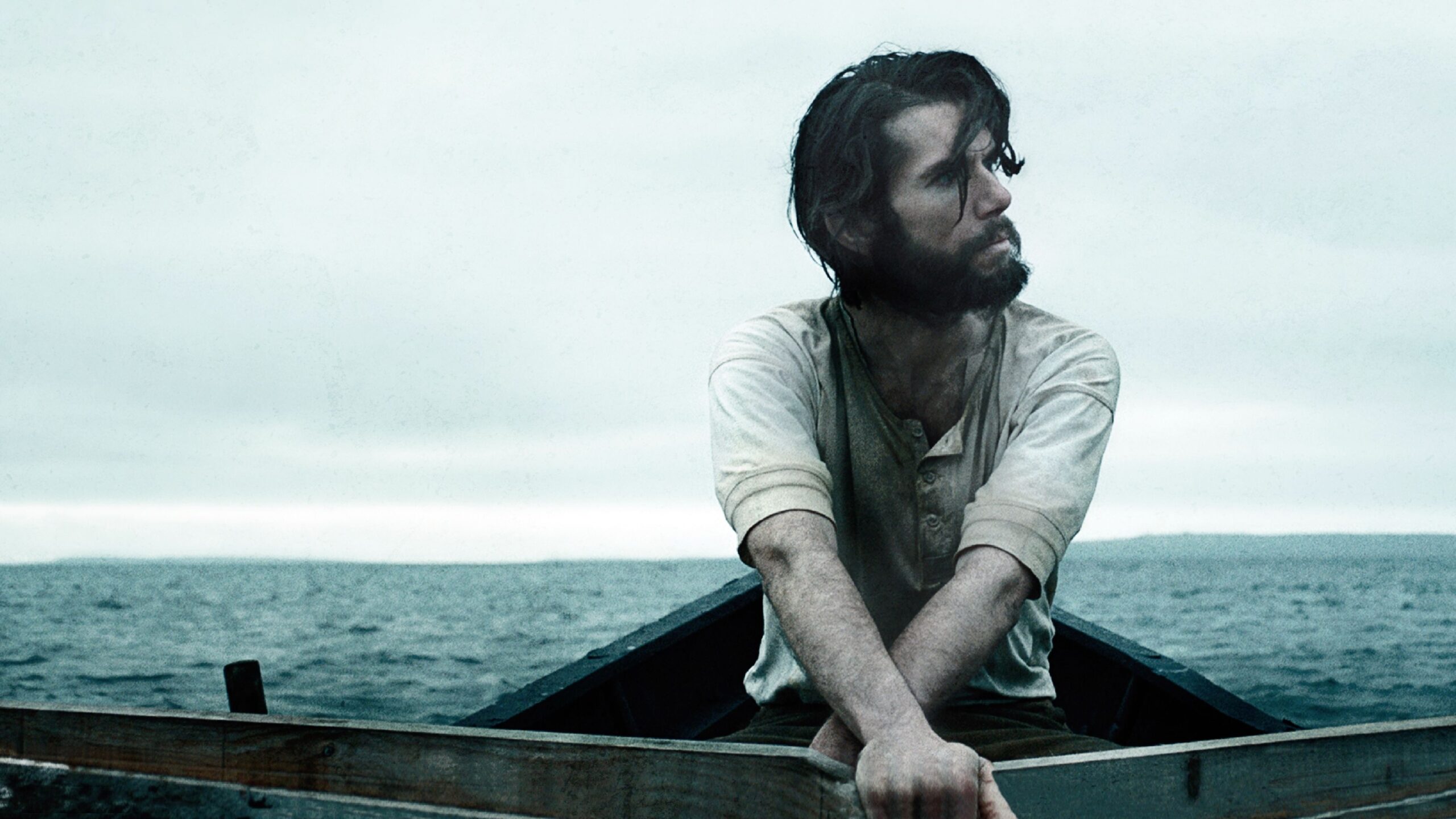
Monster (2021)
Irish period drama Monster is downright depressing. Of course, for some viewers, that’s just part and parcel of any period drama– without the scientific advancement, the philosophical debates, and the sheer convenience of the modern world, it can be easy to imagine a bleak past. But, like some of the best depressing period dramas, Monster makes clear just how bad things were and what we should never do again. Through depicting An Gorta Mór, or the Great Famine of Ireland, in the eyes of a small village, through visualizing the story so many people from Ireland have heard from previous generations, and through its strong performances, Arracht is a striking reminder of the trauma deliberately struck upon Ireland, the memory that is still strongly felt today.

Sarah’s Key (2010)
Most people can easily acknowledge the atrocities Nazi Germany did in World War II, but Germany didn’t do them alone. It is a world war, after all. Sarah’s Key confronts that painful past through a journalist investigating a possible Holocaust survivor. Admittedly, alternating between 2009 and 1942 made the film a bit uneven, with the well-researched past proving to be more compelling than the present. Still, the film adaptation of the powerful novel powerfully reckons with the way Vichy France was complicit in this terrible time. Sarah’s Key isn’t perfect, but it’s an important reminder to acknowledge the history that continues to shape us, especially when it’s something we would rather forget.
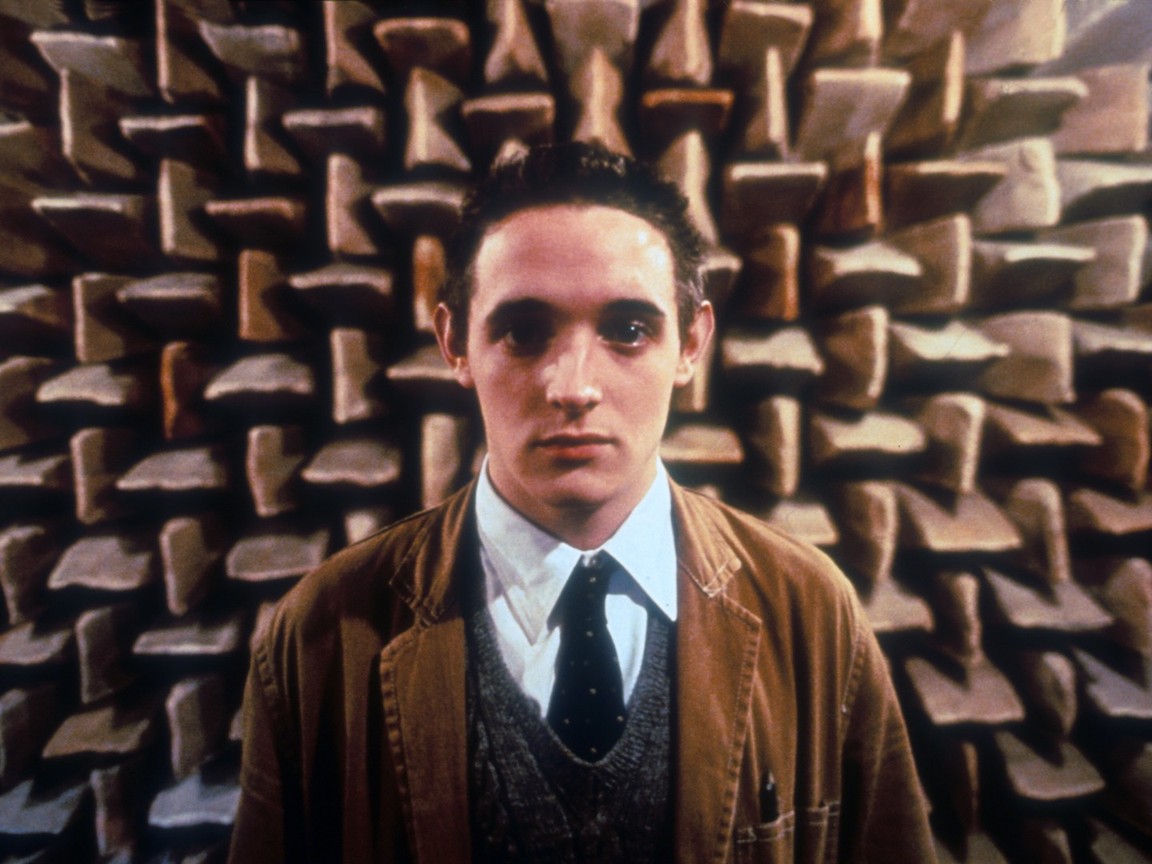
The Young Poisoner’s Handbook (1995)
While terrible in nature, there’s always a curiosity towards serial killers, even if only in hope to identify and protect one’s self from a potential one. The Young Poisoner’s Handbook depicts one such killer named the Teacup Murderer, but while the usual serial killing tropes are present (e.g. the fascination towards death, the disregard for others, and the possible psychosis), the film is equal parts creepy and funny. It doesn’t really delight in the gore, with poison as his weapon, but it mostly takes pleasure in how captivated he is with his experiments– the meticulous method he recorded, the thought he placed into his endeavors, and the way he was able to escape detection, even from those who knew him. One should obviously not follow The Young Poisoner’s Handbook, but one can’t deny how Hugh O’Conor makes said poisoner a fascinating watch.
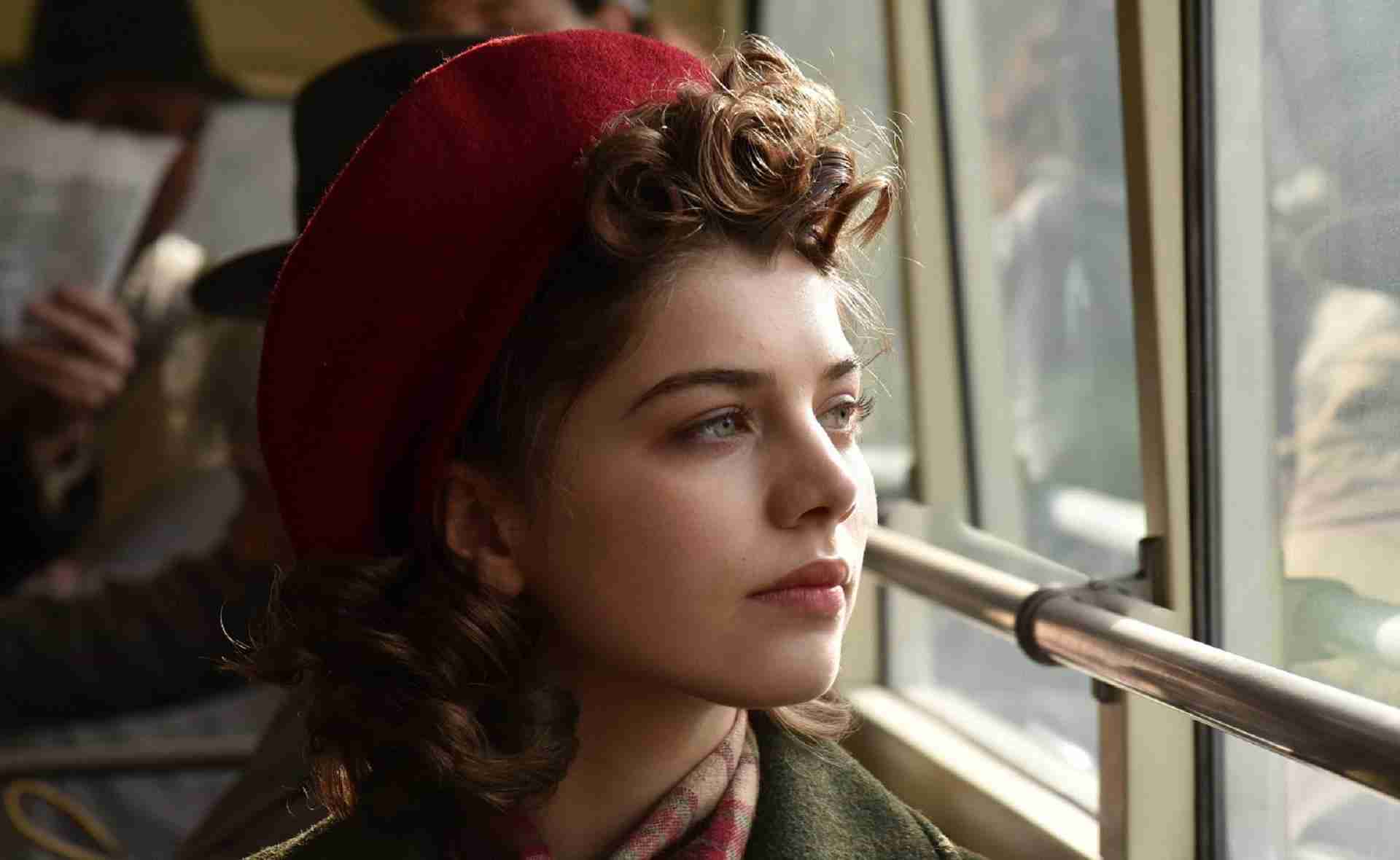
Those Who Remained (2019)
Let’s get this out of the way: Those Who Remained isn’t Lolita. Aldo and Klára connect only because of shared trauma. It’s a pseudo-familial dynamic that proves to be good for both of them, as Klára finds guidance from an adult she doesn’t look down upon due to their possible complicity in the war, and Aldo gets to show some fatherly care that was only limited to his missing family. It thankfully remains above board. That being said, it gets a bit uncomfortable to see the film use the audience’s understandable suspicion to strengthen the feeling of Soviet surveillance. However, Those Who Remained clearly does this to demonstrate how, instead of receiving trauma-informed care and support, the community was instead viewed with suspicion.
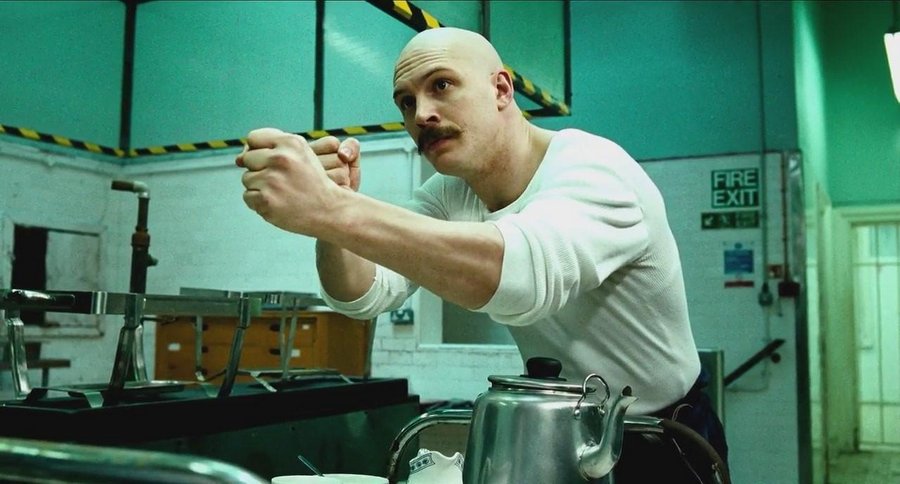
Bronson (2009)
From the director of Drive comes Bronson, the true story of a man who was sentenced to seven years in prison but ends up spending three decades in solitary confinement. Tom Hardy is phenomenal in this dark comedy. His character is so likable and you quickly feel sorry for what he is going through. No one can help him no matter how much he asks for it. Bronson has class, great acting, hilarious comedy, and a true story backing it up. There is nothing not to love about this film.

Climax (2018)
This twisted movie is actually two movies, the credits even roll in between. The first half is gorgeous: talented dancers get together for a party and perform beautiful contemporary dance sequences. They introduce themselves through their audition tapes to join the dance group, but also through conversations at the party. The second half is less fun. It turns out someone had laced the sangria they’ve been drinking with a psychedelic drug. Not for the faint of heart or anyone who didn’t like director Gaspar Noé’s past movies (Enter the Void, I Stand Alone, etc).
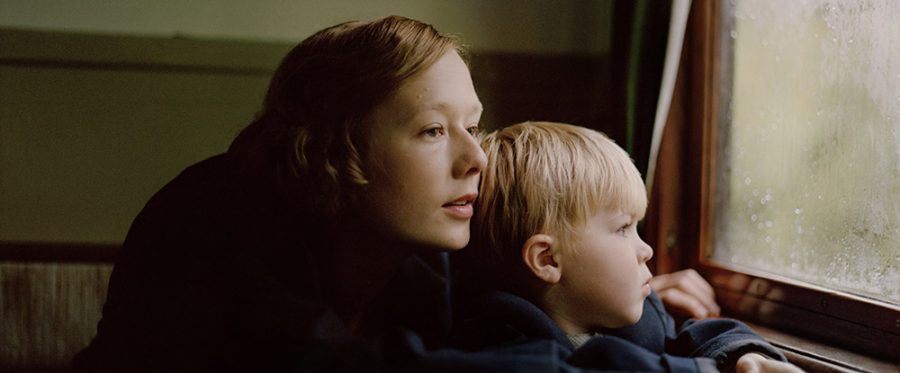
Becoming Astrid (2018)
This Swedish movie is the story of Astrid Lindgren, one of the most translated children book writers of all time. Her work of over 100 books includes Pippi Longstocking and The Brothers Lionheart.
Away from the quiet existence of the characters she would later create, Astrid had a turbulent life. Her troubles start when she falls for the editor of the paper she worked at when she was young, a man 30 years her senior. This results in an unwanted pregnancy and Astrid is pushed to immigrate.
A Kid (2016)
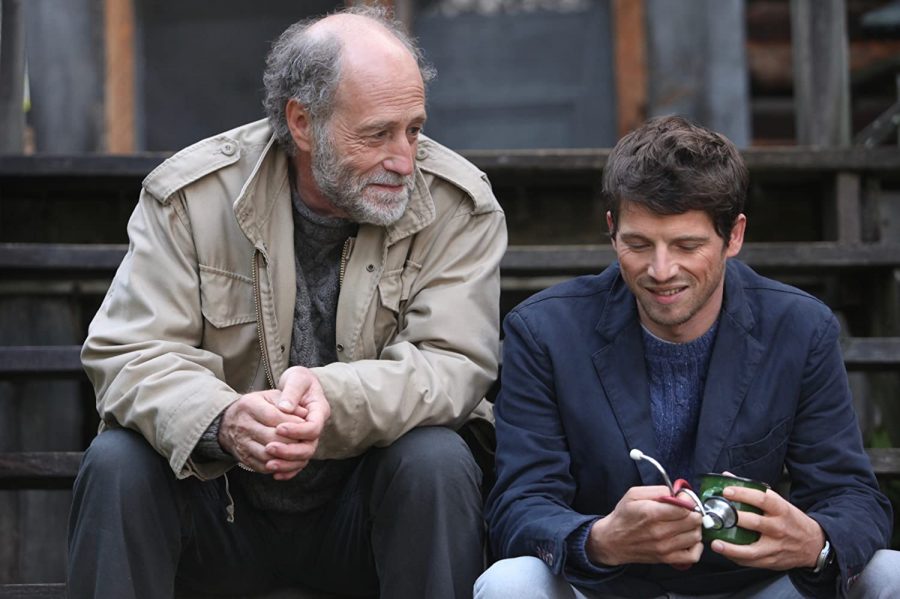
This drama from France and Canada is about Matthieu, a 33-year-old from Paris who never knew his father. One morning he gets a call to go to Montreal, where he is told his dad has passed away and where a funeral will take place.
To add to his confusion, upon arrival Matthieu is asked to conceal his identity from his step-mother and step-brothers.
A Kid is made as though the filmmaking styles from the countries it’s set in were mixed together. There are complicated family dynamics reminiscent of Xavier Dolan movies; and identity issues and comments on different compositions of families like the films of Mia Hansen-Løve.
The Last Suit (2017)
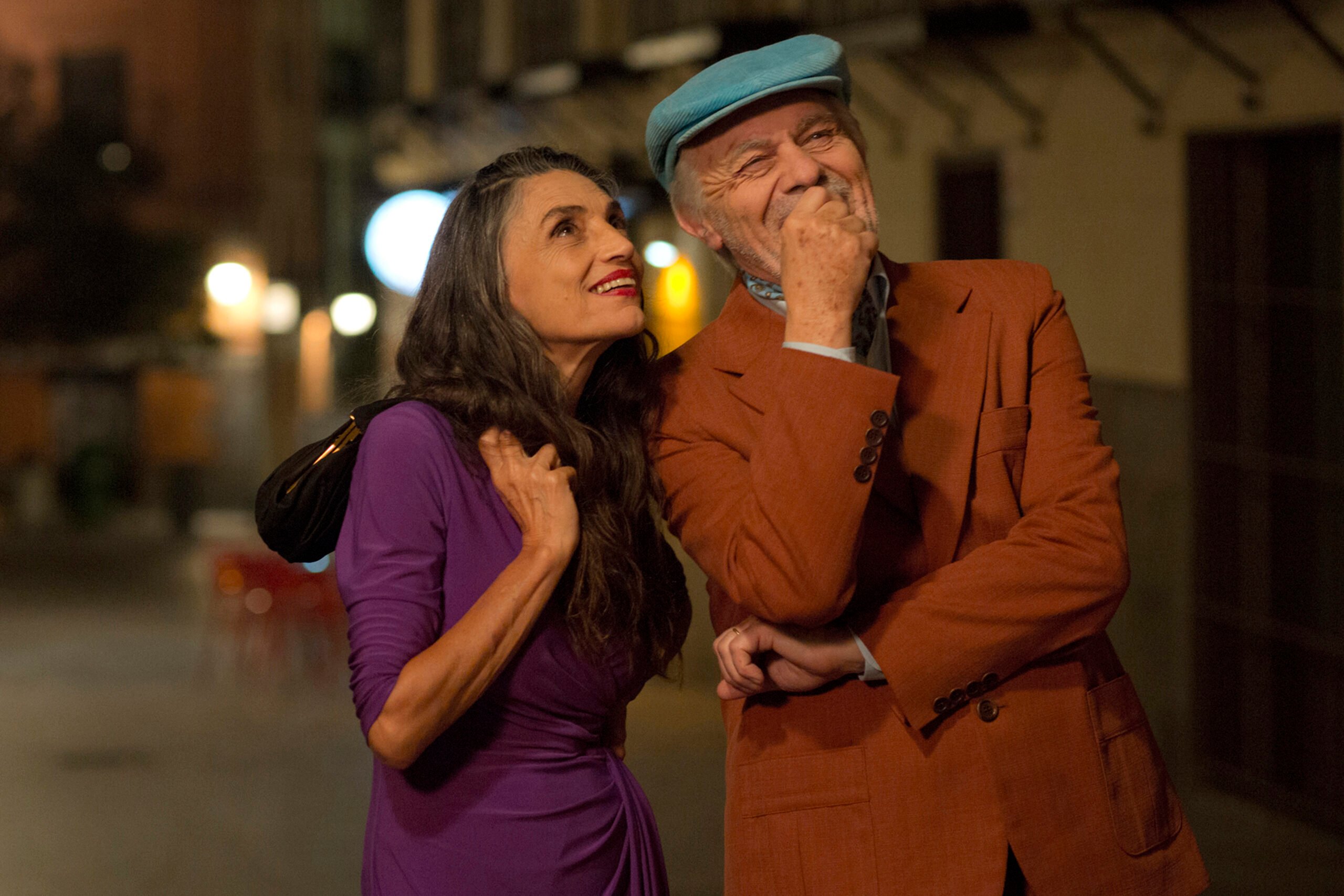
When something like a World War happens, the generation that grew up at the time inevitably would be changed, and this change sticks to that generation, even if the ones that follow don’t immediately understand. The Last Suit is centered on this idea, but it does so through a relatively lighthearted and humorous way, as Abraham Bursztein goes on a cross-continental trip to see a childhood friend from the war, and meet people with different perspectives along the trip. With at least six different languages, two different timelines, and a compelling protagonist, The Last Suit is a new take on the Holocaust that might be a tad too sentimental for some viewers, but is a poignant reminder of the history that still haunts the world today.
Felicia’s Journey (1999)
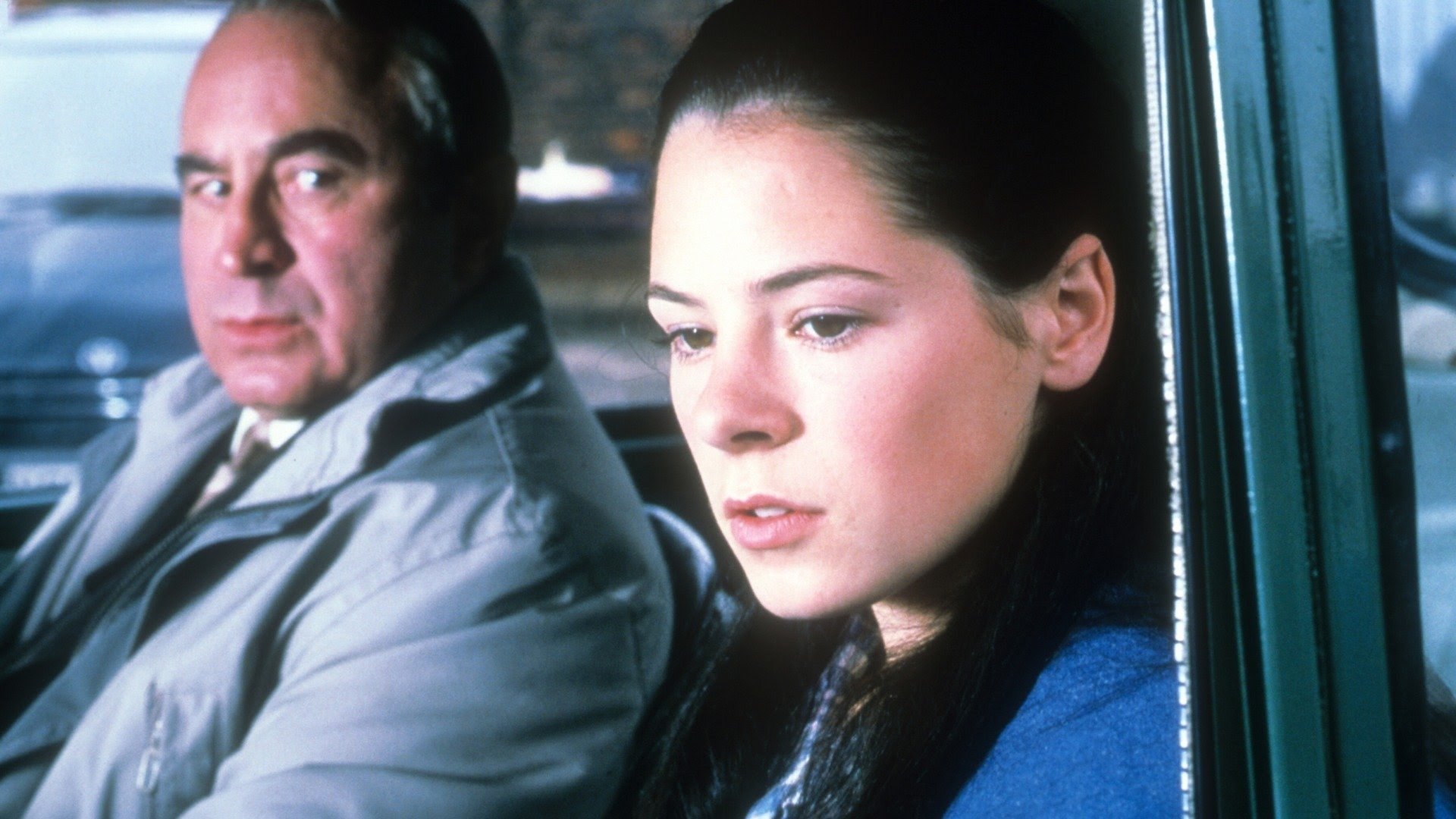
Usually a film like this wouldn’t care to take the perspective of the perpetrator, and would instead dramatize a heavy, unsettling feeling around a victim being caught within their operation. But Felicia’s Journey doesn’t take that route– instead, at the same time, we meet both serial killer and potential victim through a snapshot of their lives, with writer-director Atom Egoyan adeptly intercutting Felicia’s Journey with Hilditch’s video-recorded childhood and Felicia’s much more natural flashbacks. It’s an interesting visual take on the 1994 novel, that doesn’t take the usual thriller motifs and that would rather linger on studying the characters. Felicia’s Journey might be Egoyan’s first non-R rated film, but it still delivers his signature uneasiness and eeriness he is known for.

Max Manus: Man of War (2008)
With his outstanding record of resisting the Nazis, Max Manus seems like a pretty cool guy. The well-travelled soldier volunteered for his country when he could have stayed an ocean away, and he helped organize the resistance against the Germans when he could have just kept his head down. It’s no wonder that he was commemorated in the biopic Max Manus: Man of War. However, like many biopics, Man of War focused more on the historical accuracy instead of crafting a narrative that coherently depicts his core beliefs and character development. His incredible exploits are still entertaining. It’s amazing to see the dangerous work he pulled off in the name of his country. Max Manus: Man of War is one of many World War II biopics, but it nonetheless celebrates an underrated hero that fought in a rarely acknowledged warfront.
1945 (2017)
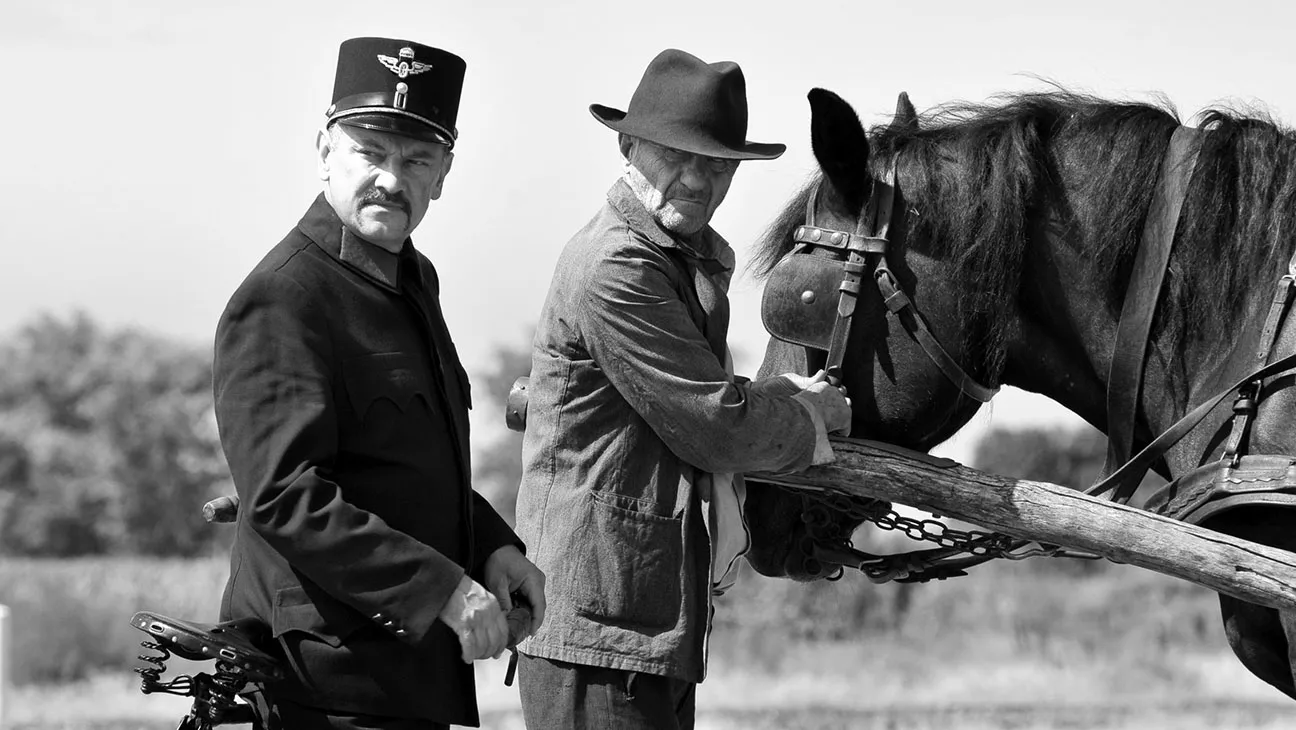
At the end of World War II, the world didn’t declare peace and call it a day. Reparations had to be made, and while many displaced citizens stayed in the refuges they found, some were curious to discover what happened to their home. This black-and-white period drama doesn’t paint a good picture. As two Orthodox Jewish men return to their town, the film reveals the reactions of the people that have stayed. For some, they’re understandably wracked with guilt. But for others, the greed for the loot they’ve stolen, and the resulting paranoia, dares to echo the real-life tensions that still affect Europe today.

Fateless (2005)
Adapting the semi-autobiographical novel from a Holocaust survivor, Fateless was sure to remind people of other films depicting this atrocity. It is, after all, the same historical event. However, the perspective is rather different. The details Gyuri remembers are details that other films don’t recall– the lie about his age that spares him the gas chambers, the extra rations he got by hiding his bunkmate’s death, and the last image of the camp he has as he’s carried over the shoulder. All the details combined recreates the uncertainty and lack of control that people like Gyuri have faced, both during the war and after. Fateless remembers how the world couldn’t make it right.
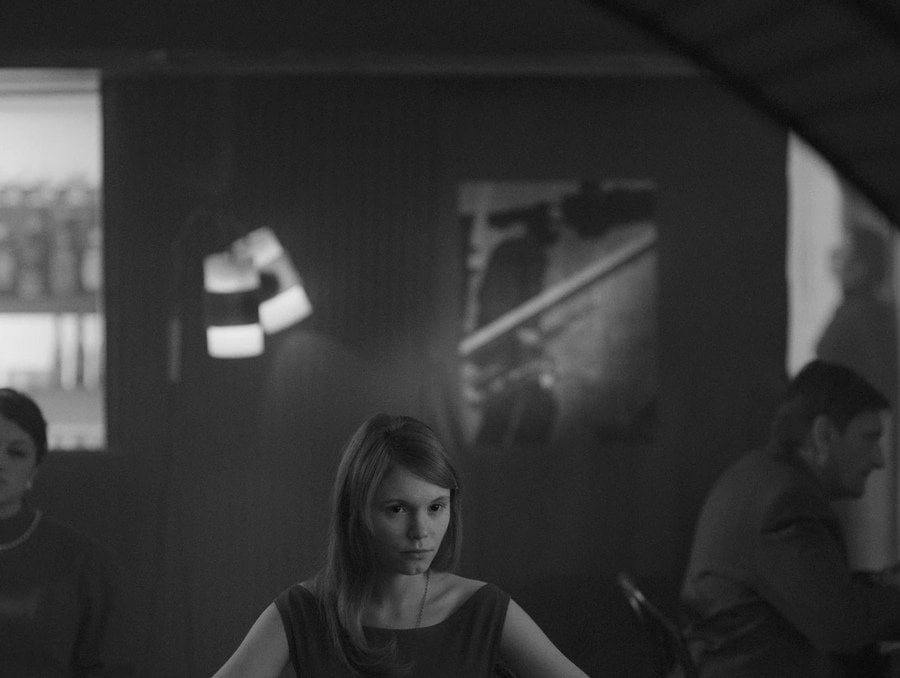
Ida (2013)
Ida, the 2015 Academy Award for Best Foreign Language Film, is a stark black & white drama set in the early 60’s about a young Polish nun-to-be and her bawdy Aunt Wanda searching for the truth behind her family’s demise at the hands of the Nazis. What initially comes off as a painfully slow sleep-inducer pretty quickly evolves into a touching and lively contrast between the two lead characters; one virtuous and pure, the other boorish and hedonistic. Their journey is equal parts amusing, insightful and heartbreaking, with Ida’s personal exploration of self playing out as a remarkably humanistic affair. The cinematography by Lukasz Za and Ryszard Lenczewski is particularly striking, each shot a work of art in it’s own right. Logging in at just 82 minutes, the entire story whizzes by in a flash. The kind of film that will stay with you long after you’ve watched it.
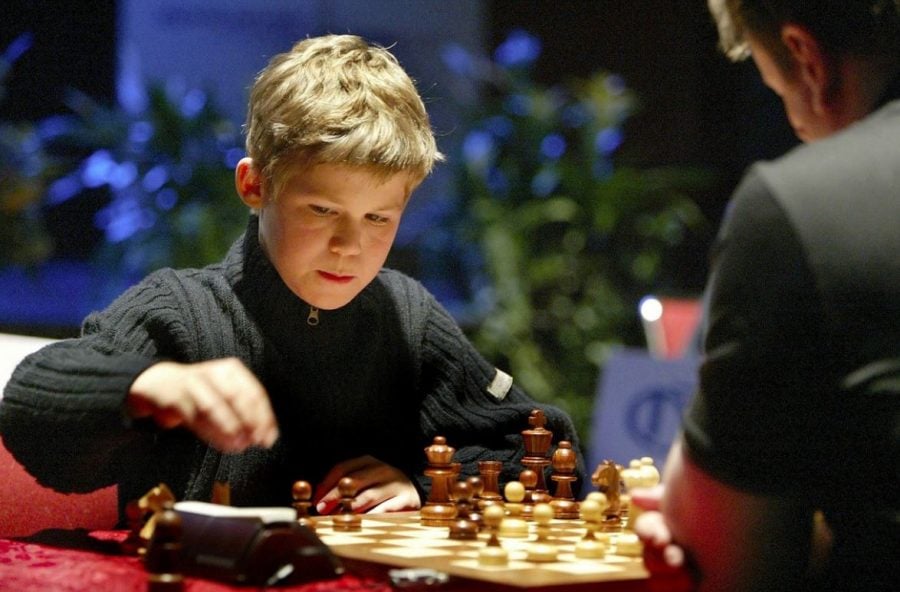
Magnus (2016)
This Norwegian documentary in English is about Magnus Carlsen, the current world champion who became a chess grandmaster at age 13. It might be tough to believe but Magnus’ ascension was slowed down significantly by many crises in self-confidence and difficulty to cope with the pressure at a young age.
With home footage and interviews with everyone from his adversaries to the champion himself, Magnus the movie tries to be a complete portrait of the prodigy. Yet, crucial aspects are missing, such as an explanation for a sudden change in character, and perhaps more importantly, explanations of Magnus’ genius in chess. His techniques and approaches are mostly attributed to intuition, but the movie fails to explain how that intuition is reflected in the game.
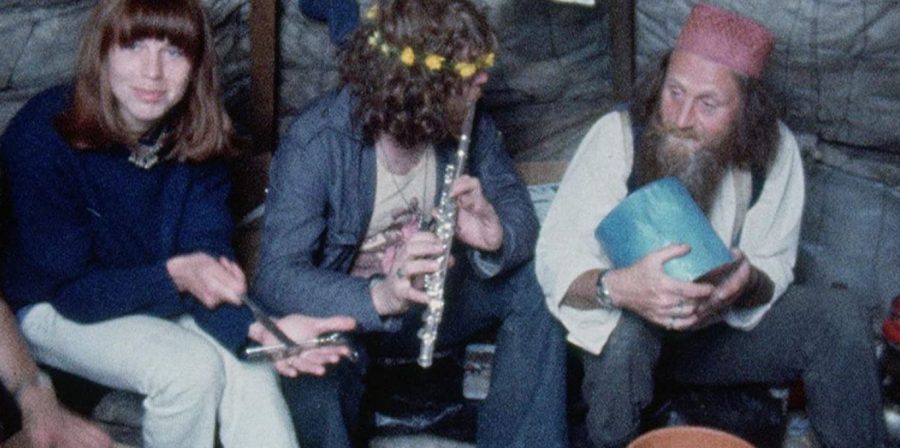
Arcadia (2017)
From early footage of country-folk threshing their crops to blissed-out clubbers at a rave, there is a mesmerizing, insistent sense of rhythm and motion to Arcadia. Director Paul Wright has curated an astonishing array of archive material for this feature-length video montage examining the British and their sometimes uneasy relationship with the land.
Cut together in loosely chronological order, the footage is enigmatic, seductive, and disturbing, set to a haunting soundtrack from Adrian Utley of Portishead and Will Gregory of Goldfrapp. Watching Arcadia is hypnotic, like wading into the uncertain waters of time with a head full of shrooms. And that’s definitely a good thing.
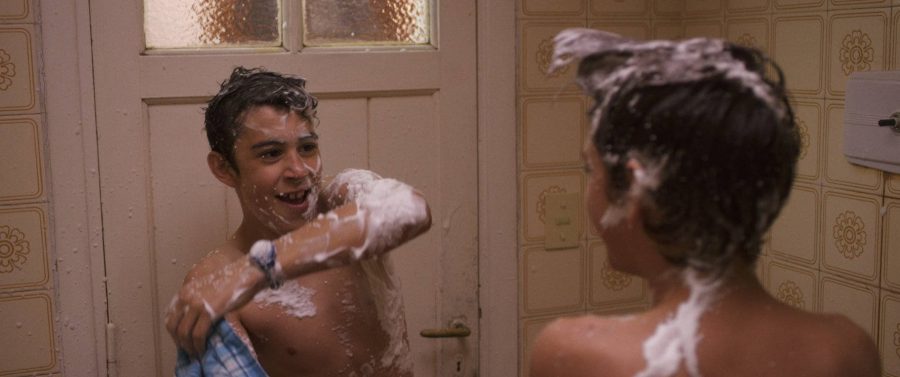
Esteros (2016)
Esteros revolves around the childhood friends Matías and Jerónimo, who reach adolescence and experience sexual attraction to each other before being separated by circumstance. When they meet again ten years later, they explore their long-repressed feelings for each other.
This moving and emotionally satisfying love story is shot against the backdrop of the Argentinian countryside whose glories are beautifully captured throughout the movie. The performance of the two leads is excellent and the chemistry between them is almost palpable.
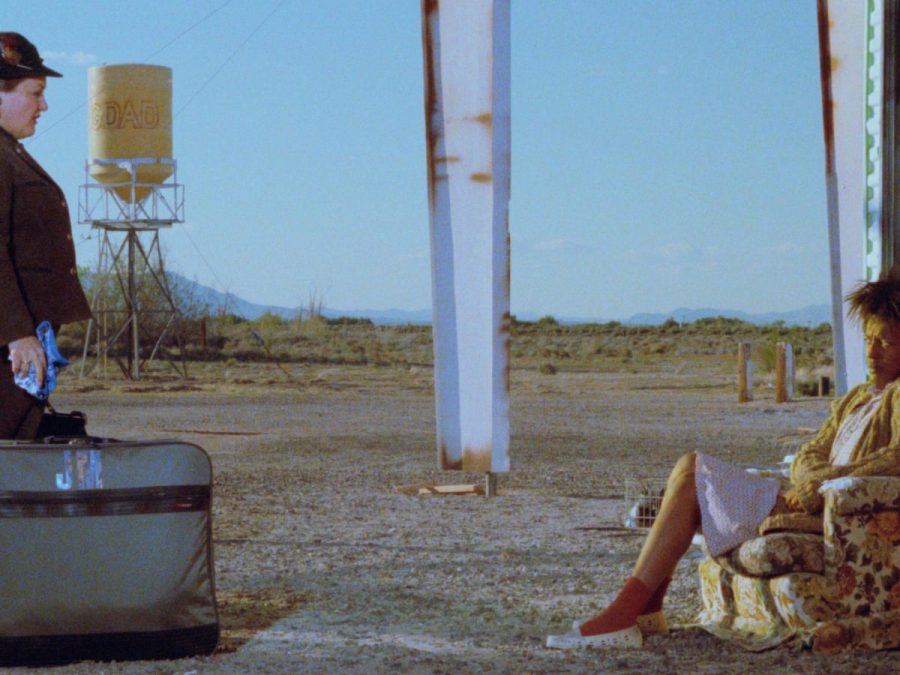
Bagdad Café (1987)
This quirky 1988 adventure drama is newly available on Amazon Prime. It’s the classic that never was, the story of a rundown gas station motel in the Southern US where a lonely West German lady called Jasmin Munchgstettner ends up by accident.
The owner of the operation, a short-tempered woman by the name of Brenda, doesn’t really take to Jasmin. However, the longer the West German guest stays at the motel, the more a friendship forms between the two.
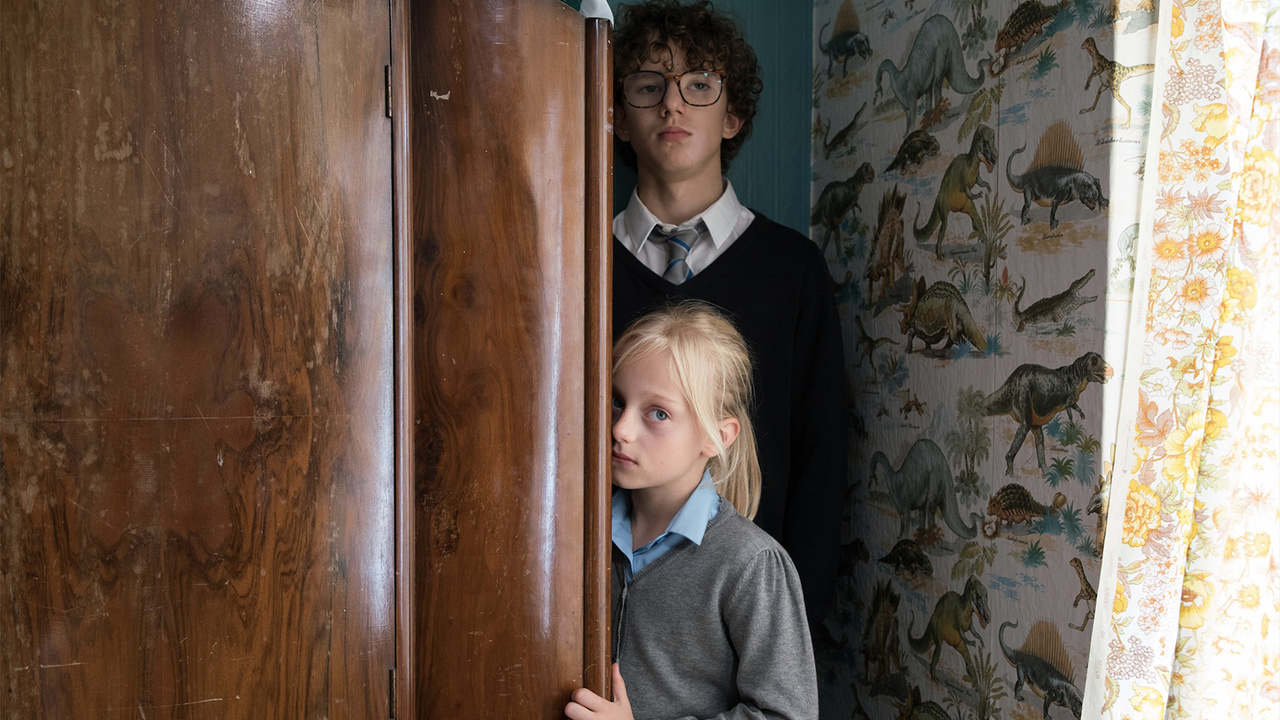
Listen (2020)
Sincere and direct, Ana Rocha de Sousa’s debut feature is a tragic portrayal of an immigrant family in the United Kingdom. Known best abroad for her role in Love Actually, Lúcia Moniz shines as devoted mother Bela, who, along with Jota (Ruben Garcia) struggles to keep their family together. The couple and their three children, including the deaf middle child Lu (Sophia Myles), come under the scrutiny of social services, especially after the unexplained bruises. While at times heavy-handed, the film raises important questions on family separation and social services, especially with their limitations with children with disabilities.
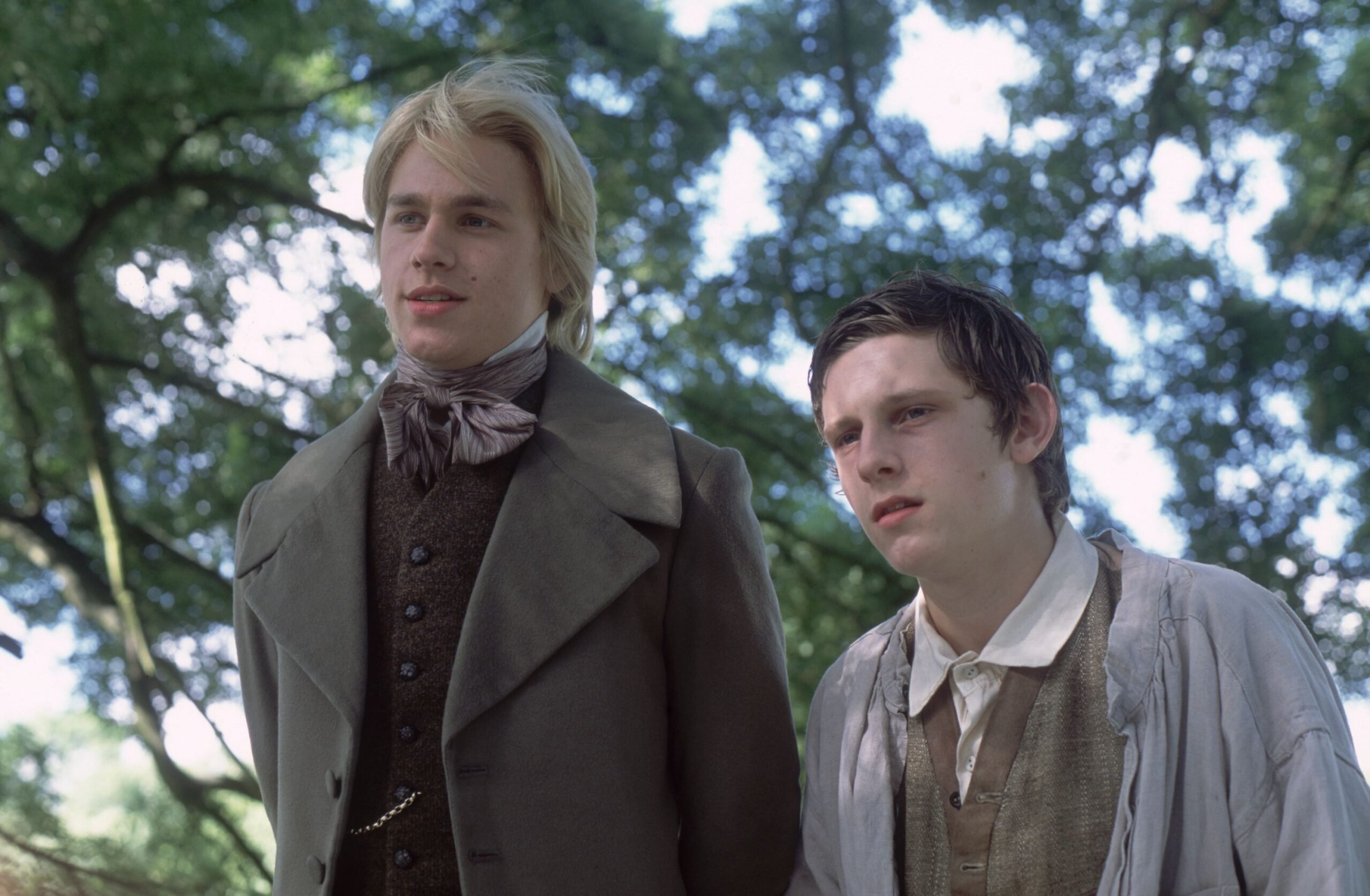
Nicholas Nickleby (2002)
While writing the classic novel Oliver Twist, Charles Dickens was also writing Nicholas Nickleby, with volumes released every month. His third novel was adapted in 2002 in a film adaptation that smooths out Dickens’ elaborate plot, with beautiful sets and costumes, and the classic good vs evil themes the classic novelist is known for. There’s a bit of a mismatch with Charlie Hunnam as the titular protagonist, but the rest of the cast slips into their characters well, most notably Christopher Plummer as the incredibly stingy uncle Ralph, and Jamie Bell, whose rendition of Smike makes his dynamic with Nickleby compelling. Nicholas Nickleby isn’t the most transformative adaptation, but it’s one that still works, especially for young viewers wanting a simplified plot for their book reports.
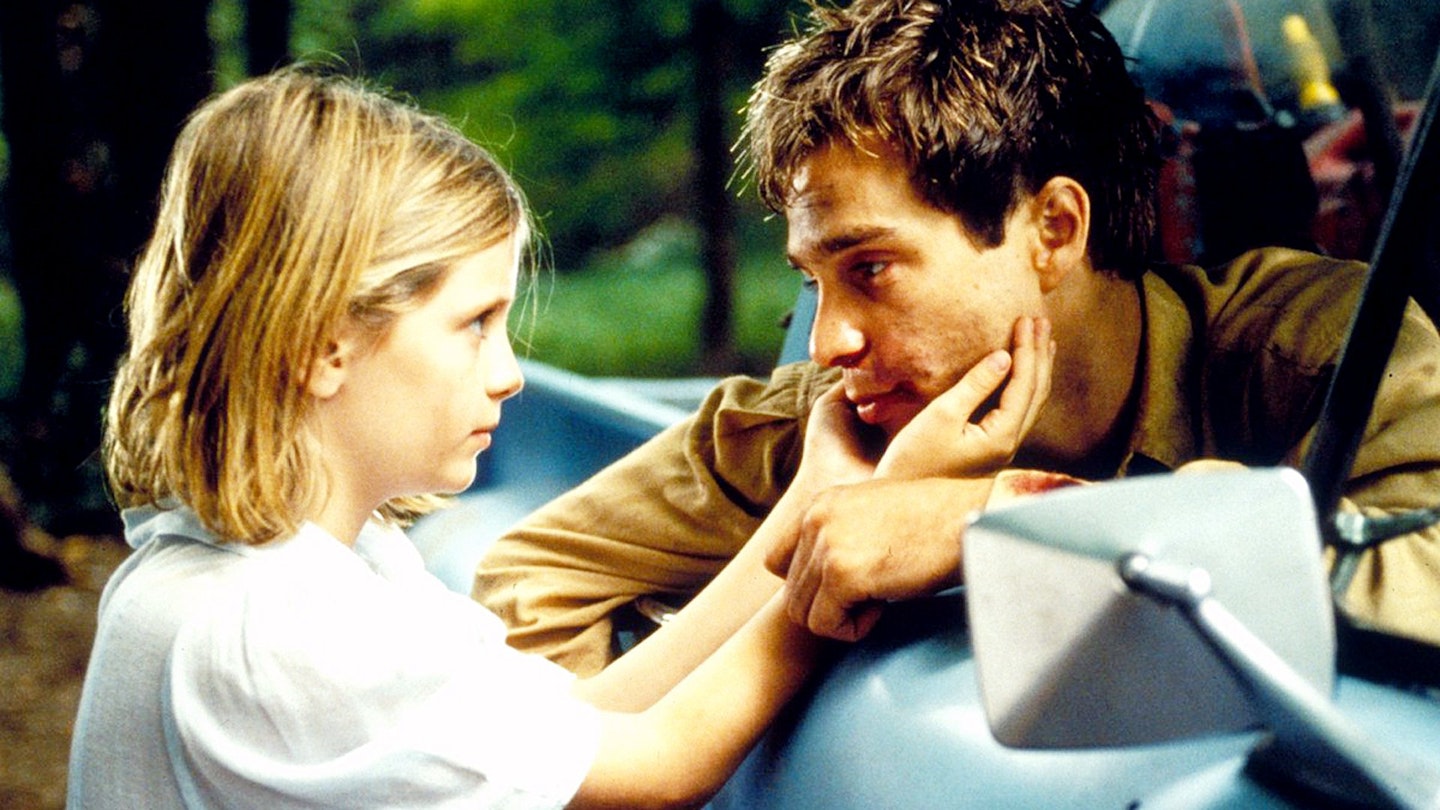
Lawn Dogs (1997)
Adults and kids can be friends, but there’s obviously a line that shouldn’t be crossed. This line is why most people would look at a friendship like this and automatically assume terrible things, but Lawn Dogs depicts one such connection in such a way that it’s clear how easy and disproportionate these assumptions are made for marginalized and less powerful people, over the affluent sociopaths that can and have gotten away with the accusations they lobby against others. The fairy tale ending, and of course, the disgusting behavior done by the rich guys, might turn some viewers off from the movie, but there’s also something genuine with the way screenwriter Naomi Wallace depicts a girl with a literally different heart who just wants to befriend someone real.
No titles match these filters.