30 Best Foreign Movies on Mubi Right Now
Updated
With its strides in streaming and film distribution, it won’t be a surprise that Mubi has a great selection of hidden gems. It also won’t be a surprise that many of these gems come from all over the world, with the site organizing these films in thoughtfully curated playlists by style, themes, festivals, and awards. So for cinephiles wanting to expand their repertoire, and movie lovers that want a glimpse of something new, here’s some of the best foreign films available to stream on Mubi.
How we make these lists
No AI. No algorithms.
We are 100% human-curated. Everything you see here has been handpicked by a team of experts.
At least 7/10 on IMDb
So you know they are appreciated by viewers, not just high-brow critics.
At least 70% on Rotten Tomatoes
We combine this with the IMDb bar to keep only the best of the best.
Find more to watch
We have grouped the list by country of origin, biggest first. Use the menu to jump around.
The Best Foreign Movies from Germany 5 titles
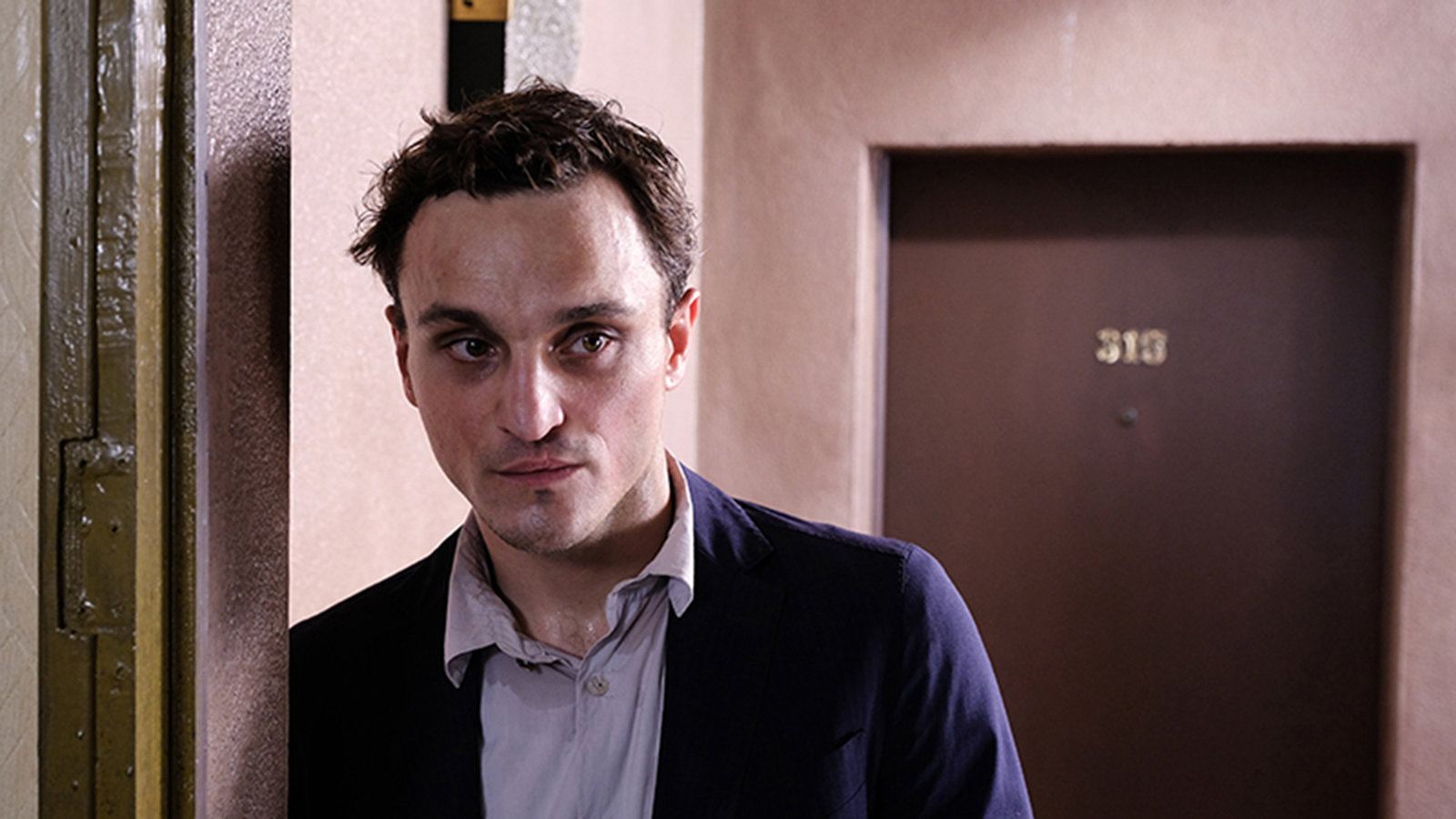
Transit (2018)
Transit is based on a WWII novel — though you wouldn’t be able to tell from first glance. While the characters talk of German fascists occupying France, anachronistic details (like modern technology and clothing) suggest we haven’t gone back in time at all. Director Christian Petzold isn’t trying to confuse us: by blurring the backdrop, he’s making the terror and the desperation of the story more immediate — removing the distance that might have prevented us from really feeling what happens.
The uncanny historical echo effect works as intended, because the parallels Transit subtly draws between the past and today are horribly clear. What’s more, the movie’s intentionally ambiguous framing suffuses the plot with an otherworldly sense of mystery, a quality that gradually intensifies as Georg (Franz Rogowski) desperately searches for a one-way ticket out of hellish bureaucratic limbo before he finds himself waylaid by that most mysterious emotion of all: love. Unshakably haunting and undeniably poignant, this is a movie that will live under your skin.
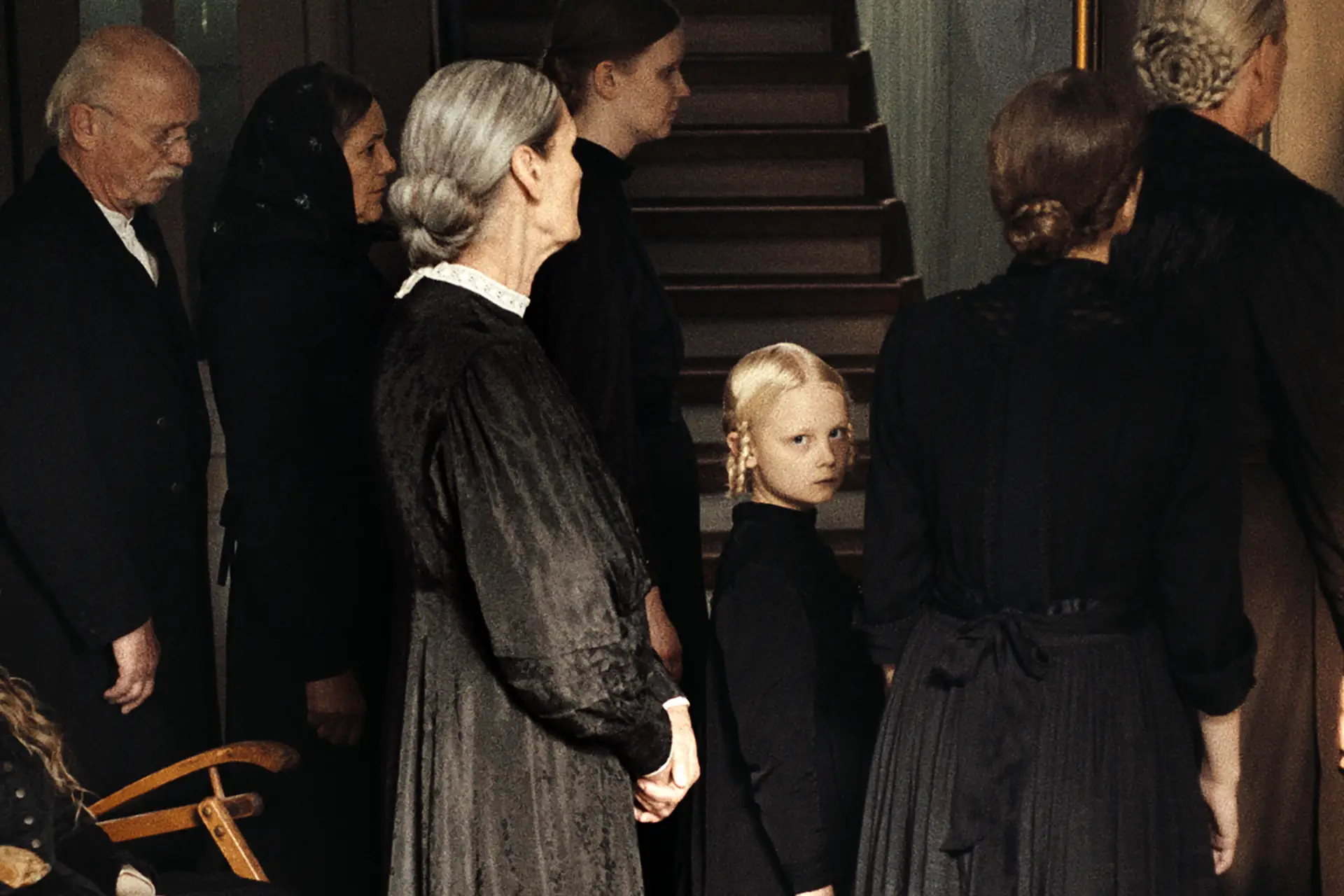
Sound of Falling (2025)
Previous depictions of provincial living tend to paint the pastoral experience as idyllic, simple, and much more innocent compared to their city counterparts. Sound of Falling does the opposite. While it still beautifully captures the German countryside, this drama also acknowledges its terrible secrets– the ways the family maintains itself, and sidebrushes death, at the expense of the women in the family. Cutting across time and circumstance, the haunting narrative sees the rhyme in each story. Unbeknownst to each four women, their pain echoes in similar ways, even if their particular histories differentiate their extent. Sound of Falling captures how the past never fully fades, only passing down like a curse recalled in folklore.
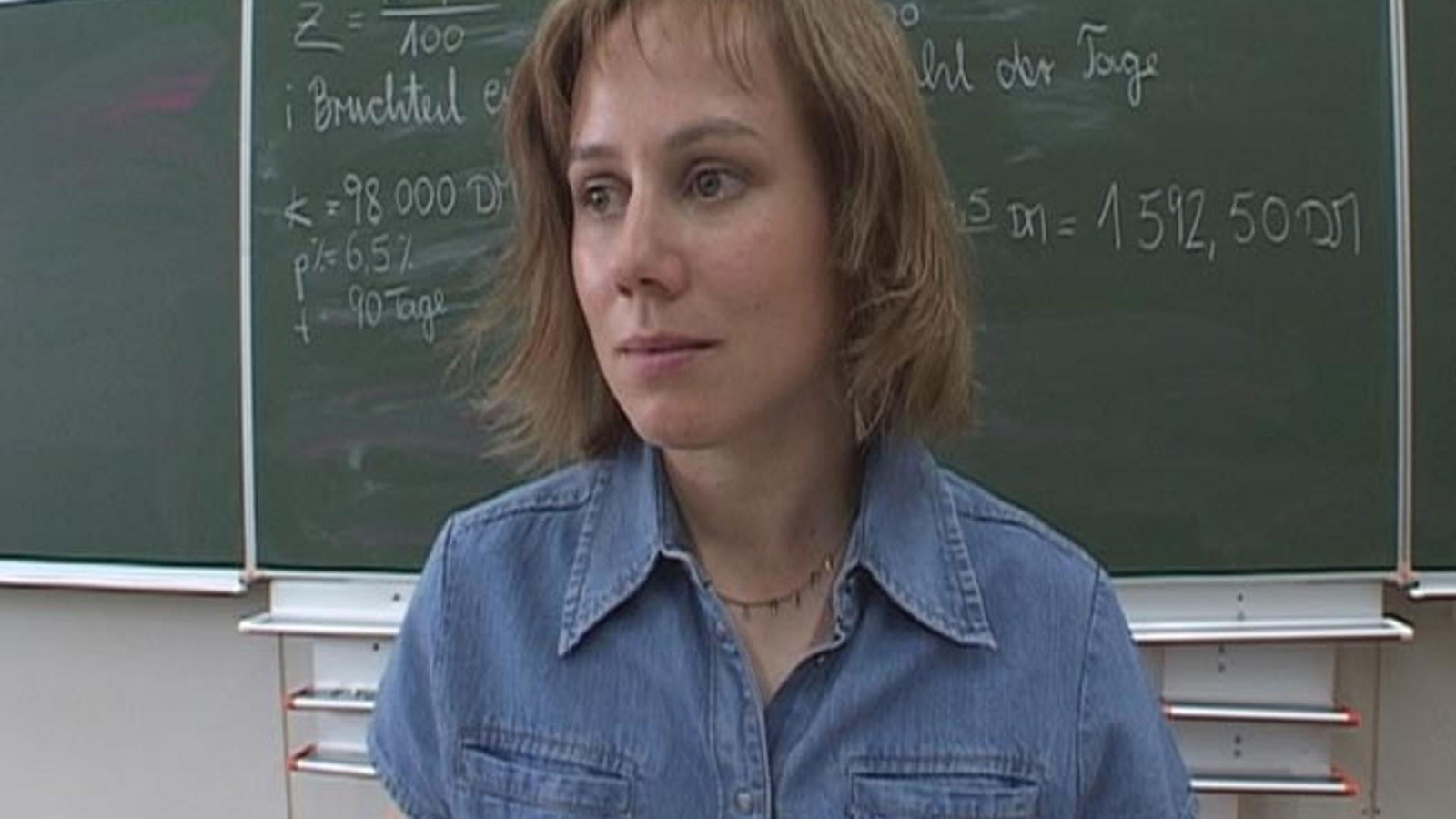
The Forest for the Trees (2004)
More than a decade before she made Toni Erdmann, German filmmaker Maren Ade turned her eye on a small-town school, a socially awkward teacher, and the inarticulate in between. Even with her debut, Ade showcased a talent for spotting the hidden comic potential of situations that can be wounding, turning vulnerabilities into power through comedy. The Forest For the Trees is a dilemma-film, in the ways in which it both invites and rejects identification with Melanie. A frighteningly optimistic person, she misreads most if not all social cues and finds herself in embarrassing situations. Even more, her devotion to making it all work, after moving away from the big city for said teaching job, is something a lot of viewers can recognize and support, but her borderline unlikeability is sometimes too hard to ignore. However, a majestic finale crowns the film with a scene that is worth rewatching again and again, like a dream you wish to appropriate for yourself.
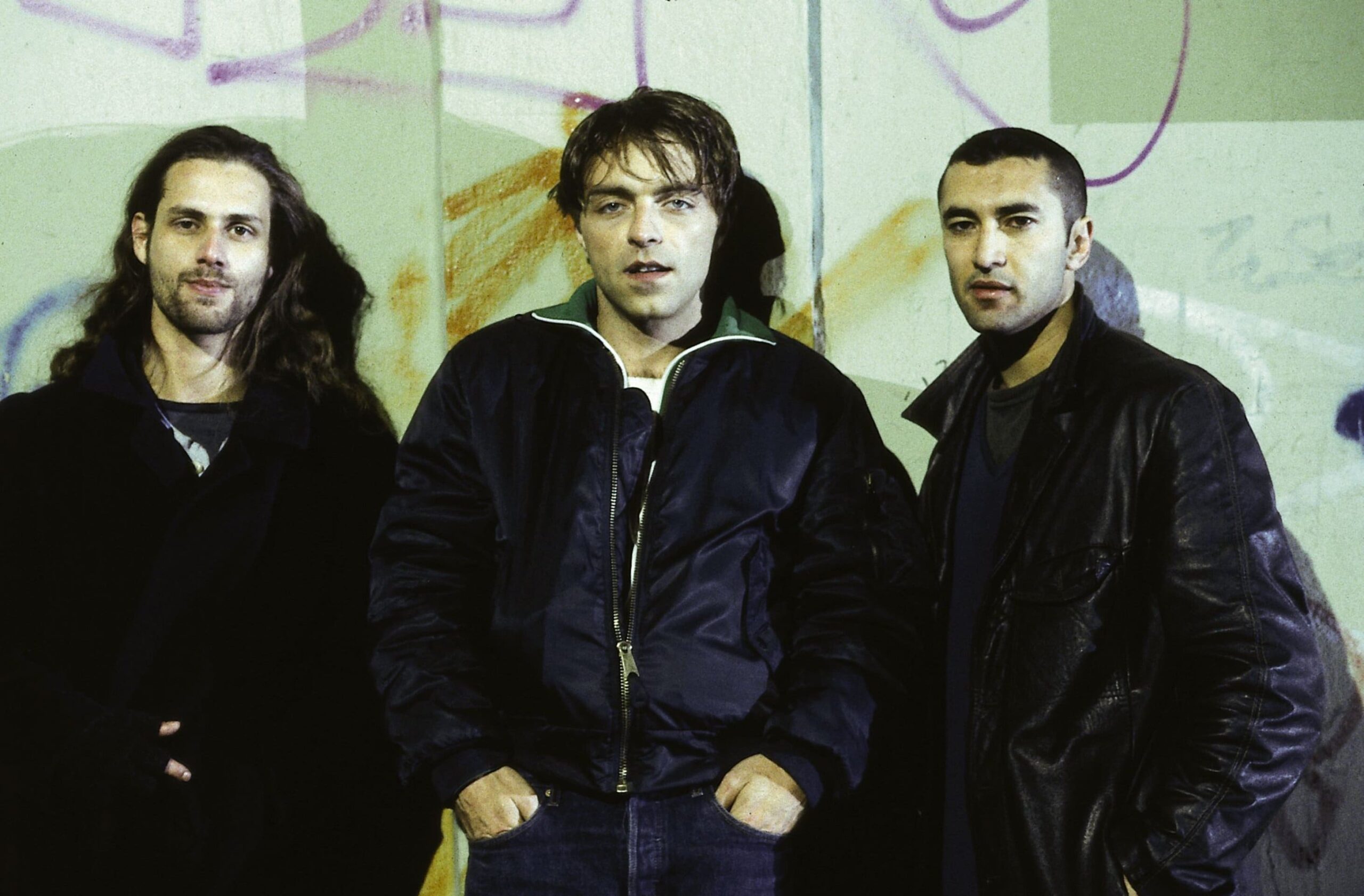
Short Sharp Shock (1998)
Look, Short Sharp Shock is standard crime thriller stuff. The plot has been done before– an ex-convict trying to keep himself from the underground, but still gets pulled into it by his friends– and you can tell in some shots that it takes inspiration from classic American gangster films. But, by the time of its release, we haven’t seen this story in these streets before. Writer-director Fatih Akin takes this fairly straightforward story to his hometown and styles it with the eclectic mix of languages, sounds, and images that fits more closely to his German multi-cultural neighborhood. And because of the new setting, the gangster immigrant friends make certain choices that won’t be out of place for the genre, but are informed by and have additional stakes because of the cultures they come from. Short Sharp Shock is a familiar story, but it’s done well in a new place, with a new style, and with Akin’s affection for his hometown.
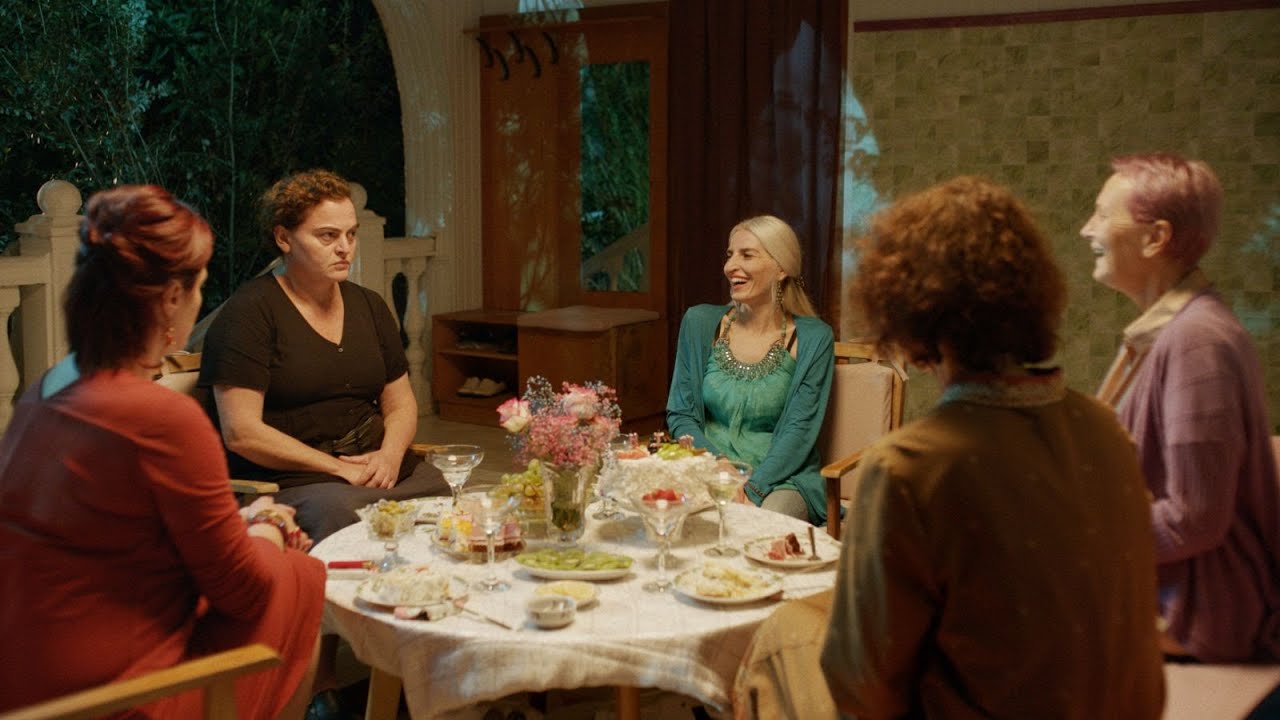
Blackbird Blackbird Blackberry (2023)
We all know that remaining unmarried when middle-aged doesn’t mean one is lacking, but even when we can acknowledge how dated this idea is, for women, there’s still the societal pressure, the loneliness, and the feeling of having missed an opportunity to have children. Blackbird Blackbird Blackberry is centered on one such middle-aged woman living in a small town in Georgia, and she has a fairly peaceful life… until she nearly dies and shortly forms an attraction to another man. Director and co-writer Elene Naveriani takes her time to delve deep into Etero’s story, the complicated grief she has towards the men that have raised her, as well as the spite towards the arbitrary goals other women have reached and made fun of her for. The journey does take a rather slow burn, but it’s wonderful to see a film so empathetic and nuanced about this dilemma, and free from the judgment many women have encountered on this topic.
The Best Foreign Movies from Hong Kong 3 titles

Farewell My Concubine (1993)
Thirty years after its release, the first ever Chinese language Palme d’Or winner has finally been made more accessible through Criterion Channel through its uncut 4K restoration. Farewell My Concubine is one of those classical epics that is considered essential viewing, but even with its near 3 hour runtime, the film still holds up all these decades later with its startlingly heartrending love story and depiction of the tumultuous shifts of 20th century China. Director Chen Kaige masterfully balances both sides, tapping into the pain Dieyi (Leslie Chung) chooses as he clings to the classical opera, the very art form that allows him a sliver of his unrequited love to be realized, but that is also limited depending on whichever government is in charge at the moment. It’s possibly one of the most beautiful and most miserable films ever made.

Shadow (2018)
Director Zhang Yimou, who already has remarkable wuxia films like Hero and House of Flying Daggers under his belt, delivers another exceptional epic. Set during China’s Three Kingdoms era (220–280 AD), Shadow revolves around a great king and his people, who are expelled from their homeland but will aspire to reclaim it. The story requires a fair amount of patience at first, as it slowly builds a world consisting of various characters with different motives, before the real action begins. The journey through Shadow is visually pleasing thanks to its stunning cinematography, impressively choreographed combat, and overall brilliant production design. Packed with sequences that will take your breath away, it is an inventive martial arts epic with one amazing scene after another.
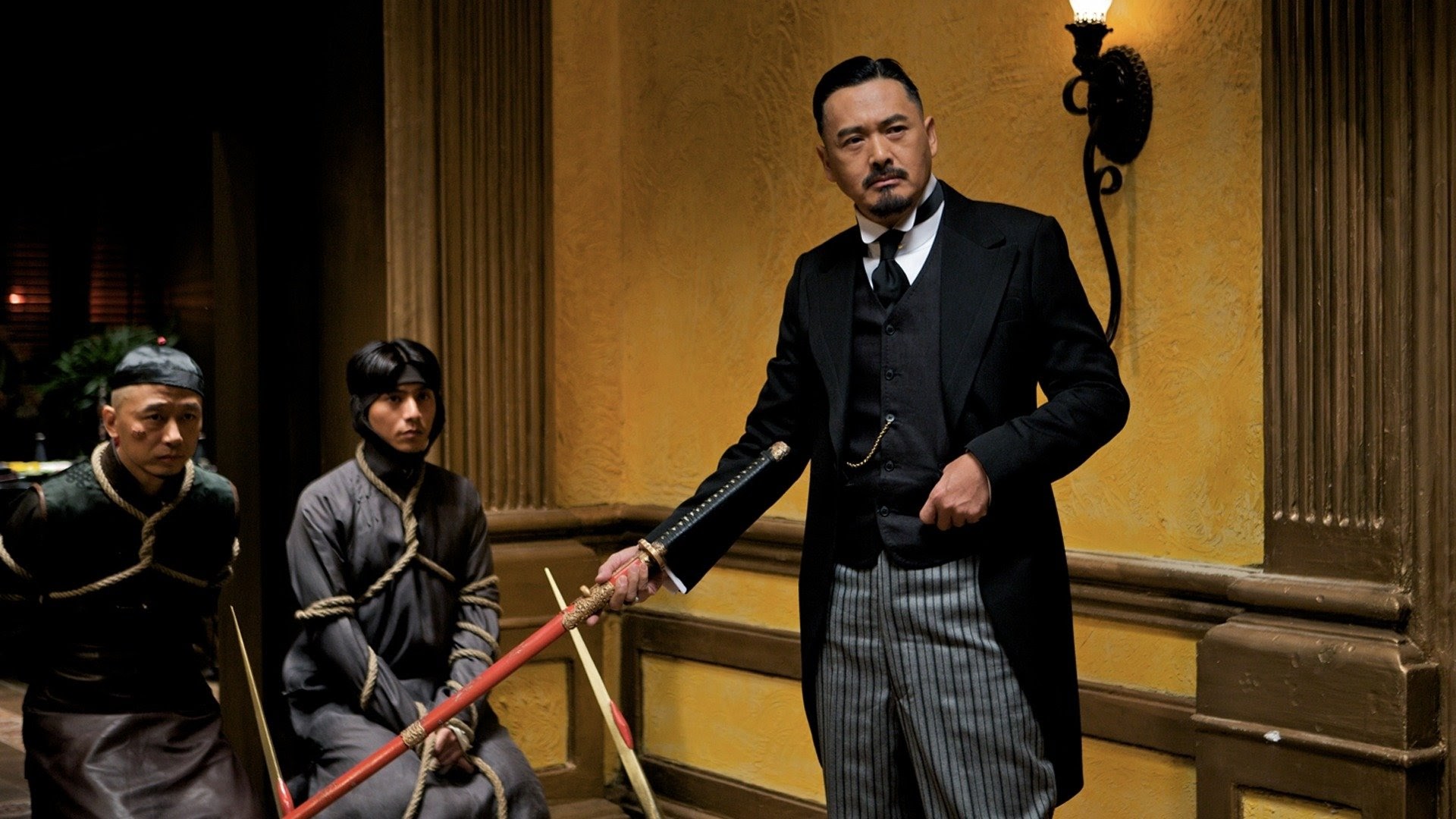
Let the Bullets Fly (2010)
Can the Western only be made in the West? The Italians answered with the Spaghetti Western, and in 2010, China came up with their own gunslinging, horse riding group of gangsters in Let the Bullets Fly. It feels just like an old fashioned Western in Old China, only with quips as fast as its bullets, and the wry satire mocks these thugs and politicians as one and the same, through a series of multiple impersonations made in the name of survival, corruption, and profit. Some of the humor can go over the heads of those unfamiliar with Chinese comedy, but nonetheless Let the Bullet Fly is a funny mix of genres, with writer-director and lead Jiang Wen playing with many Western tropes in over-the-top fashion.
The Best Foreign Movies from Italy 3 titles
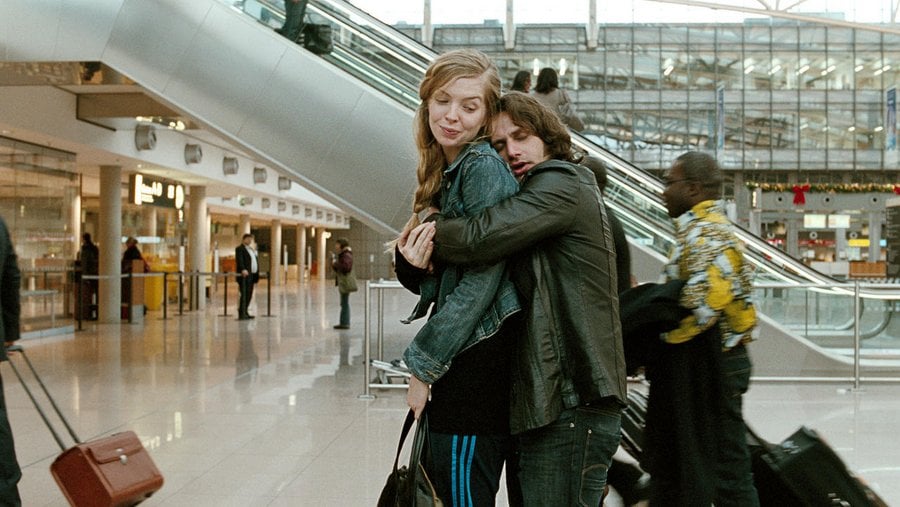
Soul Kitchen (2009)
A delightfully screwy comedy about a guy and his struggling bar (of the title). The film is full of food, music, dancing, romance, and crazy coincidences. Our hero, Zinos, has just be abandoned by his girlfriend. On top of that his bar is struggling, he’s recently thrown his back out, he desperately needs to find a new chef, and his shady brother has just come to the Soul Kitchen looking for a job after being let out of on “partial parole.” Will it all work out in the end? Of course it will! This film is a lot lighter than Akin’s previous features, but maybe after all those challenging pictures he just felt the need to have a good time, which this film definitely delivers.

Deep Red (1975)
Of course, there are plenty of great films from the Italian Master of the Thrill, but one of the best from Dario Argento is Deep Red (1975), released just before his Three Mothers trilogy. The film follows a musician and a journalist, linked together by the body they found of a psychic medium, and the ensuing rush to investigate the murder before they become the next victims. Released at the peak of the giallo genre, Deep Red heightens the tension and terror through Argento’s trademark kaleidoscopic shots, eerie score, and excellent performances. While the lizard scene was genuine, Profondo Rosso nonetheless is considered to be one of the director’s best.
La Grazia (2025)
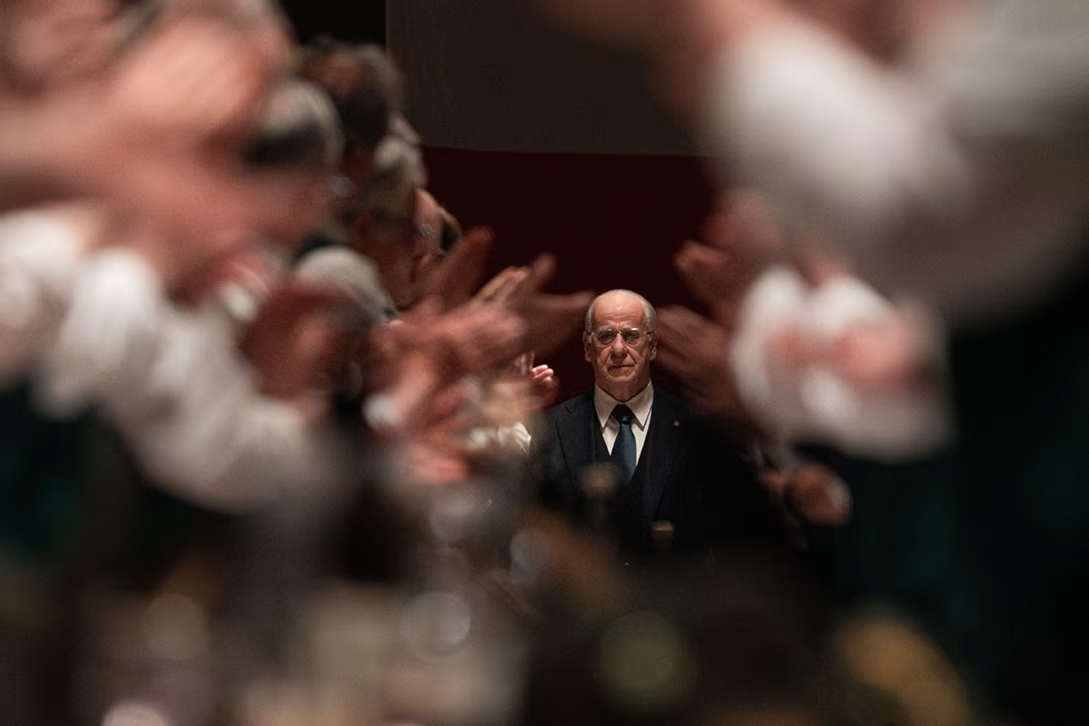
In his last few months as president, Mariano de Santis has a few loose ends to tie up. This includes the pardon of two murderers and the signing of a euthanasia bill into law. Both are important topics, yes, but La Grazia is more interested in how reluctant this fictional president is in finishing up his term. In lingering shots and moments of silent contemplation, director Paolo Sorrentino studies this man in his despair, honing into Toni Servillo’s every expression in the wider spaces we find him in. It’s clear that part of his hesitancy stems from his personal despair. De Santis is painted as a dutiful jurist, who has diligently pursued the spirit of the law, but his unresolved agony– the infidelity of his late wife– confounds him, pushes him to cling onto that injustice while blinding him to his children, his best friend, and other personal relationships. Where other films separate the personal and political, La Grazia understands how both bleed into each other, through crafting a unique existential crisis from the most important man in the country.
Other 19 titles
BPM
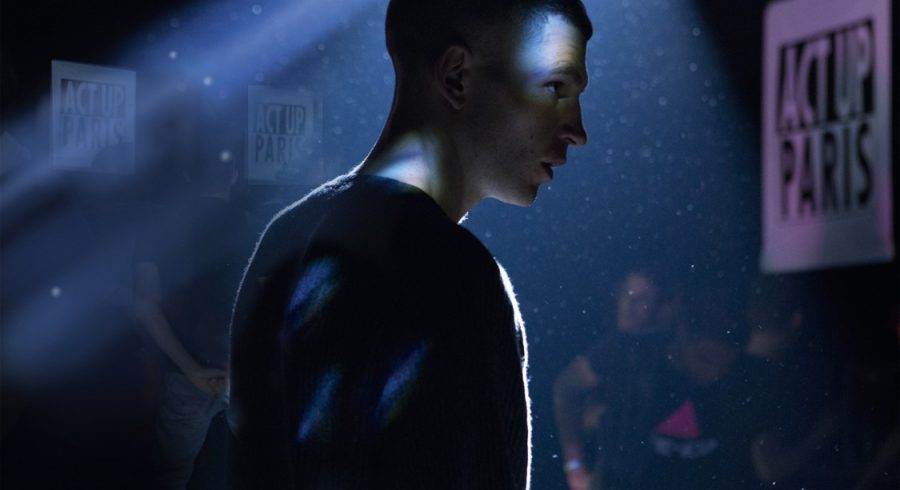
Autobiographical in nature, 120 BPM is French screenwriter Robin Campillo’s first feature film. It revolves around the Parisian chapter of the AIDS advocacy group ACT UP, which Campillo was a member of in the early 1990s, and the love between Nathan, the group’s newest member, who is HIV negative, and Sean, one of its founding and more radical members, who is positive and suffers the consequences of contracting AIDS. Using fake blood and spectacular direct action, ACT UP advocated more and better research of treatment, prevention, and awareness. This was at a time when many, implicitly or explicitly, viewed AIDS as a gay disease, even as a punishment for the gay community’s propensity to pleasure and partying. The latter is reflected by the film’s title, 120 bpm being the average number of beats per minute of a house track. Arnaud Rebotini’s original score echoes the ecstasy-driven house music hedonism of the time with some effective original cuts, albeit with a melancholic streak. Because, for all the love, friendship, and emotion of the ACT UP crew that BPM so passionately portrays, anger and sadness pervade the lives of these young people as the lack of effective treatment threatens to claim the lives of their loved ones.
Wheel of Fortune and Fantasy (2021)
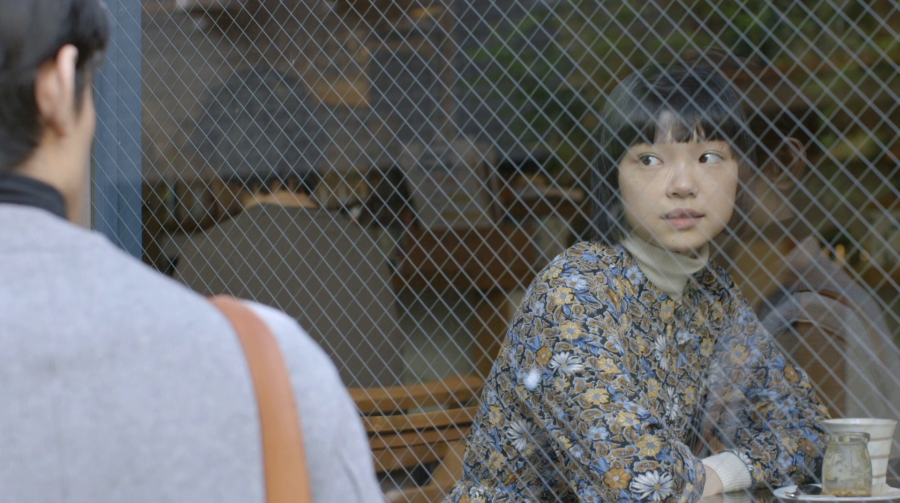
From Drive My Car director Ryusuke Hamaguchi comes another film featuring long drives, thoughtful talks, and unexpected twists. An anthology of three short stories, Wheel of Fortune and Fantasy ponders over ideas of love, fate, and the all-too-vexing question, “what if?”
What if you didn’t run away from the one you love? What if you didn’t give in to lust that fateful day? What if, right then and there, you decide to finally forgive?
Big questions, but without sacrificing depth, Hamaguchi does the incredible task of making every single second feel light and meaningful. Wheel of Fortune and Fantasy will leave you with mixed emotions: excited, startled, dejected, hopeful. But one thing you won’t feel is regret over watching this instant classic of a film.
Happening (2021)
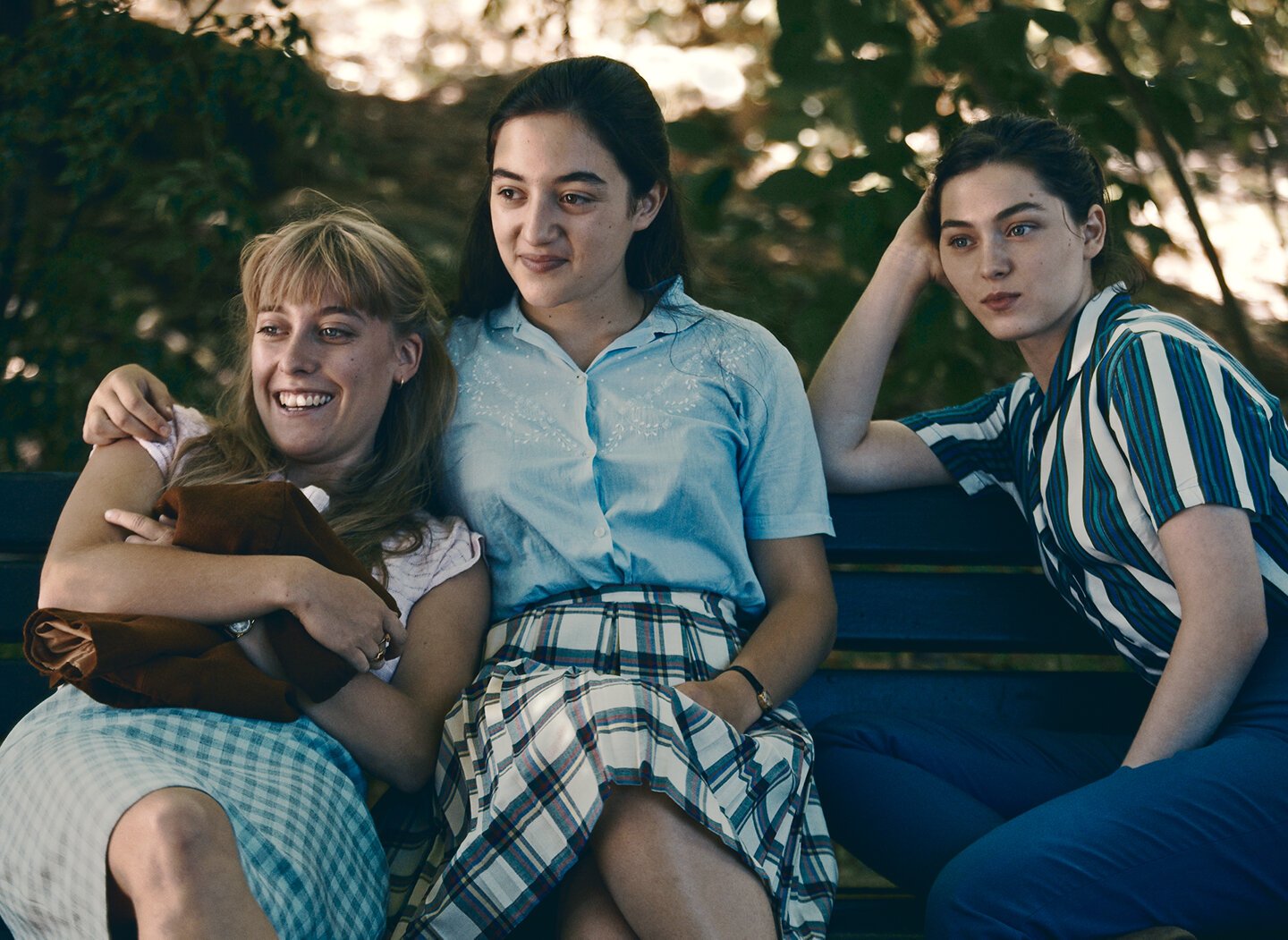
It’s heartbreaking to realize that Happening, a film set in 1960s France tracking a young woman’s journey to dangerously and desperately terminating her pregnancy, is still very much relevant and relatable to this day. Around the world, abortion is still inaccessible, if not completely illegal, and women still struggle to lay full claim to their bodies. A lot of girls grow up with pregnancy statistics meant to instill fear, but Happening brings all that to brilliant life in intimate and unrestrained detail. The fears and wants of our protagonist Anne (played precisely by Anamaria Vartolomei) are palpable throughout. Nothing is held back in this film, and if you find yourself sick in parts, then it has achieved its goal of realistically conveying what it’s like to stay alive in a society that fails to recognize your needs.
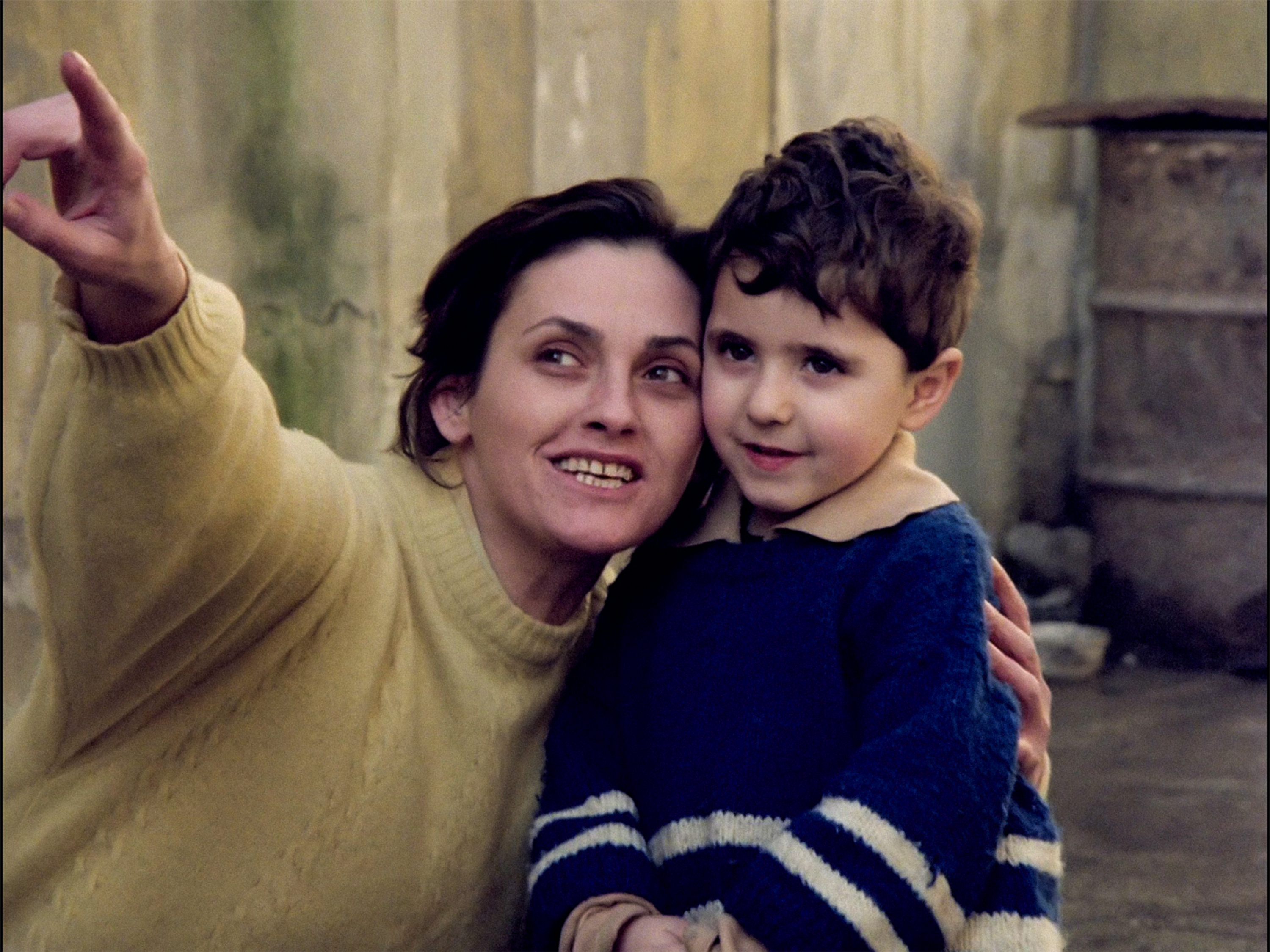
Don’t Let Them Shoot the Kite (1989)
Originally a novel inspired by real life incarceration, Don’t Let Them Shoot the Kite is actually much more optimistic than a prison stay would seem to be. Much of that lighter mood comes from an outstanding performance– Ozan Bilen, who portrays Barış, the precocious boy that lives in the prison with his mom due to a quirk of Turkish law– but the lighter mood isn’t due to ignoring the prisoners’ reality. Instead, the lightness comes because of understanding that reality fully. Despite the suspicion of the prison guards, and the way the camera makes the prison walls loom, Barış still manages to fuel some hope through straightforward, simple truths unfiltered by the tedium and mores of everyday life, and the fear people grow to learn about. Truth truly comes out of the mouths of babes in this film, and it’s what makes Don’t Let Them Shoot the Kite a classic of Turkish cinema.
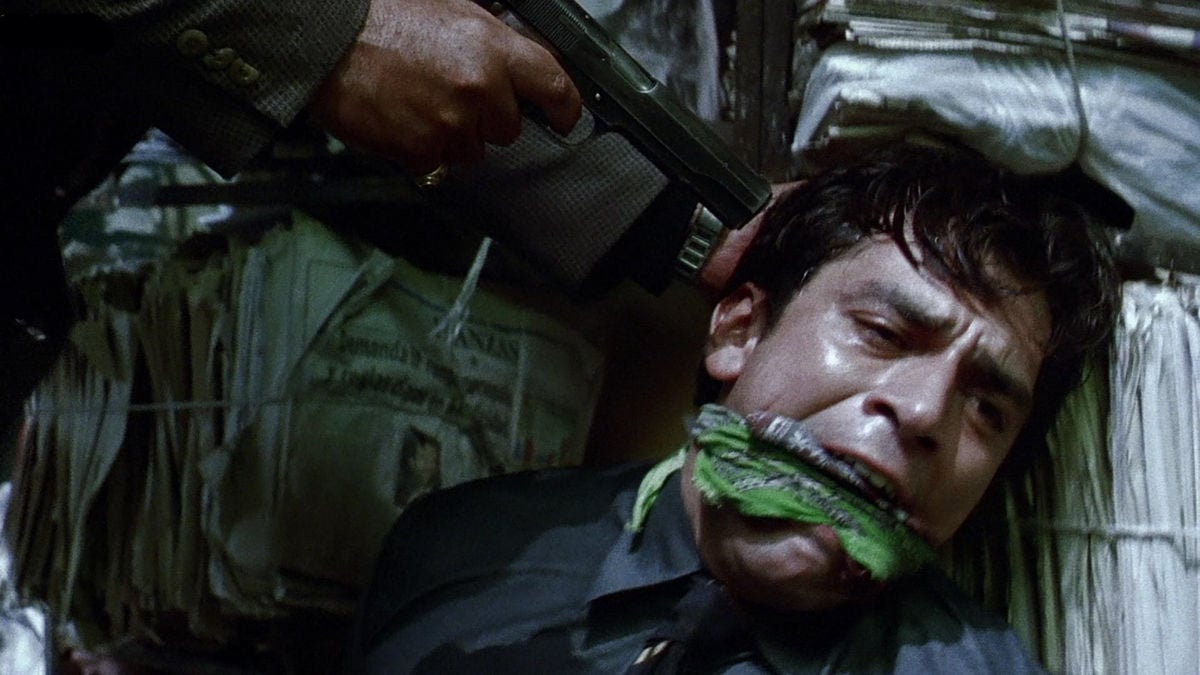
Amores Perros (2000)
Alejandro González Iñárritu’s cleverly layered directorial feature film debut follows three persons whose lives are connected by a car crash in Mexico City. It directly involves two of them: a young man who enters the world of dogfighting to earn enough to elope with his sister-in-law, and a supermodel whose life is changed for the worse after she is fatally injured. The third segment of the film centers on a mysterious homeless man on the street who witnesses the crash.
The title, Amores Perros, refers to the characters’ love of dogs as well as love being a source of misery, and it’s a hint of the chaotic, unforeseen circumstances they each face. Iñárritu’s film shows his brilliance in direction. Despite the film being an early work, his ingenuity shines through and the compelling performances propel all three stories to gritty heights.
Cut-throat editing, handheld cinematography, and Guillermo Arriaga’s intricate screenplay flesh out each character. The viewers are pushed to the edge of their seats as we navigate the gripping miseries of life along with the rest of the cast. The tightly woven film is a painful must-watch, a brutal and uncompromising look at despair and animalistic aggression among humans that is also mirrored in the cruelty their dogs suffer.
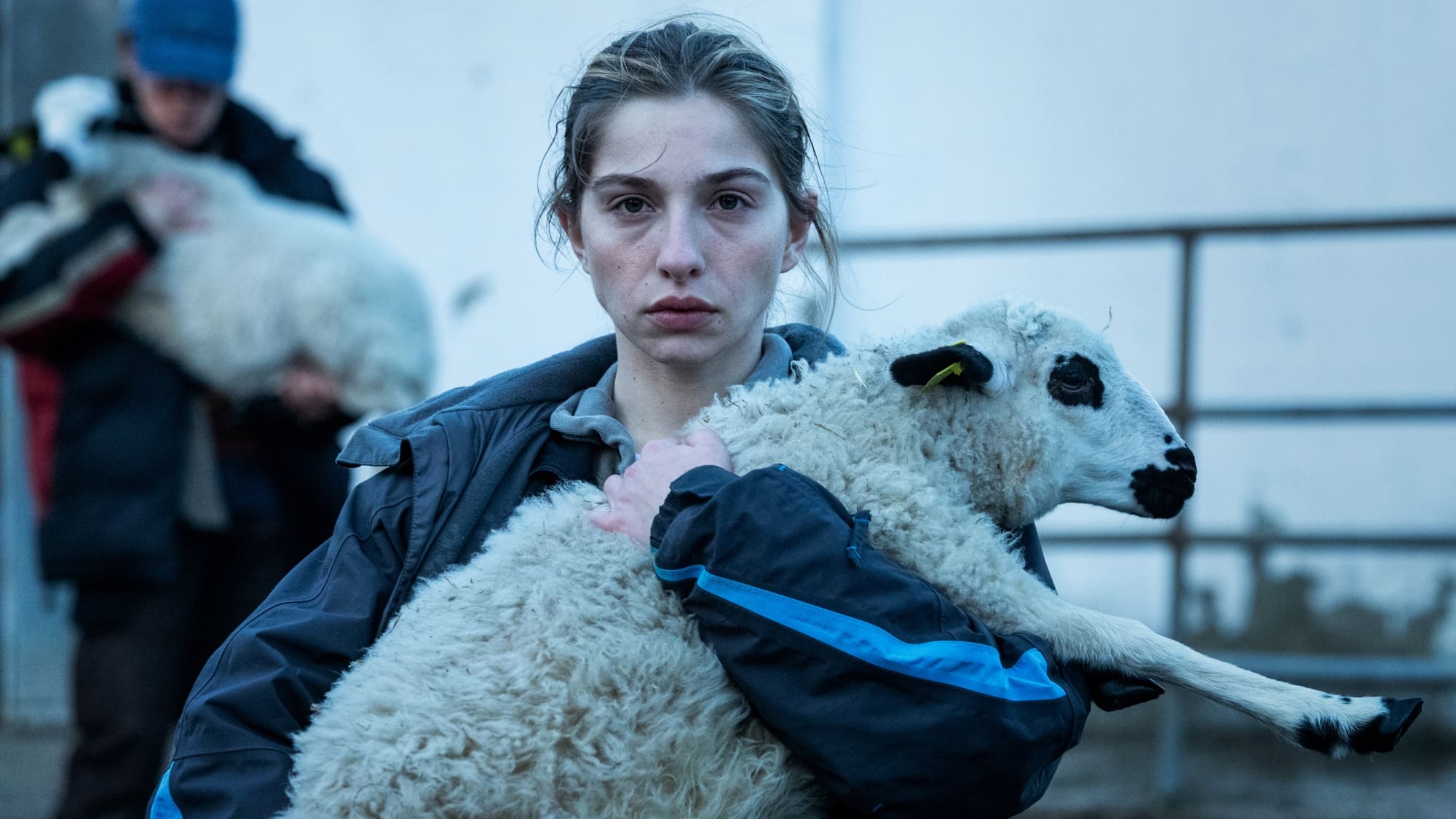
The Beasts (2022)
In The Beasts, the idyllic semi-retirement that a French couple seeks in the Galician countryside — growing organic vegetables, fixing up abandoned farmhouses — devolves into a terrifying slow-burn nightmare. This beautifully shot yet spiritually ugly thriller plunges us straight into an atmosphere of crackling social tension that never abates. We begin after the event that turns local farmer Xan (Luis Zahera) and his brother Loren (Diego Anido) against French transplants Antoine (Denis Ménochet) and Olga (Marina Foïs): the latter two have vetoed the sale of land to a wind turbine company in favor of preserving the village’s rustic character. Incensed by what he sees as the theft of his birthright by an outsider, Xan orchestrates a steadily intensifying campaign of terror against the couple.
Though much slighter than the physically imposing Ménochet, Zahera makes for a profoundly menacing presence, and Xan’s seemingly endless appetite for hostility and vindictiveness charges the film with a deeply unsettling sense of inevitability. His performance alone would mark The Beasts as a standout, but an unexpected switch in character focus late on in the film wrests it out of Xan’s grasp and reorients the movie as a study of grim resolve — making it a film of two equally remarkable halves.
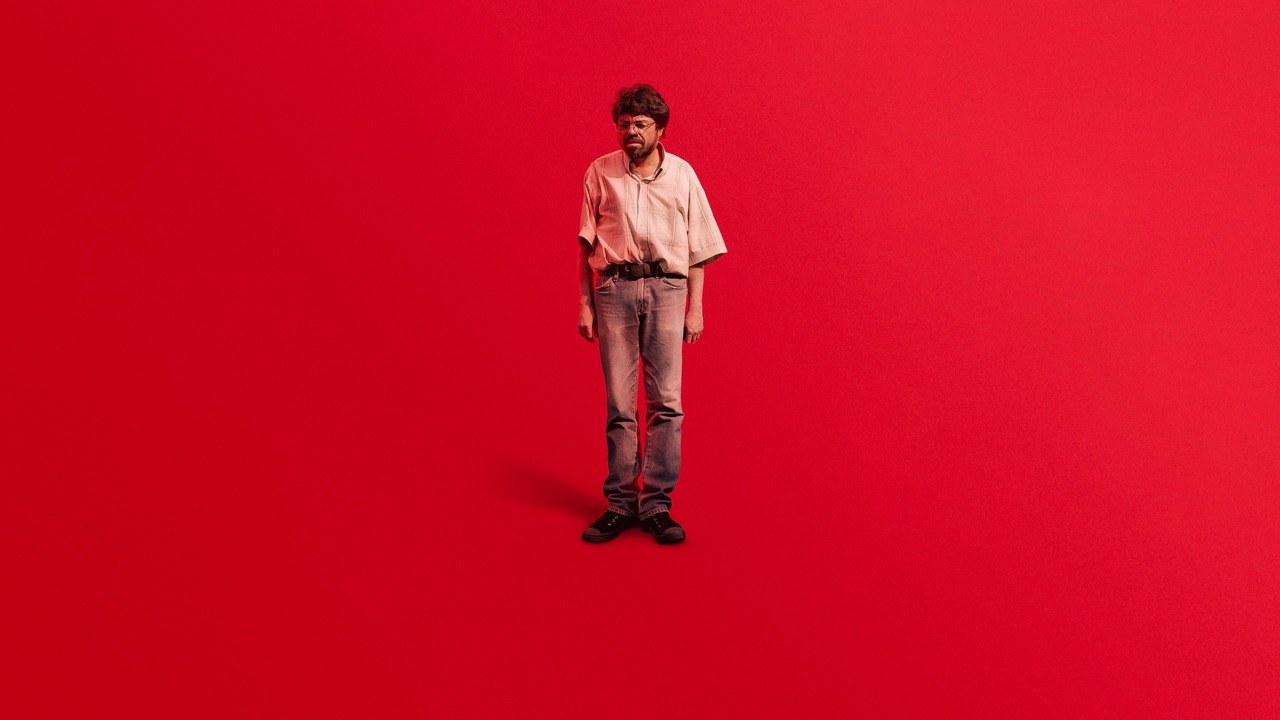
A Poet (2025)
A Poet is one of the funniest, saddest films of the year, and it’s about the exact thing most movies about art are too flattering to touch: what if you love poetry, gave your life to it, and simply aren’t good enough? Simón Mesa Soto’s Colombian tragicomedy follows Oscar, a washed-up Medellín poet who latches onto a genuinely talented teenage girl and tries to make her his project, his redemption, his second chance.
It’s excruciating in the best way, a portrait of a man whose passion has curdled into something needier. Ubeimar Rios plays him without a shred of vanity. The film keeps you laughing right up until it quietly breaks your heart. It won a prize at Cannes and deserved it. Anyone who’s ever wanted something they might not be built for should see it.
So Long, My Son (2019)
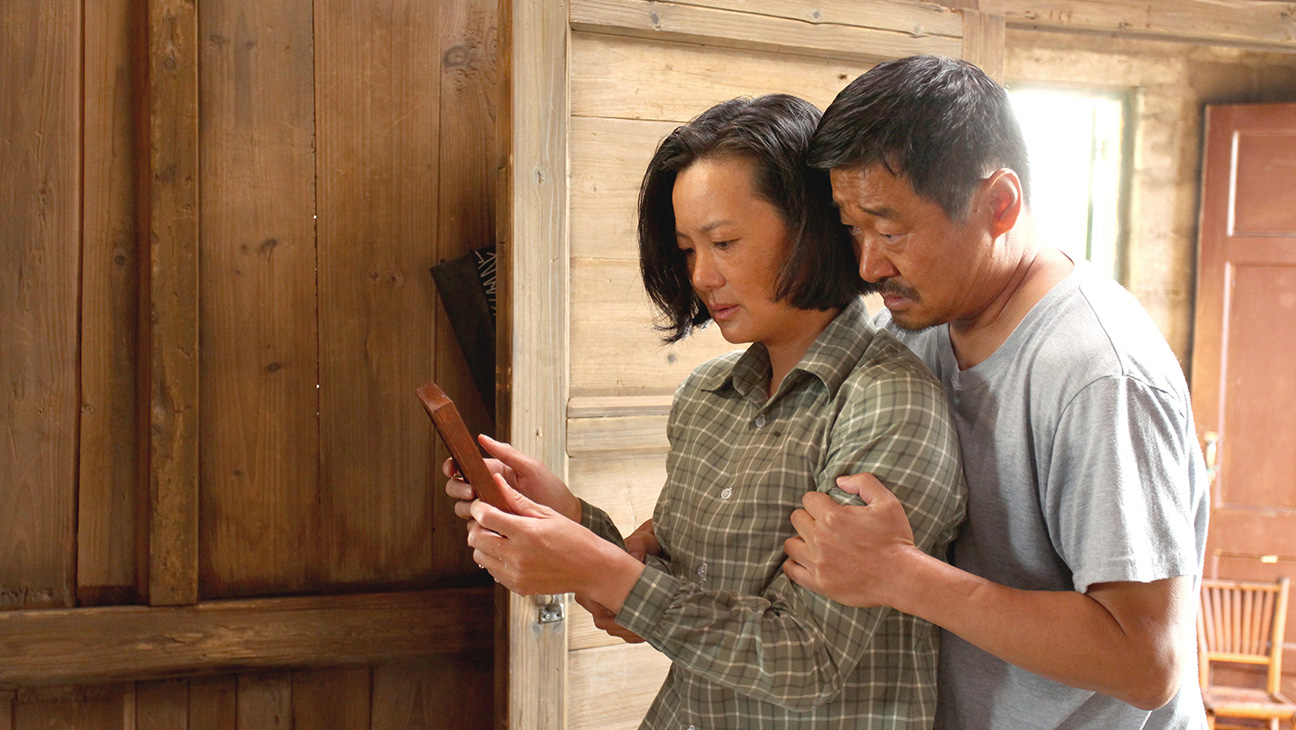
China implemented the one-child policy in the 1980s in order to curb the population growth, ending it by 2015 due to the shifting dependency ratio. So Long, My Son depicts two families while the policy was implemented, alternating between past and present to depict how the fickle finger of fate changed their destinies in a single tragedy. It’s intimate and heart-wrenching, and the thirty years haven’t been enough to soothe the guilt, fear, and pain that struck them. Clocking in at three hours, the film may not be a quick and easy watch, but So Long, My Son is the rare depiction of how China’s rapid changes personally affected its people, for better or worse.
Smoke Sauna Sisterhood (2023)
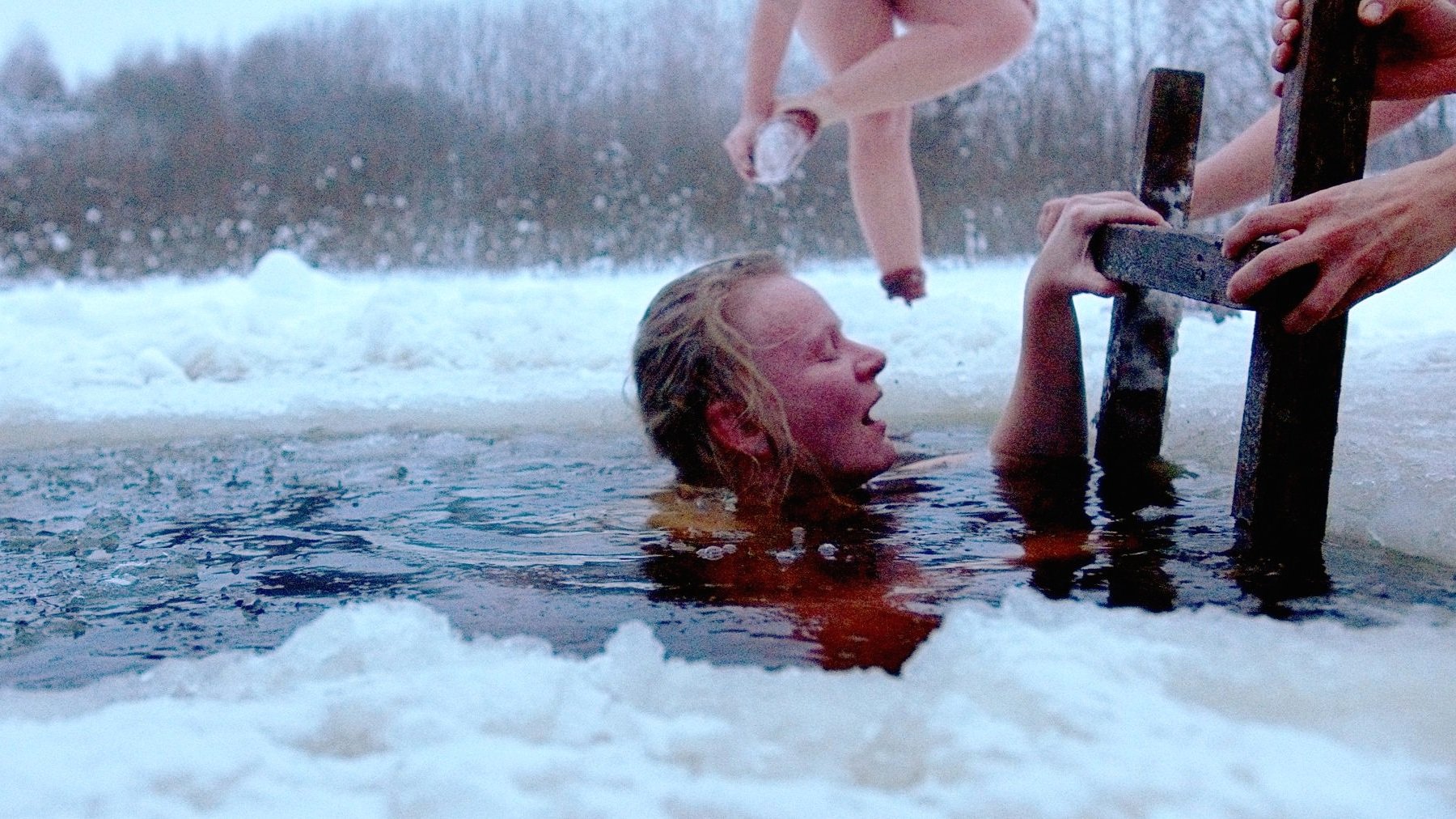
Nakedness has been demonized or at least, has been considered inappropriate outside of certain situations. One such situation is the sauna, as the steam and high heat is considered therapeutic, especially in colder regions. In her directorial debut, Anna Hints documents the Estonian smoke sauna, not just as a cultural tradition, but as a sanctuary for women to bare their bodies and their troubles. The women are, of course, naked, but the sauna’s smoke and darkness obscures and keeps identities hidden, focusing on their stories and allowing a glimpse of women’s bodies at their most natural, without the sexualization often placed with the male gaze. Smoke Sauna Sisterhood is a refreshing take, one where plenty of women can finally see themselves in.
The Girl with the Needle (2024)
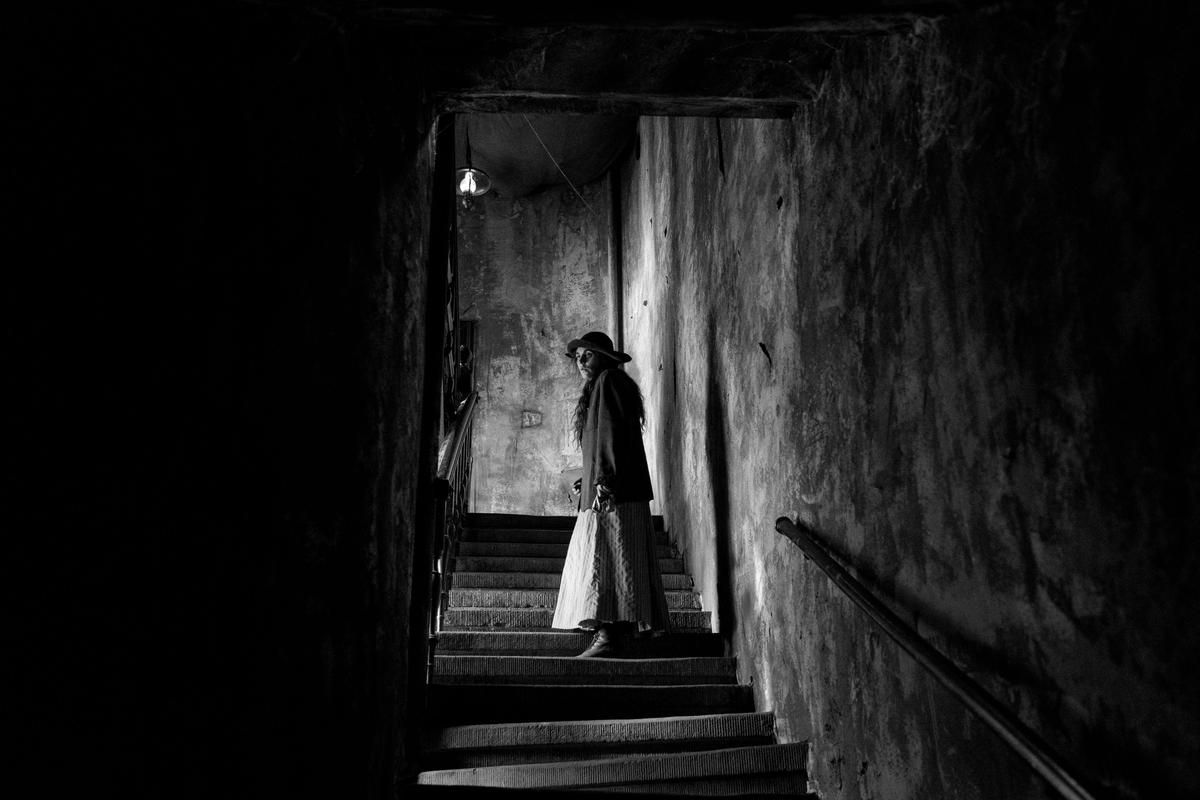
Given the original real-life story behind it, perhaps it shouldn’t be surprising that The Girl with the Needle was so bleak. Serial killing, after all, is bad. But rather than focus on the historical killer, writer-director Magnus von Horn hones the camera to focus on one such mother that would have sought for help from Dagmar Overbye, on the circumstances that would have pushed them there, and the terror that they felt once they realized the truth. With gothic black-and-white shots, impeccable framing, and an excellent performance from Vic Carmen Sonne, The Girl with the Needle is harrowing and heartbreaking, especially with how it still remains relevant to our time.

Pictures of Ghosts (2023)
Like people, places have things that change and things that remain the same. Most of us keep our thoughts about our hometowns to wistful conversations and the recesses of our memory, but Brazilian director Kleber Mendonça Filho instead captures Recife in Pictures of Ghosts. It’s a meandering tour, shifting from topic to topic, place to place with not that much structure, but through the journey, Kleber shares so much of himself (his home, his film sets, the theaters he formed his taste in), and Brazilian society, combining archived clips, personal memories, and even a ghostly mystery into one interesting map of Recife.
Humanist Vampire Seeking Consenting Suicidal Person (2023)
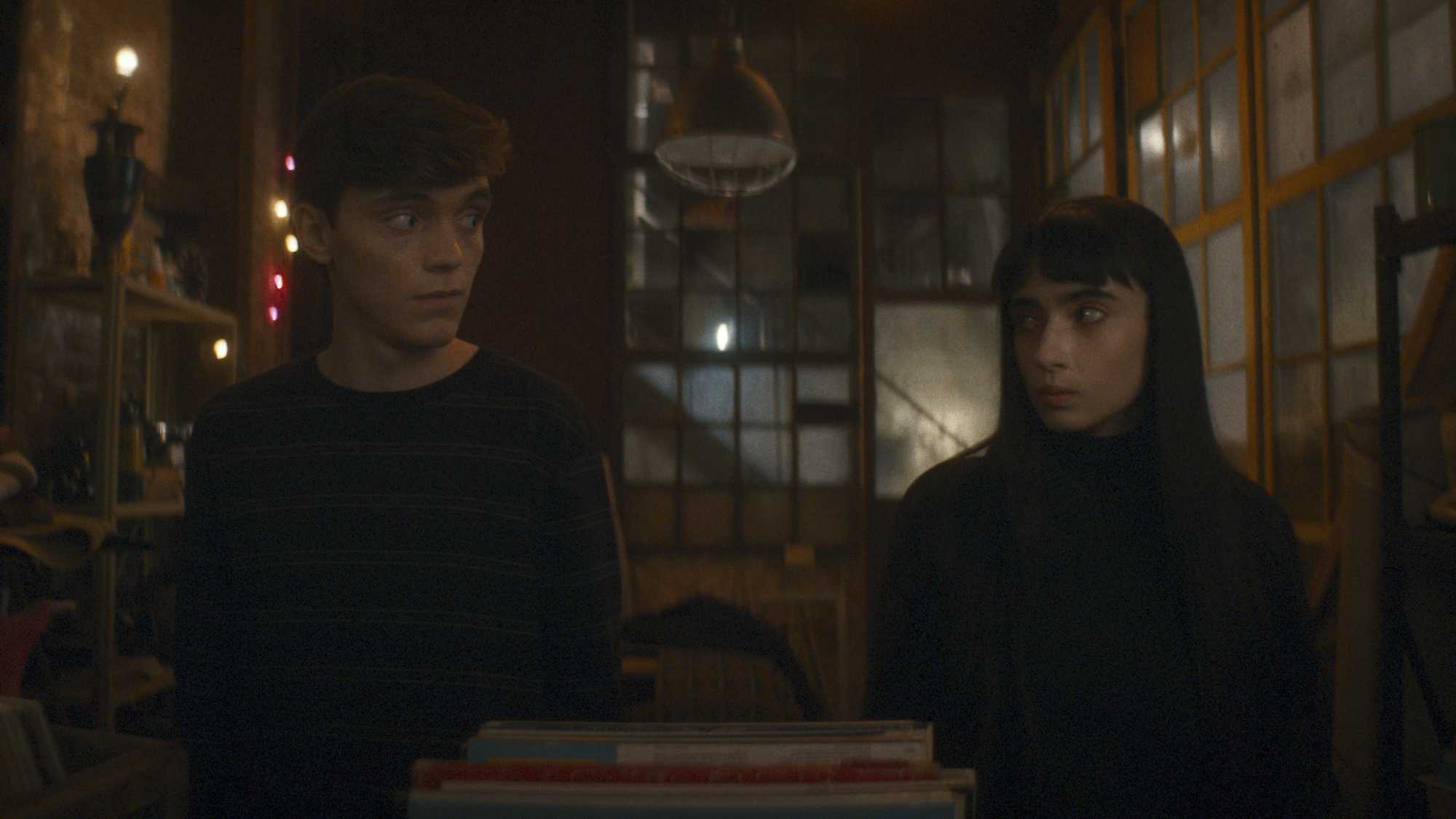
When vampires choose not to kill a human, it’s usually played up with so much drama, angst, and maybe a bit of romance. Humanist Vampire Seeking Consenting Suicidal Person on the other hand takes this choice as a comedic one. It may be a tad ludicrous for a vampire to refuse to drink blood on ethical grounds and trauma, but writer-director Ariane Louis-Seize takes this silly situation with a compelling sweetness, depicting Sasha with a familiar teen uncertainty made much more captivating with Sara Montpetit’s gothic ingénue charisma. Humanist Vampire does take a more quirky YA romance approach than expected from the title, but it’s funny, charming, and totally something new.

Mario (2018)
When striving towards your life goal, some concessions have to be made in order to get there, e.g. you would forgo some wants in order to fulfill that higher purpose. But how much are you willing to sacrifice? Mario is a sports drama about an aspiring football player that wants to make it higher up in the league, but it’s also a queer drama, since to be that professional means to stick to a rigid notion of masculinity for the fans, for the sponsors, and sometimes for fellow homophobic teammates competing against them. At two hours, the naturalistic depiction of Mario’s experience might be a tad too long for some viewers, but the film understands the fear, the pressure, and the compromises gay athletes are forced to go through.
O-Bi, O-Ba: The End of Civilization (1985)
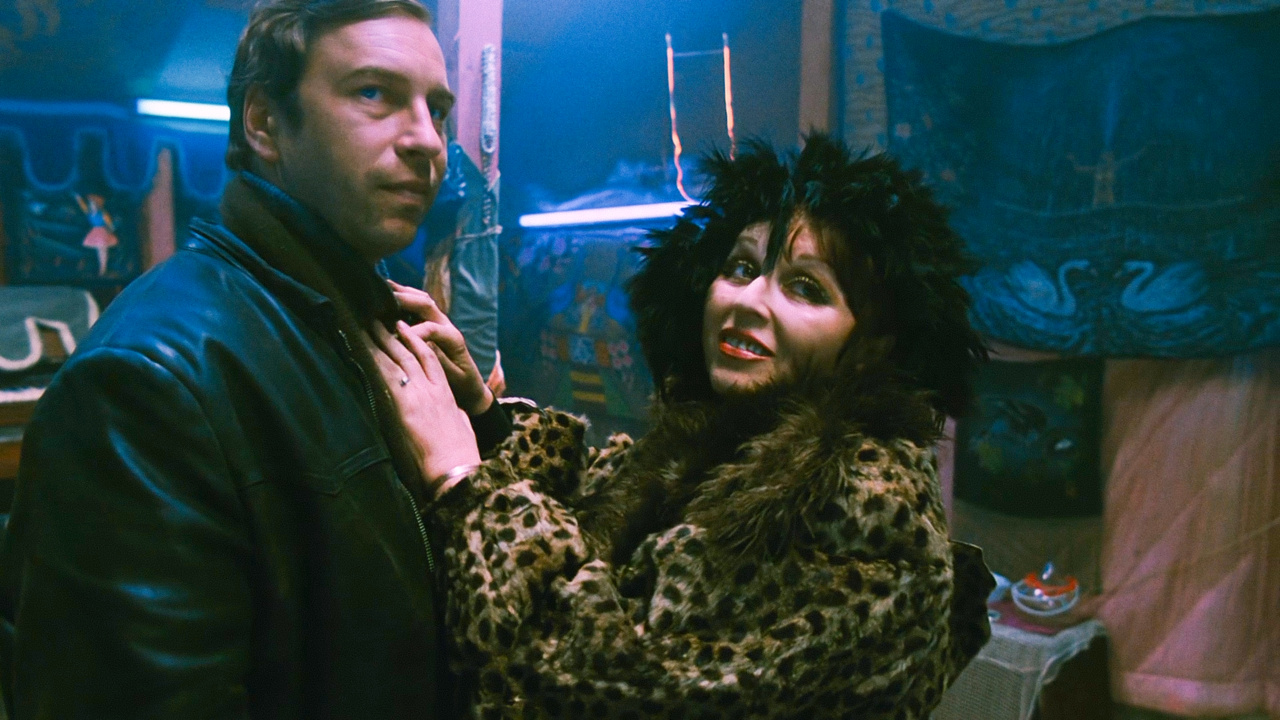
The thought of the end of the world and everything as we know it is scary, but going through it, and somehow surviving, can be a much more depressing idea. What do you do now? O-Bi, O-Ba: The End of Civilization is aptly titled, as its characters remain stuck inside a dome after a nuclear war, but the way the survivors’ hopes are warped, manipulated, and used against them can feel eerily familiar, and the way Piotr Szulkin unpacks this through Soft’s journey crafts a bleak, yet necessary examination of the fantasies we need in order to live in peace.
Hara-Kiri: Death of a Samurai (2011)
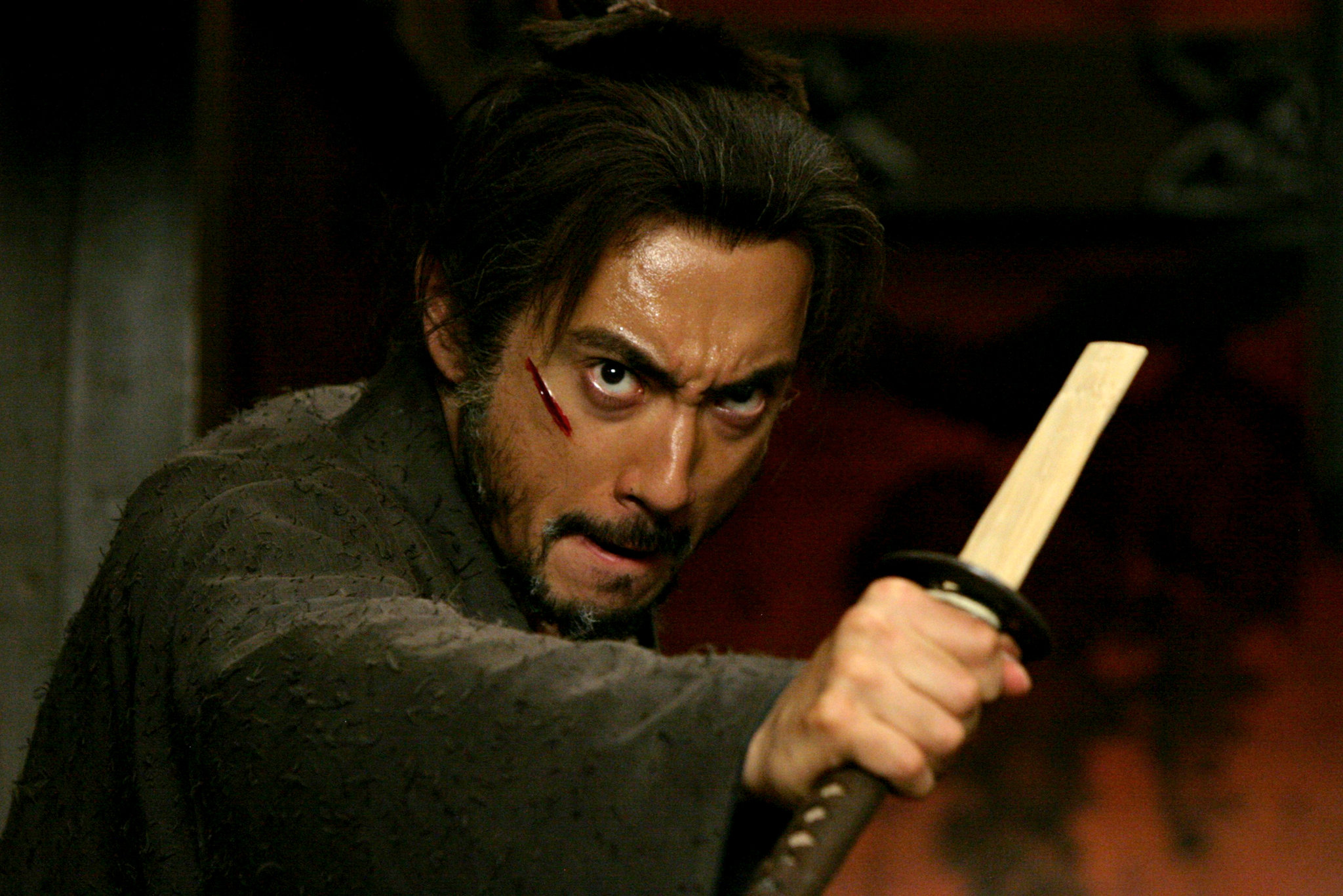
Given that it is a modern day, colored film remake of a classic, Hara-Kiri: Death of a Samurai was always going to be compared to the 1962 film, especially since it’s considered one of the greatest Japanese films of all time. Admittedly, there’s not a lot added aside from the 3D filming, and for fans of director Takashi Miike, the remake is much more restrained than his other films. However, Nobuyasu Kita’s cinematography is striking, Ryuichi Sakamoto’s score is impeccable, and the performances still deliver on the film’s contemplation of honor, sacrifice, and the self-interest of the elite. Hara-Kiri: Death of a Samurai doesn’t compare to the classic, but it’s nonetheless a decent introduction for the generations that missed the original story.
Thelma (2017)
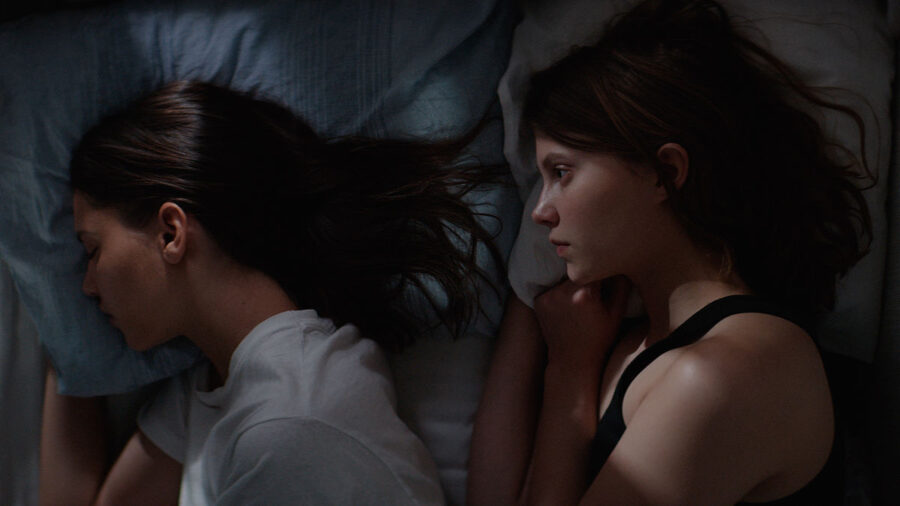
Much like the 1976 horror classic Carrie, Thelma centers on a young telekinetic woman whose religious upbringing and sexual repression give way to unpredictable moments of fury and rage. When she meets the cool, charismatic Anja, she falls in love immediately, but the wave of emotions that overwhelm her threaten to destabilize not just their budding romance, but other relationships and lives as well.
Thelma recalls Carrie in other ways too, most notably in the way it uses supernatural elements to allude to female fury and lust, but it also stands on its own as a singular piece of work; the mesmerizing transitions, the slow-burn pace, and the undercurrent of melancholia are all known trademarks of director Joachim Trier. This layering of old and new makes Thelma an intriguing watch, at once recognizable and wholly original.

Fabric of the Human Body (2023)
While primarily a showcase of endoscopic footage of various surgeries in different hospitals throughout Paris—which should already be enough to either make you queasy or inspire introspection into the fragility of our lives—this singular, experimental documentary places all this bloodshed in the context of the mundanity of the medical profession. Much of the film is taken up by muted conversation from the surgeons and footage of elderly patients wandering around, creating an even more surreal look into the lack of support these hospitals receive. It’s far more abstract than it is educational, but its commitment to getting its hands dirty makes it an unforgettable experience.
20,000 Species of Bees (2023)
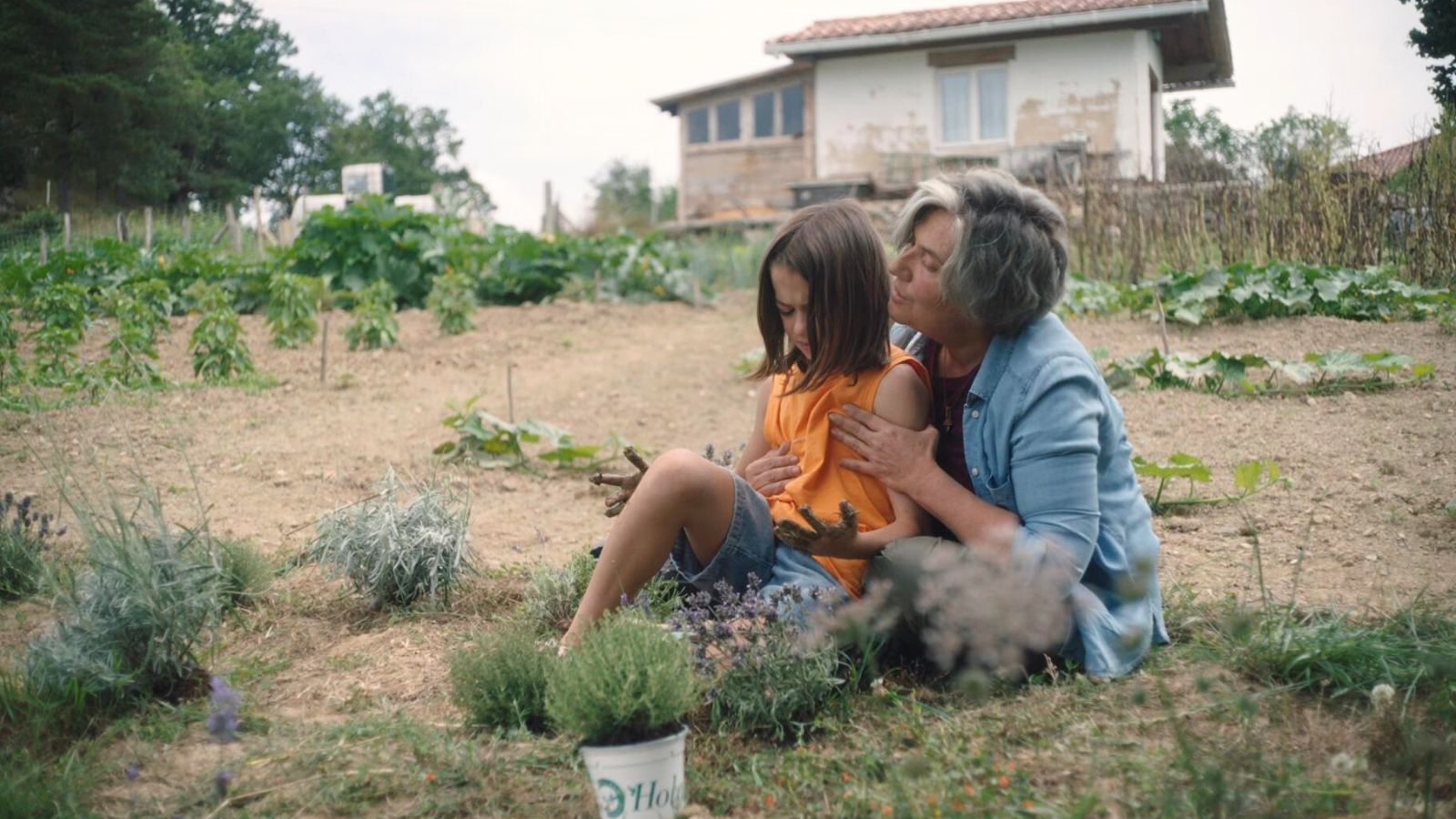
As far as LGBTQIA+ stories go, 20,000 Species of Bees isn’t the best at talking about its themes of identity and acceptance in a way that doesn’t come off as clunky. But even with its on-the-nose dialogue and inconsequential subplots, director Estibaliz Urresola Solaguren gives everything the warmth and the softness it needs to feel sincere despite everything. And no matter what, the film is always drawn back to the lead performance by Sofía Otero, who provides such a vivid image of this young trans girl’s interior life that the world around her character begins to feel either more suffocating or more beautiful to behold.
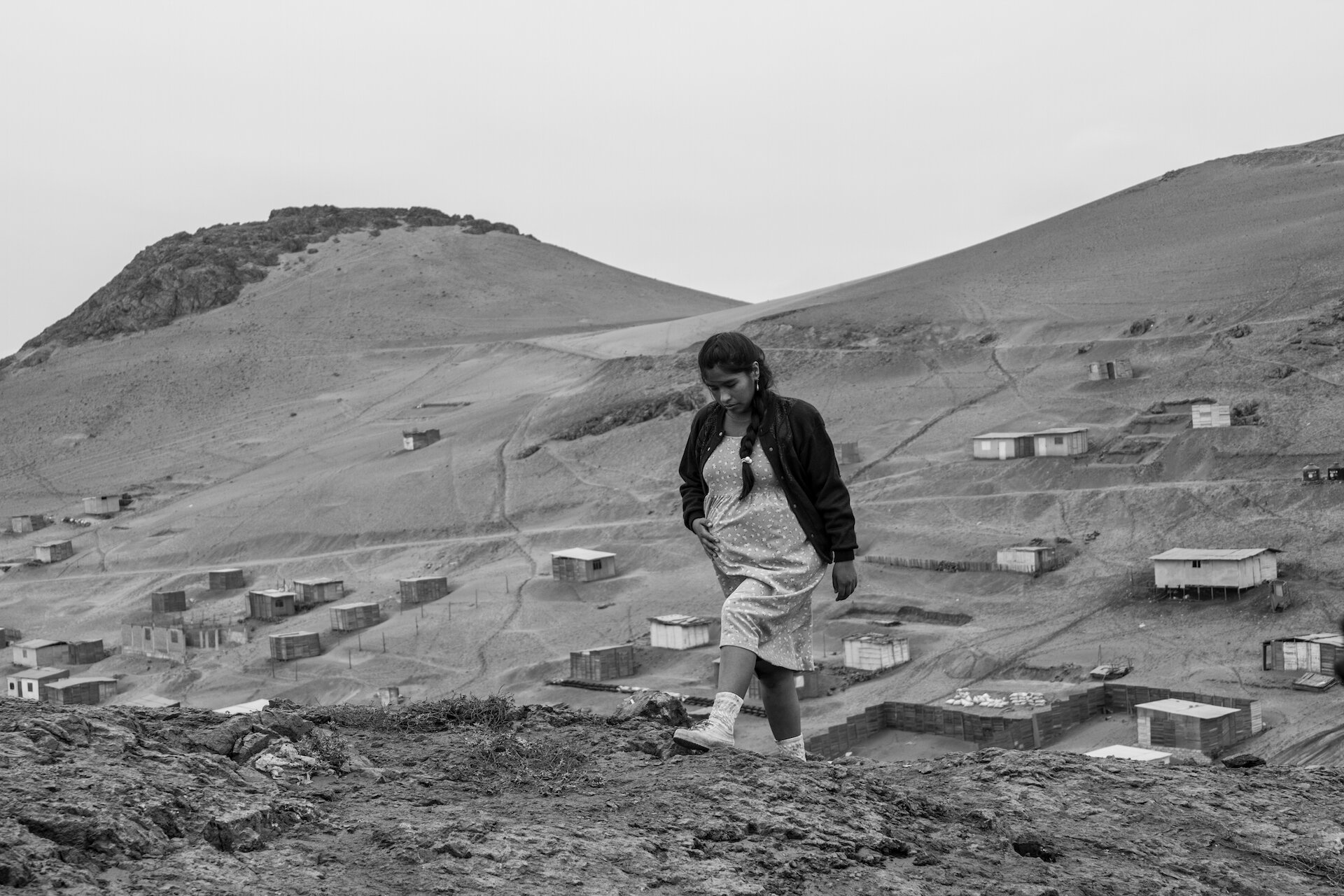
Song Without a Name (2020)
At times of political strife, how can one seek justice? Song Without a Name could have presented its case in a straightforward biopic. Inspired by her journalist father’s story, writer-director Melina León could have presented a hard-hitting docudrama that celebrated the smart journalists who brought the traffickers to justice. However, León doesn’t do that. She focuses instead on Georgina, the indigenous mother who lost her child. Her journey is beautifully shot in vignetted black-and-white, but the images and the lullabies she sings are striking, haunting reminders of what was lost, even as the traffickers get imprisoned. Song Without a Name remembers how this injustice was only half resolved.