50 Best Movies on The Criterion Channel Right Now
Updated · By Bilal Zouheir
The Criterion Channel is great for watching old classics, but as a streaming platform, it’s also full of recent movies (that will hopefully one day become classics). This list is for the best movies you can stream on Criterion that are recent (mostly released in the 2010s with one or two 90s movies).
How we make these lists
No AI. No algorithms.
We are 100% human-curated. Everything you see here has been handpicked by a team of experts.
At least 7/10 on IMDb
So you know they are appreciated by viewers, not just high-brow critics.
At least 70% on Rotten Tomatoes
We combine this with the IMDb bar to keep only the best of the best.
Find more to watch
50 Best Movies on The Criterion Channel Right Now
The Great Beauty (2013)
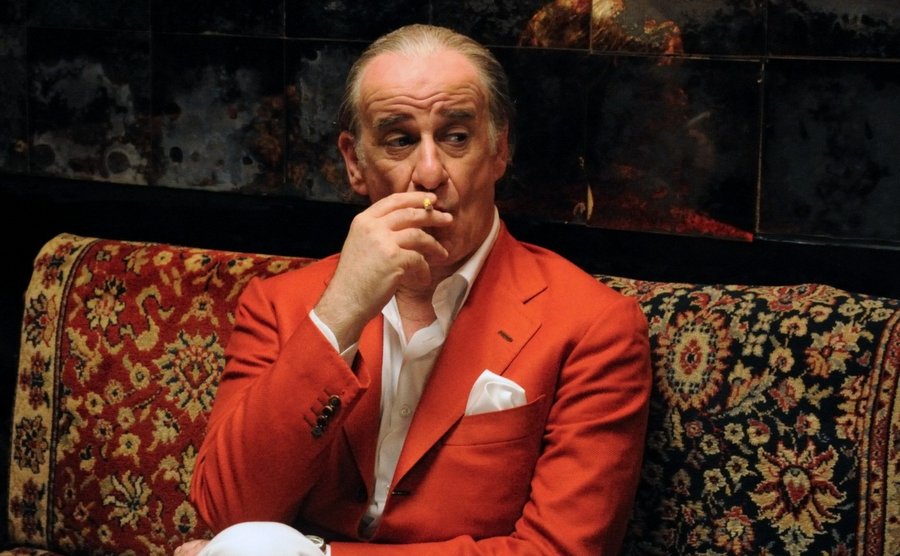
The Great Beauty is a film of superlatives! Originally titled La Grande Bellezza, this movie by Italian star director Paolo Sorrentino is so replete with lush, opulent cinematography, it sometimes borders on sensory overload. Having won Best Foreign Language Film at the 86th Academy Awards, as well as the Golden Globe, and the BAFTA award in the same category, The Great Beauty is also a critics’ darling and an award-show sweeper – in addition to being hailed as Paolo Sorrentino’s greatest work to date.
Essentially a tragicomedy, it is both a study and a celebration of the hedonism and decadence of its main protagonist – the bon-vivant and modern-day Roman socialite Jep Gambardella (played by an electrifying Toni Servillo). Instead of honing the craft of writing, Gambardella at some point decides to become the self-proclaimed “king of high life” of Rome. After his 65th birthday, he experiences a shock that changes him for good, prompting him to look past the parties and the nightclubs and to discover the sublime beauty of his hometown, the eternal city. In this way, The Great Beauty is a meditation on art, regret, and pleasure – and Sorrentino’s love letter to Rome.
The Beaches of Agnès (2008)
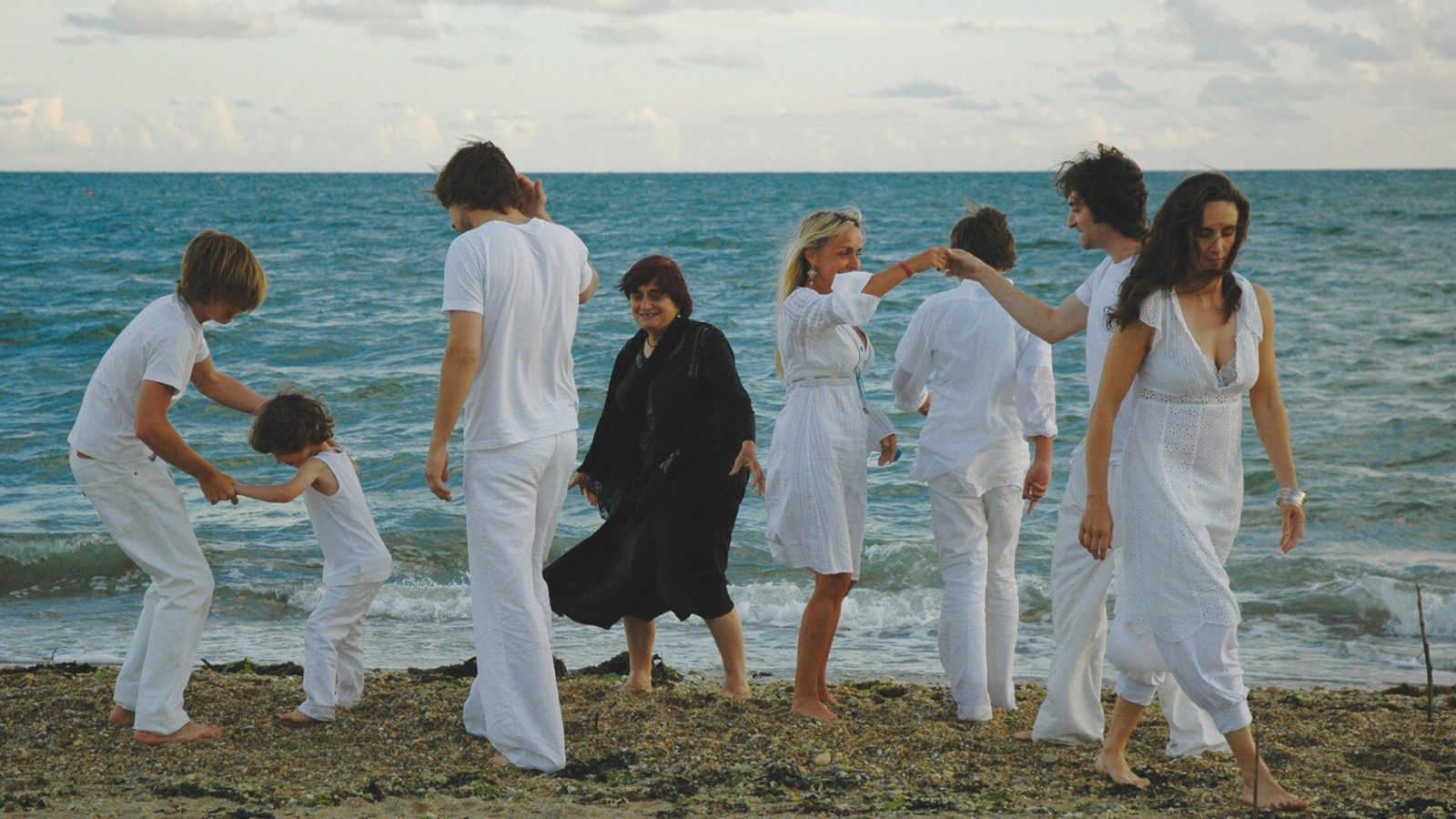
It’s a testament to Agnès Varda’s remarkable ability to glean so much raw beauty and truth from the world that this autobiographical documentary is such a rewarding watch, even for people unfamiliar with her. The Beaches finds the pioneering director in reflective mode as she looks back at her work and life, but her artistic impulses are by no means stagnant: she approaches the past with the same — if not more of the — generous candor and youthful spirit that colored her career.
It’s also a testament to Varda’s inimitable artistic touch that she turns a usually-bleak subject — mortality — into something this life-affirming. The Beaches was made when she was 81, aware of her own ticking clock and still nursing the decades-long loss of so many loved ones (chiefly, husband Jacques Demy). Just as her grief-stricken reflections don’t overwhelm the film with sadness, the whimsical impulses she indulges here — like constructing a beach on the street in front of her office — don’t blunt the sharpness of her candor. The overall effect is bittersweet and profoundly inspiring: as with the mirrors she places in front of the tide in the film’s first scene, she’s showing us it’s possible to face the inescapable with a twinkle in your eye.
The Red Shoes (1948)
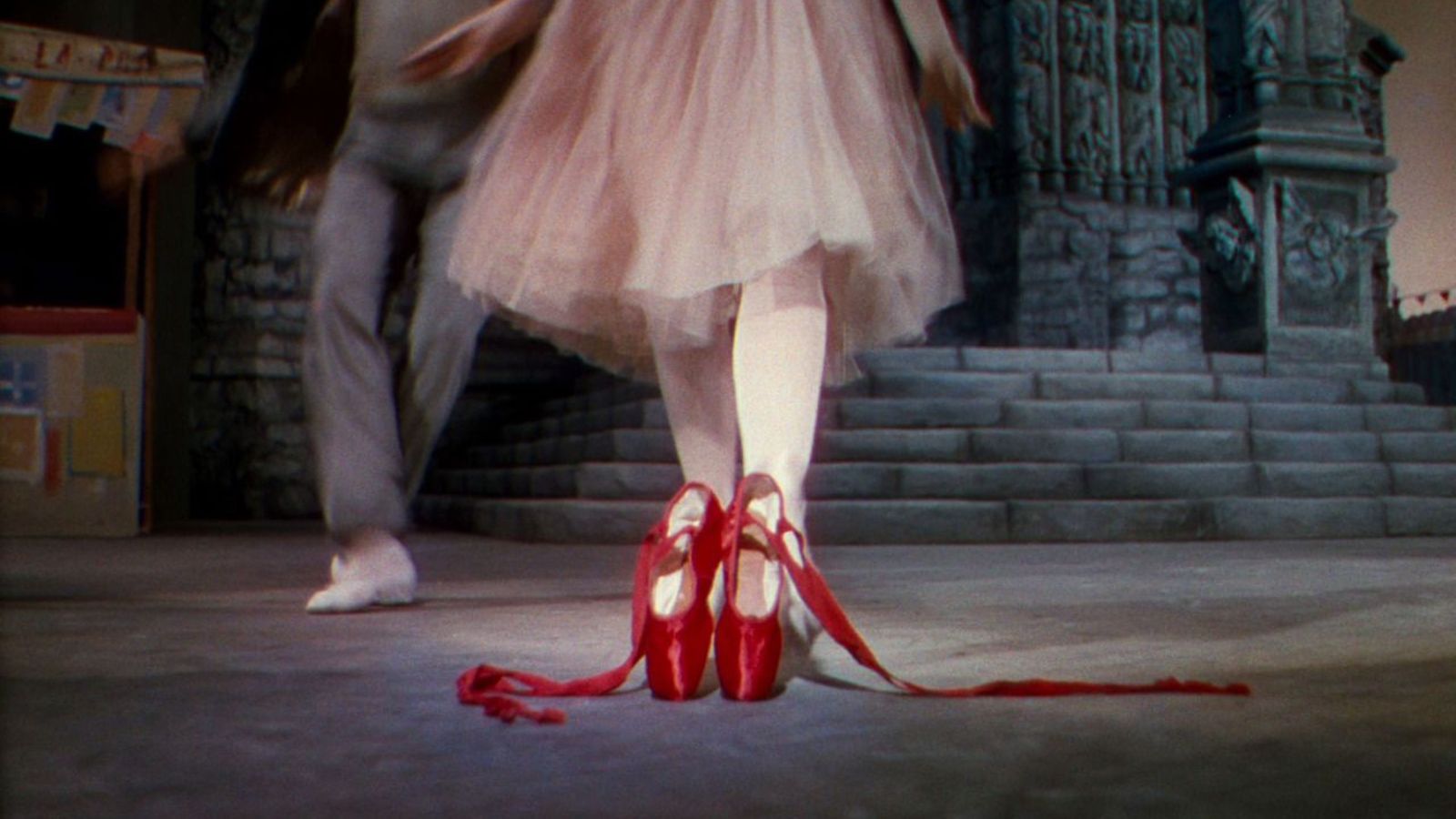
While today’s moviegoers would likely pick Black Swan as the ballet film of choice, there is one film classic that brings the title of the best ballet film in contention. That is The Red Shoes. It first divided critics of film and ballet alike, but as time went by, the spectacular drama from Michael Powell and Emeric Pressburger deservedly garnered acclaim for the brilliant, novel ways of bridging the gap between art forms. Of course, the most obvious of these is the lush, stunning 17-minute dance sequence that first incorporated dynamic camera movement to the choreography, and captured Han Christian Andersen’s story to its essentials. But aside from just depicting the dance, The Archers reconfigured every other single aspect of film to bend toward the movement without breaking the beauty of every shot– the scoring, the casting, the production design, and the ballet-within-a-film plotline. It’s because of this that The Red Shoes garnered a legacy of being one of the best ballet films, one of the best British films, and even one of the greatest films ever made.
Cure (1997)
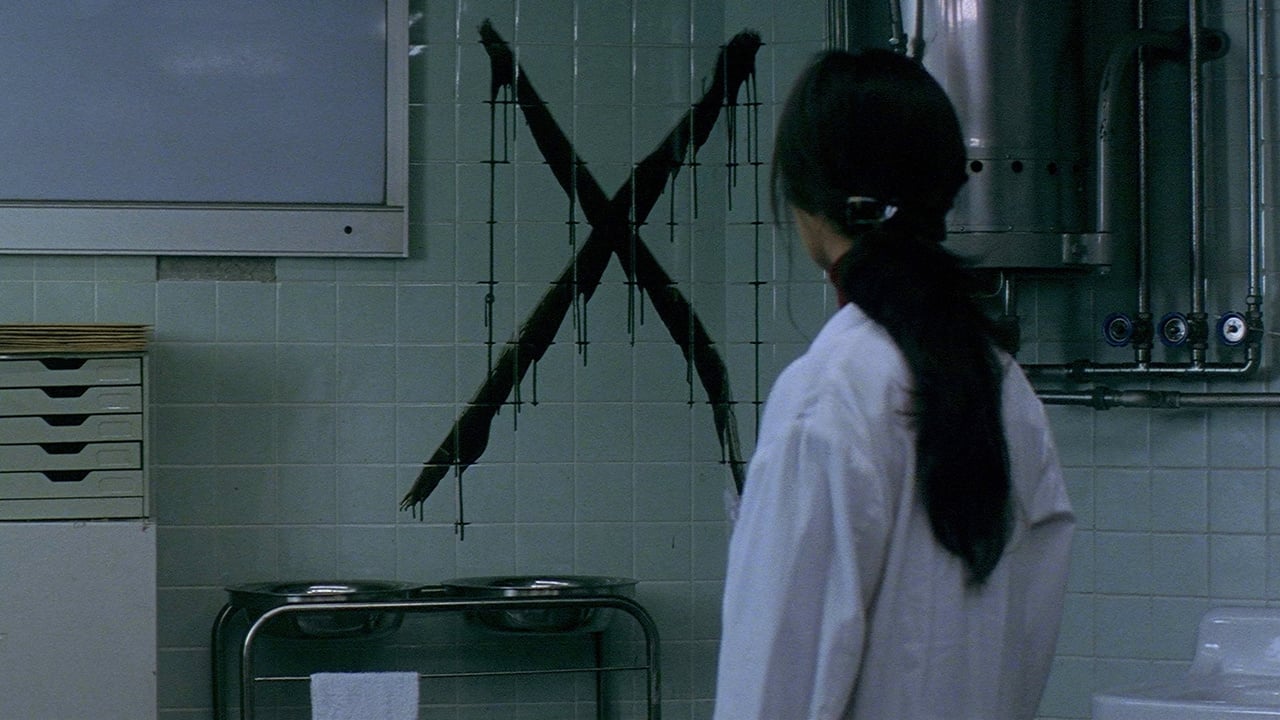
Cure is about a mad society, where both cure and sickness might be one and the same. Director Kiyoshi Kurosawa subverts the police procedural into an interrogation without definite answers, an abstract study on the evil that resides and is suppressed in every person’s heart. Unlike most horror films, Cure’s scares are left in plain sight, hypnotically mesmerizing as they are gruesome, with a sense of mundanity associated with other Japanese masters like Ozu or Kore-eda. “At the time it just seemed the right thing to do,” a man answers when asked why he killed his wife, and it is this contradictorily calm, nonchalant demeanor that creates a feeling of unease in the film’s horror aesthetic.
Close-Up (1990)
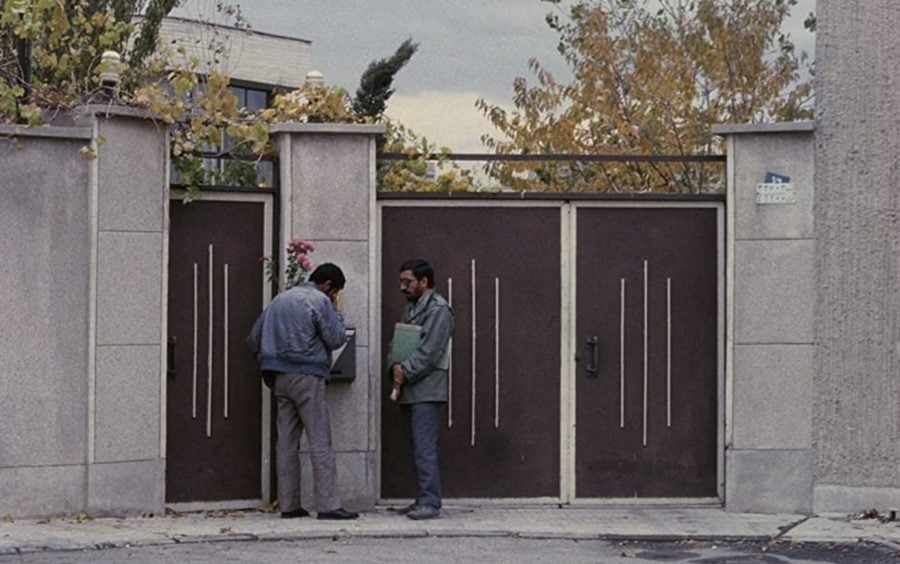
The apex of Abbas Kiarostami’s monumental filmography, Close-Up is a testament to the late directors’ ingenuity and humanism. Kiarostami documents the real-life trial of a man who impersonated fellow Iranian filmmaker Mohsen Makhmalbaf, and ingratiated himself to a family believing him to be the real deal. The courtroom drama and interviews are fascinating enough, but Kiarostami takes it one step further by having everyone involved reenact the events as they happened.
The result is an unparalleled piece of filmmaking that blurs the boundaries between documentary and narrative while posing vital questions about the exclusivity of cinema and the storytelling process. Despite its sophisticated constructions, Kiarostami’s direction is lucid and direct as it builds to a passionate and unforgettable conclusion.
A Brighter Summer Day (1991)
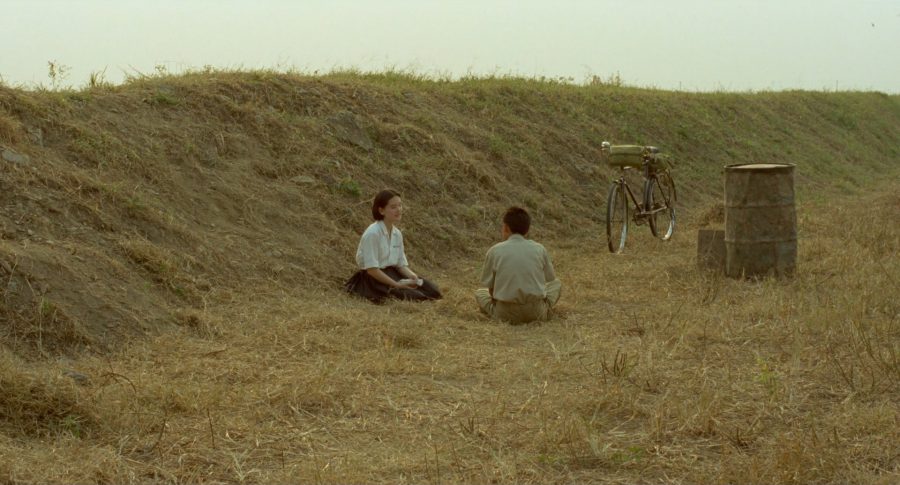
At nearly four hours long, A Brighter Summer Day is a sprawling, beautifully composed film that follows young Xiao Si’r and his eventual entanglements in nearly everything, from love to youth gangs to politics. While parts of the story, particularly its bone-chilling climax, are based on true events, the film is largely reconstructed from Edward Yang’s memories of the era he grew up in. As a result, the visuals feel crisp and true, tinged with just the right amount of nostalgia to balance the grittiness of its realism.
As coming-of-age films go, A Brighter Summer Day is certainly more on the tragic side. It’s also seminal in its specificity and depth—an absolute must-watch for any and all filmgoers.
The Green Ray (1986)
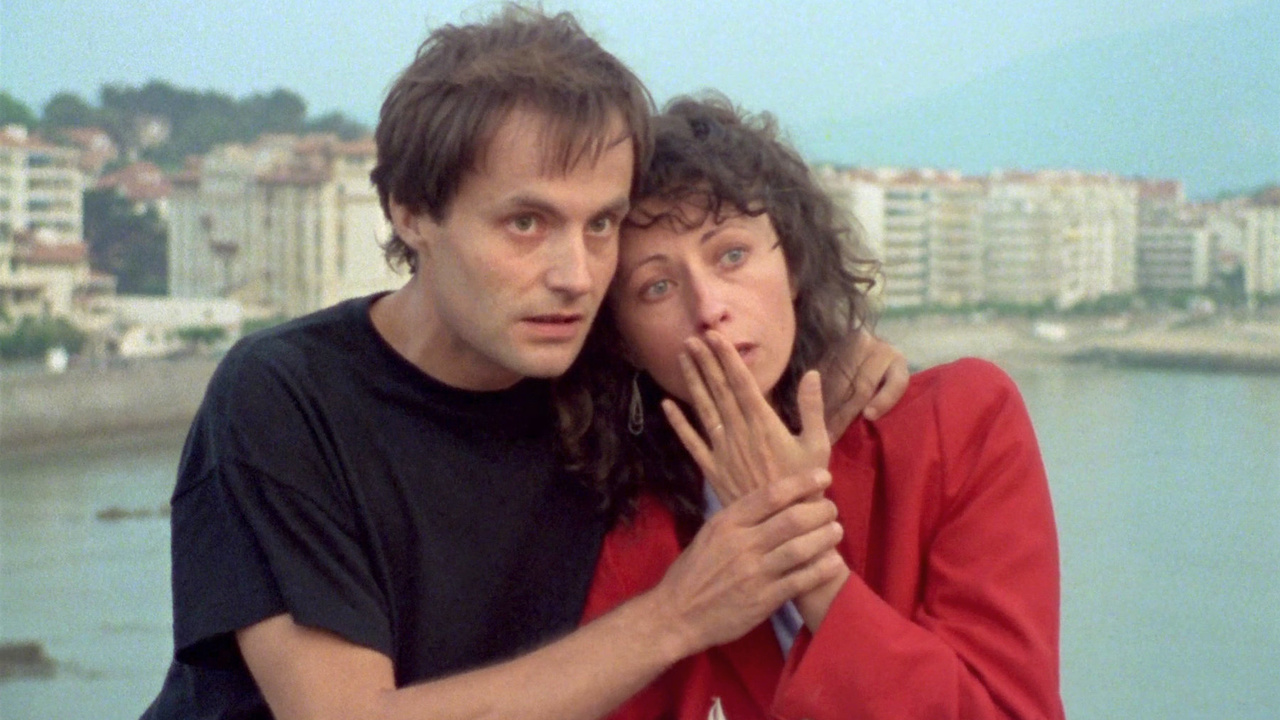
Éric Rohmer’s The Green Ray is the kind of film that you come away from being more honest with yourself. That effect is thanks to the contagious directness of its protagonist: Delphine (Marie Rivière), a newly single young French woman whose summer vacation plans have just been unceremoniously upturned after the friend she was going away with takes off with a man instead. Now at a loose end, the indecisive Delphine meanders between her home in Paris and several gorgeous holiday spots, but that old saying — “wherever you go, there you are” — proves true. Neither the beaches of Cherbourg and Biarritz nor the lofty beauty of an Alps resort can soothe her restlessness or give her what she’s looking for, probably because she doesn’t quite know what that is herself.
Delphine’s is an achingly familiar search for anyone who’s ever felt like they’ve drifted off of life’s path, but blessedly, the conversation-driven Green Ray doesn’t leave us wallowing in that despair. That’s partly thanks to its final moments — which rank among cinema’s most stunning — but mostly because Rivière, who improvised much of her incisive dialogue, puts into words things that so many have felt but few would admit. In that sense, The Green Ray feels as much like a miracle as its last shot does.
The Match Factory Girl (1990)
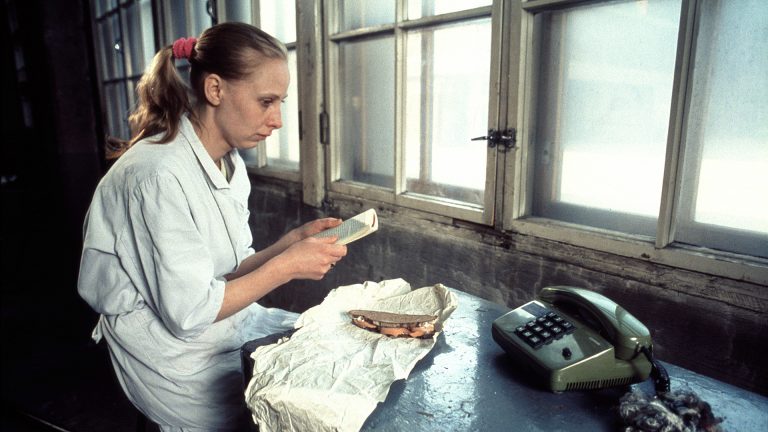
With its 69-minute runtime, ultra-minimalist approach to camera movement, and dialogue so sparse it could fit onto a single page, the first word that comes to mind when describing The Match Factory Girl is “lean.” The second word is “bleak”: for most of the film’s slight duration, we watch as the lonely titular character (Iris, played by Kati Outinen) passively endures a relentless barrage of cruelties, whether from her coldly detached parents, callous love interest, or simply fate itself.
And yet, these words — apt descriptors of the film as they are — only capture part of what makes The Match Factory Girl such a magnetic and unforgettable watch. When a late twist sees the film swerve into even darker territory, director Aki Kaurismäki’s twin approaches fuse into one that’s greater than the sum of its parts. Rendered in his characteristic deadpan style, the shocking event becomes sardonically funny — a gutsy move that only a real master of tone, as Kaurismäki is, could pull off.
The White Balloon (1995)
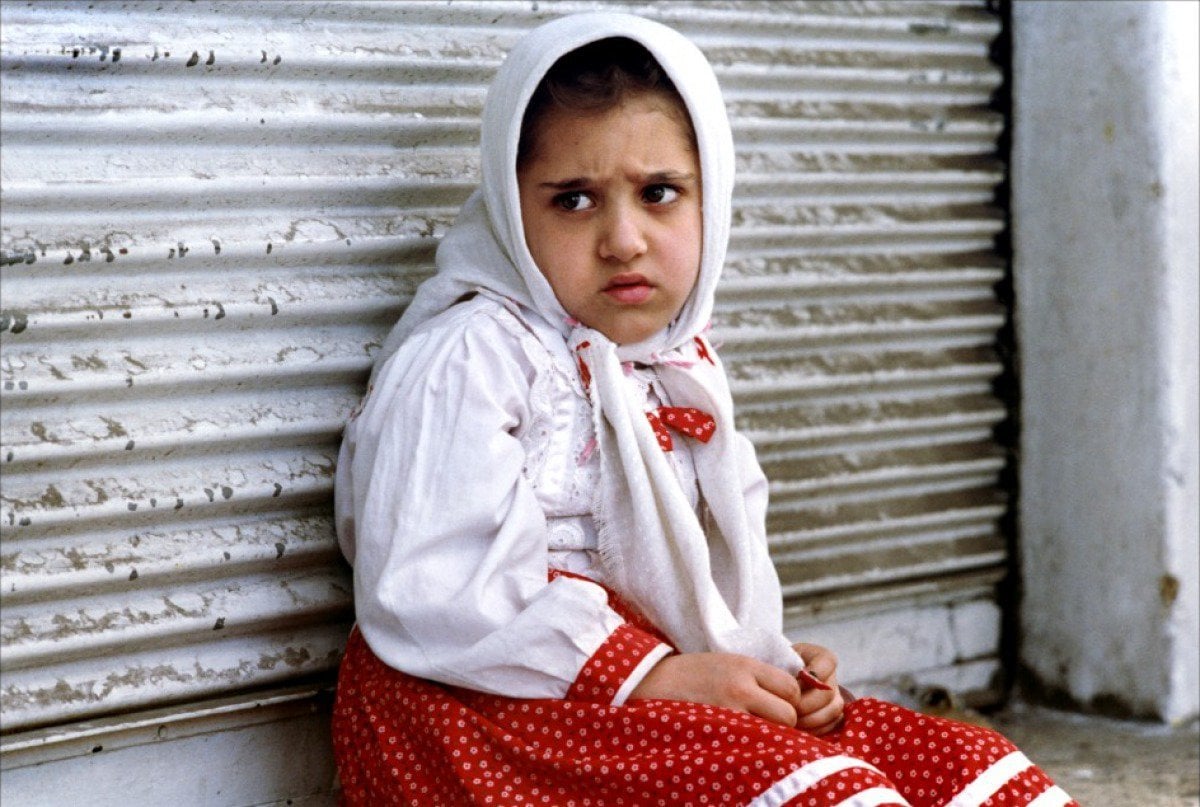
There’s a universe of hard-hitting emotion hiding in Jafar Panahi’s deceptively simple debut feature, which follows a seven-year-old girl’s attempts to buy a goldfish before Nowruz, the Persian New Year, dawns. From start to finish, her shopping trip only takes 80-something minutes, and all of the action is confined to a couple of Tehran’s streets — but, because we experience The White Balloon in real-time through determined young Raziah’s (Aida Mohammadkhani) perspective, her simple quest is transformed into a perilous and profoundly emotional odyssey for audiences. Every emotion — from fear to wonder — is magnified through Raziah’s eyes, so much so that an unfortunately timed gust of wind comes to feel like a punch in the gut, and the sight of a fluttering banknote a euphoric miracle. Co-written by master of the Iranian New Wave Abbas Kiarostami, The White Balloon wrings expansive humanism out of its tiny canvas.
L’Argent (1983)
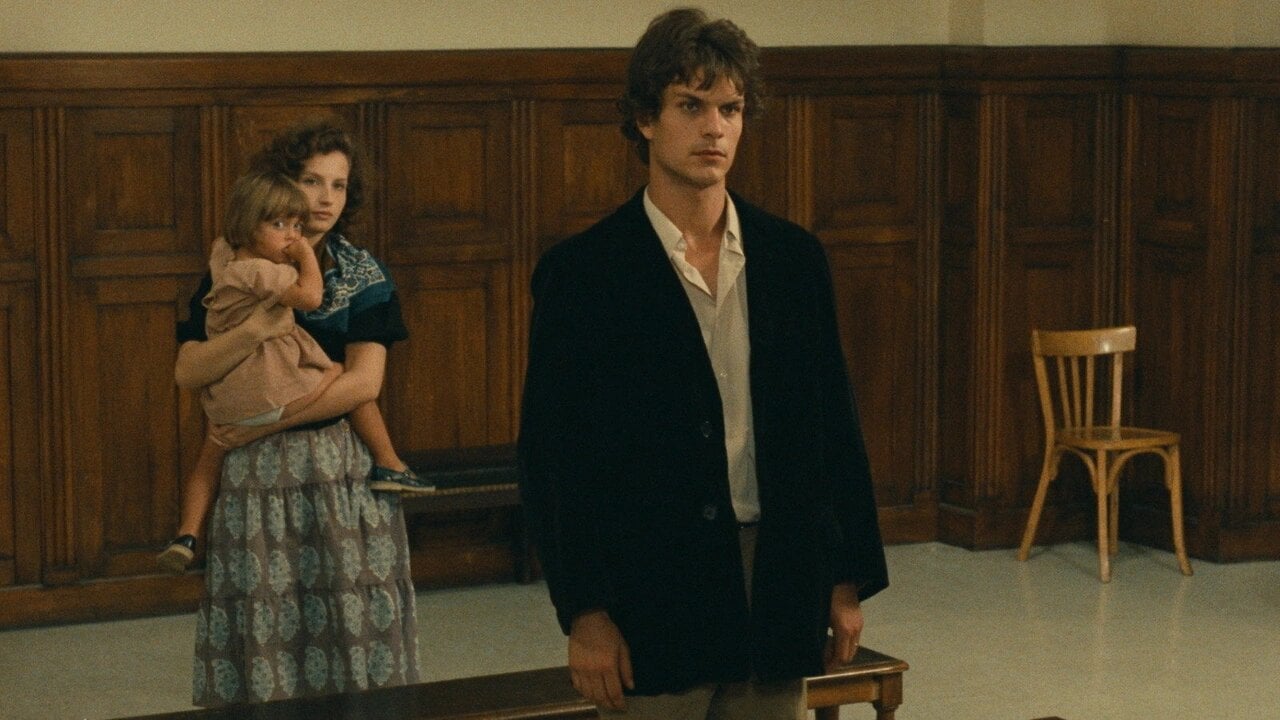
With his final film, octogenarian master filmmaker Robert Bresson found the violent, chilling truth in that old cliché, “money is the root of all evil.” L’Argent extends the simplicity of its title (literally, “Money”) into the fabric of the film, using an extremely bare style to track the devastating domino effect that a childish ruse has on one man’s life. When a shopkeeper realizes two schoolboys swindled him out of 500 francs with a counterfeit note, he decides to pass the problem on by paying delivery man Yvon (Christian Patey) with the false note. But when Yvon tries to pay for his lunch with the money, the police are called and his life unravels.
This is just the start of L’Argent’s clinical exploration of the meanness and littleness of man’s greedy spirit. Yvon’s downfall is chronicled with matter-of-fact coldness: everything onscreen is minimal, from the precise cinematography and frugal editing to the non-professional actors’ expressionlessness. This detached style encourages us to absorb all the bitter emotion of the story, which feels — in such an economical format as this — like a moral tale as old as time, but no less cutting.
Streetwise (1984)
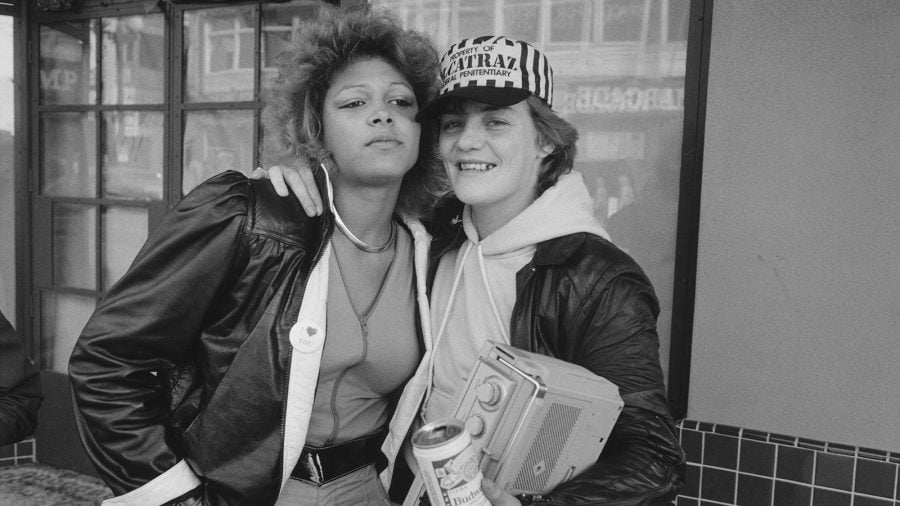
Martin Bell documents the lives of youth living in the streets of Seattle in the early eighties with profound empathy. It’s a type of filmmaking that doesn’t judge or condescend, but seeks to capture the humanity of its subjects. The result is a film bursting with life and laughter, and although tragedy lurks around every corner it isn’t over-sentimentalized or exploited, taking a backseat to the compassionate depiction of everyday moments.
The audience is left to its own devices to pull together the extent to which these youth have been failed by a broken safety-net and the expired promise of an American dream. These ideas rise to the surface naturally and serve as a testament to the power of the documentary form when it’s loosened from the grip of mawkish narrators and sugary moralizing.
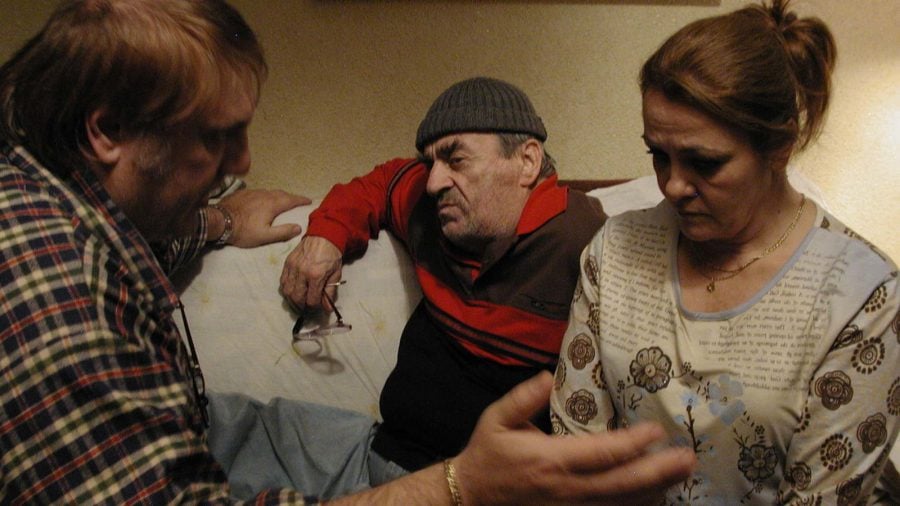
The Death of Mr. Lazarescu (2005)
Mr. Lazarescu is a widower living with his cats in a small Bucharest apartment. One night when he begins to feel sick and calls for help, he sets in motion a kafkaesque parade of nurses, doctors, and hospitals as he is ferried through a bureaucratic maze unable to get treatment for his rapidly deteriorating condition. Cristi Puiu’s searing indictment of a failed healthcare system mixes kitchen-sink realism with tinges of gallows humor for a remarkable one-of-a-kind experience.
Beneath its grim demeanor is a clear-eyed portrait of the heart-rending weariness of paramedics and hospital staff that speaks spectacularly to our current mid-pandemic moment of exhausted doctors and overflowing facilities. This focus on the toll of the system on paramedics, in particular, makes this a fantastic pairing with Martin Scorcese’s’ underrated Bringing Out the Dead.
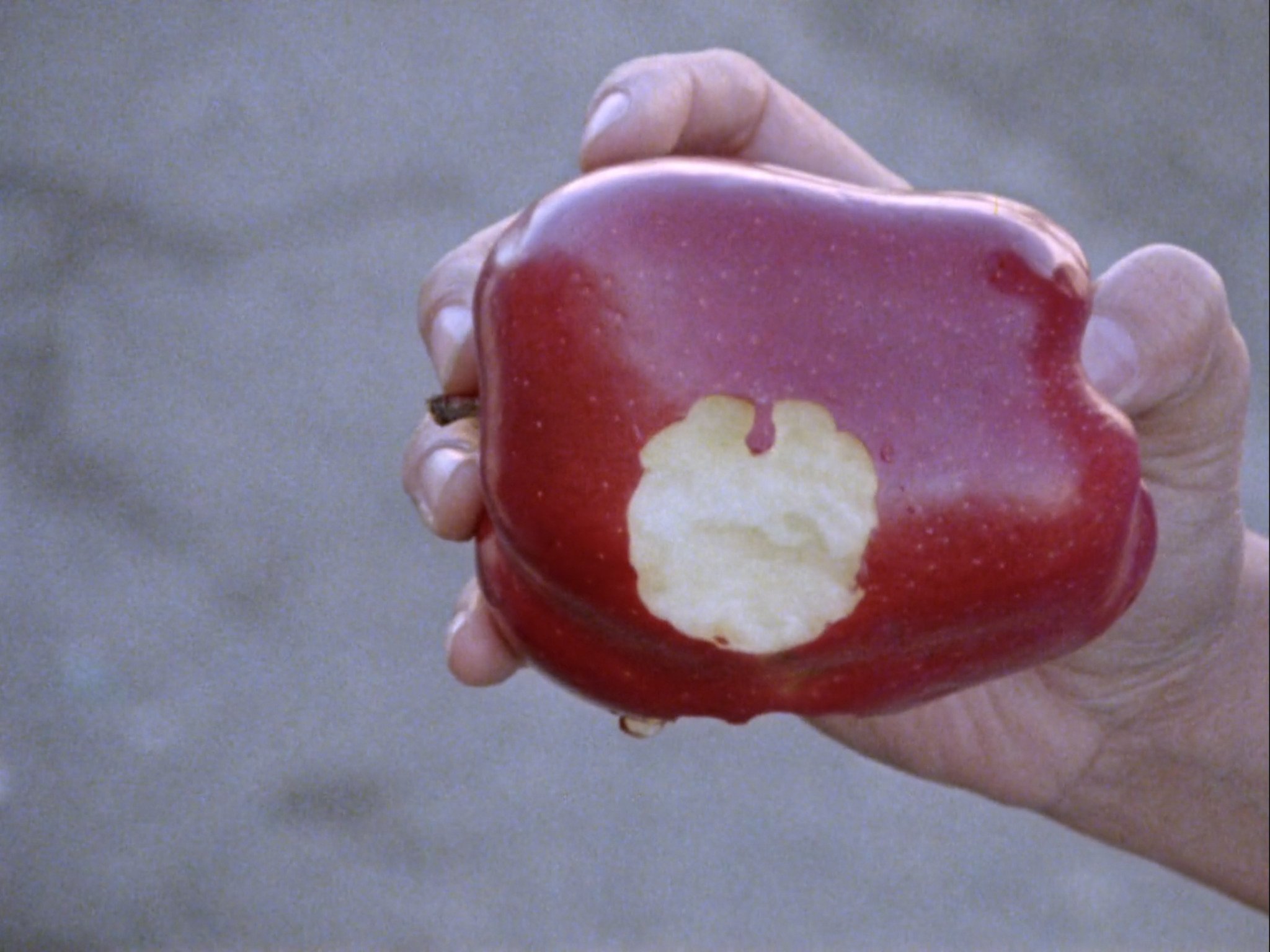
Gap-Toothed Women (1987)
Despite the amusing specificity of its title, this lovely documentary from director Les Blank is really for all of us. Through the example of gap teeth — a physical feature many of the participants here report being made to feel self-conscious about — the film makes a rallying call to embrace ourselves and all of our physical “flaws.”
A big part of what makes this film so heartening is that so many of the women featured here (including model Lauren Hutton) have come out on the other side of loathing their gap teeth, giving us a tangible example of what it looks like to love yourself in spite of other people’s opinions about your body. What’s more, even within a limited runtime, Blank finds space to devote to exploring other aspects of the featured women’s lives — their art, professions, religious practices — and thereby quietly expands the film’s focus from physical beauty and onto the myriad beauties of life itself. It’s an ironic pleasure that Gap-Toothed Women ultimately refuses to define its subjects by the very feature described in its title, and instead gives us this life-affirming shot of wisdom for the ages.
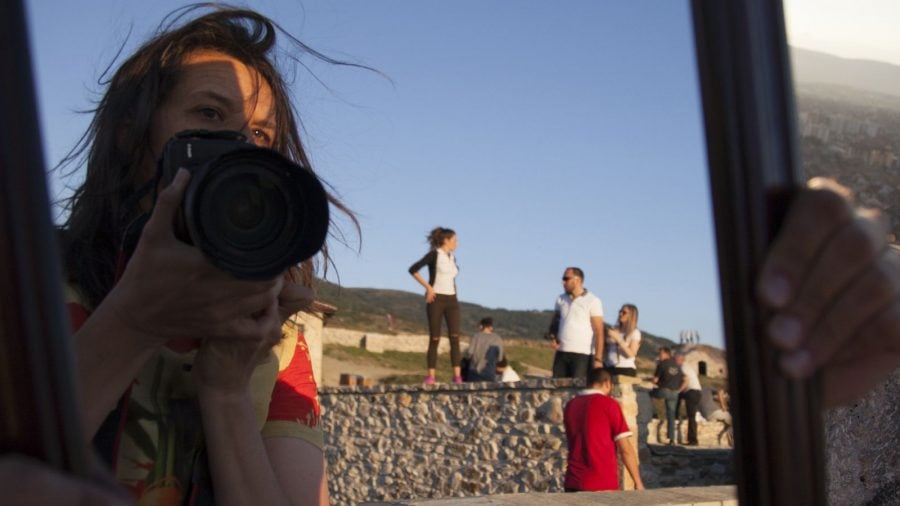
Cameraperson (2016)
In Cameraperson, documentarian and cinematographer Kirsten Johnson creates an incredible patchwork of her life—and her life’s work. Johnson has been behind the camera of seminal documentaries like Citizenfour, The Invisible War, and The Edge of Joy. Here, Johnson stitches together fragments of footage, shot over 25 years, reframes them to reveal the silent but influential ways in which she has been an invisible participant in her work.
In one segment, Johnson places the camera down in the grass. A hand reaches into the frame briefly, pulling up weeds that would otherwise obscure the shot. Cameraperson is a must-see documentary that challenges us to reconsider and reflect upon how we see ourselves and others through the camera lens, and beyond it.
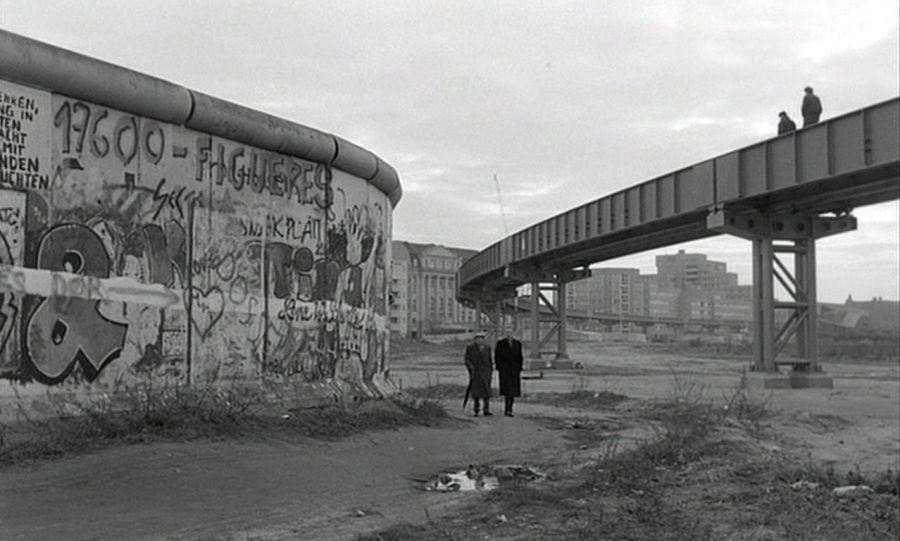
Wings of Desire (1987)
Two angels wander the streets of a monochrome Berlin, invisible to the colorful world that bustles around them. When one of them falls in love, he begins to question his place and yearns to give up immortality to join the ranks of the living. Wim Wender’s exceptional film is a poetic meditation on faith, cinema, and a mournful tour of a city in the grip of the Cold War.
Wings of Desire is bursting with poetry and heartbreaking humanism emphasized by the tender performances by Bruno Ganz, Otto Sander, and Peter Falk, while serving as a beautiful love letter to a city yearning for change. If you’ve only seen City of Angels, the loose American remake, then you owe it to yourself to experience the raw poetic power of the real deal.
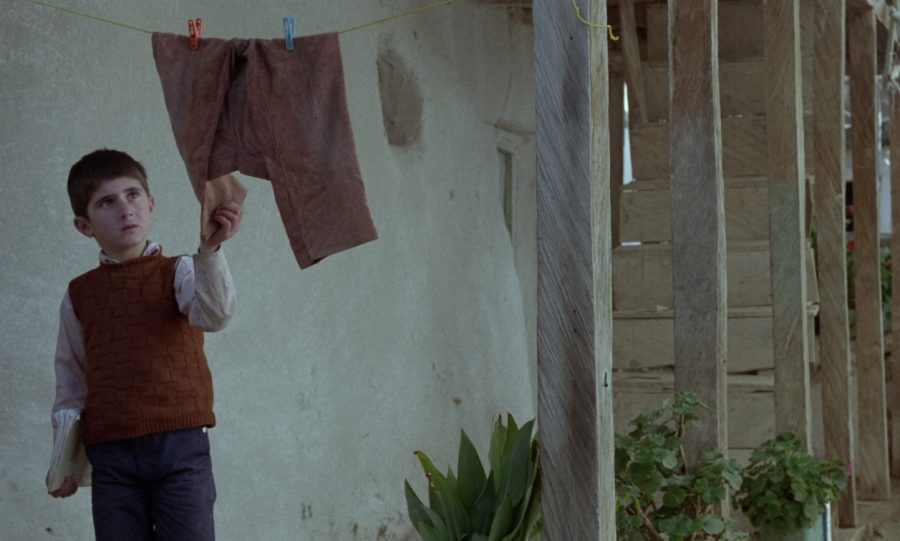
Where Is the Friend’s House?
Abbas Kiarostami delivers a tale of towering simplicity. A young boy mistakenly takes his friend’s notebook home and, knowing the friend faces expulsion without it, goes on a journey to bring it back. He visits the neighboring town but without a clue where his friend lives must rely on the kindness of strangers and overcome the stubbornness of adults who get in his way.
This adventure is both a loose moral parable as well as a striking portrait of life in rural Iran. More than this, it’s a testament to the capacity of children’s films to communicate depth when the filmmaker respects a child’s intelligence. The earnest young actors at its heart add an emotional immediacy that underscores Kiarostami’s empathetic direction.
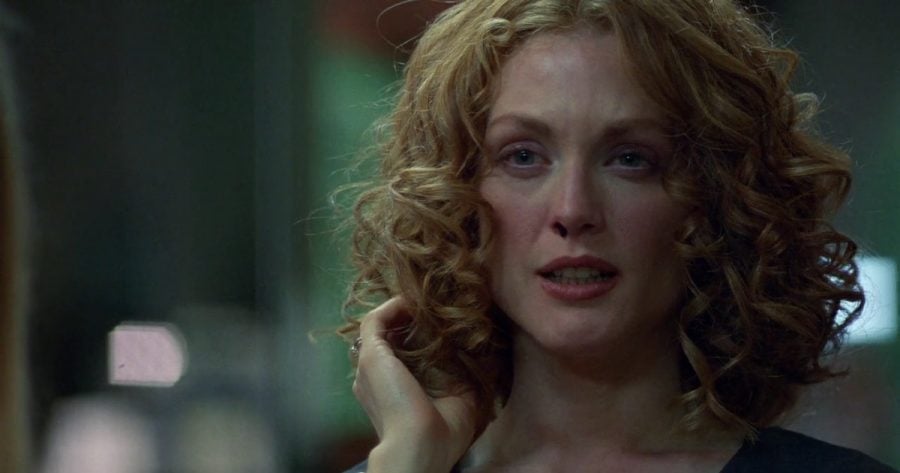
Safe (1995)
Something is wrong with Carol White. She’s a well-off housewife living in the picturesque suburbs of Los Angeles. Her husband’s job is going well, her step-son is pleasant, and her social life consists of boutique lunches, fruit-filled diets, and lavishly pink baby showers—all is well on this side of the white picket fence.
Until Carol starts sneezing. Then she begins coughing, and she experiences a violent asthma attack while driving on the freeway. Afterward, Carol’s nose won’t stop bleeding. She starts having seizures. Struggling to breathe, Carol winds up in the hospital, seeing doctors and psychologists trying to diagnose what’s wrong and whether her mystery illness is physiological or psychological.
Todd Haynes’ Safe is an unnerving examination at our relationship with the environment—and in an increasingly modernized world, how much we can tolerate of what we create: white noise, toxins, busy work, everyday poisons, monotonous obligations. It’s also a complicated reflection on the ways in which women’s pain is disregarded and minimized, and what the loss of invisible agency looks like when it begins to manifest outward.
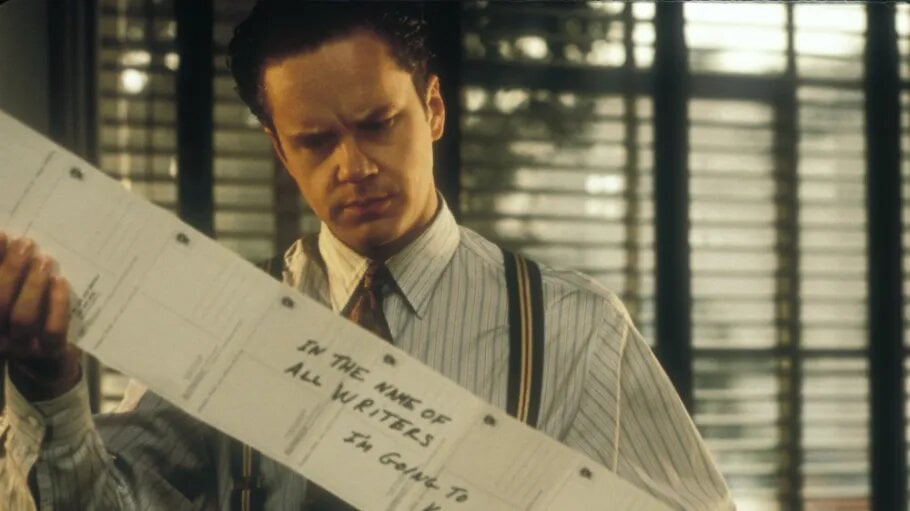
The Player (1992)
Like so many pictures about the pictures, The Player is a biting satire of the biz. Tim Robbins plays Griffin Mill, a Hollywood executive who gives dinner speeches about movies being art but works at a studio where endings are unceremoniously tweaked for maximum audience approval ratings — and therefore maximum profits. The greedy corporate Tinseltown of The Player feels very close to the franchise-pumping Tinseltown of today, but there’s enough wit and irony here to keep it from feeling too depressing.
Legendary New Hollywood director Robert Altman packages his critique in familiar clothing: that of a film noir. After receiving threatening postcards from a disgruntled writer he never called back, Griffin takes matters into his own hands and soon finds himself living out the plot of a taut thriller. The Player gets even more deliciously meta than this: nearly every scene contains a winking reference to the movies, and it’d probably be easier to count which stars of past and present don’t show up for a cameo here. What’s more, Altman gives The Player the kind of “happy ending” that Griffin’s studio is always demanding from writers — only here, it’s spun into a bitter commentary on the whole industry. Simply masterful.
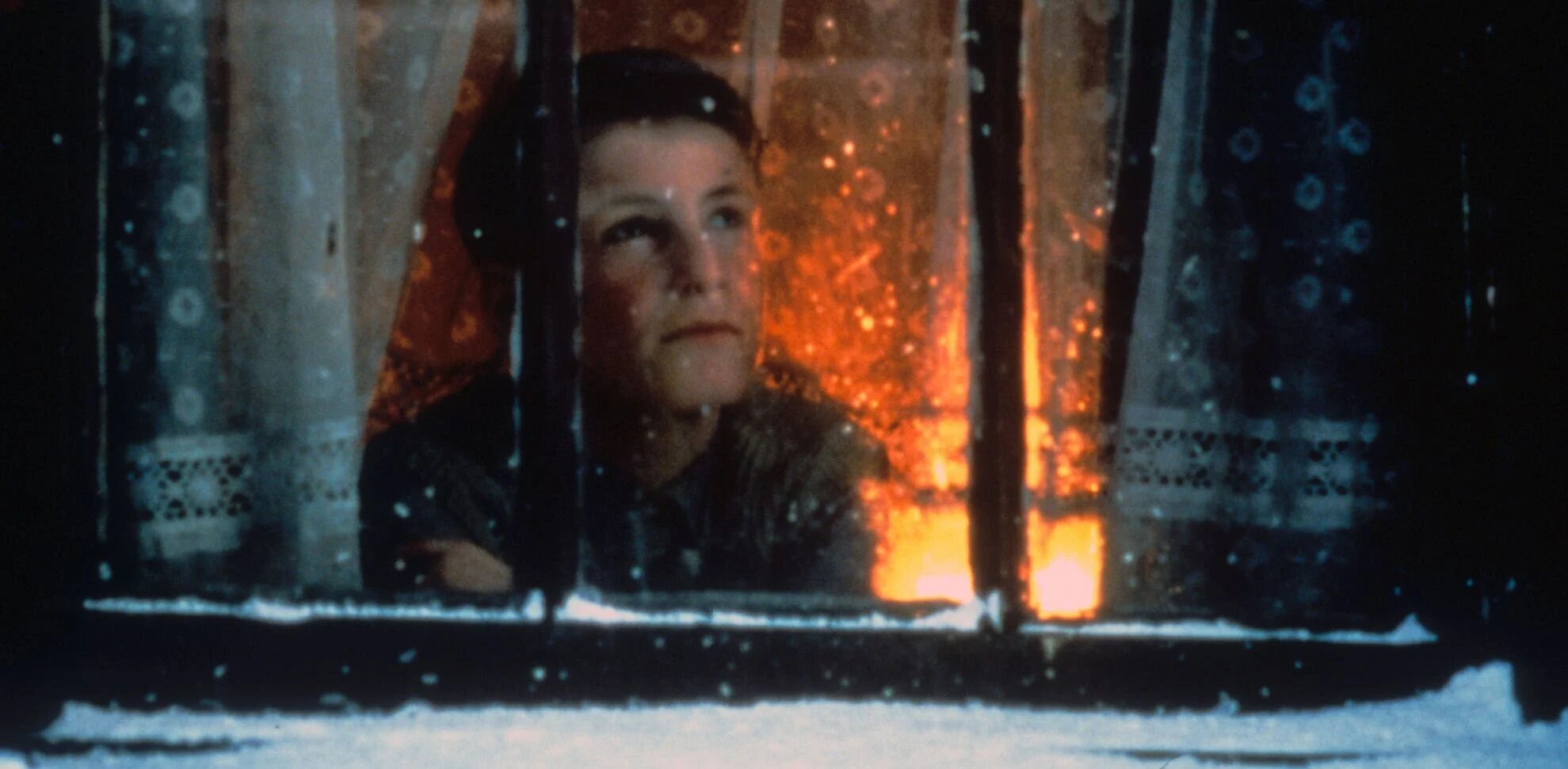
The Long Day Closes (1992)
This poetic memoir by the late director Terence Davies opens with a tracking shot that takes us down a rainy, dilapidated Liverpool street, finally settling on the wet staircase of a roofless house as three audio tracks morph into one another: a Nat King Cole song, dialogue from a movie, and, finally, a boy calling for his mother. Just as we hear the latter, the shot of the exposed staircase dissolves, taking us into the past to reveal the owner of the voice sitting in the same spot — only now, the stairs are dry, the roof restored.
The scene perfectly encapsulates the film: it’s a dreamlike pool of sensory recollections from that lonely boy’s childhood, assembled according to the strange logic of memory. Music and movie dialogue echo across the film as we watch snapshots from Bud’s (Leigh McCormack, playing a proxy of Davies) early years. Though most of the memories radiate warmth — Christmases with family, euphoric cinema trips — a note of melancholy tinges these blissful recollections. Callously cruel schoolmates, desperate church prayers, and instantly rueful stolen glances jar against the nostalgia and let us know that something dark is coming. Intensely, painfully intimate, this is one of the best and most unbearably sad evocations of memory in cinema.
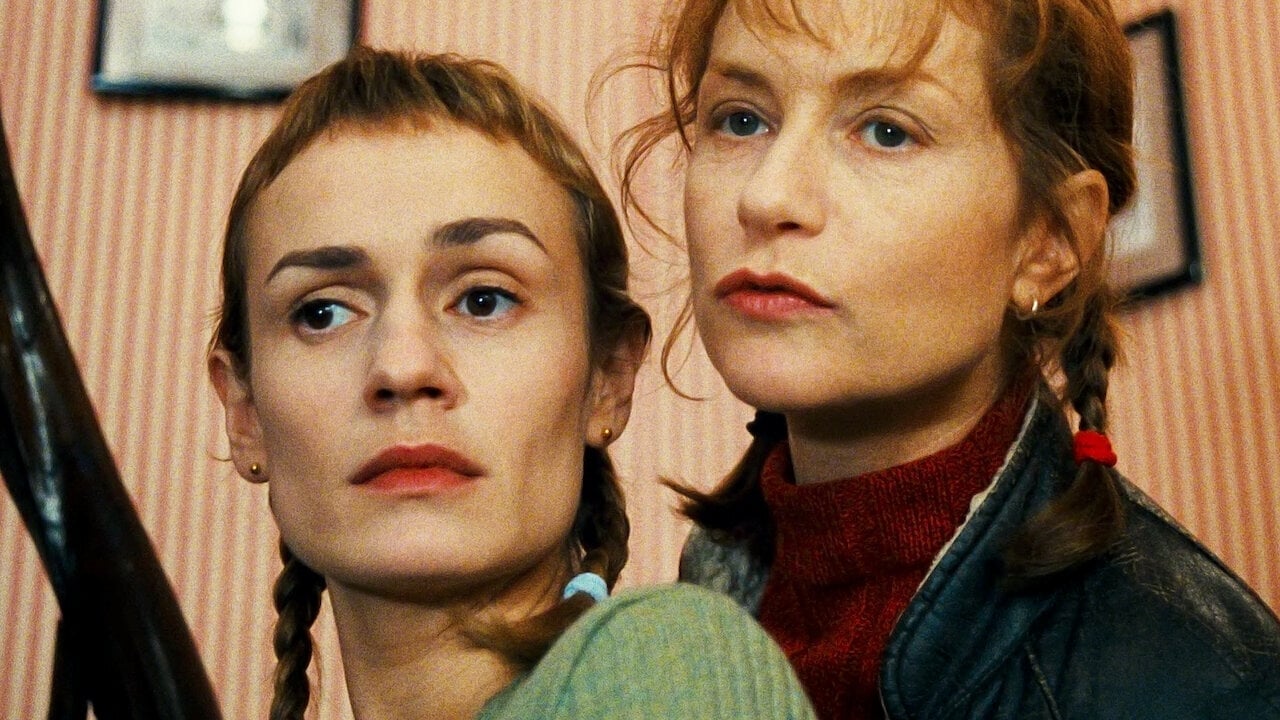
La Ceremonie (1995)
La Cérémonie is the kind of thriller you can watch repeatedly and glean new insight from each time. Right from its first scene, there’s something puzzling about the buttoned-up Sophie (Sandrine Bonnaire) that narrows your focus and pulls you in. What’s remarkable is that, even after the secret Sophie’s keeping that seems to explain her strangeness is revealed, our intrigue never dips. Director Claude Chabrol and his cast construct a gripping twin character study and biting social commentary around that initial hook, as Sophie finds a kindred spirit in the equally uncanny Jeanne (Isabelle Huppert), who opens her eyes to the slyly patronizing way Sophie’s employers treat her.
The film’s study of class relations is always subtle, never veering into over-pronounced territory. That much is clear from the fact that, although some of Sophie’s employer’s family are quite likable, you still understand the ways they’re inextricably embroiled in the film’s quiet indictment of the power dynamics that rule this lofty mansion. More nuance comes by way of the strikingly nonchalant ways evil is depicted in La Cérémonie — just another example of the movie turning something expected (violence is foreshadowed early on) into something that remains viscerally shocking, no matter how many times you watch it.
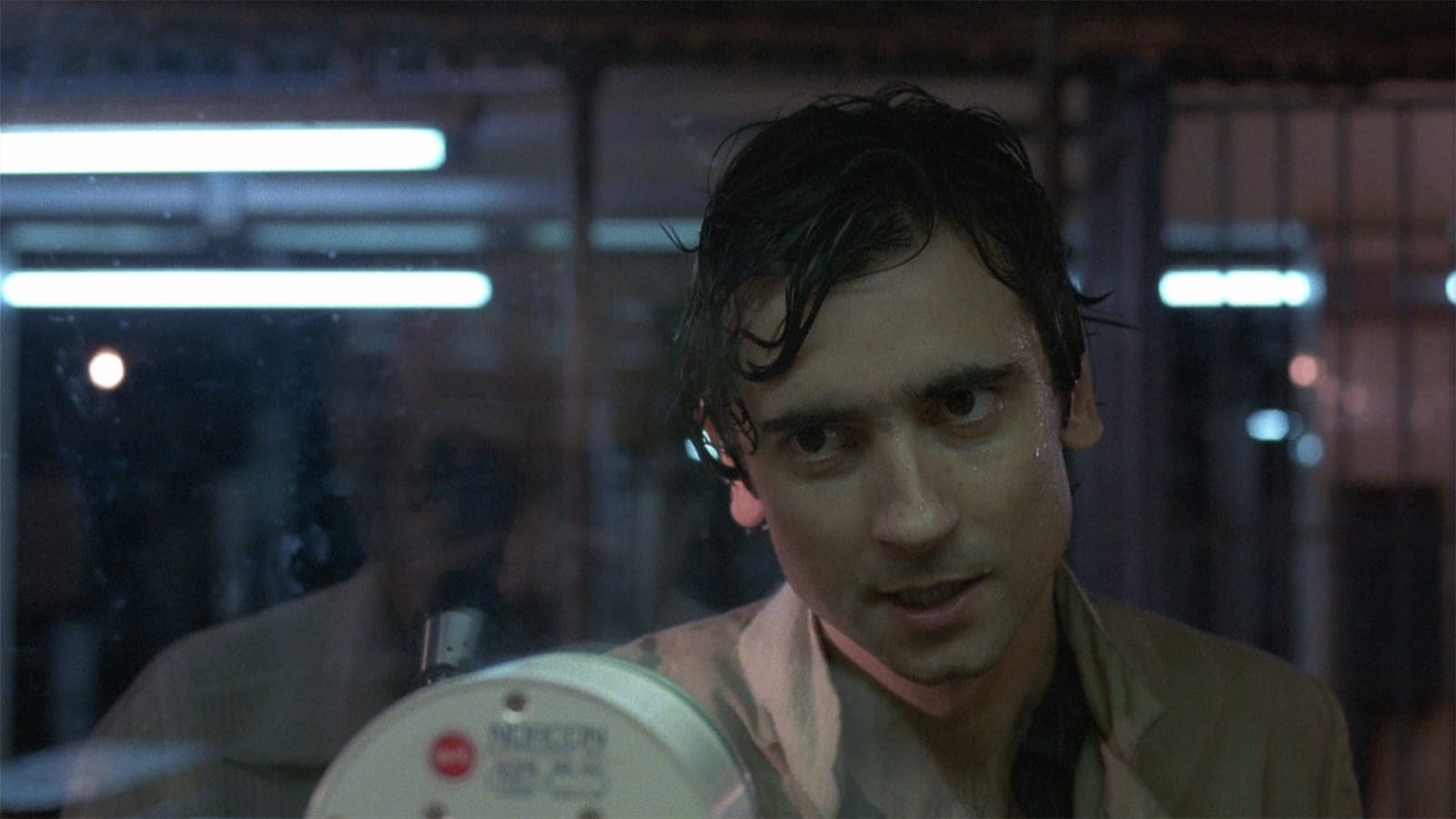
After Hours (1985)
Martin Scorsese had just spent a year prepping for The Last Temptation of Christ when Paramount Pictures unceremoniously pulled the plug on the movie just one month before production was due to start. After Hours was Scorsese’s way of exorcising all that disappointment and frustration, and you can feel it: this black comedy vibrates with manic intensity as it charts a night from hell in the life of Paul (Griffin Dunne), a somewhat scuzzy yuppie living in ‘80s New York City.
In keeping with its title — which suggests the movie is suspended in temporal limbo — After Hours feels like it takes place in some mythological hellscape, a demonic underworld in which everyone Paul meets has been sent forth with the express mission to make his life more miserable. Surreal coincidences pile up, deepening his paranoia and turning his simple goal of returning home into a labyrinthine quest for survival on the deserted, rain-soaked streets of SoHo. It’s the kind of celluloid nightmare that terrorizes and thrills you at the same time (a la the Safdie brothers’ best works, which draw inspiration from After Hours). Only a director of Scorsese’s caliber could turn profound professional disappointment into such a win as this.
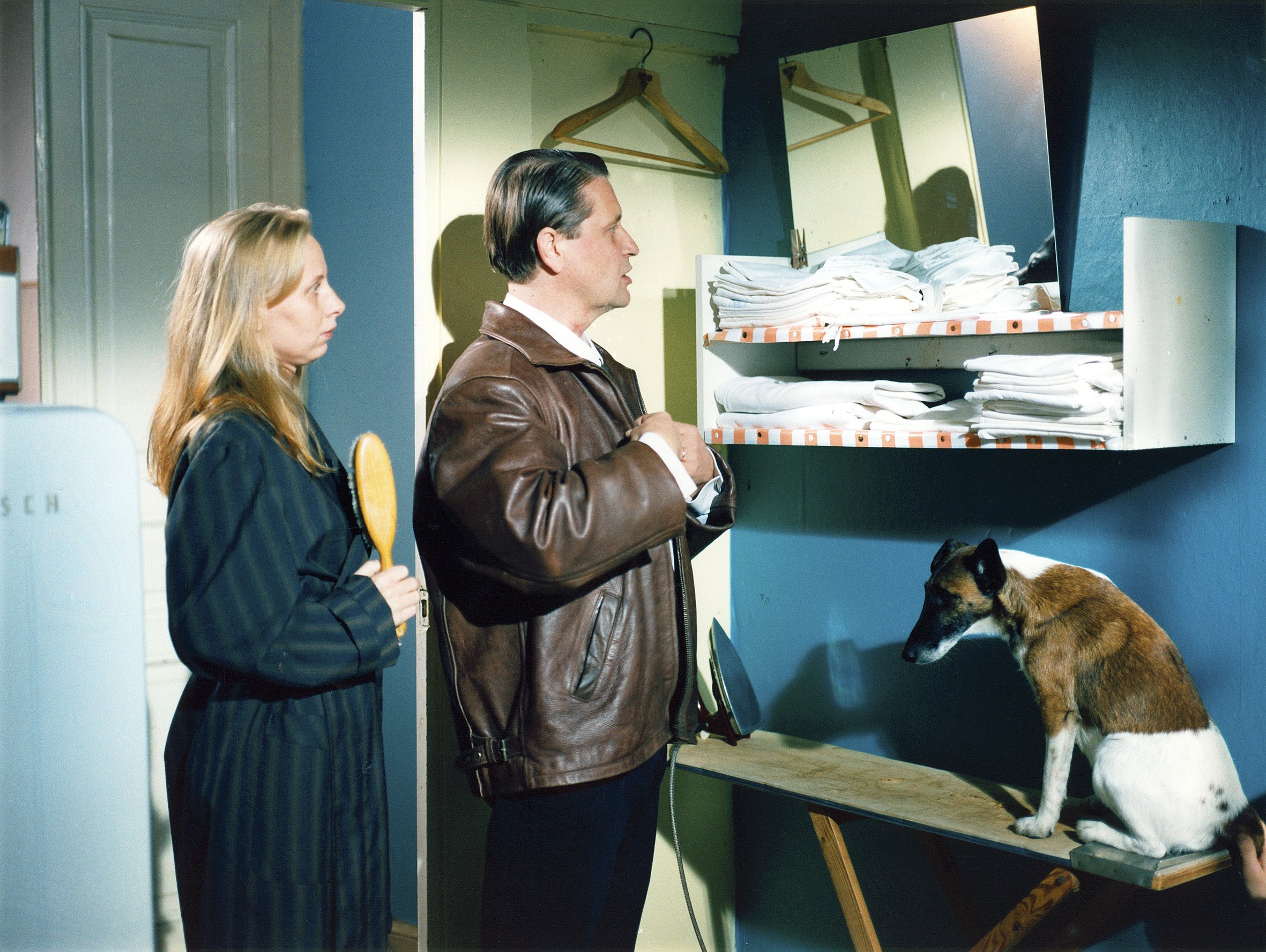
Drifting Clouds (1996)
An early gem from Finnish maestro Aki Kaurismäki, Drifting Clouds is a deceptively simple story. The aftermath of job losses for wife Ilona (Kati Outinen) and husband Lauri (Kari Väänänen) holds a series of misfortunes, all of them tests to their marital bond. But this is only the beginning: as with Kaurismäki’s endearing use of flat irony and detached performances by regular actors of his, things can only get worse before they get better. Humanism has always shined through the director’s films, and this first part of a “Finland” trilogy makes no exception to the rule: the fact that labor and closeness are the two main themes (and are equally important for one’s survival) already elevates the absurdist comedy to something way more caring, engaged, and ultimately, tender.
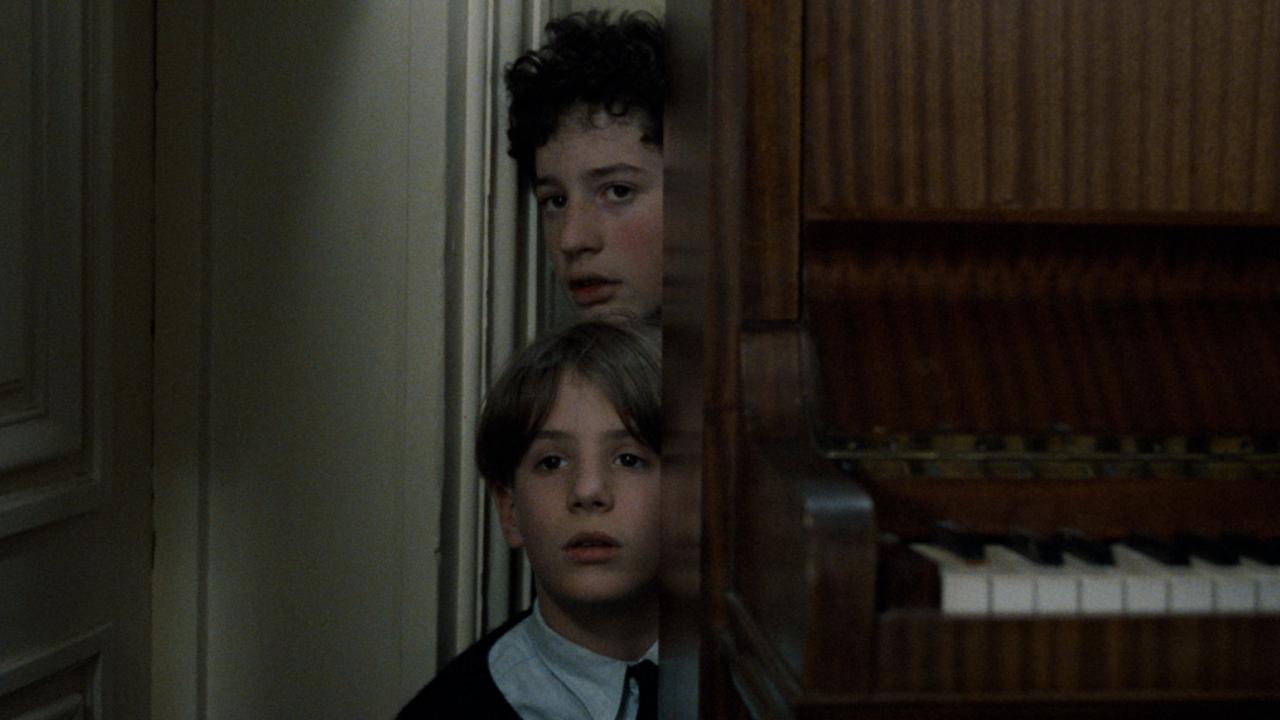
Au Revoir les Enfants (1987)
There are moments in our childhood that we deeply regret, even if we didn’t know better, even if innocence can excuse us, and even if we weren’t the ones primarily responsible for the mistake. The memory of it can be haunting, but none has been as devastating as the memory depicted in Louis Malle’s semi-autobiographical period drama Au Revoir les Enfants. Malle brings us to the boarding school rhythms with ease, straightforwardly depicting it as is, but with the camera and the sequencing recognizant of the implications. With the natural dynamic between the unthinking Julien (Malle’s younger self) and the alert and afraid Jean formed through subtle moments, Au Revoir les Enfants culminates into the heartbreaking coming-of-age moment that Malle personally lived through in World War II.
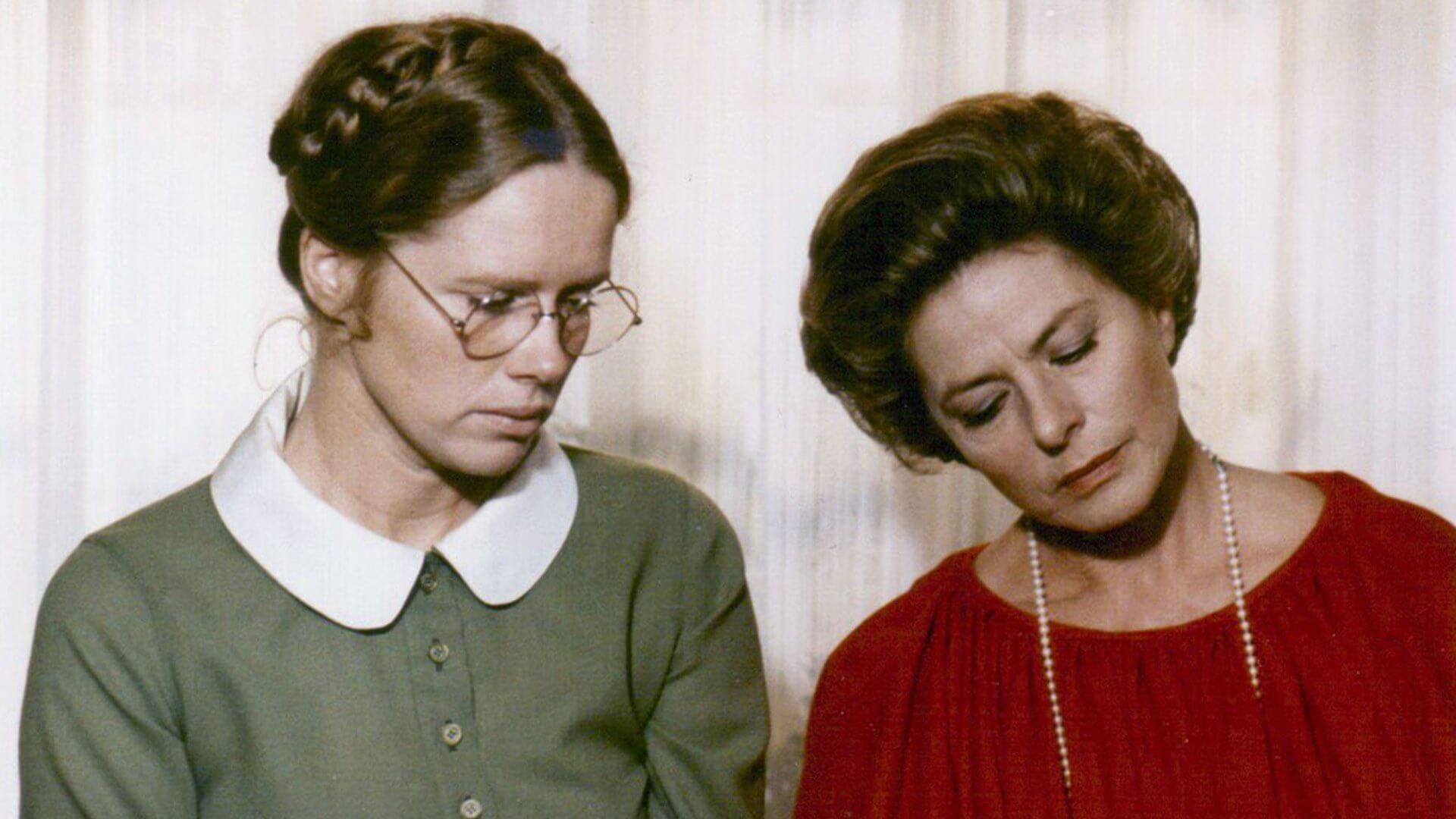
Autumn Sonata (1978)
A film like Autumn Sonata shouldn’t work; on paper, it’s simply a confrontation between a resentful daughter and her vain mother. But in the masterful hands of Ingmar Bergman, their knotty relationship unfolds in thrilling, cathartic, and painfully relatable ways. Every accusation feels like a lashing. Every breakdown rips your heart. As a viewer, you sympathize with whoever is onscreen–that’s how real each character seems. You root for the neglected daughter, but also for the pianist who followed her heart and chose career over children. As with most Bergman films, Autumn Sonata feels like an evisceration of one’s soul, but it will feel extra relatable to those of us who’ve harbored secret resentments over our parents or children.

The Double Life of Véronique (1991)
Krzysztof Kieślowski’s drama stars Irène Jacob as two identical women living separate lives, and the intricate and indelible ways in which they are bound together. While Weronika, a Polish singer, balances her familial duties and intimate romantic relationship, a French music teacher named Véronique senses that she is not alone.
The Double Life of Véronique’s hypnotic and entrancing qualities will wash over you like a tide crashing over a bed of sand. It is a tough film to capture in words, when so much of it is just beyond words—Kieślowski’s film is one to be seen, sensed, and experienced.
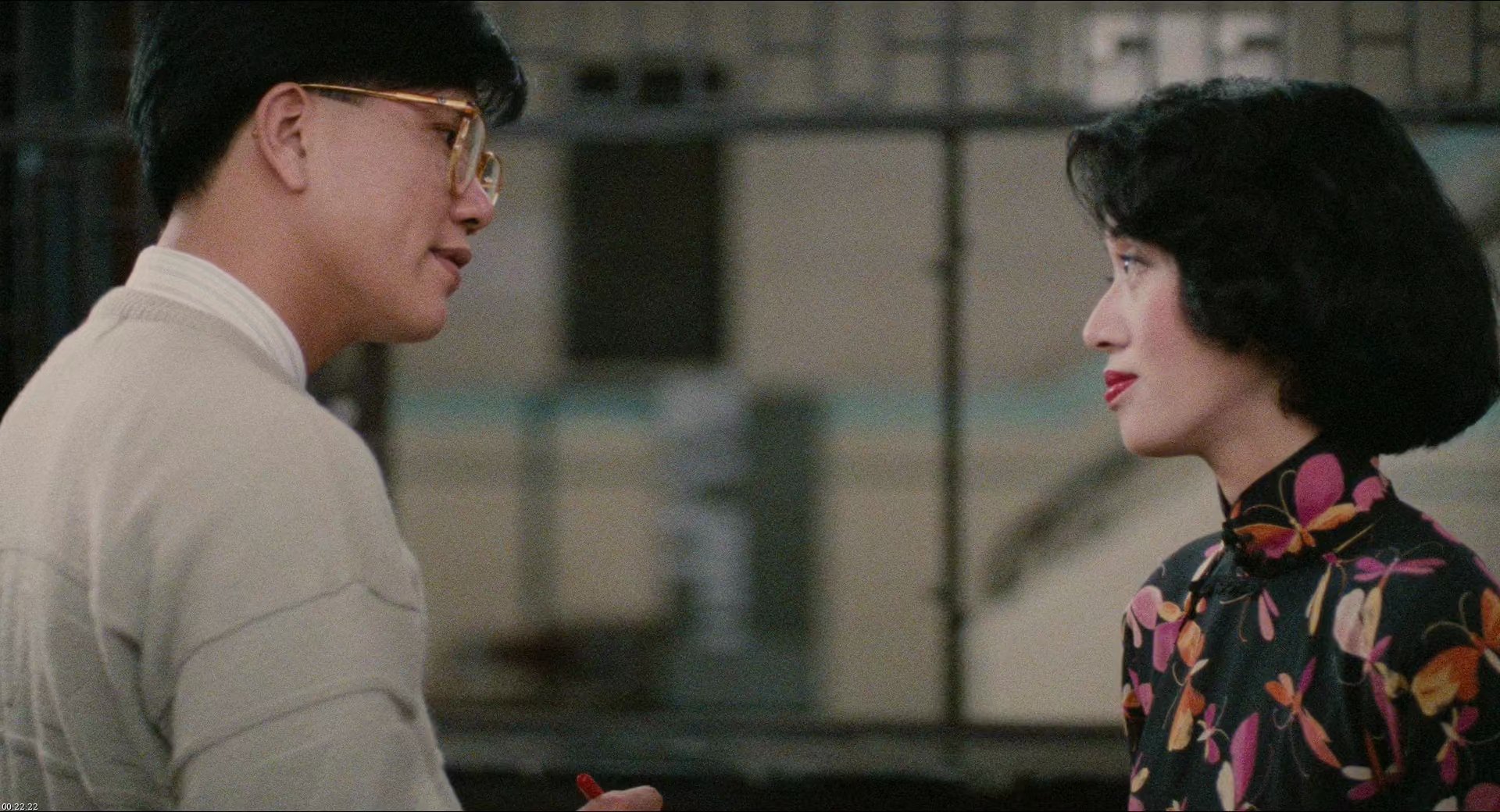
Rouge (1987)
Vivid, seductive, and highly romantic, Rouge starts as an enchanting tale of a ghost courtesan that haunts a modern-day couple to look for her lost lover. It’s easy to be swayed by the ghostly lovers – the courtesan Fleur (Anita Mui) and wealthy pharmacy chain heir Chan Chen-Pang (Leslie Cheung) start off the film courting each other (and the audience) through lush visuals, dramatic declarations, and Cantonese song. They agree to a suicide pact and promise to find each other in the next life. However, as Fleur haunts newspaper journalists Yuen and Chor, it’s clear how different Hong Kong has become. From its culture to its attitudes towards romance, Rouge suggests that while modern day Hong Kong may be more cold and standardized, the past as we know it is only a gorgeous dream. And that dream hides a tragic, sordid reality.
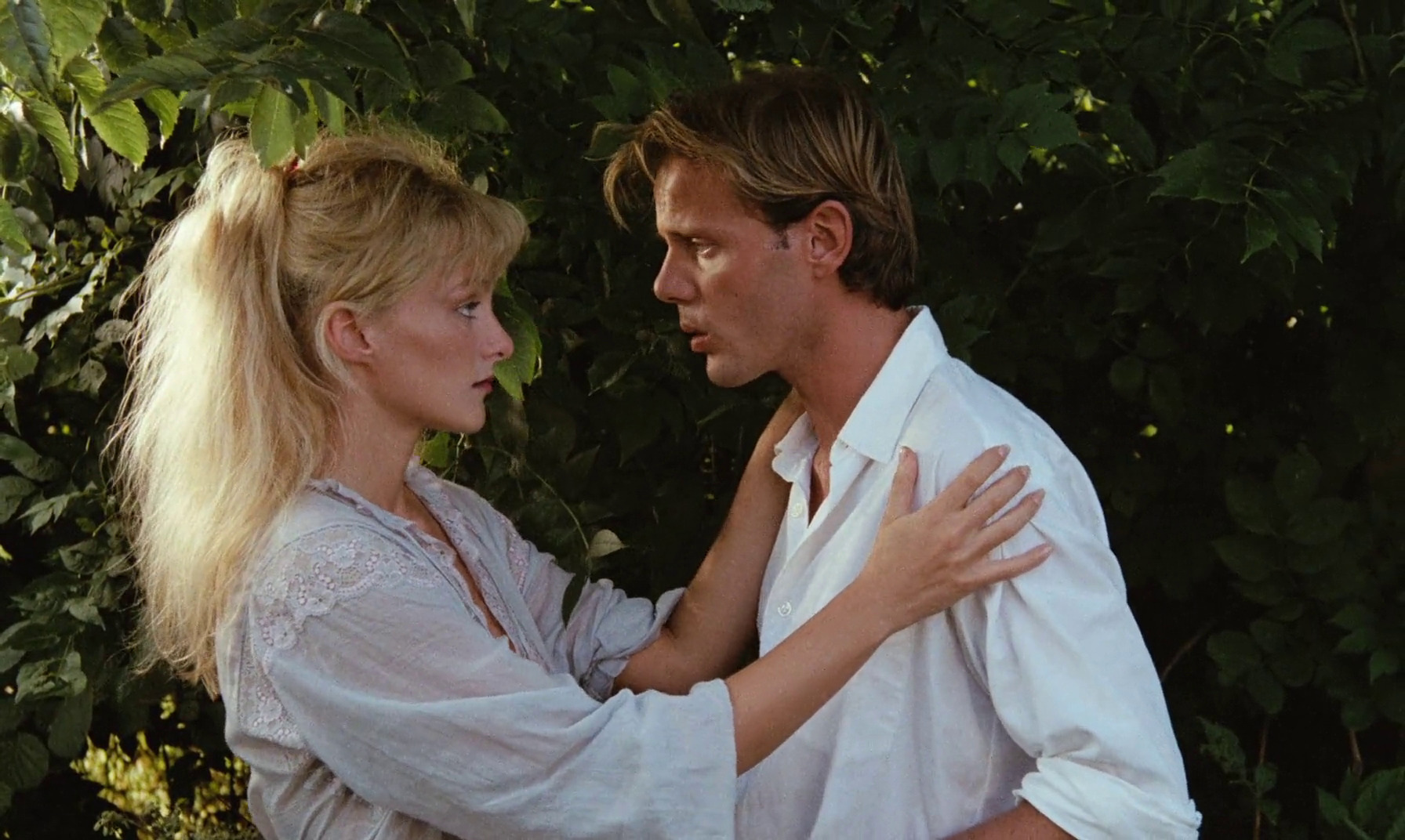
Pauline at the Beach (1983)
Éric Rohmer movies are what you watch when you want to experience the thrill of someone putting into words something you might never have been able to express yourself. The magic of his characters is that they’re breezily candid, even if that honesty doesn’t protect them from committing the same contradictory foibles we all do. Pauline at the Beach is a dazzling example of that quality; it may even be more honest than usual, because it also tells a truth about its characters that they’re not even aware of themselves.
The most perceptive character is actually the youngest: 15-year-old Pauline (Amanda Langlet), who’s vacationing with her older cousin Marion (Arielle Dombasle). Having never fallen in love herself, Pauline receives a thorough education in the matter by observing the love triangle that Marion becomes entangled in with needy Pierre (Pascal Greggory) and predatory Henri (Féodor Atkine). Though the adults give the film its brilliantly articulate philosophical meditations on love — ranging from the idealistic to the dispassionate — their actions often fall short of their words. Shot through Pauline’s keen eyes, Rohmer’s film wryly reveals the decisive role that delusion and unchecked ego play in so many grown-up lives — ironically making the self-aware and measured teenager the most mature of all.
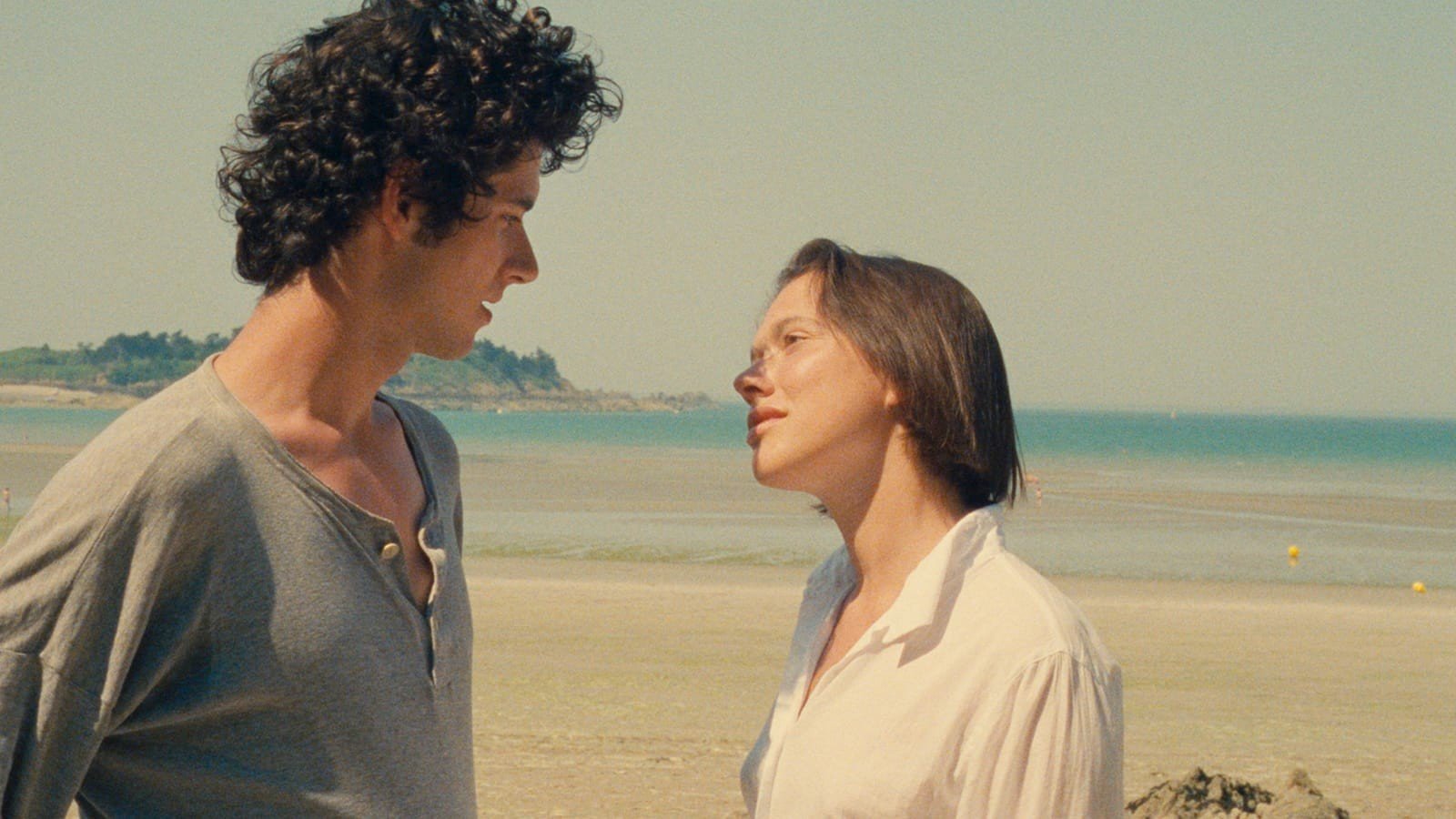
A Summer’s Tale (1996)
The sunniest installment of Éric Rohmer’s Tales of the Four Seasons series is a sly, slow burn of a character study. Everything looks sensuously beautiful in the honey-toned French sunshine, except for the ugly egotism of Gaspard (Melvil Poupaud), the full extent of which is gradually revealed over the film’s runtime to amusing — if maddening — effect.
A brooding twenty-something, Gaspard has the traumatic task of having to decide between three beautiful and brilliant young women while vacationing alone on the French coast one summer. He dithers and delays his choice, each woman appealing to a different insecurity of his — but, as frustrating and plainly calculating as he is, you can’t help but be charmed by Gaspard. That’s partly because of Poupaud’s natural charisma, but also because Rohmer grants Gaspard as many searingly honest moments as he does deceitful ones. These come through Rohmer’s hallmark naturalistic walking and talking scenes (a big influence on the films of Richard Linklater), coastal rambles that produce conversations of startling, timeless candor. That inimitable blend of breeziness and frankness is never better matched in the director’s films than by the summer setting of this one, the sharp truths going down a lot smoother in the gorgeous sunlight.
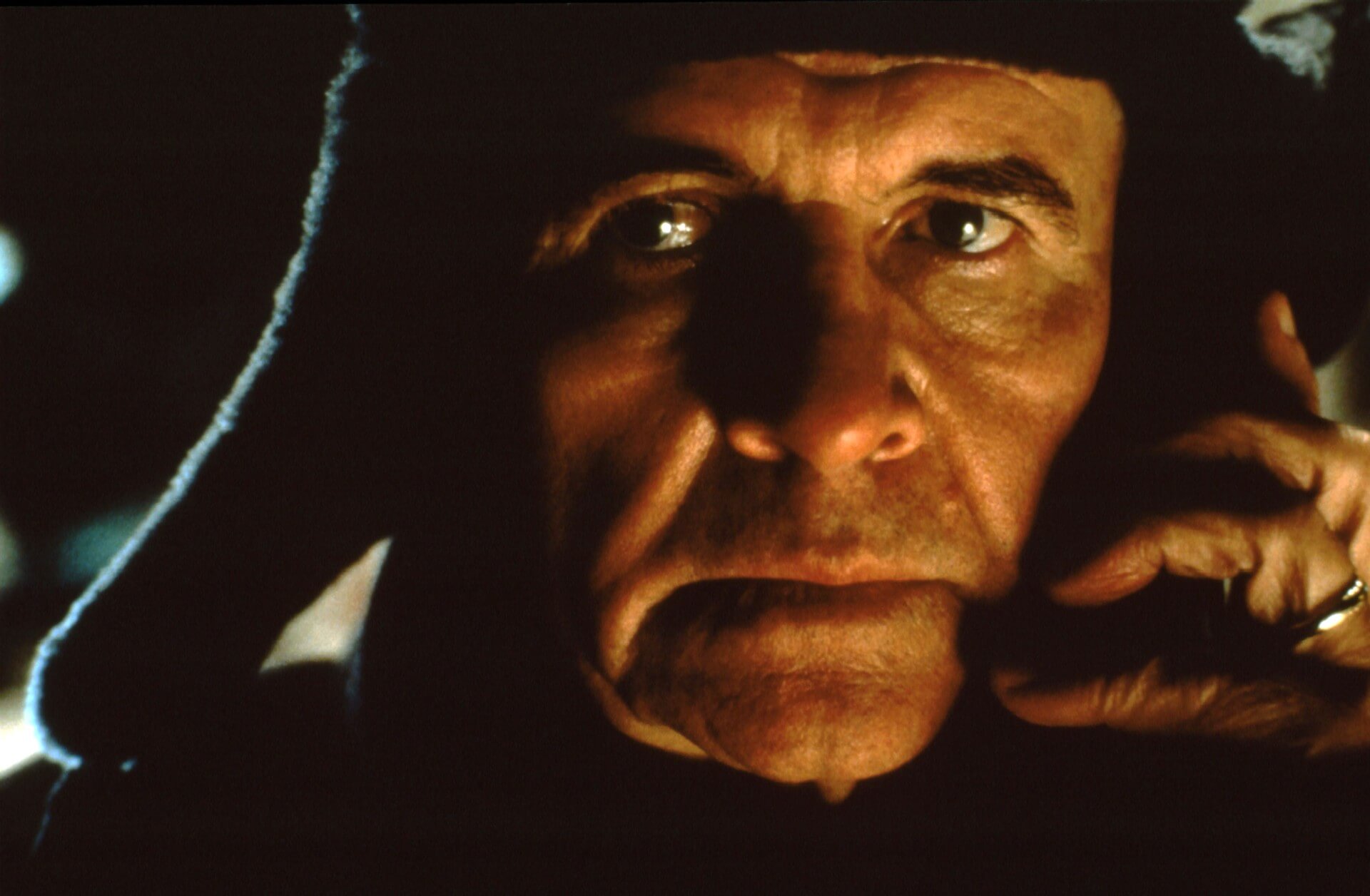
The Sweet Hereafter (1997)
The Sweet Hereafter is the kind of movie that feels very different from the one you might imagine when reading the plot synopsis. The tragic accident at its center doesn’t form a dramatic crescendo as you might be primed to expect — and, despite revolving around a lawsuit, this is no courtroom drama. Instead, the ironically titled The Sweet Hereafter deals with the messy, difficult emotions that come with grief, survival, and blame in the aftermath of a bus crash, with the film largely taking place in a snowy Canadian town rent apart by the loss of nearly all its children in the accident. Ian Holm plays the out-of-town lawyer battling to unite the bereft parents behind a class action lawsuit, all while struggling to deal with the quasi-loss of his own drug-dependent daughter. Non-linear chronology means the before-the-crash and the after intermingle, scene after scene; it’s an unorthodox remix of the way we’re used to seeing this kind of story unfold, but it allows the movie to home in on the complexity of the community’s pain. Unsparing performances, haunting music, and meditative cinematography plunge us into it all, recreating the terrible iciness of grief in a way that is difficult to shake off.
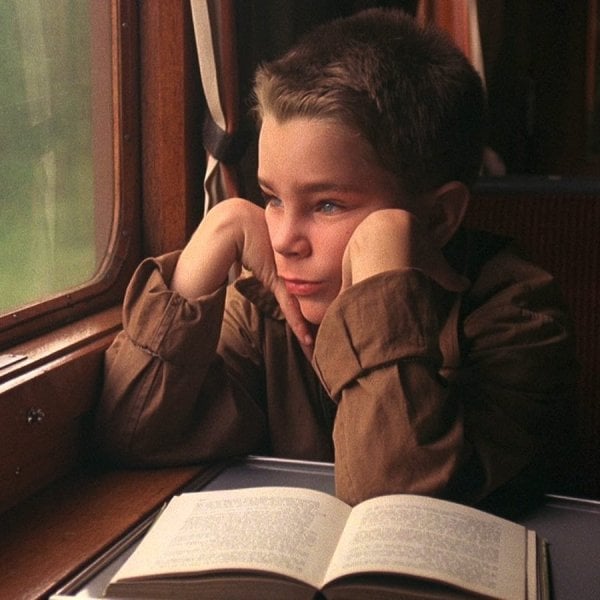
My Life as a Dog (1985)
This Swedish surprise hit captivated viewers across the Atlantic because of one thing: the lead’s perspective. Okay, well, the performances are great, the time frame is nostalgic, and it’s grounded by the few incidents that could only happen in a small town. However, at the heart of the story, author and co-screenwriter Reidar Jönsson hones in on Ingemar’s uncertainty and the lack of control over his own fate. Between his mom’s illness, his separation from his older brother, the small space of his uncle’s house, and the fact he can’t even bring his dog, Ingemar is easy to sympathize with, especially as he tries to look towards the brighter side of life. But combined with his future self’s narration, My Life as a Dog cathartically pulls on the painful core memories that could only be made by growing up.
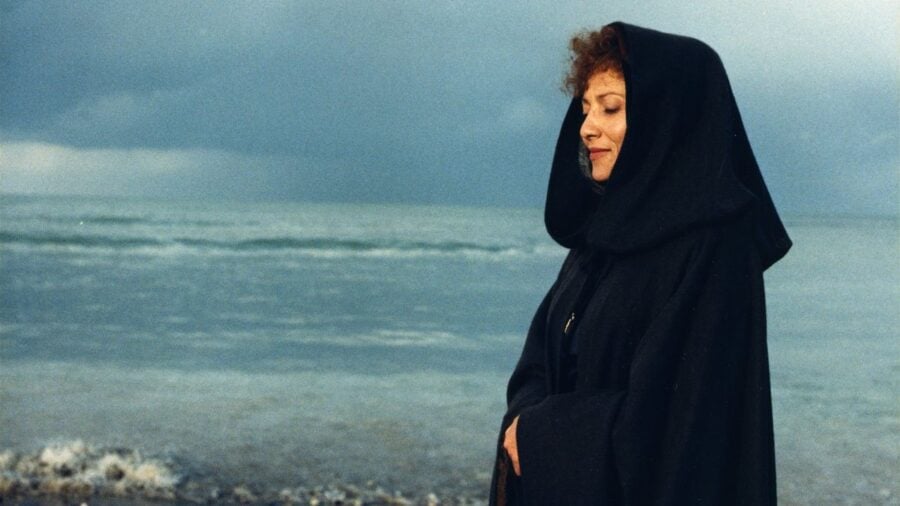
Babette’s Feast (1987)
Sisters Martine and Filippa, daughters of a founder of a religious sect, live a simple and quiet life in a remote coastal village in Denmark. Throughout the course of their lives, they reject possible romances and fame as part of their commitment to deny earthly attachments. This is upended by the sudden arrival of a French immigrant named Babette, who served as their house help to escape the civil war raging in her country.
Babette’s Feast is an inquiry into simplicity and kindness, and whether these would be sufficient to achieve a life of contentment. The religious undertones perfectly fit with the film’s parable-like structure, where bodily and spiritual appetites are satisfied through a sumptuous feast of love, forgiveness, and gratitude.
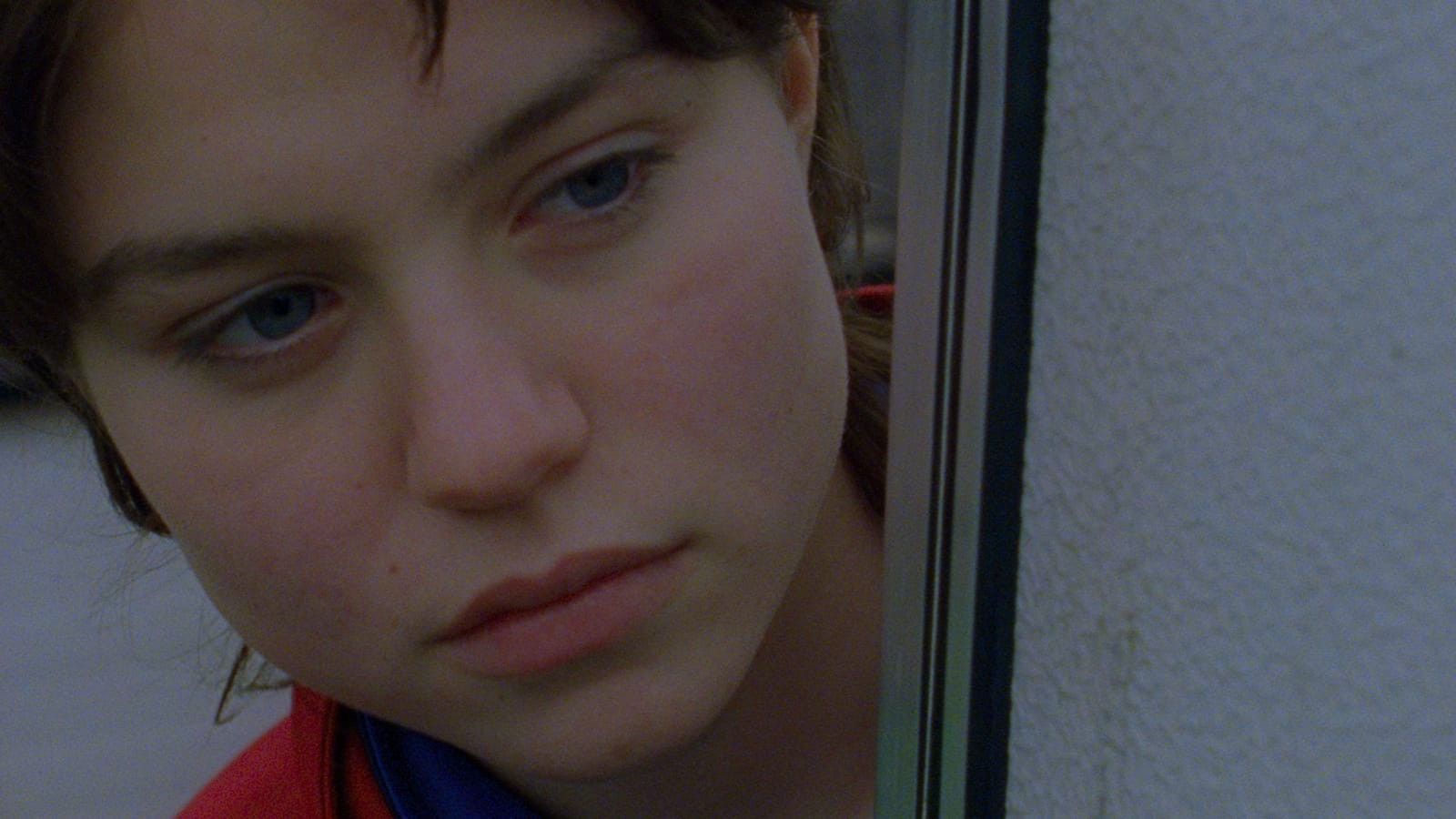
Rosetta (1999)
Rosetta begins fiercely, with a shaky handheld camera chasing the eponymous teenager (Émilie Dequenne) as she storms across a factory floor and bursts into a room to confront the person she believes has just lost her her job. The film seldom relents from this tone of desperate fury, as we watch Rosetta — whose mother is a barely functioning alcoholic — fight to find the job that she needs to keep the two alive.
As tough as their situation is, though, Rosetta’s fierce sense of dignity refuses to allow her to accept any charity. A stranger to kindness and vulnerability, her abject desperation leads her to mistake these qualities for opportunities to exploit, leading her to make a gutting decision. But for all her apparent unlikeability, the movie (an early film from empathy endurance testers the Dardenne brothers) slots in slivers of startling vulnerability amongst the grimness so that we never lose sight of Rosetta’s ultimate blamelessness. Its profound emotional effect is corroborated by two things: that it won the Palme d’Or at Cannes, and that it helped usher in a law protecting the rights of teenage employees in its setting of Belgium.
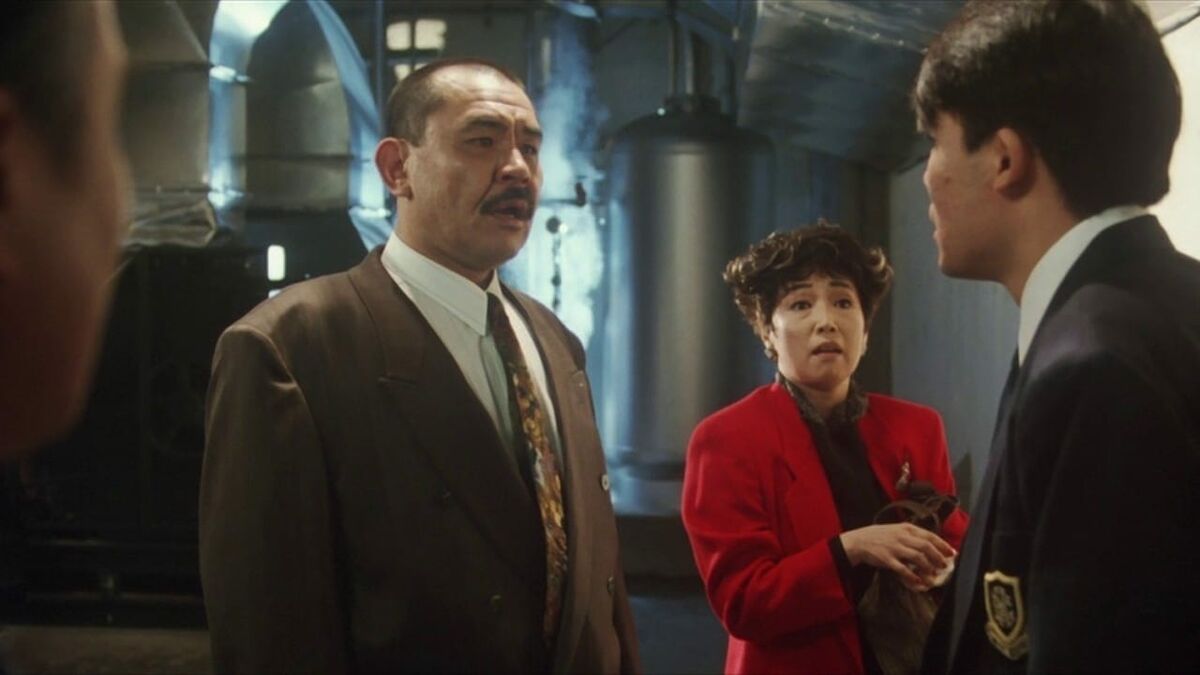
Minbo: the Gentle Art of Japanese Extortion (1992)
Without context, Minbo, or the Gentle Art of Japanese Extortion seemed like a goofy satire, especially when the silly trumpet score pops up, and unfortunate hotel employees Suzuki and Wakasugi flounder around trying to solve the hotel’s yakuza problem on their own. And when Nobuko Miyamoto shows up as the brilliant lawyer, it’s so satisfying to see her turn the tables on the yakuza purely through words, strategy, and knowledge of law. It’s hilarious, but Minbo doesn’t just poke fun– it demystifies the gangster as a cool and untouchable figure, portraying them instead as loudmouthed bullies that we can handle. It also shows us how much can be done, only if we, as a group, perhaps as a whole nation, can muster the courage to fight.
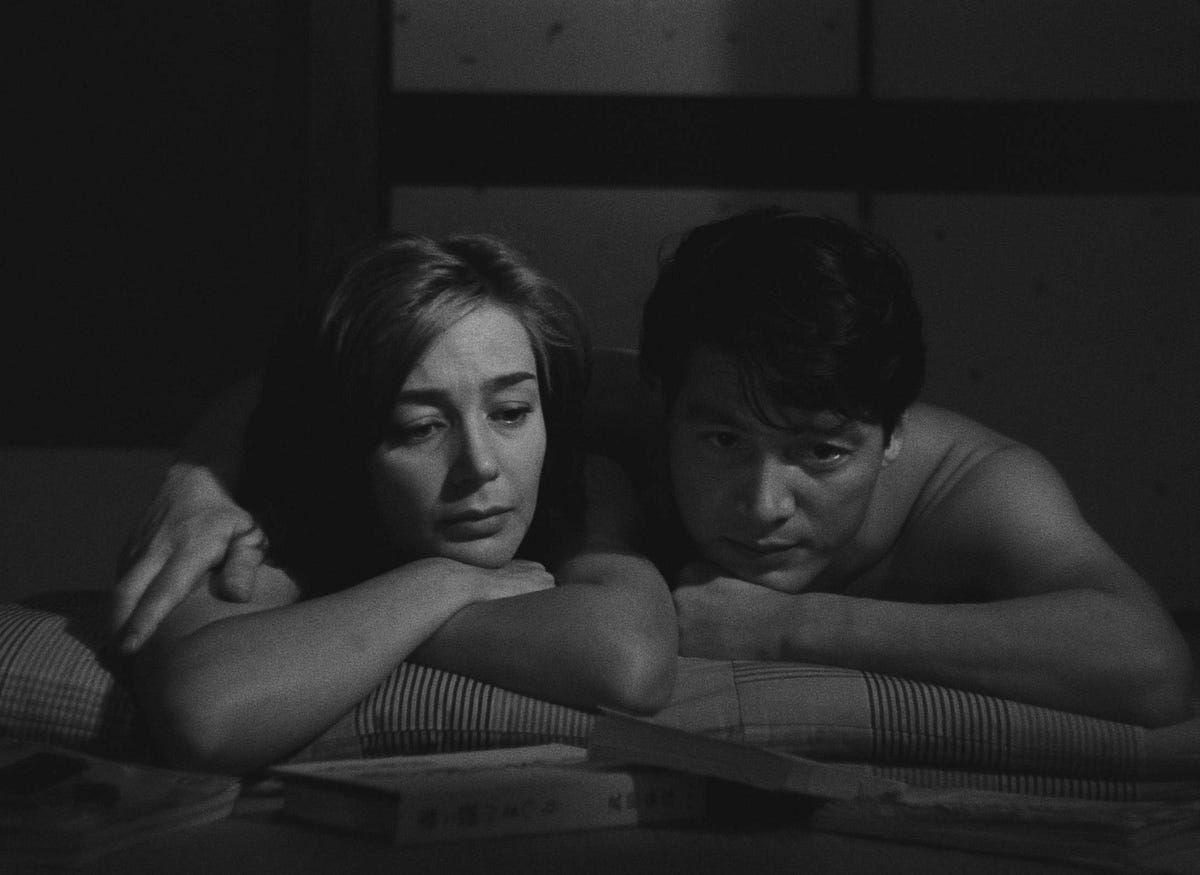
Hiroshima Mon Amour (1959)
While initially commissioned to be an atomic bomb documentary, Hiroshima Mon Amour became something entirely different. For starters, it’s not a documentary, with director Alain Resnais recruiting author Marguerite Duras to write the screenplay, but it was pretty unusual for a narrative film at the time. It’s a love story, yes, but with such a poetic introduction of the two lovers going back and forth about what they know and don’t know about the bomb, pairing their discussion with archival footage and captivating scoring, Resnais created a new, non-linear cryptic style to capture how memory, grief, and loss irrevocably shaped a generation. Hiroshima Mon Amour was an unexpected shift, eventually becoming one of the most influential films of the French New Wave movement.

Insiang (1976)
Insiang is not an easy film to watch. It’s hard to look at, not because the sprawling slums of Manila itself are ugly– the scenes are excellently blocked, shot, and edited, actually– but because of the way poverty has further degraded the status of women in the area, with the lack of resources keeping them vulnerable to violence. It’s unrelenting. From the casual jokes made in the background, to the physical harm actually wielded against the title character, director Lino Brocka systematically outlines the way poverty has cut off Insiang’s options, being forced to rely on a resentful mother and lustful men. It makes for an unflattering, claustrophobic depiction of the capital, which is why it was temporarily banned from screening, but Insiang was a necessary, ugly portrait of what the then-administration allowed to flourish.
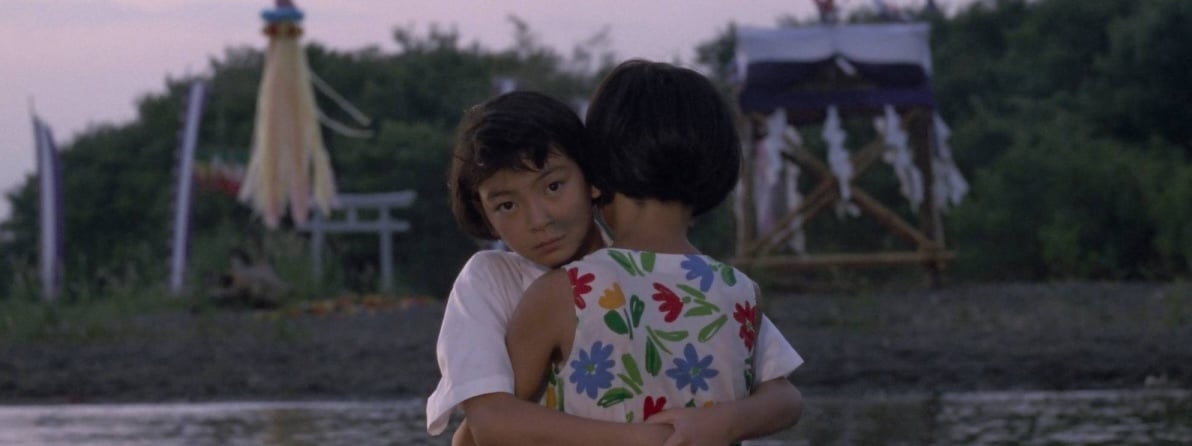
Moving (1993)
In Moving, we see a married couple’s relationship unravel through the eyes of 12-year-old Ren (Tomoko Tabata, an unbelievable natural). Ren is smart and mature; she performs domestic chores and doesn’t hesitate to tell her parents off. But she’s also just a child, so when she learns about her parents’ plan to divorce, she breaks down, despite herself. She concocts adorable Parent Trap-like plans and gives in to her childish and dangerous urges. She also runs away a lot, hence the title. She’s in the midst of a painful coming-of-age—of realizing for the first time that your parents aren’t heroes, your friends won’t always have your back, and your summer vacations won’t always be pretty. The film captures that anguish, just as much as it revels in the playfulness that seems innate in Ren. The result is a delightful, moving film that serves to remind us just how rich the inner world of a child is, and how she deserves to be treated just the same as any human being, that is, with respect and a whole lot of empathy.
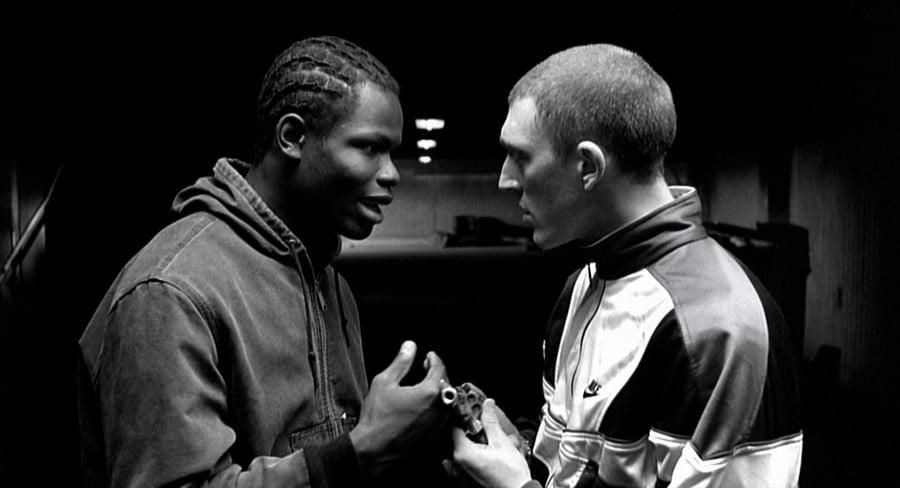
La Haine (1995)
At the risk of being cliché, I’m going to state that only the French could have made a movie about racial issues and the troubles of youngsters in the suburbs and still make it elegant. I’ve tried looking for other adjectives, but I couldn’t find one that better describes those long takes shot in a moody black and white. But despite the elegance of the footage, the power of the narrative and the acting makes the violence and hate realistic as hell, dragging you into the story and empathizing with the characters until you want to raise your arm and fight for your rights. Aside from this unusual combination of fine art and explicit violence, the most shocking thing about La Haine is how much the issues it addresses still make sense right now, even though the movie was released 20 years ago.
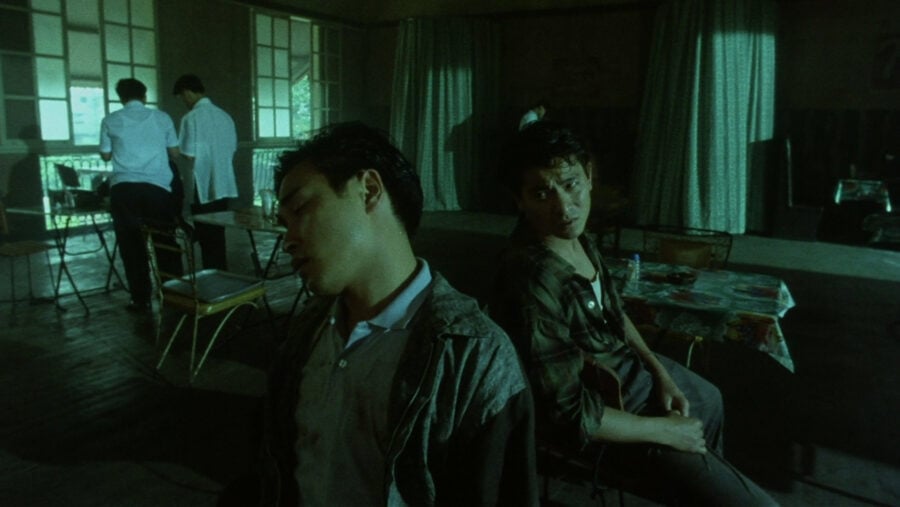
Days of Being Wild (1990)
Forlorn longing envelops Days of Being Wild, where the act of dreaming is as valuable as its actual fulfillment. “You’ll see me tonight in your dreams,” Yuddy tells Su Li-zhen on their first meeting, and indeed, this line of dialogue sets the film’s main contradiction: would you rather trap yourself in the trance-like beauty of dreams or face the unpleasant possibilities of reality? Wong Kar-wai’s characters each have their own answers, with varying subplots intersecting through the consequences of their decisions. In the end, happiness comes in unexpected ways, granted only to those brave enough to wake up and dream again.

Irma Vep (1996)
In this film-within-a-film, we and a fictional version of actress Maggie Cheung are brought through the disorienting experience of French filmmaking. The film’s washed-up director wants to remake the classic silent film Les Vampires to revive his career. But as with all plans, everything inevitably goes wrong. On top of depicting the regular chaos of a movie set, this film presents the anxieties of the modern-day French film industry—about how it may be past its prime, and how it can still compete on a global level. And through the steady, inscrutable face of Maggie Cheung, we remember the creative collaborations we’ve had ourselves—the energetic passion, the behind-the-scenes power dynamics, and the pure chaos of the process.
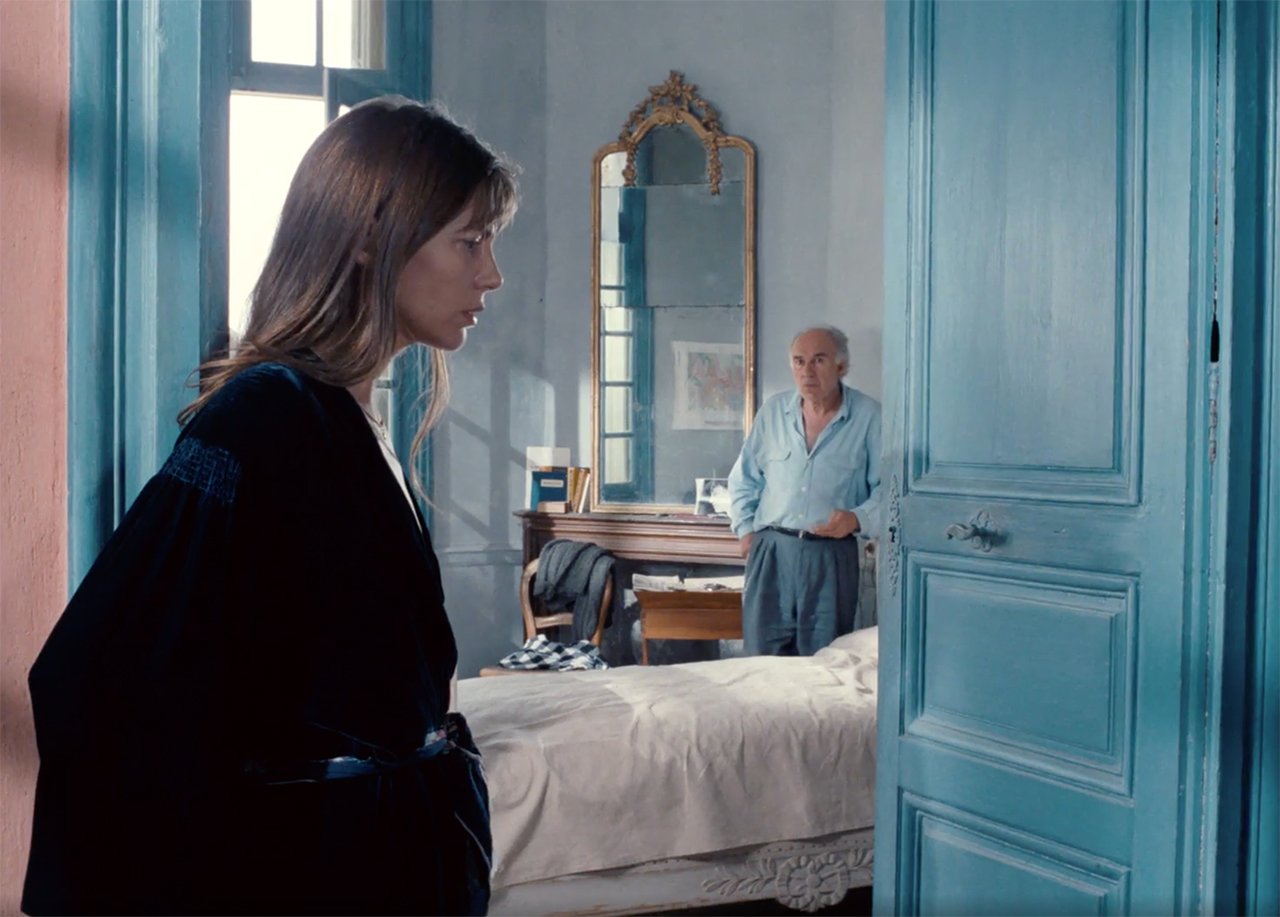
La Belle Noiseuse (1991)
When it comes to work, most apply to a job, take a 9-5 role for some decades, and then retire once enough funds have been acquired, the body gives out, or they reach the statutory age in their respective countries. This path isn’t as straightforward for the artist. La Belle Noiseuse is a portrait of an artist in his later years, only making a return due to an unexpected muse. It is quite lengthy, almost four hours, so it may feel like a daunting task for casual film viewers, as much as it is for the painter, but the way Rivette dedicates the time to the etching, the turn of the page, the brush of the paint upon the paper feels so calming, with the artist and their muse at their most natural. It’s easy to deduce the inevitable connection that forms, but La Belle Noiseuse is much more interested in the creative process, rather than the romantic drama, more interested in exploring the way art endeavors to capture the soul, even when the muse continues to remain elusive.

Fanny and Alexander (1982)
Given the way this sprawling three-hour theatrical edit echoes the director’s real childhood, it’s easy to say that Fanny and Alexander is an autobiography. In some ways, it is. The dynamic with their stepfather was directly inspired by the director’s own father. In the hands of another director, it would have been easy to demonize the guy. But this is Ingmar Bergman directing his final film, so it should be no surprise that he meditates over the storytelling both father and son use in carving out their realities. At the same time, Fanny and Alexander encapsulated many of Bergman’s thematic concerns, clearly at his most personal.
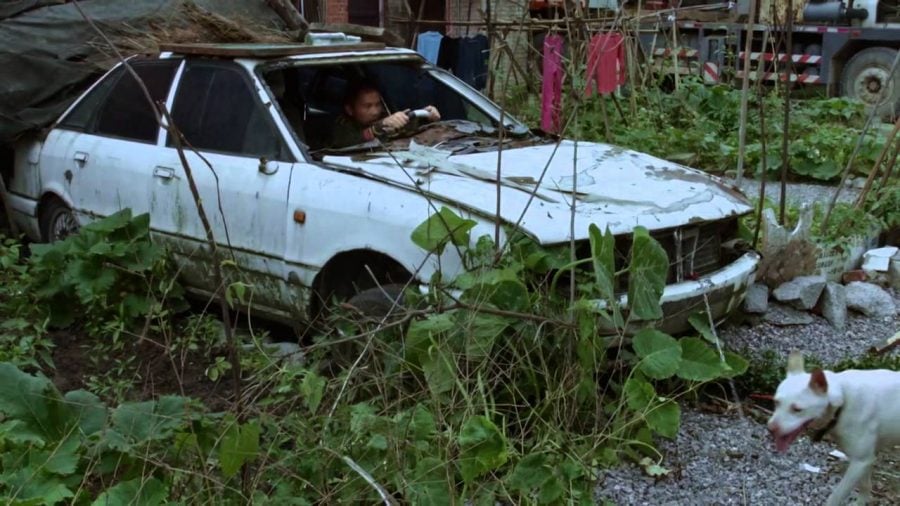
Kaili Blues (2015)
This startling debut from Chinese director Bi Gan is a mesmerizing synthesis of cinema and poetry. A man searching for his nephew goes on a journey that blurs the boundaries between time and space, and dreams and reality. All this is expressed through gorgeous and understated camerawork reminiscent of Apichatpong Weerasethakul’s languorous lens. However, Bi Gan’s style is all his own, including spectacular long takes whose sophistication and complexity only become apparent once they are done.
Kaili Blues’ hypnotic aesthetics are like a mud bath for you to soak and luxuriate in. There are no easy answers for putting together its past/present/future puzzle-box, and it’s best to leave the deconstructions for later viewings as repeated trips to Bi Gan’s dreamy recreation of his hometown will reveal even more.

Three Colors: White (1994)
Krzysztof Kieślowski’s trilogy reflects both the colors and the values of the French republic: liberté, égalité, fraternité. In Trois couleurs : Blanc (Three Colors: White), Kieślowski explores not only the theme of equality, but also the ramifications of defining and “achieving” equality as a European ideal.
After failing to consummate their marriage, Dominique (the ever-bewitching Julie Delpy) divorces Karol (Zbigniew Zamachowski), leaving him broke and humiliated. Karol plots to exact revenge on his ex-wife, becoming richer and cruller in the process.
Although this is often regarded as the weakest of the trilogy, White is worth a watch not just for completionists. Kieślowski interrogates what it means to be equal in sex and socioeconomic class—and if when we strive to move upward in society, whether we are really debasing our basic humanity and humility.
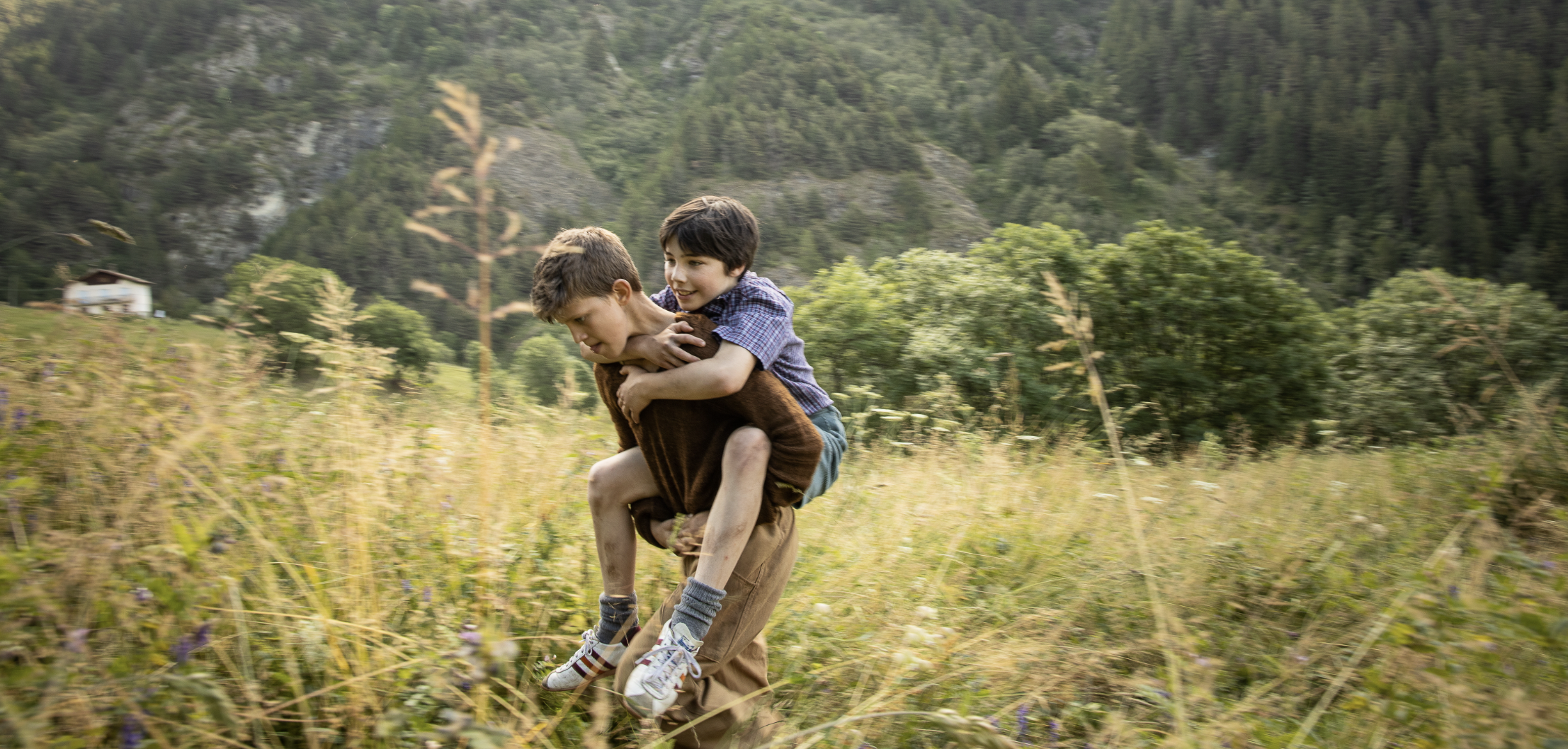
The Eight Mountains (2022)
Spanning over decades and continents, The Eight Mountains depicts the kind of childhood friendship that remains central to one’s whole world. While city boy Pietro (Luca Marinelli) treks from the Alps to the Himalayas, the mountain pasture of Grana remains special as his father’s old refuge and as the hometown of childhood best friend Bruno (Alessandro Borghi). When they were younger, the two struck a summer friendship as the only two boys in the small town. However, their friendship isn’t the kind formed through day-to-day, routine interactions. Instead, each moment they share is fleeting, cut short by circumstances, but therefore, all the more precious. Co-directors Felix van Groeningen and Charlotte Vandermeersch slowly and patiently craft intermittent moments that form a lifelong friendship. And at the end, when they last bring us back to Grana, these moments are all we have left of this profound, meaningful connection.
All In This Tea (2007)
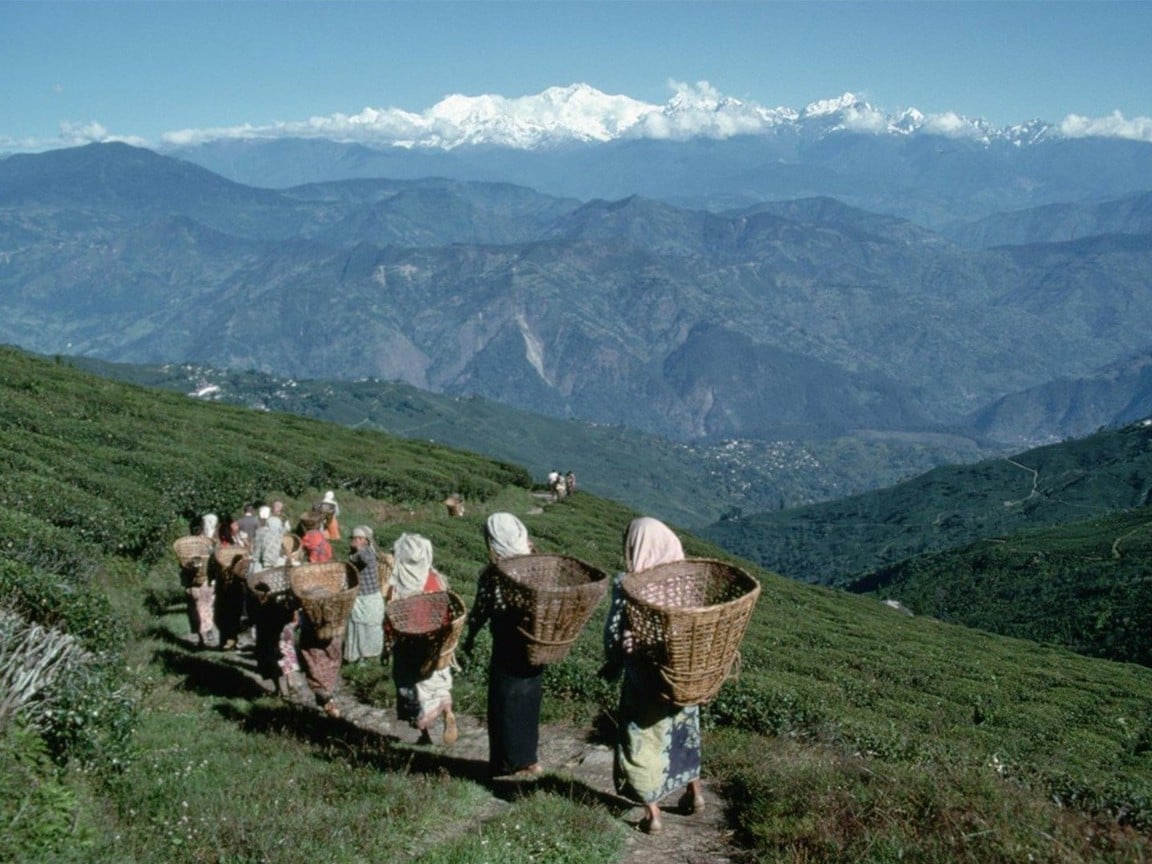
You don’t have to be a tea drinker to enjoy this warm film from documentary legend Les Blank. The passion and eloquence with which the tea connoisseurs interviewed here talk about the beverage is a delight in itself, a soul-nourishing reminder of what worlds of meaning and experience open up when you really love something. Though a few of these enthusiasts are featured — among them, filmmaker Werner Herzog — it’s mainly centered around David Lee Hoffman, an American importer who swims against the tide of capitalism, mass production, and environmental damage to champion the hand-crafted teas he’s so passionate about. As the film chronicles, however, his insistence on buying directly from the boutique farmers — sometimes traveling hours into the remote Chinese countryside to do so — often puts him at odds with the economic interests of the big-time exporters he must work with.
Hoffman isn’t persistent in the face of all these hurdles for the sake of a buck, though: the film follows his linked efforts to encourage organic farming practices and a direct-from-the-source marketplace that will give the farmers a fair price for their hard work. That his love for the drink also encompasses the artisans who make it and the ground that grows it makes this an inspiring watch.
The Straight Story (1999)
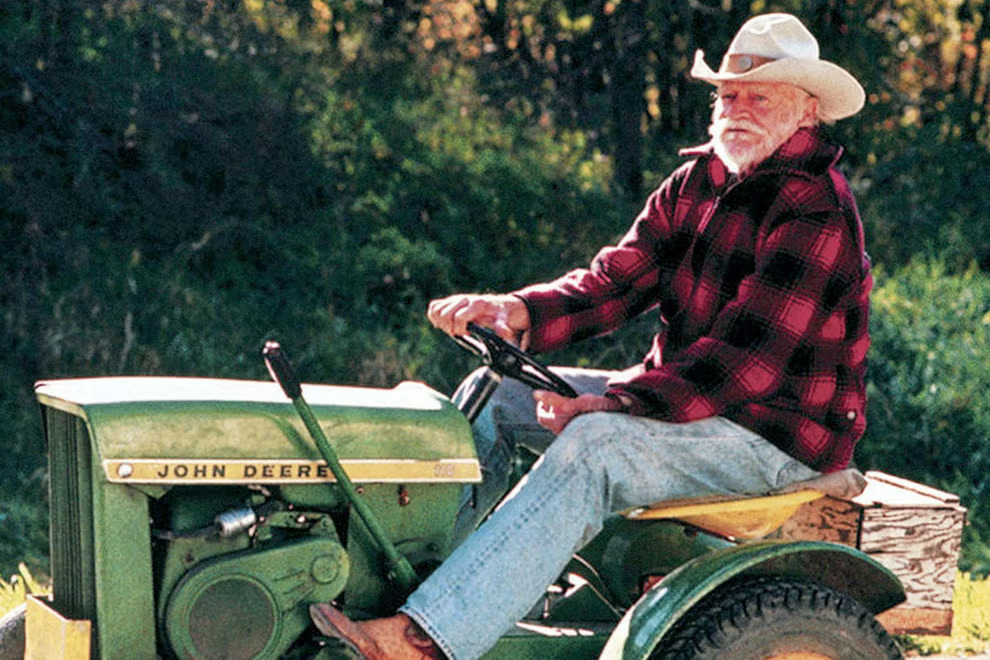
A family-friendly, Disney-backed movie is not something you’d expect from cinema’s surrealist master, but The Straight Story marks a surprisingly winning stylistic departure for David Lynch. It tells the true story of Alvin Straight (Richard Farnsworth), an ailing 73-year-old who, upon hearing that his estranged brother has suffered a stroke 240 miles away, decides it’s time to patch things up. Unable to drive due to poor eyesight, Alvin modifies a ride-on lawn mower and sets off on the six-week-long journey it will take to reach his brother while traveling just five miles an hour.
Lynch’s film is set at a similarly patient pace: contemplative shots of Mid-Western America’s cornfields fade in and out as Alvin chugs along and experiences profound, fleeting connections with the strangers crossing his path. Alvin refuses to accept any offers of a ride: he wants to finish this pilgrimage on his own terms. Angelo Badalamenti’s elegiac score emphasizes just how much this journey means to Alvin — who, in his last chapter of life, uses it both to reflect on all that’s come before and treasure every experience, big or small, that the present offers. The sense of this being a swan song for Alvin is always palpable, making The Straight Story deeply moving down to its bones.
Open Your Eyes (1997)
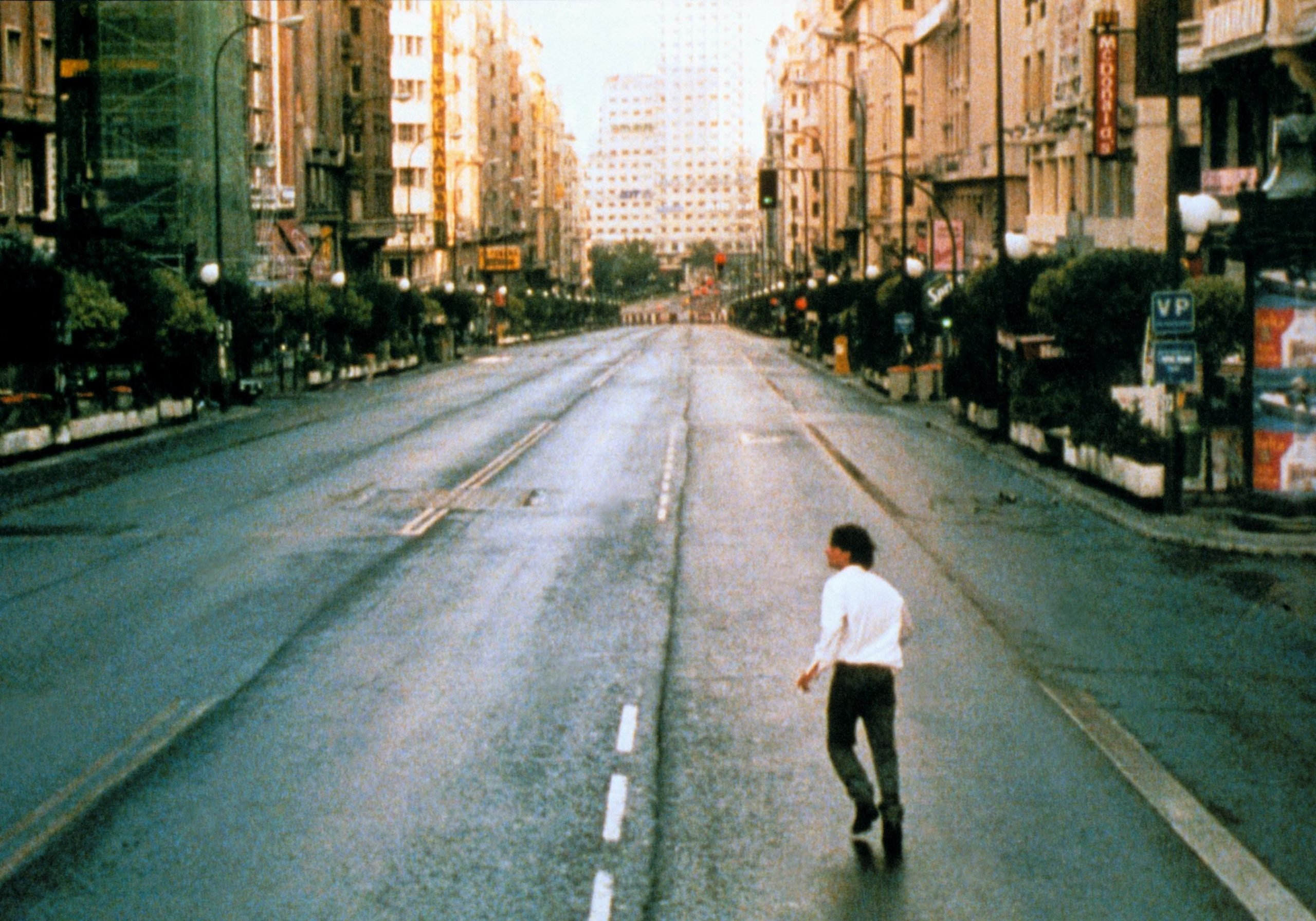
While the mixed reception of its near-faithful American remake Vanilla Sky might make some viewers pause, there’s an intuitive brilliance in the Spanish original Open Your Eyes that isn’t easy to translate. Sure, the apparent differences help– it’s shorter and less complicated, and Cesar’s face turns more grotesque than David’s does. But what’s startling about Open Your Eyes is the way writer-director Alejandro Amenábar guides the camera through its various shifts, creating a more subtle and gradual realization that something is wrong, and thus, a more terrifying dream turned nightmare. Amenábar has later deemed the film as his worst, saying it was written when he didn’t know much about life, but, in our opinion, Abre Los Ojos still holds up as a groundbreaking existential sci-fi simulation, one that still puzzles and captivates years after.

House (1977)
Visiting a relative can feel strange, because especially when the loved one you share is gone, the visit will inevitably bring up feelings of grief, nostalgia, and being stuck because of it. But no visit would be as strange as the 1977 cult horror classic House. It’s a classic not because it’s particularly scary– in fact, most of the time, the film is much more bizarre than terrifying– but because this grief manifests in the eccentric estate through unusually unrealistic, but undeniably stylish psychedelic visions that stem from the kind of nightmares one would get as a kid as well as the real-life devastation Nobuhiko Obayashi faced as a Hiroshima survivor. It’s because of these absurd images that House escapes explanation, yet still became Obayashi’s definitive work. Hausu is simply a film that you have to visit for yourself.
Miracle in Milan (1951)
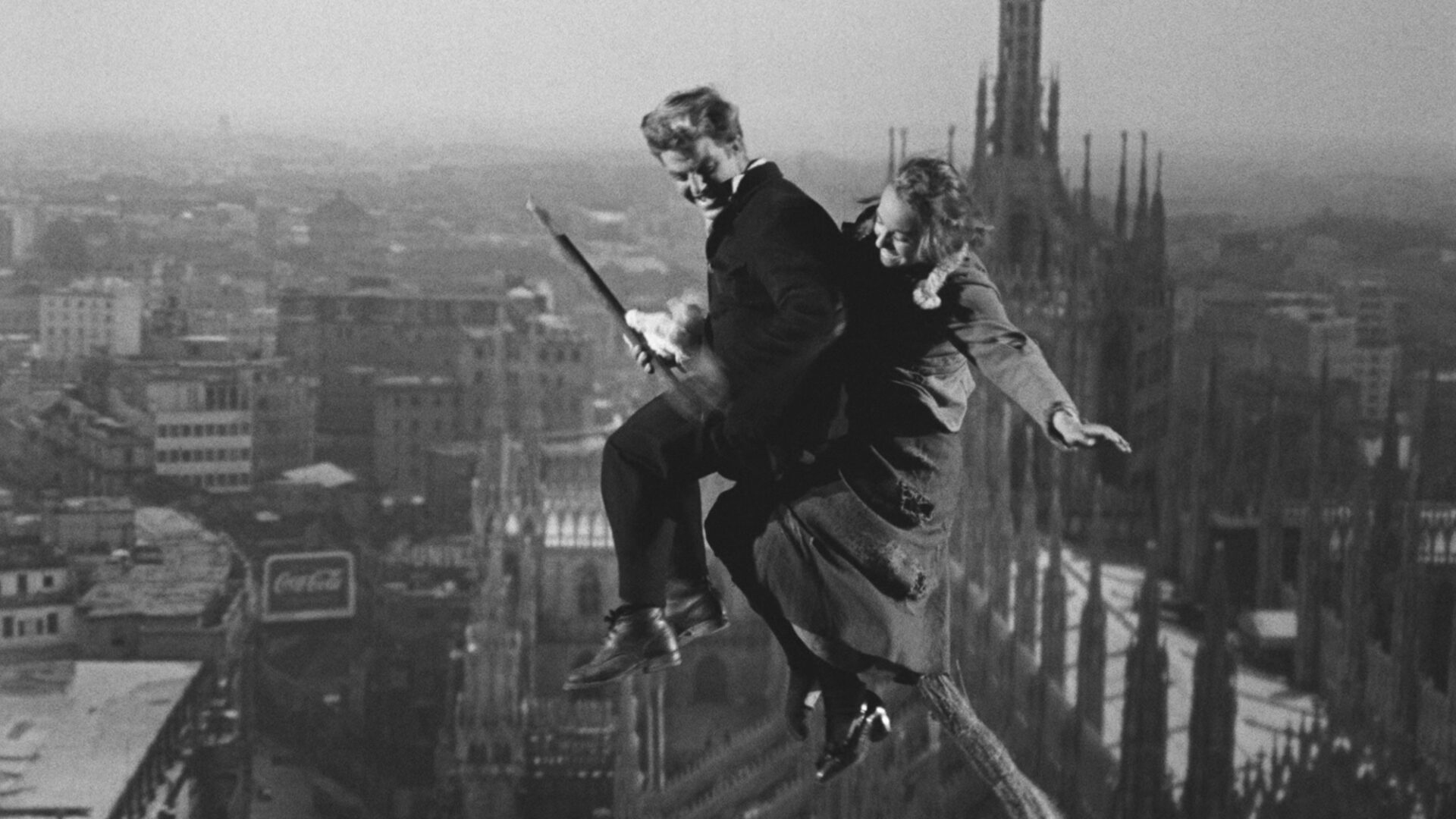
Best known for Italian neorealist classic Bicycle Thieves, Vittorio De Sica followed it up with a surprisingly hopeful fantasy comedy in Miracle in Milan. It’s very charming. It’s much more cheerful than his previous work, with fairytale-like happening and wishes coming true by angels. It’s also pretty funny to see the landlords and police fall flat in the face of magic. But underneath the town’s endearing optimism is a sadness that understands the magic’s improbability, a melancholy that playfully laughs at life’s sorrows with compassion reminiscent of Charlie Chaplin. Miracle in Milan might be happier than Bicycle Thieves, sure, but it’s no less powerful in depicting the common man.
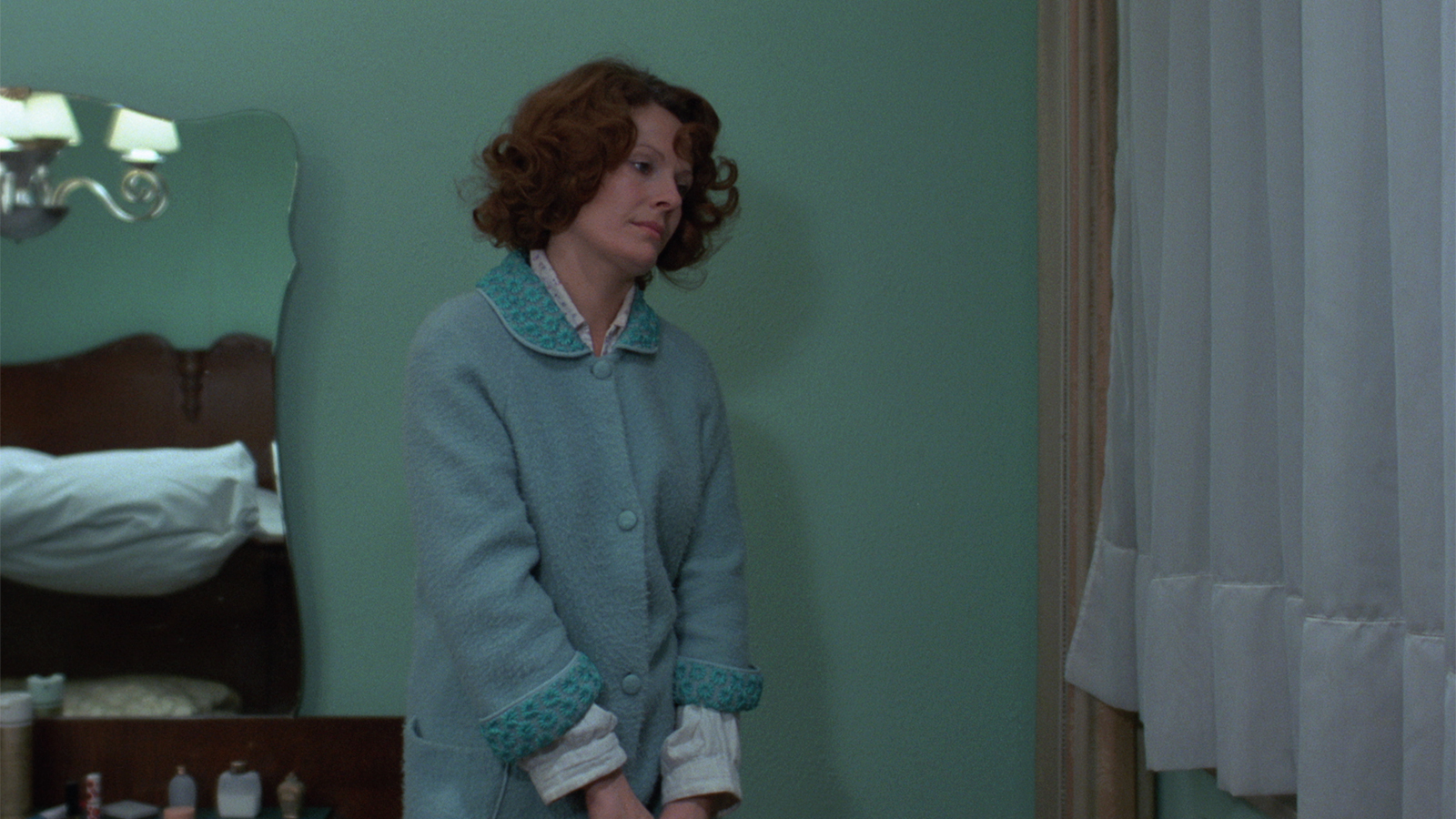
Jeanne Dielman, 23, quai du Commerce, 1080 Bruxelles (1976)
When the film publication Sight and Sound dubbed it “the greatest film of all time,” movie fans were quick to give their opinion. Those opposed complained about its simplicity, while those favoring the film praised the same trait. It’s true the film is simple—the camera is static and far away, and all it does is follow the titular Jeanne as she goes through the strict routines of her life. But nothing about it is plain or easy. You could mine a thousand things from a single scene alone, to say nothing about the woman at the center of it all. As Jeanne juggles her duties as a homekeeper, mother, and breadwinner, she eventually unravels, and the film rewards us with one of the most memorable climaxes of all time. There’s complexity in the ordinary, Akerman reminds us in her mundane epic, and there’s always something political motivating our choices, no matter how normal they seem.
No titles match these filters.