
Rated 7+ IMDb · 70%+ RT Little-known finds Curated by humans
Rated 7+ IMDb · 70%+ RT Little-known finds Curated by humans
 2012 Movie
Dir. Nobuhiko Obayashi · Japan · Japanese
A moving, haunting tribute to the ordinary lives lost to war and disaster, and the love that remains in spite of it

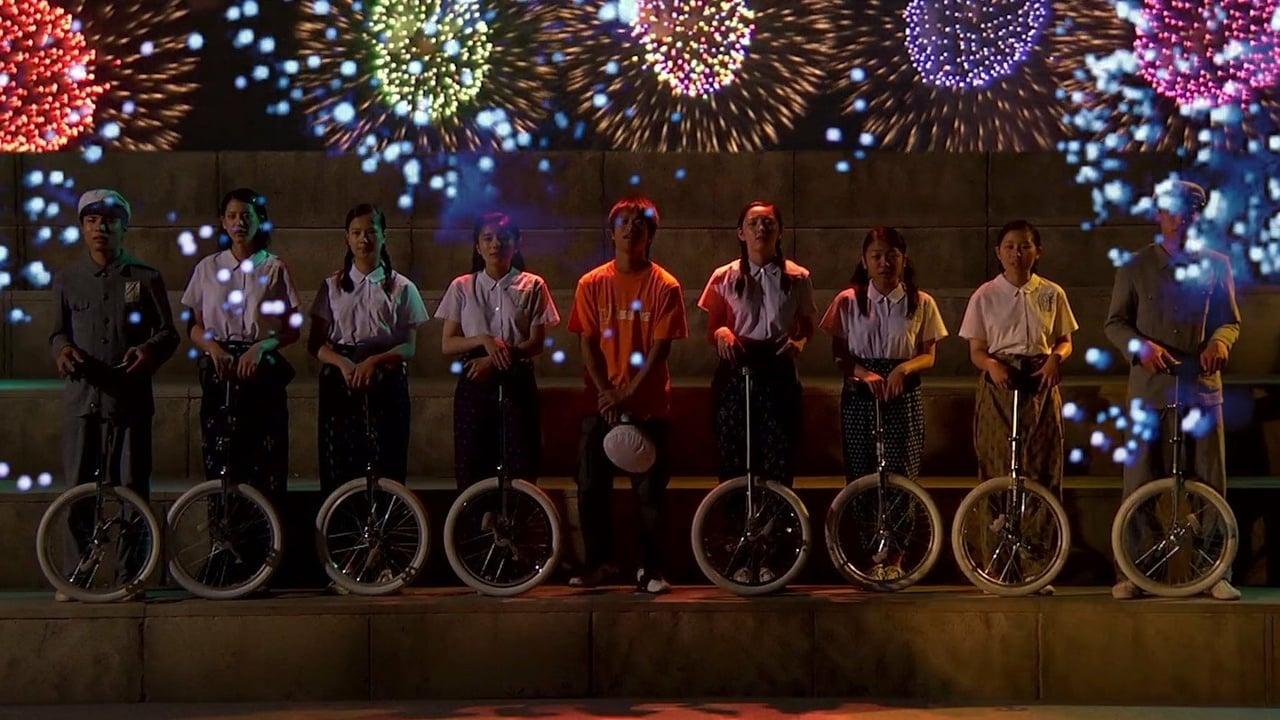
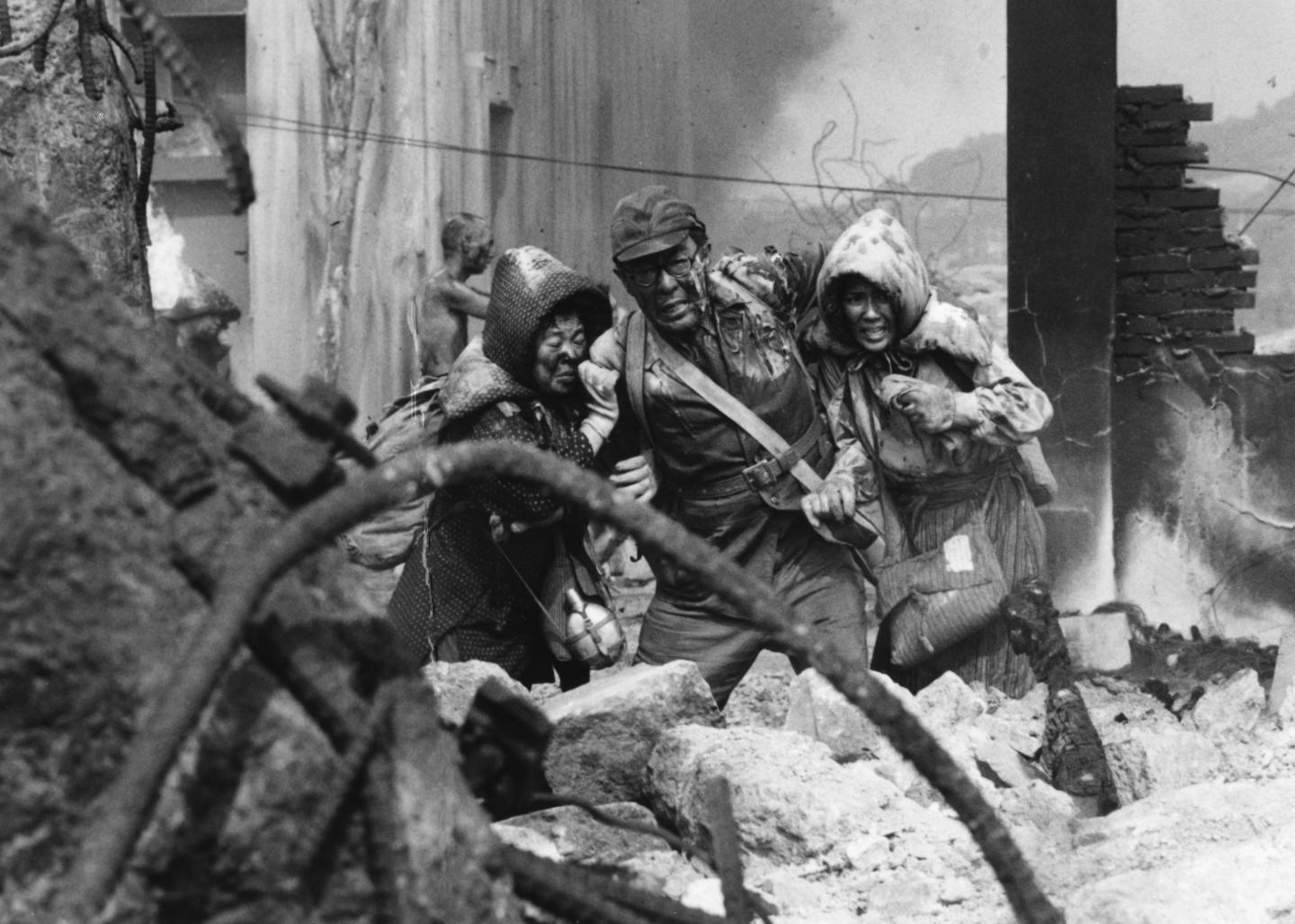
As time goes by, the youth doesn’t recognize how connected they are to previous tragedies, more so when it comes to war. Some even say that they have no part in it. Nobuhiko Obayashi’s later years have been preoccupied in countering this idea. Casting Blossoms to the Sky is the first of Obayashi’s anti-war trilogy, with the film inviting its audience to follow a journalist rediscovering the city of Nagaoka after the 2011 Tohoku earthquake. There’s a certain dreamlike approach to the way the various war stories are weaved together, with vibrant frames, simple CGI, and prominent green screen that grants some distance between the audience and the actual wartime reality, but it’s no less potent as Reiko interviews those that remember the scars of the past, and the rituals, practices, and art they’ve taken up in response. Casting Blossoms is a depressing story about war and disaster, one that is a tough one to watch. But it never forgets the humanity, the kindness and love that allowed Japan to recover, the very qualities we must protect and remember in ourselves.
In the aftermath of the 2011 Tōhoku earthquake and tsunami, a journalist arrives in Nagaoka, a city decimated during a WWII air raid and by the 2004 Chūetsu earthquakes, to report on the disaster; there, she learns about the experiences of its inhabitants and stumbles upon a stage play written by an enigmatic student of her ex-boyfriend.
In the aftermath of the 2011 Tohoku earthquake and tsunami, journalist Reiko Endo was invited by an old flame to the city of Nagaoka for the annual fireworks festival, stumbling upon a stage play about the city’s wartime history written by the mysterious high school student Hana Motoki.
The first title card – “for the children of the future from the adults who lived the past”. It perfectly sets up the way the film slips in and out into various stories from Japan, a way similar to the way we pass down our family’s stories by word of mouth.
Cleverness and courage to bring about peace– I wish the world remembers this today.

Isabella Endrinal is a curator at A Good Movie to Watch. She's now free from the corporate night shift. Previous articles have been published in outlets such as NANG Magazine. She's currently catching up on some classic films… if she isn't coping with the fact that the Haikyu anime will end soon.
Comments