Movies to Watch With Scandinavian
To access filters, visit our homepage.
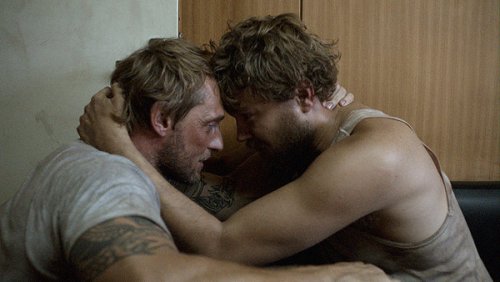
With the internet able to connect people from miles away, the concept of the one that got away has become unromantic– after all, with instant messaging, their distance just means that you’ve been ghosted. But for the longest time, romance stemmed from the fated circumstances that kept or lost love, and this is excellently portrayed in Touch, a surprising romantic drama from writer-director Baltasar Kormákur best known for his action thrillers. Kormákur infuses the drama with a delicate touch, much more focused on the moments of connection between immigrants from different cultures, with the freedom of the late 60s that marks Kristófer’s youth versus the urgency of the world’s restrictions and Kristófer’s memory. Touch remembers the real romance of the one that got away.
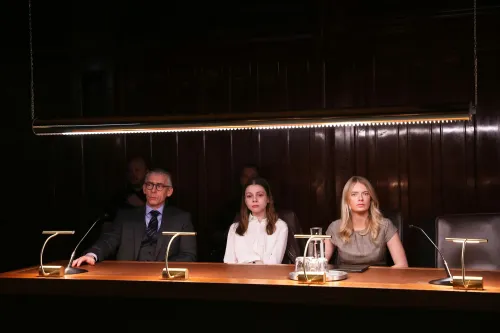
Any parent would defend their kid in court, though, sometimes it depends on the case. A Nearly Normal Family brings one such Swedish family through a case, as their nineteen year old daughter is accused of murdering a man, four years after the family decides not to prosecute their daughter’s rapist without evidence. The thriller series unfolds into a compelling murder mystery, as the show plays with the family members’ different perspectives that expands and continues the show’s intrigue, even if you think you have it all figured out. And as the investigation continues, the family’s secrets slowly get unveiled, threatening to break the Sandells apart, with their conflicting morals and unresolved trauma. While some viewers might not appreciate the slow burn, it’s an interesting crime thriller-family drama mix that questions how far we’re willing to go for our loved ones.
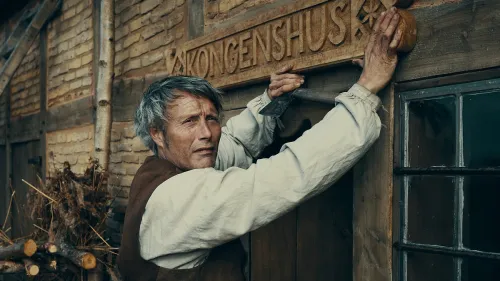
In The Promised Land, director Nikolaj Arcel (A Royal Affair) and Mads Mikkelsen reunite to create another intense, enjoyable drama based on true historical events. Mikkelsen is reliably gripping as Captain Ludwig Kahlen, but it’s his back-and-forths with the diabolical landowner Frederik Schinkel (Simon Bennebjerg) that are the standout scenes here. And though The Promised Land resembles modern Westerns in its macho standoffs and sweeping backdrops, it has a surprising and satisfying feminist bent to it. It’s a historical epic that doubles as a revenge thriller and succeeds in both cases.
It’s slower and talkier than you’d expect from a semi-erotic film, but Ehnegard lives up to its title well enough to satisfy. It’s titillating, but in a cheeky rather than provocative way. The dialogues are lengthy, but they’re alternately witty and poetic, so despite the pace they never actually bore. Ehnegard’s real delight, however, is its beauty. Set in the old kingdom of Babenhausen, Ehnegard looks like a fairy tale come to life. The towering castles, the sprawling meadows, the twinkling forest lakes, and of course, the smartly costumed people who populate the scenery—all these and more ensure that each frame has a picturesque glow to it. And with Sidse Babett Knudsen (Borgen, Westworld) taking charge of an appealing cast, Ehnegard proves to be a charming watch.
You’ll probably never find a film like The Blind Man Who Did Not Want to See Titanic. The camera is blurry, with lead Petri Poikolainen’s face the only image we see clearly. The audio sometimes goes in and out. There’s even a section that turns completely dark. While this would usually mean that something is wrong with the tech screening the film, it’s actually a brilliant way to immerse the viewers in Jaako’s experience, heightening the stakes of what should be a simple commute into a unique thriller comedy-drama. The Blind Man Who Did Not Want to See Titanic is truly an original film.
One woman’s main character syndrome reaches shocking lows in this vicious Norwegian satire of social-media-era narcissists. Signe (Kristine Kujath Thorp) and her artist boyfriend Thomas (Eirik Sæther) are a deeply toxic couple who torture everyone around them with their constant, petty one-upmanship. When he lands a flashy magazine spread, though, Signe’s usual tactics for slyly redirecting attention her way don’t cut it anymore, and so this compulsive liar takes drastic action and begins overdosing on pills banned for their serious dermatological side effects.
Signe’s Munchausen-esque actions have their desired effect: the physically dramatic results instantly make her the center of attention — but not indefinitely. As she craves increasingly bigger spotlights, the film toggles between reality and scenes from her imagination, including a morbid sexual fantasy in which her funeral proves so popular the priest becomes a bouncer, turning away sobbing mourners whom Signe noticed hadn’t visited her in hospital. The rampant narcissism on display here is at turns hilarious and excruciating: Sick of Myself’s sharp social observation skills make it feel, in places, like a movie by cringe-master Ruben Östlund. That stomach-turning effect carries through to the ending, which darkly suggests that, for someone like Signe, even narcissism itself is a condition that can be weaponized for attention.
When a loved one dies in front of you, immediately, suddenly, and unexpectedly, the normal reaction is to freak out. Tore portrays a man, who, upon that death, turns back to his work, focusing on the logistics of the event his company is hosting. Tore’s grief isn’t the histrionics we’re used to– instead, it spurs him to seek out experiences that he’s not used to, given that he’s still living in his parents’ house at 27. This strange disconnect is compelling to watch, as the show studies the way he avoids anything related to the death, just to keep his normal demeanor, in a steady and economical way. It makes for a unique and honest depiction of grief that still packs an emotional punch.
There are many ways through which a friendship can form, but sometimes, it’s due to compassion for someone who needs help. Despite the somewhat fantastical clairvoyant premise, Beautiful Beings is mostly about this simple friendship formed with a bullied kid, which turns out not to be so simple at all. From a bummed cigarette, the friendship grows into a protective support system, filling up parental neglect with teaching each other how to live, but while some of these moments are totally wholesome, other moments lean into mischief, and sometimes violent danger. It may be a fairly familiar coming-of-age premise about male friendship, but Berdreymi executes it well, has a compelling cast, and isn’t afraid to go dark when necessary.
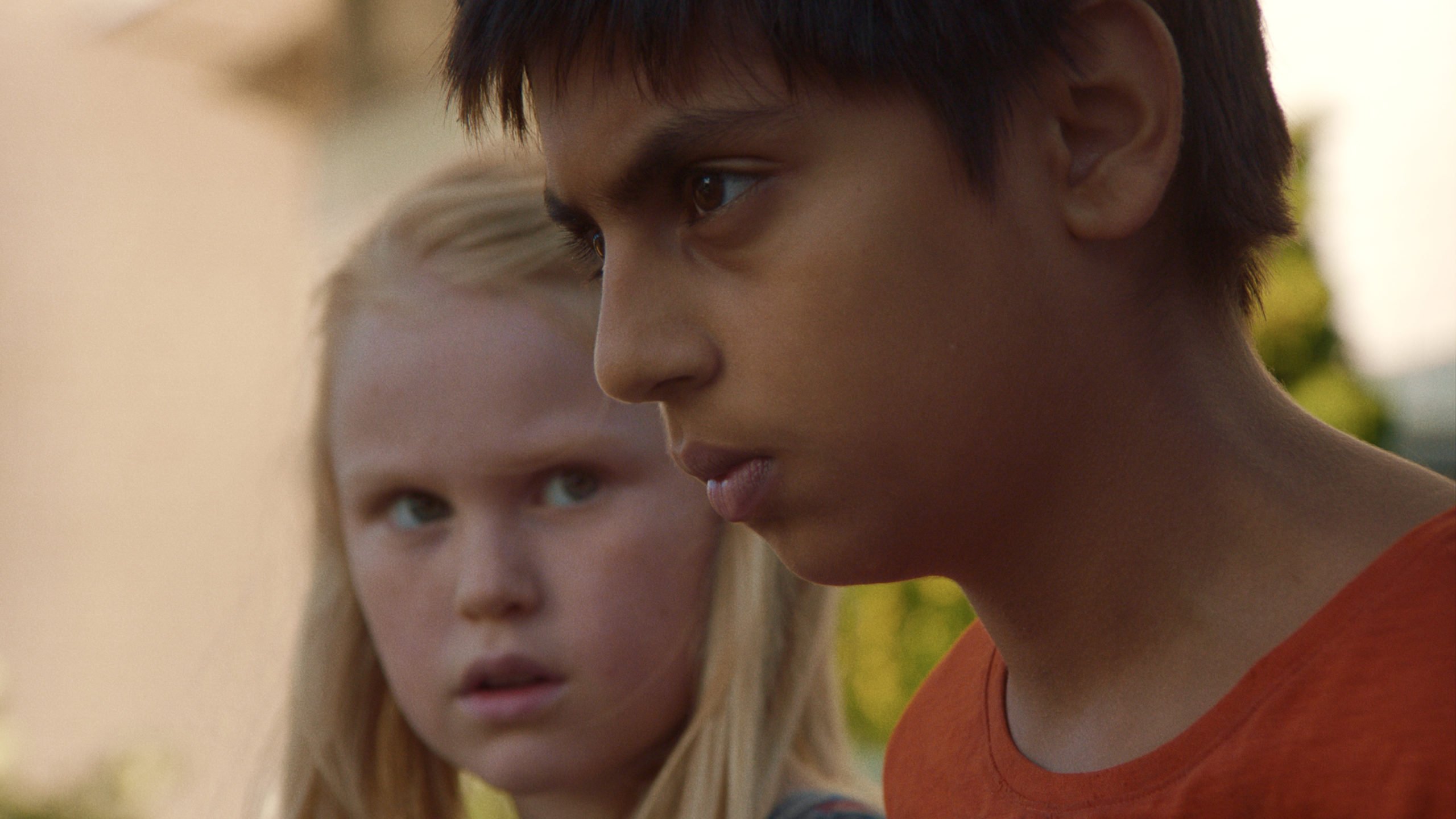
The Innocents is a Norweigan thriller that follows four kids who discover they have supernatural powers over the summer. They play around and experiment in the woods nearby, but what begins as harmless fun quickly develops into something much more disturbing and sinister.
This unnerving film, a blend of fantasy and horror, doesn’t waste time explaining the origins of its mysticism. Instead, it goes straight into action—bending, twisting, and splitting open anything and anyone that gets in its way. This kind of rawness is shocking given the age range of the characters, but it also works to subvert what we’ve come to expect from kids, youth, and goodness. The Innocents isn’t for the faint of heart, but if you can manage some bloody and unhindged scenes, then it’s sure worth checking out. Directed by Eskil Vogt, co-writer of critically-acclaimed films like Thelma and The Worst Person in the World.
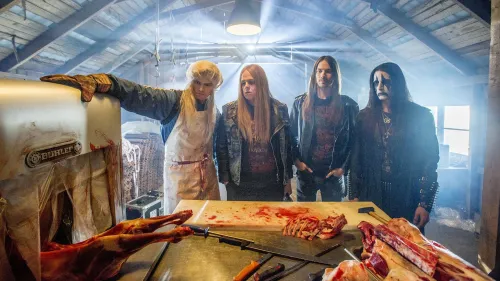
Heavy Trip is a comedy about a heavy metal band, but unlike many mainstream portrayals, it doesn’t dismiss the genre and its fans as overly aggressive, overly serious, or satanic. Instead, these misfits are endearingly goofy. While they growl over their frustrations, they’re totally sincere about their passion, willing to headbang even in the places they earn their living. So when they finally get a chance of a lifetime, it’s so easy to root for their success in spite of all the things that go wrong (maybe even because of all the ridiculous incidents that happen). While it won’t be the smoothest watch for non-metal fans, Hevi Reissu is a crowdpleaser. Just make sure to prepare your ears.
Iceland is a country of vast lands but limited population – only about 300,000 people can call themselves Icelandic. On the other hand, 8 million people have connecting flights through Iceland every year.
In this setting of mass movement, a single mother dealing with poverty is offered a chance to turn things around – a job as a border agent. One of her first days, she comes across an asylum seeker on a connecting flight from Guinea Bissau to Canada, trying to cross with a fake passport.
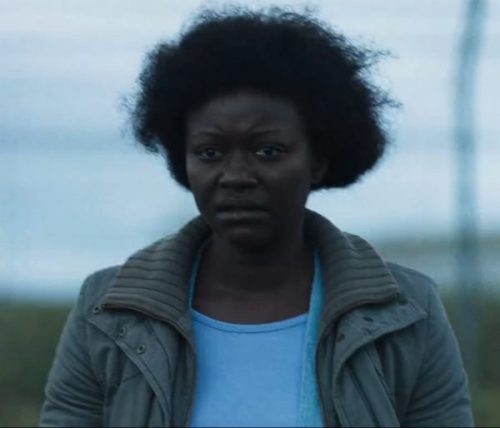
Their stories don’t only intertwine as border agent and asylum seeker, but as two mothers. And Breathe Normally is about struggling with poverty both in Europe and coming from a place like Guinea Bissau. It’s a beautiful, plot-heavy statement on the importance of solidarity and of seeing the human behind the country of origin or race.
This Danish film which was the country’s submission to the Oscars is about a delicate subject. A lawyer who specializes in defending children, and who is used to developing closeness with her clients including meeting with them in her home, starts having an affair with her teenage step-son.
There is inherent tension to this obviously very explicit plotline: how would a serious, non-erotic (or not-only-erotic) movie like this one portray such attraction. And of course, afterwards, what are the implications?
This is a gorgeous Danish period drama that’s based on a famous story and book in Denmark called Lykke-Per (or Lucky Per) by Nobel Prize-winning author Henrik Pontoppidan.
Per, the son of an overbearing catholic priest, leaves his family house in the country side to seek a new life in Copenhagen. His passion about engineering was at the time contrary with the Christian faith, but manages to introduce him to the capital’s elite, and a chance at social ascension.
Lykke-Per and A Fortunate Man are about nature versus nurture. Per’s passion about engineering and renewable energy (back in the 1920s) is set against his need to emancipate and the pride that was instilled in him by his upbringing.
This Swedish movie is the story of Astrid Lindgren, one of the most translated children book writers of all time. Her work of over 100 books includes Pippi Longstocking and The Brothers Lionheart.
Away from the quiet existence of the characters she would later create, Astrid had a turbulent life. Her troubles start when she falls for the editor of the paper she worked at when she was young, a man 30 years her senior. This results in an unwanted pregnancy and Astrid is pushed to immigrate.
While best known for his provocative, existential dramas, Lars von Trier also made a provocative mini-series with surprising supernatural horror. Set at Denmark’s leading public hospital, The Kingdom takes familiar medical drama conflicts in handheld camera and sepia tone, but infused with an unsettling understanding of how the finest minds can fail, and how small science can feel in the face of the unexplained. That being said, the horror is much more wacky than spine-tingling or terrifying, but it’s played off through von Trier’s signature absurdism, taking a more humorous and sardonic approach. Riget may be an unexpected entry for those who have heard of von Trier, but it’s a must-watch for the auteur’s fans, showing a different side to the notorious director.
This coming-of-age story starts in the present time, where Elle Marja, now a grandmother, reluctantly goes to her sister’s funeral held by her old indigenous Sámi community in Northern Sweden. Understanding her reluctance requires going back to when Elle Marja was 14 and was preparing to go to boarding school with her little sister. These schools were racist establishments meant to integrate the Sámi children into Swedish culture and language, while at the same time limiting their prospects of seeking further education. Elle Marja and her sister chose to respond to this discrimination in two completely different ways that this movie explores without judgment. The central performance of the young girl is incredible.
Set in the small town of Åmål, western Sweden, the debut feature by Lukas Moodysson (We Are the Best), is itself a metonymy for the bigger questions of life. It’s playful and dead serious at the same time, in the way it portrays teenager Agnes, who, after two years of living in Åmål, still hasn’t made any friends that would attend her birthday party. Instead, she spends her time typing away on her computer, poetic diaries and love confessions to a girl from school named Elin. She’s the popular one and therefore, out of reach. The amount of tension and escalating ambivalence the film conjures with just a simple narrative decision—a bet, a kiss, an apology—is palpable throughout the 86 minutes of its runtime. A perfect capsule of lesbian desire and first love, Show Me Love is a gem of a movie; one that would make you think Close was a tad overrated. Oh, and don’t forget to add the titular song by Swedish pop star Robyn to your Spotify favorites.
The end of the world, of course, forces people to contemplate one’s life purpose, the choices they made, and the opportunities they chose over others. Andrei Tarkovsky examines this idea in The Sacrifice– juxtaposing a hypothetical third World War with main character Alexander’s choices, the choices that led him to a successful acting career, but also led him to regret that he hasn’t done more to take action, until the deal he made with a cross between the Christian God and pagan sacrifice. The ideas are philosophically heavy, marked with Tarkovsky’s dreamlike imagery, long takes, and slow pacing, but it feels much more personal considering the sacrifice he made in leaving his family to create his last two films abroad. The Sacrifice is a masterful meditation on life itself, a deeply moving anti-war film that was a decent send-off of one of the greatest filmmakers ever to have existed.
Familiarity breeds contempt, and Swedish Netflix’s new horror-comedy takes this idea to the extreme. Based on the novel by Mats Strandberg, who’s known as the Swedish Stephen King, The Conference is centered around a group of employees on their company retreat. With its ensemble, the film crafts a relatable dynamic, with the exact petty back-and-forth and the same exact corporate politics many adults have to deal with. It’s no wonder one of them snaps, and takes them out one by one. The film isn’t exactly new, with the decades’ collection of slashers all over the world, but this Swedish thriller is a fun take on it, with match cut transitions, quick paced sequences, and the gruesome murders of the group most adults spend time with – their colleagues. It’s an interesting watch as the world gets back to the office.
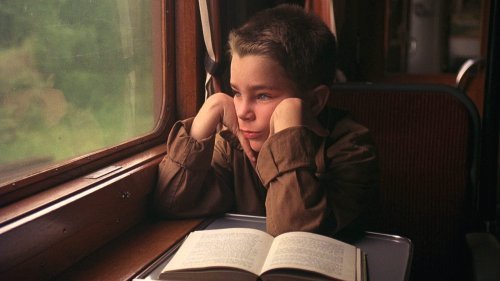
This Swedish surprise hit captivated viewers across the Atlantic because of one thing: the lead’s perspective. Okay, well, the performances are great, the time frame is nostalgic, and it’s grounded by the few incidents that could only happen in a small town. However, at the heart of the story, author and co-screenwriter Reidar Jönsson hones in on Ingemar’s uncertainty and the lack of control over his own fate. Between his mom’s illness, his separation from his older brother, the small space of his uncle’s house, and the fact he can’t even bring his dog, Ingemar is easy to sympathize with, especially as he tries to look towards the brighter side of life. But combined with his future self’s narration, My Life as a Dog cathartically pulls on the painful core memories that could only be made by growing up.
If you like: weird movies and / or Scandinavian mythology, this movie is for you. It’s about unusual looking border agent with super-human abilities (such as smelling fear and shame) who meets someone like her for the first time There is a big revelation in Border that I can’t share but while this movie was directed by an Iranian (Ali Abbasi), it’s deeply rooted in Swedish folklore. Themes of identity, gender, and otherness intersect through a thrilling script and beautifully-shot nature scenes.
Children like to play, but sometimes the line between regular roughhousing and outright bullying gets blurry, especially for people watching from the outside. What happens in this Swedish drama is clearly bullying, though. However, the audience could only recognize it as bullying because of the point of view, since the camera is present from start to finish, unlike the silent adults who witness these incidents halfway, or the well-meaning bystanders that interfere without any context. It’s an interesting depiction of bullying based on multiple court cases, but writer-director Ruben Östlund and producer Erik Hemmendorff adds fuel to the fire with the character choices, unabashedly exploring the different ways leadership has failed to address this issue.
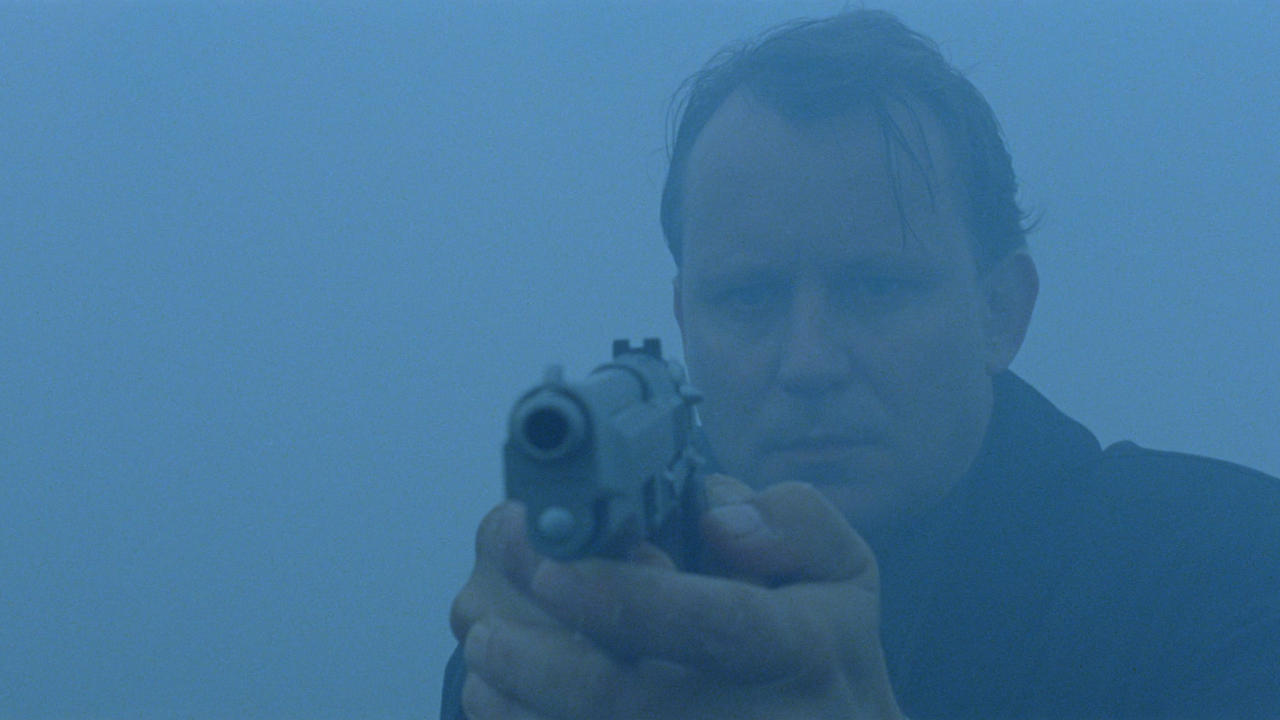
In a few seconds, a mistake can change your life forever. Insomnia is centered on a Swedish detective trying to solve a murder while trying desperately to cover a mistake made from the difficult mix of the fog and human exhaustion, but in doing so, his guilt, shame, and suspicion that no one would believe him due to past mistakes, weigh down on him, twisting the police procedural upon itself. Stellan Skarsgård holds an incredibly restrained performance throughout the entire film, and it’s well-framed by writer-director Erik Skjoldbjærg, whose use of cold white light in this debut feature eventually became the staple of on-screen Scandinavian noir.
Most sports biopics are centered around winners– their drive, their spirit, and their determination to beat the competition, and maybe win some glory for their respective teams, hometowns, or countries. The Happiest Day in the Life of Olli Mäki instead focuses on a Finnish boxer that lost a match. Shot in 16mm black and white film stock, writer-director Juho Kuosmanen captures the man, not the legend, in sequences that feel like decades-old memories that draws you into his story, his humble character, and the motivations that drive him, a yearning for love rather than bragging rights, trophies, and nationalistic pride. It’s such a charming twist to the genre, one that recognizes a different kind of masculinity. While Mäki might not be the world’s best boxer, this film suggests that he might be one of the happiest, forgoing an important match for a marriage that ended up lasting his lifetime.
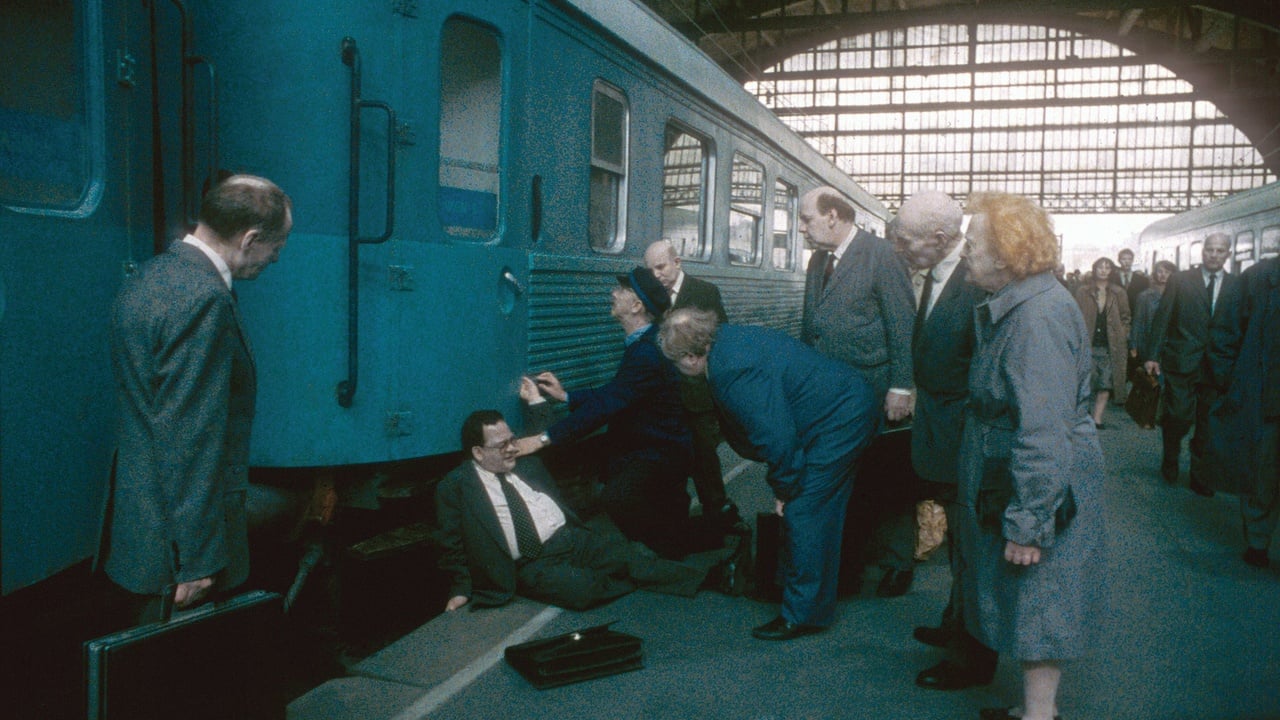
We’ve seen anthology films with three, four, sometimes even five parts, but Songs from the Second Floor comprises forty six separate vignettes, quickly shifting in and out without any connecting thread inbetween, except for the dull gray color palette. Yet, even as the film abruptly transitions between vignettes, from tanning beds, construction sites, cars, trains, or buildings, writer-director Roy Andersson crafts meticulously framed breakdowns of modern day living, some of which works based on individual experiences, but all coming together as several miniature portraits of how absurd and depressing our lives have become. Songs from the Second Floor is a bold way to return after a twenty five year hiatus.
A Danish cargo ship is hijacked by Somali pirates in the Indian Ocean. The pirates demand millions of dollars in ransom and from there on, a psychological drama between the pirates and the ship owner develops, as they negotiate the price for the ship and its crew. A really great thing about this film is the fact that it doesn’t get tangled up in the weepy feelings of the families back home – but instead focuses on the shrinking hope of the ship’s crew and the psychological consequences of the brutal negotiation, that drives the ship owner to the edge of madness. Inspired by a true story. Brilliantly acted.
Sisters Martine and Filippa, daughters of a founder of a religious sect, live a simple and quiet life in a remote coastal village in Denmark. Throughout the course of their lives, they reject possible romances and fame as part of their commitment to deny earthly attachments. This is upended by the sudden arrival of a French immigrant named Babette, who served as their house help to escape the civil war raging in her country.
Babette’s Feast is an inquiry into simplicity and kindness, and whether these would be sufficient to achieve a life of contentment. The religious undertones perfectly fit with the film’s parable-like structure, where bodily and spiritual appetites are satisfied through a sumptuous feast of love, forgiveness, and gratitude.
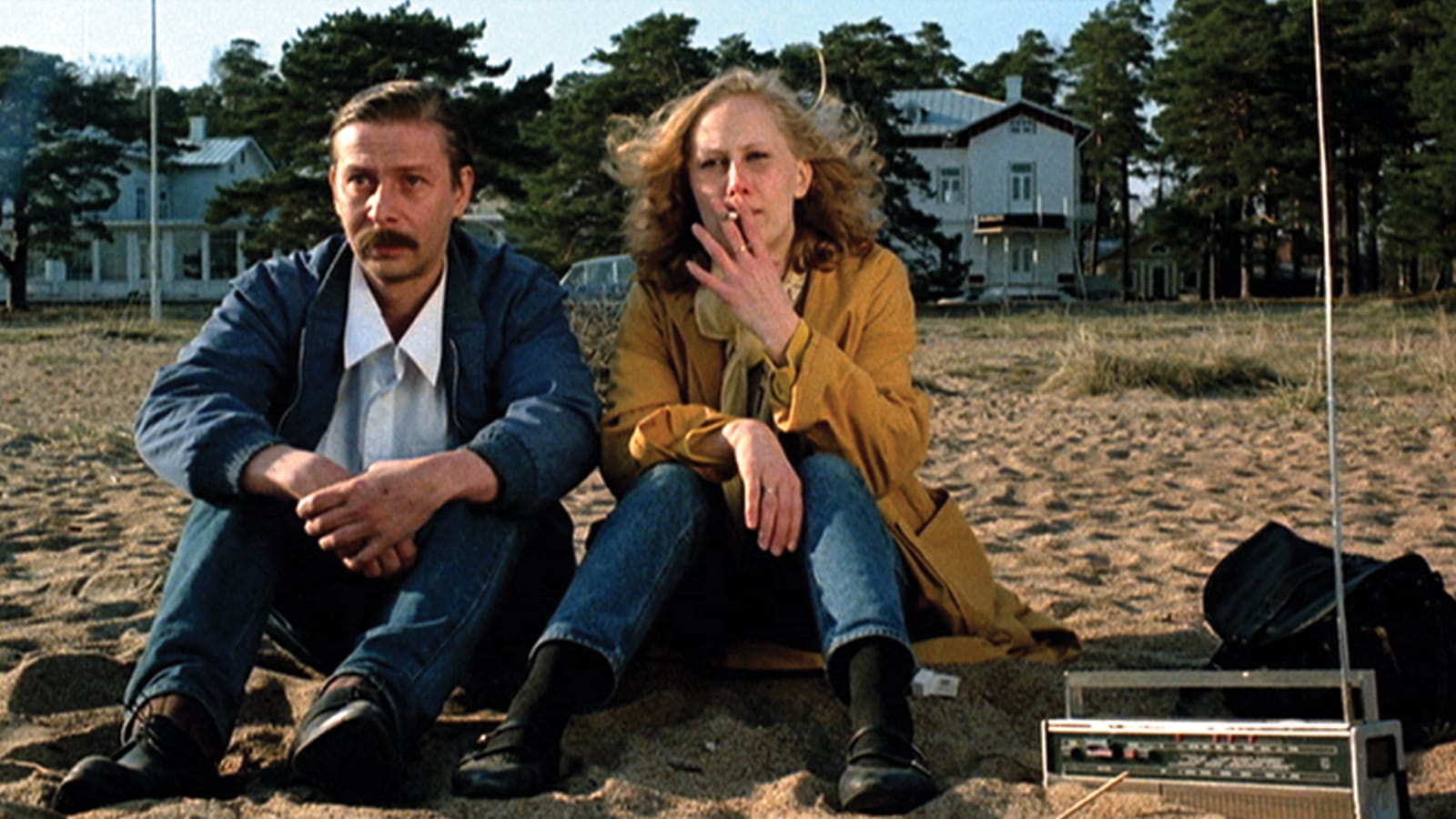
Grand gestures, over-the-top declarations of love, and elaborate gifts… These normal romcom acts can sometimes make it seem that romance can only be done by the wealthy. But, in reality, love can happen anytime, and the first film of Aki Kaurismäki’s Proletariat Trilogy suggests that love is ultimately necessary in a world where two lovers are disenfranchised. As Nikander tries to woo a slightly disinterested Ilona, and as Ilona decides to depend on him for support, Shadows in Paradise might not have the usual frills of a romcom, but Kaurismäki finds the bare essentials in a depressing Finnish town, and captures the small ways it blooms in spite of it, through the lovers’ humorous blunt dialogue and the color their love adds to their world.
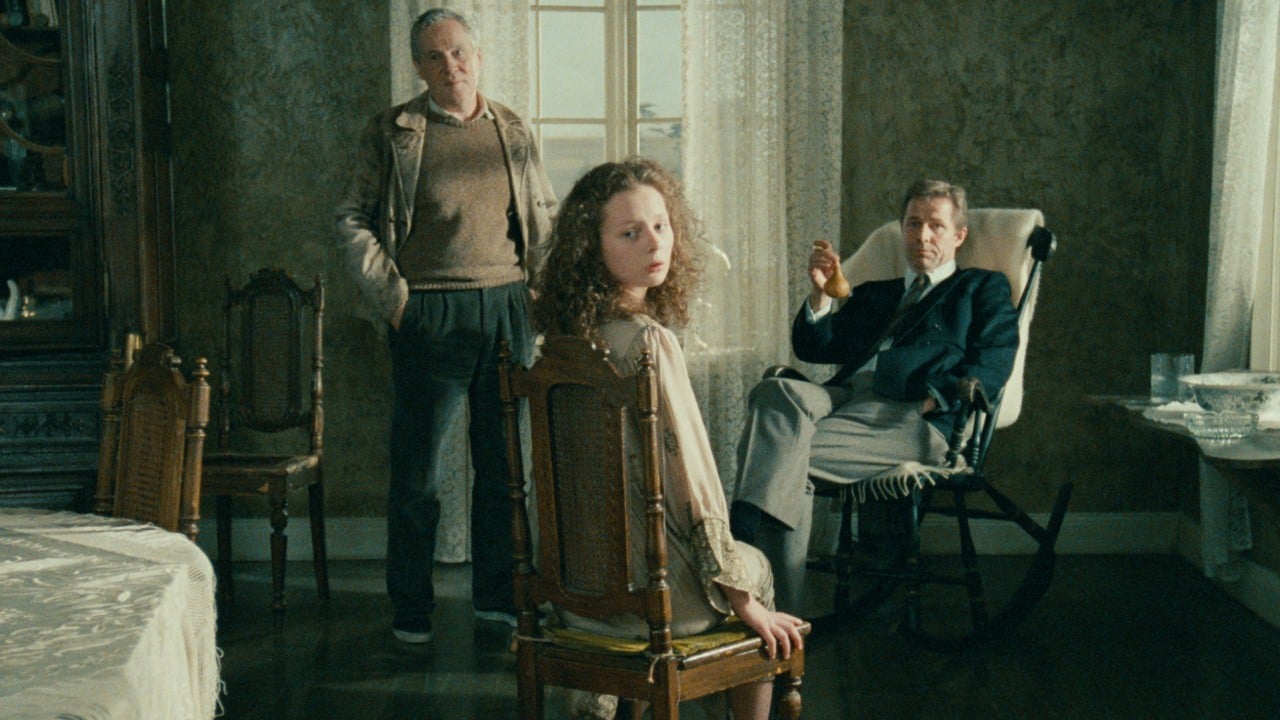
Given the way this sprawling three-hour theatrical edit echoes the director’s real childhood, it’s easy to say that Fanny and Alexander is an autobiography. In some ways, it is. The dynamic with their stepfather was directly inspired by the director’s own father. In the hands of another director, it would have been easy to demonize the guy. But this is Ingmar Bergman directing his final film, so it should be no surprise that he meditates over the storytelling both father and son use in carving out their realities. At the same time, Fanny and Alexander encapsulated many of Bergman’s thematic concerns, clearly at his most personal.
A Swedish film about a world-famous conductor who suddenly interrupts his career to return alone to his childhood village in Norrland. It doesn’t take long before he is asked to come and listen to the fragment of a church choir, which practices every Thursday in the parish hall. “Just come along and give a little bit of good advice”. He can’t say no, and from that moment, nothing in the village is the same again. The choir develops and grows. He makes both friends and enemies. And he finds love. It’s a wonderful movie about faith, values, and the exploration of one’s spirit.
When a group of percussionists illegally carry out a city-wide performance act, it’s up to policeman Amadeus Warnebring to stop them. The musical fugitives perform on stolen objects and disrupt public spaces, but Warnebring has his own reasons to pursue them so determinedly: he’s tone-deaf for one and born into a family of snobby musical geniuses for another, making this case all the more meaningful and consequential to him.
Sound of Noise is more than reminiscent of Stomp, what with its playful symphonies subsisting on random borrowed objects, but it is livened up with the suspense of a caper, the dry wit of a Swedish comedy, and the abundant charms of a light romance.
A War (Krigen) is a Danish war drama that focuses on Commander Claus Pedersen (Pilou Asbæk) as he leads a company of soldiers in modern day Afghanistan, while his wife at home in Denmark struggles to care for their three children. During a mission to rescue a family from Taliban threat, Claus’ unit is overcome by enemy fire, forcing him to make a dramatic decision that has a complicated effect upon himself, his fellow soldiers, and his family back home. A War is a tense yet thoroughly involving drama that offers a profound example of moral ambiguity and the repercussions of warfare. The acting and direction are utterly superb across the board—another enthralling and superbly humanistic affair from Danish filmmaker Tobias Lindholm (A Hijacking).
A seemingly well-adjusted Scandinavian Family vacationing in the French Alps experiences a frightening avalanche scare near the beginning of Force Majeure, thereby unleashing a cacophony of mistrust and anxiety as their dynamic is shaken to the core. This pitch black comedy from Sweden charts the steady disintegration of the family unit and the father’s psyche in particular, as his reaction to impending death leaves his family deeply questioning his masculinity and prioritization of their well-being. The stages of blame and negotiation play out with painful honesty, holding back very little in a manner that leaves the viewer supremely uncomfortable, as if eavesdropping on a neighbor’s personal affairs. The effect is unsettling yet stunningly honest and often laugh-quietly-on-the-inside worthy in its depiction of human vulnerability. Unlike many narrative films, the “climax” comes at the beginning of Force Majeure, with the remainder of the film acting as an extended denouement in the form of a measured, Kubrickian character study.
This movie is pretty much in every regard a Norwegian Kill Bill. It’s a dark gory comedy where, naturally, the substitute for Uma Thurman doing damage is an emotionless Stellan Skarsgård.
After his son is killed by a drug gang, Skarsgård’s character, fresh off a win of a “citizen of the year” award, embarks on a ruthless journey to track and kill the murderers. This takes place in one of the most remote areas in Norway, where the main character works as a snowplow driver. You guessed it, some people will get snowplowed.
Seems familiar? That’s because this year it was turned into a horribly sub-par American movie called Cold Pursuit, with, ugh, Liam Neeson.
Taking place entirely on beachside farmlands in Denmark, Land of Mine takes a particularly intimate—and visually distinct—approach to war. The fighting may be over, but the film remains a tense and emotionally distressing, with all the pain and violence being carried over onto these German boys being forced to clear the beaches of live explosives with their bare hands. The relationship between these young men and their vengeful Danish commanding officer may progress a little quickly for some, but their volatile bond only emphasizes that rage isn’t meant to be felt forever, and that war is a destructive cycle that eventually needs to come to an end.
We Are the Best! is one movie that may be overlooked largely by viewers, though it perfectly captures counterculture, and relates to the misfit young and old. The movie is an adaptation of Moodysson’s wife Coco’s graphic novel “Never Goodnight”. Set in Stockholm, Sweden in 1982, Klara (Mira Grosin) and her best friend Bobo (Mira Barkhammar) are junior high teenage girls who believe in their heart that punk rock is alive and well. With both of their home lives not so pleasant, the girls spend their time at the local youth center while taking up the time slot in the band room to get revenge on the local metal band. That’s when they find themselves starting a punk band without even knowing how to play an instrument. We Are the Best! is a fun and deeply sincere exploration of adventure, friendship, love, and betrayal in adolescence.
This Danish movie is about a failed 38-year-old bodybuilder who lives with his mom and has never left Denmark. In an expected move, and while telling his mom he’s going to Germany, he travels to Thailand in hopes of finding love.
It might at first seem like a disastrous storyline (of sex tourism), but that part of the movie is almost accidental. Teddy Bear is actually a sweet and likable story of a man who wants to break away from his domineering mother, and a journey of someone who starts growing up later in life.
Though it starts off somewhat slow, I was delightfully surprised at how much I loved this movie. A 28-year-old man ventures through Europe with a buddy, ending in Copenhagen, where he hopes to contact the last of his family. There he enlists a local girl to help him. An interesting relationship unfolds as they take a captivating journey through Copenhagen in search of William’s grandfather. The tag line of the movie is “When the girl of your dreams is half your age, it’s time to grow up” and William really does have to grow up when he’s faced with his own personal tumult.
The girl is played by Frederikke Dahl Hansen, who gives an exceptional natural performance, which adds even more to the abundance of charm in this film.
The choice between practicality and passion is the subject of many a drama, but A Thousand Times Good Night depicts that passion stemming from a different place. Rather than pure expression, or creativity, director Erik Poppe depicts the passion of his former profession of photojournalism stemming from social importance– not just status, but in possibly changing the course of history. The semi-autobiographical story clearly has an understanding of the craft, and with her moving performance, Juliette Binoche proves to be an effective proxy, as her character takes risks her family find it hard to tolerate, and as continually choosing those risks, also entails influencing your family to make that same sacrifice. Some viewers might not agree with these choices, but nevertheless A Thousand Times Good Night is a palpable character study of someone whose career is personally interlinked with their advocacy, their identity, and their philosophy of what the world should prioritize.
When depicting a novel, book adaptations on film, especially earlier on in the medium, tend to be quite lengthy. The film version of Pelle the Conqueror does have this quality, and the storylines that aren’t directly connected to Pelle and Lasse do feel randomly stitched in. But, when this epic film focuses on Pelle and Lasse– their struggles immigrating to another country, dealing with harassment from the Danish majority, and the rare moments of joy once they finally figure things out– it shines. The legendary Max von Sydow and Pelle Hvenegaard (who was one of the many boys named after the title character) share a tender father-son dynamic that easily stirs one’s heart, and it’s all beautifully captured within Denmark’s lovely countryside. Pelle the Conqueror may only adapt the first of four volumes of the iconic Danish novel, but it does compassionately capture the struggles of the country’s impoverished immigrants.
Anthology films are interesting because it’s not just one film on screen– it’s multiple stories, one after the other, that might have different plots, but share similar themes, ideas, and styles that the filmmaker(/s) would like to display. Involuntary does have five separate short films, but rather than play one by one, writer-director Ruben Östlund chops them up and alternates between them, starting with small instances where the group pushes someone into a behavior, then eventually escalating and accelerating into much more difficult consequences. This makes for a very slow start to the one and a half hour film, but it also allows Östlund some scope, with this simple group dynamic directly affecting larger ideas such as public morality, masculinity, and high-risk behavior in teens amongst others.
When forming a nation, governments would like to view the entire populace as one people– for example, the Norwegians live in Norway. But plenty of these nations have smaller populations of different ethnicities, some that have been on the land far longer than the nation itself. Pathfinder is the first ever feature film depicting the Sámi people, depicting one of their tales. The film plays out like a familiar folk adventure, where a boy comes of age through clever thinking, but it also mirrors their struggle to keep their culture from Norwegianization, to protect their people from extinction. Pathfinder may not have the best special effects, but there’s a beauty in the way writer-director Nils Gaup depicts his home county of Finnmark, and the way he depicts his people’s past.
This animated movie is absolutely wonderful. It’s an Irish production, and the drawings/graphics are so beautiful and different from what you usually see in this genre. This alone, along with the music, would be good reasons to watch this.
But what really makes this worth your time is the story – it’s about a boy dealing with the loss of his mother. He embarks on an adventure into a parallel world of feelings to save his sister.
I found it to be refreshingly original, sometimes quite intense (I cried, but I easily cry), and heartwarming. The details are great. And I love the way the story was interwoven with Irish mythology, making it magical.
Films about drug dealing aren’t particularly new, but the way Pusher delves into their lives feels different– more realistic than glamorous, somewhat like a guerrilla documentary, with the handheld camera as a silent, unnamed witness. As the camera follows low-level dealer Frank through the course of a week, Kim Bodnia skillfully garners empathy with the way he holds himself through the pressure, and does the opposite when he does the same wrongs that were done to him. The story itself may be simple, but writer-director Nicolas Winding Refn made his mark through this debut, inadvertently creating a franchise and influencing Danish cinema.
The Square is a peculiar movie about a respected contemporary art museum curator as he goes through a few very specific events. He loses his wallet, his children fight, the art he oversees is does not make sense to an interviewer… Each one of these events would usually require a precise response but all they do is bring out his insecurities and his illusions about life. These reactions lead him to very unusual situations. A thought-provoking and incredibly intelligent film that’s just a treat to watch. If you liked Force Majeure by the same director, The Square is even better!
Filmed as a “found footage” of a Norwegian college film crew investigating local poachers, this movie really surprised me. To be fair, I didn’t really know what to expect. But I definitely didn’t expect to like this movie as much as I did. The pacing is on point. The suspense hits you at just the right times. There are a few drops of humour trickled throughout to keep a smile on your face. And that’s how my face stayed when the credits rolled.
Director Thomas Vinterberg (The Hunt) reunites with Mads Mikkelsen to tell the story of four teachers going through a mid-life crisis. They’re not sad, exactly—they have homes and jobs and are good friends with each other—but they’re not happy either. Unlike the ebullient youth they teach, they seem to have lost their lust for life, and it’s silently eating away at them, rendering them glassy-eyed and mechanic in their everyday lives.
Enter an experiment: what if, as one scholar suggests, humans were meant to fulfill a certain alcohol concentration in order to live as fully and present as possible? The teachers use themselves as the subjects and the tide slowly starts to turn to mixed effects. Are they actually getting better or worse?
With an always-satisfying performance by Mikkelsen and an instant classic of an ender, it’s no surprise Another Round took home the award for Best Foreign Film in the 2020 Academy Awards.
If you’ve been paying close attention to Royal Families in general, then get a snack and settle in, because A Royal Affair’s got it all for you: the steamy scenes, dirty, affair-laden hands, the corsets, and a stunning backdrop of 18th Century Europe. Quite literally deranged and mentally incapable King Christian of Denmark (Mikkel Boe Folsgaard) marries the brave Princess Caroline of Great Britain (Alicia Vikander), only to find out that he isn’t cut out for the wedded life. Enlightenment comes in the form of Dr. Johann Struensee (Mads Mikkelsen), a German physician to the infantile King and true-born reformer. Mostly saddened by her unfortunate fate, the now-Queen Caroline finds herself falling in love with the intellectual; thus, beginning a whirlwind of events that shakes up the entire Kingdom.
With the austere ethos of Dogme 95, most Dogme films tend to be naturalistic, serious dramas, dealing with heavy topics. Italian for Beginners is a Dogme film, but it’s one of the only lighthearted comedies considered to be one. It makes for a more casual, realistic approach to the romantic comedy, as students in an Italian class naturally build up connections through a subtle, dry humor, and consistent attempts to understand each other, as one does in a language class. It’s understated and subtle, but director and writer Lone Scherfig manages to make Italian for Beginners seem all the more charming.
Ida, the 2015 Academy Award for Best Foreign Language Film, is a stark black & white drama set in the early 60’s about a young Polish nun-to-be and her bawdy Aunt Wanda searching for the truth behind her family’s demise at the hands of the Nazis. What initially comes off as a painfully slow sleep-inducer pretty quickly evolves into a touching and lively contrast between the two lead characters; one virtuous and pure, the other boorish and hedonistic. Their journey is equal parts amusing, insightful and heartbreaking, with Ida’s personal exploration of self playing out as a remarkably humanistic affair. The cinematography by Lukasz Za and Ryszard Lenczewski is particularly striking, each shot a work of art in it’s own right. Logging in at just 82 minutes, the entire story whizzes by in a flash. The kind of film that will stay with you long after you’ve watched it.
Nisha, the daughter of conservative Pakistani immigrants in Oslo, finds ways to secretly go out with her Norwegian friends. She goes to parties, plays basketball, and dates.
One day, Nisha’s father catches her with a boy, bringing what he perceives as a great shame to the family. Nisha’s delicate balance is broken, and her family acts drastically: without telling her about their plans, they move her to Pakistan.
What Will People Say is based on its director and writer Iram Haq’s own experience being kidnapped to Pakistan and going back to Norway at age 16.
Somehow an art house film, horror, and romance all in one, Let the Right One In explores the boundaries of its genres with unprecedented finesse, and offers a stunning alternative for those disappointed with recent vampire love stories. From its haunting minimalist imagery to its incredible score, it is persistently beautiful. The film follows twelve-year-old Oskar and Eli, drawing on numerous aspects of traditional undead lore, and still manages an impressive feat in feeling entirely fresh and devoid of cliche. Those in search of a terrifying movie might need to look elsewhere, but if what you’re looking for is simply a great watch, don’t pass this one up.


x2
x2