Our take
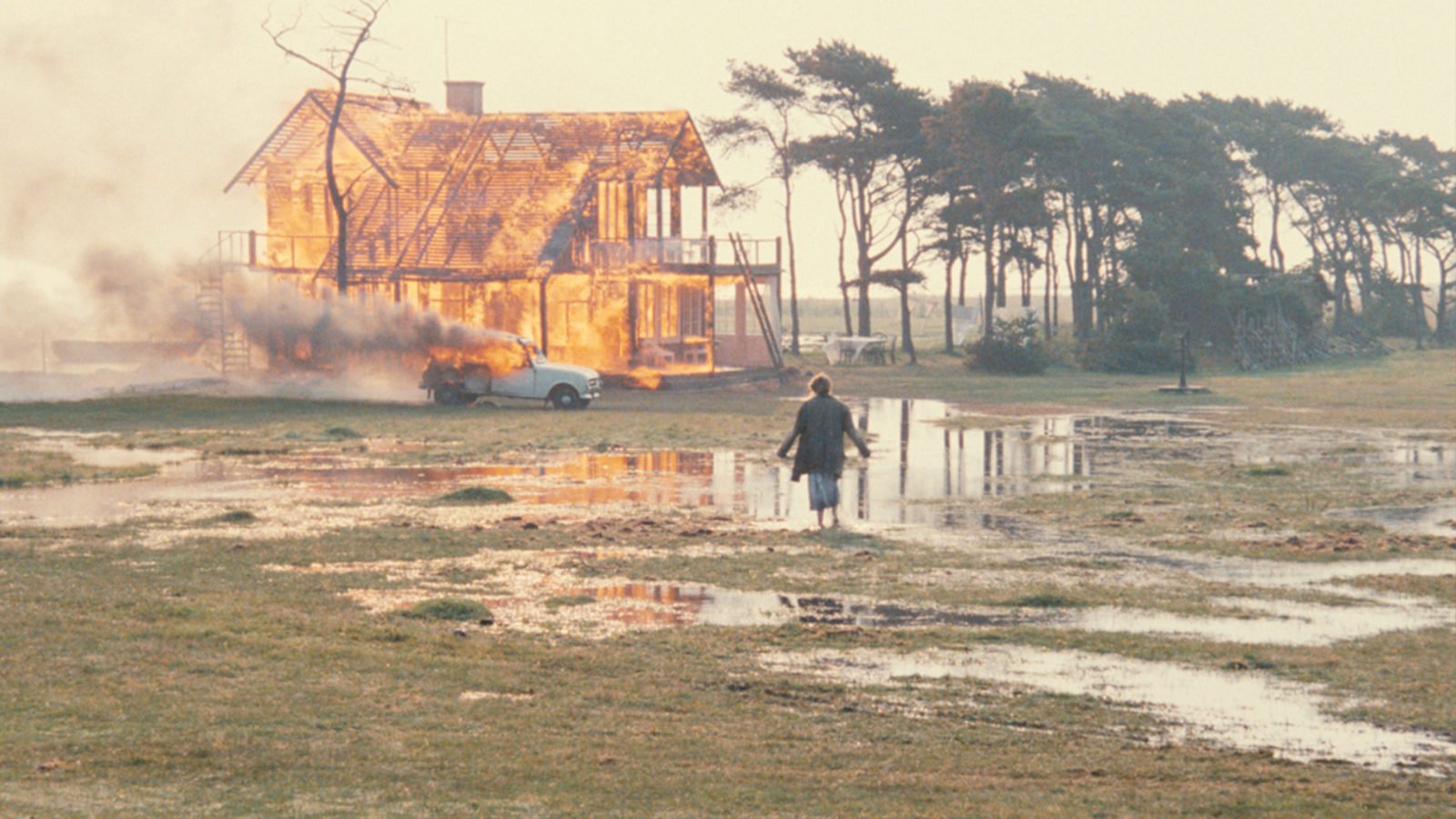
The end of the world, of course, forces people to contemplate one’s life purpose, the choices they made, and the opportunities they chose over others. Andrei Tarkovsky examines this idea in The Sacrifice– juxtaposing a hypothetical third World War with main character Alexander’s choices, the choices that led him to a successful acting career, but also led him to regret that he hasn’t done more to take action, until the deal he made with a cross between the Christian God and pagan sacrifice. The ideas are philosophically heavy, marked with Tarkovsky’s dreamlike imagery, long takes, and slow pacing, but it feels much more personal considering the sacrifice he made in leaving his family to create his last two films abroad. The Sacrifice is a masterful meditation on life itself, a deeply moving anti-war film that was a decent send-off of one of the greatest filmmakers ever to have existed.
What it won

Cannes
4 wins

Berlin
1 nom

BAFTA
1 win
The story
Alexander, a journalist, philosopher and retired actor, celebrates a birthday with friends and family when it is announced that nuclear war has begun.
Elsewhere

"A grand, unworldly, even antiworldly religious vision that depends on its perfect pitch to avoid absurdity and bathos."
— Richard Brody

"There are echoes of Bergman (of course) and of Chekhov, and once or twice I found myself thinking, most unexpectedly, of Heartbreak House."
— Penelope Houston
On his birthday celebration, journalist, philosopher, and former actor Alexander receives news that the end of the world is near when World War III has erupted. In order to stop it, Alexander makes a bargain with God: he’ll give up everything he values in life, including his beloved son.
Every single moment feels like it’s holding multiple ideas all at once– not just fears about nuclear fallout, but anxieties over art and its purpose, the pain of losing people we hold dear, and faith that the sacrifice is all worth it, somehow. It’s actually insane how much each moment holds.
It's terrifying how the themes still resonate today.
The details



Who picked it

Isabella Endrinal is a curator at A Good Movie to Watch. She's now free from the corporate night shift. Previous articles have been published in outlets such as NANG Magazine. She's currently catching up on some classic films… if she isn't coping with the fact that the Haikyu anime will end soon.