
Our take
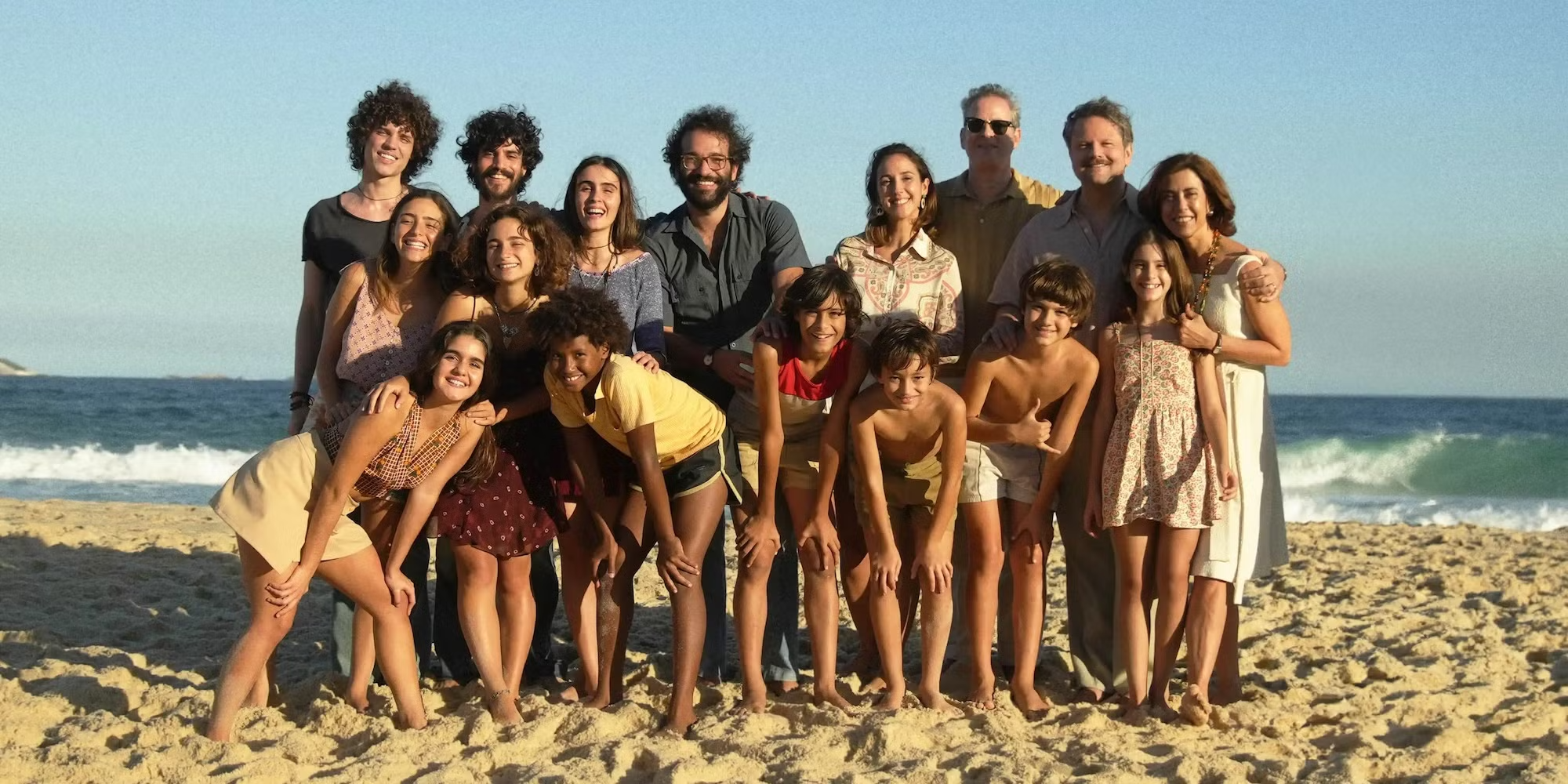
At the height of a military dictatorship in Brazil, forced disappearances were an unfortunately common occurrence. It was the government’s brutal way of weeding out perceived enemies, even though, more often than not, their accusations were baseless. I’m Still Here tells the true story of one such victim, Ruebens Paiva, but through the eyes of the wife he left behind. And so while it is crucially a political movie, I’m Still Here is also a heart wrenching tale of grief and resilience. It subverts expectations, too, by never being overly dramatic. Fernanda Torres commands her character, Eunice Paiva, with dignity and restraint. Though she barely voices it out, you can see the pain in her expressive eyes and her tensed muscles, in her strained voice and her determination to keep her five children afloat. Things happen matter-of-factly in the film, which adds to the sadness of the reality. Life doesn’t owe us explanations, and it can remain mysterious till the bitter end. Like Eunice, sometimes the best we can do is to hold on to what we know is true, and to never forget.
What it won

Venice
1 win
The story
A woman married to a former politician during the 1971 military dictatorship in Brazil is forced to reinvent herself and chart a new course for her family after a violent and arbitrary act.
Elsewhere

"Torres’s performance here is a marvel of expressive restraint, every glance merging horrified disbelief and meticulous self-control."
— Justin Chang

"It is a lead performance that finds great potency in containment, with Torres never as striking as when the camera quietly rests on her face, her eyes always looking forward, her intent unshakeable."
— Rafa Sales Ross
In 1970s Brazil, a former congressman is taken from his home by a paramilitary group. His wife begins the arduous task of looking for him while raising their five children.
Fernanda Torres received multiple nominations for her performance, and rightly so. Her restraint (not to be confused with mere stoicism) charges the film with the emotional energy it needs.
Just a few minutes in, you’ll be convinced that I’m Still Here deserved its Oscar win and every bit of international recognition it got this past year.
The details



Who picked it

Renee Cuisia is the lead curator at A Good Movie to Watch. In her spare time, she likes to watch K-dramas and analyze them to death. She's also seen You've Got Mail one too many times but is still convinced it's one of the greatest films out there.