
15 Best 2024 Foreign-language Movies to Watch
Updated
Last year, three foreign-language movies were up for the Best Picture Academy award: Anatomy of a Fall, Past Lives, and The Zone of Interest. Usually, films not in English are relegated to International Feature, so this is an unprecedented move on the Academy’s part. To be sure, there’s still a lot to be done for full and fair representation, but it’s an encouraging step in the right direction, one that will hopefully lead to more people appreciating the diverse beauty of world cinema. And so, on that note, we’re compiling a list of the best foreign-language movies that have come out this 2024. We’ll be keeping our eyes peeled and updating this article as we move along the year, but for our money, these are the most enjoyable so far that are available to stream.
How we make these lists
No AI. No algorithms.
We are 100% human-curated. Everything you see here has been handpicked by a team of experts.
At least 7/10 on IMDb
So you know they are appreciated by viewers, not just high-brow critics.
At least 70% on Rotten Tomatoes
We combine this with the IMDb bar to keep only the best of the best.
Find more to watch
15 Best 2024 Foreign-language Movies to Watch
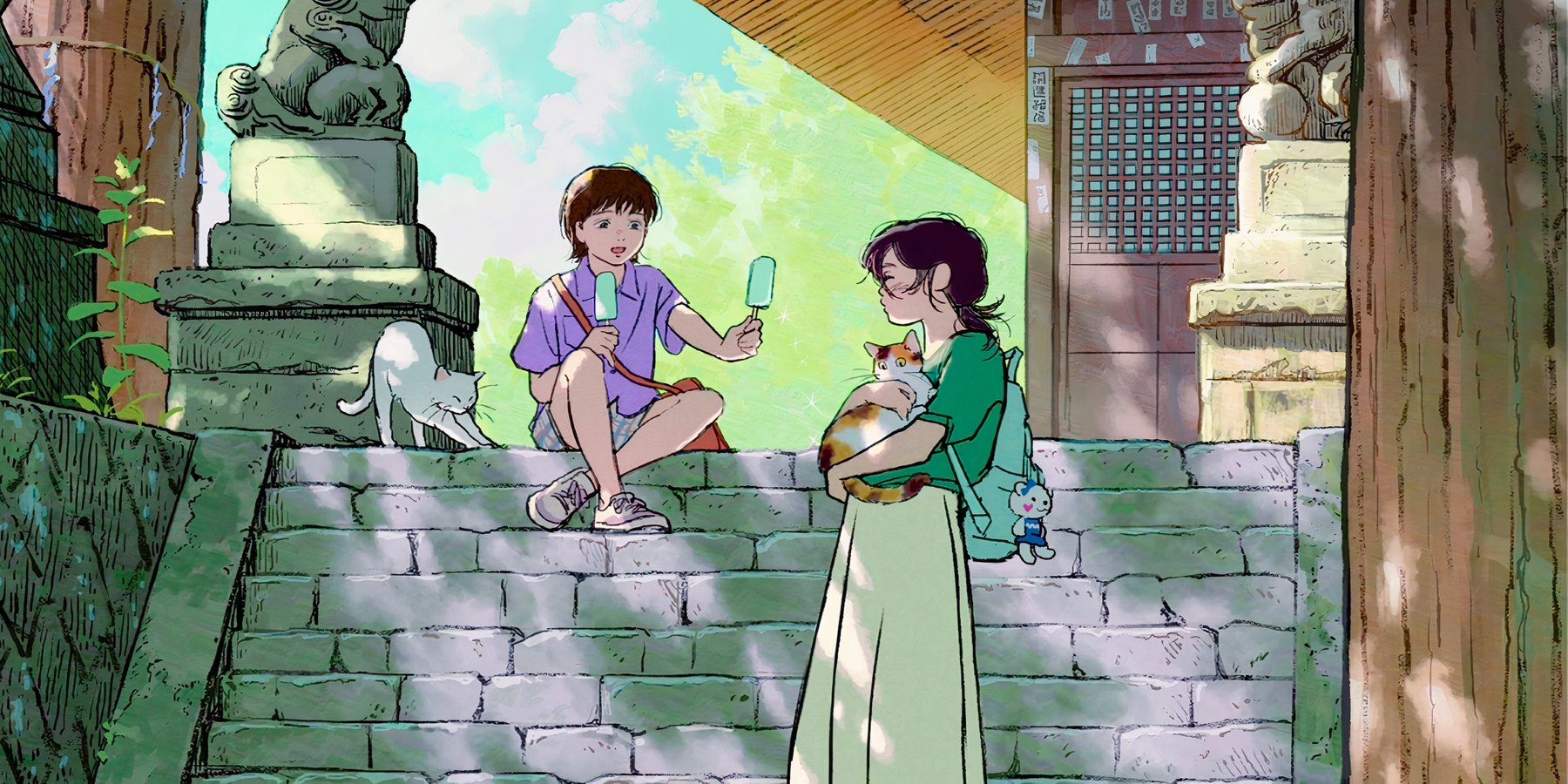
Look Back (2024)
When the world gets dark– when something bad happens that makes you lose your faith in the world around you– it can be hard to think that art would be of any help. After all, a piece of paper with scribbles on it can’t undo the wrong that’s happened, or help out directly with the concrete, solidified systems and solutions to the world’s problems. Look Back even acknowledges the possibility of art harming its creators, but through the friendship forged by Fujino and Kyomoto, it also acknowledges the way art can save you and the people who share that love, through some of the most beautiful animation ever created.
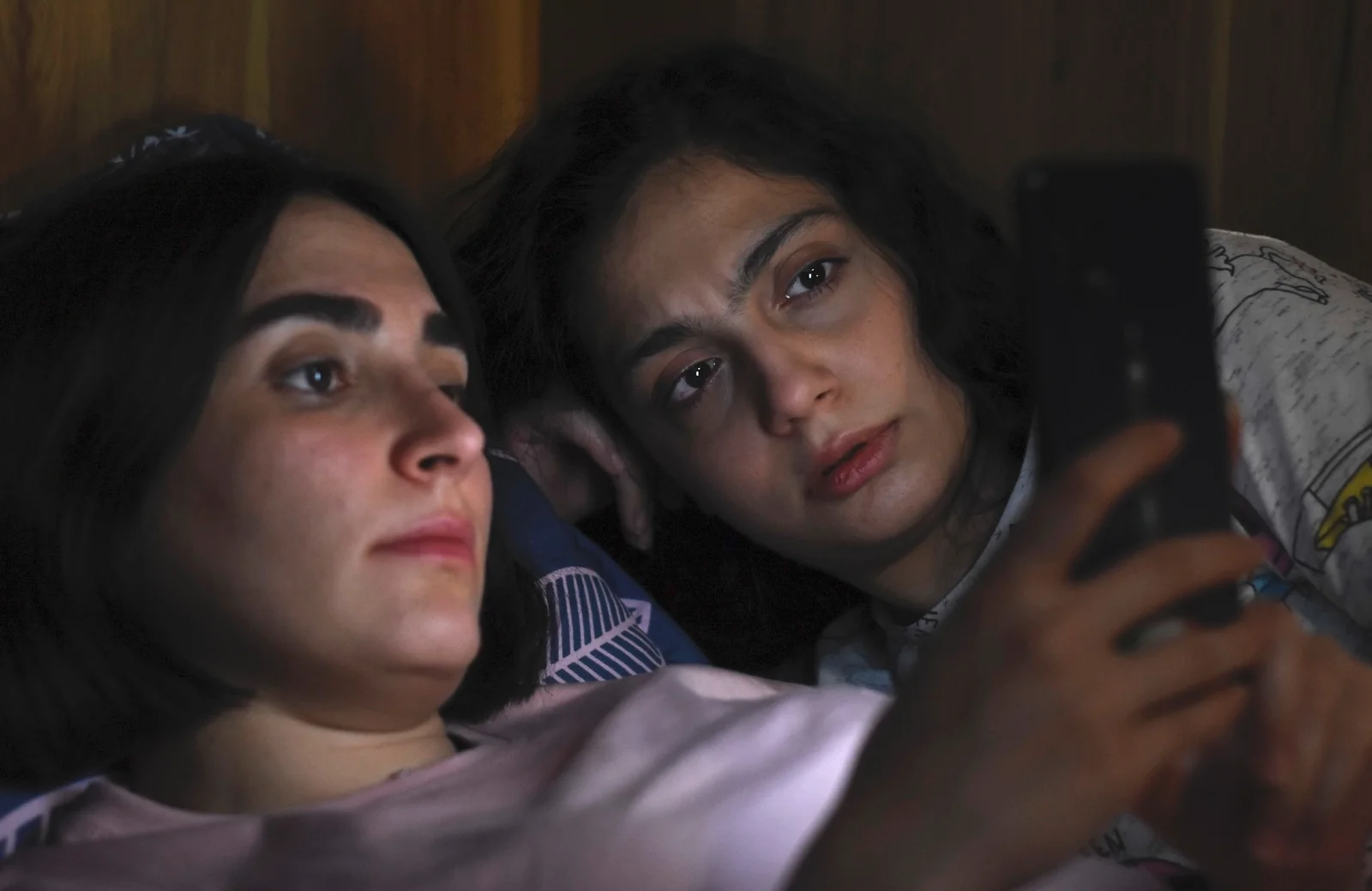
The Seed of the Sacred Fig (2024)
The Seed of the Sacred Fig bravely takes on the increasingly violent patriarchy and theocracy in modern-day Iran. It follows a family of four—Iman, Najmeh (Soheila Golestani), Rezvan (Mahsa Rostami), and Sana (Setareh Maleki)—and reveals how the political can creep into the personal. Iman, the father, has just been promoted at work (he’s one step closer to being a judge), while his two daughters are budding revolutionaries. The educated girls see through the lies of state television and challenge their conservative parents’ ideas on government and religion. It sounds straightforward, but director Mohammad Rasoulof lets everything unfold subtly and sharply. By the second half, the film transforms into a slow-burn thriller as the family home becomes a microcosm of Iran itself. It’s a brave film helmed by even braver people. Rasoulof and his cast, who filmed in secret to avoid the film ban in Iran, had to escape to Europe after they were interrogated and sentenced in their home country. The Seed of the Sacred Fig can’t encapsulate the entirety of Iran’s troubles, nor does it try, but it’s a good place to start.
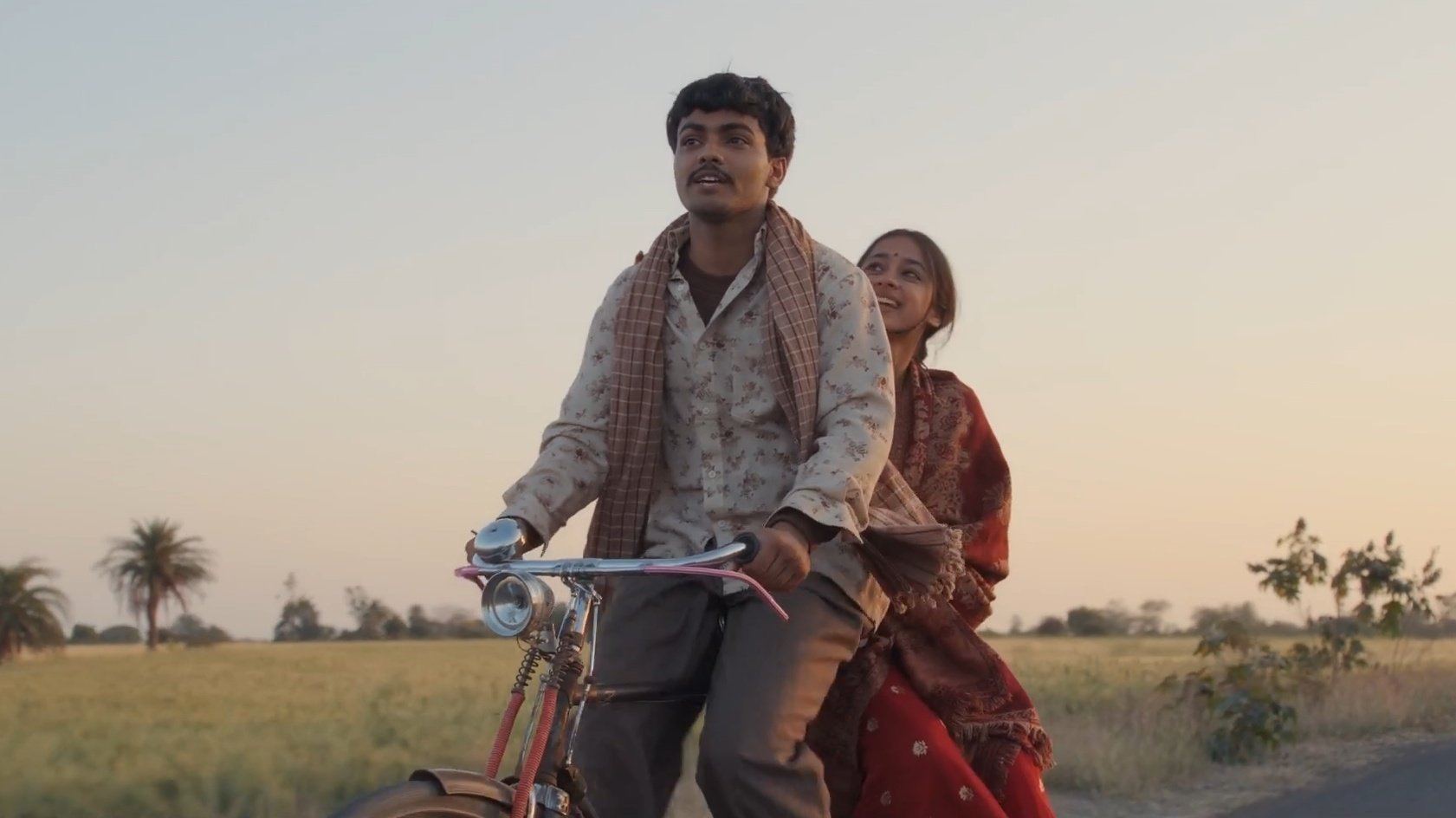
Laapataa Ladies (2024)
When two young brides are mistakenly swapped on a train, it’s a difficult situation, much more so when the brides in question are both veiled and wearing the same red bridal attire. This seemingly simple swap is the entire plot of Laapataa Ladies, but director Kiran Rao transforms this mishap into a hilarious, yet realistic, satire that challenges plenty of the norms enforced on women in the country. As Phool and Jaya switch places, the film understands where their respective mindsets come from– Phool having not learned much about the world, and Jaya having been jaded by it– but the film doesn’t stop there. It brings them to places that challenge those mindsets, and in turn, they challenge the people around them too, by actively making choices from the mindsets they had to hold to survive. Laapataa Ladies is what it says on the tin– Laapataa is the word for lost– but the sharply written characters, the witty dialogue, and the subtle social commentary make this charming love story one of a kind.
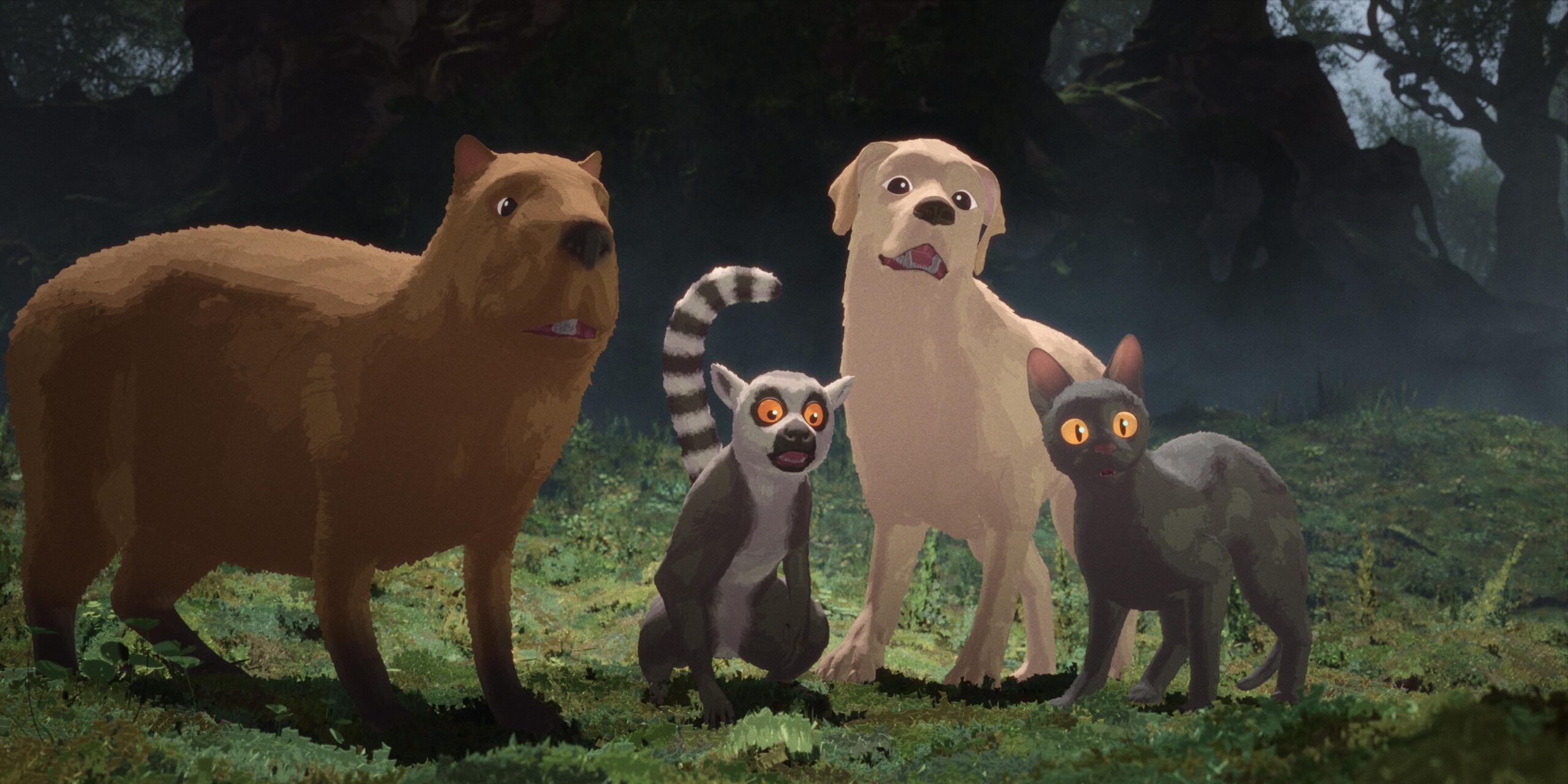
Flow (2024)
Though wordless and human-less, Flow might be one of the most charming films about humanity you’ll ever see. It follows a group of different-species animals who’ve formed an unlikely bond as they try to survive a massive flood. There’s a quirky lemur, a friendly dog, a majestic bird, a wise capybara, and connecting them all through its curiosity (and cuteness) is a cat. They go through an adventure of sorts as they look for high ground, but don’t mistake this for a Disney or Dreamworks picture. This independent Latvian film gets unapologetically bleak. And as adorable as it is, there’s also a sense of endless dread coming from the uncertainty of their future. The filmmakers aren’t afraid to show things like death and predation—this is a survival, post-apocalyptic movie after all—but without spoiling anything, it still has a gleaming sliver of hope. That Flow can make ideas like selflessness, cooperation, and community feel like instinctive, animalistic urges is inspiring, and maybe more than we deserve.
I’m Still Here (2024)
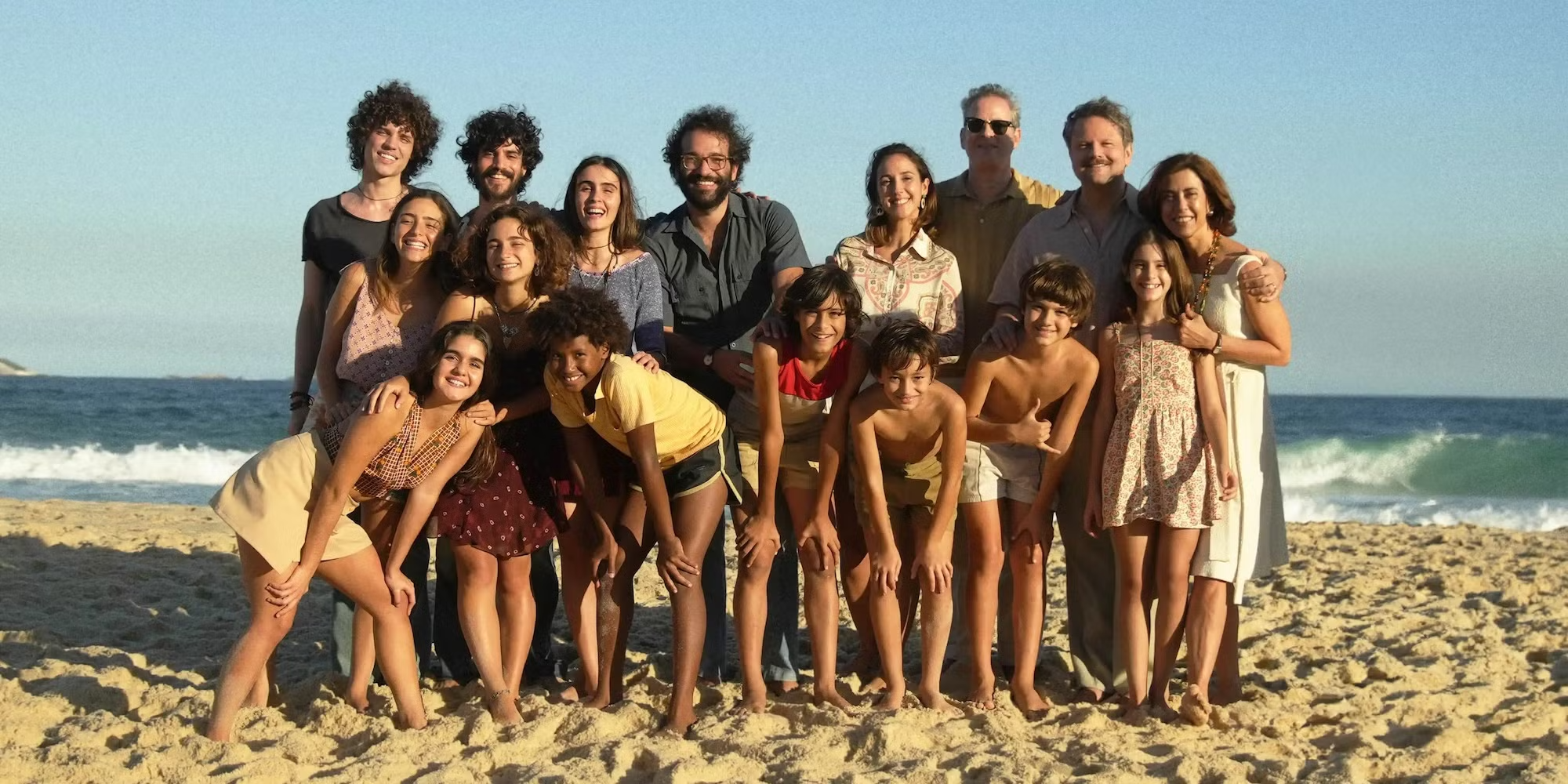
At the height of a military dictatorship in Brazil, forced disappearances were an unfortunately common occurrence. It was the government’s brutal way of weeding out perceived enemies, even though, more often than not, their accusations were baseless. I’m Still Here tells the true story of one such victim, Ruebens Paiva, but through the eyes of the wife he left behind. And so while it is crucially a political movie, I’m Still Here is also a heart wrenching tale of grief and resilience. It subverts expectations, too, by never being overly dramatic. Fernanda Torres commands her character, Eunice Paiva, with dignity and restraint. Though she barely voices it out, you can see the pain in her expressive eyes and her tensed muscles, in her strained voice and her determination to keep her five children afloat. Things happen matter-of-factly in the film, which adds to the sadness of the reality. Life doesn’t owe us explanations, and it can remain mysterious till the bitter end. Like Eunice, sometimes the best we can do is to hold on to what we know is true, and to never forget.
Housekeeping for Beginners (2024)
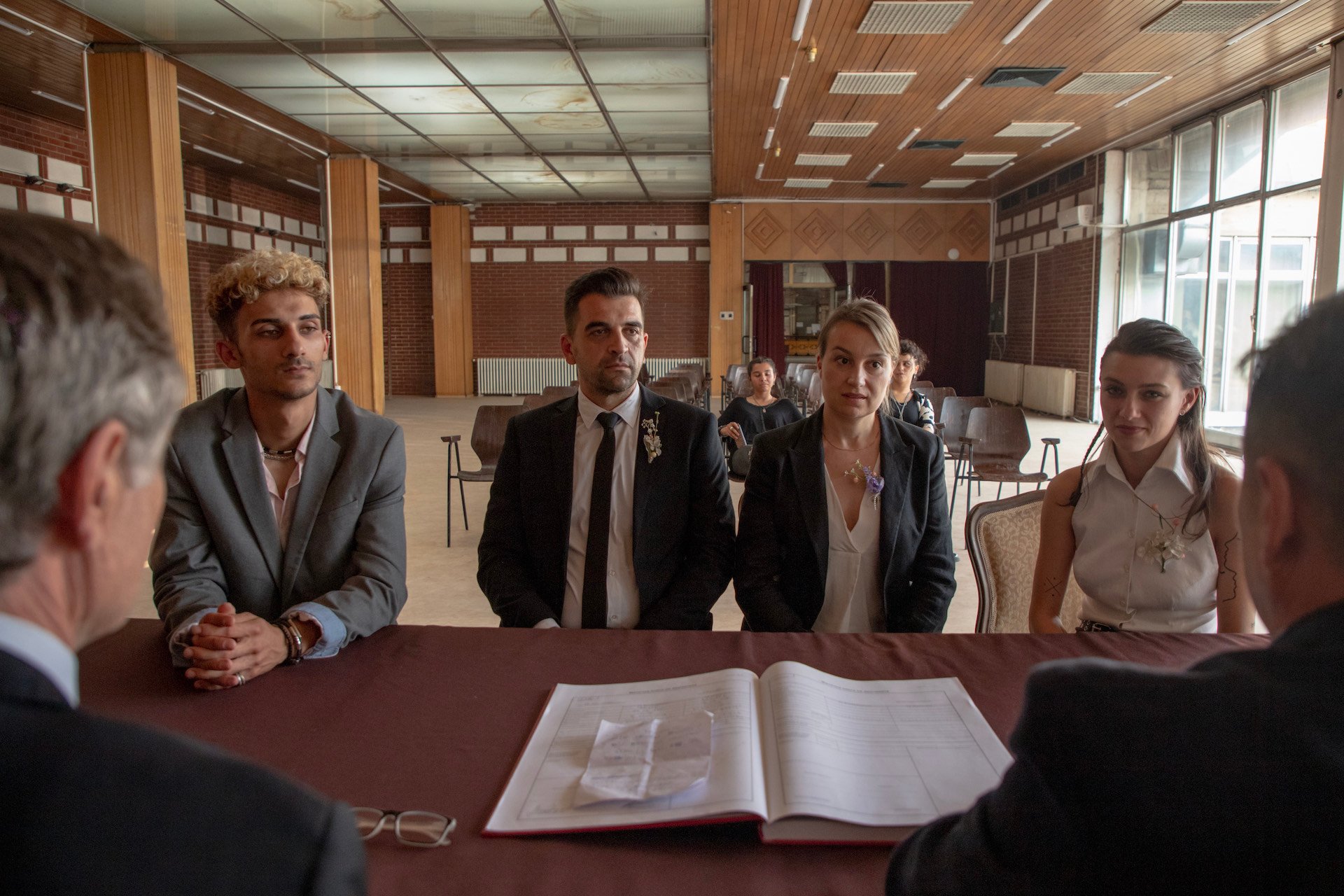
Only a few people in Dita’s house are related by blood, but you wouldn’t know that by how they move. They’re tight-knit but argumentative, loving at times but spiteful in other instances. In other words, they’re complicated just like any other family. Housekeeping for Beginners makes a compelling case for the validity—and at times necessity—of found families like Dita’s, who all found each other after being shunned by their race and sexuality. As in his previous works, Director Goran Stolevski paints a realistic and relevant portrait here, one tinted with striking pain and poignancy, bound to leave your heart aching long after the credits roll.
How to Make Millions Before Grandma Dies (2024)
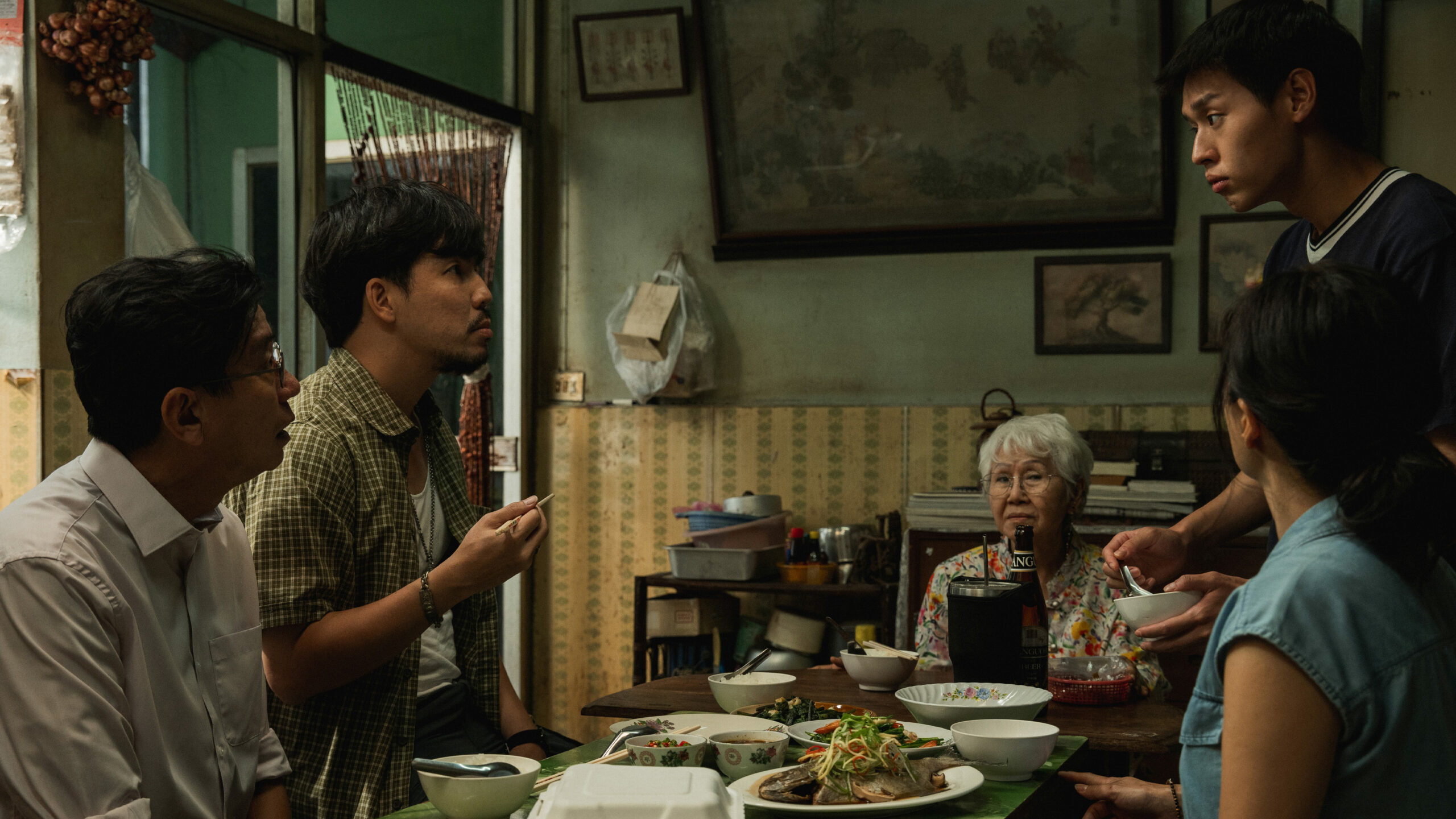
Grandparents are often depicted as innately loving, especially towards their grandchildren, so it’s a delight to see someone like M’s Amah, who is testy and tenacious, and quite proud to be doing her own thing even in her old age. She runs her house alone and sells congee in her neighborhood, and even when presented with the worst possible news, she refuses pity, only allowing M back in her life after he proves his motives are sincere. M, to his credit, is believably selfish and sensitive as a young school dropout. Together, the two and their crackling push-and-pull chemistry are a blast to watch. It’s tender, but never overly saccharine, and no matter how much you resist you’re sure to shed a few tears. How to Make Millions Before Grandma Dies may not have the most original plot (I’m sure you’ll be able to guess the ending just by reading the premise alone), but it’s thoroughly engaging, not only because of the two leads, but because of it’s relatable messages about family dynamics (especially Asian family dynamics), money, and legacy. The gentle, unobtrusive cinematography by Boonyanuch Kraithong makes it extra easy on the eyes too. I only wish the movie explored the misogyny of tradition more, instead of merely touching upon it (“Sons get the goods, daughters only get the genes” is such a brilliant line), but I suppose that would need a female writer/director at the helm.
Dead Talents Society (2024)
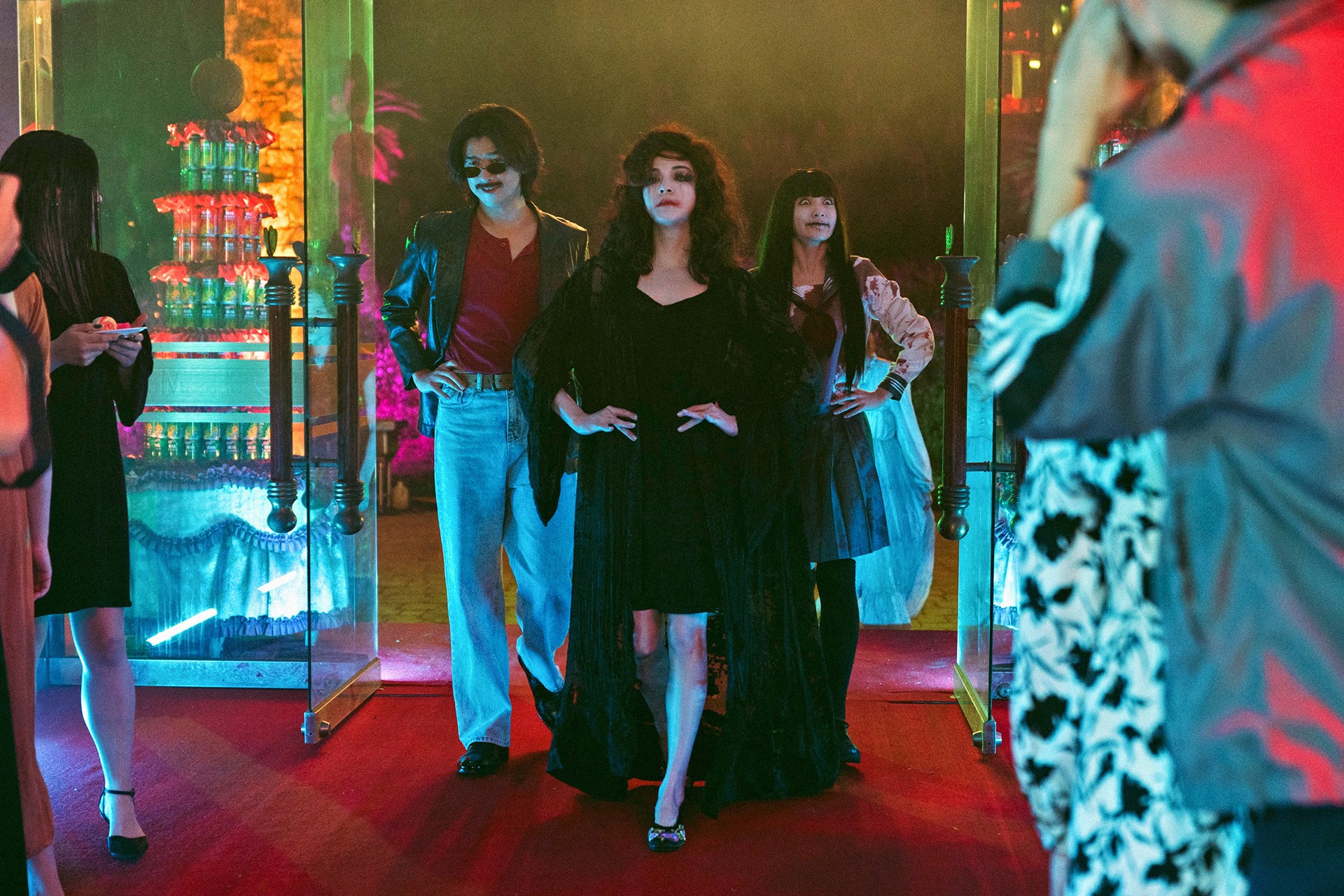
In the Dead Talents Society, ghosts haunting humans are less of a scare, and more a performance that can grant fame and fortune in the underworld. It makes for incredibly charming comedy. It affectionately satirizes East Asian horror in such a fresh way, comparing a ghost being remembered to today’s social media influencers, with views and validation directly tied to survival. However, as these ghosts scramble to scare unwitting humans, writer-director John Hsu resolves their need to be seen through the familiar path of fun and friendship, an approach that works with its offbeat humor and incredible performances. Dead Talents Society is very goofy, but it’s a unique horror comedy that won’t easily be forgotten.
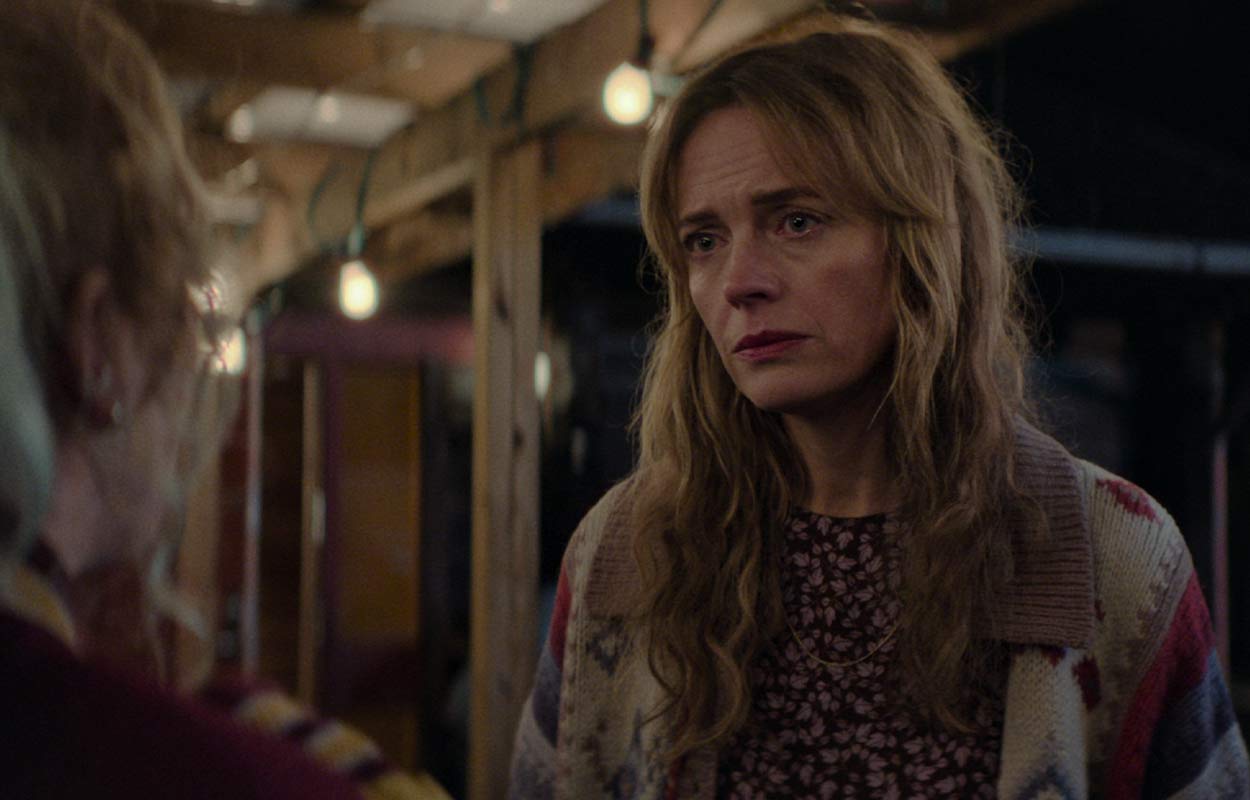
Let Go (2024)
Let Go follows the same structure as many modern family dramas. You can practically tell how it ends five minutes in. Its plot is thin and predictable, and in lesser hands, it would’ve been relegated to forgettable Netflix fare. But Josephine Bornebusch‘s strong direction, the actors’ realistic performances, and the script’s sharp insight into family dynamics save it from sentimental mush. Bornebusch, who also wrote and stars in the film, displays an excellent level of control here. Just when the film threatens to teeter into melodramatic territory, Bornebusch reigns it in and trusts her talented cast to do their magic. Their easy chemistry and quiet expressions of pain and delight are a delight to watch.
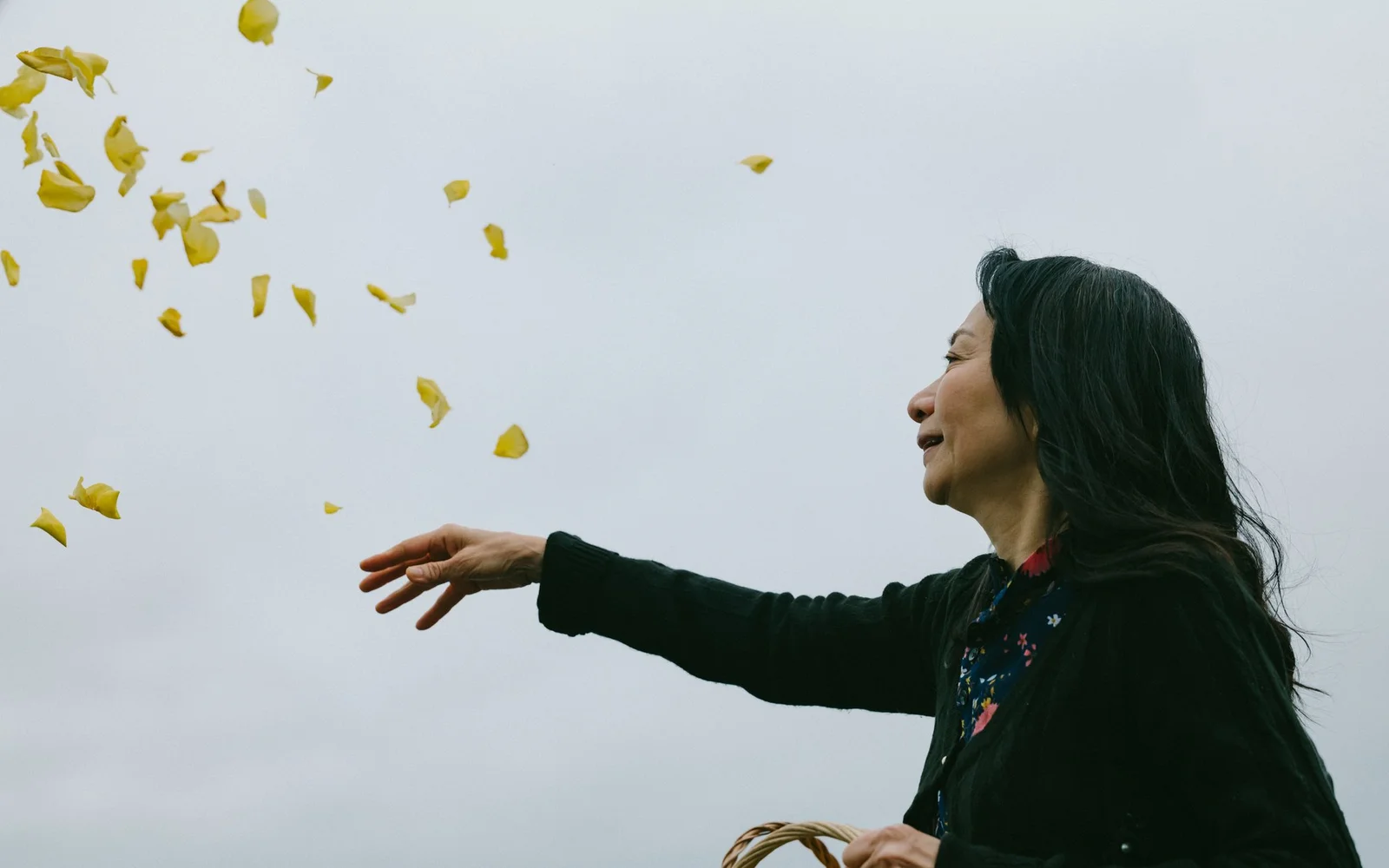
All Shall Be Well (2024)
While the film is calm, contemplative, and never goes into histrionics, there’s a deep-seated anger in All Shall Be Well that powers every scene. Sure, most of the scenes revolve around estate planning, talking with lawyers, and hashing things out through civil discussion. And sure, Pat’s biological family calmly explain their reasons behind their decisions. However, while dressed up in logic, All Shall Be Well understands the real weight of what they’re asking for from Pat’s life partner Angie. Every request reveals the limit of the family’s acceptance of Pat, how willing they are to ignore Pat’s wishes just to take advantage of a financial deal, just so they benefit from the home Pat and Angie built. With Patra Au’s brilliant performance, the drama underlines how the system is stacked against Pat and Angie’s love, but also how their love still transcends past the material.
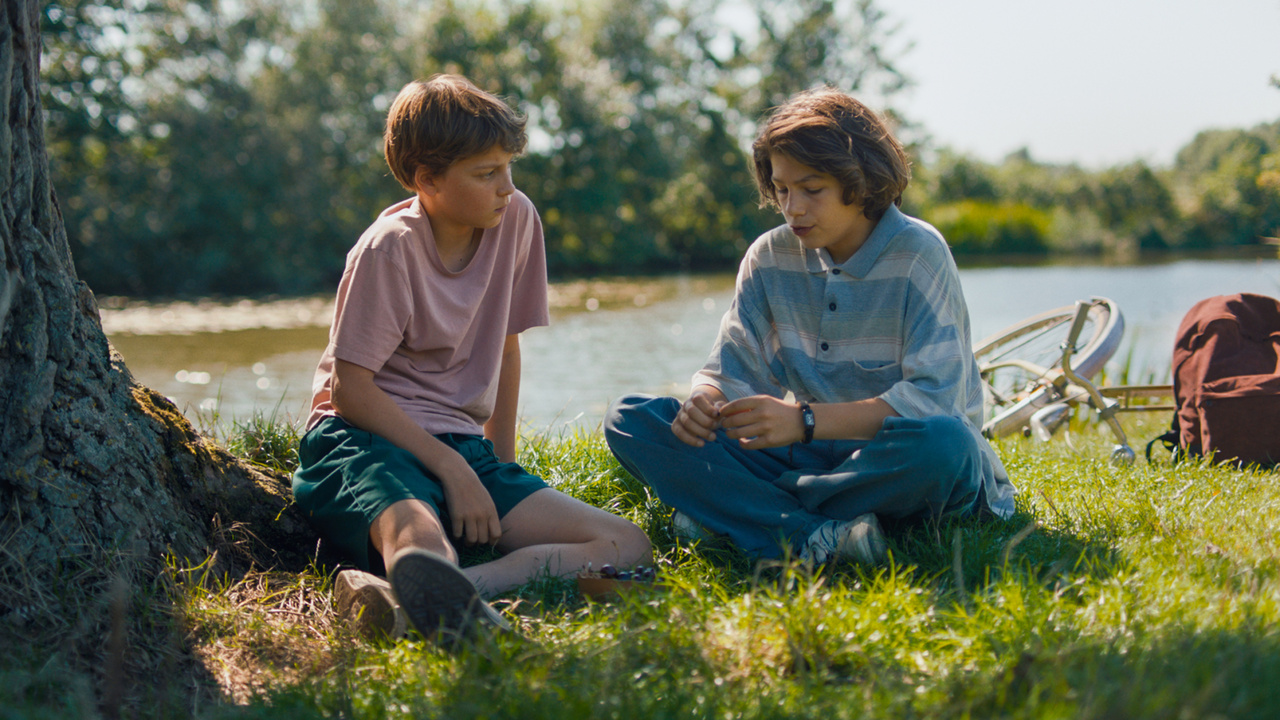
Young Hearts (2024)
Because of the progress society has made, modern day gay romances don’t need to rely on tragedy for conflict. That’s because many of the societal barriers gay people used to face are now broken. But that doesn’t mean it’s now easy to come out and call it a day. In this Belgian-Dutch drama, Elias still has to figure out his own feelings, a struggle that any kid goes through when they have their first crush, same sex or otherwise. Young Hearts simply acknowledges that it’s normal, and shows to those still figuring it out that it’s all part of the process.

The Glassworker (2024)
Who hasn’t been inspired by Studio Ghibli? Pakistan’s first ever hand-drawn animated feature clearly takes inspiration from the famed film studio, especially with the gorgeous detail work. However, what we find interesting is how The Glassworker doesn’t just take notes on their art style. The filmmakers also follow their ethos. While hesitant in referencing real-world conflicts, the childhood romance with a general’s violinist daughter and a craftsman echoes Ghibli’s own anti-war stance. Pairing this first love with the conflict between pursuing the craft and being complicit in the war reminds us of The Wind Rises. But ultimately, The Glassworker understands and celebrates ordinary life. And it’s this respect for life that pushes them to stand against war. While the film doesn’t go above and beyond Ghibli, The Glassworker is a much more heartfelt homage to the studio compared to the widespread copy-pasting done by generative AI.

A Samurai In Time (2024)
Usually, time travellers journey back to the past. This indie comedy takes the other path instead, with one samurai travelling forward to the 2000s. Luckily, he’s transported to the most fitting place in the modern era– a film set for a period drama set in the same time he came from. This unexpected journey is rather entertaining. On one hand, it’s hilarious to see him stumble, trying to make sense of the new Japan he’s in. His appreciation for today’s modern-day conveniences highlights how freedom ordinary folk now experience. On the other hand, the film juxtaposes his predicament with national history and the jidaigeki genre, grounding the comedy with the sincere belief in Japan’s ability to transform. A Samurai in Time takes a pretty funny premise to an entirely surprising conclusion.
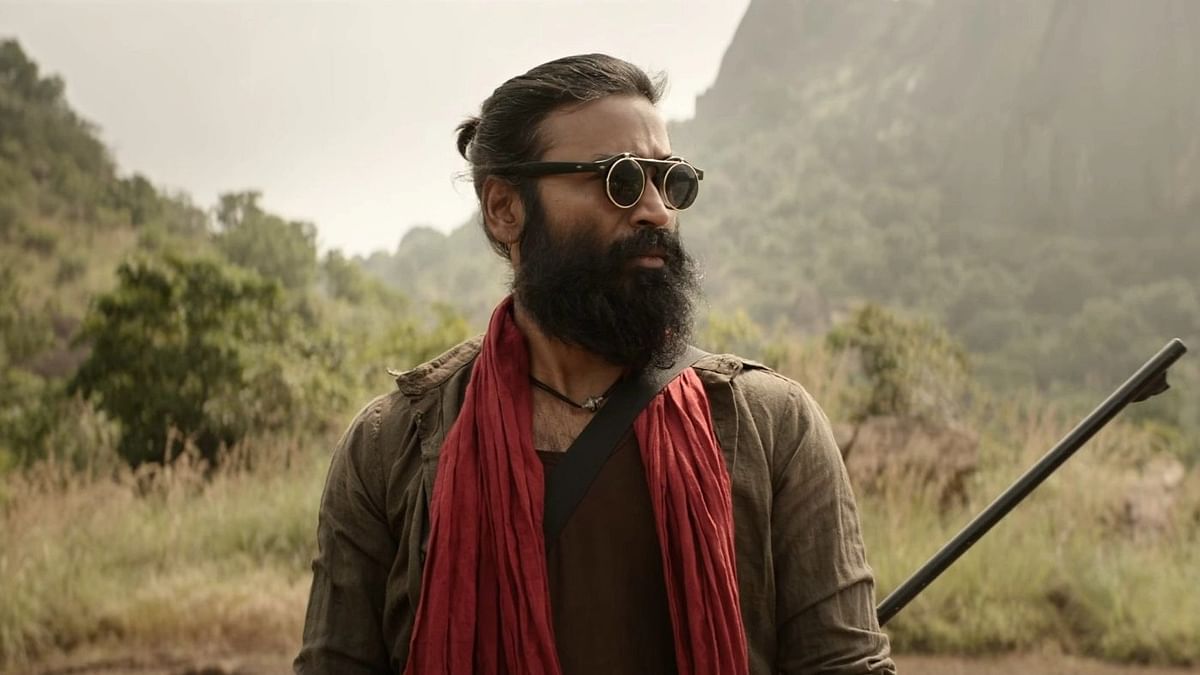
Captain Miller (2024)
Set in the British colonial era, Captain Miller is more unapologetically violent than its counterparts, but it’s not mindlessly so. Sure, the film has plenty of spectacle with numerous battles between townsfolk versus British colonialists, some scenes having gruesome, gory deaths. But in between these battles is Dhanush as the central character, contemplating the oppression from his fellow countrymen, the dignity denied to him from both the colony and more privileged locals, and the choices he chooses to make in spite of this. It’s not a straightforward bad versus good anti-colonial film like RRR, and it may not be as emotionally compelling, but Captain Miller is certainly a unique take on British colonialism with all of director Arun Matheswaran’s signature style.
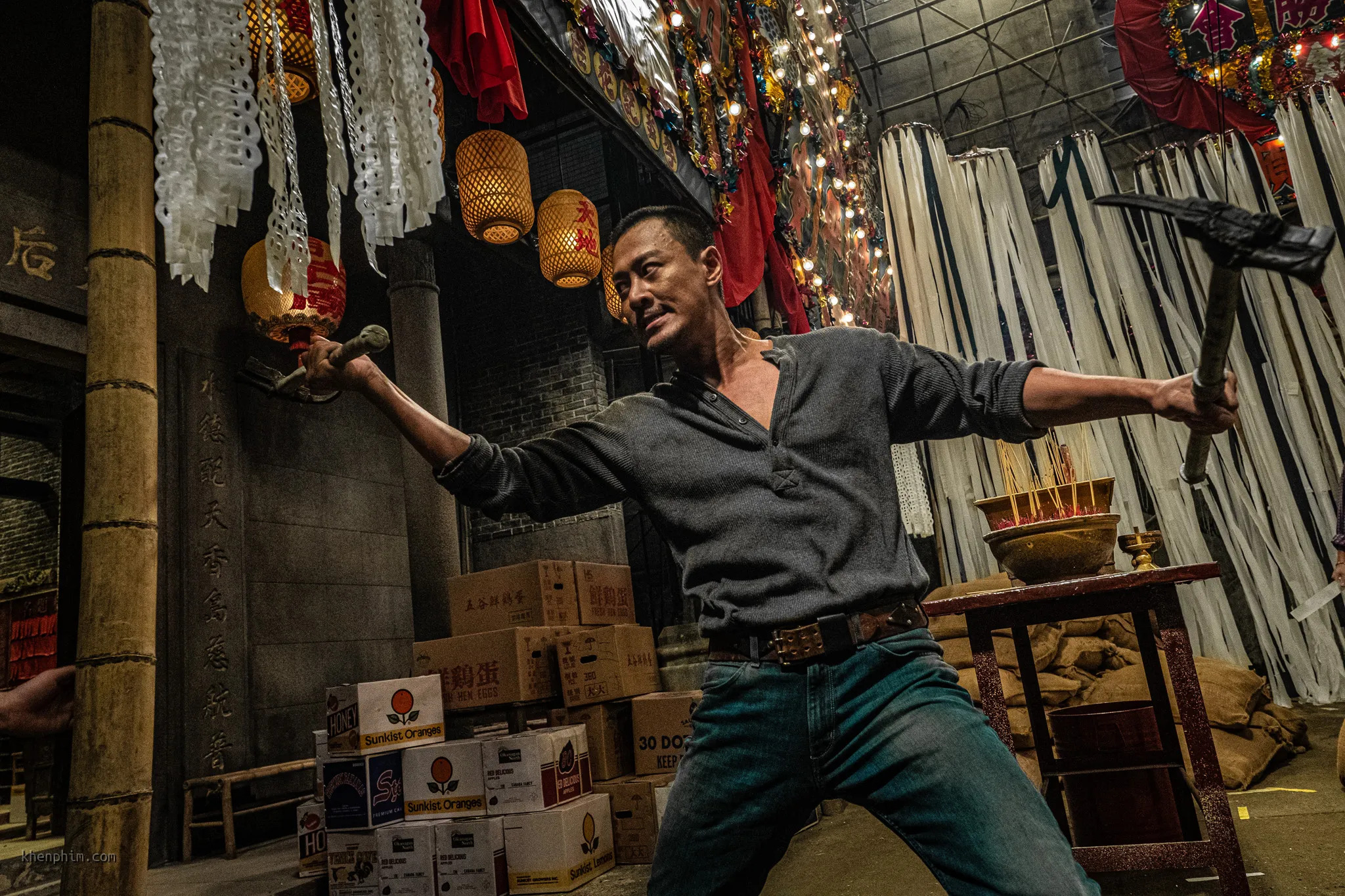
Twilight of the Warriors: Walled In (2024)
If you’re craving for the fast-paced fights, hand-to-hand combat, and insane stunts of Hong Kong action cinema, you might enjoy Twilight of the Warriors: Walled In. This novel adaptation has a gangster storyline we’ve seen before, but the action? Impeccable. The action sequences are unrelenting with its underground fighter protagonist stumbling into a convoluted web of alliances and enemies, so every moment feels thrilling, even during the quieter moments. The choreography is flashy, the stunts are great, and it’s all performed by some of the best action stars across generations. Admittedly, the occasional CGI can be a bit distracting. Still, Twilight of the Warriors: Walled In is a welcome throwback to Hong Kong action flicks.
No titles match these filters.