
45 Best Coming-of-Age Shows to Watch Right Now
Updated
As nice as it is to remember adolescence in all its fresh and pink-hued glory, we all know the so-called wonder years of our youth weren’t really all that wonderful. Puberty was awkward, fitting in painful, and rude awakenings unavoidable—a punch in the face wherever you looked. The best coming-of-age stories capture that bizarre mix of awestruck and angst. And we can look to films for that, but there’s something special about a TV series dedicating its entire, episodic run to exploring this specific time in our lives. The characters start to feel like friends; their aches relatable and their growth a cause for joy. So below, we round up the very best shows to do just that. Some are funny, some are grim, but all offer that unique company only a fellow kid going through it can give.
How we make these lists
No AI. No algorithms.
We are 100% human-curated. Everything you see here has been handpicked by a team of experts.
At least 7/10 on IMDb
So you know they are appreciated by viewers, not just high-brow critics.
At least 70% on Rotten Tomatoes
We combine this with the IMDb bar to keep only the best of the best.
Find more to watch
45 Best Coming-of-Age Shows to Watch Right Now
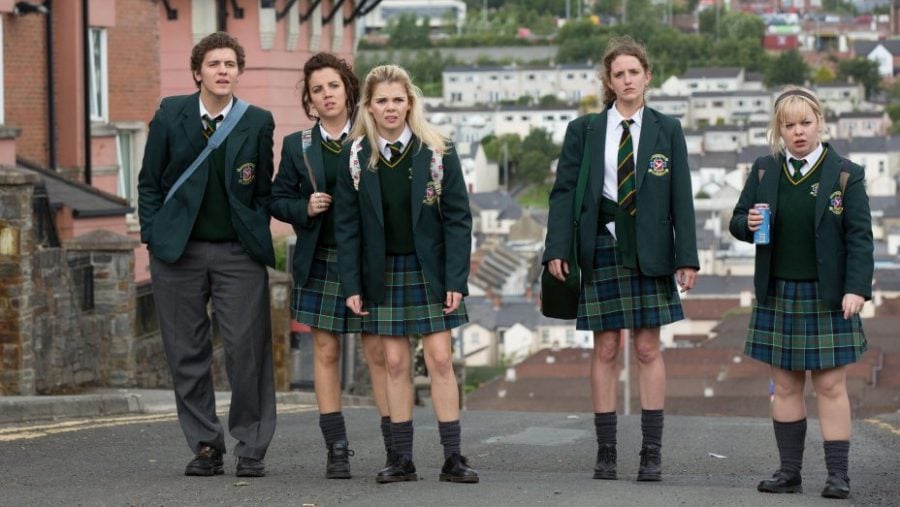
Derry Girls
If you’re looking for a funny yet original sitcom, look no further than Derry Girls.
It takes place in 1990s Northern Ireland where civil unrest reigns. News of bombings is regular. This is a cause for concern for a lot of people, but for one group of teenage girls life continues as usual. Making fun of the first boy at their all girls school and being embarrassed by crushes are unshakable priorities.
Derry Girls might have been a good show with just the 90s nostalgia and the political undertone, but the sharp and hilarious writing elevate it to greatness. It is truly one of the best sitcoms ever made. If you liked The End of the F***ing World, you will enjoy Derry Girls. They differ in plot but they both carry similar elements of dark and dry humour.
Watch out for Sister Michael, she is hilarious.
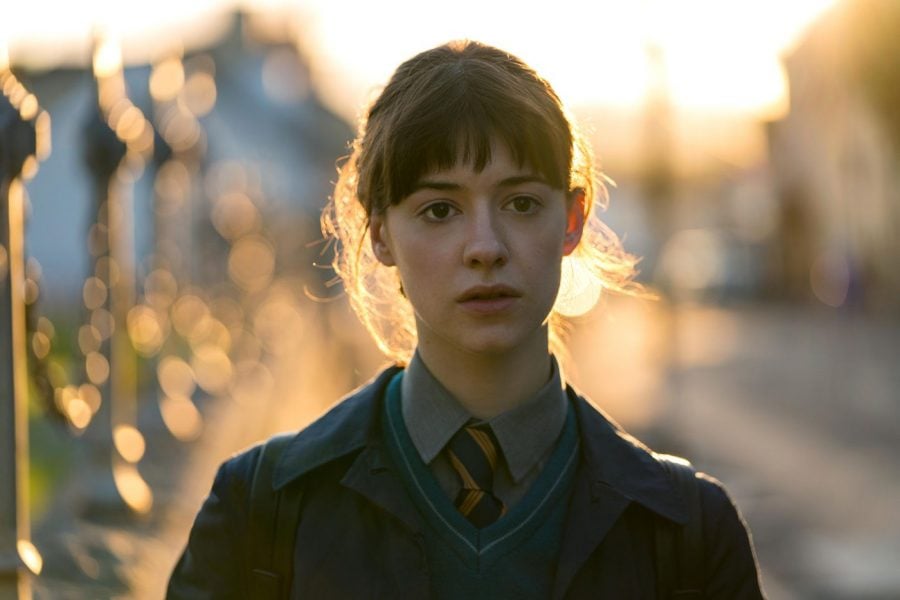
Normal People
The author of the much-loved New York Times bestseller, Sally Rooney, is among the writers of this TV dramatisation, directed by Irish compatriot and indie director Lenny Abrahamson. Abrahamson, who also gave us Frank and the film adaptation of Emma Donoghue’s Room, builds on Rooney’s fantastic source material and an evocative soundtrack to create an intense, atmospheric drama about the vitality and violence of young love.
Initially set in rural Ireland, Normal People follows Marianne Sheridan (Daisy Edgar-Jones) and Connell Waldron (Paul Mescal) as they are figuring out themselves, their connection, and impending adulthood. And that is all I am going to say at this point, because I feel that it is best to know as little as possible going in.
Every detail of every scene feels studied, laying bare the raw emotion of the two main characters. The dialogue is sharp and funny. The acting is flawless. One thing is certain, if you like modern drama that is as much about how and what is said as about what is actually happening, you will have to watch Normal People!
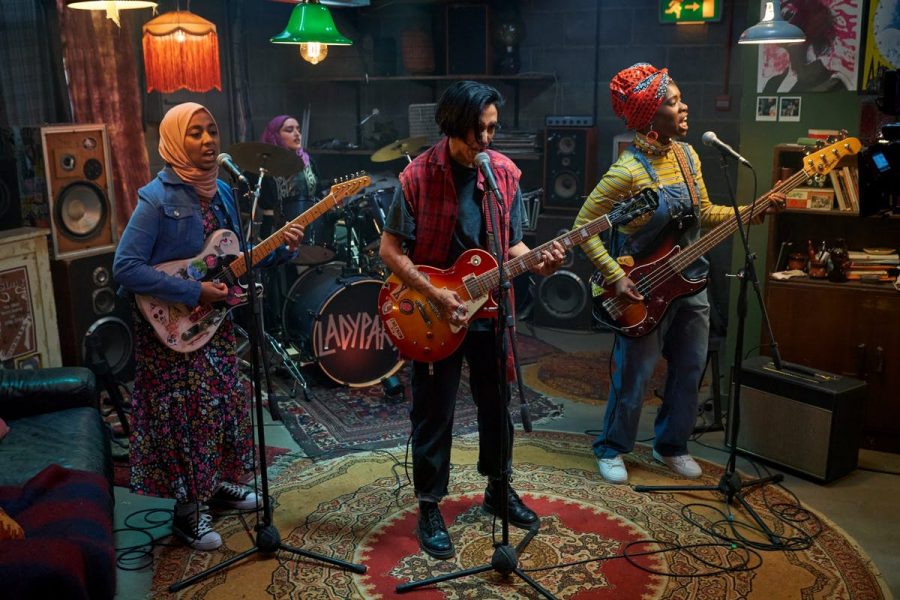
We Are Lady Parts
This British comedy is about Lady Parts, an all-female, all-Muslim Punk band. Their latest member is Amina, a Ph.D student who is a great guitar player but has a form of stage fright that gives her bursts of diarrhea and vomiting.
To add to this serious obstacle, Amina is also not very “punk”. The reason she joins Lady Parts is to score a blind date with the brother of one of the band members – in hopes of marrying him.
It’s a fun, unapologetic show that, like the Hulu hit Ramy, digs up the humour in the complexities of being young and Muslim in today’s world.

Better Things
This bittersweet comedy centers on Sam Fox (Pamela Adlon), a single mother and working actress doing her best to get by in LA. In between juggling the pressures of both parenthood and Hollywood, Sam lets loose in brave and funny ways. Things often get the better of her and her three young daughters, but her bold, funny, and always loving approach to life is what makes Sam—and indeed the show—a true knockout.
Better Things is a semi-autobiographical story, with Adlon also having daughters of her own, so it’s no surprise that many things ring true in this big-hearted show about single motherhood.
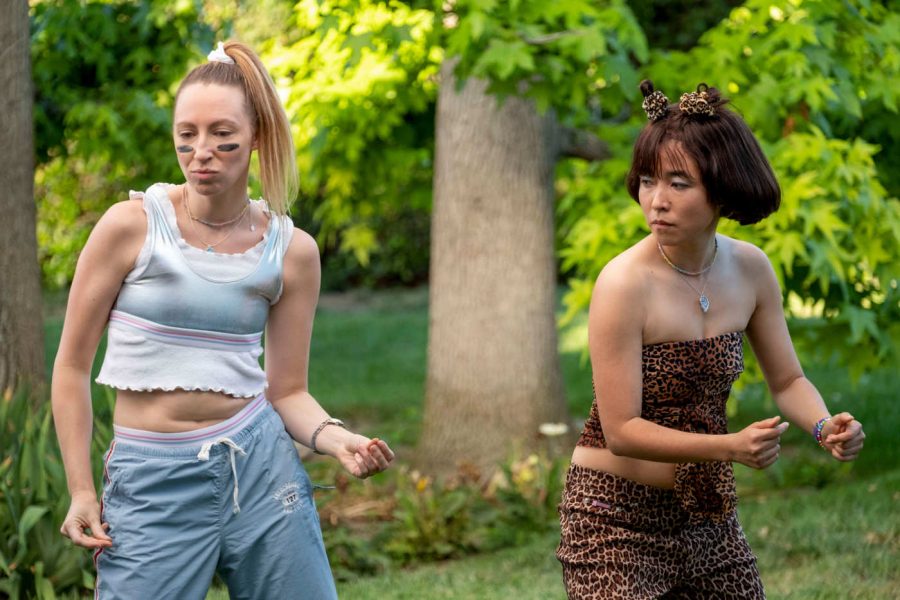
PEN15
Co-created and co-produced by an amazing duo, Maya Erskine and Anna Konkle, who play fictional versions of their 13-year-old selves among a bunch of actual adolescents, Hulu’s PEN15 is a painfully funny teen sitcom about two friends going through middle-school together. With meticulous detail, it is set in the 2000s, including the discmen, the khakis, and the AOL dial-up sounds, but you certainly don’t have to be 30+ to enjoy the masturbation, boys, overall awkwardness, and other superbly spun teen comedy tropes. Erskine and Konkle’s middle-school experience was obviously all about being the lesser cool kids and they embody this to the fullest. It’s hilarious and cringey, sometimes gross, but also insightful. A lot of fun!
Undeclared
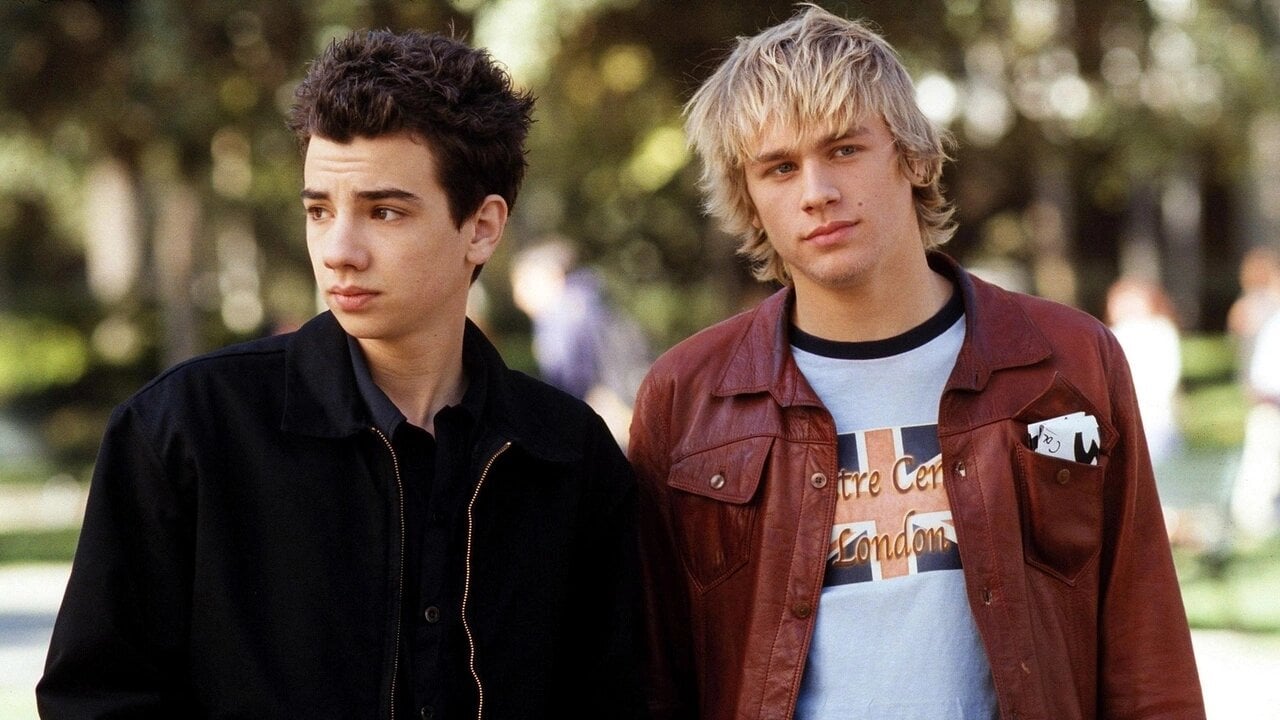
If you mention “coming-of-age show” and “Judd Apatow” in one breath, chances are people will think you’re talking about Freaks and Geeks, the highly revered series about a group of friends trying and failing to fit into high school. Despite being a commercial bust, it cemented Apatow as a tragicomic giant and launched the careers of Seth Rogen and James Franco (among many others) as the figures to watch out for a slapstick good time. But there is another series that falls into this category: the little-known but brilliant Undeclared, which also follows a group of young people (Rogen included!) trying their best to figure things out.
Undeclared is set in college, however, and its main protagonist is Steven Karp (Jay Baruchel), a freshman who has a year to decide what he’s majoring in; until then, his status is undeclared. He’s joined by his roommates and the girls next door, and together they experiment—with class, ideologies, fraternities, and each other. The sky’s the limit for these newly independent adults, and as such, Apatow doesn’t hold back in his humor and subject matter. Undeclared captures that weird mix of apathy and ambition and awkwardness that college makes you feel, making it perfectly relatable for many of us.
It’s also worth mentioning that a great deal of comedians, both established and up-and-coming at the time, make cameos here, including Will Ferrell, Adam Sandler, and pre-dental-surgery Amy Poehler.

I’m a Virgo
Boots Riley established himself as a wildly creative voice with 2018’s zany anti-capitalist satire Sorry To Bother You, and with his second project, he digs his heels even deeper into that singular approach. I’m A Virgo’s world feels deeply uncanny yet intimately familiar, what with its absurdly militarised authority figures, dog-whistling media, and greed-driven economy. It’s set in Oakland, where 13-foot Black teenager Cootie (Jharrel Jerome) lives in secrecy with his normal-sized family. Frustrated, Cootie decides to venture into the outside world, but he’s soon exploited, projected onto, and demonized. However, it’s also not long before he makes his first friends, falls in love, and unlearns everything he thought he knew about the world.
The biggest revelation is that Cootie’s favorite superhero, an Iron Man-esque billionaire called The Hero (Walton Goggins), isn’t actually doing good by enforcing the law to the letter. Though it takes many weird and wonderful detours, it’s this aspect of Cootie’s consciousness-widening that is the show’s ultimate destination. These radical politics give it a sharp overarching focus, meaning its mind-bending eccentricity never feels too indulgent. It all makes for a refreshingly original, gloriously weird watch that you’re guaranteed not to have seen the likes of elsewhere.
My So-Called Life
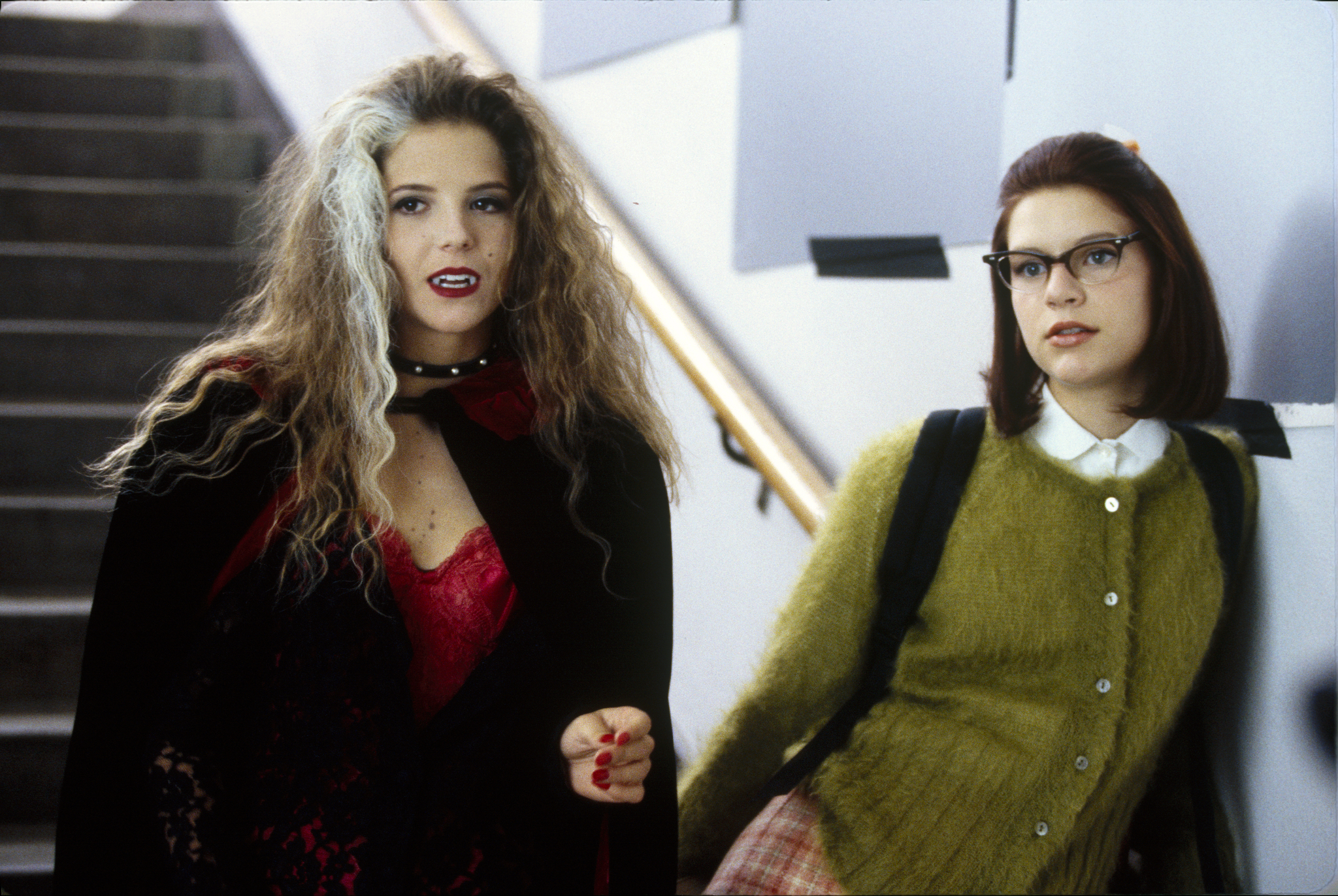
Coming-of-age shows are not hard to come by these days. If anything, there might be too many, with a majority of them being hit-or-miss in terms of quality. But before all this, there was one show that tested the waters and bravely went where no teen show had gone: it was called My So-Called Life, and like anything ahead of its time, it was canceled almost from the get-go.
The show was one of the first to forgo happy endings and neat tie-ups in exchange for depicting the messy, complicated, and real. Fifteen-year-old Angela Chase (Claire Danes) was hardly likable, what with her bouts of angst and anger, but she was always relatable, and you could rely on her and the rest of the Three Rivers gang to deliver the unfiltered truth about teenhood. Even though the ’90s series didn’t attract enough eyeballs to warrant a second season, it’s now getting its due among modern audiences who recognize its influence in every disaffected young lead trying their best to navigate the confusing waters of youth.
Forever
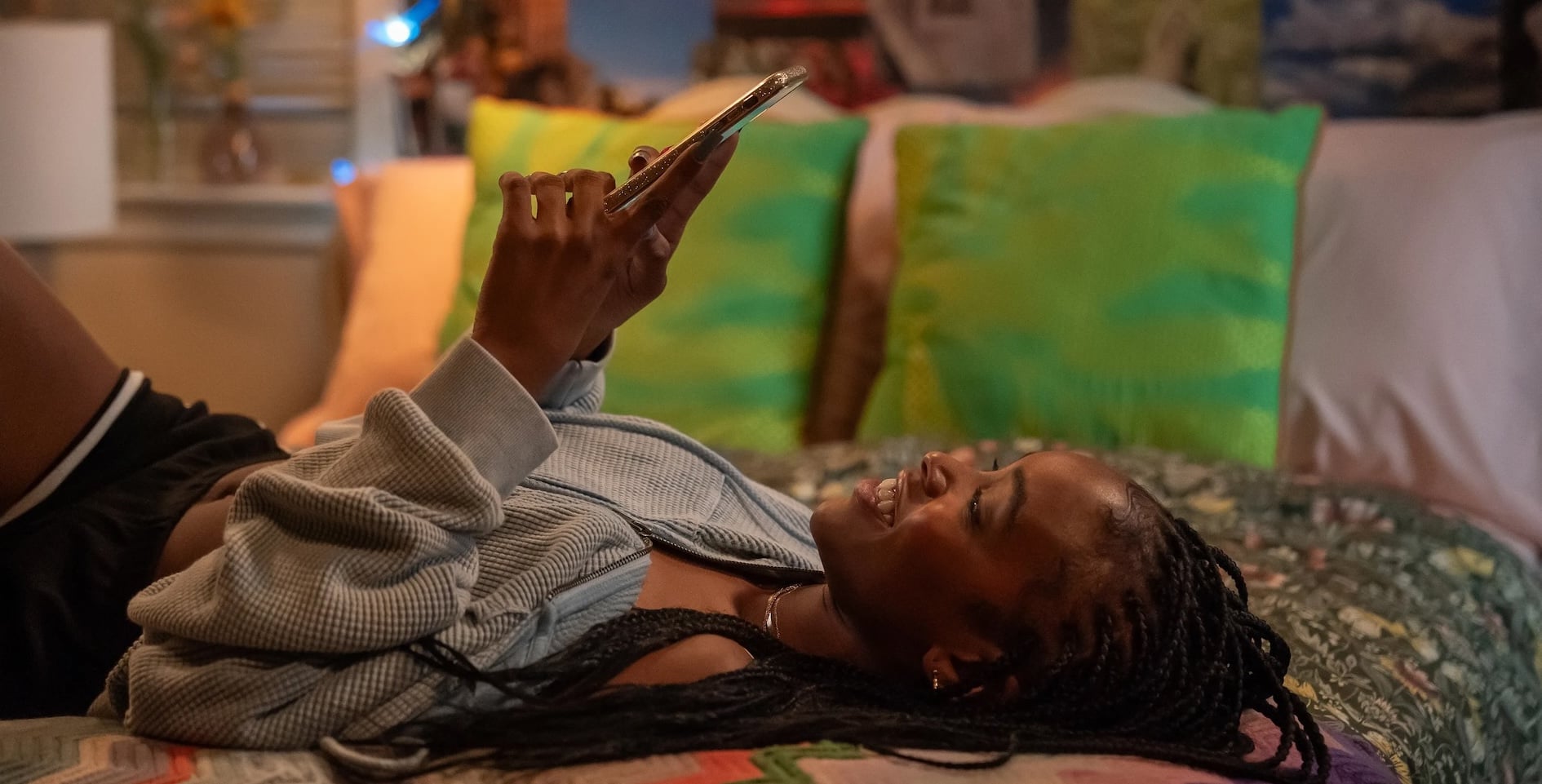
Based on the Judy Blume novel of the same name, Forever follows two teens in Los Angeles as they navigate love, sex, and their first wade into adulthood. The eight-episode series updates the novel in major ways. Instead of the white 1970s suburban setting Blume (who executive produces the series) is known for, Forever hones in on the specific experiences of Black teens. One is Justin (Michael Cooper Jr.), a wealthy boy struggling to fit in at his predominantly white private school, and the other is Keisha (Lovie Simone), an intelligent track star who lost her scholarship because of a scandal involving her ex-boyfriend, Christian (Xavier Mills). It’s very easy for Forever to turn into a cliche, a coming-of-age series you’ve already seen a thousand times. But Forever stands out because of its specificity and sensitivity in portraying Black teen love. While many young adult shows rely on heavy drama and crazy plot twists, Forever’s characters are robust, interesting, and complicated enough to power eight episodes centered on them alone. Justin and Keisha are sometimes stupid and sometimes smart, but they remain relatable throughout. You’ll find much to like here, whether you’re a young person tuning in for something sweet and comforting, or an adult hoping to remember what it was like to feel as scared and excited to be on your own.
Acapulco
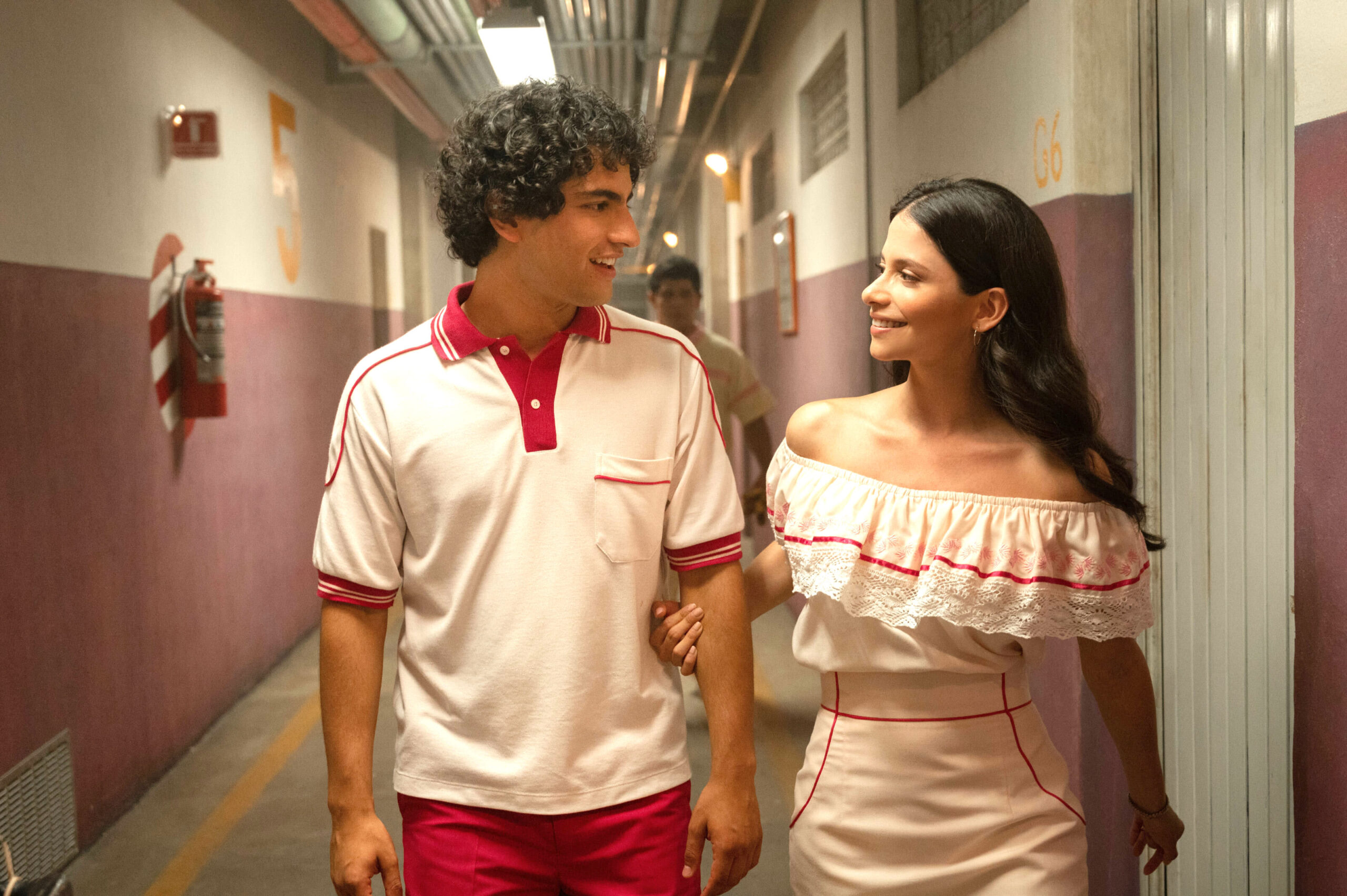
There is an art to making a comedy that can be enjoyed by all ages—a balance must be kept between mature and genial humor, serious and unserious matters—and it’s an art that Acapulco manages to execute with finesse. There’s something for everyone here, whether you’re a kid looking for a good story or an adult wishing to drive by memory lane.
The colors are vibrant, the characters are alive, and the plot, while familiar, is charming nonetheless. But perhaps the best thing about Acapulco is its call for viewers to be kind. It’s never explicit or preachy about it; it just comes naturally, by way of practice.
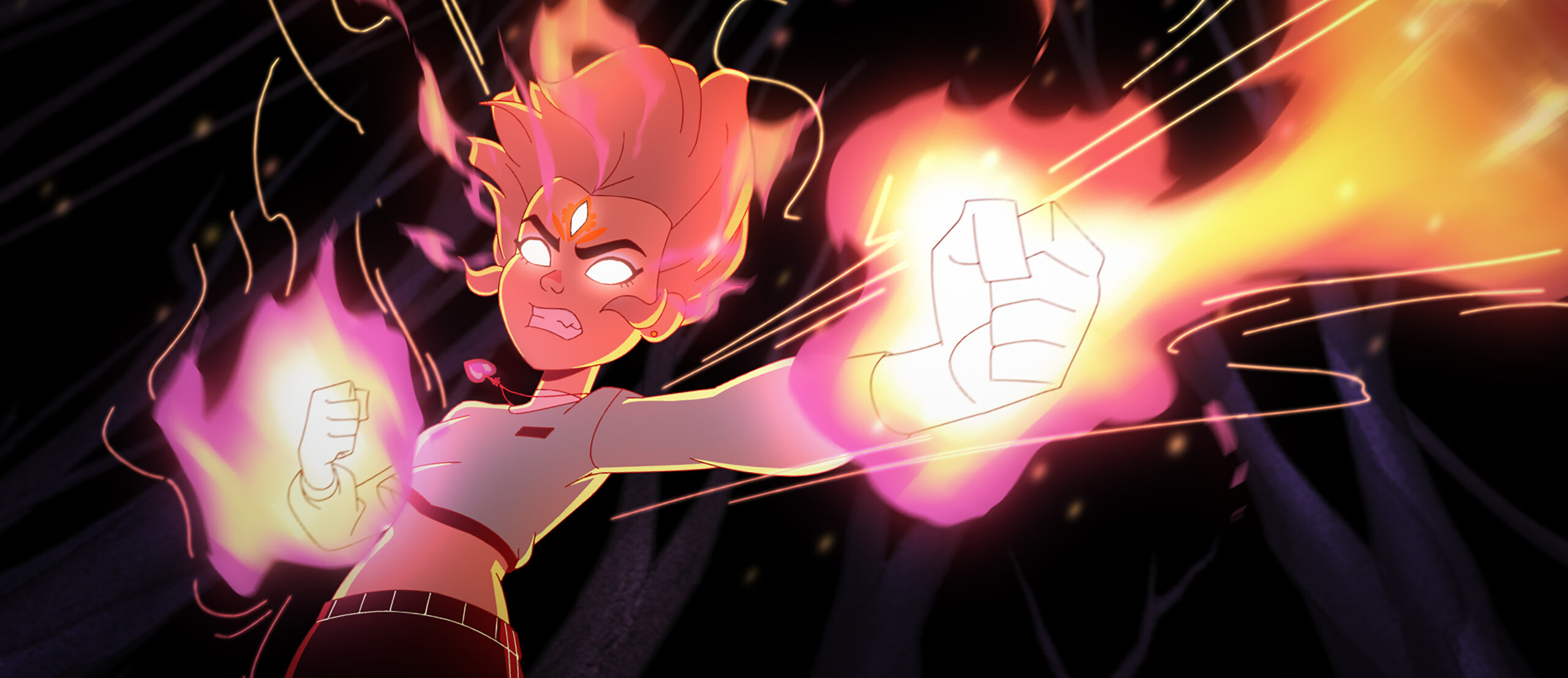
Jentry Chau vs the Underworld
After the cool partnerships Titmouse and Netflix had, their next work was bound to be something to look forward to. Jentry Chau vs. The Underworld starts with a slow start, but the supernatural horror comedy is fun and entertaining, taking inspiration from Asian mythology and classic teen comedies, but writing these tropes and themes in exciting ways, weaving them into a cute, compelling coming-of-age story that reckons with intergenerational conflict, parental control, and self-acceptance. The story works really well, and it’s matched with bold, colorful animation, catchy K-pop soundtrack, and stunning sequences we’d love to watch more of. The lead might have trouble fitting in, but Jentry Chau stands out with its unique storytelling.
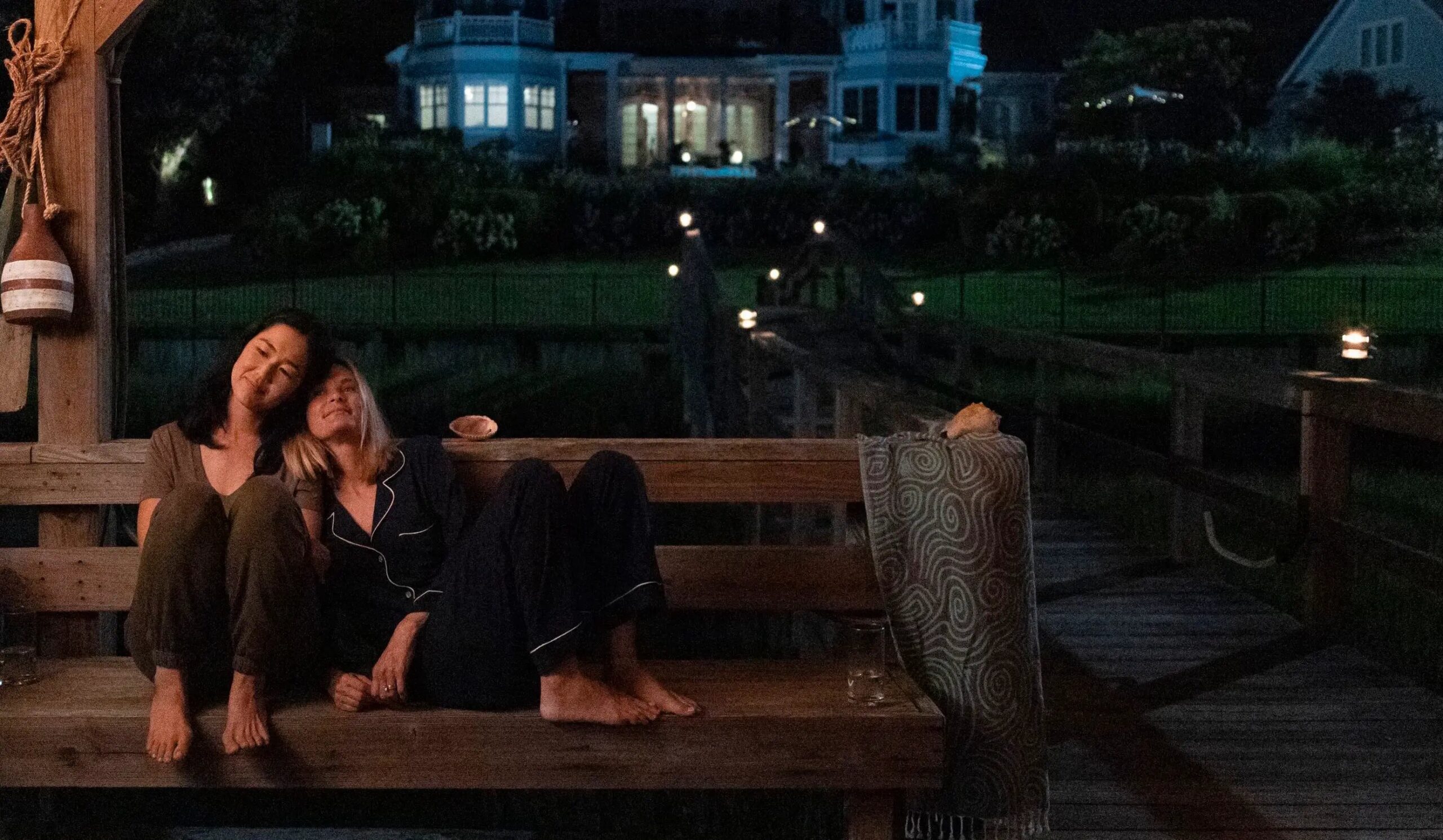
The Summer I Turned Pretty
Stills and synopses of The Summer I Turned Pretty make it seem like typical teenage fluff. It isn’t. Sure, it starts off cheesy and predictable, but it quickly blossoms into something rich and earnest and far more significant than the sum of its parts. The love triangle is merely a jumping-off point to better understand these flawed characters and the people around them. Outside of Belly’s coming-of-age journey, there is her brother who encounters a rude awakening on race and class, and their mother who, fresh from a divorce, attempts to establish an identity of her own. Everyone has their own thing going on in this series, so it’s easy to feel invested in their fleshed-out failures and triumphs.
It also feels authentically young; the music sounds like it was curated by an actual teenager, while the performances are raw and believable, not stilted and forced as it often is with teen series. The Summer I Turned Pretty is familiar, but comfortingly so. Watch this if you’re yearning to re-live the magical, heartbreaking feeling of being young and in love for the first time.
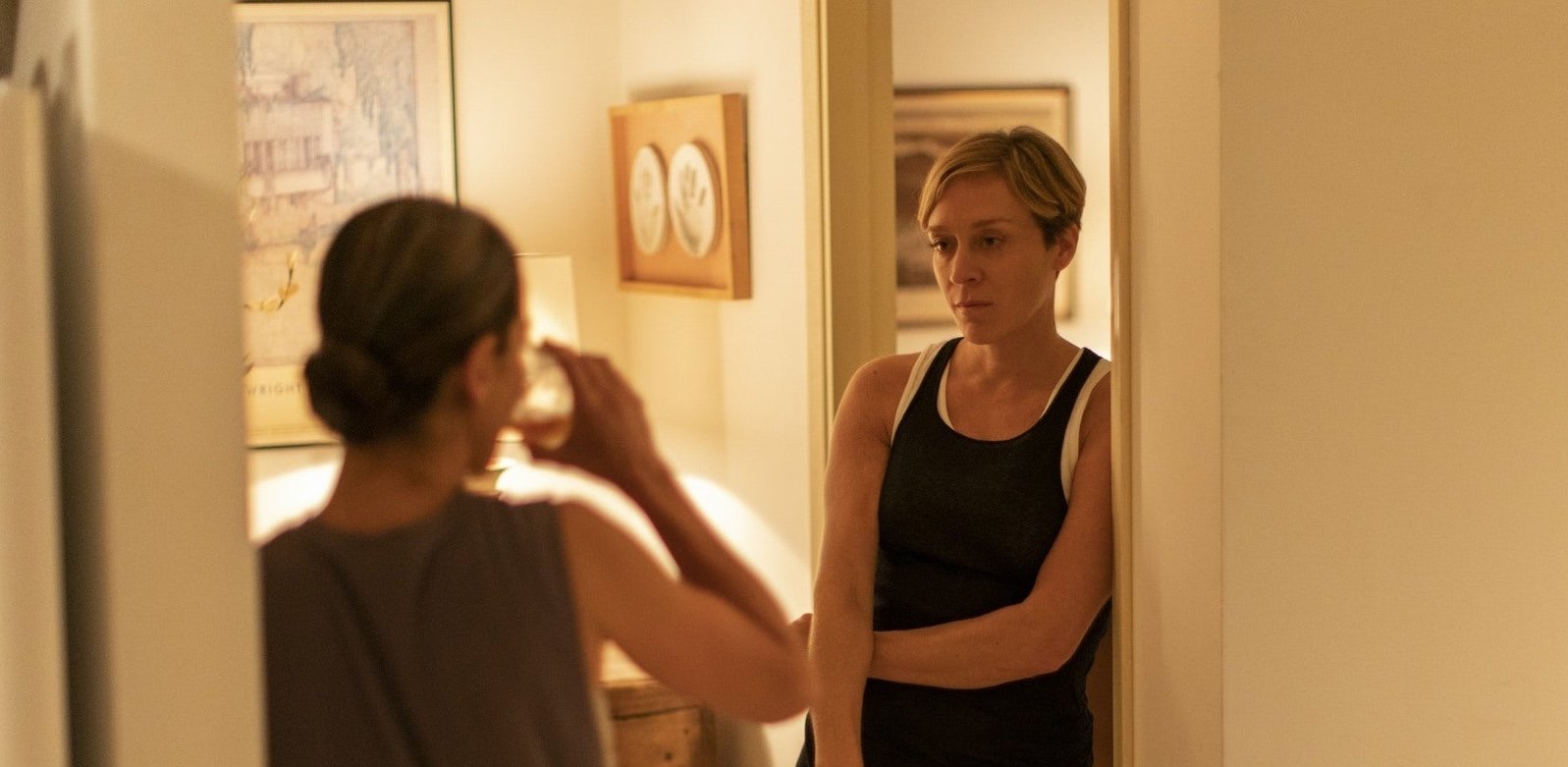
We Are Who We Are
There is a warm glow and a languid mood about We Are Who We Are that makes it feel familiar for anyone who’s seen Luca Guadagnino’s works. But this eight-part series is longer than the auteur’s films (a stacked list that includes Call Me By Your Name and Bones and All), and so it can feel slow at times, dragging even. Still, it’s easy to forgive because of the relatable characters that lead the show. They’re confused, curious, and willing to bend their identities forward and back to learn something true about themselves. Nothing is set in stone here, neither gender, relationships, or politics, but that’s what makes it so validating to watch. It’s a complex picture—pretty but complex, as life often can be.
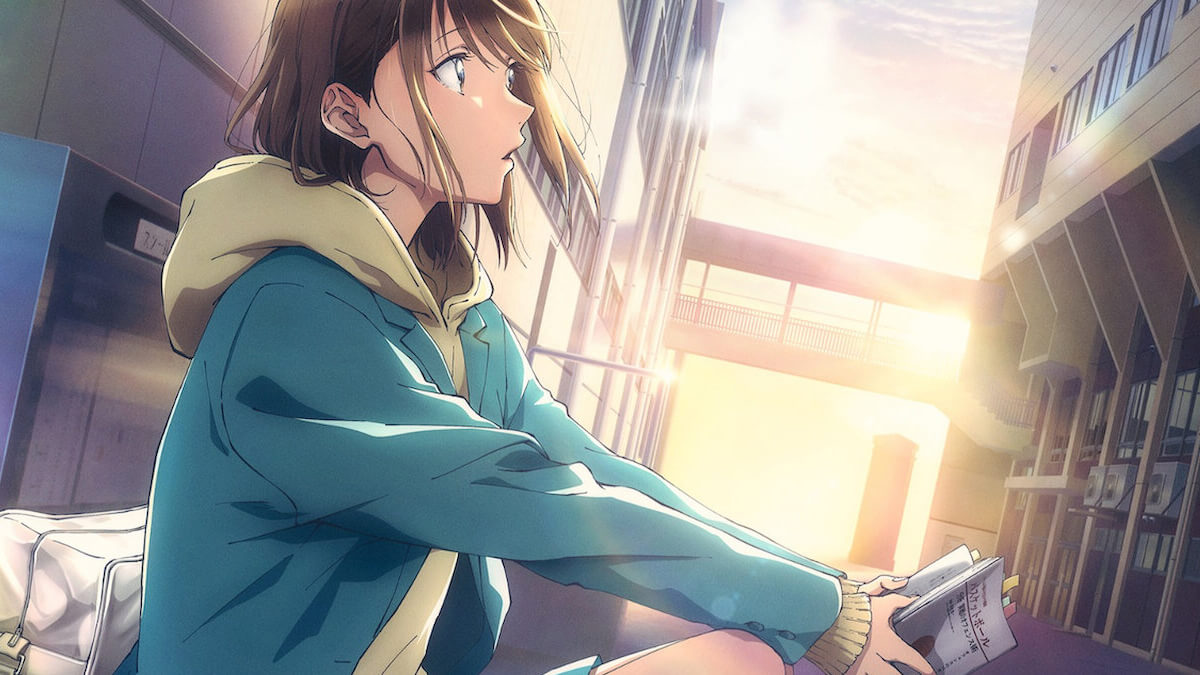
Blue Box
When a show is focused on a kid and their sport, chances are, the main character holds a passion for the sport itself. They saw it, they thought it was cool, and they tried it out. Blue Box, however, takes an unconventionally depicted, but no less honest, motivation– the energizing power of having a crush. The way Taiki goes about it feels reminiscent of that first childhood crush, with the excitement, the determination, and the pure mortification each time he perceives to have jumped the gun, but it’s all made endearing with the characterization, writing, and the beautiful render, and it’s easily driven by the familiar device of having to share the same residence. Blue Box is just so darn cute.
The Lying Life of Adults
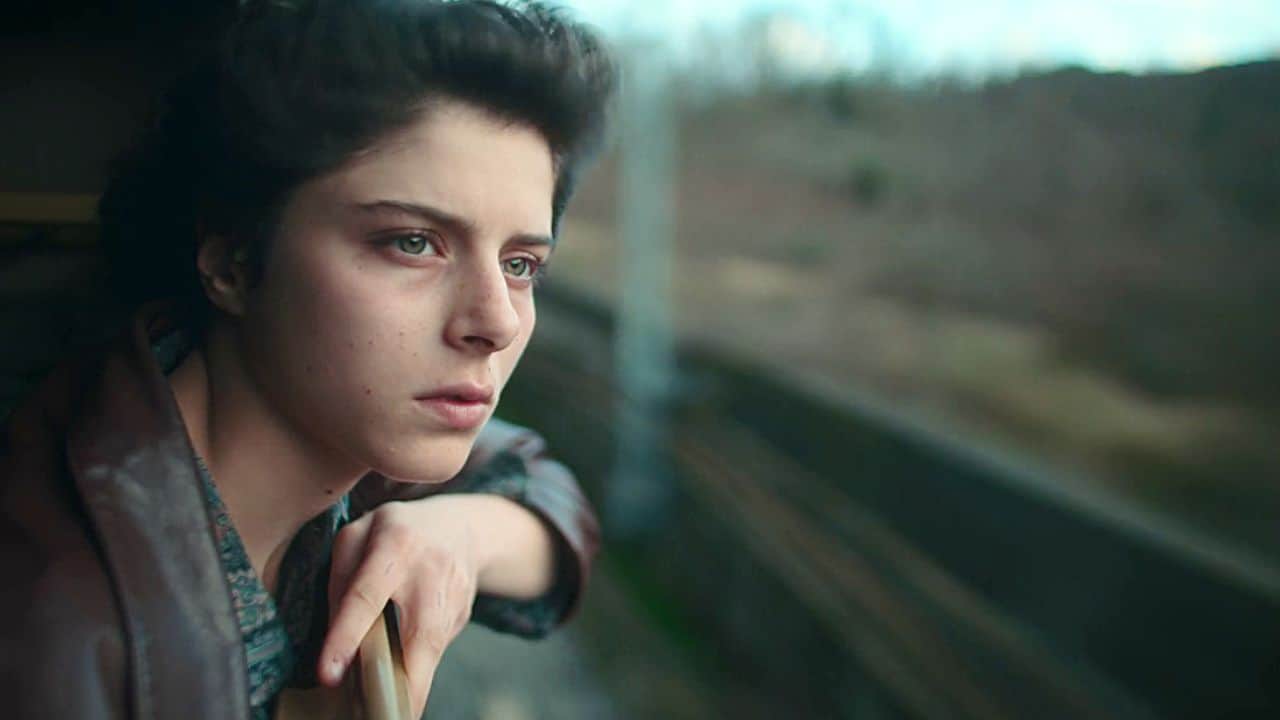
Based on a novel, The Lying Life of Adults might feel, at first, like a standard Netflix coming-of-age series, complete with vintage styling (the 90’s, this time) and teenage shenanigans, like skipping classes, preoccupation over sex, and rebelling against parental disapproval. Sure, the show does go through these moments, but the writing of original novelist Elena Ferrante, with the assistance of the writing team and showrunner Edoardo De Angelis, elevates this template through its subtleties, as Giovanna visits her estranged aunt Vittoria, and compares and contrasts the way she lives, with the way her parents approach life. It’s both a portrait of a divided family, but also one of a divided city, and it makes Giovanna’s coming-of-age a more nuanced journey that we haven’t seen before.
Youth of May
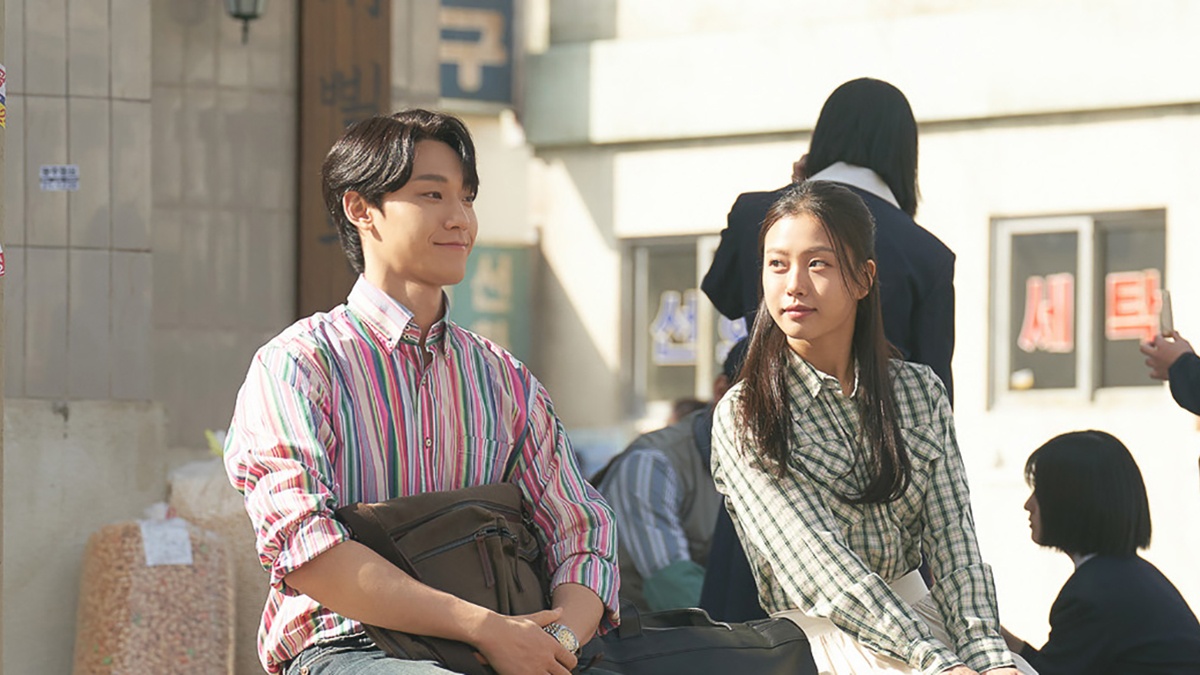
Youth of May is exactly what it says on the tin. It’s a straightforward spring-set coming-of-age drama where young adults chase after their dreams, if they have any, and try to figure out what they want otherwise. Like plenty of other K-dramas, this usually involves a romance. But in between the ordinary romance, life strikes. Students fight for democracy, and at the time, the government cracked down on them brutally, but because the show spent time getting to know Myung-hee and Hui-tae, the consequences of these events make it all the more poignant. Youth of May reminds us of the humanity behind the brave students that fought for South Korea’s democracy, and the lives that have been tragically cut short for it.
I Told Sunset About You
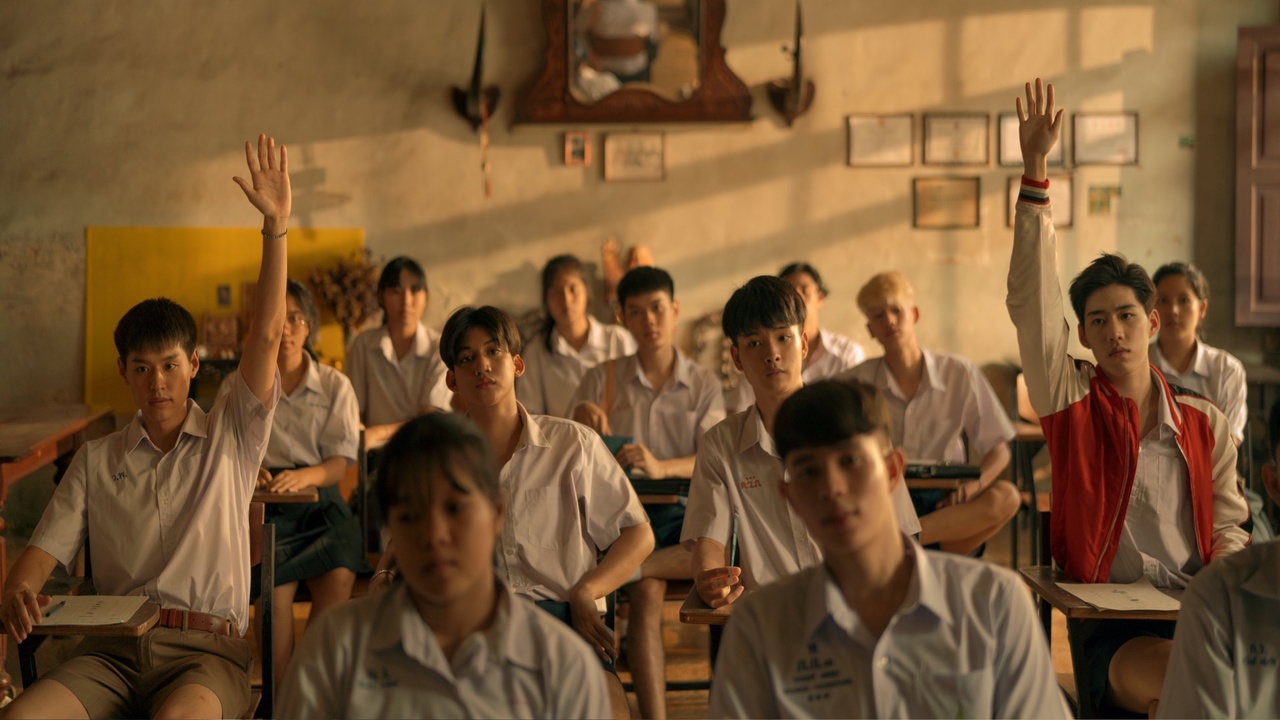
I Told Sunset About You isn’t the most original series out there. The school setting, the tense rivalry, and the years spent apart are familiar tropes, even for heterosexual coming-of-age dramas, though the added dimension of Teh’s Chinese Thai background is new. That being said, it doesn’t hold up the series alone. I Told Sunset About You gets specific, and in delving deep into Teh and Oh-aew’s characters, it’s clear how heartfelt and genuine the show is in depicting its story. There are moments that can be cheesy, but with the sweet way the show depicts these tender teenage years, it’s no wonder I Told Sunset About You easily reminds queer people about their own experiences in navigating these feelings.
Fruits Basket
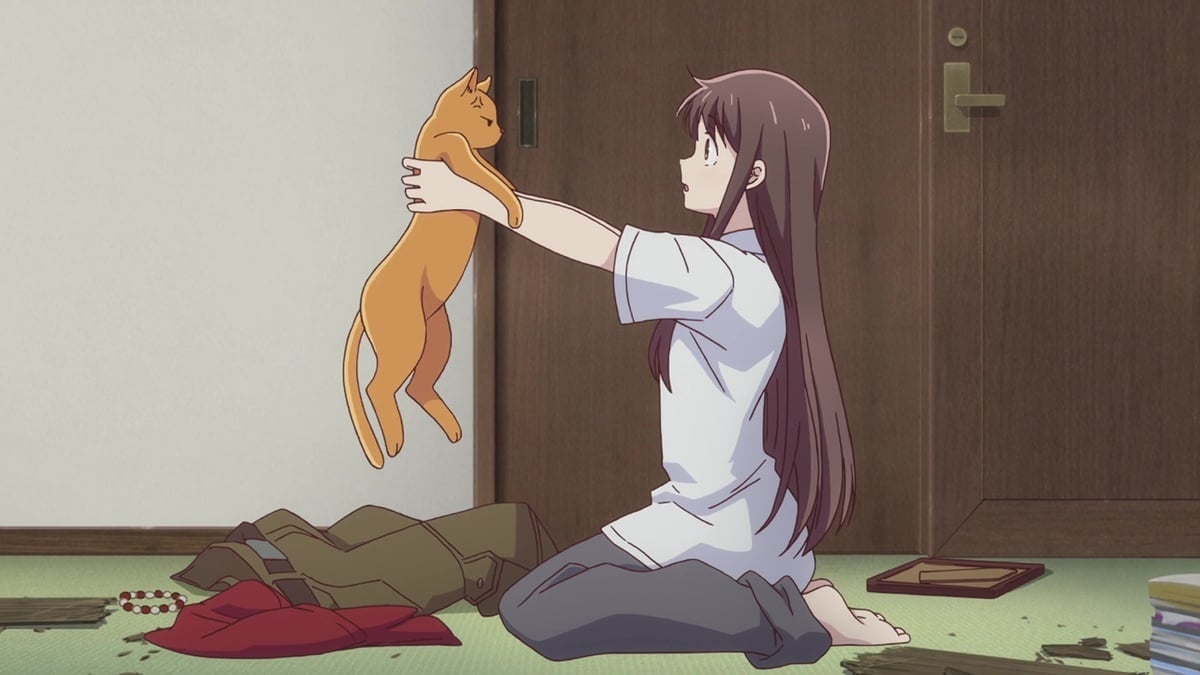
On-screen, we’ve seen downtrodden Cinderella-esque leads, we’ve seen humans transform into animals, and we’ve seen whole families cursed, but Fruits Basket takes all these plot devices and transforms them into something completely different. As Tohru Honda gets to learn about the mysterious Sohma family, and she and friends gets into fun and wacky hijinks with the curse, the series takes the legend of the Chinese zodiac as a unique and effortless means to discuss systemic, generational abuse and resulting trauma that can occur within a family. The classic shoujo manga was first adapted into anime in 2001, but we’re recommending the later 2019 adaptation, which goes more in depth and depicts the complete story.
Penelope
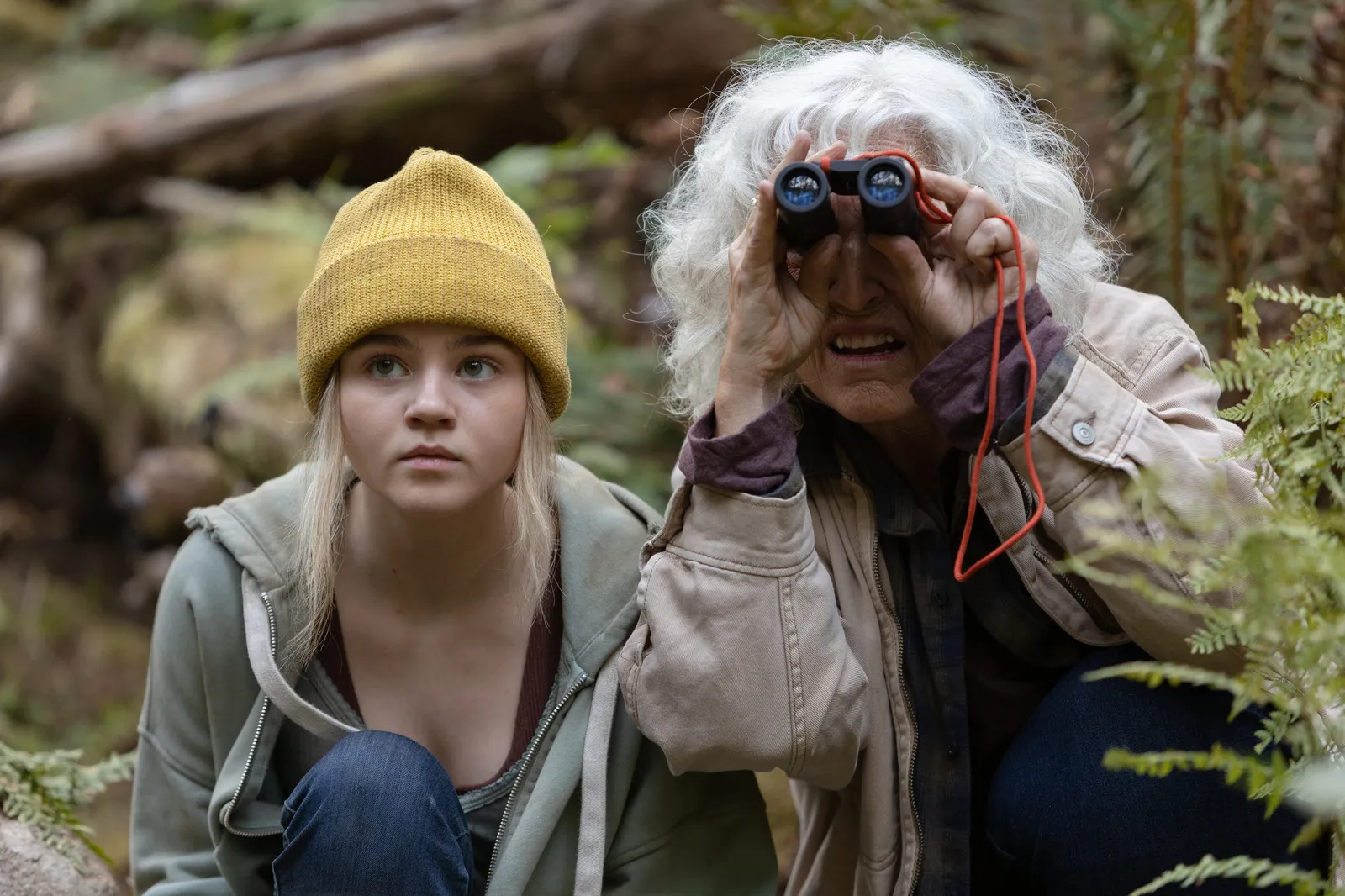
If you’ve seen one too many true crime documentaries, you might shake your head at the things sixteen-year-old Penelope does upon running away from her high school camp. You might (rightly) ask, why is she camping in the middle of nowhere all alone? Why is she trusting all these different strangers who, for all she knows, could be a serial killer or a trafficker? And why approach that bear? Why sleep in that clearing? But the sooner you let go of those worries and accept that Penelope is more of a fable about growing up and finding yourself than it is a literal survival tale, the better. Which isn’t to say it fails as the latter—Penelope is surprisingly watchable as she learns the ways of the wilderness. In fact, one near-silent episode is dedicated to just Penelope learning the ropes, literally, and it’s one of the season’s best. As long as you don’t get stuck in the details of Penelope’s journey and take aside your cynicism for just a while, you’ll find something touching and humanizing in this short but sweet series.
Elite
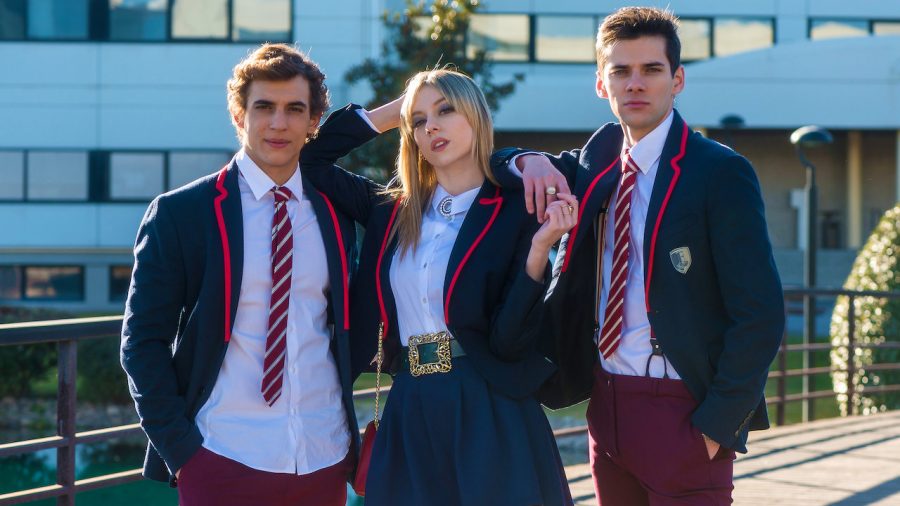
Three kids from a poor neighborhood win scholarships to the best high-school in Spain and later find themselves at the center of a murder. There is a lot that comes to the surface from the working-class kids clashing with the wealthy. Themes of money, power, religion, and even sexuality make this show so compelling that I never felt like I needed a murder to keep watching.
Paper Girls
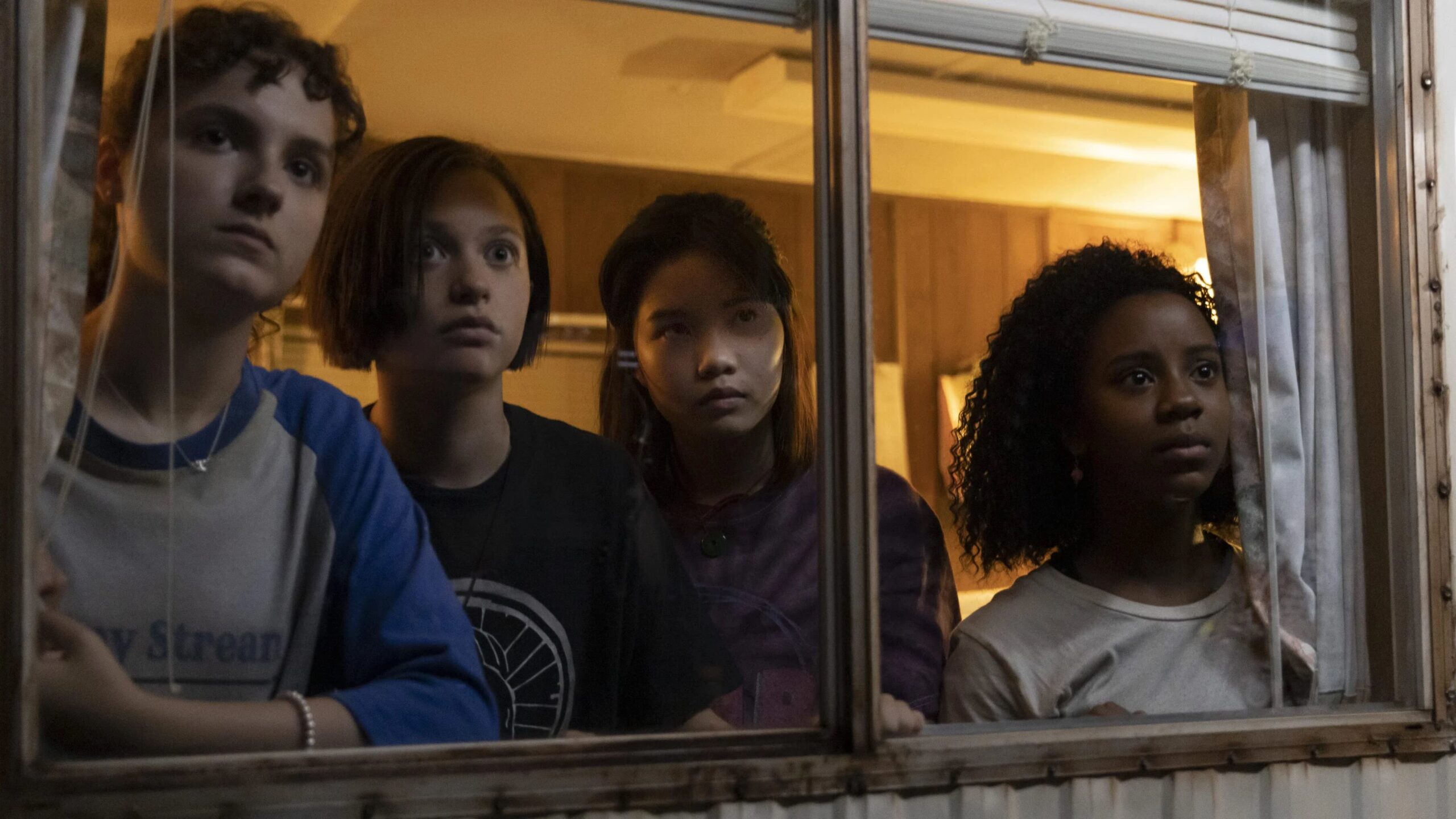
As is sometimes the case with multi-genre shows, Paper Girls starts off slow and gives us a lot to process at the onset. But if you give it some time, the eight-episode series delivers both on the sci-fi and drama fronts. Sure, it could benefit from a bigger CGI budget, but the world it imagines about timekeepers and time benders is inspired and intriguing, certainly worth exploring as much as we do the lore behind shows like Doctor Who and Loki.
That said, the series is at its best when it centers on its mundane leads, the titular paper girls. The conversations they engage in and the epiphanies they have are gut-wrenching, not only because of their sentiment but also because of their truth. These 12-year-olds are confused and anxious and awkward and lonely—preteen girls on the brink of adolescence. The show doesn’t shy away from those qualities and parallels their volatility with sci-fi elements. The result is a nicely balanced story, equal parts thrilling and touching. It’s the perfect watch for people who enjoy fares like Back to the Future, E.T., and Stranger Things, which are themselves perfect blends of the sci-fi and coming-of-age genres.
Overcompensating
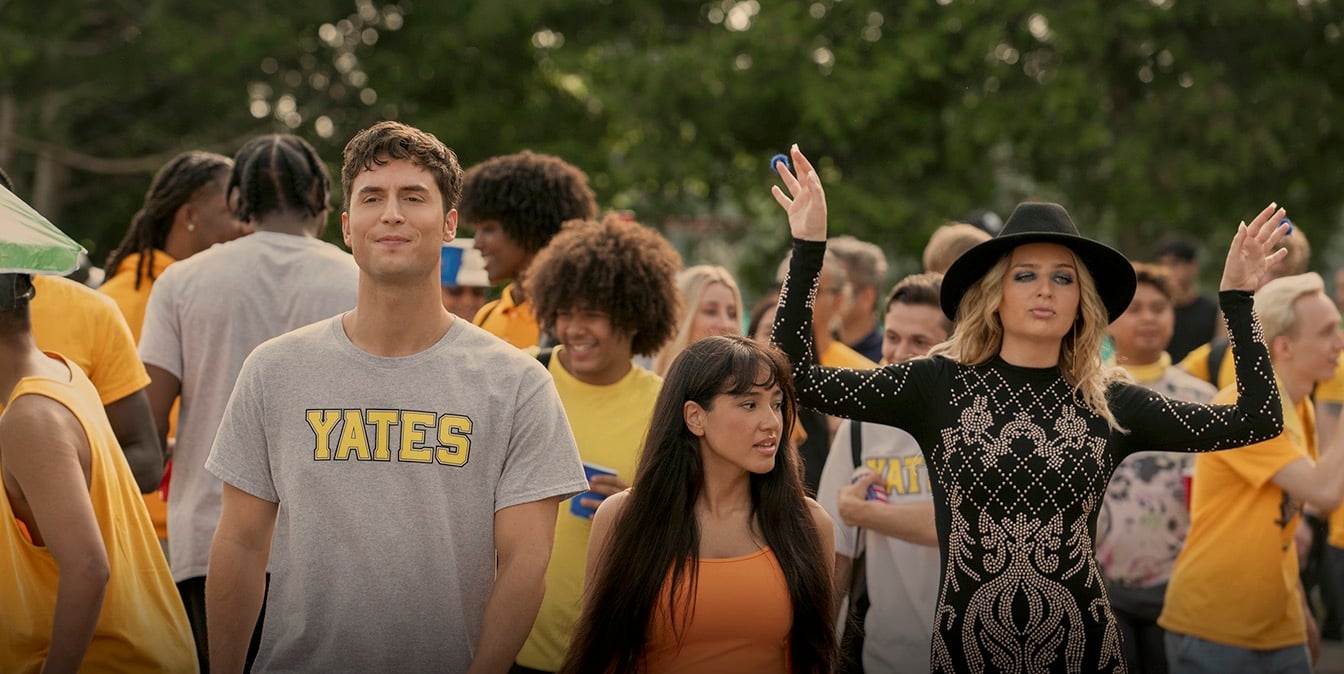
The most surprising thing about Overcompensating is that, underneath the sexual romps and irreverent humor, there exists something sweet in the form of Benny and Carmen’s friendship. Yes, the show is largely about college and exploring the boundaries of freedom. It’s also about the different performances we put on in an awkward attempt to fit in and realize Who We Are. But it can also feel like it’s tackling too much at times, without a lot of novelty. College-set films and shows like Undeclared, The Sex Lives of College Girls, and even Neighbors have already treaded similar ground in sharper and funnier ways. But Overcompensating is still worth the watch, if only to see how Benny and Carmen grow and find platonic comfort in each other. Campy characters like Hallie (Holmes) and Esther (Kaia Gerber) also provide plenty of laughs and elevate it into something truly memorable.
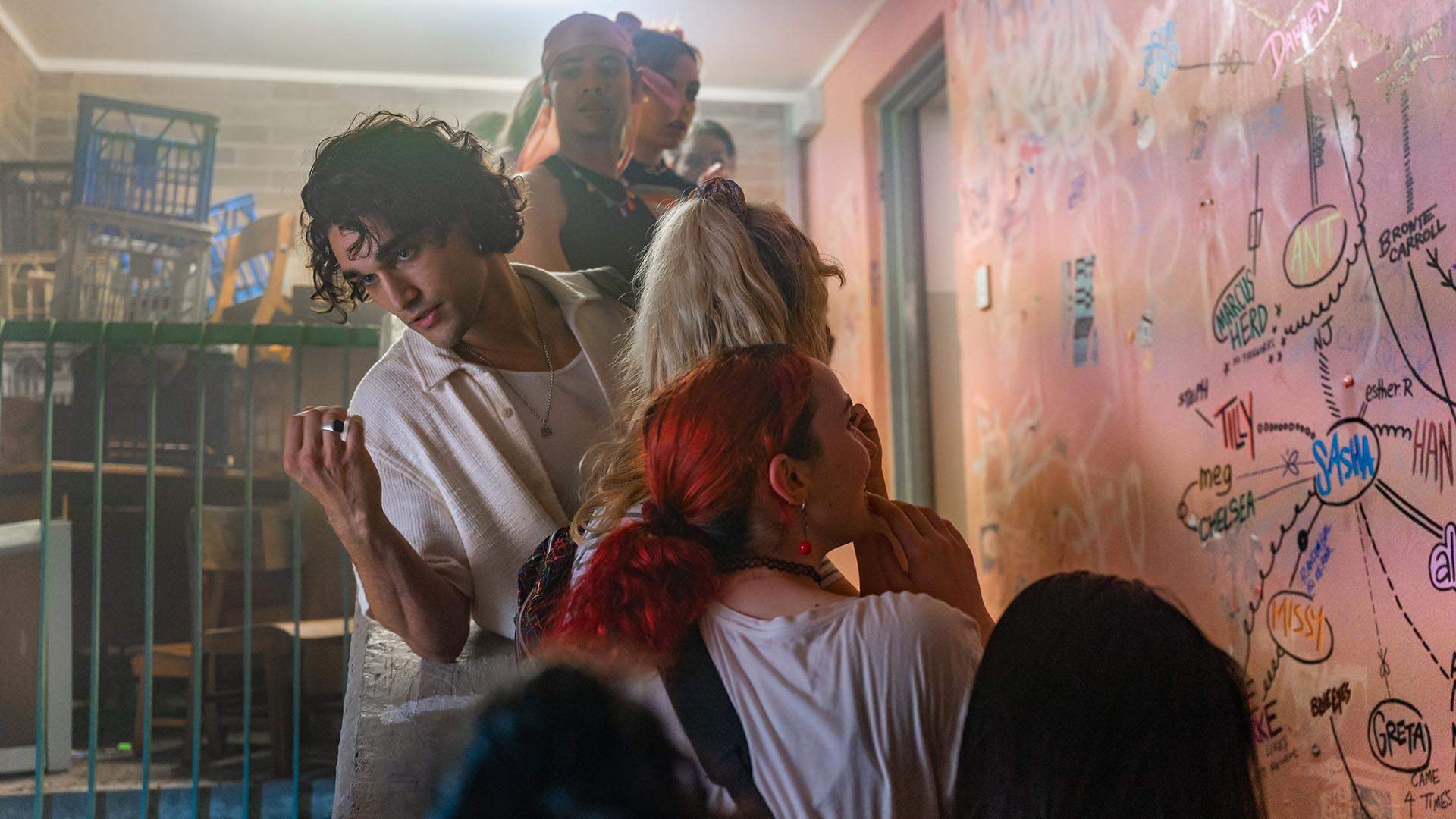
Heartbreak High
It’s tempting to say that Heartbreak High, with its gloriously unfiltered takes on relationships of all kinds, is just another Sex Education replica, especially since both shows don the same multicolored fashion and Commonwealth accent. But while Heartbreak High isn’t breaking new ground by having kids and adults talk openly about sex and gender, it’s also bold, funny, and insightful in its own right. The characters are well-drawn and the problems are relatable; the show itself is sometimes annoying but also, more importantly, authentic. It’s perfectly imperfect in that contradictory teens can only be.
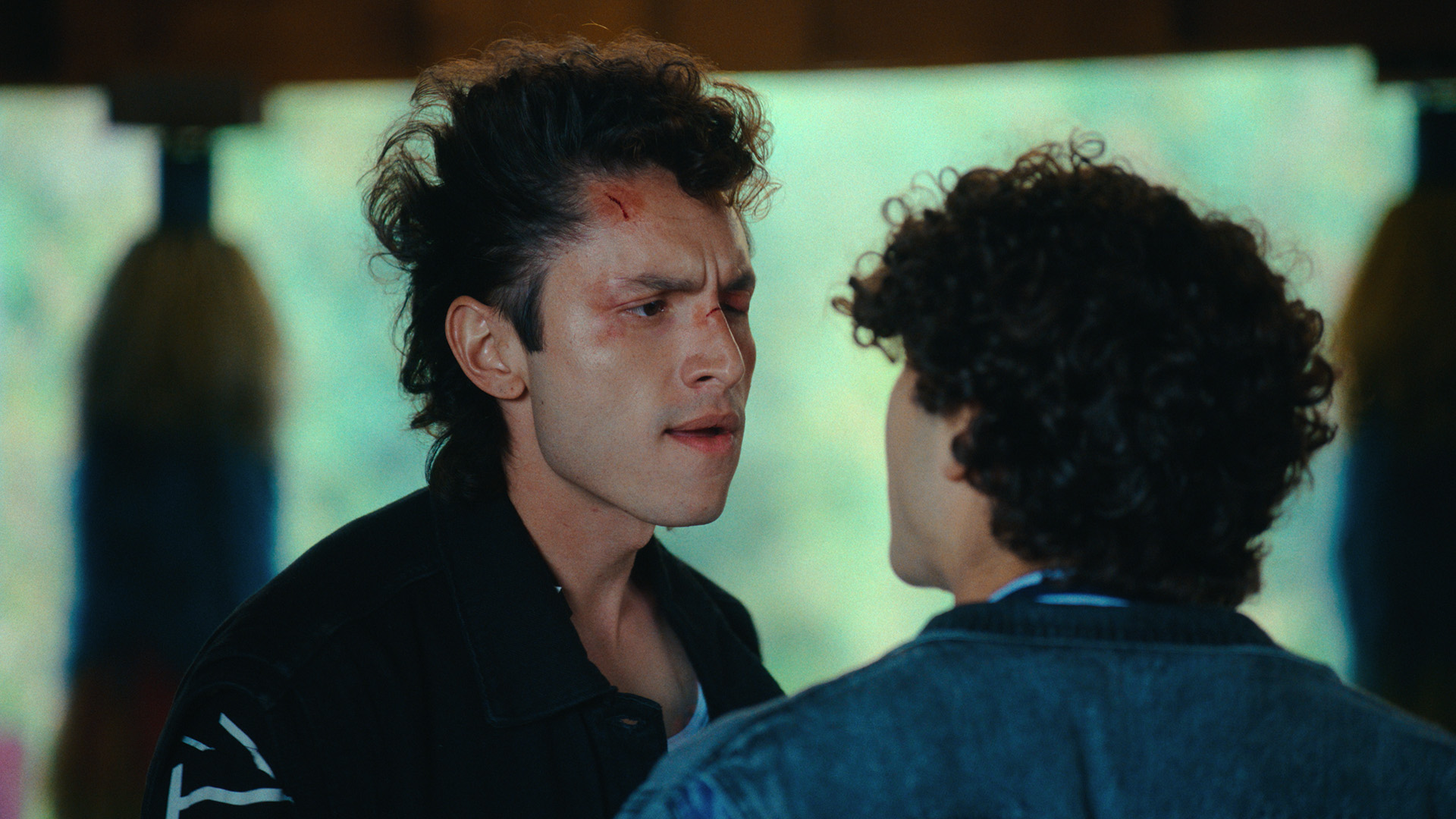
Los Billis
As a teen series, Los Billis follows a familiar structure. David, like most teen heroes, is shy, awkward, and hopelessly in love with the most popular girl in his high school. With the help of his friends, however, he learns to stand up not just against bullies but the harsh looming reality of adulthood. It sounds typical on paper, but Los Billis benefits from a rich production value and a clear theme, that of social class. There’s not a gelled hair out of place here, but more than nailing the ‘80s look, Los Billis masterfully (and never forcefully) connects nearly every problem the kids face to money. They’re constantly yearning for, losing, and fighting over it, which is the reality many teens outside the US face. Often, Los Billis will also touch on colonialism, like when David admits they all judge each other based on how closely their outfits resemble American teens. For the most part, Los Billis is textbook coming-of-age, but it’s enriched by the unique Colombian teen experience.
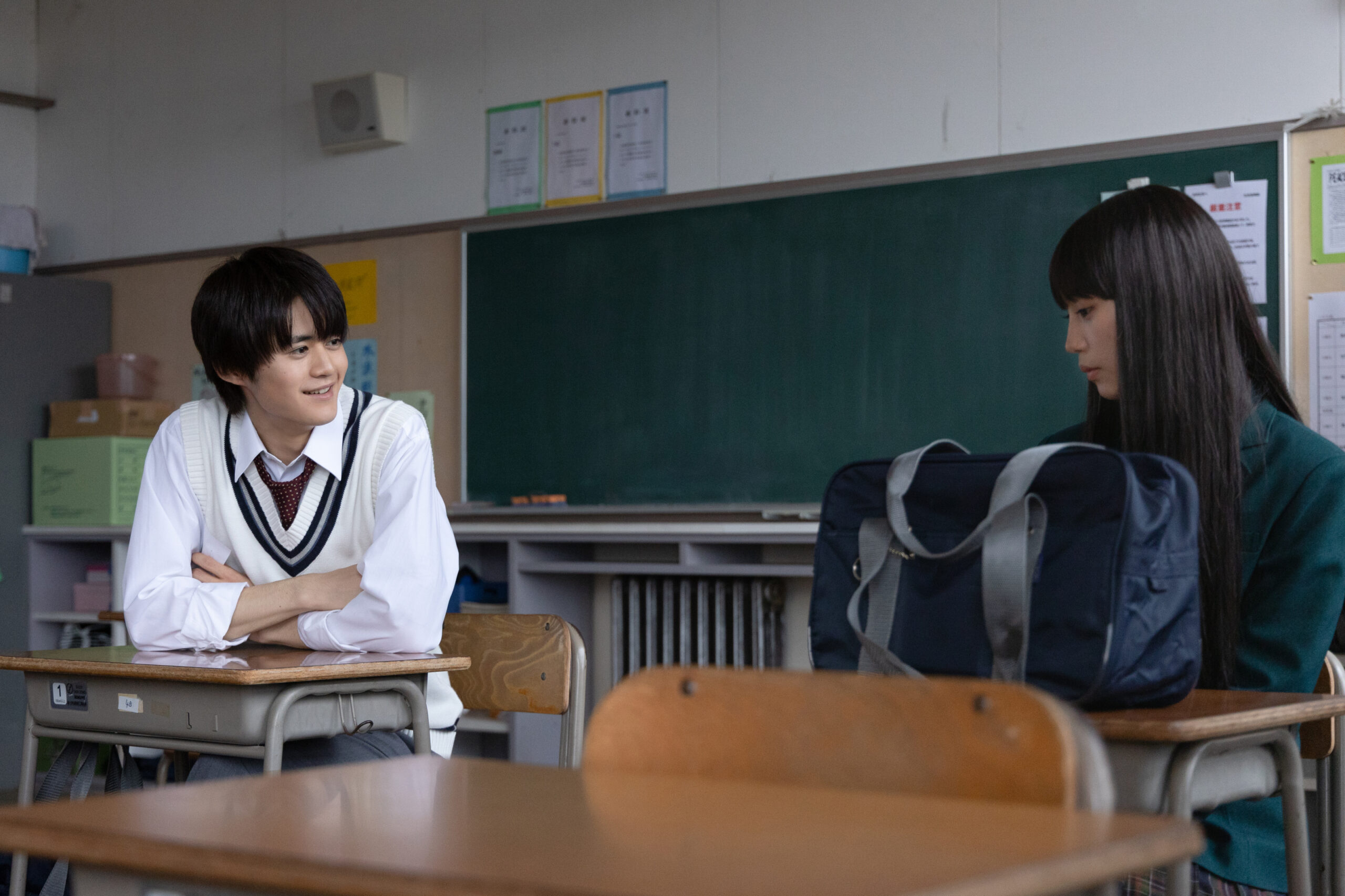
From Me to You: Kimi ni Todoke
From Me to You: Kimi ni Todoke is a high school romance drama. It’s sweet, it’s wholesome, and it’s comfortingly familiar. It leans more on its romance than its comedy. It doesn’t have high stakes fantasy or action-packed battles, but it captures the high school experience in such a lovely way. Of course, the show would likely reach its romantic happy ending, but what makes the show compelling isn’t just the thrill of connecting with a crush– it’s the inspiration for Sawako to open up, and enable her to connect and have friends. The live action adaptation may not fully capture everything from the original and it speeds through the plot, but it retains the parts that make it work, even for viewers totally unfamiliar with the story.

A Sign of Affection
With its slice-of-life approach, A Sign of Affection immediately tugs at the heartstrings with its sweet romance between a deaf university student and a multilingual traveller from manga duo Suu Morishita. The anime adaptation sees the world in Yuki’s eyes, with delicately lined shapes and pink-tinted watercolor paired with Sumire Morohoshi’s sweet voice, and it’s lovely to see the unjaded, kind way she interprets the world. The series does have some of the familiar romance tropes, like love triangles, wingman friends, and the glowy, bokeh lighting, but it’s sort of the point in this charming show. A Sign of Affection likens the careful, hesitant way of falling in love with the way Yuki interacts with the world, or rather, the reactions abled people have to her disability.
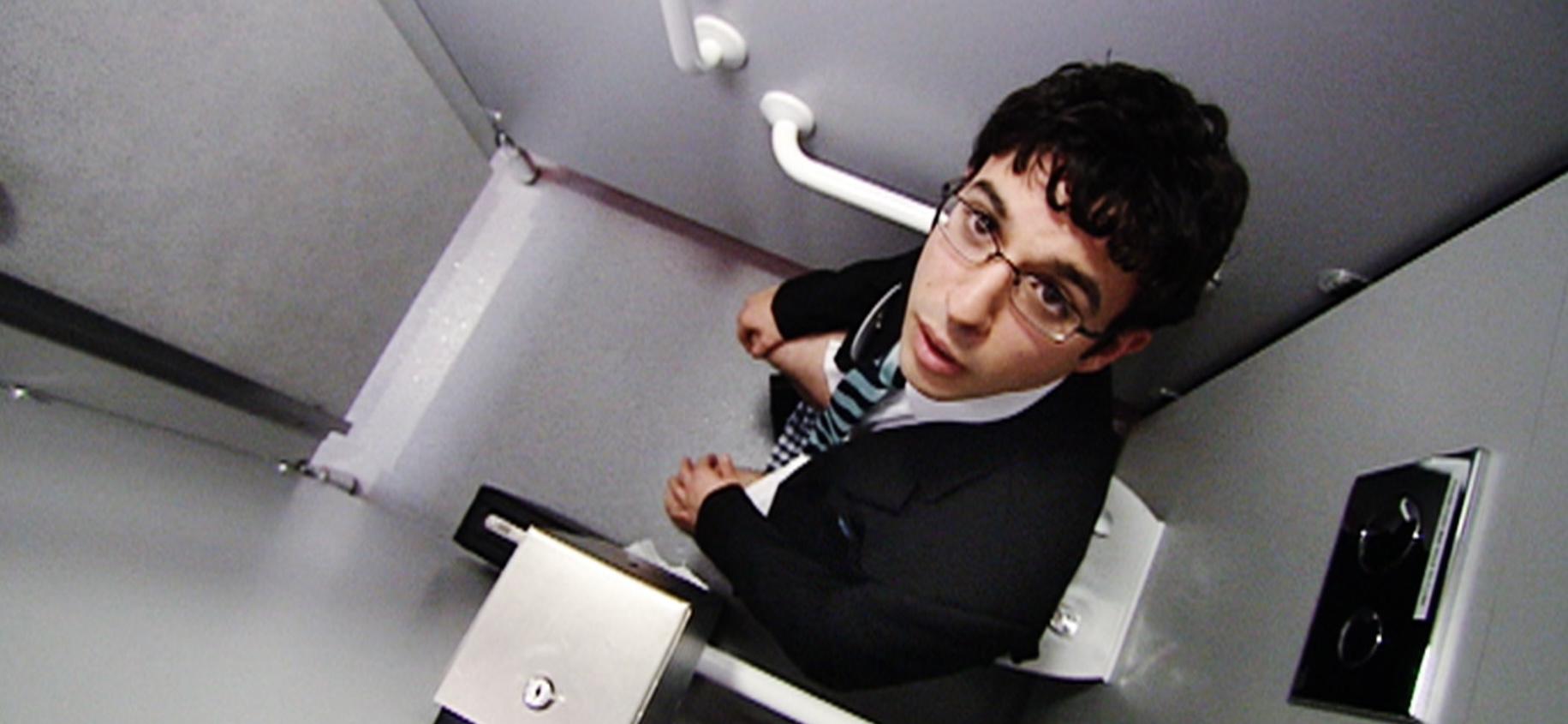
The Inbetweeners
To appreciate The Inbetweeners, you’d have to understand that it was a product of its time. The British R-rated show was created in the late 2000s, back when being gay and male harassment were treated as mere jokes, as opposed to serious matters. So in that way, it can feel a bit dated. But in its own curious and funny way, The Inbetweeners is both an example and a subversion of toxic masculinity, which tends to harden at around the age the characters are in. Beneath their vulgar and perenially horny exterior, there is something softer and more vulnerable aching to be seen. At least among themselves (and us the audience), the four young lads at the heart of this show can show both parts without being judged. Yes, The Inbetweeners is crude and raunchy and unafraid to be as authentic as its teen leads, but at its core, it’s simply a come-of-age story that follows four guys figuring out their place in the world.
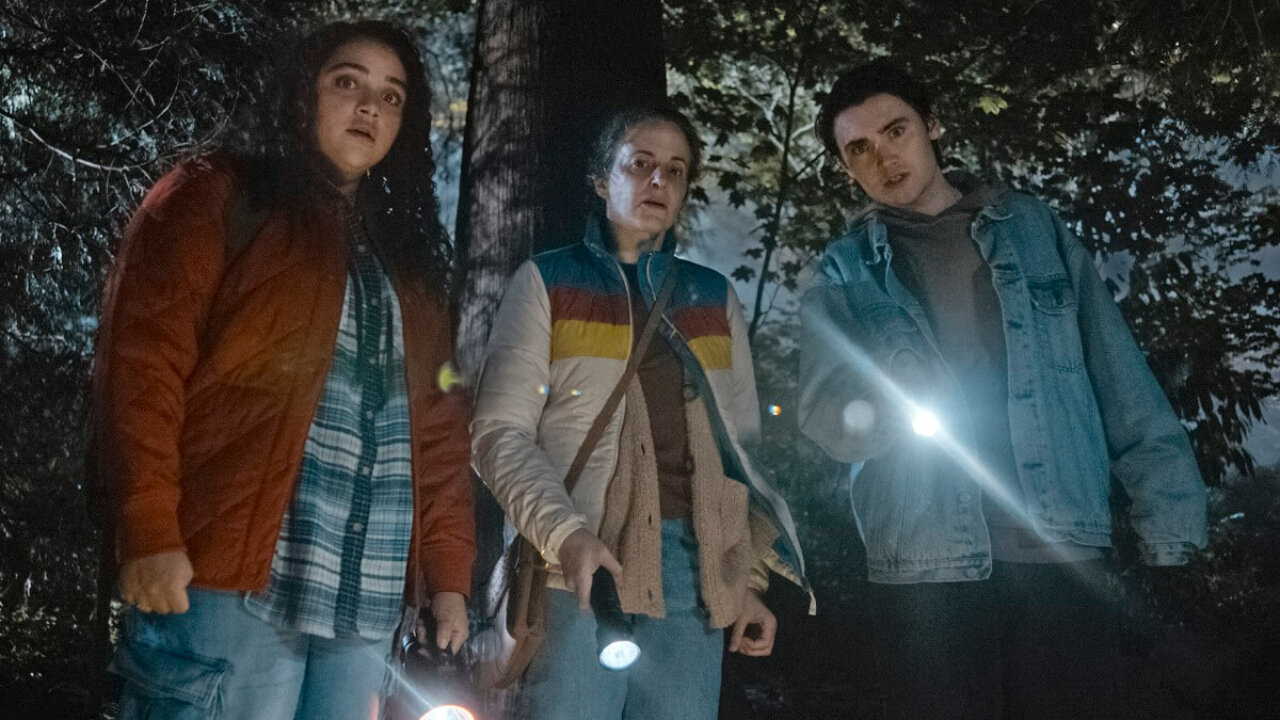
School Spirits
A murder mystery on one hand and a supernatural dramedy on the other, School Spirits is an engaging teen series that recalls plenty of past movies and shows before it. Like Ghost and The Lovely Bones, the protagonist is a murder victim attempting to solve the mystery of her death, and like the BBC/CBS show Ghosts, it gathers an eclectic group of spirts from different eras and plays off their obvious differences.
It’s spirited and spunky, and though it sometimes edges on soapy territory, it’s mostly saved by the confident performances of its young actors. Watch this if you’re looking for to binge a good whodunnit or an unconventional high school drama (or both)—it’s both those things, and little more.
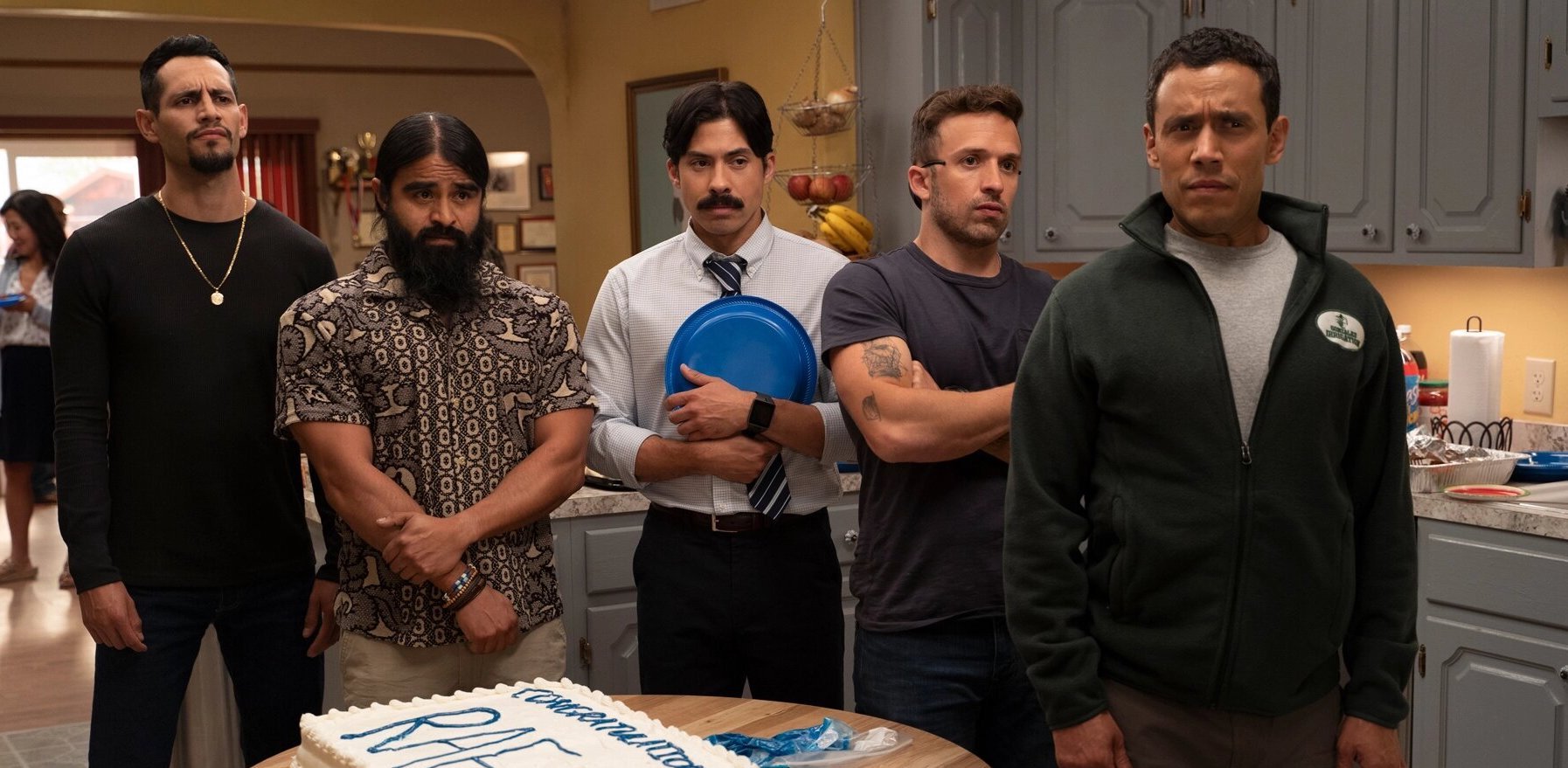
Primo
Compared to all the meaty and daring shows coming out right now, Primo is relatively lighthearted fare. Its easygoing, PG humor hews closer to network rather than cable television, but the series isn’t without its merits.
Primo is candid and charming as it tackles the realities of school, family, and work. It takes a somewhat progressive approach as it centers on a Latino family, occasionally and importantly bringing up issues of class and race, but it also feels comfortingly familiar. It follows the classic sitcom formula of everyone getting along before the credits roll all while adding its own modern and multicultural twist to it.
If you ever longed for an old-school sitcom that keeps up with the times, then this just might be what you’re looking for.
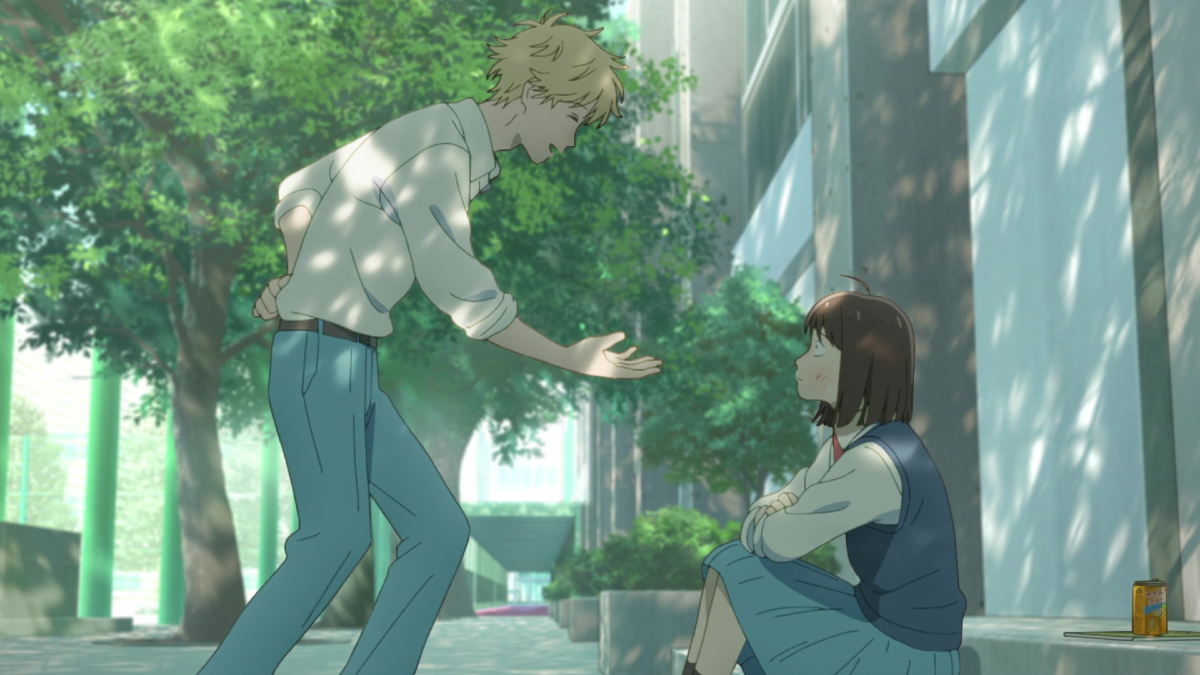
Skip and Loafer
Simple yet captivating, Skip and Loafer is a slice-of-life anime with a refreshing approach to the high school experience. While the anime genre is mostly known for its bright, high-saturated colors and action-filled, fantastical plots, this show celebrates the ordinary, with its pastel toned design, sweet humor, and clean animation. The series is centered around the main duo Mitsumi and Sosuke, but it never skimps on their friendships with their group. In fact, despite the classmates’ different backgrounds, the show’s thoughtful introductions make it easy to see why they would all care for each other, even as we get to know their insecurities. Skip and Loafer feels like a hug from the childhood best friend you had (or the one that you wished you had) – the one who you hung out with after school, the one who inspired you, and the one that changed your life for the better. Every episode is just full of pure, simple joy.
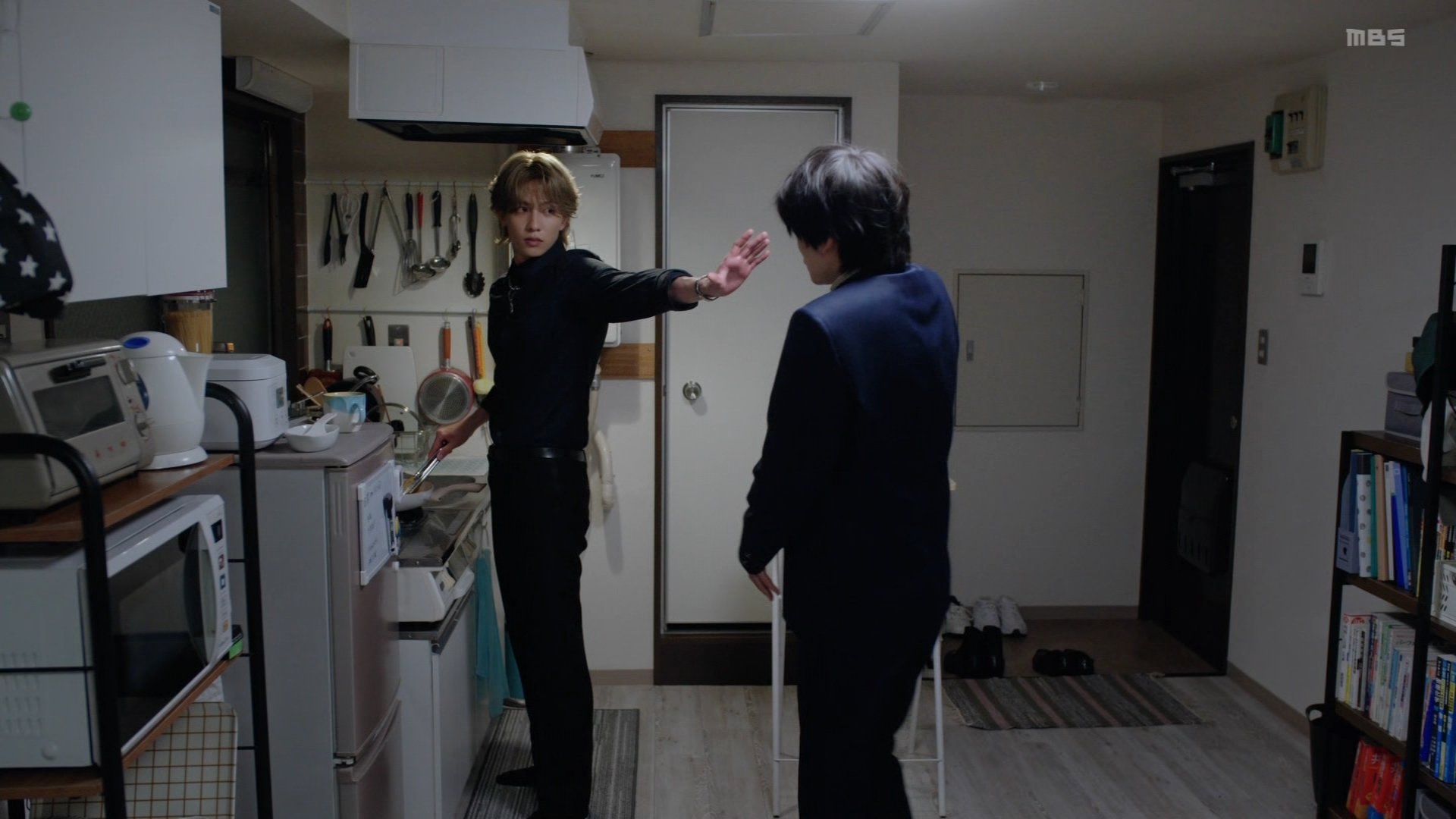
Fermat’s Cuisine
Most people wouldn’t think that math is a transferable skill to the culinary arts, and in reality, it probably is. Fermat’s Cuisine disputes that, as Gaku Kitada makes the unique career shift from becoming a mathematician to becoming the head chef of the restaurant. While most people (ourselves included) won’t really understand what kind of calculations he makes in order to succeed, it’s easy to sympathize with Gaku’s troubles as he tries to make a new start. It’s also an intriguing mystery to try and figure out what happened between this start and his later success. Choosing a career path, finding a good mentor, and trying to learn something new are things everyone goes through. Fermat’s Cuisine confidently suggests math is the answer.

Baby Bandito
With a ludicrous amount of cash, and one of the perpetrators escaping into a luxurious European life posted on Facebook, it’s no wonder Netflix decided to create Baby Bandito. The source material practically writes itself, and it’s easy to fictionalize some details for added drama. The show does this, turning the original robber into a well-meaning skateboarder Kevin Tapia that steals the plans of a mob in order to escape his rough neighborhood, but some of the characterization falters, specifically when it involves his girlfriend Génesis. There are moments it goes into generic territory, but the series is certainly well-shot, full of charm, and daring in the way it focuses more on the consequences rather than the heist itself.
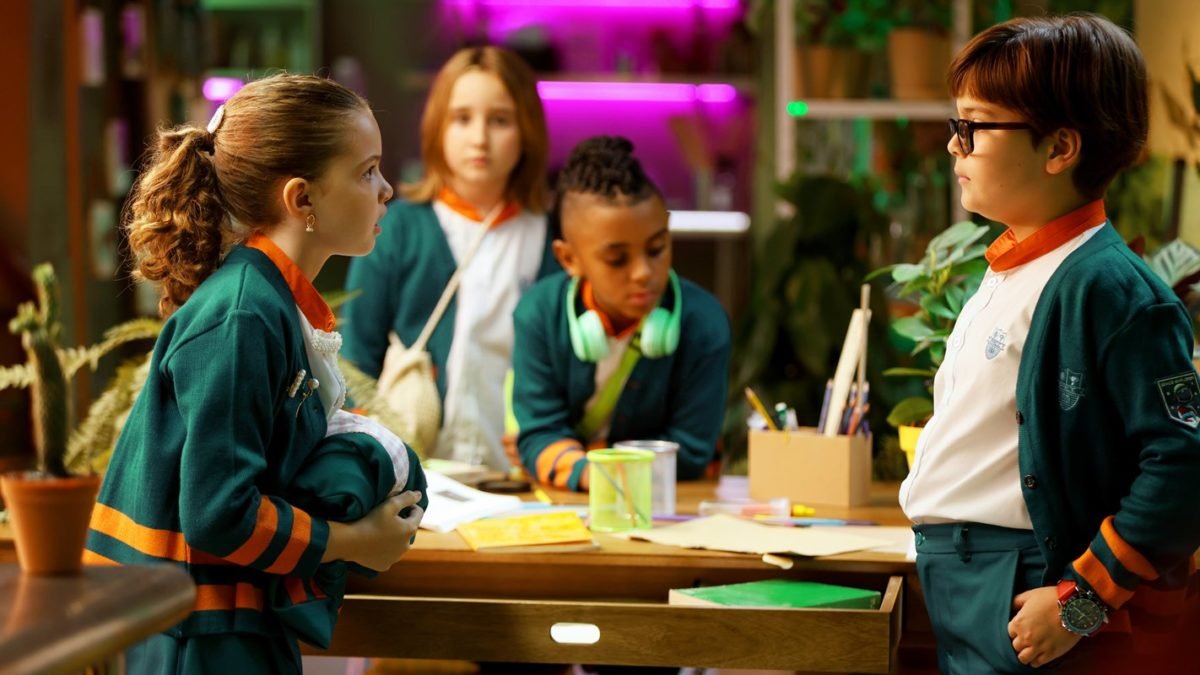
Luz: The Light of the Heart
Children’s television isn’t likely going to be controversial, daring, or particularly groundbreaking, but certain shows acknowledge that they can impact the way their audience views the world. Luz: The Light of the Heart has a familiar Disney-esque plot of a child going on an adventure to learn more about her roots, but through that basic formula, the first Brazilian Netflix kid series takes the opportunity to respectfully portray the indigenous Kaingang community in their plot, who takes care of and is more knowledgeable about the natural land, and whose teachings may be acknowledged if Luz, potential land heiress, manages to find out the truth. There are some of the standard childish shenanigans, like privileged boarding school drama that occurs when Luz enters the school, but overall, Luz: The Light of the Heart isn’t a bad choice if you’re looking for something to watch with children.
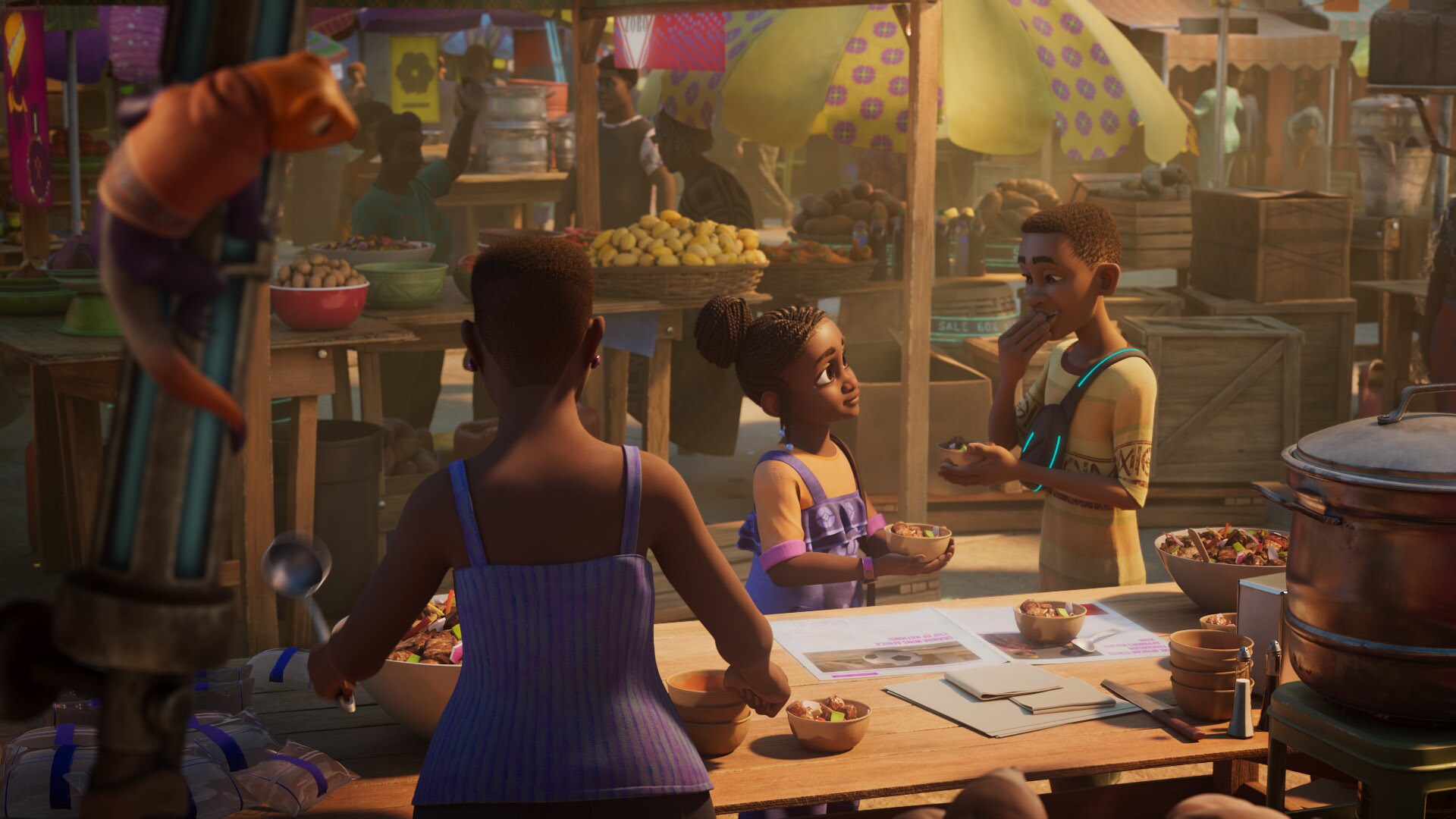
Iwájú
White creators handling African stories rarely turn out well, so thankfully, Disney decided to collaborate with pan-African Kugali Studio for their newest series Iwájú. This collaboration, instead of working alone, proves to be fruitful, as Iwájú dreams up of a futuristic world that is distinctly Nigerian, that still captures the real inequalities but also unique art styles and some genuine heart through its relatable characters. The series still does go through its recycled formula, with the familiar precocious pre-teen protagonist and their cute animal sidekick, but to Disney’s credit, it’s great to see them collaborate with, rather than shut down, smaller international studios, even ones that once wanted to “kick Disney’s arse” (Kugali’s words, not mine).
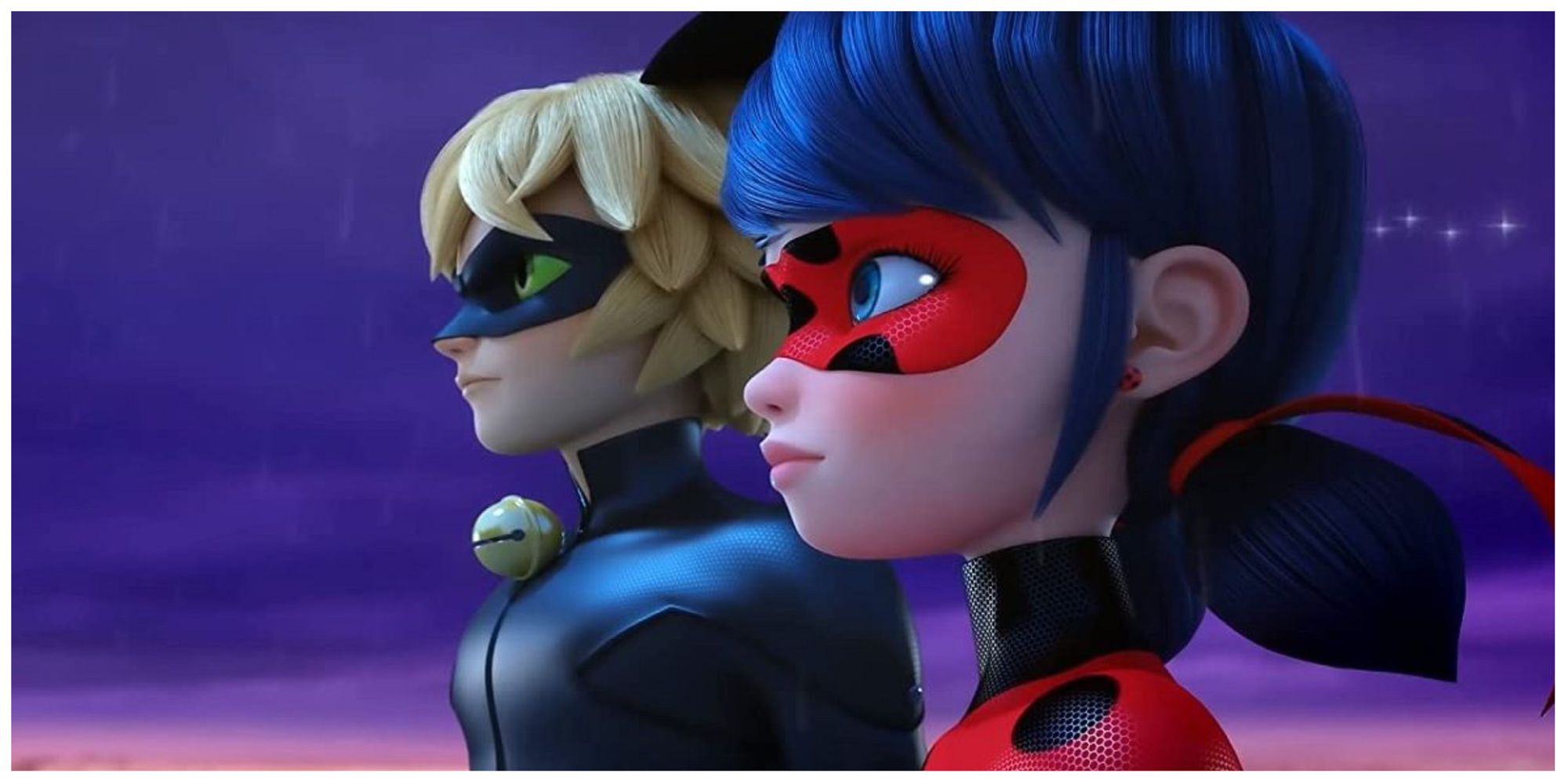
Miraculous: Tales of Ladybug & Cat Noir
When teens are superheroes, it can be tough to balance the regular teen drama along with saving the city (or maybe the world), but it’s a fairly common premise for a teen show. Miraculous: Tales of Ladybug & Cat Noir may take some familiar super teen tropes, like the secret identities, awesome suit-up moments, and cool powers, but unlike most shows, the enemies they fight are teens just like them, trying to deal with regular teen problems… except they’ve been given power and bad influence from Hawk Moth, an overdramatic supervillain that somehow keeps up-to-date to the latest drama in Marinette and Adrien’s Parisian high school. Playing with new powers and switching up the tropes, Miraculous is a fun gem of a kid’s show, one that pays genuine attention to kid’s issues, even if they solve it with the most ludicrous of powers and catchiest of songs.
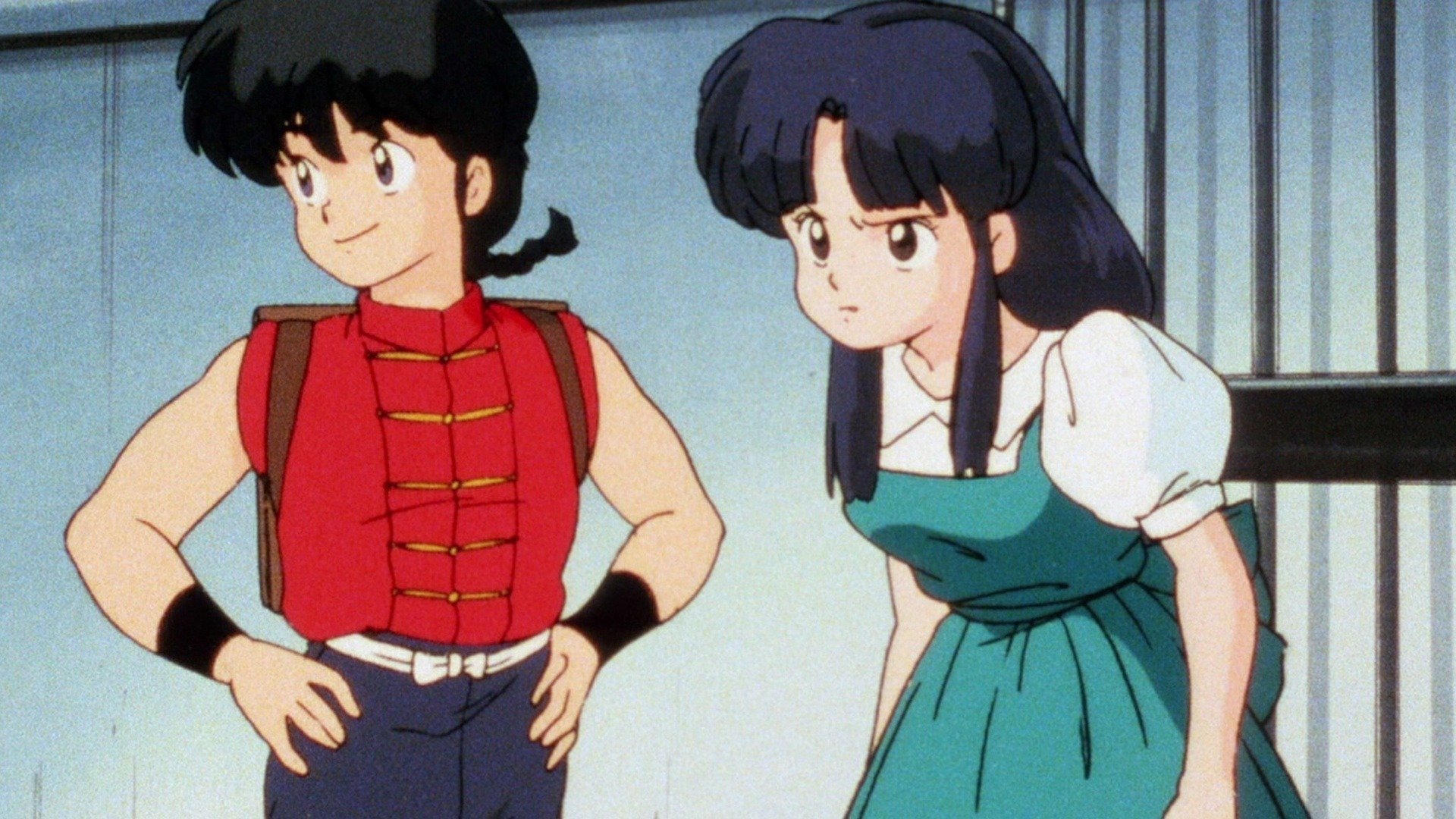
Ranma ½
Genderbending isn’t a completely foreign trope for Western audiences, but it’s rare to see the shenanigans that happen in Ranma ½, which takes a genderbending water curse to form a complicated web of relationships, that starts out as a casual romance comedy (albeit with plenty of kicks) and eventually evolves into a ridiculous fighting fantasy adventure. It’s rather revolutionary for its time, in part due to Ranma’s queer gender, but also due to its precursor of the harem trope, as well as its then-new take on the tsundere in Ranma’s intended fiancée Akane Tendo. Ranma ½ is eccentric, but the chaotic comedy is also so entertaining to watch.
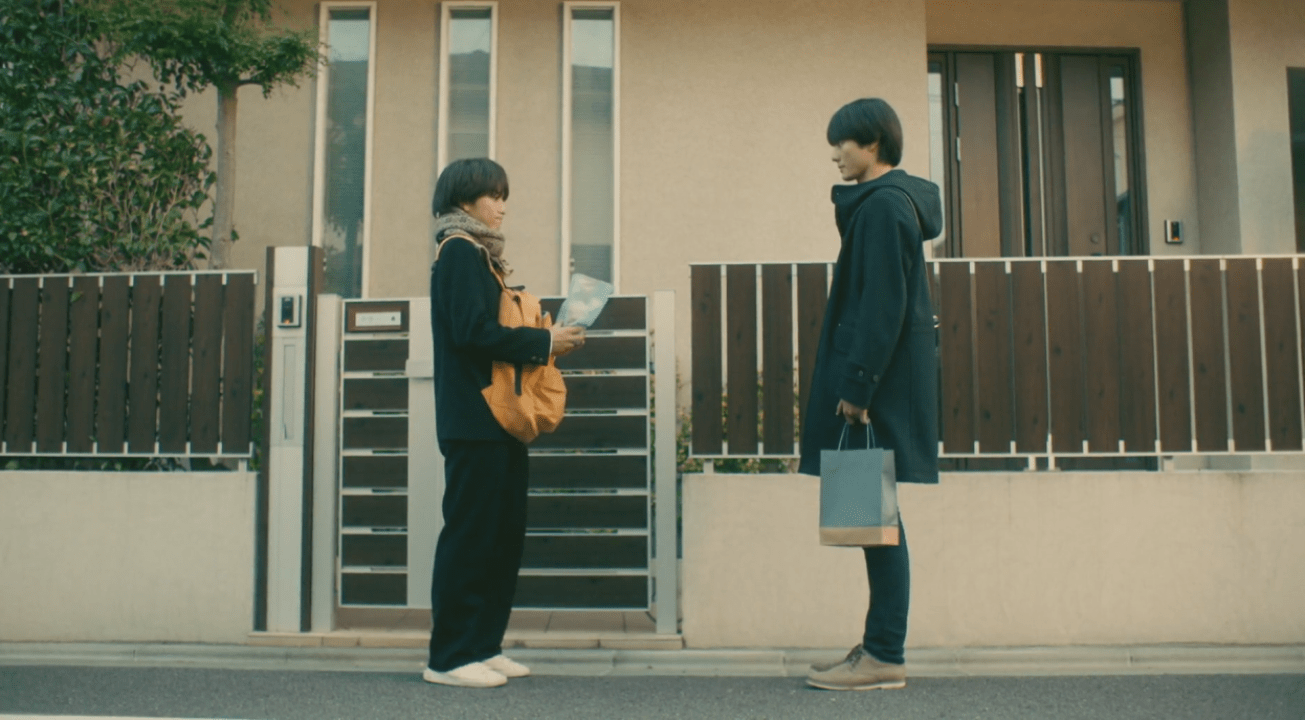
I Cannot Reach You
While Western viewers are more acquainted with gay representation in Western media, Asia also has its fair share of gay portrayals in the Asian BL and Japanese yaoi genres. While mistakenly viewed by some as explicit, there are some BL titles that are more on the sweet side, and I Cannot Reach You is one of them. The show might go through the typical childhood best friends to lovers plotline, in overly soft lighting and too many flashbacks, but the cheesy approach can come across as charming to romance fans, as Yamato and Kakeru go through the classic coming-of-age moments other straight teen romances have. The romance isn’t particularly deep, but viewers wanting something easy and lighthearted to explore the genre might appreciate this live action adaptation of the widely popular BL manga.
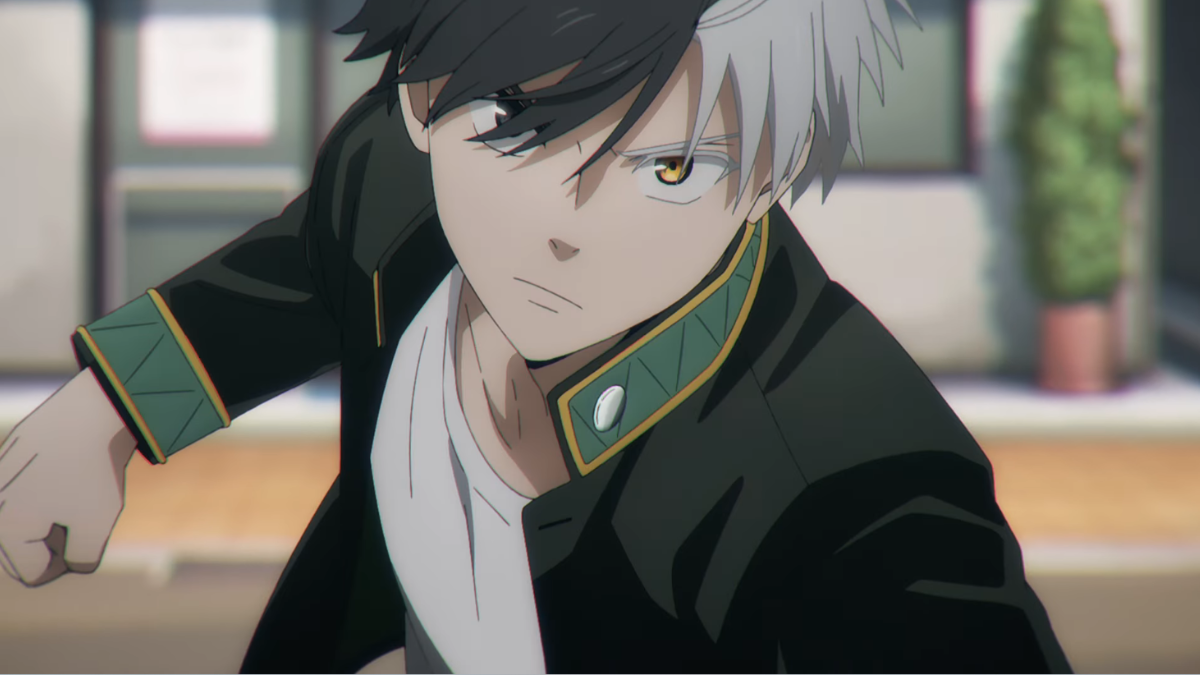
Wind Breaker
Understandably, people get nervous when delinquent boys team up into groups and start beating the hell out of people, but in WIND BREAKER, masculine strength isn’t used for aggression– instead, the boys of Furin High use their fighting skills and penchant for violence into protecting the town. Of course, with this premise, there’s fun fight sequences and all the youthful misdemeanors that kids probably should not do in their real lives, but at the heart of all the action is the question as to how boys can positively grow into the strength they are granted. It also never forgets to show the goofy, endearing side that’s often forgotten and rarely encouraged when talking about young men of today.
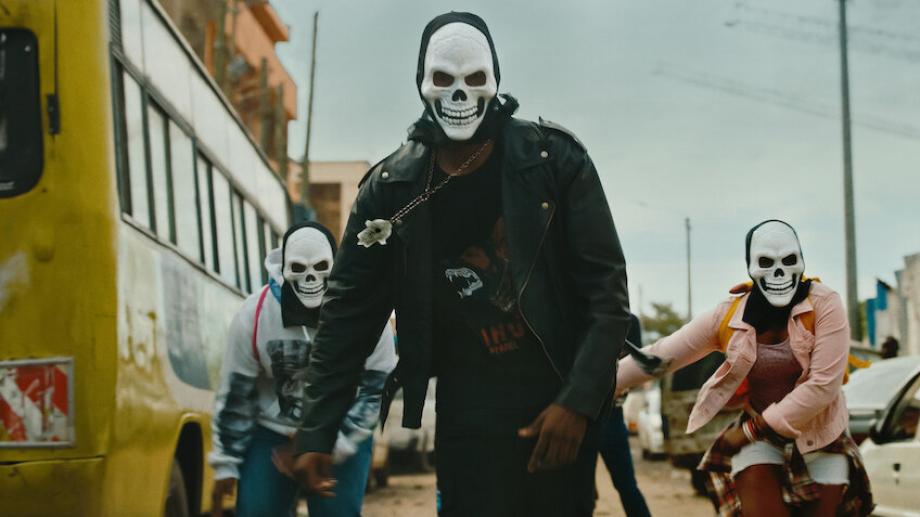
Volume
Rap music originated in the African American community, but internationally, there are local music industries diving into the genre, including countries in Africa as well. Kenyan music drama Volume puts theirs on the spotlight, through up-and-coming artist Benja trying to make his way. But the show isn’t just about a musician’s dream– it’s about the crew that surrounds him too. There’s his friend Castillo whose crime and influencer girlfriend can make or break his career. And there’s his girlfriend Lucy, who’s torn between her support and her religious family. Writer-director Tosh Gitonga balances their respective subplots well, able to maintain its watchability through its understanding of the stakes. Volume might be a familiar story, but it’s still an entertaining watch, because it understands how this dream can be tough to reach coming from a rough neighborhood, and how tough it can be to keep this dream pure and unadulterated.
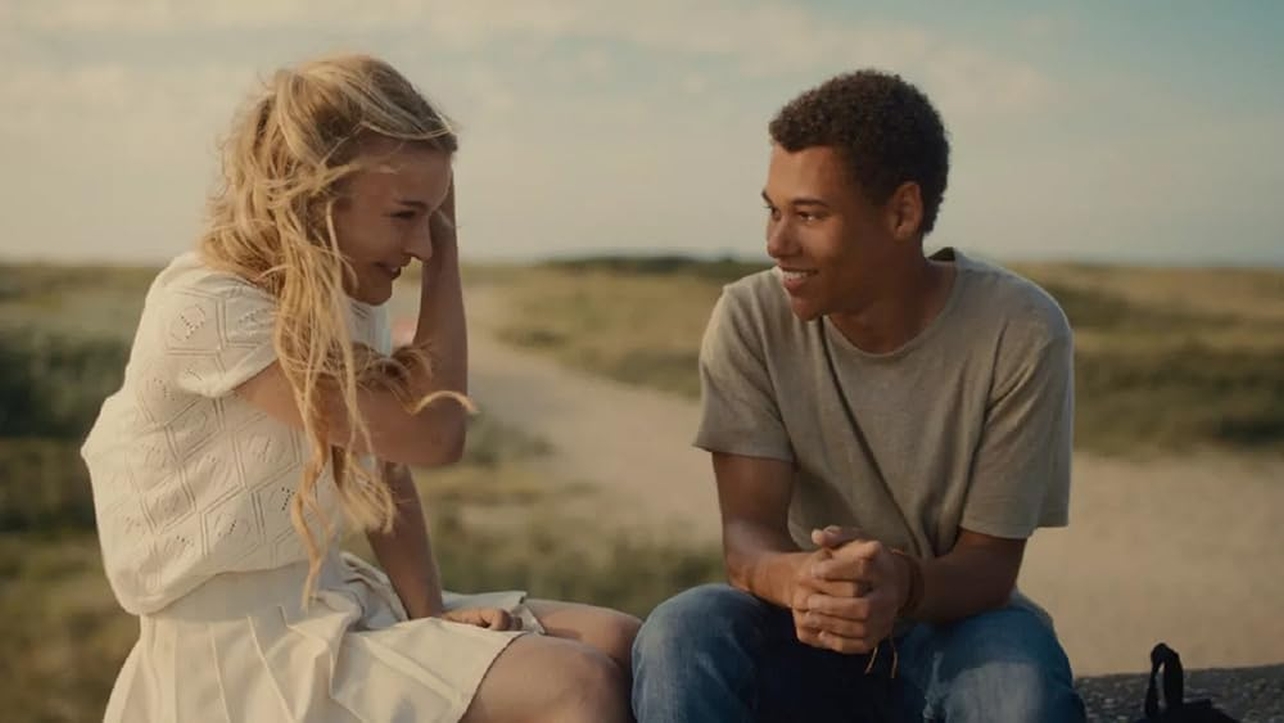
High Tides
The lives of affluent teenagers tend to be entertaining fodder used in plenty of shows, as their privilege, inexperience, and spending power allow them to go into some crazy situations. High Tides is one of those shows, set in the Belgian seaside town of Knokke, where working class Daan bumps into and captures the attention of rich high school couple Louise and Alex. The show definitely goes into a lot of the familiar soapy melodrama, with drugs, alcohol, and terrible parents driving them to teenage antics, but it does so through stunning visuals and a talented cast that makes the inane plot decent enough to watch. The show is nothing new, but for viewers into soapy teenage dramas, High Tides might be up your alley.
Tierra Incognita
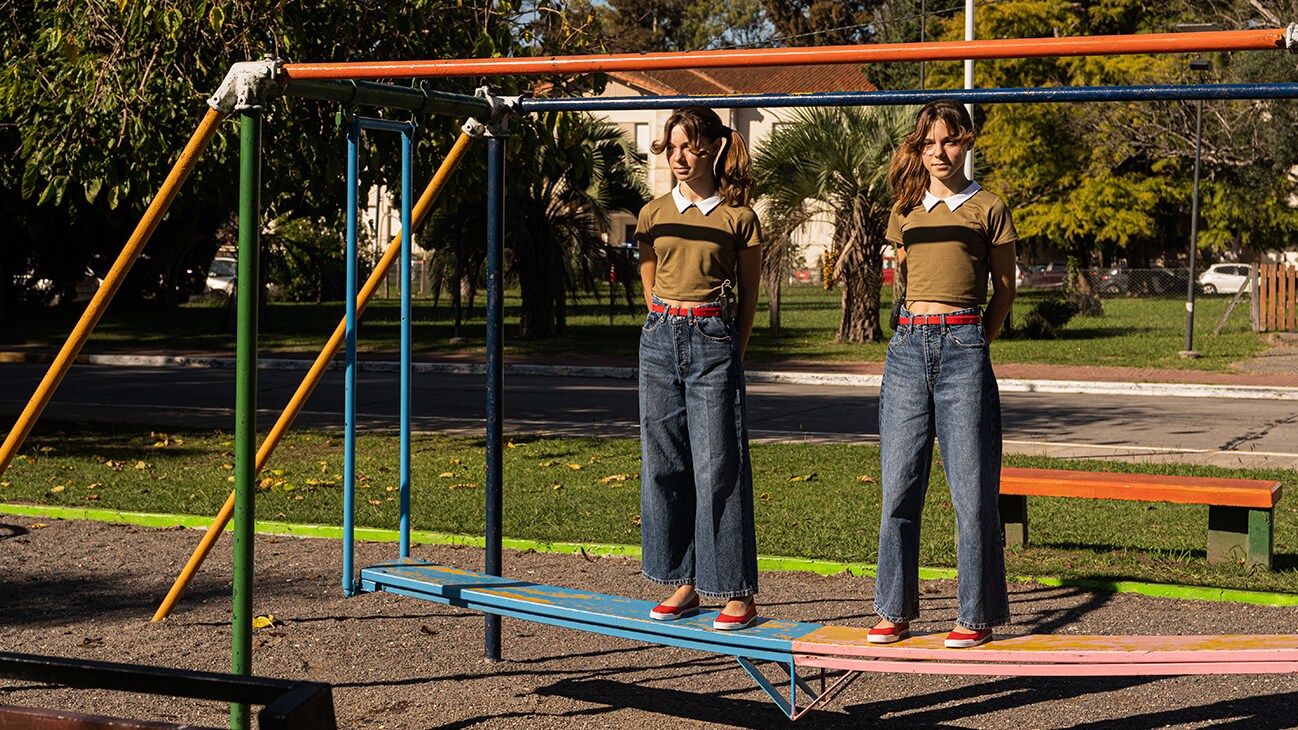
Returning to your hometown can be an eerie thing, mostly because of the way plenty of things would feel familiar, but they’ve either stayed in stasis all these years, or they’ve changed so much. Tierra Incognita takes that eeriness and uses it to craft a mysterious vibe in the small town of Cabo Qwert, a town now best known in the series for its titular abandoned amusement park. It relies a tad bit on jump scares and family melodrama, and the theme park itself seems much more pristine than an abandoned park would look like, but Tierra Incognita would be an okay series for kids to enjoy.
Selenkay
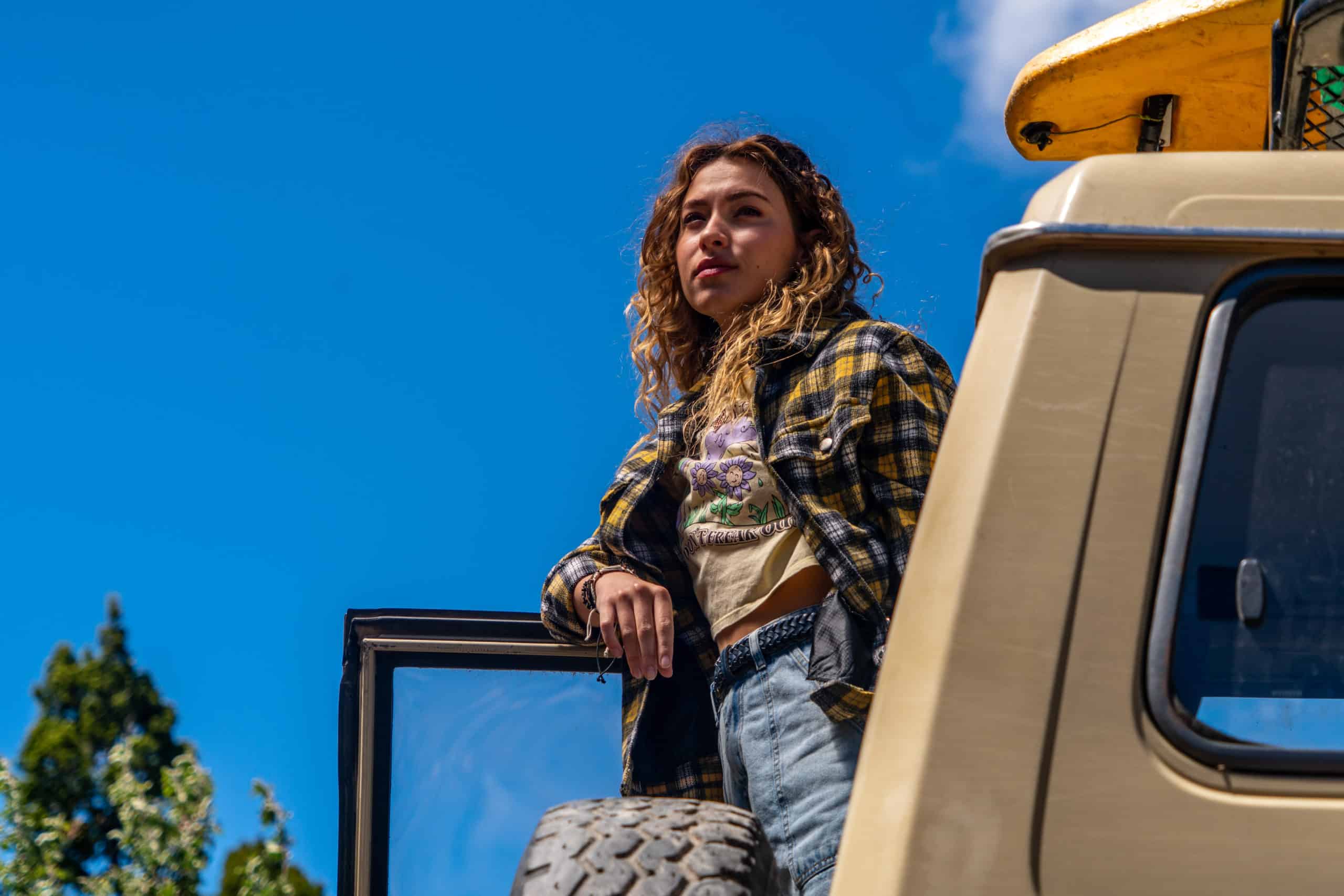
The concept of Selenkay isn’t so bad. If done right, it would have been a great way to experiment with special effects, introduce new Argentinian talents in a gorgeous lakeside location, and maybe, create good television. But things are introduced here in such derivative ways, that, when Sofía Rivera meets Gael Fénix, you can already tell how this Romeo & Juliet-esque relationship would go– boy loves girl, girl loves boy, parents disapprove, but whatever because the power of true love will triumph over all, etc. There’s an interesting thread where the kids debate over ecological responsibility over guilt, and it’s not totally atrocious, but Selenkay is much more interested in being a teen show, rather than exploring the world and powers that its premise has to offer.
Barracuda Queens
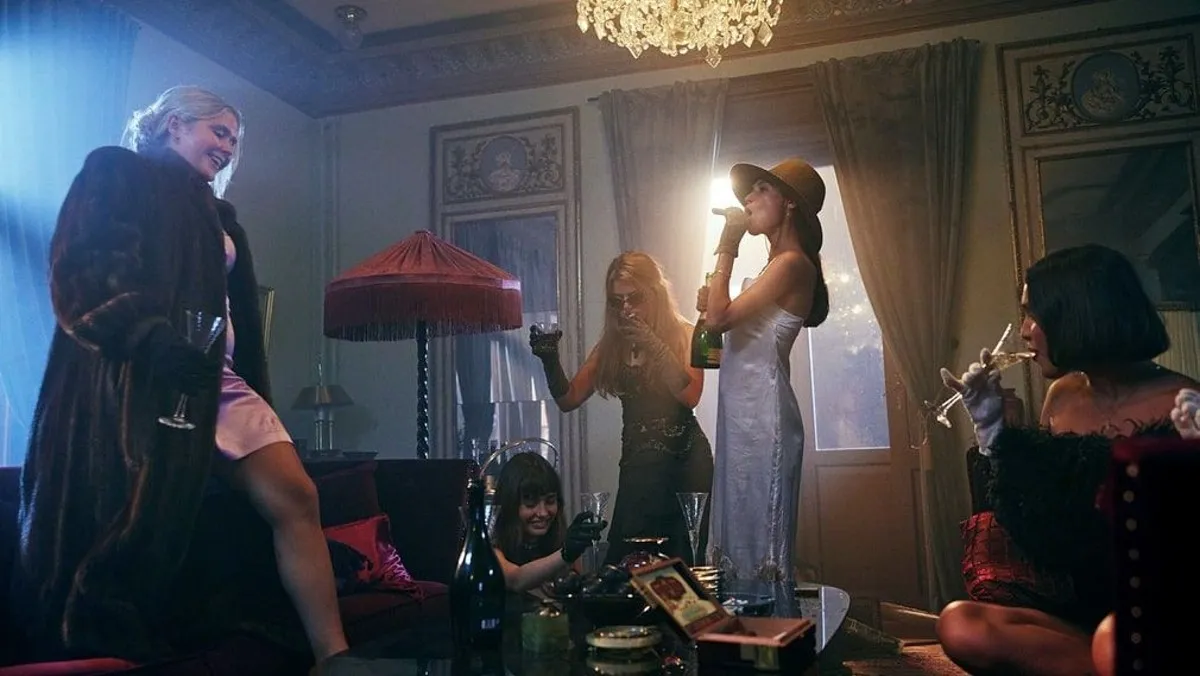
The most obvious cultural reference point for Barracuda Queens is The Bling Ring: both tell the based-on-real-life stories of a group of (mostly) wealthy young women who rob rich people’s houses. But where Sofia Coppola’s movie was rooted in a very specific era and explored the fascinating generational and psychological quirks that drove its disaffected teen burglars to do what they did, this Swedish Netflix series, at least in the first four episodes viewed for this review, makes only a half-hearted effort to evoke its ‘90s setting and takes a much soapier, less forensic approach to its story.
Here, the young women’s gateway into crime is the sky-high bill they rack up after a debauched weekend away. In need of cash to pay it off quickly, they convince themselves that they’re only robbing their wealthy neighbors to solve that problem, but other motivations soon arise. The women — who are mostly university-age, but seem closer to the protagonists of a teen drama — eventually begin to target people they have petty grievances with (like a love interest who spurns the ringleader after a one-night stand) as well as those who have wronged them more seriously (including a rapist, who gets off bizarrely lightly). The adrenaline rush of it all proves addictive for the gang, too. What’s more, for Mia (Tea Stjärne), the only member of the group not from a wealthy background, there’s also a Robin Hood-ish appeal to the burglaries, although this aspect regrettably takes something of a backseat to the girls’ escapades in the show.
Between the gang’s crime spree and their unbelievably dysfunctional home lives, there’s enough broad drama here to keep Netflix’s autoplay function in good use. Even if it doesn’t provide keen insight, sharp nuance, or a remotely realistic plot, the show does go beyond a surface-level approach by exploring something of the girls’ inner lives, the class dynamics of their friendship group, and the shallowness of their parents’ milieu. At three hours total — and with an opening scene that teases a dramatic rise-and-fall story ahead — it all makes for a very bingeable, if ultimately forgettable, watch.
Deliver Me
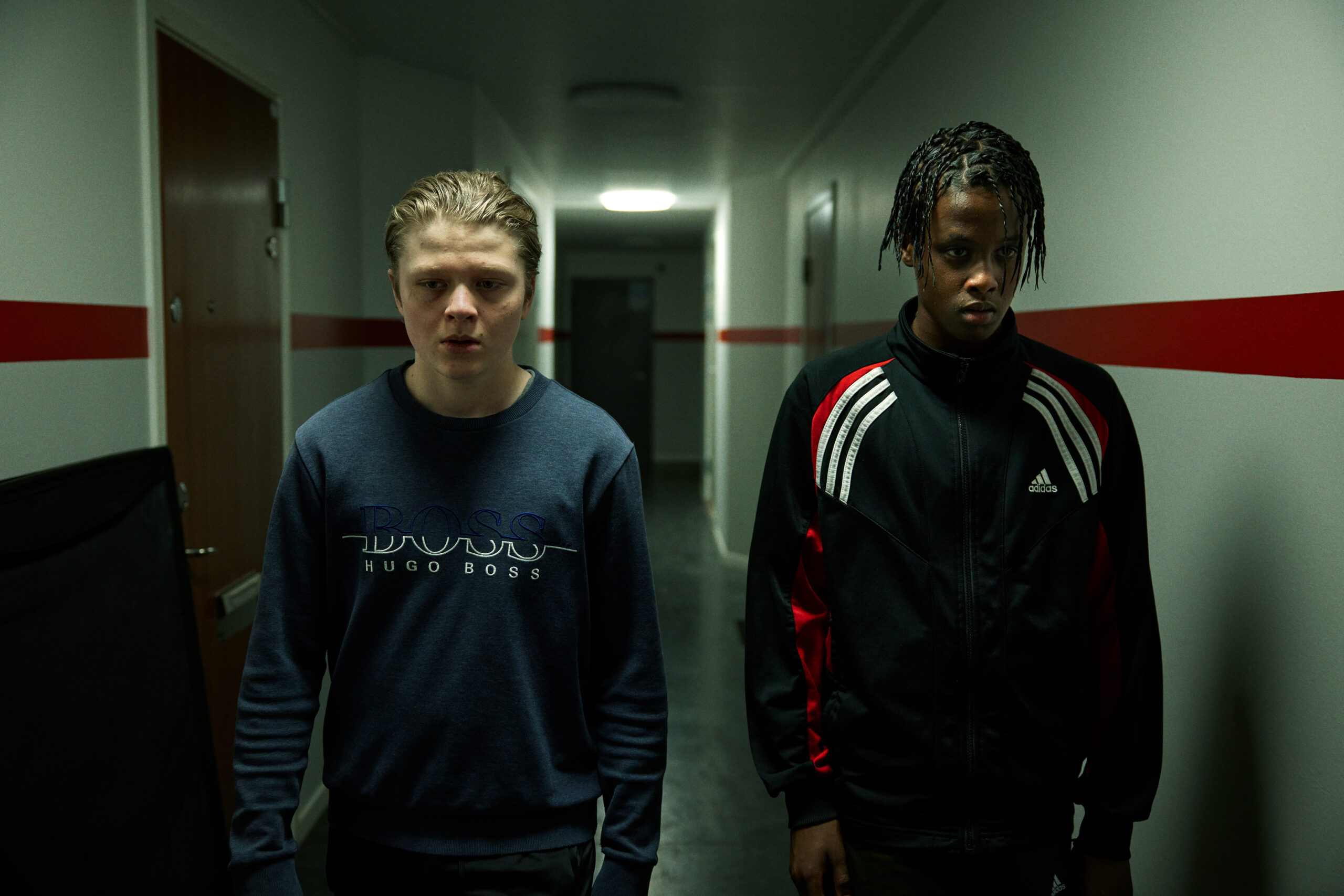
We don’t like to think about it, but there are children around the world recruited into organized crime, and sometimes, it leads to violent tragedies, the very kind we want to protect our children from. Deliver Me is a Swedish miniseries based on the best-selling novel of the same name that explores how a teen delinquent enters this vicious world. The series starts with the aftermath of an attempted murder– with Dogge holding a gun in his hands and his best friend Billy bleeding out in front of him. The cops in charge, led by Farid, hope to help him, by gaining more information about the gang they were recruited into, but it’s not an easy investigation. It’s depressing, especially when Dogge is so convinced he’d get off scot-free, and the issue is clearly important. But it also doesn’t stand out, as the series pulls off the same Netflix flair we’re already used to.
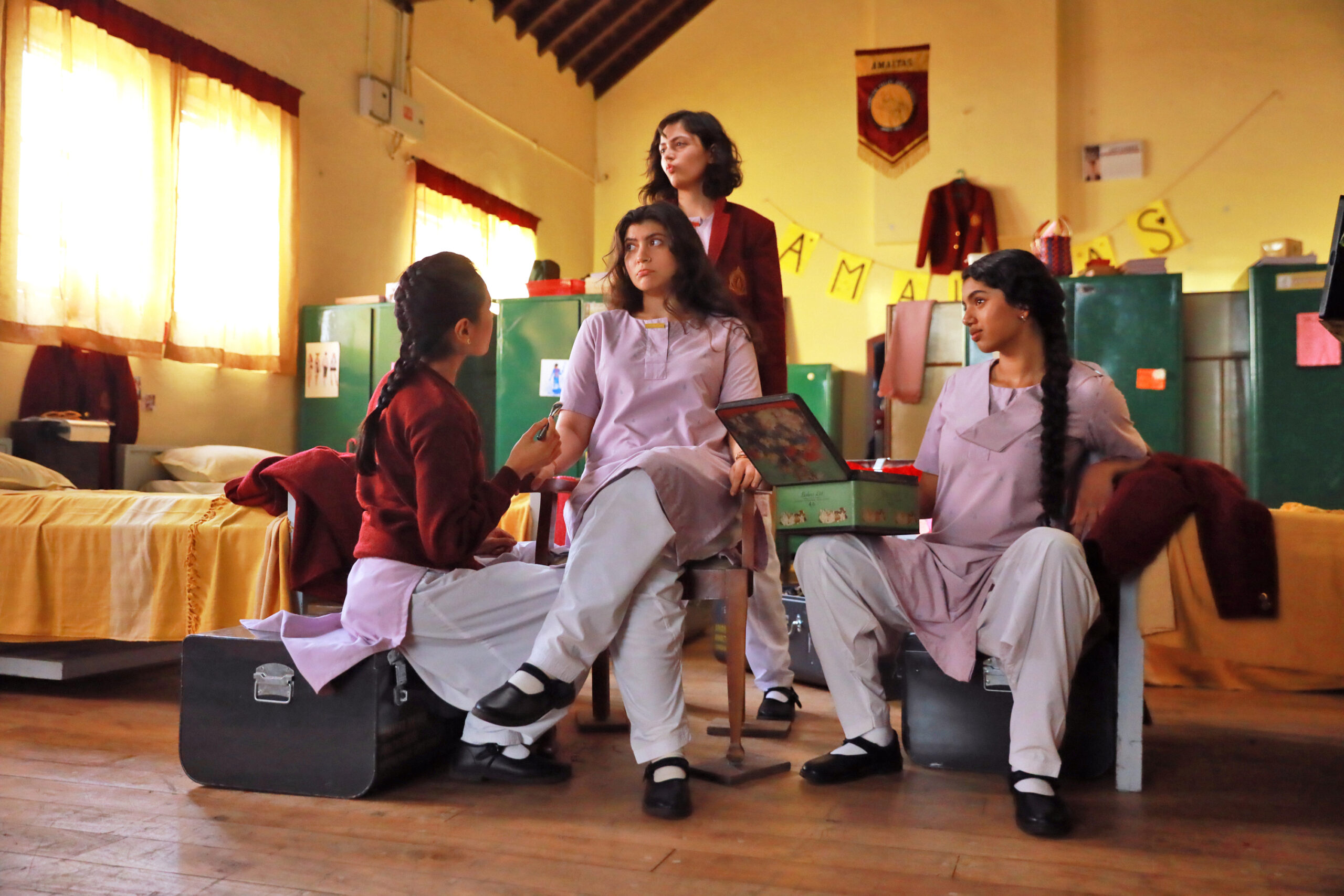
Big Girls Don’t Cry
Overnight dormitories, uniforms, and clubs… Boarding school has a distinct subculture that few get to experience, oftentimes limited to the privileged and academically gifted. While the United Kingdom is best known for this style of education, plenty of its former colonies, such as India, also adopted the practice, and part of this experience is shown in Big Girls Don’t Cry (BGDC). It’s a familiar story, with new girl Kavya befriending the titular friend group, but BGDC is a bit scattered with its approach. Instead of establishing a strong protagonist in Kavya, or creating a dynamic somewhat like Mean Girls’ Cady and Regina, each of the seven girls in BGDC has their own plotline, has their own dilemma and conflict to deal with. It’s great to see how varied and interesting these teen concerns can be, but we wish BGDC allowed us to get to know each of them in a more natural pace, the same way Kavya would have gotten to know them.
No titles match these filters.