Movies to Watch From Taiwan
To access filters, visit our homepage.
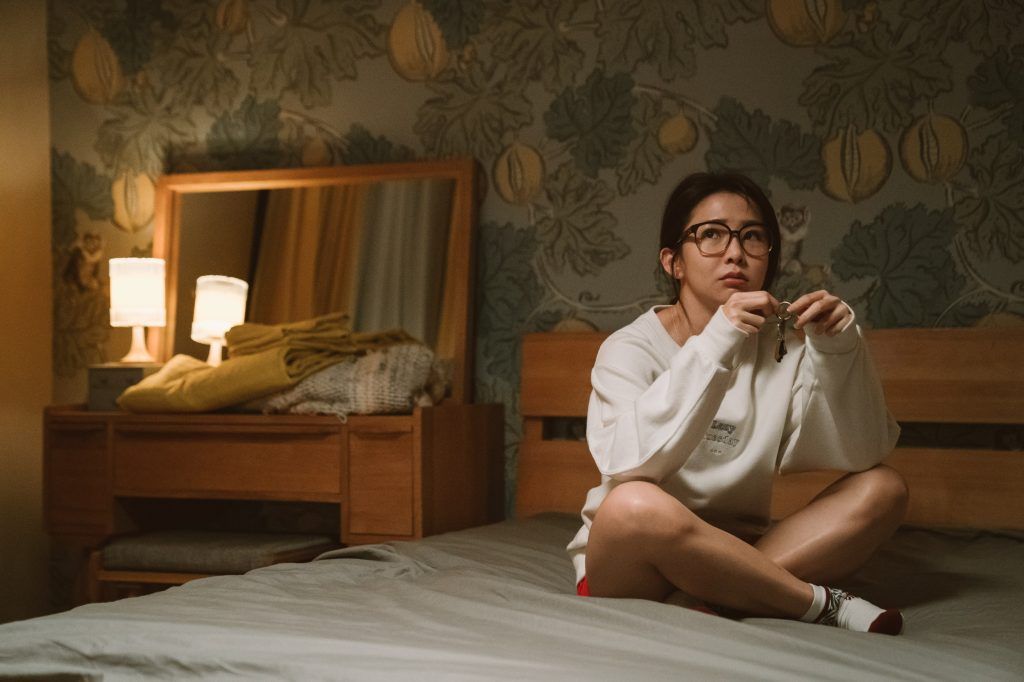
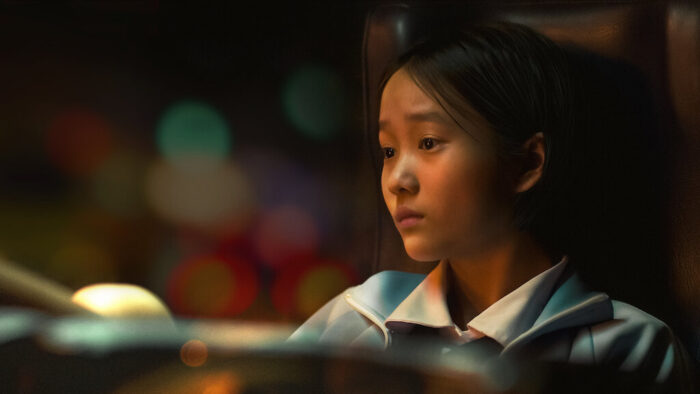
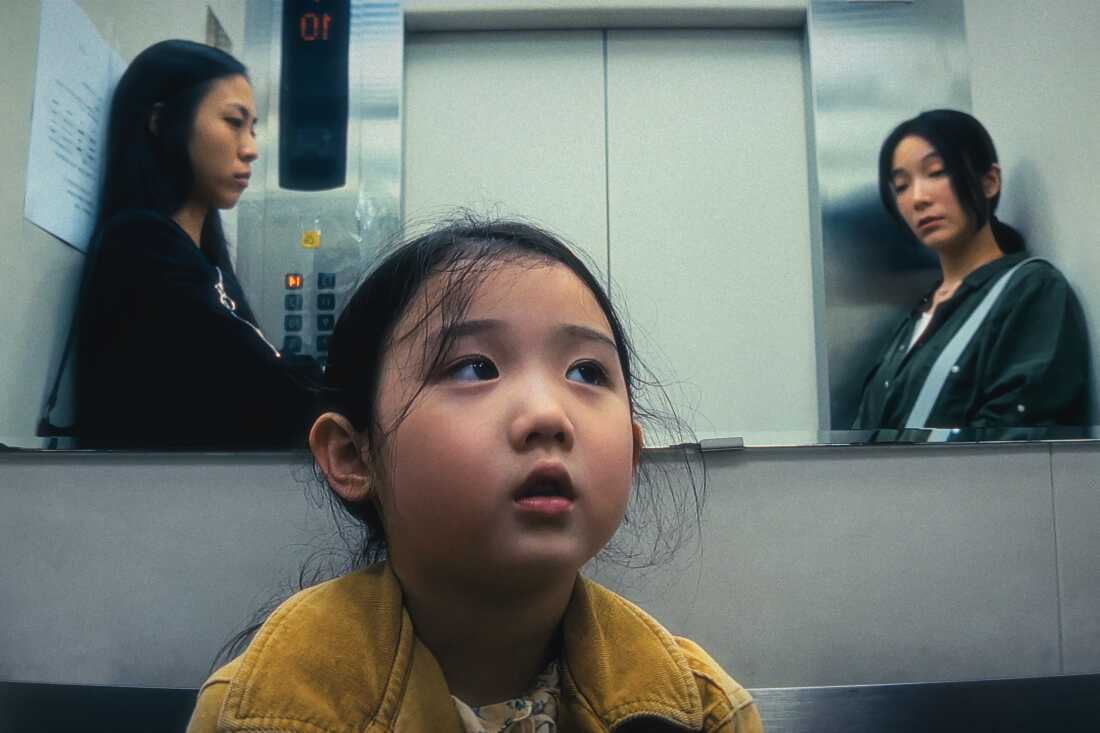
Left-Handed Girl is titled after I-Jing, the youngest daughter of the Ching family, whose left-handedness puts her at odds with her more traditional grandparents. That’s because left-handedness used to be associated with the devil. The idea is clearly outdated, but it hints at this family drama’s greater theme of being on the margin, of falling short of expectations placed by others. Of course, I-Jing’s left-handedness is easy to reconcile. The notion is considered outdated, and she’s portrayed by precocious newcomer Nina Ye. But what makes Left-Handed Girl so special is the way writer-director Shih-Ching Tsou deconstructs other expectations, such as Sho-Fen’s unfortunate marriage and the rebellion of her teenage daughter I-Ann. As the film unfolds, slowly revealing the fractures between them, Tsou subtly critiques how women carry the burden of saving face.
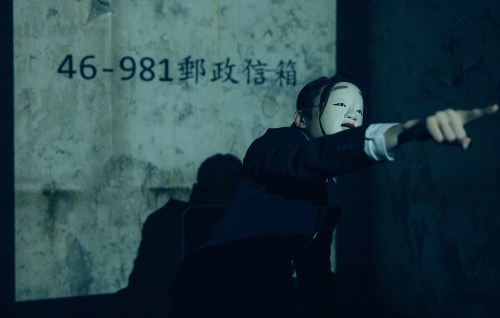
In the Dead Talents Society, ghosts haunting humans are less of a scare, and more a performance that can grant fame and fortune in the underworld. It makes for incredibly charming comedy. It affectionately satirizes East Asian horror in such a fresh way, comparing a ghost being remembered to today’s social media influencers, with views and validation directly tied to survival. However, as these ghosts scramble to scare unwitting humans, writer-director John Hsu resolves their need to be seen through the familiar path of fun and friendship, an approach that works with its offbeat humor and incredible performances. Dead Talents Society is very goofy, but it’s a unique horror comedy that won’t easily be forgotten.
Copycat Killer is a gripping and unsettling crime thriller that takes its time to develop its characters and delve into a disturbing cat-and-mouse game between a relentless prosecutor and a manipulative serial killer. The show’s slow-burn approach keeps you invested in the characters’ journey, while the horrifying events remind you of the potential dangers lurking in the real world. With a mix of tension, manipulation, and grisly acts, Copycat Killer leaves you on edge, keeps you guessing at every turn, and serves as a reminder of the dark realities that exist in society.
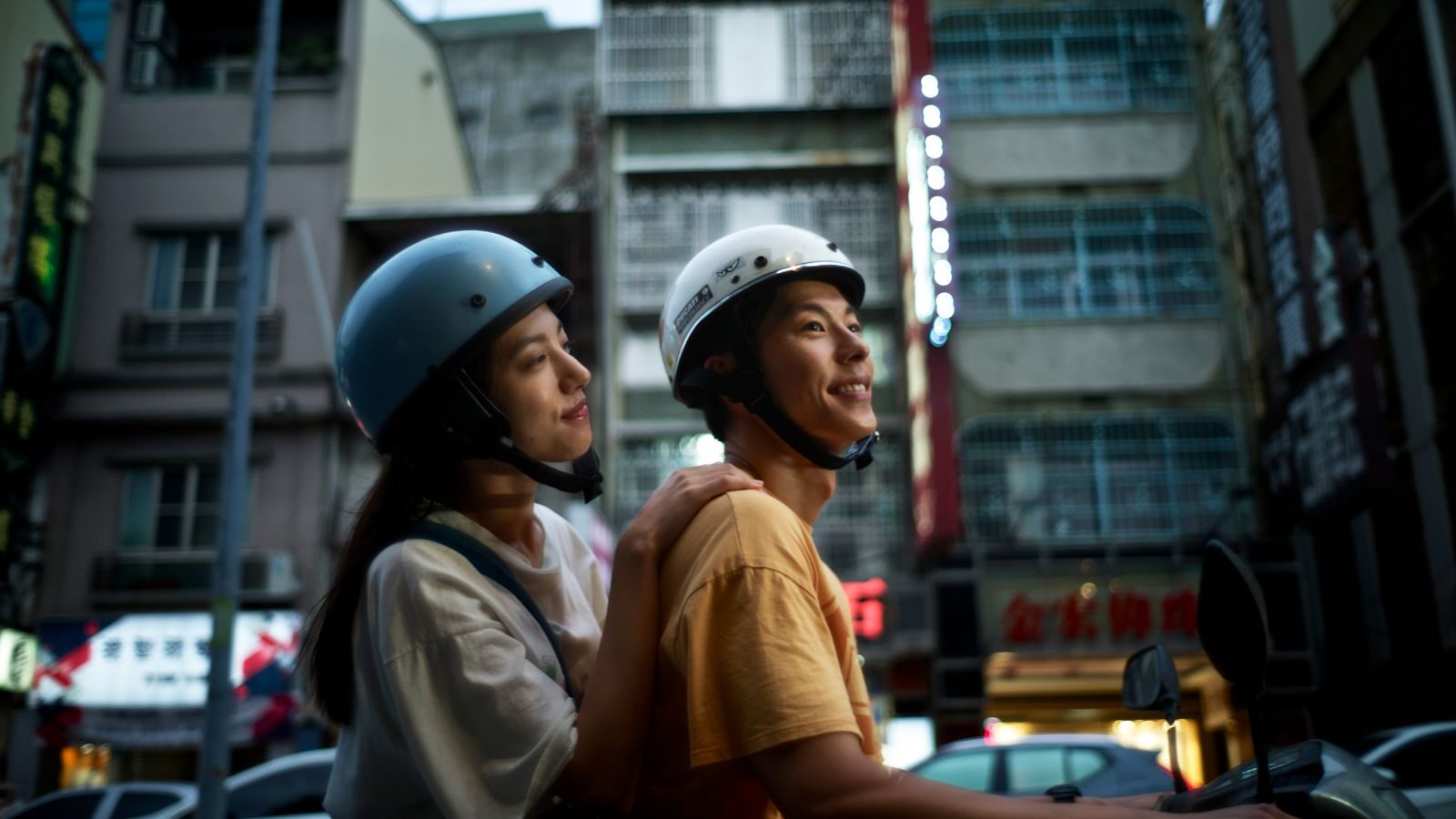
We sacrifice so much for our dreams, so if it all fails, whether that be because of ourselves or because of extenuating circumstances, sometimes, a bit of perspective is needed to get back up. The Taiwanese-Japanese romantic drama 18×2 Beyond Youthful Days is centered on two young adults that meet in a karaoke bar in Tainan, one who hopes to pass the summer with some money, and the other hoping to fulfill her dream of travelling the world. It’s a familiar coming-of-age concept, but it’s done so bittersweet and beautifully as the adult Jimmy recalls each moment they shared while on the journey to fulfill their promise to meet each other after they reach their dreams. 18×2 Beyond Youthful Days doesn’t tread new paths, but the film’s way of depicting memories as well as the charming chemistry of the leads transforms the real life travelogue into a moving testament of the connections we form while travelling.
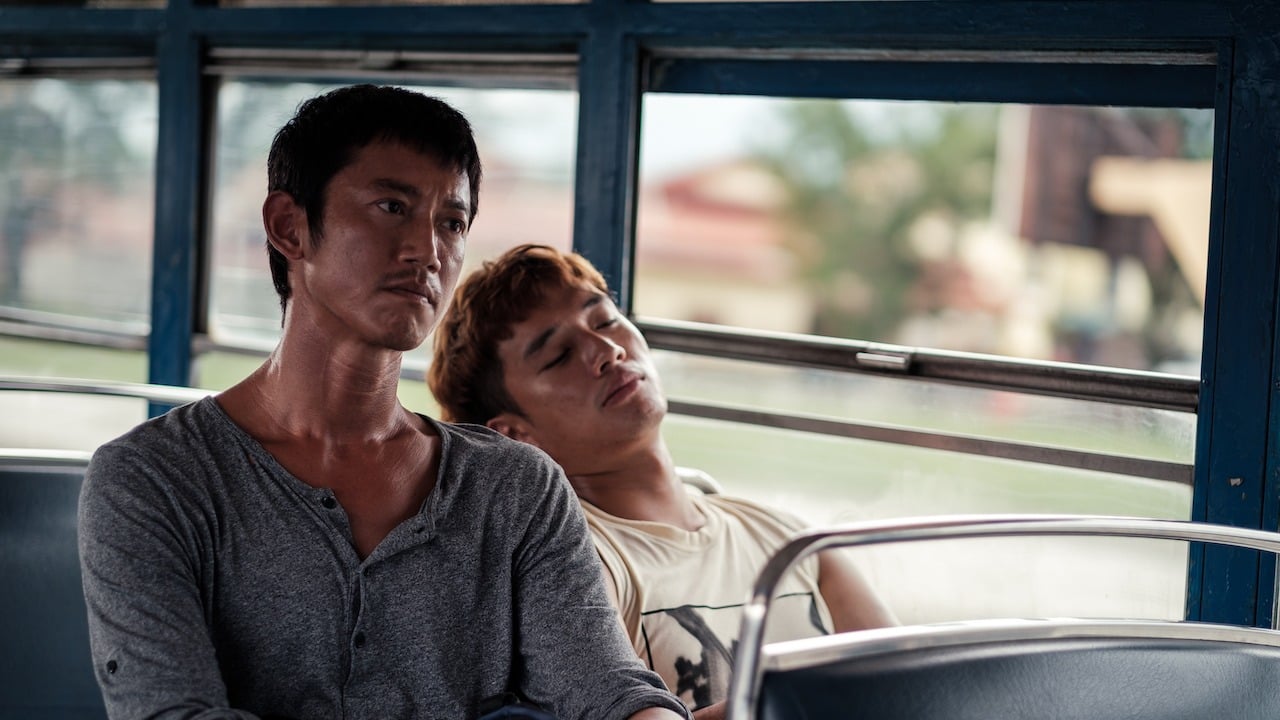
At the fringes of society, sometimes, all you have is your family. You would do all you can to feed, clothe, and protect them, and your fate hangs in the balance of what they do in return. Abang Adik is centered on two undocumented orphans in Malaysia, and because they only have each other, Abang does all he can legally and within his capabilities as a disabled man to scrounge up some money, but Adik tries to gain more secretly, resorting to scamming fellow illegal immigrants. Writer-director Jin Ong portrays their plight realistically, but more importantly, the drama works because Ong prioritizes crafting the compelling dynamic between them, making it much more heartbreaking when the loss of their one chance changes everything. Abang Adik may not be a perfect drama, but it’s a daring debut that’s needed.
There’s a cruelty to In My Mother’s Skin that may seem off-putting at first, but one must reckon with the sheer scale of the violence already occurring before these characters are even introduced to us. The Japanese occupation of the Philippines was a particularly vicious period in the country’s history; if Filipinos weren’t fighting or hiding from their invaders, many of them were trying to maintain a precariously submissive, neutral existence, or they were being turned against each other due to the conflict of war trickling down between the social classes. All these things are implicit throughout Kenneth Dagatan’s film, which doesn’t try to reenact World War II but capture the total absence of hope during this period.
Dagatan’s style of horror insists on a very slow pace, emphasizing every footstep leading to a horrifying reveal, and not just the main scare itself. This choice doesn’t always work, especially as certain beats begin to repeat themselves, but the film’s incredibly confident visual style fills every moment with an eerie paranoia. Gothic, shadowy interiors, nasty gore, and one opulently costumed fairy make everything perpetually unsettling—gradually forcing us to accept that these contradictions are just the reality of life under war.
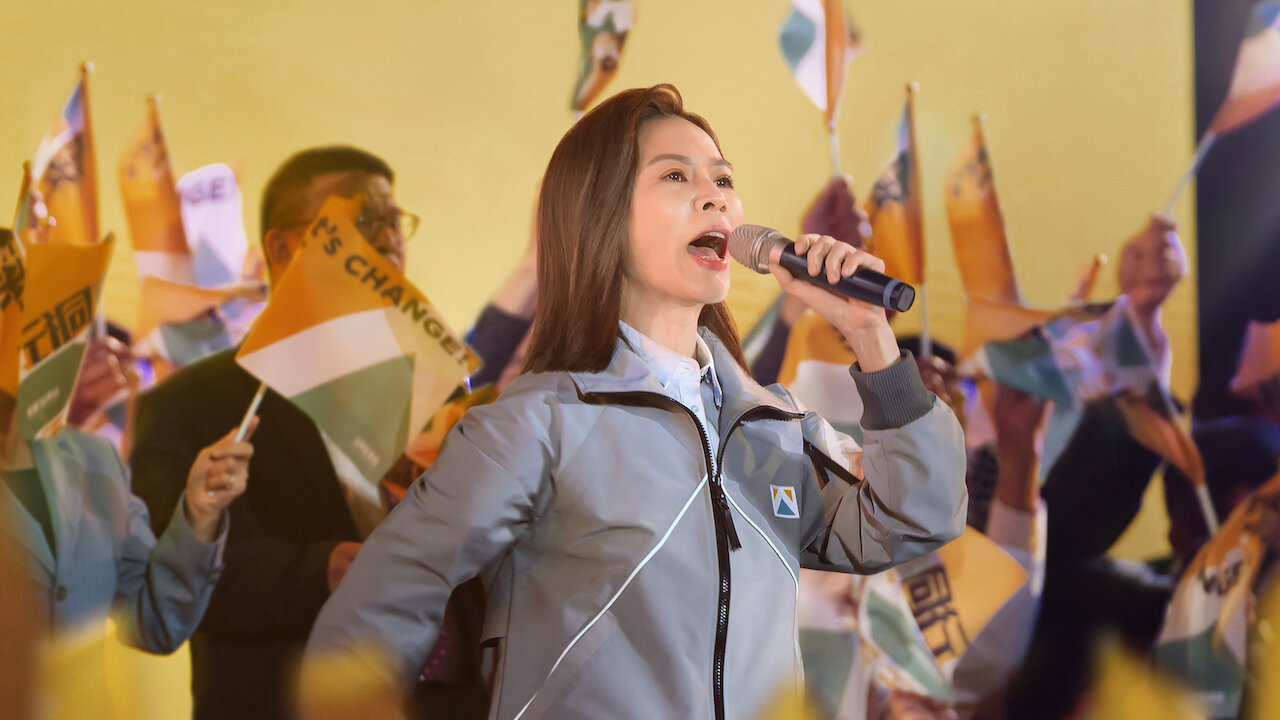
Capturing the craziness of a political campaign, Wave Makers portrays a behind-the-scenes look of a fictional campaign team as they work to get their party elected. While branded as a political drama, the Taiwanese Netflix series focuses on the dynamics of its team members, starting with their day-to-day work – how they deal with on-the-spot PR issues, budget cuts, and negotiations – and ending the first episode with the personal issues that affect them, such as work-life balance, career growth, and personal revenge. Focusing on the team makes for an interesting approach in portraying how the personal affects the political, and the show easily balances these two through its well-written sequences and careful direction. It’s no wonder it’s already inspired a #MeToo wave in Taiwan.
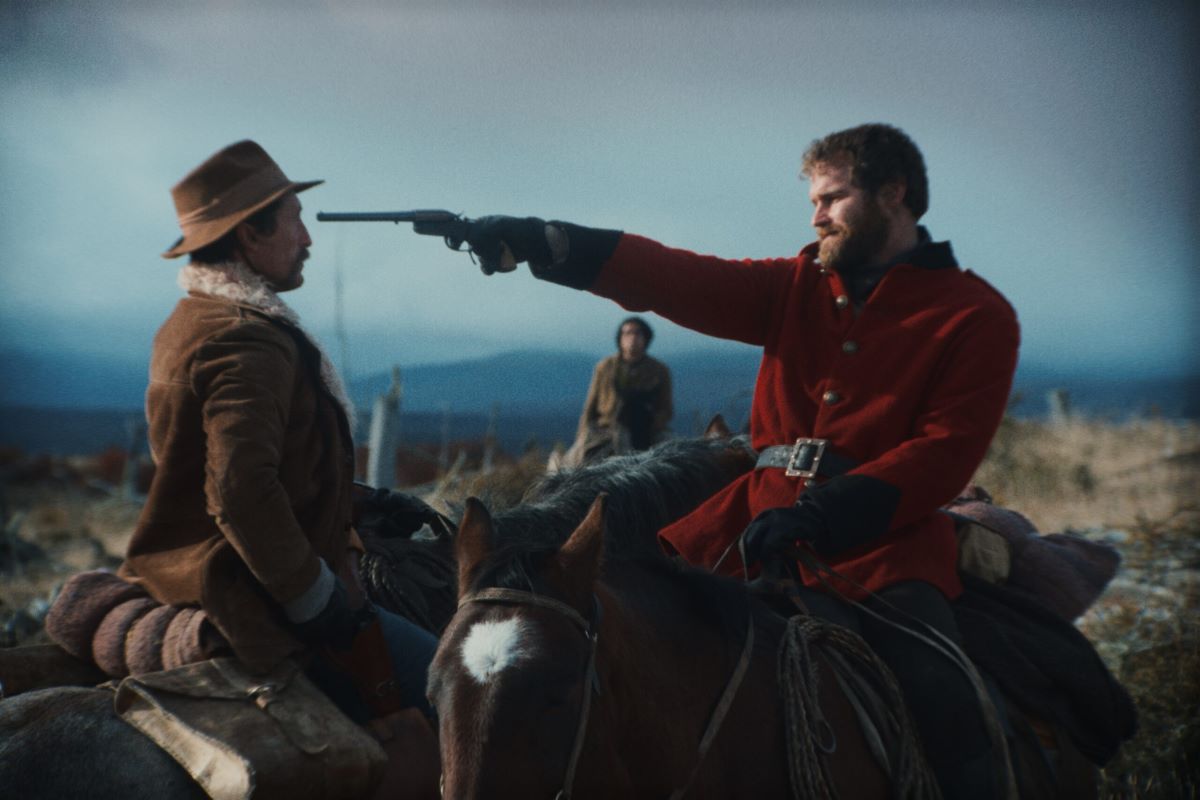
Horse riding. Gunslinging. Revenge and protection. These are notable elements in a Western, Spaghetti or otherwise. But rarely do these movies contemplate the indigenous tribes that originally lived in these desert towns, right before they were chased away and killed by white colonizers. Writer-director Felipe Gálvez Haberle takes these elements to showcase a new perspective in The Settlers, with mestizo Chilean sharpshooter Segundo forced to inflict atrocities onto his fellow native Chileans by the orders of a wealthy Spanish landowner, a British officer, and an American mercenary. The landscapes captured are sublime, the portraits are vignetted, but what’s most striking is the way Gálvez mixes in cinematic Western film style with real life colonial history, dramatic conflict with historical detail on a rarely discussed genocide.
When life gives you heartbreak, sometimes the grief can push you to do stupid things, but in The Accidental Influencer, it becomes a surprise social media sensation that changes the life of Red Ho. Based on the real life story of Taiwanese blogger Jhai Nyu Siao Hong, The Accidental Influencer isn’t afraid to get goofy with the story, turning a break-up that was devastating at the time, to something silly to laugh at, especially with Red Ho’s over-the-top imagination. While the show is a familiar story, it’s certainly a relatable one, and it’s executed in a fresh, if a bit ludicrous, way that makes it a decent pick. If, like Red, you happen to break up just before an important occasion (like this Valentine’s day), then The Accidental Influencer might be the show to watch to soothe your woes.
All the synopses going around the internet won’t fail to let you know that The Falls takes place at the height of the COVID-19 crisis. The film is certainly marketed that way, with commercial posters featuring the leads in ubiquitous face masks, socially distanced from the blurred crowd.
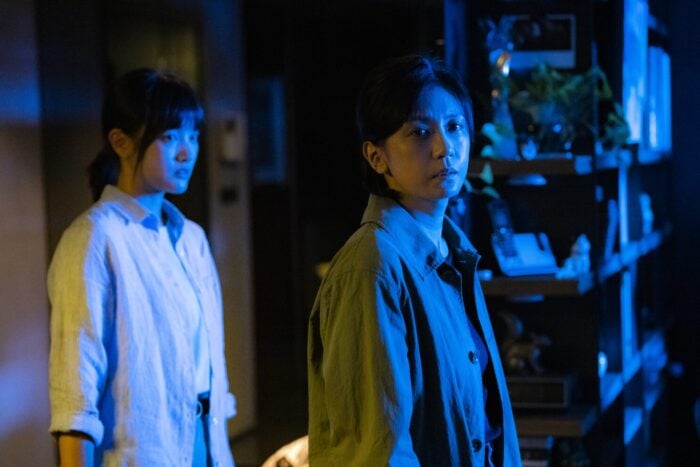
But interestingly, The Falls is not just a situational, pandemic-era story. More than anything else, it tells the story of Pin-wen and Xiao Jing, mother and daughter who, despite previously living a life of comfort, are now dealt with unfavorable circumstances (exacerbated but not entirely caused by the pandemic). Now, they are forced to navigate life with only each other, and it’s in the isolation they instate from the rest of the world do they forge a genuine and heartwrenching bond any and all family members will immediately recognize and perhaps even sympathize with.
Through her irreverent, no-bullshit point of view, Chinese documentarian Christine Choy balances out The Exiles’ painful reckoning with a traumatic event that shaped a generation of Chinese immigrants: the student-led protests and subsequent massacre of civilians in Tiananmen Square, Beijing in 1989. As Choy reconnects with the subjects of a documentary she stopped making 30 years ago, they help provide a fitting conclusion and new insights into the aftermath of the incident. And while the film eventually loses Choy’s brash spirit and settles into a more conventional tone of storytelling, the testimonies and analyses of nation and home that we get to hear are still heartbreaking. After such a reprehensible violation of human rights, it becomes clear that the countries who refuse to condemn wrongdoing are just as guilty.
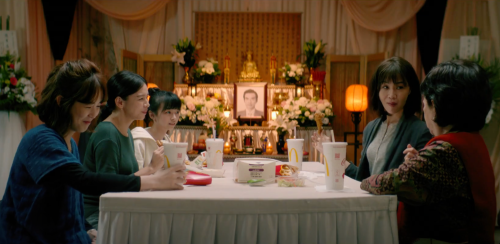
This sensitive and elegantly crafted melodrama recognizes that a death in the family doesn’t have to lead to the same expressions of mourning we expect from movies; there might not be any real sadness at all. But when different family members come together again and bring their own personal conflicts with them, suddenly everyone else’s little griefs fill the space, and the road to recovery becomes even messier. Little Big Women understands all this with an understated touch and brilliant, naturalistic performances from its cast. It makes for a loving tribute to the generations of tough and complicated women who often hold a family together.
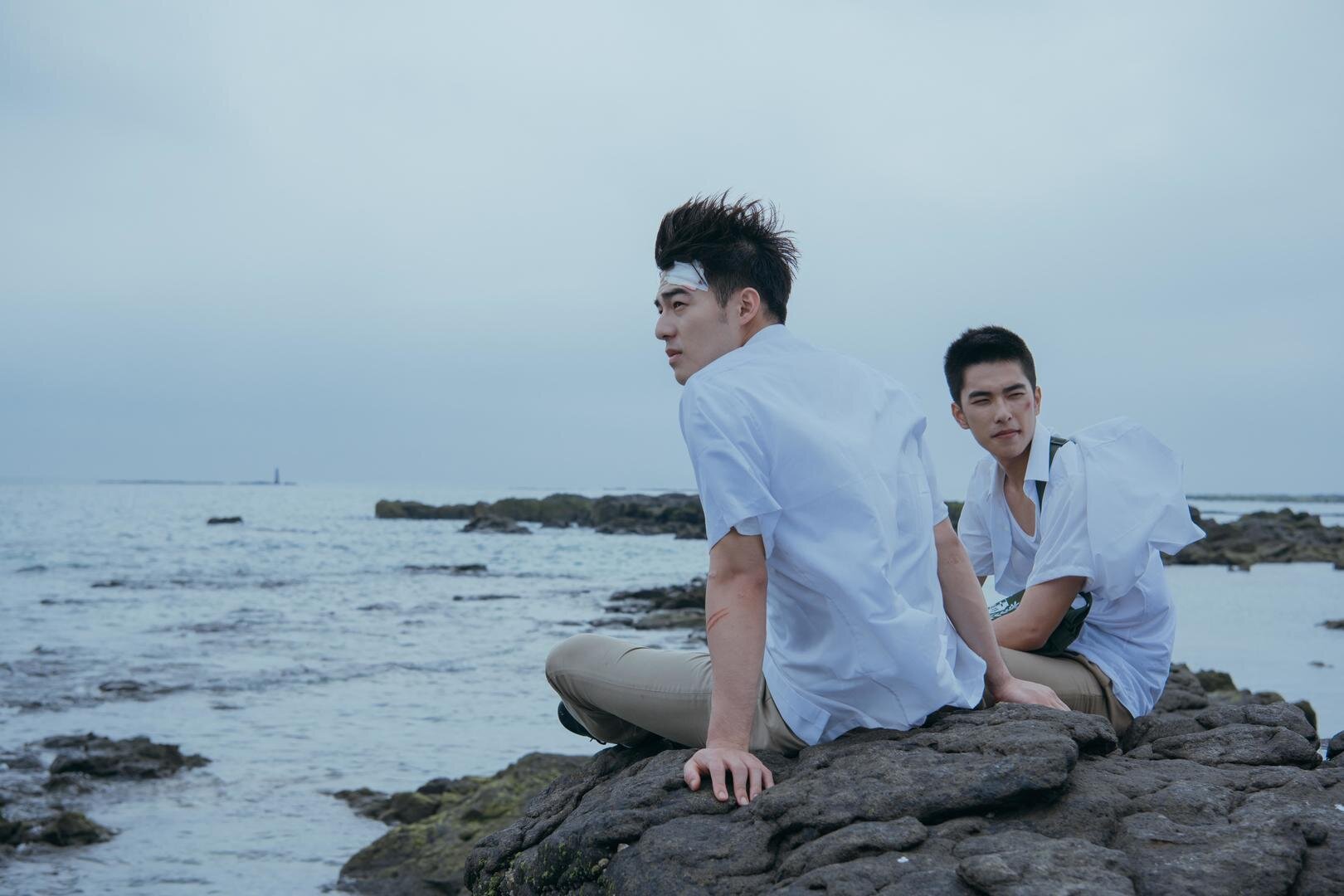
Your Name Engraved Herein is a melancholy and emotional film set in 1987 just as martial law ends in Taiwan. The film explores the relationship between Jia-han and Birdy, two boys in a Catholic school who are in a romantic relationship. The movie tackles homophobia and social stigma in society which evokes a bleak and rather depressing atmosphere, emphasised by the movie’s earthy aesthetic. There is a rawness in the film’s narrative and dialogue, topped off by the lead actors’ successfully raw performances. Your Name Engraved Herein is tender as well as heartbreaking, occasionally depicting the joy of youth.
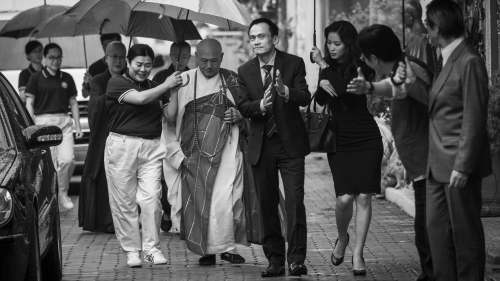
Given today’s access to cameras, it’s so easy to peek into the lives of other people. Sometimes those peeks seem much more exciting than our entire lives, but as most people know by now, what we see on screen can be so different to what’s really happening. Rather than social media, however, the two broke nobodies in The Great Buddha+ get their entertainment from the dashboard camera of their rich and famous boss, Kevin, though the recordings eventually reveal a darker side to the artist-philanthropist business owner. Alternating from their black-and-white lives to their boss’ colorful one, this dark comedy satirizes that gap between classes, the ones being watched and the ones who could only watch, with the narrator, and sometimes the characters, helpfully explaining on occasion what you’re seeing on screen. The Great Buddha+ gleefully mocks its ensemble, while still being cognizant of the real injustices they face.
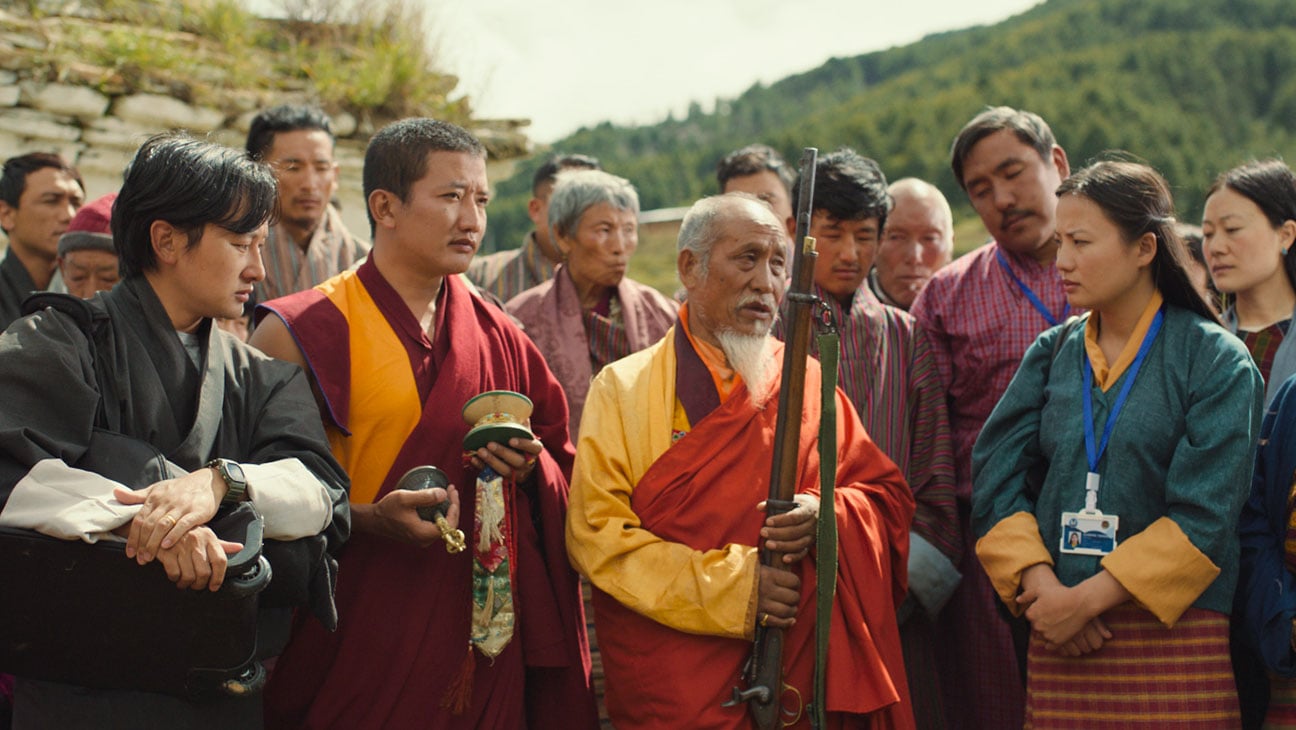
To plenty of countries around the globe, democracy has become so ubiquitous that we forget it’s relatively new, at least relative to the rest of human history. Bhutan is one of the last countries that became a democracy, and writer-director Pawo Choyning Dorji chose to depict a slice of how they made the shift in The Monk and the Gun. As Tashi sets out to obtain two weapons for his mentor, and Ron seeks a specific antique gun, Dorji presents slice-of-life moments of the beautiful Bhutan countryside, intercut with the subtle ways tradition still persists amidst modernity, and the funny ways change can clash with culture. It’s no wonder The Monk and the Gun was chosen as the Bhutanese entry for the Best International Feature at the 96th Academy Awards.
Dear Ex is a family drama that explores LGBT+ issues in contemporary Taiwan. As much as it is a movie about how people cope with loss, it’s a powerful, heartwarming, and intimate portrait of the relationship between Jay and Song Zhengyuan and all the obstacles they face.
While the themes of Dear Ex are heavy, the director makes the viewing experience easier for the audience thanks to humorous and witty dialogue. Meanwhile, the history between Jay and Song Zhengyuan’s relationship unfolds in a very beautiful, almost poetic way, and by the end of the movie, we understand that everyone gets their own kind of forgiveness. The way the characters effortlessly show that love is something beyond genders is admirable, and it is great to see how everyone gets their own kind of forgiveness whether it’s from themselves or from others by the end of the movie.
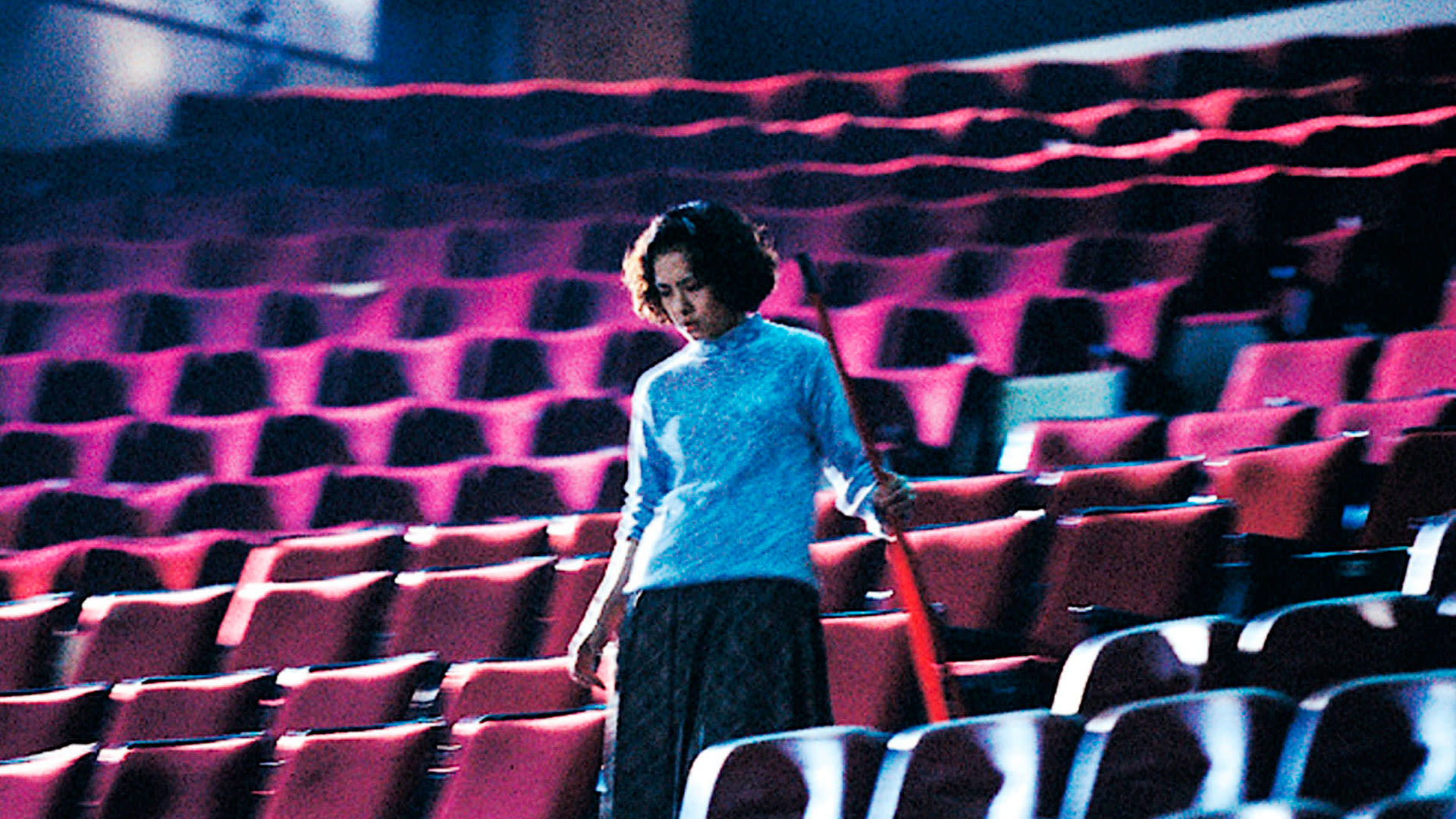
Serene and almost silent, Goodbye, Dragon Inn is a film contemplating an old movie theater in Taipei. In its heyday, this cinema was jam-packed and full of eager eyes watching the 1967 Wuxia classic Dragon Inn, but now it’s nearly empty for its last screening. Despite the lack of attendees, this cinema still has some life. Like the annoying audience members we’re all familiar with, the moviegoers still noisily chew on popcorn, put their feet on the headrest in front of them, and refuse to remain silent when walking. Director Tsai Ming-liang affectionately captures moviegoers in their natural element, recreating an experience so nostalgic it makes me want to go back to the theaters. Watching this, post-pandemic in the age of streaming, reminds us of the ways we still try to connect in the cinema in real life.
With the worldwide pandemic, there were less and less opportunities for a potential meet-cute when everyone was encouraged to stay home. At the Moment finds those rare moments where love was still able to bloom. It plays with so many of the familiar cheesy romantic tropes, but always with a twist, never playing the tropes straight out. Being an anthology, it doesn’t stick with one couple, so it doesn’t develop really in-depth dynamics, but each episode feels self-contained yet part and parcel of the quarantine experience. Ultimately, At the Moment feels like a little sweet treat for romance fans after a long period of self-isolation.
Ensemble romance stories are great for exploring different aspects of relationships, but this time, Taiwanese comedy drama Let’s Talk About CHU tackles sexual relationships. Centered on the Chu family, each of the members struggle in that aspect of their relationships– the parents are at the brink of divorce because of it, Ai prioritizes pleasure but not connection, Yu-sen is taken for granted because of it, and Wei struggles with the expectations of having children. It’s refreshing to see the show tackle these issues, which, until recently, has been mostly taboo to talk about, but it also happens to be direct, honest, and forthcoming about them in such a relatable way. While the show does struggle to balance the plotlines, Let’s Talk About CHU is a multi-generational conversation that’s important to have.
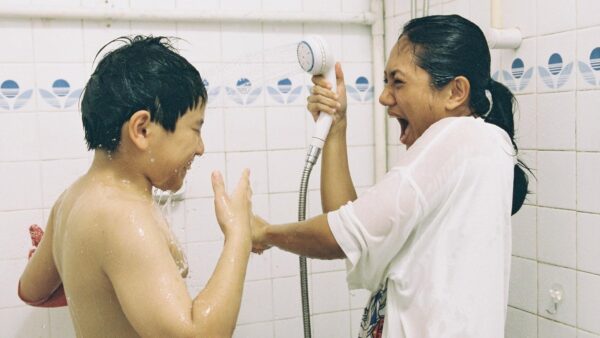
At the height of the 1997 Asian financial crisis, a small Singaporean family scrambles to keep their middle-class status afloat. The parents shave their expenses and work extra-long hours, but their busyness causes them to neglect their misbehaved son. When his misdemeanors prove to be too much, the mother is forced to hire a stay-at-home nanny, and her presence (along with other external pressures) brings about a change in the house. Suddenly, everyone becomes a bit more aware of their limitations and potential, and from this, a shared empathy grows. In other hands, this story might come off as bare and forgettable, but under first-time-feature director Anthony Chen’s helm, Ilo Ilo comes to life in rich detail, thoughtful shots, and captivatingly natural performances. Despite its many heartbreaking scenes, the film rarely dwells in sentiment, and it’s this restraint that makes Ilo Ilo all the more gripping to watch.
Slow and almost silent, Edward Yang’s second feature film pins us down in a fast-moving city. In 1980s Taipei, Chin and Lung are childhood sweethearts who try to build a life together, but differences between their wants threaten to pull them apart. Chin bravely adapts to the changes she faces—moving house, shifting jobs, etc.—while Lung misses his promising baseball career and prioritizes familial debt. Through their relationship, the film captures the anxieties of a generation pulled between new Western consumerism and old Asian familial obligations. Watching the two lovers feels like being lost in a cold urban city, unable to move and not knowing where to go.
Written like a stage play, directed like the viewer is a fly on the wall, and shot with a love for deep shadows and warm candlelight, Flowers of Shanghai is about as immersive a chamber drama as one could ask for. Having most of the “action” take place off screen, director Hou Hsiao-hsien draws our eye instead to how his characters (including one played by an exceptionally stoic Tony Leung) continue to negotiate for their own freedom against patriarchal norms, pushing against cultural notions of proper decorum. It’s a film brimming with repressed emotion, but without ever raising its voice. The vibes, as the kids say, are immaculate.
Though Eternal Summer isn’t able to fully engage with its queer characters—maybe due to its being released in the mid-2000s—it still makes for a more interesting character study than you’d expect. This romance between three school friends has more on its mind than simply pitting two romantic pairings against each other. Unrequited feelings, unspoken secrets, and identities that are constantly in flux make Eternal Summer compelling just for the way these people try to dance around one another’s emotions. And since it’s shot in the muted colors of early digital filmmaking, this is a love story that becomes all the more melancholic just in the way it looks.
After a long life lived in a home one chose, it can be hard to uproot your entire life, especially in a country that seems diametrically opposed in manners and values. Before his American produced hits like Brokeback Mountain and Life of Pi, Ang Lee made his debut through Pushing Hands, a film entirely shot in America but produced from Taiwan, exploring from the Chinese perspective the generational conflict between Asian immigrants and the mainlander parents that they brought to have a good life. It’s humorous at certain moments, with the steady demeanor of Chu contrasted to everyone around him, but Pushing Hands stems from the understanding of someone who’s directly lived through it, unfolding into a thoughtful, sentimental drama that quickly established Lee’s directorial voice.
Pain, in and of itself, is terrible, but more so when you can’t determine the solution. The River is centered around the mysterious neck pain that a young man suffers out of the blue, but through writer-director Tsai Ming-liang’s lens, the pain is made much more poignant as it seems he’s all alone in dealing with the issue, alienated from others, tainted from something that was supposed to be life-giving, yet he’s not the only one that’s lonely. While the film takes the characters’ means in finding connection to the extreme, The River does capture the pain of modern day loneliness.
American Girl follows 13-year-old Fen as she returns to Taiwan from the US and tries to make sense of a culture that’s supposedly her own. In addition to her awkward but relatable attempts to understand identity and adolescence, Fen also struggles to connect with her mother Lily, whose own problems further push her away from her teenage daughter. If you’ve seen Lady Bird, you may recognize a bit of Christine and Marion in Fen and Lily as they throw themselves into an endless tug-of-war of emotions. Their fights are genuinely frustrating, but only because of how true-to-life they are.
As painful as it sometimes is to see them clash, it’s their love-hate dynamic that charges much of the film’s emotional energy and makes it ultimately irresistible to watch.
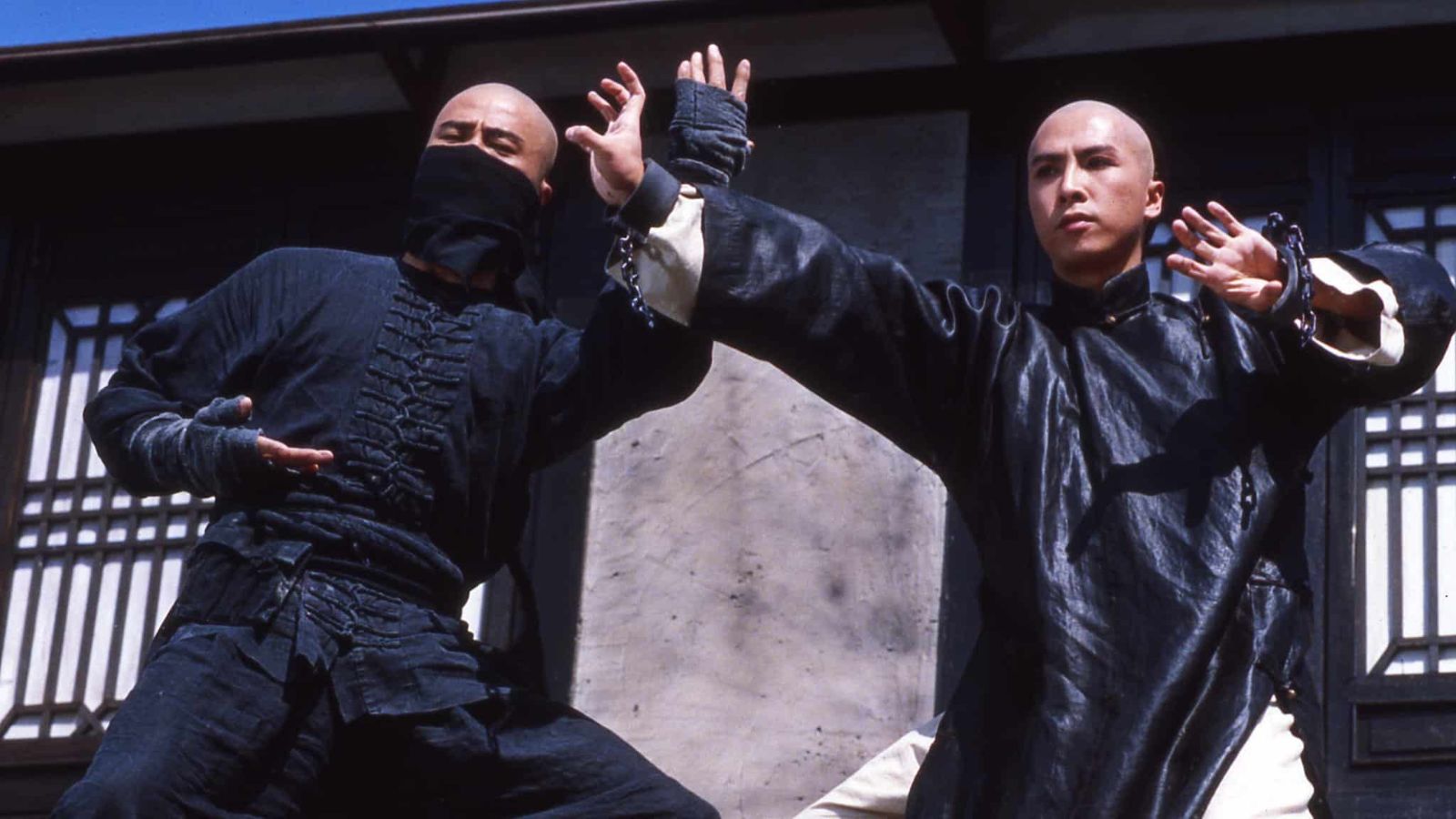
Say what you will about Quentin Tarantino, but when he recommends a martial arts film, you just have to watch it. Like plenty from the genre that Tarantino’s inspired by, Iron Monkey has the same stylish, badass action that Hong Kong cinema is known for, with spectacular wire-work choreography, excellently shot fight sequences, as well as the goofy slapstick comedy that punches in some quips between hits. But what makes the film work is the folkloric story– it’s not quite as astounding as Crouching Tiger, Hidden Dragon, and it’s all packaged in a familiar Robin Hood-esque plotline, but with a fantastic Donnie Yen and a script that rightly makes fun of the incompetent, corrupt cronies that rules over this small village, Iron Monkey does justice to the genre and to the actual folk hero the story was inspired by.
It’s slower and stranger than most comedies you may be used to, but there’s still lots of heart to be found in the way Classmates Minus follows the lapsed hopes and wishes of its core characters. Beneath all its stereotypically male yearnings for control and romantic wish fulfillment, there are potent ideas here about how a tired economy and jaded political culture can turn those in their middle age into completely different people. Writer/director Huang Hsin-yao provides narration for his own film, but rather than being distracting or conceited, his words add a level of needed sympathy to everything we see on screen.
Though it doesn’t delve too deeply into any pressing issues in baseball or into its protagonist’s Taiwanese roots, Late Life: The Chien-Ming Wang Story still makes for interesting viewing, mostly for its extremely specific discussions on baseball. Part sports documentary and part study on physical therapy, the film rejects any narratives about innate talent and greatness and aims to depict most great players as they really are: athletes who have had to train hard and maintain their progress through sheer force of will. And at the center is Chien-Ming Wang himself, a gentle and humble giant who makes for an unlikely but refreshing sports celebrity.
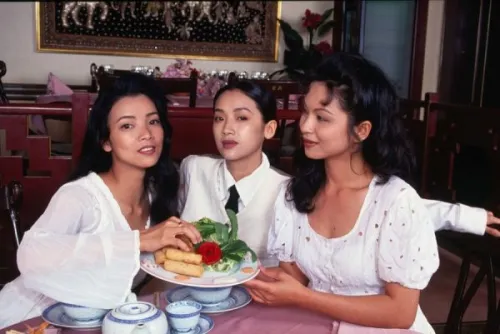
Eat Drink Man Woman takes place in Taipei, Taiwan in the mid-1990s. It tells the story of an aging father and his three daughters, all of whom are navigating different phases of adulthood while embracing new relationships. The family uses cooking and eating together as a way to communicate their love.
Food as a love language wasn’t a new concept in 1994, when the film was released, however it is impeccably explored in Eat Drink Man Woman.
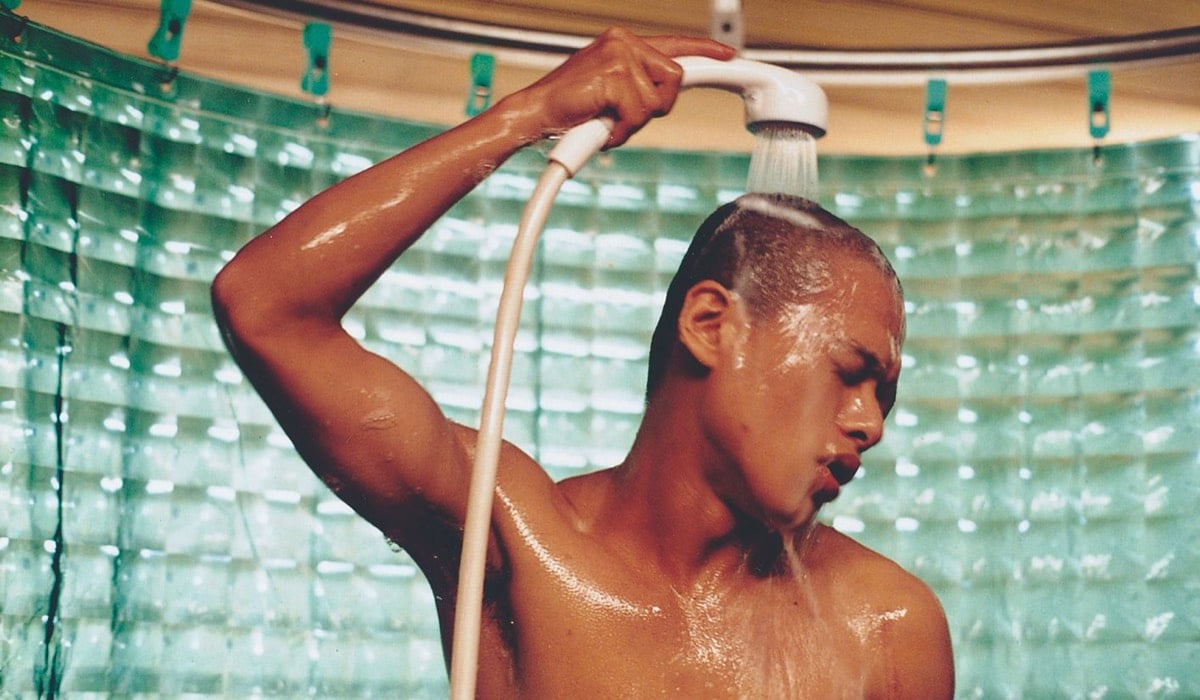
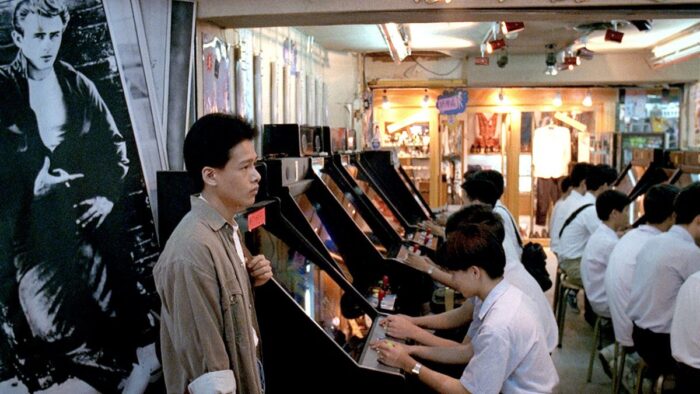
Slow cinema might be an acquired taste for many viewers, but Tsai Ming-liang’s gorgeous feature debut about Taiwan’s aimless youth should have enough mystery and suspense to draw anybody in. They key, as with many of these films, isn’t to demand that things happen or actions get explained, but to surrender to every possibility and suggestion of what might be motivating these characters beneath the surface. And through patient, perceptive observation, Tsai gives us so much to chew on: the sleeplessness of urban life, the unpredictability of relationships, and most importantly the morality that forms when a disillusioned young man fully embraces his being an outcast.
And if nothing else, Tsai provides us with some of the most beautiful and honest images of city life around. It’s hard to describe, but just the neon-lit arcade halls and dingy hotel rooms are enough to let you into who these characters are. It’s an experience not to be missed.
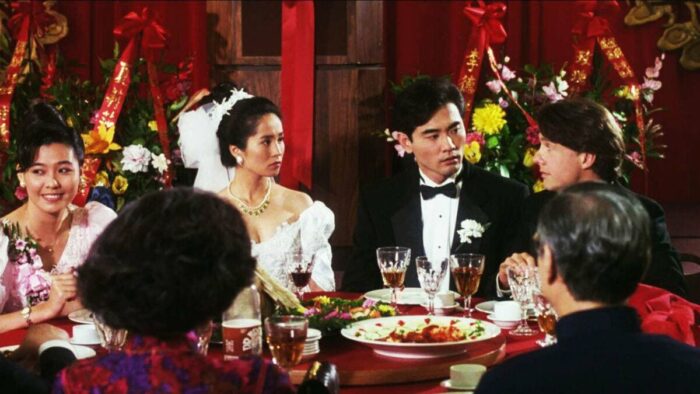
Even with a plot that wholeheartedly embraces the tropes of a fake marriage and of found families, The Wedding Banquet never falls into the trap of histrionic melodrama. There’s a calmness to this film that’s made all the more poignant by how none of these characters are truly right or wrong, good or bad. Everyone is just trying to stay in their lane while nurturing the little bits of happiness they can find. The Wedding Banquet is a relatively early example of a lighthearted gay romance and an American co-production that’s incredibly sensitive about representing Taiwanese culture properly on screen.
Like many of Edward Yang’s films, The Terrorizers examines Taiwan’s urbanized society, but this time, it’s centered around the rougher side of town, where a shooting incident connects the lives of three couples. At first, the scenes don’t make much sense, as the film rapidly shifts from couple to couple without explanation, and the sequence being used to place doubt on the reality of certain scenes. But as the film progresses, these scenes form into something like a puzzle, a piece of a whole treatise on the way real and unreal intersect, the way these perceptions shape one’s relationships. The Terrorizers is somber, and baffling, and sometimes downright bleak, but it’s a fascinating enigma on today’s urban loneliness.
Based on co-writer Wu Nien-jen’s experiences, Dust in the Wind is a bittersweet coming-of-age story about lost love. The two sweethearts, Ah Yuan (Wang Chien-wen) and Ah Yun (Hsin Shu-fen), move out of their rural hometown to try to make a life in Taipei. Through day-to-day glimpses of the life they’re trying to make, it’s easy to root for their love in the beginning. As they go through the struggles of daily life, the lovers seem to glow only in each other’s presence, thanks to the gorgeous cinematography from Mark Lee Ping-Bin. However, love isn’t enough. Outside circumstances threaten their love, such as poor healthcare, theft, and the military draft. Director Hou Hsiao-hsien refuses to let us recognize this at the immediate moment, though. Like Yuan, the weight of each moment hits us belatedly, and it’s only in the end when he can’t do anything, that we realize it.
In this stunning coming-of-age drama, Hou Hsiao-hsien takes us to the neon-lit streets of Taiwan and the dull beige house of the Lin family. The film is centered around the eldest daughter, Lin Hsiao-yang (portrayed by the Taiwanese pop star Lin Yang), who takes care of her whole family after her mother dies and her father gains employment in another city. Her sister is too young to work, and her older brother is a petty criminal. It’s easy to empathize with her struggles—many of them are issues children shouldn’t face. But she deals with them with a silent sort of strength, with Lin Yang’s stoic face hiding some simmering resentment. Similarly, the film’s slow pace and serene framing hide the underlying violence that affects the Lin family. Juxtaposing Taiwan’s urban and suburban life, Western and Eastern aesthetics, and the film’s Egyptian mythos with the struggle of Taiwan’s youth, Hou presents a contemplative view of 1980s Taiwan.
Gangster films have an issue of glorifying organized crime, and in some ways The Pig, The Snake, and The Pigeon does the same. There are excellent, action-packed fight scenes that makes Ethan Juan as Chen Kui-lin look so damn cool, and the journey Chen takes as a stern criminal out for his legacy definitely romanticizes the character, but it’s so compelling to see him contemplate the purpose of his life through confronting those like him, who tend to move for the ideas of love and spiritual detachment. There are some moments when the pacing falters, but The Pig, The Snake, and the Pigeon delivers on its ending and reimagines the gangster as something to remember.
A man returns to a town chasing the memory of a woman he loved years ago.
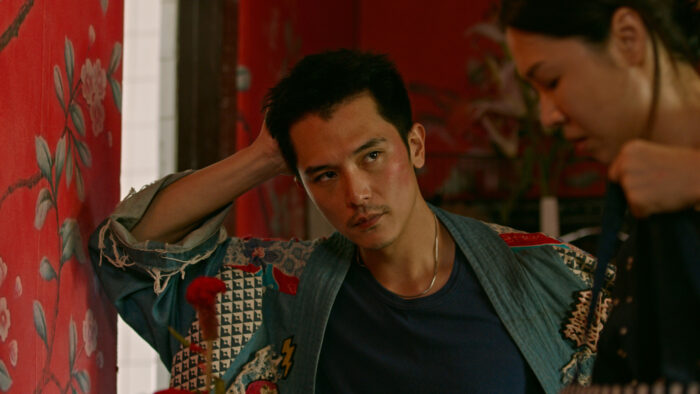
Poet turned filmmaker Bi Gan coats his idiosyncratic filmmaking with a thick layer of neo-noir in this sumptuous follow up to his remarkable debut Kaili Blues. This time around, Kaili City is a neon-drenched dreamscape dripping in style and calling to mind the work of Tarkovsky and Wong Kar-wai.
He may wear his influences on his sleeve, but Bi Gan keeps his trademark moves like the bravado long takes and a poetic disregard for past and present, reality and dreams. This leads to an explosive and unforgettable sequence in the second half that while originally intended for 3D loses little of its mind-bending power when watched at home.
Fifteen minutes into Marry My Dead Body, it becomes clear where this supernatural crime dramedy is going; the only question is if the two-hour runtime is worth it. It has “don’t drop the soap” bits that will cause severe whiplash, and sporadic mentions of misogyny that are just as offensive. As an action film, there’s nothing notable or memorable about it, and as a drama, there isn’t enough emotional substance to overshadow the childish antics of our protagonists. If anything, Greg Hsu as Wu Ming-han and Austin Lin as Mao Pang-yu have a chemistry that somehow survives everything thrown its way. But don’t let curiosity get the better of you—as absurd as it sounds, the film isn’t nearly as exciting as it sounds.
This is a textbook example of a film with all the right ingredients and the right attitude, but ultimately no game plan for what to do with its material. The first half of Love in Taipei does a good job of setting an inviting tone: a confident cast, attractive locations and production design, and dynamic direction that helps make this expensive summer school program feel more like an adventure. But once the pieces are in place and certain romantic connections are established, the film almost instantly loses its charisma and any sense of a plot. Conflict is introduced then painted over within the span of minutes, and the characters undergoing completely unearned growth without doing much of anything. Even the film’s backdrop of the differences between children of the diaspora and those who remain rooted in traditional Taiwanese culture is reduced to hollow window dressing.
During wartime, war supersedes everything, including love. Wartime would have people ending relationships, forgoing potential dates, and seducing enemies to lead them to downfall, all in order to win, but sometimes, this rarely goes as planned. Lust, Caution is one such story, with the novella’s emotional repression making it a great match for director Ang Lee, main actor Tony Leung Chiu-wai as Japanese informant, and main actress Tang Wei, who made her breakthrough here. It’s not an easy watch. There are moments that falter and the film is a tad too long. But the smoldering stares shared by the two leads, with the lush production design and the beautiful direction, makes Lust, Caution a difficult contemplation of love and sexuality as Wang’s, and the nation’s, double-edged sword.
Frankly, In the Morning of La Petite Mort is not as provocative nor as erotic as implied by the title. Sure, there are sex scenes, with plenty of nude shots. But these scenes come about silently, nearly without dialogue, with a lack of passion in between most of the lovers, a lack of connectedness. It’s no less visceral, though, as it mirrors the same disconnection the characters feel, being at the margins of Taipei. While it’s sometimes muddled with certain subplots, the haunting, strikingly-shot images stirs some compassion, especially with the cast’s performances, but the indirect approach makes the film feel unclear and sometimes unrealistic.
With its wildly different shifts between the film’s chapters, Bad Education feels like it doesn’t know what to do with itself, like plenty of newly graduated teenagers. The first chapter holds such visceral revulsion that it first feels like it would be a serious cautionary tale, commenting on how, without guidance, teenagers will led each other astray. However, its next chapter takes a more comedic route as the kids try to escape from gangsters and the police. While director Kai Ko reveals an excellent sense of direction and imagery, his style feels like it’s been wasted on ill-thought intentions and a poorly written script. Bad Education at least has stunning visuals and a short runtime to get through it all.
Eye of the Storm may not directly address COVID-19, but the film clearly draws similarities to the latest pandemic with the 2003 outbreak of the SARS virus. Panic, confusion, and miscommunication over the latest news are shared experiences between the two. These experiences are seen between the interlocking stories of the people quarantined in the hospital, and it’s easy to feel the fear and frustration surrounding them all. The film presents the issues of the overwhelmed healthcare system quite well, but its last moments leave a lot unresolved. While the film figures out the virus’ origin in its universe, the film leaves the healthcare workers’ stories hanging. It understandably reflects the uncertainty present with COVID-19, but it makes the film’s ending feel unsatisfying.
In depictions of organized crime, we’re used to the stone-cold crime boss, and the conflicted, unwilling crime lord, but Miss Shampoo presents a new version of the gangster– one that’s fallen head over heels in love. The film plays out in hilarious ways, with the humor expected from writer-director Giddens Ko, and Daniel Hong and Vivian Sung are able to inject some heart into their performances with surprising chemistry. That being said, the film is clearly more interested in mocking organized crime, so the film feels more skewed towards Tai rather than Fen. It’s still really entertaining, though Miss Shampoo had so much more it could have shown, had it focused equally on Fen’s perspective.
There isn’t anything about Man in Love—a remake of the 2014 South Korean film of the same name—that you haven’t already seen before. But this iteration of the love story between a kindhearted woman and a scoundrel in business with gangsters and creditors benefits from high production values that help Taiwan stay romantic despite the grit of the film’s plot. There’s also an undeniable earnestness to even the most predictable beats here, helping the love story at its center feel more like a heat-of-the-moment bond forged in desperate economic times, and less like an abrupt bout of passion.
If you’re looking for a unique and meaningful dissection over the possible implications of AI caretaking and romance, Anti-Reset is not the show for you. Instead of contemplating the power dynamics, or the possible personhood of robots, or even the possible overdependence towards AI, the show just mostly plays out like a typical romance between a househelp and their employer, except with a creepy uncle that is much too invested in his nephew’s sex life. And for a show about futuristic technology, it just feels really retroactive to have the gay couple play out in traditional gender roles, with the AI slave created to do traditionally female assigned duties. Really, the only point of Anti-Reset that succeeds is seeing two handsome guys kiss in pretty lighting.


x4