Rated 7+ IMDb · 70%+ RT Little-known finds Curated by humans
Rated 7+ IMDb · 70%+ RT Little-known finds Curated by humans
Updated September 18, 2026
1,113 titles landed on a streaming service in the last three months. All of them are in the table below, newest first.
| Details | ||||
|---|---|---|---|---|
| Fubo | 9.0 | |||
 Legend of the SeekerHighly rated on IMDb and Rotten Tomatoes, so it lands here when it hits a service. None of our curators has watched it yet, so it is not in our catalog of picks. Legend of the SeekerHighly rated on IMDb and Rotten Tomatoes, so it lands here when it hits a service. None of our curators has watched it yet, so it is not in our catalog of picks. |
Prime Video | 7.0 | ||
 FireflyHighly rated on IMDb and Rotten Tomatoes, so it lands here when it hits a service. None of our curators has watched it yet, so it is not in our catalog of picks. FireflyHighly rated on IMDb and Rotten Tomatoes, so it lands here when it hits a service. None of our curators has watched it yet, so it is not in our catalog of picks. |
Prime Video | 8.3 | ||
 Lethal Weapon (1987)Highly rated on IMDb and Rotten Tomatoes, so it lands here when it hits a service. None of our curators has watched it yet, so it is not in our catalog of picks. Lethal Weapon (1987)Highly rated on IMDb and Rotten Tomatoes, so it lands here when it hits a service. None of our curators has watched it yet, so it is not in our catalog of picks. |
Philo | 7.2 | ||
 Lethal Weapon 2 (1989)Highly rated on IMDb and Rotten Tomatoes, so it lands here when it hits a service. None of our curators has watched it yet, so it is not in our catalog of picks. Lethal Weapon 2 (1989)Highly rated on IMDb and Rotten Tomatoes, so it lands here when it hits a service. None of our curators has watched it yet, so it is not in our catalog of picks. |
Philo | 7.0 | ||
 Harry Potter and the Deathly Hallows: Part 2 (2011)Highly rated on IMDb and Rotten Tomatoes, so it lands here when it hits a service. None of our curators has watched it yet, so it is not in our catalog of picks. Harry Potter and the Deathly Hallows: Part 2 (2011)Highly rated on IMDb and Rotten Tomatoes, so it lands here when it hits a service. None of our curators has watched it yet, so it is not in our catalog of picks. |
Fubo | 8.1 | ||
 Star Trek: The Next GenerationHighly rated on IMDb and Rotten Tomatoes, so it lands here when it hits a service. None of our curators has watched it yet, so it is not in our catalog of picks. Star Trek: The Next GenerationHighly rated on IMDb and Rotten Tomatoes, so it lands here when it hits a service. None of our curators has watched it yet, so it is not in our catalog of picks. |
Pluto TV | 8.0 | ||
 One False Move (1991)Highly rated on IMDb and Rotten Tomatoes, so it lands here when it hits a service. None of our curators has watched it yet, so it is not in our catalog of picks. One False Move (1991)Highly rated on IMDb and Rotten Tomatoes, so it lands here when it hits a service. None of our curators has watched it yet, so it is not in our catalog of picks. |
Fubo | 7.0 | ||
 Lantana (2001)Highly rated on IMDb and Rotten Tomatoes, so it lands here when it hits a service. None of our curators has watched it yet, so it is not in our catalog of picks. Lantana (2001)Highly rated on IMDb and Rotten Tomatoes, so it lands here when it hits a service. None of our curators has watched it yet, so it is not in our catalog of picks. |
Prime Video | 7.0 | ||
| Hoopla | 7.0 | |||
 GrimmHighly rated on IMDb and Rotten Tomatoes, so it lands here when it hits a service. None of our curators has watched it yet, so it is not in our catalog of picks. GrimmHighly rated on IMDb and Rotten Tomatoes, so it lands here when it hits a service. None of our curators has watched it yet, so it is not in our catalog of picks. |
The Roku Channel | 7.3 | ||
| Hoopla | 8.0 | |||
 Supernova (2020)Highly rated on IMDb and Rotten Tomatoes, so it lands here when it hits a service. None of our curators has watched it yet, so it is not in our catalog of picks. Supernova (2020)Highly rated on IMDb and Rotten Tomatoes, so it lands here when it hits a service. None of our curators has watched it yet, so it is not in our catalog of picks. |
Prime Video | 7.0 | ||
| iTunes | 7.9 | |||
| HBO Max | 7.7 | |||
| The Roku Channel | 7.3 | |||
| MUBI | 7.7 | |||
| iTunes | 7.0 | |||
| Tubi | 7.5 | |||
| Fubo | 8.0 | |||
 Secrets and LiesHighly rated on IMDb and Rotten Tomatoes, so it lands here when it hits a service. None of our curators has watched it yet, so it is not in our catalog of picks. Secrets and LiesHighly rated on IMDb and Rotten Tomatoes, so it lands here when it hits a service. None of our curators has watched it yet, so it is not in our catalog of picks. |
Prime Video | 7.0 | ||
| Hulu | 7.4 | |||
 Raising HopeHighly rated on IMDb and Rotten Tomatoes, so it lands here when it hits a service. None of our curators has watched it yet, so it is not in our catalog of picks. Raising HopeHighly rated on IMDb and Rotten Tomatoes, so it lands here when it hits a service. None of our curators has watched it yet, so it is not in our catalog of picks. |
The Roku Channel | 7.3 | ||
 HuntedHighly rated on IMDb and Rotten Tomatoes, so it lands here when it hits a service. None of our curators has watched it yet, so it is not in our catalog of picks. HuntedHighly rated on IMDb and Rotten Tomatoes, so it lands here when it hits a service. None of our curators has watched it yet, so it is not in our catalog of picks. |
Prime Video | 7.0 | ||
| Tubi | 7.2 | |||
 Shoah (1985)Highly rated on IMDb and Rotten Tomatoes, so it lands here when it hits a service. None of our curators has watched it yet, so it is not in our catalog of picks. Shoah (1985)Highly rated on IMDb and Rotten Tomatoes, so it lands here when it hits a service. None of our curators has watched it yet, so it is not in our catalog of picks. |
iTunes | 8.0 | ||
| Kanopy | 8.4 | |||
 Mocro MaffiaHighly rated on IMDb and Rotten Tomatoes, so it lands here when it hits a service. None of our curators has watched it yet, so it is not in our catalog of picks. Mocro MaffiaHighly rated on IMDb and Rotten Tomatoes, so it lands here when it hits a service. None of our curators has watched it yet, so it is not in our catalog of picks. |
Prime Video | 7.4 | ||
 Poor Things (2023)Highly rated on IMDb and Rotten Tomatoes, so it lands here when it hits a service. None of our curators has watched it yet, so it is not in our catalog of picks. Poor Things (2023)Highly rated on IMDb and Rotten Tomatoes, so it lands here when it hits a service. None of our curators has watched it yet, so it is not in our catalog of picks. |
Hulu | 7.4 | ||
| Kanopy | 7.0 | |||
| Kanopy | 8.1 | |||
 The Enemy WithinHighly rated on IMDb and Rotten Tomatoes, so it lands here when it hits a service. None of our curators has watched it yet, so it is not in our catalog of picks. The Enemy WithinHighly rated on IMDb and Rotten Tomatoes, so it lands here when it hits a service. None of our curators has watched it yet, so it is not in our catalog of picks. |
Prime Video | 7.0 | ||
 Hamilton (2025)Highly rated on IMDb and Rotten Tomatoes, so it lands here when it hits a service. None of our curators has watched it yet, so it is not in our catalog of picks. Hamilton (2025)Highly rated on IMDb and Rotten Tomatoes, so it lands here when it hits a service. None of our curators has watched it yet, so it is not in our catalog of picks. |
Fubo | 7.8 | ||
 ShtiselHighly rated on IMDb and Rotten Tomatoes, so it lands here when it hits a service. None of our curators has watched it yet, so it is not in our catalog of picks. ShtiselHighly rated on IMDb and Rotten Tomatoes, so it lands here when it hits a service. None of our curators has watched it yet, so it is not in our catalog of picks. |
Tubi | 7.9 | ||
 Twin PeaksHighly rated on IMDb and Rotten Tomatoes, so it lands here when it hits a service. None of our curators has watched it yet, so it is not in our catalog of picks. Twin PeaksHighly rated on IMDb and Rotten Tomatoes, so it lands here when it hits a service. None of our curators has watched it yet, so it is not in our catalog of picks. |
Pluto TV | 8.1 | ||
| Hulu | 8.0 | |||
| Hulu | 7.1 | |||
| Philo | 8.6 | |||
| The Roku Channel | 7.0 | |||
 Terror in ResonanceHighly rated on IMDb and Rotten Tomatoes, so it lands here when it hits a service. None of our curators has watched it yet, so it is not in our catalog of picks. Terror in ResonanceHighly rated on IMDb and Rotten Tomatoes, so it lands here when it hits a service. None of our curators has watched it yet, so it is not in our catalog of picks. |
The Roku Channel | 7.0 | ||
 INUYASHIKI LAST HEROHighly rated on IMDb and Rotten Tomatoes, so it lands here when it hits a service. None of our curators has watched it yet, so it is not in our catalog of picks. INUYASHIKI LAST HEROHighly rated on IMDb and Rotten Tomatoes, so it lands here when it hits a service. None of our curators has watched it yet, so it is not in our catalog of picks. |
The Roku Channel | 7.0 | ||
 Knives Out (2019)Highly rated on IMDb and Rotten Tomatoes, so it lands here when it hits a service. None of our curators has watched it yet, so it is not in our catalog of picks. Knives Out (2019)Highly rated on IMDb and Rotten Tomatoes, so it lands here when it hits a service. None of our curators has watched it yet, so it is not in our catalog of picks. |
Fubo | 7.8 | ||
 Kabaneri of the Iron FortressHighly rated on IMDb and Rotten Tomatoes, so it lands here when it hits a service. None of our curators has watched it yet, so it is not in our catalog of picks. Kabaneri of the Iron FortressHighly rated on IMDb and Rotten Tomatoes, so it lands here when it hits a service. None of our curators has watched it yet, so it is not in our catalog of picks. |
The Roku Channel | 7.0 | ||
 This CountryHighly rated on IMDb and Rotten Tomatoes, so it lands here when it hits a service. None of our curators has watched it yet, so it is not in our catalog of picks. This CountryHighly rated on IMDb and Rotten Tomatoes, so it lands here when it hits a service. None of our curators has watched it yet, so it is not in our catalog of picks. |
Tubi | 7.8 | ||
 District 9 (2009)Highly rated on IMDb and Rotten Tomatoes, so it lands here when it hits a service. None of our curators has watched it yet, so it is not in our catalog of picks. District 9 (2009)Highly rated on IMDb and Rotten Tomatoes, so it lands here when it hits a service. None of our curators has watched it yet, so it is not in our catalog of picks. |
Fubo | 7.7 | ||
 Quo Vadis, Aida? (2021)Highly rated on IMDb and Rotten Tomatoes, so it lands here when it hits a service. None of our curators has watched it yet, so it is not in our catalog of picks. Quo Vadis, Aida? (2021)Highly rated on IMDb and Rotten Tomatoes, so it lands here when it hits a service. None of our curators has watched it yet, so it is not in our catalog of picks. |
Tubi | 7.3 | ||
| Prime Video | 8.8 | |||
 North & SouthHighly rated on IMDb and Rotten Tomatoes, so it lands here when it hits a service. None of our curators has watched it yet, so it is not in our catalog of picks. North & SouthHighly rated on IMDb and Rotten Tomatoes, so it lands here when it hits a service. None of our curators has watched it yet, so it is not in our catalog of picks. |
Tubi | 7.8 | ||
| Philo | 8.0 | |||
| Prime Video | 7.0 | |||
 Kick-Ass (2010)Highly rated on IMDb and Rotten Tomatoes, so it lands here when it hits a service. None of our curators has watched it yet, so it is not in our catalog of picks. Kick-Ass (2010)Highly rated on IMDb and Rotten Tomatoes, so it lands here when it hits a service. None of our curators has watched it yet, so it is not in our catalog of picks. |
Fubo | 7.4 | ||
| Fubo | 8.1 | |||
| Prime Video | 7.2 | |||
 Coraline (2009)Highly rated on IMDb and Rotten Tomatoes, so it lands here when it hits a service. None of our curators has watched it yet, so it is not in our catalog of picks. Coraline (2009)Highly rated on IMDb and Rotten Tomatoes, so it lands here when it hits a service. None of our curators has watched it yet, so it is not in our catalog of picks. |
The Roku Channel | 7.3 | ||
 Guardians of the Galaxy (2014)Highly rated on IMDb and Rotten Tomatoes, so it lands here when it hits a service. None of our curators has watched it yet, so it is not in our catalog of picks. Guardians of the Galaxy (2014)Highly rated on IMDb and Rotten Tomatoes, so it lands here when it hits a service. None of our curators has watched it yet, so it is not in our catalog of picks. |
Fubo | 8.2 | ||
 Stronger (2017)Highly rated on IMDb and Rotten Tomatoes, so it lands here when it hits a service. None of our curators has watched it yet, so it is not in our catalog of picks. Stronger (2017)Highly rated on IMDb and Rotten Tomatoes, so it lands here when it hits a service. None of our curators has watched it yet, so it is not in our catalog of picks. |
Peacock | 7.0 | ||
| The Roku Channel | 8.9 | |||
 The Bourne Supremacy (2004)Highly rated on IMDb and Rotten Tomatoes, so it lands here when it hits a service. None of our curators has watched it yet, so it is not in our catalog of picks. The Bourne Supremacy (2004)Highly rated on IMDb and Rotten Tomatoes, so it lands here when it hits a service. None of our curators has watched it yet, so it is not in our catalog of picks. |
Starz | 7.4 | ||
 Queen of the SouthHighly rated on IMDb and Rotten Tomatoes, so it lands here when it hits a service. None of our curators has watched it yet, so it is not in our catalog of picks. Queen of the SouthHighly rated on IMDb and Rotten Tomatoes, so it lands here when it hits a service. None of our curators has watched it yet, so it is not in our catalog of picks. |
Hulu | 7.3 | ||
| Tubi | 7.8 | |||
 Kung Fu Panda (2008)Highly rated on IMDb and Rotten Tomatoes, so it lands here when it hits a service. None of our curators has watched it yet, so it is not in our catalog of picks. Kung Fu Panda (2008)Highly rated on IMDb and Rotten Tomatoes, so it lands here when it hits a service. None of our curators has watched it yet, so it is not in our catalog of picks. |
Tubi | 7.3 | ||
| Fubo | 7.1 | |||
 T2 Trainspotting (2017)Highly rated on IMDb and Rotten Tomatoes, so it lands here when it hits a service. None of our curators has watched it yet, so it is not in our catalog of picks. T2 Trainspotting (2017)Highly rated on IMDb and Rotten Tomatoes, so it lands here when it hits a service. None of our curators has watched it yet, so it is not in our catalog of picks. |
Netflix | 7.0 | ||
 Mission: Impossible - Rogue Nation (2015)Highly rated on IMDb and Rotten Tomatoes, so it lands here when it hits a service. None of our curators has watched it yet, so it is not in our catalog of picks. Mission: Impossible - Rogue Nation (2015)Highly rated on IMDb and Rotten Tomatoes, so it lands here when it hits a service. None of our curators has watched it yet, so it is not in our catalog of picks. |
Tubi | 7.1 | ||
 Dressed to Kill (1980)Highly rated on IMDb and Rotten Tomatoes, so it lands here when it hits a service. None of our curators has watched it yet, so it is not in our catalog of picks. Dressed to Kill (1980)Highly rated on IMDb and Rotten Tomatoes, so it lands here when it hits a service. None of our curators has watched it yet, so it is not in our catalog of picks. |
Prime Video | 7.0 | ||
 The Big Lebowski (1998)Highly rated on IMDb and Rotten Tomatoes, so it lands here when it hits a service. None of our curators has watched it yet, so it is not in our catalog of picks. The Big Lebowski (1998)Highly rated on IMDb and Rotten Tomatoes, so it lands here when it hits a service. None of our curators has watched it yet, so it is not in our catalog of picks. |
Pluto TV | 8.0 | ||
| Plex | 7.6 | |||
| Tubi | 7.2 | |||
 The Peanuts Movie (2015)Highly rated on IMDb and Rotten Tomatoes, so it lands here when it hits a service. None of our curators has watched it yet, so it is not in our catalog of picks. The Peanuts Movie (2015)Highly rated on IMDb and Rotten Tomatoes, so it lands here when it hits a service. None of our curators has watched it yet, so it is not in our catalog of picks. |
Fubo | 7.0 | ||
 John Wick (2014)Highly rated on IMDb and Rotten Tomatoes, so it lands here when it hits a service. None of our curators has watched it yet, so it is not in our catalog of picks. John Wick (2014)Highly rated on IMDb and Rotten Tomatoes, so it lands here when it hits a service. None of our curators has watched it yet, so it is not in our catalog of picks. |
Pluto TV | 7.4 | ||
 Monster's Ball (2001)Highly rated on IMDb and Rotten Tomatoes, so it lands here when it hits a service. None of our curators has watched it yet, so it is not in our catalog of picks. Monster's Ball (2001)Highly rated on IMDb and Rotten Tomatoes, so it lands here when it hits a service. None of our curators has watched it yet, so it is not in our catalog of picks. |
Kanopy | 7.0 | ||
 Pitch Perfect (2012)Highly rated on IMDb and Rotten Tomatoes, so it lands here when it hits a service. None of our curators has watched it yet, so it is not in our catalog of picks. Pitch Perfect (2012)Highly rated on IMDb and Rotten Tomatoes, so it lands here when it hits a service. None of our curators has watched it yet, so it is not in our catalog of picks. |
Pluto TV | 7.0 | ||
 Queen & Slim (2019)Highly rated on IMDb and Rotten Tomatoes, so it lands here when it hits a service. None of our curators has watched it yet, so it is not in our catalog of picks. Queen & Slim (2019)Highly rated on IMDb and Rotten Tomatoes, so it lands here when it hits a service. None of our curators has watched it yet, so it is not in our catalog of picks. |
Fubo | 7.0 | ||
 Taaza KhabarHighly rated on IMDb and Rotten Tomatoes, so it lands here when it hits a service. None of our curators has watched it yet, so it is not in our catalog of picks. Taaza KhabarHighly rated on IMDb and Rotten Tomatoes, so it lands here when it hits a service. None of our curators has watched it yet, so it is not in our catalog of picks. |
Hulu | 7.2 | ||
 Kung Fu Panda 3 (2016)Highly rated on IMDb and Rotten Tomatoes, so it lands here when it hits a service. None of our curators has watched it yet, so it is not in our catalog of picks. Kung Fu Panda 3 (2016)Highly rated on IMDb and Rotten Tomatoes, so it lands here when it hits a service. None of our curators has watched it yet, so it is not in our catalog of picks. |
Tubi | 7.0 | ||
| Fubo | 7.8 | |||
 The World's End (2013)Highly rated on IMDb and Rotten Tomatoes, so it lands here when it hits a service. None of our curators has watched it yet, so it is not in our catalog of picks. The World's End (2013)Highly rated on IMDb and Rotten Tomatoes, so it lands here when it hits a service. None of our curators has watched it yet, so it is not in our catalog of picks. |
Peacock | 7.0 | ||
 Raging Bull (1980)Highly rated on IMDb and Rotten Tomatoes, so it lands here when it hits a service. None of our curators has watched it yet, so it is not in our catalog of picks. Raging Bull (1980)Highly rated on IMDb and Rotten Tomatoes, so it lands here when it hits a service. None of our curators has watched it yet, so it is not in our catalog of picks. |
Prime Video | 7.7 | ||
 Kubo and the Two Strings (2016)Highly rated on IMDb and Rotten Tomatoes, so it lands here when it hits a service. None of our curators has watched it yet, so it is not in our catalog of picks. Kubo and the Two Strings (2016)Highly rated on IMDb and Rotten Tomatoes, so it lands here when it hits a service. None of our curators has watched it yet, so it is not in our catalog of picks. |
Hulu | 7.1 | ||
 Edge of Tomorrow (2014)Highly rated on IMDb and Rotten Tomatoes, so it lands here when it hits a service. None of our curators has watched it yet, so it is not in our catalog of picks. Edge of Tomorrow (2014)Highly rated on IMDb and Rotten Tomatoes, so it lands here when it hits a service. None of our curators has watched it yet, so it is not in our catalog of picks. |
Fubo | 7.8 | ||
 FearlessHighly rated on IMDb and Rotten Tomatoes, so it lands here when it hits a service. None of our curators has watched it yet, so it is not in our catalog of picks. FearlessHighly rated on IMDb and Rotten Tomatoes, so it lands here when it hits a service. None of our curators has watched it yet, so it is not in our catalog of picks. |
Prime Video | 7.0 | ||
 DickensianHighly rated on IMDb and Rotten Tomatoes, so it lands here when it hits a service. None of our curators has watched it yet, so it is not in our catalog of picks. DickensianHighly rated on IMDb and Rotten Tomatoes, so it lands here when it hits a service. None of our curators has watched it yet, so it is not in our catalog of picks. |
Tubi | 7.0 | ||
| Prime Video | 7.4 | |||
| Prime Video | 8.7 | |||
 King Kong (2005)Highly rated on IMDb and Rotten Tomatoes, so it lands here when it hits a service. None of our curators has watched it yet, so it is not in our catalog of picks. King Kong (2005)Highly rated on IMDb and Rotten Tomatoes, so it lands here when it hits a service. None of our curators has watched it yet, so it is not in our catalog of picks. |
Netflix | 7.0 | ||
| Plex | 7.7 | |||
| Tubi | 7.8 | |||
 Argo (2012)Highly rated on IMDb and Rotten Tomatoes, so it lands here when it hits a service. None of our curators has watched it yet, so it is not in our catalog of picks. Argo (2012)Highly rated on IMDb and Rotten Tomatoes, so it lands here when it hits a service. None of our curators has watched it yet, so it is not in our catalog of picks. |
Fubo | 7.5 | ||
| The Roku Channel | 7.7 | |||
 The Great Mouse Detective (1986)Highly rated on IMDb and Rotten Tomatoes, so it lands here when it hits a service. None of our curators has watched it yet, so it is not in our catalog of picks. The Great Mouse Detective (1986)Highly rated on IMDb and Rotten Tomatoes, so it lands here when it hits a service. None of our curators has watched it yet, so it is not in our catalog of picks. |
Fubo | 7.0 | ||
 Get Out (2017)Highly rated on IMDb and Rotten Tomatoes, so it lands here when it hits a service. None of our curators has watched it yet, so it is not in our catalog of picks. Get Out (2017)Highly rated on IMDb and Rotten Tomatoes, so it lands here when it hits a service. None of our curators has watched it yet, so it is not in our catalog of picks. |
Fubo | 7.7 | ||
 Freakazoid!Highly rated on IMDb and Rotten Tomatoes, so it lands here when it hits a service. None of our curators has watched it yet, so it is not in our catalog of picks. Freakazoid!Highly rated on IMDb and Rotten Tomatoes, so it lands here when it hits a service. None of our curators has watched it yet, so it is not in our catalog of picks. |
Tubi | 7.0 | ||
 United 93 (2006)Highly rated on IMDb and Rotten Tomatoes, so it lands here when it hits a service. None of our curators has watched it yet, so it is not in our catalog of picks. United 93 (2006)Highly rated on IMDb and Rotten Tomatoes, so it lands here when it hits a service. None of our curators has watched it yet, so it is not in our catalog of picks. |
Peacock | 7.1 | ||
 Pollock (2000)Highly rated on IMDb and Rotten Tomatoes, so it lands here when it hits a service. None of our curators has watched it yet, so it is not in our catalog of picks. Pollock (2000)Highly rated on IMDb and Rotten Tomatoes, so it lands here when it hits a service. None of our curators has watched it yet, so it is not in our catalog of picks. |
Prime Video | 7.0 | ||
 Whale Rider (2003)Highly rated on IMDb and Rotten Tomatoes, so it lands here when it hits a service. None of our curators has watched it yet, so it is not in our catalog of picks. Whale Rider (2003)Highly rated on IMDb and Rotten Tomatoes, so it lands here when it hits a service. None of our curators has watched it yet, so it is not in our catalog of picks. |
Philo | 7.0 | ||
| Hulu | 8.0 | |||
 YoungerHighly rated on IMDb and Rotten Tomatoes, so it lands here when it hits a service. None of our curators has watched it yet, so it is not in our catalog of picks. YoungerHighly rated on IMDb and Rotten Tomatoes, so it lands here when it hits a service. None of our curators has watched it yet, so it is not in our catalog of picks. |
Paramount+ | 7.1 | ||
| Fubo | 7.7 | |||
 Harry Potter and the Order of the Phoenix (2007)Highly rated on IMDb and Rotten Tomatoes, so it lands here when it hits a service. None of our curators has watched it yet, so it is not in our catalog of picks. Harry Potter and the Order of the Phoenix (2007)Highly rated on IMDb and Rotten Tomatoes, so it lands here when it hits a service. None of our curators has watched it yet, so it is not in our catalog of picks. |
Fubo | 7.3 | ||
| Paramount+ | 7.6 | |||
 Easy A (2010)Highly rated on IMDb and Rotten Tomatoes, so it lands here when it hits a service. None of our curators has watched it yet, so it is not in our catalog of picks. Easy A (2010)Highly rated on IMDb and Rotten Tomatoes, so it lands here when it hits a service. None of our curators has watched it yet, so it is not in our catalog of picks. |
Apple TV+ | 7.0 | ||
 Madam SecretaryHighly rated on IMDb and Rotten Tomatoes, so it lands here when it hits a service. None of our curators has watched it yet, so it is not in our catalog of picks. Madam SecretaryHighly rated on IMDb and Rotten Tomatoes, so it lands here when it hits a service. None of our curators has watched it yet, so it is not in our catalog of picks. |
The Roku Channel | 7.1 | ||
 Sense and SensibilityHighly rated on IMDb and Rotten Tomatoes, so it lands here when it hits a service. None of our curators has watched it yet, so it is not in our catalog of picks. Sense and SensibilityHighly rated on IMDb and Rotten Tomatoes, so it lands here when it hits a service. None of our curators has watched it yet, so it is not in our catalog of picks. |
Tubi | 7.3 | ||
 Creed II (2018)Highly rated on IMDb and Rotten Tomatoes, so it lands here when it hits a service. None of our curators has watched it yet, so it is not in our catalog of picks. Creed II (2018)Highly rated on IMDb and Rotten Tomatoes, so it lands here when it hits a service. None of our curators has watched it yet, so it is not in our catalog of picks. |
Hulu | 7.0 | ||
 Almost ParadiseHighly rated on IMDb and Rotten Tomatoes, so it lands here when it hits a service. None of our curators has watched it yet, so it is not in our catalog of picks. Almost ParadiseHighly rated on IMDb and Rotten Tomatoes, so it lands here when it hits a service. None of our curators has watched it yet, so it is not in our catalog of picks. |
The Roku Channel | 7.0 | ||
 All Is Lost (2013)Highly rated on IMDb and Rotten Tomatoes, so it lands here when it hits a service. None of our curators has watched it yet, so it is not in our catalog of picks. All Is Lost (2013)Highly rated on IMDb and Rotten Tomatoes, so it lands here when it hits a service. None of our curators has watched it yet, so it is not in our catalog of picks. |
Pluto TV | 7.0 | ||
 Mission: Impossible - Ghost Protocol (2011)Highly rated on IMDb and Rotten Tomatoes, so it lands here when it hits a service. None of our curators has watched it yet, so it is not in our catalog of picks. Mission: Impossible - Ghost Protocol (2011)Highly rated on IMDb and Rotten Tomatoes, so it lands here when it hits a service. None of our curators has watched it yet, so it is not in our catalog of picks. |
Tubi | 7.2 | ||
 Starman (1984)Highly rated on IMDb and Rotten Tomatoes, so it lands here when it hits a service. None of our curators has watched it yet, so it is not in our catalog of picks. Starman (1984)Highly rated on IMDb and Rotten Tomatoes, so it lands here when it hits a service. None of our curators has watched it yet, so it is not in our catalog of picks. |
Hulu | 7.0 | ||
 Full Metal Jacket (1987)Highly rated on IMDb and Rotten Tomatoes, so it lands here when it hits a service. None of our curators has watched it yet, so it is not in our catalog of picks. Full Metal Jacket (1987)Highly rated on IMDb and Rotten Tomatoes, so it lands here when it hits a service. None of our curators has watched it yet, so it is not in our catalog of picks. |
HBO Max | 8.1 | ||
 Creed (2015)Highly rated on IMDb and Rotten Tomatoes, so it lands here when it hits a service. None of our curators has watched it yet, so it is not in our catalog of picks. Creed (2015)Highly rated on IMDb and Rotten Tomatoes, so it lands here when it hits a service. None of our curators has watched it yet, so it is not in our catalog of picks. |
Paramount+ | 7.2 | ||
| Sundance Now | 7.5 | |||
 Moneyball (2011)Highly rated on IMDb and Rotten Tomatoes, so it lands here when it hits a service. None of our curators has watched it yet, so it is not in our catalog of picks. Moneyball (2011)Highly rated on IMDb and Rotten Tomatoes, so it lands here when it hits a service. None of our curators has watched it yet, so it is not in our catalog of picks. |
Philo | 7.3 | ||
 Mud (2013)Highly rated on IMDb and Rotten Tomatoes, so it lands here when it hits a service. None of our curators has watched it yet, so it is not in our catalog of picks. Mud (2013)Highly rated on IMDb and Rotten Tomatoes, so it lands here when it hits a service. None of our curators has watched it yet, so it is not in our catalog of picks. |
Prime Video | 7.0 | ||
 Upstairs DownstairsHighly rated on IMDb and Rotten Tomatoes, so it lands here when it hits a service. None of our curators has watched it yet, so it is not in our catalog of picks. Upstairs DownstairsHighly rated on IMDb and Rotten Tomatoes, so it lands here when it hits a service. None of our curators has watched it yet, so it is not in our catalog of picks. |
Tubi | 7.0 | ||
 Groundhog Day (1993)Highly rated on IMDb and Rotten Tomatoes, so it lands here when it hits a service. None of our curators has watched it yet, so it is not in our catalog of picks. Groundhog Day (1993)Highly rated on IMDb and Rotten Tomatoes, so it lands here when it hits a service. None of our curators has watched it yet, so it is not in our catalog of picks. |
Fubo | 7.8 | ||
 Nocturnal Animals (2016)Highly rated on IMDb and Rotten Tomatoes, so it lands here when it hits a service. None of our curators has watched it yet, so it is not in our catalog of picks. Nocturnal Animals (2016)Highly rated on IMDb and Rotten Tomatoes, so it lands here when it hits a service. None of our curators has watched it yet, so it is not in our catalog of picks. |
Peacock | 7.0 | ||
 Collateral (2004)Highly rated on IMDb and Rotten Tomatoes, so it lands here when it hits a service. None of our curators has watched it yet, so it is not in our catalog of picks. Collateral (2004)Highly rated on IMDb and Rotten Tomatoes, so it lands here when it hits a service. None of our curators has watched it yet, so it is not in our catalog of picks. |
Prime Video | 7.2 | ||
 Star Wars: Episode III - Revenge of the Sith (2005)Highly rated on IMDb and Rotten Tomatoes, so it lands here when it hits a service. None of our curators has watched it yet, so it is not in our catalog of picks. Star Wars: Episode III - Revenge of the Sith (2005)Highly rated on IMDb and Rotten Tomatoes, so it lands here when it hits a service. None of our curators has watched it yet, so it is not in our catalog of picks. |
Fubo | 7.6 | ||
| Paramount+ | 7.4 | |||
| Pluto TV | 7.2 | |||
 EmpireHighly rated on IMDb and Rotten Tomatoes, so it lands here when it hits a service. None of our curators has watched it yet, so it is not in our catalog of picks. EmpireHighly rated on IMDb and Rotten Tomatoes, so it lands here when it hits a service. None of our curators has watched it yet, so it is not in our catalog of picks. |
The Roku Channel | 7.0 | ||
 Phantom Thread (2017)Highly rated on IMDb and Rotten Tomatoes, so it lands here when it hits a service. None of our curators has watched it yet, so it is not in our catalog of picks. Phantom Thread (2017)Highly rated on IMDb and Rotten Tomatoes, so it lands here when it hits a service. None of our curators has watched it yet, so it is not in our catalog of picks. |
Netflix | 7.0 | ||
 Major CrimesHighly rated on IMDb and Rotten Tomatoes, so it lands here when it hits a service. None of our curators has watched it yet, so it is not in our catalog of picks. Major CrimesHighly rated on IMDb and Rotten Tomatoes, so it lands here when it hits a service. None of our curators has watched it yet, so it is not in our catalog of picks. |
Netflix | 7.1 | ||
| Philo | 7.2 | |||
| Kanopy | 8.5 | |||
| Philo | 8.6 | |||
| The Criterion Channel | 7.8 | |||
| Prime Video | 7.6 | |||
 Eight Men Out (1988)Highly rated on IMDb and Rotten Tomatoes, so it lands here when it hits a service. None of our curators has watched it yet, so it is not in our catalog of picks. Eight Men Out (1988)Highly rated on IMDb and Rotten Tomatoes, so it lands here when it hits a service. None of our curators has watched it yet, so it is not in our catalog of picks. |
Prime Video | 7.0 | ||
| Prime Video | 9.1 | |||
| Philo | 7.6 | |||
 American Hustle (2013)Highly rated on IMDb and Rotten Tomatoes, so it lands here when it hits a service. None of our curators has watched it yet, so it is not in our catalog of picks. American Hustle (2013)Highly rated on IMDb and Rotten Tomatoes, so it lands here when it hits a service. None of our curators has watched it yet, so it is not in our catalog of picks. |
Tubi | 7.0 | ||
 The SpongeBob SquarePants Movie (2004)Highly rated on IMDb and Rotten Tomatoes, so it lands here when it hits a service. None of our curators has watched it yet, so it is not in our catalog of picks. The SpongeBob SquarePants Movie (2004)Highly rated on IMDb and Rotten Tomatoes, so it lands here when it hits a service. None of our curators has watched it yet, so it is not in our catalog of picks. |
Peacock | 7.0 | ||
| Philo | 7.7 | |||
| Plex | 7.7 | |||
| Prime Video | 8.0 | |||
 Star Trek Into Darkness (2013)Highly rated on IMDb and Rotten Tomatoes, so it lands here when it hits a service. None of our curators has watched it yet, so it is not in our catalog of picks. Star Trek Into Darkness (2013)Highly rated on IMDb and Rotten Tomatoes, so it lands here when it hits a service. None of our curators has watched it yet, so it is not in our catalog of picks. |
Peacock | 7.4 | ||
 Beetlejuice (1988)Highly rated on IMDb and Rotten Tomatoes, so it lands here when it hits a service. None of our curators has watched it yet, so it is not in our catalog of picks. Beetlejuice (1988)Highly rated on IMDb and Rotten Tomatoes, so it lands here when it hits a service. None of our curators has watched it yet, so it is not in our catalog of picks. |
HBO Max | 7.1 | ||
| The Criterion Channel | 9.2 | |||
 Braveheart (1995)Highly rated on IMDb and Rotten Tomatoes, so it lands here when it hits a service. None of our curators has watched it yet, so it is not in our catalog of picks. Braveheart (1995)Highly rated on IMDb and Rotten Tomatoes, so it lands here when it hits a service. None of our curators has watched it yet, so it is not in our catalog of picks. |
Hoopla | 8.3 | ||
| Tubi | 7.2 | |||
 Hugo (2011)Highly rated on IMDb and Rotten Tomatoes, so it lands here when it hits a service. None of our curators has watched it yet, so it is not in our catalog of picks. Hugo (2011)Highly rated on IMDb and Rotten Tomatoes, so it lands here when it hits a service. None of our curators has watched it yet, so it is not in our catalog of picks. |
Philo | 7.1 | ||
 Clear and Present Danger (1994)Highly rated on IMDb and Rotten Tomatoes, so it lands here when it hits a service. None of our curators has watched it yet, so it is not in our catalog of picks. Clear and Present Danger (1994)Highly rated on IMDb and Rotten Tomatoes, so it lands here when it hits a service. None of our curators has watched it yet, so it is not in our catalog of picks. |
Hoopla | 7.0 | ||
 Great ExpectationsHighly rated on IMDb and Rotten Tomatoes, so it lands here when it hits a service. None of our curators has watched it yet, so it is not in our catalog of picks. Great ExpectationsHighly rated on IMDb and Rotten Tomatoes, so it lands here when it hits a service. None of our curators has watched it yet, so it is not in our catalog of picks. |
Tubi | 7.0 | ||
 CSI: Crime Scene InvestigationHighly rated on IMDb and Rotten Tomatoes, so it lands here when it hits a service. None of our curators has watched it yet, so it is not in our catalog of picks. CSI: Crime Scene InvestigationHighly rated on IMDb and Rotten Tomatoes, so it lands here when it hits a service. None of our curators has watched it yet, so it is not in our catalog of picks. |
The Roku Channel | 7.1 | ||
 Black Hawk Down (2001)Highly rated on IMDb and Rotten Tomatoes, so it lands here when it hits a service. None of our curators has watched it yet, so it is not in our catalog of picks. Black Hawk Down (2001)Highly rated on IMDb and Rotten Tomatoes, so it lands here when it hits a service. None of our curators has watched it yet, so it is not in our catalog of picks. |
Fubo | 7.4 | ||
| Prime Video | 7.4 | |||
 Cars (2006)Highly rated on IMDb and Rotten Tomatoes, so it lands here when it hits a service. None of our curators has watched it yet, so it is not in our catalog of picks. Cars (2006)Highly rated on IMDb and Rotten Tomatoes, so it lands here when it hits a service. None of our curators has watched it yet, so it is not in our catalog of picks. |
Fubo | 7.0 | ||
 The Rookie (2002)Highly rated on IMDb and Rotten Tomatoes, so it lands here when it hits a service. None of our curators has watched it yet, so it is not in our catalog of picks. The Rookie (2002)Highly rated on IMDb and Rotten Tomatoes, so it lands here when it hits a service. None of our curators has watched it yet, so it is not in our catalog of picks. |
Fubo | 7.0 | ||
 Shadow of the Vampire (2000)Highly rated on IMDb and Rotten Tomatoes, so it lands here when it hits a service. None of our curators has watched it yet, so it is not in our catalog of picks. Shadow of the Vampire (2000)Highly rated on IMDb and Rotten Tomatoes, so it lands here when it hits a service. None of our curators has watched it yet, so it is not in our catalog of picks. |
Tubi | 7.0 | ||
 Leaving Las Vegas (1995)Highly rated on IMDb and Rotten Tomatoes, so it lands here when it hits a service. None of our curators has watched it yet, so it is not in our catalog of picks. Leaving Las Vegas (1995)Highly rated on IMDb and Rotten Tomatoes, so it lands here when it hits a service. None of our curators has watched it yet, so it is not in our catalog of picks. |
Philo | 7.0 | ||
 8 Mile (2002)Highly rated on IMDb and Rotten Tomatoes, so it lands here when it hits a service. None of our curators has watched it yet, so it is not in our catalog of picks. 8 Mile (2002)Highly rated on IMDb and Rotten Tomatoes, so it lands here when it hits a service. None of our curators has watched it yet, so it is not in our catalog of picks. |
Philo | 7.0 | ||
| Tubi | 7.4 | |||
 Little DorritHighly rated on IMDb and Rotten Tomatoes, so it lands here when it hits a service. None of our curators has watched it yet, so it is not in our catalog of picks. Little DorritHighly rated on IMDb and Rotten Tomatoes, so it lands here when it hits a service. None of our curators has watched it yet, so it is not in our catalog of picks. |
Tubi | 7.5 | ||
| Netflix | 7.0 | |||
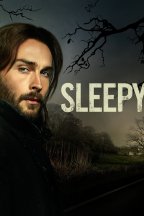 Sleepy HollowHighly rated on IMDb and Rotten Tomatoes, so it lands here when it hits a service. None of our curators has watched it yet, so it is not in our catalog of picks. Sleepy HollowHighly rated on IMDb and Rotten Tomatoes, so it lands here when it hits a service. None of our curators has watched it yet, so it is not in our catalog of picks. |
Prime Video | 7.0 | ||
 The Silence of the Lambs (1991)Highly rated on IMDb and Rotten Tomatoes, so it lands here when it hits a service. None of our curators has watched it yet, so it is not in our catalog of picks. The Silence of the Lambs (1991)Highly rated on IMDb and Rotten Tomatoes, so it lands here when it hits a service. None of our curators has watched it yet, so it is not in our catalog of picks. |
Prime Video | 8.9 | ||
| Fubo | 7.3 | |||
 The Fugitive (1993)Highly rated on IMDb and Rotten Tomatoes, so it lands here when it hits a service. None of our curators has watched it yet, so it is not in our catalog of picks. The Fugitive (1993)Highly rated on IMDb and Rotten Tomatoes, so it lands here when it hits a service. None of our curators has watched it yet, so it is not in our catalog of picks. |
Pluto TV | 7.4 | ||
 BeetlejuiceHighly rated on IMDb and Rotten Tomatoes, so it lands here when it hits a service. None of our curators has watched it yet, so it is not in our catalog of picks. BeetlejuiceHighly rated on IMDb and Rotten Tomatoes, so it lands here when it hits a service. None of our curators has watched it yet, so it is not in our catalog of picks. |
Tubi | 7.0 | ||
| Philo | 8.0 | |||
 Birdy (1984)Highly rated on IMDb and Rotten Tomatoes, so it lands here when it hits a service. None of our curators has watched it yet, so it is not in our catalog of picks. Birdy (1984)Highly rated on IMDb and Rotten Tomatoes, so it lands here when it hits a service. None of our curators has watched it yet, so it is not in our catalog of picks. |
Prime Video | 7.0 | ||
| Peacock | 7.0 | |||
 The Lizzie Borden ChroniclesHighly rated on IMDb and Rotten Tomatoes, so it lands here when it hits a service. None of our curators has watched it yet, so it is not in our catalog of picks. The Lizzie Borden ChroniclesHighly rated on IMDb and Rotten Tomatoes, so it lands here when it hits a service. None of our curators has watched it yet, so it is not in our catalog of picks. |
Prime Video | 7.0 | ||
| Starz | 8.5 | |||
| Netflix | 7.2 | |||
 Inglourious Basterds (2009)Highly rated on IMDb and Rotten Tomatoes, so it lands here when it hits a service. None of our curators has watched it yet, so it is not in our catalog of picks. Inglourious Basterds (2009)Highly rated on IMDb and Rotten Tomatoes, so it lands here when it hits a service. None of our curators has watched it yet, so it is not in our catalog of picks. |
Hulu | 8.7 | ||
 Jane EyreHighly rated on IMDb and Rotten Tomatoes, so it lands here when it hits a service. None of our curators has watched it yet, so it is not in our catalog of picks. Jane EyreHighly rated on IMDb and Rotten Tomatoes, so it lands here when it hits a service. None of our curators has watched it yet, so it is not in our catalog of picks. |
Tubi | 7.6 | ||
| Philo | 7.1 | |||
| Tubi | 7.9 | |||
 School of Rock (2003)Highly rated on IMDb and Rotten Tomatoes, so it lands here when it hits a service. None of our curators has watched it yet, so it is not in our catalog of picks. School of Rock (2003)Highly rated on IMDb and Rotten Tomatoes, so it lands here when it hits a service. None of our curators has watched it yet, so it is not in our catalog of picks. |
Hulu | 7.0 | ||
 Mean Girls (2004)Highly rated on IMDb and Rotten Tomatoes, so it lands here when it hits a service. None of our curators has watched it yet, so it is not in our catalog of picks. Mean Girls (2004)Highly rated on IMDb and Rotten Tomatoes, so it lands here when it hits a service. None of our curators has watched it yet, so it is not in our catalog of picks. |
Tubi | 7.0 | ||
| Prime Video | 8.6 | |||
 Aliens (1986)Highly rated on IMDb and Rotten Tomatoes, so it lands here when it hits a service. None of our curators has watched it yet, so it is not in our catalog of picks. Aliens (1986)Highly rated on IMDb and Rotten Tomatoes, so it lands here when it hits a service. None of our curators has watched it yet, so it is not in our catalog of picks. |
Philo | 8.2 | ||
 Pi (1998)Highly rated on IMDb and Rotten Tomatoes, so it lands here when it hits a service. None of our curators has watched it yet, so it is not in our catalog of picks. Pi (1998)Highly rated on IMDb and Rotten Tomatoes, so it lands here when it hits a service. None of our curators has watched it yet, so it is not in our catalog of picks. |
Hoopla | 7.0 | ||
 Sweeney Todd: The Demon Barber of Fleet Street (2007)Highly rated on IMDb and Rotten Tomatoes, so it lands here when it hits a service. None of our curators has watched it yet, so it is not in our catalog of picks. Sweeney Todd: The Demon Barber of Fleet Street (2007)Highly rated on IMDb and Rotten Tomatoes, so it lands here when it hits a service. None of our curators has watched it yet, so it is not in our catalog of picks. |
Fubo | 7.0 | ||
 The Crow (1994)Highly rated on IMDb and Rotten Tomatoes, so it lands here when it hits a service. None of our curators has watched it yet, so it is not in our catalog of picks. The Crow (1994)Highly rated on IMDb and Rotten Tomatoes, so it lands here when it hits a service. None of our curators has watched it yet, so it is not in our catalog of picks. |
Fubo | 7.1 | ||
 Everybody Hates ChrisHighly rated on IMDb and Rotten Tomatoes, so it lands here when it hits a service. None of our curators has watched it yet, so it is not in our catalog of picks. Everybody Hates ChrisHighly rated on IMDb and Rotten Tomatoes, so it lands here when it hits a service. None of our curators has watched it yet, so it is not in our catalog of picks. |
Philo | 7.0 | ||
 The Terminator (1984)Highly rated on IMDb and Rotten Tomatoes, so it lands here when it hits a service. None of our curators has watched it yet, so it is not in our catalog of picks. The Terminator (1984)Highly rated on IMDb and Rotten Tomatoes, so it lands here when it hits a service. None of our curators has watched it yet, so it is not in our catalog of picks. |
Philo | 8.1 | ||
 Thelma & Louise (1991)Highly rated on IMDb and Rotten Tomatoes, so it lands here when it hits a service. None of our curators has watched it yet, so it is not in our catalog of picks. Thelma & Louise (1991)Highly rated on IMDb and Rotten Tomatoes, so it lands here when it hits a service. None of our curators has watched it yet, so it is not in our catalog of picks. |
Hulu | 7.1 | ||
 Zero Dark Thirty (2012)Highly rated on IMDb and Rotten Tomatoes, so it lands here when it hits a service. None of our curators has watched it yet, so it is not in our catalog of picks. Zero Dark Thirty (2012)Highly rated on IMDb and Rotten Tomatoes, so it lands here when it hits a service. None of our curators has watched it yet, so it is not in our catalog of picks. |
Apple TV+ | 7.0 | ||
 The Truman Show (1998)Highly rated on IMDb and Rotten Tomatoes, so it lands here when it hits a service. None of our curators has watched it yet, so it is not in our catalog of picks. The Truman Show (1998)Highly rated on IMDb and Rotten Tomatoes, so it lands here when it hits a service. None of our curators has watched it yet, so it is not in our catalog of picks. |
Philo | 8.3 | ||
 Blue Ruin (2014)Highly rated on IMDb and Rotten Tomatoes, so it lands here when it hits a service. None of our curators has watched it yet, so it is not in our catalog of picks. Blue Ruin (2014)Highly rated on IMDb and Rotten Tomatoes, so it lands here when it hits a service. None of our curators has watched it yet, so it is not in our catalog of picks. |
Peacock | 7.0 | ||
 HannibalHighly rated on IMDb and Rotten Tomatoes, so it lands here when it hits a service. None of our curators has watched it yet, so it is not in our catalog of picks. HannibalHighly rated on IMDb and Rotten Tomatoes, so it lands here when it hits a service. None of our curators has watched it yet, so it is not in our catalog of picks. |
Plex | 7.9 | ||
 DororoHighly rated on IMDb and Rotten Tomatoes, so it lands here when it hits a service. None of our curators has watched it yet, so it is not in our catalog of picks. DororoHighly rated on IMDb and Rotten Tomatoes, so it lands here when it hits a service. None of our curators has watched it yet, so it is not in our catalog of picks. |
The Roku Channel | 7.4 | ||
 Something Wild (1986)Highly rated on IMDb and Rotten Tomatoes, so it lands here when it hits a service. None of our curators has watched it yet, so it is not in our catalog of picks. Something Wild (1986)Highly rated on IMDb and Rotten Tomatoes, so it lands here when it hits a service. None of our curators has watched it yet, so it is not in our catalog of picks. |
Prime Video | 7.0 | ||
 EmmaHighly rated on IMDb and Rotten Tomatoes, so it lands here when it hits a service. None of our curators has watched it yet, so it is not in our catalog of picks. EmmaHighly rated on IMDb and Rotten Tomatoes, so it lands here when it hits a service. None of our curators has watched it yet, so it is not in our catalog of picks. |
Tubi | 7.4 | ||
| Tubi | 8.4 | |||
 Gangs of New York (2002)Highly rated on IMDb and Rotten Tomatoes, so it lands here when it hits a service. None of our curators has watched it yet, so it is not in our catalog of picks. Gangs of New York (2002)Highly rated on IMDb and Rotten Tomatoes, so it lands here when it hits a service. None of our curators has watched it yet, so it is not in our catalog of picks. |
Starz | 7.2 | ||
 American Gangster (2007)Highly rated on IMDb and Rotten Tomatoes, so it lands here when it hits a service. None of our curators has watched it yet, so it is not in our catalog of picks. American Gangster (2007)Highly rated on IMDb and Rotten Tomatoes, so it lands here when it hits a service. None of our curators has watched it yet, so it is not in our catalog of picks. |
Tubi | 7.5 | ||
 Dunkirk (2017)Highly rated on IMDb and Rotten Tomatoes, so it lands here when it hits a service. None of our curators has watched it yet, so it is not in our catalog of picks. Dunkirk (2017)Highly rated on IMDb and Rotten Tomatoes, so it lands here when it hits a service. None of our curators has watched it yet, so it is not in our catalog of picks. |
Fubo | 7.7 | ||
 The TowerHighly rated on IMDb and Rotten Tomatoes, so it lands here when it hits a service. None of our curators has watched it yet, so it is not in our catalog of picks. The TowerHighly rated on IMDb and Rotten Tomatoes, so it lands here when it hits a service. None of our curators has watched it yet, so it is not in our catalog of picks. |
Prime Video | 7.0 | ||
 Eyes Wide Shut (1999)Highly rated on IMDb and Rotten Tomatoes, so it lands here when it hits a service. None of our curators has watched it yet, so it is not in our catalog of picks. Eyes Wide Shut (1999)Highly rated on IMDb and Rotten Tomatoes, so it lands here when it hits a service. None of our curators has watched it yet, so it is not in our catalog of picks. |
HBO Max | 7.2 | ||
 Green Lantern: The Animated SeriesHighly rated on IMDb and Rotten Tomatoes, so it lands here when it hits a service. None of our curators has watched it yet, so it is not in our catalog of picks. Green Lantern: The Animated SeriesHighly rated on IMDb and Rotten Tomatoes, so it lands here when it hits a service. None of our curators has watched it yet, so it is not in our catalog of picks. |
Tubi | 7.2 | ||
 Gremlins (1984)Highly rated on IMDb and Rotten Tomatoes, so it lands here when it hits a service. None of our curators has watched it yet, so it is not in our catalog of picks. Gremlins (1984)Highly rated on IMDb and Rotten Tomatoes, so it lands here when it hits a service. None of our curators has watched it yet, so it is not in our catalog of picks. |
HBO Max | 7.0 | ||
| The Criterion Channel | 9.0 | |||
| Philo | 9.5 | |||
| Prime Video | 7.2 | |||
| Tubi | 7.4 | |||
| Sundance Now | 7.1 | |||
| Prime Video | 7.8 | |||
| Prime Video | 7.9 | |||
| Tubi | 7.8 | |||
 CheersHighly rated on IMDb and Rotten Tomatoes, so it lands here when it hits a service. None of our curators has watched it yet, so it is not in our catalog of picks. CheersHighly rated on IMDb and Rotten Tomatoes, so it lands here when it hits a service. None of our curators has watched it yet, so it is not in our catalog of picks. |
Pluto TV | 7.3 | ||
| Apple TV+ | 7.3 | |||
 Cape Fear (1991)Highly rated on IMDb and Rotten Tomatoes, so it lands here when it hits a service. None of our curators has watched it yet, so it is not in our catalog of picks. Cape Fear (1991)Highly rated on IMDb and Rotten Tomatoes, so it lands here when it hits a service. None of our curators has watched it yet, so it is not in our catalog of picks. |
Prime Video | 7.0 | ||
 Everything Everywhere All at Once (2022)Highly rated on IMDb and Rotten Tomatoes, so it lands here when it hits a service. None of our curators has watched it yet, so it is not in our catalog of picks. Everything Everywhere All at Once (2022)Highly rated on IMDb and Rotten Tomatoes, so it lands here when it hits a service. None of our curators has watched it yet, so it is not in our catalog of picks. |
The Roku Channel | 7.6 | ||
 The Revenant (2015)Highly rated on IMDb and Rotten Tomatoes, so it lands here when it hits a service. None of our curators has watched it yet, so it is not in our catalog of picks. The Revenant (2015)Highly rated on IMDb and Rotten Tomatoes, so it lands here when it hits a service. None of our curators has watched it yet, so it is not in our catalog of picks. |
HBO Max | 7.9 | ||
| Philo | 9.2 | |||
 Robot & Frank (2012)Highly rated on IMDb and Rotten Tomatoes, so it lands here when it hits a service. None of our curators has watched it yet, so it is not in our catalog of picks. Robot & Frank (2012)Highly rated on IMDb and Rotten Tomatoes, so it lands here when it hits a service. None of our curators has watched it yet, so it is not in our catalog of picks. |
Prime Video | 7.0 | ||
 The Wolf of Wall Street (2013)Highly rated on IMDb and Rotten Tomatoes, so it lands here when it hits a service. None of our curators has watched it yet, so it is not in our catalog of picks. The Wolf of Wall Street (2013)Highly rated on IMDb and Rotten Tomatoes, so it lands here when it hits a service. None of our curators has watched it yet, so it is not in our catalog of picks. |
Apple TV+ | 8.6 | ||
| Apple TV+ | 9.5 | |||
| Prime Video | 7.6 | |||
| Prime Video | 7.1 | |||
| Peacock | 7.3 | |||
 Are You Afraid of the Dark?Highly rated on IMDb and Rotten Tomatoes, so it lands here when it hits a service. None of our curators has watched it yet, so it is not in our catalog of picks. Are You Afraid of the Dark?Highly rated on IMDb and Rotten Tomatoes, so it lands here when it hits a service. None of our curators has watched it yet, so it is not in our catalog of picks. |
Tubi | 7.5 | ||
| Netflix | 7.7 | |||
 Gone Baby Gone (2007)Highly rated on IMDb and Rotten Tomatoes, so it lands here when it hits a service. None of our curators has watched it yet, so it is not in our catalog of picks. Gone Baby Gone (2007)Highly rated on IMDb and Rotten Tomatoes, so it lands here when it hits a service. None of our curators has watched it yet, so it is not in our catalog of picks. |
Fubo | 7.2 | ||
 Captain Phillips (2013)Highly rated on IMDb and Rotten Tomatoes, so it lands here when it hits a service. None of our curators has watched it yet, so it is not in our catalog of picks. Captain Phillips (2013)Highly rated on IMDb and Rotten Tomatoes, so it lands here when it hits a service. None of our curators has watched it yet, so it is not in our catalog of picks. |
Tubi | 7.5 | ||
 10 Things I Hate About You (1999)Highly rated on IMDb and Rotten Tomatoes, so it lands here when it hits a service. None of our curators has watched it yet, so it is not in our catalog of picks. 10 Things I Hate About You (1999)Highly rated on IMDb and Rotten Tomatoes, so it lands here when it hits a service. None of our curators has watched it yet, so it is not in our catalog of picks. |
Peacock | 7.1 | ||
| Hoopla | 7.6 | |||
 Misery (1990)Highly rated on IMDb and Rotten Tomatoes, so it lands here when it hits a service. None of our curators has watched it yet, so it is not in our catalog of picks. Misery (1990)Highly rated on IMDb and Rotten Tomatoes, so it lands here when it hits a service. None of our curators has watched it yet, so it is not in our catalog of picks. |
HBO Max | 7.4 | ||
 Dungeons & Dragons: Honor Among Thieves (2023)Highly rated on IMDb and Rotten Tomatoes, so it lands here when it hits a service. None of our curators has watched it yet, so it is not in our catalog of picks. Dungeons & Dragons: Honor Among Thieves (2023)Highly rated on IMDb and Rotten Tomatoes, so it lands here when it hits a service. None of our curators has watched it yet, so it is not in our catalog of picks. |
Netflix | 7.0 | ||
 Saving Private Ryan (1998)Highly rated on IMDb and Rotten Tomatoes, so it lands here when it hits a service. None of our curators has watched it yet, so it is not in our catalog of picks. Saving Private Ryan (1998)Highly rated on IMDb and Rotten Tomatoes, so it lands here when it hits a service. None of our curators has watched it yet, so it is not in our catalog of picks. |
Hoopla | 8.9 | ||
 American Me (1992)Highly rated on IMDb and Rotten Tomatoes, so it lands here when it hits a service. None of our curators has watched it yet, so it is not in our catalog of picks. American Me (1992)Highly rated on IMDb and Rotten Tomatoes, so it lands here when it hits a service. None of our curators has watched it yet, so it is not in our catalog of picks. |
Tubi | 7.0 | ||
| Philo | 7.3 | |||
| Prime Video | 7.4 | |||
| Prime Video | 8.1 | |||
| Prime Video | 7.3 | |||
 Don't Breathe (2016)Highly rated on IMDb and Rotten Tomatoes, so it lands here when it hits a service. None of our curators has watched it yet, so it is not in our catalog of picks. Don't Breathe (2016)Highly rated on IMDb and Rotten Tomatoes, so it lands here when it hits a service. None of our curators has watched it yet, so it is not in our catalog of picks. |
Prime Video | 7.0 | ||
 Straight Outta Compton (2015)Highly rated on IMDb and Rotten Tomatoes, so it lands here when it hits a service. None of our curators has watched it yet, so it is not in our catalog of picks. Straight Outta Compton (2015)Highly rated on IMDb and Rotten Tomatoes, so it lands here when it hits a service. None of our curators has watched it yet, so it is not in our catalog of picks. |
Netflix | 7.4 | ||
 X2 (2003)Highly rated on IMDb and Rotten Tomatoes, so it lands here when it hits a service. None of our curators has watched it yet, so it is not in our catalog of picks. X2 (2003)Highly rated on IMDb and Rotten Tomatoes, so it lands here when it hits a service. None of our curators has watched it yet, so it is not in our catalog of picks. |
Fubo | 7.2 | ||
 Linda Linda Linda (2005)Highly rated on IMDb and Rotten Tomatoes, so it lands here when it hits a service. None of our curators has watched it yet, so it is not in our catalog of picks. Linda Linda Linda (2005)Highly rated on IMDb and Rotten Tomatoes, so it lands here when it hits a service. None of our curators has watched it yet, so it is not in our catalog of picks. |
The Criterion Channel | 7.0 | ||
| Philo | 8.7 | |||
 Master and Commander: The Far Side of the World (2003)Highly rated on IMDb and Rotten Tomatoes, so it lands here when it hits a service. None of our curators has watched it yet, so it is not in our catalog of picks. Master and Commander: The Far Side of the World (2003)Highly rated on IMDb and Rotten Tomatoes, so it lands here when it hits a service. None of our curators has watched it yet, so it is not in our catalog of picks. |
Apple TV+ | 7.1 | ||
 Borat: Cultural Learnings of America for Make Benefit Glorious Nation of Kazakhstan (2006)Highly rated on IMDb and Rotten Tomatoes, so it lands here when it hits a service. None of our curators has watched it yet, so it is not in our catalog of picks. Borat: Cultural Learnings of America for Make Benefit Glorious Nation of Kazakhstan (2006)Highly rated on IMDb and Rotten Tomatoes, so it lands here when it hits a service. None of our curators has watched it yet, so it is not in our catalog of picks. |
Prime Video | 7.1 | ||
| Prime Video | 7.3 | |||
| Prime Video | 7.9 | |||
| Tubi | 8.2 | |||
| Netflix | 7.5 | |||
 The Bourne Ultimatum (2007)Highly rated on IMDb and Rotten Tomatoes, so it lands here when it hits a service. None of our curators has watched it yet, so it is not in our catalog of picks. The Bourne Ultimatum (2007)Highly rated on IMDb and Rotten Tomatoes, so it lands here when it hits a service. None of our curators has watched it yet, so it is not in our catalog of picks. |
Starz | 7.8 | ||
 The Adventures of Pete & PeteHighly rated on IMDb and Rotten Tomatoes, so it lands here when it hits a service. None of our curators has watched it yet, so it is not in our catalog of picks. The Adventures of Pete & PeteHighly rated on IMDb and Rotten Tomatoes, so it lands here when it hits a service. None of our curators has watched it yet, so it is not in our catalog of picks. |
Prime Video | 7.7 | ||
 Speed (1994)Highly rated on IMDb and Rotten Tomatoes, so it lands here when it hits a service. None of our curators has watched it yet, so it is not in our catalog of picks. Speed (1994)Highly rated on IMDb and Rotten Tomatoes, so it lands here when it hits a service. None of our curators has watched it yet, so it is not in our catalog of picks. |
HBO Max | 7.0 | ||
 Tales from the CryptHighly rated on IMDb and Rotten Tomatoes, so it lands here when it hits a service. None of our curators has watched it yet, so it is not in our catalog of picks. Tales from the CryptHighly rated on IMDb and Rotten Tomatoes, so it lands here when it hits a service. None of our curators has watched it yet, so it is not in our catalog of picks. |
Prime Video | 7.3 | ||
 Carlito's Way (1993)Highly rated on IMDb and Rotten Tomatoes, so it lands here when it hits a service. None of our curators has watched it yet, so it is not in our catalog of picks. Carlito's Way (1993)Highly rated on IMDb and Rotten Tomatoes, so it lands here when it hits a service. None of our curators has watched it yet, so it is not in our catalog of picks. |
Prime Video | 7.5 | ||
 The Grim Adventures of Billy and MandyHighly rated on IMDb and Rotten Tomatoes, so it lands here when it hits a service. None of our curators has watched it yet, so it is not in our catalog of picks. The Grim Adventures of Billy and MandyHighly rated on IMDb and Rotten Tomatoes, so it lands here when it hits a service. None of our curators has watched it yet, so it is not in our catalog of picks. |
Tubi | 7.0 | ||
| Prime Video | 7.4 | |||
 ParaNorman (2012)Highly rated on IMDb and Rotten Tomatoes, so it lands here when it hits a service. None of our curators has watched it yet, so it is not in our catalog of picks. ParaNorman (2012)Highly rated on IMDb and Rotten Tomatoes, so it lands here when it hits a service. None of our curators has watched it yet, so it is not in our catalog of picks. |
Hulu | 7.0 | ||
 BrockmireHighly rated on IMDb and Rotten Tomatoes, so it lands here when it hits a service. None of our curators has watched it yet, so it is not in our catalog of picks. BrockmireHighly rated on IMDb and Rotten Tomatoes, so it lands here when it hits a service. None of our curators has watched it yet, so it is not in our catalog of picks. |
Plex | 7.3 | ||
 Tucker: The Man and His Dream (1988)Highly rated on IMDb and Rotten Tomatoes, so it lands here when it hits a service. None of our curators has watched it yet, so it is not in our catalog of picks. Tucker: The Man and His Dream (1988)Highly rated on IMDb and Rotten Tomatoes, so it lands here when it hits a service. None of our curators has watched it yet, so it is not in our catalog of picks. |
Philo | 7.0 | ||
| Prime Video | 8.1 | |||
 The Breakfast Club (1985)Highly rated on IMDb and Rotten Tomatoes, so it lands here when it hits a service. None of our curators has watched it yet, so it is not in our catalog of picks. The Breakfast Club (1985)Highly rated on IMDb and Rotten Tomatoes, so it lands here when it hits a service. None of our curators has watched it yet, so it is not in our catalog of picks. |
Hulu | 7.5 | ||
 Birdman or (The Unexpected Virtue of Ignorance) (2014)Highly rated on IMDb and Rotten Tomatoes, so it lands here when it hits a service. None of our curators has watched it yet, so it is not in our catalog of picks. Birdman or (The Unexpected Virtue of Ignorance) (2014)Highly rated on IMDb and Rotten Tomatoes, so it lands here when it hits a service. None of our curators has watched it yet, so it is not in our catalog of picks. |
HBO Max | 7.5 | ||
 Dirty Rotten Scoundrels (1988)Highly rated on IMDb and Rotten Tomatoes, so it lands here when it hits a service. None of our curators has watched it yet, so it is not in our catalog of picks. Dirty Rotten Scoundrels (1988)Highly rated on IMDb and Rotten Tomatoes, so it lands here when it hits a service. None of our curators has watched it yet, so it is not in our catalog of picks. |
Prime Video | 7.0 | ||
 Star Trek (2009)Highly rated on IMDb and Rotten Tomatoes, so it lands here when it hits a service. None of our curators has watched it yet, so it is not in our catalog of picks. Star Trek (2009)Highly rated on IMDb and Rotten Tomatoes, so it lands here when it hits a service. None of our curators has watched it yet, so it is not in our catalog of picks. |
Peacock | 7.7 | ||
| Netflix | 7.8 | |||
| The Roku Channel | 9.0 | |||
 WeedsHighly rated on IMDb and Rotten Tomatoes, so it lands here when it hits a service. None of our curators has watched it yet, so it is not in our catalog of picks. WeedsHighly rated on IMDb and Rotten Tomatoes, so it lands here when it hits a service. None of our curators has watched it yet, so it is not in our catalog of picks. |
Paramount+ | 7.3 | ||
 Kung Fu Panda 2 (2011)Highly rated on IMDb and Rotten Tomatoes, so it lands here when it hits a service. None of our curators has watched it yet, so it is not in our catalog of picks. Kung Fu Panda 2 (2011)Highly rated on IMDb and Rotten Tomatoes, so it lands here when it hits a service. None of our curators has watched it yet, so it is not in our catalog of picks. |
Tubi | 7.0 | ||
| Kanopy | 8.3 | |||
 A Passage to India (1984)Highly rated on IMDb and Rotten Tomatoes, so it lands here when it hits a service. None of our curators has watched it yet, so it is not in our catalog of picks. A Passage to India (1984)Highly rated on IMDb and Rotten Tomatoes, so it lands here when it hits a service. None of our curators has watched it yet, so it is not in our catalog of picks. |
Prime Video | 7.0 | ||
| HBO Max | 8.1 | |||
 Casino (1995)Highly rated on IMDb and Rotten Tomatoes, so it lands here when it hits a service. None of our curators has watched it yet, so it is not in our catalog of picks. Casino (1995)Highly rated on IMDb and Rotten Tomatoes, so it lands here when it hits a service. None of our curators has watched it yet, so it is not in our catalog of picks. |
Tubi | 7.9 | ||
 HollywoodHighly rated on IMDb and Rotten Tomatoes, so it lands here when it hits a service. None of our curators has watched it yet, so it is not in our catalog of picks. HollywoodHighly rated on IMDb and Rotten Tomatoes, so it lands here when it hits a service. None of our curators has watched it yet, so it is not in our catalog of picks. |
Netflix | 7.0 | ||
 Zombieland (2009)Highly rated on IMDb and Rotten Tomatoes, so it lands here when it hits a service. None of our curators has watched it yet, so it is not in our catalog of picks. Zombieland (2009)Highly rated on IMDb and Rotten Tomatoes, so it lands here when it hits a service. None of our curators has watched it yet, so it is not in our catalog of picks. |
HBO Max | 7.3 | ||
| Prime Video | 8.8 | |||
| Prime Video | 8.0 | |||
 Knocked Up (2007)Highly rated on IMDb and Rotten Tomatoes, so it lands here when it hits a service. None of our curators has watched it yet, so it is not in our catalog of picks. Knocked Up (2007)Highly rated on IMDb and Rotten Tomatoes, so it lands here when it hits a service. None of our curators has watched it yet, so it is not in our catalog of picks. |
Netflix | 7.0 | ||
 Up (2009)Highly rated on IMDb and Rotten Tomatoes, so it lands here when it hits a service. None of our curators has watched it yet, so it is not in our catalog of picks. Up (2009)Highly rated on IMDb and Rotten Tomatoes, so it lands here when it hits a service. None of our curators has watched it yet, so it is not in our catalog of picks. |
Fubo | 8.3 | ||
 Django Unchained (2012)Highly rated on IMDb and Rotten Tomatoes, so it lands here when it hits a service. None of our curators has watched it yet, so it is not in our catalog of picks. Django Unchained (2012)Highly rated on IMDb and Rotten Tomatoes, so it lands here when it hits a service. None of our curators has watched it yet, so it is not in our catalog of picks. |
Tubi | 8.9 | ||
 TaskmasterHighly rated on IMDb and Rotten Tomatoes, so it lands here when it hits a service. None of our curators has watched it yet, so it is not in our catalog of picks. TaskmasterHighly rated on IMDb and Rotten Tomatoes, so it lands here when it hits a service. None of our curators has watched it yet, so it is not in our catalog of picks. |
Hulu | 8.2 | ||
| The Roku Channel | 8.0 | |||
| Prime Video | 7.7 | |||
 The Social Network (2010)Highly rated on IMDb and Rotten Tomatoes, so it lands here when it hits a service. None of our curators has watched it yet, so it is not in our catalog of picks. The Social Network (2010)Highly rated on IMDb and Rotten Tomatoes, so it lands here when it hits a service. None of our curators has watched it yet, so it is not in our catalog of picks. |
Apple TV+ | 7.7 | ||
| Plex | 8.0 | |||
 Star Trek Beyond (2016)Highly rated on IMDb and Rotten Tomatoes, so it lands here when it hits a service. None of our curators has watched it yet, so it is not in our catalog of picks. Star Trek Beyond (2016)Highly rated on IMDb and Rotten Tomatoes, so it lands here when it hits a service. None of our curators has watched it yet, so it is not in our catalog of picks. |
Peacock | 7.0 | ||
| The Roku Channel | 9.1 | |||
| Philo | 8.5 | |||
| Netflix | 7.2 | |||
 Training Day (2001)Highly rated on IMDb and Rotten Tomatoes, so it lands here when it hits a service. None of our curators has watched it yet, so it is not in our catalog of picks. Training Day (2001)Highly rated on IMDb and Rotten Tomatoes, so it lands here when it hits a service. None of our curators has watched it yet, so it is not in our catalog of picks. |
The Roku Channel | 7.5 | ||
 Magnolia (1999)Highly rated on IMDb and Rotten Tomatoes, so it lands here when it hits a service. None of our curators has watched it yet, so it is not in our catalog of picks. Magnolia (1999)Highly rated on IMDb and Rotten Tomatoes, so it lands here when it hits a service. None of our curators has watched it yet, so it is not in our catalog of picks. |
HBO Max | 7.6 | ||
| MUBI | 8.0 | |||
| The Roku Channel | 7.2 | |||
| Prime Video | 8.8 | |||
| The Criterion Channel | 7.0 | |||
 The Witch (2016)Highly rated on IMDb and Rotten Tomatoes, so it lands here when it hits a service. None of our curators has watched it yet, so it is not in our catalog of picks. The Witch (2016)Highly rated on IMDb and Rotten Tomatoes, so it lands here when it hits a service. None of our curators has watched it yet, so it is not in our catalog of picks. |
Plex | 7.0 | ||
 Hellboy II: The Golden Army (2008)Highly rated on IMDb and Rotten Tomatoes, so it lands here when it hits a service. None of our curators has watched it yet, so it is not in our catalog of picks. Hellboy II: The Golden Army (2008)Highly rated on IMDb and Rotten Tomatoes, so it lands here when it hits a service. None of our curators has watched it yet, so it is not in our catalog of picks. |
Philo | 7.0 | ||
 The Red RoadHighly rated on IMDb and Rotten Tomatoes, so it lands here when it hits a service. None of our curators has watched it yet, so it is not in our catalog of picks. The Red RoadHighly rated on IMDb and Rotten Tomatoes, so it lands here when it hits a service. None of our curators has watched it yet, so it is not in our catalog of picks. |
Prime Video | 7.0 | ||
| Plex | 7.8 | |||
 48 Hrs. (1982)Highly rated on IMDb and Rotten Tomatoes, so it lands here when it hits a service. None of our curators has watched it yet, so it is not in our catalog of picks. 48 Hrs. (1982)Highly rated on IMDb and Rotten Tomatoes, so it lands here when it hits a service. None of our curators has watched it yet, so it is not in our catalog of picks. |
Philo | 7.0 | ||
 Star Trek: Deep Space NineHighly rated on IMDb and Rotten Tomatoes, so it lands here when it hits a service. None of our curators has watched it yet, so it is not in our catalog of picks. Star Trek: Deep Space NineHighly rated on IMDb and Rotten Tomatoes, so it lands here when it hits a service. None of our curators has watched it yet, so it is not in our catalog of picks. |
Pluto TV | 7.4 | ||
 The Descent (2005)Highly rated on IMDb and Rotten Tomatoes, so it lands here when it hits a service. None of our curators has watched it yet, so it is not in our catalog of picks. The Descent (2005)Highly rated on IMDb and Rotten Tomatoes, so it lands here when it hits a service. None of our curators has watched it yet, so it is not in our catalog of picks. |
Fubo | 7.0 | ||
 Star Trek: VoyagerHighly rated on IMDb and Rotten Tomatoes, so it lands here when it hits a service. None of our curators has watched it yet, so it is not in our catalog of picks. Star Trek: VoyagerHighly rated on IMDb and Rotten Tomatoes, so it lands here when it hits a service. None of our curators has watched it yet, so it is not in our catalog of picks. |
Pluto TV | 7.3 | ||
| Tubi | 8.7 | |||
 The Good WifeHighly rated on IMDb and Rotten Tomatoes, so it lands here when it hits a service. None of our curators has watched it yet, so it is not in our catalog of picks. The Good WifeHighly rated on IMDb and Rotten Tomatoes, so it lands here when it hits a service. None of our curators has watched it yet, so it is not in our catalog of picks. |
The Roku Channel | 7.6 | ||
| The Roku Channel | 7.9 | |||
 iZombieHighly rated on IMDb and Rotten Tomatoes, so it lands here when it hits a service. None of our curators has watched it yet, so it is not in our catalog of picks. iZombieHighly rated on IMDb and Rotten Tomatoes, so it lands here when it hits a service. None of our curators has watched it yet, so it is not in our catalog of picks. |
Pluto TV | 7.2 | ||
 Palestine 36 (2025)Highly rated on IMDb and Rotten Tomatoes, so it lands here when it hits a service. None of our curators has watched it yet, so it is not in our catalog of picks. Palestine 36 (2025)Highly rated on IMDb and Rotten Tomatoes, so it lands here when it hits a service. None of our curators has watched it yet, so it is not in our catalog of picks. |
Philo | 7.4 | ||
| Pluto TV | 7.3 | |||
 RevivalHighly rated on IMDb and Rotten Tomatoes, so it lands here when it hits a service. None of our curators has watched it yet, so it is not in our catalog of picks. RevivalHighly rated on IMDb and Rotten Tomatoes, so it lands here when it hits a service. None of our curators has watched it yet, so it is not in our catalog of picks. |
Netflix | 7.0 | ||
 H2O: Just Add WaterHighly rated on IMDb and Rotten Tomatoes, so it lands here when it hits a service. None of our curators has watched it yet, so it is not in our catalog of picks. H2O: Just Add WaterHighly rated on IMDb and Rotten Tomatoes, so it lands here when it hits a service. None of our curators has watched it yet, so it is not in our catalog of picks. |
Tubi | 7.0 | ||
| Philo | 7.6 | |||
| Hoopla | 7.3 | |||
| HBO Max | 7.1 | |||
 Tarzan (1999)Highly rated on IMDb and Rotten Tomatoes, so it lands here when it hits a service. None of our curators has watched it yet, so it is not in our catalog of picks. Tarzan (1999)Highly rated on IMDb and Rotten Tomatoes, so it lands here when it hits a service. None of our curators has watched it yet, so it is not in our catalog of picks. |
Fubo | 7.0 | ||
| Prime Video | 7.0 | |||
| Prime Video | 9.5 | |||
 TimeHighly rated on IMDb and Rotten Tomatoes, so it lands here when it hits a service. None of our curators has watched it yet, so it is not in our catalog of picks. TimeHighly rated on IMDb and Rotten Tomatoes, so it lands here when it hits a service. None of our curators has watched it yet, so it is not in our catalog of picks. |
Hoopla | 7.5 | ||
| Prime Video | 7.5 | |||
| Prime Video | 7.5 | |||
 One-Punch ManHighly rated on IMDb and Rotten Tomatoes, so it lands here when it hits a service. None of our curators has watched it yet, so it is not in our catalog of picks. One-Punch ManHighly rated on IMDb and Rotten Tomatoes, so it lands here when it hits a service. None of our curators has watched it yet, so it is not in our catalog of picks. |
Netflix | 7.9 | ||
| Hulu | 9.2 | |||
 Oppenheimer (2023)Highly rated on IMDb and Rotten Tomatoes, so it lands here when it hits a service. None of our curators has watched it yet, so it is not in our catalog of picks. Oppenheimer (2023)Highly rated on IMDb and Rotten Tomatoes, so it lands here when it hits a service. None of our curators has watched it yet, so it is not in our catalog of picks. |
Peacock | 8.2 | ||
| Plex | 7.7 | |||
| Hulu | 7.9 | |||
| Fubo | 7.2 | |||
 Sherlock & DaughterHighly rated on IMDb and Rotten Tomatoes, so it lands here when it hits a service. None of our curators has watched it yet, so it is not in our catalog of picks. Sherlock & DaughterHighly rated on IMDb and Rotten Tomatoes, so it lands here when it hits a service. None of our curators has watched it yet, so it is not in our catalog of picks. |
The Roku Channel | 7.0 | ||
| MUBI | 8.3 | |||
 Into the BadlandsHighly rated on IMDb and Rotten Tomatoes, so it lands here when it hits a service. None of our curators has watched it yet, so it is not in our catalog of picks. Into the BadlandsHighly rated on IMDb and Rotten Tomatoes, so it lands here when it hits a service. None of our curators has watched it yet, so it is not in our catalog of picks. |
Plex | 7.2 | ||
 Inside Out (2015)Highly rated on IMDb and Rotten Tomatoes, so it lands here when it hits a service. None of our curators has watched it yet, so it is not in our catalog of picks. Inside Out (2015)Highly rated on IMDb and Rotten Tomatoes, so it lands here when it hits a service. None of our curators has watched it yet, so it is not in our catalog of picks. |
Fubo | 7.9 | ||
 Wild CardsHighly rated on IMDb and Rotten Tomatoes, so it lands here when it hits a service. None of our curators has watched it yet, so it is not in our catalog of picks. Wild CardsHighly rated on IMDb and Rotten Tomatoes, so it lands here when it hits a service. None of our curators has watched it yet, so it is not in our catalog of picks. |
The Roku Channel | 7.0 | ||
 The Color Purple (1985)Highly rated on IMDb and Rotten Tomatoes, so it lands here when it hits a service. None of our curators has watched it yet, so it is not in our catalog of picks. The Color Purple (1985)Highly rated on IMDb and Rotten Tomatoes, so it lands here when it hits a service. None of our curators has watched it yet, so it is not in our catalog of picks. |
Philo | 7.2 | ||
 Mr. BeanHighly rated on IMDb and Rotten Tomatoes, so it lands here when it hits a service. None of our curators has watched it yet, so it is not in our catalog of picks. Mr. BeanHighly rated on IMDb and Rotten Tomatoes, so it lands here when it hits a service. None of our curators has watched it yet, so it is not in our catalog of picks. |
Prime Video | 7.9 | ||
 Hokum (2026)Highly rated on IMDb and Rotten Tomatoes, so it lands here when it hits a service. None of our curators has watched it yet, so it is not in our catalog of picks. Hokum (2026)Highly rated on IMDb and Rotten Tomatoes, so it lands here when it hits a service. None of our curators has watched it yet, so it is not in our catalog of picks. |
YouTube | 7.2 | ||
| Plex | 8.0 | |||
 Logan (2017)Highly rated on IMDb and Rotten Tomatoes, so it lands here when it hits a service. None of our curators has watched it yet, so it is not in our catalog of picks. Logan (2017)Highly rated on IMDb and Rotten Tomatoes, so it lands here when it hits a service. None of our curators has watched it yet, so it is not in our catalog of picks. |
Fubo | 8.0 | ||
 Saving GraceHighly rated on IMDb and Rotten Tomatoes, so it lands here when it hits a service. None of our curators has watched it yet, so it is not in our catalog of picks. Saving GraceHighly rated on IMDb and Rotten Tomatoes, so it lands here when it hits a service. None of our curators has watched it yet, so it is not in our catalog of picks. |
Philo | 7.0 | ||
 MEGALOBOXHighly rated on IMDb and Rotten Tomatoes, so it lands here when it hits a service. None of our curators has watched it yet, so it is not in our catalog of picks. MEGALOBOXHighly rated on IMDb and Rotten Tomatoes, so it lands here when it hits a service. None of our curators has watched it yet, so it is not in our catalog of picks. |
Tubi | 7.0 | ||
| Plex | 8.0 | |||
 HeartlandHighly rated on IMDb and Rotten Tomatoes, so it lands here when it hits a service. None of our curators has watched it yet, so it is not in our catalog of picks. HeartlandHighly rated on IMDb and Rotten Tomatoes, so it lands here when it hits a service. None of our curators has watched it yet, so it is not in our catalog of picks. |
Hulu | 7.7 | ||
 Criminal Justice: Adhura SachHighly rated on IMDb and Rotten Tomatoes, so it lands here when it hits a service. None of our curators has watched it yet, so it is not in our catalog of picks. Criminal Justice: Adhura SachHighly rated on IMDb and Rotten Tomatoes, so it lands here when it hits a service. None of our curators has watched it yet, so it is not in our catalog of picks. |
Hulu | 7.0 | ||
| Tubi | 7.4 | |||
 A Beautiful Mind (2001)Highly rated on IMDb and Rotten Tomatoes, so it lands here when it hits a service. None of our curators has watched it yet, so it is not in our catalog of picks. A Beautiful Mind (2001)Highly rated on IMDb and Rotten Tomatoes, so it lands here when it hits a service. None of our curators has watched it yet, so it is not in our catalog of picks. |
Apple TV+ | 8.2 | ||
 The Girl with the Dragon Tattoo (2011)Highly rated on IMDb and Rotten Tomatoes, so it lands here when it hits a service. None of our curators has watched it yet, so it is not in our catalog of picks. The Girl with the Dragon Tattoo (2011)Highly rated on IMDb and Rotten Tomatoes, so it lands here when it hits a service. None of our curators has watched it yet, so it is not in our catalog of picks. |
Netflix | 7.5 | ||
 Masters of HorrorHighly rated on IMDb and Rotten Tomatoes, so it lands here when it hits a service. None of our curators has watched it yet, so it is not in our catalog of picks. Masters of HorrorHighly rated on IMDb and Rotten Tomatoes, so it lands here when it hits a service. None of our curators has watched it yet, so it is not in our catalog of picks. |
Prime Video | 7.0 | ||
 X-Men: Days of Future Past (2014)Highly rated on IMDb and Rotten Tomatoes, so it lands here when it hits a service. None of our curators has watched it yet, so it is not in our catalog of picks. X-Men: Days of Future Past (2014)Highly rated on IMDb and Rotten Tomatoes, so it lands here when it hits a service. None of our curators has watched it yet, so it is not in our catalog of picks. |
Fubo | 7.8 | ||
| Philo | 7.1 | |||
 Mulan (1998)Highly rated on IMDb and Rotten Tomatoes, so it lands here when it hits a service. None of our curators has watched it yet, so it is not in our catalog of picks. Mulan (1998)Highly rated on IMDb and Rotten Tomatoes, so it lands here when it hits a service. None of our curators has watched it yet, so it is not in our catalog of picks. |
Fubo | 7.2 | ||
| Netflix | 7.4 | |||
| Hoopla | 9.1 | |||
| Prime Video | 7.7 | |||
 Third WatchHighly rated on IMDb and Rotten Tomatoes, so it lands here when it hits a service. None of our curators has watched it yet, so it is not in our catalog of picks. Third WatchHighly rated on IMDb and Rotten Tomatoes, so it lands here when it hits a service. None of our curators has watched it yet, so it is not in our catalog of picks. |
Tubi | 7.3 | ||
| Plex | 8.0 | |||
| The Roku Channel | 7.7 | |||
 Beauty and the Beast (1991)Highly rated on IMDb and Rotten Tomatoes, so it lands here when it hits a service. None of our curators has watched it yet, so it is not in our catalog of picks. Beauty and the Beast (1991)Highly rated on IMDb and Rotten Tomatoes, so it lands here when it hits a service. None of our curators has watched it yet, so it is not in our catalog of picks. |
Fubo | 7.6 | ||
| Netflix | 8.2 | |||
| Tubi | 9.0 | |||
 Banana FishHighly rated on IMDb and Rotten Tomatoes, so it lands here when it hits a service. None of our curators has watched it yet, so it is not in our catalog of picks. Banana FishHighly rated on IMDb and Rotten Tomatoes, so it lands here when it hits a service. None of our curators has watched it yet, so it is not in our catalog of picks. |
Netflix | 7.3 | ||
 Happy EndingsHighly rated on IMDb and Rotten Tomatoes, so it lands here when it hits a service. None of our curators has watched it yet, so it is not in our catalog of picks. Happy EndingsHighly rated on IMDb and Rotten Tomatoes, so it lands here when it hits a service. None of our curators has watched it yet, so it is not in our catalog of picks. |
Tubi | 7.1 | ||
 The Bourne Identity (2002)Highly rated on IMDb and Rotten Tomatoes, so it lands here when it hits a service. None of our curators has watched it yet, so it is not in our catalog of picks. The Bourne Identity (2002)Highly rated on IMDb and Rotten Tomatoes, so it lands here when it hits a service. None of our curators has watched it yet, so it is not in our catalog of picks. |
Apple TV+ | 7.6 | ||
 Man vs. WildHighly rated on IMDb and Rotten Tomatoes, so it lands here when it hits a service. None of our curators has watched it yet, so it is not in our catalog of picks. Man vs. WildHighly rated on IMDb and Rotten Tomatoes, so it lands here when it hits a service. None of our curators has watched it yet, so it is not in our catalog of picks. |
Philo | 7.3 | ||
 GrahanHighly rated on IMDb and Rotten Tomatoes, so it lands here when it hits a service. None of our curators has watched it yet, so it is not in our catalog of picks. GrahanHighly rated on IMDb and Rotten Tomatoes, so it lands here when it hits a service. None of our curators has watched it yet, so it is not in our catalog of picks. |
Hulu | 7.4 | ||
| Hulu | 7.4 | |||
 The Martian (2015)Highly rated on IMDb and Rotten Tomatoes, so it lands here when it hits a service. None of our curators has watched it yet, so it is not in our catalog of picks. The Martian (2015)Highly rated on IMDb and Rotten Tomatoes, so it lands here when it hits a service. None of our curators has watched it yet, so it is not in our catalog of picks. |
Apple TV+ | 8.0 | ||
| Philo | 7.0 | |||
| Prime Video | 7.3 | |||
| Fubo | 7.5 | |||
| Fubo | 7.4 | |||
| Prime Video | 7.0 | |||
| Prime Video | 8.6 | |||
| Netflix | 7.7 | |||
 SEAL TeamHighly rated on IMDb and Rotten Tomatoes, so it lands here when it hits a service. None of our curators has watched it yet, so it is not in our catalog of picks. SEAL TeamHighly rated on IMDb and Rotten Tomatoes, so it lands here when it hits a service. None of our curators has watched it yet, so it is not in our catalog of picks. |
Netflix | 7.2 | ||
 Gone Girl (2014)Highly rated on IMDb and Rotten Tomatoes, so it lands here when it hits a service. None of our curators has watched it yet, so it is not in our catalog of picks. Gone Girl (2014)Highly rated on IMDb and Rotten Tomatoes, so it lands here when it hits a service. None of our curators has watched it yet, so it is not in our catalog of picks. |
Apple TV+ | 8.1 | ||
| YouTube | 7.1 | |||
| The Roku Channel | 7.6 | |||
| Apple TV+ | 8.4 | |||
| Prime Video | 8.0 | |||
| Prime Video | 7.0 | |||
 The HuntHighly rated on IMDb and Rotten Tomatoes, so it lands here when it hits a service. None of our curators has watched it yet, so it is not in our catalog of picks. The HuntHighly rated on IMDb and Rotten Tomatoes, so it lands here when it hits a service. None of our curators has watched it yet, so it is not in our catalog of picks. |
Philo | 8.3 | ||
| Prime Video | 7.0 | |||
| Fubo | 7.9 | |||
 Quest for Fire (1981)Highly rated on IMDb and Rotten Tomatoes, so it lands here when it hits a service. None of our curators has watched it yet, so it is not in our catalog of picks. Quest for Fire (1981)Highly rated on IMDb and Rotten Tomatoes, so it lands here when it hits a service. None of our curators has watched it yet, so it is not in our catalog of picks. |
Prime Video | 7.0 | ||
| Prime Video | 7.7 | |||
| Tubi | 7.4 | |||
 Scream: The TV SeriesHighly rated on IMDb and Rotten Tomatoes, so it lands here when it hits a service. None of our curators has watched it yet, so it is not in our catalog of picks. Scream: The TV SeriesHighly rated on IMDb and Rotten Tomatoes, so it lands here when it hits a service. None of our curators has watched it yet, so it is not in our catalog of picks. |
Tubi | 7.0 | ||
| Fubo | 9.0 | |||
| Fubo | 7.6 | |||
 Living SingleHighly rated on IMDb and Rotten Tomatoes, so it lands here when it hits a service. None of our curators has watched it yet, so it is not in our catalog of picks. Living SingleHighly rated on IMDb and Rotten Tomatoes, so it lands here when it hits a service. None of our curators has watched it yet, so it is not in our catalog of picks. |
The Roku Channel | 7.0 | ||
 Knight RiderHighly rated on IMDb and Rotten Tomatoes, so it lands here when it hits a service. None of our curators has watched it yet, so it is not in our catalog of picks. Knight RiderHighly rated on IMDb and Rotten Tomatoes, so it lands here when it hits a service. None of our curators has watched it yet, so it is not in our catalog of picks. |
Tubi | 7.0 | ||
| Prime Video | 8.4 | |||
| Fubo | 7.6 | |||
 NewsRadioHighly rated on IMDb and Rotten Tomatoes, so it lands here when it hits a service. None of our curators has watched it yet, so it is not in our catalog of picks. NewsRadioHighly rated on IMDb and Rotten Tomatoes, so it lands here when it hits a service. None of our curators has watched it yet, so it is not in our catalog of picks. |
Tubi | 7.3 | ||
| Prime Video | 8.0 | |||
 Harry Potter and the Half-Blood Prince (2009)Highly rated on IMDb and Rotten Tomatoes, so it lands here when it hits a service. None of our curators has watched it yet, so it is not in our catalog of picks. Harry Potter and the Half-Blood Prince (2009)Highly rated on IMDb and Rotten Tomatoes, so it lands here when it hits a service. None of our curators has watched it yet, so it is not in our catalog of picks. |
Fubo | 7.4 | ||
 Patriots Day (2016)Highly rated on IMDb and Rotten Tomatoes, so it lands here when it hits a service. None of our curators has watched it yet, so it is not in our catalog of picks. Patriots Day (2016)Highly rated on IMDb and Rotten Tomatoes, so it lands here when it hits a service. None of our curators has watched it yet, so it is not in our catalog of picks. |
Fubo | 7.0 | ||
 SnowpiercerHighly rated on IMDb and Rotten Tomatoes, so it lands here when it hits a service. None of our curators has watched it yet, so it is not in our catalog of picks. SnowpiercerHighly rated on IMDb and Rotten Tomatoes, so it lands here when it hits a service. None of our curators has watched it yet, so it is not in our catalog of picks. |
Peacock | 7.0 | ||
 The Aviator (2004)Highly rated on IMDb and Rotten Tomatoes, so it lands here when it hits a service. None of our curators has watched it yet, so it is not in our catalog of picks. The Aviator (2004)Highly rated on IMDb and Rotten Tomatoes, so it lands here when it hits a service. None of our curators has watched it yet, so it is not in our catalog of picks. |
Apple TV+ | 7.2 | ||
 MADtvHighly rated on IMDb and Rotten Tomatoes, so it lands here when it hits a service. None of our curators has watched it yet, so it is not in our catalog of picks. MADtvHighly rated on IMDb and Rotten Tomatoes, so it lands here when it hits a service. None of our curators has watched it yet, so it is not in our catalog of picks. |
Tubi | 7.0 | ||
 Source Code (2011)Highly rated on IMDb and Rotten Tomatoes, so it lands here when it hits a service. None of our curators has watched it yet, so it is not in our catalog of picks. Source Code (2011)Highly rated on IMDb and Rotten Tomatoes, so it lands here when it hits a service. None of our curators has watched it yet, so it is not in our catalog of picks. |
Kanopy | 7.3 | ||
| The Roku Channel | 7.1 | |||
| Paramount+ | 7.3 | |||
 Fate/stay nightHighly rated on IMDb and Rotten Tomatoes, so it lands here when it hits a service. None of our curators has watched it yet, so it is not in our catalog of picks. Fate/stay nightHighly rated on IMDb and Rotten Tomatoes, so it lands here when it hits a service. None of our curators has watched it yet, so it is not in our catalog of picks. |
Hulu | 7.0 | ||
 Arrival (2016)Highly rated on IMDb and Rotten Tomatoes, so it lands here when it hits a service. None of our curators has watched it yet, so it is not in our catalog of picks. Arrival (2016)Highly rated on IMDb and Rotten Tomatoes, so it lands here when it hits a service. None of our curators has watched it yet, so it is not in our catalog of picks. |
Apple TV+ | 7.8 | ||
 21 Jump Street (2012)Highly rated on IMDb and Rotten Tomatoes, so it lands here when it hits a service. None of our curators has watched it yet, so it is not in our catalog of picks. 21 Jump Street (2012)Highly rated on IMDb and Rotten Tomatoes, so it lands here when it hits a service. None of our curators has watched it yet, so it is not in our catalog of picks. |
Apple TV+ | 7.0 | ||
| Kanopy | 7.7 | |||
 Kamisama KissHighly rated on IMDb and Rotten Tomatoes, so it lands here when it hits a service. None of our curators has watched it yet, so it is not in our catalog of picks. Kamisama KissHighly rated on IMDb and Rotten Tomatoes, so it lands here when it hits a service. None of our curators has watched it yet, so it is not in our catalog of picks. |
Tubi | 7.3 | ||
 Looper (2012)Highly rated on IMDb and Rotten Tomatoes, so it lands here when it hits a service. None of our curators has watched it yet, so it is not in our catalog of picks. Looper (2012)Highly rated on IMDb and Rotten Tomatoes, so it lands here when it hits a service. None of our curators has watched it yet, so it is not in our catalog of picks. |
Apple TV+ | 7.2 | ||
 Whose Line Is It Anyway?Highly rated on IMDb and Rotten Tomatoes, so it lands here when it hits a service. None of our curators has watched it yet, so it is not in our catalog of picks. Whose Line Is It Anyway?Highly rated on IMDb and Rotten Tomatoes, so it lands here when it hits a service. None of our curators has watched it yet, so it is not in our catalog of picks. |
Tubi | 7.7 | ||
 Harry Potter and the Prisoner of Azkaban (2004)Highly rated on IMDb and Rotten Tomatoes, so it lands here when it hits a service. None of our curators has watched it yet, so it is not in our catalog of picks. Harry Potter and the Prisoner of Azkaban (2004)Highly rated on IMDb and Rotten Tomatoes, so it lands here when it hits a service. None of our curators has watched it yet, so it is not in our catalog of picks. |
Fubo | 7.7 | ||
 Forgetting Sarah Marshall (2008)Highly rated on IMDb and Rotten Tomatoes, so it lands here when it hits a service. None of our curators has watched it yet, so it is not in our catalog of picks. Forgetting Sarah Marshall (2008)Highly rated on IMDb and Rotten Tomatoes, so it lands here when it hits a service. None of our curators has watched it yet, so it is not in our catalog of picks. |
Apple TV+ | 7.0 | ||
| Prime Video | 7.7 | |||
| Fubo | 8.0 | |||
 E.T. the Extra-Terrestrial (1982)Highly rated on IMDb and Rotten Tomatoes, so it lands here when it hits a service. None of our curators has watched it yet, so it is not in our catalog of picks. E.T. the Extra-Terrestrial (1982)Highly rated on IMDb and Rotten Tomatoes, so it lands here when it hits a service. None of our curators has watched it yet, so it is not in our catalog of picks. |
Apple TV+ | 7.6 | ||
| Fubo | 8.0 | |||
| Philo | 7.2 | |||
| Prime Video | 8.2 | |||
 Special OpsHighly rated on IMDb and Rotten Tomatoes, so it lands here when it hits a service. None of our curators has watched it yet, so it is not in our catalog of picks. Special OpsHighly rated on IMDb and Rotten Tomatoes, so it lands here when it hits a service. None of our curators has watched it yet, so it is not in our catalog of picks. |
Hulu | 7.7 | ||
 KilljoysHighly rated on IMDb and Rotten Tomatoes, so it lands here when it hits a service. None of our curators has watched it yet, so it is not in our catalog of picks. KilljoysHighly rated on IMDb and Rotten Tomatoes, so it lands here when it hits a service. None of our curators has watched it yet, so it is not in our catalog of picks. |
Tubi | 7.0 | ||
 Georgie & Mandy's First MarriageHighly rated on IMDb and Rotten Tomatoes, so it lands here when it hits a service. None of our curators has watched it yet, so it is not in our catalog of picks. Georgie & Mandy's First MarriageHighly rated on IMDb and Rotten Tomatoes, so it lands here when it hits a service. None of our curators has watched it yet, so it is not in our catalog of picks. |
HBO Max | 7.0 | ||
| Prime Video | 8.0 | |||
 Infernal Affairs (2002)Highly rated on IMDb and Rotten Tomatoes, so it lands here when it hits a service. None of our curators has watched it yet, so it is not in our catalog of picks. Infernal Affairs (2002)Highly rated on IMDb and Rotten Tomatoes, so it lands here when it hits a service. None of our curators has watched it yet, so it is not in our catalog of picks. |
Philo | 7.5 | ||
 Lost in La Mancha (2002)Highly rated on IMDb and Rotten Tomatoes, so it lands here when it hits a service. None of our curators has watched it yet, so it is not in our catalog of picks. Lost in La Mancha (2002)Highly rated on IMDb and Rotten Tomatoes, so it lands here when it hits a service. None of our curators has watched it yet, so it is not in our catalog of picks. |
Tubi | 7.0 | ||
 One Night in Miami... (2020)Highly rated on IMDb and Rotten Tomatoes, so it lands here when it hits a service. None of our curators has watched it yet, so it is not in our catalog of picks. One Night in Miami... (2020)Highly rated on IMDb and Rotten Tomatoes, so it lands here when it hits a service. None of our curators has watched it yet, so it is not in our catalog of picks. |
Tubi | 7.0 | ||
 Transformers: PrimeHighly rated on IMDb and Rotten Tomatoes, so it lands here when it hits a service. None of our curators has watched it yet, so it is not in our catalog of picks. Transformers: PrimeHighly rated on IMDb and Rotten Tomatoes, so it lands here when it hits a service. None of our curators has watched it yet, so it is not in our catalog of picks. |
Hoopla | 7.3 | ||
 Furiosa: A Mad Max Saga (2024)Highly rated on IMDb and Rotten Tomatoes, so it lands here when it hits a service. None of our curators has watched it yet, so it is not in our catalog of picks. Furiosa: A Mad Max Saga (2024)Highly rated on IMDb and Rotten Tomatoes, so it lands here when it hits a service. None of our curators has watched it yet, so it is not in our catalog of picks. |
Plex | 7.1 | ||
| Prime Video | 7.9 | |||
| Kanopy | 7.3 | |||
 Zootopia (2016)Highly rated on IMDb and Rotten Tomatoes, so it lands here when it hits a service. None of our curators has watched it yet, so it is not in our catalog of picks. Zootopia (2016)Highly rated on IMDb and Rotten Tomatoes, so it lands here when it hits a service. None of our curators has watched it yet, so it is not in our catalog of picks. |
Fubo | 7.6 | ||
 Marcel the Shell with Shoes On (2022)Highly rated on IMDb and Rotten Tomatoes, so it lands here when it hits a service. None of our curators has watched it yet, so it is not in our catalog of picks. Marcel the Shell with Shoes On (2022)Highly rated on IMDb and Rotten Tomatoes, so it lands here when it hits a service. None of our curators has watched it yet, so it is not in our catalog of picks. |
The Roku Channel | 7.0 | ||
| The Roku Channel | 7.1 | |||
 Tropic Thunder (2008)Highly rated on IMDb and Rotten Tomatoes, so it lands here when it hits a service. None of our curators has watched it yet, so it is not in our catalog of picks. Tropic Thunder (2008)Highly rated on IMDb and Rotten Tomatoes, so it lands here when it hits a service. None of our curators has watched it yet, so it is not in our catalog of picks. |
Hulu | 7.0 | ||
 The BayHighly rated on IMDb and Rotten Tomatoes, so it lands here when it hits a service. None of our curators has watched it yet, so it is not in our catalog of picks. The BayHighly rated on IMDb and Rotten Tomatoes, so it lands here when it hits a service. None of our curators has watched it yet, so it is not in our catalog of picks. |
The Roku Channel | 7.0 | ||
 The Hunger Games (2012)Highly rated on IMDb and Rotten Tomatoes, so it lands here when it hits a service. None of our curators has watched it yet, so it is not in our catalog of picks. The Hunger Games (2012)Highly rated on IMDb and Rotten Tomatoes, so it lands here when it hits a service. None of our curators has watched it yet, so it is not in our catalog of picks. |
Fubo | 7.3 | ||
 BenidormHighly rated on IMDb and Rotten Tomatoes, so it lands here when it hits a service. None of our curators has watched it yet, so it is not in our catalog of picks. BenidormHighly rated on IMDb and Rotten Tomatoes, so it lands here when it hits a service. None of our curators has watched it yet, so it is not in our catalog of picks. |
Tubi | 7.0 | ||
 Lilo & Stitch (2002)Highly rated on IMDb and Rotten Tomatoes, so it lands here when it hits a service. None of our curators has watched it yet, so it is not in our catalog of picks. Lilo & Stitch (2002)Highly rated on IMDb and Rotten Tomatoes, so it lands here when it hits a service. None of our curators has watched it yet, so it is not in our catalog of picks. |
Fubo | 7.0 | ||
| Netflix | 7.4 | |||
 Man with a PlanHighly rated on IMDb and Rotten Tomatoes, so it lands here when it hits a service. None of our curators has watched it yet, so it is not in our catalog of picks. Man with a PlanHighly rated on IMDb and Rotten Tomatoes, so it lands here when it hits a service. None of our curators has watched it yet, so it is not in our catalog of picks. |
The Roku Channel | 7.0 | ||
| The Roku Channel | 9.6 | |||
| Sundance Now | 7.7 | |||
| Philo | 7.8 | |||
 Drive (2011)Highly rated on IMDb and Rotten Tomatoes, so it lands here when it hits a service. None of our curators has watched it yet, so it is not in our catalog of picks. Drive (2011)Highly rated on IMDb and Rotten Tomatoes, so it lands here when it hits a service. None of our curators has watched it yet, so it is not in our catalog of picks. |
Fubo | 7.7 | ||
 Doctor Strange (2016)Highly rated on IMDb and Rotten Tomatoes, so it lands here when it hits a service. None of our curators has watched it yet, so it is not in our catalog of picks. Doctor Strange (2016)Highly rated on IMDb and Rotten Tomatoes, so it lands here when it hits a service. None of our curators has watched it yet, so it is not in our catalog of picks. |
Fubo | 7.4 | ||
| Philo | 7.7 | |||
 Strangers with CandyHighly rated on IMDb and Rotten Tomatoes, so it lands here when it hits a service. None of our curators has watched it yet, so it is not in our catalog of picks. Strangers with CandyHighly rated on IMDb and Rotten Tomatoes, so it lands here when it hits a service. None of our curators has watched it yet, so it is not in our catalog of picks. |
Fubo | 7.4 | ||
 Friendly RivalryHighly rated on IMDb and Rotten Tomatoes, so it lands here when it hits a service. None of our curators has watched it yet, so it is not in our catalog of picks. Friendly RivalryHighly rated on IMDb and Rotten Tomatoes, so it lands here when it hits a service. None of our curators has watched it yet, so it is not in our catalog of picks. |
Hoopla | 7.0 | ||
| Paramount+ | 7.8 | |||
| Disney+ | 7.3 | |||
 The Hangover (2009)Highly rated on IMDb and Rotten Tomatoes, so it lands here when it hits a service. None of our curators has watched it yet, so it is not in our catalog of picks. The Hangover (2009)Highly rated on IMDb and Rotten Tomatoes, so it lands here when it hits a service. None of our curators has watched it yet, so it is not in our catalog of picks. |
Paramount+ | 7.6 | ||
| Kanopy | 7.8 | |||
 Big (1988)Highly rated on IMDb and Rotten Tomatoes, so it lands here when it hits a service. None of our curators has watched it yet, so it is not in our catalog of picks. Big (1988)Highly rated on IMDb and Rotten Tomatoes, so it lands here when it hits a service. None of our curators has watched it yet, so it is not in our catalog of picks. |
The Roku Channel | 7.0 | ||
 Toy Story 2 (1999)Highly rated on IMDb and Rotten Tomatoes, so it lands here when it hits a service. None of our curators has watched it yet, so it is not in our catalog of picks. Toy Story 2 (1999)Highly rated on IMDb and Rotten Tomatoes, so it lands here when it hits a service. None of our curators has watched it yet, so it is not in our catalog of picks. |
Fubo | 7.6 | ||
 LeanneHighly rated on IMDb and Rotten Tomatoes, so it lands here when it hits a service. None of our curators has watched it yet, so it is not in our catalog of picks. LeanneHighly rated on IMDb and Rotten Tomatoes, so it lands here when it hits a service. None of our curators has watched it yet, so it is not in our catalog of picks. |
iTunes | 7.0 | ||
 Numb3rsHighly rated on IMDb and Rotten Tomatoes, so it lands here when it hits a service. None of our curators has watched it yet, so it is not in our catalog of picks. Numb3rsHighly rated on IMDb and Rotten Tomatoes, so it lands here when it hits a service. None of our curators has watched it yet, so it is not in our catalog of picks. |
The Roku Channel | 7.0 | ||
 SanditonHighly rated on IMDb and Rotten Tomatoes, so it lands here when it hits a service. None of our curators has watched it yet, so it is not in our catalog of picks. SanditonHighly rated on IMDb and Rotten Tomatoes, so it lands here when it hits a service. None of our curators has watched it yet, so it is not in our catalog of picks. |
Prime Video | 7.0 | ||
 FlashpointHighly rated on IMDb and Rotten Tomatoes, so it lands here when it hits a service. None of our curators has watched it yet, so it is not in our catalog of picks. FlashpointHighly rated on IMDb and Rotten Tomatoes, so it lands here when it hits a service. None of our curators has watched it yet, so it is not in our catalog of picks. |
The Roku Channel | 7.1 | ||
 The Italian Job (2003)Highly rated on IMDb and Rotten Tomatoes, so it lands here when it hits a service. None of our curators has watched it yet, so it is not in our catalog of picks. The Italian Job (2003)Highly rated on IMDb and Rotten Tomatoes, so it lands here when it hits a service. None of our curators has watched it yet, so it is not in our catalog of picks. |
Fubo | 7.0 | ||
| Sundance Now | 7.9 | |||
 Star Wars: The Clone WarsHighly rated on IMDb and Rotten Tomatoes, so it lands here when it hits a service. None of our curators has watched it yet, so it is not in our catalog of picks. Star Wars: The Clone WarsHighly rated on IMDb and Rotten Tomatoes, so it lands here when it hits a service. None of our curators has watched it yet, so it is not in our catalog of picks. |
Prime Video | 7.7 | ||
| Philo | 8.2 | |||
 Marvel's Ultimate Spider-ManHighly rated on IMDb and Rotten Tomatoes, so it lands here when it hits a service. None of our curators has watched it yet, so it is not in our catalog of picks. Marvel's Ultimate Spider-ManHighly rated on IMDb and Rotten Tomatoes, so it lands here when it hits a service. None of our curators has watched it yet, so it is not in our catalog of picks. |
Disney+ | 7.0 | ||
 Mission: Impossible III (2006)Highly rated on IMDb and Rotten Tomatoes, so it lands here when it hits a service. None of our curators has watched it yet, so it is not in our catalog of picks. Mission: Impossible III (2006)Highly rated on IMDb and Rotten Tomatoes, so it lands here when it hits a service. None of our curators has watched it yet, so it is not in our catalog of picks. |
Tubi | 7.0 | ||
 Catch Me If You Can (2002)Highly rated on IMDb and Rotten Tomatoes, so it lands here when it hits a service. None of our curators has watched it yet, so it is not in our catalog of picks. Catch Me If You Can (2002)Highly rated on IMDb and Rotten Tomatoes, so it lands here when it hits a service. None of our curators has watched it yet, so it is not in our catalog of picks. |
The Roku Channel | 8.2 | ||
| Peacock | 7.3 | |||
| Prime Video | 7.4 | |||
 Beyond ParadiseHighly rated on IMDb and Rotten Tomatoes, so it lands here when it hits a service. None of our curators has watched it yet, so it is not in our catalog of picks. Beyond ParadiseHighly rated on IMDb and Rotten Tomatoes, so it lands here when it hits a service. None of our curators has watched it yet, so it is not in our catalog of picks. |
Prime Video | 7.0 | ||
 Super 8 (2011)Highly rated on IMDb and Rotten Tomatoes, so it lands here when it hits a service. None of our curators has watched it yet, so it is not in our catalog of picks. Super 8 (2011)Highly rated on IMDb and Rotten Tomatoes, so it lands here when it hits a service. None of our curators has watched it yet, so it is not in our catalog of picks. |
Fubo | 7.0 | ||
 Stardust (2007)Highly rated on IMDb and Rotten Tomatoes, so it lands here when it hits a service. None of our curators has watched it yet, so it is not in our catalog of picks. Stardust (2007)Highly rated on IMDb and Rotten Tomatoes, so it lands here when it hits a service. None of our curators has watched it yet, so it is not in our catalog of picks. |
Fubo | 7.2 | ||
| Peacock | 7.4 | |||
 22 Jump Street (2014)Highly rated on IMDb and Rotten Tomatoes, so it lands here when it hits a service. None of our curators has watched it yet, so it is not in our catalog of picks. 22 Jump Street (2014)Highly rated on IMDb and Rotten Tomatoes, so it lands here when it hits a service. None of our curators has watched it yet, so it is not in our catalog of picks. |
Starz | 7.0 | ||
| Plex | 8.1 | |||
| Philo | 9.0 | |||
| Netflix | 8.0 | |||
| Netflix | 7.7 | |||
 John Wick: Chapter 4 (2023)Highly rated on IMDb and Rotten Tomatoes, so it lands here when it hits a service. None of our curators has watched it yet, so it is not in our catalog of picks. John Wick: Chapter 4 (2023)Highly rated on IMDb and Rotten Tomatoes, so it lands here when it hits a service. None of our curators has watched it yet, so it is not in our catalog of picks. |
Philo | 7.3 | ||
 Clueless (1995)Highly rated on IMDb and Rotten Tomatoes, so it lands here when it hits a service. None of our curators has watched it yet, so it is not in our catalog of picks. Clueless (1995)Highly rated on IMDb and Rotten Tomatoes, so it lands here when it hits a service. None of our curators has watched it yet, so it is not in our catalog of picks. |
Netflix | 7.0 | ||
 UprightHighly rated on IMDb and Rotten Tomatoes, so it lands here when it hits a service. None of our curators has watched it yet, so it is not in our catalog of picks. UprightHighly rated on IMDb and Rotten Tomatoes, so it lands here when it hits a service. None of our curators has watched it yet, so it is not in our catalog of picks. |
Prime Video | 7.7 | ||
 10 Cloverfield Lane (2016)Highly rated on IMDb and Rotten Tomatoes, so it lands here when it hits a service. None of our curators has watched it yet, so it is not in our catalog of picks. 10 Cloverfield Lane (2016)Highly rated on IMDb and Rotten Tomatoes, so it lands here when it hits a service. None of our curators has watched it yet, so it is not in our catalog of picks. |
Fubo | 7.0 | ||
 Boyz n the Hood (1991)Highly rated on IMDb and Rotten Tomatoes, so it lands here when it hits a service. None of our curators has watched it yet, so it is not in our catalog of picks. Boyz n the Hood (1991)Highly rated on IMDb and Rotten Tomatoes, so it lands here when it hits a service. None of our curators has watched it yet, so it is not in our catalog of picks. |
Starz | 7.3 | ||
 Live Free or Die Hard (2007)Highly rated on IMDb and Rotten Tomatoes, so it lands here when it hits a service. None of our curators has watched it yet, so it is not in our catalog of picks. Live Free or Die Hard (2007)Highly rated on IMDb and Rotten Tomatoes, so it lands here when it hits a service. None of our curators has watched it yet, so it is not in our catalog of picks. |
Fubo | 7.0 | ||
 Real Genius (1985)Highly rated on IMDb and Rotten Tomatoes, so it lands here when it hits a service. None of our curators has watched it yet, so it is not in our catalog of picks. Real Genius (1985)Highly rated on IMDb and Rotten Tomatoes, so it lands here when it hits a service. None of our curators has watched it yet, so it is not in our catalog of picks. |
Tubi | 7.0 | ||
 Die Hard 2 (1990)Highly rated on IMDb and Rotten Tomatoes, so it lands here when it hits a service. None of our curators has watched it yet, so it is not in our catalog of picks. Die Hard 2 (1990)Highly rated on IMDb and Rotten Tomatoes, so it lands here when it hits a service. None of our curators has watched it yet, so it is not in our catalog of picks. |
Fubo | 7.0 | ||
 Blue Jasmine (2013)Highly rated on IMDb and Rotten Tomatoes, so it lands here when it hits a service. None of our curators has watched it yet, so it is not in our catalog of picks. Blue Jasmine (2013)Highly rated on IMDb and Rotten Tomatoes, so it lands here when it hits a service. None of our curators has watched it yet, so it is not in our catalog of picks. |
Plex | 7.0 | ||
 Rookie BlueHighly rated on IMDb and Rotten Tomatoes, so it lands here when it hits a service. None of our curators has watched it yet, so it is not in our catalog of picks. Rookie BlueHighly rated on IMDb and Rotten Tomatoes, so it lands here when it hits a service. None of our curators has watched it yet, so it is not in our catalog of picks. |
Prime Video | 7.0 | ||
| Hoopla | 8.0 | |||
| Peacock | 7.1 | |||
 Furious 7 (2015)Highly rated on IMDb and Rotten Tomatoes, so it lands here when it hits a service. None of our curators has watched it yet, so it is not in our catalog of picks. Furious 7 (2015)Highly rated on IMDb and Rotten Tomatoes, so it lands here when it hits a service. None of our curators has watched it yet, so it is not in our catalog of picks. |
Netflix | 7.0 | ||
 The Walking Dead: Dead CityHighly rated on IMDb and Rotten Tomatoes, so it lands here when it hits a service. None of our curators has watched it yet, so it is not in our catalog of picks. The Walking Dead: Dead CityHighly rated on IMDb and Rotten Tomatoes, so it lands here when it hits a service. None of our curators has watched it yet, so it is not in our catalog of picks. |
The Roku Channel | 7.0 | ||
 Fast Five (2011)Highly rated on IMDb and Rotten Tomatoes, so it lands here when it hits a service. None of our curators has watched it yet, so it is not in our catalog of picks. Fast Five (2011)Highly rated on IMDb and Rotten Tomatoes, so it lands here when it hits a service. None of our curators has watched it yet, so it is not in our catalog of picks. |
Netflix | 7.0 | ||
 Ted LassoHighly rated on IMDb and Rotten Tomatoes, so it lands here when it hits a service. None of our curators has watched it yet, so it is not in our catalog of picks. Ted LassoHighly rated on IMDb and Rotten Tomatoes, so it lands here when it hits a service. None of our curators has watched it yet, so it is not in our catalog of picks. |
Prime Video | 8.3 | ||
| Philo | 7.9 | |||
 The Usual Suspects (1995)Highly rated on IMDb and Rotten Tomatoes, so it lands here when it hits a service. None of our curators has watched it yet, so it is not in our catalog of picks. The Usual Suspects (1995)Highly rated on IMDb and Rotten Tomatoes, so it lands here when it hits a service. None of our curators has watched it yet, so it is not in our catalog of picks. |
Prime Video | 8.6 | ||
| Disney+ | 8.4 | |||
 Amadeus (1984)Highly rated on IMDb and Rotten Tomatoes, so it lands here when it hits a service. None of our curators has watched it yet, so it is not in our catalog of picks. Amadeus (1984)Highly rated on IMDb and Rotten Tomatoes, so it lands here when it hits a service. None of our curators has watched it yet, so it is not in our catalog of picks. |
The Criterion Channel | 8.0 | ||
 Miracle Mile (1989)Highly rated on IMDb and Rotten Tomatoes, so it lands here when it hits a service. None of our curators has watched it yet, so it is not in our catalog of picks. Miracle Mile (1989)Highly rated on IMDb and Rotten Tomatoes, so it lands here when it hits a service. None of our curators has watched it yet, so it is not in our catalog of picks. |
Prime Video | 7.0 | ||
 Nowhere Boy (2009)Highly rated on IMDb and Rotten Tomatoes, so it lands here when it hits a service. None of our curators has watched it yet, so it is not in our catalog of picks. Nowhere Boy (2009)Highly rated on IMDb and Rotten Tomatoes, so it lands here when it hits a service. None of our curators has watched it yet, so it is not in our catalog of picks. |
The Criterion Channel | 7.0 | ||
| Hulu | 9.0 | |||
 Fantastic Mr. Fox (2009)Highly rated on IMDb and Rotten Tomatoes, so it lands here when it hits a service. None of our curators has watched it yet, so it is not in our catalog of picks. Fantastic Mr. Fox (2009)Highly rated on IMDb and Rotten Tomatoes, so it lands here when it hits a service. None of our curators has watched it yet, so it is not in our catalog of picks. |
The Roku Channel | 7.4 | ||
 Cinema Paradiso (1988)Highly rated on IMDb and Rotten Tomatoes, so it lands here when it hits a service. None of our curators has watched it yet, so it is not in our catalog of picks. Cinema Paradiso (1988)Highly rated on IMDb and Rotten Tomatoes, so it lands here when it hits a service. None of our curators has watched it yet, so it is not in our catalog of picks. |
Fubo | 8.0 | ||
 Blade Runner 2049 (2017)Highly rated on IMDb and Rotten Tomatoes, so it lands here when it hits a service. None of our curators has watched it yet, so it is not in our catalog of picks. Blade Runner 2049 (2017)Highly rated on IMDb and Rotten Tomatoes, so it lands here when it hits a service. None of our curators has watched it yet, so it is not in our catalog of picks. |
Paramount+ | 7.8 | ||
 Fireworks Wednesday (2006)Highly rated on IMDb and Rotten Tomatoes, so it lands here when it hits a service. None of our curators has watched it yet, so it is not in our catalog of picks. Fireworks Wednesday (2006)Highly rated on IMDb and Rotten Tomatoes, so it lands here when it hits a service. None of our curators has watched it yet, so it is not in our catalog of picks. |
Plex | 7.1 | ||
 Ocean's Eleven (2001)Highly rated on IMDb and Rotten Tomatoes, so it lands here when it hits a service. None of our curators has watched it yet, so it is not in our catalog of picks. Ocean's Eleven (2001)Highly rated on IMDb and Rotten Tomatoes, so it lands here when it hits a service. None of our curators has watched it yet, so it is not in our catalog of picks. |
Plex | 7.5 | ||
| HBO Max | 8.5 | |||
 Karen PirieHighly rated on IMDb and Rotten Tomatoes, so it lands here when it hits a service. None of our curators has watched it yet, so it is not in our catalog of picks. Karen PirieHighly rated on IMDb and Rotten Tomatoes, so it lands here when it hits a service. None of our curators has watched it yet, so it is not in our catalog of picks. |
The Roku Channel | 7.0 | ||
 Babel (2006)Highly rated on IMDb and Rotten Tomatoes, so it lands here when it hits a service. None of our curators has watched it yet, so it is not in our catalog of picks. Babel (2006)Highly rated on IMDb and Rotten Tomatoes, so it lands here when it hits a service. None of our curators has watched it yet, so it is not in our catalog of picks. |
Fubo | 7.1 | ||
 Lonesome DoveHighly rated on IMDb and Rotten Tomatoes, so it lands here when it hits a service. None of our curators has watched it yet, so it is not in our catalog of picks. Lonesome DoveHighly rated on IMDb and Rotten Tomatoes, so it lands here when it hits a service. None of our curators has watched it yet, so it is not in our catalog of picks. |
Philo | 8.0 | ||
 Inception (2010)Highly rated on IMDb and Rotten Tomatoes, so it lands here when it hits a service. None of our curators has watched it yet, so it is not in our catalog of picks. Inception (2010)Highly rated on IMDb and Rotten Tomatoes, so it lands here when it hits a service. None of our curators has watched it yet, so it is not in our catalog of picks. |
Fubo | 9.7 | ||
| Tubi | 7.5 | |||
 The Lego Movie (2014)Highly rated on IMDb and Rotten Tomatoes, so it lands here when it hits a service. None of our curators has watched it yet, so it is not in our catalog of picks. The Lego Movie (2014)Highly rated on IMDb and Rotten Tomatoes, so it lands here when it hits a service. None of our curators has watched it yet, so it is not in our catalog of picks. |
Fubo | 7.3 | ||
| Plex | 7.2 | |||
| Philo | 7.5 | |||
| Philo | 7.8 | |||
| Kanopy | 8.6 | |||
| Fubo | 8.2 | |||
| The Roku Channel | 7.9 | |||
| Kanopy | 7.8 | |||
| Prime Video | 8.3 | |||
| Hoopla | 8.7 | |||
 Vicky Cristina Barcelona (2008)Highly rated on IMDb and Rotten Tomatoes, so it lands here when it hits a service. None of our curators has watched it yet, so it is not in our catalog of picks. Vicky Cristina Barcelona (2008)Highly rated on IMDb and Rotten Tomatoes, so it lands here when it hits a service. None of our curators has watched it yet, so it is not in our catalog of picks. |
Fubo | 7.0 | ||
| Kanopy | 7.3 | |||
 South Park: Bigger, Longer & Uncut (1999)Highly rated on IMDb and Rotten Tomatoes, so it lands here when it hits a service. None of our curators has watched it yet, so it is not in our catalog of picks. South Park: Bigger, Longer & Uncut (1999)Highly rated on IMDb and Rotten Tomatoes, so it lands here when it hits a service. None of our curators has watched it yet, so it is not in our catalog of picks. |
Philo | 7.2 | ||
| Prime Video | 8.9 | |||
 Husbands and Wives (1992)Highly rated on IMDb and Rotten Tomatoes, so it lands here when it hits a service. None of our curators has watched it yet, so it is not in our catalog of picks. Husbands and Wives (1992)Highly rated on IMDb and Rotten Tomatoes, so it lands here when it hits a service. None of our curators has watched it yet, so it is not in our catalog of picks. |
The Roku Channel | 7.0 | ||
| Netflix | 8.6 | |||
| Tubi | 8.4 | |||
| Prime Video | 7.8 | |||
 The Pianist (2002)Highly rated on IMDb and Rotten Tomatoes, so it lands here when it hits a service. None of our curators has watched it yet, so it is not in our catalog of picks. The Pianist (2002)Highly rated on IMDb and Rotten Tomatoes, so it lands here when it hits a service. None of our curators has watched it yet, so it is not in our catalog of picks. |
Kanopy | 8.4 | ||
| Starz | 7.3 | |||
| Philo | 7.6 | |||
| Philo | 8.1 | |||
 Snowpiercer (2013)Highly rated on IMDb and Rotten Tomatoes, so it lands here when it hits a service. None of our curators has watched it yet, so it is not in our catalog of picks. Snowpiercer (2013)Highly rated on IMDb and Rotten Tomatoes, so it lands here when it hits a service. None of our curators has watched it yet, so it is not in our catalog of picks. |
Hulu | 7.0 | ||
 American Sniper (2014)Highly rated on IMDb and Rotten Tomatoes, so it lands here when it hits a service. None of our curators has watched it yet, so it is not in our catalog of picks. American Sniper (2014)Highly rated on IMDb and Rotten Tomatoes, so it lands here when it hits a service. None of our curators has watched it yet, so it is not in our catalog of picks. |
Netflix | 7.1 | ||
| Kanopy | 8.2 | |||
 Die Hard (1988)Highly rated on IMDb and Rotten Tomatoes, so it lands here when it hits a service. None of our curators has watched it yet, so it is not in our catalog of picks. Die Hard (1988)Highly rated on IMDb and Rotten Tomatoes, so it lands here when it hits a service. None of our curators has watched it yet, so it is not in our catalog of picks. |
Fubo | 8.2 | ||
 Pusher II (2004)Highly rated on IMDb and Rotten Tomatoes, so it lands here when it hits a service. None of our curators has watched it yet, so it is not in our catalog of picks. Pusher II (2004)Highly rated on IMDb and Rotten Tomatoes, so it lands here when it hits a service. None of our curators has watched it yet, so it is not in our catalog of picks. |
Hoopla | 7.0 | ||
 The Legend of KorraHighly rated on IMDb and Rotten Tomatoes, so it lands here when it hits a service. None of our curators has watched it yet, so it is not in our catalog of picks. The Legend of KorraHighly rated on IMDb and Rotten Tomatoes, so it lands here when it hits a service. None of our curators has watched it yet, so it is not in our catalog of picks. |
Philo | 7.6 | ||
| Tubi | 7.0 | |||
 Jurassic Park (1993)Highly rated on IMDb and Rotten Tomatoes, so it lands here when it hits a service. None of our curators has watched it yet, so it is not in our catalog of picks. Jurassic Park (1993)Highly rated on IMDb and Rotten Tomatoes, so it lands here when it hits a service. None of our curators has watched it yet, so it is not in our catalog of picks. |
Hulu | 8.2 | ||
 The Voice of Hind Rajab (2025)Highly rated on IMDb and Rotten Tomatoes, so it lands here when it hits a service. None of our curators has watched it yet, so it is not in our catalog of picks. The Voice of Hind Rajab (2025)Highly rated on IMDb and Rotten Tomatoes, so it lands here when it hits a service. None of our curators has watched it yet, so it is not in our catalog of picks. |
Netflix | 8.1 | ||
 Flags of Our Fathers (2006)Highly rated on IMDb and Rotten Tomatoes, so it lands here when it hits a service. None of our curators has watched it yet, so it is not in our catalog of picks. Flags of Our Fathers (2006)Highly rated on IMDb and Rotten Tomatoes, so it lands here when it hits a service. None of our curators has watched it yet, so it is not in our catalog of picks. |
Hoopla | 7.0 | ||
 The Matrix (1999)Highly rated on IMDb and Rotten Tomatoes, so it lands here when it hits a service. None of our curators has watched it yet, so it is not in our catalog of picks. The Matrix (1999)Highly rated on IMDb and Rotten Tomatoes, so it lands here when it hits a service. None of our curators has watched it yet, so it is not in our catalog of picks. |
Peacock | 9.3 | ||
| Fubo | 7.0 | |||
| Fubo | 7.8 | |||
 Road to Perdition (2002)Highly rated on IMDb and Rotten Tomatoes, so it lands here when it hits a service. None of our curators has watched it yet, so it is not in our catalog of picks. Road to Perdition (2002)Highly rated on IMDb and Rotten Tomatoes, so it lands here when it hits a service. None of our curators has watched it yet, so it is not in our catalog of picks. |
Fubo | 7.2 | ||
 Pulp Fiction (1994)Highly rated on IMDb and Rotten Tomatoes, so it lands here when it hits a service. None of our curators has watched it yet, so it is not in our catalog of picks. Pulp Fiction (1994)Highly rated on IMDb and Rotten Tomatoes, so it lands here when it hits a service. None of our curators has watched it yet, so it is not in our catalog of picks. |
Prime Video | 9.5 | ||
 The Thomas Crown Affair (1999)Highly rated on IMDb and Rotten Tomatoes, so it lands here when it hits a service. None of our curators has watched it yet, so it is not in our catalog of picks. The Thomas Crown Affair (1999)Highly rated on IMDb and Rotten Tomatoes, so it lands here when it hits a service. None of our curators has watched it yet, so it is not in our catalog of picks. |
Prime Video | 7.0 | ||
 Dead Man Walking (1995)Highly rated on IMDb and Rotten Tomatoes, so it lands here when it hits a service. None of our curators has watched it yet, so it is not in our catalog of picks. Dead Man Walking (1995)Highly rated on IMDb and Rotten Tomatoes, so it lands here when it hits a service. None of our curators has watched it yet, so it is not in our catalog of picks. |
Fubo | 7.0 | ||
 Back to the Future (1985)Highly rated on IMDb and Rotten Tomatoes, so it lands here when it hits a service. None of our curators has watched it yet, so it is not in our catalog of picks. Back to the Future (1985)Highly rated on IMDb and Rotten Tomatoes, so it lands here when it hits a service. None of our curators has watched it yet, so it is not in our catalog of picks. |
Starz | 8.7 | ||
 Beverly Hills Cop (1984)Highly rated on IMDb and Rotten Tomatoes, so it lands here when it hits a service. None of our curators has watched it yet, so it is not in our catalog of picks. Beverly Hills Cop (1984)Highly rated on IMDb and Rotten Tomatoes, so it lands here when it hits a service. None of our curators has watched it yet, so it is not in our catalog of picks. |
Fubo | 7.0 | ||
 The 40 Year Old Virgin (2005)Highly rated on IMDb and Rotten Tomatoes, so it lands here when it hits a service. None of our curators has watched it yet, so it is not in our catalog of picks. The 40 Year Old Virgin (2005)Highly rated on IMDb and Rotten Tomatoes, so it lands here when it hits a service. None of our curators has watched it yet, so it is not in our catalog of picks. |
Fubo | 7.0 | ||
| Fubo | 7.8 | |||
 RoboCop (1987)Highly rated on IMDb and Rotten Tomatoes, so it lands here when it hits a service. None of our curators has watched it yet, so it is not in our catalog of picks. RoboCop (1987)Highly rated on IMDb and Rotten Tomatoes, so it lands here when it hits a service. None of our curators has watched it yet, so it is not in our catalog of picks. |
Prime Video | 7.2 | ||
| Peacock | 8.1 | |||
| Philo | 7.8 | |||
| Philo | 7.0 | |||
 Toy Story 4 (2019)Highly rated on IMDb and Rotten Tomatoes, so it lands here when it hits a service. None of our curators has watched it yet, so it is not in our catalog of picks. Toy Story 4 (2019)Highly rated on IMDb and Rotten Tomatoes, so it lands here when it hits a service. None of our curators has watched it yet, so it is not in our catalog of picks. |
Fubo | 7.1 | ||
 Airplane! (1980)Highly rated on IMDb and Rotten Tomatoes, so it lands here when it hits a service. None of our curators has watched it yet, so it is not in our catalog of picks. Airplane! (1980)Highly rated on IMDb and Rotten Tomatoes, so it lands here when it hits a service. None of our curators has watched it yet, so it is not in our catalog of picks. |
Hoopla | 7.3 | ||
| Prime Video | 7.1 | |||
 When Harry Met Sally... (1989)Highly rated on IMDb and Rotten Tomatoes, so it lands here when it hits a service. None of our curators has watched it yet, so it is not in our catalog of picks. When Harry Met Sally... (1989)Highly rated on IMDb and Rotten Tomatoes, so it lands here when it hits a service. None of our curators has watched it yet, so it is not in our catalog of picks. |
Philo | 7.3 | ||
 Julie & Julia (2009)Highly rated on IMDb and Rotten Tomatoes, so it lands here when it hits a service. None of our curators has watched it yet, so it is not in our catalog of picks. Julie & Julia (2009)Highly rated on IMDb and Rotten Tomatoes, so it lands here when it hits a service. None of our curators has watched it yet, so it is not in our catalog of picks. |
Fubo | 7.0 | ||
| Tubi | 7.8 | |||
| HBO Max | 7.4 | |||
| The Roku Channel | 7.6 | |||
| Prime Video | 7.5 | |||
 Platoon (1986)Highly rated on IMDb and Rotten Tomatoes, so it lands here when it hits a service. None of our curators has watched it yet, so it is not in our catalog of picks. Platoon (1986)Highly rated on IMDb and Rotten Tomatoes, so it lands here when it hits a service. None of our curators has watched it yet, so it is not in our catalog of picks. |
Fubo | 7.8 | ||
| Prime Video | 7.8 | |||
| Tubi | 7.2 | |||
| Tubi | 7.6 | |||
| Prime Video | 7.4 | |||
| Hulu | 8.8 | |||
| Plex | 7.0 | |||
 Adaptation. (2002)Highly rated on IMDb and Rotten Tomatoes, so it lands here when it hits a service. None of our curators has watched it yet, so it is not in our catalog of picks. Adaptation. (2002)Highly rated on IMDb and Rotten Tomatoes, so it lands here when it hits a service. None of our curators has watched it yet, so it is not in our catalog of picks. |
Philo | 7.3 | ||
 SAS Rogue HeroesHighly rated on IMDb and Rotten Tomatoes, so it lands here when it hits a service. None of our curators has watched it yet, so it is not in our catalog of picks. SAS Rogue HeroesHighly rated on IMDb and Rotten Tomatoes, so it lands here when it hits a service. None of our curators has watched it yet, so it is not in our catalog of picks. |
Prime Video | 7.5 | ||
 Dances with Wolves (1990)Highly rated on IMDb and Rotten Tomatoes, so it lands here when it hits a service. None of our curators has watched it yet, so it is not in our catalog of picks. Dances with Wolves (1990)Highly rated on IMDb and Rotten Tomatoes, so it lands here when it hits a service. None of our curators has watched it yet, so it is not in our catalog of picks. |
Fubo | 7.6 | ||
| Netflix | 7.3 | |||
| Tubi | 7.3 | |||
 Cinderella (2015)Highly rated on IMDb and Rotten Tomatoes, so it lands here when it hits a service. None of our curators has watched it yet, so it is not in our catalog of picks. Cinderella (2015)Highly rated on IMDb and Rotten Tomatoes, so it lands here when it hits a service. None of our curators has watched it yet, so it is not in our catalog of picks. |
Fubo | 7.0 | ||
| The Criterion Channel | 8.5 | |||
| Philo | 7.9 | |||
| The Roku Channel | 7.9 | |||
 Gangland UndercoverHighly rated on IMDb and Rotten Tomatoes, so it lands here when it hits a service. None of our curators has watched it yet, so it is not in our catalog of picks. Gangland UndercoverHighly rated on IMDb and Rotten Tomatoes, so it lands here when it hits a service. None of our curators has watched it yet, so it is not in our catalog of picks. |
Disney+ | 7.3 | ||
| Plex | 7.0 | |||
 Kaili Blues (2016)Highly rated on IMDb and Rotten Tomatoes, so it lands here when it hits a service. None of our curators has watched it yet, so it is not in our catalog of picks. Kaili Blues (2016)Highly rated on IMDb and Rotten Tomatoes, so it lands here when it hits a service. None of our curators has watched it yet, so it is not in our catalog of picks. |
Hoopla | 7.0 | ||
 John Wick: Chapter 3 - Parabellum (2019)Highly rated on IMDb and Rotten Tomatoes, so it lands here when it hits a service. None of our curators has watched it yet, so it is not in our catalog of picks. John Wick: Chapter 3 - Parabellum (2019)Highly rated on IMDb and Rotten Tomatoes, so it lands here when it hits a service. None of our curators has watched it yet, so it is not in our catalog of picks. |
Philo | 7.1 | ||
 Terms of Endearment (1983)Highly rated on IMDb and Rotten Tomatoes, so it lands here when it hits a service. None of our curators has watched it yet, so it is not in our catalog of picks. Terms of Endearment (1983)Highly rated on IMDb and Rotten Tomatoes, so it lands here when it hits a service. None of our curators has watched it yet, so it is not in our catalog of picks. |
Hoopla | 7.0 | ||
 Gran Torino (2008)Highly rated on IMDb and Rotten Tomatoes, so it lands here when it hits a service. None of our curators has watched it yet, so it is not in our catalog of picks. Gran Torino (2008)Highly rated on IMDb and Rotten Tomatoes, so it lands here when it hits a service. None of our curators has watched it yet, so it is not in our catalog of picks. |
Philo | 8.0 | ||
 Friday Night Lights (2004)Highly rated on IMDb and Rotten Tomatoes, so it lands here when it hits a service. None of our curators has watched it yet, so it is not in our catalog of picks. Friday Night Lights (2004)Highly rated on IMDb and Rotten Tomatoes, so it lands here when it hits a service. None of our curators has watched it yet, so it is not in our catalog of picks. |
Peacock | 7.0 | ||
| Prime Video | 7.8 | |||
 ElementaryHighly rated on IMDb and Rotten Tomatoes, so it lands here when it hits a service. None of our curators has watched it yet, so it is not in our catalog of picks. ElementaryHighly rated on IMDb and Rotten Tomatoes, so it lands here when it hits a service. None of our curators has watched it yet, so it is not in our catalog of picks. |
The Roku Channel | 7.3 | ||
| HBO Max | 7.6 | |||
| HBO Max | 8.6 | |||
 LionessHighly rated on IMDb and Rotten Tomatoes, so it lands here when it hits a service. None of our curators has watched it yet, so it is not in our catalog of picks. LionessHighly rated on IMDb and Rotten Tomatoes, so it lands here when it hits a service. None of our curators has watched it yet, so it is not in our catalog of picks. |
Prime Video | 7.2 | ||
| Peacock | 8.9 | |||
 When Calls the HeartHighly rated on IMDb and Rotten Tomatoes, so it lands here when it hits a service. None of our curators has watched it yet, so it is not in our catalog of picks. When Calls the HeartHighly rated on IMDb and Rotten Tomatoes, so it lands here when it hits a service. None of our curators has watched it yet, so it is not in our catalog of picks. |
Prime Video | 7.2 | ||
 MediumHighly rated on IMDb and Rotten Tomatoes, so it lands here when it hits a service. None of our curators has watched it yet, so it is not in our catalog of picks. MediumHighly rated on IMDb and Rotten Tomatoes, so it lands here when it hits a service. None of our curators has watched it yet, so it is not in our catalog of picks. |
The Roku Channel | 7.0 | ||
 My Little Pony: Friendship Is MagicHighly rated on IMDb and Rotten Tomatoes, so it lands here when it hits a service. None of our curators has watched it yet, so it is not in our catalog of picks. My Little Pony: Friendship Is MagicHighly rated on IMDb and Rotten Tomatoes, so it lands here when it hits a service. None of our curators has watched it yet, so it is not in our catalog of picks. |
Hoopla | 7.0 | ||
| Hoopla | 7.5 | |||
| Sundance Now | 8.1 | |||
| Tubi | 7.6 | |||
| Disney+ | 7.3 | |||
 Das BootHighly rated on IMDb and Rotten Tomatoes, so it lands here when it hits a service. None of our curators has watched it yet, so it is not in our catalog of picks. Das BootHighly rated on IMDb and Rotten Tomatoes, so it lands here when it hits a service. None of our curators has watched it yet, so it is not in our catalog of picks. |
Prime Video | 7.0 | ||
 Person of InterestHighly rated on IMDb and Rotten Tomatoes, so it lands here when it hits a service. None of our curators has watched it yet, so it is not in our catalog of picks. Person of InterestHighly rated on IMDb and Rotten Tomatoes, so it lands here when it hits a service. None of our curators has watched it yet, so it is not in our catalog of picks. |
Peacock | 7.9 | ||
 Gravity (2013)Highly rated on IMDb and Rotten Tomatoes, so it lands here when it hits a service. None of our curators has watched it yet, so it is not in our catalog of picks. Gravity (2013)Highly rated on IMDb and Rotten Tomatoes, so it lands here when it hits a service. None of our curators has watched it yet, so it is not in our catalog of picks. |
Fubo | 7.6 | ||
 Drunk HistoryHighly rated on IMDb and Rotten Tomatoes, so it lands here when it hits a service. None of our curators has watched it yet, so it is not in our catalog of picks. Drunk HistoryHighly rated on IMDb and Rotten Tomatoes, so it lands here when it hits a service. None of our curators has watched it yet, so it is not in our catalog of picks. |
Paramount+ | 7.1 | ||
 The TransformersHighly rated on IMDb and Rotten Tomatoes, so it lands here when it hits a service. None of our curators has watched it yet, so it is not in our catalog of picks. The TransformersHighly rated on IMDb and Rotten Tomatoes, so it lands here when it hits a service. None of our curators has watched it yet, so it is not in our catalog of picks. |
Hoopla | 7.2 | ||
 Sid and Nancy (1986)Highly rated on IMDb and Rotten Tomatoes, so it lands here when it hits a service. None of our curators has watched it yet, so it is not in our catalog of picks. Sid and Nancy (1986)Highly rated on IMDb and Rotten Tomatoes, so it lands here when it hits a service. None of our curators has watched it yet, so it is not in our catalog of picks. |
Plex | 7.0 | ||
| Prime Video | 8.5 | |||
 DynastiesHighly rated on IMDb and Rotten Tomatoes, so it lands here when it hits a service. None of our curators has watched it yet, so it is not in our catalog of picks. DynastiesHighly rated on IMDb and Rotten Tomatoes, so it lands here when it hits a service. None of our curators has watched it yet, so it is not in our catalog of picks. |
Philo | 8.1 | ||
 The Lost RoomHighly rated on IMDb and Rotten Tomatoes, so it lands here when it hits a service. None of our curators has watched it yet, so it is not in our catalog of picks. The Lost RoomHighly rated on IMDb and Rotten Tomatoes, so it lands here when it hits a service. None of our curators has watched it yet, so it is not in our catalog of picks. |
Prime Video | 7.4 | ||
 The KillingHighly rated on IMDb and Rotten Tomatoes, so it lands here when it hits a service. None of our curators has watched it yet, so it is not in our catalog of picks. The KillingHighly rated on IMDb and Rotten Tomatoes, so it lands here when it hits a service. None of our curators has watched it yet, so it is not in our catalog of picks. |
Prime Video | 7.7 | ||
 BritanniaHighly rated on IMDb and Rotten Tomatoes, so it lands here when it hits a service. None of our curators has watched it yet, so it is not in our catalog of picks. BritanniaHighly rated on IMDb and Rotten Tomatoes, so it lands here when it hits a service. None of our curators has watched it yet, so it is not in our catalog of picks. |
Prime Video | 7.0 | ||
 Star Wars: The Force Awakens (2015)Highly rated on IMDb and Rotten Tomatoes, so it lands here when it hits a service. None of our curators has watched it yet, so it is not in our catalog of picks. Star Wars: The Force Awakens (2015)Highly rated on IMDb and Rotten Tomatoes, so it lands here when it hits a service. None of our curators has watched it yet, so it is not in our catalog of picks. |
Starz | 7.7 | ||
| Disney+ | 7.7 | |||
 John Wick: Chapter 2 (2017)Highly rated on IMDb and Rotten Tomatoes, so it lands here when it hits a service. None of our curators has watched it yet, so it is not in our catalog of picks. John Wick: Chapter 2 (2017)Highly rated on IMDb and Rotten Tomatoes, so it lands here when it hits a service. None of our curators has watched it yet, so it is not in our catalog of picks. |
Philo | 7.2 | ||
 AscensionHighly rated on IMDb and Rotten Tomatoes, so it lands here when it hits a service. None of our curators has watched it yet, so it is not in our catalog of picks. AscensionHighly rated on IMDb and Rotten Tomatoes, so it lands here when it hits a service. None of our curators has watched it yet, so it is not in our catalog of picks. |
Prime Video | 7.0 | ||
 Let Me In (2010)Highly rated on IMDb and Rotten Tomatoes, so it lands here when it hits a service. None of our curators has watched it yet, so it is not in our catalog of picks. Let Me In (2010)Highly rated on IMDb and Rotten Tomatoes, so it lands here when it hits a service. None of our curators has watched it yet, so it is not in our catalog of picks. |
The Roku Channel | 7.0 | ||
 A Band Called Death (2013)Highly rated on IMDb and Rotten Tomatoes, so it lands here when it hits a service. None of our curators has watched it yet, so it is not in our catalog of picks. A Band Called Death (2013)Highly rated on IMDb and Rotten Tomatoes, so it lands here when it hits a service. None of our curators has watched it yet, so it is not in our catalog of picks. |
The Criterion Channel | 7.0 | ||
 Mountain Patrol (2004)Highly rated on IMDb and Rotten Tomatoes, so it lands here when it hits a service. None of our curators has watched it yet, so it is not in our catalog of picks. Mountain Patrol (2004)Highly rated on IMDb and Rotten Tomatoes, so it lands here when it hits a service. None of our curators has watched it yet, so it is not in our catalog of picks. |
The Roku Channel | 7.0 | ||
 Demon Slayer: Kimetsu no Yaiba Infinity Castle (2025)Highly rated on IMDb and Rotten Tomatoes, so it lands here when it hits a service. None of our curators has watched it yet, so it is not in our catalog of picks. Demon Slayer: Kimetsu no Yaiba Infinity Castle (2025)Highly rated on IMDb and Rotten Tomatoes, so it lands here when it hits a service. None of our curators has watched it yet, so it is not in our catalog of picks. |
Crunchyroll | 7.6 | ||
 Owning Mahowny (2003)Highly rated on IMDb and Rotten Tomatoes, so it lands here when it hits a service. None of our curators has watched it yet, so it is not in our catalog of picks. Owning Mahowny (2003)Highly rated on IMDb and Rotten Tomatoes, so it lands here when it hits a service. None of our curators has watched it yet, so it is not in our catalog of picks. |
Tubi | 7.0 | ||
 District B13 (2004)Highly rated on IMDb and Rotten Tomatoes, so it lands here when it hits a service. None of our curators has watched it yet, so it is not in our catalog of picks. District B13 (2004)Highly rated on IMDb and Rotten Tomatoes, so it lands here when it hits a service. None of our curators has watched it yet, so it is not in our catalog of picks. |
Prime Video | 7.0 | ||
 Grindhouse (2007)Highly rated on IMDb and Rotten Tomatoes, so it lands here when it hits a service. None of our curators has watched it yet, so it is not in our catalog of picks. Grindhouse (2007)Highly rated on IMDb and Rotten Tomatoes, so it lands here when it hits a service. None of our curators has watched it yet, so it is not in our catalog of picks. |
iTunes | 7.1 | ||
 True Grit (2010)Highly rated on IMDb and Rotten Tomatoes, so it lands here when it hits a service. None of our curators has watched it yet, so it is not in our catalog of picks. True Grit (2010)Highly rated on IMDb and Rotten Tomatoes, so it lands here when it hits a service. None of our curators has watched it yet, so it is not in our catalog of picks. |
Philo | 7.3 | ||
 Turning Red (2022)Highly rated on IMDb and Rotten Tomatoes, so it lands here when it hits a service. None of our curators has watched it yet, so it is not in our catalog of picks. Turning Red (2022)Highly rated on IMDb and Rotten Tomatoes, so it lands here when it hits a service. None of our curators has watched it yet, so it is not in our catalog of picks. |
Fubo | 7.0 | ||
| Hoopla | 7.2 | |||
| Philo | 7.0 | |||
 Deadpool 2 (2018)Highly rated on IMDb and Rotten Tomatoes, so it lands here when it hits a service. None of our curators has watched it yet, so it is not in our catalog of picks. Deadpool 2 (2018)Highly rated on IMDb and Rotten Tomatoes, so it lands here when it hits a service. None of our curators has watched it yet, so it is not in our catalog of picks. |
HBO Max | 7.5 | ||
 Get on Up (2014)Highly rated on IMDb and Rotten Tomatoes, so it lands here when it hits a service. None of our curators has watched it yet, so it is not in our catalog of picks. Get on Up (2014)Highly rated on IMDb and Rotten Tomatoes, so it lands here when it hits a service. None of our curators has watched it yet, so it is not in our catalog of picks. |
Starz | 7.0 | ||
 Pusher III (2005)Highly rated on IMDb and Rotten Tomatoes, so it lands here when it hits a service. None of our curators has watched it yet, so it is not in our catalog of picks. Pusher III (2005)Highly rated on IMDb and Rotten Tomatoes, so it lands here when it hits a service. None of our curators has watched it yet, so it is not in our catalog of picks. |
Hoopla | 7.0 | ||
 La ManteHighly rated on IMDb and Rotten Tomatoes, so it lands here when it hits a service. None of our curators has watched it yet, so it is not in our catalog of picks. La ManteHighly rated on IMDb and Rotten Tomatoes, so it lands here when it hits a service. None of our curators has watched it yet, so it is not in our catalog of picks. |
The Roku Channel | 7.0 | ||
 Harry WildHighly rated on IMDb and Rotten Tomatoes, so it lands here when it hits a service. None of our curators has watched it yet, so it is not in our catalog of picks. Harry WildHighly rated on IMDb and Rotten Tomatoes, so it lands here when it hits a service. None of our curators has watched it yet, so it is not in our catalog of picks. |
Prime Video | 7.0 | ||
 This Is Spinal Tap (1984)Highly rated on IMDb and Rotten Tomatoes, so it lands here when it hits a service. None of our curators has watched it yet, so it is not in our catalog of picks. This Is Spinal Tap (1984)Highly rated on IMDb and Rotten Tomatoes, so it lands here when it hits a service. None of our curators has watched it yet, so it is not in our catalog of picks. |
Hoopla | 7.4 | ||
 LazarusHighly rated on IMDb and Rotten Tomatoes, so it lands here when it hits a service. None of our curators has watched it yet, so it is not in our catalog of picks. LazarusHighly rated on IMDb and Rotten Tomatoes, so it lands here when it hits a service. None of our curators has watched it yet, so it is not in our catalog of picks. |
Prime Video | 7.0 | ||
 Agatha Christie's MarpleHighly rated on IMDb and Rotten Tomatoes, so it lands here when it hits a service. None of our curators has watched it yet, so it is not in our catalog of picks. Agatha Christie's MarpleHighly rated on IMDb and Rotten Tomatoes, so it lands here when it hits a service. None of our curators has watched it yet, so it is not in our catalog of picks. |
Prime Video | 7.2 | ||
| Netflix | 7.5 | |||
 VelvetHighly rated on IMDb and Rotten Tomatoes, so it lands here when it hits a service. None of our curators has watched it yet, so it is not in our catalog of picks. VelvetHighly rated on IMDb and Rotten Tomatoes, so it lands here when it hits a service. None of our curators has watched it yet, so it is not in our catalog of picks. |
Prime Video | 7.3 | ||
 Midnight, TexasHighly rated on IMDb and Rotten Tomatoes, so it lands here when it hits a service. None of our curators has watched it yet, so it is not in our catalog of picks. Midnight, TexasHighly rated on IMDb and Rotten Tomatoes, so it lands here when it hits a service. None of our curators has watched it yet, so it is not in our catalog of picks. |
Philo | 7.0 | ||
 The Evil Dead (1981)Highly rated on IMDb and Rotten Tomatoes, so it lands here when it hits a service. None of our curators has watched it yet, so it is not in our catalog of picks. The Evil Dead (1981)Highly rated on IMDb and Rotten Tomatoes, so it lands here when it hits a service. None of our curators has watched it yet, so it is not in our catalog of picks. |
HBO Max | 7.0 | ||
 Mrs Brown's BoysHighly rated on IMDb and Rotten Tomatoes, so it lands here when it hits a service. None of our curators has watched it yet, so it is not in our catalog of picks. Mrs Brown's BoysHighly rated on IMDb and Rotten Tomatoes, so it lands here when it hits a service. None of our curators has watched it yet, so it is not in our catalog of picks. |
Prime Video | 7.0 | ||
 Side by Side (2012)Highly rated on IMDb and Rotten Tomatoes, so it lands here when it hits a service. None of our curators has watched it yet, so it is not in our catalog of picks. Side by Side (2012)Highly rated on IMDb and Rotten Tomatoes, so it lands here when it hits a service. None of our curators has watched it yet, so it is not in our catalog of picks. |
Kanopy | 7.0 | ||
 Marvel ZombiesHighly rated on IMDb and Rotten Tomatoes, so it lands here when it hits a service. None of our curators has watched it yet, so it is not in our catalog of picks. Marvel ZombiesHighly rated on IMDb and Rotten Tomatoes, so it lands here when it hits a service. None of our curators has watched it yet, so it is not in our catalog of picks. |
Disney+ | 7.1 | ||
 The TickHighly rated on IMDb and Rotten Tomatoes, so it lands here when it hits a service. None of our curators has watched it yet, so it is not in our catalog of picks. The TickHighly rated on IMDb and Rotten Tomatoes, so it lands here when it hits a service. None of our curators has watched it yet, so it is not in our catalog of picks. |
Netflix | 7.0 | ||
 Shut EyeHighly rated on IMDb and Rotten Tomatoes, so it lands here when it hits a service. None of our curators has watched it yet, so it is not in our catalog of picks. Shut EyeHighly rated on IMDb and Rotten Tomatoes, so it lands here when it hits a service. None of our curators has watched it yet, so it is not in our catalog of picks. |
Tubi | 7.0 | ||
 You Me HerHighly rated on IMDb and Rotten Tomatoes, so it lands here when it hits a service. None of our curators has watched it yet, so it is not in our catalog of picks. You Me HerHighly rated on IMDb and Rotten Tomatoes, so it lands here when it hits a service. None of our curators has watched it yet, so it is not in our catalog of picks. |
Prime Video | 7.0 | ||
 Nirvanna the Band the Show the Movie (2026)Highly rated on IMDb and Rotten Tomatoes, so it lands here when it hits a service. None of our curators has watched it yet, so it is not in our catalog of picks. Nirvanna the Band the Show the Movie (2026)Highly rated on IMDb and Rotten Tomatoes, so it lands here when it hits a service. None of our curators has watched it yet, so it is not in our catalog of picks. |
Hulu | 7.7 | ||
 Boys Over FlowersHighly rated on IMDb and Rotten Tomatoes, so it lands here when it hits a service. None of our curators has watched it yet, so it is not in our catalog of picks. Boys Over FlowersHighly rated on IMDb and Rotten Tomatoes, so it lands here when it hits a service. None of our curators has watched it yet, so it is not in our catalog of picks. |
Netflix | 7.0 | ||
| Tubi | 7.8 | |||
 The Real GhostbustersHighly rated on IMDb and Rotten Tomatoes, so it lands here when it hits a service. None of our curators has watched it yet, so it is not in our catalog of picks. The Real GhostbustersHighly rated on IMDb and Rotten Tomatoes, so it lands here when it hits a service. None of our curators has watched it yet, so it is not in our catalog of picks. |
Tubi | 7.0 | ||
 The Return of Sherlock HolmesHighly rated on IMDb and Rotten Tomatoes, so it lands here when it hits a service. None of our curators has watched it yet, so it is not in our catalog of picks. The Return of Sherlock HolmesHighly rated on IMDb and Rotten Tomatoes, so it lands here when it hits a service. None of our curators has watched it yet, so it is not in our catalog of picks. |
Philo | 8.0 | ||
 Marvel's Jessica JonesHighly rated on IMDb and Rotten Tomatoes, so it lands here when it hits a service. None of our curators has watched it yet, so it is not in our catalog of picks. Marvel's Jessica JonesHighly rated on IMDb and Rotten Tomatoes, so it lands here when it hits a service. None of our curators has watched it yet, so it is not in our catalog of picks. |
Hulu | 7.3 | ||
 The Big CHighly rated on IMDb and Rotten Tomatoes, so it lands here when it hits a service. None of our curators has watched it yet, so it is not in our catalog of picks. The Big CHighly rated on IMDb and Rotten Tomatoes, so it lands here when it hits a service. None of our curators has watched it yet, so it is not in our catalog of picks. |
Tubi | 7.4 | ||
| Kanopy | 7.9 | |||
 Catfish: The TV ShowHighly rated on IMDb and Rotten Tomatoes, so it lands here when it hits a service. None of our curators has watched it yet, so it is not in our catalog of picks. Catfish: The TV ShowHighly rated on IMDb and Rotten Tomatoes, so it lands here when it hits a service. None of our curators has watched it yet, so it is not in our catalog of picks. |
Philo | 7.0 | ||
| Kanopy | 7.0 | |||
 Keeping Up AppearancesHighly rated on IMDb and Rotten Tomatoes, so it lands here when it hits a service. None of our curators has watched it yet, so it is not in our catalog of picks. Keeping Up AppearancesHighly rated on IMDb and Rotten Tomatoes, so it lands here when it hits a service. None of our curators has watched it yet, so it is not in our catalog of picks. |
Hoopla | 7.2 | ||
 HouseHighly rated on IMDb and Rotten Tomatoes, so it lands here when it hits a service. None of our curators has watched it yet, so it is not in our catalog of picks. HouseHighly rated on IMDb and Rotten Tomatoes, so it lands here when it hits a service. None of our curators has watched it yet, so it is not in our catalog of picks. |
Philo | 8.3 | ||
 From ScratchHighly rated on IMDb and Rotten Tomatoes, so it lands here when it hits a service. None of our curators has watched it yet, so it is not in our catalog of picks. From ScratchHighly rated on IMDb and Rotten Tomatoes, so it lands here when it hits a service. None of our curators has watched it yet, so it is not in our catalog of picks. |
Netflix | 7.2 | ||
 LewisHighly rated on IMDb and Rotten Tomatoes, so it lands here when it hits a service. None of our curators has watched it yet, so it is not in our catalog of picks. LewisHighly rated on IMDb and Rotten Tomatoes, so it lands here when it hits a service. None of our curators has watched it yet, so it is not in our catalog of picks. |
The Roku Channel | 7.5 | ||
 Love in the MoonlightHighly rated on IMDb and Rotten Tomatoes, so it lands here when it hits a service. None of our curators has watched it yet, so it is not in our catalog of picks. Love in the MoonlightHighly rated on IMDb and Rotten Tomatoes, so it lands here when it hits a service. None of our curators has watched it yet, so it is not in our catalog of picks. |
The Roku Channel | 7.1 | ||
 Comic Book MenHighly rated on IMDb and Rotten Tomatoes, so it lands here when it hits a service. None of our curators has watched it yet, so it is not in our catalog of picks. Comic Book MenHighly rated on IMDb and Rotten Tomatoes, so it lands here when it hits a service. None of our curators has watched it yet, so it is not in our catalog of picks. |
Prime Video | 7.0 | ||
 The RoyalsHighly rated on IMDb and Rotten Tomatoes, so it lands here when it hits a service. None of our curators has watched it yet, so it is not in our catalog of picks. The RoyalsHighly rated on IMDb and Rotten Tomatoes, so it lands here when it hits a service. None of our curators has watched it yet, so it is not in our catalog of picks. |
The Roku Channel | 7.0 | ||
 SlidersHighly rated on IMDb and Rotten Tomatoes, so it lands here when it hits a service. None of our curators has watched it yet, so it is not in our catalog of picks. SlidersHighly rated on IMDb and Rotten Tomatoes, so it lands here when it hits a service. None of our curators has watched it yet, so it is not in our catalog of picks. |
Tubi | 7.0 | ||
 Doctor WhoHighly rated on IMDb and Rotten Tomatoes, so it lands here when it hits a service. None of our curators has watched it yet, so it is not in our catalog of picks. Doctor WhoHighly rated on IMDb and Rotten Tomatoes, so it lands here when it hits a service. None of our curators has watched it yet, so it is not in our catalog of picks. |
Prime Video | 7.9 | ||
 ConanHighly rated on IMDb and Rotten Tomatoes, so it lands here when it hits a service. None of our curators has watched it yet, so it is not in our catalog of picks. ConanHighly rated on IMDb and Rotten Tomatoes, so it lands here when it hits a service. None of our curators has watched it yet, so it is not in our catalog of picks. |
Prime Video | 7.5 | ||
 WingsHighly rated on IMDb and Rotten Tomatoes, so it lands here when it hits a service. None of our curators has watched it yet, so it is not in our catalog of picks. WingsHighly rated on IMDb and Rotten Tomatoes, so it lands here when it hits a service. None of our curators has watched it yet, so it is not in our catalog of picks. |
Paramount+ | 7.0 | ||
| Hulu | 7.1 | |||
 All AmericanHighly rated on IMDb and Rotten Tomatoes, so it lands here when it hits a service. None of our curators has watched it yet, so it is not in our catalog of picks. All AmericanHighly rated on IMDb and Rotten Tomatoes, so it lands here when it hits a service. None of our curators has watched it yet, so it is not in our catalog of picks. |
Fubo | 7.0 | ||
 Chappelle's ShowHighly rated on IMDb and Rotten Tomatoes, so it lands here when it hits a service. None of our curators has watched it yet, so it is not in our catalog of picks. Chappelle's ShowHighly rated on IMDb and Rotten Tomatoes, so it lands here when it hits a service. None of our curators has watched it yet, so it is not in our catalog of picks. |
Tubi | 8.1 | ||
 Because This Is My First LifeHighly rated on IMDb and Rotten Tomatoes, so it lands here when it hits a service. None of our curators has watched it yet, so it is not in our catalog of picks. Because This Is My First LifeHighly rated on IMDb and Rotten Tomatoes, so it lands here when it hits a service. None of our curators has watched it yet, so it is not in our catalog of picks. |
Prime Video | 7.3 | ||
 Orphan BlackHighly rated on IMDb and Rotten Tomatoes, so it lands here when it hits a service. None of our curators has watched it yet, so it is not in our catalog of picks. Orphan BlackHighly rated on IMDb and Rotten Tomatoes, so it lands here when it hits a service. None of our curators has watched it yet, so it is not in our catalog of picks. |
The Roku Channel | 7.7 | ||
 The King's Speech (2010)Highly rated on IMDb and Rotten Tomatoes, so it lands here when it hits a service. None of our curators has watched it yet, so it is not in our catalog of picks. The King's Speech (2010)Highly rated on IMDb and Rotten Tomatoes, so it lands here when it hits a service. None of our curators has watched it yet, so it is not in our catalog of picks. |
Fubo | 7.8 | ||
 Ghost in the Shell: Stand Alone ComplexHighly rated on IMDb and Rotten Tomatoes, so it lands here when it hits a service. None of our curators has watched it yet, so it is not in our catalog of picks. Ghost in the Shell: Stand Alone ComplexHighly rated on IMDb and Rotten Tomatoes, so it lands here when it hits a service. None of our curators has watched it yet, so it is not in our catalog of picks. |
The Criterion Channel | 7.7 | ||
 My Name Is EarlHighly rated on IMDb and Rotten Tomatoes, so it lands here when it hits a service. None of our curators has watched it yet, so it is not in our catalog of picks. My Name Is EarlHighly rated on IMDb and Rotten Tomatoes, so it lands here when it hits a service. None of our curators has watched it yet, so it is not in our catalog of picks. |
Disney+ | 7.2 | ||
 The Tomorrow PeopleHighly rated on IMDb and Rotten Tomatoes, so it lands here when it hits a service. None of our curators has watched it yet, so it is not in our catalog of picks. The Tomorrow PeopleHighly rated on IMDb and Rotten Tomatoes, so it lands here when it hits a service. None of our curators has watched it yet, so it is not in our catalog of picks. |
Plex | 7.0 | ||
 Vikings: ValhallaHighly rated on IMDb and Rotten Tomatoes, so it lands here when it hits a service. None of our curators has watched it yet, so it is not in our catalog of picks. Vikings: ValhallaHighly rated on IMDb and Rotten Tomatoes, so it lands here when it hits a service. None of our curators has watched it yet, so it is not in our catalog of picks. |
Netflix | 7.0 | ||
 Downfall (2004)Highly rated on IMDb and Rotten Tomatoes, so it lands here when it hits a service. None of our curators has watched it yet, so it is not in our catalog of picks. Downfall (2004)Highly rated on IMDb and Rotten Tomatoes, so it lands here when it hits a service. None of our curators has watched it yet, so it is not in our catalog of picks. |
Fubo | 7.8 | ||
 Death in ParadiseHighly rated on IMDb and Rotten Tomatoes, so it lands here when it hits a service. None of our curators has watched it yet, so it is not in our catalog of picks. Death in ParadiseHighly rated on IMDb and Rotten Tomatoes, so it lands here when it hits a service. None of our curators has watched it yet, so it is not in our catalog of picks. |
Prime Video | 7.1 | ||
 The Girlfriend ExperienceHighly rated on IMDb and Rotten Tomatoes, so it lands here when it hits a service. None of our curators has watched it yet, so it is not in our catalog of picks. The Girlfriend ExperienceHighly rated on IMDb and Rotten Tomatoes, so it lands here when it hits a service. None of our curators has watched it yet, so it is not in our catalog of picks. |
Tubi | 7.0 | ||
 Franklin & BashHighly rated on IMDb and Rotten Tomatoes, so it lands here when it hits a service. None of our curators has watched it yet, so it is not in our catalog of picks. Franklin & BashHighly rated on IMDb and Rotten Tomatoes, so it lands here when it hits a service. None of our curators has watched it yet, so it is not in our catalog of picks. |
Plex | 7.0 | ||
 The OriginalsHighly rated on IMDb and Rotten Tomatoes, so it lands here when it hits a service. None of our curators has watched it yet, so it is not in our catalog of picks. The OriginalsHighly rated on IMDb and Rotten Tomatoes, so it lands here when it hits a service. None of our curators has watched it yet, so it is not in our catalog of picks. |
Peacock | 7.6 | ||
 Stargate AtlantisHighly rated on IMDb and Rotten Tomatoes, so it lands here when it hits a service. None of our curators has watched it yet, so it is not in our catalog of picks. Stargate AtlantisHighly rated on IMDb and Rotten Tomatoes, so it lands here when it hits a service. None of our curators has watched it yet, so it is not in our catalog of picks. |
iTunes | 7.4 | ||
 Oh My VenusHighly rated on IMDb and Rotten Tomatoes, so it lands here when it hits a service. None of our curators has watched it yet, so it is not in our catalog of picks. Oh My VenusHighly rated on IMDb and Rotten Tomatoes, so it lands here when it hits a service. None of our curators has watched it yet, so it is not in our catalog of picks. |
The Roku Channel | 7.0 | ||
 Hotel HellHighly rated on IMDb and Rotten Tomatoes, so it lands here when it hits a service. None of our curators has watched it yet, so it is not in our catalog of picks. Hotel HellHighly rated on IMDb and Rotten Tomatoes, so it lands here when it hits a service. None of our curators has watched it yet, so it is not in our catalog of picks. |
Philo | 7.0 | ||
 Aaahh!!! Real MonstersHighly rated on IMDb and Rotten Tomatoes, so it lands here when it hits a service. None of our curators has watched it yet, so it is not in our catalog of picks. Aaahh!!! Real MonstersHighly rated on IMDb and Rotten Tomatoes, so it lands here when it hits a service. None of our curators has watched it yet, so it is not in our catalog of picks. |
iTunes | 7.0 | ||
 MartinHighly rated on IMDb and Rotten Tomatoes, so it lands here when it hits a service. None of our curators has watched it yet, so it is not in our catalog of picks. MartinHighly rated on IMDb and Rotten Tomatoes, so it lands here when it hits a service. None of our curators has watched it yet, so it is not in our catalog of picks. |
Paramount+ | 7.0 | ||
 Pine GapHighly rated on IMDb and Rotten Tomatoes, so it lands here when it hits a service. None of our curators has watched it yet, so it is not in our catalog of picks. Pine GapHighly rated on IMDb and Rotten Tomatoes, so it lands here when it hits a service. None of our curators has watched it yet, so it is not in our catalog of picks. |
Plex | 7.0 | ||
 Eleventh HourHighly rated on IMDb and Rotten Tomatoes, so it lands here when it hits a service. None of our curators has watched it yet, so it is not in our catalog of picks. Eleventh HourHighly rated on IMDb and Rotten Tomatoes, so it lands here when it hits a service. None of our curators has watched it yet, so it is not in our catalog of picks. |
Tubi | 7.0 | ||
 The CriticHighly rated on IMDb and Rotten Tomatoes, so it lands here when it hits a service. None of our curators has watched it yet, so it is not in our catalog of picks. The CriticHighly rated on IMDb and Rotten Tomatoes, so it lands here when it hits a service. None of our curators has watched it yet, so it is not in our catalog of picks. |
The Roku Channel | 7.0 | ||
 My BoysHighly rated on IMDb and Rotten Tomatoes, so it lands here when it hits a service. None of our curators has watched it yet, so it is not in our catalog of picks. My BoysHighly rated on IMDb and Rotten Tomatoes, so it lands here when it hits a service. None of our curators has watched it yet, so it is not in our catalog of picks. |
Prime Video | 7.0 | ||
 The Unknown Known (2013)Highly rated on IMDb and Rotten Tomatoes, so it lands here when it hits a service. None of our curators has watched it yet, so it is not in our catalog of picks. The Unknown Known (2013)Highly rated on IMDb and Rotten Tomatoes, so it lands here when it hits a service. None of our curators has watched it yet, so it is not in our catalog of picks. |
iTunes | 7.0 | ||
 OffspringHighly rated on IMDb and Rotten Tomatoes, so it lands here when it hits a service. None of our curators has watched it yet, so it is not in our catalog of picks. OffspringHighly rated on IMDb and Rotten Tomatoes, so it lands here when it hits a service. None of our curators has watched it yet, so it is not in our catalog of picks. |
The Roku Channel | 7.6 | ||
| Apple TV+ | 7.3 | |||
| Hoopla | 8.1 | |||
| Netflix | 8.0 | |||
| Peacock | 7.2 | |||
 The First 48Highly rated on IMDb and Rotten Tomatoes, so it lands here when it hits a service. None of our curators has watched it yet, so it is not in our catalog of picks. The First 48Highly rated on IMDb and Rotten Tomatoes, so it lands here when it hits a service. None of our curators has watched it yet, so it is not in our catalog of picks. |
Disney+ | 7.4 | ||
 UndergroundHighly rated on IMDb and Rotten Tomatoes, so it lands here when it hits a service. None of our curators has watched it yet, so it is not in our catalog of picks. UndergroundHighly rated on IMDb and Rotten Tomatoes, so it lands here when it hits a service. None of our curators has watched it yet, so it is not in our catalog of picks. |
Plex | 7.2 | ||
| Kanopy | 8.6 | |||
| Hoopla | 7.0 | |||
| The Criterion Channel | 7.0 | |||
 Sin City (2005)Highly rated on IMDb and Rotten Tomatoes, so it lands here when it hits a service. None of our curators has watched it yet, so it is not in our catalog of picks. Sin City (2005)Highly rated on IMDb and Rotten Tomatoes, so it lands here when it hits a service. None of our curators has watched it yet, so it is not in our catalog of picks. |
Fubo | 7.9 | ||
| Prime Video | 7.6 | |||
 GoodFellas (1990)Highly rated on IMDb and Rotten Tomatoes, so it lands here when it hits a service. None of our curators has watched it yet, so it is not in our catalog of picks. GoodFellas (1990)Highly rated on IMDb and Rotten Tomatoes, so it lands here when it hits a service. None of our curators has watched it yet, so it is not in our catalog of picks. |
Fubo | 8.8 | ||
| Prime Video | 7.3 | |||
| Prime Video | 7.8 | |||
 Wreck-It Ralph (2012)Highly rated on IMDb and Rotten Tomatoes, so it lands here when it hits a service. None of our curators has watched it yet, so it is not in our catalog of picks. Wreck-It Ralph (2012)Highly rated on IMDb and Rotten Tomatoes, so it lands here when it hits a service. None of our curators has watched it yet, so it is not in our catalog of picks. |
Fubo | 7.3 | ||
 Do the Right Thing (1989)Highly rated on IMDb and Rotten Tomatoes, so it lands here when it hits a service. None of our curators has watched it yet, so it is not in our catalog of picks. Do the Right Thing (1989)Highly rated on IMDb and Rotten Tomatoes, so it lands here when it hits a service. None of our curators has watched it yet, so it is not in our catalog of picks. |
Fubo | 7.5 | ||
 Ordeal by InnocenceHighly rated on IMDb and Rotten Tomatoes, so it lands here when it hits a service. None of our curators has watched it yet, so it is not in our catalog of picks. Ordeal by InnocenceHighly rated on IMDb and Rotten Tomatoes, so it lands here when it hits a service. None of our curators has watched it yet, so it is not in our catalog of picks. |
Prime Video | 7.0 | ||
| Disney+ | 7.0 | |||
 Ash vs Evil DeadHighly rated on IMDb and Rotten Tomatoes, so it lands here when it hits a service. None of our curators has watched it yet, so it is not in our catalog of picks. Ash vs Evil DeadHighly rated on IMDb and Rotten Tomatoes, so it lands here when it hits a service. None of our curators has watched it yet, so it is not in our catalog of picks. |
Pluto TV | 7.7 | ||
| Fubo | 7.8 | |||
 Chicago P.D.Highly rated on IMDb and Rotten Tomatoes, so it lands here when it hits a service. None of our curators has watched it yet, so it is not in our catalog of picks. Chicago P.D.Highly rated on IMDb and Rotten Tomatoes, so it lands here when it hits a service. None of our curators has watched it yet, so it is not in our catalog of picks. |
Fubo | 7.4 | ||
| Prime Video | 8.8 | |||
 Chicago MedHighly rated on IMDb and Rotten Tomatoes, so it lands here when it hits a service. None of our curators has watched it yet, so it is not in our catalog of picks. Chicago MedHighly rated on IMDb and Rotten Tomatoes, so it lands here when it hits a service. None of our curators has watched it yet, so it is not in our catalog of picks. |
iTunes | 7.0 | ||
| Prime Video | 8.2 | |||
| Philo | 7.6 | |||
| Prime Video | 8.6 | |||
 Crash (2005)Highly rated on IMDb and Rotten Tomatoes, so it lands here when it hits a service. None of our curators has watched it yet, so it is not in our catalog of picks. Crash (2005)Highly rated on IMDb and Rotten Tomatoes, so it lands here when it hits a service. None of our curators has watched it yet, so it is not in our catalog of picks. |
Hoopla | 7.4 | ||
 The Magic School BusHighly rated on IMDb and Rotten Tomatoes, so it lands here when it hits a service. None of our curators has watched it yet, so it is not in our catalog of picks. The Magic School BusHighly rated on IMDb and Rotten Tomatoes, so it lands here when it hits a service. None of our curators has watched it yet, so it is not in our catalog of picks. |
Paramount+ | 7.0 | ||
 Below DeckHighly rated on IMDb and Rotten Tomatoes, so it lands here when it hits a service. None of our curators has watched it yet, so it is not in our catalog of picks. Below DeckHighly rated on IMDb and Rotten Tomatoes, so it lands here when it hits a service. None of our curators has watched it yet, so it is not in our catalog of picks. |
Fubo | 7.0 | ||
| Hulu | 8.0 | |||
| Prime Video | 9.0 | |||
| Kanopy | 7.9 | |||
 Zom 100: Bucket List of the DeadHighly rated on IMDb and Rotten Tomatoes, so it lands here when it hits a service. None of our curators has watched it yet, so it is not in our catalog of picks. Zom 100: Bucket List of the DeadHighly rated on IMDb and Rotten Tomatoes, so it lands here when it hits a service. None of our curators has watched it yet, so it is not in our catalog of picks. |
The Roku Channel | 7.0 | ||
| Philo | 7.2 | |||
| Netflix | 7.0 | |||
| Netflix | 9.1 | |||
| Philo | 7.8 | |||
 The Men Who Built AmericaHighly rated on IMDb and Rotten Tomatoes, so it lands here when it hits a service. None of our curators has watched it yet, so it is not in our catalog of picks. The Men Who Built AmericaHighly rated on IMDb and Rotten Tomatoes, so it lands here when it hits a service. None of our curators has watched it yet, so it is not in our catalog of picks. |
Disney+ | 7.7 | ||
 BMFHighly rated on IMDb and Rotten Tomatoes, so it lands here when it hits a service. None of our curators has watched it yet, so it is not in our catalog of picks. BMFHighly rated on IMDb and Rotten Tomatoes, so it lands here when it hits a service. None of our curators has watched it yet, so it is not in our catalog of picks. |
Starz | 7.0 | ||
 The Dresden FilesHighly rated on IMDb and Rotten Tomatoes, so it lands here when it hits a service. None of our curators has watched it yet, so it is not in our catalog of picks. The Dresden FilesHighly rated on IMDb and Rotten Tomatoes, so it lands here when it hits a service. None of our curators has watched it yet, so it is not in our catalog of picks. |
Prime Video | 7.0 | ||
 Below Deck MediterraneanHighly rated on IMDb and Rotten Tomatoes, so it lands here when it hits a service. None of our curators has watched it yet, so it is not in our catalog of picks. Below Deck MediterraneanHighly rated on IMDb and Rotten Tomatoes, so it lands here when it hits a service. None of our curators has watched it yet, so it is not in our catalog of picks. |
Fubo | 7.0 | ||
 A Touch of ClothHighly rated on IMDb and Rotten Tomatoes, so it lands here when it hits a service. None of our curators has watched it yet, so it is not in our catalog of picks. A Touch of ClothHighly rated on IMDb and Rotten Tomatoes, so it lands here when it hits a service. None of our curators has watched it yet, so it is not in our catalog of picks. |
Tubi | 7.1 | ||
| Tubi | 7.4 | |||
| Netflix | 7.0 | |||
| Kanopy | 8.7 | |||
| Prime Video | 7.6 | |||
 Hunter x HunterHighly rated on IMDb and Rotten Tomatoes, so it lands here when it hits a service. None of our curators has watched it yet, so it is not in our catalog of picks. Hunter x HunterHighly rated on IMDb and Rotten Tomatoes, so it lands here when it hits a service. None of our curators has watched it yet, so it is not in our catalog of picks. |
Crunchyroll | 8.2 | ||
 How to Train Your Dragon (2010)Highly rated on IMDb and Rotten Tomatoes, so it lands here when it hits a service. None of our curators has watched it yet, so it is not in our catalog of picks. How to Train Your Dragon (2010)Highly rated on IMDb and Rotten Tomatoes, so it lands here when it hits a service. None of our curators has watched it yet, so it is not in our catalog of picks. |
Prime Video | 7.9 | ||
 Frozen (2013)Highly rated on IMDb and Rotten Tomatoes, so it lands here when it hits a service. None of our curators has watched it yet, so it is not in our catalog of picks. Frozen (2013)Highly rated on IMDb and Rotten Tomatoes, so it lands here when it hits a service. None of our curators has watched it yet, so it is not in our catalog of picks. |
Fubo | 7.2 | ||
 The Hunger Games: Catching Fire (2013)Highly rated on IMDb and Rotten Tomatoes, so it lands here when it hits a service. None of our curators has watched it yet, so it is not in our catalog of picks. The Hunger Games: Catching Fire (2013)Highly rated on IMDb and Rotten Tomatoes, so it lands here when it hits a service. None of our curators has watched it yet, so it is not in our catalog of picks. |
Netflix | 7.4 | ||
| Plex | 7.0 | |||
| Pluto TV | 8.5 | |||
 Iron Man (2008)Highly rated on IMDb and Rotten Tomatoes, so it lands here when it hits a service. None of our curators has watched it yet, so it is not in our catalog of picks. Iron Man (2008)Highly rated on IMDb and Rotten Tomatoes, so it lands here when it hits a service. None of our curators has watched it yet, so it is not in our catalog of picks. |
Hulu | 8.0 | ||
 That Time I Got Reincarnated as a SlimeHighly rated on IMDb and Rotten Tomatoes, so it lands here when it hits a service. None of our curators has watched it yet, so it is not in our catalog of picks. That Time I Got Reincarnated as a SlimeHighly rated on IMDb and Rotten Tomatoes, so it lands here when it hits a service. None of our curators has watched it yet, so it is not in our catalog of picks. |
Netflix | 7.2 | ||
| The Roku Channel | 7.2 | |||
| Tubi | 7.1 | |||
| Philo | 7.3 | |||
| iTunes | 7.2 | |||
 Holes (2003)Highly rated on IMDb and Rotten Tomatoes, so it lands here when it hits a service. None of our curators has watched it yet, so it is not in our catalog of picks. Holes (2003)Highly rated on IMDb and Rotten Tomatoes, so it lands here when it hits a service. None of our curators has watched it yet, so it is not in our catalog of picks. |
Peacock | 7.0 | ||
 MomHighly rated on IMDb and Rotten Tomatoes, so it lands here when it hits a service. None of our curators has watched it yet, so it is not in our catalog of picks. MomHighly rated on IMDb and Rotten Tomatoes, so it lands here when it hits a service. None of our curators has watched it yet, so it is not in our catalog of picks. |
The Roku Channel | 7.0 | ||
| Philo | 7.6 | |||
 CapricaHighly rated on IMDb and Rotten Tomatoes, so it lands here when it hits a service. None of our curators has watched it yet, so it is not in our catalog of picks. CapricaHighly rated on IMDb and Rotten Tomatoes, so it lands here when it hits a service. None of our curators has watched it yet, so it is not in our catalog of picks. |
Prime Video | 7.0 | ||
| Philo | 7.4 | |||
 Trading Places (1983)Highly rated on IMDb and Rotten Tomatoes, so it lands here when it hits a service. None of our curators has watched it yet, so it is not in our catalog of picks. Trading Places (1983)Highly rated on IMDb and Rotten Tomatoes, so it lands here when it hits a service. None of our curators has watched it yet, so it is not in our catalog of picks. |
Fubo | 7.1 | ||
 HinterlandHighly rated on IMDb and Rotten Tomatoes, so it lands here when it hits a service. None of our curators has watched it yet, so it is not in our catalog of picks. HinterlandHighly rated on IMDb and Rotten Tomatoes, so it lands here when it hits a service. None of our curators has watched it yet, so it is not in our catalog of picks. |
Plex | 7.0 | ||
 Star Wars: The Last Jedi (2017)Highly rated on IMDb and Rotten Tomatoes, so it lands here when it hits a service. None of our curators has watched it yet, so it is not in our catalog of picks. Star Wars: The Last Jedi (2017)Highly rated on IMDb and Rotten Tomatoes, so it lands here when it hits a service. None of our curators has watched it yet, so it is not in our catalog of picks. |
Hulu | 7.0 | ||
| Fubo | 7.0 | |||
 Designing WomenHighly rated on IMDb and Rotten Tomatoes, so it lands here when it hits a service. None of our curators has watched it yet, so it is not in our catalog of picks. Designing WomenHighly rated on IMDb and Rotten Tomatoes, so it lands here when it hits a service. None of our curators has watched it yet, so it is not in our catalog of picks. |
Tubi | 7.0 | ||
 Avengers: Age of Ultron (2015)Highly rated on IMDb and Rotten Tomatoes, so it lands here when it hits a service. None of our curators has watched it yet, so it is not in our catalog of picks. Avengers: Age of Ultron (2015)Highly rated on IMDb and Rotten Tomatoes, so it lands here when it hits a service. None of our curators has watched it yet, so it is not in our catalog of picks. |
Starz | 7.3 | ||
| Plex | 7.0 | |||
| iTunes | 8.0 | |||
| Paramount+ | 7.2 | |||
| The Roku Channel | 8.2 | |||
 Stargate UniverseHighly rated on IMDb and Rotten Tomatoes, so it lands here when it hits a service. None of our curators has watched it yet, so it is not in our catalog of picks. Stargate UniverseHighly rated on IMDb and Rotten Tomatoes, so it lands here when it hits a service. None of our curators has watched it yet, so it is not in our catalog of picks. |
iTunes | 7.0 | ||
 War and PeaceHighly rated on IMDb and Rotten Tomatoes, so it lands here when it hits a service. None of our curators has watched it yet, so it is not in our catalog of picks. War and PeaceHighly rated on IMDb and Rotten Tomatoes, so it lands here when it hits a service. None of our curators has watched it yet, so it is not in our catalog of picks. |
The Criterion Channel | 7.4 | ||
 Marvel's DaredevilHighly rated on IMDb and Rotten Tomatoes, so it lands here when it hits a service. None of our curators has watched it yet, so it is not in our catalog of picks. Marvel's DaredevilHighly rated on IMDb and Rotten Tomatoes, so it lands here when it hits a service. None of our curators has watched it yet, so it is not in our catalog of picks. |
Hulu | 8.2 | ||
 American CrimeHighly rated on IMDb and Rotten Tomatoes, so it lands here when it hits a service. None of our curators has watched it yet, so it is not in our catalog of picks. American CrimeHighly rated on IMDb and Rotten Tomatoes, so it lands here when it hits a service. None of our curators has watched it yet, so it is not in our catalog of picks. |
Tubi | 7.0 | ||
 Don't Trust the B---- in Apartment 23Highly rated on IMDb and Rotten Tomatoes, so it lands here when it hits a service. None of our curators has watched it yet, so it is not in our catalog of picks. Don't Trust the B---- in Apartment 23Highly rated on IMDb and Rotten Tomatoes, so it lands here when it hits a service. None of our curators has watched it yet, so it is not in our catalog of picks. |
Tubi | 7.0 | ||
 FriendsHighly rated on IMDb and Rotten Tomatoes, so it lands here when it hits a service. None of our curators has watched it yet, so it is not in our catalog of picks. FriendsHighly rated on IMDb and Rotten Tomatoes, so it lands here when it hits a service. None of our curators has watched it yet, so it is not in our catalog of picks. |
iTunes | 8.8 | ||
 The Hurricane (1999)Highly rated on IMDb and Rotten Tomatoes, so it lands here when it hits a service. None of our curators has watched it yet, so it is not in our catalog of picks. The Hurricane (1999)Highly rated on IMDb and Rotten Tomatoes, so it lands here when it hits a service. None of our curators has watched it yet, so it is not in our catalog of picks. |
Netflix | 7.1 | ||
 Escape from New York (1981)Highly rated on IMDb and Rotten Tomatoes, so it lands here when it hits a service. None of our curators has watched it yet, so it is not in our catalog of picks. Escape from New York (1981)Highly rated on IMDb and Rotten Tomatoes, so it lands here when it hits a service. None of our curators has watched it yet, so it is not in our catalog of picks. |
The Criterion Channel | 7.0 | ||
 The Lego Batman Movie (2017)Highly rated on IMDb and Rotten Tomatoes, so it lands here when it hits a service. None of our curators has watched it yet, so it is not in our catalog of picks. The Lego Batman Movie (2017)Highly rated on IMDb and Rotten Tomatoes, so it lands here when it hits a service. None of our curators has watched it yet, so it is not in our catalog of picks. |
Tubi | 7.0 | ||
 Captain America: The First Avenger (2011)Highly rated on IMDb and Rotten Tomatoes, so it lands here when it hits a service. None of our curators has watched it yet, so it is not in our catalog of picks. Captain America: The First Avenger (2011)Highly rated on IMDb and Rotten Tomatoes, so it lands here when it hits a service. None of our curators has watched it yet, so it is not in our catalog of picks. |
Fubo | 7.0 | ||
 Cloudy with a Chance of Meatballs (2009)Highly rated on IMDb and Rotten Tomatoes, so it lands here when it hits a service. None of our curators has watched it yet, so it is not in our catalog of picks. Cloudy with a Chance of Meatballs (2009)Highly rated on IMDb and Rotten Tomatoes, so it lands here when it hits a service. None of our curators has watched it yet, so it is not in our catalog of picks. |
Tubi | 7.0 | ||
 Winnebago Man (2010)Highly rated on IMDb and Rotten Tomatoes, so it lands here when it hits a service. None of our curators has watched it yet, so it is not in our catalog of picks. Winnebago Man (2010)Highly rated on IMDb and Rotten Tomatoes, so it lands here when it hits a service. None of our curators has watched it yet, so it is not in our catalog of picks. |
Plex | 7.0 | ||
 The Untouchables (1987)Highly rated on IMDb and Rotten Tomatoes, so it lands here when it hits a service. None of our curators has watched it yet, so it is not in our catalog of picks. The Untouchables (1987)Highly rated on IMDb and Rotten Tomatoes, so it lands here when it hits a service. None of our curators has watched it yet, so it is not in our catalog of picks. |
Pluto TV | 7.4 | ||
 Venus in Fur (2013)Highly rated on IMDb and Rotten Tomatoes, so it lands here when it hits a service. None of our curators has watched it yet, so it is not in our catalog of picks. Venus in Fur (2013)Highly rated on IMDb and Rotten Tomatoes, so it lands here when it hits a service. None of our curators has watched it yet, so it is not in our catalog of picks. |
Tubi | 7.0 | ||
 Spy (2015)Highly rated on IMDb and Rotten Tomatoes, so it lands here when it hits a service. None of our curators has watched it yet, so it is not in our catalog of picks. Spy (2015)Highly rated on IMDb and Rotten Tomatoes, so it lands here when it hits a service. None of our curators has watched it yet, so it is not in our catalog of picks. |
Fubo | 7.0 | ||
| Netflix | 7.4 | |||
| Fubo | 7.7 | |||
| Philo | 7.8 | |||
| Fubo | 7.3 | |||
| Plex | 8.3 | |||
 Bill Cunningham New York (2011)Highly rated on IMDb and Rotten Tomatoes, so it lands here when it hits a service. None of our curators has watched it yet, so it is not in our catalog of picks. Bill Cunningham New York (2011)Highly rated on IMDb and Rotten Tomatoes, so it lands here when it hits a service. None of our curators has watched it yet, so it is not in our catalog of picks. |
Plex | 7.2 | ||
 Rango (2011)Highly rated on IMDb and Rotten Tomatoes, so it lands here when it hits a service. None of our curators has watched it yet, so it is not in our catalog of picks. Rango (2011)Highly rated on IMDb and Rotten Tomatoes, so it lands here when it hits a service. None of our curators has watched it yet, so it is not in our catalog of picks. |
Tubi | 7.0 | ||
 Royal PainsHighly rated on IMDb and Rotten Tomatoes, so it lands here when it hits a service. None of our curators has watched it yet, so it is not in our catalog of picks. Royal PainsHighly rated on IMDb and Rotten Tomatoes, so it lands here when it hits a service. None of our curators has watched it yet, so it is not in our catalog of picks. |
iTunes | 7.0 | ||
 This City Is OursHighly rated on IMDb and Rotten Tomatoes, so it lands here when it hits a service. None of our curators has watched it yet, so it is not in our catalog of picks. This City Is OursHighly rated on IMDb and Rotten Tomatoes, so it lands here when it hits a service. None of our curators has watched it yet, so it is not in our catalog of picks. |
The Roku Channel | 7.2 | ||
 Captain America: Civil War (2016)Highly rated on IMDb and Rotten Tomatoes, so it lands here when it hits a service. None of our curators has watched it yet, so it is not in our catalog of picks. Captain America: Civil War (2016)Highly rated on IMDb and Rotten Tomatoes, so it lands here when it hits a service. None of our curators has watched it yet, so it is not in our catalog of picks. |
Fubo | 7.7 | ||
 Stan Lee's Lucky ManHighly rated on IMDb and Rotten Tomatoes, so it lands here when it hits a service. None of our curators has watched it yet, so it is not in our catalog of picks. Stan Lee's Lucky ManHighly rated on IMDb and Rotten Tomatoes, so it lands here when it hits a service. None of our curators has watched it yet, so it is not in our catalog of picks. |
The Roku Channel | 7.0 | ||
 Osama (2004)Highly rated on IMDb and Rotten Tomatoes, so it lands here when it hits a service. None of our curators has watched it yet, so it is not in our catalog of picks. Osama (2004)Highly rated on IMDb and Rotten Tomatoes, so it lands here when it hits a service. None of our curators has watched it yet, so it is not in our catalog of picks. |
Kanopy | 7.0 | ||
 HeroesHighly rated on IMDb and Rotten Tomatoes, so it lands here when it hits a service. None of our curators has watched it yet, so it is not in our catalog of picks. HeroesHighly rated on IMDb and Rotten Tomatoes, so it lands here when it hits a service. None of our curators has watched it yet, so it is not in our catalog of picks. |
Netflix | 7.0 | ||
 Project Hail Mary (2026)Highly rated on IMDb and Rotten Tomatoes, so it lands here when it hits a service. None of our curators has watched it yet, so it is not in our catalog of picks. Project Hail Mary (2026)Highly rated on IMDb and Rotten Tomatoes, so it lands here when it hits a service. None of our curators has watched it yet, so it is not in our catalog of picks. |
Philo | 8.1 | ||
 Sicko (2007)Highly rated on IMDb and Rotten Tomatoes, so it lands here when it hits a service. None of our curators has watched it yet, so it is not in our catalog of picks. Sicko (2007)Highly rated on IMDb and Rotten Tomatoes, so it lands here when it hits a service. None of our curators has watched it yet, so it is not in our catalog of picks. |
Hoopla | 7.4 | ||
| Netflix | 8.0 | |||
| Plex | 7.9 | |||
 Fairy TailHighly rated on IMDb and Rotten Tomatoes, so it lands here when it hits a service. None of our curators has watched it yet, so it is not in our catalog of picks. Fairy TailHighly rated on IMDb and Rotten Tomatoes, so it lands here when it hits a service. None of our curators has watched it yet, so it is not in our catalog of picks. |
iTunes | 7.1 | ||
| Tubi | 7.3 | |||
| Tubi | 7.2 | |||
| Netflix | 7.3 | |||
| Hulu | 7.2 | |||
| Prime Video | 7.1 | |||
| Disney+ | 7.3 | |||
| Netflix | 8.2 | |||
| Tubi | 7.0 | |||
| iTunes | 7.3 | |||
 Miracle (2004)Highly rated on IMDb and Rotten Tomatoes, so it lands here when it hits a service. None of our curators has watched it yet, so it is not in our catalog of picks. Miracle (2004)Highly rated on IMDb and Rotten Tomatoes, so it lands here when it hits a service. None of our curators has watched it yet, so it is not in our catalog of picks. |
Hulu | 7.0 | ||
| Crunchyroll | 7.9 | |||
| Netflix | 9.1 | |||
| Netflix | 7.2 | |||
 MasterChefHighly rated on IMDb and Rotten Tomatoes, so it lands here when it hits a service. None of our curators has watched it yet, so it is not in our catalog of picks. MasterChefHighly rated on IMDb and Rotten Tomatoes, so it lands here when it hits a service. None of our curators has watched it yet, so it is not in our catalog of picks. |
iTunes | 7.0 | ||
| Philo | 9.0 | |||
 Ford v Ferrari (2019)Highly rated on IMDb and Rotten Tomatoes, so it lands here when it hits a service. None of our curators has watched it yet, so it is not in our catalog of picks. Ford v Ferrari (2019)Highly rated on IMDb and Rotten Tomatoes, so it lands here when it hits a service. None of our curators has watched it yet, so it is not in our catalog of picks. |
Peacock | 7.8 | ||
| Tubi | 7.3 | |||
| Philo | 7.6 | |||
 Spider-Man: Homecoming (2017)Highly rated on IMDb and Rotten Tomatoes, so it lands here when it hits a service. None of our curators has watched it yet, so it is not in our catalog of picks. Spider-Man: Homecoming (2017)Highly rated on IMDb and Rotten Tomatoes, so it lands here when it hits a service. None of our curators has watched it yet, so it is not in our catalog of picks. |
Netflix | 7.3 | ||
 Year of the RabbitHighly rated on IMDb and Rotten Tomatoes, so it lands here when it hits a service. None of our curators has watched it yet, so it is not in our catalog of picks. Year of the RabbitHighly rated on IMDb and Rotten Tomatoes, so it lands here when it hits a service. None of our curators has watched it yet, so it is not in our catalog of picks. |
Prime Video | 7.0 | ||
 JUJUTSU KAISENHighly rated on IMDb and Rotten Tomatoes, so it lands here when it hits a service. None of our curators has watched it yet, so it is not in our catalog of picks. JUJUTSU KAISENHighly rated on IMDb and Rotten Tomatoes, so it lands here when it hits a service. None of our curators has watched it yet, so it is not in our catalog of picks. |
Prime Video | 7.8 | ||
 Born on the Fourth of July (1989)Highly rated on IMDb and Rotten Tomatoes, so it lands here when it hits a service. None of our curators has watched it yet, so it is not in our catalog of picks. Born on the Fourth of July (1989)Highly rated on IMDb and Rotten Tomatoes, so it lands here when it hits a service. None of our curators has watched it yet, so it is not in our catalog of picks. |
Netflix | 7.0 | ||
 TURN: Washington's SpiesHighly rated on IMDb and Rotten Tomatoes, so it lands here when it hits a service. None of our curators has watched it yet, so it is not in our catalog of picks. TURN: Washington's SpiesHighly rated on IMDb and Rotten Tomatoes, so it lands here when it hits a service. None of our curators has watched it yet, so it is not in our catalog of picks. |
Prime Video | 7.4 | ||
 Eerie, IndianaHighly rated on IMDb and Rotten Tomatoes, so it lands here when it hits a service. None of our curators has watched it yet, so it is not in our catalog of picks. Eerie, IndianaHighly rated on IMDb and Rotten Tomatoes, so it lands here when it hits a service. None of our curators has watched it yet, so it is not in our catalog of picks. |
Philo | 7.5 | ||
 GargoylesHighly rated on IMDb and Rotten Tomatoes, so it lands here when it hits a service. None of our curators has watched it yet, so it is not in our catalog of picks. GargoylesHighly rated on IMDb and Rotten Tomatoes, so it lands here when it hits a service. None of our curators has watched it yet, so it is not in our catalog of picks. |
iTunes | 7.2 | ||
| Tubi | 7.7 | |||
 The Insult (2017)Highly rated on IMDb and Rotten Tomatoes, so it lands here when it hits a service. None of our curators has watched it yet, so it is not in our catalog of picks. The Insult (2017)Highly rated on IMDb and Rotten Tomatoes, so it lands here when it hits a service. None of our curators has watched it yet, so it is not in our catalog of picks. |
Tubi | 7.1 | ||
 Good Morning, Vietnam (1987)Highly rated on IMDb and Rotten Tomatoes, so it lands here when it hits a service. None of our curators has watched it yet, so it is not in our catalog of picks. Good Morning, Vietnam (1987)Highly rated on IMDb and Rotten Tomatoes, so it lands here when it hits a service. None of our curators has watched it yet, so it is not in our catalog of picks. |
Fubo | 7.0 | ||
 Wynonna EarpHighly rated on IMDb and Rotten Tomatoes, so it lands here when it hits a service. None of our curators has watched it yet, so it is not in our catalog of picks. Wynonna EarpHighly rated on IMDb and Rotten Tomatoes, so it lands here when it hits a service. None of our curators has watched it yet, so it is not in our catalog of picks. |
The Roku Channel | 7.0 | ||
 Talk to Me (2007)Highly rated on IMDb and Rotten Tomatoes, so it lands here when it hits a service. None of our curators has watched it yet, so it is not in our catalog of picks. Talk to Me (2007)Highly rated on IMDb and Rotten Tomatoes, so it lands here when it hits a service. None of our curators has watched it yet, so it is not in our catalog of picks. |
Netflix | 7.0 | ||
 City of God (2002)Highly rated on IMDb and Rotten Tomatoes, so it lands here when it hits a service. None of our curators has watched it yet, so it is not in our catalog of picks. City of God (2002)Highly rated on IMDb and Rotten Tomatoes, so it lands here when it hits a service. None of our curators has watched it yet, so it is not in our catalog of picks. |
Fubo | 8.4 | ||
| Netflix | 7.0 | |||
| Tubi | 8.9 | |||
 Would I Lie to You?Highly rated on IMDb and Rotten Tomatoes, so it lands here when it hits a service. None of our curators has watched it yet, so it is not in our catalog of picks. Would I Lie to You?Highly rated on IMDb and Rotten Tomatoes, so it lands here when it hits a service. None of our curators has watched it yet, so it is not in our catalog of picks. |
Tubi | 7.5 | ||
| Prime Video | 7.4 | |||
 PreacherHighly rated on IMDb and Rotten Tomatoes, so it lands here when it hits a service. None of our curators has watched it yet, so it is not in our catalog of picks. PreacherHighly rated on IMDb and Rotten Tomatoes, so it lands here when it hits a service. None of our curators has watched it yet, so it is not in our catalog of picks. |
The Roku Channel | 7.3 | ||
| Prime Video | 8.0 | |||
| Tubi | 8.1 | |||
 ParenthoodHighly rated on IMDb and Rotten Tomatoes, so it lands here when it hits a service. None of our curators has watched it yet, so it is not in our catalog of picks. ParenthoodHighly rated on IMDb and Rotten Tomatoes, so it lands here when it hits a service. None of our curators has watched it yet, so it is not in our catalog of picks. |
Hoopla | 7.6 | ||
| Tubi | 8.1 | |||
| Hoopla | 9.0 | |||
| Netflix | 8.5 | |||
| Fubo | 8.4 | |||
 Finding Dory (2016)Highly rated on IMDb and Rotten Tomatoes, so it lands here when it hits a service. None of our curators has watched it yet, so it is not in our catalog of picks. Finding Dory (2016)Highly rated on IMDb and Rotten Tomatoes, so it lands here when it hits a service. None of our curators has watched it yet, so it is not in our catalog of picks. |
Fubo | 7.0 | ||
| The Criterion Channel | 7.0 | |||
| Prime Video | 7.5 | |||
| Tubi | 7.0 | |||
| Prime Video | 7.0 | |||
| Tubi | 8.0 | |||
| Philo | 7.5 | |||
| Philo | 7.5 | |||
| Fubo | 7.0 | |||
 The Killing Fields (1984)Highly rated on IMDb and Rotten Tomatoes, so it lands here when it hits a service. None of our curators has watched it yet, so it is not in our catalog of picks. The Killing Fields (1984)Highly rated on IMDb and Rotten Tomatoes, so it lands here when it hits a service. None of our curators has watched it yet, so it is not in our catalog of picks. |
Tubi | 7.3 | ||
| Tubi | 7.3 | |||
| Plex | 8.7 | |||
| Sundance Now | 7.4 | |||
| Starz | 7.1 | |||
| Tubi | 8.1 | |||
| Tubi | 8.3 | |||
 Love MeHighly rated on IMDb and Rotten Tomatoes, so it lands here when it hits a service. None of our curators has watched it yet, so it is not in our catalog of picks. Love MeHighly rated on IMDb and Rotten Tomatoes, so it lands here when it hits a service. None of our curators has watched it yet, so it is not in our catalog of picks. |
Prime Video | 7.1 | ||
| The Criterion Channel | 8.1 | |||
| Netflix | 8.9 | |||
| Hulu | 9.5 | |||
 The Avengers (2012)Highly rated on IMDb and Rotten Tomatoes, so it lands here when it hits a service. None of our curators has watched it yet, so it is not in our catalog of picks. The Avengers (2012)Highly rated on IMDb and Rotten Tomatoes, so it lands here when it hits a service. None of our curators has watched it yet, so it is not in our catalog of picks. |
Hulu | 8.3 | ||
| Tubi | 7.0 | |||
| Tubi | 7.2 | |||
 Encanto (2021)Highly rated on IMDb and Rotten Tomatoes, so it lands here when it hits a service. None of our curators has watched it yet, so it is not in our catalog of picks. Encanto (2021)Highly rated on IMDb and Rotten Tomatoes, so it lands here when it hits a service. None of our curators has watched it yet, so it is not in our catalog of picks. |
Fubo | 7.0 | ||
 Limbo (1999)Highly rated on IMDb and Rotten Tomatoes, so it lands here when it hits a service. None of our curators has watched it yet, so it is not in our catalog of picks. Limbo (1999)Highly rated on IMDb and Rotten Tomatoes, so it lands here when it hits a service. None of our curators has watched it yet, so it is not in our catalog of picks. |
The Roku Channel | 7.0 | ||
| Tubi | 9.5 | |||
 Into the Wild (2007)Highly rated on IMDb and Rotten Tomatoes, so it lands here when it hits a service. None of our curators has watched it yet, so it is not in our catalog of picks. Into the Wild (2007)Highly rated on IMDb and Rotten Tomatoes, so it lands here when it hits a service. None of our curators has watched it yet, so it is not in our catalog of picks. |
Hoopla | 7.8 | ||
 Yu-Gi-Oh! GXHighly rated on IMDb and Rotten Tomatoes, so it lands here when it hits a service. None of our curators has watched it yet, so it is not in our catalog of picks. Yu-Gi-Oh! GXHighly rated on IMDb and Rotten Tomatoes, so it lands here when it hits a service. None of our curators has watched it yet, so it is not in our catalog of picks. |
Philo | 7.0 | ||
| Hoopla | 7.0 | |||
| Tubi | 8.0 | |||
| Prime Video | 7.5 | |||
 Deepwater Horizon (2016)Highly rated on IMDb and Rotten Tomatoes, so it lands here when it hits a service. None of our curators has watched it yet, so it is not in our catalog of picks. Deepwater Horizon (2016)Highly rated on IMDb and Rotten Tomatoes, so it lands here when it hits a service. None of our curators has watched it yet, so it is not in our catalog of picks. |
Fubo | 7.0 | ||
 Cold Mountain (2003)Highly rated on IMDb and Rotten Tomatoes, so it lands here when it hits a service. None of our curators has watched it yet, so it is not in our catalog of picks. Cold Mountain (2003)Highly rated on IMDb and Rotten Tomatoes, so it lands here when it hits a service. None of our curators has watched it yet, so it is not in our catalog of picks. |
Hoopla | 7.0 | ||
 Frozen PlanetHighly rated on IMDb and Rotten Tomatoes, so it lands here when it hits a service. None of our curators has watched it yet, so it is not in our catalog of picks. Frozen PlanetHighly rated on IMDb and Rotten Tomatoes, so it lands here when it hits a service. None of our curators has watched it yet, so it is not in our catalog of picks. |
Philo | 8.2 | ||
| The Criterion Channel | 7.2 | |||
| Fubo | 8.0 | |||
| The Roku Channel | 7.1 | |||
 The Hateful Eight (2015)Highly rated on IMDb and Rotten Tomatoes, so it lands here when it hits a service. None of our curators has watched it yet, so it is not in our catalog of picks. The Hateful Eight (2015)Highly rated on IMDb and Rotten Tomatoes, so it lands here when it hits a service. None of our curators has watched it yet, so it is not in our catalog of picks. |
Philo | 7.6 | ||
| Prime Video | 7.1 | |||
| Tubi | 7.4 | |||
 Reservoir Dogs (1992)Highly rated on IMDb and Rotten Tomatoes, so it lands here when it hits a service. None of our curators has watched it yet, so it is not in our catalog of picks. Reservoir Dogs (1992)Highly rated on IMDb and Rotten Tomatoes, so it lands here when it hits a service. None of our curators has watched it yet, so it is not in our catalog of picks. |
Prime Video | 8.3 | ||
| Fubo | 7.7 | |||
| Prime Video | 7.1 | |||
 Rescue Dawn (2007)Highly rated on IMDb and Rotten Tomatoes, so it lands here when it hits a service. None of our curators has watched it yet, so it is not in our catalog of picks. Rescue Dawn (2007)Highly rated on IMDb and Rotten Tomatoes, so it lands here when it hits a service. None of our curators has watched it yet, so it is not in our catalog of picks. |
Tubi | 7.0 | ||
| Tubi | 8.5 | |||
 Good Luck, Have Fun, Don't Die (2026)Highly rated on IMDb and Rotten Tomatoes, so it lands here when it hits a service. None of our curators has watched it yet, so it is not in our catalog of picks. Good Luck, Have Fun, Don't Die (2026)Highly rated on IMDb and Rotten Tomatoes, so it lands here when it hits a service. None of our curators has watched it yet, so it is not in our catalog of picks. |
Hulu | 7.0 | ||
| Sundance Now | 7.6 | |||
 HavenHighly rated on IMDb and Rotten Tomatoes, so it lands here when it hits a service. None of our curators has watched it yet, so it is not in our catalog of picks. HavenHighly rated on IMDb and Rotten Tomatoes, so it lands here when it hits a service. None of our curators has watched it yet, so it is not in our catalog of picks. |
Philo | 7.0 | ||
 Hot in ClevelandHighly rated on IMDb and Rotten Tomatoes, so it lands here when it hits a service. None of our curators has watched it yet, so it is not in our catalog of picks. Hot in ClevelandHighly rated on IMDb and Rotten Tomatoes, so it lands here when it hits a service. None of our curators has watched it yet, so it is not in our catalog of picks. |
iTunes | 7.0 | ||
 The WidowHighly rated on IMDb and Rotten Tomatoes, so it lands here when it hits a service. None of our curators has watched it yet, so it is not in our catalog of picks. The WidowHighly rated on IMDb and Rotten Tomatoes, so it lands here when it hits a service. None of our curators has watched it yet, so it is not in our catalog of picks. |
Prime Video | 7.0 | ||
 Garfield and FriendsHighly rated on IMDb and Rotten Tomatoes, so it lands here when it hits a service. None of our curators has watched it yet, so it is not in our catalog of picks. Garfield and FriendsHighly rated on IMDb and Rotten Tomatoes, so it lands here when it hits a service. None of our curators has watched it yet, so it is not in our catalog of picks. |
Paramount+ | 7.0 | ||
 Horrible HistoriesHighly rated on IMDb and Rotten Tomatoes, so it lands here when it hits a service. None of our curators has watched it yet, so it is not in our catalog of picks. Horrible HistoriesHighly rated on IMDb and Rotten Tomatoes, so it lands here when it hits a service. None of our curators has watched it yet, so it is not in our catalog of picks. |
The Criterion Channel | 8.0 | ||
 Dead SetHighly rated on IMDb and Rotten Tomatoes, so it lands here when it hits a service. None of our curators has watched it yet, so it is not in our catalog of picks. Dead SetHighly rated on IMDb and Rotten Tomatoes, so it lands here when it hits a service. None of our curators has watched it yet, so it is not in our catalog of picks. |
Prime Video | 7.0 | ||
| The Roku Channel | 7.4 | |||
| Hulu | 9.7 | |||
 The NewsroomHighly rated on IMDb and Rotten Tomatoes, so it lands here when it hits a service. None of our curators has watched it yet, so it is not in our catalog of picks. The NewsroomHighly rated on IMDb and Rotten Tomatoes, so it lands here when it hits a service. None of our curators has watched it yet, so it is not in our catalog of picks. |
Philo | 7.9 | ||
 SpringflodenHighly rated on IMDb and Rotten Tomatoes, so it lands here when it hits a service. None of our curators has watched it yet, so it is not in our catalog of picks. SpringflodenHighly rated on IMDb and Rotten Tomatoes, so it lands here when it hits a service. None of our curators has watched it yet, so it is not in our catalog of picks. |
The Roku Channel | 7.0 | ||
| Hoopla | 7.0 | |||
 Ghost AdventuresHighly rated on IMDb and Rotten Tomatoes, so it lands here when it hits a service. None of our curators has watched it yet, so it is not in our catalog of picks. Ghost AdventuresHighly rated on IMDb and Rotten Tomatoes, so it lands here when it hits a service. None of our curators has watched it yet, so it is not in our catalog of picks. |
HBO Max | 7.0 | ||
| Tubi | 7.4 | |||
| Hoopla | 8.2 | |||
 The Master (2012)Highly rated on IMDb and Rotten Tomatoes, so it lands here when it hits a service. None of our curators has watched it yet, so it is not in our catalog of picks. The Master (2012)Highly rated on IMDb and Rotten Tomatoes, so it lands here when it hits a service. None of our curators has watched it yet, so it is not in our catalog of picks. |
Prime Video | 7.0 | ||
| Paramount+ | 7.0 | |||
 Saving HopeHighly rated on IMDb and Rotten Tomatoes, so it lands here when it hits a service. None of our curators has watched it yet, so it is not in our catalog of picks. Saving HopeHighly rated on IMDb and Rotten Tomatoes, so it lands here when it hits a service. None of our curators has watched it yet, so it is not in our catalog of picks. |
Prime Video | 7.0 | ||
| Tubi | 8.0 | |||
| Kanopy | 8.0 | |||
| Hoopla | 7.4 | |||
| The Roku Channel | 7.2 | |||
| Tubi | 7.0 | |||
| Hulu | 8.1 | |||
| Hoopla | 7.6 | |||
 Harry Potter and the Goblet of Fire (2005)Highly rated on IMDb and Rotten Tomatoes, so it lands here when it hits a service. None of our curators has watched it yet, so it is not in our catalog of picks. Harry Potter and the Goblet of Fire (2005)Highly rated on IMDb and Rotten Tomatoes, so it lands here when it hits a service. None of our curators has watched it yet, so it is not in our catalog of picks. |
Fubo | 7.6 | ||
| Philo | 7.1 | |||
 Covert AffairsHighly rated on IMDb and Rotten Tomatoes, so it lands here when it hits a service. None of our curators has watched it yet, so it is not in our catalog of picks. Covert AffairsHighly rated on IMDb and Rotten Tomatoes, so it lands here when it hits a service. None of our curators has watched it yet, so it is not in our catalog of picks. |
iTunes | 7.0 | ||
| Tubi | 7.5 | |||
| Netflix | 7.4 | |||
 Forrest Gump (1994)Highly rated on IMDb and Rotten Tomatoes, so it lands here when it hits a service. None of our curators has watched it yet, so it is not in our catalog of picks. Forrest Gump (1994)Highly rated on IMDb and Rotten Tomatoes, so it lands here when it hits a service. None of our curators has watched it yet, so it is not in our catalog of picks. |
Peacock | 9.5 | ||
| The Roku Channel | 7.9 | |||
 My Wife and KidsHighly rated on IMDb and Rotten Tomatoes, so it lands here when it hits a service. None of our curators has watched it yet, so it is not in our catalog of picks. My Wife and KidsHighly rated on IMDb and Rotten Tomatoes, so it lands here when it hits a service. None of our curators has watched it yet, so it is not in our catalog of picks. |
Philo | 7.0 | ||
| The Roku Channel | 7.0 | |||
| Prime Video | 7.8 | |||
 Glory (1989)Highly rated on IMDb and Rotten Tomatoes, so it lands here when it hits a service. None of our curators has watched it yet, so it is not in our catalog of picks. Glory (1989)Highly rated on IMDb and Rotten Tomatoes, so it lands here when it hits a service. None of our curators has watched it yet, so it is not in our catalog of picks. |
Paramount+ | 7.3 | ||
| MUBI | 8.8 | |||
| Fubo | 9.6 | |||
| Fubo | 7.1 | |||
| Tubi | 7.9 | |||
| Prime Video | 9.0 | |||
| Prime Video | 7.8 | |||
 The Sheep Detectives (2026)Highly rated on IMDb and Rotten Tomatoes, so it lands here when it hits a service. None of our curators has watched it yet, so it is not in our catalog of picks. The Sheep Detectives (2026)Highly rated on IMDb and Rotten Tomatoes, so it lands here when it hits a service. None of our curators has watched it yet, so it is not in our catalog of picks. |
Prime Video | 7.4 | ||
| Hulu | 9.2 | |||
| Plex | 7.4 | |||
| Kanopy | 7.1 | |||
 Lip ServiceHighly rated on IMDb and Rotten Tomatoes, so it lands here when it hits a service. None of our curators has watched it yet, so it is not in our catalog of picks. Lip ServiceHighly rated on IMDb and Rotten Tomatoes, so it lands here when it hits a service. None of our curators has watched it yet, so it is not in our catalog of picks. |
Tubi | 7.0 | ||
| Prime Video | 7.5 | |||
| Kanopy | 7.2 | |||
| Tubi | 7.6 | |||
| Tubi | 8.0 | |||
| Hoopla | 8.5 | |||
| Prime Video | 7.9 | |||
 Skyfall (2012)Highly rated on IMDb and Rotten Tomatoes, so it lands here when it hits a service. None of our curators has watched it yet, so it is not in our catalog of picks. Skyfall (2012)Highly rated on IMDb and Rotten Tomatoes, so it lands here when it hits a service. None of our curators has watched it yet, so it is not in our catalog of picks. |
Fubo | 7.7 | ||
| Kanopy | 7.6 | |||
| The Roku Channel | 7.2 | |||
| Sundance Now | 9.0 | |||
| Fubo | 8.9 | |||
| Kanopy | 7.0 | |||
| Philo | 7.4 | |||
 Professor THighly rated on IMDb and Rotten Tomatoes, so it lands here when it hits a service. None of our curators has watched it yet, so it is not in our catalog of picks. Professor THighly rated on IMDb and Rotten Tomatoes, so it lands here when it hits a service. None of our curators has watched it yet, so it is not in our catalog of picks. |
Prime Video | 7.0 | ||
 Murdoch MysteriesHighly rated on IMDb and Rotten Tomatoes, so it lands here when it hits a service. None of our curators has watched it yet, so it is not in our catalog of picks. Murdoch MysteriesHighly rated on IMDb and Rotten Tomatoes, so it lands here when it hits a service. None of our curators has watched it yet, so it is not in our catalog of picks. |
The Roku Channel | 7.5 | ||
 Ash Is Purest White (2018)Highly rated on IMDb and Rotten Tomatoes, so it lands here when it hits a service. None of our curators has watched it yet, so it is not in our catalog of picks. Ash Is Purest White (2018)Highly rated on IMDb and Rotten Tomatoes, so it lands here when it hits a service. None of our curators has watched it yet, so it is not in our catalog of picks. |
Tubi | 7.0 | ||
| The Roku Channel | 8.0 | |||
| Prime Video | 7.0 | |||
| Fubo | 9.2 | |||
 Salvador (1986)Highly rated on IMDb and Rotten Tomatoes, so it lands here when it hits a service. None of our curators has watched it yet, so it is not in our catalog of picks. Salvador (1986)Highly rated on IMDb and Rotten Tomatoes, so it lands here when it hits a service. None of our curators has watched it yet, so it is not in our catalog of picks. |
Hoopla | 7.0 | ||
 Fantastic Beasts and Where to Find Them (2016)Highly rated on IMDb and Rotten Tomatoes, so it lands here when it hits a service. None of our curators has watched it yet, so it is not in our catalog of picks. Fantastic Beasts and Where to Find Them (2016)Highly rated on IMDb and Rotten Tomatoes, so it lands here when it hits a service. None of our curators has watched it yet, so it is not in our catalog of picks. |
Peacock | 7.0 | ||
| Philo | 7.7 | |||
 The Departed (2006)Highly rated on IMDb and Rotten Tomatoes, so it lands here when it hits a service. None of our curators has watched it yet, so it is not in our catalog of picks. The Departed (2006)Highly rated on IMDb and Rotten Tomatoes, so it lands here when it hits a service. None of our curators has watched it yet, so it is not in our catalog of picks. |
Philo | 8.7 | ||
 The Last ShipHighly rated on IMDb and Rotten Tomatoes, so it lands here when it hits a service. None of our curators has watched it yet, so it is not in our catalog of picks. The Last ShipHighly rated on IMDb and Rotten Tomatoes, so it lands here when it hits a service. None of our curators has watched it yet, so it is not in our catalog of picks. |
Netflix | 7.0 | ||
| Prime Video | 7.0 | |||
| Fubo | 7.5 | |||
 Casino Royale (2006)Highly rated on IMDb and Rotten Tomatoes, so it lands here when it hits a service. None of our curators has watched it yet, so it is not in our catalog of picks. Casino Royale (2006)Highly rated on IMDb and Rotten Tomatoes, so it lands here when it hits a service. None of our curators has watched it yet, so it is not in our catalog of picks. |
Fubo | 7.8 | ||
 The Hunt (2012)Highly rated on IMDb and Rotten Tomatoes, so it lands here when it hits a service. None of our curators has watched it yet, so it is not in our catalog of picks. The Hunt (2012)Highly rated on IMDb and Rotten Tomatoes, so it lands here when it hits a service. None of our curators has watched it yet, so it is not in our catalog of picks. |
Prime Video | 7.9 | ||
 Hellboy (2004)Highly rated on IMDb and Rotten Tomatoes, so it lands here when it hits a service. None of our curators has watched it yet, so it is not in our catalog of picks. Hellboy (2004)Highly rated on IMDb and Rotten Tomatoes, so it lands here when it hits a service. None of our curators has watched it yet, so it is not in our catalog of picks. |
Peacock | 7.0 | ||
| Netflix | 9.3 | |||
| Tubi | 9.6 | |||
| iTunes | 7.0 | |||
| Plex | 8.2 | |||
| The Roku Channel | 8.6 | |||
 Hacksaw Ridge (2016)Highly rated on IMDb and Rotten Tomatoes, so it lands here when it hits a service. None of our curators has watched it yet, so it is not in our catalog of picks. Hacksaw Ridge (2016)Highly rated on IMDb and Rotten Tomatoes, so it lands here when it hits a service. None of our curators has watched it yet, so it is not in our catalog of picks. |
Fubo | 7.8 | ||
| Tubi | 7.6 | |||
 Love, Chunibyo & Other Delusions!Highly rated on IMDb and Rotten Tomatoes, so it lands here when it hits a service. None of our curators has watched it yet, so it is not in our catalog of picks. Love, Chunibyo & Other Delusions!Highly rated on IMDb and Rotten Tomatoes, so it lands here when it hits a service. None of our curators has watched it yet, so it is not in our catalog of picks. |
Prime Video | 7.0 | ||
| Philo | 7.6 | |||
| Disney+ | 7.1 | |||
| Tubi | 7.6 | |||
| Fubo | 7.8 | |||
| Hulu | 8.1 | |||
 Nomadland (2021)Highly rated on IMDb and Rotten Tomatoes, so it lands here when it hits a service. None of our curators has watched it yet, so it is not in our catalog of picks. Nomadland (2021)Highly rated on IMDb and Rotten Tomatoes, so it lands here when it hits a service. None of our curators has watched it yet, so it is not in our catalog of picks. |
Netflix | 7.0 | ||
| HBO Max | 8.0 | |||
 Secret GardenHighly rated on IMDb and Rotten Tomatoes, so it lands here when it hits a service. None of our curators has watched it yet, so it is not in our catalog of picks. Secret GardenHighly rated on IMDb and Rotten Tomatoes, so it lands here when it hits a service. None of our curators has watched it yet, so it is not in our catalog of picks. |
Netflix | 7.3 | ||
| Hulu | 7.8 | |||
| Tubi | 7.4 | |||
 Star Trek II: The Wrath of Khan (1982)Highly rated on IMDb and Rotten Tomatoes, so it lands here when it hits a service. None of our curators has watched it yet, so it is not in our catalog of picks. Star Trek II: The Wrath of Khan (1982)Highly rated on IMDb and Rotten Tomatoes, so it lands here when it hits a service. None of our curators has watched it yet, so it is not in our catalog of picks. |
Philo | 7.2 | ||
 Open Range (2003)Highly rated on IMDb and Rotten Tomatoes, so it lands here when it hits a service. None of our curators has watched it yet, so it is not in our catalog of picks. Open Range (2003)Highly rated on IMDb and Rotten Tomatoes, so it lands here when it hits a service. None of our curators has watched it yet, so it is not in our catalog of picks. |
Philo | 7.0 | ||
| Kanopy | 7.7 | |||
| Tubi | 7.6 | |||
 The Fog of War (2003)Highly rated on IMDb and Rotten Tomatoes, so it lands here when it hits a service. None of our curators has watched it yet, so it is not in our catalog of picks. The Fog of War (2003)Highly rated on IMDb and Rotten Tomatoes, so it lands here when it hits a service. None of our curators has watched it yet, so it is not in our catalog of picks. |
The Roku Channel | 7.3 | ||
| HBO Max | 7.4 | |||
 The Princess and the Frog (2009)Highly rated on IMDb and Rotten Tomatoes, so it lands here when it hits a service. None of our curators has watched it yet, so it is not in our catalog of picks. The Princess and the Frog (2009)Highly rated on IMDb and Rotten Tomatoes, so it lands here when it hits a service. None of our curators has watched it yet, so it is not in our catalog of picks. |
Fubo | 7.0 | ||
 How to Train Your Dragon 2 (2014)Highly rated on IMDb and Rotten Tomatoes, so it lands here when it hits a service. None of our curators has watched it yet, so it is not in our catalog of picks. How to Train Your Dragon 2 (2014)Highly rated on IMDb and Rotten Tomatoes, so it lands here when it hits a service. None of our curators has watched it yet, so it is not in our catalog of picks. |
Prime Video | 7.3 | ||
| The Roku Channel | 8.6 | |||
| Fubo | 7.8 | |||
 Capote (2005)Highly rated on IMDb and Rotten Tomatoes, so it lands here when it hits a service. None of our curators has watched it yet, so it is not in our catalog of picks. Capote (2005)Highly rated on IMDb and Rotten Tomatoes, so it lands here when it hits a service. None of our curators has watched it yet, so it is not in our catalog of picks. |
Prime Video | 7.0 | ||
| Fubo | 8.6 | |||
| Prime Video | 7.4 | |||
 Koyaanisqatsi (1983)Highly rated on IMDb and Rotten Tomatoes, so it lands here when it hits a service. None of our curators has watched it yet, so it is not in our catalog of picks. Koyaanisqatsi (1983)Highly rated on IMDb and Rotten Tomatoes, so it lands here when it hits a service. None of our curators has watched it yet, so it is not in our catalog of picks. |
Kanopy | 7.5 | ||
 Kill Bill: Vol. 2 (2004)Highly rated on IMDb and Rotten Tomatoes, so it lands here when it hits a service. None of our curators has watched it yet, so it is not in our catalog of picks. Kill Bill: Vol. 2 (2004)Highly rated on IMDb and Rotten Tomatoes, so it lands here when it hits a service. None of our curators has watched it yet, so it is not in our catalog of picks. |
Philo | 7.9 | ||
 Pan AmHighly rated on IMDb and Rotten Tomatoes, so it lands here when it hits a service. None of our curators has watched it yet, so it is not in our catalog of picks. Pan AmHighly rated on IMDb and Rotten Tomatoes, so it lands here when it hits a service. None of our curators has watched it yet, so it is not in our catalog of picks. |
The Roku Channel | 7.0 | ||
 Terminator 2: Judgment Day (1991)Highly rated on IMDb and Rotten Tomatoes, so it lands here when it hits a service. None of our curators has watched it yet, so it is not in our catalog of picks. Terminator 2: Judgment Day (1991)Highly rated on IMDb and Rotten Tomatoes, so it lands here when it hits a service. None of our curators has watched it yet, so it is not in our catalog of picks. |
Philo | 8.7 | ||
| HBO Max | 7.3 | |||
| The Roku Channel | 8.0 | |||
SurvivormanHighly rated on IMDb and Rotten Tomatoes, so it lands here when it hits a service. None of our curators has watched it yet, so it is not in our catalog of picks. |
Philo | 7.4 | ||
 The Imitation Game (2014)Highly rated on IMDb and Rotten Tomatoes, so it lands here when it hits a service. None of our curators has watched it yet, so it is not in our catalog of picks. The Imitation Game (2014)Highly rated on IMDb and Rotten Tomatoes, so it lands here when it hits a service. None of our curators has watched it yet, so it is not in our catalog of picks. |
Hoopla | 7.9 | ||
| Fubo | 7.7 | |||
| iTunes | 7.5 | |||
| HBO Max | 8.8 | |||
 Evil Dead II (1987)Highly rated on IMDb and Rotten Tomatoes, so it lands here when it hits a service. None of our curators has watched it yet, so it is not in our catalog of picks. Evil Dead II (1987)Highly rated on IMDb and Rotten Tomatoes, so it lands here when it hits a service. None of our curators has watched it yet, so it is not in our catalog of picks. |
HBO Max | 7.2 | ||
| Sundance Now | 8.3 | |||
| Prime Video | 7.6 | |||
 Public Enemies (2009)Highly rated on IMDb and Rotten Tomatoes, so it lands here when it hits a service. None of our curators has watched it yet, so it is not in our catalog of picks. Public Enemies (2009)Highly rated on IMDb and Rotten Tomatoes, so it lands here when it hits a service. None of our curators has watched it yet, so it is not in our catalog of picks. |
YouTube | 7.0 | ||
 Incendies (2010)Highly rated on IMDb and Rotten Tomatoes, so it lands here when it hits a service. None of our curators has watched it yet, so it is not in our catalog of picks. Incendies (2010)Highly rated on IMDb and Rotten Tomatoes, so it lands here when it hits a service. None of our curators has watched it yet, so it is not in our catalog of picks. |
The Roku Channel | 7.8 | ||
 Akame ga Kill!Highly rated on IMDb and Rotten Tomatoes, so it lands here when it hits a service. None of our curators has watched it yet, so it is not in our catalog of picks. Akame ga Kill!Highly rated on IMDb and Rotten Tomatoes, so it lands here when it hits a service. None of our curators has watched it yet, so it is not in our catalog of picks. |
Crunchyroll | 7.0 | ||
 Love for RentHighly rated on IMDb and Rotten Tomatoes, so it lands here when it hits a service. None of our curators has watched it yet, so it is not in our catalog of picks. Love for RentHighly rated on IMDb and Rotten Tomatoes, so it lands here when it hits a service. None of our curators has watched it yet, so it is not in our catalog of picks. |
The Roku Channel | 7.0 | ||
 Ninjago: Masters of SpinjitzuHighly rated on IMDb and Rotten Tomatoes, so it lands here when it hits a service. None of our curators has watched it yet, so it is not in our catalog of picks. Ninjago: Masters of SpinjitzuHighly rated on IMDb and Rotten Tomatoes, so it lands here when it hits a service. None of our curators has watched it yet, so it is not in our catalog of picks. |
Hoopla | 7.0 | ||
 The Brokenwood MysteriesHighly rated on IMDb and Rotten Tomatoes, so it lands here when it hits a service. None of our curators has watched it yet, so it is not in our catalog of picks. The Brokenwood MysteriesHighly rated on IMDb and Rotten Tomatoes, so it lands here when it hits a service. None of our curators has watched it yet, so it is not in our catalog of picks. |
The Roku Channel | 7.2 | ||
 Family SecretsHighly rated on IMDb and Rotten Tomatoes, so it lands here when it hits a service. None of our curators has watched it yet, so it is not in our catalog of picks. Family SecretsHighly rated on IMDb and Rotten Tomatoes, so it lands here when it hits a service. None of our curators has watched it yet, so it is not in our catalog of picks. |
Peacock | 7.3 | ||
 CranfordHighly rated on IMDb and Rotten Tomatoes, so it lands here when it hits a service. None of our curators has watched it yet, so it is not in our catalog of picks. CranfordHighly rated on IMDb and Rotten Tomatoes, so it lands here when it hits a service. None of our curators has watched it yet, so it is not in our catalog of picks. |
Hulu | 7.6 | ||
 Brideshead RevisitedHighly rated on IMDb and Rotten Tomatoes, so it lands here when it hits a service. None of our curators has watched it yet, so it is not in our catalog of picks. Brideshead RevisitedHighly rated on IMDb and Rotten Tomatoes, so it lands here when it hits a service. None of our curators has watched it yet, so it is not in our catalog of picks. |
Prime Video | 7.8 | ||
 The Princess Bride (1987)Highly rated on IMDb and Rotten Tomatoes, so it lands here when it hits a service. None of our curators has watched it yet, so it is not in our catalog of picks. The Princess Bride (1987)Highly rated on IMDb and Rotten Tomatoes, so it lands here when it hits a service. None of our curators has watched it yet, so it is not in our catalog of picks. |
Philo | 7.7 | ||
 Wolf CreekHighly rated on IMDb and Rotten Tomatoes, so it lands here when it hits a service. None of our curators has watched it yet, so it is not in our catalog of picks. Wolf CreekHighly rated on IMDb and Rotten Tomatoes, so it lands here when it hits a service. None of our curators has watched it yet, so it is not in our catalog of picks. |
Prime Video | 7.0 | ||
 Who Is America?Highly rated on IMDb and Rotten Tomatoes, so it lands here when it hits a service. None of our curators has watched it yet, so it is not in our catalog of picks. Who Is America?Highly rated on IMDb and Rotten Tomatoes, so it lands here when it hits a service. None of our curators has watched it yet, so it is not in our catalog of picks. |
Prime Video | 7.6 | ||
 The Last Temptation of Christ (1988)Highly rated on IMDb and Rotten Tomatoes, so it lands here when it hits a service. None of our curators has watched it yet, so it is not in our catalog of picks. The Last Temptation of Christ (1988)Highly rated on IMDb and Rotten Tomatoes, so it lands here when it hits a service. None of our curators has watched it yet, so it is not in our catalog of picks. |
The Criterion Channel | 7.0 | ||
 Father BrownHighly rated on IMDb and Rotten Tomatoes, so it lands here when it hits a service. None of our curators has watched it yet, so it is not in our catalog of picks. Father BrownHighly rated on IMDb and Rotten Tomatoes, so it lands here when it hits a service. None of our curators has watched it yet, so it is not in our catalog of picks. |
The Roku Channel | 7.1 | ||
 Apollo 13 (1995)Highly rated on IMDb and Rotten Tomatoes, so it lands here when it hits a service. None of our curators has watched it yet, so it is not in our catalog of picks. Apollo 13 (1995)Highly rated on IMDb and Rotten Tomatoes, so it lands here when it hits a service. None of our curators has watched it yet, so it is not in our catalog of picks. |
Philo | 7.3 | ||
 Kill Bill: Vol. 1 (2003)Highly rated on IMDb and Rotten Tomatoes, so it lands here when it hits a service. None of our curators has watched it yet, so it is not in our catalog of picks. Kill Bill: Vol. 1 (2003)Highly rated on IMDb and Rotten Tomatoes, so it lands here when it hits a service. None of our curators has watched it yet, so it is not in our catalog of picks. |
Philo | 8.3 | ||
 Who Framed Roger Rabbit (1988)Highly rated on IMDb and Rotten Tomatoes, so it lands here when it hits a service. None of our curators has watched it yet, so it is not in our catalog of picks. Who Framed Roger Rabbit (1988)Highly rated on IMDb and Rotten Tomatoes, so it lands here when it hits a service. None of our curators has watched it yet, so it is not in our catalog of picks. |
Peacock | 7.2 | ||
 Unforgiven (1992)Highly rated on IMDb and Rotten Tomatoes, so it lands here when it hits a service. None of our curators has watched it yet, so it is not in our catalog of picks. Unforgiven (1992)Highly rated on IMDb and Rotten Tomatoes, so it lands here when it hits a service. None of our curators has watched it yet, so it is not in our catalog of picks. |
Philo | 7.9 | ||
 Jujutsu Kaisen 0 (2021)Highly rated on IMDb and Rotten Tomatoes, so it lands here when it hits a service. None of our curators has watched it yet, so it is not in our catalog of picks. Jujutsu Kaisen 0 (2021)Highly rated on IMDb and Rotten Tomatoes, so it lands here when it hits a service. None of our curators has watched it yet, so it is not in our catalog of picks. |
Prime Video | 7.2 | ||
 Gilmore GirlsHighly rated on IMDb and Rotten Tomatoes, so it lands here when it hits a service. None of our curators has watched it yet, so it is not in our catalog of picks. Gilmore GirlsHighly rated on IMDb and Rotten Tomatoes, so it lands here when it hits a service. None of our curators has watched it yet, so it is not in our catalog of picks. |
Prime Video | 7.6 | ||
| Prime Video | 8.5 | |||
 This Is UsHighly rated on IMDb and Rotten Tomatoes, so it lands here when it hits a service. None of our curators has watched it yet, so it is not in our catalog of picks. This Is UsHighly rated on IMDb and Rotten Tomatoes, so it lands here when it hits a service. None of our curators has watched it yet, so it is not in our catalog of picks. |
Fubo | 8.1 | ||
 Mr SelfridgeHighly rated on IMDb and Rotten Tomatoes, so it lands here when it hits a service. None of our curators has watched it yet, so it is not in our catalog of picks. Mr SelfridgeHighly rated on IMDb and Rotten Tomatoes, so it lands here when it hits a service. None of our curators has watched it yet, so it is not in our catalog of picks. |
iTunes | 7.0 | ||
| Plex | 9.0 | |||
| The Roku Channel | 7.9 | |||
| Prime Video | 7.5 | |||
| iTunes | 7.0 | |||
| Kanopy | 9.5 | |||
| Fubo | 7.8 | |||
| Fubo | 7.0 | |||
| iTunes | 7.8 | |||
| Peacock | 8.6 | |||
| Hulu | 8.5 | |||
 Inspector RexHighly rated on IMDb and Rotten Tomatoes, so it lands here when it hits a service. None of our curators has watched it yet, so it is not in our catalog of picks. Inspector RexHighly rated on IMDb and Rotten Tomatoes, so it lands here when it hits a service. None of our curators has watched it yet, so it is not in our catalog of picks. |
The Roku Channel | 7.0 | ||
| The Roku Channel | 7.1 | |||
 Law & Order: Special Victims UnitHighly rated on IMDb and Rotten Tomatoes, so it lands here when it hits a service. None of our curators has watched it yet, so it is not in our catalog of picks. Law & Order: Special Victims UnitHighly rated on IMDb and Rotten Tomatoes, so it lands here when it hits a service. None of our curators has watched it yet, so it is not in our catalog of picks. |
Fubo | 7.5 | ||
| iTunes | 8.3 | |||
 I Am Love (2010)Highly rated on IMDb and Rotten Tomatoes, so it lands here when it hits a service. None of our curators has watched it yet, so it is not in our catalog of picks. I Am Love (2010)Highly rated on IMDb and Rotten Tomatoes, so it lands here when it hits a service. None of our curators has watched it yet, so it is not in our catalog of picks. |
Prime Video | 7.0 | ||
| Prime Video | 8.3 | |||
| iTunes | 7.9 | |||
| iTunes | 9.0 | |||
| Prime Video | 8.0 | |||
| iTunes | 9.5 | |||
| iTunes | 9.3 | |||
| iTunes | 9.0 | |||
 The MadisonHighly rated on IMDb and Rotten Tomatoes, so it lands here when it hits a service. None of our curators has watched it yet, so it is not in our catalog of picks. The MadisonHighly rated on IMDb and Rotten Tomatoes, so it lands here when it hits a service. None of our curators has watched it yet, so it is not in our catalog of picks. |
iTunes | 8.0 | ||
 Top ChefHighly rated on IMDb and Rotten Tomatoes, so it lands here when it hits a service. None of our curators has watched it yet, so it is not in our catalog of picks. Top ChefHighly rated on IMDb and Rotten Tomatoes, so it lands here when it hits a service. None of our curators has watched it yet, so it is not in our catalog of picks. |
Fubo | 7.0 | ||
 Finding Nemo (2003)Highly rated on IMDb and Rotten Tomatoes, so it lands here when it hits a service. None of our curators has watched it yet, so it is not in our catalog of picks. Finding Nemo (2003)Highly rated on IMDb and Rotten Tomatoes, so it lands here when it hits a service. None of our curators has watched it yet, so it is not in our catalog of picks. |
Fubo | 8.2 | ||
| Prime Video | 7.1 | |||
| Prime Video | 8.2 | |||
| Kanopy | 8.7 | |||
| Prime Video | 9.1 | |||
| Hoopla | 7.1 | |||
| Kanopy | 8.3 | |||
 Chicago FireHighly rated on IMDb and Rotten Tomatoes, so it lands here when it hits a service. None of our curators has watched it yet, so it is not in our catalog of picks. Chicago FireHighly rated on IMDb and Rotten Tomatoes, so it lands here when it hits a service. None of our curators has watched it yet, so it is not in our catalog of picks. |
Fubo | 7.4 | ||
| iTunes | 7.6 | |||
| The Roku Channel | 8.5 | |||
 Sean Combs: The ReckoningHighly rated on IMDb and Rotten Tomatoes, so it lands here when it hits a service. None of our curators has watched it yet, so it is not in our catalog of picks. Sean Combs: The ReckoningHighly rated on IMDb and Rotten Tomatoes, so it lands here when it hits a service. None of our curators has watched it yet, so it is not in our catalog of picks. |
Netflix | 7.3 | ||
 The Sixth CommandmentHighly rated on IMDb and Rotten Tomatoes, so it lands here when it hits a service. None of our curators has watched it yet, so it is not in our catalog of picks. The Sixth CommandmentHighly rated on IMDb and Rotten Tomatoes, so it lands here when it hits a service. None of our curators has watched it yet, so it is not in our catalog of picks. |
The Roku Channel | 7.0 | ||
 Dark City (1998)Highly rated on IMDb and Rotten Tomatoes, so it lands here when it hits a service. None of our curators has watched it yet, so it is not in our catalog of picks. Dark City (1998)Highly rated on IMDb and Rotten Tomatoes, so it lands here when it hits a service. None of our curators has watched it yet, so it is not in our catalog of picks. |
Plex | 7.2 | ||
 The Walk (2015)Highly rated on IMDb and Rotten Tomatoes, so it lands here when it hits a service. None of our curators has watched it yet, so it is not in our catalog of picks. The Walk (2015)Highly rated on IMDb and Rotten Tomatoes, so it lands here when it hits a service. None of our curators has watched it yet, so it is not in our catalog of picks. |
Plex | 7.0 | ||
 Paris, Texas (1984)Highly rated on IMDb and Rotten Tomatoes, so it lands here when it hits a service. None of our curators has watched it yet, so it is not in our catalog of picks. Paris, Texas (1984)Highly rated on IMDb and Rotten Tomatoes, so it lands here when it hits a service. None of our curators has watched it yet, so it is not in our catalog of picks. |
Fubo | 7.6 | ||
 Steve Jobs: The Man in the Machine (2015)Highly rated on IMDb and Rotten Tomatoes, so it lands here when it hits a service. None of our curators has watched it yet, so it is not in our catalog of picks. Steve Jobs: The Man in the Machine (2015)Highly rated on IMDb and Rotten Tomatoes, so it lands here when it hits a service. None of our curators has watched it yet, so it is not in our catalog of picks. |
Prime Video | 7.0 | ||
 The Devil and Daniel Johnston (2006)Highly rated on IMDb and Rotten Tomatoes, so it lands here when it hits a service. None of our curators has watched it yet, so it is not in our catalog of picks. The Devil and Daniel Johnston (2006)Highly rated on IMDb and Rotten Tomatoes, so it lands here when it hits a service. None of our curators has watched it yet, so it is not in our catalog of picks. |
The Roku Channel | 7.2 | ||
 Why We Fight (2005)Highly rated on IMDb and Rotten Tomatoes, so it lands here when it hits a service. None of our curators has watched it yet, so it is not in our catalog of picks. Why We Fight (2005)Highly rated on IMDb and Rotten Tomatoes, so it lands here when it hits a service. None of our curators has watched it yet, so it is not in our catalog of picks. |
The Roku Channel | 7.3 | ||
 The Jungle Book (2016)Highly rated on IMDb and Rotten Tomatoes, so it lands here when it hits a service. None of our curators has watched it yet, so it is not in our catalog of picks. The Jungle Book (2016)Highly rated on IMDb and Rotten Tomatoes, so it lands here when it hits a service. None of our curators has watched it yet, so it is not in our catalog of picks. |
The Roku Channel | 7.0 | ||
 Incredibles 2 (2018)Highly rated on IMDb and Rotten Tomatoes, so it lands here when it hits a service. None of our curators has watched it yet, so it is not in our catalog of picks. Incredibles 2 (2018)Highly rated on IMDb and Rotten Tomatoes, so it lands here when it hits a service. None of our curators has watched it yet, so it is not in our catalog of picks. |
Fubo | 7.1 | ||
 Strange Days (1995)Highly rated on IMDb and Rotten Tomatoes, so it lands here when it hits a service. None of our curators has watched it yet, so it is not in our catalog of picks. Strange Days (1995)Highly rated on IMDb and Rotten Tomatoes, so it lands here when it hits a service. None of our curators has watched it yet, so it is not in our catalog of picks. |
Hulu | 7.0 | ||
 Fracture (2007)Highly rated on IMDb and Rotten Tomatoes, so it lands here when it hits a service. None of our curators has watched it yet, so it is not in our catalog of picks. Fracture (2007)Highly rated on IMDb and Rotten Tomatoes, so it lands here when it hits a service. None of our curators has watched it yet, so it is not in our catalog of picks. |
The Roku Channel | 7.0 | ||
 Frequency (2000)Highly rated on IMDb and Rotten Tomatoes, so it lands here when it hits a service. None of our curators has watched it yet, so it is not in our catalog of picks. Frequency (2000)Highly rated on IMDb and Rotten Tomatoes, so it lands here when it hits a service. None of our curators has watched it yet, so it is not in our catalog of picks. |
The Roku Channel | 7.0 | ||
 The Darjeeling Limited (2007)Highly rated on IMDb and Rotten Tomatoes, so it lands here when it hits a service. None of our curators has watched it yet, so it is not in our catalog of picks. The Darjeeling Limited (2007)Highly rated on IMDb and Rotten Tomatoes, so it lands here when it hits a service. None of our curators has watched it yet, so it is not in our catalog of picks. |
The Criterion Channel | 7.0 | ||
 The Incredibles (2004)Highly rated on IMDb and Rotten Tomatoes, so it lands here when it hits a service. None of our curators has watched it yet, so it is not in our catalog of picks. The Incredibles (2004)Highly rated on IMDb and Rotten Tomatoes, so it lands here when it hits a service. None of our curators has watched it yet, so it is not in our catalog of picks. |
Fubo | 7.8 | ||
 The FallHighly rated on IMDb and Rotten Tomatoes, so it lands here when it hits a service. None of our curators has watched it yet, so it is not in our catalog of picks. The FallHighly rated on IMDb and Rotten Tomatoes, so it lands here when it hits a service. None of our curators has watched it yet, so it is not in our catalog of picks. |
The Roku Channel | 7.5 | ||
| The Roku Channel | 8.7 | |||
| The Roku Channel | 7.5 | |||
| The Roku Channel | 7.1 | |||
| HBO Max | 8.2 | |||
| The Roku Channel | 7.1 | |||
| Prime Video | 8.0 | |||
| Kanopy | 7.3 | |||
| Netflix | 8.0 | |||
| The Roku Channel | 7.1 | |||
| Fubo | 7.6 | |||
| The Roku Channel | 7.4 | |||
| The Roku Channel | 7.0 | |||
| Tubi | 8.3 | |||
| The Roku Channel | 8.6 | |||
| The Roku Channel | 8.0 | |||
| Prime Video | 7.1 | |||
| The Roku Channel | 8.1 | |||
| Kanopy | 7.8 | |||
| The Roku Channel | 7.3 | |||
| Kanopy | 7.8 | |||
 Inside No. 9Highly rated on IMDb and Rotten Tomatoes, so it lands here when it hits a service. None of our curators has watched it yet, so it is not in our catalog of picks. Inside No. 9Highly rated on IMDb and Rotten Tomatoes, so it lands here when it hits a service. None of our curators has watched it yet, so it is not in our catalog of picks. |
iTunes | 7.8 | ||
| The Roku Channel | 7.3 | |||
 Seaside HotelHighly rated on IMDb and Rotten Tomatoes, so it lands here when it hits a service. None of our curators has watched it yet, so it is not in our catalog of picks. Seaside HotelHighly rated on IMDb and Rotten Tomatoes, so it lands here when it hits a service. None of our curators has watched it yet, so it is not in our catalog of picks. |
The Roku Channel | 7.4 | ||
 Mr. Nobody Against Putin (2025)Highly rated on IMDb and Rotten Tomatoes, so it lands here when it hits a service. None of our curators has watched it yet, so it is not in our catalog of picks. Mr. Nobody Against Putin (2025)Highly rated on IMDb and Rotten Tomatoes, so it lands here when it hits a service. None of our curators has watched it yet, so it is not in our catalog of picks. |
Kanopy | 7.6 | ||
 The CloserHighly rated on IMDb and Rotten Tomatoes, so it lands here when it hits a service. None of our curators has watched it yet, so it is not in our catalog of picks. The CloserHighly rated on IMDb and Rotten Tomatoes, so it lands here when it hits a service. None of our curators has watched it yet, so it is not in our catalog of picks. |
The Roku Channel | 7.1 | ||
 Planet Earth IIHighly rated on IMDb and Rotten Tomatoes, so it lands here when it hits a service. None of our curators has watched it yet, so it is not in our catalog of picks. Planet Earth IIHighly rated on IMDb and Rotten Tomatoes, so it lands here when it hits a service. None of our curators has watched it yet, so it is not in our catalog of picks. |
Philo | 8.5 | ||
 SuitsHighly rated on IMDb and Rotten Tomatoes, so it lands here when it hits a service. None of our curators has watched it yet, so it is not in our catalog of picks. SuitsHighly rated on IMDb and Rotten Tomatoes, so it lands here when it hits a service. None of our curators has watched it yet, so it is not in our catalog of picks. |
Fubo | 8.0 | ||
| Plex | 7.8 | |||
| The Roku Channel | 8.6 | |||
| The Roku Channel | 8.0 | |||
| Tubi | 8.0 | |||
| The Roku Channel | 8.1 | |||
| The Roku Channel | 8.9 | |||
| The Roku Channel | 7.9 | |||
| The Roku Channel | 7.5 | |||
| The Roku Channel | 7.7 | |||
| The Roku Channel | 8.8 | |||
| Disney+ | 8.3 | |||
| The Roku Channel | 8.1 | |||
 Hitler's Circle of EvilHighly rated on IMDb and Rotten Tomatoes, so it lands here when it hits a service. None of our curators has watched it yet, so it is not in our catalog of picks. Hitler's Circle of EvilHighly rated on IMDb and Rotten Tomatoes, so it lands here when it hits a service. None of our curators has watched it yet, so it is not in our catalog of picks. |
The Roku Channel | 7.2 | ||
 Still GameHighly rated on IMDb and Rotten Tomatoes, so it lands here when it hits a service. None of our curators has watched it yet, so it is not in our catalog of picks. Still GameHighly rated on IMDb and Rotten Tomatoes, so it lands here when it hits a service. None of our curators has watched it yet, so it is not in our catalog of picks. |
Prime Video | 8.1 | ||
 House of Games (1987)Highly rated on IMDb and Rotten Tomatoes, so it lands here when it hits a service. None of our curators has watched it yet, so it is not in our catalog of picks. House of Games (1987)Highly rated on IMDb and Rotten Tomatoes, so it lands here when it hits a service. None of our curators has watched it yet, so it is not in our catalog of picks. |
The Roku Channel | 7.0 | ||
| The Roku Channel | 8.9 | |||
| iTunes | 7.4 |
Meticulously handpicked for you. Real experts. Strict criteria.















We've covered streaming releases for over 14 years. Our writers are programmers for film festivals, Rotten Tomatoes writers, film industry professionals, filmmakers, and veteran film critics, among others.
The 451 titles our curators rated 8.5 or higher are kept for members. No ads, and the full archive.
See membership