
Our take
Dhuin is evidently influenced by the Iranian filmmaker whose work its characters discuss: Abbas Kiarostami. Featuring non-professional actors and full of long observational takes that center everyday conversations in the life of an aspiring actor in a small Northern Indian city, it’s guided by the same social realist impulses that shaped Kiarostami’s work. What’s more, it even ends on an explicit reference to Close-Up.
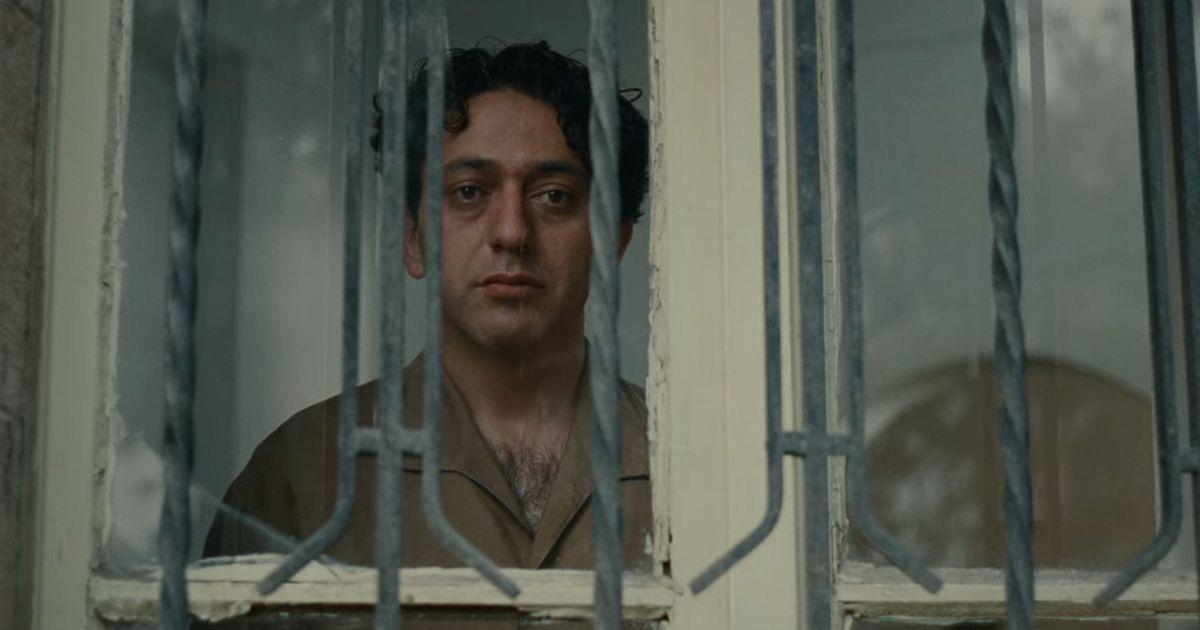
But what elevates Dhuin above homage is the acute internal struggle it depicts. Set during COVID lockdown, the film follows Pankaj (Abhinav Jha) as he works on his acting in a bedroom adorned with images of Hollywood stars, chafing against the much less glamorous reality of the home he shares with his financially struggling parents. He’s on the cusp of having enough money to fulfill his dream and move to Mumbai (where he hopes to advance his career), but several meetings with puffed-up filmmakers who are visiting from Mumbai give Pankaj a new perspective on the world he’s desperate to join. A testament to the torment of difficult choices, Dhuin also gently offers an alternative to the trope of abandoning home for the big city, suggesting that there might be greater beauty in the reality of where you’ve always been than the places you dream of.
The story
Pankaj is a small-town theatre actor with dreams of making it big in Mumbai. But faced with obligations to his family, which is under a deep financial strain post the lockdown, he is forced to weigh his dreams and make a choice.
A small-town actor struggles with family responsibilities amidst the pull of moving to the big city to live out his dreams.
Long takes and poetic compositions underscore the everyday beauty of the life Pankaj wishes away in Darbhanga, all while the film’s boxy 4:3 ratio and foggy backdrops evoke the sense of claustrophobia he feels there. The cinematography helps make a character of Pankaj’s hometown of Darbhanga, making this as much a reflection on the places that make us as on ambition.
That Close-Up reference hits hard.
The details


Who picked it

Farah Cheded is a UK-based curator at A Good Movie to Watch and a Rotten Tomatoes-approved freelance critic whose work has been published at outlets including The Playlist, Paste Magazine, and Film School Rejects. She lives in fear of the day she runs out of 'Columbo' episodes to watch.