
Rated 7+ IMDb · 70%+ RT Little-known finds Curated by humans
Rated 7+ IMDb · 70%+ RT Little-known finds Curated by humans
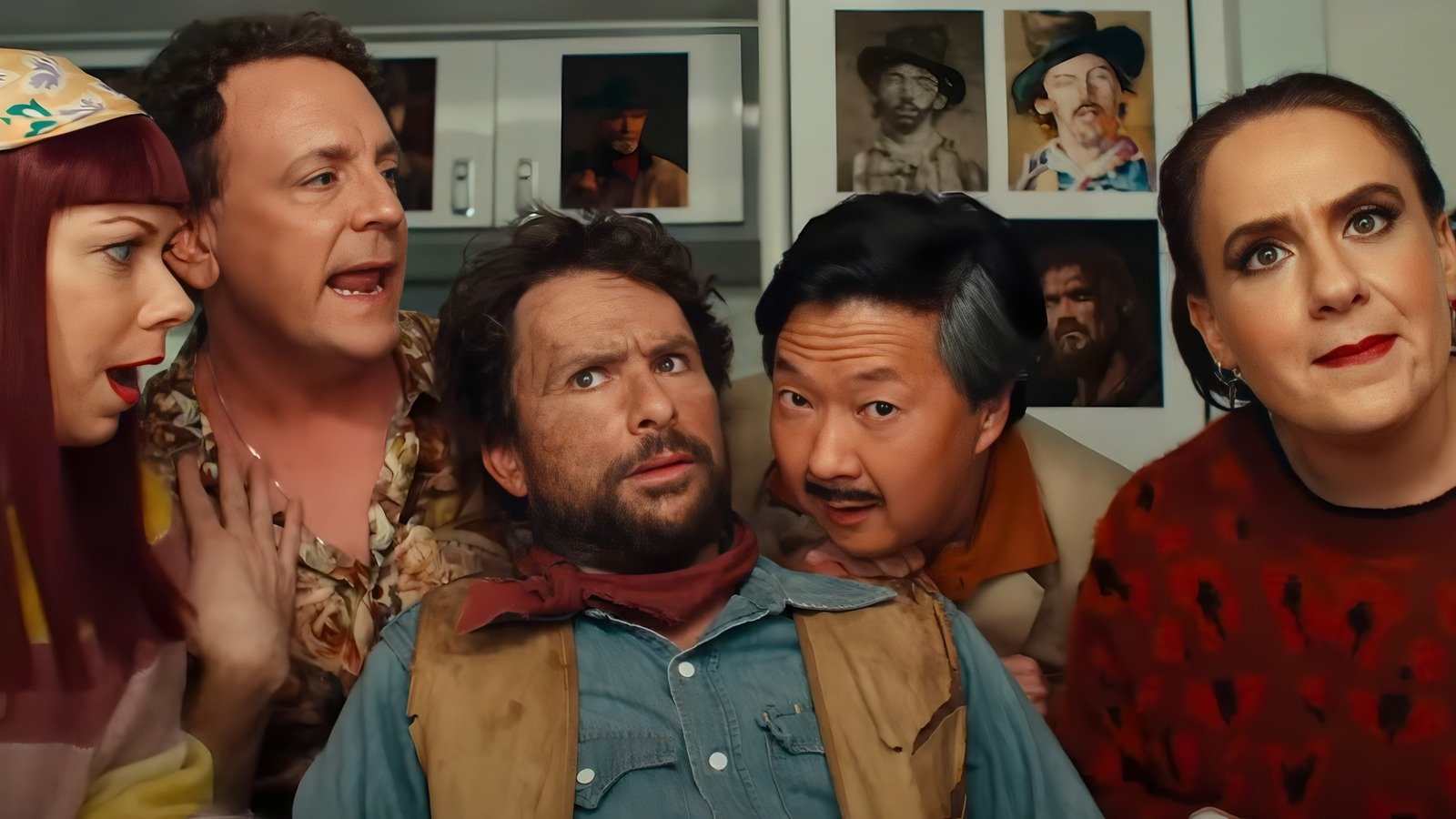 2023 Movie
Dir. Charlie Day · United States of America · English
A hollow, unfunny satire of Hollywood that can’t be saved even by its starry ensemble





An interesting premise quickly sputters out in Fool’s Paradise, writer-star Charlie Day’s misfire of a directorial debut. Day plays a down-and-out Charlie Chaplin-esque mute who happens to be a dead ringer for a difficult method actor (also Day) who’s stalling production on a Billy the Kid remake — and so he’s brought in by the movie’s producer (Ray Liotta) to star instead.
The rest of Fool’s Paradise follows in this vein, as things just happen to Latte Pronto (as he comes to be named). There’s wry satirical potential in this set-up: a lot can be revealed about someone (in this case, the self-serving stars, agents, and directors of Hollywood) by what they project onto a blank slate like Latte. The problem, however, is twofold: Fool’s Paradise doesn’t have anything especially sharp to say about the biz — and, in the absence of clever or indeed funny writing, the film’s weak center is exposed. Day’s wordless performance is understated to a fatal degree; presumably designed to highlight the ridiculousness of the Hollywood players he’s surrounded by, it only shows up the weakness of the material and the unfocusedness of some of the key supporting performances. Maybe the movie would’ve fared better had some of its other characters been silent instead.
A down-on-his-luck publicist discovers a recently released mental health patient who looks just like a misbehaving movie star. The publicist subs him into a film, creating a new star. But fame and fortune are not all they are cracked up to be.
A struggling publicist (Ken Jeong) and a mute man (Charlie Day) ride the rollercoaster of fame together when the latter is unwittingly cast as the lead in a big Hollywood production.
Fool’s Paradise becomes a much more engaging watch if you simply treat it as an exercise in pointing at the screen and saying, “I know them!”. The cast is layered with familiar faces, from Day’s It’s Always Sunny in Philadelphia cast mate Glenn Howerton to movie stars like Adrien Brody, John Malkovich, and the late, great Ray Liotta (in one of his final performances). There’s not much of worth for them to do here, but wondering who will pop up next is one of the few things lightening an otherwise grueling 90-something minutes.
A zinging satire of Hollywood excess, but not in the way it wants to be.

Farah Cheded is a UK-based curator at A Good Movie to Watch and a Rotten Tomatoes-approved freelance critic whose work has been published at outlets including The Playlist, Paste Magazine, and Film School Rejects. She lives in fear of the day she runs out of 'Columbo' episodes to watch.




Comments