
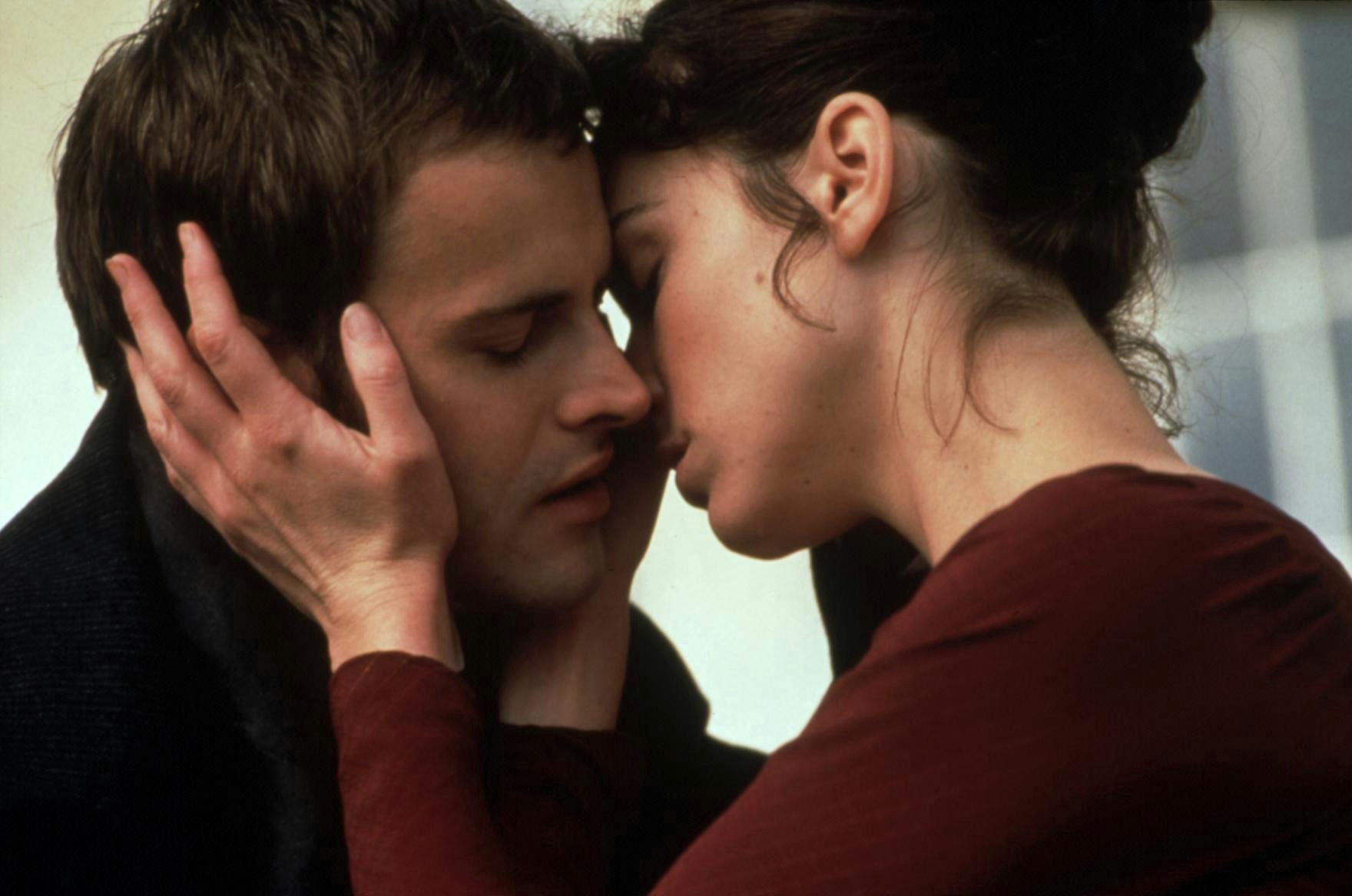
Our take
While better known for Pride & Prejudice, Emma, and Sense & Sensibility, Jane Austen wrote Mansfield Park, a novel that garnered differing critical interpretations, but still intrigued readers even today. The 1999 film adaptation does capture some of the original novel’s ideas, such as Fanny’s modesty, the Cinderella-like submissiveness as means for survival, and the quiet strength to remain as herself, but it also expands on certain elements that were mostly only alluded to in the original, such as the elements pulled from Jane Austen’s actual life and her own sympathies for anti-slavery. While the film isn’t fully faithful to the original novel and should be considered its own, Mansfield Park does retain some of the essentials that makes it distinctly Austen.
Streaming arrival
The story
Fanny Price is sent to live with her wealthy relatives, the Bertrams, where she is treated poorly by most except her cousin Edmund. Her life is complicated by the arrival of the worldly Mary and Henry Crawford.
Born to a poor family, Fanny Price is sent away to live with her wealthy uncle Sir Thomas and Lady Bertram, to improve her prospects. She’s unfavorably treated by the family, except for her cousin Edmund, however, this shifts when the family is introduced to the beautiful and worldly siblings named Henry and Mary Crawford.
A lot was changed. Purists beware.
It's not a terrible adaptation, and it's intriguing to know that Austen sympathized with the abolitionists, but it does feel a bit disjointed relegating it only as a subplot.
The details



Who picked it

Isabella Endrinal is a curator at A Good Movie to Watch. She's now free from the corporate night shift. Previous articles have been published in outlets such as NANG Magazine. She's currently catching up on some classic films… if she isn't coping with the fact that the Haikyu anime will end soon.