
Rated 7+ IMDb · 70%+ RT Little-known finds Curated by humans
Rated 7+ IMDb · 70%+ RT Little-known finds Curated by humans
 2026 Show
Nigeria · Yoruba
An underwhelming sequel series to the fantastical epic

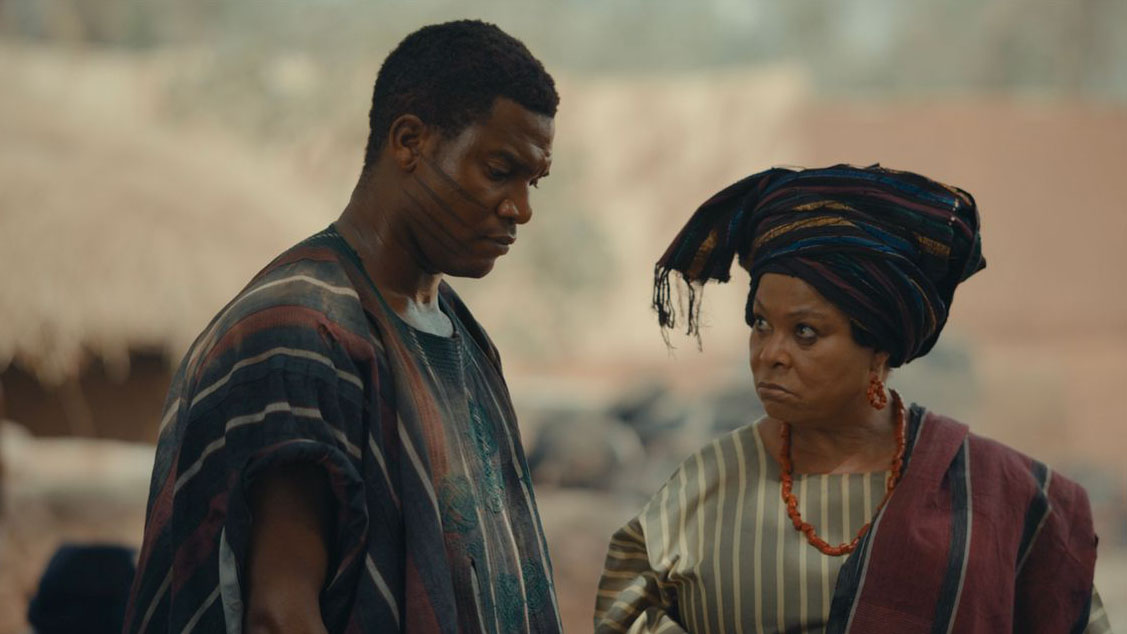
Following the success of the Aníkúlápó movie, Netflix Naija has followed up the fantasy film with a sequel series, Rise of the Spectre. Like the original film, it showcases Yoruba culture with its excellent production design, and incorporates some familiar fantastical elements, like Saro’s resurrection. The premise is also pretty interesting, as it directly deals with the spiritual consequences of the first film. However, the show has less of the resurrection powers being used, with less time seeing the fantastical crow that grants Saro’s powers, and more time dedicated to dialogue heavy scenes that are tough to follow without watching the first film. Aníkúlápó: Rise of the Spectre has less of the fantasy we hoped to see.
In a race against time to avoid a dismal fate, traveler Saro returns to Ojumo with orders to complete a nearly impossible task.
After resurrecting some villagers, cloth weaver Saro has died. However, an angel informs him that the resurrections caused a debt, and in order to enter heaven, Saro must return to Ojumo to give back the lives he has saved.
Aníkúlápó was said to be inspired by Game of Thrones for its fantastical and royalty elements, but the film was a tad too lengthy with its near two hour runtime, and plenty of plotlines. Rise of the Spectre tries to solve this, through expanding the runtime to expand on the plotlines, but the way the series structured doesn’t ease the length and the confusing way the plot is laid out.
Saro, you have a chance to be resurrected, and you spend nearly three years just chilling? Why did you want to live again?
Picked from what we cover, by how often these turn up alongside the same films and shows as Aníkúlápó: Rise of the Spectre.
As is sometimes the case with multi-genre shows, Paper Girls starts off slow and gives us a lot to process…

If you’re a fan of slow-burn mysteries and genre blends, you might enjoy Outer Range, a carefully paced mix of…

Isabella Endrinal is a curator at A Good Movie to Watch. She's now free from the corporate night shift. Previous articles have been published in outlets such as NANG Magazine. She's currently catching up on some classic films… if she isn't coping with the fact that the Haikyu anime will end soon.

Nice cinematography, noncohesive storytelling with lots of distracting scenes hence ultimately dragging the pacing and diluting the overall impact of the narrative. A more fitting title for the film could have been “Bashorun: The Rise of the Spectre” or a similarly evocative alternative