
Our take
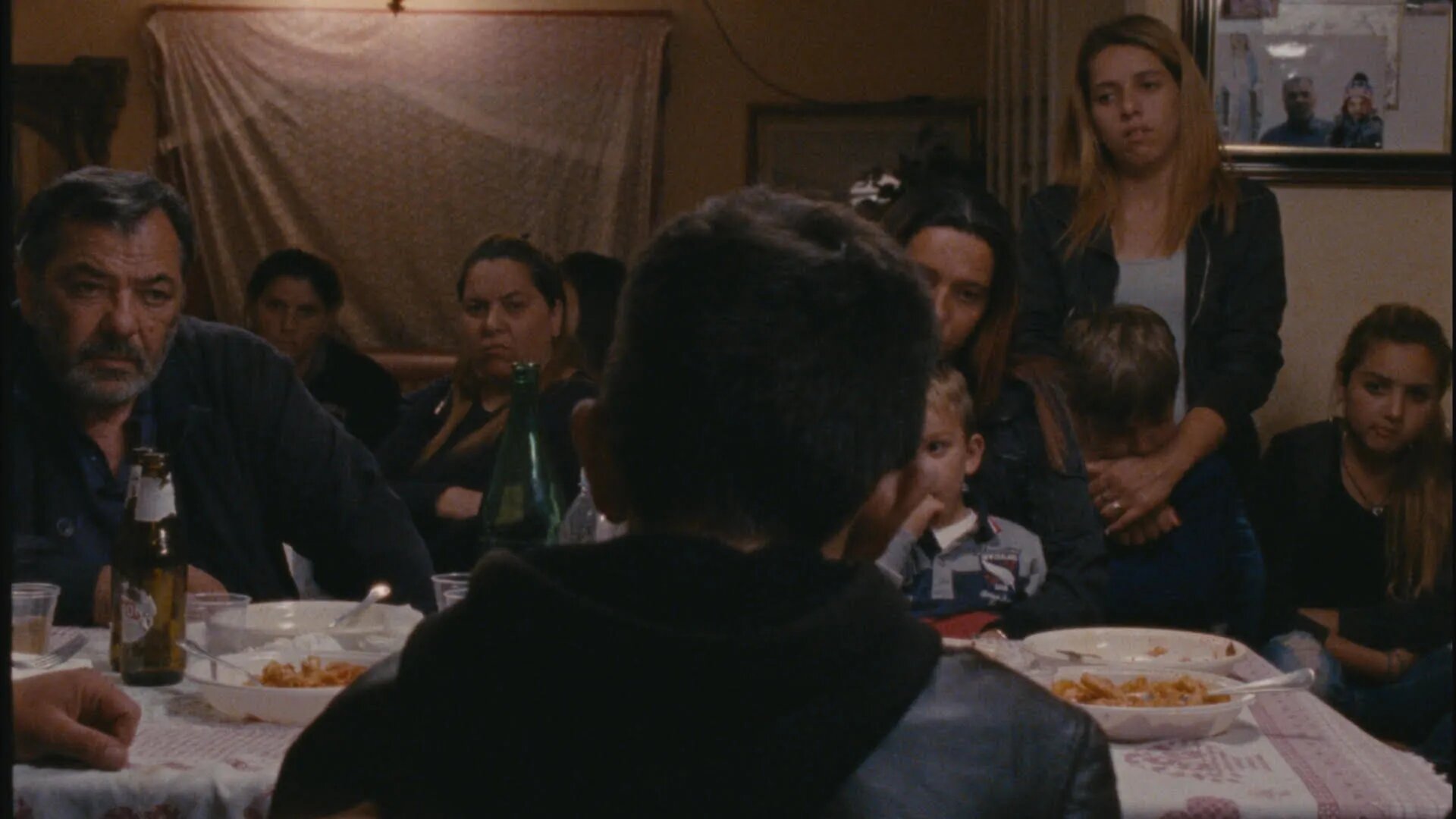
This fiery coming-of-age drama has an unlikely origin story: director Jonas Carpignano was first introduced to the sprawling Roma clan that makes up most of the movie’s cast when one of them stole his car while he shot another film. The charismatic Amato family made such an impression on him that he decided to center a movie around their real lives, naming it for the insular neighborhood they live in on the outskirts of a Southern Italian town.
The Amatos are part of a much-maligned ethnic minority, but not the only one in the film. The Ciambra pokes at the idea of solidarity between the Amatos and local African migrants: while his elders are quick to reject the idea, plucky 14-year-old Pio (Pio Amato) flits across these invisible borders and bonds with Ayiva (Koudous Seihon). But Pio is desperate to win the respect of the men in his family, who might then allow him to take part in their criminal exploits — a crisis point The Ciambra chronicles with raw emotion. This is a movie whose grit and bleakness often recall the uncompromising gaze of neo-realist classics, as a child is heartbreakingly forced to declare his allegiances in the dog-eat-dog world his elders can’t imagine an alternative to.
The story
Pio Amato, a 14 year-old member of a small Romani community in southern Italian town of Gioia Tauro in Calabria, is in a hurry to grow up. Pio follows his older brother Cosimo everywhere and from him he learns how to hustle and how to navigate the streets of his hometown. One night Pio sets out to prove to his brother that he is as good or better than him but, when things go wrong, a series of events will forever change the way he sees the world.
Elsewhere

"The textures and attention to detail enrich the familiar story beats."
— Josh Slater-Williams
Fourteen-year-old Pio stands on the precipice of becoming a man in the eyes of his family, but first, he must make a choice that will have devastating consequences, whatever he chooses.
The Amatos, non-professional actors who play fictionalized versions of themselves here. Tim Curtin’s verité cinematography (another highlight of the movie) echoes all the qualities the family brings to The Ciambra: vibrancy, authenticity, and intensity. Young Pio is naturally the standout amongst them, but, talented as he is, the film wouldn’t have the energy it does were it not for the collective dynamic his family brings to it. Together, they give the movie its magic sense of real insight — not to mention a goosebump-inducing credits roll.
With the seal of approval from none other than Martin Scorsese (who served as an executive producer), The Ciambra is a certified Good Movie to Watch™️.
The details



Streaming arrival
Who picked it

Farah Cheded is a UK-based curator at A Good Movie to Watch and a Rotten Tomatoes-approved freelance critic whose work has been published at outlets including The Playlist, Paste Magazine, and Film School Rejects. She lives in fear of the day she runs out of 'Columbo' episodes to watch.






"Italian neorealism is alive and well in the hands of writer-director Jonas Carpignano-a fairly textbook version of neorealism, at that."
— Jonathan Romney