
Rated 7+ IMDb · 70%+ RT Little-known finds Curated by humans
Rated 7+ IMDb · 70%+ RT Little-known finds Curated by humans
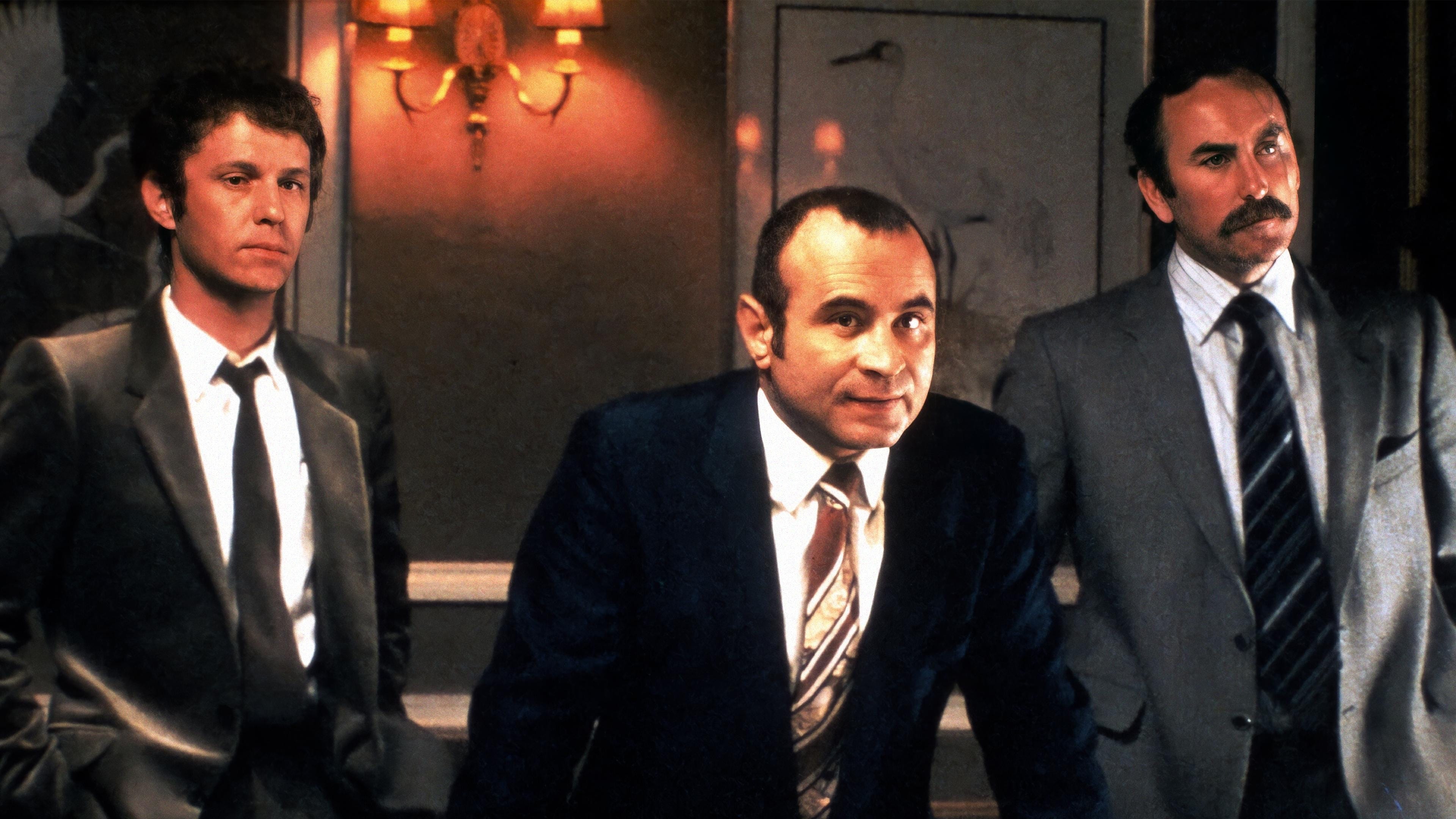 1980 Movie
Dir. John Mackenzie · United Kingdom · English, French
A bloody brilliant gangster drama that reexamines Britain’s past


Ostensibly, the Long Good Friday is about a London crime lord facing a series of unfortunate killings just as he was about to start his completely legal new business venture. Already the story works, since the question of who’s behind these assassinations drives the mystery of the story. It also helps that the crime lord is played by Bob Hoskin, who delivers an outstanding performance. However, this gangster drama works better with the historical context. On top of the usual corruption that allows organized crime to flourish, Harold Shand’s upcoming partnership with an American investor reflects the real life alliance between their two countries, while the manner in which he loses some men (and the title) echoes the Troubles in Northern Ireland. The Long Good Friday brilliantly combines both to examine Britain’s place in the world.
In the late 1970s, Cockney crime boss Harold Shand, a gangster trying to become a legitimate property mogul, has big plans to get the American Mafia to bankroll his transformation of a derelict area of London into the possible venue for a future Olympic Games. However, a series of bombings targets his empire on the very weekend the Americans are in town. Shand is convinced there is a traitor in his organization, and sets out to eliminate the rat in typically ruthless fashion.
In the late 1970s, Cockney crime boss Harold Shand, a gangster trying to become a legitimate property mogul, has big plans to get the American Mafia to bankroll his transformation of a derelict area of London into the possible venue for a future Olympic Games. However, a series of bombings targets his empire on the very weekend the Americans are in town. Shand is convinced there is a traitor in his organization, and sets out to eliminate the rat in typically ruthless fashion.

BAFTA
1 nom

LAFCA
1 nom
Picked from what we cover, by how often these turn up alongside the same films as The Long Good Friday.

Dir. Graham Moore
The Outfit doesn’t need to do a lot to be as sleek and surprising as it is. In fact, much…
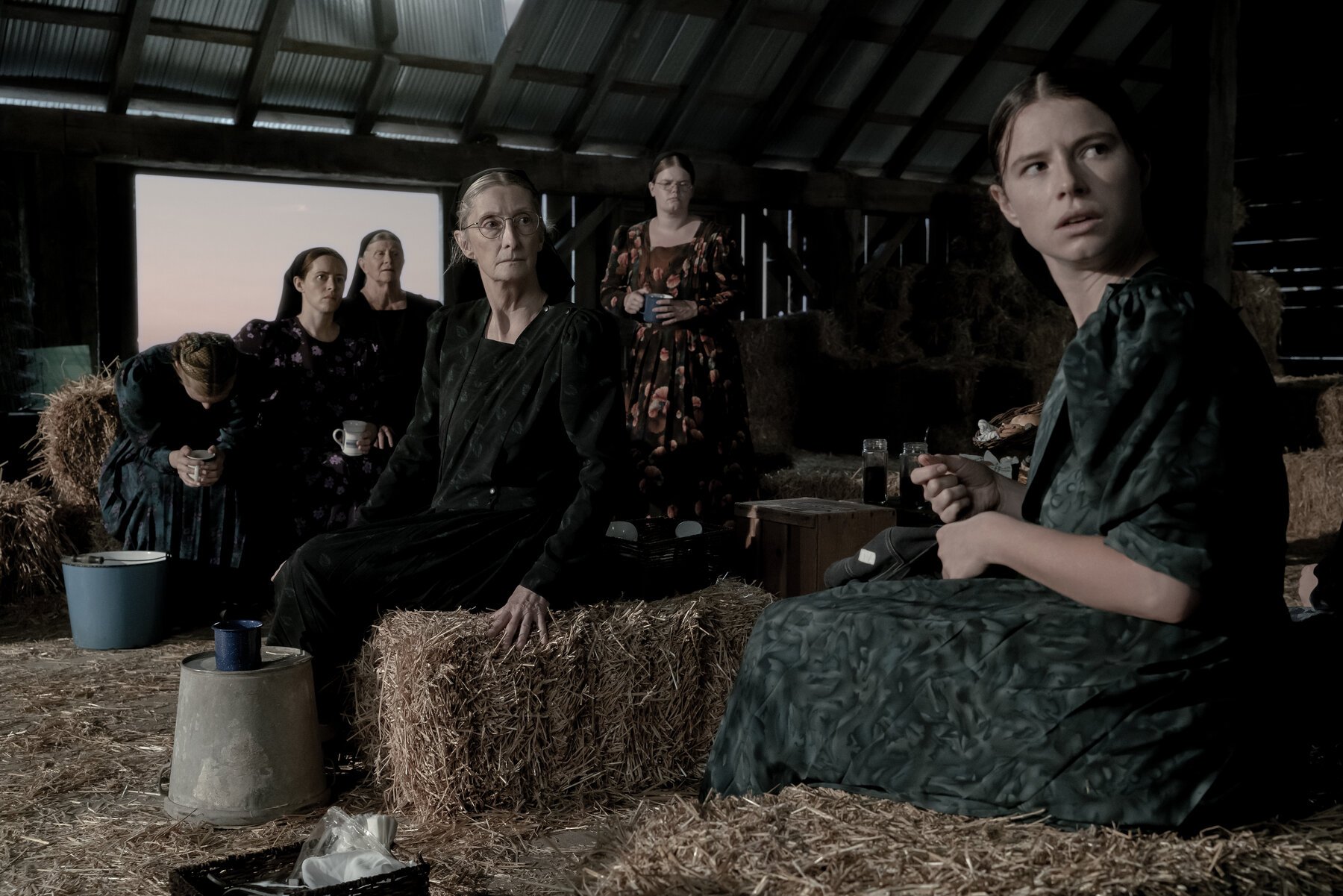
Dir. Sarah Polley
Not much happens in Women Talking, but what it lacks in action it more than makes up for in message.…

Dir. Jafar Panahi
You can probably predict from the title that an accident starts this thriller but what happens after is totally unexpected.…

Dir. Justin Kurzel
Real life serial killers are interesting to see on screen because the very crime they committed is so unusual, that…

Isabella Endrinal is a curator at A Good Movie to Watch. She's now free from the corporate night shift. Previous articles have been published in outlets such as NANG Magazine. She's currently catching up on some classic films… if she isn't coping with the fact that the Haikyu anime will end soon.


Comments