
 2023 Movie
Dir. Wes Anderson · Germany, United States of America · English
A luminous, life-affirming foray into the cosmic wilderness delivered with all the visual splendor we expect from Wes Anderson
After experimenting with multiple storylines in The French Dispatch, the inimitable Wes Anderson goes one step further with the mind-bendingly meta Asteroid City. Framed as a TV documentary about the making of a play, Asteroid City’s Russian doll setup reflects the neurosis of its period (the Cold War-struck ‘50s), art-making, and the intimidating vastness of outer space.
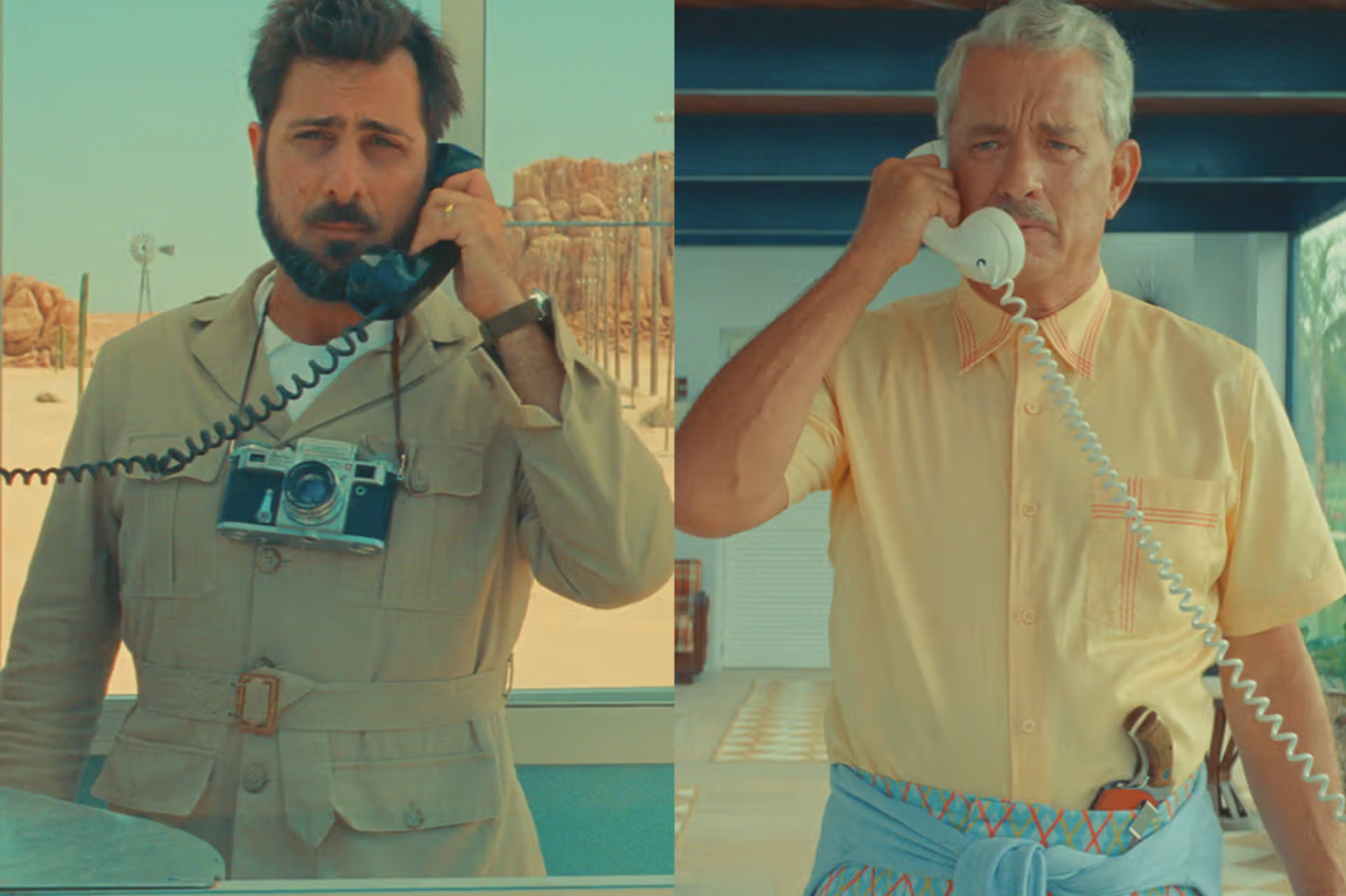
The play takes place in a tiny desert town where atom bomb tests routinely rattle the doorframes and where a convention for young geniuses is being held, attended by a host of typically idiosyncratic characters (played by Jeffrey Wright, Tilda Swinton, Tom Hanks, and many, many more). Still, it retains a central focus: the grief of new widower Augie (Jason Schwartzman) and his kids, and the connections he and his son (Jake Ryan) forge with a visiting actress (Scarlett Johansson) and her daughter (Dinah Campbell). Asteroid City draws much of its poignancy from this story (and its behind-the-scenes goings-on), as these people stare into the cosmic wilderness and a future without their loved one. Shot in gorgeous bleached postcard tones and full of the imaginative flourishes we’ve come to expect from Anderson, this is a profound rumination on existential angst that miraculously finds hope amidst all its characters’ nihilism.
In an American desert town circa 1955, the itinerary of a Junior Stargazer/Space Cadet convention is spectacularly disrupted by world-changing events.

"The notion of a perfect movie is absurd, but some movies attain an ideal synthesis of the director’s body of work. Wes Anderson’s latest, “Asteroid City,” is one such film."
— Richard Brody

"Anderson’s overarching scenario is secondary to the scene-by-scene pleasures of his comic-sketch style and variety-revue treatment of his starry ensemble cast."
— Nick Bradshaw
Attendees of the 1955 Junior Stargazers’ Convention are given an unexpected opportunity to grapple with the terror and wonder of infinity when a surprise visitor drops in.
The visuals (obviously) — but also the meeting of Asteroid City’s two storytelling strands. Late on in the film, Jones Hall, the actor playing Augie, breaks character and bursts through a hidden set door to vent his despair at not understanding the play to its director (Adrien Brody). During this excursion into the movie’s black-and-white behind-the-scenes world, Jones also unexpectedly meets a would-be castmate who was unceremoniously cut from the play (a cameo we won’t spoil). The two have a profound discussion about their characters, one which not only unlocks the character of Augie for Jones, but also delivers an abrupt gut-punch of emotion to us in the audience. Anderson’s movies are often accused of having style over substance, but scenes like these — which use their form to magnify their content, melding together the emotions within the art and the emotions of the art-makers in one expert flourish — ought to single-handedly put paid to those arguments.
Wes Anderson’s pictures always come out.

Cannes
1 nom

Farah Cheded is a UK-based curator at A Good Movie to Watch and a Rotten Tomatoes-approved freelance critic whose work has been published at outlets including The Playlist, Paste Magazine, and Film School Rejects. She lives in fear of the day she runs out of 'Columbo' episodes to watch.
Comments