
Rated 7+ IMDb · 70%+ RT Little-known finds Curated by humans
Rated 7+ IMDb · 70%+ RT Little-known finds Curated by humans
 1993 Movie
Dir. Rolf de Heer · Australia, Italy · English
A controversial, off-putting, yet surprisingly optimistic indie drama
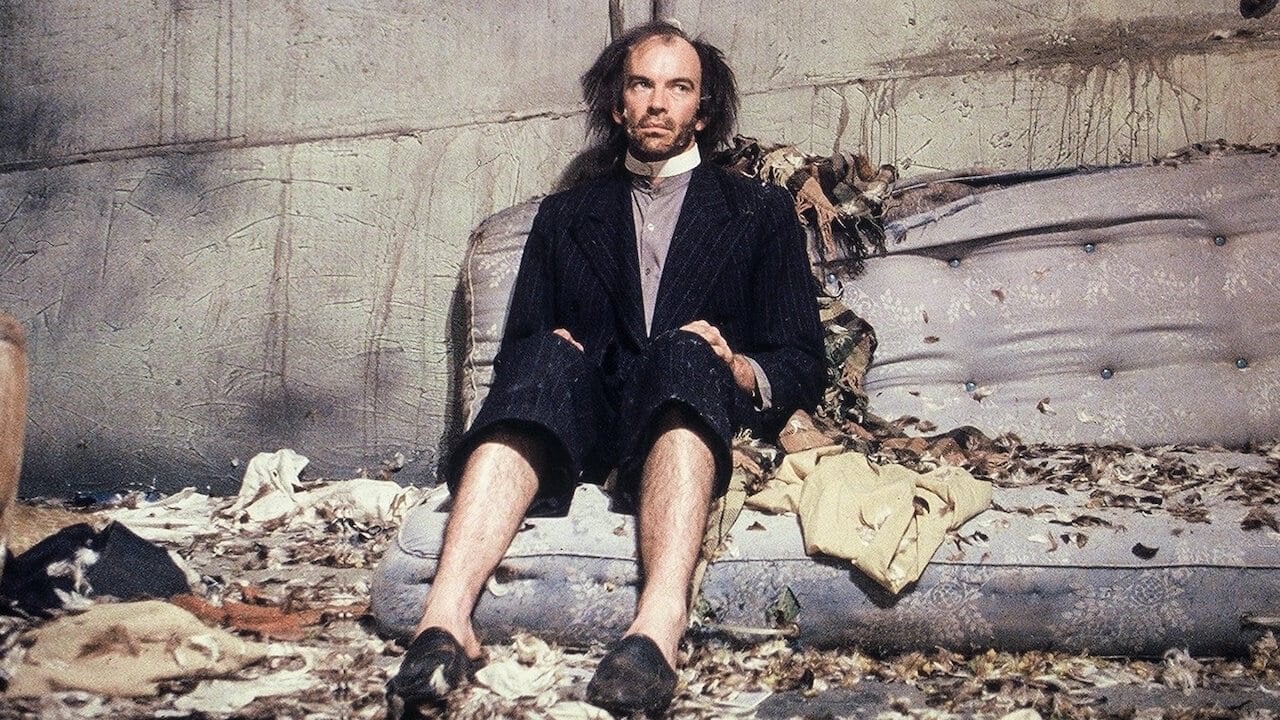
Bad Boy Bubby is not an easy watch. Within the first ten minutes, the indie drama seemed to be one of those films created only to provoke the viewer, and not much else. We won’t deny that the intro is provocative– in fact, we’re warning you outright that it includes domestic violence, abuse towards the disabled main character that’s implied to have started since childhood, and the killing of a cat– but with such a harrowing introduction, Bubby being thrown into the wider world actually becomes something optimistic. His escape is written to be full of possibilities, the possibilities that we ordinary folk take for granted, but possibilities nonetheless. There’s nowhere to go but up, for him. Writer-director Rolf de Heer matches this unusual characterization with unusual style, with 30+ cinematographers shooting with different styles as Bubby learns from each person he meets, and with the binaural audio recorded to simulate what Bubby would actually hear. It makes for a very weird, experimental film, but Bad Boy Bubby also reveals to be a surprisingly hopeful drama that celebrates the goodness of ordinary life.
Bad Boy Bubby is just that: a bad boy. So bad, in fact, that his mother has kept him locked in their house for his entire thirty years, convincing him that the air outside is poisonous. After a visit from his estranged father, circumstances force Bubby into the waiting world, a place which is just as unusual to him as he is to the world.

"Ultimately, this dark mirror on the world provides an extraordinary panorama of humanity and the environment in the 1990s."
— David Stratton
After being kept prisoner in his squalid childhood home for 35 years, Bubby, a mentally challenged man, accidentally kills his parents with cling wrap and escapes into the real world.
Please be assured that the cat killed by cling wrap on the film was simulated, and the filming of these scenes were carefully monitored by a veterinarian and an animal cruelty inspector on set.
It’s like a low-budget, yet much more horrific, cousin of Poor Things.

Venice
3 wins

Isabella Endrinal is a curator at A Good Movie to Watch. She's now free from the corporate night shift. Previous articles have been published in outlets such as NANG Magazine. She's currently catching up on some classic films… if she isn't coping with the fact that the Haikyu anime will end soon.
Comments