
Rated 7+ IMDb · 70%+ RT Little-known finds Curated by humans
Rated 7+ IMDb · 70%+ RT Little-known finds Curated by humans
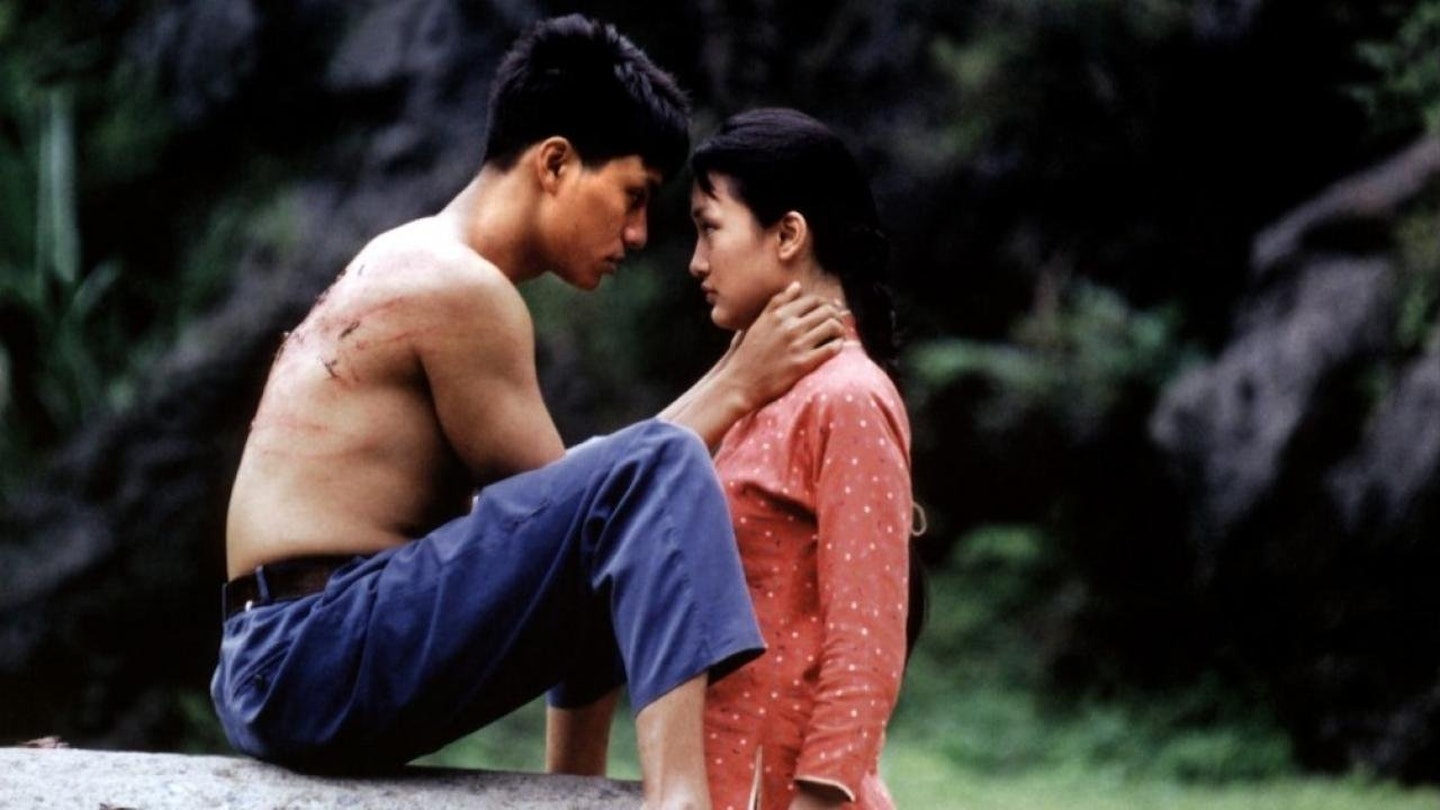 2002 Movie
Dir. Dai Sijie · China, France · Mandarin
Two boys bond with the village seamstress through banned books in this coming-of-age historical drama
When plucked out of your cushy, city life to labor on rural farmlands, it’s a tough change. It would have been a terrible one for Luo Min and Ma Jianling, if it wasn’t for Balzac and the Little Chinese Seamstress. Rather than depict this transfer policy as pure drudgery, the film depicts it as somewhat of a nostalgic summer romance in warm-tone shots and casual slice-of-life moments inspired by the semi-autobiographical novella written by writer-director Dai Sijie himself. It probably felt that way to his generation as well. But make no mistake. Sijie subtly pokes fun at the censorship the ways teenagers would do, that is, by saying what adults would like them to say, but doing exactly what they were told not to, anyway. That being said, there is a bit of a Western bias here– the banned books are Western, after all, and the two boys sharing French embroidery and sewing patterns seemed to be a strange plot point– but Balzac and the Little Chinese Seamstress warmly depicts his generation without losing sight of the drastic changes they had to go through.
During the Cultural Revolution, two young men are sent to a remote mining village where they fall in love with the local tailor's beautiful granddaughter and discover a suitcase full of forbidden Western novels.
Sichuan province, early 1970s. After being sent to a rural town for re-education, two city boys, Luo Min and Ma Jianling, fall in love with the village tailor’s granddaughter known to everyone as the Little Seamstress. The three find solace in their collection of banned translated novels from Western authors.
Zhou Xun. She is so captivating to watch that when she suggests stealing the illegal books, it’s no surprise the two boys do so.
Given that the two look back at this time fondly, it’s not against the Down to the Countryside Movement– there’s a sense that the policy does have some benefits in terms of sharing knowledge and connecting urbanites with country folk. It’s more anti-censorship, really, and given the way the party acknowledges the Cultural Revolution, it seems like they agree, to a certain extent.

Cannes
1 nom

Golden Globes
1 nom

Nat. Board of Review
1 win

Isabella Endrinal is a curator at A Good Movie to Watch. She's now free from the corporate night shift. Previous articles have been published in outlets such as NANG Magazine. She's currently catching up on some classic films… if she isn't coping with the fact that the Haikyu anime will end soon.
Comments