100 Best Foreign Movies on Plex Right Now
Updated
When you can stream films for free, all in exchange for a few ads, it can be hard to believe that this wouldn’t come with some drawbacks, like only having a few films available in the library. Yet, the streaming service Plex is able to do this, being the first and only streaming platform to offer movies, shows, and live TV together for free. Some of the films in their library come from all over the world, so for viewers wanting to watch something outside their comfort zone, without having yet to shell out some money, here’s some of the best foreign films available to stream on Plex:
How we make these lists
No AI. No algorithms.
We are 100% human-curated. Everything you see here has been handpicked by a team of experts.
At least 7/10 on IMDb
So you know they are appreciated by viewers, not just high-brow critics.
At least 70% on Rotten Tomatoes
We combine this with the IMDb bar to keep only the best of the best.
We have grouped the list by country of origin, biggest first. Use the menu to jump around.
The Best Foreign Movies from France 19 titles

Saint Omer (2022)
Nothing about Saint Omer is easy. A female Senegalese migrant (Guslagie Malanga) is put to trial for committing infanticide, but throughout the film, it becomes clear how much of a victim she is too, of an uncaring and deeply prejudiced society. “What drove her to madness?” Her attorney asks at one point. We’re not sure. We’re not necessarily asked to side with her, nor answer the many hard-hitting questions brought up in the film, but we sit with the uneasiness of it all and, in that silence, confront our ideas about motherhood, womanhood, personhood.
This confusion is what makes the film so compelling. Despite the court’s best efforts, Laurence isn’t meant to be understood. She’s meant to be an example of the ever-ambiguous, forever-complicated, always-hurt person. It’s human nature after all to be this complex and messed up. The film shows us that the best that we can do in situations like this is to listen, understand, and as our protagonist Rama (Kayije Kagame) does, make peace with the noise.

BPM
Autobiographical in nature, 120 BPM is French screenwriter Robin Campillo’s first feature film. It revolves around the Parisian chapter of the AIDS advocacy group ACT UP, which Campillo was a member of in the early 1990s, and the love between Nathan, the group’s newest member, who is HIV negative, and Sean, one of its founding and more radical members, who is positive and suffers the consequences of contracting AIDS. Using fake blood and spectacular direct action, ACT UP advocated more and better research of treatment, prevention, and awareness. This was at a time when many, implicitly or explicitly, viewed AIDS as a gay disease, even as a punishment for the gay community’s propensity to pleasure and partying. The latter is reflected by the film’s title, 120 bpm being the average number of beats per minute of a house track. Arnaud Rebotini’s original score echoes the ecstasy-driven house music hedonism of the time with some effective original cuts, albeit with a melancholic streak. Because, for all the love, friendship, and emotion of the ACT UP crew that BPM so passionately portrays, anger and sadness pervade the lives of these young people as the lack of effective treatment threatens to claim the lives of their loved ones.

Ne le Dis à Personne (Tell No One) (2006)
Francois Cluzet, who you may remember from The Intouchable, plays a man whose wife is killed and is accused of murdering her. To make matters even more confusing, signs that his wife is actually still alive surface. This well thought out thriller is at all times the furthest thing from boring and has, among other great components, well crafted chase scenes as the protagonist looks for 8 years of unanswered questions.

Delicatessen (1991)
From the brilliant minds of Jean-Pierre Jeunet and Marc Jano comes a utopian vision for the ages. After having worked together before on the short sci-fi film The Bunker of the Last Gunshots, the duo-turned-longtime-collaborators pick it up a notch in one of the best dark comedies to come out in the 90s.
In Delicatessen, Jeunet and Jano disguise the wretchedness of modern society in a post-apocalyptic world where food is the global currency, given how scarce it’s become. We follow Louison (Dominique Pinon), an everyday man who falls in love despite all the hubbub and squalor surrounding him. But nothing comes in the way of love, and instead of discovering a salve, he encounters a snag, one that pulls him deeper into society’s most complex ethical dilemmas.
Many films have already been made about inequality and hierarchies, but none have been quite as darkly funny and unapologetic as Delicatessen.

From Ground Zero (2025)
From Ground Zero doesn’t have the most number of shorts within an anthology film, though it comes pretty close with 22 segments, ranging from 3-6 minutes from different directors in Gaza. That’s a lot of shorts, with not a lot of time for each story. Most anthologies tend to be a set of three, but given the media suppression, the more, the better it gets at capturing life in the area. Every short balances the other in tone, style, and in approach. It’s harder to deny the truth it portrays, not with this many shorts, and this many eyes, on the ground.

Mars Express (2023)
The premise of Mars Express may not be novel, especially when films like Blade Runner have already gracefully explored the philosophical ramifications of the human-tech conflict. But the French animated movie’s richly built world, (digitally) hand-drawn characters, genuinely gripping action, and far-reaching ideas about space make it a refreshing watch. The plot is taut and tight, too, peppered with twists and grounded by character depth. It may look simple at first glance, predictable even, but by the end, you’ll be over the moon by the film’s imagination and ambition.

Last Film Show (2022)
Like many coming-of-age films about films, it’s easy to assume that Last Film Show would be a derivative of all-time film classic Cinema Paradiso. Both films from opposite corners of the world, separated by more than three decades, do share that awe of cinema from a projection booth. However, unlike Paradiso, the awe of Last Film Show is also tempered by the rural poverty its young protagonist faces. Samay learns projection from a film booth, and learns community is formed through the screen, but he also learns it through snatching the few reels that passes through their village, manually experimenting with scrap material, and recreating the same light and shadows through its fundamentals. These scenes are precocious because of the children, but it makes for a more interesting take, because Samay’s journey proves that cinema truly is worth saving, even without the money. It’s undeniably awe-inducing with Pan Nalin’s stunning shots and semi-autobiographical story.

Smoking Causes Coughing (2022)
At 80 minutes, Smoking Causes Coughing is another slice of perfectly paced absurdist fun from Quentin Dupieux, the zany mind behind Rubber (in which a car tire turns serial killer) and Deerskin, the tale of a motorcycle jacket that wants to rule the world. This time around, the protagonists aren’t inanimate objects: they’re Tobacco Force, a Power Rangers-style band of lightly idiotic superheroes who harness the toxic power of cigarettes to defeat Earth’s enemies, and are each named after one of their harmful components (Benzene, Nicotine, Mercury, Ammonia, and Methanol). They’re led by Chief Didier, a rat who inexplicably dribbles green goo — and, even more inexplicably, casts an intense erotic spell over Tobacco Force’s female members.
Smoking Causes Coughing leans deliriously, hilariously far into its absurdist premise. Citing a lack of “group cohesion,” Chief Didier sends the Force to the woods on a team-building retreat. While they swap “scary” stories over a campfire, however, a reptilian galactic supervillain plots to put Earth “out of its misery” because it’s a “sick planet” (can’t really argue with that). Full of insane plot twists and without a tired trope in sight, Smoking Causes Coughing never approaches the realm of predictability — no small achievement in this era of superhero fatigue.

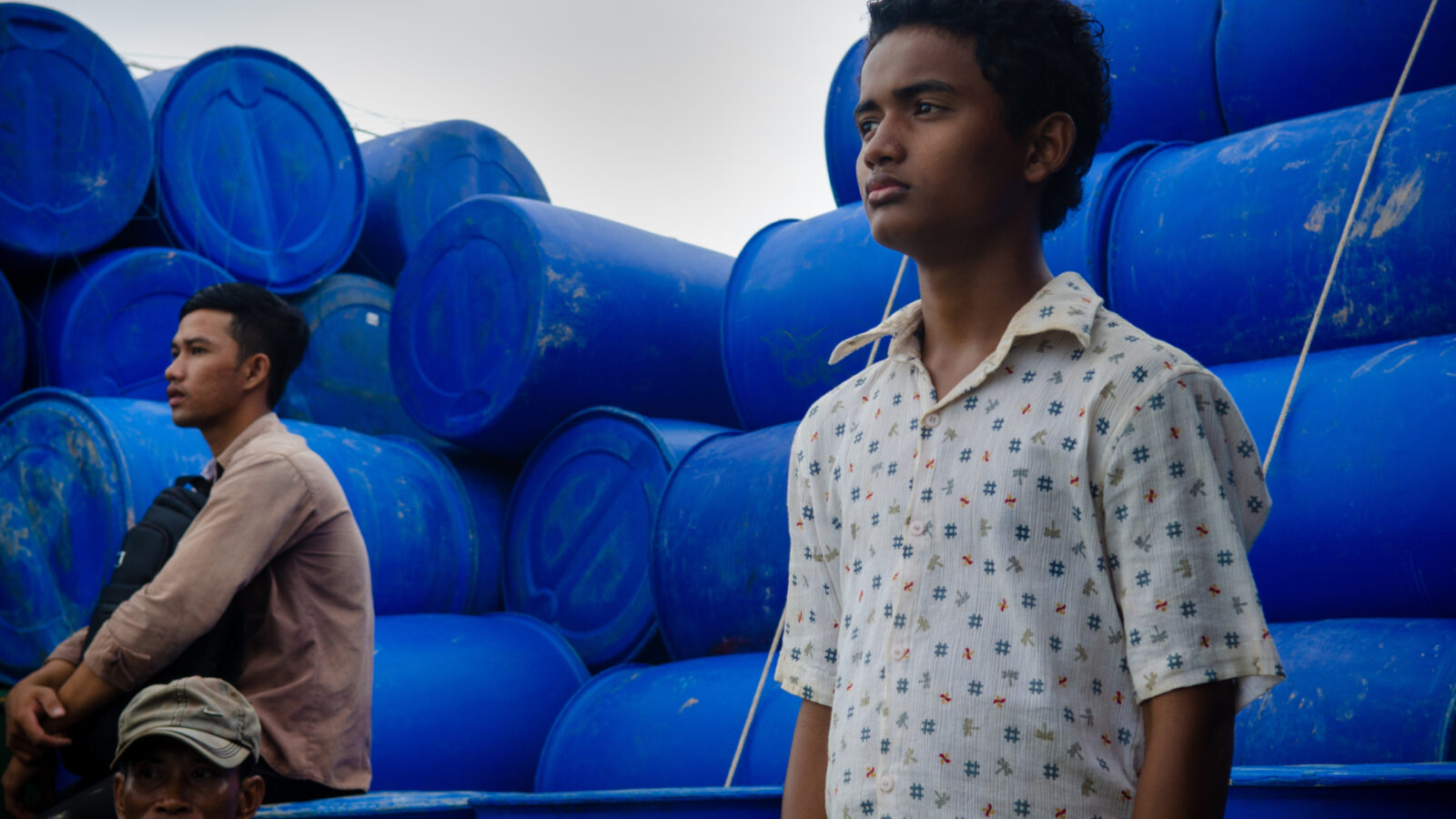
Cairo Conspiracy (2022)
When he’s accepted into the prestigious Islamic university Al-Azhar, fisherman’s son Adam (Tawfeek Barhom) gets an eye-opening education — but not the kind he expected. A place associated with notions of purity is imagined as a hotbed of hypocrisy and corruption here, as naive young Adam finds himself unwittingly embroiled in a state plot to seize control of Al-Azhar (because, as one government official puts it, “We can’t accept having two pharaohs in the land”). Cairo Conspiracy’s intricate plot confronts monsters in government and strips away religious leaders’ veneer of divinity as a reminder that they’re merely fallible men. What’s more, the film grapples with the knotty mess of politics raging inside the institution’s walls in such a way that even its palatial courtyard feels claustrophobic. Rife with paranoia and subterfuge, Cairo Conspiracy feels utterly unique thanks to this skillful transposing of the shadowy machinations of courtly intrigue dramas and ’70s paranoid thrillers into a very contemporary Egyptian setting.

Little Girl (2020)
It would be understandable if it only occurs to you midway through that Little Girl isn’t actually a narrative feature but a gorgeously made documentary. Director Sébastien Lifshitz approaches his main character of Sasha not just with respect and empathy for her identity, but with a dedication to bring out the euphoria of feeling comfortable in one’s skin. As a result, Lifshitz seems to intentionally avoid any and all scenes where Sasha may face discrimination (especially at school), but even if this choice occasionally make the material feel thin, getting to see Sasha gradually learning to express herself more—or even just just seeing her enjoy a quiet moment on her own—is more precious than anything.

Yuni (2021)
Education is a human right, but for many girls around the world, this isn’t necessarily guaranteed– especially if they want to learn past the required years of basic education. Yuni is a coming-of-age drama that depicts a girl in West Java, Indonesia who wants to go to university, but due to the marriage and virginity culture in the area, her main problem isn’t having to pass the entrance exams, or figuring out how to get financial aid. Instead, it’s having to fend off marriage proposals that clearly don’t come from a place of love. Writer-director Kamila Andini depicts the titular protagonist with the freedoms rarely granted to a girl like her, with the happiness and belonging all girls should be able to find solace in, but she also depicts the casual ways oppression lingers in the background, with society just waiting to kill women’s dreams, hopes, and personal goals. Yuni is an honest and powerful portrait of many women around the globe.

It Was Just an Accident (2025)
You can probably predict from the title that an accident starts this thriller but what happens after is totally unexpected. Of course, a car accident requires a visit to the auto mechanic, but in this film, this car check-up ends up becoming an unintended encounter with unexpected consequences. That’s because the mechanic recognizes the customer’s peg leg, the very same leg that he’s heard while being tortured in prison. Everything that happens, then, is a result of that past. Part of it is actually funny, with the tragicomedy poking fun at how totally unprepared Vahid is to enact his revenge, to the point he’s not even 100% sure he got the correct man. Still, however messy it gets, It Was Just An Accident never forgets the wrong that’s been done, and highlights the reparations Vahid and his fellow inmates should’ve gotten.

Macadam Stories (2015)
This dark French comedy is set in a neglected building in a working-class neighborhood. The elevator breaks and every tenant agrees to pay to fix it, except for the person who lives on the first floor. The neighbors go through with the reparations without the first-floor tenant, on the condition he never uses the elevator. Everything is fine until an incident puts him in a wheelchair.

Long Way North (2015)
There isn’t a single moment of unnecessarily exaggerated emotion or comedy in this French-Danish animated film, which may keep its world very small compared to its peers, but it portrays everything with arguably more depth and beauty. Long Way North moves with a stately pace, giving it more dramatic heft and allowing us to take in all of the film’s painterly surfaces and soft silhouettes. But it’s not just the art style that sets the film apart; it also avoids what we expect from a traditional adventure, keeping the most important character beats private and internal. This may make the movie feel a little more distant than it should be, but the feeling that it leaves you with is undeniable—a sense that everything is connected, and those who are lost will always find a way home.

Ashkal: The Tunisian Investigation (2023)
Ashkal takes an audaciously hybrid approach to genre: it’s part-noir, part-supernatural thriller, and full political allegory. The investigation at the center of this slow-burn Tunisian police procedural is a gripping one, as burnt naked bodies keep turning up in abandoned construction sites in Tunis with no trace of a struggle or even a combustible on them. In post-revolution Tunisia, the deaths are an uncomfortable reminder of recent history: it was a young Tunisian man’s self-immolation that sparked the Arab Spring, after all.
The revolution’s complicated legacy looms over the film, as we watch the country’s Truth and Dignity Commission begin its work of uncovering the former government’s corruption and abuses. Ashkal’s two protagonists — the young Fatma (Fatma Oussaifi) and her more seasoned police partner Batal (Mohamed Grayaa) — find themselves on opposite sides of that political divide, he having been implicated in the abuses of power that are now being investigated by Fatma’s father. There are fascinating elements at play here, and the results of Ashkal’s ambitious genre experiment are mostly inspired. Much of the film’s energies are spent on building a paranoid atmosphere — efforts that can, at times, frustratingly slacken the tension — but its fantastical touches tauten things up enough to make it a haunting political commentary in the end.

Breathe (2014)
Mélanie Laurent both directed and wrote this, her fifth movie.
She offers an impressive display of deft film-making and honest, insightful storytelling. Charlie is a teenage high school student, there’s seemingly nothing unusual about her. When Sarah, a Nigerian girl, joins her school, they quickly form a transformative friendship.
Breathe sometimes veers to darkness, which helps to make its portrayal of the bond between two teenagers genuine, and unexpectedly fun.

He Loves Me… He Loves Me Not (2002)
With plenty of old men having extramarital affairs, taking advantage of younger women and leaving them forlorn in love, it can feel deceptively easy to take sides in the first forty minutes of He Loves Me… He Loves Me Not. Who wouldn’t side with Angélique, especially with the innocent, childlike face of Audrey Tautou? And yet, when the twist occurs, the film fills the gaps in totally unexpected ways, gradually escalating to a terrible and sad conclusion about this seemingly romantic girl. It’s hard to further talk about He Loves Me… He Loves Me Not without getting into spoiler territory, so if this is the first time you’ve heard of the movie, go and watch it without any context.

Tales from the Golden Age (2009)
Stories are only called tales when they can’t be called true. Of course, it’s easy to give that designation when the story in question has magic, myth, and morals. But the six shorts comprising Tales from the Golden Age could mirror the mishaps that could happen anywhere, specifically under a regime steadily losing its hold to incompetence, corruption, and greed. It just so happens that pointing these mistakes out was forbidden at this particular time. Linking these humorous incidents under the last 15 years of Nicolae Ceaușescu’s rule, the film pokes fun at the chaos of this time, cheekily claiming deniability by calling all six shorts urban legends.

Coup de Chance (2023)
The humor, oh the humor! It’s a breath of fresh air to be laughing with a Woody Allen film and not at it. He is so good at capturing the cheekiness in meet-cutes, secrecies, and lies, all powdered with exaggerated Frenchness. Forgive my surprised tone, but Coup de Chance surpasses all expectations in the way it turns a rather banal plot into an entertaining game of cat and mouse, without overstepping the boundaries of good taste. In developing a story about female infidelity (or all infidelity, for that matter), one can be overly moralistic just to squeeze out laughs and empathy from the viewer, but Allen refrains from all those cheap tricks. His script is tight and at times ridiculously funny. Whether or not you get behind Fanny and her convoluted ways of seeking happiness, Coup de Chance will offer you plenty of instances to better understand the character in a constellation of other people, who are equally affected by her decisions. In a way, the film is a comedy of ethics as well — something the American director hasn’t successfully done in a long, long while.
The Best Foreign Movies from Japan 14 titles

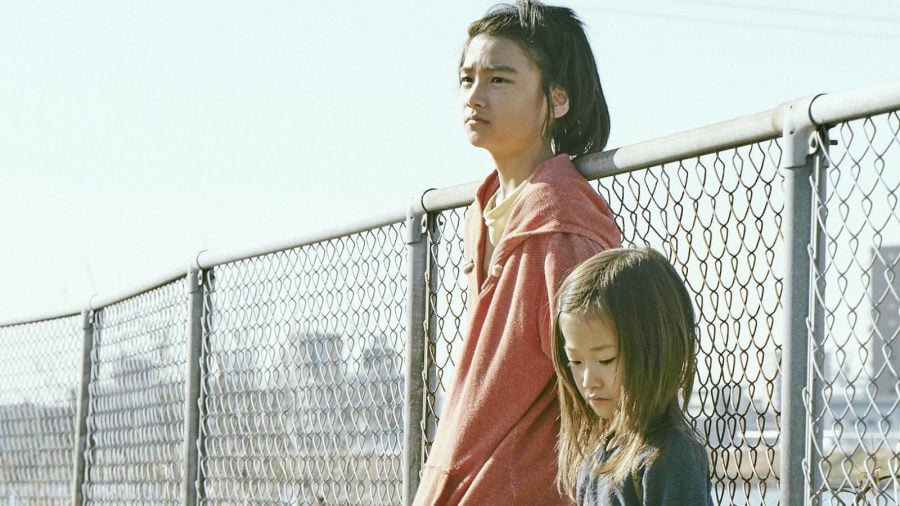
Shoplifters (2018)
The title of this 2018 Palme D’or winner is not to be taken metaphorically: Shoplifters is about a marginalized family of day workers, crooks, and small-time outlaws, who live on the fringes of Japanese society. Osamu (Lily Franky) and Nobuyo (Sakura Andô) both have jobs but spruce up their low-wage income by committing petty crimes. One day in winter, Osamu takes in a bruised girl he finds outside in the cold and introduces her to the family in his ramshackle house. But when the second-youngest member of the family, Shota (Kairi Jyo), finds himself teaching her how to shoplift, he faces a moral dilemma that threatens to unravel the family’s fabric. If you were hitherto unfamiliar with the unique storytelling and social realism of Hirokazu Koreeda, we really recommend checking it out—as well as his other movies, namely, Still Walking, Like Father, Like Son, I Wish, and After the Storm. His 2018 outing features the last ever performance of Kirin Kiki, who plays the elderly matriarch and passed away that same year. Like many of Koreeda’s works, Shoplifters is an understated, beautiful, and mysterious study of the effects of poverty and trauma and a delicate portrait of a family in Japan’s urban underbelly.
Departures (Okuribito) (2008)
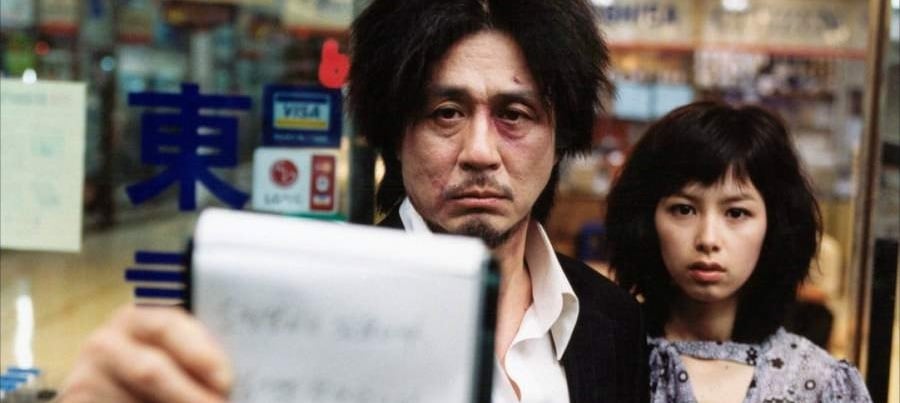
In 2009, Departures surprised everybody by winning the Academy Award for Best Foreign Language Film, instead of everyone’s favourite, Ari Folman’s Waltz of Bashir. This is even more surprising since this Japanese comedy almost never saw the light of day because many distributors refused to release it at first for its humorous treatment of a very human, but weirdly taboo subject: what happens when you die. Daigo Kobayashi (played by former boyband member Masahiro Motoki) just bought an expensive cello when he learns that his Tokyo-based symphony orchestra is going bankrupt. Daigo and his wife Mika, played by Ryôko Hirosue, decide to move back to his hometown, where he applies for an opening at what he thinks is a travel agency, hence the departures. You might have guessed by now that what he was applying for was, in fact, the job of an undertaker—a profession considered unclean in Japan. It’s one of those rare movies that will make you laugh, to making you cry, and laugh again. It’s dead-on!

Spirited Away (2001)
Frequently considered one of the greatest animated movies of all times, and certainly the highest-grossing film in Japanese history, Spirited Away is Hayao Miyazaki and Studio Ghibli at their very best. It was also the first non-English animation movie to win an Oscar. On the surface, it’s a film about a Chihiro Ogino (Hiiragi), a young girl who stumbles into an abandoned theme park with her parents. In a creepy spiritual world full of Shinto folklore spirits, she sees all kinds of magic and fantastic creatures, while having to find a way to save her parents and escape. In addition to the adventure, the coming-of-age theme, and the motifs of ancient Japanese lore, the film can also be understood as a critique of the Western influence on Japanese culture and the struggle for identity in the wake of the 1990s economic crisis. A deep, fast-paced, and hypnotizing journey.

Jiro Dreams of Sushi (2011)
This surprising documentary follows Jiro, an 85 year old Japanese chef, his Michelin-starred restaurant in the Tokyo underground, and his eager sons. While ostensibly about sushi – and believe me, you’ll learn about sushi and see absolutely gorgeous images of the raw-fish creations – the film’s dramatic impetus is carried by the weight of tradition, the beauty of a labor of love, obsession, and the relationship between father and son. Truly a must-watch.

Ran (1985)
An attempt to articulate just how vast and magnificent the scope of Akira Kurosawa’s 乱 (Ran) is will inevitably fall short. Recognized as a master of epics, including his 七人の侍 (Seven Samurai, 1954), Kurosawa reimagines Shakespeare’s tragic King Lear set in medieval Japan. Each shot is labored and precise, as sublime landscapes overwhelm the screen, dwarfing the armies of men fighting below.
At the center of the ensuing wars is Hidetora Ichimonji, an aging warlord. Ichimonji divides his conquered land between his three sons, Taro, Jiro, Saburo. The Ichimonji clan, however, will not settle for less than everything. Father and sons scheme against one another, leading to violent plots for control over the kingdom. Greed poisons the Ichimonji’s bloodline, pervasive and all-consuming. The tragedy that unfolds is indeed as poignant as any great Shakespeare work.
The road ahead is lined with bodies, blood, jealousy, paranoia—and it’s a long way to the bottom from the throne. Kurosawa, confronting his own mortality and legacy, achieves a titanic masterpiece with Ran. Few films so deeply grasp the tragedy of war at this visceral level. While Ran is not an easy watch, it’s a must-watch for all.

Penguin Highway (2018)
Surreal, strange, yet wondrous, Penguin Highway never takes a straightforward approach to its story. Penguins pop up out of nowhere, leading the nerdy and precocious Aoyama to study them via empirical observation and logical deduction. These studies don’t end up with a feasible explanation– in fact, by the final act, the film abandons all laws of physics. But the journey to that act feels intuitively right. This journey feels like an indescribable formative experience. Aoyama may be obsessed with growing up and committing to the reasonable adult mindset, but he is still a child. From fending off bullies to forming connections with others, his childhood imagination served him better than science could. The film reveres this discovery as well as it should.

House (1977)
Visiting a relative can feel strange, because especially when the loved one you share is gone, the visit will inevitably bring up feelings of grief, nostalgia, and being stuck because of it. But no visit would be as strange as the 1977 cult horror classic House. It’s a classic not because it’s particularly scary– in fact, most of the time, the film is much more bizarre than terrifying– but because this grief manifests in the eccentric estate through unusually unrealistic, but undeniably stylish psychedelic visions that stem from the kind of nightmares one would get as a kid as well as the real-life devastation Nobuhiko Obayashi faced as a Hiroshima survivor. It’s because of these absurd images that House escapes explanation, yet still became Obayashi’s definitive work. Hausu is simply a film that you have to visit for yourself.

Floating Weeds (1959)
After finishing his contract with Shochiku, Yasujirō Ozu shifted gears with Floating Weeds, an adaptation of one of his previous black-and-white silent films. There are a few differences. It has sound and color, it’s set after World War II, and Ozu works with a new team, including actual kabuki actor Nakamura Ganjirō II. With these changes, Ozu sharpens his parallel romances for a generational conflict split by the war. The classic melodrama had taken on a new meaning. As Komajuro meets his son, and his kabuki theatre fails to sell, Ozu observes a world that has changed for the better, but has left some unable to do the same. Floating Weeds still holds the story’s original themes, but it thoughtfully reimagines the family of its time through Ozu’s appreciation for the everyday.

I Wish (2011)
Divorce is hard, even with a fairly civil separation and moving to another place entirely free from the divorced parent. The main emotional stakes are usually carried by the parent, but even then, children have some stake in this relationship, seeing that this permanently affects their relationship with both parents and any siblings they may have. I Wish tackles a separated family through the kids’ eyes– taking a rumored wish-making pair of bullet trains to get their family together, but in the optimistic reality kids tend to have, rather than a fantastical fairytale adventure. Through Hirokazu Kore-eda’s frames, and the precocious real life brothers portraying the main duo, I Wish effectively balances its hopeful tone all throughout, capturing the kids’ hopes and dreams in an endearing, but not overly sentimental, way.

Blue Giant (2023)
2023 was a great year for animation with films like Spider-Man: Across the Spider-Verse, Nimona, and The Boy and the Heron, but there was another animated gem that flew under the radar and that’s jazz drama Blue Giant. It’s a pleasure to both the eyes and the ears as Dai Miyamoto blows on his saxophone, adding Hiromi Uehara’s incredible soundtrack and Yūichi Takahashi’s dynamic animation to the high contrast manga visuals, and the way the story unfolds the different avenues of pure passion these three have for jazz is absolutely captivating. Blue Giant is just so well-done that it’s no surprise it garnered a bigger-budgeted encore eight months after its premiere.

All About Lily Chou-Chou (2001)
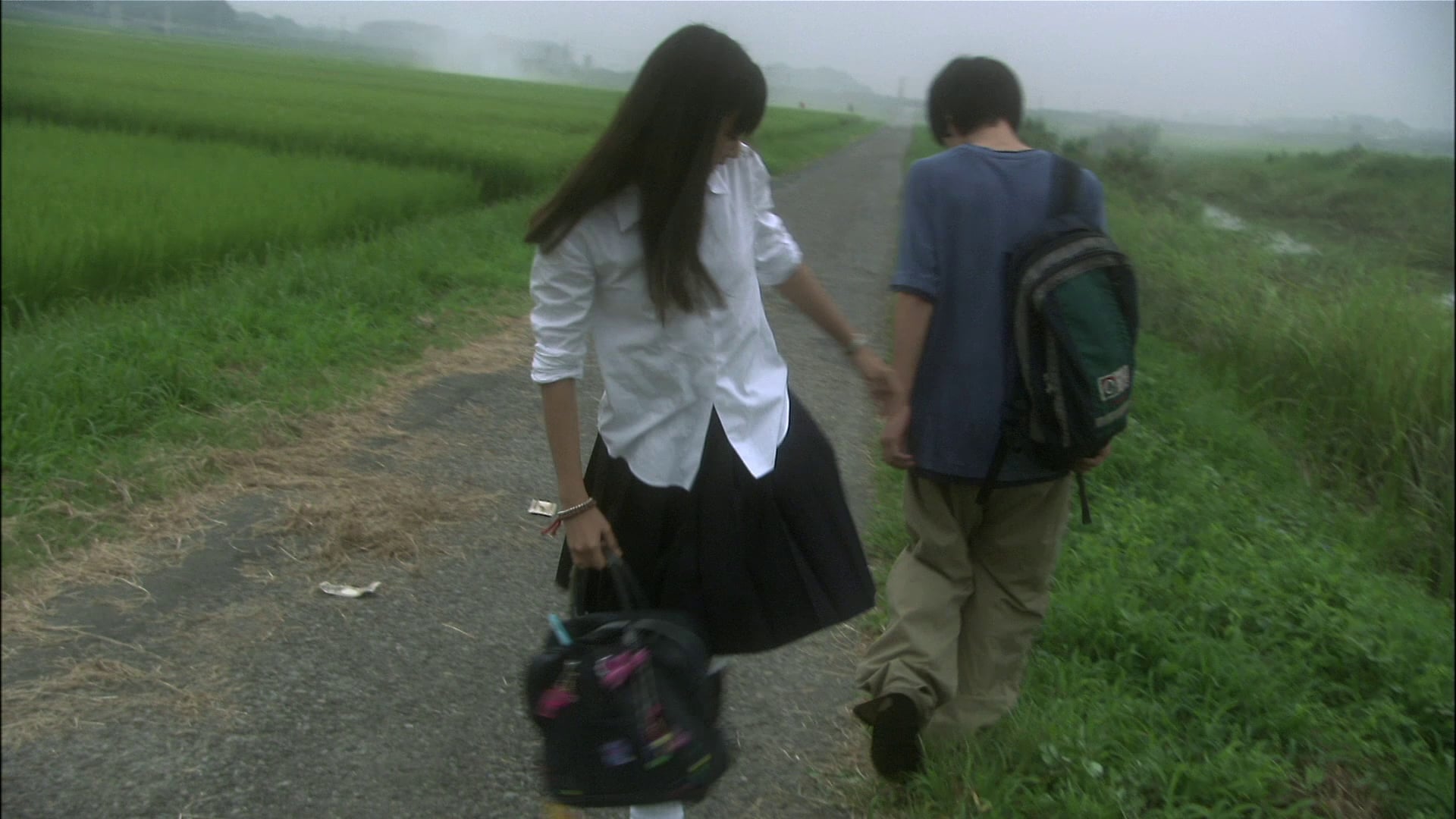
In About Lily Chou-Chou, two school teens, Yūichi (Hayato Ichihara) and Shūsuke (Shugo Oshinari), start out as friends who are obsessed with the music of Lily Chou-Chou. But when tragedy strikes, Shūsuke unexpectedly joins a gang and harasses his classmates, including Yūichi and their female friends. It’s a dark and challenging film, one that isn’t afraid to explore the graphic depths of things like gang violence, sexual abuse, prostitution, and suicide among young people. But if you can sit through it, it’s a rewarding watch. It has rough and bitter aftertaste, but you’ll remember it for long regardless. The film won awards at the Berlin International Film festivals and various other festivals in Asia.

Maquia: When the Promised Flower Blooms (2018)
When it comes to fantasy anime between two races, usually there would be some sort of romance between the leads. But Maquia: When the Promised Flower Blooms does it differently. Instead, between the humans and the immortal humanoid lorph race that weaves a chronicle of their history is a mother-son relationship, with the human son set to out-age his mom. It’s a surprising heartbreak to contemplate love, mortality, memory, and greed, and it happens to be paired with downright beautiful animation that easily brings tears to the eye. While it didn’t garner similar popularity as Your Name or A Silent Voice, Maquia: When the Promised Flower Blooms nonetheless is an ambitious directorial debut with an equally bittersweet ending.

Hara-Kiri: Death of a Samurai (2011)
Given that it is a modern day, colored film remake of a classic, Hara-Kiri: Death of a Samurai was always going to be compared to the 1962 film, especially since it’s considered one of the greatest Japanese films of all time. Admittedly, there’s not a lot added aside from the 3D filming, and for fans of director Takashi Miike, the remake is much more restrained than his other films. However, Nobuyasu Kita’s cinematography is striking, Ryuichi Sakamoto’s score is impeccable, and the performances still deliver on the film’s contemplation of honor, sacrifice, and the self-interest of the elite. Hara-Kiri: Death of a Samurai doesn’t compare to the classic, but it’s nonetheless a decent introduction for the generations that missed the original story.

100 Yen Love (2014)
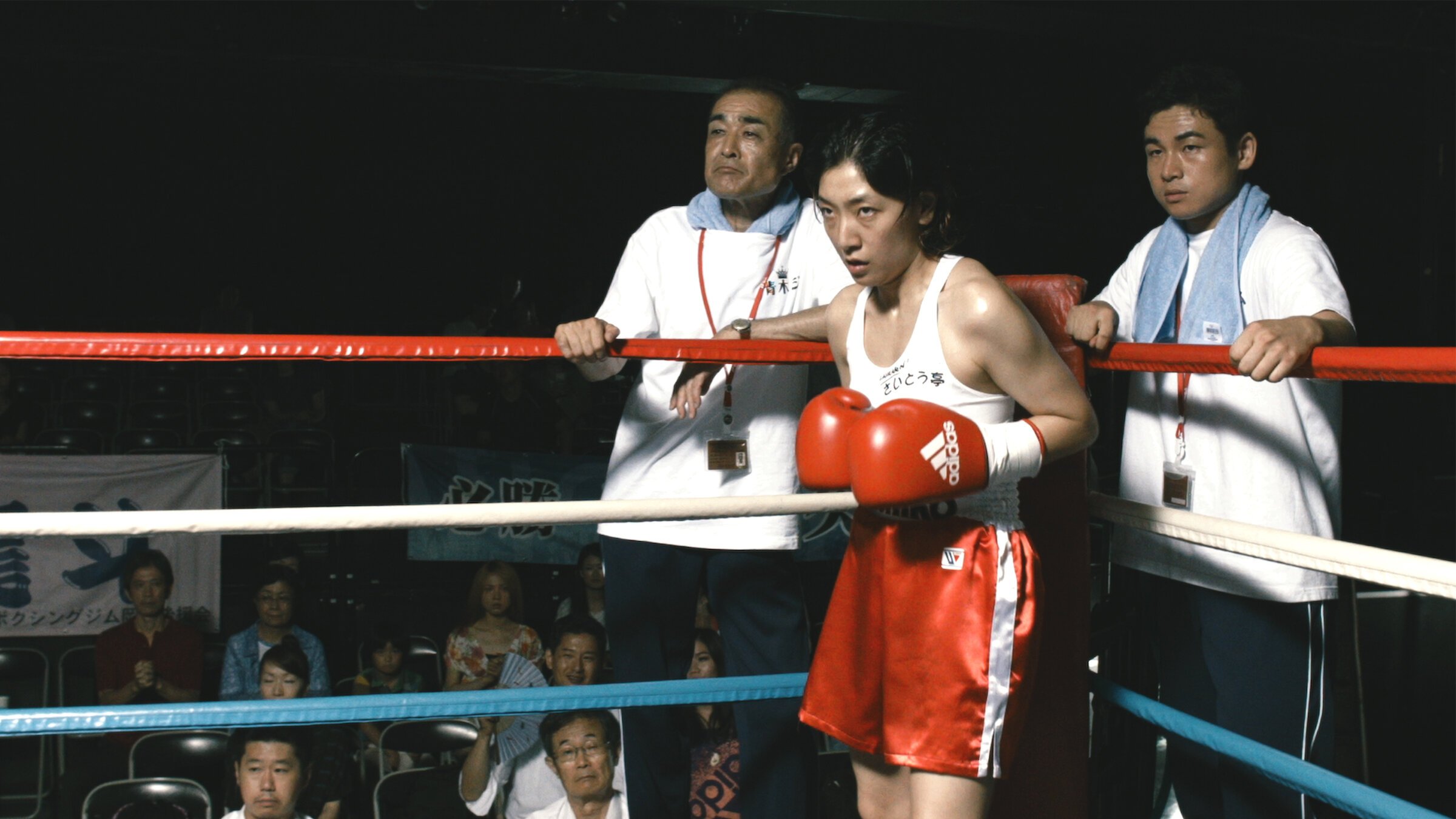
Unlike the scrappy fighters we’ve seen in other sports films, Ichiko Saito of 100 Yen Love is an unmotivated recluse that does only the bare minimum to survive. Hardly an underdog to root for. Still, when Ichiko spots a boxing gym, the film transforms into something special. In spite of the disappointments that follow, the gym moves her into action, into picking a goal and moving after it, rather than the usual makeover we’ve seen done for other female protagonists. Ichiko actively tries to take control of her life. The hope grows as we follow her journey, especially with Sakura Ando physically transforming Ichiko’s slouch into an upright, confident stance. 100 Yen Love reveals what’s at the heart of a loser like Ichiko, someone who just needs one win after all of life’s disappointments.
The Best Foreign Movies from Belgium 9 titles

The Artist (2011)
What was popular back then isn’t popular today for a reason. In film, that’s because the technology’s improved, the audience gets too used to the trend, and what once worked fades into the background. Once in a while, however, someone brings back nostalgia for a certain style. This happened when filmmaker Michel Hazanavicius created The Artist. Set in the transition between silent film and talkies, The Artist cleverly takes on the silent film form, but makes it suitable for today’s moviegoers. The ears are never left empty, thanks to the bouts of score and few foley that focuses attention. The camera shoots mostly in black and white, but shoots in various styles across the Golden Age. Even the story itself is classic melodrama– Sunset Boulevards and A Star is Born comes to mind– but it’s treated with the genre mixing the 2010s started to play with, the postmodern revue that recontextualizes the past. The Artist brings back what cinema has long discarded, and remembers what made these styles classic.

Our Children (2012)
Our Children opens at the harrowing end of the true story it’s based on: with the image of a distraught mother (Émilie Dequenne) in a hospital bed, begging a police officer to ensure that her children — who have just predeceased her — are buried in Morocco. From this ominous beginning, the film rewinds into a jarringly sunny flashback of lovebirds Murielle (Dequenne) and Mounir (Tahar Rahim) to tell this horrifying story from the start.
What follows is much less obviously dramatic: Our Children shifts into slow-burn psychological thriller territory as we watch the gradual breaking down of Murielle at the hands of Mounir’s adoptive father André (Niels Arestrup), a wealthy white doctor who has used his status to insinuate himself into the lives of Mounir and his family back home in Morocco. This is a very subtle study of manipulation, one that hinges entirely on the performances of the trio, who fill with nuance roles that could easily have been tabloid caricatures. Above all, though, this is Dequenne’s film, and it’s the devastating ways she shows the life gradually being sucked out of Murielle that makes Our Children so difficult to shake off.

Close (2022)
Leo and Remi are close. They play, eat, and sleep together, and in between those moments, they share every thought they have with each other, no matter how big or small. Theirs is a precious friendship, as pure and as intimate as can be, but all that changes when they begin middle school. Subject to heteronormative norms and preteen mockery, their friendship starts to crack as Leo and Remi’s different definitions of manhood emerge.
Subtle but evocative, quiet but deeply powerful, Close takes a closer look at boyhood and male friendships—how they’re lived, defined, and seen. Plenty of questions go unanswered in this film, but if you’re comfortable with simply empathizing with the characters rather than knowing every answer, then Close comes highly recommended.

Lost Illusions (2021)
Despite being based on a 19th-century serial novel, Lost Illusions feels remarkably close to contemporary concerns about fake news and the devaluing of art for profit. But as the story is also, obviously, set in the 19th century, all this bribery and these backdoor dealings are done entirely through the written word and by sending runners from one Parisian theater to the next—and the result is uniquely thrilling. Nearly every character is a terrible person (like in an old-timey Goodfellas way) and it can get tiring seeing the film glorify their hustle, but the energy it brings is rare to find in any other period drama.

The Innocents (2016)
When depicting war and faith, it seems like men are the only ones that have to undertake these challenges, at least it seems, in the stories made available about these topics. But that simply isn’t true. The Innocents is one of the few reminders that, while women might have been kept from the front lines, war has spared no one. Through stark and wintry shots, and a solemn direction, writer-director Anne Fontaine crafts tense conversations between an atheist doctor and her nun patients, making all of them reckon with the ways trauma has shifted their present principles and future actions, in a sensitive way that has rarely been seen before. While the resolution can come across as a bit too sudden, The Innocents nonetheless is a compelling study of faith.

Border (2018)
If you like: weird movies and / or Scandinavian mythology, this movie is for you. It’s about unusual looking border agent with super-human abilities (such as smelling fear and shame) who meets someone like her for the first time There is a big revelation in Border that I can’t share but while this movie was directed by an Iranian (Ali Abbasi), it’s deeply rooted in Swedish folklore. Themes of identity, gender, and otherness intersect through a thrilling script and beautifully-shot nature scenes.

Séraphine (2008)
Séraphine is a biopic, but it’s not your ordinary rags-to-riches story where a cleaning lady’s paintings lead her to getting plucked from obscurity and living happily ever after. It’s a bit more tragic than that. If anything, the life she’s lived before she was famous is calmer, peaceful, and more fulfilling. Carving up time from her housekeeping job to create unique pigments and use them for her own artworks, Séraphine doesn’t paint for fame, fortune, or reputation. Instead, she paints because she can. Something about the way she goes through her mundane life opens up insights most people don’t get. Séraphine attempts to capture that genius in some of the most beautiful candlelit images ever put to screen.

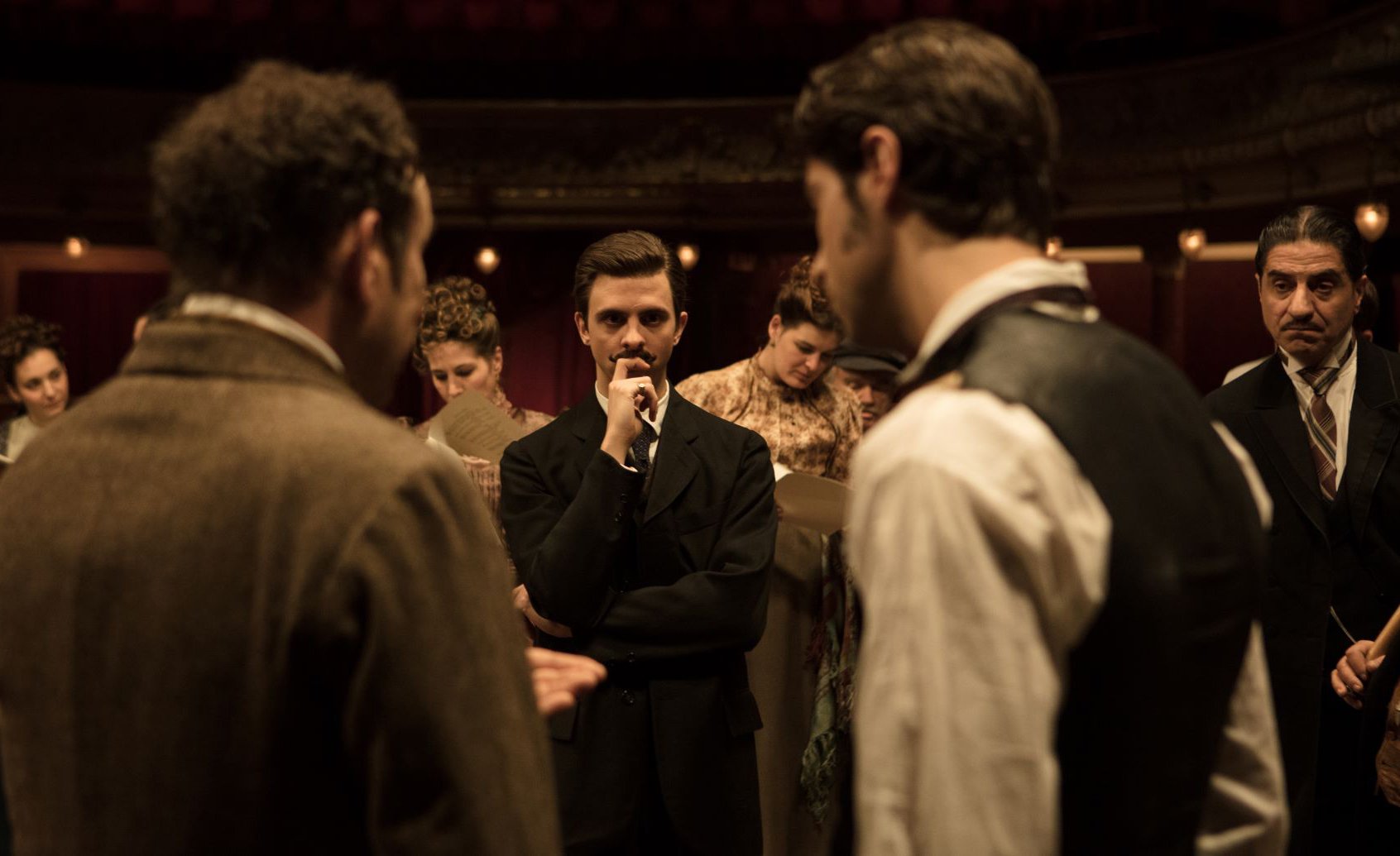
Cyrano, My Love (2018)
While Shakespeare has written most of the romantic plays that dominate theater today, there was one play from across the English Channel that also keeps its hold in the public consciousness, namely Cyrano de Bergerac by Edmond Rostand. Cyrano, My Love depicts the process of creating the iconic play a la Shakespeare in Love, that is, by taking the actual play’s history and jumbling it up with the plot of Cyrano, with art reinventing life and vice versa. It’s a bit of a corny approach, but the way writer-director Alexis Michalik adapts his play is entertaining, leaning more on the frenzy of creation and collaboration rather than cramming Rostand’s romance with his wife into a cinematic plot. This makes Edmond a much more dynamic profile of the titular playwright.

Heidi (2015)
Where The Secret Garden championed the restorative powers of tending to a garden as well as one’s thoughts, Swiss novel Heidi touched on similar themes a few decades before, celebrating instead the natural beauty of the Alps mountainside, and the titular character bringing back joy and hope to her family. The film remains faithful to the novel, playing out the book’s events with a more sleek look and even more stunning landscapes of the Swiss Alps. While previous generations would inevitably compare the version of their time to this latest version, 2015’s Heidi is a decent adaptation, recreating the classic tale for today’s kids.
The Best Foreign Movies from Germany 9 titles

Transit (2018)
Transit is based on a WWII novel — though you wouldn’t be able to tell from first glance. While the characters talk of German fascists occupying France, anachronistic details (like modern technology and clothing) suggest we haven’t gone back in time at all. Director Christian Petzold isn’t trying to confuse us: by blurring the backdrop, he’s making the terror and the desperation of the story more immediate — removing the distance that might have prevented us from really feeling what happens.
The uncanny historical echo effect works as intended, because the parallels Transit subtly draws between the past and today are horribly clear. What’s more, the movie’s intentionally ambiguous framing suffuses the plot with an otherworldly sense of mystery, a quality that gradually intensifies as Georg (Franz Rogowski) desperately searches for a one-way ticket out of hellish bureaucratic limbo before he finds himself waylaid by that most mysterious emotion of all: love. Unshakably haunting and undeniably poignant, this is a movie that will live under your skin.

The Umbrellas of Cherbourg (1964)
If we were to list down the best of the best movie musicals ever made, most of the titles would probably come from the Golden Age of Hollywood. But we’d be remiss to forget that just a few years later, all the way across the pond, came The Umbrellas of Cherbourg, a French romantic musical from Jacques Demy. It’s certainly in the running for the most gorgeous musical ever made, with the bold, dreamy colors, incredible camera work, stylish costumes, and two beautiful leads front and center, but what makes Cherbourg great is the lush composition made by Michel Legrand. With the sweeping violins and the tragic lyrics of Devant le Garage, to the catchy, jazzy Scène du Garage that starts off the film, Les Parapluies de Cherbourg brings together sublime visuals and sound into one of the greatest musicals ever made.

The Piano Teacher (2001)
Based on the Austrian novel, The Piano Teacher is as brilliant and as disturbed as its protagonist. The film follows Erika Kohut (Isabelle Huppert), the repressed masochist in question, and the trainwreck of a relationship that she develops with her student Walter Klemmer (Benoît Magimel). Their dynamic is undeniably toxic. Austrian auteur Michael Haneke frames each scene with clinical detachment, but it is absolutely brutal how the two characters try to assert control over each other, engage in sadomasochism, and repeatedly violate each other’s boundaries. Huppert’s heartrending performance fully commits to the merciless treatment Erika receives. But more tragic is the way Erika’s unusual relationship could’ve freed her, could’ve helped her process her abuse, and instead, reinforces her repression. It’s scary to make yourself vulnerable by admitting your desires, only for them to be used against you.

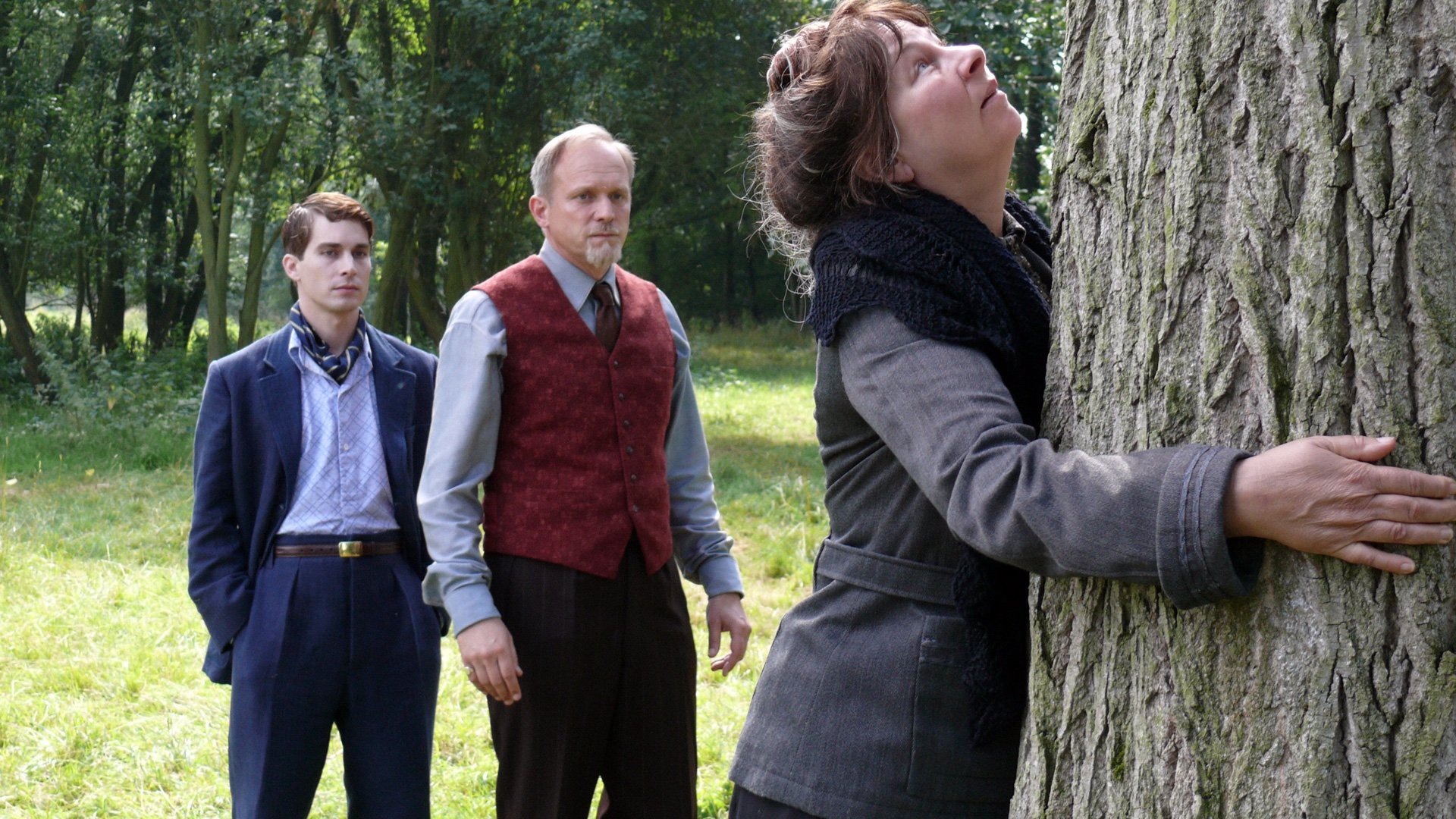
Frantz (2016)
It’s always fun to watch something that makes you second guess each move, that shifts seamlessly from one thing to another. Frantz is that kind of film, and as the deceptively simple premise unfolds—a widow befriends her late husband’s friend—you’re never really sure if what you’re watching is a romance, a mystery, or a sly combination of both.
It helps that Frantz is also more than just a period piece, packed as it is with tiny but thoughtful details. When it is filled with color, for example, it does so in the muted palette of 1900s portraits, making each shot look like a picture come to life. When it talks about love, it goes beyond heterosexual norms and hints at something more potent and, at times, political. And when it takes a swing at melodrama, its actors ground the moment with enough restraint and reserve so that it never teeters on excess. All this results in a well-executed, gripping, and overall lovely film to watch.

The Wolf House (2018)
This mortifying stop-motion fairy-tale is inspired by the very real horrors of Chile’s Colonia Dignidad: a cult colony turned torture camp under the Pinochet regime. Presented as colony propaganda, the tale tells the story of Maria, a girl who runs away from the safety of the colony into the forest and takes refuge in a house with two pigs. What transpires is a gut-wrenching allegory for the rise of fascism, colonialism, and white supremacy.
The staggering animation which seamlessly shifts mediums from paper mâché to painted walls is a bewildering sight to witness. But it’s the synthesis of this boundary-pushing art and the underlying horrors it depicts, that make this stand as an unmissable cinematic event.

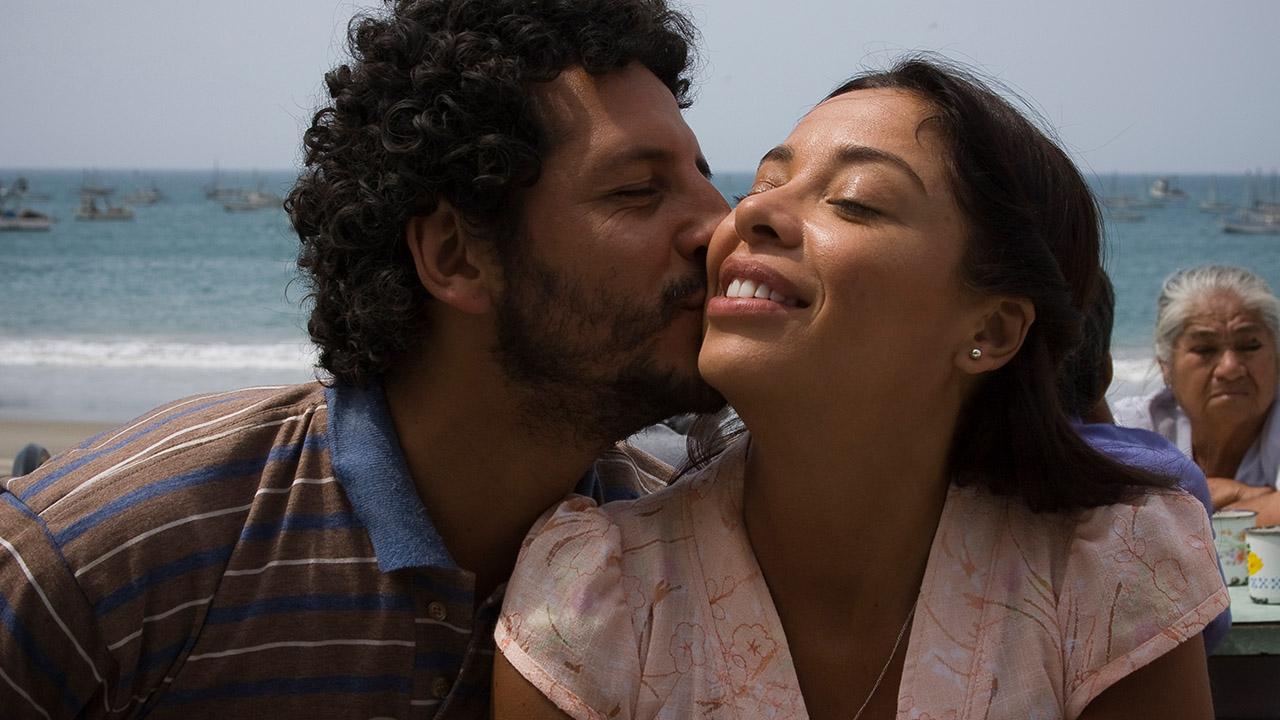
Undertow (2009)
The death of a loved one is always a tragedy, but it’s always different when things have been left unresolved, and so that love lingers, not moving on, perpetually haunting the lover left alive. Undertow takes this ghost story with a gentle, magic realism that doesn’t just bring the tears, but also frees Miguel to experience the hold of Santiago’s hand in public, to experience the moments other lovers share without prejudice. And as Santiago lingers, Miguel is left to reckon with the love that he never was allowed to have, as it’s outside the straight, monogamous dynamic expected of everyone in the small town. Contracorriente beautifully transforms the ghost story with its thoughtful juxtaposition of the latino queer experience.

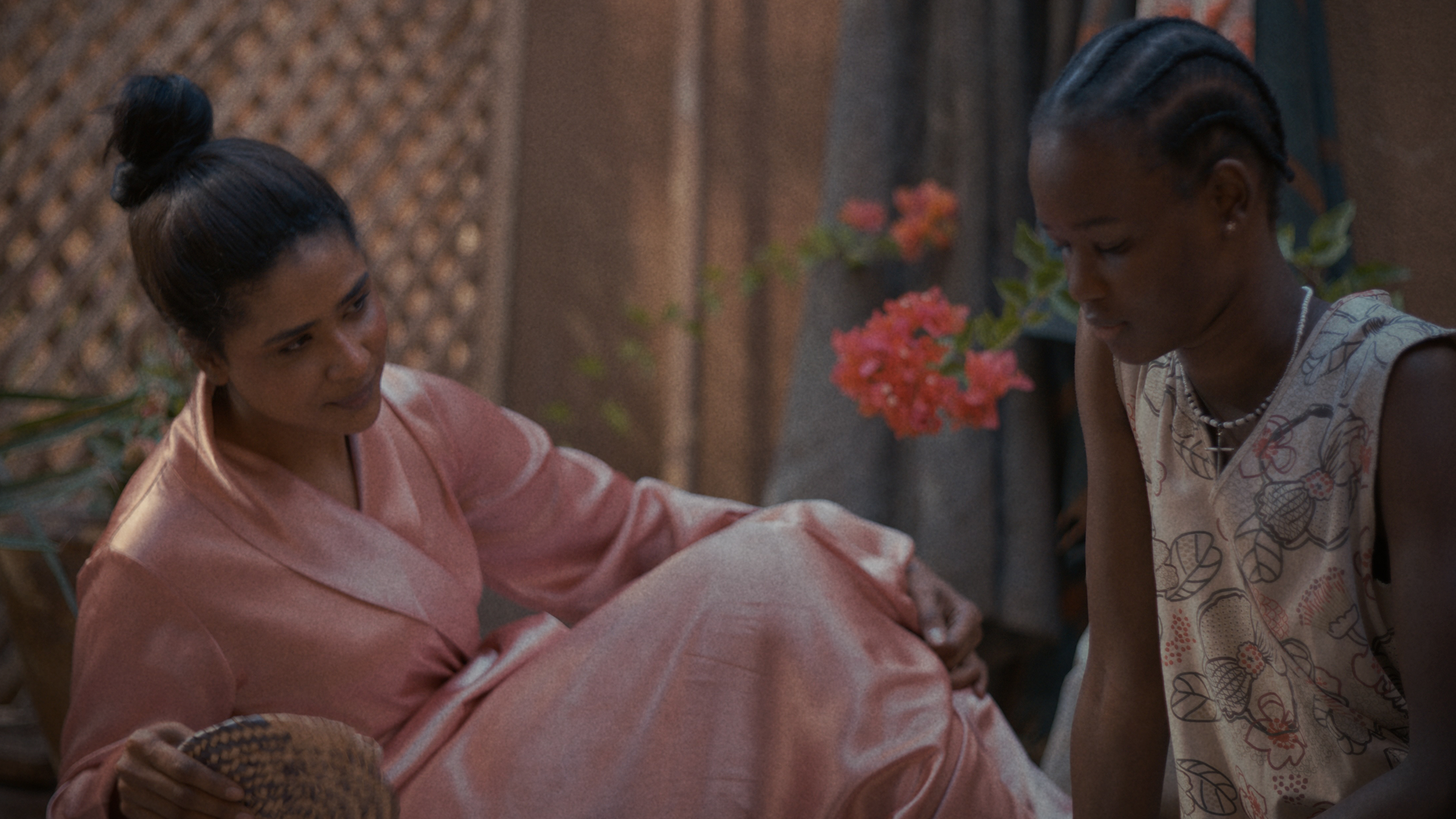
Goodbye Julia (2023)
Amidst the chaos that occurred when South Sudan split from the nation, a man is shot dead. To make up for the family’s loss, Northern ex-singer Mona hires his South Sudanese widow as her househelp, a widow unaware of her husband’s true fate, without an actual body. This widow is who Goodbye Julia is named after. Through this personal wrong, writer-director Mohamed Kordofani reckons with the religious and racial tensions that led to the division, a conflict that continues to displace millions of Sudanese to this day. While the ending pulls its punches, the film still works through the emotional tension and the compelling bond formed between actual singer Eiman Yousif and acting newcomer Siran Riak. Goodbye Julia depicts their sorrow with a graceful touch.

The Collini Case (2019)
A young lawyer has to defend a murderer after passing the bar only three months prior in this satisfying German drama. To make matters worse, the victim happens to be his mentor, a wealthy and seemingly kind-hearted business man. As for the perpetrator, he refuses to say a single word. Caspar, the lawyer, is from a German-Turkish background, which is a hint to where the complexity of this legal drama lies: in Germany’s history and racial legacy. The Collini Case is satisfying to a fault, but if you’re looking for substance-filled entertainment, this is some of the best you’ll get.

A Regular Woman (2019)
Dramatizing the murder of Hatun “Aynur” Sürücü, A Regular Woman frames her story from her dispassionate narration after she’s passed. This results in a harrowing tale. Knowing her death before she returns home paints every single moment with her family in fury, as they pin every frustration and blame on Aynur for numerous reasons, the biggest is due to not aligning to their ideal of a Muslim wife. It also highlights the failures the German government committed in addressing this issue, the same failures that they could repeat if nothing has changed since her death. A Regular Woman is harrowing, not just because Aynur’s tale is true, but because it acknowledges right on the bat how it can happen again.
The Best Foreign Movies from South Korea 9 titles

OldBoy (2003)
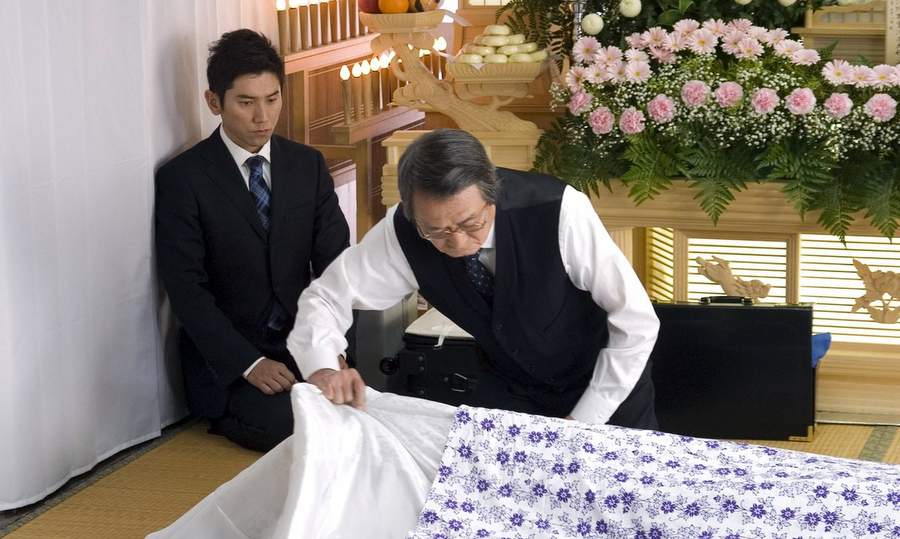
From Korean director Park Chan-wook, who also brought you the far quieter The Handmaiden, comes a movie that is positively terrifying. Its premise alone is enough for any sentient human being to shudder. On his daughter’s birthday, the good-for-nothing Oh Dae-su (played by Choic Min-sik) gets drunk and is arrested by the police. A friend eventually bails him out and, while he is making a phone call, Oh Dae-su disappears. Not knowing why, he is held in the same room for 15 years for no apparent reason. Until, one day, he is released. That’s all that can be revealed about this winner of the Grand Jury Prize at Cannes in 2004 without giving away too much. All we can add here is the way we recommend Oldboy to people admitting to not having seen it yet: “Watch Oldboy. You’re welcome. We’re sorry.” A crazy, twisted film that goes to extremes. A cult classic and a statement.
Il Mare (2000)
While more people are familiar with its US adaptation, Il Mare is far more striking and emotionally resonant. The Korean romance, separated by timelines, depicts two lonely people who lived in the same seaside residence. They form a bond through the titular house’s mailbox, by sharing letters, voice recorders, and suggestions to deal with loneliness. As they receive each other’s messages, the film slowly reveals the reason for their loneliness– that they’ve been left behind. Matched with shots of creeping urbanization, migration, and the Y2K scare, Il Mare understands modern isolation, but it also underscores how solitude helps us connect with other people.

Peppermint Candy (2000)
When depicting a person’s life, most films are chronological. They start from beginning to end, from the character’s birth to their death. However, it’s only fitting for Peppermint Candy to depict the opposite because, mild spoilers: the film starts with a suicide. What would push a person to do such a thing? Director Lee Chang-dong unpacks this tragedy through six personal moments vis-a-vis South Korea’s turbulent history, the violence lurking under peaceful times, and the way Kim Young-ho has ignored his better impulses because of it. In reverse, Kim’s life is not an easy one to watch. Each sequence transforms the one before, as each part of Kim’s past reveals a better path he could have taken, if not for the times he’s lived through.

The Way Home (2002)
Seven year old Sangwoo is such a horrible kid. He’s rude, snobbish, and is more interested in playing his video games than helping his mute grandmother out in the countryside. Understandably, it’s what makes the first few minutes of The Way Home a tad irritating. However, somehow writer-director Lee Jeong-hyang crafts a strong relationship between them. The film eventually makes it clear how out of depth they both feel, with the son homesick and unused to living without the conveniences of Seoul, and his grandma unable to figure out what he wants. It’s so heartwarming when they finally reach an understanding, even if the journey to get there would require the same grandma’s saintly patience.

The World of Us (2016)
The World of Us is a vibrant, colourful movie that follows the story of Lee Sun, a shy and sweet fifth grader who meets Ji Ah, a new girl in town. The movie is innocent, light and relatable, centered around two new friends playing in the summertime. But behind its vibrant colors, there is a very realistic commentary on how children can grow up to realise they are not of equal wealth and social status. The World of Us is not only about the fun of childhood, but also shows its bitterness. It perfectly captures the feeling of being left out by the ones who are supposed to be our friends. The movie shows that children can feel pain and jealousy toward others too, and it encapsulates the highs and lows of being young in the best way possible.

Broker (2022)
Directed by Japanese filmmaker Hirokazu Koreeda, the Korean film Broker is a simple but tender story about chosen family. It follows Moon So-young (IU), a young mother who decides to drop her baby off at a church, seemingly for good. But when So-young decides to return for the child, she discovers that he’s been stolen by two brokers who’ve put the baby up for adoption on the black market. She joins them in the hopes of meeting her child’s prospective new parents (and staking a claim at the payment) but the more they spend time with each other, acting like a real family on the road as they do, the more it becomes real for her, and the more she feels conflicted about the decision she’s about to make.
As with any Hirokazu Koreeda film, Broker is an affecting, empathetic story that succeeds at humanizing its misunderstood cast of characters. Admittedly, it’s not the best Koreeda movie out there, even when the category is narrowed down to stories about found families (the best in that regard would be his 2018 film Shoplifters). And Koreeda fans will find Broker somewhat scrubbed and Disney-fied for a larger crowd, lacking the edge that his previous Japanese films had. But it is undeniably heartwarming and beautiful. The road trip setup allows the characters to build their rapport naturally, and the warm crisp tones capture the seabreeze ease of the film. Regardless of your view on Koreeda, Broker is well worth a watch.

Bedevilled (2010)
Despite how the title sounds like, the horror of Bedevilled isn’t a devil, a demon, or a spirit. It isn’t even the way childhood friend Bok-nam snaps, taking up a scythe and going on a murderous rampage to kill all the people that wronged her. No, the actual horror of Bedevilled is that everyday people like bank employee Hae-won would hesitate to do what’s right. Reading that sentence can sound cheesy, but writer-director Jang Cheol-soo structures the film, and her visit to Modo, in a gradually escalating manner. When Hae-won first lands, the mean gossip seems ordinary, but the film takes these ordinary, if overcritical, words, and delves into the subtext, especially the darker implications that makes the film difficult to watch. The film does understand Hae-won’s hesitancy– the scenes do acknowledge that reporting could mean retaliation, and the score consistently meets that very fear. But Bedevilled also understands that, if hesitancy allows abuse to be left unchecked, the very same violence that Hae-won was (and many people are) avoiding will inevitably escalate.

Sympathy for Mr. Vengeance (2002)
The first in famed Korean director Park Chan-wook’s Vengeance trilogy (after cult films Oldboy and Lady Vengeance), Sympathy for Mr. Vengeance follows a Ryu (Shin Ha-kyun), a deaf-mute man who resorts to crime when his ailing sister is in need of a kidney transplant. He decides to kidnap the daughter of a wealthy man named Park Dong-jin (Parasite’s Song Kang-ho) for ransom, but he underestimates how, like him, Dong-jin will stop at nothing to save a loved one. Thanks to its rich characterization, dazzling editing, and fearless experimentation, Sympathy for Mr Vengeance makes for a thrilling (if violent) watch, one that will hit you hard and leave your mouth agape by the end. Here, you’ll see traces of the head-turning twists that will come to define Park’s stunning filmography, which apart from Oldboy includes the much-celebrated The Handmaiden and Decision to Leave.

The Tiger (2015)
For a while, tigers roamed Korea, garnering fear and respect, as the clawed creature resembled the peninsula. However, tigers roam no more due to Japanese occupation in the early 20th century. The Tiger: An Old Hunter’s Tale takes these historical facts to create a thrilling adventure drama– where man versus the titular beast are compelled to meet again due to political pressure, the government bounty, and personal revenge on both parties. The CGI is occasionally spotty, and the relationship between father and son isn’t as developed as the one between hunter and tiger, but the face-off between the opponents and their shared history makes The Tiger a good movie to watch.
The Best Foreign Movies from China 5 titles

Ip Man (2008)
It’s been acclaimed as one the best Kung Fu movies ever made. You are probably wondering why this contemporary movie made that short list when its genre had its peak decades ago: it is visually striking and at the same time surprisingly story-oriented. As you would expect of course, there is quite a fair amount of action scenes, but the characters are also brilliant which is very uncommon in this type of movie. It is an exciting movie, and worthy of any compliment or good rating it may get.

Shadow (2018)
Director Zhang Yimou, who already has remarkable wuxia films like Hero and House of Flying Daggers under his belt, delivers another exceptional epic. Set during China’s Three Kingdoms era (220–280 AD), Shadow revolves around a great king and his people, who are expelled from their homeland but will aspire to reclaim it. The story requires a fair amount of patience at first, as it slowly builds a world consisting of various characters with different motives, before the real action begins. The journey through Shadow is visually pleasing thanks to its stunning cinematography, impressively choreographed combat, and overall brilliant production design. Packed with sequences that will take your breath away, it is an inventive martial arts epic with one amazing scene after another.

Let the Bullets Fly (2010)
Can the Western only be made in the West? The Italians answered with the Spaghetti Western, and in 2010, China came up with their own gunslinging, horse riding group of gangsters in Let the Bullets Fly. It feels just like an old fashioned Western in Old China, only with quips as fast as its bullets, and the wry satire mocks these thugs and politicians as one and the same, through a series of multiple impersonations made in the name of survival, corruption, and profit. Some of the humor can go over the heads of those unfamiliar with Chinese comedy, but nonetheless Let the Bullet Fly is a funny mix of genres, with writer-director and lead Jiang Wen playing with many Western tropes in over-the-top fashion.

Better Days (2019)
Better Days tells the story of Chen Nian, a quiet girl who starts experiencing bullying at her school after her classmate commits suicide for the same reason. But soon, she meets Xiao Bei, a teenage street thug who offers her protection. What starts as a melodramatic story at first becomes a gentle romance.
Still, Better Days is focused on the psychological aspect of the characters, and how they manage pressure. It’s a reminder of the inevitable harshness of reality: dealing with poverty, bullying, and dirty competition. But, in showing the bitter aspects of life, it also shows that there are still those who care and that those who are meant to meet will always find each other.

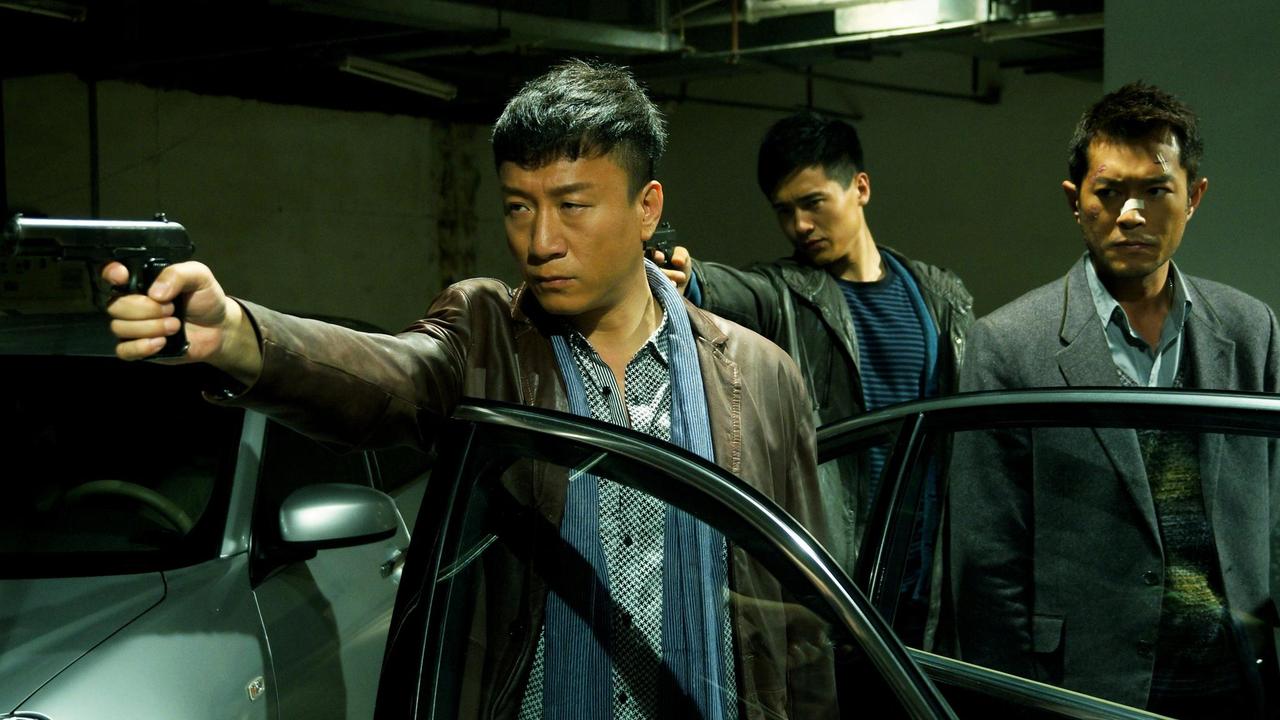
Drug War (2012)
At first glance, Drug War is basically just what it says on the tin– cops crack down on kingpins, lords, and lackeys to save regular people from illegal addictive substances. Even the drug lord-cop dynamic would be a familiar plotline for crime thriller fans. But through this familiar plotline, Hong Kong director Johnnie To takes his first mainland China production to subtly comment on the dynamics between his native region and the larger country, taking the contrast to craft simmering tension each time Choi Tin-ming lies to his allies to save his skin. It’s less action-packed than To’s usual, but the subtext and the shift in style makes Drug War a surprisingly dynamic take on the crime thriller scene.
The Best Foreign Movies from Italy 5 titles

Open Your Eyes (1997)
While the mixed reception of its near-faithful American remake Vanilla Sky might make some viewers pause, there’s an intuitive brilliance in the Spanish original Open Your Eyes that isn’t easy to translate. Sure, the apparent differences help– it’s shorter and less complicated, and Cesar’s face turns more grotesque than David’s does. But what’s startling about Open Your Eyes is the way writer-director Alejandro Amenábar guides the camera through its various shifts, creating a more subtle and gradual realization that something is wrong, and thus, a more terrifying dream turned nightmare. Amenábar has later deemed the film as his worst, saying it was written when he didn’t know much about life, but, in our opinion, Abre Los Ojos still holds up as a groundbreaking existential sci-fi simulation, one that still puzzles and captivates years after.

Eyes Without a Face (1960)
Eyes Without a Face is aptly titled. As the mad Dr. Génessier goes to extreme lengths to restore his daughter Christiane’s beauty, the beauty he accidentally disfigured in a car accident, we mostly see Christiane with her face masked, only with her eyes undamaged. It’s her eyes that drive this French body horror classic. Her fear over what her father is willing to do reflects our own, especially when he proves, again and again, how he’ll prioritize beauty and control at the expense of all life. It’s her expression that marks the vivid images that still influence horror up to today.

Le Doulos (1962)
Le Doulos starts with an explanation of the title. While the word refers to the specific type of hat the gentlemen of this film wear, it has become a slang word meaning police informant. As such, an expectation is set– one of the thieves will end up as an informant. Admittedly, the path to get there is a bit convoluted, with every guy wearing the same trench coat and wide-brimmed fedora betraying each other (if they haven’t already), but the journey in finding the crook of crooks is made so intriguing by the strong direction of every scene. Each frame is shot in that signature shadowy light and visual innuendo that made film noir striking. It’s also paired with such a groovy score that sets the suspense of the heist that follows. So, while it may not be the most straightforward caper film, Le Doulos nonetheless is a fun pastiche of the film noir genre.

Deep Red (1975)
Of course, there are plenty of great films from the Italian Master of the Thrill, but one of the best from Dario Argento is Deep Red (1975), released just before his Three Mothers trilogy. The film follows a musician and a journalist, linked together by the body they found of a psychic medium, and the ensuing rush to investigate the murder before they become the next victims. Released at the peak of the giallo genre, Deep Red heightens the tension and terror through Argento’s trademark kaleidoscopic shots, eerie score, and excellent performances. While the lizard scene was genuine, Profondo Rosso nonetheless is considered to be one of the director’s best.

Chicken for Linda! (2023)
While the market for animation is mostly dominated by American 3D and Japanese anime, once in a while, a film outside the two industries comes up with an entirely new style of its own, with the design inspired by their respective countries. European animation has garnered some interest with Loving Vincent, but Chicken with Linda! takes it further, taking a more vibrant than impressionistic approach to its art. Somewhat like a neon-colored Fauvist Madeline, the film proceeds with a series of hijinks that wouldn’t be out of place in a children’s storybook, but it charmingly captures the mother-daughter relationship healed through the power of homemade food. It’s sweet and chaotic, much like childhood and the art movement that inspired the film, and it’s undeniably human. Chicken with Linda! is an unexpected delight for both kids and adults.
The Best Foreign Movies from Spain 5 titles

Summer 1993 (2017)
Summer 1993 charts a formative summer in the life of young Frida (Laia Artigas), a brooding six-year-old who, having just been orphaned by AIDS, is sent from her home in Barcelona to live in the countryside with her uncle (David Verdaguer), his wife (Bruna Cusí), and their little girl (Paula Robles). Catalan director Carla Simón drew on her own childhood experiences for the film, making Summer 1993 feel intimately told. It’s shot from the perspective of its young protagonist and is guided by the unpredictable rhythms of memory: we experience Frida’s new life the way she might remember it when she’s older, via snapshots of moments that stand out to a child, like the day she spent amongst the chickens in a neighbor’s farm or the moment another kid asks her why she isn’t more visibly upset about her mother’s recent death.
That emotional enigmaticness is what makes Artigas’s naturalistic performance so absorbing: she never plays Frida in a predictable dramatic register, so much so that it’s easy to forget we’re not watching a documentary. The unexpected little ways her grief manifests itself — along with Simón’s assured, impressionistic directing — make this a profoundly heart-rending watch throughout, and especially so in its gut-punch of a final scene.

Robot Dreams (2023)
The first few minutes of Robot Dreams are so deceptively simple and pleasant that it’s hard to think of a conflict that could keep the film moving. But something does happen—life happens, which sounds annoyingly vague, but it’s true. Life happens, and the rest of the film is about how Dog and Robot survive the specific pain of living. It’s at once poignant and delightful, filled with surprising moments that shouldn’t work, but do. It feels incredibly human even though there are no people in sight. It says a lot about the crisis of loneliness and the importance of moving on even though it’s a silent movie. And then there’s that one scene that breaks the fourth wall most adorably, proving that Robot Dreams is anything but the straightforward film it seemed to be in the beginning. Consistently, however, it is a touching movie. Whether it ends up breaking or warming your heart is just something you have to look out for.

The Beasts (2022)
In The Beasts, the idyllic semi-retirement that a French couple seeks in the Galician countryside — growing organic vegetables, fixing up abandoned farmhouses — devolves into a terrifying slow-burn nightmare. This beautifully shot yet spiritually ugly thriller plunges us straight into an atmosphere of crackling social tension that never abates. We begin after the event that turns local farmer Xan (Luis Zahera) and his brother Loren (Diego Anido) against French transplants Antoine (Denis Ménochet) and Olga (Marina Foïs): the latter two have vetoed the sale of land to a wind turbine company in favor of preserving the village’s rustic character. Incensed by what he sees as the theft of his birthright by an outsider, Xan orchestrates a steadily intensifying campaign of terror against the couple.
Though much slighter than the physically imposing Ménochet, Zahera makes for a profoundly menacing presence, and Xan’s seemingly endless appetite for hostility and vindictiveness charges the film with a deeply unsettling sense of inevitability. His performance alone would mark The Beasts as a standout, but an unexpected switch in character focus late on in the film wrests it out of Xan’s grasp and reorients the movie as a study of grim resolve — making it a film of two equally remarkable halves.

Marshland (2014)
When a regime falls, what follows isn’t a clean slate– it lingers, and it haunts those that were able to survive, part due to what was done to them and part to what they have done. Marshland ostensibly is a police procedural investigating a series of women murdered in rural Spain, but it’s also a clash of ideologies between New Spain, that wants to unearth the injustices that haven’t been acknowledged, and Old Spain, that wants to let sleeping dogs lie. The two plot threads don’t weave together as neatly as it could be, but La Isla Minima still works on both fronts, recreating that feeling of betrayal within that key transition period of Spain.

20,000 Species of Bees (2023)
As far as LGBTQIA+ stories go, 20,000 Species of Bees isn’t the best at talking about its themes of identity and acceptance in a way that doesn’t come off as clunky. But even with its on-the-nose dialogue and inconsequential subplots, director Estibaliz Urresola Solaguren gives everything the warmth and the softness it needs to feel sincere despite everything. And no matter what, the film is always drawn back to the lead performance by Sofía Otero, who provides such a vivid image of this young trans girl’s interior life that the world around her character begins to feel either more suffocating or more beautiful to behold.
The Best Foreign Movies from Hong Kong 4 titles

The Killer (1989)
Ah Jong is The Killer referred to in the title, but he’s more than just a professional assassin. In fact, the film doesn’t introduce him in the middle of a kill, shots fired, guns a-blazing. Instead, the film first finds him in church, contemplating the collateral damage. But it’s not easy for him to leave, since needs one last kill for the funds to restore his girlfriend Jennie’s sight. And when this contrast gets the attention of detective Li Ying, he might actually find a way to make up for what he has done. Filmmaker John Woo takes this melodrama to trigger a series of masterfully conducted shoot-outs, with each new danger pulling Ah Jong in further, and with each well-meaning intention never fully free from dire consequences.

Peking Opera Blues (1986)
How do we explain Peking Opera Blues? It’s a film set earlier in history, but it’s not as sepia-toned, slow, and depressing as other historical dramas. In fact, it’s the exact opposite. It’s colorful, with all the bright reds and blues on all sets and costumes. It’s comedic, as the three leads– Brigitte Lin, Cherie Chung, and Sally Yeh– get roped into each other’s affairs through unfortunate coincidence. And because of Tsao Wan’s mission, it’s quite fast-paced, driving the action towards a stellar operatic climax. While juggling the frenzy of this thrilling tale, Peking Opera Blues looks to the past to contemplate Hong Kong’s future.

City on Fire (1987)
For Western audiences, City on Fire might be best known as the Hong Kong crime actioner that inspired Quentin Tarantino’s Reservoir Dogs. The jewelry heist follows the same beats, the on-set stunts embody the same lived-in action, and the films are both very violent. However, there’s a subtle undercurrent that powers the thrill of this movie. Far from the heroic gangster flicks popular at the time, City on Fire doesn’t side with the police nor the Triad. Instead, they both take advantage of detective Ko Chow, through an undercover investigation that’s willing to let him be collateral damage. With a distinctly different direction, it’s no wonder that City on Fire remains as the blueprint for action movies today.

A Chinese Ghost Story (1987)
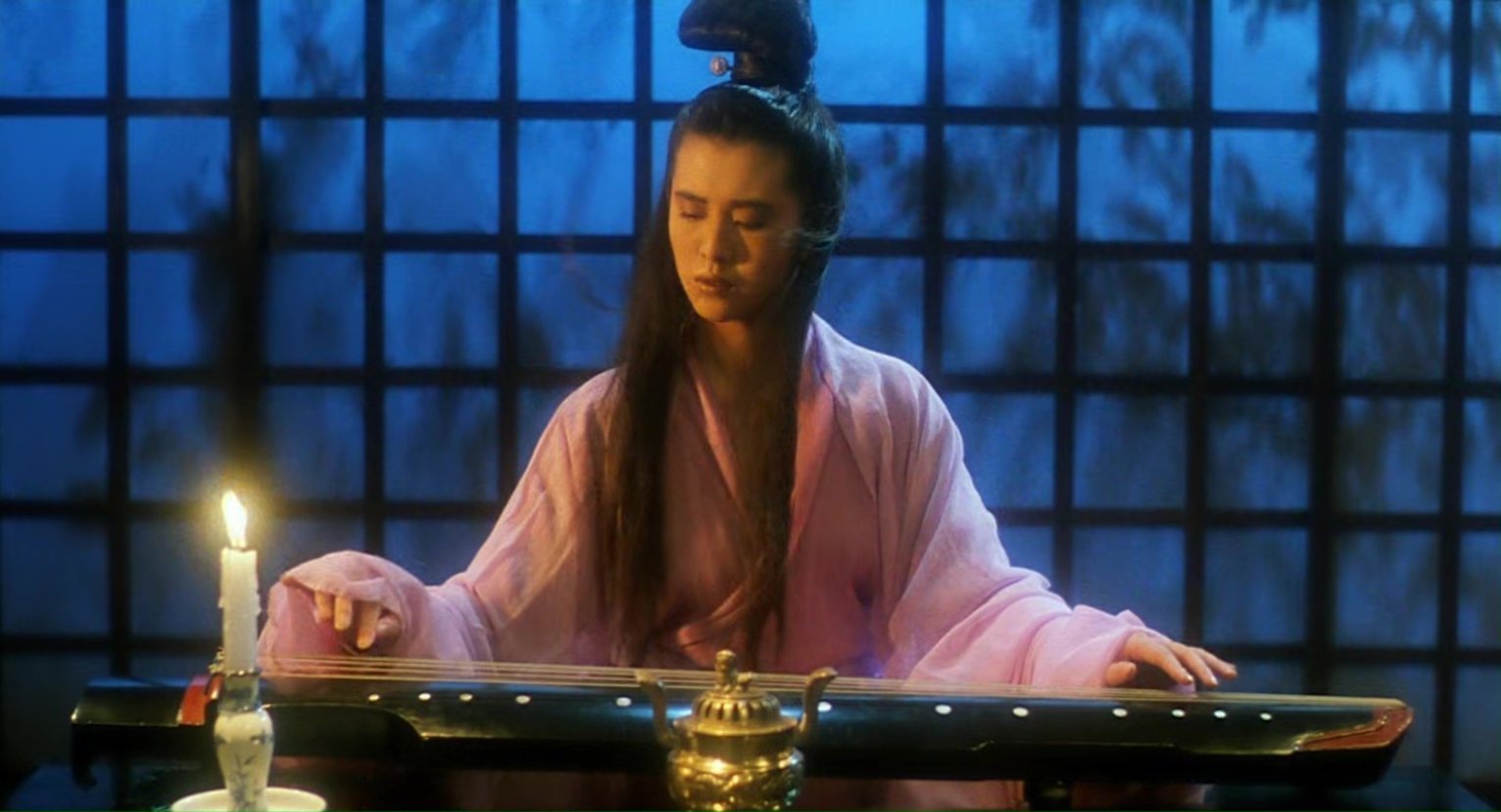
After running out of money, travelling tax collector Ning Choi-san might be getting better with his new romance with the graceful Nip Siu-sin. The only problem is, she’s actually a ghost. After all, this tale is called A Chinese Ghost Story. While classified a horror flick only for its supernatural elements, the resulting film takes on mythical proportions with its ever-increasing stakes, feats of gallantry, and the (at times literal) breathtaking romance that compellingly blends all of its genres. A Chinese Ghost Story went on to have two more follow-ups, but this first installment stands on its own as a cult classic.
Other 21 titles

A Man Called Ove (2015)
Based on Fredrick Backman’s 2012 best-selling book of the same name, this Swedish hit comedy-drama introduces us to Ove, an elderly man who feels like his life is over. After losing his wife, the short-fused retiree spends his days grumpily enforcing block association rules in his neighborhood. He is your typical unhappy, old neighbor, somebody you would try to avoid. One new family does not give up and befriends Ove, played by an impeccable Rolf Lassgård, despite his best intentions to put them off. As the plot unfolds, however, you learn more about the story behind the man, and, in classic walk-a-mile-in-his-shoes fashion, start to find him rather loveable. After all, nobody is born grumpy and cynical. Naturally, this is a sweet and sentimental film. But an amazing lead performance and a charming, darkly funny script rescue it from drifting too far off the shore. The result is a wholesome, fun, and thoughtful dramedy with a beautiful message.

The Zone of Interest (2023)
How do you make a film about the Holocaust feel new? How do you make the terrors feel fresh, like it was just in the news, without sounding redundant or without giving into the sensationalized and emotionally manipulative? For Director Jonathan Glazer, the answer lies in not what you show but what you don’t show. The Zone of Interest is shot from the point of view of Nazi Officer Rudolf Höss (Christian Friedel) and his wife Hedwig (Sandra Hüller), who live a dreamy life right next to the infamous Auschwitz death camp. Glazer frames them plainly and without flourish as they ignore (or, arguably, revel in) the glow of burning bodies, the howls of pain, and the billows of smoke coming from the torture chamber a wall away. It’s a powerful, nauseating contrast that turns the question from “How can they do this?” to “Who among us is committing the same things right now?” Who among us is casting a blind eye to the atrocities and genocide being committed at this very moment to our neighbors? The film, which is also a technical feat in terms of the way it’s shot (the crew and cameras remained hidden so that the actors were free to roam, as if in a play) is chilling and thought-provoking, and it will unnerve you for days on end.

Joyland (2022)
Joyland is groundbreaking on nearly all accounts. It’s the first Pakistani film to premiere at the Cannes Film Festival and to be shortlisted for an Oscar. Its forthright depiction of trans life and gender identity provoked the ire of local authorities, but it also inspired a nationwide movement (#ReleaseJoyland) that fought against censorship. It’s understandable, then, if the film is remembered for these disruptive achievements alone, but it should be noted that Joyland, as it is, is simply a stunning piece of cinema.
Every scene is beautifully blocked and vibrantly lit, like a painting come to life, and every one of them is rich with meaning; there’s not a second we’re not diving deeper into the wonderfully complex lives of these people, all of whom are exploring sexuality and independence as best they can in a restricted environment. And sure, Biba and Haider’s relationship takes center stage as it reveals the nuances of queer love, but Joyland just as deftly tackles toxic masculinity (and how it’s a specter that haunts Haider’s household), domestic labor (and how it largely goes unnoticed), and female solidarity (and how it can literally save a girl’s life). Heartbreaking and lovely, this a family saga in that it’s as much about Haider’s family as it is about him, and it’s a shame if it weren’t remembered as such.

Embrace of the Serpent (2015)
This movie is gentle and utterly chaotic, intimate and massive, beautiful and ugly… it tries to be so many things and somehow pulls it off. It tells two stories parallel in time, based on the real-life diaries of two European scientists who traveled through the Amazon in the early and mid-twentieth century. Their stories are some of the only of accounts of Amazonian tribes in written history. The main character and guide in the movie is a shaman who met them both. At times delicate to the point of almost being able to feel the water, at times utterly apocalyptic and grand… to watch this movie is to take a journey through belief systems, through film… and to be brought along by cinematography that is at times unbelievably and absurdly beautiful. Meditative, violent, jarring, peaceful, luminous, ambitious, artful, heavy handed, graceful… it’s really an incredible film.

Another Round (2020)
Director Thomas Vinterberg (The Hunt) reunites with Mads Mikkelsen to tell the story of four teachers going through a mid-life crisis. They’re not sad, exactly—they have homes and jobs and are good friends with each other—but they’re not happy either. Unlike the ebullient youth they teach, they seem to have lost their lust for life, and it’s silently eating away at them, rendering them glassy-eyed and mechanic in their everyday lives.
Enter an experiment: what if, as one scholar suggests, humans were meant to fulfill a certain alcohol concentration in order to live as fully and present as possible? The teachers use themselves as the subjects and the tide slowly starts to turn to mixed effects. Are they actually getting better or worse?
With an always-satisfying performance by Mikkelsen and an instant classic of an ender, it’s no surprise Another Round took home the award for Best Foreign Film in the 2020 Academy Awards.

The Falls (2021)
All the synopses going around the internet won’t fail to let you know that The Falls takes place at the height of the COVID-19 crisis. The film is certainly marketed that way, with commercial posters featuring the leads in ubiquitous face masks, socially distanced from the blurred crowd.
But interestingly, The Falls is not just a situational, pandemic-era story. More than anything else, it tells the story of Pin-wen and Xiao Jing, mother and daughter who, despite previously living a life of comfort, are now dealt with unfavorable circumstances (exacerbated but not entirely caused by the pandemic). Now, they are forced to navigate life with only each other, and it’s in the isolation they instate from the rest of the world do they forge a genuine and heartwrenching bond any and all family members will immediately recognize and perhaps even sympathize with.

A Poet (2025)
A Poet is one of the funniest, saddest films of the year, and it’s about the exact thing most movies about art are too flattering to touch: what if you love poetry, gave your life to it, and simply aren’t good enough? Simón Mesa Soto’s Colombian tragicomedy follows Oscar, a washed-up Medellín poet who latches onto a genuinely talented teenage girl and tries to make her his project, his redemption, his second chance.
It’s excruciating in the best way, a portrait of a man whose passion has curdled into something needier. Ubeimar Rios plays him without a shred of vanity. The film keeps you laughing right up until it quietly breaks your heart. It won a prize at Cannes and deserved it. Anyone who’s ever wanted something they might not be built for should see it.

Zana (2019)
Antoneta Kastrati’s debut feature film Zana follows Lume, who appears guarded and subdued as she goes about her daily routine: milking the cows, harvesting crops and flowers, hanging laundry out to dry. Part of Lume’s routine also includes visits to the doctor, accompanied by her mother-in-law and husband, who pressure her to conceive.
When conventional medical advice does not yield a viable pregnancy, Lume is brought to a witch doctor, and later a televangelist. The former suggests Lume may be cursed, while the latter insists she is possessed by a supernatural creature called a jinn. Lume appears largely apathetic, at least outwardly. But slowly, she starts to unravel—and with her undoing comes the reveal of the war that traumatized her.
Kastrati’s family drama has elements of horror, but the real terror here is psychological. It makes for an important exploration of a deeply patriarchal society that is only beginning to heal the collective traumas of a complicated war, and how its violence continues to ripple through time and into domestic life.

Law of Tehran (2019)
Also known as Just 6.5 or Six and a Half per Meters, this police procedural follows the hunt for a drug kingpin named Naser Khakzad. Fast-paced action sets up the investigation off to a thrilling start, and it’s exhilarating to see Samad, the lead cop, get closer and closer to this elusive pusher. However, what grounds the action is the way it seamlessly integrates the societal reality of drugs in Iran, a country with capital punishment for dealers that hasn’t been helpful to stem the nation’s addiction. This understanding provides the springboard for Samad and Naser’s dynamic, making these two take a different path from the ever familiar drug narrative that we’ve seen in other crime thrillers.
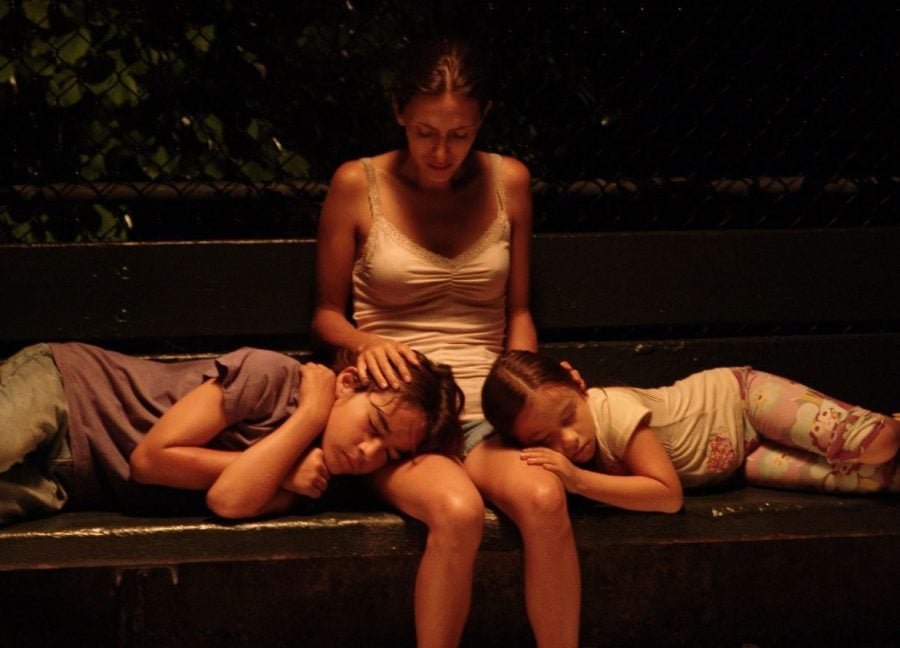
Entre Nos (2009)
A mother and her two children move from Colombia to Queens, New York to join the father. Once there, he abandons them and moves to Miami.
With no family to fall back on, barely speaking English, an inexistent social welfare system and two little kids who require care; the mother quickly runs out of options. At first, she tries to sell empanadas in the street, then tries to become a temporary worker, but a mixture of obstacles keeps getting in the way.
Entre Nos is about the precariousness of the immigrant experience: about how quickly things can go wrong. But it’s also about how survival instincts and motherly love can stand in the face of complete desperation.

Baraka (1992)
Slow, contemplative, but captivating, Baraka uses no narration, dialogue, or text to connect its images. The documentary stitches together shots with different subjects from different locations around the world. At first, it seems very peaceful—gorgeous, high-definition shots of nature paired with a soothing, resonant score that lulls you into hypnosis—but as the film progresses, director and cinematographer Ron Fricke presents more scenes with people, from the cities to the countryside, to places rarely documented on film. Depending on how you look at it, Baraka will either feel like just a compilation of screensavers or a profound meditation on how intrinsically connected everything is. It’s totally breathtaking either way.
Huesera: The Bone Woman (2023)
Huesera: The Bone Woman might not be the scariest film horror fans would see, but it does strike at the heart of the scary experience of motherhood. Through eerie sounds of breaking bones and weirdly contorted hands at the edge of beds, the film depicts new mother Valeria being haunted by the titular spirit, despite her prayer to the Virgin Mary. Valeria pleads for her husband and family to listen, though each time she does becomes proof of her faults as a mother. The terror in newcomer Natalia Solián’s face makes it all feel believable, but it’s the folk-inspired imagery of first-time feature director Michelle Garza Cervera that turns this film into a feminist masterpiece.

Buoyancy (2019)
Due to the possibility of death, Buoyancy cannot be made as a documentary. This film, after all, sheds light on today’s real life slavery. But that doesn’t mean it’s no less true. The script was written based on interviews with real life survivors, who, of course, would rather not be filmed due to their safety. The characters were written to closely reflect them, which was why, even though the studio is Australian, they casted Thai and Cambodian actors, and wrote the dialogue in their respective languages. And the story that writer-director Rodd Rathjen created, gradually escalates the terror Chakra faces on the whims of a cruel captain, with each new experience slowly scrapping off the innocence that was supposed to be protected. Buoyancy is not a documentary, but it works as a necessary exposé of slavery in Southeast Asian seas because of Rathjen sticking true to the sadly real life atrocity.
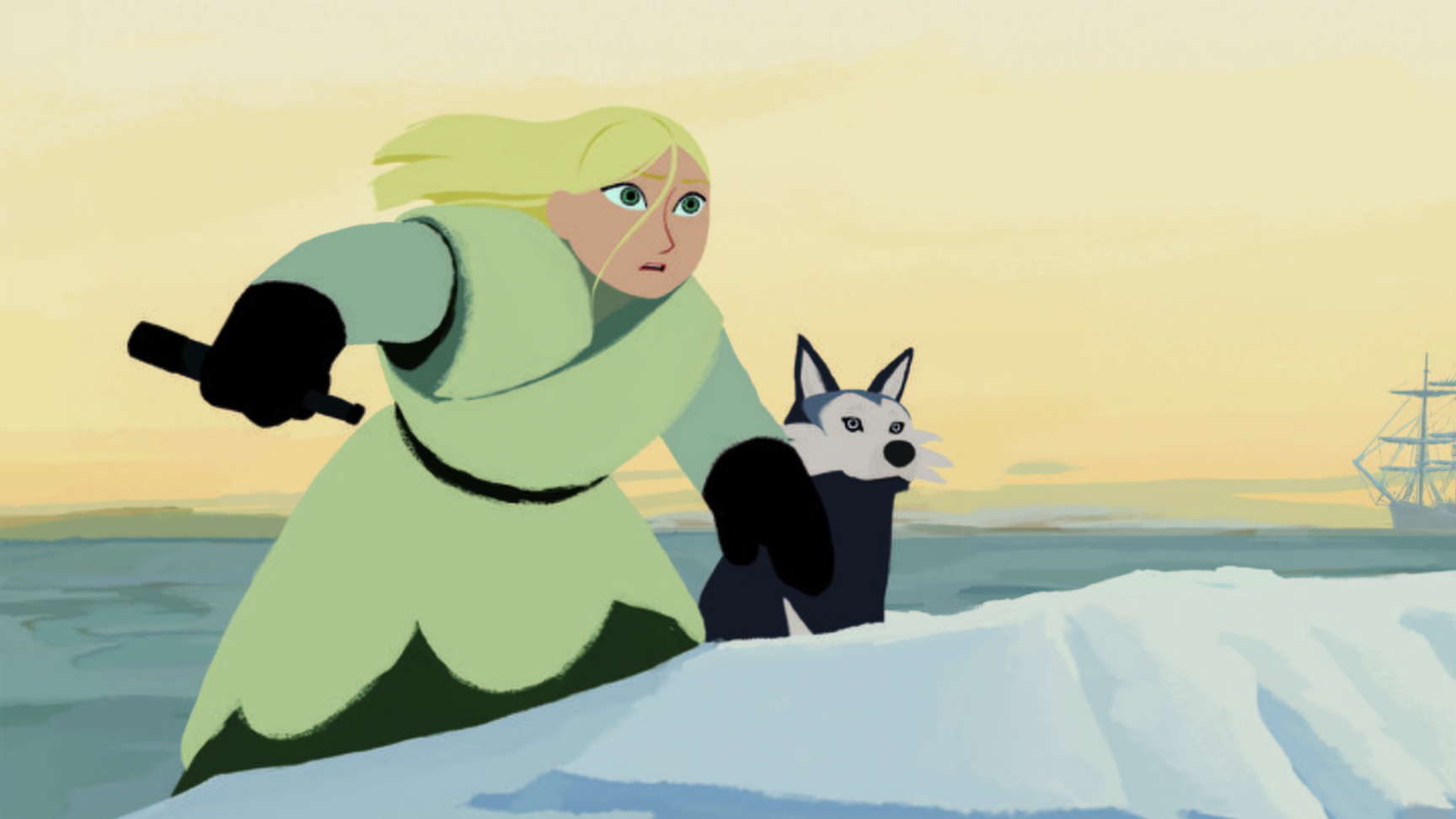
Polytechnique (2009)
Polytechnique directed by Denis Villeneuve, is a dramatization of the 1989 Montreal massacre of multiple female engineering students. This film focuses on a male student navigating the massacre for the majority of the film’s run time. The performances and minimal dialogue in this film certainly make this an unnerving film to watch. Littered with the screams of the actors portraying the engineering students, this could be mistaken as a gaudy horror film. However, this is far from a fictionalized horror.
This Villeneuve classic is undoubtedly one of the most emotionally brutal films of the 2000s, yet I appreciate the honesty of the storytelling. Polytechnique encourages its audience to ask itself if it truly understands the truth of misogyny.

The Blind Man Who Did Not Want to See Titanic (2021)
You’ll probably never find a film like The Blind Man Who Did Not Want to See Titanic. The camera is blurry, with lead Petri Poikolainen’s face the only image we see clearly. The audio sometimes goes in and out. There’s even a section that turns completely dark. While this would usually mean that something is wrong with the tech screening the film, it’s actually a brilliant way to immerse the viewers in Jaako’s experience, heightening the stakes of what should be a simple commute into a unique thriller comedy-drama. The Blind Man Who Did Not Want to See Titanic is truly an original film.

Insomnia (1997)
In a few seconds, a mistake can change your life forever. Insomnia is centered on a Swedish detective trying to solve a murder while trying desperately to cover a mistake made from the difficult mix of the fog and human exhaustion, but in doing so, his guilt, shame, and suspicion that no one would believe him due to past mistakes, weigh down on him, twisting the police procedural upon itself. Stellan Skarsgård holds an incredibly restrained performance throughout the entire film, and it’s well-framed by writer-director Erik Skjoldbjærg, whose use of cold white light in this debut feature eventually became the staple of on-screen Scandinavian noir.

The Maid (2009)
No one likes to be replaced. Even when it gets difficult, hardwork and years put in effort to take and keep these roles makes it feel precious, and that’s exactly how househelp Raquel feels in The Maid. It’s a funny domestic comedy, with a scowling Catalina Saavedra ready to protect the role she’s held onto for years, but Saavedra and writer-director Sebastián Silva crafts an empathetic, realistic character study of a woman so worn down from poverty, power imbalance, and having had no breaks that the rare instance of compassion feels like a threat. La Nana doesn’t quite critique the entire system that keeps Raquel in her role, but it’s a rare film that acknowledges the importance of rest and empathy in order to feel human.

Mario (2018)
When striving towards your life goal, some concessions have to be made in order to get there, e.g. you would forgo some wants in order to fulfill that higher purpose. But how much are you willing to sacrifice? Mario is a sports drama about an aspiring football player that wants to make it higher up in the league, but it’s also a queer drama, since to be that professional means to stick to a rigid notion of masculinity for the fans, for the sponsors, and sometimes for fellow homophobic teammates competing against them. At two hours, the naturalistic depiction of Mario’s experience might be a tad too long for some viewers, but the film understands the fear, the pressure, and the compromises gay athletes are forced to go through.

The Teacher (2016)
Given the time period, it’s easy to see The Teacher as a satirical critique of the communist regime. Through the parent-teacher conference in a small high school, director Jan Hřebejk depicts a community shaken by the placement of a new teacher aligned with the Party. The new hire in question is nasty. While outwardly amiable, the subtle way she tries to extract favors, from simple repairs to hard-to-get medicine, feels terribly slimy as the kid’s grades are held in the balance. Zuzana Mauréry balances that two-faced dynamic with excellent skill, making her character someone we’d love to hate. And it all culminates into an intriguing ending that proves that while corruption has flourished under the regime, the following administration hasn’t done much to address it. The Teacher is a hilarious black comedy that isn’t afraid to bite.

André Is an Idiot (2026)
The title is what André Ricciardi calls himself for skipping the colonoscopy that would have caught his cancer while it was still catchable. By the time the film starts, it’s too late, and André, a loud advertising guy, decides to spend the time he has left pointing a camera at his own dying. That could be grim or self-indulgent. It’s neither.
André Is an Idiot is funny in the way people are funny at their own expense, and it lands its one practical point, get the screening, without ever turning into a public service announcement. What sticks is the honesty about fear. He’s scared, his family is wrecked, and nobody pretends otherwise. It’s a documentary about death that’s oddly great company, which is the highest thing you can say about it.
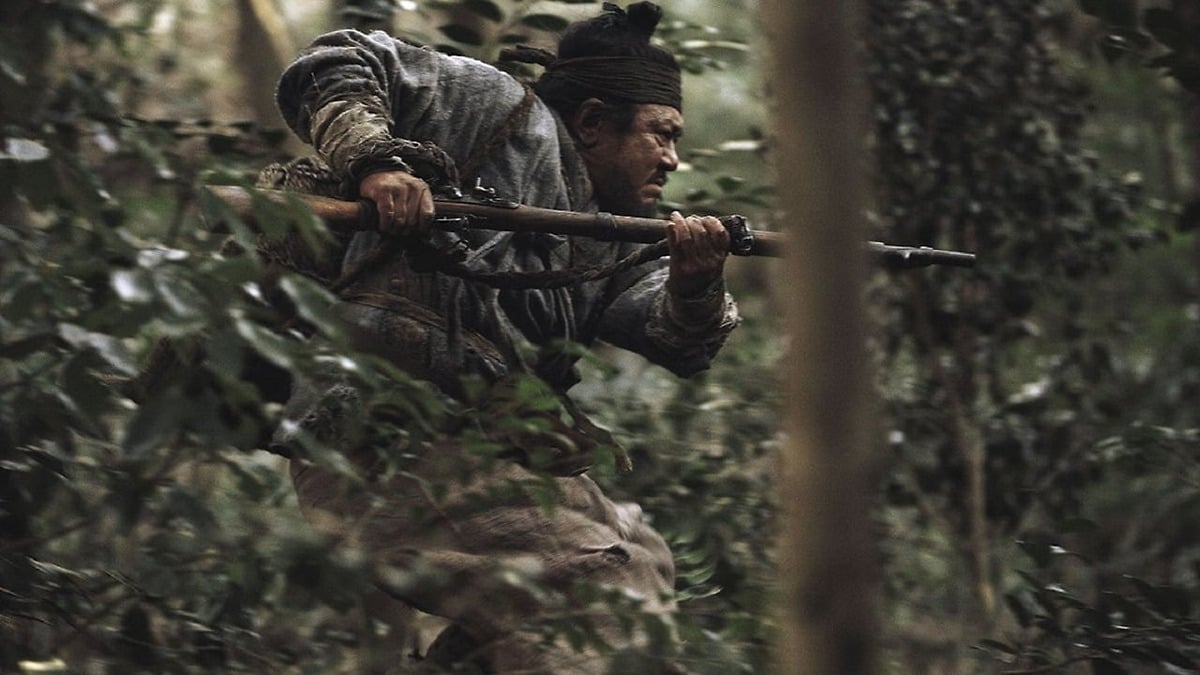
Pusher (1996)
Films about drug dealing aren’t particularly new, but the way Pusher delves into their lives feels different– more realistic than glamorous, somewhat like a guerrilla documentary, with the handheld camera as a silent, unnamed witness. As the camera follows low-level dealer Frank through the course of a week, Kim Bodnia skillfully garners empathy with the way he holds himself through the pressure, and does the opposite when he does the same wrongs that were done to him. The story itself may be simple, but writer-director Nicolas Winding Refn made his mark through this debut, inadvertently creating a franchise and influencing Danish cinema.