
25 Best Scandinavian Movies to Watch Now
Updated
The region may be ice cold, but Scandinavia has produced some of the most heated films in recent years. There are heart-racing epics from Denmark (many starring the great Mads Mikkelsen, not that we’re complaining), heady romantic dramas from Norway, and bloodcurdling avant-garde films from Sweden. Whether you’re interested in learning more about the culture or already have a penchant for it, we’re sure you’ll find something to add to your “to watch” list in our roundup of the very best Scandinavian movies you can stream right now.
How we make these lists
No AI. No algorithms.
We are 100% human-curated. Everything you see here has been handpicked by a team of experts.
At least 7/10 on IMDb
So you know they are appreciated by viewers, not just high-brow critics.
At least 70% on Rotten Tomatoes
We combine this with the IMDb bar to keep only the best of the best.
Find more to watch
25 Best Scandinavian Movies to Watch Now
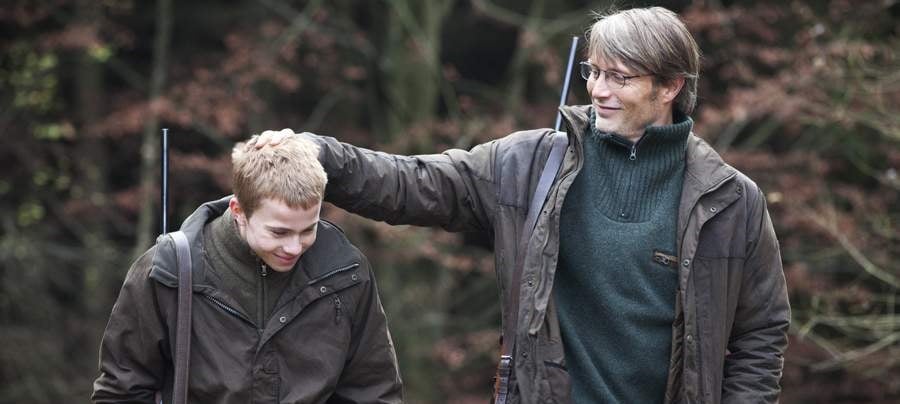
The Hunt (2013)
It comes as no surprise that former Bond villain Mads Mikkelsen won Best Actor in Cannes for delivering on this challenging role. In this merciless thriller by Danish director Thomas Vinterberg, the ice-eyed actor plays Lucas, an out-of-luck high school teacher struggling to start a new life. After a bitter divorce, he returns to the close-knit community he grew up in to work as a kindergarten teacher.
A few weeks before Christmas, a child from his class, who has an innocent crush on the popular teacher, hints to a colleague that he had exposed himself to her. The young girl’s intimation galvanizes the small hunter’s town into a witch-hunt that leaves Lucas’ life hanging from a string. Trapped in the lies, the more he fights back, the more irrational the mob becomes. In all its brutal honesty, The Hunt is one of those rare thrillers that will haunt you for days. Extraordinary and thought-provoking!

The Worst Person in the World (2021)
The film opens with Julie in her early twenties, longing to pursue a career in medical school. But after briefly testing the waters, she switches over to psychology, only to drop completely out of school and transform her hobby of photography into a professional career. This indecisiveness carries over in most aspects of her life, including and especially in romance, where impulse and desire drive her to run after what she believes to be love. The movie follows Julie as she navigates adulthood in modern Oslo—at once a specific yet universally relatable story about the growing pains of growing up.
With The Worst Person in the World, Joachim Trier scores again with another life-changing Norwegian drama about longing, love, grief, and finding your place in the world. His films can be quite sad but amidst all the drama, moments of happiness and hope are scattered throughout, as it is in real life.
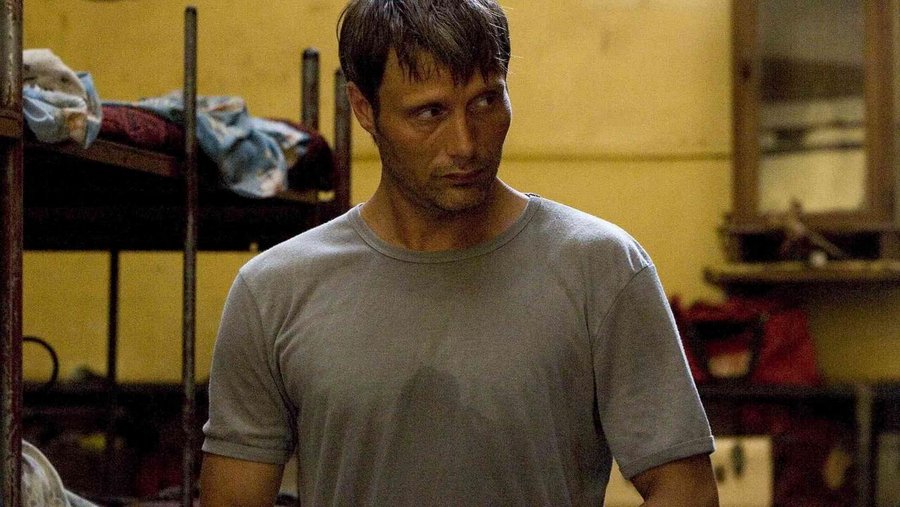
After the Wedding (2006)
Danish films somehow have a unique approach to emotions that are rarely matched and this Susanne Bier-directed drama is no exception. Its protagonist is Jacob Peterson, a driven idealist played by Mads Mikkelsen, who runs a fledgling orphanage in India. Close to giving up, Peterson returns to Copenhagen to meet a billionaire, who is offering to fund his charity project. However, there is a dark secret at the heart of this relationship, throwing Peterson into disarray. This elegant and Academy-Award-nominated Danish film has it all: fantastic cast, great direction, and a few special ingredients that turn a good drama into a thrilling one!
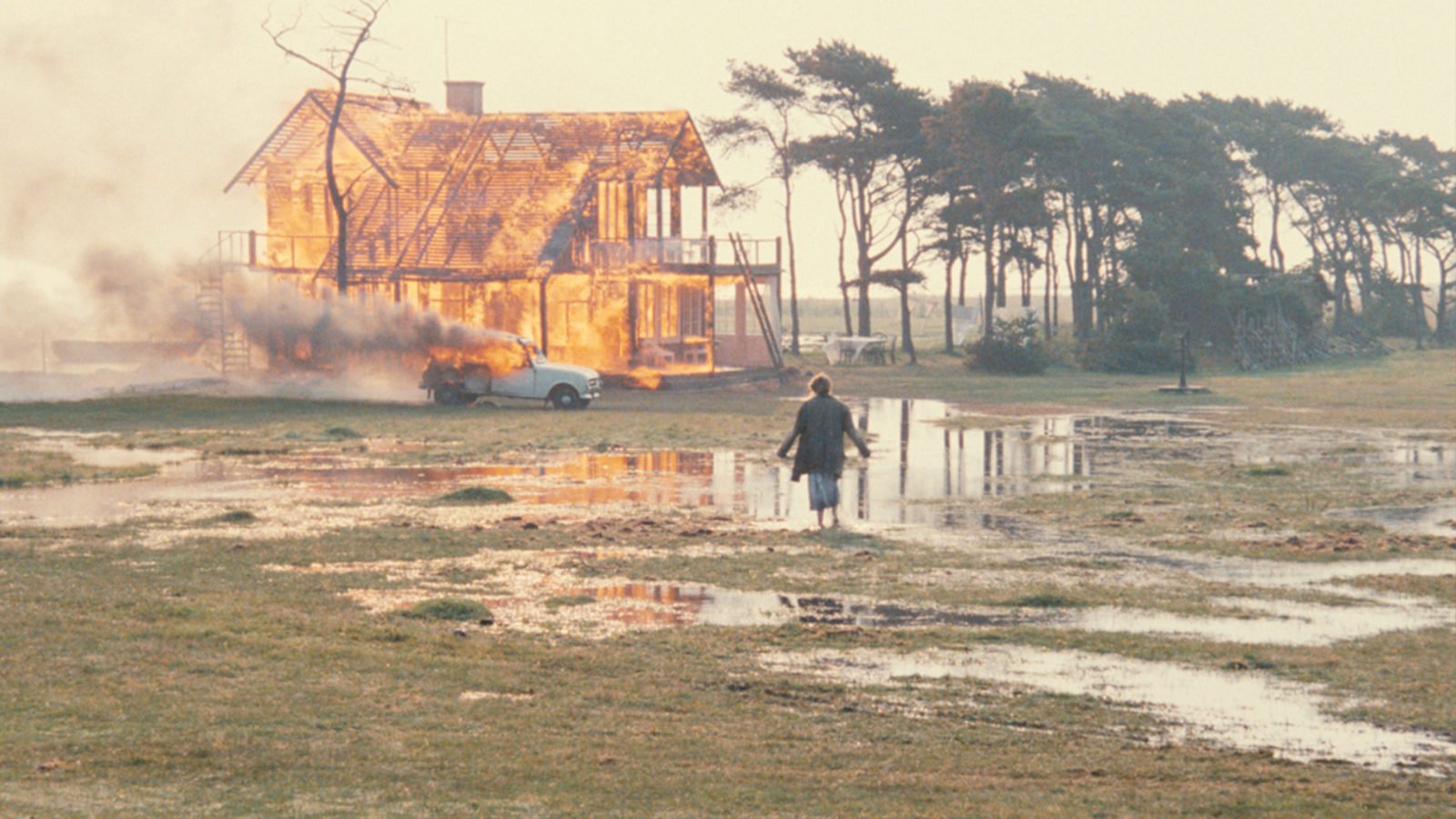
The Sacrifice (1986)
The end of the world, of course, forces people to contemplate one’s life purpose, the choices they made, and the opportunities they chose over others. Andrei Tarkovsky examines this idea in The Sacrifice– juxtaposing a hypothetical third World War with main character Alexander’s choices, the choices that led him to a successful acting career, but also led him to regret that he hasn’t done more to take action, until the deal he made with a cross between the Christian God and pagan sacrifice. The ideas are philosophically heavy, marked with Tarkovsky’s dreamlike imagery, long takes, and slow pacing, but it feels much more personal considering the sacrifice he made in leaving his family to create his last two films abroad. The Sacrifice is a masterful meditation on life itself, a deeply moving anti-war film that was a decent send-off of one of the greatest filmmakers ever to have existed.
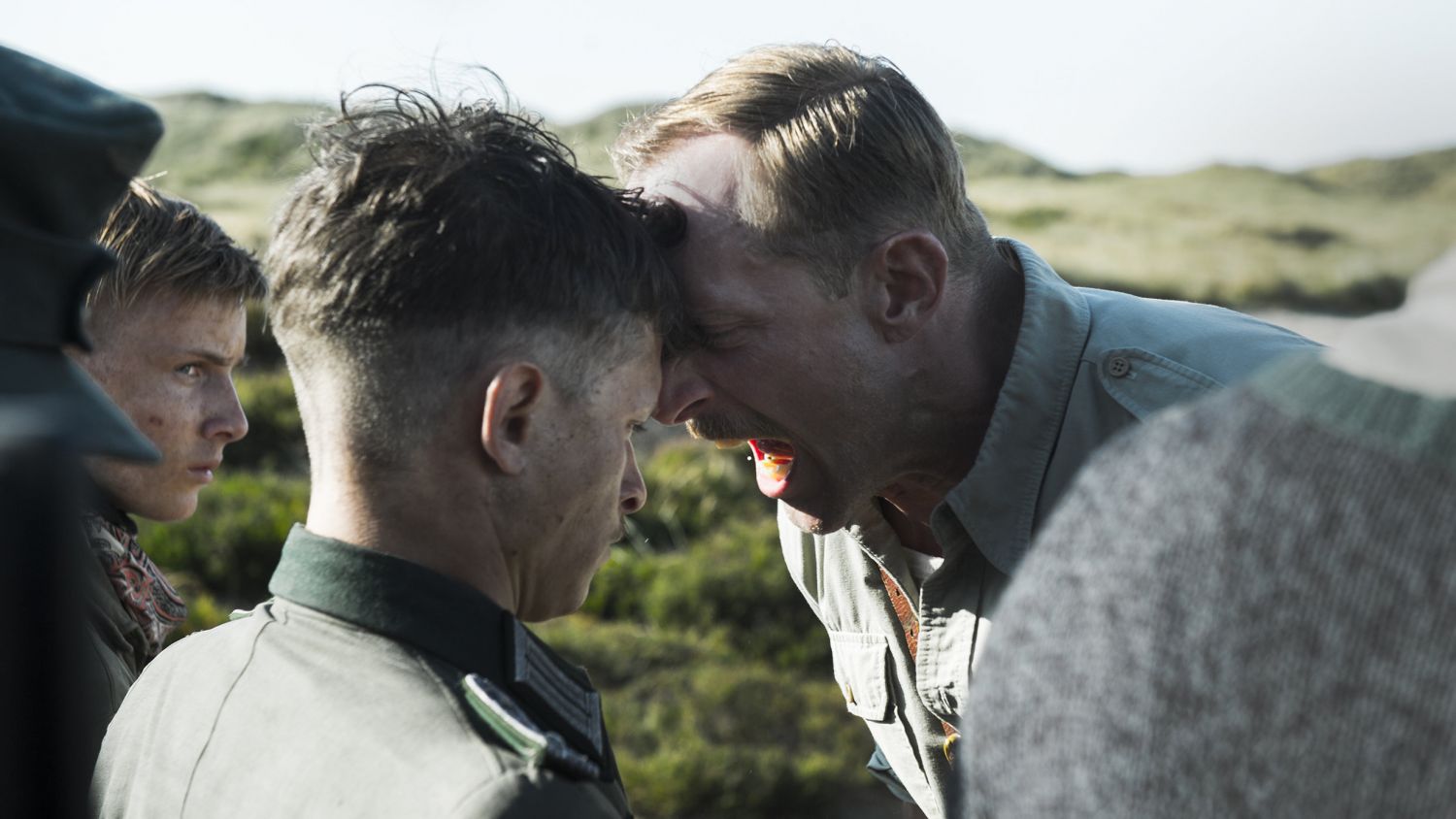
Land of Mine (2015)
Taking place entirely on beachside farmlands in Denmark, Land of Mine takes a particularly intimate—and visually distinct—approach to war. The fighting may be over, but the film remains a tense and emotionally distressing, with all the pain and violence being carried over onto these German boys being forced to clear the beaches of live explosives with their bare hands. The relationship between these young men and their vengeful Danish commanding officer may progress a little quickly for some, but their volatile bond only emphasizes that rage isn’t meant to be felt forever, and that war is a destructive cycle that eventually needs to come to an end.
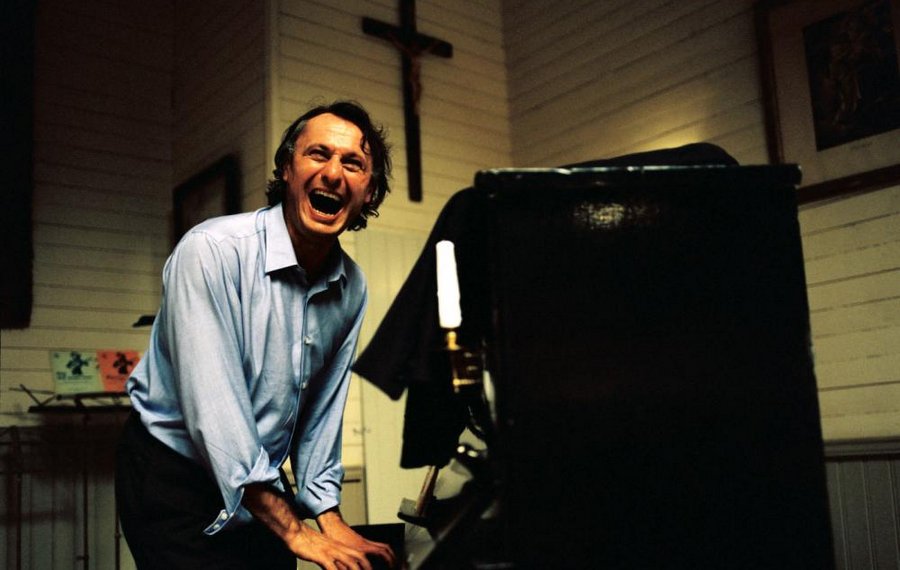
As It Is in Heaven (2004)
A Swedish film about a world-famous conductor who suddenly interrupts his career to return alone to his childhood village in Norrland. It doesn’t take long before he is asked to come and listen to the fragment of a church choir, which practices every Thursday in the parish hall. “Just come along and give a little bit of good advice”. He can’t say no, and from that moment, nothing in the village is the same again. The choir develops and grows. He makes both friends and enemies. And he finds love. It’s a wonderful movie about faith, values, and the exploration of one’s spirit.

Touch (2024)
With the internet able to connect people from miles away, the concept of the one that got away has become unromantic– after all, with instant messaging, their distance just means that you’ve been ghosted. But for the longest time, romance stemmed from the fated circumstances that kept or lost love, and this is excellently portrayed in Touch, a surprising romantic drama from writer-director Baltasar Kormákur best known for his action thrillers. Kormákur infuses the drama with a delicate touch, much more focused on the moments of connection between immigrants from different cultures, with the freedom of the late 60s that marks Kristófer’s youth versus the urgency of the world’s restrictions and Kristófer’s memory. Touch remembers the real romance of the one that got away.
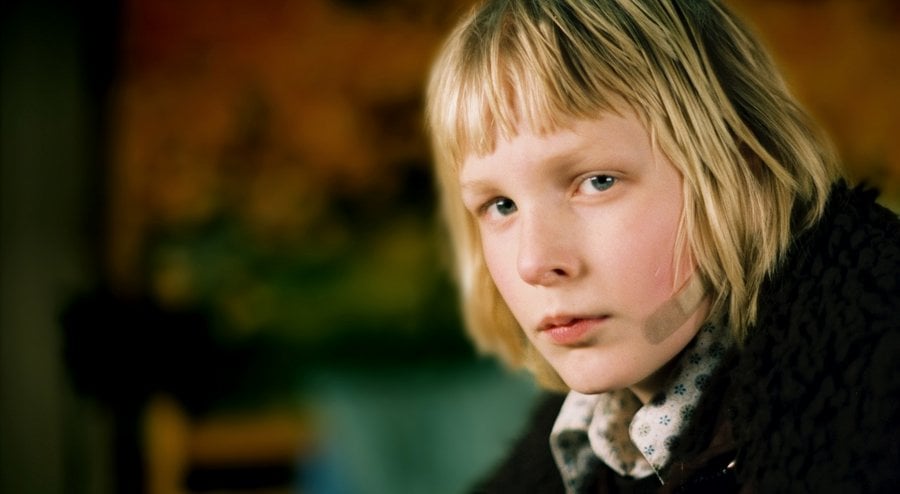
Let the Right One In (2008)
Somehow an art house film, horror, and romance all in one, Let the Right One In explores the boundaries of its genres with unprecedented finesse, and offers a stunning alternative for those disappointed with recent vampire love stories. From its haunting minimalist imagery to its incredible score, it is persistently beautiful. The film follows twelve-year-old Oskar and Eli, drawing on numerous aspects of traditional undead lore, and still manages an impressive feat in feeling entirely fresh and devoid of cliche. Those in search of a terrifying movie might need to look elsewhere, but if what you’re looking for is simply a great watch, don’t pass this one up.
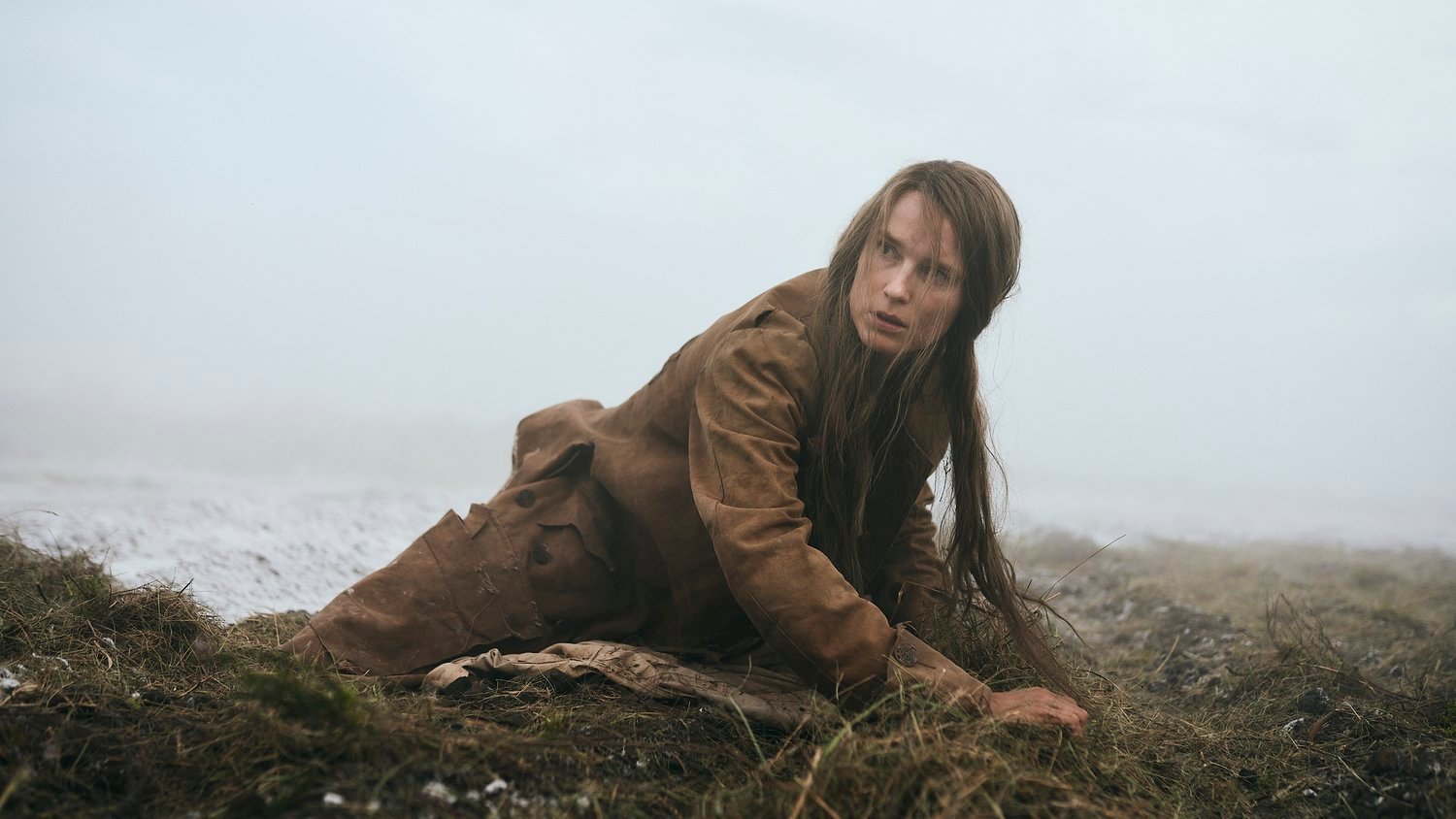
The Promised Land (2023)
In The Promised Land, director Nikolaj Arcel (A Royal Affair) and Mads Mikkelsen reunite to create another intense, enjoyable drama based on true historical events. Mikkelsen is reliably gripping as Captain Ludwig Kahlen, but it’s his back-and-forths with the diabolical landowner Frederik Schinkel (Simon Bennebjerg) that are the standout scenes here. And though The Promised Land resembles modern Westerns in its macho standoffs and sweeping backdrops, it has a surprising and satisfying feminist bent to it. It’s a historical epic that doubles as a revenge thriller and succeeds in both cases.
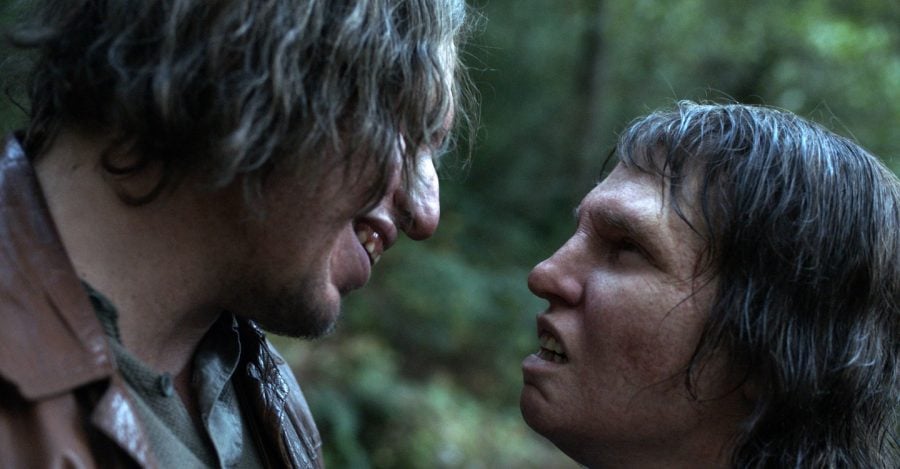
Border (2018)
If you like: weird movies and / or Scandinavian mythology, this movie is for you. It’s about unusual looking border agent with super-human abilities (such as smelling fear and shame) who meets someone like her for the first time There is a big revelation in Border that I can’t share but while this movie was directed by an Iranian (Ali Abbasi), it’s deeply rooted in Swedish folklore. Themes of identity, gender, and otherness intersect through a thrilling script and beautifully-shot nature scenes.

What Will People Say
Nisha, the daughter of conservative Pakistani immigrants in Oslo, finds ways to secretly go out with her Norwegian friends. She goes to parties, plays basketball, and dates.
One day, Nisha’s father catches her with a boy, bringing what he perceives as a great shame to the family. Nisha’s delicate balance is broken, and her family acts drastically: without telling her about their plans, they move her to Pakistan.
What Will People Say is based on its director and writer Iram Haq’s own experience being kidnapped to Pakistan and going back to Norway at age 16.

Heavy Trip (2018)
Heavy Trip is a comedy about a heavy metal band, but unlike many mainstream portrayals, it doesn’t dismiss the genre and its fans as overly aggressive, overly serious, or satanic. Instead, these misfits are endearingly goofy. While they growl over their frustrations, they’re totally sincere about their passion, willing to headbang even in the places they earn their living. So when they finally get a chance of a lifetime, it’s so easy to root for their success in spite of all the things that go wrong (maybe even because of all the ridiculous incidents that happen). While it won’t be the smoothest watch for non-metal fans, Hevi Reissu is a crowdpleaser. Just make sure to prepare your ears.
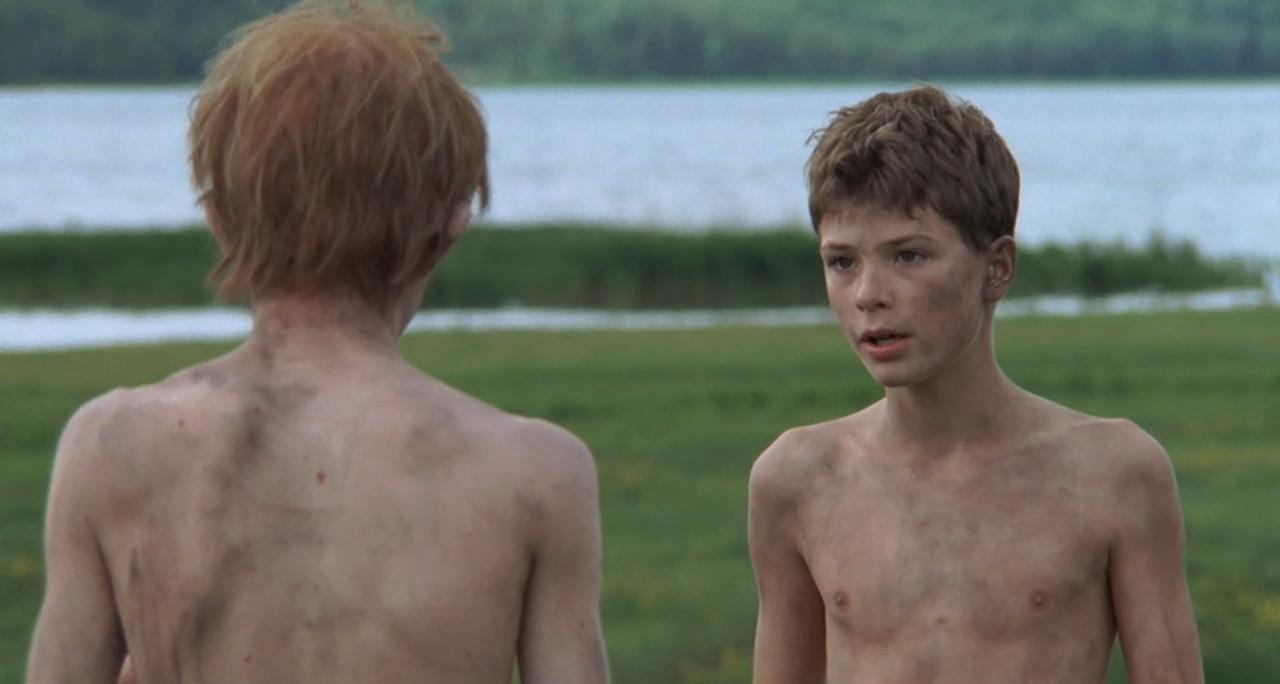
Pelle the Conqueror (1987)
When depicting a novel, book adaptations on film, especially earlier on in the medium, tend to be quite lengthy. The film version of Pelle the Conqueror does have this quality, and the storylines that aren’t directly connected to Pelle and Lasse do feel randomly stitched in. But, when this epic film focuses on Pelle and Lasse– their struggles immigrating to another country, dealing with harassment from the Danish majority, and the rare moments of joy once they finally figure things out– it shines. The legendary Max von Sydow and Pelle Hvenegaard (who was one of the many boys named after the title character) share a tender father-son dynamic that easily stirs one’s heart, and it’s all beautifully captured within Denmark’s lovely countryside. Pelle the Conqueror may only adapt the first of four volumes of the iconic Danish novel, but it does compassionately capture the struggles of the country’s impoverished immigrants.
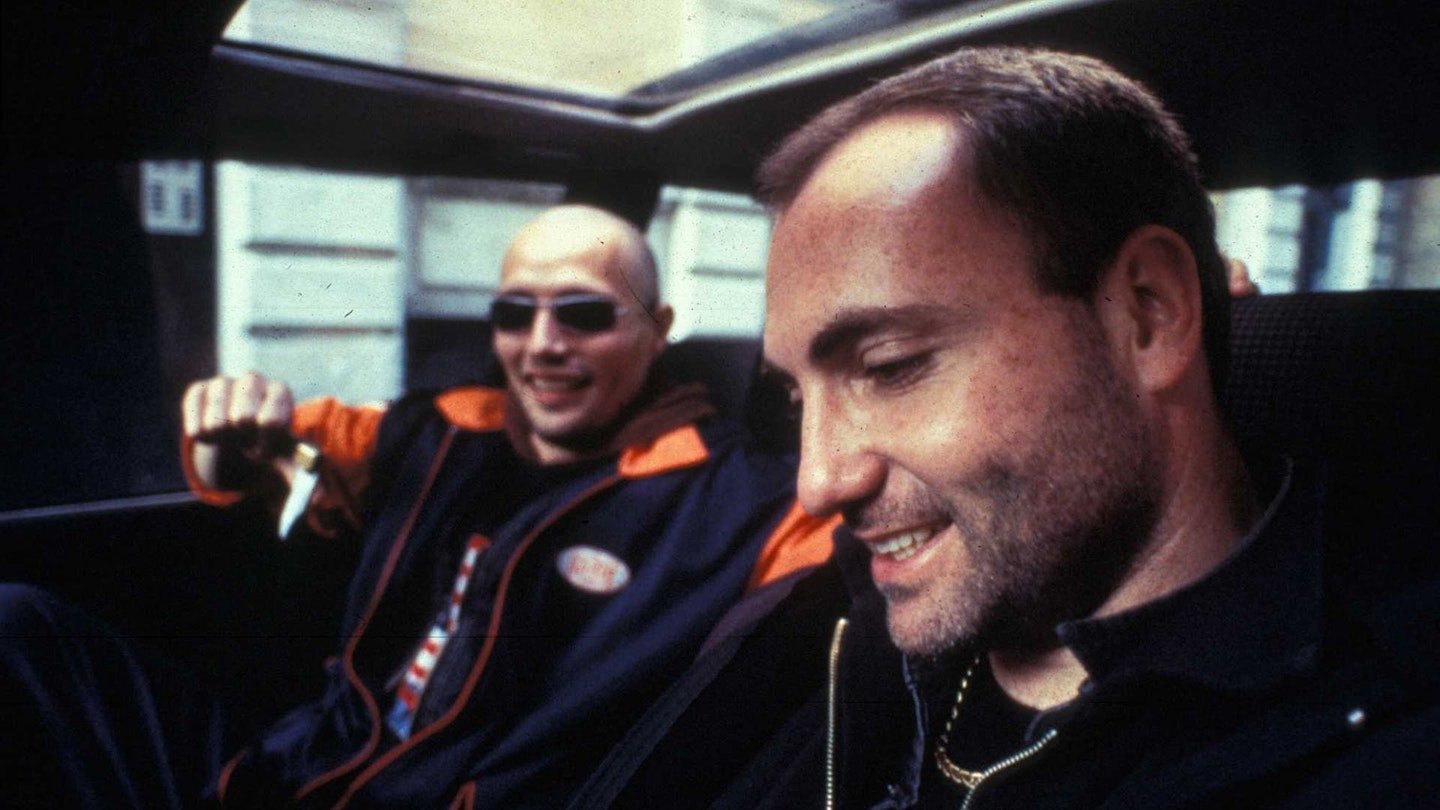
Pusher (1996)
Films about drug dealing aren’t particularly new, but the way Pusher delves into their lives feels different– more realistic than glamorous, somewhat like a guerrilla documentary, with the handheld camera as a silent, unnamed witness. As the camera follows low-level dealer Frank through the course of a week, Kim Bodnia skillfully garners empathy with the way he holds himself through the pressure, and does the opposite when he does the same wrongs that were done to him. The story itself may be simple, but writer-director Nicolas Winding Refn made his mark through this debut, inadvertently creating a franchise and influencing Danish cinema.

Queen of Hearts (2019)
This Danish film which was the country’s submission to the Oscars is about a delicate subject. A lawyer who specializes in defending children, and who is used to developing closeness with her clients including meeting with them in her home, starts having an affair with her teenage step-son.
There is inherent tension to this obviously very explicit plotline: how would a serious, non-erotic (or not-only-erotic) movie like this one portray such attraction. And of course, afterwards, what are the implications?
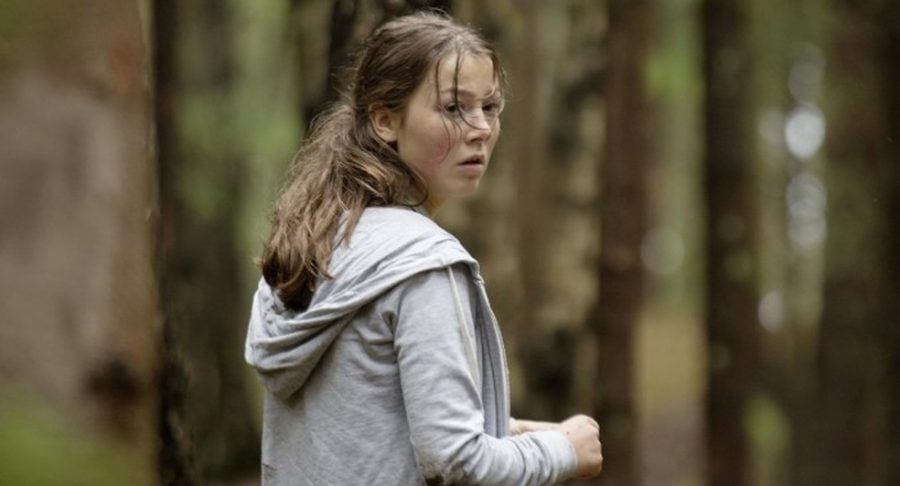
Utøya: July 22 (2019)
This movie is different from a Netflix release about the same events. Actually, it’s different from any movie you’ve probably seen before. Depicting the terrorist attack that took 77 lives in 2011 in an island near Oslo, Norway, it’s made to make you feel as if you were part of the attack. It’s shot to resemble one take, and the time of the movie is the time it took the attack to unfold (so you’re witnessing it in real-time). While closely based on the accounts of two survivors, it follows a fictional character called Kaja who looks for her sister during the attacks. Utøya: July 22 pushes the limits of what you can watch in a movie but serves as a terrifying testament to the atrocity of a terrorist attack of such nature.

Teddy Bear (2012)
This Danish movie is about a failed 38-year-old bodybuilder who lives with his mom and has never left Denmark. In an expected move, and while telling his mom he’s going to Germany, he travels to Thailand in hopes of finding love.
It might at first seem like a disastrous storyline (of sex tourism), but that part of the movie is almost accidental. Teddy Bear is actually a sweet and likable story of a man who wants to break away from his domineering mother, and a journey of someone who starts growing up later in life.
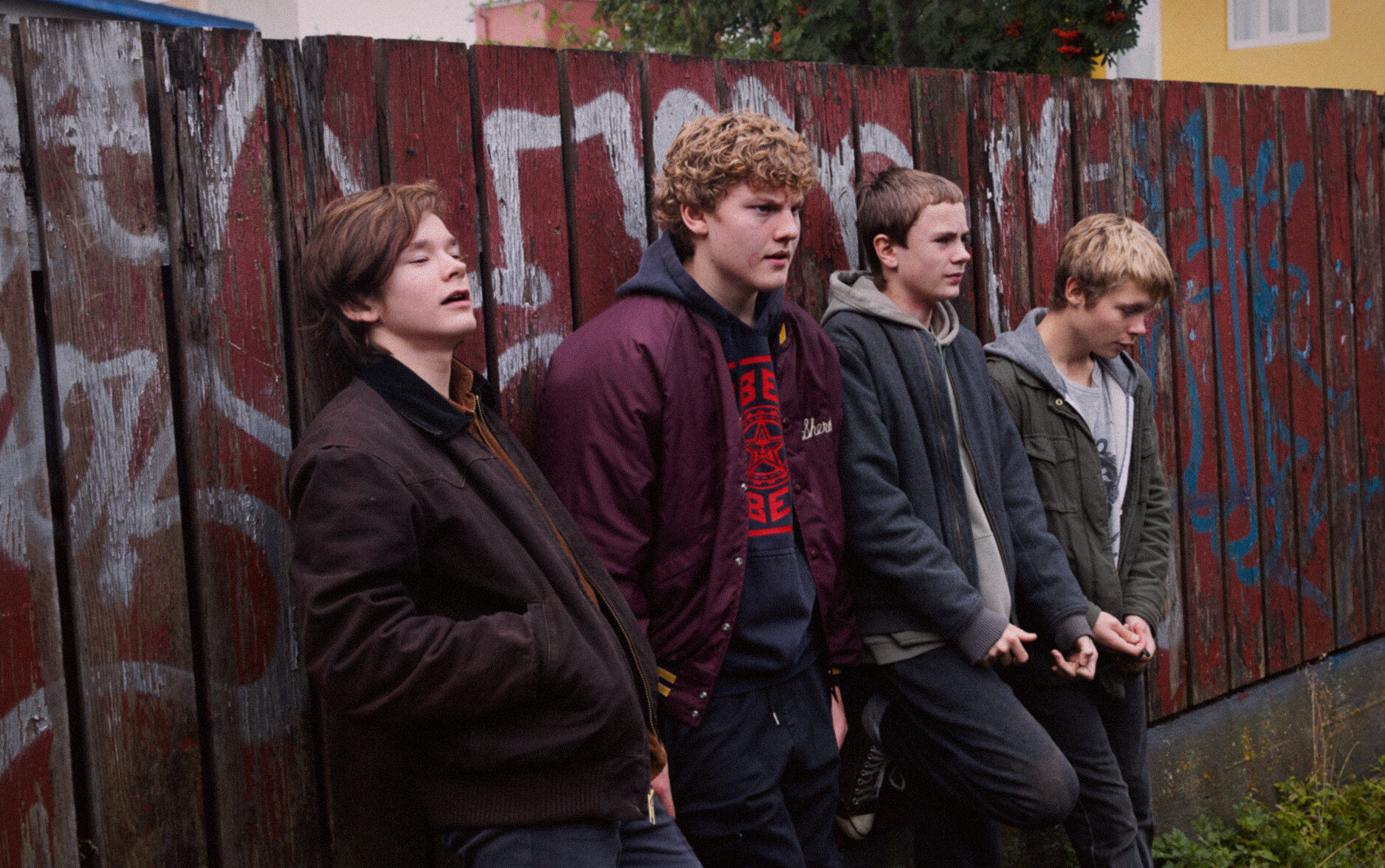
Beautiful Beings (2022)
There are many ways through which a friendship can form, but sometimes, it’s due to compassion for someone who needs help. Despite the somewhat fantastical clairvoyant premise, Beautiful Beings is mostly about this simple friendship formed with a bullied kid, which turns out not to be so simple at all. From a bummed cigarette, the friendship grows into a protective support system, filling up parental neglect with teaching each other how to live, but while some of these moments are totally wholesome, other moments lean into mischief, and sometimes violent danger. It may be a fairly familiar coming-of-age premise about male friendship, but Berdreymi executes it well, has a compelling cast, and isn’t afraid to go dark when necessary.

Play (2011)
Children like to play, but sometimes the line between regular roughhousing and outright bullying gets blurry, especially for people watching from the outside. What happens in this Swedish drama is clearly bullying, though. However, the audience could only recognize it as bullying because of the point of view, since the camera is present from start to finish, unlike the silent adults who witness these incidents halfway, or the well-meaning bystanders that interfere without any context. It’s an interesting depiction of bullying based on multiple court cases, but writer-director Ruben Östlund and producer Erik Hemmendorff adds fuel to the fire with the character choices, unabashedly exploring the different ways leadership has failed to address this issue.
Copenhagen (2014)
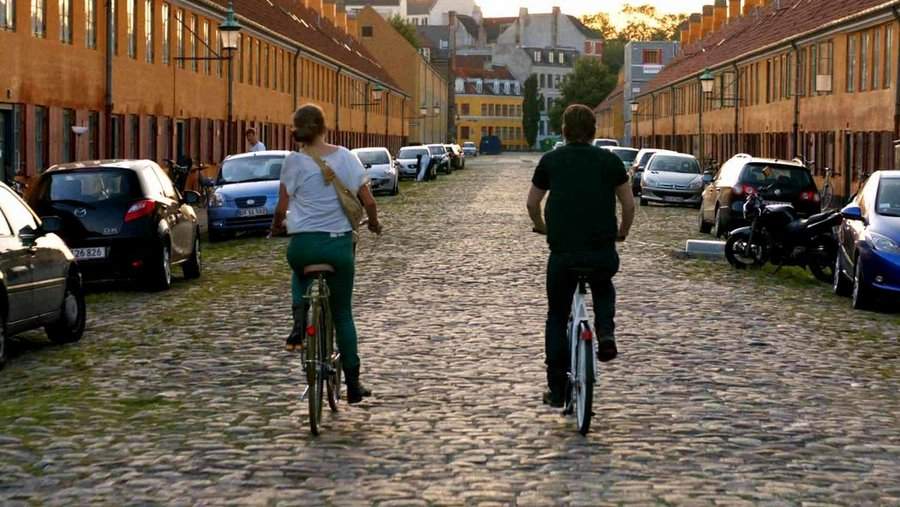
Though it starts off somewhat slow, I was delightfully surprised at how much I loved this movie. A 28-year-old man ventures through Europe with a buddy, ending in Copenhagen, where he hopes to contact the last of his family. There he enlists a local girl to help him. An interesting relationship unfolds as they take a captivating journey through Copenhagen in search of William’s grandfather. The tag line of the movie is “When the girl of your dreams is half your age, it’s time to grow up” and William really does have to grow up when he’s faced with his own personal tumult.
The girl is played by Frederikke Dahl Hansen, who gives an exceptional natural performance, which adds even more to the abundance of charm in this film.
Sound of Noise (2010)
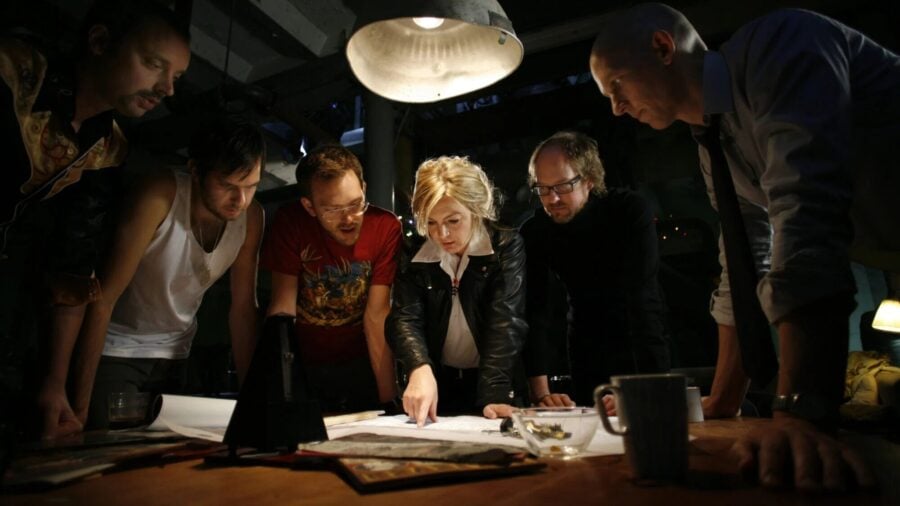
When a group of percussionists illegally carry out a city-wide performance act, it’s up to policeman Amadeus Warnebring to stop them. The musical fugitives perform on stolen objects and disrupt public spaces, but Warnebring has his own reasons to pursue them so determinedly: he’s tone-deaf for one and born into a family of snobby musical geniuses for another, making this case all the more meaningful and consequential to him.
Sound of Noise is more than reminiscent of Stomp, what with its playful symphonies subsisting on random borrowed objects, but it is livened up with the suspense of a caper, the dry wit of a Swedish comedy, and the abundant charms of a light romance.
Pathfinder (1987)
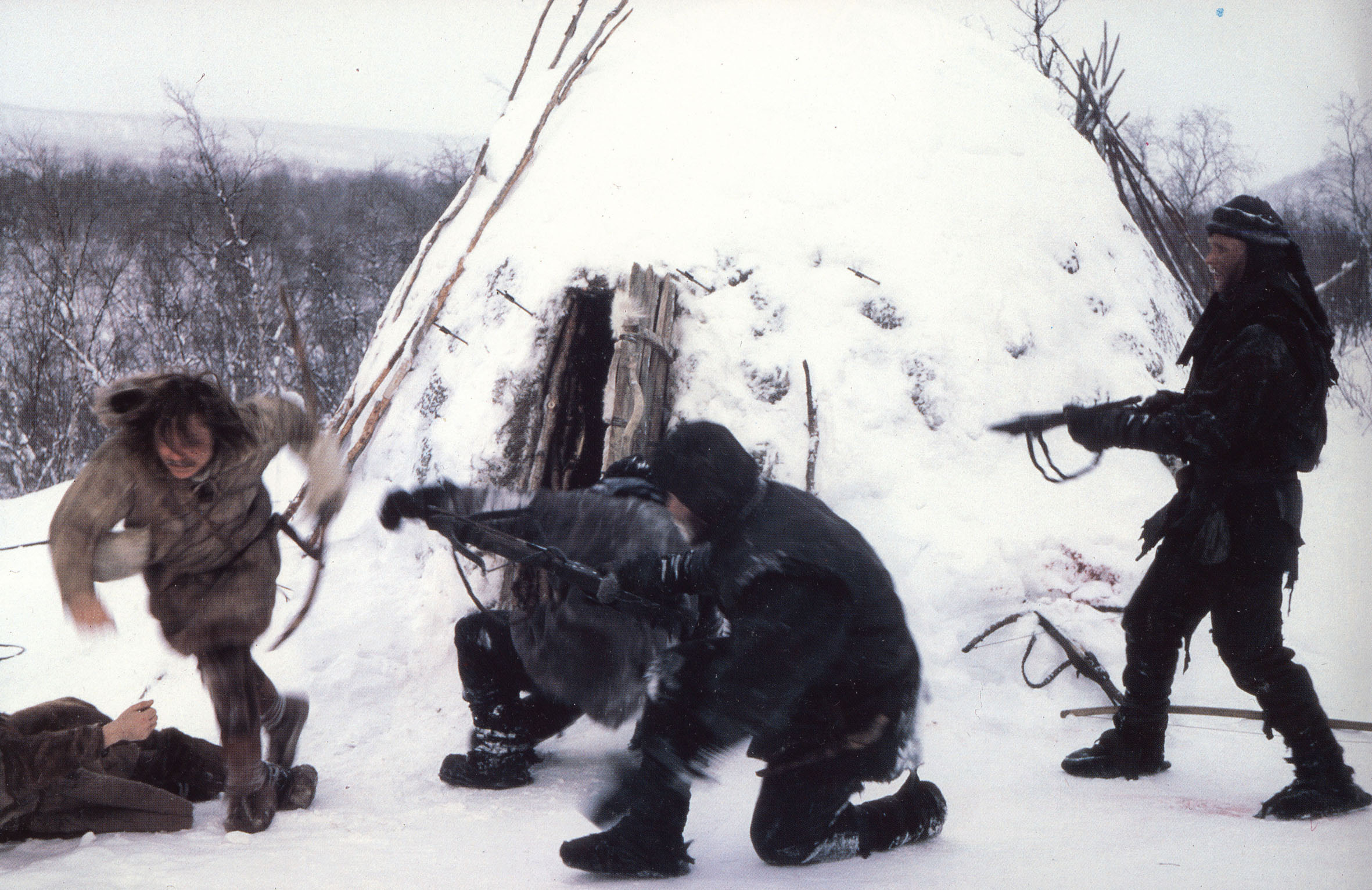
When forming a nation, governments would like to view the entire populace as one people– for example, the Norwegians live in Norway. But plenty of these nations have smaller populations of different ethnicities, some that have been on the land far longer than the nation itself. Pathfinder is the first ever feature film depicting the Sámi people, depicting one of their tales. The film plays out like a familiar folk adventure, where a boy comes of age through clever thinking, but it also mirrors their struggle to keep their culture from Norwegianization, to protect their people from extinction. Pathfinder may not have the best special effects, but there’s a beauty in the way writer-director Nils Gaup depicts his home county of Finnmark, and the way he depicts his people’s past.
Italian for Beginners (2000)
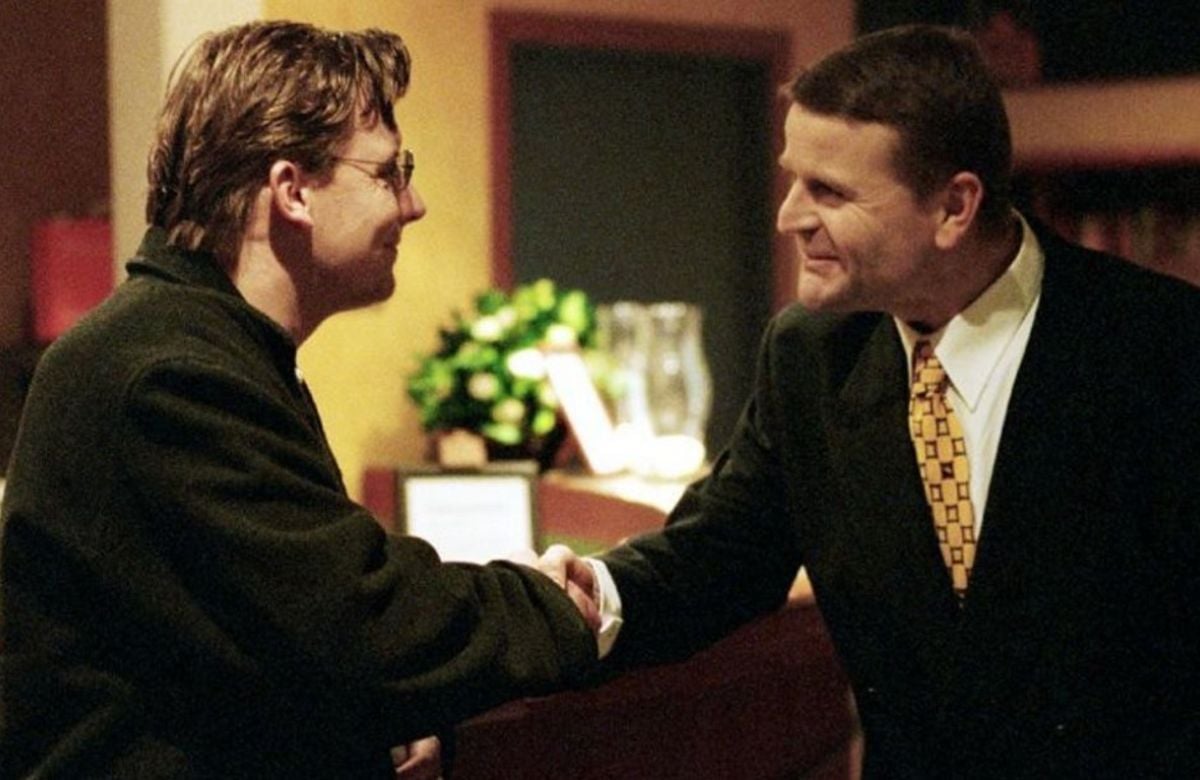
With the austere ethos of Dogme 95, most Dogme films tend to be naturalistic, serious dramas, dealing with heavy topics. Italian for Beginners is a Dogme film, but it’s one of the only lighthearted comedies considered to be one. It makes for a more casual, realistic approach to the romantic comedy, as students in an Italian class naturally build up connections through a subtle, dry humor, and consistent attempts to understand each other, as one does in a language class. It’s understated and subtle, but director and writer Lone Scherfig manages to make Italian for Beginners seem all the more charming.
Involuntary (2008)
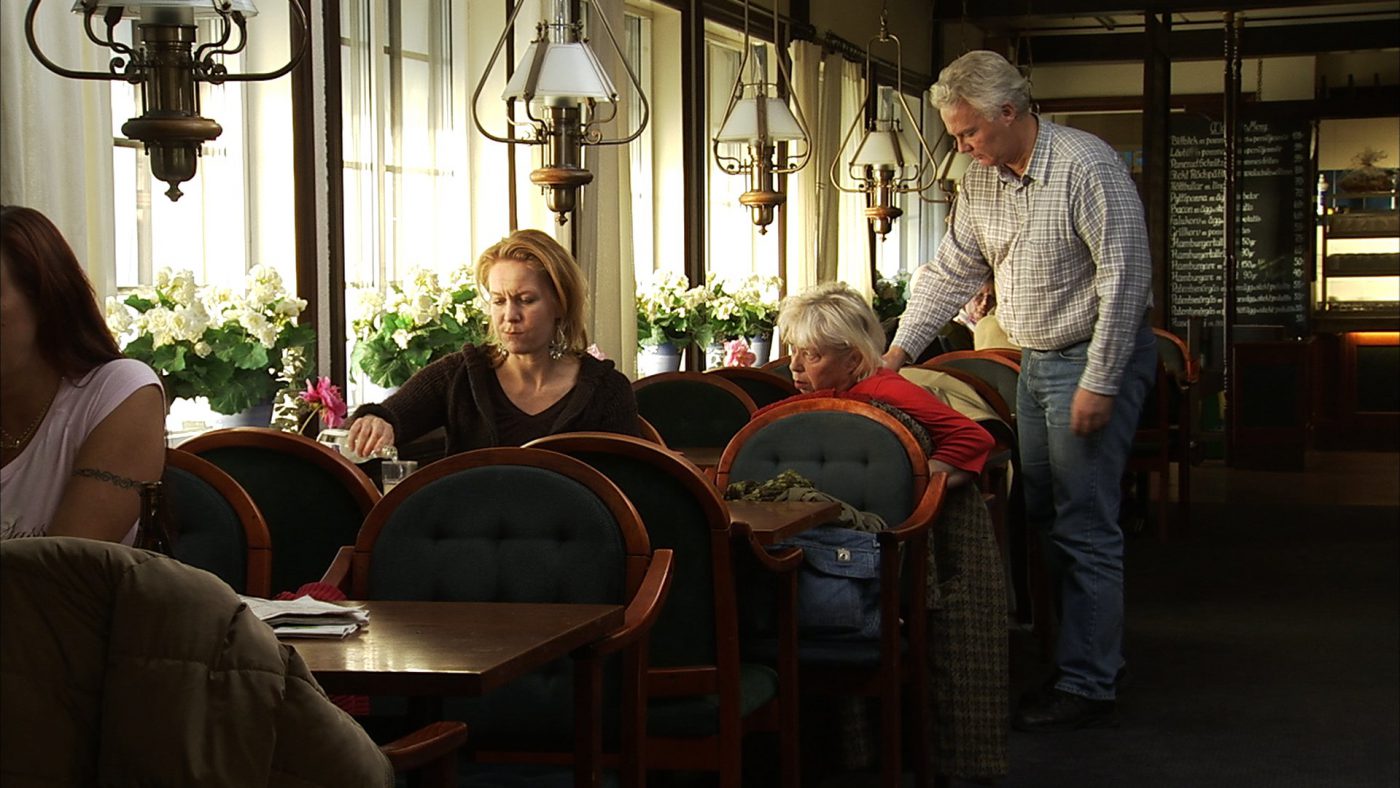
Anthology films are interesting because it’s not just one film on screen– it’s multiple stories, one after the other, that might have different plots, but share similar themes, ideas, and styles that the filmmaker(/s) would like to display. Involuntary does have five separate short films, but rather than play one by one, writer-director Ruben Östlund chops them up and alternates between them, starting with small instances where the group pushes someone into a behavior, then eventually escalating and accelerating into much more difficult consequences. This makes for a very slow start to the one and a half hour film, but it also allows Östlund some scope, with this simple group dynamic directly affecting larger ideas such as public morality, masculinity, and high-risk behavior in teens amongst others.
A Thousand Times Good Night (2013)
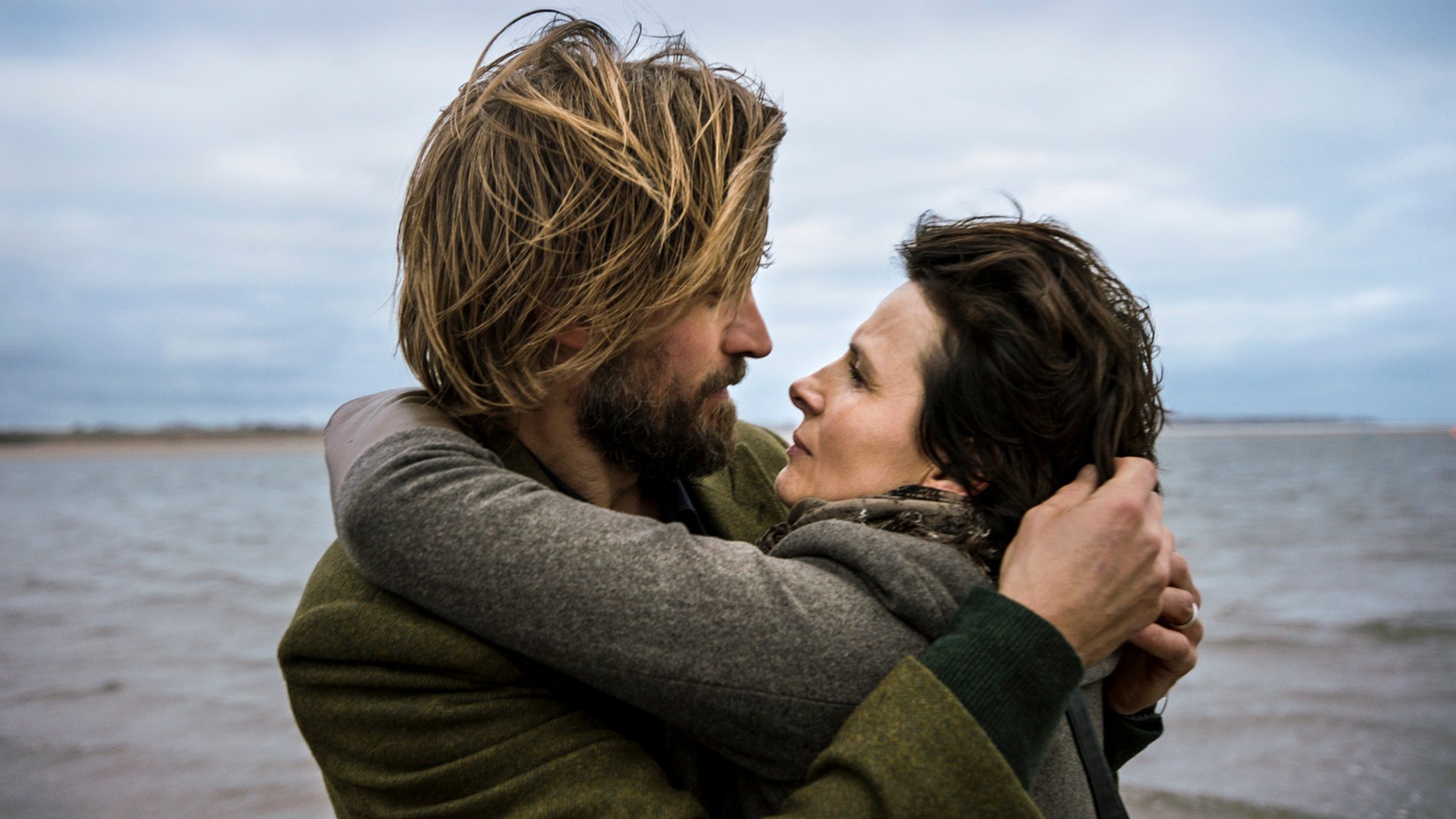
The choice between practicality and passion is the subject of many a drama, but A Thousand Times Good Night depicts that passion stemming from a different place. Rather than pure expression, or creativity, director Erik Poppe depicts the passion of his former profession of photojournalism stemming from social importance– not just status, but in possibly changing the course of history. The semi-autobiographical story clearly has an understanding of the craft, and with her moving performance, Juliette Binoche proves to be an effective proxy, as her character takes risks her family find it hard to tolerate, and as continually choosing those risks, also entails influencing your family to make that same sacrifice. Some viewers might not agree with these choices, but nevertheless A Thousand Times Good Night is a palpable character study of someone whose career is personally interlinked with their advocacy, their identity, and their philosophy of what the world should prioritize.
No titles match these filters.