
Our take
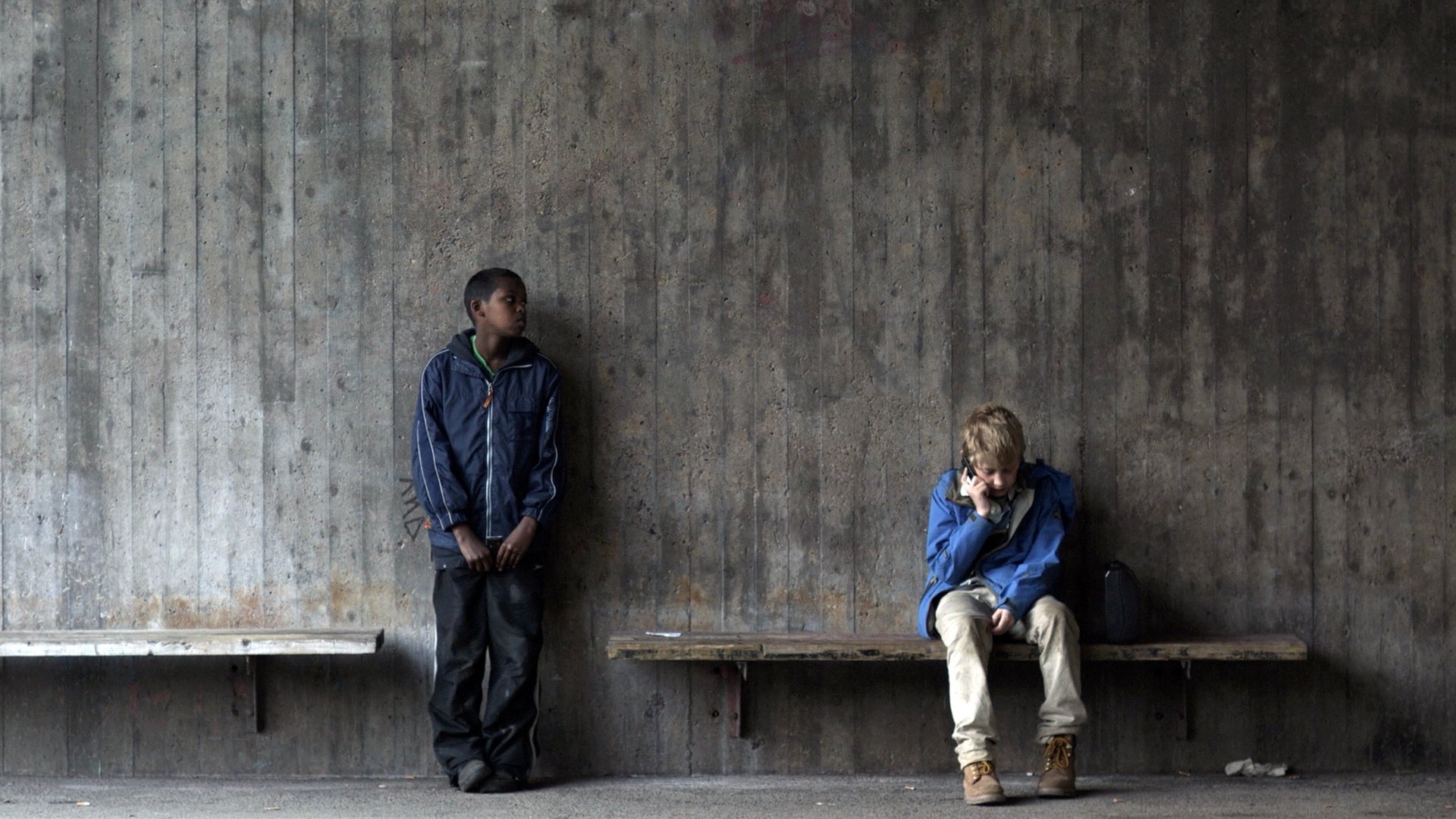
Children like to play, but sometimes the line between regular roughhousing and outright bullying gets blurry, especially for people watching from the outside. What happens in this Swedish drama is clearly bullying, though. However, the audience could only recognize it as bullying because of the point of view, since the camera is present from start to finish, unlike the silent adults who witness these incidents halfway, or the well-meaning bystanders that interfere without any context. It’s an interesting depiction of bullying based on multiple court cases, but writer-director Ruben Östlund and producer Erik Hemmendorff adds fuel to the fire with the character choices, unabashedly exploring the different ways leadership has failed to address this issue.
The story
In central Gothenburg, Sweden, a group of boys, aged 12-14, robbed other children on about 40 occasions between 2006 and 2008. The thieves used an elaborate scheme called the 'little brother number' or 'brother trick', involving advanced role-play and gang rhetoric rather than physical violence.
In central Gothenburg, Sweden, a group of boys, aged 12-14, robbed other children on about 40 occasions between 2006 and 2008. The thieves used an elaborate scheme called the 'little brother number' or 'brother trick', involving advanced role-play and gang rhetoric rather than physical violence.
The details



Streaming arrival
Who picked it

Isabella Endrinal is a curator at A Good Movie to Watch. She's now free from the corporate night shift. Previous articles have been published in outlets such as NANG Magazine. She's currently catching up on some classic films… if she isn't coping with the fact that the Haikyu anime will end soon.
