
Movies to Watch From France (Page 2)
To access filters, visit our homepage.











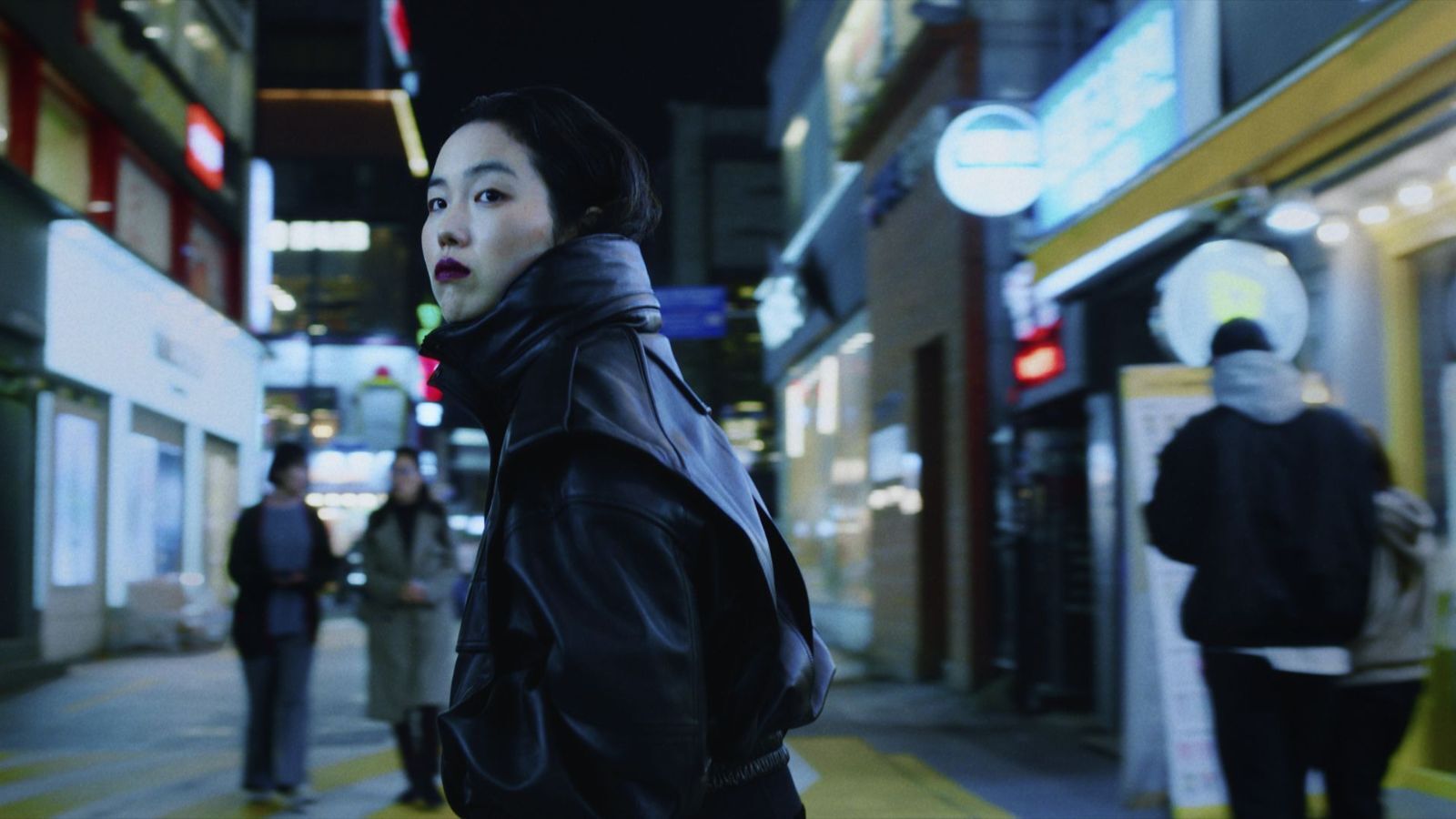
In both documentaries and films, adoptees meeting their biological parents for the first time is an event often painted in a sweet light. Never mind the child’s mixed feelings about it or the tragic reality that caused the split in the first place—it’s a reunion between family members, so it must be unequivocally special. In Return to Seoul, director Davy Chou doesn’t just debunk that myth, he subverts it by making the adoptee, Freddie, as unapologetically complex and emotionally enigmatic as possible. She resists affection but wallows in loneliness. She craves reinvention but stays in the same place for years. She’s in constant motion while being absolutely stuck in life. In other words, she’s a realistic embodiment of a person struggling to find some semblance of home. Chou displays an intimate understanding of the foreign experience, and he couples it with captivating cinematography, a rousing soundtrack, and fantastic performances across the board to make a daring, inventive, and thoroughly exciting film.
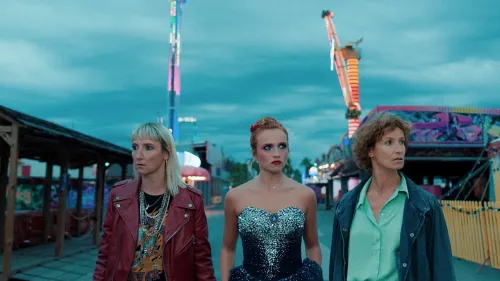
A murder mystery with an absurdist comedic bent, Killer Coaster initially comes off as too much. It struggles to juggle different genres and poses many questions it doesn’t immediately answer. There are also too many elements—including warring families, star-crossed lovers, secret identities, and complicated pasts—that make the mystery of the Ghost Train Killer seem incidental, even though it is the show’s throughline, the main event that kickstarts the entire thing. But it’s easy to forgive all this whenever Alexandra Lamy does her magic onscreen. As the well-meaning but clumsy police officer Sandrine, Lamy is likable and hilarious, a clown with just enough heart to pull you into her antics. She soars even more when paired with real-life sister Audrey Lamy, who plays the carnival owner Yvanne—also good-hearted but even slower (and at times funnier) than Sandrine. Together, their amusing weirdness saves the show from loose ends and uneven tones.

If it’s true that to cook is to love, then Dodin and Eugenie must be enraptured by one another. They use the exquisite language of food to express their feelings for one another, and watching their exchange, you can’t help but feel honored, if not embarrassed, to witness such an intimate and love-filled act. Food is everywhere here, delicately prepared and sumptuously consumed, but the film is more than just a glorified Food Network program. It’s a painting come to life, a love letter to craft, and a beautiful example of a life fully lived.
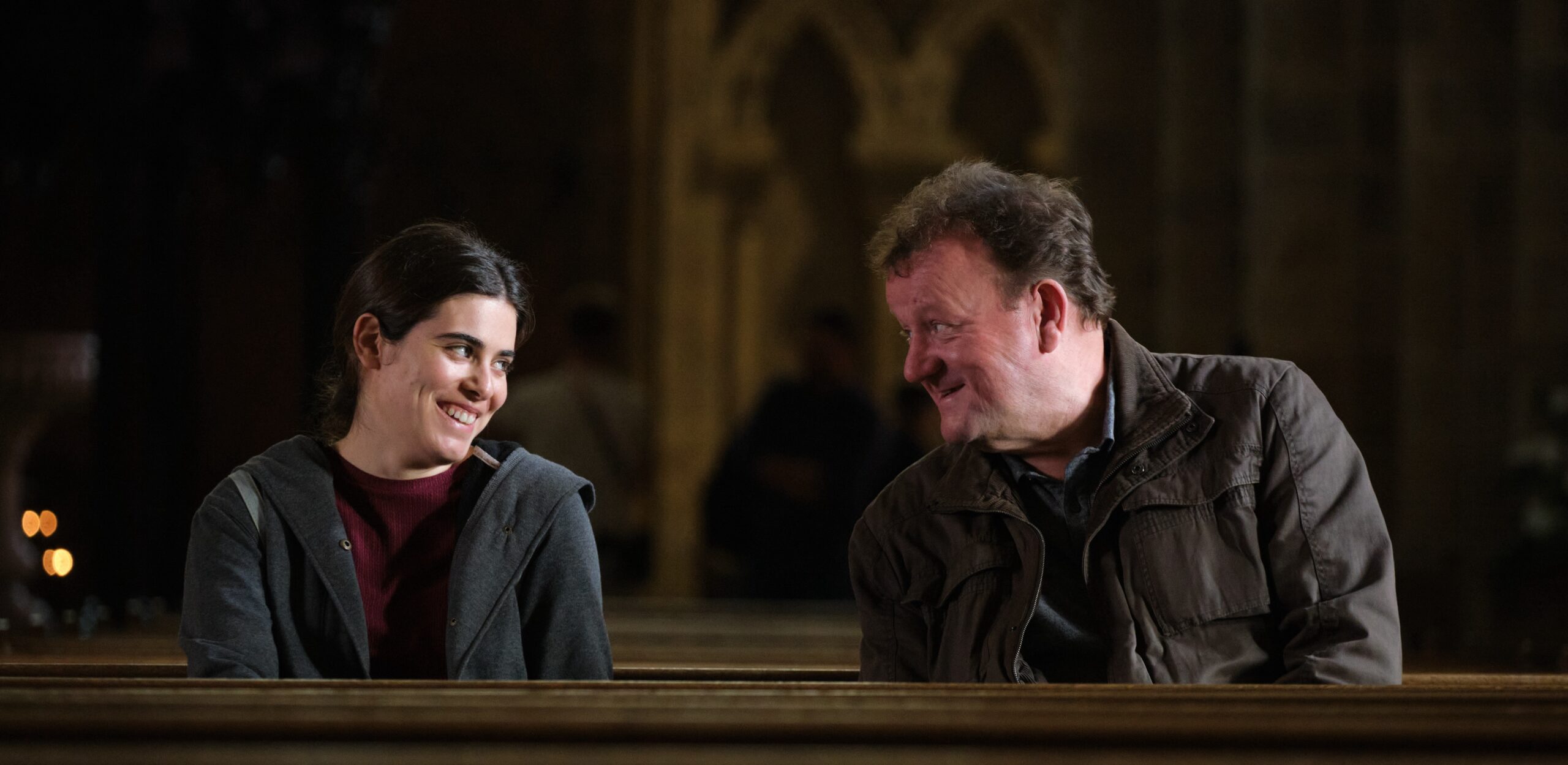
Renowned British director Ken Loach’s signature traits are present in The Old Oak: simple, humanistic, and unapologetically hopeful. But this time, we see things unfold through the eyes of Turner’s TJ and Ebla Mari’s Yara, whose endearing friendship anchors the film. They prove that seemingly conflicting things can coexist, like workers’ and immigrants’ rights, local and newcomer needs, old and new ideals. Loach hones in on his characters’ rich and specific lives so that his message doesn’t come across like an advocacy poster, but a richly woven tapestry filled with beautiful and complex meanings. Because it tackles heavy themes, The Old Oak might sound like it’d be heavy to watch, but as in most of the director’s work, you’ll no sooner be uplifted by an outpouring of hope and love.
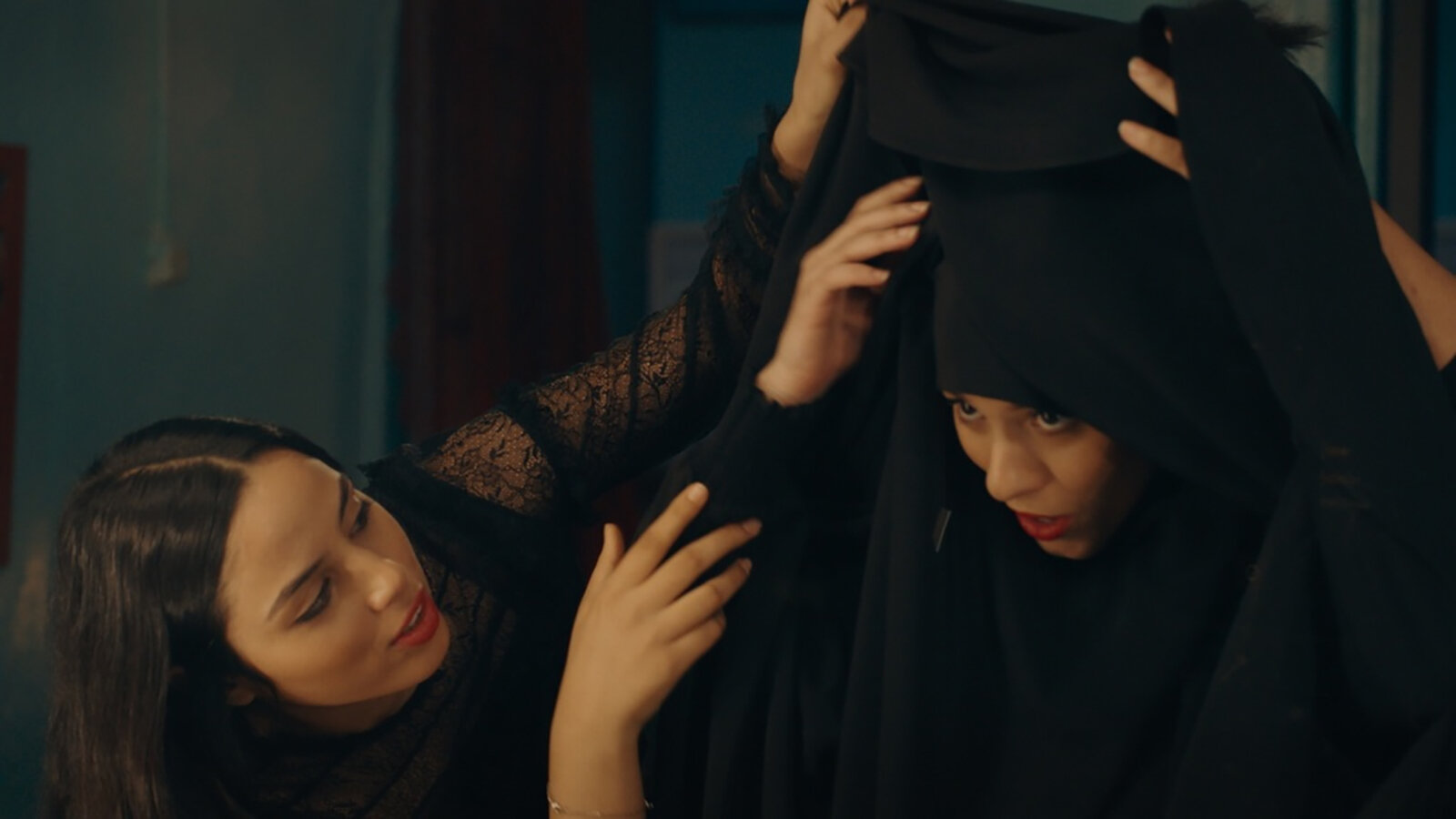
Normally, a film like this would be a straightforward documentary with archival footage and key interviews with experts in the issue. But instead of taking that approach in Four Daughters, writer-director Kaouther Ben Hania takes a more personal approach, understanding that the topic in question isn’t just about extremism, but that this is a tragedy experienced by the Hamrouni family. As such, the approach doesn’t try to mine the drama to make the film more engaging. Hania just tries to introduce us to the family, with the archival footage interspersed with conversations filmed behind-the-scenes of the documentary, and with the past recreated by both the real family and by actors. It’s because of this that Hania cedes unparalleled control for Olfa Hamrouni to tell her story. With this issue spreading throughout the globe, Four Daughters is a necessary documentary. The personal, compelling approach helps drive that home.
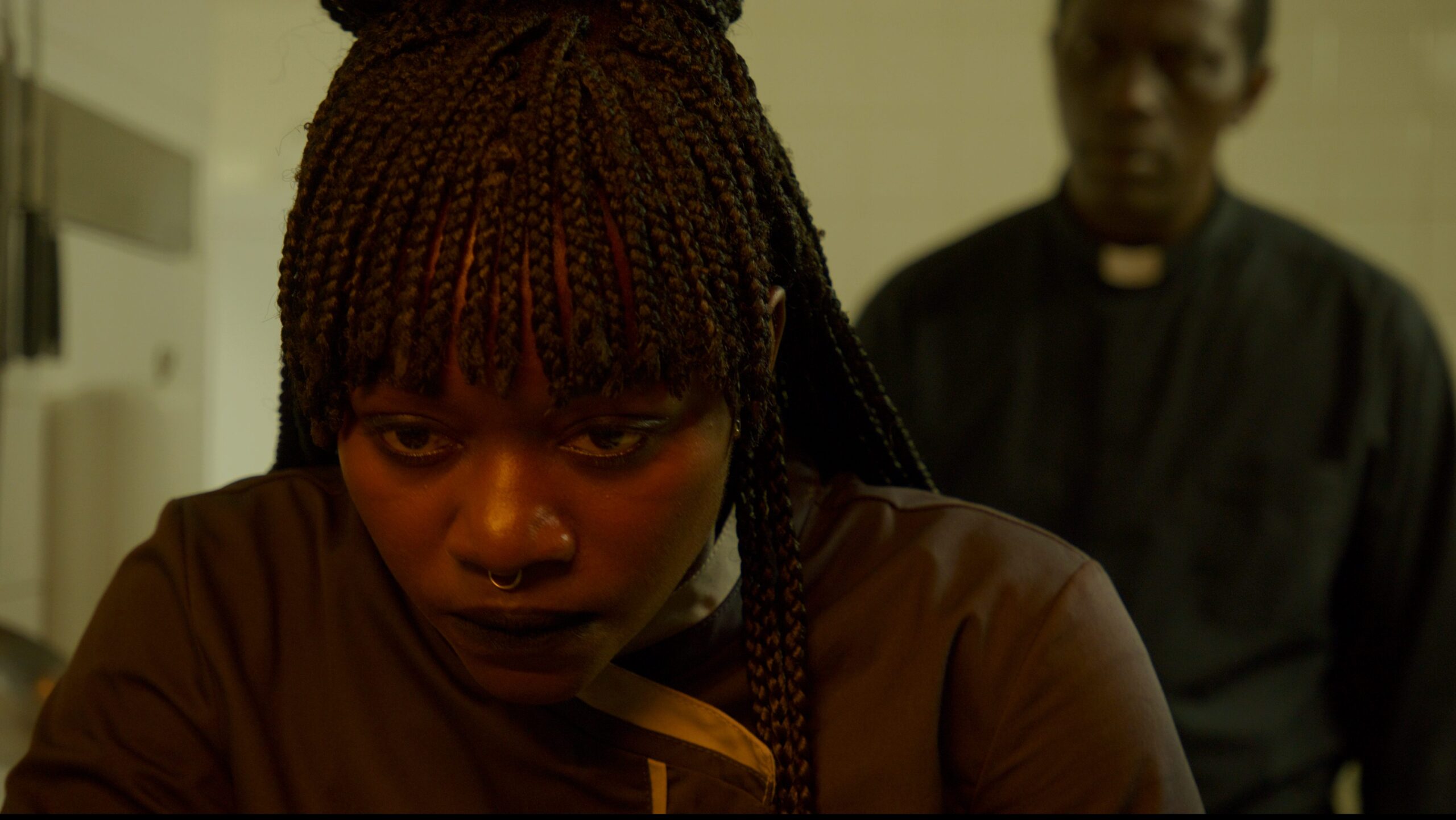
There are horrors in the world that people have faced, and if they survive, they live with the trauma for a long, long time. But what happens when the perpetrator of that trauma has moved on? What happens when they resolve to be better, and pursue a different path? Our Father, the Devil is a psychological drama where an African refugee has to deal with seeing the warlord that once destroyed her entire village, but it unfolds in such a unique way, with the riveting Babetida Sadjo living a split life between her chef and caretaking career in the day, and being tormented by the past at night. It’s a fascinating portrait, one that we haven’t seen in a while, of a traumatized refugee granted the rare opportunity to exact retribution.

One woman’s main character syndrome reaches shocking lows in this vicious Norwegian satire of social-media-era narcissists. Signe (Kristine Kujath Thorp) and her artist boyfriend Thomas (Eirik Sæther) are a deeply toxic couple who torture everyone around them with their constant, petty one-upmanship. When he lands a flashy magazine spread, though, Signe’s usual tactics for slyly redirecting attention her way don’t cut it anymore, and so this compulsive liar takes drastic action and begins overdosing on pills banned for their serious dermatological side effects.
Signe’s Munchausen-esque actions have their desired effect: the physically dramatic results instantly make her the center of attention — but not indefinitely. As she craves increasingly bigger spotlights, the film toggles between reality and scenes from her imagination, including a morbid sexual fantasy in which her funeral proves so popular the priest becomes a bouncer, turning away sobbing mourners whom Signe noticed hadn’t visited her in hospital. The rampant narcissism on display here is at turns hilarious and excruciating: Sick of Myself’s sharp social observation skills make it feel, in places, like a movie by cringe-master Ruben Östlund. That stomach-turning effect carries through to the ending, which darkly suggests that, for someone like Signe, even narcissism itself is a condition that can be weaponized for attention.

Before anything else, Utama will knock you off your feet with its breathtaking beauty. Set in the Bolivian highlands, it captures the arid landscape both in gorgeous wide shots and in unique detail. Then, after you take it all in and remember the vastness of the world and the smallness of humanity, the film ushers you into the lives of Virginio and Sisa, an elderly couple who get by with llama grazing.
Theirs is a small but peaceful life, but it is endangered when a drought in the area makes it harder for everyone—especially a sickly Virginio—to live. Underlying conflicts start to emerge, such as old vs. new and country vs. city, when everyone but Virginio considers leaving the mountains. It’s a simple story told at a purposefully slow pace, but it’s one worth viewing for the tender performances, the urgent themes, and of course, the stunning cinematography.
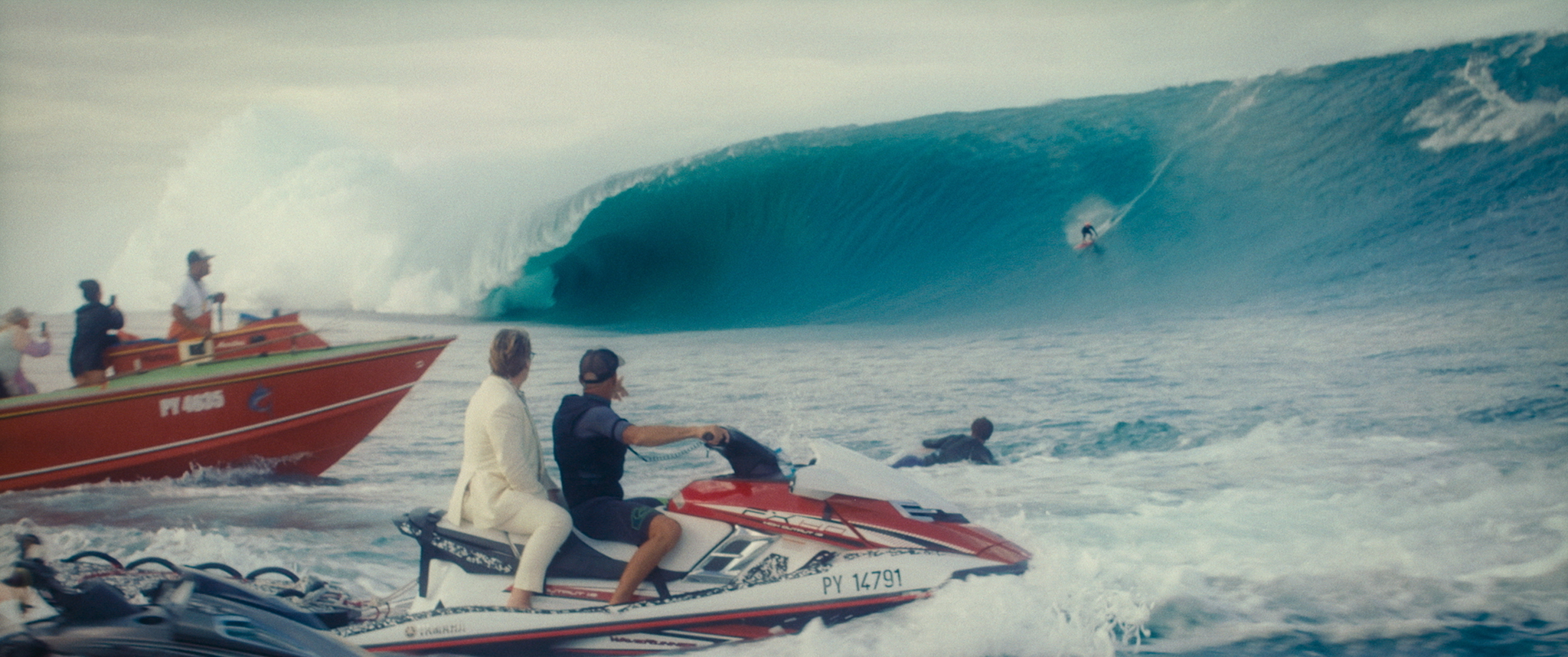
It doesn’t feel quite right to call Pacifiction a political thriller — at 2 hours 45 minutes and with an unhurried, dreamlike pace, it’s hardly the adrenaline rush that that categorization suggests. But Albert Serra’s film is still suffused with all the paranoia and intrigue that the genre promises, just at a slower burn. The specters of colonialism and nuclear apocalypse hang low over the movie, which is set in an idyllic Tahiti, where Benoît Magimel’s Monsieur De Roller is stationed as France’s outgoing High Commissioner, a bureaucratic relic of the country’s imperialist history. As shady figures and strange rumors about a military submarine begin to arrive on the island, a paranoid De Roller struggles to exert political control — and, in the process, seems to lose some of his own sanity. With an ethereal score, defiantly murky plot, hallucinatory cinematography, and some of humanity’s greatest horrors hanging over it like a pall, Pacifiction feels like a fever dream in the truest sense.
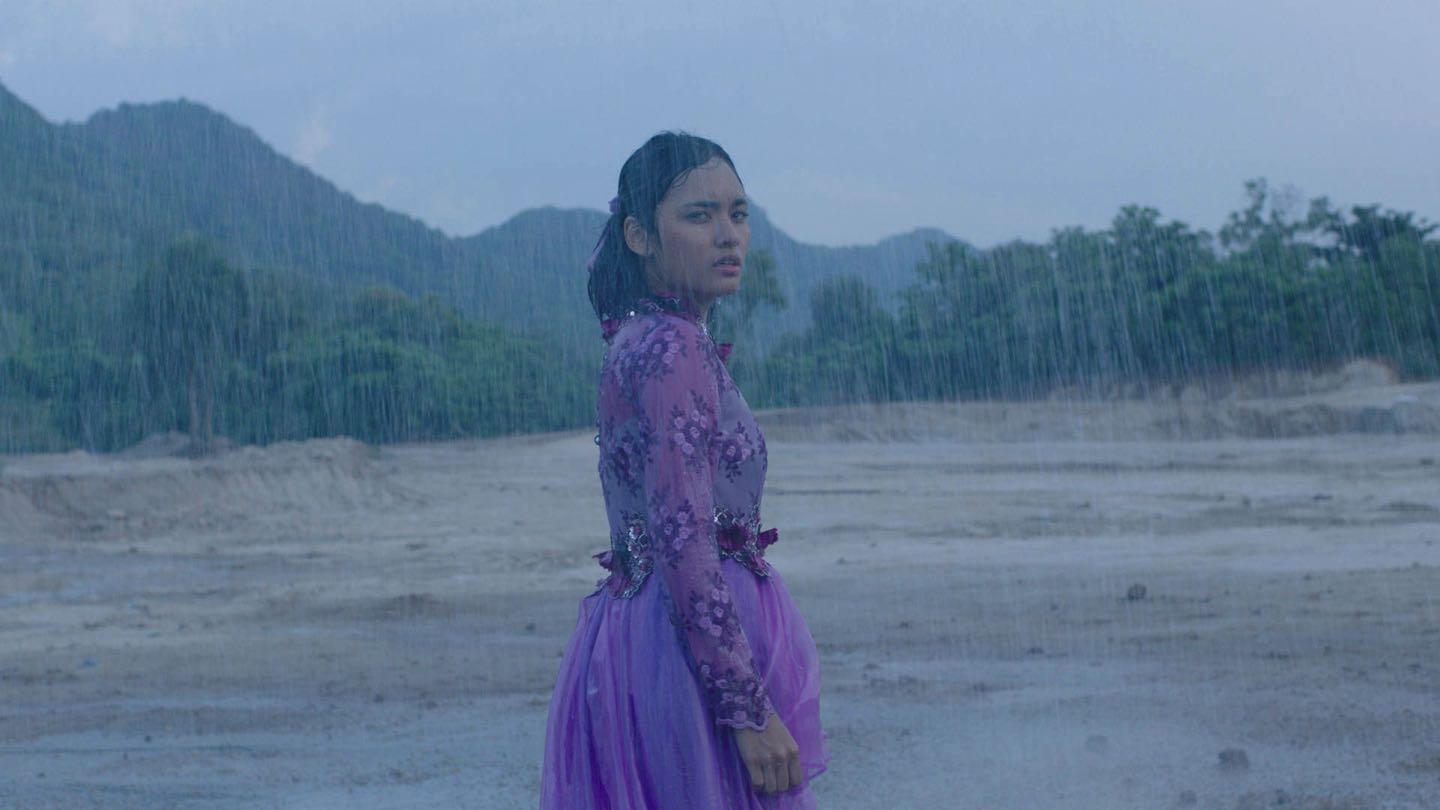
Education is a human right, but for many girls around the world, this isn’t necessarily guaranteed– especially if they want to learn past the required years of basic education. Yuni is a coming-of-age drama that depicts a girl in West Java, Indonesia who wants to go to university, but due to the marriage and virginity culture in the area, her main problem isn’t having to pass the entrance exams, or figuring out how to get financial aid. Instead, it’s having to fend off marriage proposals that clearly don’t come from a place of love. Writer-director Kamila Andini depicts the titular protagonist with the freedoms rarely granted to a girl like her, with the happiness and belonging all girls should be able to find solace in, but she also depicts the casual ways oppression lingers in the background, with society just waiting to kill women’s dreams, hopes, and personal goals. Yuni is an honest and powerful portrait of many women around the globe.
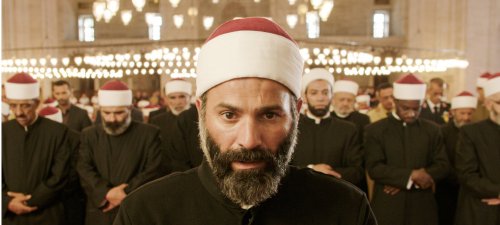
When he’s accepted into the prestigious Islamic university Al-Azhar, fisherman’s son Adam (Tawfeek Barhom) gets an eye-opening education — but not the kind he expected. A place associated with notions of purity is imagined as a hotbed of hypocrisy and corruption here, as naive young Adam finds himself unwittingly embroiled in a state plot to seize control of Al-Azhar (because, as one government official puts it, “We can’t accept having two pharaohs in the land”). Cairo Conspiracy’s intricate plot confronts monsters in government and strips away religious leaders’ veneer of divinity as a reminder that they’re merely fallible men. What’s more, the film grapples with the knotty mess of politics raging inside the institution’s walls in such a way that even its palatial courtyard feels claustrophobic. Rife with paranoia and subterfuge, Cairo Conspiracy feels utterly unique thanks to this skillful transposing of the shadowy machinations of courtly intrigue dramas and ’70s paranoid thrillers into a very contemporary Egyptian setting.

What makes people attempt to climb the tallest mountain in the world? Many might be motivated simply for the title, but in this animated adaptation, it’s the obsession that gets them going. The Summit of the Gods starts its journey with the real life mystery of George Mallory’s 1924 Everest climb, which, if answered, could reshape the history of mountaineering as we know it. So, of course, a reporter like Makoto Fukamachi has to follow the story. As we witness his investigation, and get to know the climber that might have all the answers, Habu Joji, it’s easy to get sucked into their story with the breathtaking visuals, the atmospheric soundscape, and the characters that we get to know on a personal level. The Summit of the Gods understands why they do what they do, despite each step pulling them further away from safety.

Through her irreverent, no-bullshit point of view, Chinese documentarian Christine Choy balances out The Exiles’ painful reckoning with a traumatic event that shaped a generation of Chinese immigrants: the student-led protests and subsequent massacre of civilians in Tiananmen Square, Beijing in 1989. As Choy reconnects with the subjects of a documentary she stopped making 30 years ago, they help provide a fitting conclusion and new insights into the aftermath of the incident. And while the film eventually loses Choy’s brash spirit and settles into a more conventional tone of storytelling, the testimonies and analyses of nation and home that we get to hear are still heartbreaking. After such a reprehensible violation of human rights, it becomes clear that the countries who refuse to condemn wrongdoing are just as guilty.
 x12
x12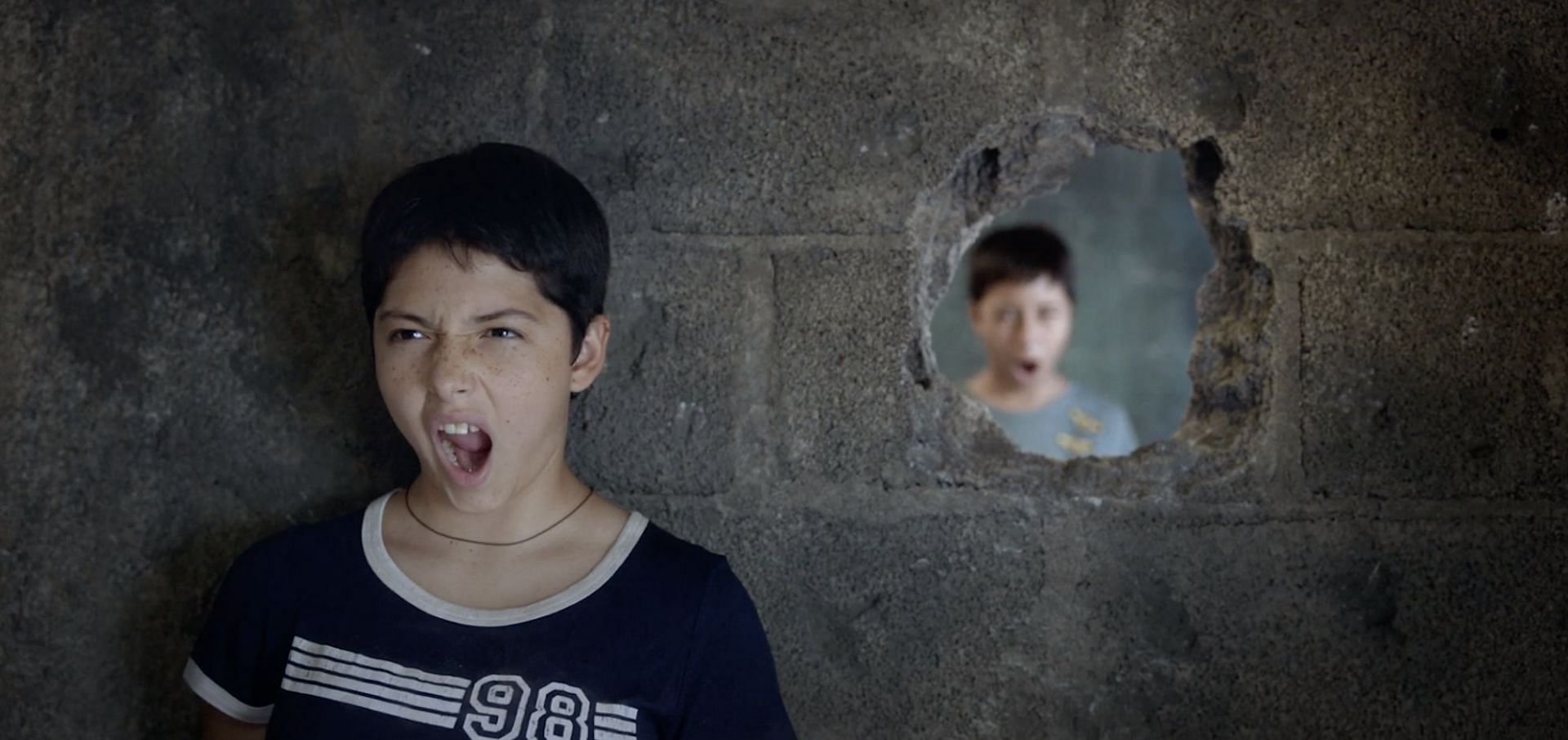
Prayers for the Stolen takes more time to observe life in its rural town, than to showcase the action and violence inflicted by the cartels that pass by. It’s a needed perspective. This move drives home how long these cartels were left unaddressed, as the women of the town have gotten used to the danger and were unable to leave for whole generations. It makes clear how their lives have been interrupted, limited, and held hostage at the whims of whichever group takes over the village. But it also allows writer-director Tatiana Huezo to help us witness the love and tenderness Ana holds for her mom and friends. Prayers for the Stolen is tough to watch because of the safety they lack, but it’s also a beautiful tribute to the relationships they’ve forged despite that.
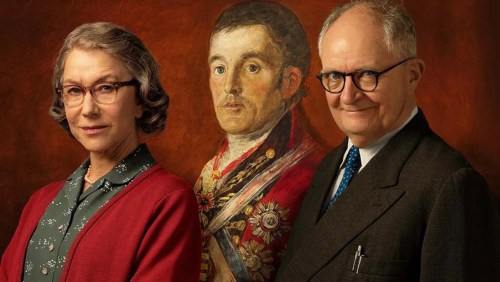
In 1961, Francisco de Goya’s portrait of the Duke of Wellington was stolen from London’s National Gallery, but the theft was no slick heist pulled off by international art thieves. No, the improbable culprit was (the improbably named) Kempton Bunton, a retired bus driver and aspiring playwright who pinched the painting — which the gallery had recently acquired for £140,000 of UK taxpayers’ money — as a Robin Hood-esque “attempt to pick the pockets of those who love art more than charity.” The principled Bunton (played here by Jim Broadbent) was, at the time, waging a one-man campaign to convince the government to grant pensioners and veterans free TV licenses, and the Goya theft was his way of publicizing those efforts. It was an eccentric plan, but Broadbent leans fully into his status as a UK national treasure here, making oddball Bunton a deeply sympathetic and warm figure because of (not despite) those quirks. Thanks to his performance — and the note-perfect direction of the late, great Roger Michell — a quirky footnote of history becomes a sweet, unexpectedly moving story about solidarity and the power of the underdog.
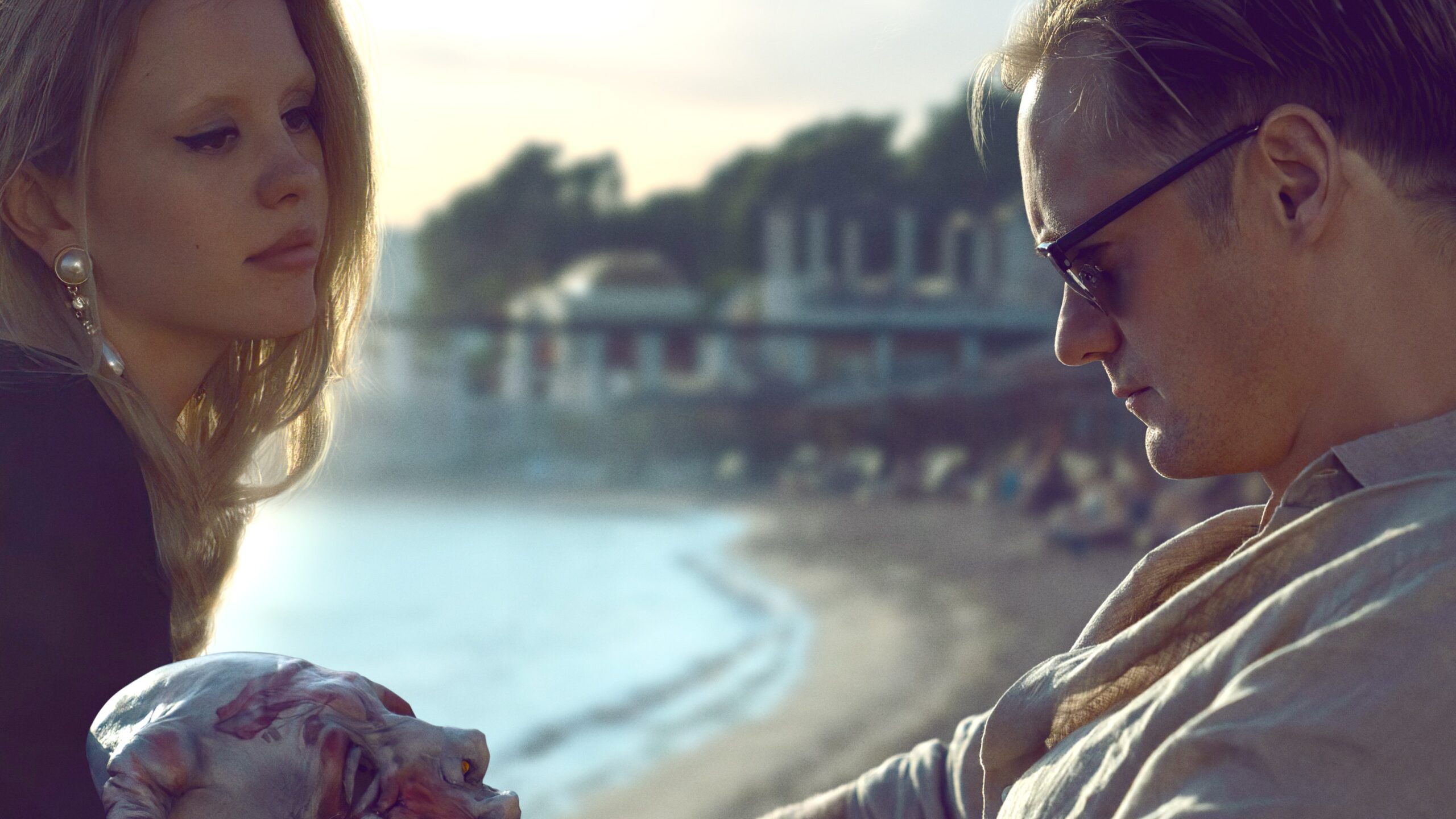
Surreal, off-putting, and extremely disturbing, Infinity Pool plays with the concepts of cloning and the death penalty to craft an examination on colonial tourism. It’s a thematically rich horror film, with hazy neon-lit sex scenes and absolutely terrible behavior, enabled by their wealth and advanced technology that could have been put to better use. Mia Goth, in particular, is strikingly unhinged, as Gabi taunts and lures James into bigger and more terrible crimes, crimes that he can only pay off with the wealth of his father-in-law. And Alexander Skarsgård as James believably gets sucked into this extremely libertine lifestyle, fuelled by the nepotistic anxiety of not living up to his own potential. The film presents a scary notion that pushed by wealth and playground tactics, one will willingly kill their own conscience, again and again, to belong to their cohort.


With a former smuggler struggling to break away from crime, Pamfir has a familiar crime thriller premise that you’ve probably watched before. To be fair, on its own, it works. The titular protagonist tries to live a better life for his family, though circumstances lead him to just one last gig in the underworld. However, Pamfir proves that there’s still more to explore with this premise. As the thriller proceeds in western Ukraine, Pamfir’s personal conflict eerily mirrors that of his country, and it’s reiterated by the folklorish imagery, stunning long takes, and the unsettling tension that simmers all throughout.
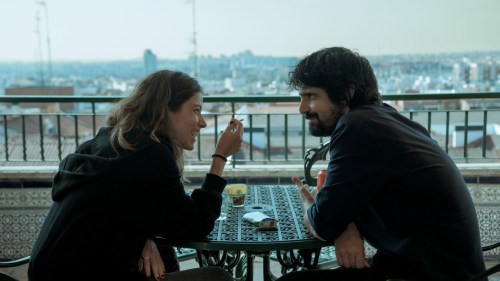
The concept of The New Years is simple: It’s the multi-year glimpses of a relationship like One Day, except on the aforementioned holiday. But because it occurs at that time of the year, and because it’s the couple’s birthdays, there’s a certain hope that justifies their quickly-formed connection. Rather than the whirlwind formative experience of similar college-set shows, Ana and Óscar are in their thirties and are now therefore called to this relationship in spite of all the disappointments their past has given them. The New Years might be a tad familiar because of the premise, but showrunners Sara Cano, Paula Fabra, and Rodrigo Sorogoyen make the most of this moment with a moving exploration of their jaded characters.
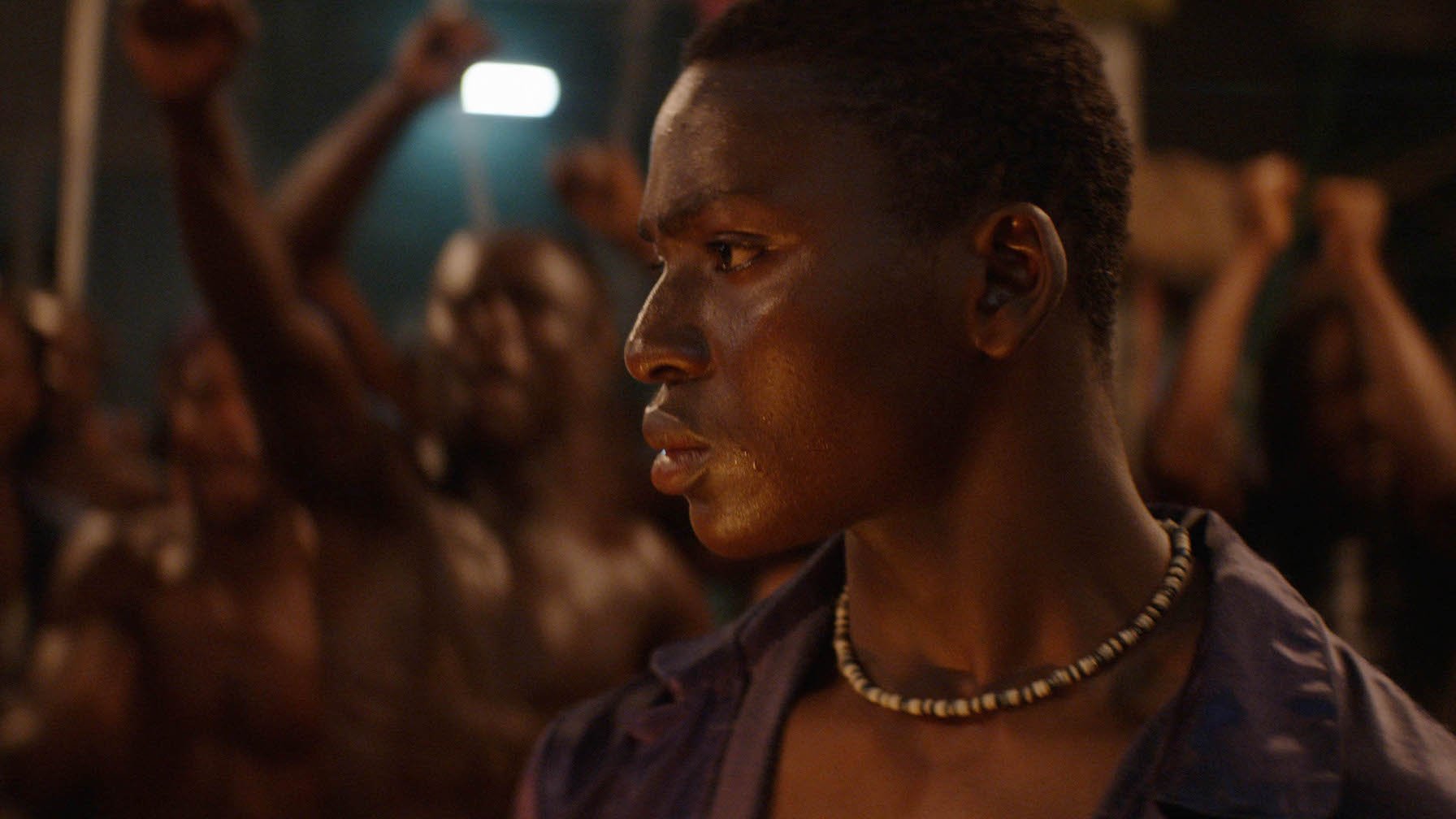
With a script that seems to have been written for a medieval fantasy, but set in a present-day Ivorian jail, Night of the Kings immediately situates itself between the realms of reality and imagination. Whether or not one thinks that certain details about the prison’s strange rituals have been lost in translation, the mysticism surrounding the events of the movie remains impossible to shake. The idea of improvising one’s way out of trouble should make sense in any cultural context after all, and this is what keeps the film on edge—and what helps Night of the Kings work as such a singular vision from an often underrepresented region of world cinema.

More a showcase of various styles of animation than an expansion of Star Wars lore (and all the better for it), Visions finds some of the freshest expression for these tired tropes—rendered in what are easily the best visuals this franchise has ever seen. Across the 18 episodes of its first two seasons, the series communicates the mystical nature of this universe with much more ease than the live-action films do. And even as Visions begins to repeat some of the exact same ideas and story structures in multiple episodes, the repetition also begins to feel like the reinforcement of a universal narrative throughout time and space: there will always be light that will counter the darkness, often coming from the bonds between family and friends.
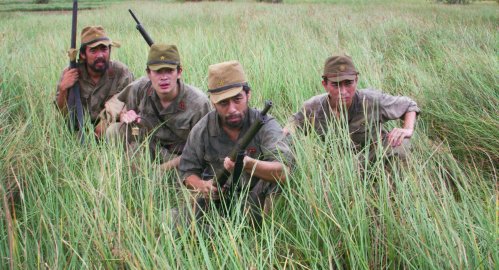
It’s an incredible story, but it’s one that only really deserves to be told a certain way, which director Arthur Harari gets right. Onoda’s one-man crusade to continue World War II is nothing short of delusional, and Harari spends most of the film following the soldier as his companions die one by one, worsening his delusions even further. Unfortunately, even with how impressively strange this story is, 10,000 Nights in the Jungle still misses the opportunity to look through the lens of Onoda’s victims. He is, after all, a literal embodiment of colonization’s lingering effects, so it’s sad that the Philippines here is just window dressing more than anything.
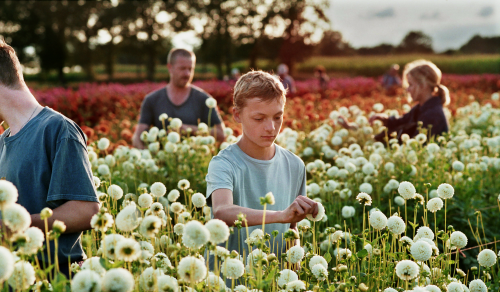
Leo and Remi are close. They play, eat, and sleep together, and in between those moments, they share every thought they have with each other, no matter how big or small. Theirs is a precious friendship, as pure and as intimate as can be, but all that changes when they begin middle school. Subject to heteronormative norms and preteen mockery, their friendship starts to crack as Leo and Remi’s different definitions of manhood emerge.
Subtle but evocative, quiet but deeply powerful, Close takes a closer look at boyhood and male friendships—how they’re lived, defined, and seen. Plenty of questions go unanswered in this film, but if you’re comfortable with simply empathizing with the characters rather than knowing every answer, then Close comes highly recommended.
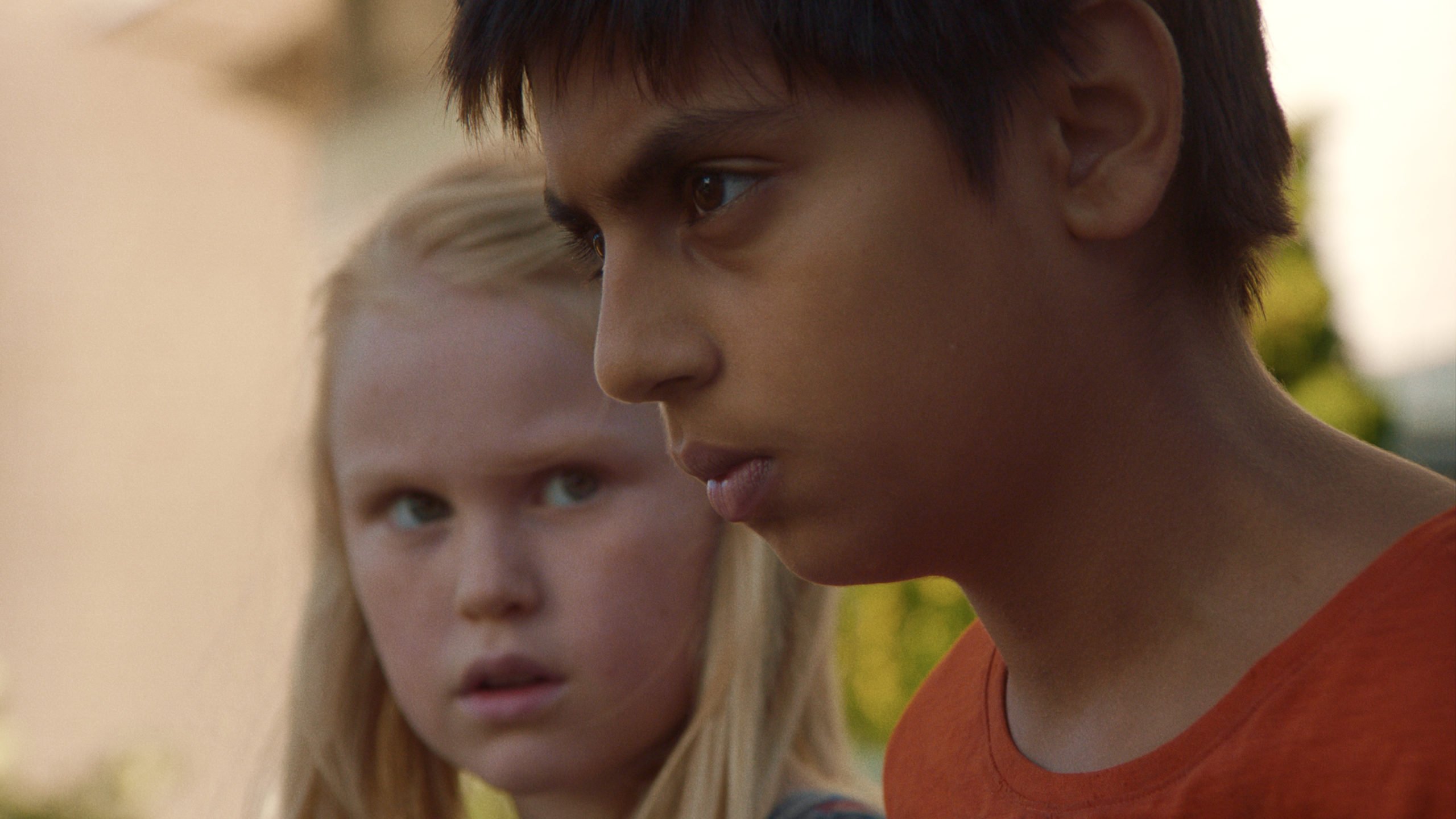
The Innocents is a Norweigan thriller that follows four kids who discover they have supernatural powers over the summer. They play around and experiment in the woods nearby, but what begins as harmless fun quickly develops into something much more disturbing and sinister.
This unnerving film, a blend of fantasy and horror, doesn’t waste time explaining the origins of its mysticism. Instead, it goes straight into action—bending, twisting, and splitting open anything and anyone that gets in its way. This kind of rawness is shocking given the age range of the characters, but it also works to subvert what we’ve come to expect from kids, youth, and goodness. The Innocents isn’t for the faint of heart, but if you can manage some bloody and unhindged scenes, then it’s sure worth checking out. Directed by Eskil Vogt, co-writer of critically-acclaimed films like Thelma and The Worst Person in the World.

It would be understandable if it only occurs to you midway through that Little Girl isn’t actually a narrative feature but a gorgeously made documentary. Director Sébastien Lifshitz approaches his main character of Sasha not just with respect and empathy for her identity, but with a dedication to bring out the euphoria of feeling comfortable in one’s skin. As a result, Lifshitz seems to intentionally avoid any and all scenes where Sasha may face discrimination (especially at school), but even if this choice occasionally make the material feel thin, getting to see Sasha gradually learning to express herself more—or even just just seeing her enjoy a quiet moment on her own—is more precious than anything.
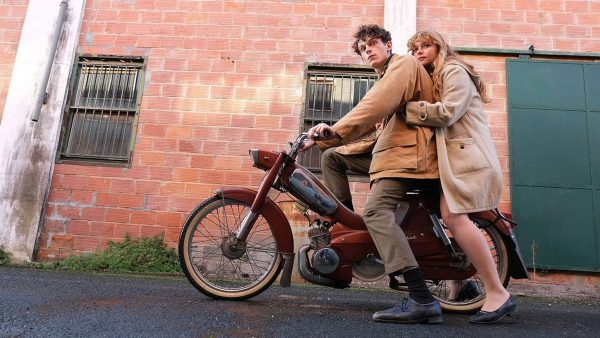
This French TV series is set in 1963, at the first high school to have both boys and girls as students.
From boys scared of the smart girls ranking better than them to teachers being afraid that girls will “distract” boys – Mixte is half comedy half a reminder of how differently young people interacted back then. And apart from the exceptional costume design, it functions as an enjoyable, and standard coming-of-age series.
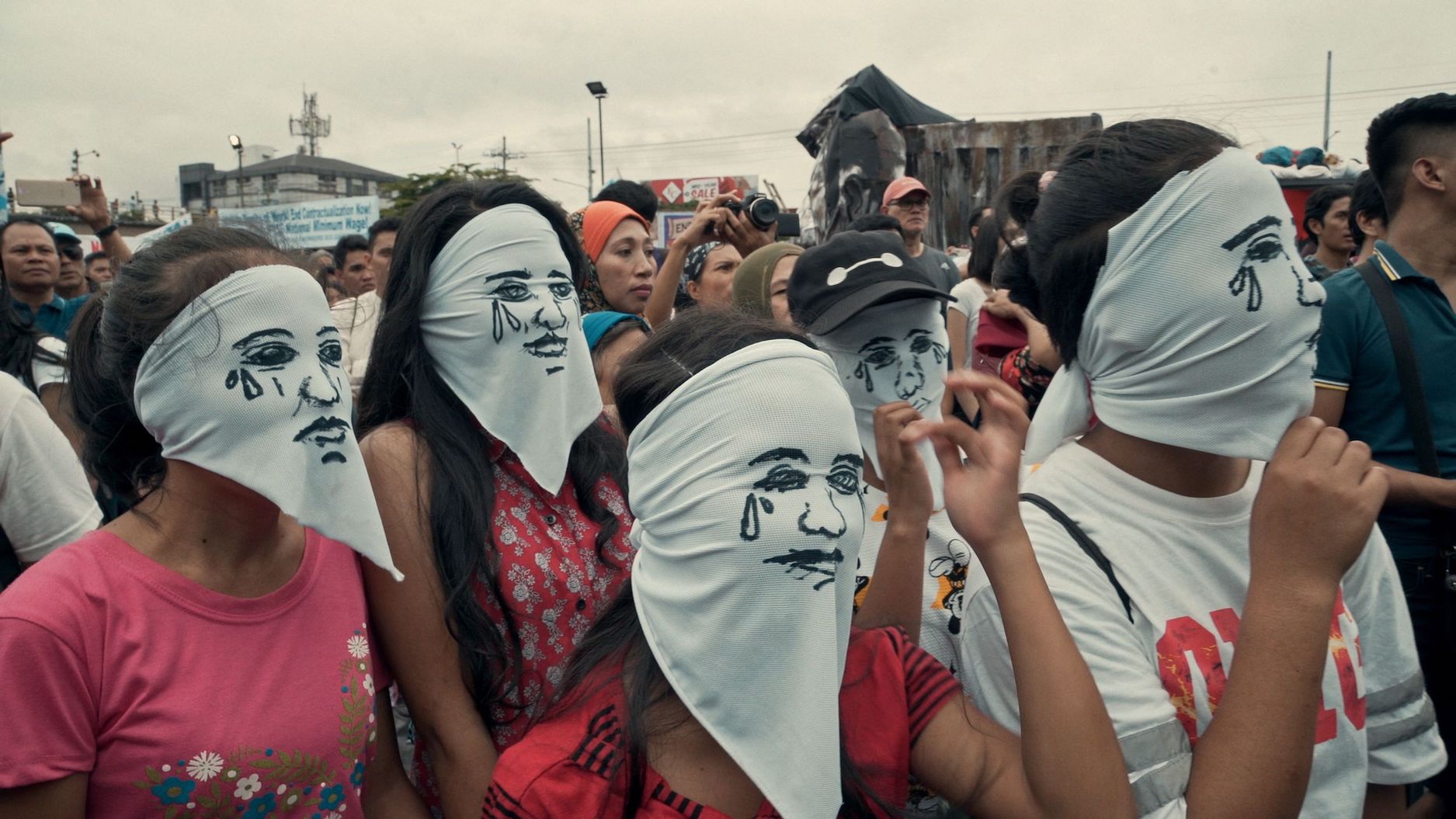
As courageous now as it was when it was first released domestically in the Philippines, Aswang stands as an essential act of bearing witness to a “war on drugs” that the government continues to deny or justify to this day. Director Alyx Arumpac remains firmly by the side of these ordinary people who have to live through the nightmare of their friends, relatives, and neighbors being slaughtered in the streets. There seems to be little editorializing on the part of the filmmakers, as they allow the people to walk us through their own stories—even if larger powers would have us believe that the poor are dangerous, volatile, and in need of disciplining through death. It’s a harrowing watch that presents on-the-ground stories with clarity, tenacity, and a surprising level of polish to boot.
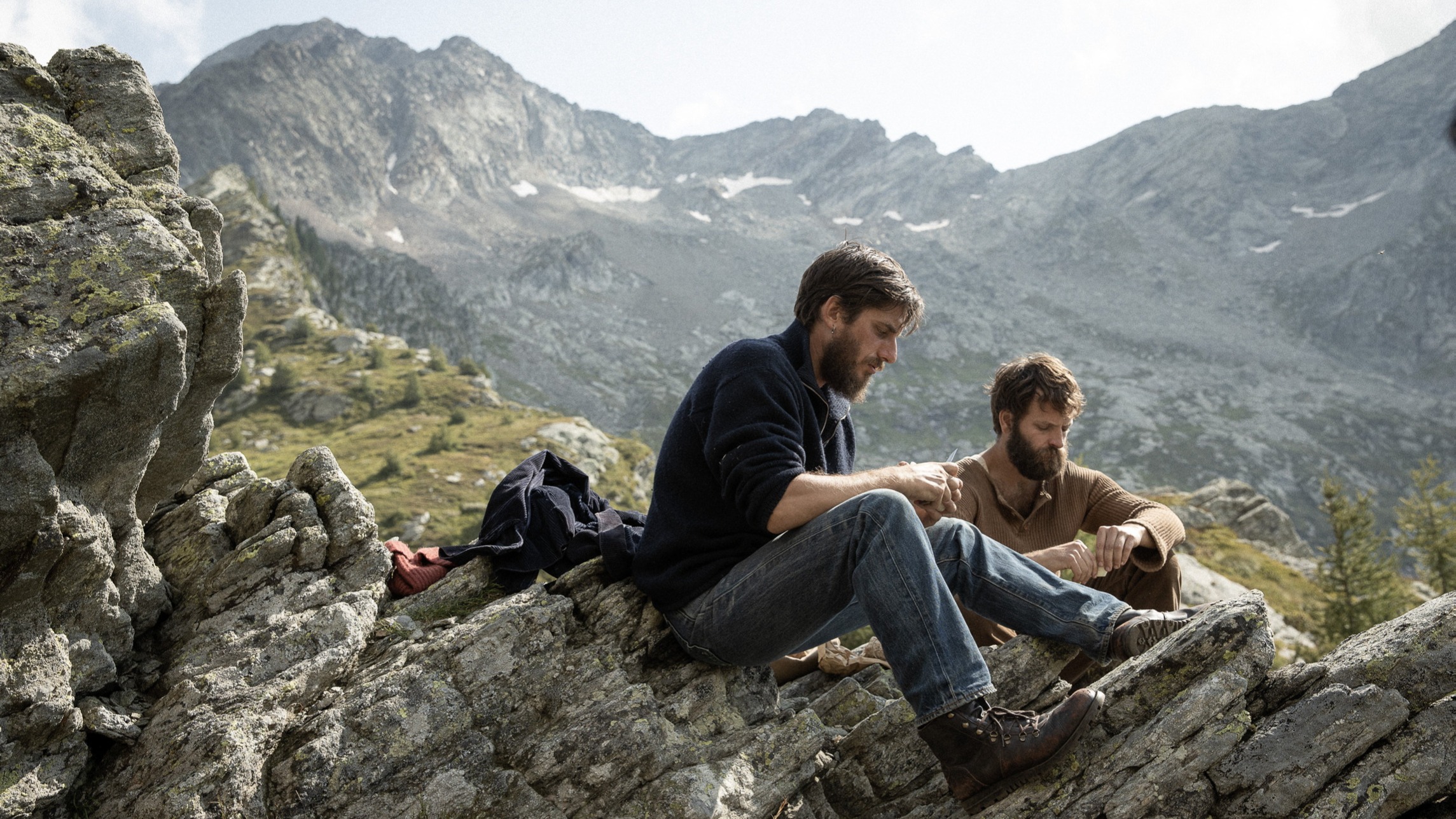
Spanning over decades and continents, The Eight Mountains depicts the kind of childhood friendship that remains central to one’s whole world. While city boy Pietro (Luca Marinelli) treks from the Alps to the Himalayas, the mountain pasture of Grana remains special as his father’s old refuge and as the hometown of childhood best friend Bruno (Alessandro Borghi). When they were younger, the two struck a summer friendship as the only two boys in the small town. However, their friendship isn’t the kind formed through day-to-day, routine interactions. Instead, each moment they share is fleeting, cut short by circumstances, but therefore, all the more precious. Co-directors Felix van Groeningen and Charlotte Vandermeersch slowly and patiently craft intermittent moments that form a lifelong friendship. And at the end, when they last bring us back to Grana, these moments are all we have left of this profound, meaningful connection.
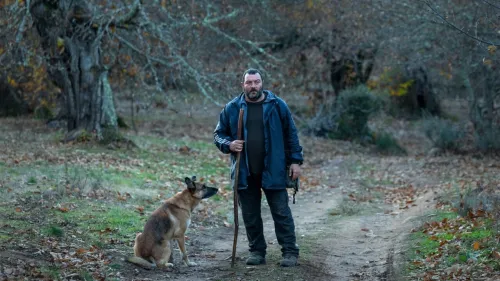
In The Beasts, the idyllic semi-retirement that a French couple seeks in the Galician countryside — growing organic vegetables, fixing up abandoned farmhouses — devolves into a terrifying slow-burn nightmare. This beautifully shot yet spiritually ugly thriller plunges us straight into an atmosphere of crackling social tension that never abates. We begin after the event that turns local farmer Xan (Luis Zahera) and his brother Loren (Diego Anido) against French transplants Antoine (Denis Ménochet) and Olga (Marina Foïs): the latter two have vetoed the sale of land to a wind turbine company in favor of preserving the village’s rustic character. Incensed by what he sees as the theft of his birthright by an outsider, Xan orchestrates a steadily intensifying campaign of terror against the couple.
Though much slighter than the physically imposing Ménochet, Zahera makes for a profoundly menacing presence, and Xan’s seemingly endless appetite for hostility and vindictiveness charges the film with a deeply unsettling sense of inevitability. His performance alone would mark The Beasts as a standout, but an unexpected switch in character focus late on in the film wrests it out of Xan’s grasp and reorients the movie as a study of grim resolve — making it a film of two equally remarkable halves.
 x2
x2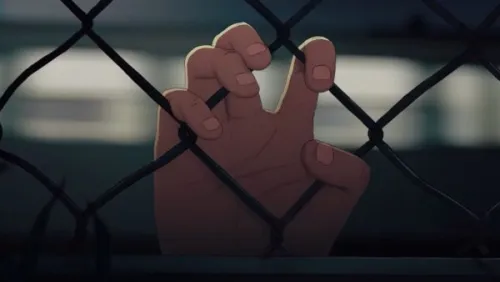
Two storylines take place in this Parisian animation: one of a Moroccan immigrant who works as a pizza delivery guy, and the other of his hand, somehow no longer part of his body, but also going on a trip around Paris.
The hand storyline is not gory by the way, except for one or two very quick scenes. Mostly, this is a film about loneliness and not being able to find your way back, both as an immigrant who misses how they were raised and as a hand who misses its body.
Sporting some of the most beautiful animation work this year, this movie premiered at Cannes where it became the first-ever animated film (and Netflix film) to win the Nespresso Grand Prize.
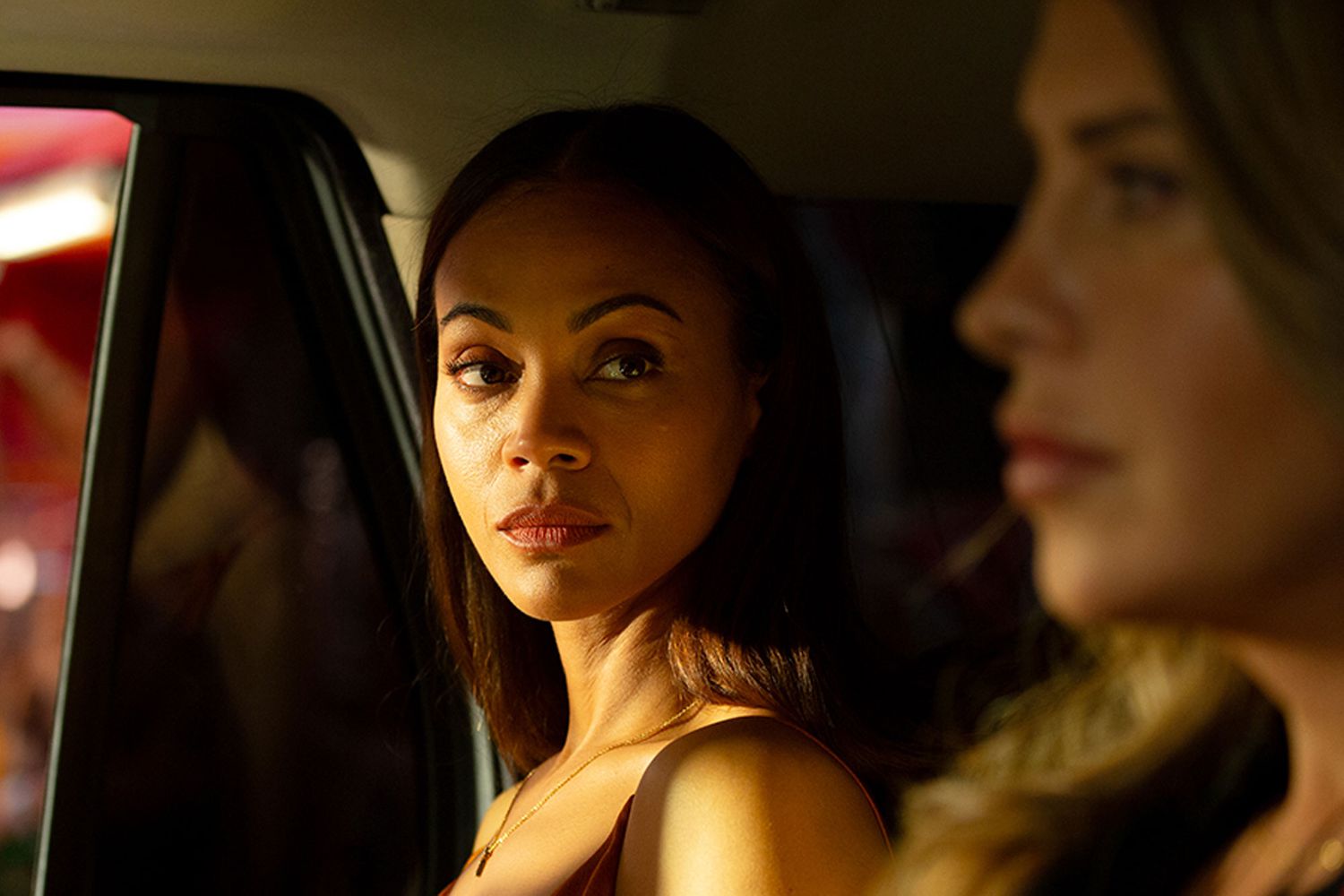
The journey of transitioning can be tough, but it’s not likely to be as wild as the journey undertaken by the titular rich mob boss of the crime thriller romance musical Emilia Pérez. It’s pretty surprising, with the incredibly stylish and totally unpredictable ways the plot unfolds, all made possible by the ridiculous all-or-nothing methods and means of a Mexican mob, and it’s a delight to see Zoe Saldaña and Selena Gomez feel at home in their respective Spanish-speaking roles. There are certain moments where the film bites off more than it can chew, but the visuals are stunning, the story is daring, and there’s really nothing like Emilia Pérez right now.
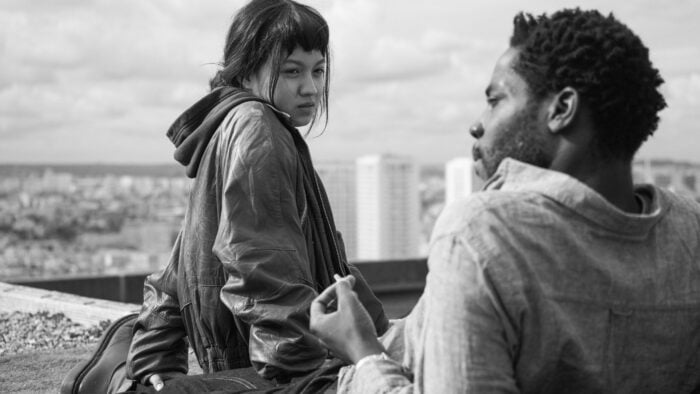
When Émilie finds a new roommate in Camille, she also gains a friend and a lover. Still, the parameters of their relationship are never quite sure, causing a complicated chasm that both divides and arouses them. Eventually, they meet Nora, who brings her own desires and insecurities into the mix. Experimentation ensues as the film follows the trio coming into their own as sexual and human beings.
Shot in rich black and white against the backdrop of Paris’ urban Les Olympiades neighborhood, Paris, 13th District is a finely balanced film that never overstays its welcome in the contrasting ideas it takes on. Classic love stories offset modern setups of romance, while fast-paced city life levels out the uncertainty of its inhabitants. Paris, 13th District is an engaging watch, not despite but because of its bold attempt to be many things at once.
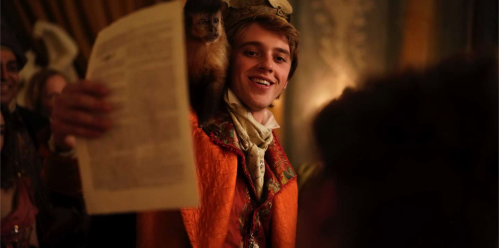
Despite being based on a 19th-century serial novel, Lost Illusions feels remarkably close to contemporary concerns about fake news and the devaluing of art for profit. But as the story is also, obviously, set in the 19th century, all this bribery and these backdoor dealings are done entirely through the written word and by sending runners from one Parisian theater to the next—and the result is uniquely thrilling. Nearly every character is a terrible person (like in an old-timey Goodfellas way) and it can get tiring seeing the film glorify their hustle, but the energy it brings is rare to find in any other period drama.
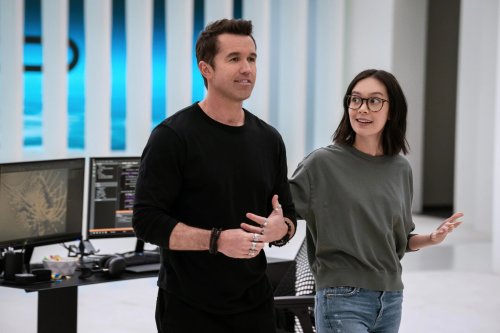
Mythic Quest is a workplace sitcom following the fictional video game studio Mythic Quest HQ. Created by the people behind It’s Always Sunny in Philadelphia, the series is equal parts sentimental and funny, and with each episode running at more or less 30 minutes, it’s also a breeze to watch. This isn’t to say that Mythic Quest doesn’t have substance; on the contrary, one of its many strengths is its ability to parody the gaming industry. The show is laced with the kind of sharp wit that’s found in the smartest of satires.
Gaming enthusiasts will surely find an instant liking to the series, but even those who aren’t familiar with the technicals won’t have any trouble connecting to the show’s sweet center.
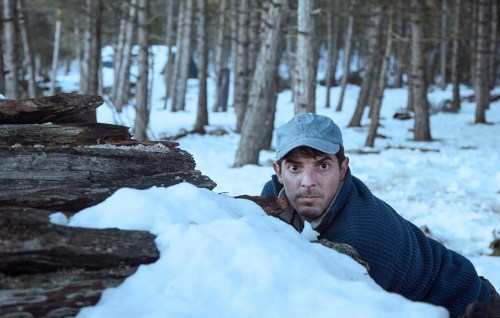
The four chapters of Only the Animals could make separate films on their own, but the combination that forms this non-linear crime thriller creates a uniquely layered murder mystery. Based on the novel of the same name, the film is centered on the disappearance of the wealthy Evelyne Ducat. Her disappearance affects the characters named in each chapter title, though the alternate timelines tease the means, method, and motivation. Starting from the one living closest to the snowy mountains she was last seen in, all the way to the sunny Côte d’Ivoire, all their lives interlock in unexpected ways, chief of which is the same loneliness that moves them to the foolish actions they take. Only the Animals balance all their stories with tight-rope suspense.
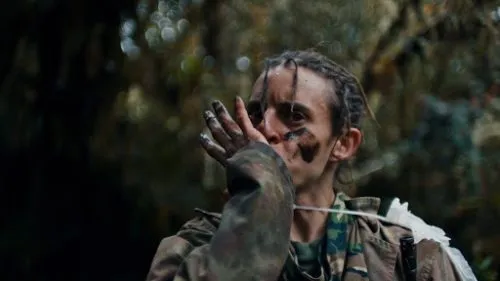
This crazy adventure thriller was Colombia’s nomination for the 2020 Oscars. “Monos” translates to monkeys, the nom de guerre of a group of teenagers holding an American hostage in an isolated bunker. Other than the occasional visit from their supervisor, they’re left to their devices, forming relationships, smoking weed, drinking, and eating psychedelic mushrooms. One day, on top of the hostage, they’re also trusted with a milk cow, named Shakira. A party goes wrong and one of the Monos accidentally kills Shakira, triggering a series of events that sends them deep into the jungle, and deep into despair.
Monos is not an action movie, it’s more of a character study. It was loosely based on The Lord of the Flies.
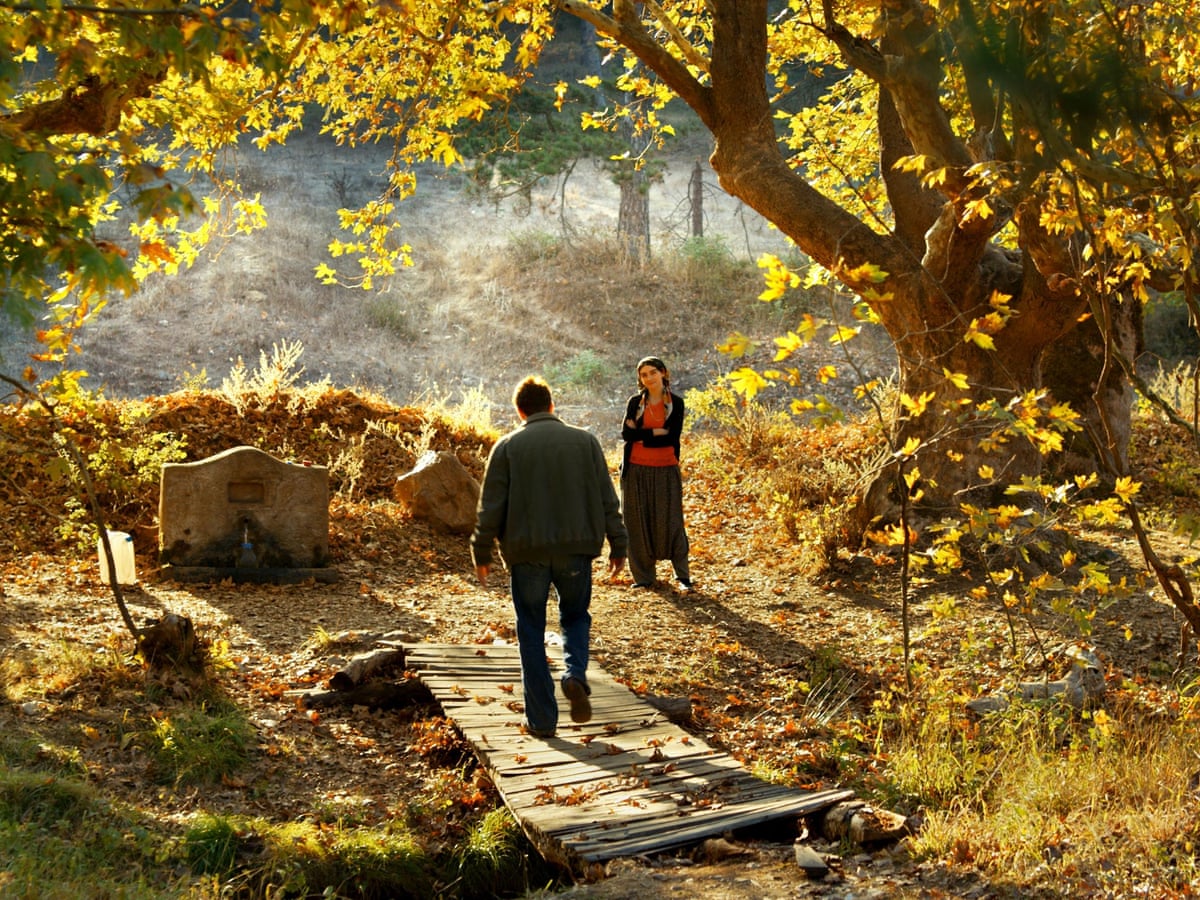
The Wild Pear Tree is somewhat like a novel made into a movie– It’s long, it’s philosophical, and it’s mostly composed of conversations a young protagonist has in order to figure out the best way to live. At first glance, the plot can seem rather mundane. But there’s a subtle anger that drives the film, as Sinan tries to make sense of the arbitrary nature of modern society, but can’t seem to find any answers that satisfy him, due to being at a different place with everyone around him, or simply because he just doesn’t know better. Most people would likely understand one or both sides each talk presents. Depending on where you’re at in life, some or more of these conversations may resonate with you, but there’s no denying that writer-director Nuri Bilge Ceylan crafted his characters well, feeling as real and as personal as the people he grew up with in his hometown.

Disproving the notion that American animation is only for kids, the latest project from Genndy Tartakovsky (most known for Dexter’s Laboratory and Samurai Jack) is an uncompromising action epic that puts most multimillion-dollar live-action blockbusters to shame. Though Tartakovsky has stated that Primal will continue on as an anthology series, the first two seasons tell a surprisingly character-driven story about a caveman and a mother Tyrannosaurus teaming up to survive in the prehistoric wild—with nearly zero dialogue.
It’s a highly entertaining riff on the man vs. nature story that ends up creating a fleshed-out world full of monsters and magic and families destroyed by all this chaos. And this initial set-up only becomes stronger in its second season, as the warmongering nature of man becomes the real threat. It’s all wrapped up in a beautiful technical package that makes a case for traditional (2-D) animation as a vital art form.
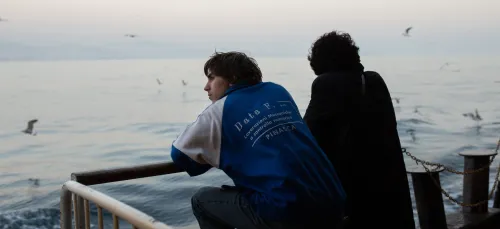
On paper, Crossing’s premise reads like a movie about two different people forging an unlikely but sweet bond. Lia is a no-nonsense grandma, after all, and Achi looks like he lives day-to-day, not really caring what the future brings. And it’s true, at first their stark differences provide amusing moments, but the pair quickly subvert expectations. Lia is almost unrelentingly distant (“Let’s be clear,” she warns Achi, “I’m not here to take care of you.”) while Achi proves to be surprisingly sweet. Then there’s Evrim (Deniz Dumanli), a local trans lawyer advocating for the marginalized. Through her and her friends, Lia grows to understand her missing trans niece, the reason she came to Turkey in the first place. There’s a meandering vibe to Crossing that fits into these three characters yearning for connections. But though it can get lost in those paths, the movie feels coherent and kind, like a comfort drama if there ever was one. All the while, Istanbul—both its fringes and its colorful center—serves as a ruggedly beautiful, kaleidoscopic backdrop.
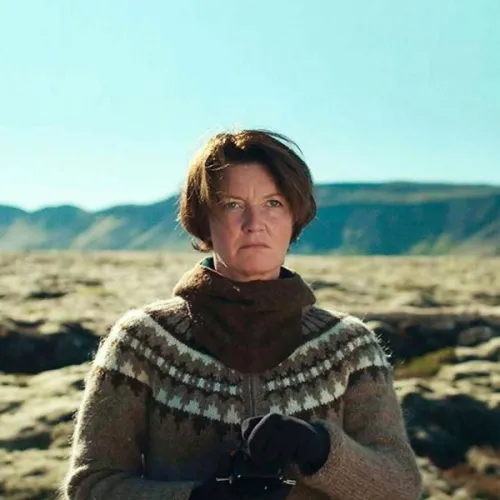
A calm choir leader lives a secret life as eco-warrior in this visually stunning and intelligent story about our complex times. If you’re familiar with Icelandic movies, this one has just the right amount of that Icelandic quirkiness – making it a proper feel-good movie with a message. This is added to the superb acting and an off-beat musical score. Not to be missed.
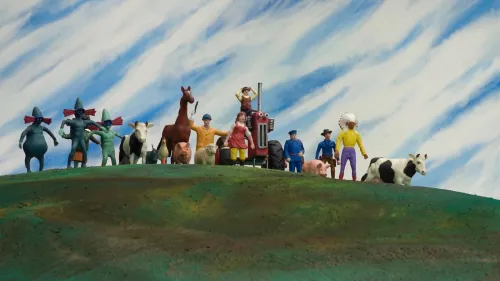
If you’re looking for a straightforward, reasonable plot for children, you’re not going to find it in this eccentric stop-motion animated comedy. That’s because from the reasonable panic over forgetting a friend’s birthday, A Town Called Panic spirals into a series of fantastical consequences, including an order of 50 million bricks, a journey to the center of the earth, and their unexpected detour to the northern tundra. But to be fair, logic is not really what children look for. If anything, the weirdness of Cowboy, Indian, and Horse’s adventures feels reminiscent of a child playing with mishmashed toy sets. Like the stop-motion medium, anything can happen, with enough imagination, and A Town Called Panic has quite the amount of frenzy to spare.
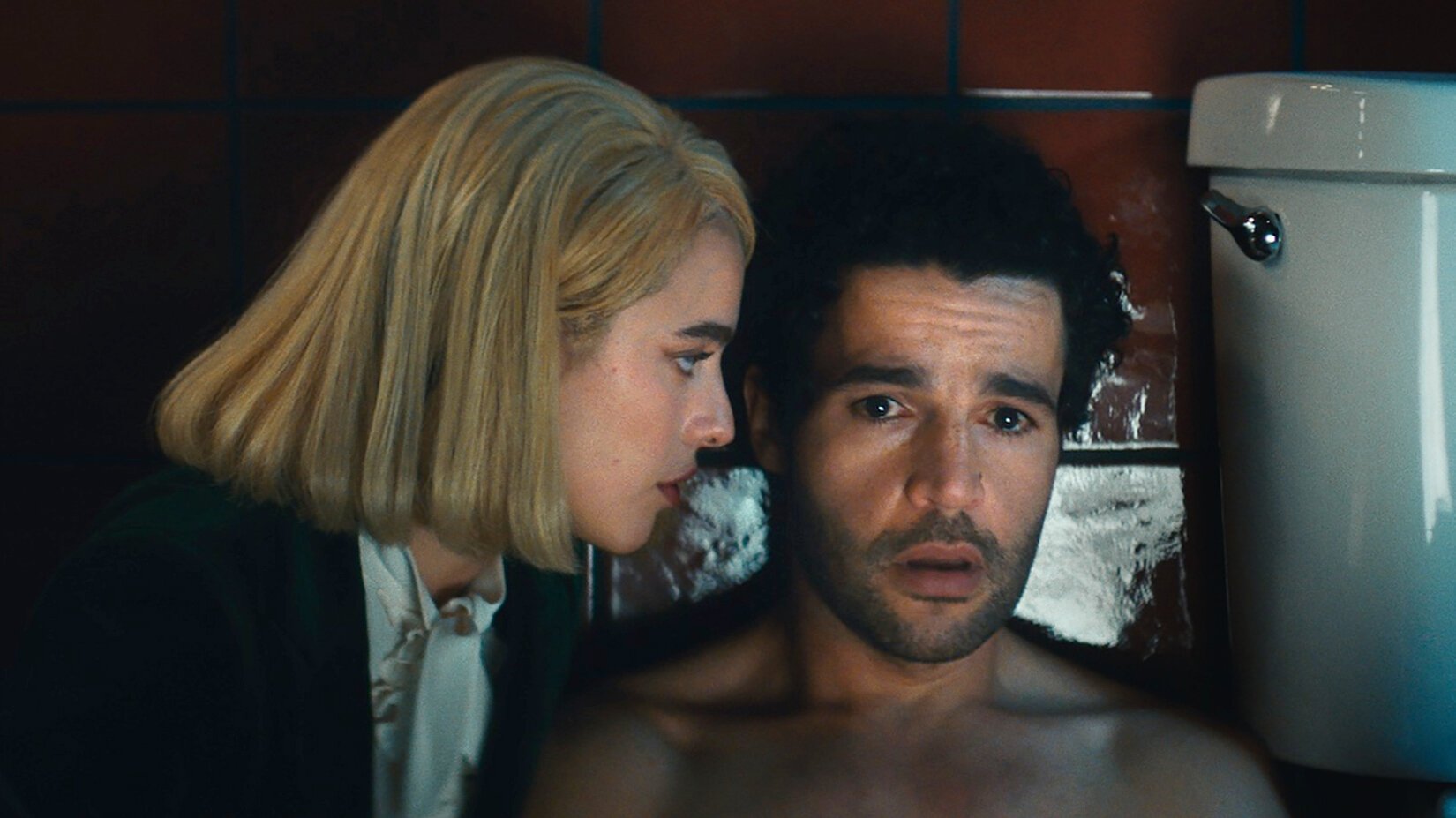
Challenging, strange, and utterly captivating from start to finish, Sanctuary takes the relationship between a pathetic, wealthy man and a desperate, plucky young woman—a relationship built on consensual acts of sexual humiliation—and makes it so much more dynamic and entertaining than it has any right to be. The film takes place entirely in one hotel suite over the course of one night, becoming a series of increasingly absurd psychological scenarios, as the characters wrestle over ideas of power, shame, and identity by concealing and roleplaying various parts of themselves. It’s a wild take on several different genres that director Zachary Wigon is able to effortlessly weave together with excellent pacing, stunning visuals, and two truly committed performances from Christopher Abbott and a wonderfully unhinged Margaret Qualley.
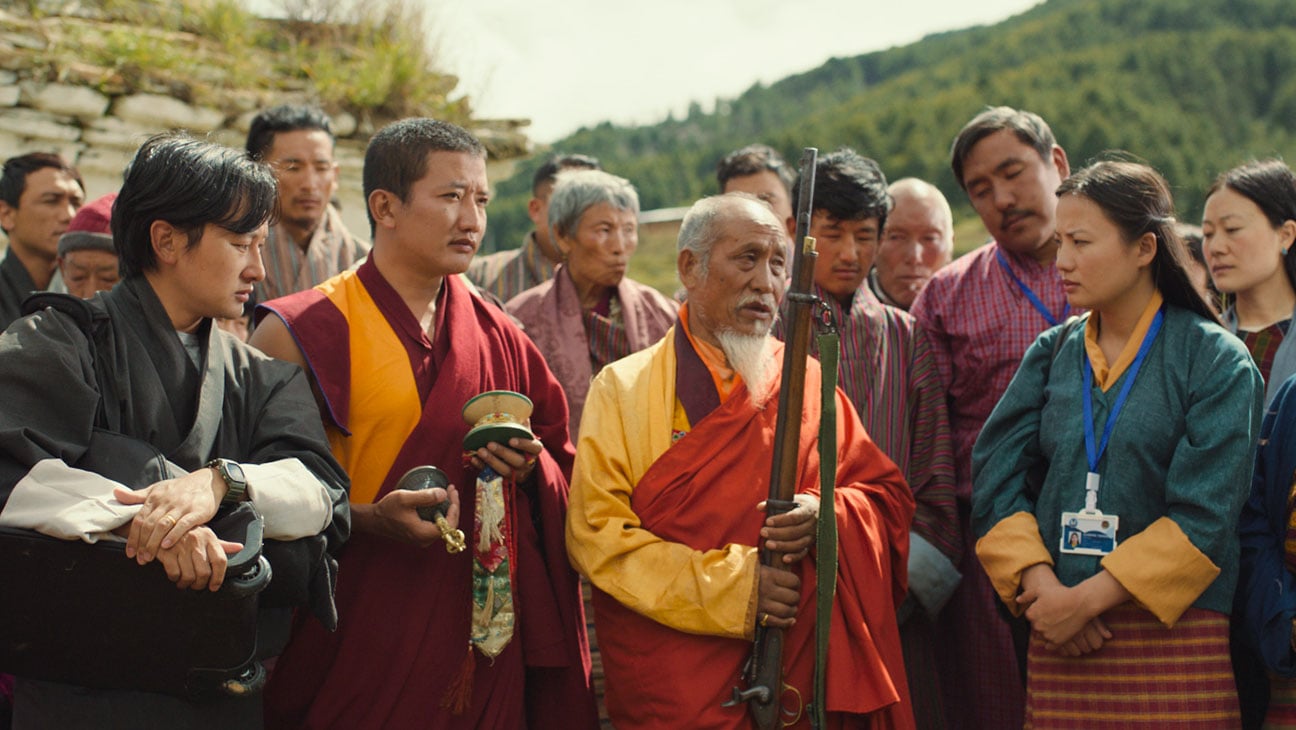
To plenty of countries around the globe, democracy has become so ubiquitous that we forget it’s relatively new, at least relative to the rest of human history. Bhutan is one of the last countries that became a democracy, and writer-director Pawo Choyning Dorji chose to depict a slice of how they made the shift in The Monk and the Gun. As Tashi sets out to obtain two weapons for his mentor, and Ron seeks a specific antique gun, Dorji presents slice-of-life moments of the beautiful Bhutan countryside, intercut with the subtle ways tradition still persists amidst modernity, and the funny ways change can clash with culture. It’s no wonder The Monk and the Gun was chosen as the Bhutanese entry for the Best International Feature at the 96th Academy Awards.
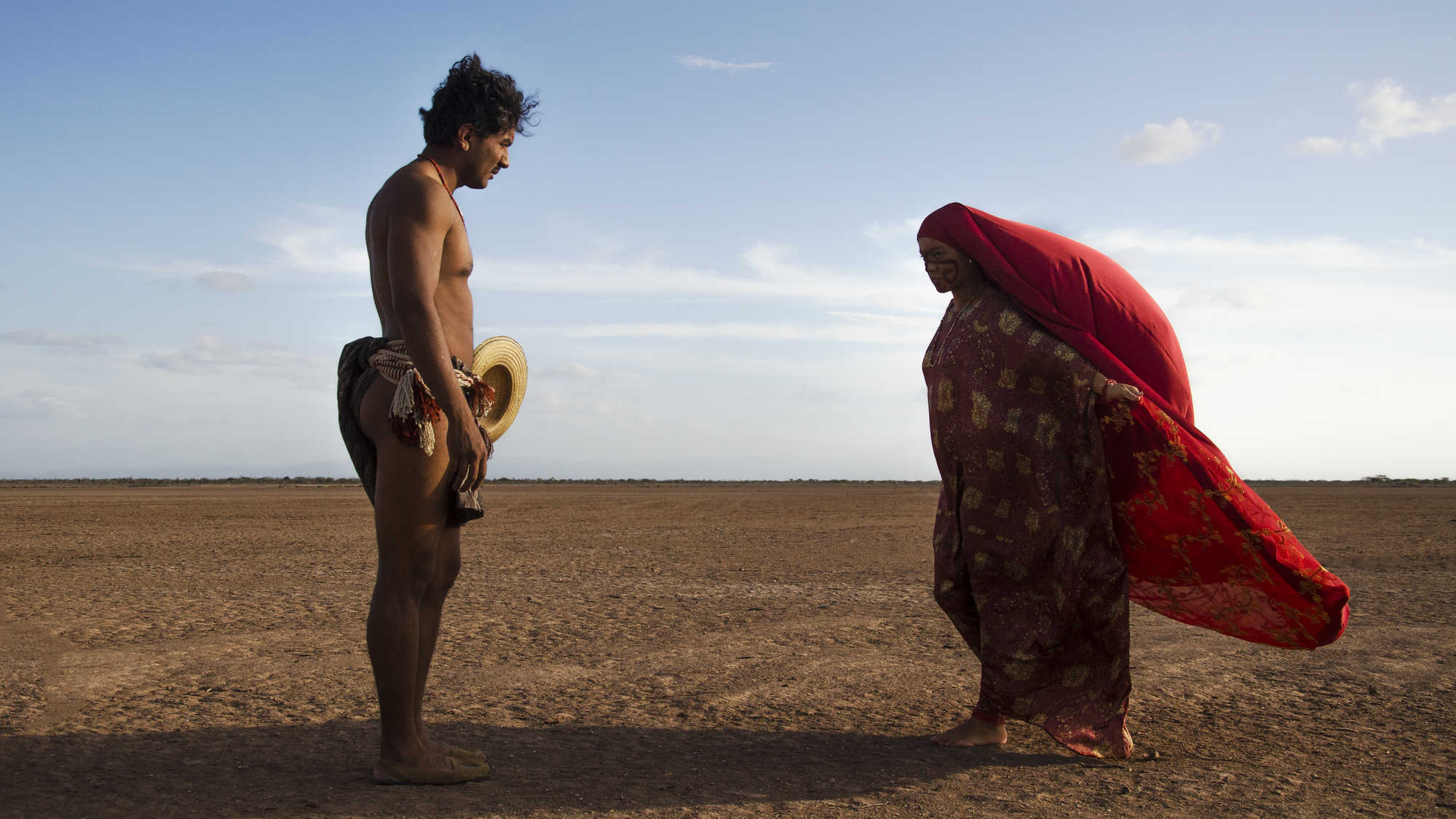
Organized crime and drug dealing has been a topic of many a film, sometimes even glamorizing the whole endeavor, but rarely do these depictions acknowledge the weight it can do to a culture, particularly indigenous cultures. Birds of Passage is a film about drug dealers, but it’s a much more distinct take, tackling Colombia’s reputation for the drug trade through the lens of an indigenous group that hasn’t been totally colonized, that still keeps its language, rituals, and legends, but is still pushed to the brink due to far more lucrative reasons. It does take fairly familiar plot points, but Birds of Passages transforms the narco crime drama with a different direction.
Remarkably for a movie about women being shunned and exploited by those more powerful than them, I Am Not A Witch is often wryly funny. That’s because this satire about Zambia’s labor camps for “witches” is told with a matter-of-fact-ness that brings out both the heartbreak and absurdity of the film’s events. The bitter gravity of the predicament nine-year-old Shula (Maggie Mulubwa) finds herself in — she’s been accused of witchcraft on the back of some very flimsy evidence — is never glossed over, but neither is its farcicality. Appropriately for its subject, there are also touches of magical realism here, notes that elevate the film into something even more complex than a wry commentary on this morbidly fascinating form of misogyny. This hybrid tonal approach is executed with the kind of fluidity filmmakers might hope to one day master late on in their career — which makes the fact that this is director Rungano Nyoni’s debut all the more extraordinary.
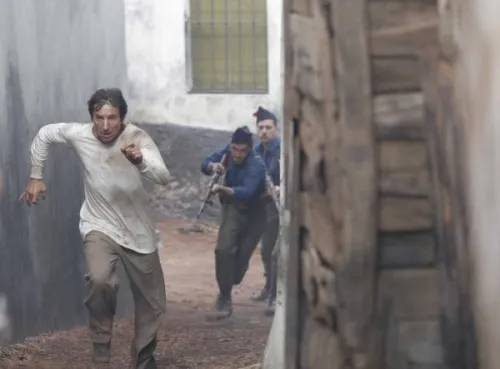
This historical drama opens with one of the most thrilling chase scenes in recent memory, as Higinio Blanco, the man at the center of the story, escapes government forces during the Spanish Civil War.
He goes into hiding that, without him realizing, would last 33 years. He would only emerge in a government amnesty in 1969, as would many like him across Spain.
Themes of love (Higinio was confined with his newlywed wife), solitude and fear are at the center of a story that remains thrilling even when it goes through the isolation years.
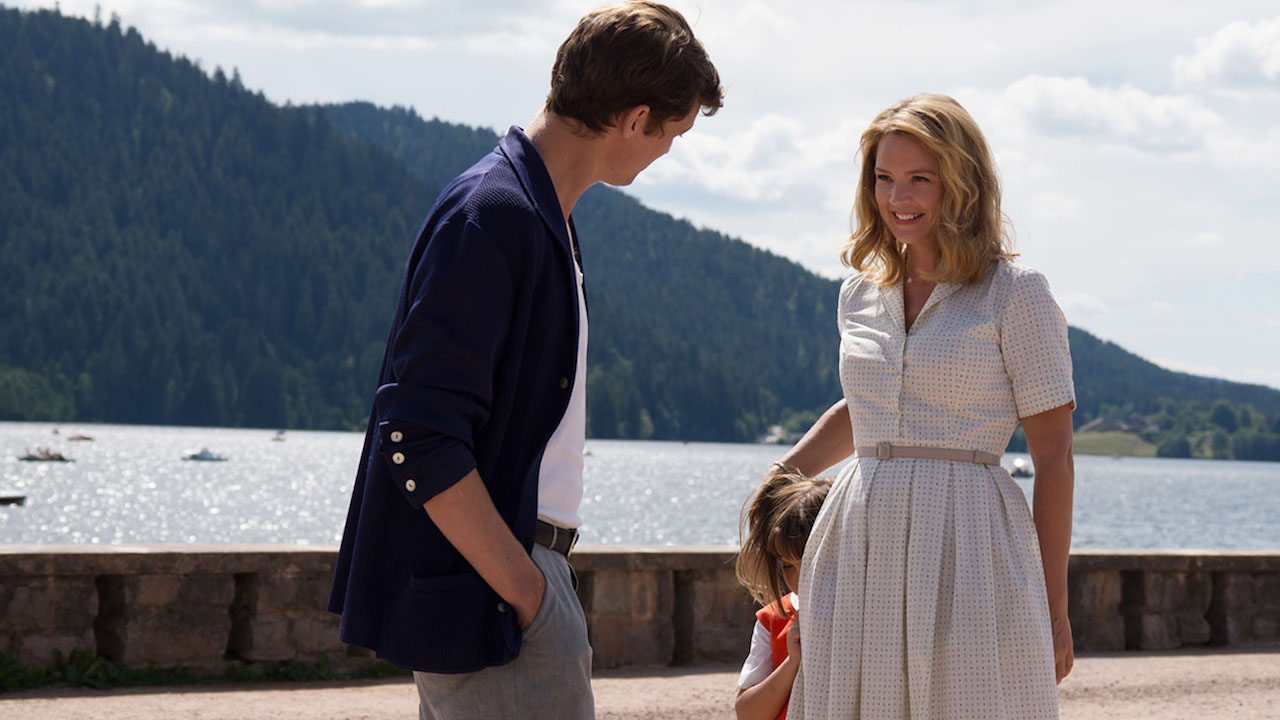
The bond between parent and child is fundamental to the child’s life, but not necessarily the other way around. Even when the parents chose to have them into their lives, the child will always live within the parent’s context, not the other way around. Based on a book by Christine Angot, An Impossible Love is centered on that relationship, with the daughter reckoning with her parents’ love story through narration, reckoning with the betrayals both of them have done onto her. It’s a risky story for writer-director Catherine Corsini, one she made picturesque and nostalgic with period-accurate production design, but behind the beautiful scenery lies the emotionally touching exploration of this difficult dynamic, made much more heartbreaking with Virginie Efira and Jehnny Beth’s excellent performances.
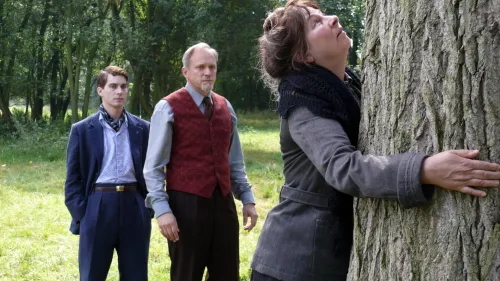
Séraphine is a biopic, but it’s not your ordinary rags-to-riches story where a cleaning lady’s paintings lead her to getting plucked from obscurity and living happily ever after. It’s a bit more tragic than that. If anything, the life she’s lived before she was famous is calmer, peaceful, and more fulfilling. Carving up time from her housekeeping job to create unique pigments and use them for her own artworks, Séraphine doesn’t paint for fame, fortune, or reputation. Instead, she paints because she can. Something about the way she goes through her mundane life opens up insights most people don’t get. Séraphine attempts to capture that genius in some of the most beautiful candlelit images ever put to screen.

A poetic and peculiar movie from Senegal about a girl who is forced to marry a wealthy businessman instead of her love interest. The latter, a poor construction worker, embarks on a risky journey across the sea to Europe. The story takes a supernatural turn thereafter, one that is unlike anything seen before in stories around immigration, but one which makes sense. Still, the excellent acting and the long takes that immerse you in what life is like in Senegal, both in and out of the margins of society, are the reasons to watch here. Atlantics’ characters are believable and will capture your interest throughout the usual and unusual parts of the movie. They provide rare insight into narratives that most of us have never been exposed to.
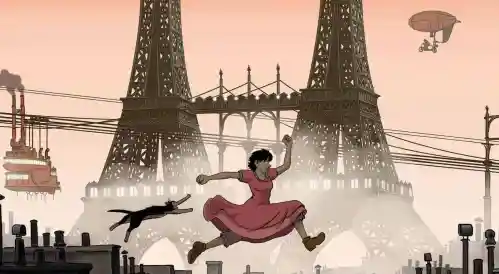
Contrary to other sci-fi films, this oddball animated feature reimagines a different history. Rather than envisioning where tech can take us, it imagines a world still held back by the limits of steam. That’s because scientists like Tesla, Edison, and Einstein are forced underground. Because of it, April and the Extraordinary World feels quite unique. It doesn’t slap on the aesthetic of steampunk for the heck of it, it just naturally allows steampunk to inform the story, adopting a makeshift, rebellious attitude that embodies the best of science. Like its title character, April bucks against expectations to create something distinctly original.