
The Best Movies to Watch From Mexico
To access filters, visit our homepage.











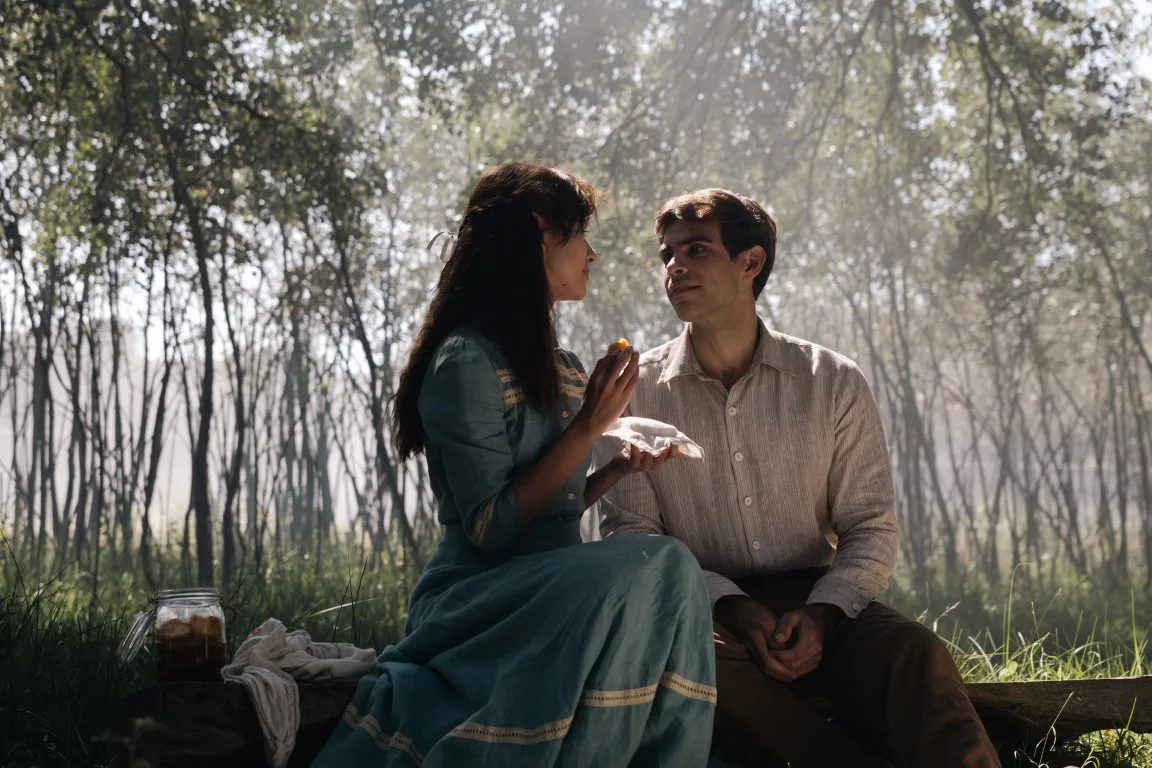
With the gorgeous period costumes, the romance, and the familial dynamics, you would think that Like Water for Chocolate’s latest screen adaptation would be just the same as the film, albeit with a Bridgerton-esque style. To a certain extent, this is true, as the essence of the novel still remains intact and the production is greatly upgraded, however, the added runtime allows this latest adaptation to expand on the novel’s commentary on race and class, and how this played out within the Mexican revolution that was mostly glossed over in the film. Como Agua Para Chocolate captures the novel’s much more rich and layered flavors, in much more fulfilling and scrumptious ways.
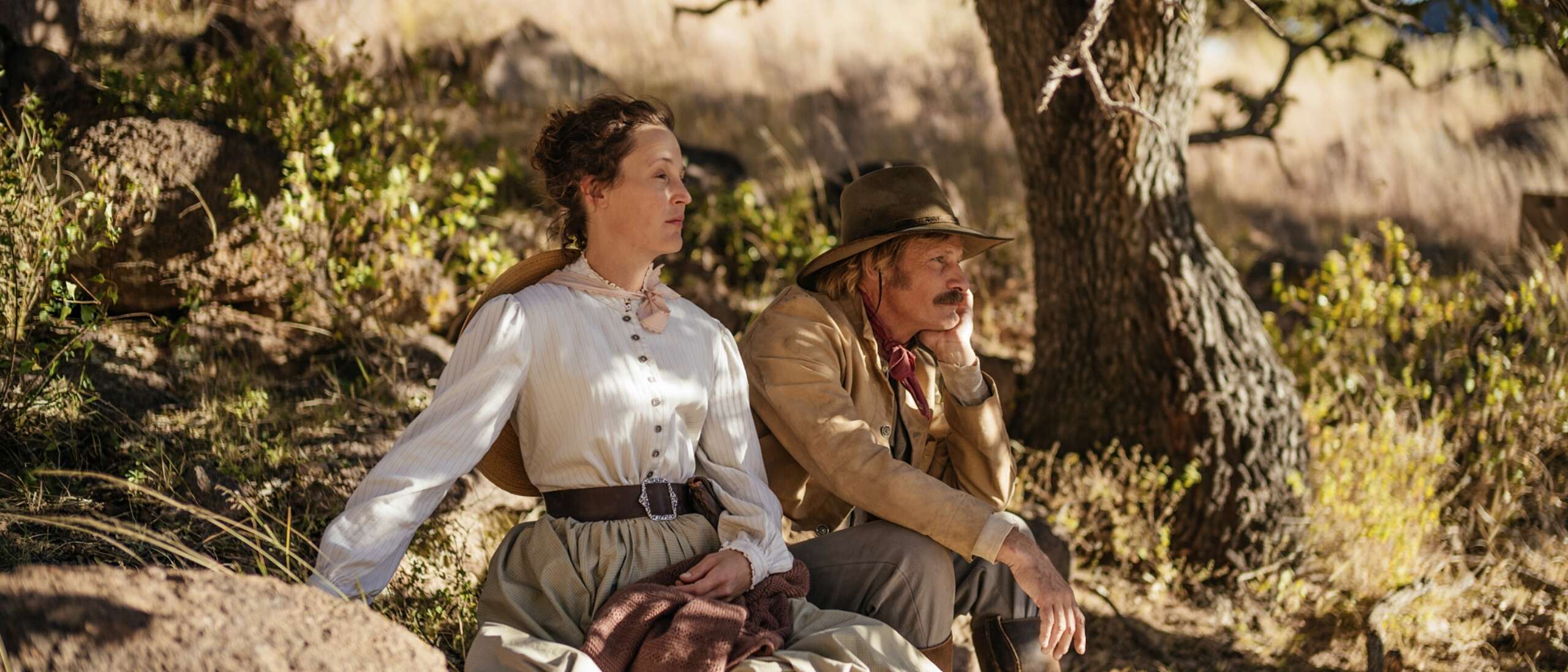
Written, directed, and scored by Viggo Mortensen, The Dead Don’t Hurt is a visually stunning, emotionally potent, but still impressively restrained period drama that flips the script on typical Westerns. On the surface, it looks like it could be one—there’s even a bad guy clad in black who slings guns outside a saloon—but the film decidedly focuses on Vivienne and her everyday life. Viewers might think nothing is happening, but in fact, everything is happening, such is Mortensen’s framing of the value of these overlooked aspects of life. Immigrants, too, who are usually just extras in Westerns populate this movie and make it their own—as they should. They’re the backbone of America after all, and yet they’re usually relegated to the background in period dramas. The icing on the cake is that the film is breathtakingly beautiful, each frame a transportive picture of 19th-century America.

After more than a decade apart on-screen, Gael Garcia Bernal and Diego Luna finally reunite in La Máquina. While they maintained their friendship off-screen, it’s just so fun to see them take on a more comedic dynamic as they snipe at each other, get into trouble, and scramble to get things right. It’s the best part of this series, and with Gabriel Ripstein’s direction, the series is never boring, continuing to move in unexpected directions with swiveling camera movements and such a slick score. While there are some issues with the pacing, La Máquina is fun to watch, especially when focused on their leads.

When a comedy is centered around people with disabilities, there’s a worry that the humor would be unfunny or demeaning – there’s a misconception that disabled jokes would surely have to be one or the other. But Nothing to See Here is funny without relying on stereotypes. The humor isn’t based on forced quips or halfhearted improvisations. It’s just part and parcel of a story about chasing dreams, seeking independence, and keeping faith in one’s self despite the limitations imposed by others. And through showrunners Big Drama and Santiago Limon, as well as the well-selected cast, it’s hilarious and heartfelt enough to follow.
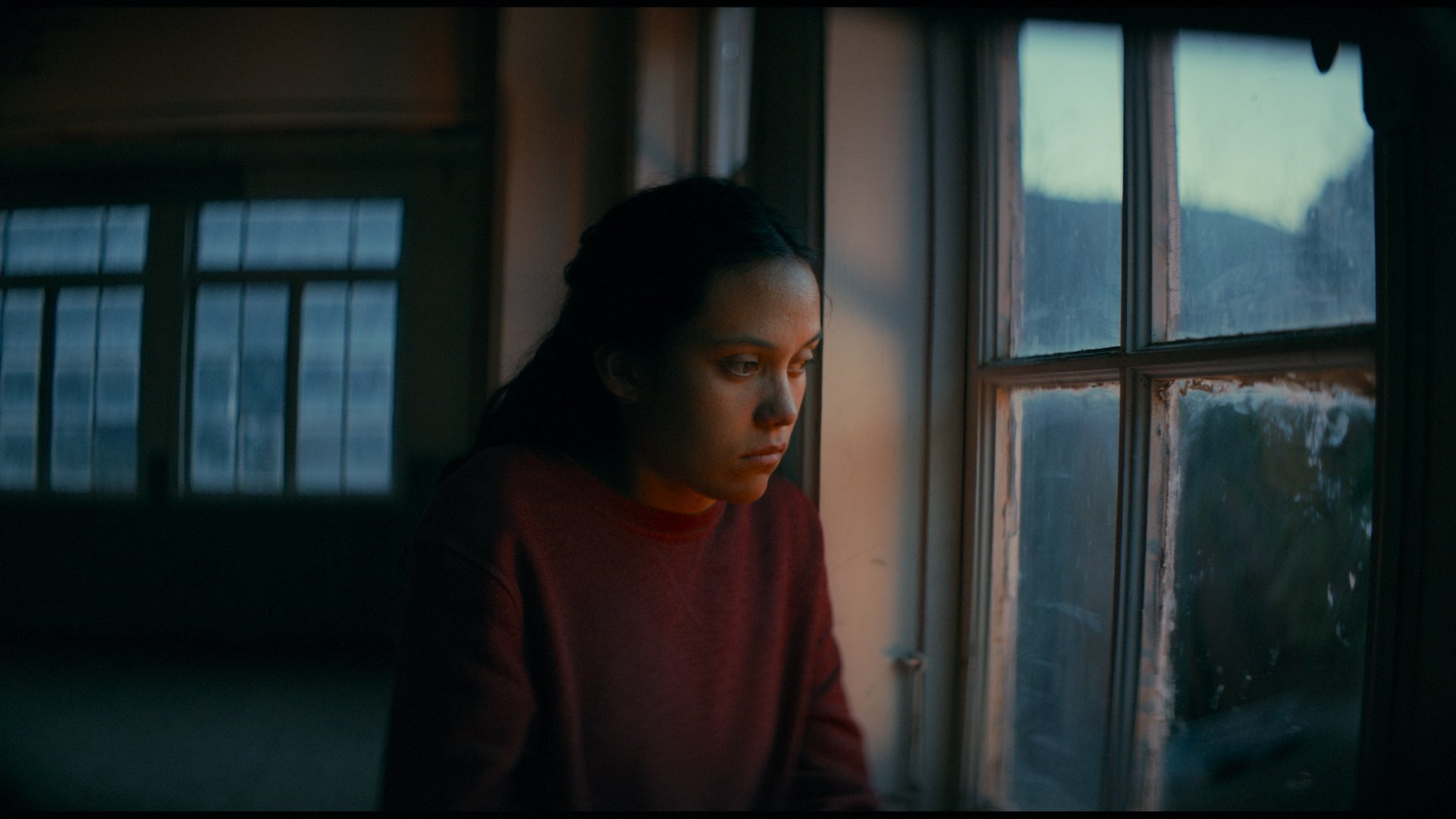
Inspired by the Spiniak case, Blanquita reimagines the infamous scandal through mirrored interrogations and disorienting viewpoints. Blanquita rewrites the original witness, whose fictional variant, in turn, rewrites the abuse faced by victims as her own. She is transformed from a clueless liar, into someone still a liar, but one that did so when every other possible witness has been discarded for being unreliable, for being too traumatized to go through the judicial process unflinchingly. The film takes on a provocative subject matter, at a time when real life sexual abuse allegations are treated with the same scrutiny Blanca faces. However, Blanquita does so in a way that gives its complexities the weight it deserves. It’s a fascinating thriller, a quandary that tests the idea of ends justifying the means… But it’s one that’s disturbing, given the consequences to each crime.
Huesera: The Bone Woman might not be the scariest film horror fans would see, but it does strike at the heart of the scary experience of motherhood. Through eerie sounds of breaking bones and weirdly contorted hands at the edge of beds, the film depicts new mother Valeria being haunted by the titular spirit, despite her prayer to the Virgin Mary. Valeria pleads for her husband and family to listen, though each time she does becomes proof of her faults as a mother. The terror in newcomer Natalia Solián’s face makes it all feel believable, but it’s the folk-inspired imagery of first-time feature director Michelle Garza Cervera that turns this film into a feminist masterpiece.

Butter Man: The Slickest Mexican Thief has gone under the radar the same way the titular criminal has evaded capture for years. Which is quite a shame, because Él Mantequilla has the charming, slick style of heist films from decades past. Through eight parts, Emiliano Escamilla takes on multiple fake identities, five of which happen to be the main identity Escamilla takes on in each episode. It’s funny to see how Escamilla gets away with some of these disguises, especially when he gets away with pulling millions from oblivious rich people just by dumb luck. However, what makes these scams compelling is how closer these get him to his real goal: reconnecting with his father and finding out the truth. Butter Man turns the caper series into a drama centered on family, mixing fun nostalgia with some heart.

As biopics go, Cassandro skews towards the conventional. It follows a template familiar to anyone who has seen a life-story movie about the underdog climbing up the ranks thanks to their unmatchable heart and talent. But it’s also a template that’s elevated by Bernal’s wonderful performance and Roger Ross Williams’ careful and naturalistic direction. Save for a few melodramatic moments, many parts of Cassandro feel fresh and authentic, not least of which is Saúl’s heartwarming relationship with his mother Yocasta (Perla De La Rosa). It’s unapologetic joy is another element that sets it apart: instead of being punished for his flamboyance and cheer, Saúl is rewarded for it. This seems like a rare triumph in LGBTQ+ stories, and on that merit alone Cassandro deserves to be seen.
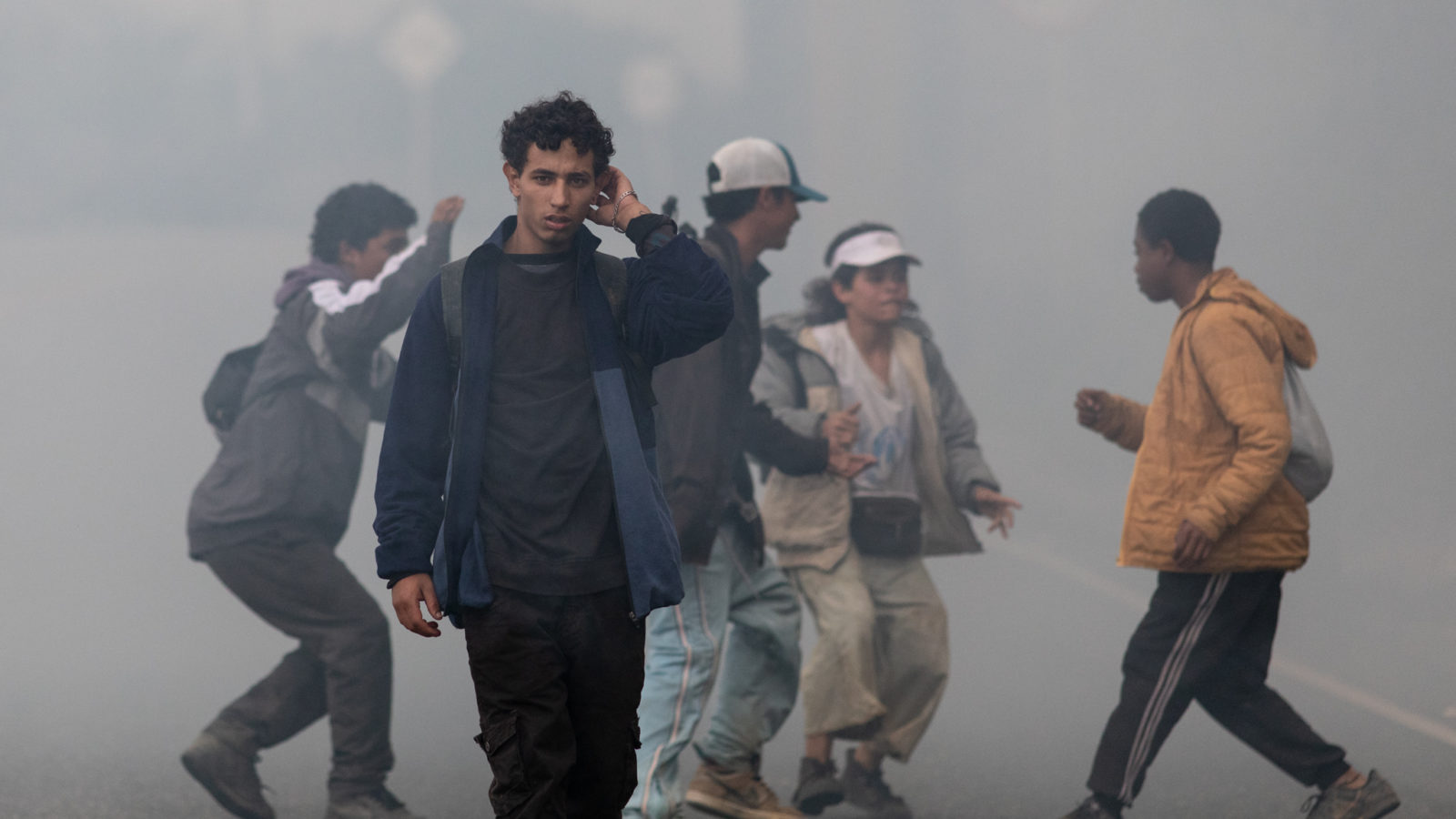
The Kings of the World is a surreal coming-of-age movie that follows Rá, Culebro, Sere, Winny, and Nano, street kids who are on their way to claim land that’s rightfully theirs. Their one goal is to finally make a home after living without one for so long, but they’re hindered by the inevitable tragedies that befall kids of their kind: impoverished, alone, and abandoned.
The title is ironic, but it also hints at their state of mind: these boys are unstoppable, rabble-rousers who live like there’s no tomorrow. They tear down private property and invade inns not out of spite, necessarily, but out of a knowledge that whatever they do they’re gonna be put down anyway, so they might as well live without rules.
Tackling powerful themes like land restitution and youth neglect, The Kings of the World is one of the most agonizing movies you’ll ever see. It’s also Colombia’s official Best Foreign Language Film entry in the 2022 Academy Awards.

There is no shortage of TV shows that dive deep into the weird wired world of social media, but F#Ck1Ng Social Media deserves credit for doing it effortlessly. You can tell the writers have an intimate knowledge of internet fame by how it contrasts has-been influencer Amanda with rising content star Vicky (Azul Guaita). Amanda’s realm is YouTube (a millennial staple) while Vicky’s is TikTok (a Gen Z haven). Amanda rose to fame because of her sincerity, while it was Vicky’s sleekness that first caught people’s eyes. Through their rivalry, the series shows us how swiftly social media evolves and how contradictory it can be—online, we’re both vulnerable and artificial, progressive and regressive. It’s a hefty message, but the show delivers it with an impressively light touch. Intense rivalry and fame commentary aside, F#Ck1Ng Social Media is also a quirky comedy and a touching family drama. There’s just as much to like here as there is to learn.

Misfortune (Mala fortuna) is a telenovela that doesn’t shy away from the genre’s goofy qualities. It’s predictable and a little bit ridiculous, but like most enjoyable soap operas, it knows how to draw you in and keep you invested in all the drama. Our protagonists are two peas in a pod: Julio and Victoria, ordinary people who seduce their way into scamming the ultra-rich family known as the Urquizas. Of course, their feelings (both for the family and for each other) get in the way of their schemes, but the resulting entanglement makes for a sexy and hilarious watch.
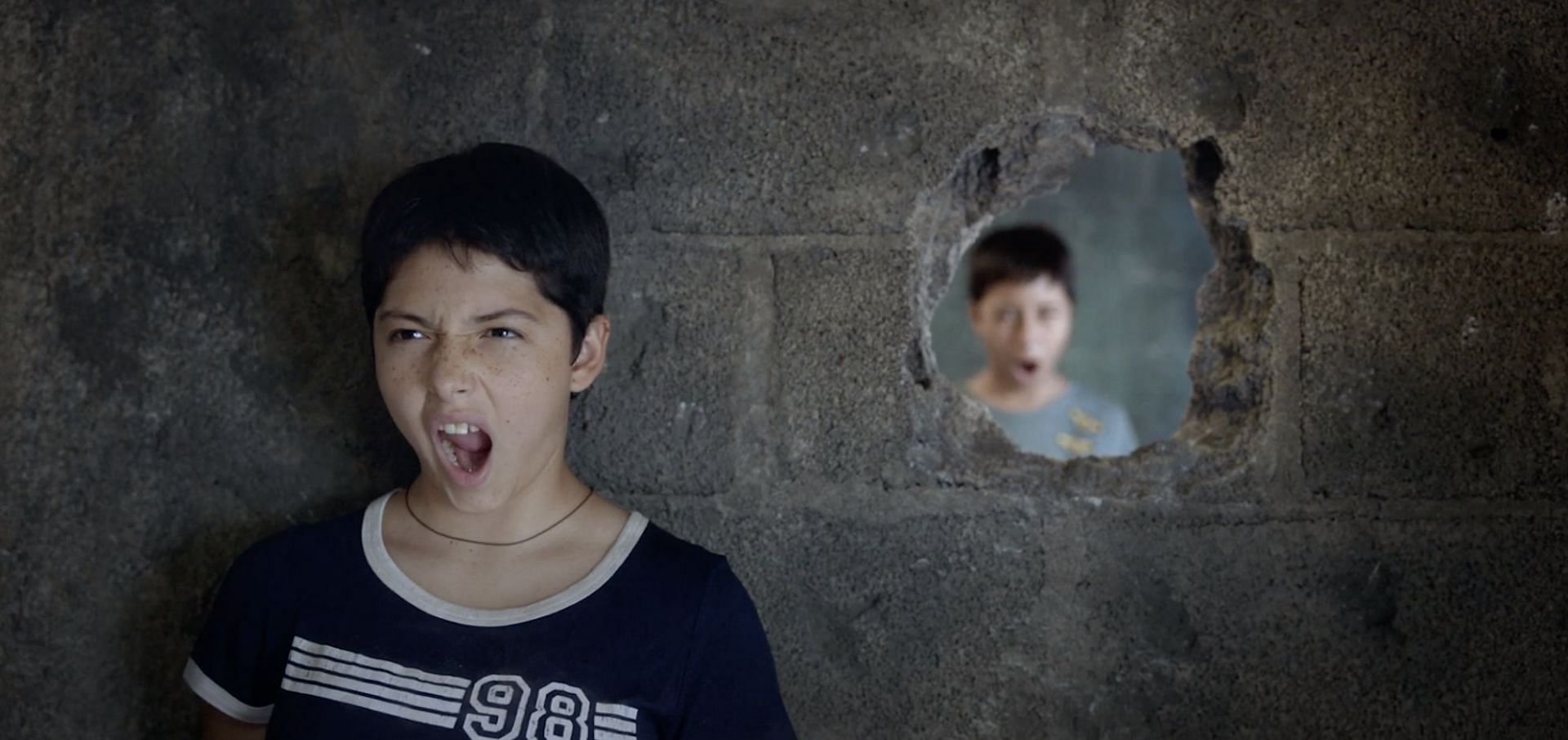
Prayers for the Stolen takes more time to observe life in its rural town, than to showcase the action and violence inflicted by the cartels that pass by. It’s a needed perspective. This move drives home how long these cartels were left unaddressed, as the women of the town have gotten used to the danger and were unable to leave for whole generations. It makes clear how their lives have been interrupted, limited, and held hostage at the whims of whichever group takes over the village. But it also allows writer-director Tatiana Huezo to help us witness the love and tenderness Ana holds for her mom and friends. Prayers for the Stolen is tough to watch because of the safety they lack, but it’s also a beautiful tribute to the relationships they’ve forged despite that.
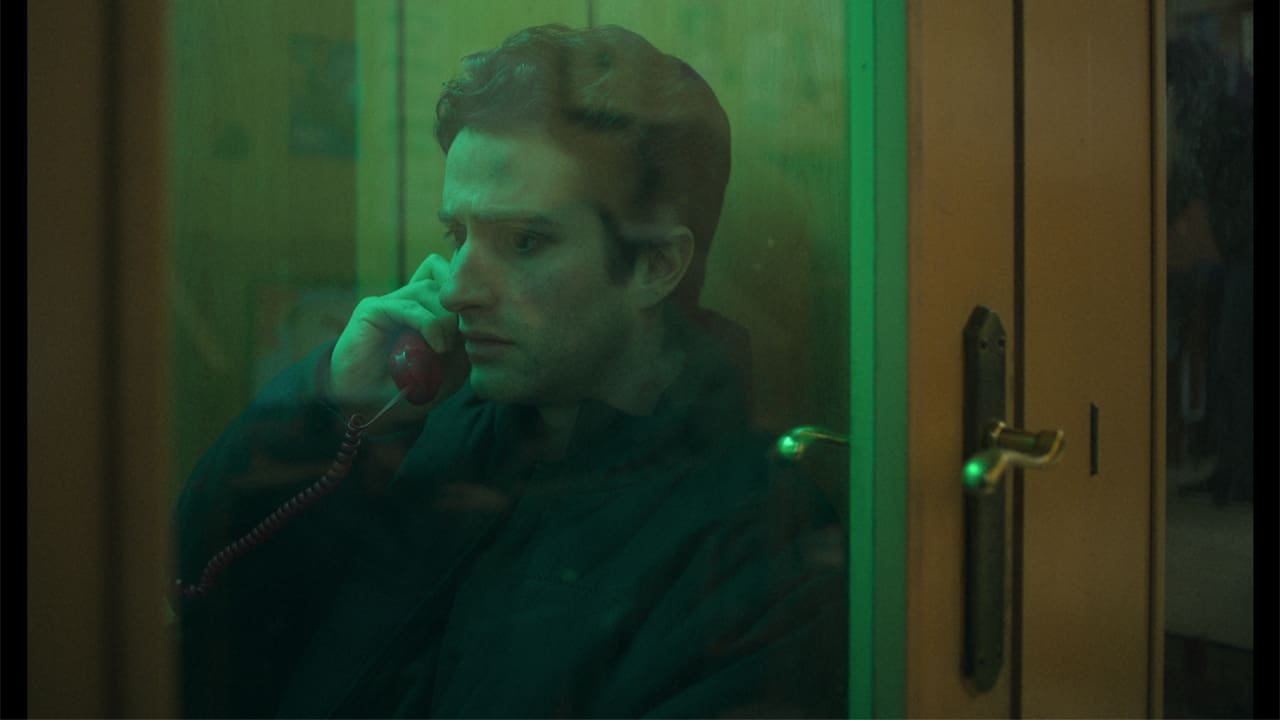
If you’re new to the story, I Don’t Expect Anyone to Believe Me feels difficult to understand. The film adaptation portrays the novel through abruptly cut sequences, meticulously framed naturalistic frames, and monologue and dialogue that mean more than what’s being said, on top of Juan Pablo’s gradual descent into a criminal network. It’s as disorienting as being in Barcelona feels for Mexican couple Juan Pablo and Val. However, this film feels like a new approach in adapting novels – the multiple perspectives and epistolary portions adeptly portrayed through typed up screens and alternating perspectives (and direction) between the couple. It doesn’t feel like something that you’ve likely seen before.

Based on the rumors, When Frank Met Carlitos is a fun reimagination of how the meeting between Carlos Gardel and Frank Sinatra went. While the meeting is entirely fictional, it’s an interesting what-if scenario, as the real-life Sinatra went into music because of American singer Bing Crosby, who in turn, was notably inspired by Gardel, the Il Muto. Split between their languages, Gardel and Sinatra still have a shared understanding, piecing together each other’s thoughts through shared loan words, and imparting knowledge through dramatic song. As the fictionalized versions of the best singers from the American continent interact, the TV special seems like a send-off from a wiser generation to their younger counterparts.

While it’s sort of a cheesy idea for us adults, being yourself is good, but it’s not so easy, especially as a kid. This is usually the sort of message for a coming-of-age indie, but it’s a message that works well with stop-motion animated horror series Frankelda’s Book of Spooks. Instead of showing this message in day-to-day life, Frankelda instead weaves five spooky stories of kids wishing to be someone else, and gnomes, witches, sires, and the Coco monster granting their wish… but for a price. It’s the same price Frankelda herself paid as a ghostwriter, in both the literal and fantastical sense, which drives her anthology forward. Combining a Laika-esque style with Mexican folklore, and incredibly catchy tunes, Frankelda’s Book of Spooks is an underrated series for horror fans, especially those younger in age.

In the Mexican film A Cop Movie, director Alonso Ruizpalacios mixes fact and fiction, documentary and narrative, to tell the tale of Teresa and Montoya, two police officers whose dreams are dashed by the corruption of their trade and who, eventually, find love and comfort in each other.
Ruizpalacios takes thrilling risks in structuring this genre-bending story—cutting stories into parts, jumping back and forth between the harrowingly real and captivatingly non-real. For all the experimental maneuvers he makes, however, the through-line is always Teresa and Montoya: particularly, their love for each other and for an institution that should have, in an ideal world, supported them and the people they vowed to protect.
To its credit, instead of merely humanizing the controversial police force, A Cop Movie adds some much-needed nuance to the big picture. At the end of the day, they’re no different than any other underpaid laborers working desperately to make end meets. A Cop Movie doesn’t gloss over the fact that the police, like so many other workers, are stuck in a rotten system that’s long overdue for a major overhauling.
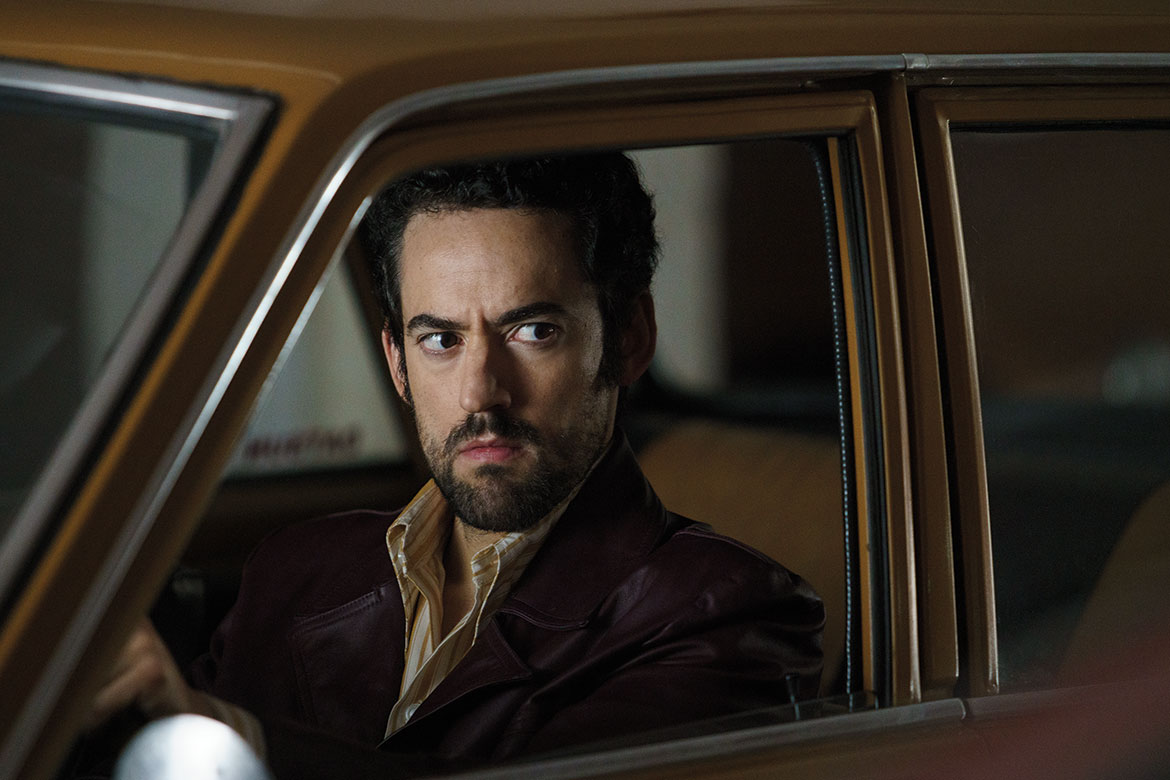
Mexico City, 1970. Héctor Belascoarán leaves his stable office job and beautiful (but unhappy) marriage to pursue the adrenaline-filled life of a private detective. The police are useless, Héctor points out, not to mention corrupt and often in on the crime, so it’s up to him to tackle the many unsolved cases that haunt the city he loves.
Because he thinks himself a hero, Héctor narrates each episode in that nostalgic noir way, but the catch is that he is, in fact, no slick savior. Hector is still a rookie, prone to blunders and miscalculations, but his perseverance saves the day. In this way Belascoarán, PI is both a tribute and a sendup of detective films of yore; it references the genre in style and substance, but it isn’t above joking about it either. It’s proof that you can challenge viewers without sacrificing the laughs, and vice versa.
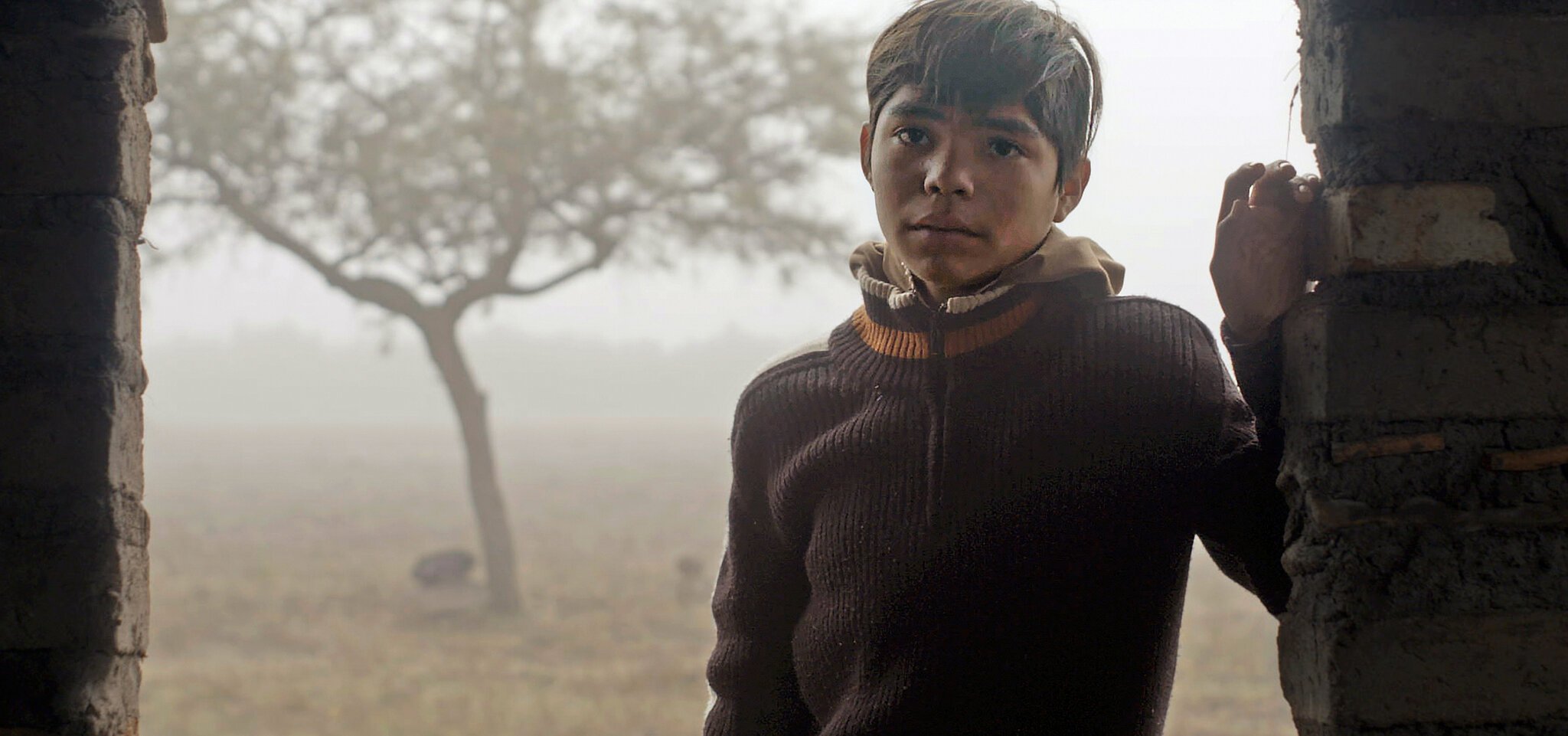
Rather than talking about what it takes to get to the other side of the border, Identifying Features instead focuses its attention back home. It’s part of the reason why the film actually highlights how difficult this actually is– Before even reaching it, people hoping to enter America go through a dangerous journey, many of whom disappear without any resolution for the loved ones left behind. But in focusing on what happens back behind the border, the social issue drama becomes more compelling, as the mystery of what happened to the son that left easily strikes a cord and drives the plot forward rather than straightforwardly talking about the journey. As she does so, writer-director Fernanda Valadez sets a spine-tingling mood, with striking, cryptic shots paired with the sober, difficult explanations the loved one who have been left behind with her have tried to formulate. Sin Señas Particulares captures that painful story in such a bold and thoughtful debut.

Once you get past its kiddy dialogue and somewhat overenthusiastic voice performances, Maya and the Three delivers one of the most thrilling action spectacles for children’s television. Taking its cue from Mesoamerican folklore, this nine-episode miniseries is draped from head to toe in lavish, intricate visuals and is directed with a surplus of stylistic choices, with characters frequently breaking out of the frame itself. And once the action starts, it almost never lets up. It never becomes too frightening for kids, and it’s mounted on a seriously impressive scale that any adult should appreciate. The fights are dynamic, intense, and beautifully constructed almost like dances—giving kids and kids-at-heart lots to marvel at together.

The journey of transitioning can be tough, but it’s not likely to be as wild as the journey undertaken by the titular rich mob boss of the crime thriller romance musical Emilia Pérez. It’s pretty surprising, with the incredibly stylish and totally unpredictable ways the plot unfolds, all made possible by the ridiculous all-or-nothing methods and means of a Mexican mob, and it’s a delight to see Zoe Saldaña and Selena Gomez feel at home in their respective Spanish-speaking roles. There are certain moments where the film bites off more than it can chew, but the visuals are stunning, the story is daring, and there’s really nothing like Emilia Pérez right now.

The drug trade is international, but it is rarely portrayed as such on TV. Drug thrillers often take place in one country and in one or two languages (usually Spanish and English) – but in reality, there are producers, buyers, and sellers, all based in different parts of the world. So a show depicting the drug business in a realistic way should also move around the world. ZeroZeroZero is that. It’s a fast thriller set in many countries: The U.S., Italy, Mexico, Senegal, and Morocco to name a few. The stunning cinematography bounces between contexts seamlessly, telling a nihilistic yet thrilling story of a conflict that starts within the Italian Mafia.
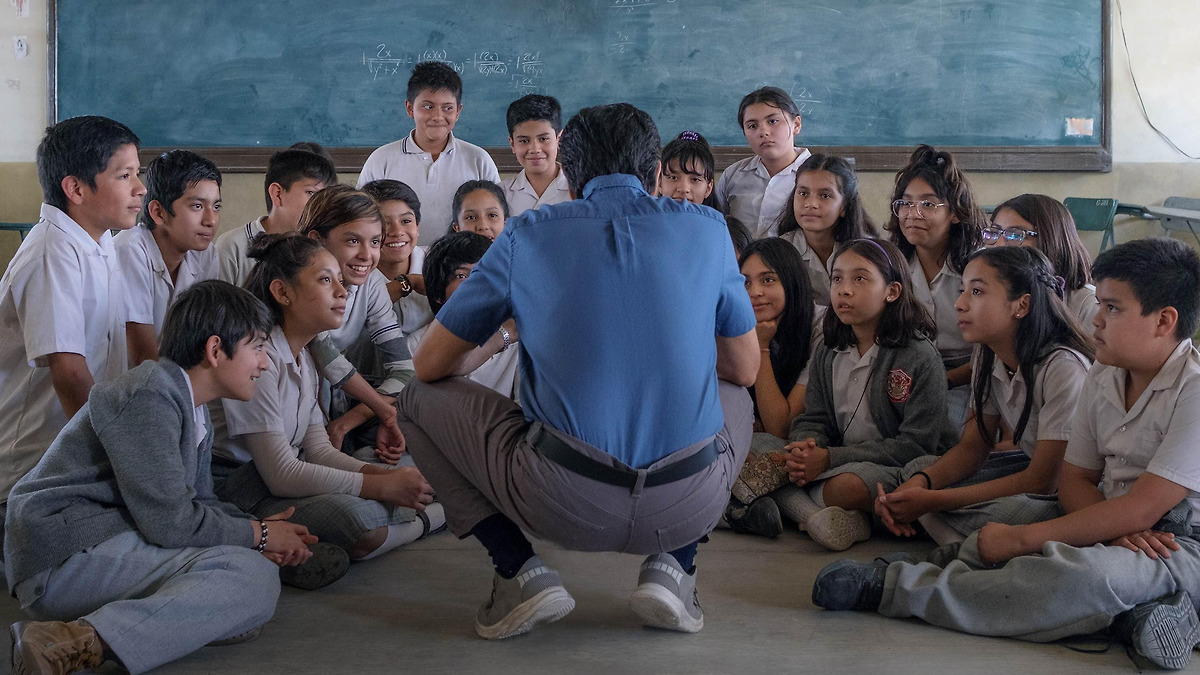
Going to school can be tough, moreso in a neglected, corrupt and violent town with not much opportunities to improve. But sometimes, once in a while, going to school can be great because of a good teacher. It’s a real teacher that inspired Radical (2023), a Mexican entry to Sundance that year, and while it does follow a familiar template, the crowd pleaser teacher drama is enjoyable to watch, especially with Eugenio Derbez’s charismatic performance as the star teacher. Being based on a true story, the third act might take on a surprising tone shift, but Radical nonetheless is inspiring stuff and understandably won Sundance’s Festival Favorite Award.

This Mexican movie set between Queens, New York, and Monterrey, Mexico is a stunning and profound work of art.
Ulises is the leader of a street dancing group that loves Cumbia, an Afro-Colombian style of music. Dancing is an alternative to being sucked in into gang life, which Ulises and his bandmates have ties to.
Ulises is good, and his town starts noticing. But just when his community is flourishing and his dancing is becoming famous, a wrong-time/wrong-place situation has a gang force him to leave everything behind and immigrate to the U.S. He suddenly finds himself lonely and living a life of undocumented existence.
But that is not the progression of I’m no Longer Here, which intertwines scenes of Ulises thriving in Monterrey and alone in New York. The difference is stark and depressing, but the camerawork and great performances are a constant source of cinematic brilliance.

Organized crime and drug dealing has been a topic of many a film, sometimes even glamorizing the whole endeavor, but rarely do these depictions acknowledge the weight it can do to a culture, particularly indigenous cultures. Birds of Passage is a film about drug dealers, but it’s a much more distinct take, tackling Colombia’s reputation for the drug trade through the lens of an indigenous group that hasn’t been totally colonized, that still keeps its language, rituals, and legends, but is still pushed to the brink due to far more lucrative reasons. It does take fairly familiar plot points, but Birds of Passages transforms the narco crime drama with a different direction.

Present-day Mexico City—Ariela comes from a Jewish family that insists on getting married only to people of the same religion. This rule is complicated when Ariela falls in love with the non-Jewish Iván. She is then faced with the dilemma of choosing herself or her family, who for all their severity, she still loves deeply.
Leona’s modern-day retelling of Romeo and Juliet recalls the likes of Crazy Rich Asians and The Big Sick, but unlike those big-budgeted movies, this intimate Spanish-language film exchanges melodrama for restraint, and it’s all the better for it. Leona is a quietly moving story that’s easy to relate to, despite the specificity of its premise.

La Cocina is pretty chaotic. Amidst the hectic rush hour at The Grill, writer-director Alonso Ruizpalacios brings a group of tired, impoverished workers that yearn for a better life into a cramped kitchen in America that gets flooded with cherry cola halfway through the movie in an outstanding long take. While some scenes still retain its monologue heavy quality, it’s impressive to see how they adapted the stage play to film in its cast, multiple languages, and shots. The main protagonists, Raúl Briones and Rooney Mara, also deliver great performances. But what makes La Cocina ultimately work is how well it understands the power dynamics to push the story. La Cocina carries the perspectives of its ensemble characters with superb balance.

For better or worse, friendship can be the most important relationship a child can have, especially when they move into a new school. Poison for the Fairies takes a look at an unusual friendship, one that’s forged not by regular schoolgirl hobbies, but by witchcraft, spells, and superstition. It’s incredibly unnerving how Flavia and Veronica’s dynamic gets, as each morbid claim gets questioned but is never fully explained, as each unanswered question slowly adds to the terror, and as each boundary gets pushed because of those few moments of calm. But it’s also incredibly tragic, considering the ways Flavia and Veronica are characterized. Writer-director Carlos Enrique Taboada makes it all the more creepy by centering the camera through their eyes, by capturing the uncertainty of this terrible friendship.

Anthology films aren’t for everyone, but it’s a fitting choice for 4 Moons. With each moon phase representing the stage in the couples’ respective relationships, the film gets to explore gay relationships in such a comprehensive way, creating a bird’s eye view of how lovers like the couples in the film live and love. It’s a great way to normalize these relationships across generations. That being said, some viewers, like myself, find the intercuts between each couple a bit distracting due to the tone shifts and the way some stories are better developed than others. Still, 4 Moons is worth watching for its thoughtful portrayal.
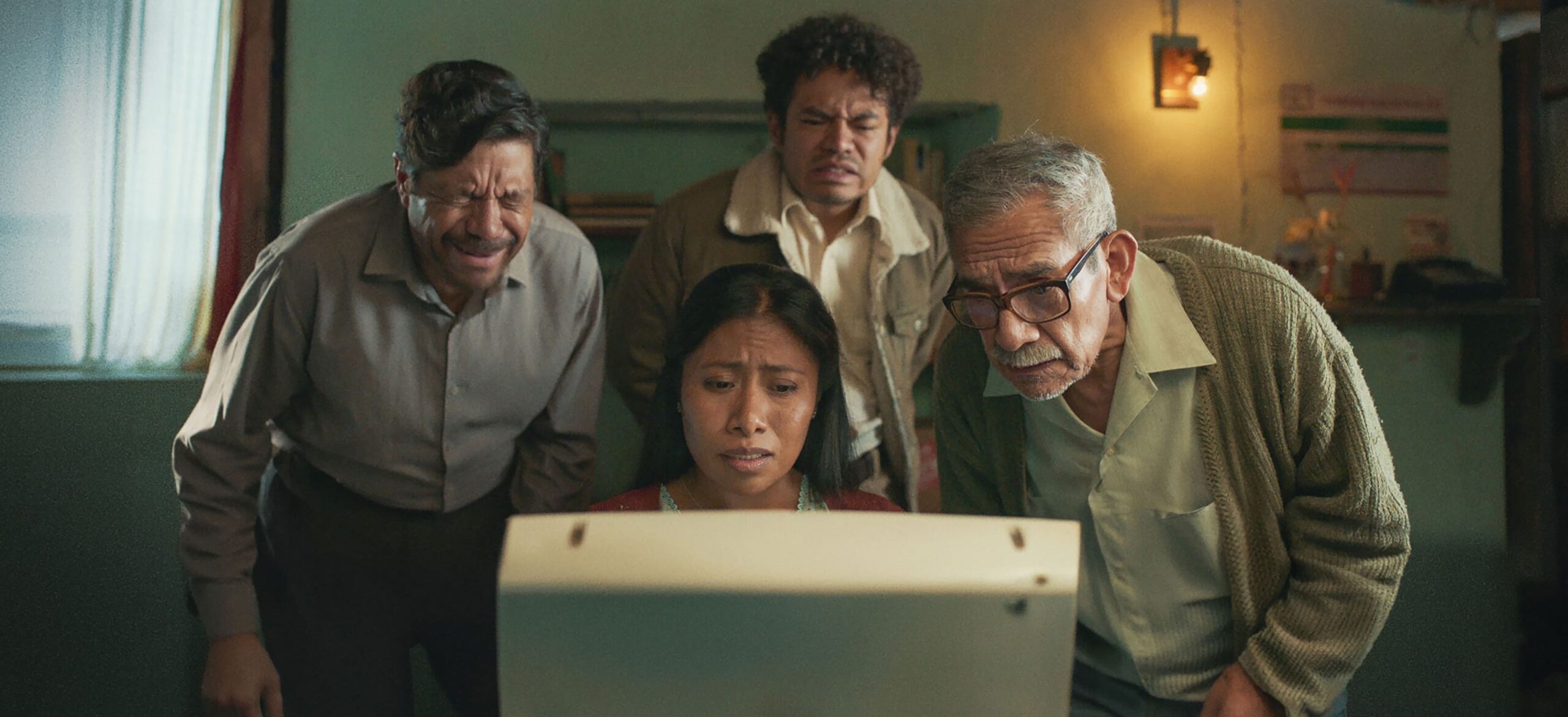
In the Great Seduction, locals of a small town trick a bigshot doctor into thinking that despite the place’s insufficiencies, it’s still worth settling into. They pretend to love American football because it’s his favorite sport. They leave paper bills to make him think he’s lucky. They eavesdrop on his calls to learn what dish he’d like for the day. But as the schemes escalate from amusing to immoral, the audience along with German are forced to wonder: does the end justify the means? Unfortunately, the film never answers its own ethical dilemma, nor does it offer meaningful insights or fresh perspectives about it. There’s also the lesser but equally distracting problem of Mateo’s medical background serving very little purpose in the film. The townspeople bend over backward to secure Mateo not because he’s a doctor who could literally save lives, but because the company they’re pitching to requires a doctor to be present for legal purposes. The film doesn’t always make sense, although when it does, it absolutely shines. It’s offbeat and jubilant, with a lot of charm to spare. It’s the type of film whose omissions you’d easily forgive because of how often it’ll make you smile.
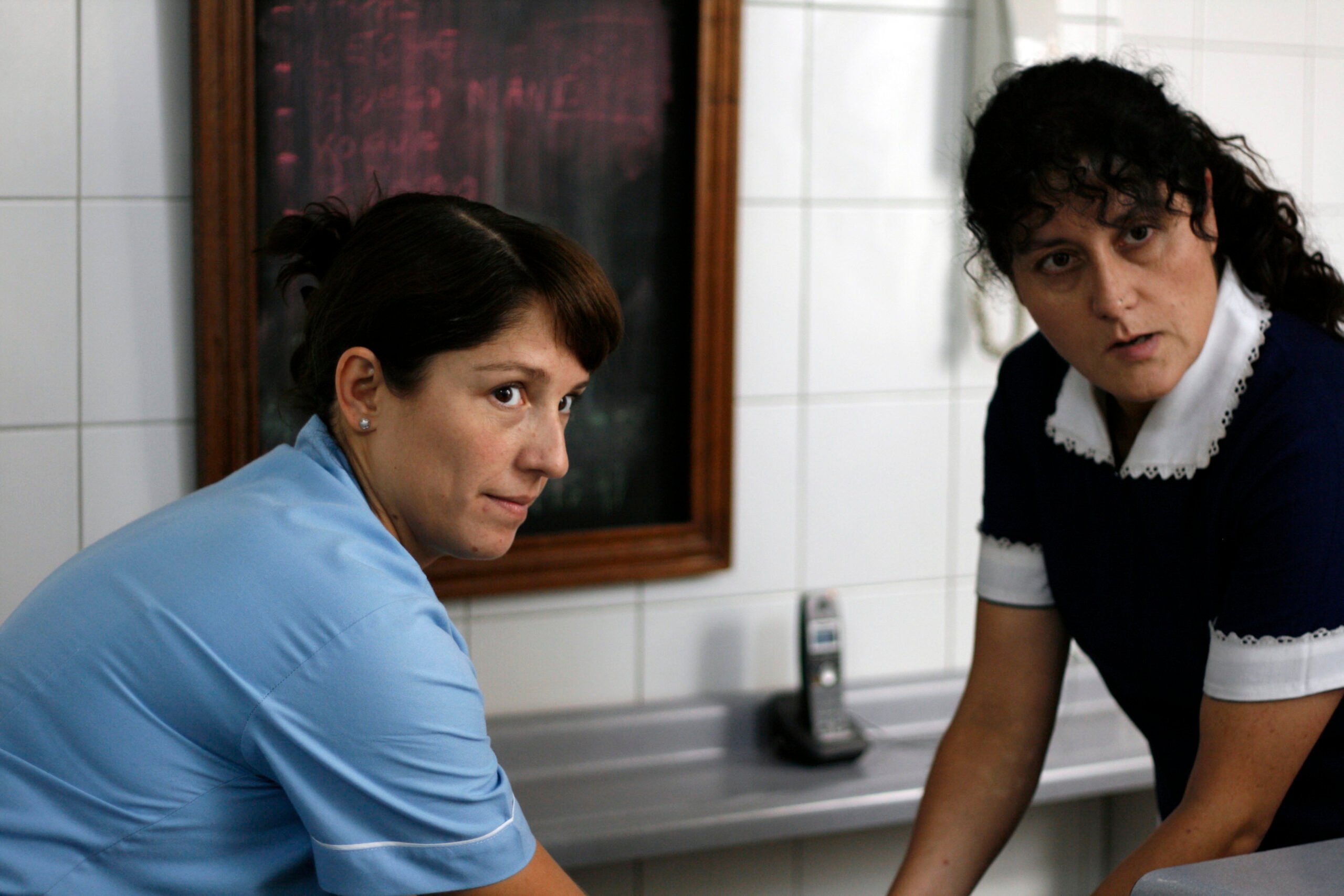
No one likes to be replaced. Even when it gets difficult, hardwork and years put in effort to take and keep these roles makes it feel precious, and that’s exactly how househelp Raquel feels in The Maid. It’s a funny domestic comedy, with a scowling Catalina Saavedra ready to protect the role she’s held onto for years, but Saavedra and writer-director Sebastián Silva crafts an empathetic, realistic character study of a woman so worn down from poverty, power imbalance, and having had no breaks that the rare instance of compassion feels like a threat. La Nana doesn’t quite critique the entire system that keeps Raquel in her role, but it’s a rare film that acknowledges the importance of rest and empathy in order to feel human.

Modern day coming-of-age ennui isn’t a new subject at all, but there’s a charm to the way this was presented in Güeros. In his first film, Alonso Ruizpalacios beautifully shoots each scene in black and white, forming striking images of what the capital used to be and taking new approaches in depicting certain scenes (for example, that panic attack with the POV shot covered in feathers!). The cast also excellently portray this millennial emotion well, with their eyes glazed over as they try to seek moments of connection and grounding, as they try to make sense of it all. While some of the politics might fly under the radar to people outside the country, Güeros nevertheless serves as an interesting portrait of the time, as well as an interesting debut for one of Mexico’s avant-garde filmmakers.
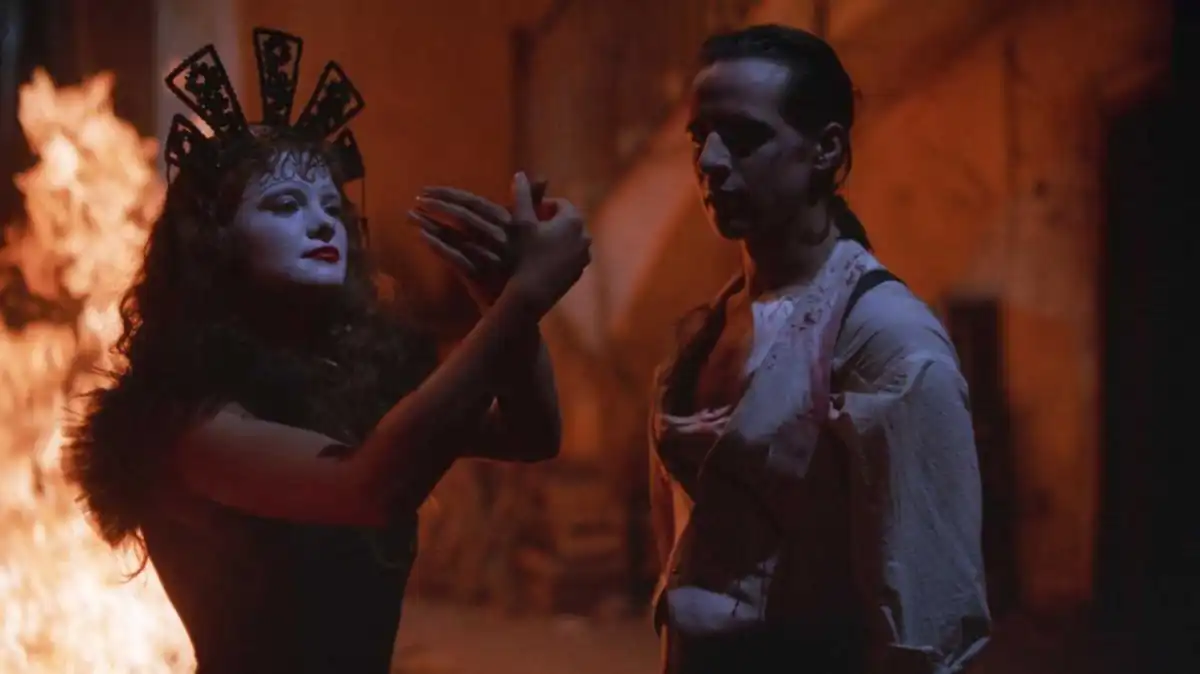
With an acrobat in a sanitarium, elephant trunks spouting blood, and a religious cult whose patron saint is a rape victim, Santa Sangre isn’t going to be an easy watch, especially with the avant-garde direction of the iconic Alejandro Jodorowsky. It’s tough to watch the explicit scenes, both of Fenix’s childhood circus reality and his adult hallucinations, with the hallucinations visually recalling his childhood trauma. But through these terrifying, freaky images, Jodorowsky takes his own memories and crafts it into a twisted, but deeply personal psychosexual nightmare, confronting the exploitative nature of faith and family through various circus acts. Santa Sangre is one of its kind.
An indigenous language is dying, and the last two people who speak it have not spoken to each other in 50 years. In this calm drama from Mexico, linguists are sent to try to get them to talk so they can document the language.
The story goes that two men have stopped talking because they fell in love with the same woman, so there is a romance wrapped neatly within the linguistic story. What truly steals the show, however, is the breathtaking nature in which it’s all set – the stunning region of Chiapas.

 x4
x4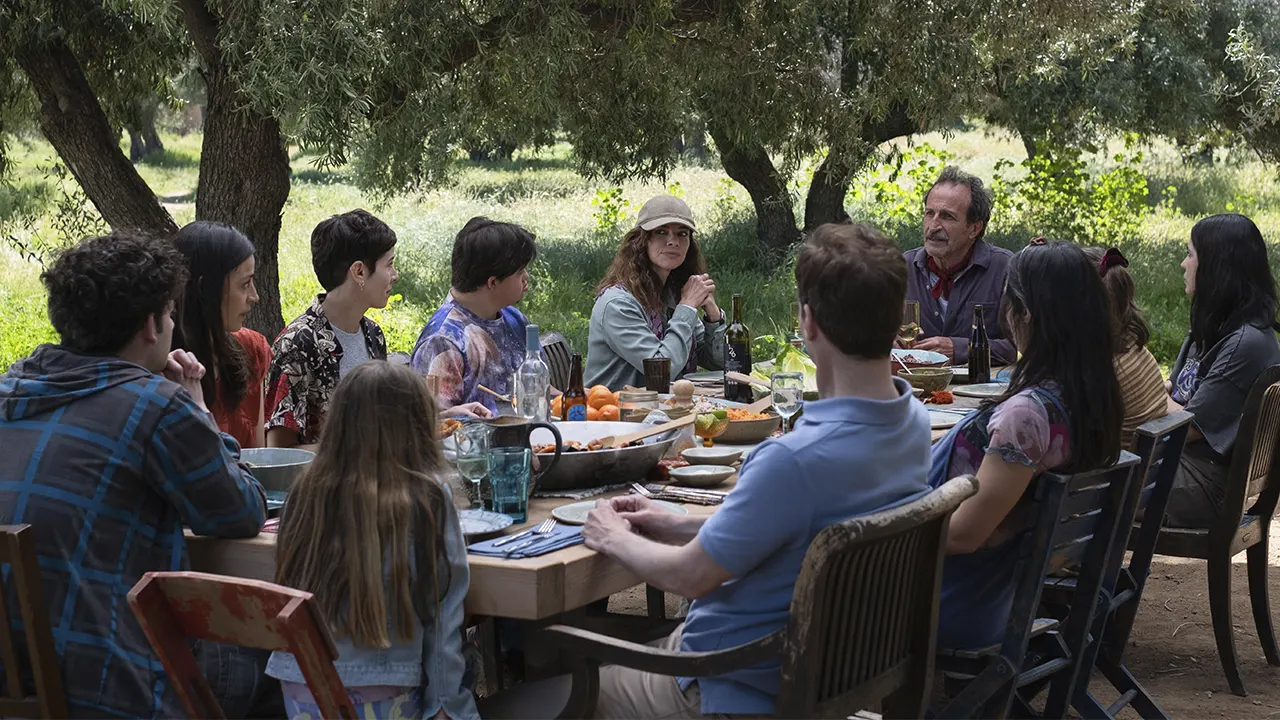
Family is one of the bonds we don’t really get to choose, and for better or for worse, they’re the bonds that form the foundation of our lives. Familia depicts this bond faithfully, as Leo’s remaining family, his three adult daughters, all travel back to the family’s olive orchard to decide on its fate. The way the bond is depicted feels realistic, as each of the family members can confront each other with their choices in the one time of the year they can do so. The film is able to make it work with its excellent cast, and carefully written dialogue that makes the conversation flow naturally. While Familia isn’t a holiday film, it’s a fairly realistic depiction of a family gathering and a timely film to watch before heading home to your family for the holidays.

Over 100 hours of footage were shot for this documentary chronicling the fraught journey that thousands make to reach the US-Mexico border — but, watching the 93 minutes that made the cut, you get a sense that this is the story that was meant to be told. Editor Sofia Machado whittled down reams of footage into this gently conveyed single account of one woman’s journey. Twenty-nine at the time of filming, Lilian and her four children fled a violent husband and bleak prospects in Guatemala, setting out as part of a migrants’ caravan undertaking the 4000km-long journey separating them from the brighter future they hope is waiting for them in the US.
She meets exploitation, xenophobia, and other perils on the route (not least The Beast, the dangerous freight train she and her kids must hop to reach safety). Remarkably, though, there’s much solidarity and generosity to be found on the way, too, as Lilian and her kids forge moving family-like bonds with fellow migrants. What’s more, as the documentary unfolds, quiet revelations emerge, making it clear that Lilian is also looking for a type of liberation that many on the road already have — a dream that this documentary suggests might blessedly be closer than she originally envisioned.

Among the sea of class satires released in the last year, Triangle of Sadness is one of the better ones. Directed by Ruben Östlund (The Square, Force Majeure), the film follows an ultra-rich group of people who get stranded on an island after their luxury cruise ship sinks. The social pyramid that has long favored them suddenly turns upside down when a crew member (a glowing Dolly de Leon) effectively runs the group of sheltered castaways.
Triangle of Sadness may not be as sharp as Östlund’s previous work, and it may not add anything particularly new to the saturated discussions of social class, but it remains a darkly humorous and engaging watch, masterfully helmed by a strong script and ensemble.
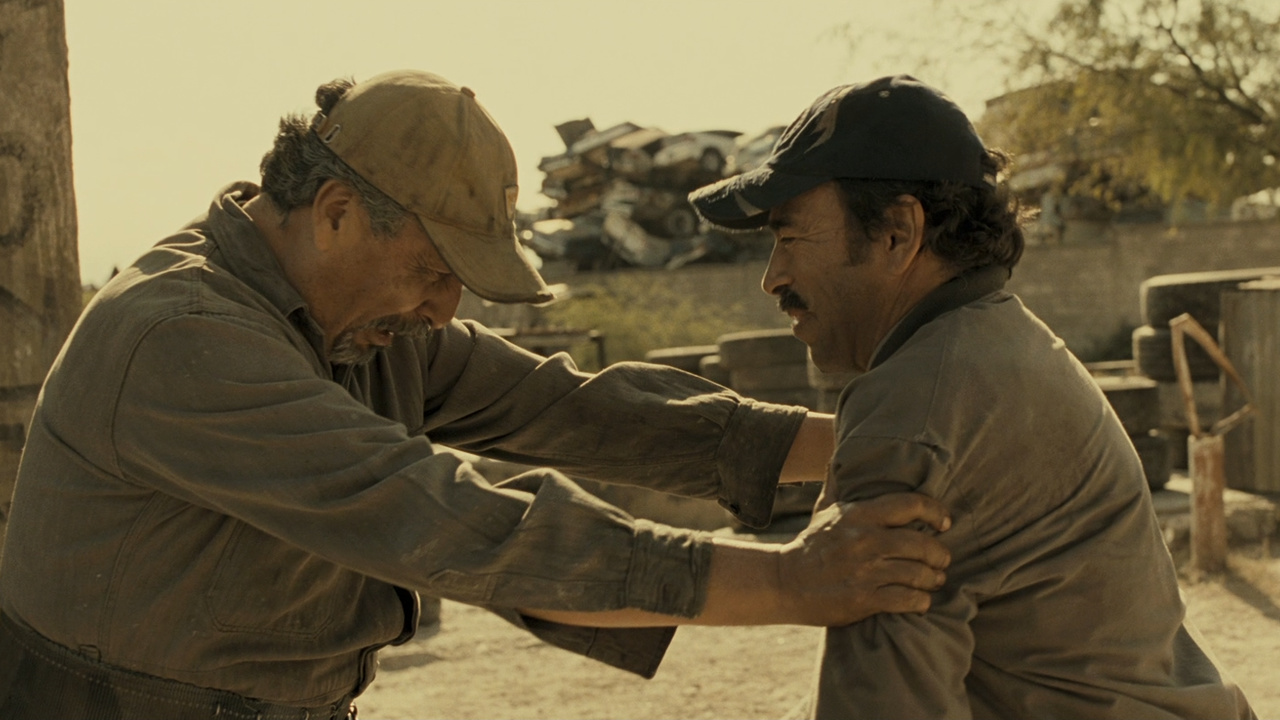
Better known through its original Spanish name El Infierno, Hell is an underrated crime thriller that satirizes Mexico at the time of the Drug War. It follows an immigrant, Benjamin Garcia, who subsequently dives into a life of crime, though it’s not as lucrative as he expects. What ensues ends up becoming a darkly humorous, Western-inspired take on the issue, flipping from funny to dramatic at a turn of a hat, and smartly pointing out the absurd in the violence that still grips the country today. While underseen abroad due to its NC-17 rating, it’s a fitting installment for director Luis Estrada’s penchant for bold political satires, garnering a cult following in the country itself.
 x7
x7

While love and longing can transform people into their best selves, it has famously transformed couples into their worst selves too, and this change captivates our imaginations of how the relationship was formed. Deep Crimson revisits the Lonely Hearts Killers, dramatizing their exploits with a darkly comic flair. As Mexican auteur Arturo Ripstein brings their tale to Mexico, he and his screenwriter wife Paz Alicia Garciadiego dive deep into these undeniably evil characters, spotting the ways their jagged edges fit and make them whole, which creates a twisted bond that isn’t easily torn apart. Profundo Carmesí is an unforgettable take on an unforgettable crime duo.
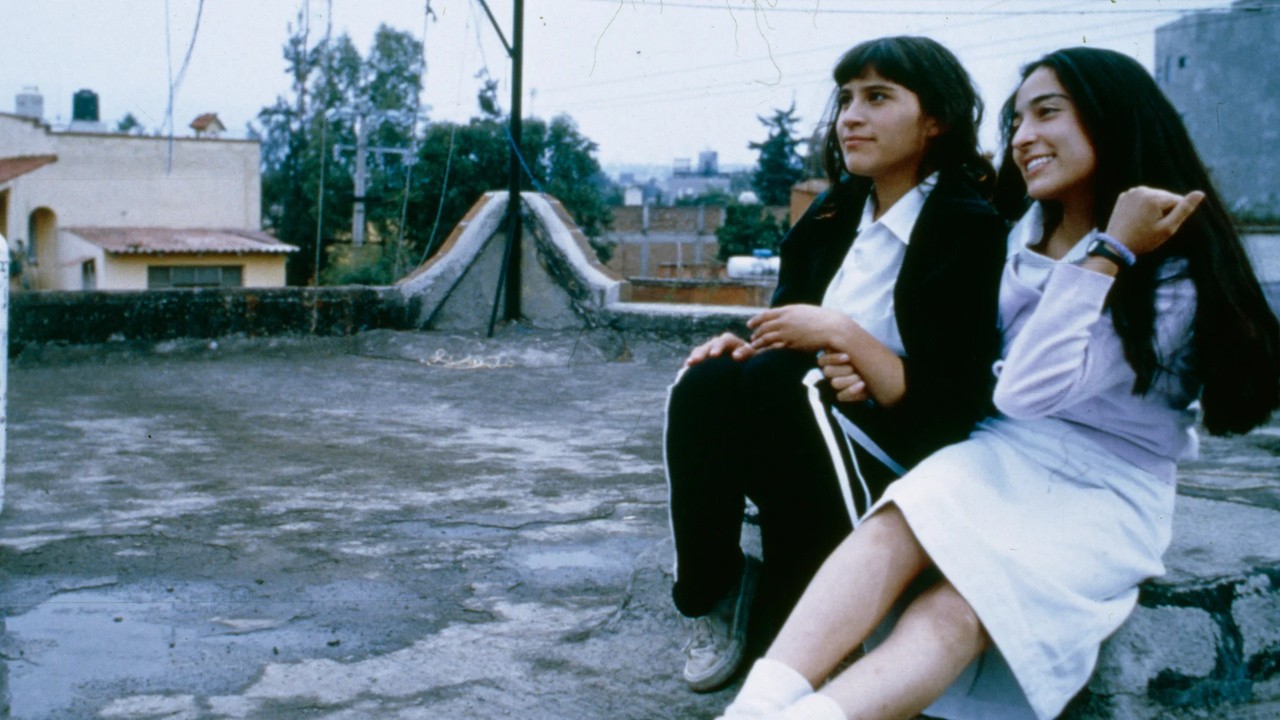
Going through troubles can be made easier by having a friend. That’s true in Mexican drama Violet Perfume: Nobody Hears You, alternatively titled No One is Listening. It follows high school transferee Yessica who befriends the quiet kid in her new class, Miriam, which becomes an unexpected bright spot in her tough life. It’s a hard watch because of how tough her life gets– the bleak and depressing circumstances of her family life require trigger warnings, to say the least– but the film needed to illustrate how far abuse can go unnoticed, and how abusers can take advantage of that lack of awareness. Ultimately, Perfume de Violetas is a tough watch, but through the film’s sensitive depiction and the leads’ masterful performances, it’s an essential one.

As much as we like to imagine children being innocent, schoolyard bullying does happen, and sometimes it goes way past the regular teasing and ends up becoming something that could only be described as evil. After Lucia is the story of a girl that has experienced this after the death of her mother, leaving only her and her father behind. While Roberto does try to reach out to her, the death of her mother means the loss of a trusted adult, someone that Alejandra can talk about anything and everything with without judgment. Writer-director Michel Franco gradually escalates the terrible deeds done by Alejandra’s classmates, building up mercilessly that it leads to a terrible end. But ultimately, the ugliness of what happens emphasizes how a lack of open communication, a reluctant school administration, and an ineffective policy towards bullying easily places children in danger.

A foreign film on par with City of God, and carrying its heritage of naturalistic performances and raw stories. Sin Nombre will take you into a world filled with gut wrenching violence, heart-breaking loss, and non-stop suspense. And while definitely a tough watch, it reports the horrors of immigration with humane and sometimes hopeful outlook.
The profound and epic redemption in this movie will leave you thinking about it for days.
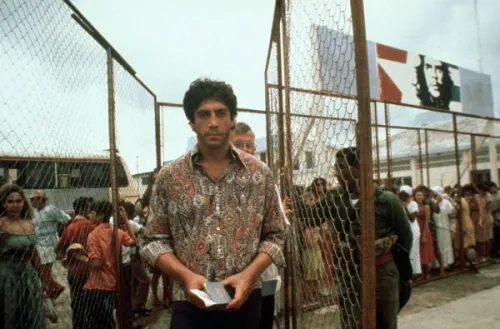
This emotionally rich biopic spans Reinaldo Arena’s lifetime, from his childhood and early embrace of the Cuban Revolution to his deportation via the notorious 1980 Mariel boatlift, and subsequent death in the United States. The story of Arenas’ life is told through using his own words, over director Julian Schabel’s beautifully crafted images. In his first-ever English-speaking role, Javier Bardem renders a strong dramatic performance for which he deservedly received wide acclaim. Before Night Falls is a finely crafted portrait of a creative yet self-destructive poet who has to face the clash between his identity and the political environment surrounding him.

Six years after blowing box-office records out of the water with Titanic, director James Cameron once again plunged into the deep for Ghosts of the Abyss. This documentary charts several 12500-foot-deep trips that Cameron, actor Bill Paxton (who played a treasure-hunter in the 1997 movie), and others took in submersibles down to the ship’s wreckage on the pitch-black bed of the Atlantic. The images they captured there are eerie and awe-inspiring: the camera floats through the skeleton of the once-grand ship, now colonised by sea life but still bearing haunting reminders of the people who perished with it. Digital superimpositions of the original layout help to bring the rusted interiors back to life, while ghostly, translucent images of actors are overlaid to recreate the panic and tragedy of the Titanic’s last night.
Granted, it isn’t the romantic epic the 1997 movie was, but Ghosts of the Abyss is an absorbing opportunity for Titanic fans to geek out and a window into the plucky logistics of these undersea trips (which have themselves become an object of great interest, given more recent, ill-fated journeys). Stripping back the Hollywood glamor and diving more deeply into the tragic reality of the Titanic, this is a companion piece that works just as compellingly on its own.

Pan’s Labyrinth is often considered director Guillermo Del Toro’s best film, and rightfully so. But if you’re looking for a straight-up ghost story, this is the film that gets the job done. Everything about this film is sad and beautiful and unnerving, from the setting (an orphanage during the Spanish Civil War) to the atmospheric visuals.

Food can warm you, can nourish you, and can make you feel so much better. Food is also the way people can keep their culture, with techniques and knowledge passed down by generations to better make use of the ingredients in the country. However, in Like Water for Chocolate, food is the means for rebellion, for breaking free from tradition, with Tita, who’s stuck in the kitchen by her mom, infusing her creations with so much emotion that the rest of her family is compelled to find a love just as passionate as hers is for Pedro. It’s a passionate adaptation made by director Alfonso Arau for his wife and the novel’s author Laura Esquivel, and it’s just so well done that it’s easy to be swept up in the family’s unfulfilled desires.

A married Palestinian deliveryman starts seeing a wealthy Israeli café owner in this gripping romance/thriller. Their seemingly low-stakes encounters in the back of a van take geopolitical dimensions when Saleem, the deliveryman is suddenly arrested. Based on a true story.
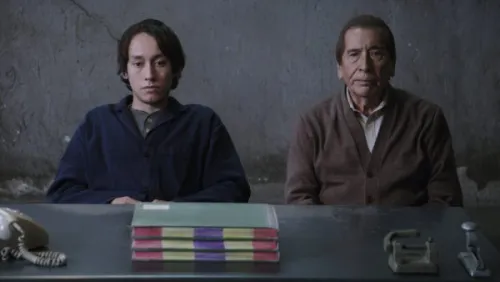
When Sr. Lino started his warehouse job, he had to work for 11 years before being able to sit down during work hours. This is because there was one chair, and he had to wait for his more senior colleague to retire before he could have his turn.
Now, many years later, he’s about to retire. A new recruit is sent to replace him just five days before he leaves. Sr. Lino is disgruntled that the new kid will only have to stand for five days, but on the second day, the kid brings a chair from home and sits.
Warehoused is a comedy about these two characters with completely different personalities as they interact during the few days left in Sr. Lino’s career. The most interesting thing is perhaps how little seems to happen: the warehouse is empty, unvisited, and yet religiously maintained by Sr. Lino.
It’s such a joy to watch the two actors carry this movie. And behind the funny and simple premise, there is a lot that this movie tries to deal with: deceit and lies, the weight of modern working life, and more.

Ever wondered how much your life will change when faced with the reality that death is about to come? That’s normal, and not nearly as life-altering as being told you only have a few more moments to live. Because of a terminal illness, Uxbal (Javier Bardem) is driven to this situation and tries to right his wrongs in the wake of modern Barcelona. This melodrama is supercharged by Bardem’s unearthly performance as the story’s only hero, demonstrating the selfless love of a destroyed and dying father to his children – paired with cinematography unlike any other, this film is exceptionally beautiful. Directed by González Iñárritu’ (Babel, Birdman, The Revenant).

TRIGGER WARNING: THIS FILM IS NOT FOR THE FAINT OF HEART. CONTAINS VERY GRAPHIC SCENES. In fact, the movie opens with rape. While definitely not an easy watch, it is an incredible story and it should definitely be seen by more people. Set in the 1970s during the peasant revolts, a group of locals in the rural areas organize a rebellion against the government. The movie starts with the government fighting this insurgency by sending soldiers to the village, where they rape, torture, beat, and kill the villagers. The soldiers unknowingly cut off the locals from their ammunition supply by occupying the fields in which the ammunition is secretly hidden. Don Plutarco, an old man and violinist (who is missing a hand), attempts to pass this checkpoint though, in order to “check on his corn crops.” The soldiers agree, but only if he stays for a daily music lesson. As Plutarco comes every day, he secretly smuggles the ammunition into his violin case, right under the guards’ noses. The story is incredibly moving, showing the heart wrenching tragedies the peasants go through, as well as the way music moves the guards, despite what they think of the peasants. I’d highly recommend it, but only for those with strong stomachs.
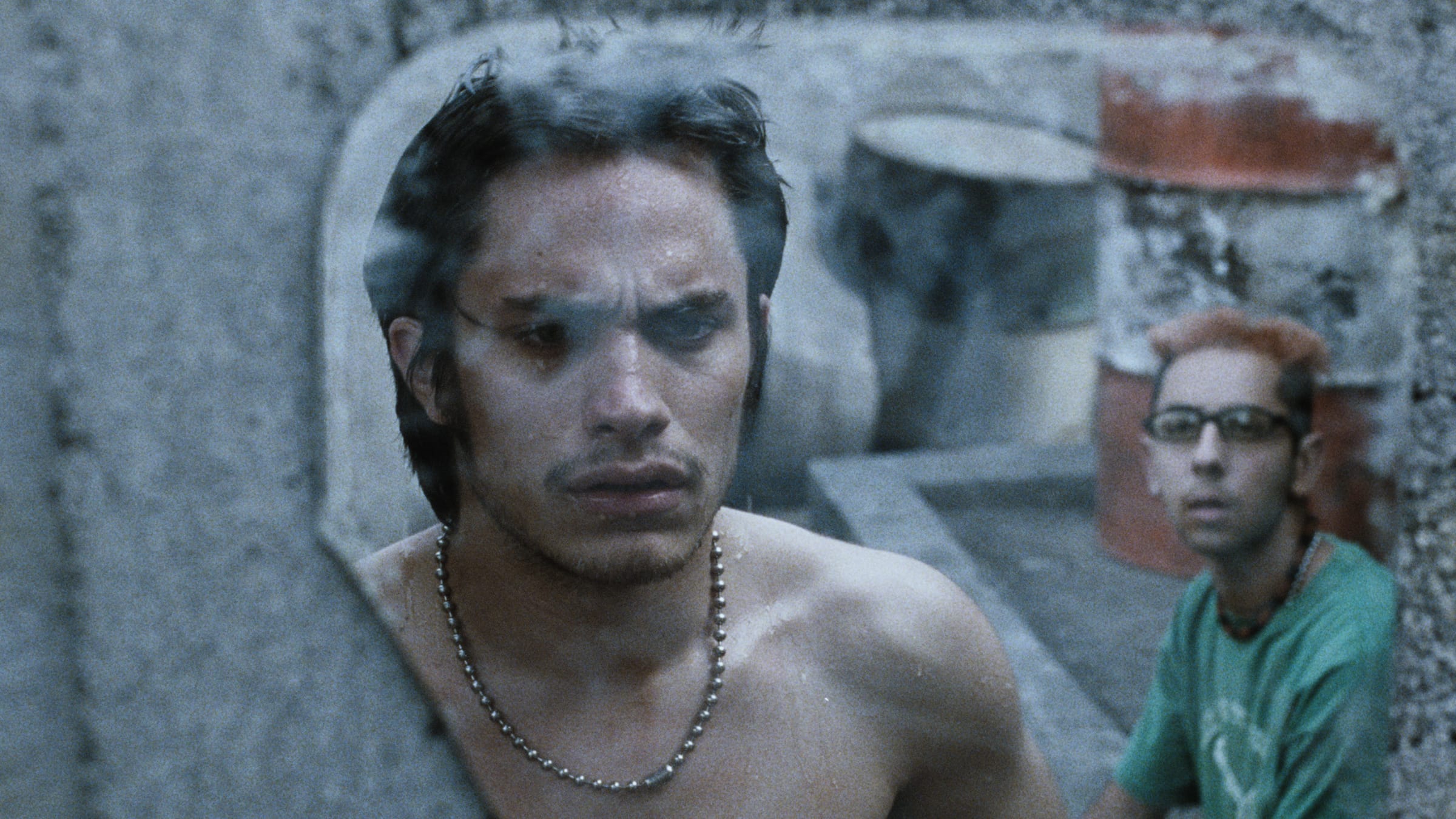
Alejandro González Iñárritu’s cleverly layered directorial feature film debut follows three persons whose lives are connected by a car crash in Mexico City. It directly involves two of them: a young man who enters the world of dogfighting to earn enough to elope with his sister-in-law, and a supermodel whose life is changed for the worse after she is fatally injured. The third segment of the film centers on a mysterious homeless man on the street who witnesses the crash.
The title, Amores Perros, refers to the characters’ love of dogs as well as love being a source of misery, and it’s a hint of the chaotic, unforeseen circumstances they each face. Iñárritu’s film shows his brilliance in direction. Despite the film being an early work, his ingenuity shines through and the compelling performances propel all three stories to gritty heights.
Cut-throat editing, handheld cinematography, and Guillermo Arriaga’s intricate screenplay flesh out each character. The viewers are pushed to the edge of their seats as we navigate the gripping miseries of life along with the rest of the cast. The tightly woven film is a painful must-watch, a brutal and uncompromising look at despair and animalistic aggression among humans that is also mirrored in the cruelty their dogs suffer.
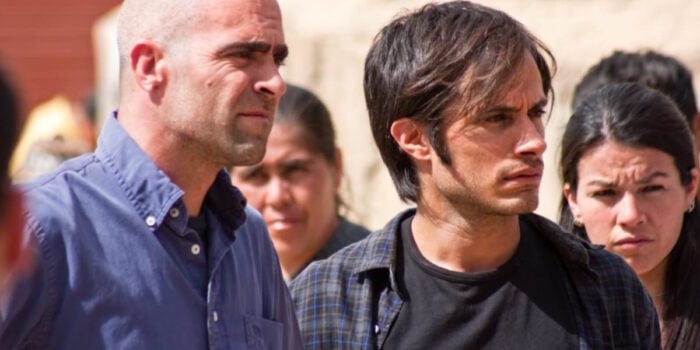
Film direction—at least in the traditional sense—is all about establishing control. In Even the Rain, however, the crew led by director Sebastian faces a problem larger than what they can manage when they become embroiled in a local conflict over water supply while shooting a period film in Bolivia. The situation escalates into a violent uprising between the residents and the Bolivian state forces, which then endangers the completion of Sebastian’s film.
Even the Rain exposes the hypocrisy of urban filmmaking, questioning its exploitative and selfish tendencies. “Some things are more important than your film,” the actor Daniel bluntly tells Sebastian in one scene. This meta-commentary extends to the audience and encourages us to reevaluate the importance we put into films, especially with regards to the current socio-political context.
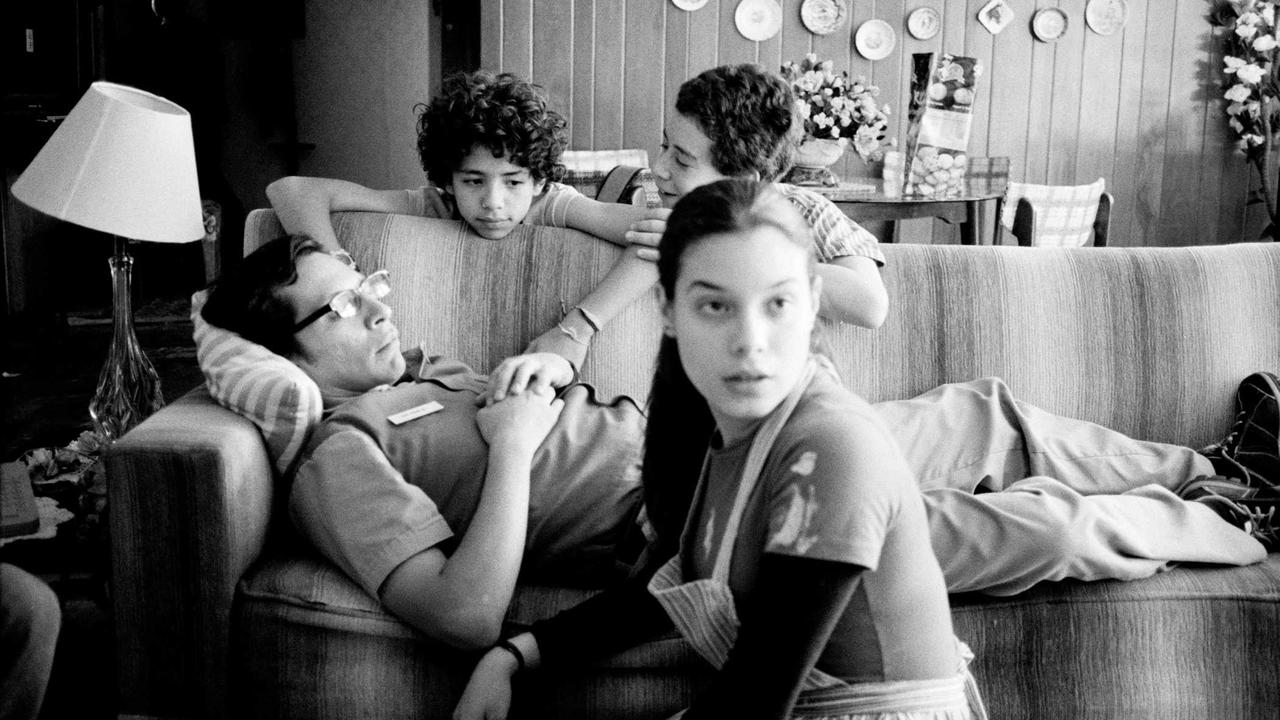
Duck Season happens within the span of a normal Sunday afternoon. At first, when the electricity stops, it’s boring. The first two kids stare at each other in black and white, just looking for something to do. But it’s that exact boredom that gets the ensemble to meet each other, getting them to break out of their normal cycle, and question things in their life that they haven’t thought about, like what the heck are they going to do with their life moving forward. And like that pivotal afternoon many of us might have gone through, the film is simple, understated, and surprisingly deep. Duck Season takes its sweet time to unfold into an honest conversation between friends.

This extremely unusual movie about the life of legendary Chilean filmmaker Alejandro Jodorowsky (as in Jodorowsky’s Dune) was financed by an Indiegogo campaign, giving his already unusual style full freedom. There are cardboard trains, ninjas, and disturbing sex scenes. It all serves to tell his life of growing up in a bohemian neighborhood in Santiago, Chile, going against his family, becoming a poet, and joining the Chilean avant-guard movement. Jodorowsky, now 91 years old, went on a 23 year hiatus before making this movie and its prequel, The Dance of Reality, both about his life.

Most people are aware that alcoholism doesn’t lead to clear decision-making, but while we’re familiar with the plenty of the usual consequences, such as calling your exes, overspending, and car crashes, it usually doesn’t lead to a kidnapping plot against a multimillionaire. 2008’s Julia takes things to the extreme, with the initial capture escalating into a murder charge, a cross-country escape, and a 2-million ransom bounty, but it feels a bit plausible with the way Tilda Swinton sinks into Julia’s desperation, making bad decision after bad decision with options eventually closing in. While the film might feel a tad too long for some viewers, Julia is nonetheless a compelling thriller, made much more memorable with Swinton’s performance.

At its core, this series is a socio-economic commentary wrapped in heavy discrimination of poor and queer communities with a sprinkle of Disney Channel music numbers. It tackles issues like gentrification, climate change, the refugee crisis, and homophobia, but even for a teen drama, this all feels like too much, especially since it forwards a forbidden romance above all else. It tries to save face with music; the show uses songs and musical expression to bridge the divide between the people about to lose their neighborhood and the rich kids oblivious to it all. But the talent show quality eclipses the impact. One should expect the large cast and storylines to iron themselves out after two episodes, but with the class-difference romance carrying the bulk of the story forward, the investment isn’t worth it.
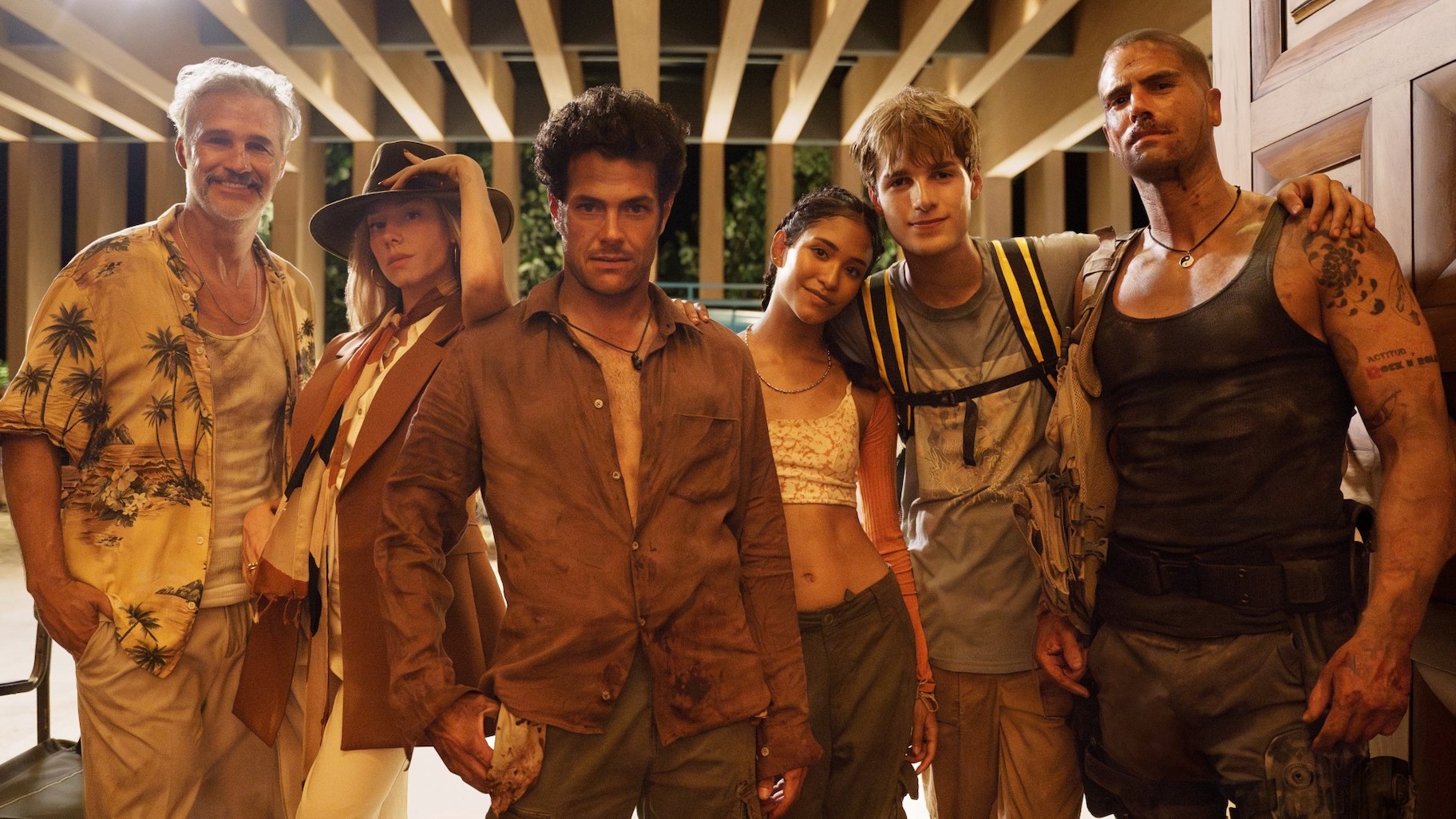
With a title as generic as Bandidos, the series is set up exactly how you’d expect: a charming group of antiheroes and weirdos somehow coming together and pulling off improbable schemes while cracking jokes and flirting with each other. There’s a reason this formula works, of course, and the show’s charismatic cast helps greatly in making this a smooth watch—especially during set pieces that almost always end in narrow escapes. But the series also isn’t able to inject enough of its own personality into the story (at least in the first two episodes watched for this review), which when coupled with obligatory, forced romance and uncomfortable jokes constantly made towards a minor, only causes Bandidos to fade into the already oversaturated realm of heist shows and movies with the exact same attitude.
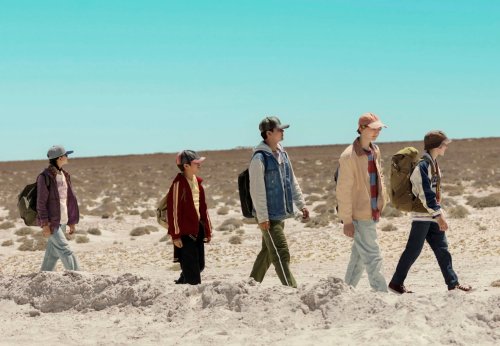
Based on Mark Miller and Peter Gross’ graphic novel American Jesus, The Chosen One opens with a tedious build-up and a predictable plot. The possibilities are endless when you have a superpowered Christ-like boy as a protagonist, but in four of the six episodes watched, the pacing only manages to come up with a myriad of miracles, a teenage love triangle, and strange voices in the wind. Even more potential is lost as side stories begin and never end, giving side characters backstories that only resurface to contextualize Jodie’s story. The worst of these is when one of Jodie’s spiritual possessions overshadows Tuka (the only native in his friend group), who is protesting the mistreatment of the Yaqui tribe. And although the Mexican setting and the secrets behind Jodie’s powers were initially exciting, the show ends up feeling as narrow as its 4:3 ratio.
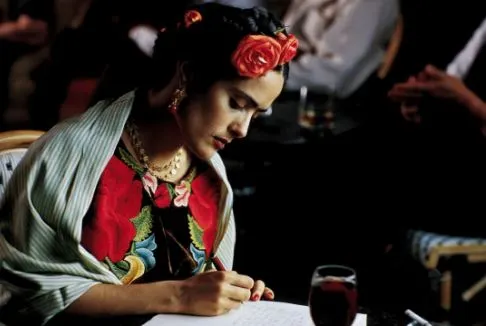
Frida is a biographical depiction of the life of famed Mexican artist Frida Kahlo, portrayed with unabridged passion and zest by Salma Hayek. It follows her early life (including a debilitating trolley accident that would haunt her physically), through her burgeoning passion for painting, her often tumultuous marriage to fellow artist Diego Rivera, and her notable dalliance with Leon Trotsky in later years. The heart of the film is the relationship between Kahlo and Rivera (Alfred Molina), as fiery and passionate as it was tender and sympathetic. Director Julie Taymor does an exceptional job of bringing both Kahlo and her art to life—her art quite literally through animation and visual effects that galvanize the viewer without distracting from the overall presentation of one woman’s remarkable true life story.