
Our take
Given the way this sprawling three-hour theatrical edit echoes the director’s real childhood, it’s easy to say that Fanny and Alexander is an autobiography. In some ways, it is. The dynamic with their stepfather was directly inspired by the director’s own father. In the hands of another director, it would have been easy to demonize the guy. But this is Ingmar Bergman directing his final film, so it should be no surprise that he meditates over the storytelling both father and son use in carving out their realities. At the same time, Fanny and Alexander encapsulated many of Bergman’s thematic concerns, clearly at his most personal.
The story
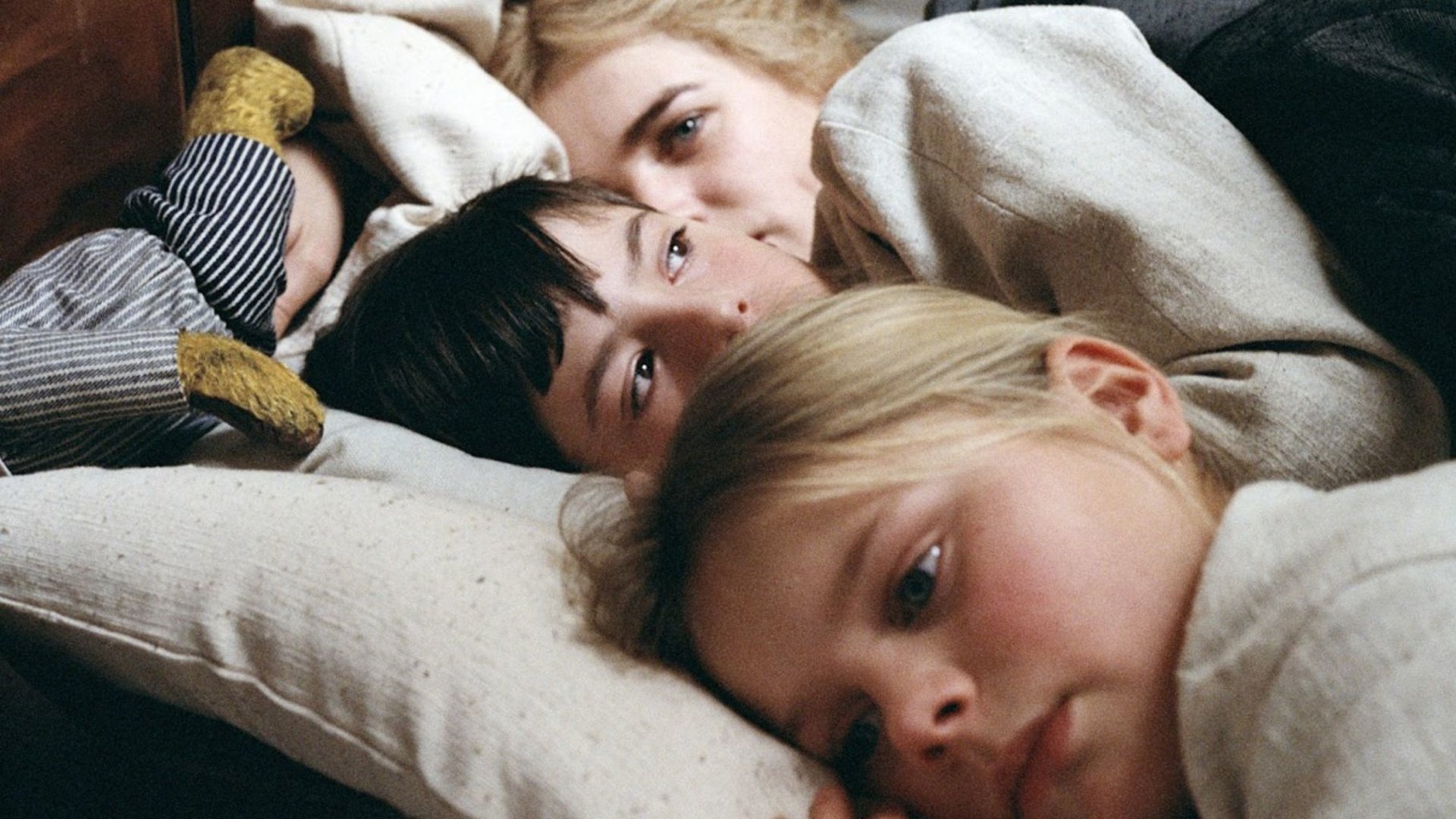
As children in the loving Ekdahl family, Fanny and Alexander enjoy a happy life with their parents, who run a theater company. After their father dies unexpectedly, however, the siblings end up in a joyless home when their mother, Emilie, marries a stern bishop. The bleak situation gradually grows worse as the bishop becomes more controlling, but dedicated relatives make a valiant attempt to aid Emilie, Fanny and Alexander.
Elsewhere

"Rock solid thrills and spills. Don't get comfy - this is edge-of-the-seat stuff."
— Matt Bochenski

"Redeeming itself with its zippy climax, "The Next Three Days" finally works by avoiding self-importance...Haggis has made the most watchable movie of his career. That's not saying much, but it's still saying something."
— Eric Kohn
As children in the loving Ekdahl family, Fanny and Alexander enjoy a happy life with their parents, who run a theater company. After their father dies unexpectedly, however, the siblings end up in a joyless home when their mother, Emilie, marries a stern bishop. The bleak situation gradually grows worse as the bishop becomes more controlling, but dedicated relatives make a valiant attempt to aid Emilie, Fanny and Alexander.
Streaming arrival
Who picked it

Isabella Endrinal is a curator at A Good Movie to Watch. She's now free from the corporate night shift. Previous articles have been published in outlets such as NANG Magazine. She's currently catching up on some classic films… if she isn't coping with the fact that the Haikyu anime will end soon.