
Rated 7+ IMDb · 70%+ RT Little-known finds Curated by humans
Rated 7+ IMDb · 70%+ RT Little-known finds Curated by humans
 1959 Movie
Dir. Yasujirō Ozu · Japan · Japanese
Two boys go on strike for a new television in this lighthearted domestic comedy
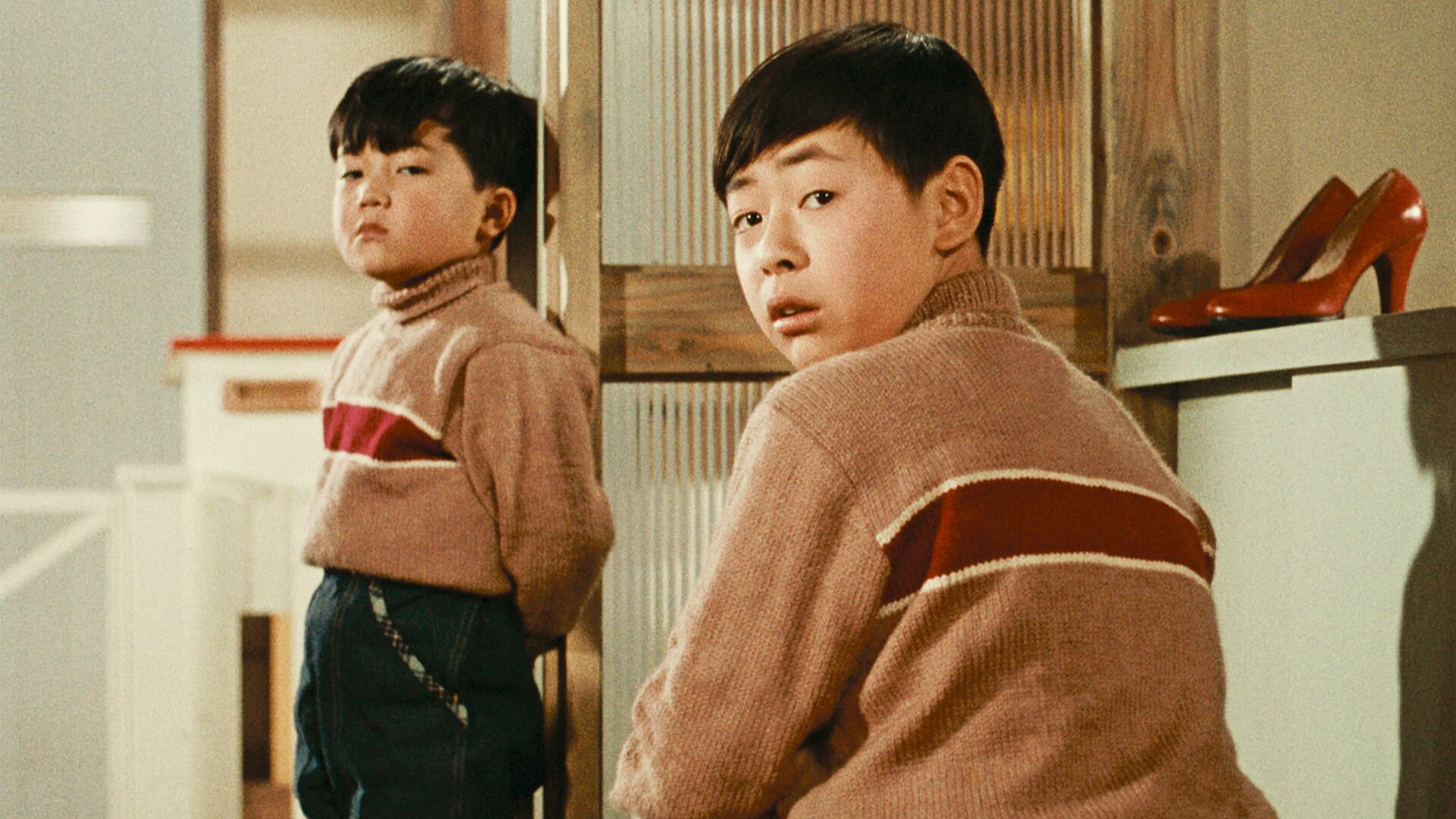
There’s something so delightful about watching Good Morning, the second of Yasujirō Ozu’s films in color. It’s easy to see why– the conflict is relatable, Ozu’s shots are immaculately framed in warm colors, and of course, the pouting children hoping to get a television of their own are just pinch-worthy adorable. But through the neighborhood conversations, the different generational concerns of each Hayashi, and a surprising amount of fart jokes, Good Morning subtly ponders on social niceties, the consideration we learn to give to others in silence, as well as the freely given affection that becomes harder to share as adults. Good Morning may not be Ozu’s most famous feature, but it’s nonetheless one of his most delightful to watch.
A lighthearted take on director Yasujiro Ozu’s perennial theme of the challenges of intergenerational relationships, Good Morning tells the story of two young boys who stop speaking in protest after their parents refuse to buy a television set. Ozu weaves a wealth of subtle gags through a family portrait as rich as those of his dramatic films, mocking the foibles of the adult world through the eyes of his child protagonists. Shot in stunning color and set in a suburb of Tokyo where housewives gossip about the neighbors’ new washing machine and unemployed husbands look for work as door-to-door salesmen, this charming comedy refashions Ozu’s own silent classic I Was Born, But . . . to gently satirize consumerism in postwar Japan.

"[Ozu's] sense of generational conflict in a society at risk from within is here at its sharpest and most anarchic."
— Richard Brody
In order to convince their parents to buy a TV set, Minoru and Isamu Hayashi decide to go on strike– staying silent and refusing to answer any adult that talks to them.
The children, of course. Sure, most of the plot and the subtleties move around them, but each of their funny scenes balance the more serious conversations the adults have with each other.
Adorable!

Berlin
1 nom

Isabella Endrinal is a curator at A Good Movie to Watch. She's now free from the corporate night shift. Previous articles have been published in outlets such as NANG Magazine. She's currently catching up on some classic films… if she isn't coping with the fact that the Haikyu anime will end soon.


Comments