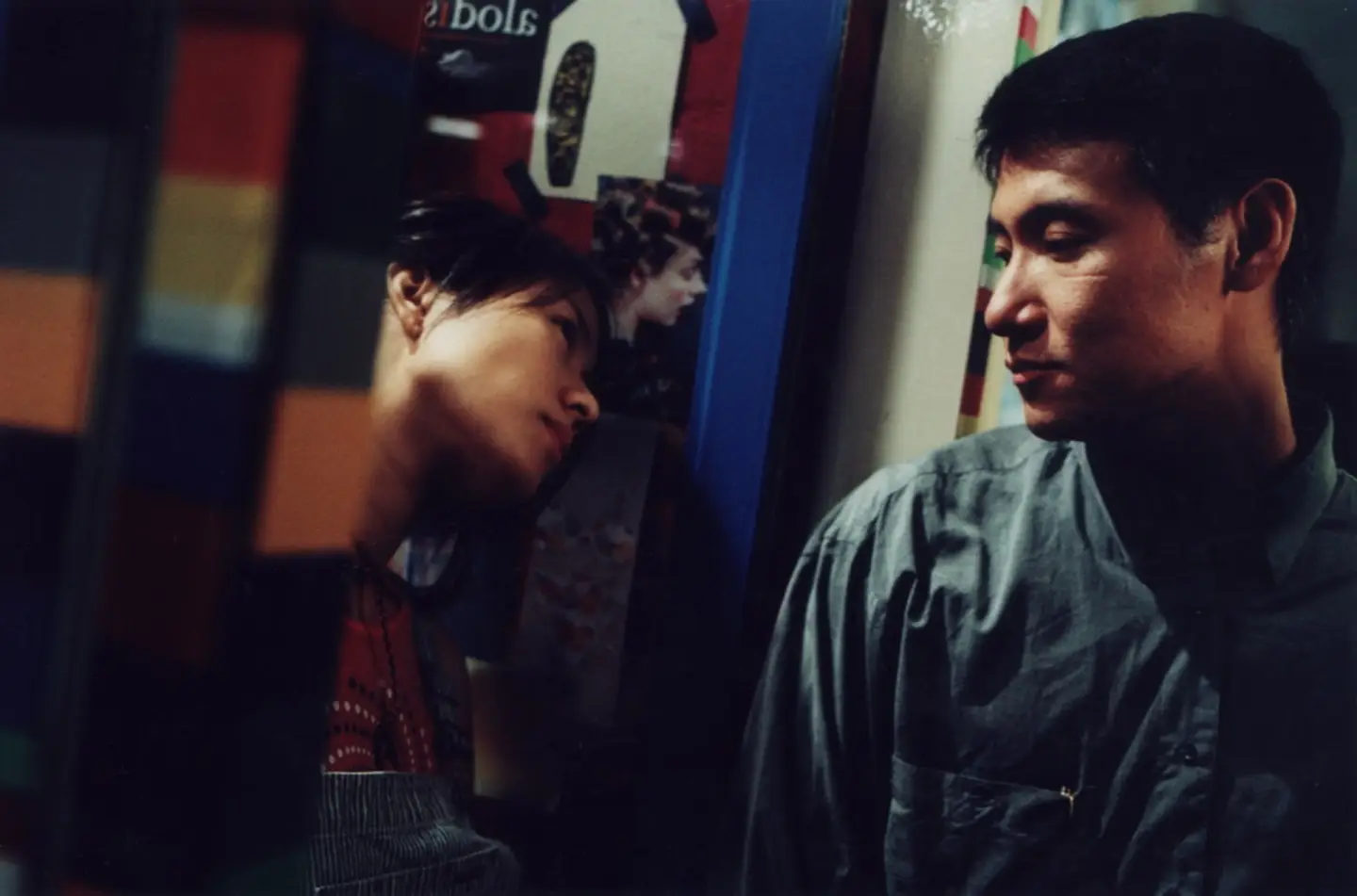

There are moments that irrevocably shape the rest of life, and for many of us, we stumble into them unprepared. Sometimes they lead to contentment. On the outside, it first seems like schoolteacher Lam Yiu-kwok has that, getting to share his passion for Chinese poetry to his students, and having built a life together with his childhood sweetheart Chan Man-ching. On the inside, however, it all came as a result of Chan’s infidelity with their former mentor. Because of this framing, July Rhapsody doesn’t emphasize on the taboo aspect of the May-December relationship. On the onset, it forecasts what exactly could happen if Lam repeats that cycle, and so director Ann Hui’s intention of examining that dynamic comes across as measured and non-judgemental, maybe even tragic. July Rhapsody does so in such a poetic way.

"July Rhapsody unfurls as a series of stories, one nested within the other; it’s a tricky narrative structure, handled with such deft offhandedness that you almost forget it’s there."
— Justin Chang
Outwardly, Lam takes pride in his job teaching Chinese literature at an elite school and in his caring wife and two sons. But deep down, the forty-year-old wrestles with unfulfilled desires stoked by jealousy over his friends’ professional successes and the advances of a flirtatious student. The sudden return of his former mentor finally upsets this delicate balance, forcing Lam to unearth the long-hidden truth about who he is and gain a new perspective on how to live the rest of his life.