
Movies Like The Highwaymen (2019)
To access filters, visit our homepage.












In Suncoast, writer-director Laura Chinn takes the personal tragedy of losing her brother to cancer and weaves it into something meaningful. The film is a sensitive meditation on death and grief, but it isn’t all grim. It’s also a coming-of-age story, one that focuses on Doris (Nico Parker), a version of Chinn’s younger self aching for normal teen experiences. The film is at its best when it zeroes in on Doris’ interiority and examines the duality of having to deal with so much death while still wanting to live a vibrant life. The surprising friendship that blooms between her and the popular kids as she chases after this life is one of the best depictions of authentic teen dynamics in recent memory. But the film is at its weakest when it tries to be something it’s not—that is, your usual tear-jerker indie fare that’s rife with lessons from a magical stranger (in this case played genially, but unnecessarily, by Woody Harrelson) and grievances from a grief-stricken mother (played powerfully by Laura Linney). To be sure, Harrelson and Linney (especially) deliver top-notch performances, but they feel shoehorned in an otherwise pitch-perfect film about a girl finding her place in the real world.
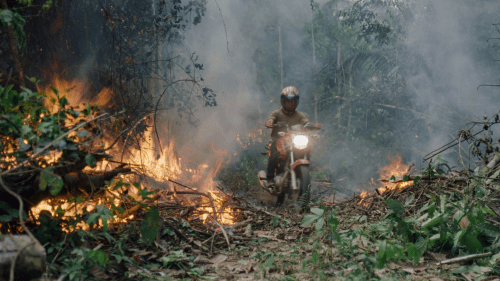
Surprisingly dramatic for a documentary but without exoticizing its central characters for a privileged audience, The Territory is that rare film that rightfully portrays indigenous peoples as living firmly in the present. In their continuing struggle to protect their land and culture, the Uru-eu-wau-wau people of the Amazon may be vulnerable, but they aren’t helpless. They’re organized, have access to technology, and know exactly how they want to represent themselves—armed with bows and arrows and defending what’s theirs in beautiful, thrilling footage. In this way, even as The Territory ultimately touches on issues that have affected all of Brazil, namely the destructive effects of Jair Bolsonaro’s presidency, it still feels like a documentary co-authored by these indigenous people themselves.

A nostalgic look at ’90s Belarus brings to bear a sharp generational divide. Evalina is a young DJ living in Minsk with her mother, but dreaming of Chicago, the birthplace of House music. Her attempts to gain a US visa land her in a small factory town, where the tensions between her modern lifestyle and old-time traditions boil over.
This promising debut from director Darya Zhuk features a mesmerizing palette of saturated colors and some striking shots calling to mind the work of Douglas Sirk, a star-making turn from lead actress Alina Nasibullina, and a dry wit that keeps the film lithe. At times, the somewhat heavy-handed script gets in the way, but Zhuk’s vivacious filmmaking is a pleasure.
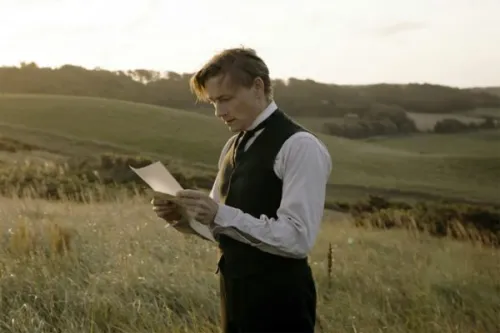
This is a gorgeous Danish period drama that’s based on a famous story and book in Denmark called Lykke-Per (or Lucky Per) by Nobel Prize-winning author Henrik Pontoppidan.
Per, the son of an overbearing catholic priest, leaves his family house in the country side to seek a new life in Copenhagen. His passion about engineering was at the time contrary with the Christian faith, but manages to introduce him to the capital’s elite, and a chance at social ascension.
Lykke-Per and A Fortunate Man are about nature versus nurture. Per’s passion about engineering and renewable energy (back in the 1920s) is set against his need to emancipate and the pride that was instilled in him by his upbringing.

At the age of 17, Héctor runs away from a juvenile detention center and embarks on a journey to find a shelter dog he had befriended in a rescue center whom he has found out has just been adopted. Along his quest, he is joined by his ailing grandmother and older brother.
Featuring beautiful landscapes of northern Spain, wonderful chemistry between the two central actors, and a simple yet dynamic story, Seventeen proves that what makes a movie great is the quality of its ingredients, not the quantity.
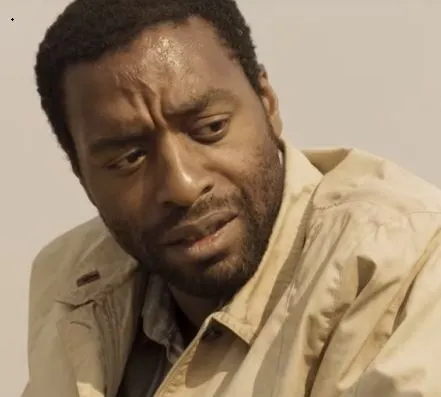
This movie’s energy is completely intoxicating.
It’s the directorial debut of renown British/Nigerian actor Chiwetel Ejiofor, but it feels like the work of a veteran.
In a true story told in English and Chichewa (a language from Malawi), a young boy is expelled from school because his parents couldn’t afford tuition. At the same time, his village is struck by a variety of natural circumstances that bring them the threat of drought and famine.
The young boy sneaks into the library in the hopes of making a windmill and saving his village, and you can guess what follows from the title.
The triumph of engineering and a boy with a dream; mix in an incredibly interesting culture, full of unique family dynamics and a thought-provoking intersection between religion, tradition, and technology. The result is a delicate but uplifting movie, not to be missed.
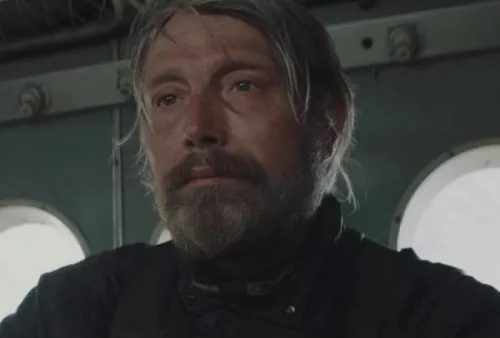
There are far too many things that are worse in life than being on a journey with Danish super talent Mads Mikkelsen (Hannibal, The Hunt).
And that is what this 98-minute movie is: an almost one-actor movie set in the arctic. Mikkelsen plays a man trying to survive a plane crash, which at some point becomes about deciding whether to embark on a dangerous journey or stay in the plane rubble and risk a slow death.
It’s an extremely well-acted movie with nail-biting suspense. Bonus fact: it received a 10-minute standing ovation when it premiered at the Cannes film festival this year.
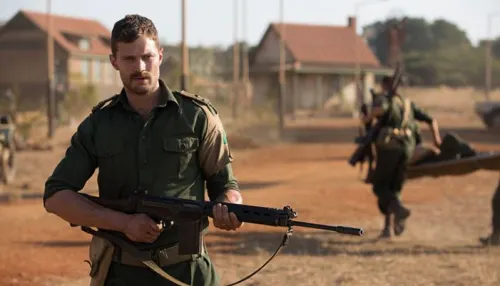
The Siege of Jadotville is a different kind of war movie. It doesn’t recount famous battles or portray renowned heroes – instead, it’s about heroes and events that went completely unnoticed. Namely, the Irish 35 Battalion ‘A’ Company – a group of youngsters who are sent out on a U.N mission to the Congo. What was supposed to be a simple positioning quickly becomes one of the most sought-after locations and the battalion of 150 ‘war-virgins” find themselves up against 3000 mercenaries led by experienced French commandants. And what a tribute this film is: it’s well-paced, powerfully shot, and the acting, led by Jamie Dornan on one side and Guillaume Canet on the other, is absolutely perfect.
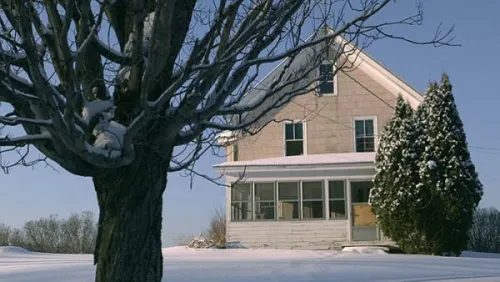
There are two ways to sum up this documentary. One will make you decide against watching it. Here’s that pitch: This is the story of a homeless woman who was found dead.
Here’s the better pitch: That woman was highly educated and generally lived a happy life. But she also left behind a detailed journal that recounts her final days in one of the coldest winters on record. She lived on apples and rainwater and fought off insanity.
Her heartbreaking story is one of disappointment and betrayal by society at a time when she was most vulnerable. A haunting and compelling documentary that is sure to stay with you for a long time and, in a way, might help you take on adversity.
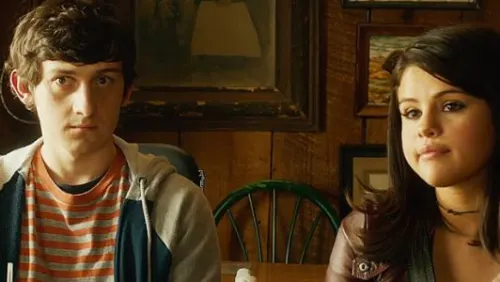
The Fundamentals of Caring is an offbeat comedy/drama starring Paul Rudd as a man attempting to overcome his looming divorce by becoming the caretaker for a teenager with muscular dystrophy (Craig Roberts, Submarine). The two develop an unconventional relationship based largely on sarcasm and profanity, delivering many laugh-out-loud moments, while also slowly exposing the pain each is carrying inside.
Together, at Ben’s urging, they embark on a road trip across the western United States for Craig to see the world. It’s somewhat formulaic but fun and touching road movie that covers much familiar ground, but also offers a fine illustration of caregiving, personal growth, and emotional healing. Paul Rudd is as good ever, and Roberts is utterly superb. One of the best movies on the Netflix Originals catalog, and an undeniable winner, all-in-all.